Carburetor Deposits and the R5 Engine Test: CEC Standards & Fuel Additive Ratings
The Renault 5 (R5) carburetor deposits engine test (standardized under CEC F-03-A-93 and CEC F-04-A-87) is an internationally…

Cleaning Guides represents an empirical taxonomy of surfactant thermodynamics, enzymatic soil decomposition, and multi-surface decontamination protocols engineered to extract bonded particulate matter, solubilize lipophilic residues, and arrest oxidative staining without degrading the structural tensile integrity of residential textiles and architectural finishes.
Technical analysis of fuel additive detergency, deposit mitigation standards, and ultrasonic cleaning parameters.
Complete troubleshooting methodology for washing machine drain pump blockages, pressure switch resets, and error codes.
Industrial safety protocols for handling solvent-contaminated textiles, selecting surfactant emulsifiers, and preventing combustion.
Decontamination and surface restoration operate at the intersection of colloidal chemistry, surface thermodynamics, and material conservation. Soil adherence to residential surfaces and garment textiles relies on van der Waals forces, electrostatic interactions, and capillary oil-binding. Effective removal requires reducing water surface tension from its baseline 72.8 mN/m down to less than 30 mN/m, allowing active aqueous dispersion into micro-porous substrates.
Modern cleaning formulations balance four critical thermodynamic forces known in textile science as Sinner’s Circle: mechanical agitation, chemical action, thermal energy, and contact duration. When addressing delicate substrates such as untreated hardwood, natural protein fibers (wool, silk), or sintered stone, thermal and mechanical inputs must be strictly throttled to prevent fiber felting, dye-bleeding, or micro-abrasions, requiring a calculated increase in enzyme kinetics or non-ionic surfactant contact time.
Enzymatic cleaning represents the gold standard in non-destructive spot treatment. Proteases catalyze the hydrolysis of complex peptide bonds in blood and food stains; lipases hydrolyze glycerol esters in sebum and culinary oils; and amylases target gelatinized starches. Maintaining wash bath temperatures between 35°C and 45°C with a stabilized neutral pH (6.5 to 7.5) maximizes enzyme catalytic velocity while preventing denaturing, ensuring maximum soil release with minimal mechanical abrasion.
| Soil Classification | Active Chemical Mechanism | Thermodynamic / Kinetic Range | Substrate Conservation Outcome |
|---|---|---|---|
| Lipophilic Greases & Oils | Non-ionic alcohol ethoxylates & organic solvent emulsifiers | 40°C – 55°C / High contact duration | Complete micelle encapsulation without fiber swelling |
| Proteinaceous Soils (Blood, Egg) | Alkaline protease enzymes with buffering stabilizers | 30°C – 42°C / Gentle agitation | Peptide chain cleavage preventing heat-induced set-in |
| Tannin & Polyphenol Stains (Wine, Coffee) | Mild acidic rinses (acetic/citric) followed by sodium percarbonate | 20°C – 40°C / Controlled oxygen release | Chromophore oxidation without cellulosic fiber degradation |
| Inorganic Mineral Scale & Lime | Chelating agents (EDTA, sodium citrate) and sulfamic acid | Ambient to 30°C / Static immersion | Dissolution of calcium carbonate lattice without etching seals |
Hot water accelerates chemical reaction rates and melts fats with melting points above 35°C, but denatures protein stains, permanently setting them into textile fibers. Cold water prevents dye-bleeding and protects protein structures while preserving enzymatic activity.
Surfactants contain hydrophilic heads and lipophilic hydrocarbon tails. The tails embed within the hydrophobic oil droplet, while the heads align with water molecules, forming spherical micelles that lift the soil into suspension for clean rinsing.
Extreme alkaline cleaners (pH > 10) hydrolyze the amide bonds in wool and silk keratin, causing fiber brittleness and yellowing. Highly acidic solutions (pH < 3) attack cellulosic cotton chains and dissolve calcium matrices in natural marble and stone.
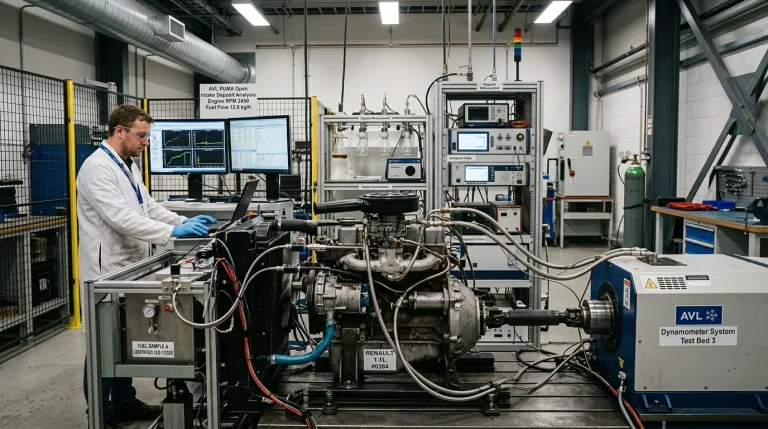
The Renault 5 (R5) carburetor deposits engine test (standardized under CEC F-03-A-93 and CEC F-04-A-87) is an internationally…

When selling real estate, vendor disclosure requirements and statutory decontamination mandates apply equally to chemical contamination originating from…
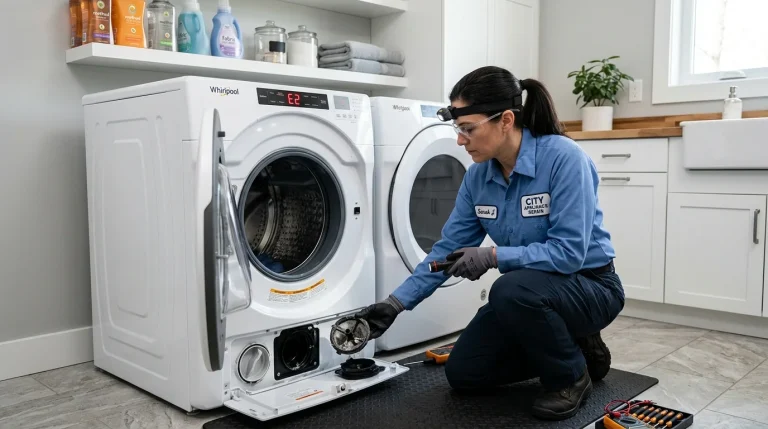
Washing machine error code E2 (or E02) indicates a water drainage timeout or drain pump failure, signaling that…
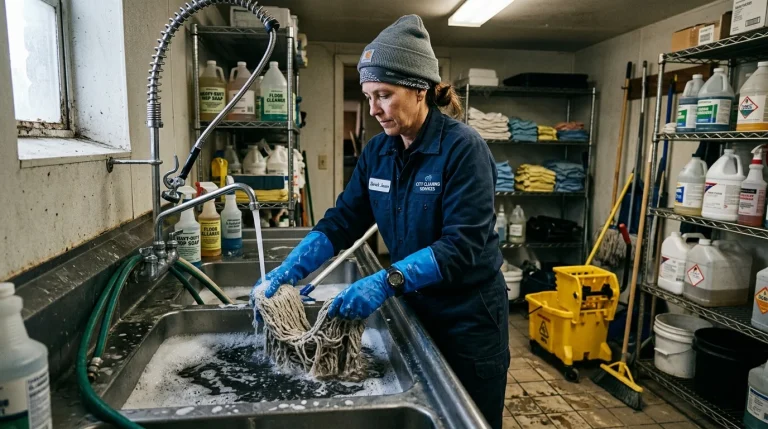
To wash a mop soaked in solvent safely, use a heavy-duty industrial degreaser detergent containing non-ionic surfactants (such…
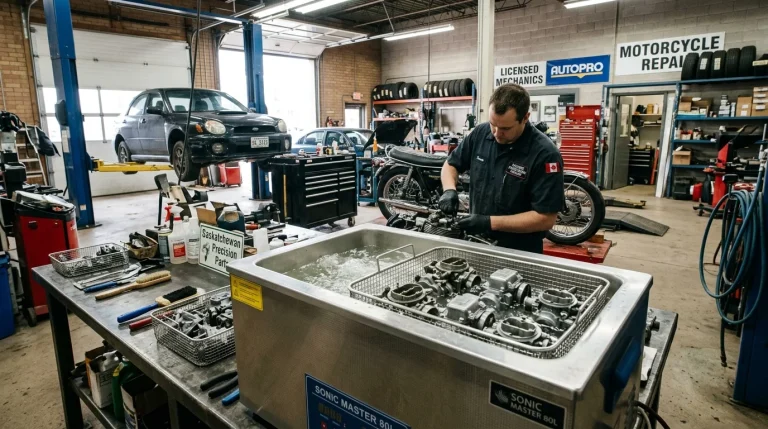
To get a carburetor cleaned in Saskatoon, Saskatchewan, equipment owners can utilize commercial heated ultrasonic cleaning, cold solvent…
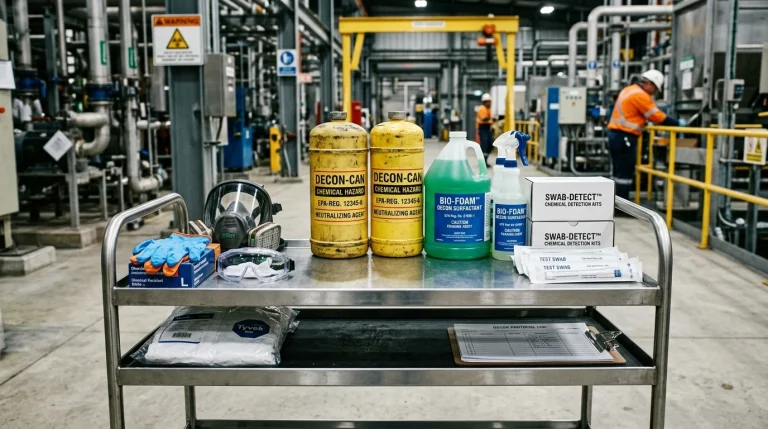
To decontaminate a house contaminated with methamphetamine, certified hazmat contractors deploy three specialized product categories: 1) industrial alkaline…
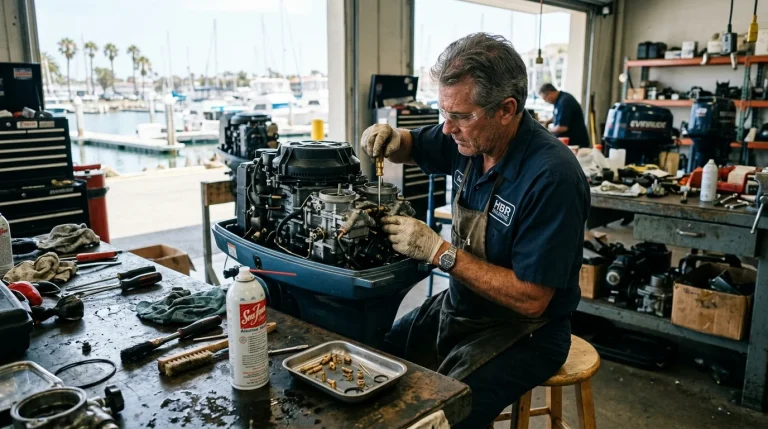
To clean an outboard motor carburetor effectively, disconnect the fuel line and throttle linkages, unbolt the carburetor from…
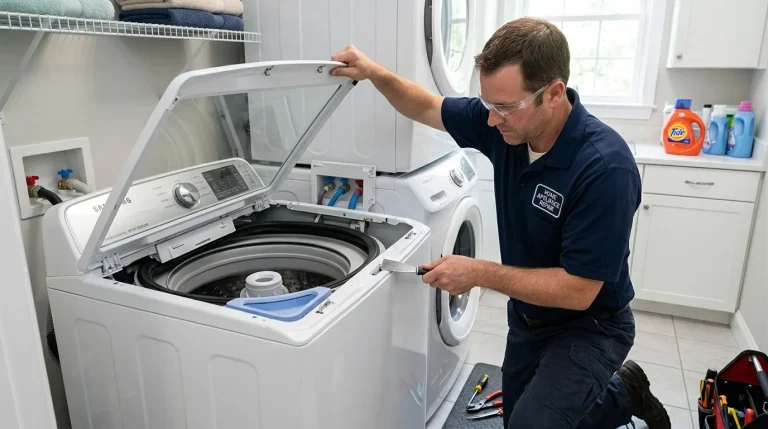
To dismantle the top panel of a washing machine, unplug the power cord and shut off both water…
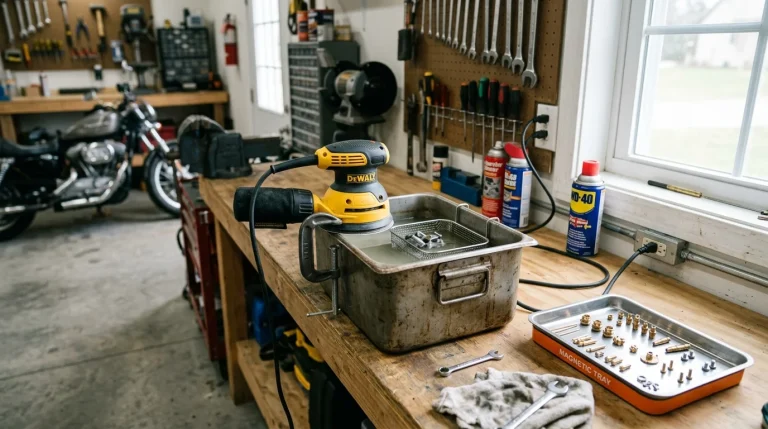
A palm sander made into a carburetor cleaner is an improvised workshop setup where an electric orbital sander…
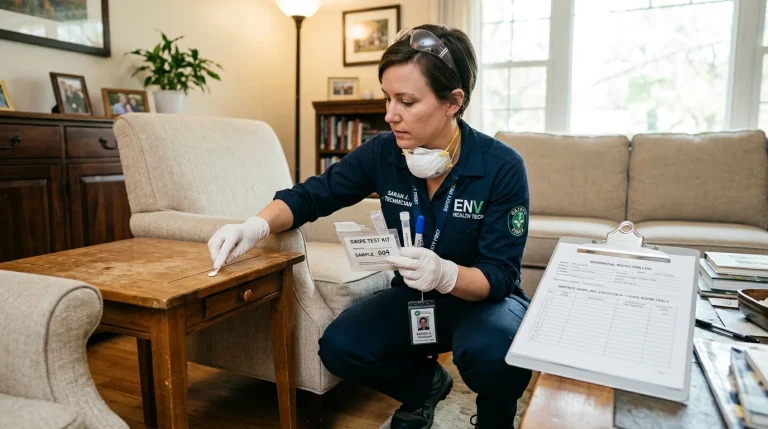
Whether furniture is safe to use after being in a house contaminated with methamphetamine depends strictly on material…
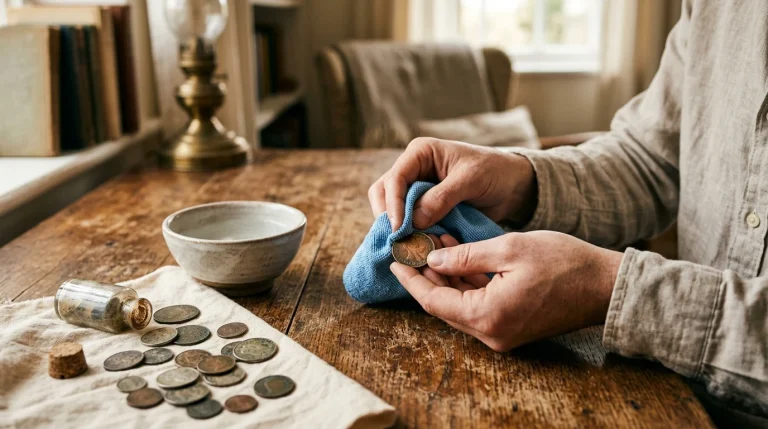
To clean and shine metal coins at home safely, first determine if the coin has numismatic collector value…

The only safe and effective way to address methamphetamine odor in a property is through comprehensive structural chemical…
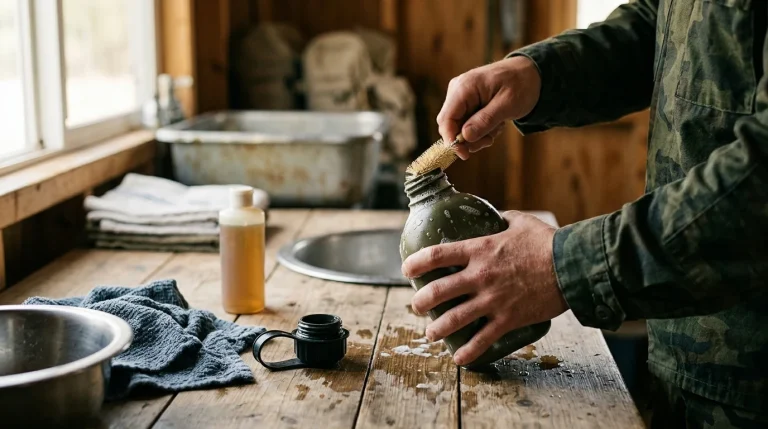
To wash a JCLC (Junior Cadet Leadership Challenge) canteen effectively, disassemble the cap and rubber sealing gasket, wash…
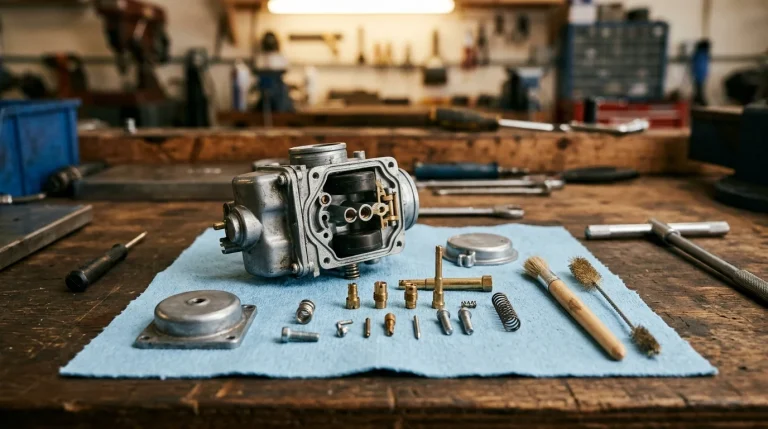
No, you should never boil a carburetor in Original Simple Green. Original Simple Green is an alkaline cleaner…

To make a safe and effective homemade mineral spirits cleaner, blend 4 parts standard or odorless mineral spirits…
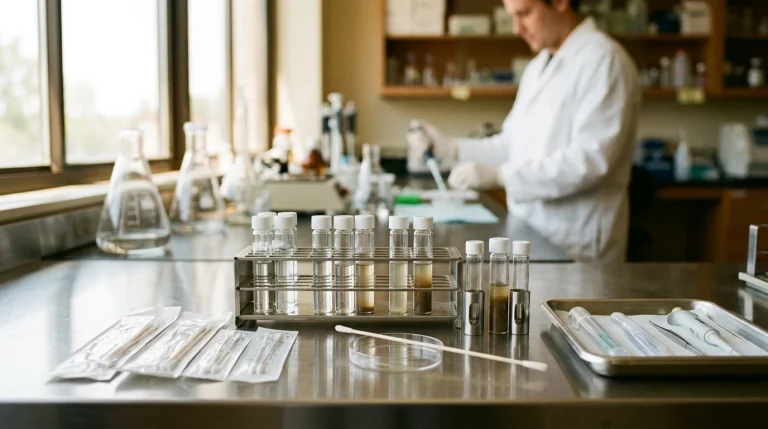
To remediate meth and MSM residue on household surfaces, isolate the affected zone with negative air pressure, remove…
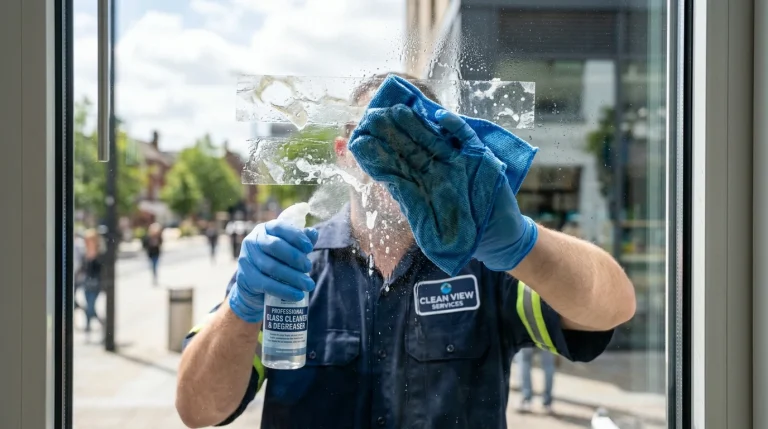
Removing sticky residue from windows with spirits involves applying mineral spirits (petroleum distillates) or methylated spirits (denatured alcohol)…

Prada handbag care is the specialized conservation protocol for cleaning, conditioning, and protecting luxury Prada bags crafted from…
Finding the best cleaning hacks tips and tricks can be the difference between spending your entire weekend scrubbing…
Wondering how to make your house smell good before guests arrive? We tested everything from classic stovetop simmer…