Cleaning Shoes

Cleaning Shoes represents a specialized material care discipline focusing on hydrophobic barriers, enzymatic decontamination, and mechanical preservation engineered to extract deep particulate soil, eradicate microbial mildew, and condition sensitive shoe uppers without degrading midsole vulcanization, dissolving adhesive bonds, or stiffening delicate suede naps.

Foundational Pillar Guides (Start Here)

Color Restoration

White Wonders: How Do You Keep White Shoes Clean for Freshness!

Optical restoration protocols for white footwear, addressing oxidation, yellowing midsoles, and canvas fiber brightening.

Microbial Protocol

Insider Secrets: How to Clean Mold from Shoes for a Fresh Look

Sanitation and antifungal extraction methods designed to neutralize mold spores within leather and fabric shoe linings safely.

Performance Gear

Expert Tips: How to Clean Hoka Tennis Shoes for Maximum Comfort

Technical care guidelines for modern athletic knit runners, protecting high-stack EVA/PEBA foam midsoles and breathable mesh.

Material Science of Footwear: Leather, Suede, Knit Mesh & Elastomers

Athletic, casual, and formal footwear represent complex assemblies of heterogeneous materials—including open-cell mesh, closed-cell ethylene-vinyl acetate (EVA) foams, full-grain leathers, split-grain suedes, and polyurethane adhesives. Each material possesses distinct moisture tolerances, solvent sensitivities, and tensile limits. Treating footwear with indiscriminate washing machine cycles frequently results in glue dissolution, toe-box warping, and leather dehydration.

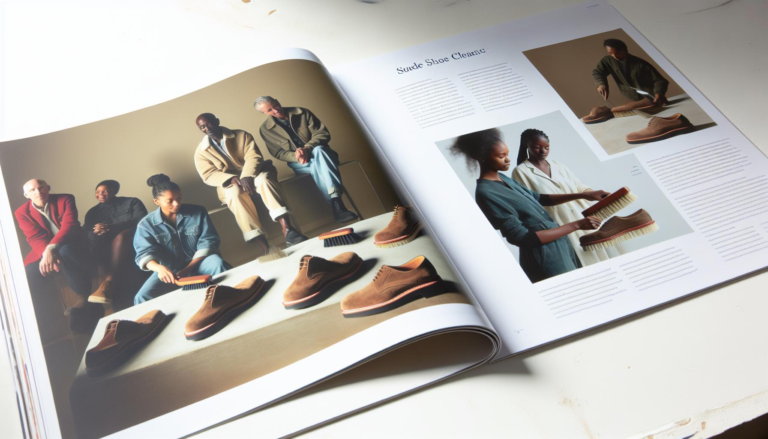
Suede and nubuck maintenance requires strictly moisture-controlled mechanical protocols. Because split suede lacks the dense epidermal grain layer of full-grain leather, excessive water causes water-spot staining, fiber stiffness, and nap collapse. Professional restoration relies on brass or crepe brushes for dry particle extraction, followed by solvent-borne foam cleaners and fluoropolymer hydrophobic waterproofing sprays to restore barrier properties.

White sneaker restoration confronts two distinct degradation pathways: mechanical soil entrapment within fibrous textiles and photo-chemical oxidation of EVA or rubber sole compounds. While surface soils surrender to alkaline surfactant foaming and soft horsehair bristle agitation, yellowed midsoles result from UV-induced free radical polymer breakdown. Reversing this yellowing requires hydrogen peroxide cream activation under 365nm ultraviolet radiation to restore original whiteness.

Shoe SubstrateCleaning Agent / ToolMoisture / Heat LimitStructural Preservation Rule
White Knit Mesh (Flyknit, Primeknit)Oxygenated bleach foaming solution + medium-soft nylon brushCold to lukewarm (max 30°C) / Air dry onlyAvoid high-spin machine washing; maintain knit tension with cedar shoe trees
Suede & NubuckCrepe brush, suede eraser & anhydrous foam cleanserZero direct liquid water / Ambient air dryingBrush exclusively with the grain direction; reset nap before applying silicone-free protector
Full-Grain Calfskin LeatherpH-neutral saddle soap followed by beeswax/lanolin balmMinimal damp microfiber contactReplenish essential natural oils within 2 hours of drying to prevent crease cracking
EVA & Rubber MidsolesMelamine foam sponge or 12% hydrogen peroxide gel with UV cureAmbient temperature / UV 365nm exposureAvoid solvent contact with painted accents or upper bonding cement

Topic Directory & Specialized Care Methodologies

Frequently Asked Questions (FAQ)

Can athletic running shoes be safely cleaned in a washing machine?

Machine washing is generally discouraged because the centrifugal spin forces and prolonged water saturation dissolve water-based midsole adhesives and degrade high-performance PEBA/EVA foam dampening. Hand cleaning with dedicated foaming agents is recommended.

How do you reverse yellowed white shoe midsoles?

Yellowing is caused by polymer oxidation rather than surface dirt. Applying a 10% to 12% hydrogen peroxide deoxidizing emulsion evenly across the sole and exposing it to natural sunlight or UV lamps reverses the oxidation reaction safely.

What is the proper method to eliminate odor-causing bacteria from shoes?

Odors stem from bacterial metabolic byproducts (isovaleric acid) within sweat-saturated insoles. Remove the insoles, treat them with a 70% isopropyl alcohol mist or zinc ricinoleate spray, and allow complete air drying in a ventilated space.