Can You Flush When Water Is Turned Off? Quick Solutions
Can you flush when water is turned off? Discover quick, effective solutions to handle toilet use during water outages and avoid plumbing hassles today.

Emergency Procedures represents a contingency plumbing engineering and emergency domestic sanitation protocol framework guiding homeowners through alternative gravity-fed waste evacuation and pressure containment techniques ensuring sanitary waste removal, preventing sewer backflow, and protecting pipes during water outages or freezing emergencies.
Immediate gravity-assisted flushing techniques for residential toilets when municipal water supply is completely shut off.
Single-cycle reserve tank management: how to safely utilize the final remaining tank water during a water emergency.
Comprehensive contingency guide for maintaining domestic sanitation and waste evacuation during extended municipal water outages.
Modern flush toilets are siphonic hydraulic engines that do not require water line pressure to evacuate bowl contents. Instead, flushing depends entirely on the rapid introduction of approximately 1.5 to 2 gallons (6 to 8 liters) of water into the bowl within a three-second window. This sudden volume rise fills the trapway, initiating a self-sustaining atmospheric siphon that evacuates solids into the main soil stack.
During municipal water service interruptions, power outages in homes on private well pumps, or frozen pipe emergencies, domestic sanitation becomes an urgent health priority. Understanding manual gravity flushing protocols prevents unnecessary waste accumulation while conserving potable bottled water reserves for drinking and food preparation.
In freezing conditions, water trapped inside uninsulated exterior walls expands by approximately 9% upon crystallization, exerting internal hydrostatic pressures exceeding 2,000 psi. Attempting to flush or open fixtures during active freezing without properly inspecting supply pipes risks catastrophic pipe rupture upon thaw, flooding domestic interiors.
| Emergency Scenario | Hydraulic Failure Mode | Actionable Contingency Protocol | Safety & Contamination Risk |
|---|---|---|---|
| Municipal Water Service Shutoff | Zero supply line pressure; tank fails to refill after flush | Pour 1.5–2 gallons of graywater directly into center of bowl rapidly | Do not waste potable bottled water; use melted snow, pool water, or rainwater |
| Frozen Water Supply Lines | Ice blockage creates closed hydrostatic pressure spike | Keep faucets cracked open; apply gentle heat (hair dryer/heat tape); check pipe integrity | Never use open flame torches; inspect pipe seams for hairline splits before thawing |
| Electrical Grid Power Failure (Well Pump Off) | Pressure tank exhausts reserve water after 1–2 cycles | Utilize stored graywater for gravity pour flushing; minimize flush frequency | Ensure backwater check valves prevent contamination between well and house |
| Severe Thunderstorm Plumbing Surge | Lightning ground dissipation into metallic plumbing or vent stacks | Avoid contact with metallic faucets, showers, and hardwired appliances during lightning | Electric shock hazard if utility ground bonding is compromised |
Pour 1.5 to 2 gallons of water directly and forcefully into the bowl (not the tank). The sudden rush of liquid immediately triggers the internal siphon trapway, pulling all waste down the sewer line without needing water pressure.
Yes. Non-potable graywater—including swimming pool water, collected rainwater, or melted snow—functions identically to tap water for gravity pour flushing, preserving your purified water for hydration.
Pour-flushing is safe because the drain line is usually empty and larger in diameter (3 to 4 inches). However, never attempt to fill the tank or force open frozen water supply valves until the supply lines have thawed and been checked for leaks.

Can you flush when water is turned off? Discover quick, effective solutions to handle toilet use during water outages and avoid plumbing hassles today.
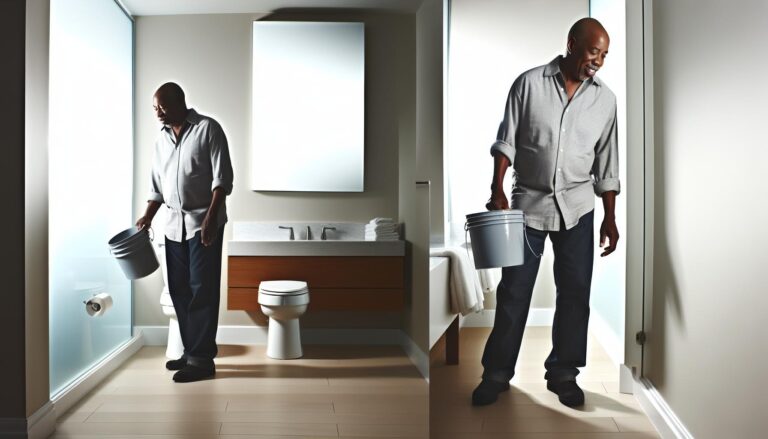
Can you flush once when water is off? Discover a quick, one-time emergency fix to solve flushing issues and avoid costly water interruptions today!
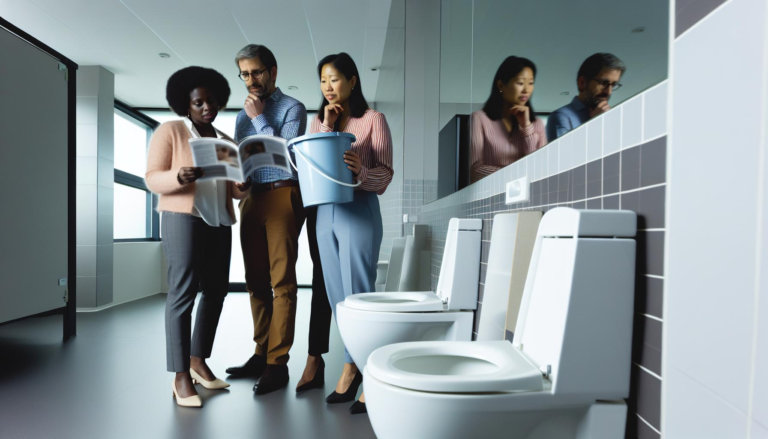
Can you flush if water is off? Discover easy emergency toilet solutions to stay sanitary and stress-free when water’s unavailable. Learn practical tips now!

Can you flush during a thunderstorm? Discover the lightning safety truth and learn what risks to avoid to protect yourself and your home now.

Can you flush if water is turned off? Discover easy, effective alternative methods to manage toilets during outages and avoid unpleasant emergencies now.
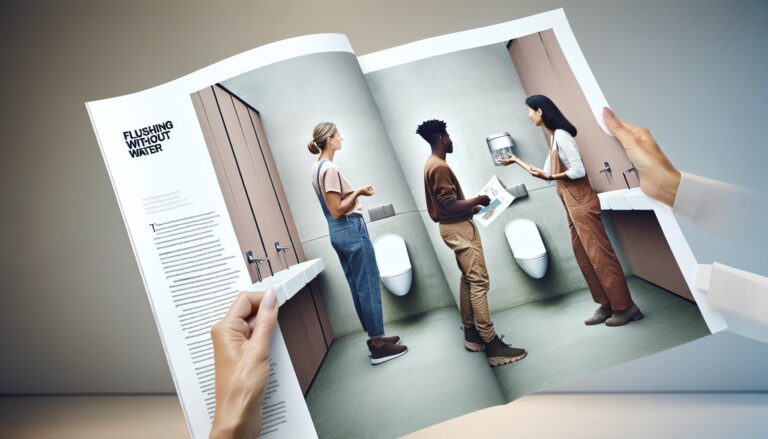
Can you flush with the water off? Discover effective hacks to flush toilets without water and solve emergencies fast. Learn what actually works now!
Can you fill toilet tank with water to flush? Discover an easy emergency fix to get your toilet working fast and avoid costly plumber delays today!

Discover how to flush with water off using simple manual flushing techniques. Learn quick, effective solutions to avoid plumbing issues and save water today!

Can you flush poop with a bucket of water? Discover quick, effective emergency flush tips to avoid plumbing issues and stay hygienic when water runs low.

Can you flush when pipes are frozen? Discover expert winter plumbing tips to prevent damage, get safe solutions, and protect your home this cold season.
Can you flush when the water is off? Discover no-power solutions to keep your toilet working during outages and avoid costly plumbing emergencies now!

Can you flush if the water is turned off? Discover no-water tricks to keep your toilet working smoothly during outages and avoid plumbing headaches now.

Can you put water in toilet to flush? Discover quick, effective emergency solutions to fix flushing problems and keep your bathroom running smoothly today.

Can you flush if the water is off? Discover the manual flushing method to solve this urgent issue quickly and keep your bathroom functional without running water.

Discover if you can flush when water is off and learn quick emergency bathroom fixes to avoid discomfort. Get expert tips to solve the problem fast!
Can you flush without water? Discover emergency toilet solutions that work when water’s gone-learn simple, effective methods to stay hygienic and stress-free now.

Can you flush the toilet when the water is off? Discover simple manual methods to solve this common issue quickly and avoid bathroom emergencies today!

Can you flush the toilet when the power is out? Discover easy, no-power methods to keep your bathroom running smoothly and avoid urgent plumbing stress.

Discover how pouring water in your toilet tank can flush it in emergencies. Learn this quick, effective trick to avoid plumbing hassles instantly!

Discover how to make a toilet flush without running water using simple, effective tricks. Learn quick solutions to fix plumbing woes and save water now!