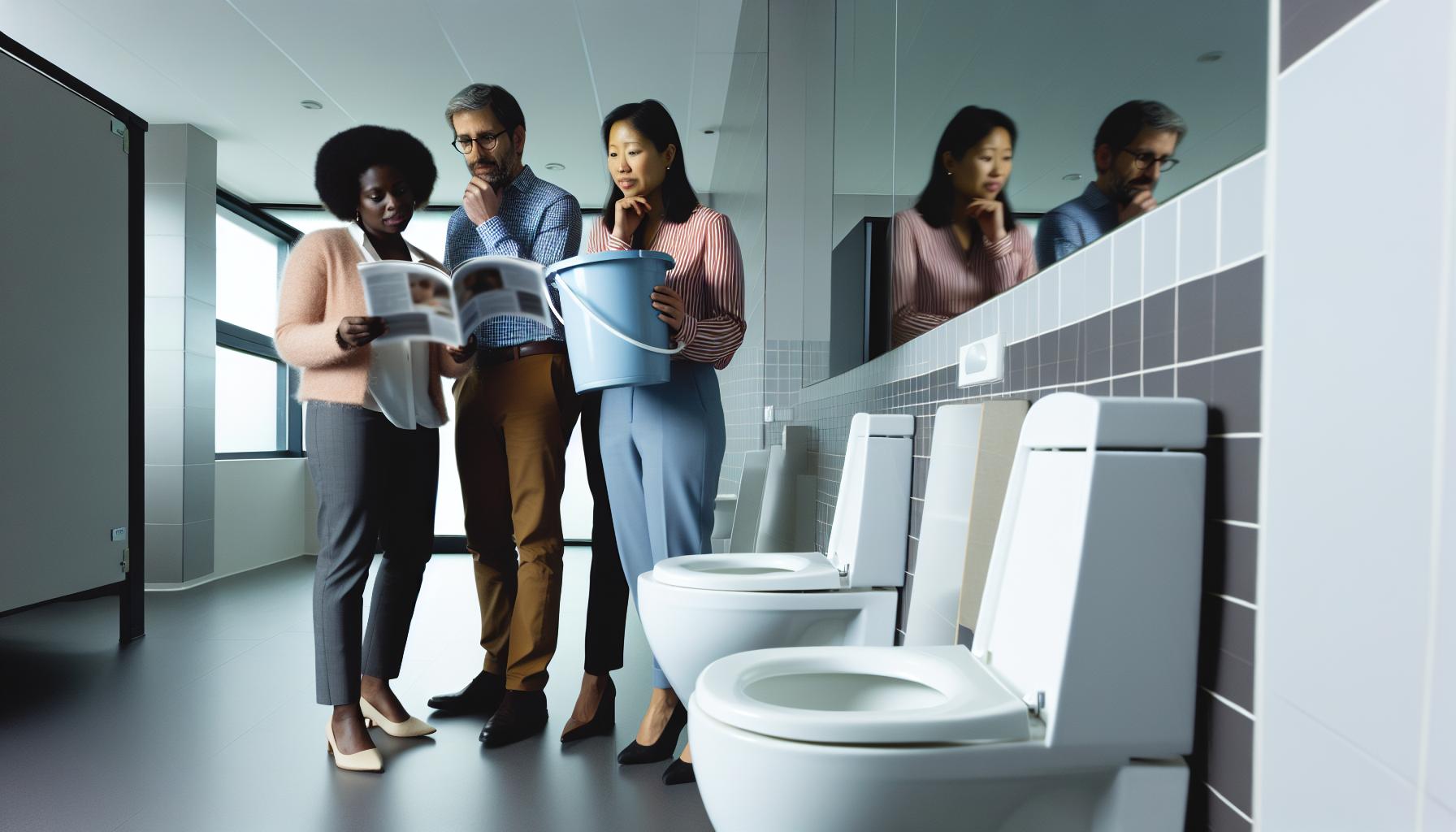
Can You Flush If Water Is Off? Emergency Toilet Solutions
When the water turns off unexpectedly, the question ”Can you flush if water is off?” quickly becomes a pressing concern for every household. flushing toilets typically depend on water,but emergencies like natural disasters,plumbing failures,or utility outages force us to rethink our sanitation options. Understanding practical emergency toilet solutions not only helps maintain hygiene but also prevents health risks during these challenging times.Whether you’re planning ahead for potential disruptions or currently facing a water outage, knowing how to manage waste safely without water is essential. In this guide, you’ll discover effective, easy-to-implement methods that keep your home sanitary when the usual flushing isn’t possible. LetS explore how you can stay prepared, protect your family’s health, and handle emergency toilet situations with confidence and clarity. This knowledge is invaluable for anyone wanting peace of mind in uncertain conditions.
How Traditional toilets Work Without water
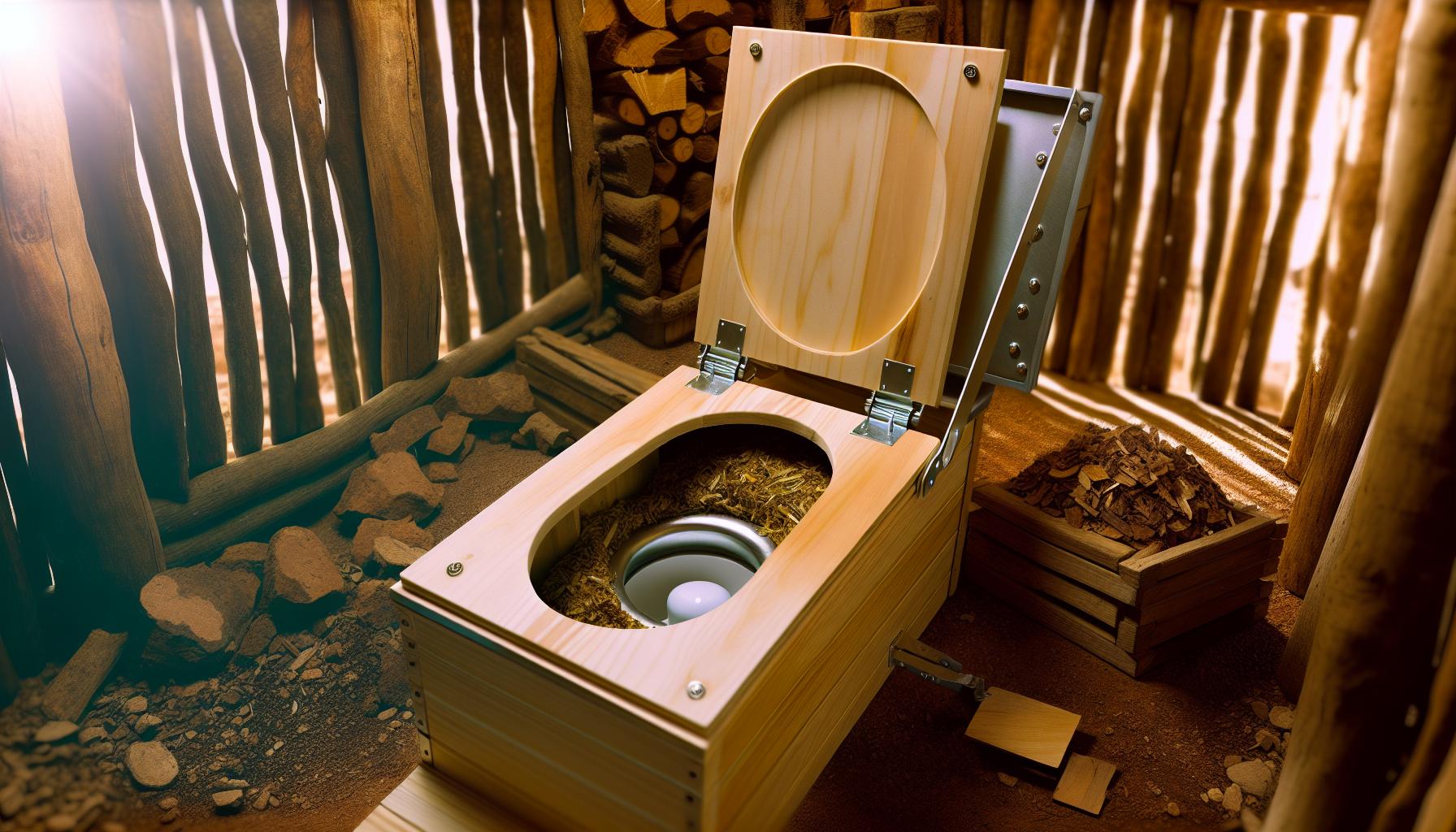
A traditional toilet relies fundamentally on gravity and water to remove waste efficiently. When you press the flush handle, water stored in the tank flows rapidly into the bowl, pushing waste through the trap and into the sewer or septic system. This water not only moves waste away but also creates a water seal within the bowl’s curved trapway that prevents sewer gases from entering your bathroom. Without this water flush, the system’s natural flow and odor barrier are compromised, making it challenging to operate a standard toilet effectively.
Though, even without an active water supply, the toilet’s basic mechanical components-the handle, flapper valve, and trapway-remain intact and functional. Some toilets can still perform a limited flush immediately after the water supply is cut off because the tank holds a finite amount of water that hasn’t yet been used. Once that stored water is gone,flushing will not work normally unless you manually add water into the bowl.This is a crucial insight for emergencies: the presence of water in the tank or bowl is indispensable for flushing, but you can replicate that effect by pouring water directly into the bowl to trigger the siphoning mechanism.
- Water storage is key: The tank’s reservoir holds a finite volume that powers each flush; without refill capability,it’s a one-time reserve.
- Gravity-driven flow: The hydraulic pressure and gravity pull waste through the trap; without water, this action is disabled.
- Water seal importance: Prevents odors by maintaining a water barrier in the trap, which must be replenished to avoid unpleasant smells.
Fascinating real-world examples show that people cope by pouring several gallons of water from any available stored source (bucket, bottles, or collected rainwater) into the bowl forcefully, mimicking the tank’s rapid release during a flush. this manual “flush” can discharge waste effectively in many cases, bridging the gap left by the absence of running water. Understanding these underlying principles empowers you to troubleshoot and adapt your toilet’s use during a water outage, leveraging the toilet’s mechanical design even when the typical water supply is disrupted.
Immediate steps when Water Supply Is Cut Off
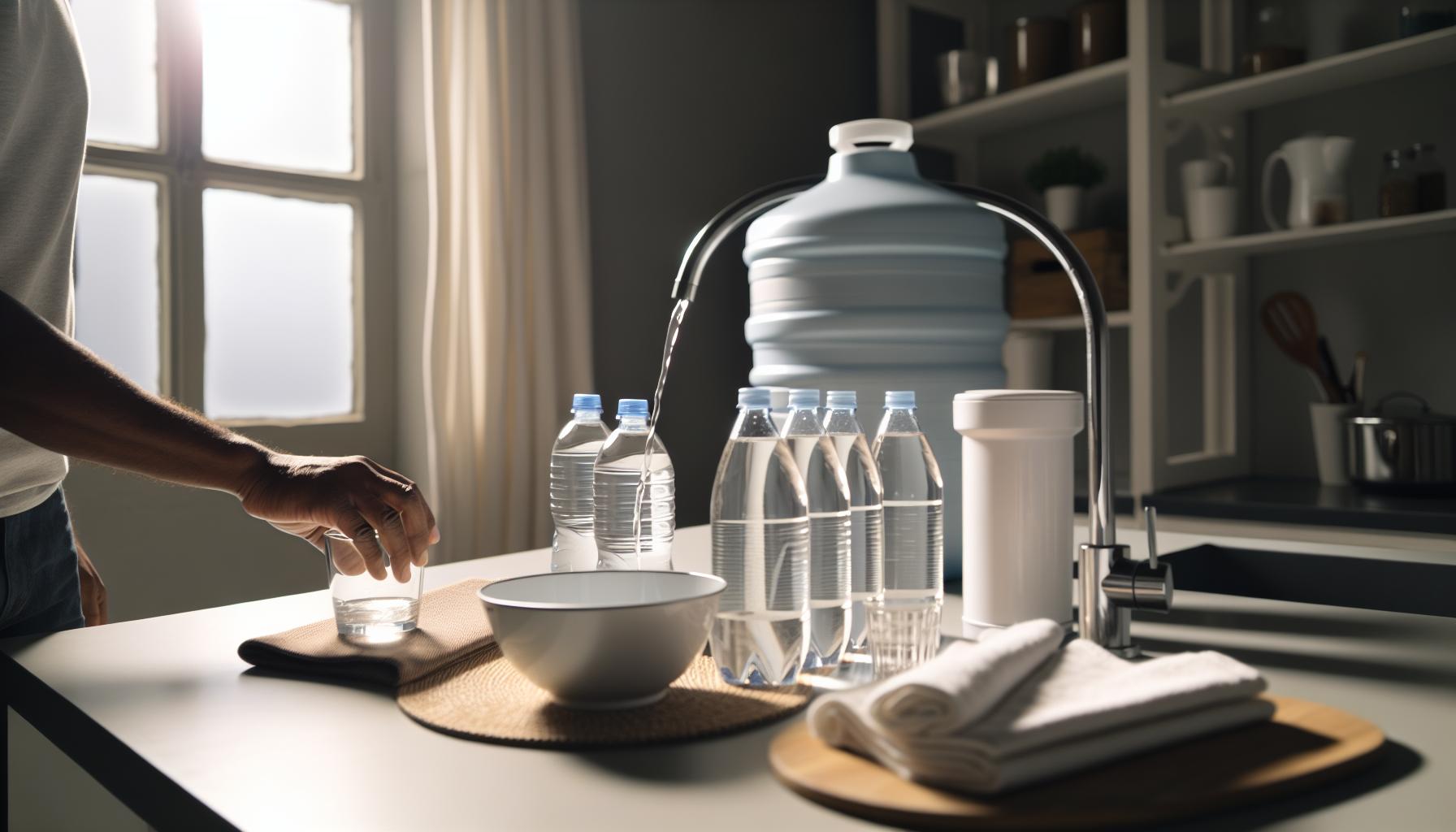
Even a short disruption to your water supply can quickly turn routine toilet use into a challenge, but acting promptly can help you maintain hygiene and minimize discomfort. The crucial first step is assessing how much water remains in your toilet tank and bowl. As traditional toilets rely on gravity-aided water flow for flushing, any remaining reservoir can provide a limited number of flushes-usually just one or two-before manual intervention becomes necessary. Recognizing this window allows you to use your available water judiciously while preparing for alternative methods.
It’s essential to gather clean water from alternative sources as soon as you realize the supply is cut off.Whether tapping into stored drinking water, collecting rainwater, or using water from other household containers, having a dedicated water reserve sets the stage for emergency flushing. Using roughly 1 to 2 gallons poured directly into the bowl mimics the tank’s rapid release, triggering the toilet’s siphon effect to carry waste away effectively. simple buckets or large containers can serve this purpose well and should be kept accessible during outages.
- Confirm available water: Check your toilet’s tank and bowl water levels before attempting further flushes.
- Collect and store alternative water: Use buckets, bottles, or rainwater collected prior to or during the outage.
- Supply water manually: Pour water quickly and steadily into the bowl to replicate a flush, ensuring the siphon activates.
If no stored water is available, look for unconventional clean sources such as melted snow or water from nearby streams, remembering to prioritize hygiene and safety. In prolonged outages,consider deploying emergency portable toilets or chemical toilets as a stopgap to reduce strain on your plumbing and prevent unsanitary conditions. Early preparation and swift action make a significant difference in managing toilet use comfortably and hygienically when water is offline.[[2]][[3]][[1]]
DIY Emergency Flushing Techniques That Actually Work
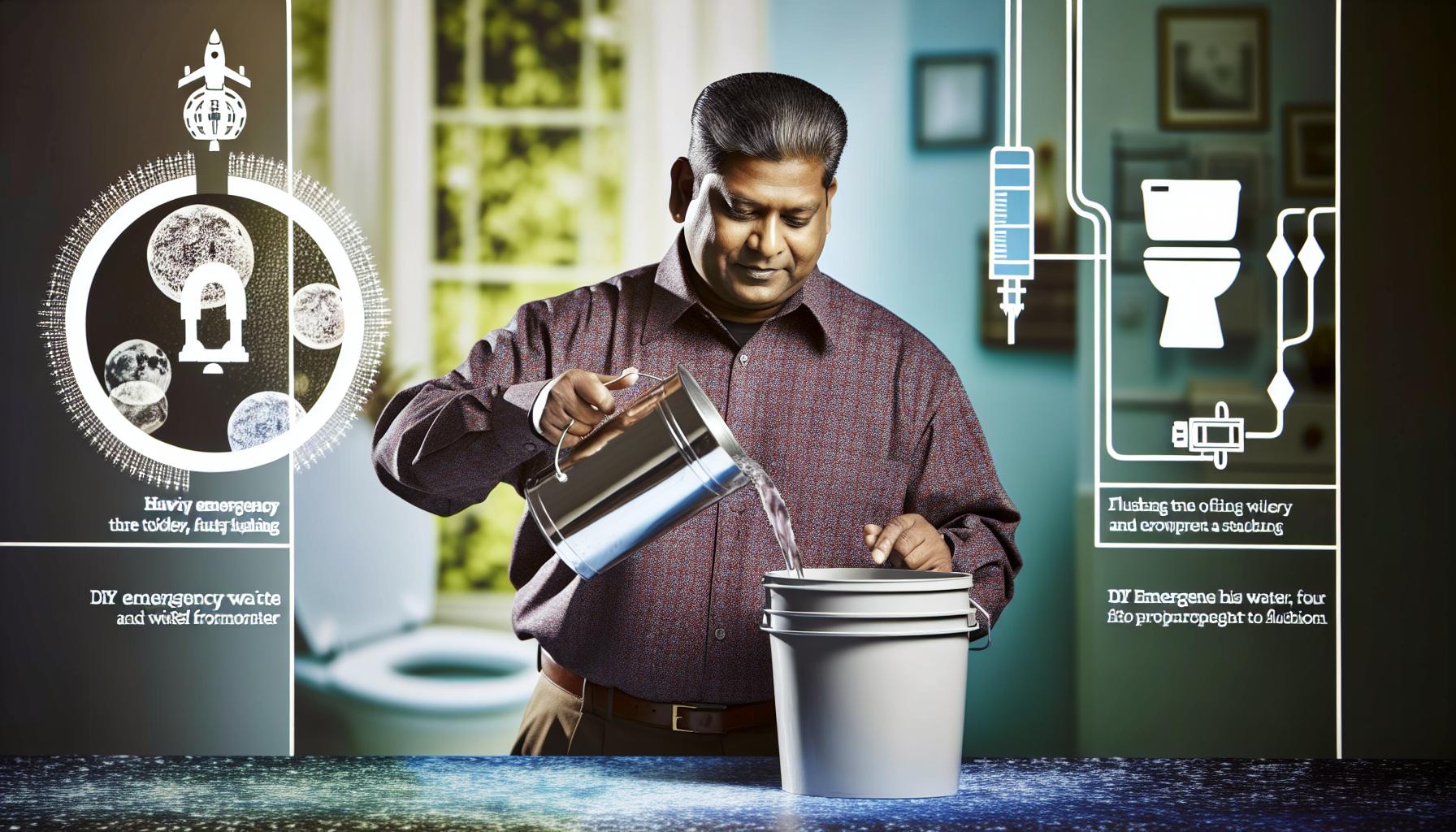
When your water supply is suddenly cut off, flushing a traditional toilet may seem impossible-but with a few simple techniques, you can still manage waste effectively and hygienically. The key lies in replicating the water pressure and volume that a toilet tank normally provides during a flush. pouring about 1 to 2 gallons of clean water rapidly into the bowl creates enough force to mimic the siphon effect,pushing waste through the trap and into the sewer line. This approach is surprisingly effective and can extend your toilet’s usability until water service is restored.
To execute this properly, use a bucket or large container with a handle and pour water steadily and quickly, aiming from about a foot above the bowl to maximize flushing power. Avoid slow or hesitant pouring, as insufficient speed or volume can leave waste behind, causing odors or clogs.It’s wise to practice this method ahead of time to get a feel for how much water is needed and the pouring technique that works best for your specific toilet model.
Additional Tips for Successful Manual Flushing
- Pre-fill the bowl: Before pouring, if the water level in the bowl is low, add some water to ensure an effective seal and prevent sewer gases from rising.
- Use collected or stored water: Prioritize clean sources such as rainwater, bottled water, or water saved from other household needs, as this keeps hygiene intact.
- don’t flush solids repeatedly: In prolonged outages, avoid flushing solid waste multiple times; instead, manage solid and liquid waste separately when possible.
- Know your limits: If water is truly unavailable, consider setting up a DIY emergency toilet station with buckets or portable options rather than forcing inadequate flushes.
Simple DIY Alternatives for Emergency Toilet Use
Crafting a DIY twin-bucket system-one bucket for urine and one for feces-is a straightforward alternative that sidesteps the need for water flushing entirely. Materials such as buckets lined with heavy-duty plastic bags and absorbent materials like sawdust or kitty litter can effectively contain waste and control odors until disposal is possible. This approach is recommended for multi-day outages or scenarios where water must be conserved rigorously. Such methods have proven reliable in emergency preparedness communities and provide real comfort knowing that you have control over sanitation even without running water[[1]](https://preparednessmama.com/emergency-toilet/).
By preparing in advance and understanding these manual flushing techniques, you maintain functional bathroom use and hygiene standards despite unexpected water outages. Simple steps like keeping a dedicated water bucket nearby and practicing the quick pour flush can save you discomfort and prevent plumbing issues, allowing you to manage this common emergency with confidence.
Best Alternative Toilet Solutions During Water Outages
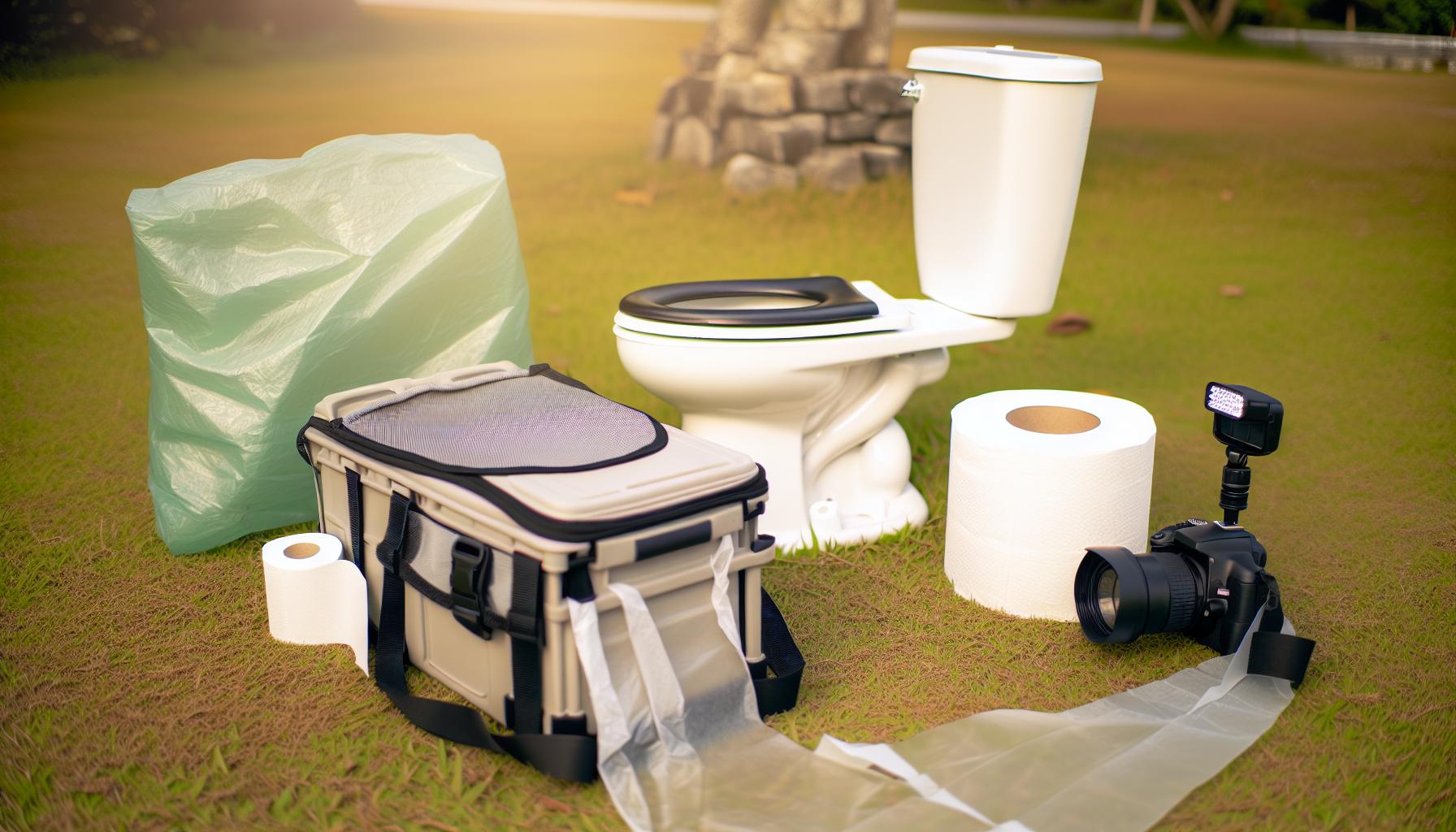
When traditional flushing becomes impossible due to a water outage, turning to well-designed alternative toilet solutions can make all the difference in maintaining sanitation and comfort. Fortunately, a variety of options exist that don’t rely on a running water supply-ranging from simple DIY setups to ready-made portable toilets designed specifically for emergency use.Selecting the right alternative depends on factors like duration of the outage, available space, waste disposal capabilities, and personal comfort needs.
Among the most popular choices are portable and chemical toilets, which are compact, self-contained units that store waste securely without needing water to flush. These toilets often use specially formulated chemicals to reduce odors and break down waste, making them a hygienic option for indoors as well as outdoor or mobile use. For families preparing for extended outages, kits like the Complete Emergency Toilet offer everything from seat assemblies to waste bags and odor control packs in one package, simplifying emergency readiness [[2]](https://preparemylife.com/shop/complete-emergency-toilet-black/). Such solutions are notably useful as they eliminate reliance on any complex plumbing and can be used discreetly inside your home.
DIY and Low-Tech Alternatives
If you prefer a more hands-on approach, a bucket toilet setup lined with heavy-duty plastic bags and supplemented with absorbent materials like sawdust, peat moss, or kitty litter can be highly effective. Separating liquids from solids reduces odor and maximizes the absorbency of materials, helping contain waste safely for later disposal. This method is widely endorsed by emergency preparedness experts and is favored for its simplicity and minimal cost. Adding a tight-fitting lid or a sealable bin can dramatically improve odor control and pest prevention.
Commercial and Innovative Options
For those interested in long-term, lasting solutions beyond immediate emergencies, low-water and waterless toilets are gaining traction. Composting toilets, such as, process human waste without water, turning it into usable compost using aerobic decomposition.Similarly, incinerating toilets burn waste into ash, requiring no water and generating minimal odor. While these are more of an investment and require some user education, they offer resilience against future water disruptions and environmental benefits.
| Toilet Type | Water Needed | Odor Control | Ease of Setup | Waste Disposal |
|---|---|---|---|---|
| Portable Chemical Toilet | None | High - chemical additives | Easy – ready to use | Tank / sealed bags |
| DIY Bucket Toilet | None | Moderate – absorbent materials required | Variable – DIY assembly | Bagged and sealed waste |
| Composting Toilet | Minimal / none | High with ventilation | Moderate; installation needed | Compost after breakdown |
| Incinerating Toilet | None | High | Complex - requires power/fuel | Ash disposal |
Using these alternatives also ensures you maintain hygiene without putting stress on your existing plumbing system during a shutdown. They provide peace of mind knowing that even in lengthy outages, effective waste management is achievable. To maximize comfort and safety, always pair emergency toilets with readily accessible cleaning materials and follow recommended disposal practices to protect your household and habitat.For quick interim solutions that don’t require purchase,remember that the emergency toilet kits and portable toilets mentioned earlier can also be rented or purchased from outdoor and disaster preparedness suppliers,giving both convenience and reliability during unexpected disruptions [[1]](https://www.amazon.com/emergency-toilet/s?k=emergency+toilet). Whether you choose a DIY approach or invest in a specialized unit, having a clear plan and supplies ready will keep your home sanitary and comfortable when water is unavailable.
Using Portable and Chemical Toilets Safely Indoors
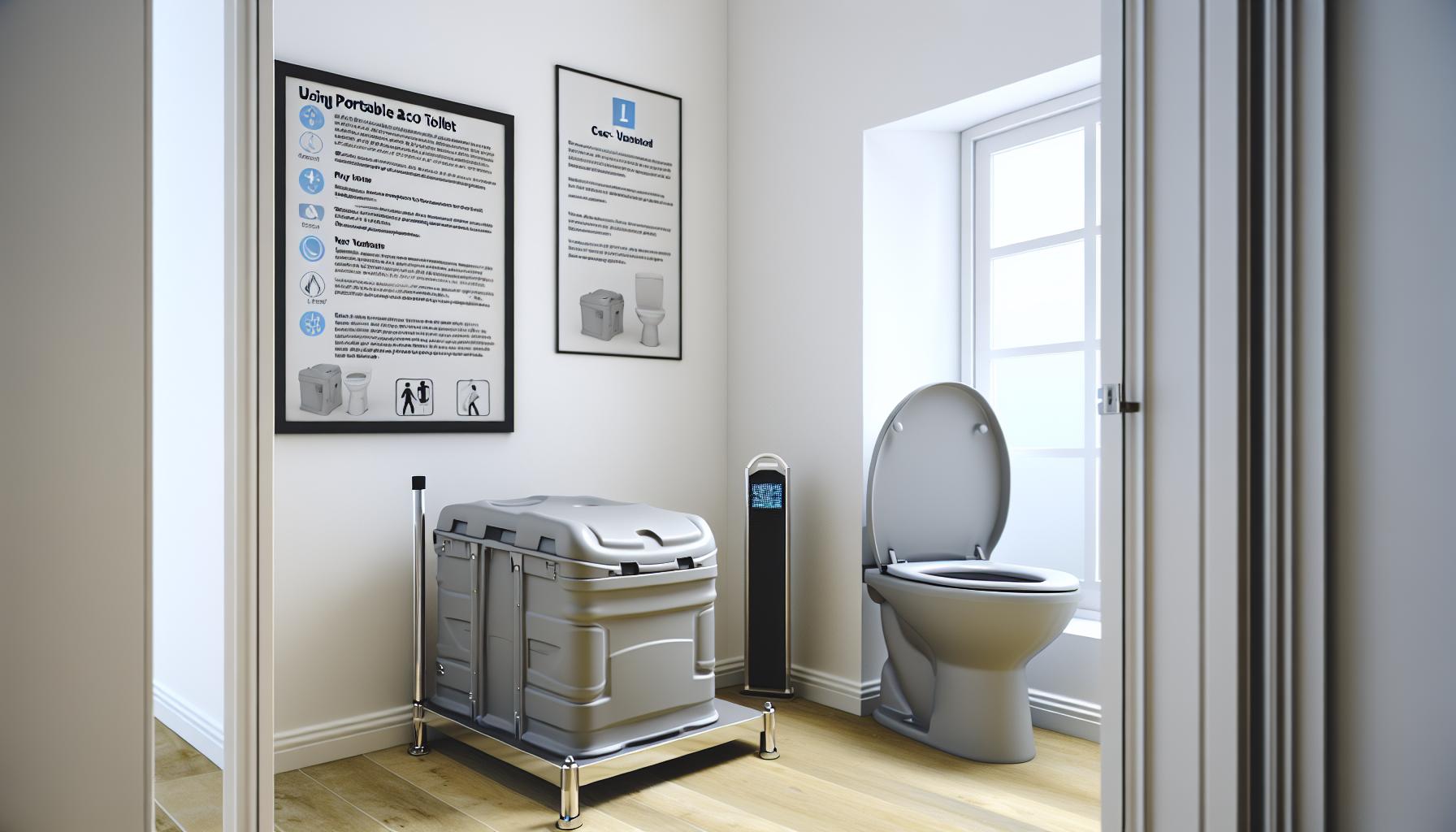
When water service is disrupted, portable and chemical toilets provide an immediate and effective solution that can be safely used indoors-if you know how to manage them properly. These units are designed to be self-contained, minimizing odors and preventing leaks, but maximizing their benefits requires attention to placement, maintenance, and ventilation. Proper setup not only keeps your living space comfortable but also guards against health risks during extended outages.
Choosing the right location for your portable or chemical toilet is crucial. Place the unit in a well-ventilated but private area, ideally near an exterior door or window to facilitate airflow and reduce lingering smells. Protect floors with a waterproof mat or tray to catch any accidental drips. If you’re using a chemical toilet designed with a detachable waste tank, ensure the tank is securely sealed before moving it to avoid spills, and consider using disposable liners for even easier cleanup. Regularly lubricate seals with a silicone-based spray to maintain airtightness and prolong the life of the unit.
Best Practices for Odor Control and Hygiene
- Add chemicals promptly: Always add the recommended amount of odor-control chemicals or deodorizing pellets before use. These help break down waste and neutralize unpleasant smells, making the space more tolerable for everyone.
- Empty tanks routinely: Don’t wait until the tank is completely full to empty it.Frequent, responsible disposal of waste-whether via approved sewage facilities or sealed bags for designated collection-prevents buildup and reduces odor risk.
- Sanitize surfaces: Keep strong disinfectant wipes or sprays on hand to clean the toilet seat, flush handles (if applicable), and surrounding areas. This minimizes the chance for bacteria and viruses to spread indoors.
- Wash hands immediately: emphasize hygiene by placing hand sanitizer or a handwashing station near the toilet.This ensures users remain protected even if regular water access is limited.
Real-World Tips for Safe Indoor Use
In real emergency situations, a small room without carpet is ideal to contain any mishaps. Using a battery-operated air purifier or a small fan directed near an open window can further reduce residual odors. Some families keep dedicated, odor-absorbing pouches or baking soda nearby to sprinkle on waste if needed.
If privacy or comfort is a concern, portable toilets with seat lids and sturdy bases give a sense of normalcy and stability. Well-managed, these units can be used indoors for days or weeks, depending on your waste disposal options and the toilet’s capacity. Stocking up on extra chemical additives and sealable waste bags ensures you won’t run out during prolonged outages.
By implementing these strategies, portable and chemical toilets can transform an inconvenient interruption into a manageable situation, maintaining indoor cleanliness and family wellbeing. Proper care combined with the right accessories makes these systems vastly superior to makeshift alternatives, ensuring a safe, hygienic sanitation solution without reliance on a water supply [[2]](https://preparemylife.com/shop/complete-emergency-toilet-black/) [[1]](https://www.amazon.com/emergency-toilet/s?k=emergency+toilet).
Innovative Low-Water and Waterless Toilet Options
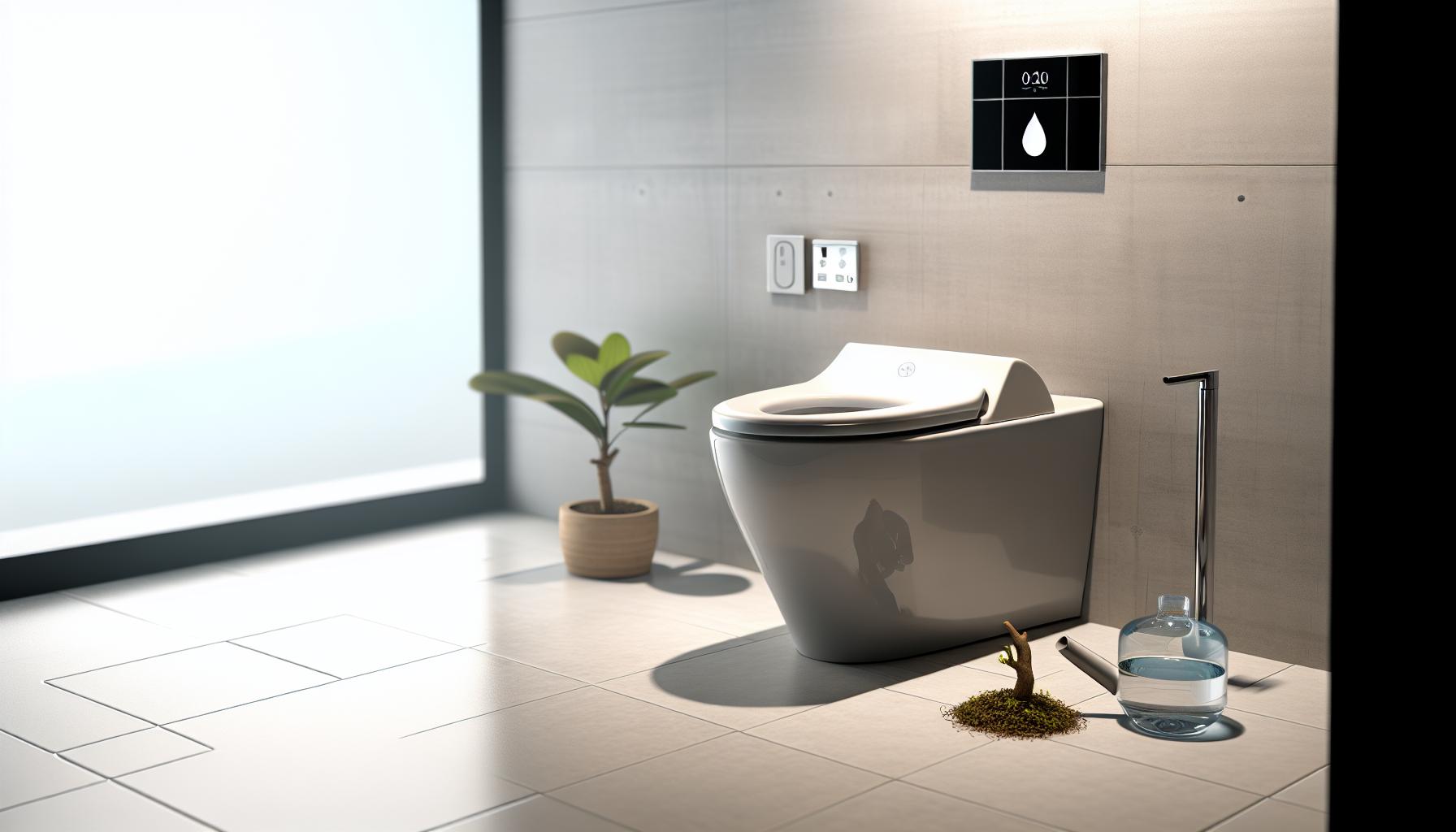
When traditional plumbing fails or water is scarce, innovative toilets designed to operate with minimal or no water offer a surprisingly effective and eco-kind alternative. These systems are not only crucial during emergencies but also increasingly popular for their sustainability in everyday use. By leveraging technology and smart design, low-water and waterless toilets reduce reliance on scarce resources without compromising hygiene or comfort.
Several cutting-edge models use unique mechanisms to manage waste without the typical flush. For example, composting toilets turn human waste into compost using aerobic decomposition, requiring no water at all and producing valuable soil amendment as a byproduct. Similarly,incinerating toilets burn waste into sterile ash with the flip of a switch – an excellent option for off-grid or emergency setups where waste disposal is limited.Another innovation is vacuum toilets, which use suction powered by electricity or manual pumps to remove waste with just a small amount of water or none, dramatically lowering water consumption compared to conventional fixtures.
Key Advantages of Low-Water and Waterless Toilet Systems
- Conserve Water Efficiently: Many low-water models use less than a liter per flush or none at all, saving thousands of gallons annually in normal conditions and offering independence during outages.
- Reduce Plumbing Dependence: These toilets are ideal where sewer access is limited, damaged, or non-existent, making them invaluable in disaster zones or rural settings.
- Minimize Odors and Biohazards: Modern designs incorporate sealed containment, ventilation systems, and natural biological processes to keep spaces fresh and sanitary.
- Facilitate Easy Waste Management: Composting and incinerating units reduce the volume of waste dramatically, simplifying disposal and reducing environmental impact.
Considerations for Choosing the right Innovation
| Type | Water Usage | Installation Needs | Ideal Use Case | Maintenance |
|---|---|---|---|---|
| Composting Toilet | None | Ventilation system required | Homes, cabins, remote locations | Regular compost removal, system checks |
| Incinerating Toilet | None | Electrical connection needed | Off-grid, emergency shelters | Ash disposal, heating element inspection |
| Vacuum Toilet | Minimal (approx. 0.5 liters per flush) | Requires vacuum system | Portable setups,boats,planes | System maintenance,occasional part replacement |
Adopting these innovative toilets during water outages or in emergency preparedness plans significantly expands options beyond traditional buckets or chemical units. While initial setup or costs might be higher, the long-term benefits in water conservation, ease of maintenance, and environmental stewardship are ample. Communities and households considering resilience strategies will find these solutions reduce dependency on fragile infrastructure while maintaining dignity and sanitation even in challenging circumstances.
By exploring these technologies now, you can prepare for times when flushing with water isn’t an option, turning necessity into an opportunity for smarter, sustainable sanitation.
How to maintain Hygiene Without Flushing Water
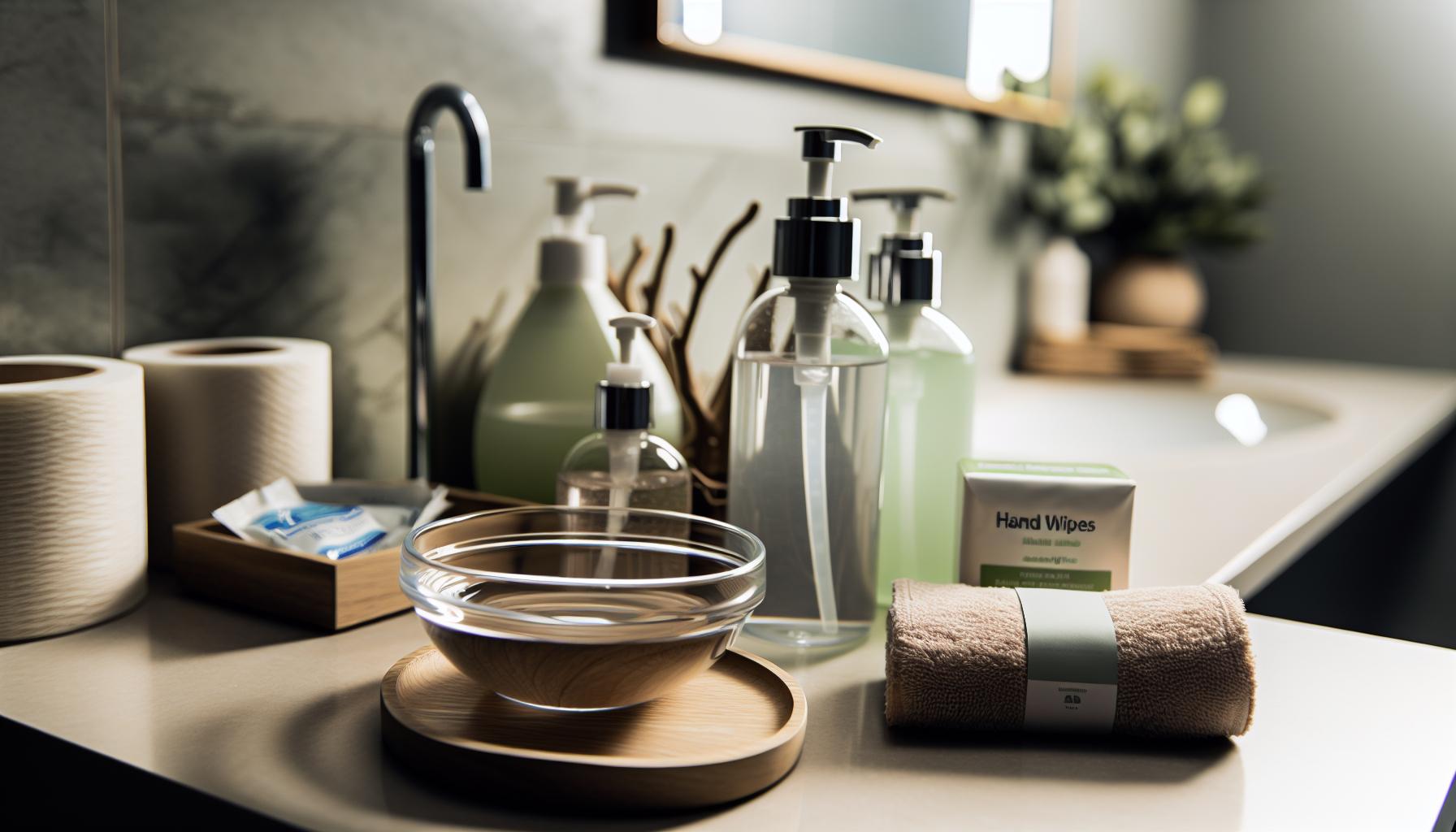
In situations where flushing with water isn’t an option, maintaining hygiene requires a blend of practical strategies and mindful sanitation practices to prevent odors, germs, and discomfort. this challenge can be met effectively by focusing on waste containment, personal cleanliness, and odor control-even without a running water supply.One crucial approach is managing waste with dry or minimal-water methods. Using sealed containers, disposable liners, or specially designed bags helps isolate waste, reducing microbial growth and odors. Such as, placing a bio-degradable liner in a bucket or portable toilet can simplify cleanup and limit contamination. additionally, applying moisture-absorbing materials such as sawdust, wood chips, or commercial pellet additives on solid waste promotes dryness, slows decomposition, and neutralizes smells. This technique mimics the principles behind composting toilets and has proven effective in emergency and off-grid situations.
Personal cleanliness remains paramount and doesn’t depend solely on flushing water. Stocking up on alcohol-based hand sanitizers (with at least 60% alcohol) ensures hands can be kept clean after using the toilet. For washing when water is scarce, consider using small amounts of stored water with soap for targeted hand and surface cleaning, or employ waterless hygiene wipes designed for skin.Encouraging all household members to practice strict hand hygiene and use disposable gloves when handling waste further reduces the risk of illness and cross-contamination.
Simple Tips for Managing Hygiene Without Water
- Use sealed waste containers or bucket systems: Prevent exposure and contain odors effectively.
- Apply absorbent materials after use: Sawdust or peat moss can minimize moisture and smells.
- Hand hygiene supplies: Maintain ample hand sanitizer,waterless wipes,and disposable gloves on hand.
- Routine cleaning: Disinfect surfaces and waste containers regularly to limit bacteria growth.
- Proper waste disposal: Seal and remove waste bags promptly to clean areas quickly.
By combining these methods, households can maintain a hygienic environment even during extended water outages.this proactive approach not only preserves health and comfort but also prevents common sanitation-related issues such as unpleasant odors and the spread of pathogens. Ultimately, preparing with hygienic alternatives in mind transforms a potentially difficult scenario into one that remains manageable, safe, and dignified.
Preventing Plumbing issues After Prolonged Water Shutdown
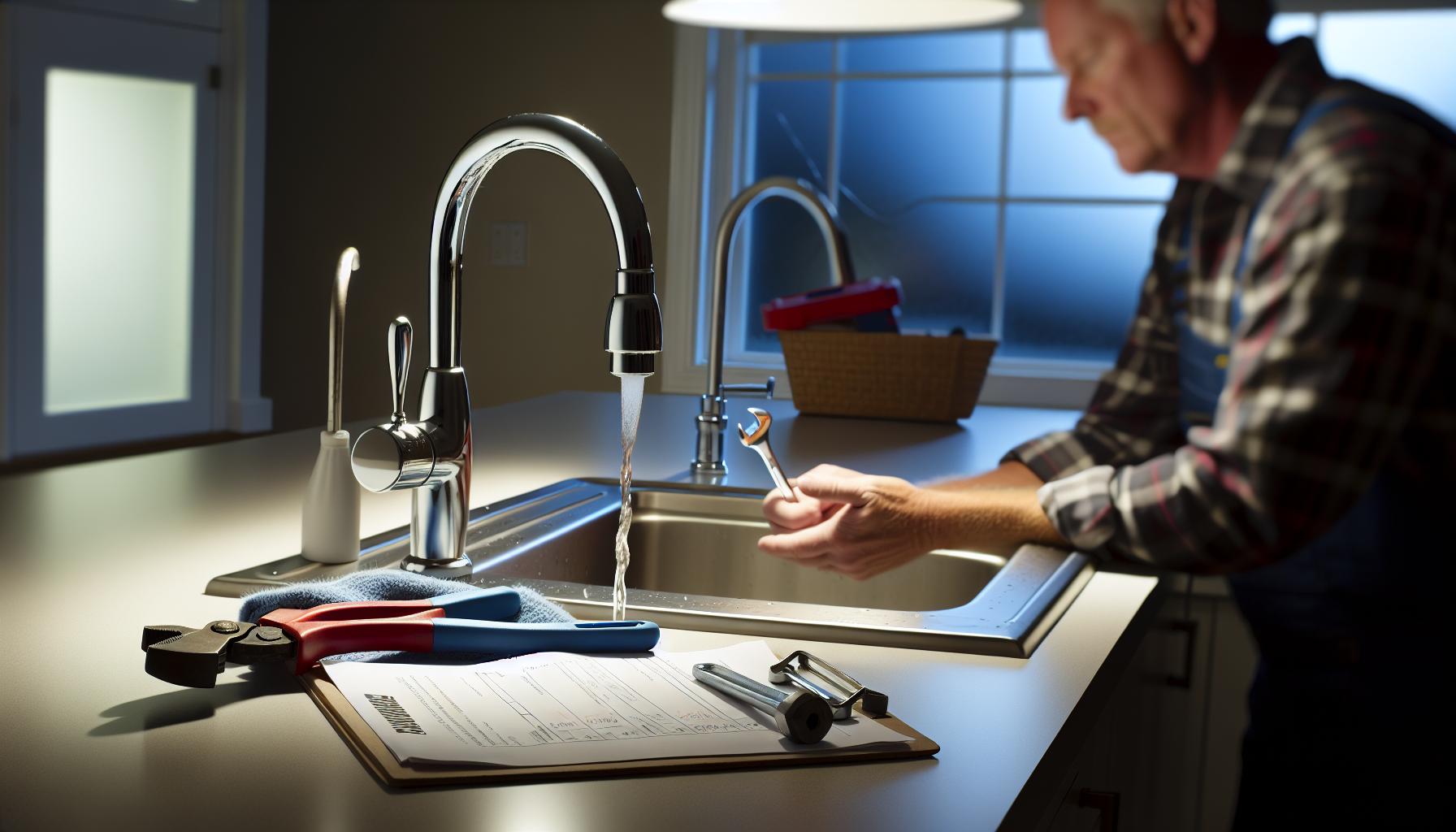
When water supply is interrupted for an extended time, plumbing systems face risks that many homeowners overlook. Without the regular flow of water,traps in sinks,toilets,and drains can dry out. This drying breaks the water seal designed to block sewer gases from entering your living spaces,potentially causing unpleasant odors and health hazards.Moreover, stagnant water inside pipes can become a breeding ground for bacteria, and mineral deposits may begin to build up, increasing the chances of clogs or corrosion.
One practical approach to mitigate these issues is to periodically add water to all drains and toilet bowls if running water is not available. For example, pouring a gallon or two of water into each drain every few days maintains the water barrier in traps, preserving their function as gas seals. For toilets, manually flushing with stored water or using bucket flush techniques helps prevent the bowl and trap from drying out.This upkeep is especially crucial during long outages caused by municipal issues, natural disasters, or plumbing repairs.
How to Protect Your Plumbing During Water Shutdowns
- Regularly replenish traps: Pour water slowly into sink, shower, and floor drains to maintain the seal and prevent sewer gas intrusion.
- Manage toilet bowl water levels: Use stored water to flush or refill toilets, keeping the trap wet and reducing odor risks.
- Clear standing water carefully: Avoid letting water stagnate to long in the pipes; stagnant water can lead to bacterial growth and sediment buildup.
- Inspect for leaks or damage: Lack of water pressure might hide leaks, so check pipes and fixtures once water returns to prevent future problems.
Another subtle, but critically important consideration involves the potential degradation of rubber seals and gaskets in your plumbing fixtures. Without water flow, these materials can dry out and crack, increasing the likelihood of leaks once the system returns to normal operation. Maintaining some moisture within these components by periodically running water or using minimal flushing techniques reduces this risk and prolongs the life of your plumbing infrastructure.
for households relying on emergency flushing methods or alternative toilet solutions during outages, it’s wise to keep plumbing systems clear of solid waste buildup. Avoid disposing of non-biodegradable materials or excessive paper products, which can cause blockages when water flow resumes. Instead, consider temporary waste containment systems such as portable toilets or sealed containers, which ease the burden on pipes and reduce the likelihood of costly clogs or backups after service restoration.
Taking these preventive steps ensures that your plumbing remains in good condition throughout prolonged periods without water, facilitating a smoother transition back to normalcy and minimizing costly repairs down the road. This mindful maintenance paired with proactive emergency planning can make all the difference when managing toilet use during challenging water outages.
Essential Supplies for Emergency Toilet Preparedness
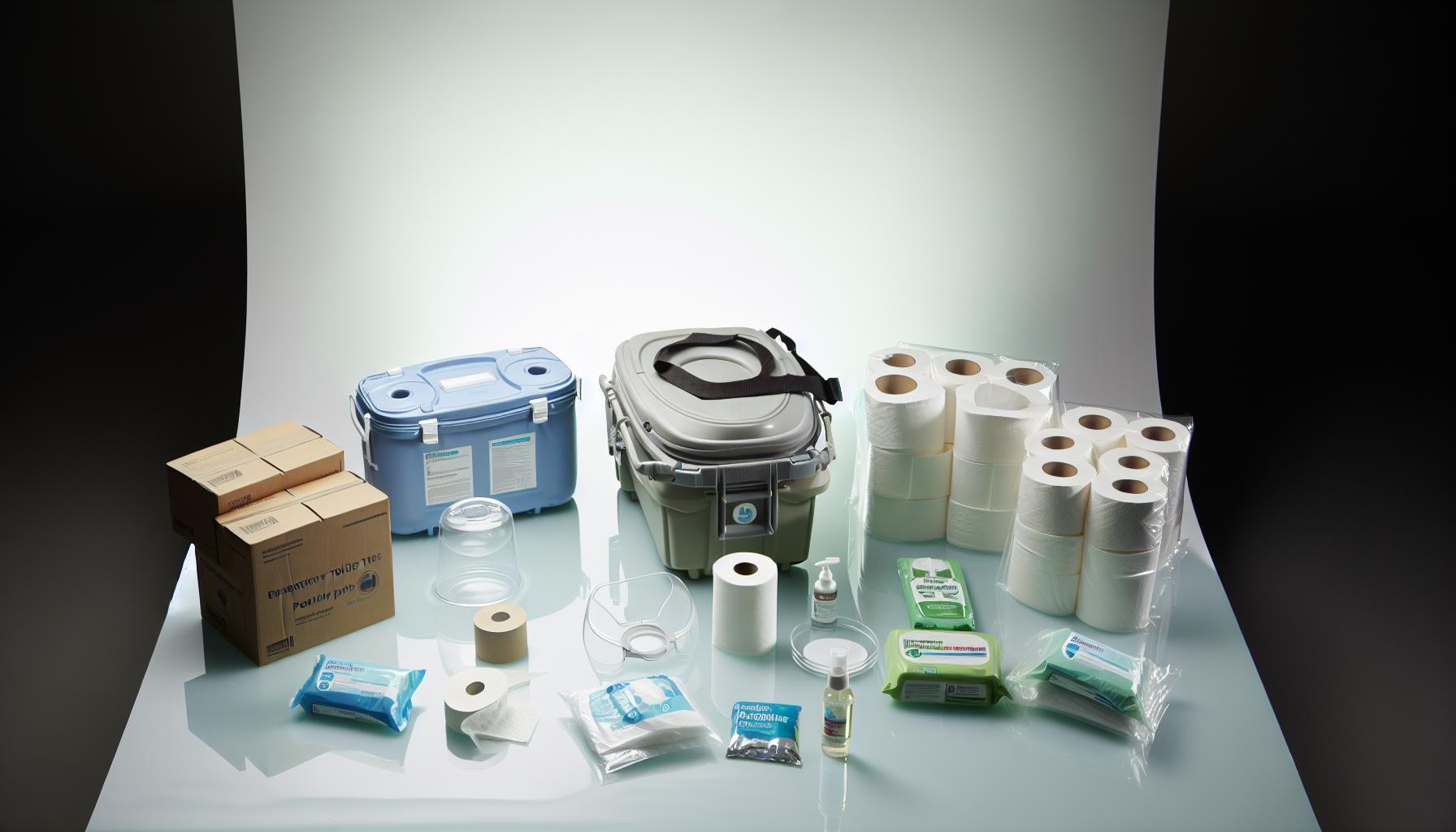
When the water stops flowing, maintaining a hygienic and functional bathroom setup quickly becomes a priority that many overlook until it’s urgent. Preparing well ahead with the right supplies can make a significant difference in comfort, sanitation, and convenience during these times.Having a carefully curated kit not only supports basic toilet use but also minimizes health risks and plumbing issues linked to water outages.
An effective emergency toilet preparedness kit should include several critical items designed to facilitate flushing alternatives,waste containment,and hygiene maintenance. At the core, large sturdy buckets with lids form the backbone of many DIY or portable toilet solutions. Buckets allow you to implement twin-bucket systems (separating liquid and solid waste) or serve as a manual flush water reservoir.Equipping these with tight-fitting lids is essential to lock away odors and minimize contamination indoors.
To safely manage waste, add waste disposal bags, preferably heavy-duty biodegradable or compostable types, which simplify cleanup and reduce mess. These bags can be used standalone inside buckets or alongside portable toilets, ensuring easier handling and waste transport if necessary. Additionally, packing absorbent materials like kitty litter, sawdust, or commercial gel-based products helps solidify and deodorize waste effectively, improving odor control significantly.
Other Crucial Supplies for Hygiene and Comfort
- Water storage containers: At least 1-2 gallons of potable water per person per day should be kept handy for flushing or hygiene needs.
- Disinfectants and sanitizers: alcohol-based hand sanitizers,bleach,or hydrogen peroxide solutions help maintain hygiene after toilet use,especially important without running water.
- Disposable gloves: Protect yourself during waste handling and cleaning tasks to reduce the risk of contamination.
- Toilet paper and moist wipes: Stock sufficient amounts of both, prioritizing flushable or biodegradable options if using transient flushing methods.
- Portable chemical or camping toilets: When budget and space allow, these provide a clean, contained solution with integrated waste management, ideal for indoor use during prolonged outages.
| Item | Purpose | Practical Tip |
|---|---|---|
| Buckets with lids | Waste collection, manual flushing water | Choose 5-gallon size for better stability and capacity |
| Compostable waste bags | Safe storage and disposal of waste | Keep sealed when not in use to prevent odors |
| Absorbent material (kitty litter/sawdust) | Waste solidification and odor control | Store in moisture-proof containers |
| Water containers | Flush water source, hygiene washing | Refill regularly and protect from contamination |
| Sanitizers & disinfectants | Maintain personal hygiene, surface cleaning | Keep handy near toilet area |
Planning for emergency toilet use involves more than just having buckets and bags-it’s about creating a system that is manageable, reduces odors, and maintains hygiene throughout the outage. Such as, having dedicated containers and supplies encourages consistent use of proper sanitation practices, which reduces stress and health risks.Also, routinely rotating or refreshing supplies and stored water ensures readiness when an unexpected disruption occurs.
Ultimately, this kind of preparedness reflects a thoughtful approach not only to human comfort but also to protecting the home environment and plumbing infrastructure from complications linked to extended water shutdowns. Whether dealing with short-term plumbing repairs or longer municipal water outages, these essential supplies form the foundation of an effective emergency toilet strategy that everyone can implement with ease and confidence.
For additional ideas on emergency toilet setups and maintenance tips, resources like the Emergency Toilet Project and detailed DIY guides offer practical insights that complement these foundational supplies [2], [3].
Expert Tips for Managing Toilet use in Extended Outages
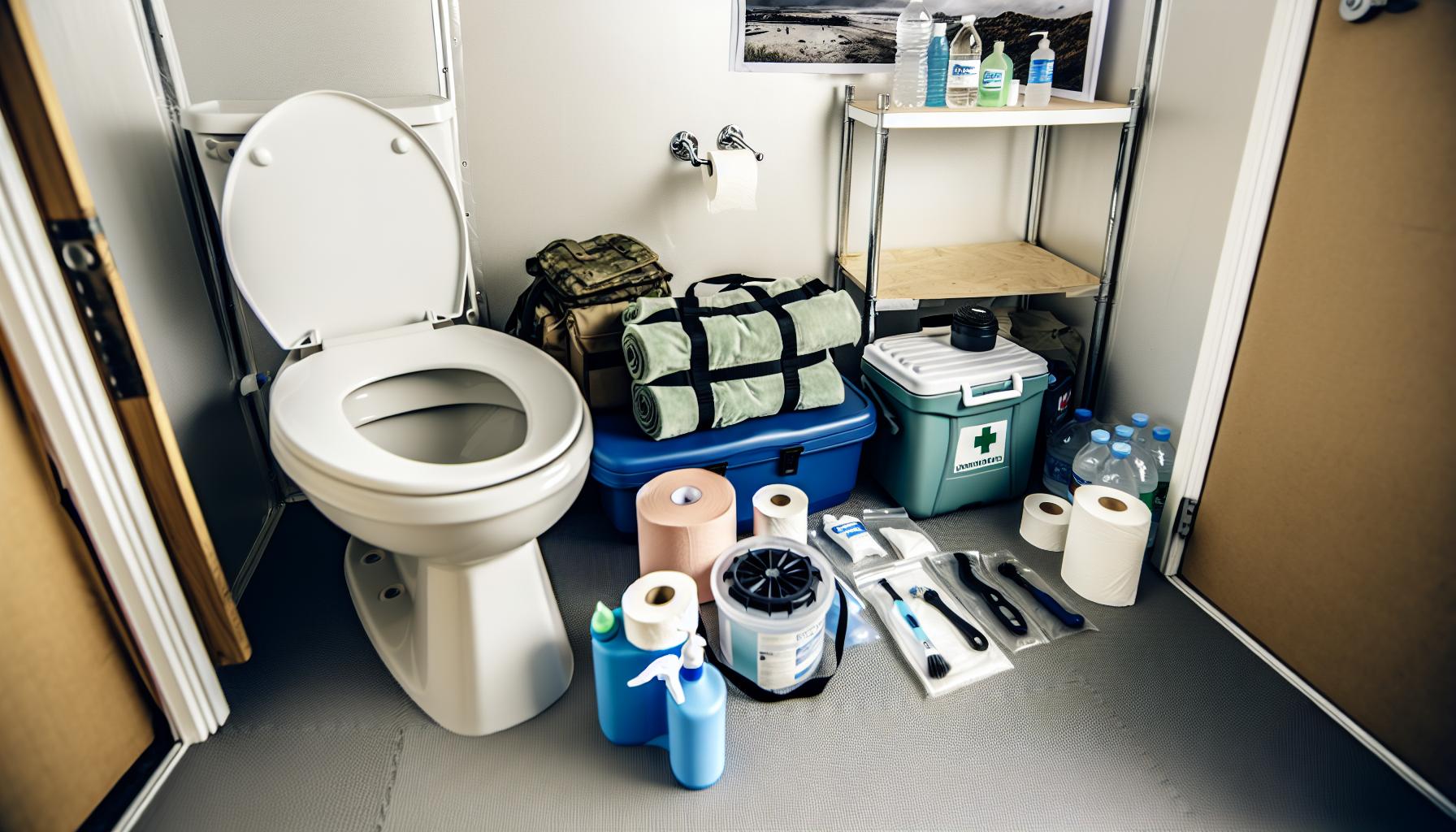
When water is unavailable for extended periods, managing toilet use efficiently becomes crucial not only to maintain comfort but also to prevent unpleasant odors and health hazards. Many overlook the importance of routine waste management in these situations, but establishing a consistent and practical method early on can dramatically improve your living conditions. In prolonged outages, it’s vital to adopt systems that balance usability, odor control, and hygiene without relying on traditional plumbing.
One of the best strategies is to create a routine schedule for waste disposal and cleaning. If you’re using portable buckets or a twin-bucket system, emptying solid waste containers daily into a proper waste bag, sealed tightly, prevents odors from building up and reduces the risk of contamination. Layering waste with absorbent materials like sawdust or kitty litter immediately after use helps dry out solids and lock in smells. It also makes transport safer and disposal easier when facilities become available.
maintaining Cleanliness and Reducing Odors
Keeping the surrounding area clean and sanitized is just as important as waste management. Use alcohol-based hand sanitizers or diluted bleach solutions to wipe down surfaces frequently touched during toilet use. Wearing disposable gloves while handling waste or cleaning reduces personal exposure to germs and contaminants. Additionally, airing out the bathroom or emergency toilet area when possible helps dissipate residual odors and moisture.
Optimizing water Usage for Manual Flushing
If you have stored water, use it judiciously for manual flushing by pouring a measured amount (usually around 1.5 to 2 gallons) into the toilet bowl after each use. This practice helps keep waste moving through the plumbing without water pressure and reduces the likelihood of clogs. When water supplies are limited, consider reserving flush water specifically for waste solids, while using other methods for urine containment, such as separate buckets or chemical additives designed for liquid waste.
- Designate a safe, discrete disposal area: Avoid cross-contamination by managing waste bags or buckets away from living spaces.
- Ensure ventilation: It curtails the build-up of gases and unpleasant smells, especially in indoor setups.
- Rotate supplies regularly: Replace absorbent materials and sanitized gloves often to maintain efficiency.
- Stay prepared for disposal options: Learn local guidelines for waste disposal during emergencies, and keep contact info handy for municipal or disaster relief resources.
| Practice | Reason | Pro Tip |
|---|---|---|
| Daily waste bag sealing and removal | Minimizes odors and contamination risk | Use heavy-duty biodegradables to ease safe disposal |
| Use of absorbent layering materials | Solidifies waste and controls smell | Store materials in airtight containers to keep dry |
| Manual flush with stored water | Keeps pipes clear without running water | Measure water carefully to avoid overflow |
| Routine surface sanitization | Maintains hygiene and reduces infection risk | Sanitize immediately after waste handling |
By adopting these strategies, you can maintain a sanitary, odor-minimized toilet environment even through lengthy water shutdowns. A proactive approach, including regular maintenance and careful supply management, prevents overwhelming waste buildup and protects plumbing integrity. Remember, adapting to prolonged water outages involves more than improvisation: it requires thoughtful planning and consistent practice to keep your home safe and comfortable until full service is restored.
For those facing longer-term challenges, consulting extensive resources like the Emergency Toilet Guidebook from the Regional Disaster Preparedness Association can offer valuable detailed plans and supply lists tailored to various scenarios [1], [3].
Faq
Q: How can I flush a toilet during a water outage without damaging plumbing?
A: You can flush your toilet manually by pouring about a gallon of water directly into the bowl with moderate force. This forces waste through the trapway without needing the tank to refill, preventing plumbing damage. For detailed methods, see the DIY Emergency Flushing Techniques section for safe procedures to protect your pipes.
Q: What household items can help sanitize a toilet when water is off?
A: Household items like bleach,disinfectant wipes,or hand sanitizer can help maintain toilet hygiene during water outages. Apply these safely inside the bowl and seat after use to reduce bacteria. Refer to How to Maintain Hygiene Without Flushing Water for more practical sanitation tips during emergencies.
Q: When should I switch from traditional flushing to a portable toilet solution during a water shutoff?
A: switch to portable or chemical toilets if the water outage extends beyond 24-48 hours or if manual flushing becomes impractical. These options minimize plumbing strain and maintain sanitation indoors. Explore Best Alternative Toilet Solutions during Water Outages for choosing the right emergency option.
Q: Why does flushing a toilet without water sometimes cause unpleasant odors?
A: Flushing without water can fail to clear the trap seal or carry away waste,allowing sewer gases to escape. Using waterless seal products or adding a small amount of water into the trap helps block odors.Check Innovative Low-Water and Waterless Toilet Options for odor-control strategies during outages.
Q: How can I prepare my toilet for an expected water shutoff to avoid plumbing problems?
A: Before water shuts off, fill the toilet tank and bowl completely and avoid flushing unnecessarily. Stock essential supplies like water containers and chemical treatments. For a full checklist, see Essential Supplies for Emergency Toilet Preparedness to ensure smooth management and avoid plumbing issues.
Q: What are safe methods to dispose of human waste if toilets cannot be flushed for several days?
A: Use sealed plastic bags with absorbent materials or portable chemical toilets designed for indoor use. Dispose of waste promptly at approved facilities. Detailed guidance is available in Using Portable and Chemical Toilets Safely Indoors to help maintain hygiene and safety.
Q: How do low-water or waterless toilets function during long-term water outages?
A: Low-water and waterless toilets use either vacuum flush technology or sealed chambers to contain waste without requiring water to flush.These systems reduce dependency on traditional water supply and are ideal in extended outages. Learn more in Innovative Low-Water and Waterless toilet Options for emergency-ready solutions.
Q: What immediate actions should I take if my toilet can’t be flushed as the water supply is suddenly cut off?
A: Immediately stop using the toilet to avoid backup, then flush manually if possible using stored water or pour water into the bowl as a temporary solution. Prepare an alternative sanitation method. Visit Immediate Steps when Water Supply Is Cut Off for step-by-step actions in emergencies.
Feel free to explore these FAQs alongside the main article sections for comprehensive emergency toilet management – helping you stay prepared and hygienic when the water is off.
In Summary
When water is off, knowing how to flush your toilet effectively can prevent discomfort and maintain hygiene-critical during any emergency. Whether you’re using a bucket method or exploring emergency toilet solutions, having these strategies at your fingertips empowers you to manage situations confidently. For more in-depth tips, explore our guides on Water Conservation Techniques and Emergency Plumbing Repairs, which complement this essential knowledge.
Don’t wait until you’re caught off guard-take action now by signing up for our newsletter to receive timely advice and exclusive resources on home maintenance and emergency preparedness. If questions remain or you need tailored support, our expert consultation services are just a click away. Share your experiences or ask questions in the comments below to join a community focused on practical home solutions. Keep exploring related topics like “DIY Toilet Repairs” and “Water Supply Alternatives” to stay informed and prepared for any water outage scenario.
By revisiting this page and diving deeper into our related content, you’ll reduce worries about flushing when water is off and gain ongoing confidence in emergency toilet solutions-ensuring your home stays comfortable and functional no matter the challenge.
Get our latest guides, news, and insights highlighted in your Google Search & AI Overviews.