15 Best Ways to Maximize Small Closet Space for Tiny Bedrooms (2026)
Wondering how to maximize small closet space without spending a fortune on custom renovations? After testing dozens of…

Flushing & Disposal represents an environmental plumbing and biochemical waste management discipline governing the hydraulic evacuation, chemical neutralization, and regulated disposal of residential and automotive effluents preventing municipal sewer fatbergs, plumbing line obstructions, and toxic disruption of septic microbial digesters.
Technical guide to flushing automotive air conditioning evaporators, removing oil contamination, and preventing compressor failure.
Plumbing protocols and hydraulic risks associated with toilet flushing during scheduled septic tank pumping operations.
Step-by-step procedures for safely flushing closed-loop automotive AC systems at home using pressurized solvent kits.
Residential drain-waste-vent (DWV) systems and on-site septic installations rely on precise hydraulic gradients and biological digestion to safely transport and decompose wastewater. The unconsidered introduction of concentrated chemical solvents, non-dispersible woven wipes, or petroleum distillates into domestic drain lines triggers severe infrastructure failure, ranging from sewer back-ups to catastrophic septic failure.
Septic systems function as living bioreactors, depending on anaerobic and aerobic bacteria to break down suspended solids into carbon dioxide, water, and stabilized sludge. Pouring antimicrobial solvents, caustic drain cleaners (sodium hydroxide), or chlorinated bleaches into the system sterilizes the bacterial culture. When biological digestion halts, undigested solids escape the septic tank and permanently clog the soil absorption drainfield.
Industrial and automotive fluid disposal falls under strict EPA and municipal environmental statutes. Petroleum oils, ethylene glycol antifreeze, and fluorinated refrigerants must never enter domestic plumbing. Ethylene glycol sweet taste presents extreme mammalian toxicity, while automotive solvents dissolve PVC drain pipe adhesives and generate hazardous explosive vapors within plumbing trap seals.
| Disposal Category | Chemical / Physical Composition | Plumbing / Septic Hazard Level | Approved Disposal & Neutralization Protocol |
|---|---|---|---|
| Automotive Coolant (Antifreeze) | Ethylene glycol or propylene glycol + corrosion inhibitors | Extreme: lethal to biological septic digestion and municipal biocides | Collect in sealed HDPE containers; transfer to hazardous household waste (HHW) recycling centers |
| Wipes & Non-Woven Textiles | Spunlace polyester and synthetic fiber mesh | Severe: forms unyielding fatberg blockages in sewer lines | Dispose exclusively in municipal solid waste; never flush down domestic toilets |
| Paint Thinner & Solvents | Mineral spirits, acetone, toluene, xylene | Critical: melts PVC plumbing joints, creates explosive sewer vapors | Allow small amounts to evaporate in open air or surrender to municipal paint collection depots |
| Pharmaceuticals & Hormones | Synthetic steroids, antibiotics, analgesics | Moderate-High: contaminates groundwater aquifers and wastewater biology | Drop off at pharmacy reverse-distribution collection kiosks; never flush down drains |
Unlike toilet paper made from virgin short-fiber wood pulp that disperses in water within 60 seconds, non-woven wipes use synthetic fibers that maintain tensile strength when saturated, creating impenetrable blockages and pump station failures.
Organic solvents kill the anaerobic bacteria responsible for digesting human waste and grease. The tank stops processing effluent, leading to foul odors, surface wastewater pooling, and thousands of dollars in drainfield replacement.
Only water-soluble, biodegradable, and non-flammable detergents labeled as drain-safe should enter municipal systems. Flammable liquids, petroleum hydrocarbons, heavy metals, and persistent toxic chemicals are strictly banned.
Wondering how to maximize small closet space without spending a fortune on custom renovations? After testing dozens of…
Searching for the best closet organization ideas to instantly maximize your storage? After testing dozens of layouts and…
Mastering home organization is the ultimate key to transforming a chaotic house into a calming sanctuary. We evaluated…
If you’re looking for the best decluttering ideas, you’ve come to the right place. We’ve curated the ultimate…

Can you flush when water is turned off? Discover quick, effective solutions to handle toilet use during water outages and avoid plumbing hassles today.

Can you flush out diarrhea safely? Discover effective rehydration strategies to ease symptoms fast and regain your strength with expert-backed tips.
Can you flush nail clippings safely? Discover expert grooming waste guidelines to avoid plumbing issues and protect your home. Learn the best disposal tips now!

Discover how to naturally flush magnesium out of your body and restore mineral balance. Learn effective tips to manage excess magnesium safely today.

Can you flush mount a farmhouse sink? Discover expert tips and step-by-step installation guides to transform your kitchen with a sleek, seamless farmhouse sink setup.

Can you flush once when water is off? Discover a quick, one-time emergency fix to solve flushing issues and avoid costly water interruptions today!
Can you flush beer down the toilet? Discover safe, eco-friendly alcohol disposal tips and avoid costly plumbing issues-learn the right way to get rid of leftover beer!

Can you flush meds safely? Discover proper medication disposal methods to protect your health and the environment-learn expert tips to dispose of meds correctly today!
Can you flush Tampax? Discover the truth about tampon disposal, avoid costly plumbing problems, and learn what the packaging doesn’t tell you! Click to find out.
Wondering if you can flush gloves? Discover safe latex and nitrile disposal rules to protect your plumbing and environment-learn what experts recommend now!

Can you do a coolant flush at home? Discover easy, step-by-step tips to save money, avoid overheating, and keep your car running smoothly-start now!
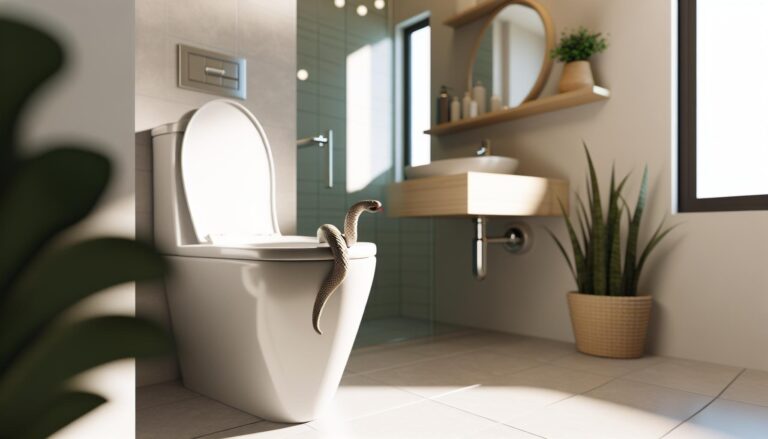
Wondering if you can flush a snake down the toilet? Discover safe, effective pest removal tips to protect your home and health-learn what really works now!

Discover if you can flush Depo Provera out of your system fast. Learn how to manage side effects and regain control of your birth control safely today.

Discover how often you can safely do a gallbladder flush and avoid risks. Learn expert tips to protect your health while cleansing effectively today!
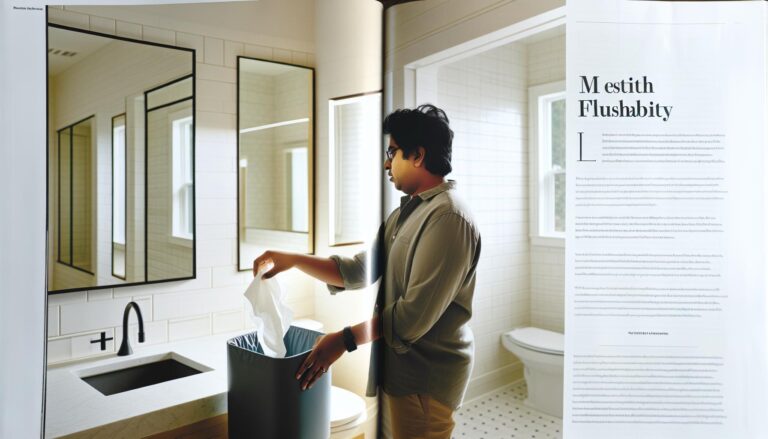
Can you flush Dude Wipes? Discover the truth behind their flushability claims and learn what really happens to pipes and plumbing before you flush.
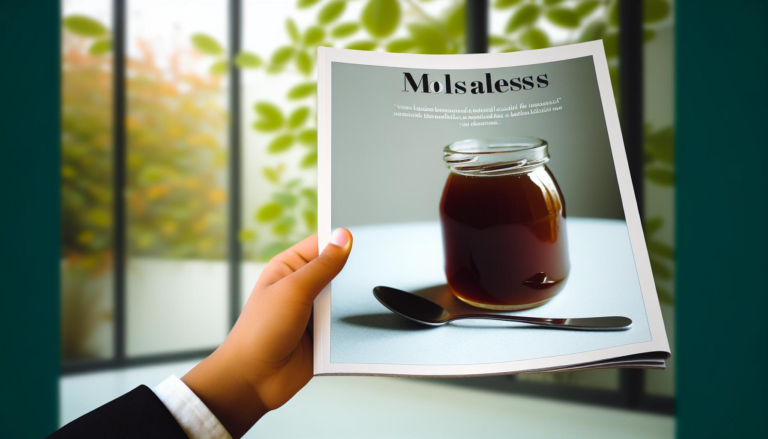
Can you flush with molasses? Discover how this natural laxative works, learn safe usage tips, and get lasting relief from constipation today.