Can You Flush Meds? Proper Medication Disposal Methods
Did you know that flushing medications down the toilet or sink can harm our habitat and water systems? Proper medication disposal is more important than many realise, as leftover drugs pose risks to wildlife, water quality, and accidental ingestion. Understanding whether you can flush meds safely-and learning the best alternatives-helps you protect your home and community. This article will guide you through responsible disposal methods, clear up common misconceptions about flushing medications, and provide practical steps to ensure your unused medicines are discarded safely and effectively. By knowing the right way to get rid of meds, you can contribute to a healthier planet and prevent potential dangers, making your choices matter every time you clean out your medicine cabinet.
Understanding Why Proper Medication Disposal Matters
Properly disposing of medications is more than just a matter of tidiness-it’s a crucial step in protecting both public health and the environment. When left unchecked, unused or expired drugs can pose serious risks, ranging from accidental poisonings to the contamination of our water supply. Many people might assume that flushing medications down the toilet is a fast, harmless solution, but this common practice can lead to unintended consequences that ripple far beyond the household.
Medications flushed into the wastewater system often bypass treatment processes designed to filter conventional waste. Pharmaceuticals can seep into rivers, lakes, and drinking water sources, potentially affecting aquatic ecosystems and human health. For example, traces of antibiotics and hormones have been detected in waterways, leading to concerns about antibiotic resistance and disruption of aquatic life reproduction cycles. This illustrates why understanding and practicing proper medication disposal is essential not only to prevent accidental ingestion by children or pets but also to safeguard broader environmental integrity.
- Preventing misuse and accidental poisonings: Proper disposal removes access to unused medications that could be misused by others or accidentally ingested, which is especially critically important in homes with children or individuals at risk of substance abuse.
- Protecting water quality: As many medications are not fully removed during water treatment, flushing them can introduce contaminants with long-lasting effects on wildlife and drinking water sources.
- Supporting community health: safe disposal reduces the risk of drugs entering landfills or being scavenged, contributing to safer neighborhoods and better public health outcomes.
By adopting safe disposal methods-whether through take-back programs, approved household disposal products, or following FDA guidelines-you not only play a vital role in mitigating these risks but also contribute to a wider culture of responsible medication management. Taking this proactive step is a simple yet powerful way to help preserve health and protect the environment for future generations.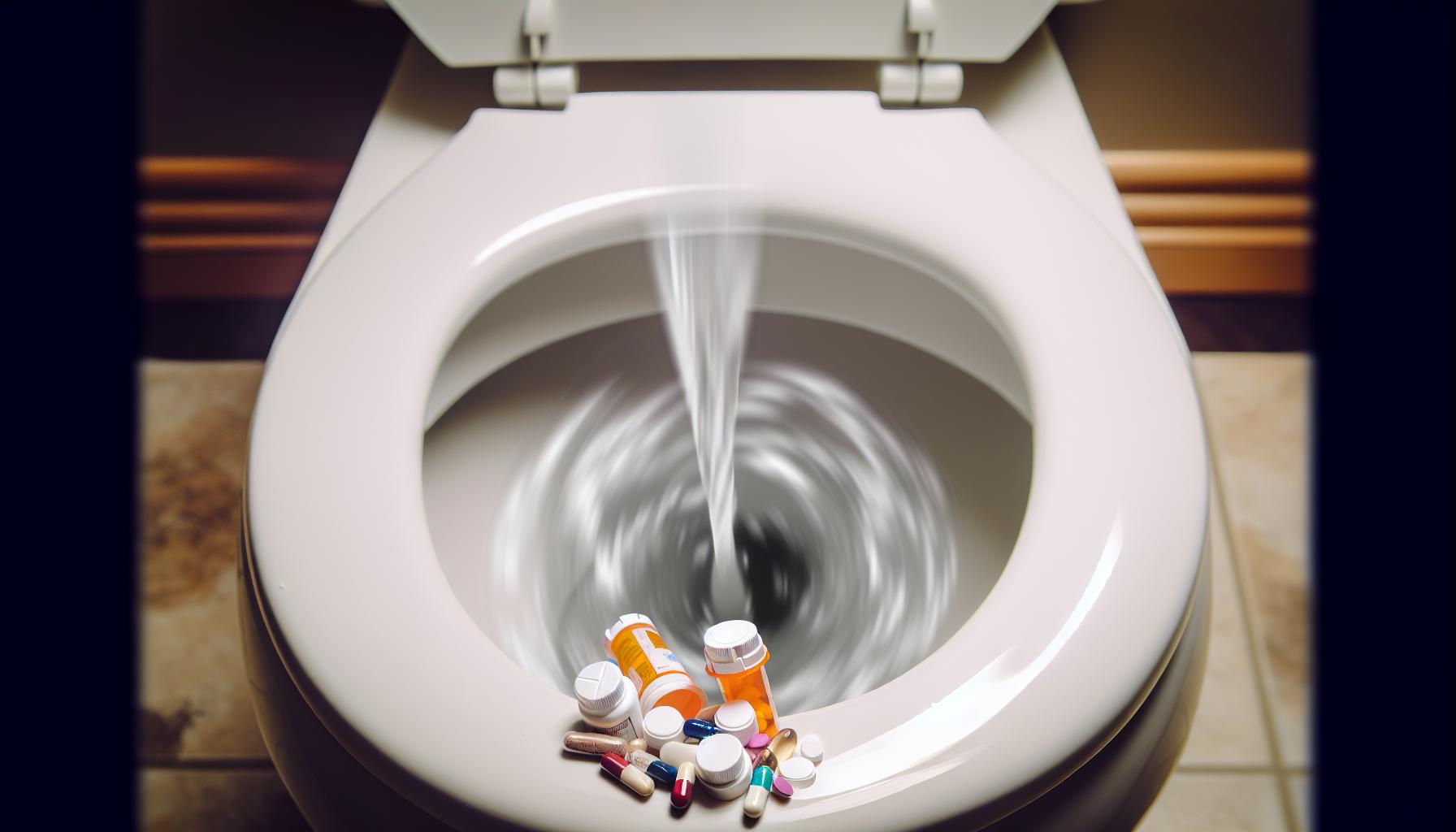
Common Risks of Flushing Medications Down the Toilet
Flushing medications down the toilet might feel like a convenient way to dispose of unused pills, but this practice carries hidden dangers that often go unnoticed. Despite advances in water treatment technology, most wastewater systems are not equipped to fully filter out pharmaceutical compounds. As a result, traces of medications can slip through treatment processes and enter rivers, lakes, and even drinking water supplies, leading to potential long-term environmental and health consequences.
Medicines flushed into the sewage system-especially antibiotics, hormones, and mood stabilizers-can disrupt aquatic ecosystems. For instance, hormones found in contraceptives have been linked to altered reproductive cycles in fish, affecting population dynamics and biodiversity.Similarly, antibiotics released into waterways can contribute to the growth of antibiotic-resistant bacteria, which is a growing global health concern. These hidden risks emphasize that what starts as a simple act of disposal inside the home can ripple outward, impacting wildlife and public health far beyond immediate view.
- Contamination of water sources: Flushed medications may enter reservoirs and groundwater that supply drinking water, raising questions about long-term effects on human health.
- accumulation in the food chain: Aquatic organisms can absorb pharmaceuticals, which then bioaccumulate up the food chain, potentially affecting fish and wildlife consumed by humans.
- Wastewater treatment limitations: Many treatment plants are designed to handle organic waste and pathogens, but they aren’t fully capable of removing complex chemical compounds found in medications.
Besides environmental impacts, flushing meds can inadvertently enable misuse. For certain medications, especially controlled substances or narcotics, flushing is sometimes recommended to prevent drug diversion. However, this shoudl only follow FDA or EPA guidelines, as improper flushing outside these recommendations can worsen the contamination problems noted above. For most other medications, safer alternatives like take-back programs or household disposal products exist that avoid these risks altogether and help keep communities safer.By recognizing these multifaceted risks, it becomes clear that flushing meds is rarely the best choice. Rather, adopting responsible disposal habits not only protects water quality but also helps safeguard local ecosystems and public health from the invisible hazards of pharmaceutical contamination.[[1]] [[3]]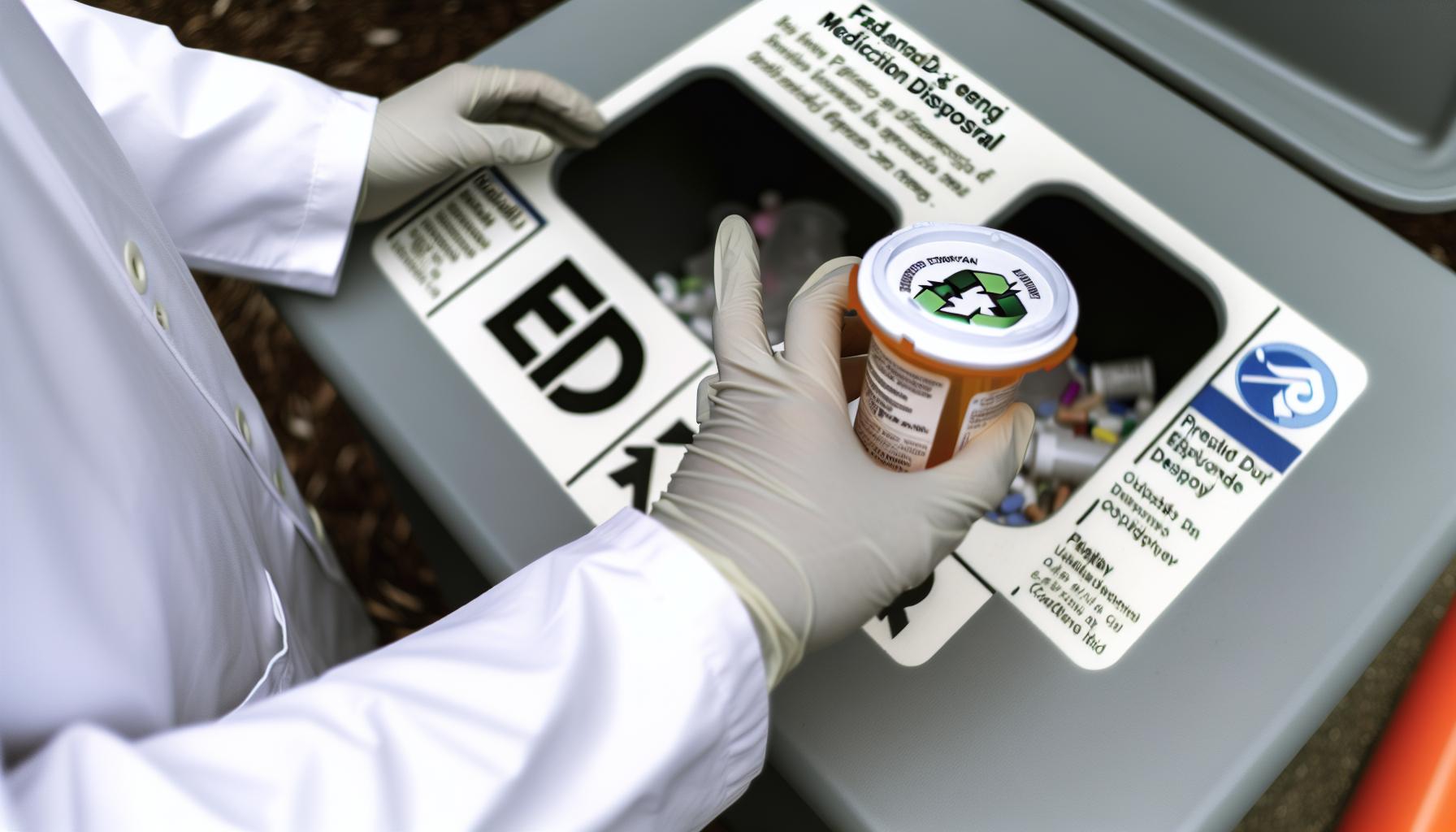
FDA and EPA Guidelines on medication Disposal
Proper medication disposal is a critical topic where the guidance from authoritative bodies like the FDA and EPA plays a vital role in helping individuals make informed decisions. Many people wonder if flushing medications is an acceptable disposal method, but the answer is nuanced and depends on the type of medication involved. The FDA and EPA have carefully formulated recommendations balancing public safety, environmental protection, and the prevention of drug misuse.
The FDA advises that only specific medications-mainly certain controlled substances or drugs that pose a significant risk of accidental ingestion or misuse-should be flushed down the toilet. This limited list is provided because the dangers associated with diversion or accidental poisoning outweigh the environmental risks in these cases. For most medications, however, flushing is discouraged precisely because of the contamination concerns highlighted in earlier sections. The EPA aligns with this viewpoint, emphasizing that flushing pharmaceuticals should be a last resort only for those drugs explicitly listed by the FDA.
- Medications recommended for flushing: Certain powerful narcotics such as fentanyl patches or hydrocodone-containing meds are often labeled for flushing instantly after use if disposal options like take-back programs are not readily accessible.
- All other medications: The FDA encourages consumers to utilize take-back programs,authorized drug disposal kiosks,or household disposal methods approved by local waste authorities to keep these medications out of waterways and landfills.
Understanding the FDA Flush List
This list is regularly updated and includes medications that present the highest risk if left unused in homes. It recognizes that while flushing introduces pharmaceuticals into wastewater, preventing accidental ingestion or abuse for these high-risk drugs is the priority. However, it is important to note that many common prescriptions-such as antibiotics, antidepressants, and anti-inflammatory drugs-are not included on this list and should never be flushed. Instead, residents should seek safer alternatives.
Practical Disposal Options Backed by Regulatory Guidance
In addition to flushing certain drugs, the FDA and EPA strongly promote participation in community take-back events or permanent collection sites supported by law enforcement or pharmacies. These programs ensure medications are destroyed in ways that minimize environmental and societal harm. When such programs are unavailable, FDA-approved at-home disposal products, such as activated carbon pouches that neutralize drugs, offer an effective choice. These guidelines encourage thoughtful disposal decisions that prioritize both safety and environmental stewardship.
| Medication Type | FDA/EPA Disposal Recommendation | Rationale |
|---|---|---|
| Selected Controlled Substances (e.g., fentanyl patches, morphine) | Flush immediately if no take-back option available | Reduce risk of misuse or accidental poisoning |
| Most Other Prescription Medications | Use take-back programs or approved household disposal methods | prevent environmental contamination |
| Over-the-Counter Medications | Dispose through household trash with precautions (e.g., mixing with undesirable substances) | Minimize diversion and environmental impact |
By following the FDA and EPA’s tailored disposal protocols, consumers can protect their families while also playing a vital part in reducing pharmaceutical pollution.When unsure, contacting a pharmacist or local waste management authority can provide the latest guidance and local options to ensure medications are disposed of responsibly and safely. This compliance not only supports public health initiatives but also contributes to a cleaner environment for the community as a whole.[[2]] [[1]]
Safe Alternatives to Flushing Meds at Home
Proper disposal of medications at home doesn’t have to be complicated or harmful to the environment. Many people assume the easiest option is to flush leftover pills or liquids down the toilet, but this can introduce harmful substances into waterways. Fortunately, there are several safe and practical alternatives that protect both your household and the planet.
one effective option is utilizing community take-back programs or authorized collection sites, which are often sponsored by local pharmacies, hospitals, or law enforcement agencies. These programs ensure that medications are disposed of through secure and environmentally sound processes. If you miss these events or don’t have access to permanent drop-off locations, many communities also offer mail-back envelopes that allow you to send unwanted or expired medications safely to facilities that handle pharmaceutical waste.
For those times when take-back programs aren’t available, at-home disposal methods approved by regulatory agencies provide a reliable fallback. These include specially designed drug disposal products, such as activated carbon pouches, that neutralize medications and prevent them from leaching into soil or water once discarded in the trash. Using these products can considerably reduce the risk of accidental exposure by mixing medications with undesirable substances like coffee grounds or cat litter before sealing them in a container.
Simple Steps for Safe Household Disposal
- Remove medications from their original containers to protect your privacy and prevent confusion.
- mix medications with an unpalatable substance-used coffee grounds,dirt,or shredded paper work well to discourage misuse.
- Place the mixture in a sealed bag or container to keep it secure and prevent leakage.
- Dispose of the sealed package in your household trash, following any specific local regulations.
By taking these simple yet careful steps,you prevent pharmaceuticals from entering the water system while limiting the likelihood of children,pets,or others accidentally ingesting unused drugs. Additionally, staying informed about local disposal resources-such as law enforcement drop boxes with secure envelopes-can further facilitate responsible disposal.
Combining community resources with at-home precautions offers a flexible and environmentally conscious strategy for safe medication disposal that every household can adopt confidently. These alternatives support not just individual safety but also broader public health and environmental goals, creating a cleaner, safer community for all.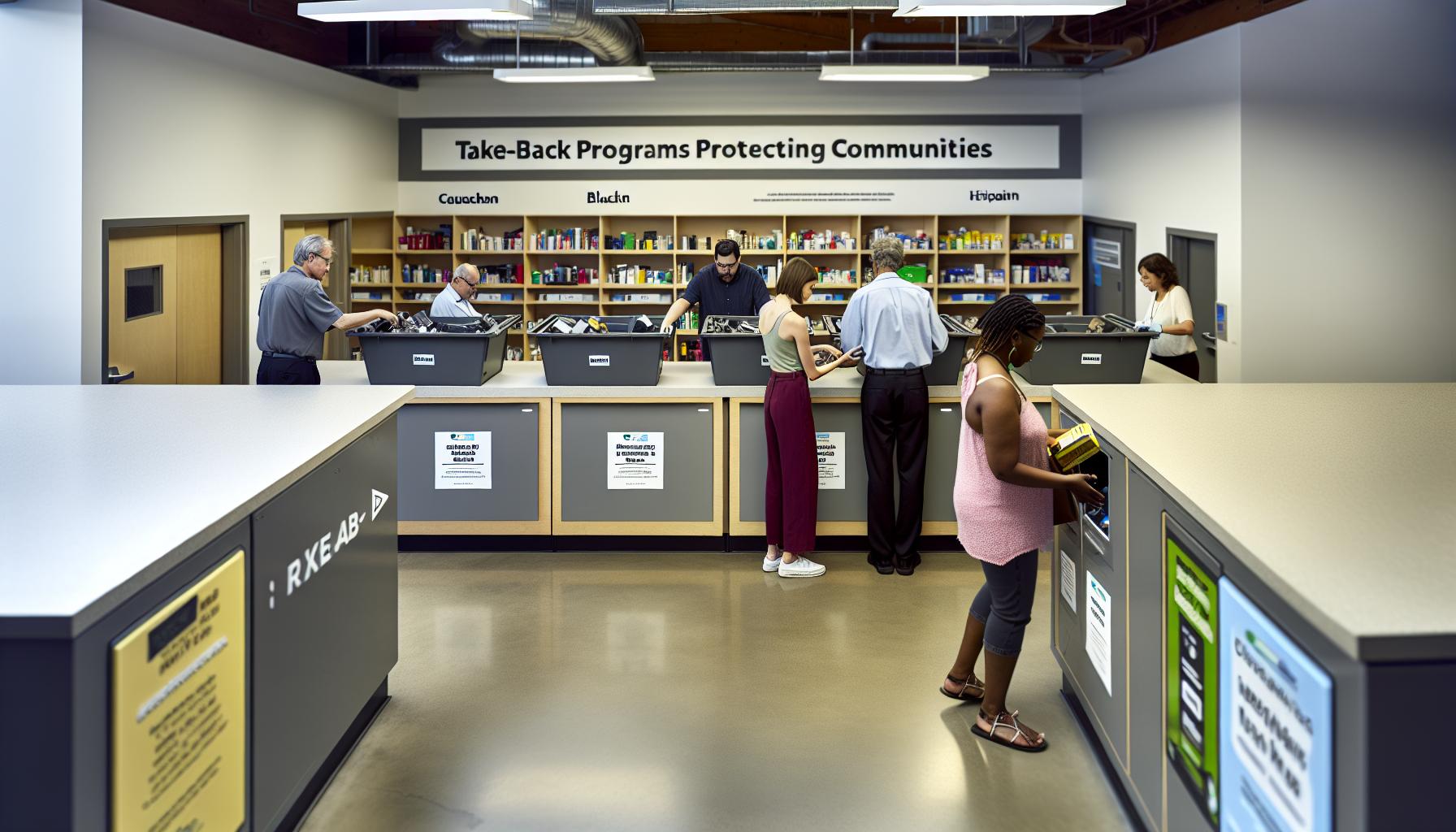
How Take-Back Programs Protect Your Community
One of the most effective ways communities safeguard public health and the environment from the dangers of improper medication disposal is through take-back programs. These programs provide a secure, convenient option for individuals to return unused or expired medications, keeping harmful substances out of waterways and away from children, pets, and potential abusers. By participating in these initiatives, residents contribute directly to reducing pharmaceutical pollution and preventing accidental poisonings in their neighborhoods.Take-back programs are typically organized by local governments, pharmacies, hospitals, or law enforcement agencies and often involve designated collection sites or periodic events. The collected medications are then handled by certified disposal facilities that use environmentally responsible methods, such as high-temperature incineration, to safely eliminate pharmaceutical waste. This controlled process contrasts sharply with flushing or trash disposal, where medications can leach into soil, groundwater, or sewage treatment systems that are not equipped to fully remove pharmaceuticals.
These programs also play an important educational role. By raising awareness, they encourage responsible medication use and storage while offering a clear message about the potential dangers of hoarding or misusing leftover drugs. in some areas, police stations maintain permanent drug drop boxes, making it easy and discreet for community members to dispose of controlled substances-medications that or else require special handling due to their potential for abuse.
How You Can Take Part in Medication Take-Back Programs
- Locate a nearby drop-off site: Many pharmacies and law enforcement agencies list permanent collection receptacles on their websites.
- Participate in national or local take-back events: These often occur once or twice a year, providing a large-scale prospect to safely discard medications.
- Utilize mail-back envelopes: When physical collection points are unavailable, some programs offer prepaid envelopes to send medications directly to disposal facilities.
- follow program guidelines: Do not remove medications from their packaging if instructed or else, and be aware of any restrictions on liquids or needles.
By entrusting unused medications to these programs, communities reduce the risk of environmental contamination and the public health threats associated with improper drug disposal. Beyond individual benefits, take-back programs foster a collective sense of responsibility, empowering neighborhoods to become safer, cleaner places for everyone.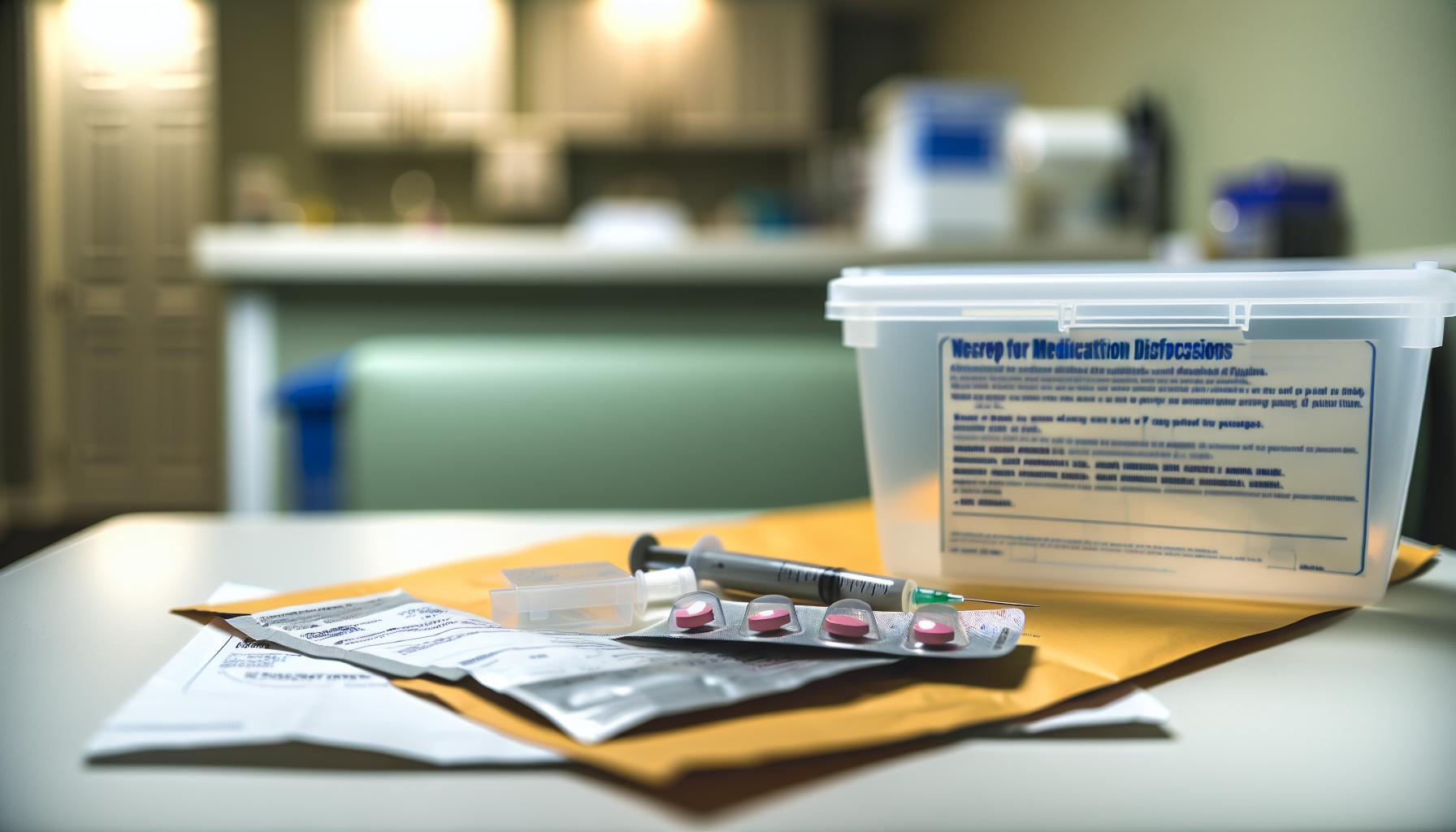
Disposal Instructions for Different Types of Medications
Proper disposal of medications varies significantly depending on the type of medication and its potential risks to people and the environment. Not all meds should be treated the same way, and understanding these differences can prevent accidental poisonings, misuse, and environmental harm.
Many solid medications like tablets and capsules are best disposed of through take-back programs where available. Though, if you must dispose of these at home, mixing them with undesirable substances-such as used coffee grounds or dirt-and sealing them in a plastic bag before tossing them in the trash can definitely help prevent accidental ingestion by children or pets. Liquid medications, creams, or patches require extra caution; these should never be flushed unless specifically indicated by authorities as their chemicals can contaminate water systems.
Handling Various Medication Forms Safely
- Tablets and Capsules: Prefer drop-off at take-back locations. If none are accessible, render them less appealing by mixing with an unpalatable substance, sealing tightly, and disposing in household trash.
- Liquids and Suspensions: Check if the medication is on the FDA’s flush list, which includes some opioids and controlled substances that pose high abuse risks.Otherwise, avoid flushing and opt for take-back programs or mixing with absorbent materials before trash disposal.
- Topical Medications (creams,gels,patches): Remove patches from backing,fold adhesive sides together,and dispose in sealed container to avoid accidental contact. Do not flush creams or gels.
- Inhalers and Aerosols: Frequently enough considered hazardous waste; many locations offer specific collection methods for these. Do not puncture or incinerate inhalers at home.
- suppositories and Ointments: Like topical meds, these should be sealed and disposed of in the trash, avoiding flushing due to their formulation and potential environmental impact.
| Medication Type | Preferred Disposal Method | Flush or Not? |
|---|---|---|
| Tablets and Capsules | Take-back program or sealed trash disposal | No, unless on FDA flush list |
| Liquid Medications (e.g., syrups) | take-back program; if unavailable, absorb in solid substance and trash | No, unless specified on FDA flush list |
| Controlled Substances (opioids, narcotics) | Take-back program strongly recommended; some on flush list | Yes, if on FDA flush list; or else, do not flush |
| topicals (creams, ointments, patches) | Trash in sealed bag after patch folded; no flushing | No |
| Inhalers | Hazardous waste collection when available | No |
When dealing with medications that have potential for abuse or are controlled substances, such as certain opioids, always prioritize take-back programs or law enforcement drop-off sites. These outlets ensure that risky drugs do not end up in the wrong hands or contaminate water supplies. The FDA provides a flush list for some medications that pose a substantial risk if kept in home environments; for these, flushing is typically considered a last-resort method when no take-back options are available [[3]](https://www.fda.gov/consumers/consumer-updates/where-and-how-dispose-unused-medicines).
Always check the specific disposal instructions on your medication’s labeling or patient information leaflet. some pharmacies and healthcare providers also supply detailed guidance tailored to particular drugs.Remember, when in doubt, your safest bet is to participate in a medication take-back program, which ensures that different medication forms are handled according to environmental and safety standards [[1]](https://www.stericycle.com/en-us/resource-center/blog/pharmaceutical-waste-medication-disposal).
By adhering to these guidelines, you not only protect your household from accidental exposure but also contribute to reducing the ecological footprint of pharmaceuticals-keeping waterways, soil, and wildlife safe from contamination.
Environmental Impact of Improper Medication Disposal
Improper disposal of medications can have far-reaching consequences that extend beyond your household. When pharmaceuticals are flushed down the toilet or poured into drains, they often bypass standard water treatment processes because wastewater systems aren’t designed to fully filter out complex drug compounds. As a result, active ingredients can enter rivers, lakes, and even groundwater, affecting aquatic life and potentially disrupting entire ecosystems.
Studies have shown that trace amounts of various drugs-including hormones, antibiotics, and antidepressants-are increasingly found in water bodies around the world. These contaminants can interfere with the reproductive systems of fish,alter behaviors,and contribute to antibiotic resistance in bacteria,posing a serious threat to biodiversity and public health alike. Even low concentrations of pharmaceuticals may bioaccumulate in wildlife, leading to unpredictable ecological effects over time.
Real-world impact on the Environment
- Fish and Wildlife: Exposure to hormonal medications, such as birth control pills, has been linked to reproductive abnormalities in fish, affecting population sustainability.
- Water Quality: Antibiotics and painkillers can remain persistent in waterways, hindering efforts to maintain clean, safe drinking water.
- soil Contamination: Disposing of medications in the trash without proper precautions risks leaching harmful substances into soil and groundwater through landfill runoff.
To mitigate these risks, responsible disposal methods are crucial. Opting for take-back programs ensures that medications are incinerated or processed safely, preventing environmental contamination. If take-back options aren’t accessible,following the FDA’s recommended disposal guidelines-such as mixing pills with coffee grounds before trashing or following strict rules for flushing only select high-risk drugs-helps reduce the chances of medicines becoming environmental pollutants.
Practical Steps You Can Take
| Action | Environmental Benefit |
|---|---|
| Use authorized medication take-back programs | Safe destruction prevents pharmaceuticals from entering ecosystems |
| Follow FDA flush list only for specific high-risk meds | Minimizes risk of misuse while managing environmental exposure |
| Seal medications in non-transparent bags mixed with unwanted substances before trash disposal | Reduces accidental ingestion and limits leaching potential |
By taking these conscientious steps, you protect not only your family but also the broader environment, ensuring that vital water resources remain safe and wildlife populations stay healthy.Awareness and action at the individual level create a ripple effect that contributes to a cleaner, safer planet for future generations.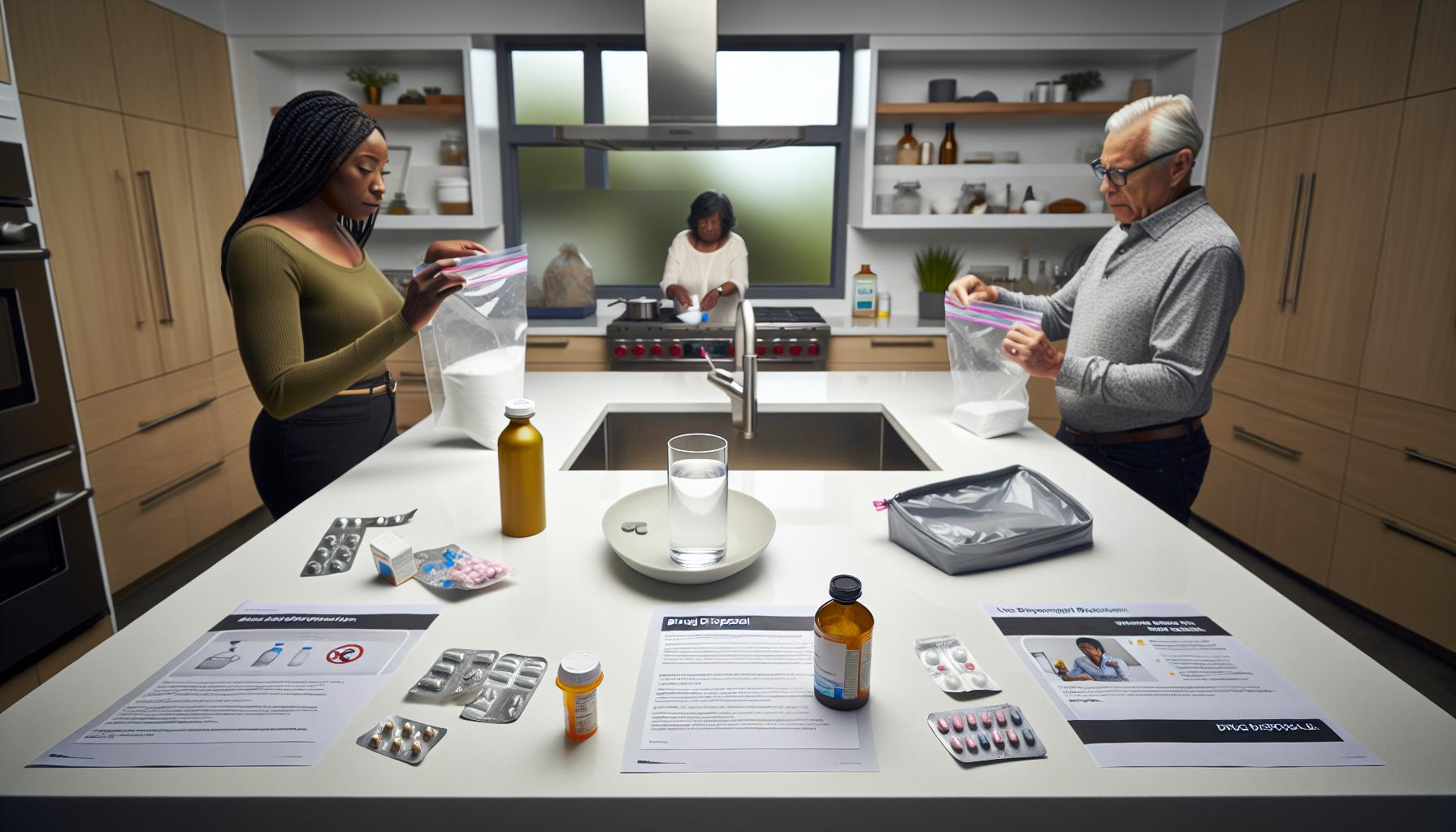
step-by-Step Guide to Using Drug Disposal Products
Few household items come with dedicated disposal products as specialized as medications, highlighting the importance of using drug disposal kits properly to protect your family and the environment. These products neutralize pharmaceutical compounds, preventing harmful substances from leaching into soil or waterways, making them a reliable option when take-back programs aren’t accessible. Understanding how to use these products step-by-step ensures safe and responsible medication disposal at home.
How to Use Drug Disposal Products Effectively
Most drug disposal kits include a pouch or container with an absorbent granule or powder that neutralizes medications.Here’s a practical approach to using them:
- Check the product packaging: Begin by reading all instructions carefully. Different kits may have specific activation methods or waiting times before you can dispose of the package safely.
- Gather your medications: Collect pills, capsules, or tablets you wish to dispose of. Liquids, inhalers, and patches may require seperate disposal instructions, so verify if the kit covers these forms.
- Empty medication into the pouch: Pour the medicines directly into the pouch or container provided. Avoid opening or crushing capsules unless directed, as some pills have coatings to control release.
- Add water if instructed: Many kits require adding a small amount of water to activate the neutralizing agents. Mix gently to ensure all medications are saturated and rendered inert.
- Seal and dispose: After the agreed reaction time-usually within minutes to an hour-close the pouch securely. Then,discard it in your regular household trash,safe in the knowledge that harmful chemicals won’t contaminate the environment.
Additional Tips and Considerations
When choosing a drug disposal product, look for those verified by environmental or pharmaceutical safety organizations to ensure efficacy. Some kits even come with pre-labeled disposal bags,simplifying the process and reducing risk of accidental exposure by children or pets. For example, a nurse in a small town shared how drug disposal pouches became essential in her household, providing a practical solution when local take-back events were months apart.
| Common Step | Purpose | Why It Matters |
|---|---|---|
| Read instructions before use | Ensure correct activation and disposal | Prevents improper neutralization or disposal |
| Pour all solid meds into pouch | Maximizes drug containment | Avoids accidental diversion or environmental release |
| Add specified water amount if required | Activates neutralizing agent | Ensures medications are chemically deactivated |
| Seal pouch tightly | Prevents leakage and exposure | Protects household members and sanitation workers |
Remember that while these products are excellent tools, they are part of a layered approach to medication disposal. Always prioritize authorized take-back programs when available, and adhere to FDA guidance on flushing only select medicines when no alternatives exist. by mastering proper use of disposal products, you can confidently minimize risks associated with unused or expired medications.
What to Do With Controlled Substances and Narcotics
Disposing of controlled substances and narcotics responsibly is crucial not only for your safety but also to prevent misuse and environmental harm. These medications, frequently enough involving opioids or other habit-forming drugs, carry heightened risks if diverted or improperly discarded. Unlike many over-the-counter medicines, flushing these drugs down the toilet is generally discouraged unless explicitly recommended by the FDA, due to potential contamination of water supplies and harm to aquatic life.
Prioritize Authorized Take-Back Programs
Whenever possible, the safest and most recommended method is to bring unused or expired controlled substances to designated drug take-back sites. Many communities offer periodic take-back events or have permanent drop boxes at pharmacies, hospitals, or law enforcement offices. This approach ensures that narcotics are securely destroyed in compliance with federal regulations, reducing risks of diversion and accidental ingestion by children or pets.
- locate local options: Check with your pharmacy, healthcare provider, or local government websites to find take-back locations nearby.
- Use mail-back programs: If no local sites exist,some approved services provide pre-addressed,prepaid envelopes for mailing these medications to secure disposal facilities.
Safe Home Disposal When Take-Back Options Aren’t Available
If authorized disposal programs are not accessible in your area, the FDA provides guidance on a limited list of narcotics that are safe to flush due to their high potential for harm if misused. However, this list is specific and should only be followed if no other disposal options exist. For all other controlled substances, consider these steps for home disposal:
| Step | Description | Reason |
|---|---|---|
| Remove medications from original containers | To prevent accidental identification and misuse | reduces risk of theft or inappropriate retrieval |
| Mix with undesirable substances | Combine meds with used coffee grounds, dirt, or cat litter | Makes medication unappealing and tough to ingest |
| place mixture in sealed bag or container | Ensures no leakage or exposure | Protects sanitation workers and environment |
| Dispose in household trash | Once sealed, discard in trash as last resort | Prevents accidental diversion and environmental contamination |
Additional Precautions and Community Involvement
Controlled substances require careful handling even during disposal to prevent accidental poisoning. Always keep medications out of reach of children and pets until safely discarded. Additionally, spreading awareness within your community about available disposal resources can foster a safer environment and help combat prescription drug abuse. As a notable example, organizing or promoting local take-back events empowers neighbors to dispose of medications properly.
By treating these powerful medications with the respect and caution they demand throughout their lifecycle-including disposal-you help protect your household and contribute to broader public health efforts against drug misuse and environmental hazards. Always stay informed and leverage professional guidance when managing controlled substances at home.[[1]][[2]]
How to Handle Expired or Unused Medications Safely
expired and unused medications can pose unexpected risks-not only to your health but also to the environment and your community. Simply tossing these drugs in the trash or flushing them down the toilet can lead to accidental poisonings, misuse by others, and contamination of water supplies. Taking intentional steps to manage these medications safely is essential, ensuring they don’t fall into the wrong hands or harm ecosystems.
Identify and Separate Medications
Start by regularly checking your medicine cabinet for expired or unneeded drugs.Keep medications in their original containers while reviewing them, and separate those that are outdated or no longer necessary. This habit helps avoid accidental ingestion or confusion. If a medication lacks clear labeling,consult your pharmacist before disposal to confirm it’s safe to discard.
Choose the Right Disposal Methods
Whenever possible, leverage authorized drug take-back programs offered by pharmacies, healthcare facilities, or law enforcement agencies. These programs securely collect and destroy medications following strict environmental and safety protocols. If take-back options aren’t available, the FDA recommends carefully disposing of meds at home by following these steps:
- Remove medications from their containers to prevent misuse or accidental ingestion.
- Mix the drugs with unpalatable substances such as used coffee grounds, dirt, or cat litter to discourage consumption.
- Seal the mixture in a sturdy bag or container to avoid leakage and exposure.
- Discard the sealed package in household trash as a last resort, ensuring it’s inaccessible to children and pets.
This method protects sanitation workers and minimizes environmental contamination risks if taken to a facility isn’t feasible.[[2]]
Special Considerations for Liquids, Inhalers, and Patches
Some medication forms require tailored disposal approaches. Such as,leftover liquid meds should be mixed with absorbent material (like cat litter) before sealing to prevent leaks,while inhalers may contain pressurized gases that need special handling. Transdermal patches frequently enough still contain active medication even after use and should be folded with sticky sides together and disposed of carefully to avoid accidental exposure.
| Medication Form | Disposal Tip | why This Matters |
|---|---|---|
| Liquids and Suspensions | Mix with absorbent material and seal tightly | prevents spills and accidental ingestion |
| Inhalers | Follow specific community guidelines or take-back programs | Avoid release of harmful propellants into the environment |
| Transdermal Patches | Fold sticky sides together and seal in bag before trash disposal | Protects against accidental drug exposure |
Preventing Risks Through Routine Practices
beyond disposal, managing medications diligently reduces risks before they arise. Childproof your medicine storage areas, educate family members about the dangers of sharing or experimenting with medications, and keep an up-to-date list of all household prescriptions. These small but consistent habits reinforce safety and discourage misuse.
Properly handling expired or unused medications safeguards your household and community from accidental poisonings, drug abuse, and environmental harm. Taking a thoughtful, informed approach preserves both public health and the planet, making the extra care well worth the effort.[[1]]
Local and Online Resources for Medication Disposal
Many people underestimate how accessible and diverse medication disposal resources have become, which can make safely discarding expired or unused medications much easier than expected. Whether you live in a bustling city or a rural area, a network of local programs, pharmacies, and online tools is available to help protect your household and environment from the risks of improper disposal.
Finding Nearby Take-Back Locations
Many communities participate in FDA-authorized drug take-back programs that allow residents to drop off medications securely and at no cost. These are often hosted by local pharmacies, hospitals, or law enforcement agencies. To locate one near you, check with your city or county health department’s website or visit national directories such as the DEA’s searchable collection site locator. These listings make it simple to plan regular medication cleanouts, keeping drugs out of the trash and waterways.
utilizing Online Tools for Safe Disposal Guidance
When in-person options are limited, several trusted online platforms provide comprehensive guidance tailored to your region. Websites like Drugs.com offer advanced searches to help identify approved disposal methods for specific medications and link to local programs based on your location.
- Searchable Databases: Use online drug disposal locators to find pharmacies and clinics participating in take-back events.
- Disposal Instructions: Receive clear, medication-specific advice, including how to handle controlled substances or high-risk prescriptions.
- Mail-Back Programs: some companies offer mail-in envelopes that let you safely send medications for professional destruction without leaving home.
Community Partnerships Make a Difference
several municipalities and nonprofit organizations organize regular collection events or permanent drop boxes to encourage safe disposal practices. These efforts not only protect the environment but also raise awareness and engagement in medication safety. Consider joining community groups or online forums that share updates on upcoming disposal events-participation frequently enough strengthens overall local health initiatives and reduces pharmaceutical pollution.
By tapping into these local and online resources, you create an easy-to-follow routine that minimizes risks related to leftover medications while contributing to a healthier environment. Taking advantage of these tools ensures your medications are handled responsibly from start to finish,guarding your family and community effectively against accidental poisonings and environmental damage.
Find UK-specific medication info here and explore comprehensive disposal guidelines to keep safety your priority [[1]]. For a global viewpoint on approved medications and best disposal methods, international drug databases can be valuable references [[2]].
Tips for Educating Family and Friends on Safe Disposal
Understanding the importance of proper medication disposal can sometimes feel abstract until you realize how widespread misconceptions affect entire communities. Many individuals are unaware that simply flushing medications down the toilet, despite seeming convenient, can lead to environmental contamination and health hazards. Sharing clear, relatable information with family and friends makes a significant difference in promoting safer habits and protecting both people and ecosystems.
A practical way to start this discussion is by illustrating how common disposal myths, like flushing or trashing medications, can introduce pharmaceuticals into local water supplies. Framing the conversation around real risks-such as accidental poisonings, abuse, or environmental damage-helps others connect emotionally and intellectually. Encourage open dialog where questions and concerns are welcomed, making it easier for those unfamiliar with disposal protocols to learn without judgment.
- Lead by Example: Show your family and friends how you safely dispose of medications by using take-back programs, mail-back envelopes, or community drop boxes. Your visible commitment reinforces the behavior.
- Share Resources: Provide easy-to-follow links to local disposal locations, FDA or EPA guidelines, and trusted online tools that explain approved methods with medication-specific advice.
- Tailor Messages: Adapt your explanations based on the audience-highlight environmental impact with environmentally conscious friends, focus on safety concerns for families with children, and mention legal compliance when talking to seniors or caregivers.
- Use Visual Aids: Simple infographics or handouts about what not to do (like flushing meds) and alternatives can clarify the message and increase retention.
Many communities offer seasonal take-back events or permanent drop boxes, making safe disposal more accessible than ever. Encourage your circle to mark these dates on calendars or subscribe to local notifications. Emphasizing convenience alongside safety highlights how easy it is to participate consistently without disruption to busy schedules. By creating small routines and spreading awareness within your social network, you build a culture of responsibility that extends beyond your household.
ultimately, educating loved ones about proper medication disposal is not just about information dissemination; it’s about empowering them to act mindfully. When they understand the consequences and solutions, families become allies against pharmaceutical pollution and misuse-helping to safeguard public health and the environment for generations to come.
Q&A
Q: How can I safely dispose of liquid medications at home without flushing?
A: Liquid medications should never be flushed unless specifically instructed. instead, mix them with an unpalatable substance like dirt, coffee grounds, or kitty litter in a sealed container. Then, place this container in your household trash. This prevents accidental ingestion and environmental contamination. See Safe Alternatives to Flushing Meds at Home for detailed steps.Q: What should I do if my local take-back program isn’t available for medication disposal?
A: If take-back programs aren’t accessible, use FDA-recommended disposal methods such as mixing medications with undesirable substances before trashing them. Additionally, pharmacies or law enforcement agencies may offer mail-back envelopes. Always check Local and Online Resources for Medication Disposal for alternatives near you.
Q: Why are some medications specifically approved for flushing by the FDA?
A: Certain medications are approved for flushing because their risks from accidental ingestion or misuse outweigh environmental concerns. These are usually highly potent or controlled substances. Always follow FDA and EPA Guidelines on Medication Disposal and only flush if the medication label or instructions explicitly say so.
Q: How does improper medication disposal affect local water treatment systems?
A: Improper disposal like flushing meds can introduce pharmaceuticals into water supplies, which sewage treatment may not fully remove. This can harm aquatic life and impact human health. For more on environmental consequences,refer to Environmental Impact of Improper Medication Disposal in the main article.
Q: When is it appropriate to use drug disposal products, and how do they work?
A: Drug disposal products are ideal for at-home medication destruction by neutralizing active ingredients safely. Use them according to package instructions, usually mixing unused meds with an activating agent before trashing.See the Step-by-Step Guide to Using Drug Disposal Products for proper use and best practices.
Q: How can I educate children about the dangers of flushing medications?
A: Teaching children about medication dangers and flushing risks should include clear explanations and age-appropriate guidelines to never flush or dispose of meds without adult supervision. Use resources from tips for Educating Family and Friends on Safe Disposal to build a safe disposal culture at home.
Q: What are the best practices for disposing of medications while traveling?
A: When traveling, keep unused meds in original containers and use approved disposal options like take-back sites or approved trash disposal methods upon returning home. Avoid flushing unless explicitly instructed. Review Local and Online Resources for Medication Disposal for locations and disposal options away from home.
Q: Can mixing medications with household waste pose a safety risk, and how can I minimize that risk?
A: Yes, mixing meds improperly with household waste can pose risks of accidental ingestion or environmental harm. Always combine meds with substances like coffee grounds and seal them in a container before disposal. This minimizes risks and is covered under How to Handle Expired or Unused Medications Safely.
For more detailed guidance and additional questions, you can explore related sections of the article to ensure your disposal methods are both safe and environmentally responsible.
To Wrap It Up
Proper medication disposal is crucial for protecting both your health and the environment. While flushing meds might seem convenient, understanding when and how to safely dispose of medications ensures you avoid potential risks. To stay informed, explore our detailed guide on safe medication storage and discover eco-friendly disposal options that fit your needs.
Ready to take the next step? Check out our articles on “Medication Take-Back Programs” and “How to Dispose of Expired Medicines Safely” for actionable tips and local resources.Don’t forget to subscribe to our newsletter for the latest updates on safe medication practices and exclusive expert advice. If you have questions or experiences to share, join the conversation in the comments below-your input helps build a safer community.
By prioritizing proper disposal methods, you contribute to a healthier environment and prevent accidental misuse. Keep exploring our site for more insights on medication safety, disposal guidelines, and healthcare tips that empower you to make informed decisions every day.
Get our latest guides, news, and insights highlighted in your Google Search & AI Overviews.