
Can You Flush Lime Down the Toilet? pH Balance Dangers
Did you know that flushing lime down your toilet could disrupt your home’s plumbing and septic system? While it may seem harmless or even like a natural way to clean, lime’s alkaline properties can significantly affect teh delicate pH balance essential for safe and effective waste breakdown. Understanding whether lime is safe to flush is crucial to preventing costly damage and maintaining a healthy plumbing environment. If you’ve ever wondered about the risks or benefits of disposing of lime this way, this article will clarify the potential dangers and help you make informed decisions that protect your pipes and the environment. Keep reading to discover why pH balance matters and how something as simple as lime could have a surprising impact on your toilet system.
Is it Safe to Flush Lime Down the Toilet?
Lime, commonly used in gardening, construction, and water treatment, is not as harmless as it might seem when disposed of through your toilet. At first glance, flushing lime down the toilet may appear convenient, but this simple action can have unintended consequences for your plumbing and local sewage systems. The chemical composition of lime, especially when in powder or patchy form, can create significant pH imbalances, making it risky to introduce it directly into household waste lines.
When lime enters the plumbing system,its alkaline nature can lead to a rise in pH levels far beyond the normal range for drainage and sewage water. This elevated alkalinity can cause the formation of hard deposits, leading to clogs and corrosion of pipes, especially in older systems not designed to handle such chemical stresses. Additionally, lime residue can adhere to pipe walls, restricting water flow and requiring costly professional maintenance. In septic systems, where bacterial balance is crucial, high pH levels caused by lime can disrupt microbial activity essential for waste breakdown, potentially leading to system failure and expensive repairs.
Key Reasons to Avoid Flushing Lime Down Toilets
- Clogging risk: Lime particles can settle and harden inside pipes creating blockages.
- Corrosion potential: Excessive alkalinity can accelerate deterioration of metal plumbing components.
- Septic system disruption: Imbalanced pH harms beneficial bacteria critical to waste processing.
- Environmental harm: Local water treatment plants may struggle to neutralize lime,affecting water quality.
In practical terms, if you handle lime substances at home, it’s better to collect and dispose of leftover material according to local hazardous waste guidelines rather than flushing it. Even small amounts diluted in water can accumulate in plumbing systems over time, increasing repair needs and expenses. Homeowners wiht septic tanks should be especially cautious, as these systems are particularly sensitive to chemical imbalances caused by substances like lime.
considering all these factors, flushing lime is generally unsafe and ill-advised. Instead, proper containment and disposal help protect your home’s plumbing integrity and contribute to healthier community wastewater management. By understanding these risks, you can make informed choices that extend the life of your plumbing and protect the environment.
Understanding Lime’s Chemical Properties and pH Impact
Lime, in its common forms such as calcium hydroxide or calcium oxide, is a highly alkaline substance prized for its ability to neutralize acids and adjust soil or water pH levels. This strong alkalinity, typically with a pH ranging from 10 to 12, is what makes lime effective in various household and industrial uses but also what renders it potentially harmful when introduced improperly into plumbing or sewage systems. Unlike everyday household liquids that hover near neutral pH (around 7), lime’s elevated pH can cause significant chemical disturbances once it enters the wastewater stream.
The reactive nature of lime means it doesn’t dissolve easily in water; instead, it tends to form suspended solid particles or settle as residue, creating potential physical and also chemical challenges. When water containing lime flows through drains, these particles can combine with other minerals to develop hard deposits, frequently enough described as scale. This scale isn’t just unsightly-it can constrict pipes, reduce water flow, and accelerate mechanical wear and corrosion. This is especially true in plumbing made from metals like copper or iron, wich can chemically interact with alkaline substances leading to premature pipe degradation.
Lime’s Effect on pH and Why It Matters
Water systems, including household plumbing and municipal treatment facilities, rely on maintaining a balanced pH environment to function correctly. Lime’s introduction skews this balance sharply toward alkalinity,often pushing pH levels outside the safe operating range (typically around 6.5 to 8.5 for most systems). Such a pH shift can disrupt biological processes in septic tanks, where beneficial bacteria break down waste effectively only within a narrow pH spectrum. When bacteria are inhibited or killed,sludge accumulates,and system efficiency drops,potentially leading to costly backups or failures.
| System Component | Optimal pH Range | Impact of High pH Due to Lime |
|---|---|---|
| Household Plumbing | 6.5 – 8.5 | Pipe scaling, corrosion risk, reduced water flow |
| Septic Systems | 6.0 - 8.0 | Disruption of microbial digestion, system failure |
| Municipal Water Treatment | 6.5 – 8.5 | Challenges in neutralizing wastewater, increased treatment costs |
Understanding these chemical dynamics makes it clear why simply flushing lime down the toilet is problematic. The alkaline shock disturbs the delicate ecosystems inside pipes and treatment plants, making maintenance more elaborate and costly. For homeowners and businesses alike, awareness of lime’s high pH properties helps in making safer disposal choices-protecting both their plumbing infrastructure and the broader water environment.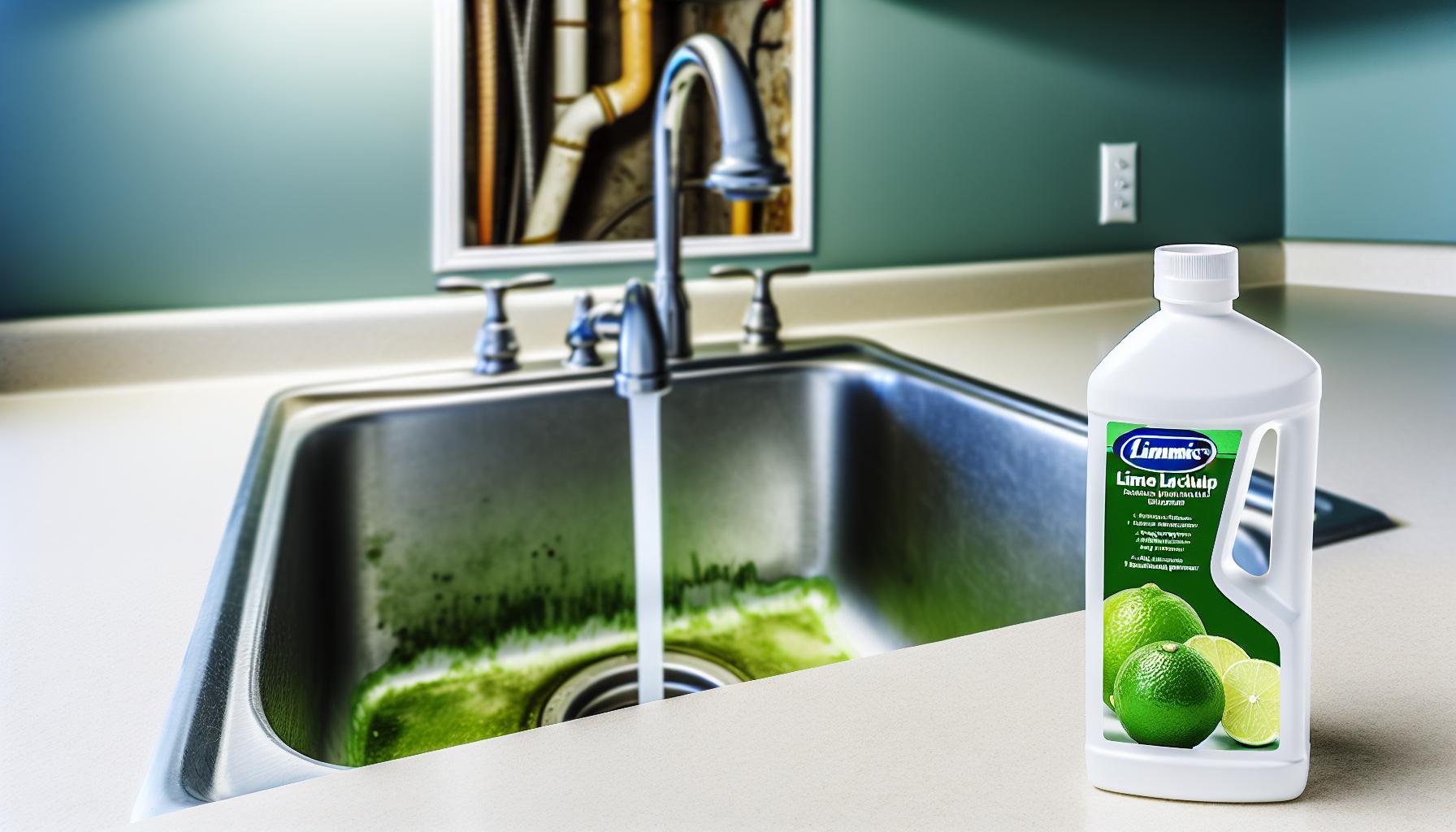
How Lime Affects Household Plumbing and Septic Systems
Lime’s high alkalinity poses unique challenges once it enters household plumbing and septic systems. While lime is effective in various applications due to its pH-neutralizing ability, flushing even small amounts down toilets or drains can trigger the formation of stubborn deposits inside pipes.These deposits, commonly known as scale, develop as lime particles settle and combine with minerals like calcium and magnesium already present in your water supply. Over time, this scale narrows pipe interiors, reducing water flow and increasing the risk of blockages and costly repairs.
In plumbing systems constructed from metals such as copper or galvanized steel,lime’s alkaline nature can accelerate corrosion. This happens as the elevated pH encourages chemical reactions that deteriorate metal surfaces,leading to leaks or pipe failures long before their expected lifespan. Plastic pipes are less susceptible to corrosion but still vulnerable to clogging from accumulated lime residue. For homeowners, detecting early signs of scaling-like reduced water pressure or slow drains-can be crucial in avoiding extensive damage.
Septic tanks,which rely on a balanced ecosystem of bacteria to break down waste,are especially sensitive to pH fluctuations caused by lime. These beneficial microbes thrive within a narrow pH range roughly between 6.0 and 8.0, so introducing lime with a pH of 10 to 12 disrupts this balance dramatically. The resulting bacterial die-off hampers the tank’s digestion process,allowing solids to accumulate and potentially causing backups or the need for premature pumping. Unlike municipal wastewater systems, septic systems don’t have advanced buffering capacities, making them more prone to failure from alkaline disturbances.
Key Impacts of Lime on Plumbing and Septic Systems
| System Component | Common Issues | Consequences |
|---|---|---|
| Household Pipes | Scale buildup, corrosion | Clogged drains, leaks, reduced water flow |
| Septic Tanks | Alkalinity-induced microbial imbalance | Poor waste breakdown, system backups |
| Water Fixtures | Mineral deposits | Reduced fixture lifespan, clogging of aerators/showerheads |
- Tip for homeowners: Avoid flushing lime powder or slurry down toilets or sinks. Instead, dispose of small amounts in accordance with local hazardous waste guidelines.
- Professional maintenance: Regular inspection and descaling treatments can definitely help manage lime buildup before it impairs system performance.
- Preventive measures: Using water softeners or pH-neutralizing additives can reduce lime-related scaling and corrosion in vulnerable plumbing.
Understanding how lime interacts physically and chemically with your home’s plumbing and septic system equips you to protect these investments. Taking precautionary steps and choosing appropriate disposal methods not only preserves pipe integrity but also maintains effective waste treatment-saving you from unexpected expenses and environmental harm.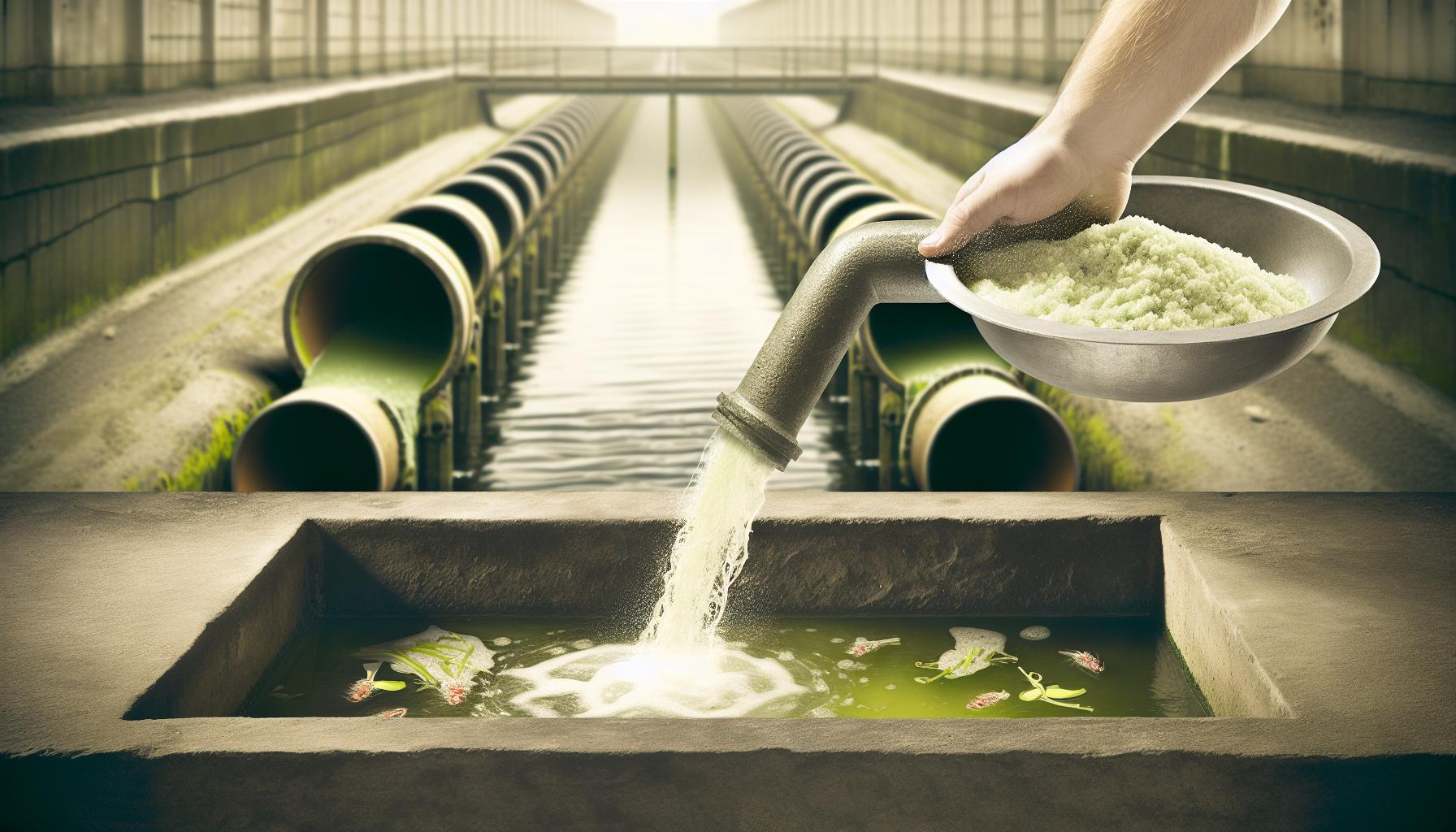
Potential Environmental Risks of Flushing Lime
Flushing lime down the toilet may seem harmless given its common use in gardening and construction, but it carries several hidden environmental risks that many homeowners overlook. When lime enters municipal wastewater or natural water bodies, its highly alkaline nature can disrupt delicate aquatic ecosystems. Just as lime raises pH in your septic tank and plumbing, it similarly alters pH levels in rivers, lakes, and streams, potentially stressing or killing aquatic plants and animals adapted to more neutral conditions.
Municipal wastewater treatment plants are designed to handle typical household chemicals and organic waste, but they often lack the capacity to neutralize lime’s strong alkalinity effectively. Excess lime can cause treatment inefficiencies by disturbing microbial populations essential for breaking down organic matter. This disruption may lead to incomplete waste degradation, higher operational costs, and the release of untreated or partially treated effluent back into the environment.
Environmental Consequences in Detail
| Environmental Aspect | Impact of Lime Introduction | Resulting Concerns |
|---|---|---|
| Aquatic ecosystems | pH imbalance causing habitat stress | Reduced biodiversity, fish kills |
| Wastewater Treatment | Disrupted microbial activity | Lower treatment efficiency, pollution risk |
| Soil and Groundwater | Alkaline runoff affects soil chemistry | Nutrient imbalances, contamination of water supplies |
Even small, repeated disposal of lime can gradually increase alkalinity in soils and groundwater, leading to nutrient lock-up where essential elements like phosphorus and nitrogen become less available to plants. This phenomenon not only affects local vegetation but can cascade into larger agricultural or natural systems causing decline in soil fertility and water quality.
- Smart disposal practices prevent these environmental issues while protecting public water resources.
- consider collecting lime waste for use in controlled soil amendments or through professional hazardous waste facilities.
- Avoid flushing to reduce alkaline overload on treatment plants and natural aquatic environments.
By understanding the broader consequences of flushing lime, you can make informed choices that protect the environment, public infrastructure, and your community’s health-ensuring that this useful substance doesn’t become an unseen pollutant.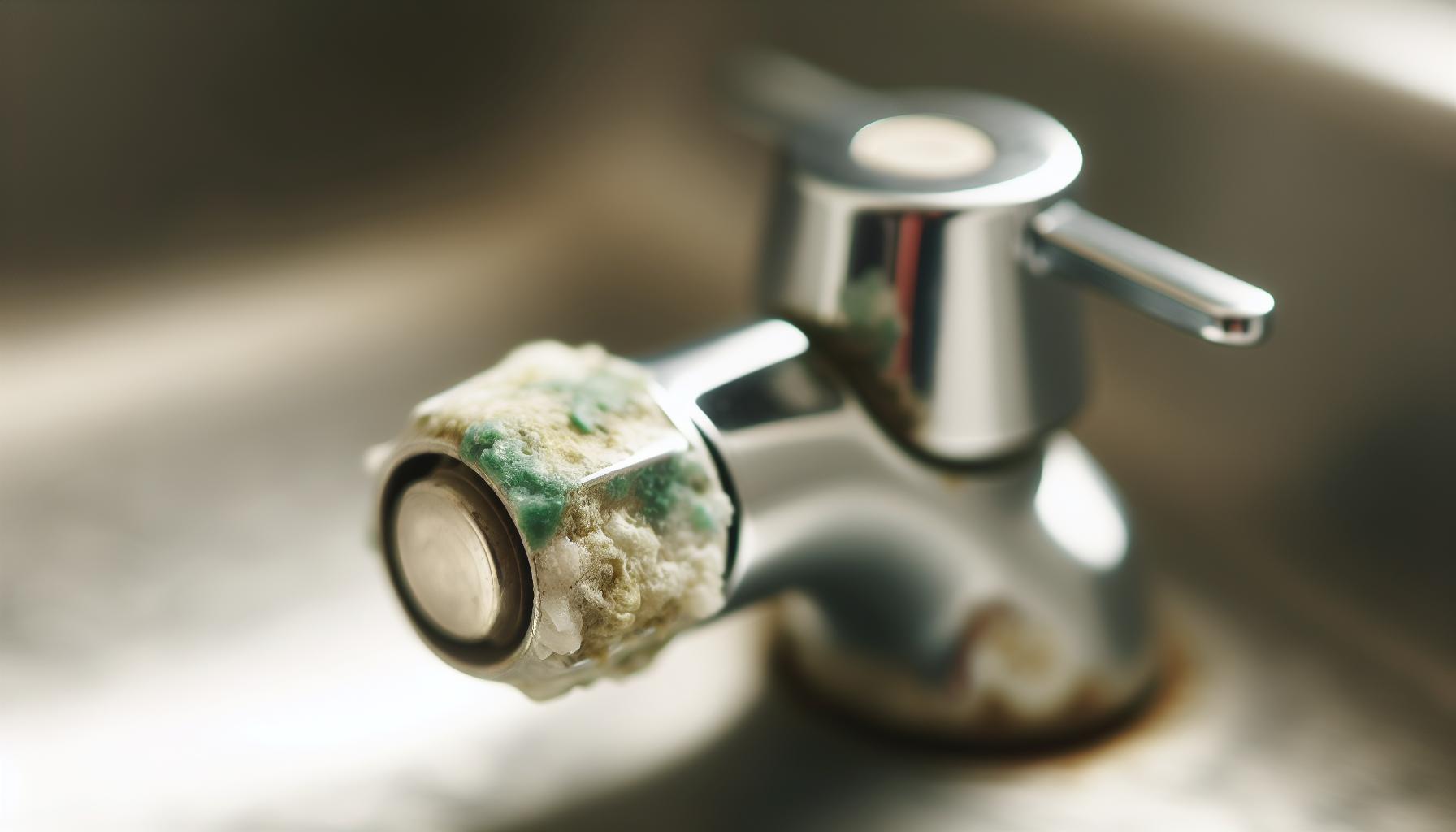
Signs of Plumbing Damage Caused by Lime Residue
The accumulation of lime residue in your plumbing system can lead to subtle but progressively worsening issues that often go unnoticed until they become serious. one of the first noticeable signs may be a gradual decrease in water flow or frequent clogs,as lime deposits start to build up inside pipes,narrowing their diameter.This scaling effect is particularly common in toilets and drains, where lime particles can settle and harden over time, obstructing normal water movement.
Another indication comes from persistent plumbing odors or slow drainage, which arise as lime residue traps organic matter, creating an environment conducive to bacterial growth. Over time, this can cause unpleasant smells emanating from drains or toilets. In some cases, homeowners might experience frequent toilet blockages that require multiple flushes or even professional snaking to clear lime-related buildup.Additionally, lime’s strong alkalinity can cause corrosion or brittleness in certain types of pipes and fixtures, especially older metal plumbing. You might notice cracks in toilet bowls or worn-down seals around joints and valves-symptoms frequently enough mistaken for regular wear but actually linked to chemical damage from prolonged lime exposure. These cracks might not be obvious at first but can lead to leaks or water damage if left unaddressed.
Practical Tips to Identify and Address Lime-Related Plumbing Issues
- Monitor water pressure and flow rates. A sudden or gradual decline could signal pipe narrowing due to lime buildup.
- Inspect toilets and drains for frequent clogs or slow draining, common with lime accumulation.
- Look for visible white or chalky deposits around plumbing fixtures-these are frequently enough lime residue.
- Check for leaks or damp spots near toilet bases or along pipe joints,as corrosion caused by lime may weaken seals.
- Schedule professional plumbing inspections if you suspect damage, as early detection can prevent costly repairs.
By staying vigilant and recognizing these signs early, homeowners can take actionable steps to prevent long-term damage, ensuring their plumbing remains efficient and safe. Avoiding the flushing of lime altogether is a critical preventative measure,as repeated exposure only accelerates these detrimental effects on your household’s water system.
Alternatives to Flushing Lime Safely
Lime, with its highly alkaline nature, poses a significant risk when introduced into household plumbing or sewage systems via flushing. Fortunately, there are effective alternatives for disposing of lime safely, allowing you to protect your home’s pipes and the environment without inconvenience. Instead of flushing, consider repurposing or containing lime in ways that minimize its corrosive impact and pH imbalance risks.
One practical option is to mix lime with soil in your garden or lawn, where it can serve as a soil amendment to neutralize acidity and improve nutrient availability. Agricultural and horticultural uses are among lime’s safest outlets, transforming it into a beneficial resource rather than a hazard. However, before applying lime outdoors, it’s crucial to test your soil’s pH to avoid over-application, which could disrupt plant health. When spreading lime, use protective equipment like gloves and masks to prevent irritation, and apply it evenly to prevent runoff during rain.
For small amounts of lime waste that must be discarded,bagging it securely and disposing of it with your regular trash or taking it to a local hazardous waste facility is safer than pouring it down drains. Many municipalities offer disposal guidelines or designated collection days for products like lime and other garden amendments, ensuring they don’t enter the water system untreated.
Safe Handling and Disposal Tips
- Use lime for lawn care: if your soil needs pH adjustment, apply lime directly to your yard following soil test results.
- Contain leftover lime: Place unused lime in sealed, labeled containers to prevent dust and accidental exposure.
- Consult local waste facilities: Many areas have rules on disposing of chemical products-check with your municipality to avoid fines and environmental harm.
- Avoid mixing lime with other chemicals: This prevents risky reactions and ensures safe handling.
By exploring these alternatives, you help maintain stable pH levels in your home plumbing and avoid costly damage while contributing positively to your garden or community waste management efforts. In short, channeling lime towards a controlled, purpose-driven use is both environmentally responsible and safer for your household system.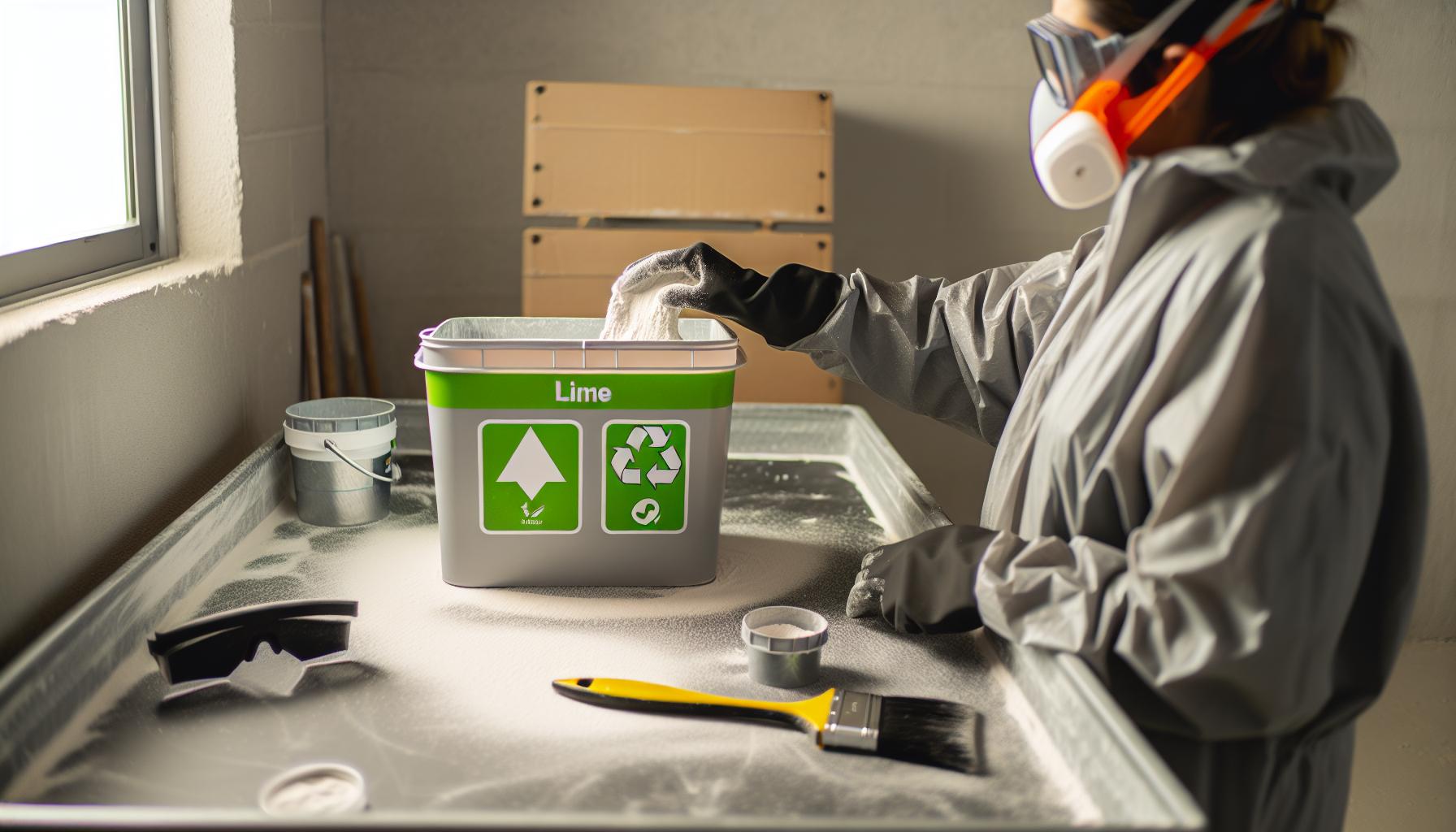
proper Disposal Methods for Lime and Lime-Based Products
Discarding lime and lime-based materials improperly can cause more harm than most people realize, especially when it comes to household plumbing and municipal water systems. Unlike common household waste, lime’s highly alkaline nature means it requires careful handling to prevent damage to pipes, septic tanks, and local sewage treatment plants. Simply flushing lime down the toilet can create stubborn residues, disrupt water pH levels, and contribute to costly infrastructure problems.
A more responsible approach involves treating lime as a chemical waste product that demands specific disposal methods. For small quantities, securely bagging lime in heavy-duty, sealed containers is essential to prevent dust dispersion and accidental exposure.These sealed bags can then be disposed of with regular trash-provided your local waste management guidelines permit this-or, preferably, taken to hazardous waste collection sites that are better equipped to manage chemical residues safely. Many municipalities offer scheduled hazardous household waste days or dedicated drop-off centers,making it relatively easy to keep lime out of the water system.
Effective Guidelines for Lime Disposal
- Check local regulations first: before disposal, verify whether your municipality has specific instructions or restrictions regarding lime products. Rules vary widely and compliance helps avoid fines and also environmental damage.
- Use labeled, airtight containers: Properly sealing leftover lime prevents it from becoming airborne or mixing with water and other chemicals during handling or transit.
- Keep lime away from drains and water sources: Avoid any contact with sinks, toilets, or outdoor storm drains, which feed directly into community sewage or natural water bodies.
- Don’t mix with incompatible wastes: Mixing lime with acidic or organic waste materials can cause dangerous chemical reactions or potent odors.
For those managing larger amounts of lime-such as from garden renovation or construction-consider partnering with professional waste handlers who specialize in chemical waste. These services ensure lime is neutralized or recycled in controlled environments, mitigating environmental fallout.
In scenarios where lime’s agricultural benefits align with your needs, repurposing it as a soil conditioner after appropriate planning can also act as a safe disposal method, transforming waste into a resource. However, never apply lime products without conducting soil pH tests to prevent unintended ecological consequences.
Practically, composting lime is not advisable due to its alkalinity, but soil amendment or safely routed municipal hazardous waste programs are the best bets to ensure this substance doesn’t threaten household plumbing or public water systems. Taking these steps not only protects your plumbing but contributes to broader efforts in preserving water quality and infrastructure integrity.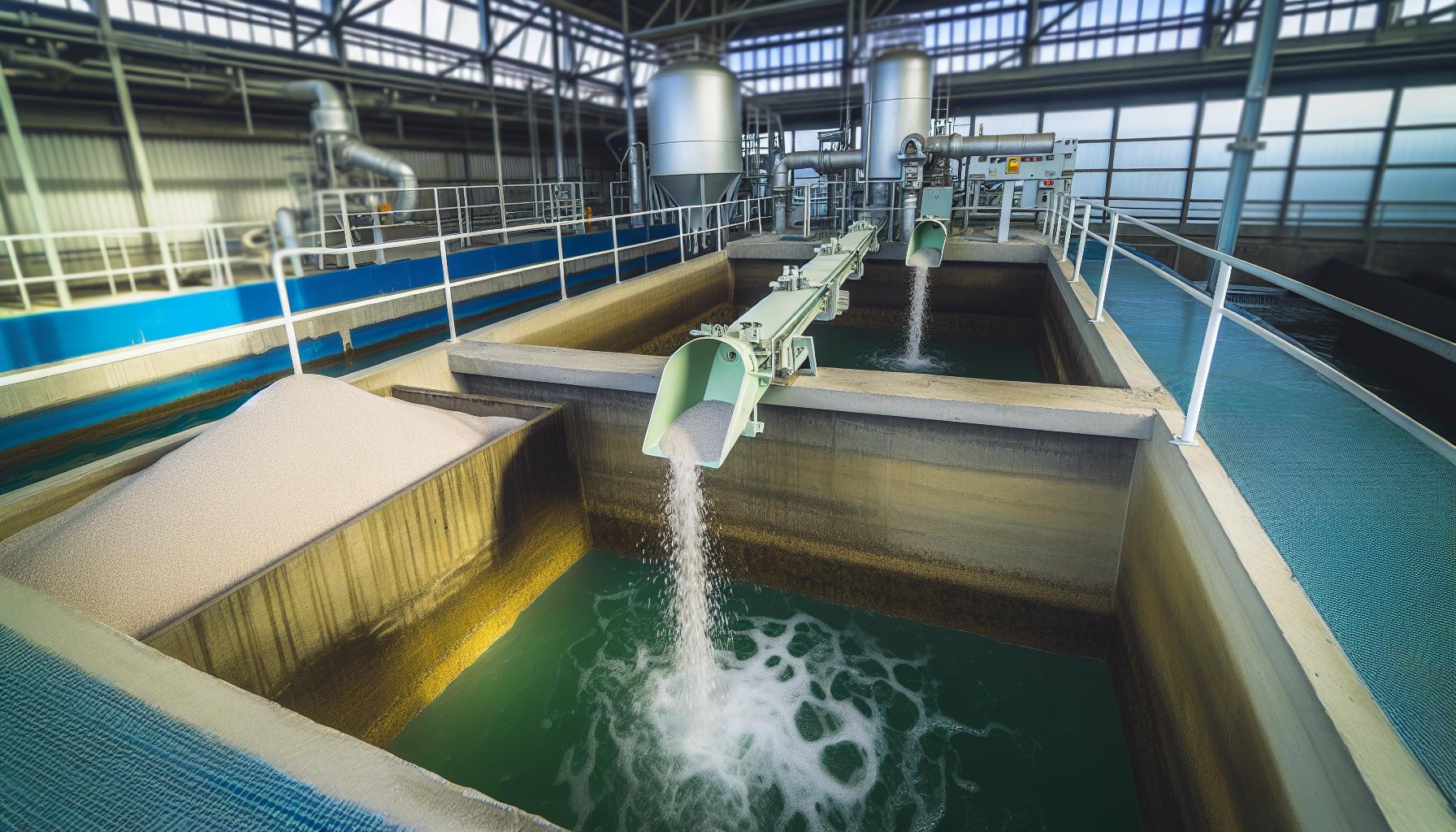
Impact of Lime on Water Treatment and Sewage Systems
Lime’s high alkalinity can pose significant challenges once it enters water treatment and sewage systems. These facilities are carefully calibrated environments designed to process waste under specific chemical conditions, including balanced pH levels. When excess lime is flushed into the sewage system, it can cause sudden and substantial shifts in pH, interfering with the delicate biological processes responsible for breaking down organic material. This disruption can slow treatment cycles, reduce the efficiency of microbial populations, and lead to improperly treated wastewater being discharged into the environment.
Beyond biological impacts, lime tends to settle and accumulate as a residue within pipes and treatment tanks, leading to blockages and increased maintenance costs. This buildup can harden over time,much like scale in household plumbing,resulting in clogged screens,pumps,and filters vital for the system’s operation. Repairing or replacing affected infrastructure places an unneeded financial burden on wastewater utilities, costs which often trickle down to consumers through increased service fees.
Environmental Consequences of pH Fluctuations
Water treatment plants typically maintain influent pH between 6.5 and 8.5 to promote optimal microbial digestion. Lime, being strongly alkaline, can raise pH above this range, causing these biological communities stress or death. As a outcome, untreated or partially treated sewage may enter local waterways, harming aquatic ecosystems through oxygen depletion and toxic metal mobilization. Moreover,lime-contaminated effluent can alter soil chemistry when used for irrigation,compounding environmental harm.
Practical Tips to Minimize Lime’s Impact
- Never dispose of lime via household drains or toilets: Even small amounts can disrupt sewage treatment efficiency and infrastructure.
- Use designated hazardous waste or chemical disposal facilities: These programs are equipped to neutralize lime safely without risking environmental contamination.
- consider repurposing lime for agricultural use: When done correctly with soil testing, lime improves soil health without impacting wastewater treatment systems.
Understanding the downstream effects of improper lime disposal helps underscore why seemingly harmless actions like flushing lime should be avoided. protecting water treatment infrastructure preserves public health,safeguards aquatic life,and reduces costly repairs for municipal systems.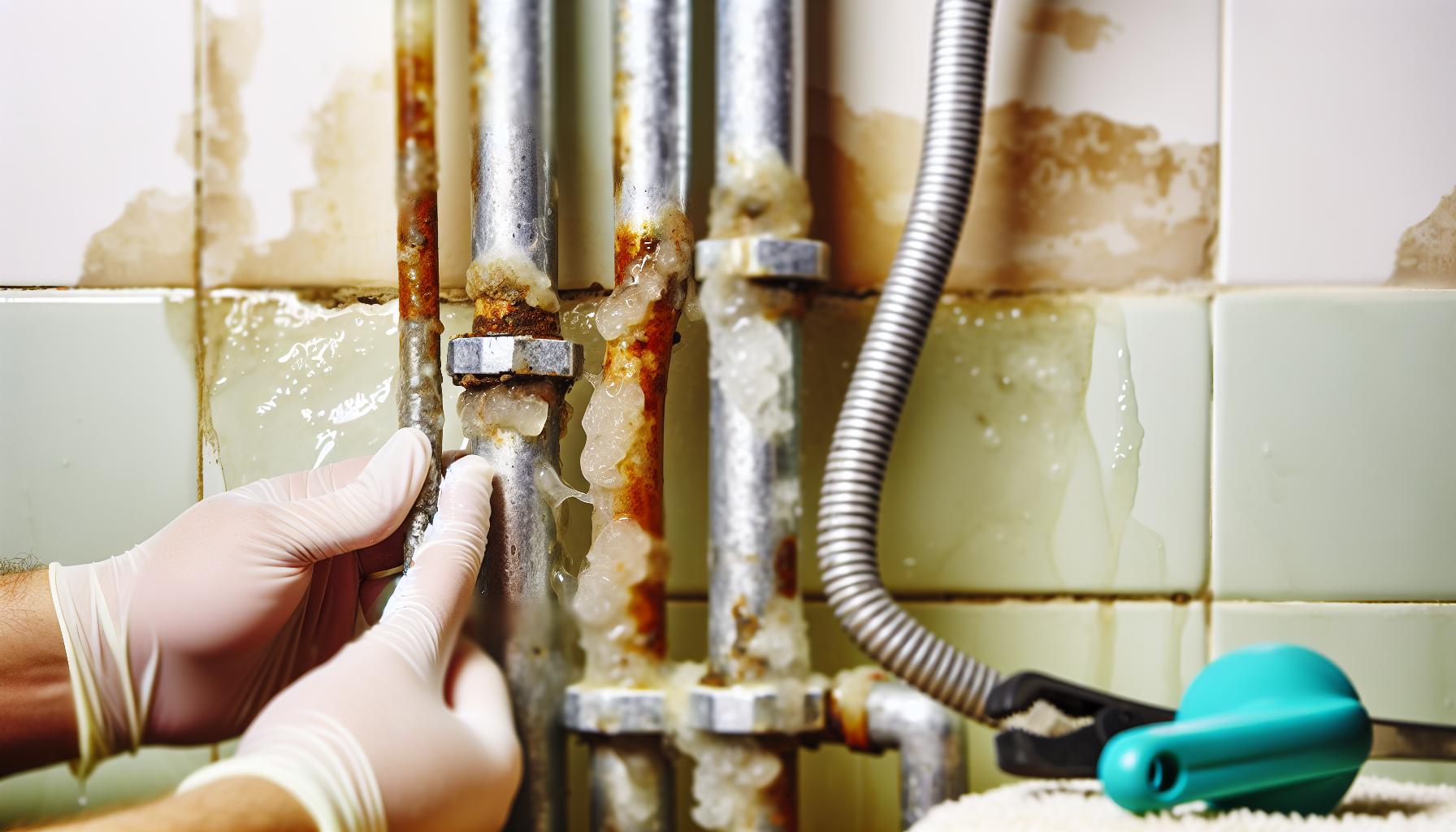
How pH Imbalance from Lime Can Harm Your Plumbing
Flushing lime down household drains can create a stealthy but serious problem: an imbalance in your plumbing system’s pH environment.Lime, with its highly alkaline nature, pushes the water’s pH above neutral, sometimes substantially. This shift might seem benign at first, but over time it can corrode metal pipes, degrade rubber seals, and encourage mineral buildup-all of which threaten the longevity and function of your plumbing.
When lime raises the pH excessively, it alters the natural equilibrium within your pipes. Many plumbing materials are designed to withstand neutral or mildly alkaline water, but extreme alkalinity can cause chemical reactions that deteriorate plumbing components. As a notable example, metal pipes that are exposed to high-pH water may suffer from accelerated corrosion, leading to leaks or burst pipes.At the same time, rubber or plastic washers and seals-critical for preventing leaks at joints-can become brittle and crack, resulting in drips and costly repairs.
Moreover, lime tends to precipitate out of solution, leaving behind a stubborn residue known as scale. This buildup narrows pipe diameter and restricts water flow, increasing pressure within the system and forcing pumps to work harder. Left unchecked, scale can clog smaller drain lines or traps, causing slow drains or backups that require professional intervention. Unlike common mineral deposits, lime scale from flushing powdered or hydrated lime is frequently enough harder and more difficult to remove.
Maintaining Plumbing Health Against pH Fluctuations
- Avoid disposing of lime products via toilets or sinks: Even small amounts can gradually alter pH and contribute to corrosion or scale.
- Regularly inspect plumbing for signs of damage: look out for slow drainage, leaks, or unusual odors that might signal pH-related degradation.
- Use water softeners or neutralizing filters: If lime exposure is unavoidable, these treatments help balance pH before water enters pipes.
- Consult professional plumbers: For pipes already impacted by alkaline corrosion or scale, timely repairs and cleanings can prevent costly replacements.
Understanding how shifts in pH caused by lime can gradually undermine your plumbing safeguards homeowners from unexpected failures. Taking preventative measures not only extends the lifespan of your pipes but also reduces the risk of surprise leaks or costly water damage. When it comes to lime disposal, keeping chemical exposure out of your household plumbing is a simple, effective way to protect your home’s infrastructure for the long term.
Expert Tips for Managing Lime Waste at Home
Lime waste, if not managed properly, can quickly become a hidden hazard for your home’s plumbing and the environment. Because of its strong alkalinity and tendency to form hard deposits, thoughtful handling and disposal are key in preventing long-term damage and costly repairs. The good news is that with a few simple practices, you can safely manage lime residues and protect both your plumbing system and local ecosystems.
First, always keep lime away from household drains and toilets. even small quantities can elevate the pH inside your pipes, leading to corrosion of metal fittings and the formation of stubborn lime scale. Instead, collect dried lime waste in a sturdy, sealed container to prevent dust and accidental spills. For wet or powdery lime, allow it to dry fully in a well-ventilated outdoor area away from water sources before disposal, reducing its reactivity and risk of clogging drains.If you use lime regularly for gardening or agriculture, consider these proactive tips to minimize waste buildup at home:
- Apply only the amount recommended: Overapplication increases excess lime residue needing disposal.
- Utilize pelletized lime products: These tend to produce less airborne dust and are easier to handle, reducing inadvertent spills during storage and spreading.
- Use dedicated tools and containers for lime: Avoid cross-contamination and make cleanup simpler.
When it comes to final disposal, many municipalities offer hazardous waste collection sites accepting lime and lime-based products. Alternatively, mixing small amounts of lime waste thoroughly into compost or soil amendments can neutralize its alkalinity over time, provided local guidelines allow this. Always check with local waste management authorities to ensure compliance with regional regulations and avoid environmental contamination.
Tips for Reducing Lime Waste impact
| Action | Benefit |
|---|---|
| Store lime in airtight, labeled containers | Prevents moisture absorption and accidental spills |
| Wear protective gear (gloves, mask) when handling lime | Protects skin and respiratory system from irritation |
| Dispose dried lime waste at designated hazardous waste sites | Ensures safe, environmentally sound disposal |
| Integrate lime into garden soil carefully following testing | Promotes soil health and reduces excess waste |
staying informed and vigilant can make all the difference. Periodically inspect storage areas for leaks or dust accumulation, and keep a log of lime usage to better predict waste management needs. Consulting professionals-whether plumbers, waste specialists, or agricultural extension agents-can offer tailored advice based on your specific circumstances. With mindful habits, you can confidently manage lime waste without risking your plumbing or harming the environment.
Faq
Q: How does flushing lime affect the pH balance of household wastewater?
A: Flushing lime raises the pH level of household wastewater, making it more alkaline. This disrupts the natural pH balance needed for effective sewage treatment and can cause damage to plumbing fixtures. For safer handling, refer to How pH imbalance from Lime Can Harm Your Plumbing in the article for detailed guidance.
Q: What are the risks of lime interacting with municipal sewage systems?
A: Lime can neutralize acidic components and increase alkalinity, potentially hindering biological sewage treatment processes.High lime concentrations may cause sediment buildup or chemical imbalances in municipal systems.See Impact of Lime on Water Treatment and Sewage Systems for alternatives to flushing lime safely.
Q: When is it necessary to avoid flushing lime to prevent plumbing blockages?
A: Avoid flushing lime if you notice slow drainage or previous lime residue buildup in pipes. Lime can harden and cause blockages over time. For prevention, consult Signs of Plumbing Damage Caused by Lime Residue in the article and consider choice disposal methods.
Q: Why should lime not be flushed in homes with septic tanks?
A: Lime alters the delicate microbial environment in septic tanks by increasing alkalinity, which can impair waste decomposition. This leads to inefficient septic system functioning and potential failure. explore How Lime Affects Household Plumbing and Septic Systems for safe management options.
Q: How can I safely dispose of lime without affecting my home plumbing?
A: Safe disposal includes collecting lime residues and disposing of them with household hazardous waste or using recommended neutralization methods.Avoid flushing to prevent plumbing damage. See Proper Disposal Methods for Lime and Lime-Based Products for practical steps to protect your pipes and septic systems.
Q: What happens to local water sources if lime is flushed frequently?
A: Frequent flushing of lime can raise local water alkalinity, causing ecological harm to aquatic life and affecting water quality. Minimizing lime disposal through toilets helps protect nearby ecosystems. Refer to Potential Environmental Risks of Flushing lime for environmental considerations.
Q: How can I neutralize lime’s pH before disposal to avoid plumbing and environmental issues?
A: You can neutralize lime by slowly adding a mild acid like vinegar to balance pH before disposal, ensuring minimal impact on plumbing and sewage systems. Always test pH and avoid flushing until neutralized. For detailed advice, review Alternatives to Flushing Lime Safely in the article.
Q: What signs indicate lime-induced corrosion or damage in plumbing systems?
A: Common signs include discolored water, persistent clogs, or degraded pipe surfaces*. Lime buildup often leaves a chalky residue inside pipes, accelerating corrosion. Check Signs of Plumbing Damage Caused by Lime Residue* for symptoms and remediation tips to maintain your plumbing health.
For more detailed advice, explore related sections of the main article to deepen your understanding of lime management and its effects on plumbing and environmental systems.
Concluding Remarks
Understanding the potential risks of flushing lime down the toilet is essential for maintaining proper pH balance and preventing plumbing issues. Avoiding this common mistake can protect your pipes and the environment from harmful alkaline buildup. If you’re looking for more ways to care for your home’s water system, be sure to explore our guides on safe household chemical disposal and managing pH levels in plumbing.
Ready to take the next step? Sign up for our newsletter to receive expert tips and updates on maintaining a healthy home environment. Have questions or experiences with lime use or pH balance concerns? Share your thoughts in the comments below-we’d love to hear from you and help clear up any doubts. For a deeper dive, check out our articles on natural cleaning alternatives and the impact of water chemistry on household systems to keep your home safe and efficient.
By staying informed and proactive about what you flush,you not only extend your plumbing’s lifespan but also contribute to a healthier ecosystem. Keep exploring to learn more about effective, eco-friendly home care solutions and let us be your trusted resource on all things related to pH balance and toilet maintenance.
Get our latest guides, news, and insights highlighted in your Google Search & AI Overviews.


