Can You Flush Gauze? Medical Waste Disposal at Home
Did you know that flushing medical waste like gauze can cause serious plumbing issues adn environmental harm? Whether you’re caring for a minor wound at home or managing medical supplies, understanding proper disposal methods is crucial. Gauze,often used for wound care,shouldn’t be flushed down toilets,yet many people are unsure why or what alternatives exist. This article will clarify why flushing gauze is problematic and guide you through safe, responsible ways to handle medical waste at home. By learning the best disposal practices, you not only protect your home’s plumbing but also contribute to a healthier environment. Keep reading to discover practical tips that make medical waste disposal simple and safe-because small actions in your daily routine can make a big difference.
Can You Flush Gauze? Understanding Medical Waste Disposal at Home

It might seem convenient to flush gauze down the toilet after use, especially when managing minor wounds at home. However, this common impulse can lead to significant problems both within household plumbing systems and the broader environment. Gauze, typically made from cotton or synthetic fibers, does not break down quickly in water and can easily cause clogs in pipes or municipal sewage systems. Unlike toilet paper, which is designed to disintegrate rapidly, gauze maintains its structure, increasing the risk of blockages that may require costly plumbing repairs.
Beyond plumbing concerns, flushing used gauze-including those contaminated with blood or other bodily fluids-poses health and environmental risks. Sewage treatment plants are generally not equipped to filter medical waste effectively, which means harmful bacteria or pathogens could enter waterways, affecting ecosystems and public health. Understanding why gauze shouldn’t be flushed is essential to making safer and more eco-conscious decisions in home medical waste disposal.
Key Reasons to Avoid Flushing Gauze at Home
- Potential for Pipe Blockages: Gauze’s fibrous material can tangle and accumulate inside pipes, leading to clogs and sewage backups.
- Environmental impact: Improperly discarded medical waste can introduce pathogens into water treatment systems, contaminating natural water sources.
- Wastewater Treatment Limitations: Sewage systems are not designed to process solid medical materials like gauze, creating hazards downstream.
For anyone managing minor injuries at home, it’s crucial to treat gauze disposal with the same care as any medical waste. Developing alternatives to flushing and following recommended disposal practices ensures safety not only for your household plumbing but also for the environment and community health.
Why Flushing Gauze Is Harmful to Plumbing and environment
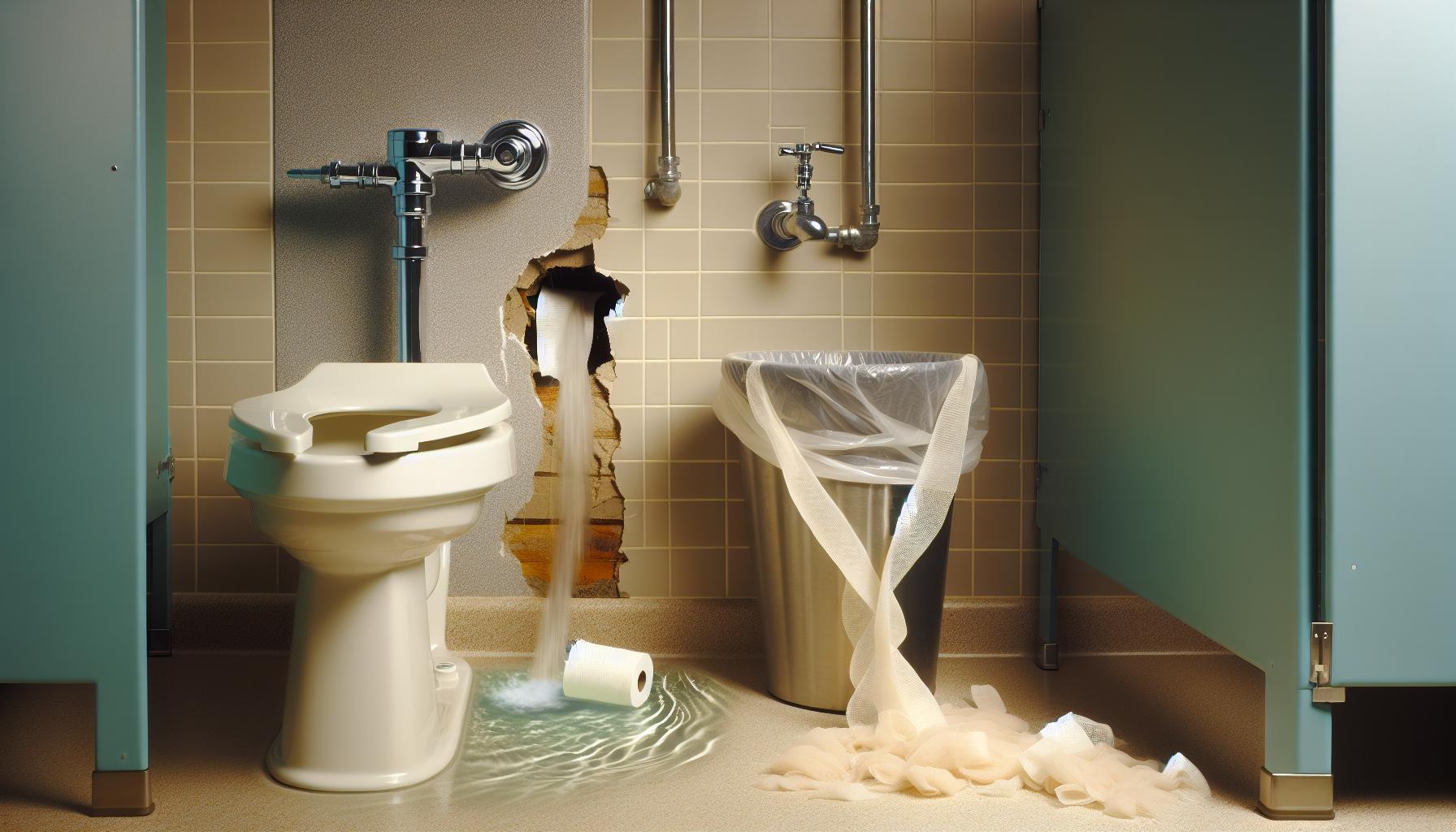
Flushing gauze down the toilet might seem like a fast way to dispose of it,but this seemingly harmless action can set off a chain reaction of problems for both your plumbing and the environment. Unlike toilet paper, gauze is engineered to be durable and absorbent, meaning it doesn’t dissolve or break apart easily in water. This fibrous material can become trapped inside household pipes or municipal sewage systems, leading to severe blockages that may result in costly repairs or sewage backups in your home.
Beyond the immediate plumbing risks, the environmental consequences are significant. Sewage treatment plants are not designed to handle solid medical waste like gauze. When such materials enter wastewater systems, they can bypass treatment processes, allowing contaminants, including bloodborne pathogens or bacteria, to reach natural waterways. this pollution threatens aquatic ecosystems, wildlife, and even human health by potentially contaminating drinking water sources.
How Gauze Affects Plumbing and sewage Systems
- Fiber Build-Up: Gauze fibers can intertwine with other waste materials,creating dense clumps that obstruct pipes.
- unplanned Maintenance costs: Blockages often require the intervention of plumbers or municipal workers, sometimes necessitating expensive repairs or system flushing.
- Strain on Wastewater Facilities: Solid materials increase the load on sewage treatment operations, compromising efficiency and increasing operational costs.
Choosing to dispose of gauze thoughtfully helps protect your home’s plumbing infrastructure while also safeguarding environmental health. Simple alternative disposal methods can prevent future hassles and reduce the ecological footprint of everyday wound care.
Safe Alternatives to Flushing Gauze at Home
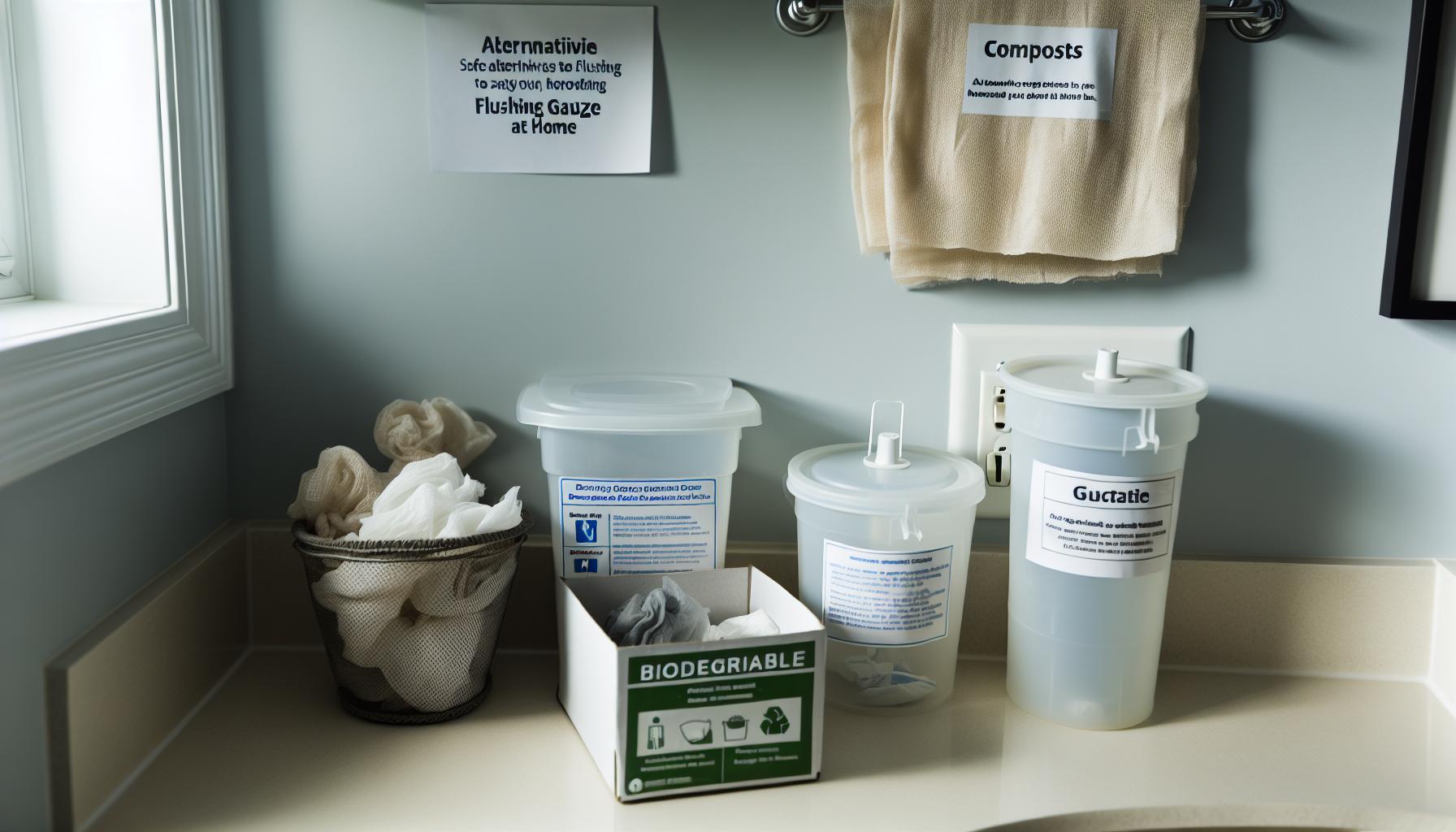
Disposing of gauze responsibly at home doesn’t have to be complicated, yet it makes a tremendous difference in protecting your plumbing and the environment. Rather of flushing, which can lead to costly blockages and environmental hazards, simple everyday practices offer effective and safe alternatives to keep your home and community safe. Using a conscious disposal method not only safeguards your household infrastructure but also helps prevent medical waste from entering ecosystems where it can cause lasting damage.
One of the most straightforward options is to wrap used gauze in a disposable plastic bag or a sealable container before placing it in your regular trash. This containment prevents fibers and fluids from leaking, reducing contamination risks. For added safety, especially when dealing with blood or bodily fluids, use double-bagging techniques or even consider using biohazard bags designed for home use. Many pharmacies or medical supply stores provide these at low or no cost. Keeping gauze dry untill disposal further minimizes bacteria growth and unpleasant odors.
Additional Practical Disposal Methods
- Household Trash with Precautions: Securely package the gauze and place it in a trash bin with a tight lid-this limits exposure to pets, children, and scavengers.
- Mail-Back or Take-Back Programs: Certain communities offer medical waste take-back services where you can safely drop off or mail biohazard waste for proper processing.
- Home Sharps Containers: Though primarily for needles,these FDA-approved containers are also effective at containing gauze waste that is saturated with fluids,providing an added layer of security.
- Composting considerations: While standard gauze should not be composted, some natural fiber dressings may be compostable-only if verified safe and uncontaminated. Always check product labels and local composting rules.
Taking these steps does more than just protect plumbing – it curtails the risk of harmful microbes entering water systems. Real-world examples include municipalities that have lowered their sewage treatment costs and reduced blockages after launching local educational campaigns on medical waste disposal at home. By following these practical guidelines, households contribute actively to healthier environmental outcomes and avoid the headaches of plumbing repairs, making responsible disposal a simple yet powerful habit.
Step-by-Step Guide to Disposing of Used Gauze Properly
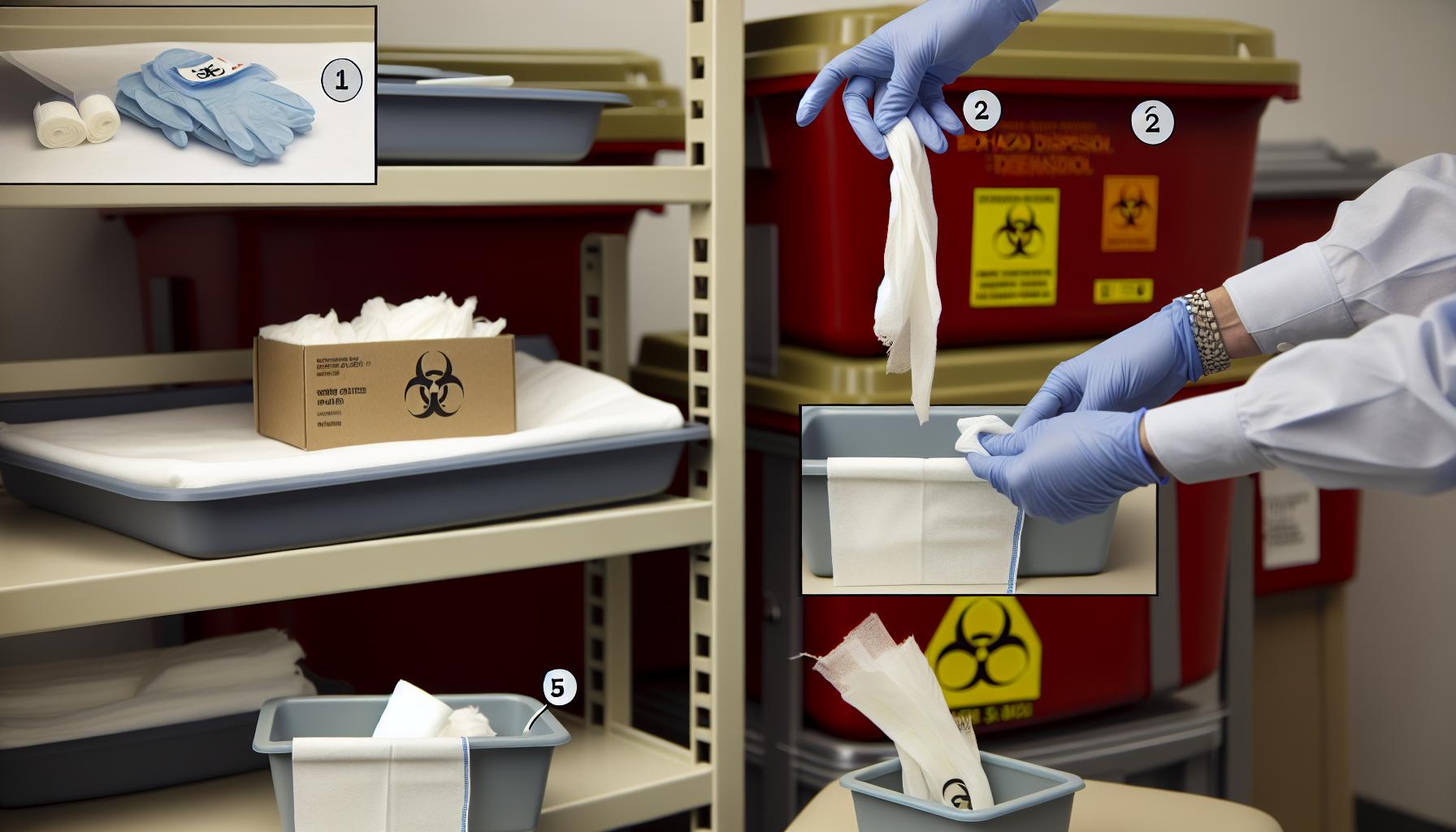
many people underestimate the impact of disposing of gauze improperly, but the right handling at home can prevent costly plumbing issues and environmental contamination. unlike toilet paper, gauze doesn’t break down easily and can quickly cause blockages in pipes or municipal sewage systems. Taking a mindful approach ensures both your home’s plumbing and local ecosystems remain safe. Here’s a straightforward, practical method to handle used gauze responsibly.First, carefully remove the gauze from the wound using clean gloves if possible to avoid direct contact with bodily fluids.If the gauze is saturated with blood or other fluids, gently press it to remove excess moisture while avoiding splatter. Next, place the used gauze in a small sealable plastic bag or wrap it tightly in disposable plastic wrap. This step prevents leakage of fluids during transport to the trash and limits exposure to family members or pets.
Proper Packaging and Disposal
- Seal It Securely: Double-bagging is highly recommended, especially when dealing with any bio-contaminated material, to contain any unpleasant odors and reduce bacteria spread.
- Use Labeled Biohazard Bags Where available: Many pharmacies and medical suppliers provide small biohazard bags for home use. These offer added safety and peace of mind when disposing of gauze carrying bodily fluids.
- Discard with Household Trash: Place the bagged gauze in your regular trash bin, ensuring the lid closes tightly. avoid placing medical waste in recycling or compost bins unless specifically allowed by local guidelines.
Additional Safety Tips
- Wash Your Hands Thoroughly after handling any used gauze to minimize the risk of infection.
- Do Not Flush: Flushing gauze can lead to extensive plumbing repairs and environmental hazards, as it does not dissolve like toilet paper.
- Consider Dedicated Containers: For frequent home medical care, invest in FDA-approved sharps or biohazard containers that safely contain gauze and other medical waste until collection.
Taking this systematic approach to gauze disposal at home helps protect your household while contributing to safer local waste management practices. For example, some communities have successfully reduced sewage blockages by educating residents about not flushing non-biodegradable materials like gauze-a simple behavior change with big impact. This proactive care keeps your living environment sanitary and supports broader environmental health.
How to Handle Gauze with Blood or Infectious Materials
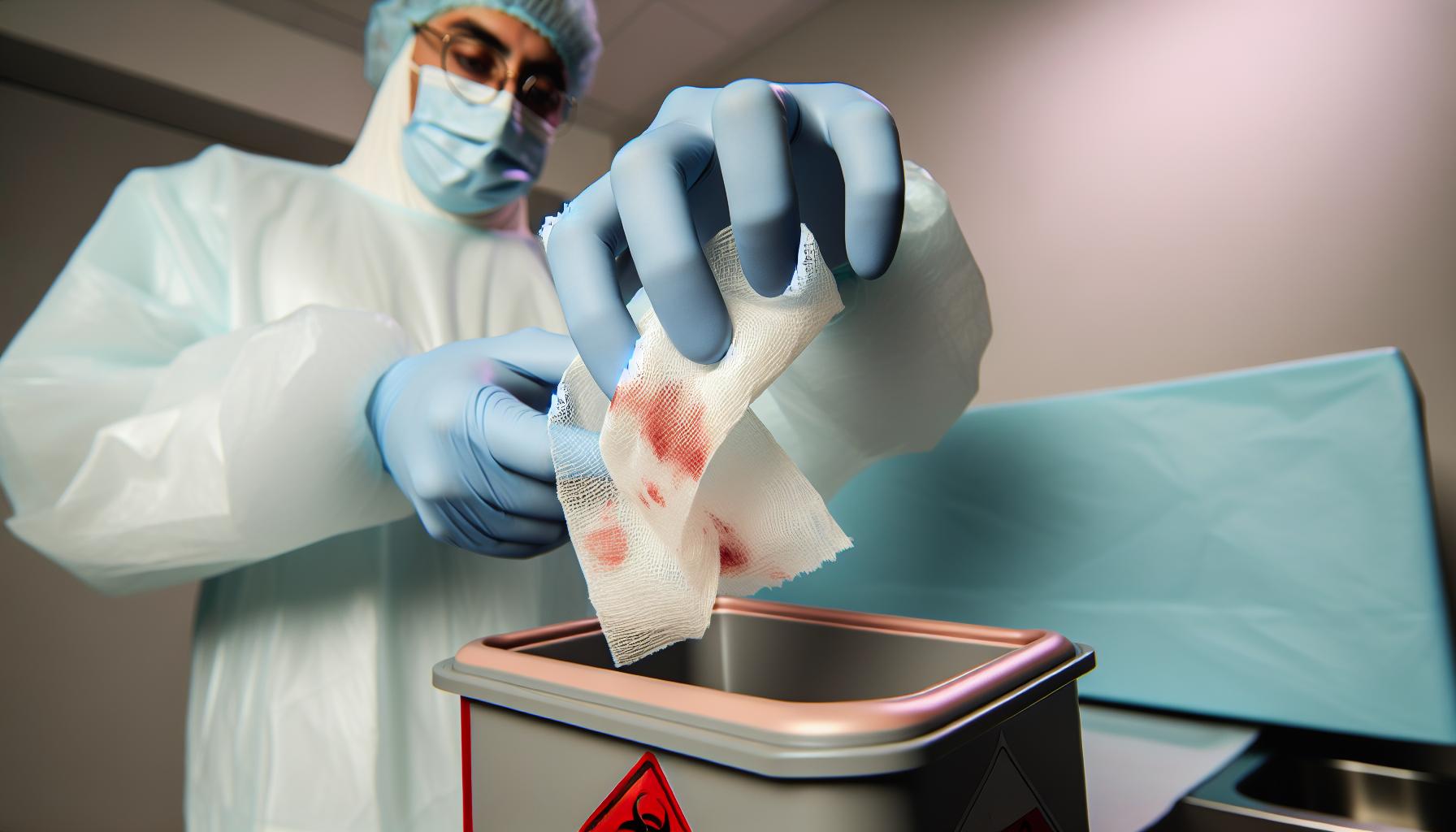
Used gauze that contains blood or other potentially infectious materials requires special attention to minimize health risks and environmental impact. When handling such gauze, it’s crucial to treat it as biohazardous waste because bloodborne pathogens like hepatitis and HIV can remain viable on surfaces. Proper management not only protects you and your household but also prevents contamination of municipal waste streams and safeguards sanitation workers.
Before removing or packaging gauze, always wear disposable gloves to avoid direct contact with bodily fluids. If gloves aren’t available, thoroughly wash hands immediately after handling. Avoid squeezing or compressing the gauze too aggressively to reduce the chance of infectious fluid splatter. Once removed, place the gauze into a sealable plastic bag or wrap it tightly in plastic wrap. For added security, double-bagging is highly recommended to contain any leakage or odors. If available, use small biohazard bags provided by pharmacies or medical supply stores, which are specifically designed to handle contaminated materials safely.
Safe Disposal Practices for Contaminated Gauze
- Do Not Flush: Flushing is never safe or appropriate; gauze can clog plumbing and introduce infectious materials into water treatment systems.
- Secure Packaging: Seal bags tightly and label them if your local waste service requires it, especially when disposing of infectious waste.
- Household Trash Disposal: Generally, bagged gauze can be discarded with regular household trash unless your community has specific guidelines for medical waste.
- Professional disposal: For large volumes or chronic care patients producing significant infectious waste, consult local health departments or medical waste disposal services for collection options.
Beyond disposal, consider storing contaminated gauze in a dedicated, clearly marked container away from children and pets until pickup or disposal. This precaution helps prevent accidental contact and reduces the risk of cross-contamination in your home environment.some homeowners find FDA-approved medical waste containers or sharps containers particularly effective for safely collecting and managing infectious waste.
By approaching contaminated gauze disposal thoughtfully, you play an active role in infection control beyond the clinical setting. Proper handling prevents the spread of harmful pathogens and supports broader public health efforts, while safeguarding your plumbing and local ecosystems from unneeded harm.This care is especially important in residential settings, where informal disposal methods can inadvertently cause long-term damage and health hazards.
Medical Waste Disposal Regulations for Home Settings
Many people are unaware that the disposal of medical waste, including used gauze, at home is subject to specific regulatory considerations designed to protect public health and the environment. While home-generated medical waste is typically not as heavily regulated as waste from healthcare facilities, certain guidelines and best practices are recommended or required in various regions to ensure safety.
In most jurisdictions, used gauze contaminated with blood or bodily fluids is classified as potentially infectious or biohazardous waste. Although strict government mandates often apply primarily to healthcare providers and commercial waste handlers, homeowners who manage such waste should still adhere to local rules. For example, some municipalities require that infectious waste from households be triple-bagged and clearly labeled before disposal with regular trash, while others might offer special collection days or designated drop-off points for medical waste. Checking with your local health department or waste management service is essential to understand the exact protocols in your area.
- Biohazard Labeling: When required, clearly mark bags containing contaminated gauze as biohazardous to alert waste handlers.
- Packaging Requirements: Use leak-proof, puncture-resistant containers or FDA-approved medical waste bags where possible to minimize exposure risks.
- Prohibitions: Flushing gauze or disposing of it in recycling bins is universally prohibited due to risks of plumbing blockages and environmental contamination.
- Household Limits: Large amounts of medical waste generated at home-common in chronic care-may trigger mandatory use of professional disposal services.
Understanding Local Variabilities
Regulations can vary widely depending on where you live, with some states or countries having more detailed guidelines for home medical waste disposal while others provide general advisories.For instance,a few locations specifically regulate the disposal of sharps and contaminated materials,requiring containment in approved sharps containers,which may also be appropriate for contaminated gauze.In contrast, other regions might allow biohazardous household waste as part of regular trash if properly sealed.
Proactive steps for Compliance and Safety
Homeowners should proactively seek information from their municipal or county websites to ensure compliance. If official guidelines are vague or unavailable, erring on the side of caution by securely packaging, labeling, and minimizing the volume of discarded gauze helps protect sanitation workers and the waste disposal infrastructure. In cases of frequent or large volumes of medical waste, engaging a certified medical waste disposal service offers a safer, regulation-compliant route and peace of mind.
By understanding and respecting these regulatory nuances, you actively contribute to a safer community and environment, while avoiding potential legal issues or public health hazards associated with improper disposal of medical materials in home settings.
Eco-Friendly and FDA-Approved Medical Waste Disposal Options
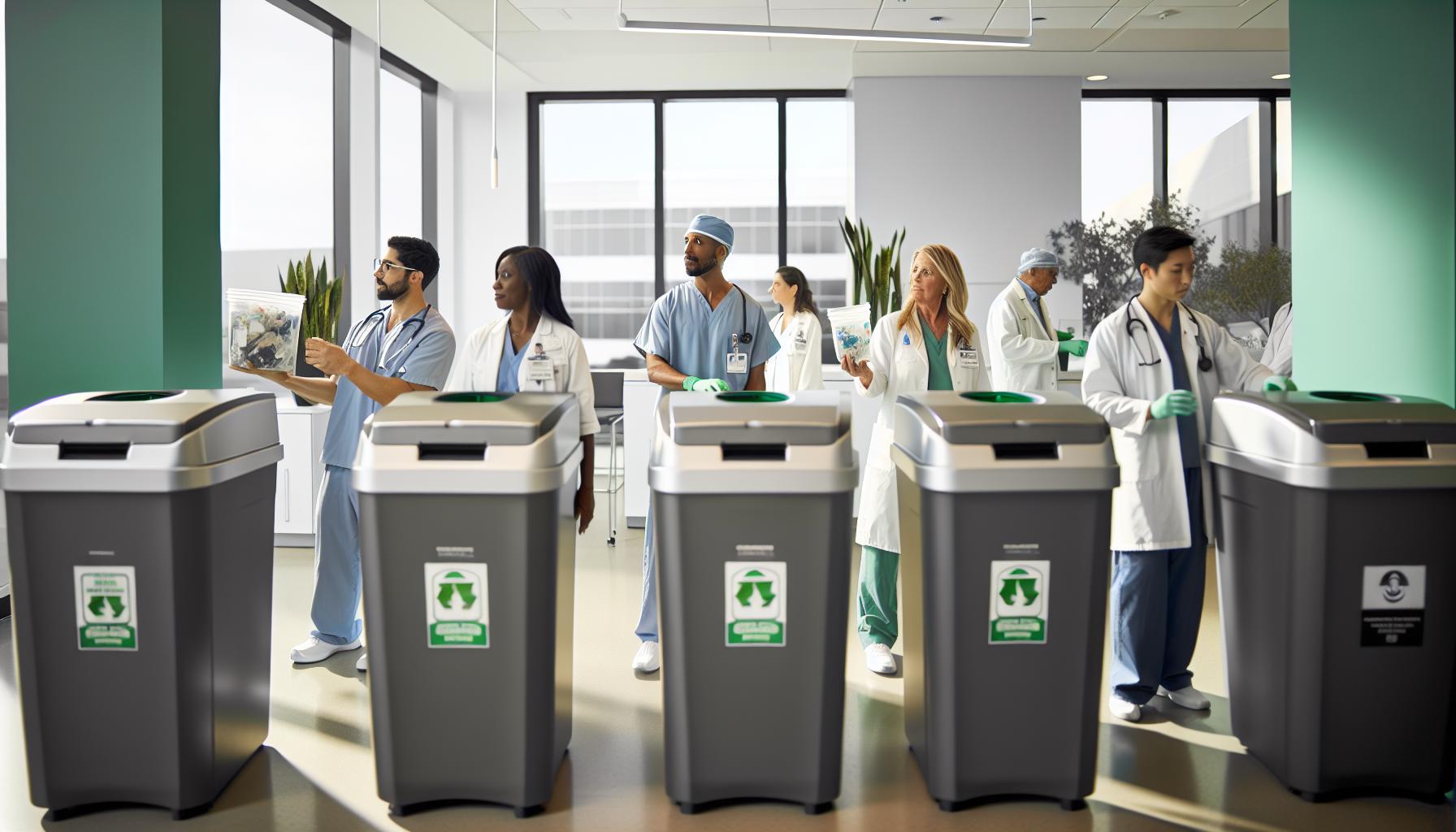
Disposing of used gauze responsibly at home is essential not only for hygiene but also for environmental protection. Fortunately, several eco-friendly and FDA-approved options make it easier for homeowners to manage medical waste safely without harming the planet. These alternatives balance regulatory compliance with sustainability, helping to reduce landfill burden and prevent contamination risks associated with flushing or improper disposal.
Many FDA-approved medical waste bags and containers are designed to be puncture-resistant, leak-proof, and made from recycled or biodegradable materials.Using these certified products for storing and transporting contaminated gauze ensures that waste handlers are protected while minimizing plastic waste accumulation. For example, some manufacturers now offer compostable or plant-based medical waste bags that break down more quickly in controlled disposal environments, substantially reducing long-term environmental impact.
Eco-Conscious Disposal Practices for Home Medical Waste
Homeowners can take several practical steps to adopt greener waste habits:
- Use FDA-Approved Containers: Always choose packaging marked as compliant with FDA standards for biohazard waste, which guarantees containment effectiveness and worker safety.
- leverage Local Disposal Programs: Many municipalities partner with licensed medical waste recyclers or offer special drop-off events for household biohazard waste, which reduce landfill usage and encourage proper treatment.
- Consider Waste Minimization: Where possible, use sterile, reusable wound care supplies prescribed by healthcare providers to decrease disposable waste volume.
- Separate Materials Correctly: Segregate gauze and other contaminated items from general garbage and recyclables to streamline processing and maximize recycling potential.
Innovative Treatments and Recycling Solutions
Emerging technologies also provide exciting prospects for environmentally responsible medical waste management at home. Some medical waste companies offer autoclave sterilization services for home-collected waste, where materials are treated with steam to eliminate pathogens before recycling or disposal. This approach dramatically lowers the risk of infection transmission and creates safer waste streams.
Additionally, research into enzymatic breakdown of gauze fibers and absorption materials is ongoing, potentially leading to future household systems that can neutralize contaminated dressings safely before landfill disposal. While these innovations are not yet mainstream, staying informed about evolving eco-friendly medical waste solutions empowers individuals to make greener choices as options expand.
By prioritizing FDA-approved containment and seeking local, lasting disposal routes, homeowners can confidently manage used gauze with minimal environmental footprint. Doing so protects plumbing systems, supports sanitation workers, and aligns with broader public health goals aimed at reducing hazardous medical waste hazards outside clinical settings.
Preventing Plumbing Blockages and Contamination Risks
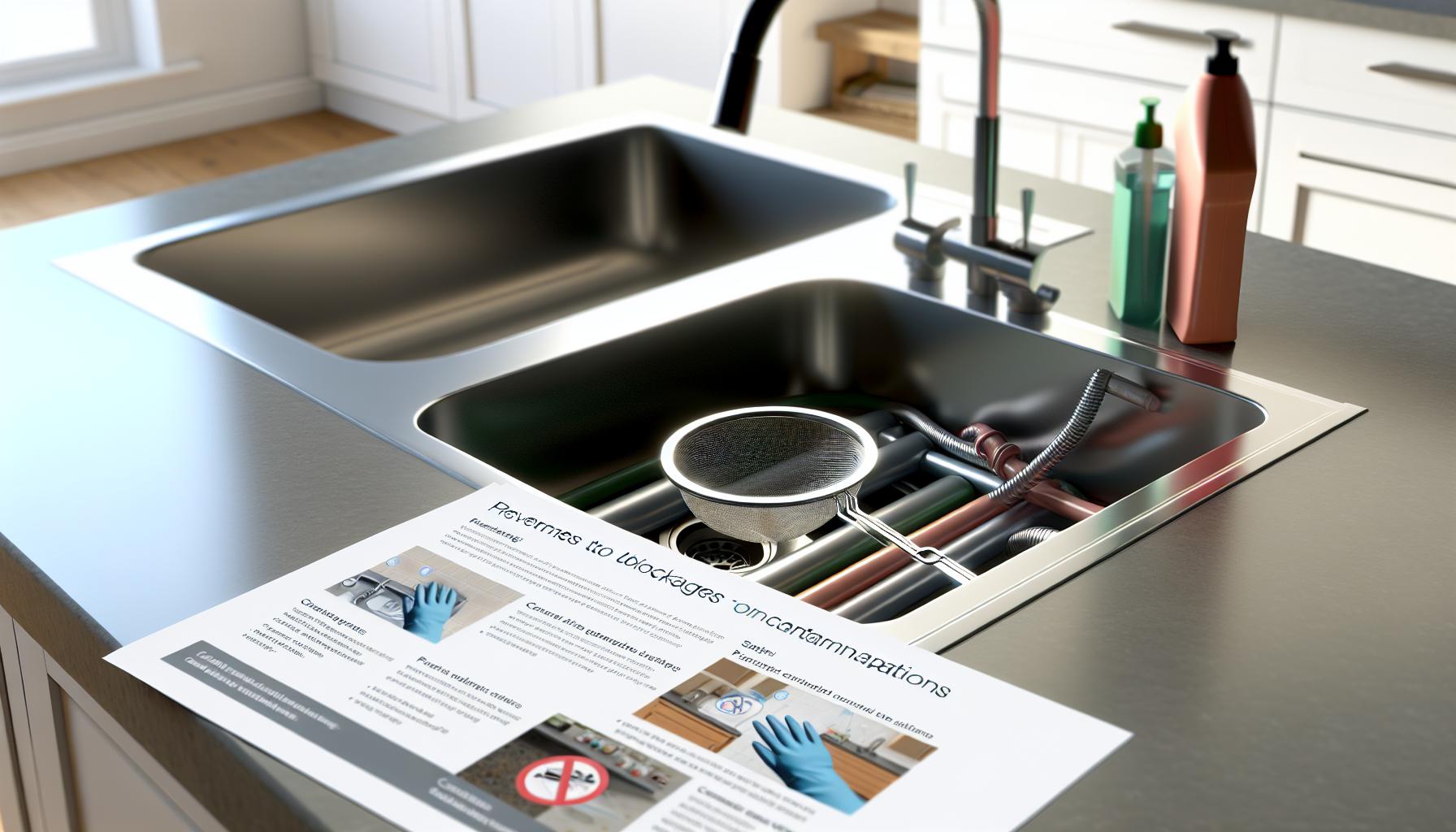
Flushing gauze down toilets or drains can lead to significant plumbing headaches and environmental hazards.Unlike toilet paper, gauze is made of fibrous material that does not break down easily in water. As it accumulates, gauze can cause stubborn blockages in home plumbing systems and municipal sewer lines, leading to costly repairs and potential sewage backups. These clogs not only disrupt household plumbing but can also create health risks by fostering unsanitary conditions.
Beyond the mechanical issues, improper disposal of gauze poses contamination risks. Used gauze often carries blood, bodily fluids, or infectious agents that, if flushed, can contaminate water treatment systems and the environment. As wastewater treatment plants are not designed to handle medical waste, hazardous microorganisms may escape treatment processes, potentially impacting ecosystems and public health.
To maintain plumbing health and reduce contamination concerns, follow these practical prevention tips:
- Never flush gauze or similar medical dressings: Dispose of them in approved biohazard or sealed waste containers designed to prevent leakage and environmental exposure.
- Use sealed, puncture-resistant bags: Storing used gauze in these containers prevents accidental spills and exposure to caregivers or sanitation workers during handling and disposal.
- Keep gauze separate from regular trash: Mixing contaminated gauze with normal household waste can increase exposure risks and complicate safe disposal efforts.
- Regularly inspect and maintain your plumbing: Periodic checks can detect early signs of build-up or slow drainage, avoiding severe blockages caused by accidental gauze disposal.
Making these adjustments to how you handle and discard gauze protects your home’s plumbing infrastructure and supports broader public sanitation efforts.By consciously preventing plumbing blockages and contamination, homeowners play a critical role in reducing hazardous waste flow into water systems and ensuring safe, sanitary living environments for everyone.
When to Seek Professional Medical Waste Disposal Services
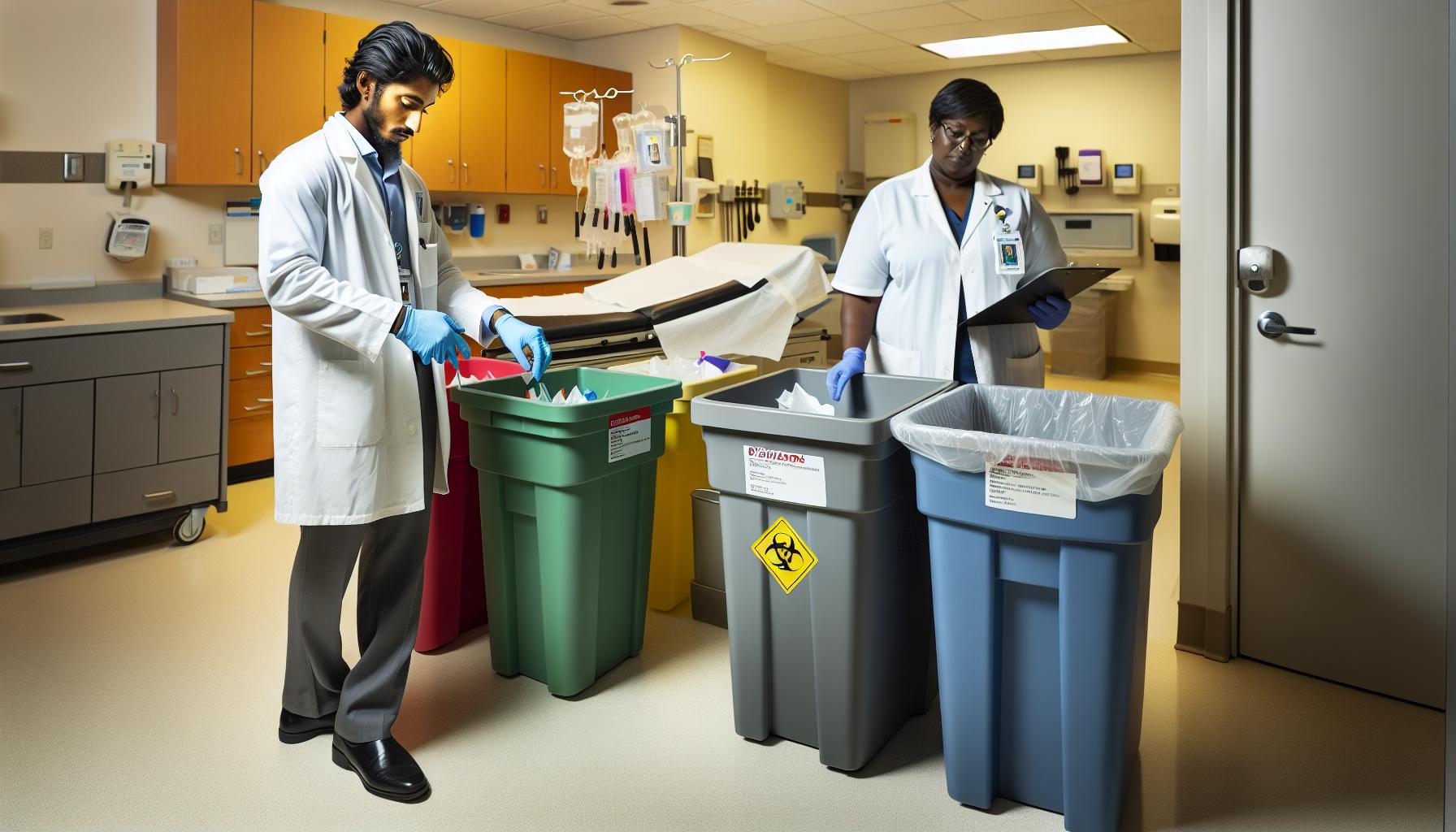
Ther are moments when managing medical waste at home moves beyond routine disposal and calls for professional assistance. This is especially true when the volume of waste increases,involves potentially infectious materials,or when local regulations impose strict handling requirements. Attempting to dispose of large amounts of blood-soaked gauze or sharps without expert guidance can not only pose health risks but also lead to legal complications and environmental hazards.
Professional medical waste disposal services specialize in safely collecting, treating, and disposing of regulated medical waste-including used gauze contaminated with bodily fluids. Their systems ensure that hazardous materials are contained in proper biohazard bags and transported in compliance with public health codes,minimizing risks to the household,waste handlers,and the environment. For example, individuals caring for chronic wounds or those undergoing home-based medical treatments often generate volumes of contaminated gauze that exceed what standard household garbage services can safely manage. In such cases, professionals can provide secure collection options like red biohazard containers or sealed bags designed to prevent leakage and cross-contamination [[1]](https://www.cdc.gov/infection-control/hcp/environmental-control/regulated-medical-waste.html).
When Should You Call in the Experts?
- Significant volume of medical waste: If you regularly produce large quantities of gauze or other biohazardous materials, professional services ensure proper handling and disposal without burdening household waste systems.
- Exposure to infectious materials: Used gauze contaminated with blood or bodily fluids can harbor pathogens. Professionals use methods to neutralize these hazards safely.
- Local regulations require special disposal: Some areas classify medical gauze as regulated medical waste that cannot enter typical waste streams. professionals are equipped to comply with these mandates.
- Disposal convenience and peace of mind: Contracting disposal services saves time and reduces stress by entrusting waste management to specialized providers familiar with biohazard protocols.
If you’re unsure whether your used gauze qualifies for professional disposal, consult with your local health department or waste management authorities for guidance. Some services even offer home pickup of medical waste, a practical solution for home healthcare patients or caregivers managing infected wounds. By recognizing when to engage professionals, you not only protect your household and community but also contribute to maintaining the integrity of municipal waste and sanitation systems.
Tips for Safely Storing Medical Waste Before Disposal
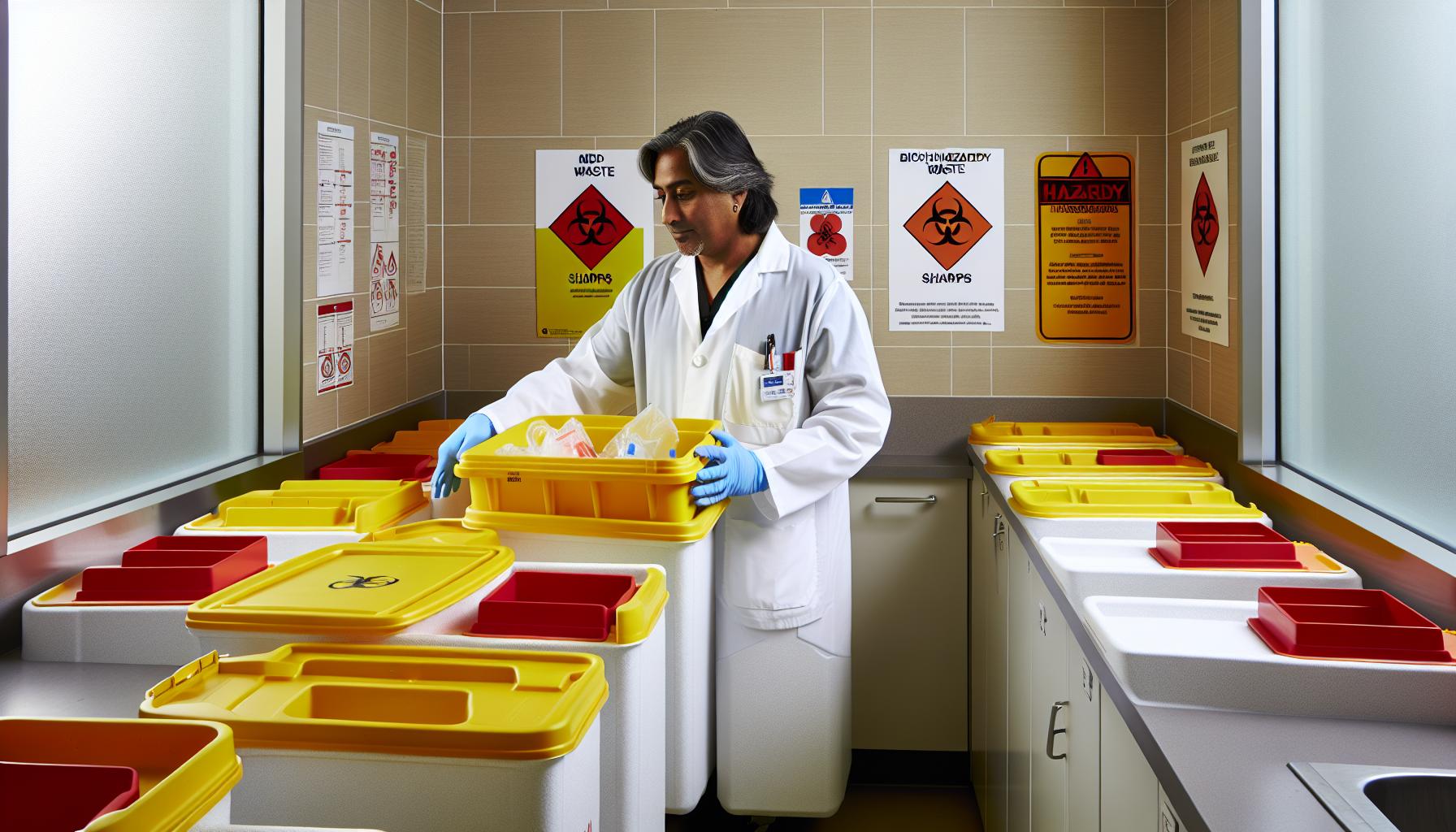
Properly storing medical waste like used gauze before disposal is a critical step in protecting your household and community from health risks and contamination. Even if you’re disposing of small quantities at home, improperly stored gauze-especially when soaked with blood or other bodily fluids-can become a breeding ground for bacteria or viruses.Taking proactive measures to contain and isolate these materials safeguards everyone involved,from family members to sanitation workers.One of the easiest yet most effective practices is to use a sealed,leak-proof container specifically designated for medical waste storage. This container should be made from durable plastic and ideally feature a tight-fitting lid to prevent accidental spills or odors. Avoid common household trash bags alone, as they frequently enough tear easily or allow leakage. For added safety, place the gauze inside a small plastic bag before putting it into the container, offering a double layer of defense against contamination.
Best practices for Safe Medical Waste Storage at Home
- Label clearly: Mark containers with “Biohazard” or “Medical Waste” to alert anyone handling the waste of its contents.
- Keep out of reach: Store containers in a secure place away from children, pets, and food readiness areas.
- Store in a cool, dry area: Avoid damp or excessively warm locations, which can accelerate bacterial growth and degrade packaging materials.
- Limit storage time: Do not accumulate large quantities over long periods; arrange for disposal or pickup promptly to minimize hazards.
in certain home care situations, caregivers have found success by using color-coded containers-commonly red or yellow-to visually differentiate medical waste from regular household trash. This simple tactic reduces confusion and ensures that potentially infectious items receive the strict handling they require. Additionally, if your local regulations require or recommend specific types of containers or disposal processes, adhering to these rules is paramount to prevent penalties and keep your environment safe.
By implementing these steps, you maintain control over hazardous waste and contribute to community health, preventing environmental contamination and plumbing damage that come from improper disposal methods such as flushing. Always check with local health authorities for guidance tailored to your area, as requirements can vary significantly between regions.
Frequently asked questions
Q: What can I do if I accidentally flush gauze down the toilet?
A: If gauze is accidentally flushed, avoid using the toilet to prevent blockages. Contact a plumber promptly to assess and clear any potential clogs. Regular maintenance and careful disposal are key to protecting your plumbing system. For more disposal tips, see *Preventing Plumbing Blockages and Contamination Risks* in the main article.
Q: How should I dispose of gauze that has been used with non-infectious wounds at home?
A: Used gauze from non-infectious wounds should be sealed in a plastic bag or container before placing it in the regular trash. This prevents contamination and odor. Refer to the *Step-by-Step Guide to Disposing of Used Gauze Properly* for detailed instructions on safe disposal.
Q: Are there special medical waste disposal bags recommended for home use of gauze?
A: Yes, FDA-approved biohazard bags or resealable plastic bags designed for medical waste are recommended for home disposal of gauze, especially when contaminated. These contain waste securely and reduce health risks. Learn more under *Eco-friendly and FDA-Approved Medical Waste Disposal Options*.
Q: When is it necessary to contact professional medical waste disposal services for gauze at home?
A: Professional disposal is needed if gauze contains infectious materials, large quantities of medical waste accumulate, or local regulations require specialized handling. Consult *When to Seek Professional Medical Waste Disposal Services* to determine the right time to engage experts.
Q: How long can I safely store used gauze at home before disposal?
A: Used gauze should be disposed of as soon as possible, ideally within 24-48 hours, to minimize bacterial growth and odor. Store it in a sealed container away from children and pets. See *Tips for Safely Storing Medical Waste Before disposal* for safe handling advice.
Q: Can flushing gauze affect septic systems differently than municipal sewage systems?
A: Flushing gauze can cause severe blockages in both septic and municipal systems, but septic tanks are especially vulnerable to clogs and damage. Avoid flushing any gauze to protect your septic system’s function and avoid costly repairs. More info is available in *Why Flushing Gauze Is Harmful to Plumbing and Environment*.
Q: What environmentally friendly methods exist for disposing of used gauze at home?
A: Environmentally friendly disposal options include using FDA-approved biohazard bags that can be safely incinerated or processed by medical waste services.Composting is not recommended for gauze with contaminants. see *Eco-Friendly and FDA-Approved Medical Waste Disposal Options* for sustainable practices.
Q: Are there any household items that can safely replace gauze to reduce medical waste?
A: Reusable cloth dressings made from washable materials can reduce waste but must be properly sanitized to prevent infection. Always follow medical advice before substituting gauze. For safer alternatives, refer to *Safe Alternatives to Flushing Gauze at Home*.
—
Feel free to explore these FAQs along with our detailed sections to ensure safe and environmentally responsible medical waste disposal at home.
For more expert advice, continue reading our thorough guide on *Medical Waste Disposal at Home*.
Future Outlook
Proper disposal of gauze and other medical waste at home is essential for safety and environmental responsibility. Remember, flushing gauze is not recommended due to plumbing risks and potential contamination. Instead, follow safe disposal methods to protect your home and community. for more guidance,explore our detailed articles on safe medical waste disposal and home health care safety tips,designed to keep you informed and prepared.
If you’re looking for practical tools or disposal kits, check out our recommended medical waste products to make the process easy and compliant. Don’t wait-taking the right steps now helps prevent complications and promotes a healthier environment. Have questions or experiences to share? Join the conversation below or subscribe to our newsletter for expert advice and updates on home medical care best practices.
By choosing informed disposal methods for gauze and related materials,you ensure both your safety and the community’s. Stay engaged with us for more reliable health and safety resources to support your daily life and medical routines.
Get our latest guides, news, and insights highlighted in your Google Search & AI Overviews.