

Can You Flush a Band Aid? Small Items That Block Pipes
Did you know that flushing small everyday items like Band-Aids can lead to serious plumbing problems? While it might seem harmless to dispose of thes little things down the toilet, many common objects can quickly cause blockages, damage pipes, and result in costly repairs. Understanding which items are safe to flush and which are not is essential for protecting your home’s plumbing and avoiding unexpected headaches. Whether you’re curious about Band-Aids or other small items, this guide will help you make informed decisions to keep your pipes flowing smoothly. Keep reading to discover the surprising reasons why some seemingly harmless objects should never be flushed and learn practical tips to prevent clogs before they start.
Can You Flush a Band Aid? The Truth About Pipe Safety

Flushing a Band Aid might seem harmless, but it can lead to unexpected plumbing issues that many homeowners overlook. These small adhesive strips do not dissolve like toilet paper; instead, they can cling to the inside of pipes or combine with other debris, causing blockages that disrupt the smooth flow of water. Unlike waste designed to break down easily, Band Aids are made of plastic and fabric materials that persist in your plumbing system, posing risks well beyond what meets the eye.
When a Band Aid is flushed, it can become caught on pipe joints, bends, or rough spots, gradually accumulating other waste materials around it. Over time, this creates a stubborn clog that often requires professional intervention. Many plumbing experts report finding Band Aids mixed with hair, grease, and other flushed items during drain cleanouts – a combination that solidifies into hard blockage, reducing water flow and perhaps leading to costly repairs.
Practical advice for homeowners:
- Never flush Band Aids or similarly non-flushable small items like cotton swabs or dental floss.
- Dispose of Band Aids in the trash where they belong, minimizing the risk of clogging your pipes.
- Educate household members,especially children,about what can and cannot be flushed to prevent accidental blockages.
Understanding the materials in Band Aids helps clarify why they are detrimental to pipe safety. Their sticky adhesive and synthetic fibers maintain integrity under water, preventing natural breakdown. Consequently, these items don’t just vanish after a flush – they linger, slowly compromising your home’s plumbing infrastructure. Building this awareness helps protect your pipes, avoid unexpected plumbing emergencies, and extend the lifespan of your drainage system.
common Small Items That Cause Serious Blockages
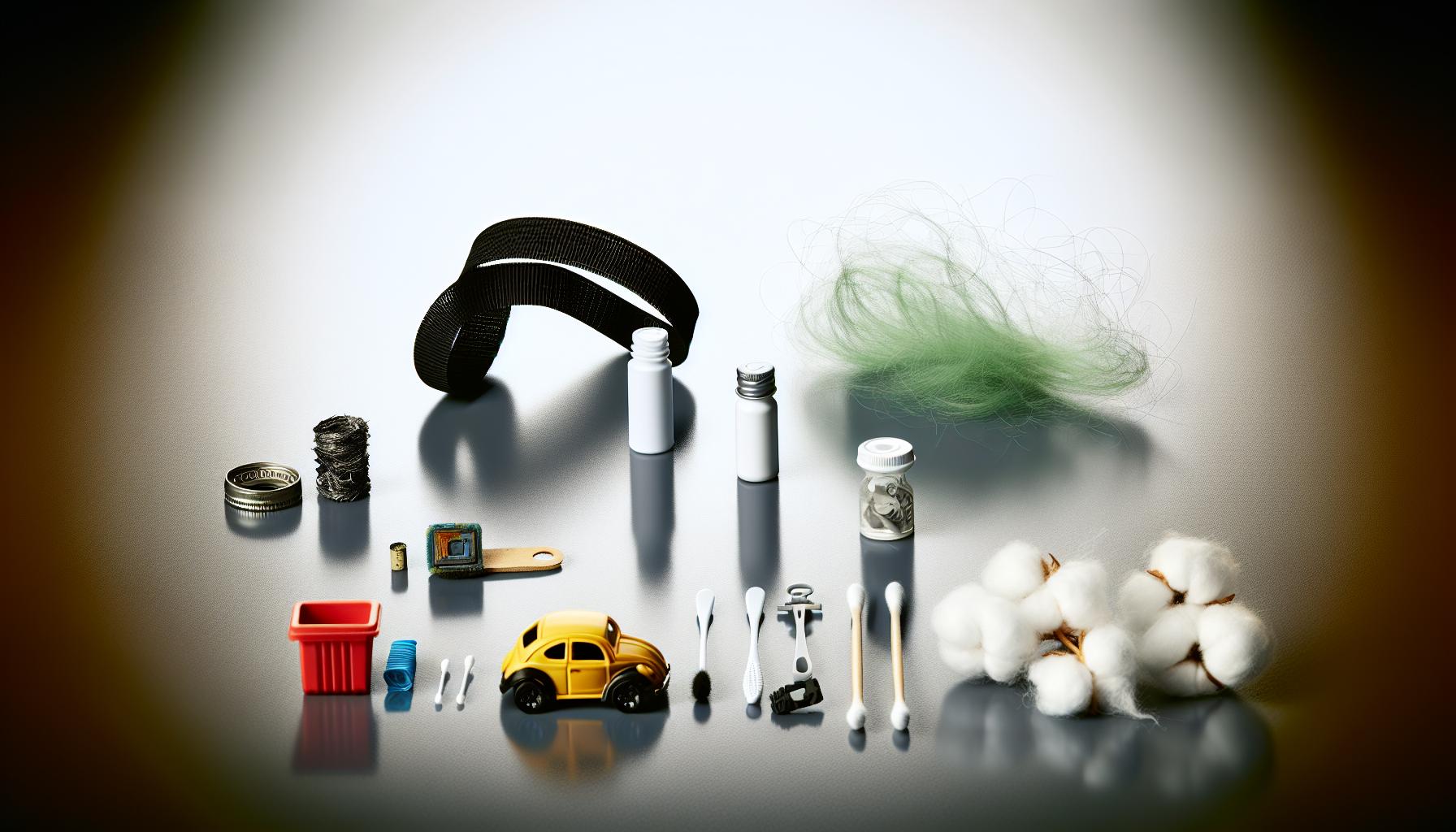
Small everyday items tossed into the toilet can seem inconsequential, but many quickly become major culprits behind stubborn plumbing blockages. What makes these objects so problematic is their resistance to water breakdown and their tendency to catch on rough spots or pipe bends inside your plumbing system. Over time, these seemingly minor intrusions accumulate debris and grease, creating serious flow restrictions that can escalate into costly repairs if left unchecked.
Among the most common offenders are items that people often mistakenly believe are flushable: cotton swabs, dental floss, paper towels, and, of course, Band Aids. These materials share the common trait of either being non-biodegradable or slow to degrade, meaning they do not dissolve like toilet paper. Dental floss, as a notable example, may appear harmless but acts like a fishing line inside pipes-snagging hair and other waste to trigger snags. Paper towels absorb water and swell, which can quickly jam narrow pipes. Even wipes labeled “flushable” rarely break down sufficiently and contribute to blockages just like customary wipes.
Everyday Blockage Offenders explained
- Cotton Swabs and Balls: Their fibrous nature resists breakdown and they clump easily.
- Dental Floss: Thin but strong, floss can entangle inside pipes, trapping other debris.
- Paper Towels and Tissues: Unlike toilet paper, these materials don’t dissolve; they expand and accumulate.
- Hair: While not flushable, hair often enters drains through showers and sinks, binding with other objects to form dense clogs.
- band Aids and Adhesive Tapes: Made with plastic and fabric, they stick to pipe walls and create a sticky base for more blockage buildup.
Recognizing these items as frequent troublemakers helps homeowners stay vigilant.For example, a single Band Aid flushed down the toilet can end up catching hair and grease, turning a simple strip into a sizable obstruction that restricts water flow. Many plumbers uncover evidence of this on a daily basis during routine drain cleaning-a tangled mess of common items that could have been avoided with proper disposal.
Taking small preventive steps, such as placing covered trash bins in bathrooms and educating family members about what belongs in the toilet versus the garbage, dramatically reduces the risk of blockages. Ultimately, the key is understanding that plumbing systems are designed for human waste and toilet paper only. anything else-even tiny-can trigger serious troubles if it accumulates or tangles with other debris over time. By keeping pipes free from these everyday objects, you protect your home’s plumbing from inconvenient-and expensive-clogs that disrupt daily life.
How Band Aids and Similar Items Affect Your Plumbing

Though small and seemingly harmless, Band Aids are surprisingly problematic when flushed down toilets. Unlike toilet paper, which is designed to disintegrate quickly in water, Band Aids consist of plastic, fabric, and adhesive layers that resist breaking down. This combination means they can cling stubbornly to the inside of pipes, creating an ideal surface for hair, grease, and other debris to build up. over time, these sticky globs turn into significant blockages that restrict water flow and increase the risk of costly pipe repairs.
What makes Band Aids particularly troublesome is their size and structure. Their adhesive backing allows them to stick not only to pipe walls but also to other foreign materials moving through the plumbing system. This “catch and hold” effect promotes the rapid accumulation of fibrous and greasy substances, magnifying clogs well beyond what a single item might cause. Plumbers frequently encounter tangled nests of Band Aids entwined with hair and flushed wipes during routine drain cleanings-clear proof of the harm even one or two flushed Band Aids can trigger.
Why Band Aids Pose such a Plumbing Risk
- Non-Biodegradable Components: Unlike toilet paper, Band Aids contain synthetic fibers and plastic that do not dissolve in water.
- Adhesive Properties: Their sticky side increases the likelihood of attachment to internal pipe surfaces and other debris.
- Size and Shape: Though small,their flat,flexible form enables them to get lodged in narrow pipe bends or rough spots.
Because Band Aids don’t degrade and often cling inside pipes, flushing them is akin to planting a slow-growing clog in your plumbing system.The best precaution is simple: dispose of Band Aids in the trash rather than the toilet. This small habit change can prevent numerous headaches and protect your home’s plumbing from unexpected interruptions.
If you suspect Band Aids or similar items have already compromised your pipes, watch for signs such as slow drainage, gurgling sounds, or minor backups. Promptly addressing these symptoms with professional drain cleaning can avoid extensive damage and costly repairs down the line. Remember,keeping non-flushable items out of your plumbing safeguards not only your pipes but also reduces environmental harm caused by flushed waste materials.
Signs Your Pipes Are Blocked by Everyday Objects

Few plumbing issues announce themselves as clearly as a stubborn clog caused by everyday objects like Band Aids, wipes, or paper towels. These items do not break down quickly-or at all-in water, which means they can quietly accumulate inside your pipes until a blockage forms. Recognizing the early warning signs can save you time, money, and the frustration of an emergency plumbing call.
One of the most common indicators is unusually slow drainage from sinks, tubs, or toilets. If water hesitates before disappearing or pools before draining, this could mean debris is beginning to restrict flow. You might also notice occasional gurgling or bubbling noises in drains,a sign that air is trapped as water struggles to pass through an obstruction. These subtle sounds often precede more severe blockages and shouldn’t be ignored.
Additional Warning Signs to Watch For
- Frequent backups or minor flooding: When clogs worsen, water may back up into sinks, tubs, or even toilets unexpectedly.
- Unpleasant odors: Trapped waste materials and stagnant water near blockages often create foul smells near drains.
- Multiple slow drains: If more than one fixture is draining poorly, the blockage may be located deeper in your main sewer line.
These symptoms are especially telling when non-flushable items like Band Aids, dental floss, or wipes find their way into toilet systems. Because these materials adhere to pipe walls and other debris, clogs tend to build up layer by layer, worsening gradually until a full blockage occurs. For example, a flushed Band Aid might stick around the bend of a pipe and start attracting hair and grease, gradually becoming a dense mass that is hard to clear with typical DIY methods.
Prompt response is crucial if you suspect such blockages. Ignoring these signs can lead to more severe plumbing failures, expensive repairs, and even water damage inside your home.early detection and action, whether it’s a plunger, drain snake, or professional help, make all the difference in maintaining smooth-running pipes and preventing the headaches associated with everyday items gone rogue in your plumbing.
| Symptom | Possible Cause | Recommended Action |
|---|---|---|
| Slow draining sink or tub | Gradual buildup of adhesive or fibrous items | Try a safe drain cleaner or plunger; monitor closely |
| Gurgling noises in drains | Trapped air due to blockage | Check for nearby clogs and consider professional inspection |
| Water backup or overflow | Severe blockage from non-breakdown materials | Stop using affected drain and call a plumber immediately |
Effective Ways to Prevent Pipe Clogs from Small Items
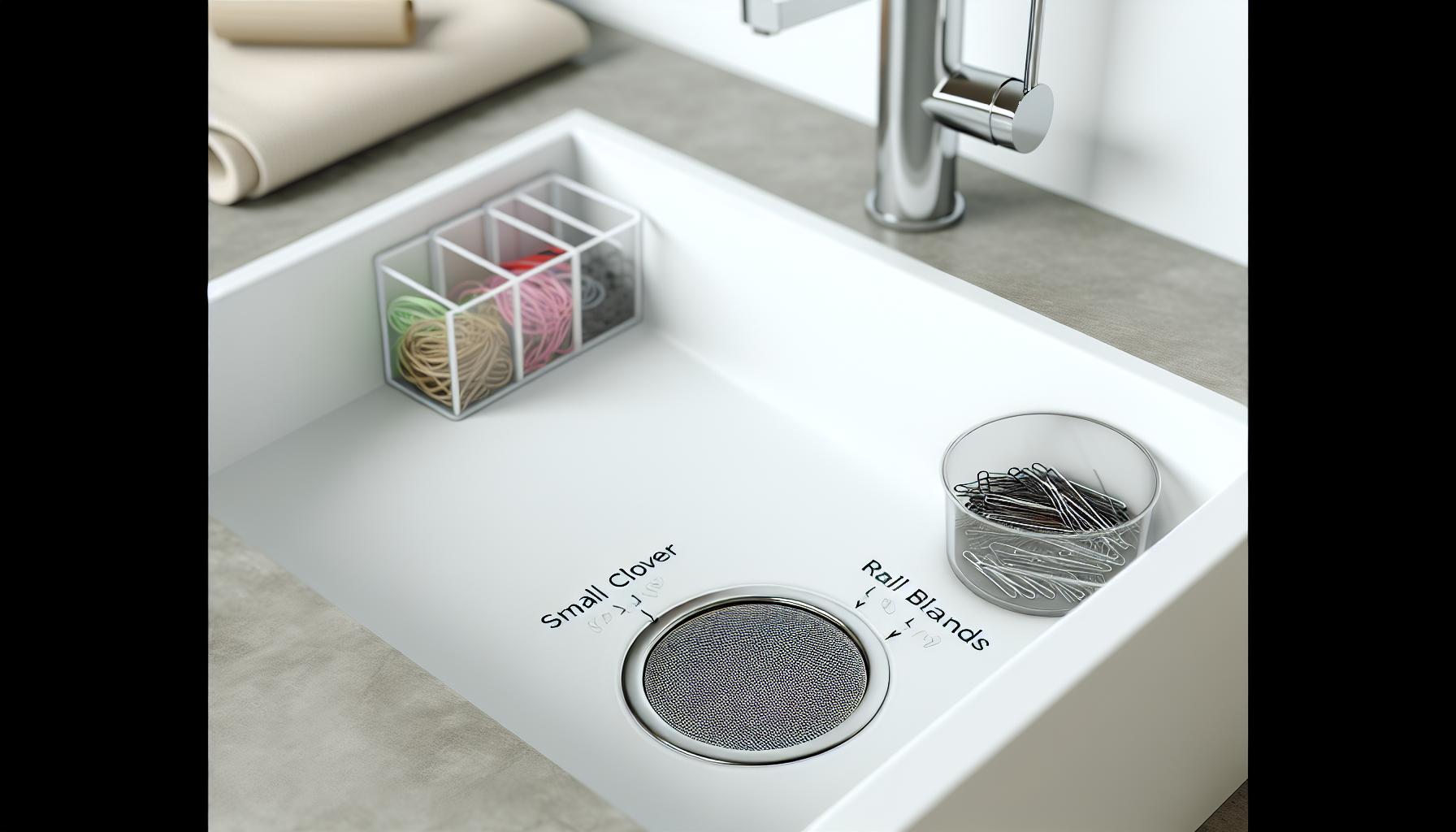
Many plumbing issues stem from the small, seemingly harmless items we flush or rinse down drains without a second thought. Band Aids, for instance, may look insignificant individually, but when introduced into plumbing systems, these adhesive materials can quickly transform into stubborn blockages by sticking to pipe walls and attracting other debris like hair and soap scum. Preventing such clogs starts with awareness and mindful disposal habits,which can save homeowners time,money,and the headache of emergency plumbing calls.
One of the simplest yet most effective strategies is to establish clear guidelines on what belongs in toilet bowls and drains.Educate everyone in the household that items like Band aids, cotton swabs, wipes (even those labeled “flushable”), dental floss, and paper towels are all off-limits for flushing. Instead, use a small trash can near bathrooms and sinks to encourage proper disposal. This not only cuts the risk of clogs but also reduces strain on municipal wastewater treatment systems.
Practical Habits to Keep Pipes Flowing Freely
- Use drain guards: Installing mesh or silicone strainers over sink and tub drains allows hair, lint, and small particles to be caught before entering pipes. These traps are easy to clean and prevent fibrous materials from building up inside plumbing.
- Dispose of adhesives carefully: For adhesive items like Band Aids or medical tape, consider wrapping them in a piece of tissue or paper towel before throwing them in the trash. This prevents sticky residues from accumulating in trash bins or creating messes.
- Avoid chemical drain cleaners as a first resort: While tempting to clear slow drains quickly, harsh chemicals can corrode pipes and worsen blockages caused by fibrous or adhesive debris. Mechanical methods like plungers or drain snakes are safer and more effective for early-stage clogs.
- Regular maintenance: Periodically flushing drains with hot water mixed with mild soap or baking soda and vinegar solutions can definitely help dissolve grease and prevent buildup that traps small items in pipes.
By incorporating these preventive measures into everyday routines, you can minimize the accumulation of problematic materials in your plumbing. Remember, prevention isn’t just about avoiding one clog; it’s about maintaining the overall health of your home’s system and sidestepping costly repairs down the line. after all, pipes that stay clear today help avoid messy headaches tomorrow.
Safe Disposal Tips for Problematic Household Waste

Many everyday household items that seem harmless can cause serious plumbing issues when disposed of improperly. For example, adhesives from Band Aids and sticky residues can cling to pipes, gradually building up blockages that lead to costly repairs. Taking a few extra moments to dispose of problematic waste correctly not only protects your home’s plumbing but also benefits the surroundings by reducing unneeded strain on sewage systems.
A practical approach is to designate small, clearly marked trash bins in bathrooms and kitchens specifically for items that shouldn’t be flushed or poured down the drain. This simple habit encourages everyone in the household to toss Band Aids, cotton swabs, dental floss, wipes, and other non-degradable materials in the trash rather than the toilet or sink.For adhesive items, wrapping them in a tissue or a small piece of paper before throwing them away can prevent stickiness from causing messes or adhering to trash containers, making waste disposal cleaner and more hygienic.
Tips for Eliminating Confusion Around Disposal
- Keep explanatory notes or small disposal guides near toilets and sinks to remind family members and guests which items are off-limits for flushing or rinsing.
- Avoid rinsing grease, oils, or sticky adhesives down drains; rather, let grease cool and scrape it into the trash or a sealed container for disposal.
- Use compost or recycling bins appropriately for waste that qualifies, but err on the side of caution – many small household items do not break down well in these systems and should go in the trash.
By adopting these mindful disposal habits, you make it less likely that problematic materials end up where they don’t belong, shrinking the risk of pipe clogging and preventing costly professional interventions. Not only will your plumbing function more smoothly, but you’ll also contribute to a more efficient waste management process in your community.
How to Clear Pipes Clogged by Small Foreign Objects

Clogs caused by small foreign objects like band Aids, cotton swabs, or dental floss can be surprisingly stubborn, often resisting typical plunging or DIY methods. The adhesive in Band Aids tends to cling to pipe surfaces, while other small items can tangle or accumulate with grease and debris, forming blockages that restrict water flow. Addressing these clogs early, before they worsen, can save considerable time and expense.
When you suspect a pipe is clogged by such materials, start with simple, non-invasive techniques.Using a plunger designed for sinks or toilets can sometimes dislodge loose blockages. Another effective method is employing a plumbing snake or drain auger,which reaches beyond visible pipes to hook or break up clogging objects. For kitchen sinks, removing and cleaning the trap under the sink often clears caught items, especially those that don’t travel far beyond this curved section.
Household Remedies That can definitely help
- Hot water Flush: Pouring boiling water in stages can help dissolve grease or soften adhesive residues, allowing trapped objects to move along more easily.
- Baking Soda and Vinegar: This natural foaming reaction may loosen debris coatings around foreign objects, facilitating their removal.
- Enzyme Drain Cleaners: These are safer alternatives to harsh chemicals and can help break down organic material surrounding blockages.
Though, caution is critical-avoid harsh chemical drain cleaners, as they can damage pipes and worsen clogs caused by solid items like Band Aids.If these methods do not restore proper drainage quickly, professional intervention becomes necessary. Expert plumbers have specialized tools such as video inspection cameras and high-pressure water jetters that provide precise diagnosis and effective clearing without damaging pipe infrastructure.
Understanding when to call a professional saves both frustration and potential plumbing damage. Persistent slow drains, foul odors, gurgling sounds, or repeated backups despite DIY attempts signal that targeted expertise is required. prompt action prevents small foreign object blockages from escalating into major plumbing emergencies.
When to Call a Professional Plumber for Blockages

Clogs caused by flushing small foreign objects like Band Aids often seem minor at first-but they can quickly escalate into serious plumbing headaches if ignored. Recognizing when it’s time to seek professional help is crucial to preventing costly repairs and extensive water damage. While DIY solutions may work for minor slowdowns, persistent or worsening symptoms indicate that the blockage is deeper or more stubborn than household methods can handle.
If you notice recurring drain backups, unusually slow drainage that gets worse over time, or persistent foul odors coming from your sinks or toilets, these are clear signals that the clog might potentially be lodged beyond the easily accessible trap or drain line. Additionally, strange gurgling sounds when draining water frequently enough suggest air is trapped in blocked pipes, a sign that the obstruction is impacting your plumbing’s normal flow. At this stage, continuing to attempt self-remedies might worsen the problem, so professional intervention becomes not only sensible but necessary.
Expert plumbers bring specialized tools and training to diagnose and resolve tough blockages caused by non-flushable items. Such as, video inspection cameras allow technicians to precisely locate foreign objects like Band Aids, especially when they cling to pipe walls or accumulate with grease and debris. High-pressure water jetters can then safely and thoroughly dislodge or break apart these blockages without damaging your pipes. Attempting these techniques without experience risks pipe damage or incomplete clearing, which could result in repeated issues.
Signs It’s Time to Consult a Plumber
- Repeated backups even after plunging or snaking
- Slow drainage progressively worsening over days
- Persistent foul odors from drains or toilets
- Unusual gurgling or bubbling noises during water flow
- Visible water leaks or pooling near fixtures
Waiting too long to involve a professional can increase the scale and expense of repairs,as blockages caused by adhesive-laden items frequently enough trap other debris,compounding the problem. If you’ve flushed something like a Band Aid-even accidentally-monitor your drains carefully and act promptly if these warning signs appear. Early intervention by a trusted plumber safeguards your home’s plumbing system,helps maintain water flow efficiency,and prevents the frustration and expense of emergency plumbing repairs.
The Environmental Impact of Flushing Non-Flushable Items
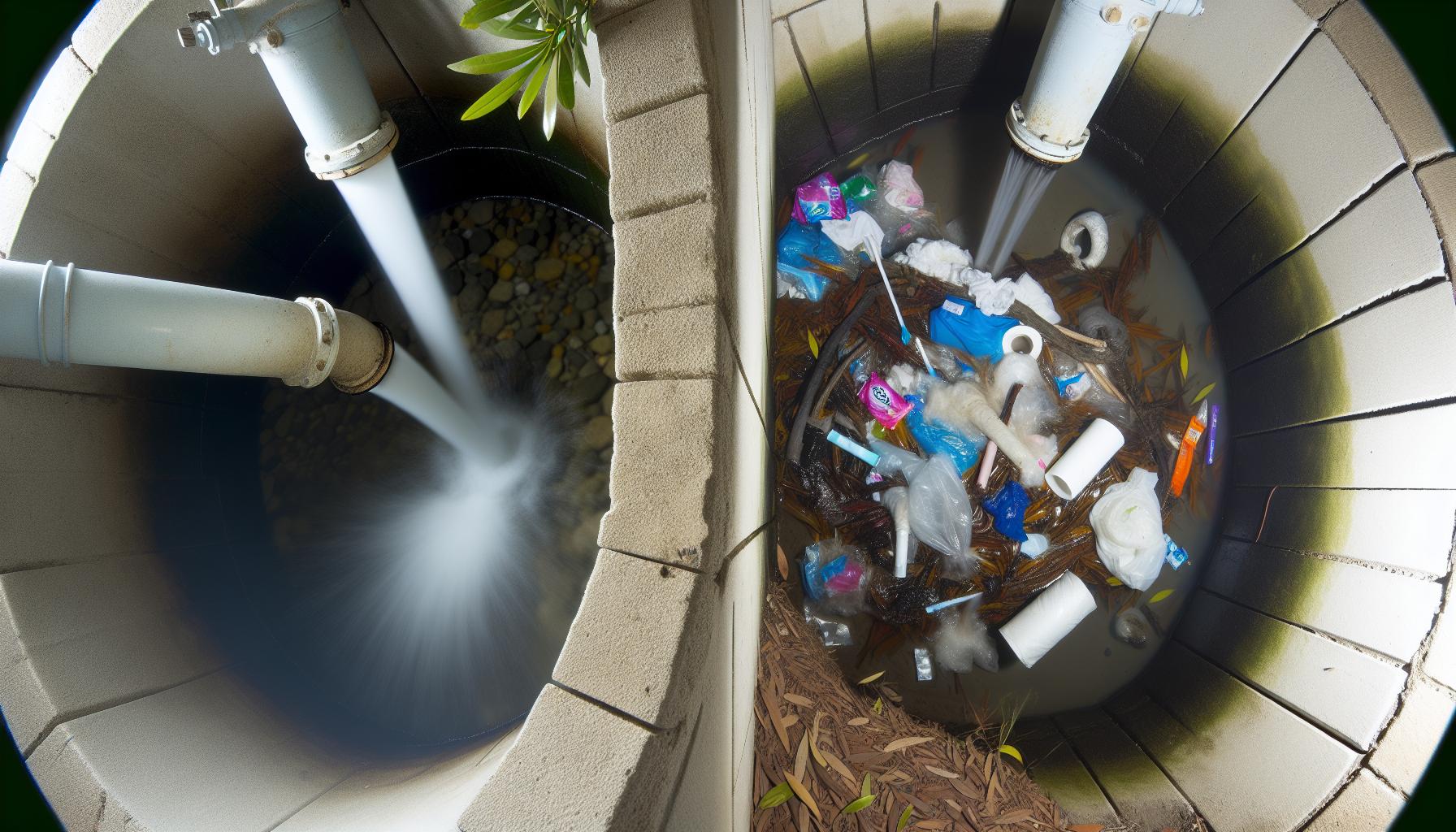
Flushing items like Band Aids and other small non-flushable objects may seem harmless in the moment, but the environmental consequences are far-reaching and often overlooked.These materials do not break down easily in water treatment systems, which means they tend to accumulate in pipes, pumps, and treatment facilities, causing costly damage and inefficiencies. Beyond household plumbing, improperly flushed items can contribute to pollution in aquatic ecosystems when treatment plants fail to fully capture these pollutants.
Many wastewater treatment plants are designed primarily to handle human waste and biodegradable toilet paper-not adhesives, plastics, or synthetic fibers often found in Band Aids. When these materials enter waterways, they can become part of the growing problem of microplastic pollution, harming wildlife and disrupting fragile ecosystems. Fish, birds, and other animals may ingest or become entangled in these materials, leading to injury or death. In some cases,contamination from these flushed objects contributes to the degradation of water quality,which in turn impacts human health and local economies reliant on clean waterways.
How Non-Flushable Waste Affects Water Treatment
- Clogged machinery: Pumps and filters in treatment plants can be jammed or damaged by adhesive strips and other foreign debris.
- Increased maintenance costs: Removing blockages and repairing damaged equipment leads to higher operational expenses, often passed on to consumers.
- Reduced treatment efficiency: When these items interfere with the process,water is less thoroughly cleaned before being released back into the environment.
Taking obligation at home by properly disposing of these items in the trash can significantly reduce the strain on sewer systems and water treatment infrastructure. This simple habit helps protect water quality and reduces the environmental footprint of our daily routines. By keeping non-flushable waste out of the pipes,you’re not only preventing inconvenient clogs and expensive repairs but also supporting cleaner,healthier watersheds and communities.
Practical Tips to Minimize Environmental Harm
- Always dispose of Band Aids and similar items in a trash bin rather than flushing.
- Educate family members and guests about what can safely be flushed to prevent accidental disposal.
- Support local environmental initiatives focused on protecting waterways and improving waste management infrastructure.
- Consider choosing eco-friendly or biodegradable first aid products where possible to reduce long-term environmental impact.
understanding the connection between everyday habits and environmental health empowers you to make smarter decisions that benefit both your home plumbing and the planet at large. Small changes in disposing of household waste can lead to cleaner water and healthier ecosystems for generations to come.
Smart Habits to Protect Your Home’s Plumbing System
Many homeowners underestimate how everyday habits can impact the long-term health of their plumbing systems. Even small actions, like flushing a Band Aid or similar items, can gradually lead to costly clogs and damage. By adopting mindful routines,you not only protect your pipes but also save money and avoid avoidable plumbing emergencies that disrupt your daily life.
One of the most effective habits to develop is practicing mindful disposal of all waste,especially small,non-degradable items. Items such as Band Aids, dental floss, cotton swabs, and paper towels may seem insignificant but have a knack for accumulating inside pipes, creating blockages that impede water flow. Simply placing these in the trash instead of the toilet can prevent buildup and emergency repairs. Additionally, teaching all household members, including children and guests, about what is safe to flush creates a household-wide culture of care for your plumbing.
Routine Maintenance and vigilance
Maintaining a regular plumbing check-up schedule helps catch minor issues before they escalate. Simple practices like checking under sinks for leaks, listening for unusual sounds in your pipes, and monitoring water pressure can provide early warning signs of blockages or damage. Investing in high-quality drain strainers and regularly clearing them of debris keeps solids out of your pipes, reducing the risk of clogs caused by unexpected items. It’s also wise to avoid using chemical drain cleaners repeatedly, as they may corrode pipes over time and worsen plumbing problems.
Smart Product Choices for Your Home
Choosing plumbing-friendly products plays a crucial role in system health. For example, switching to biodegradable wipes specifically labeled “flushable” or better yet, disposing of them in the trash, is safer than using standard wipes that resist breakdown. Similarly, selecting eco-conscious alternatives for first aid supplies reduces the likelihood of harmful material entering your plumbing if disposal mistakes occur. Staying informed about the ingredients and breakdown rates of household products helps you make smarter buying decisions that protect both your pipes and the environment.
- Dispose non-flushable waste in trash bins.
- Use drain strainers to catch hairs and debris.
- Schedule professional plumbing inspections periodically.
- Avoid harsh chemical cleaners; opt for enzymatic or natural solutions.
- Educate everyone in the household on plumbing-safe practices.
By integrating these smart habits, you preserve your home’s plumbing integrity and prevent inconvenient, expensive repairs. Over time, these small, consistent efforts create a smoother-flowing, trouble-free system, supporting your home’s comfort and value.
Q&A
Q: why should you avoid flushing small items like Band Aids down the toilet?
A: You should avoid flushing small items like Band Aids because they do not break down and can easily cause serious pipe blockages. These objects often catch on debris, leading to clogs that damage plumbing and require costly repairs. For safe disposal tips, see our section on Safe Disposal Tips for Problematic Household Waste.Q: How do common small household items compare in their risk of clogging pipes?
A: many household items such as cotton swabs, dental floss, and wipes pose a higher clog risk than tissues or toilet paper because they resist breaking down. Understanding these differences helps you prevent pipe blockages effectively. learn more about Common Small Items That Cause Serious Blockages in our article.Q: What immediate steps can you take if a Band Aid causes a partial pipe blockage?
A: If you suspect a Band Aid is causing a blockage, avoid using chemical drain cleaners and instead try a plunger or a plumbing snake for safer results. Early intervention can prevent more severe blockages; refer to How to Clear Pipes Clogged by Small Foreign Objects for detailed methods.Q: When is it critical to call a plumber instead of attempting a DIY pipe clog fix?
A: Call a professional plumber if DIY methods fail, if multiple fixtures back up, or if the blockage causes persistent slow drainage. Professional help prevents pipe damage and ensures a long-term solution. For guidance, review When to Call a Professional Plumber for Blockages in the article.Q: Can flushing small sticky items like Band Aids cause environmental problems?
A: Yes, flushing sticky and non-biodegradable items like Band aids leads to environmental harm as they accumulate in sewage systems and water bodies. Proper disposal reduces pollution; visit The Environmental Impact of Flushing Non-Flushable Items for more insights. Q: How do small flushable items differ from truly flushable products in plumbing safety?
A: Truly flushable products are designed to dissolve quickly and pass through pipes without causing blockages, unlike items labeled “flushable” but still prone to clogging. Always verify product claims to protect your plumbing system and consult Can You Flush a Band Aid? The Truth About Pipe Safety for clarity. Q: What maintenance habits can help prevent pipe blockages from everyday small objects?
A: Maintain regular drain cleaning, avoid flushing or rinsing questionable items, and educate household members on proper disposal. Adopting these smart habits protects your pipes and reduces emergency repairs. See Smart Habits to Protect Your Home’s Plumbing System for detailed tips.Q: Where should you dispose of small personal care items safely to avoid plumbing issues?
A: Small personal care items like Band Aids should be disposed of in the trash, ideally in a sealed bag to prevent contamination or odors. This simple habit protects your plumbing from clogs and aligns with Safe Disposal Tips for Problematic Household Waste in our article.
A: many household items such as cotton swabs, dental floss, and wipes pose a higher clog risk than tissues or toilet paper because they resist breaking down. Understanding these differences helps you prevent pipe blockages effectively. learn more about Common Small Items That Cause Serious Blockages in our article.
Q: What immediate steps can you take if a Band Aid causes a partial pipe blockage?
A: If you suspect a Band Aid is causing a blockage, avoid using chemical drain cleaners and instead try a plunger or a plumbing snake for safer results. Early intervention can prevent more severe blockages; refer to How to Clear Pipes Clogged by Small Foreign Objects for detailed methods.Q: When is it critical to call a plumber instead of attempting a DIY pipe clog fix?
A: Call a professional plumber if DIY methods fail, if multiple fixtures back up, or if the blockage causes persistent slow drainage. Professional help prevents pipe damage and ensures a long-term solution. For guidance, review When to Call a Professional Plumber for Blockages in the article.Q: Can flushing small sticky items like Band Aids cause environmental problems?
A: Yes, flushing sticky and non-biodegradable items like Band aids leads to environmental harm as they accumulate in sewage systems and water bodies. Proper disposal reduces pollution; visit The Environmental Impact of Flushing Non-Flushable Items for more insights. Q: How do small flushable items differ from truly flushable products in plumbing safety?
A: Truly flushable products are designed to dissolve quickly and pass through pipes without causing blockages, unlike items labeled “flushable” but still prone to clogging. Always verify product claims to protect your plumbing system and consult Can You Flush a Band Aid? The Truth About Pipe Safety for clarity. Q: What maintenance habits can help prevent pipe blockages from everyday small objects?
A: Maintain regular drain cleaning, avoid flushing or rinsing questionable items, and educate household members on proper disposal. Adopting these smart habits protects your pipes and reduces emergency repairs. See Smart Habits to Protect Your Home’s Plumbing System for detailed tips.Q: Where should you dispose of small personal care items safely to avoid plumbing issues?
A: Small personal care items like Band Aids should be disposed of in the trash, ideally in a sealed bag to prevent contamination or odors. This simple habit protects your plumbing from clogs and aligns with Safe Disposal Tips for Problematic Household Waste in our article.
A: Call a professional plumber if DIY methods fail, if multiple fixtures back up, or if the blockage causes persistent slow drainage. Professional help prevents pipe damage and ensures a long-term solution. For guidance, review When to Call a Professional Plumber for Blockages in the article.
Q: Can flushing small sticky items like Band Aids cause environmental problems?
A: Yes, flushing sticky and non-biodegradable items like Band aids leads to environmental harm as they accumulate in sewage systems and water bodies. Proper disposal reduces pollution; visit The Environmental Impact of Flushing Non-Flushable Items for more insights. Q: How do small flushable items differ from truly flushable products in plumbing safety?
A: Truly flushable products are designed to dissolve quickly and pass through pipes without causing blockages, unlike items labeled “flushable” but still prone to clogging. Always verify product claims to protect your plumbing system and consult Can You Flush a Band Aid? The Truth About Pipe Safety for clarity. Q: What maintenance habits can help prevent pipe blockages from everyday small objects?
A: Maintain regular drain cleaning, avoid flushing or rinsing questionable items, and educate household members on proper disposal. Adopting these smart habits protects your pipes and reduces emergency repairs. See Smart Habits to Protect Your Home’s Plumbing System for detailed tips.Q: Where should you dispose of small personal care items safely to avoid plumbing issues?
A: Small personal care items like Band Aids should be disposed of in the trash, ideally in a sealed bag to prevent contamination or odors. This simple habit protects your plumbing from clogs and aligns with Safe Disposal Tips for Problematic Household Waste in our article.
A: Truly flushable products are designed to dissolve quickly and pass through pipes without causing blockages, unlike items labeled “flushable” but still prone to clogging. Always verify product claims to protect your plumbing system and consult Can You Flush a Band Aid? The Truth About Pipe Safety for clarity.
Q: What maintenance habits can help prevent pipe blockages from everyday small objects?
A: Maintain regular drain cleaning, avoid flushing or rinsing questionable items, and educate household members on proper disposal. Adopting these smart habits protects your pipes and reduces emergency repairs. See Smart Habits to Protect Your Home’s Plumbing System for detailed tips.Q: Where should you dispose of small personal care items safely to avoid plumbing issues?
A: Small personal care items like Band Aids should be disposed of in the trash, ideally in a sealed bag to prevent contamination or odors. This simple habit protects your plumbing from clogs and aligns with Safe Disposal Tips for Problematic Household Waste in our article.
A: Small personal care items like Band Aids should be disposed of in the trash, ideally in a sealed bag to prevent contamination or odors. This simple habit protects your plumbing from clogs and aligns with Safe Disposal Tips for Problematic Household Waste in our article.
for more detailed advice and to protect your home’s plumbing from common hazards, explore the full article sections linked above. Staying informed ensures your pipes stay clog-free and your home safe!
in Summary
Understanding the risks of flushing small items like Band-Aids is essential for preventing costly pipe blockages and maintaining a healthy plumbing system. Avoiding these common mistakes protects your home and saves you from unexpected repair bills. If you’re curious about other everyday items that can harm your drains,be sure to check out our guide on “What Not to Flush: Top Household Items to Avoid” and the “essential Plumbing Maintenance Tips” to keep your system running smoothly.
Ready to take control of your plumbing care? Explore our range of expert articles and practical tools designed to help you safeguard your pipes. Don’t forget to subscribe to our newsletter for the latest tips and advice straight to your inbox.Have questions or experiences about flushing tricky items? Share your thoughts in the comments below - your input helps our community stay informed and engaged. Stay proactive, and let us help you keep your drains clear and problem-free!
Get our latest guides, news, and insights highlighted in your Google Search & AI Overviews.


