Can You Flush While Septic Is Being Pumped? Expert Answer
Did you know that flushing your toilet while your septic tank is being pumped can impact the entire process and your home’s plumbing? Many homeowners wonder whether its safe or advisable to continue using water during septic maintenance. Understanding what happens inside your septic system during pumping is crucial, as improper use can cause backups, inefficiencies, or even costly damage. This article provides an expert answer to the common question: Can you flush while septic is being pumped? We’ll explain why knowing when to hold back and when it’s okay to use your water can save you time, money, and stress. Whether you’re scheduling your first septic pumping or looking to avoid potential mishaps, this guide offers clear, practical advice tailored to your needs.Read on to discover how to protect your septic system and maintain household convenience during this essential maintenance.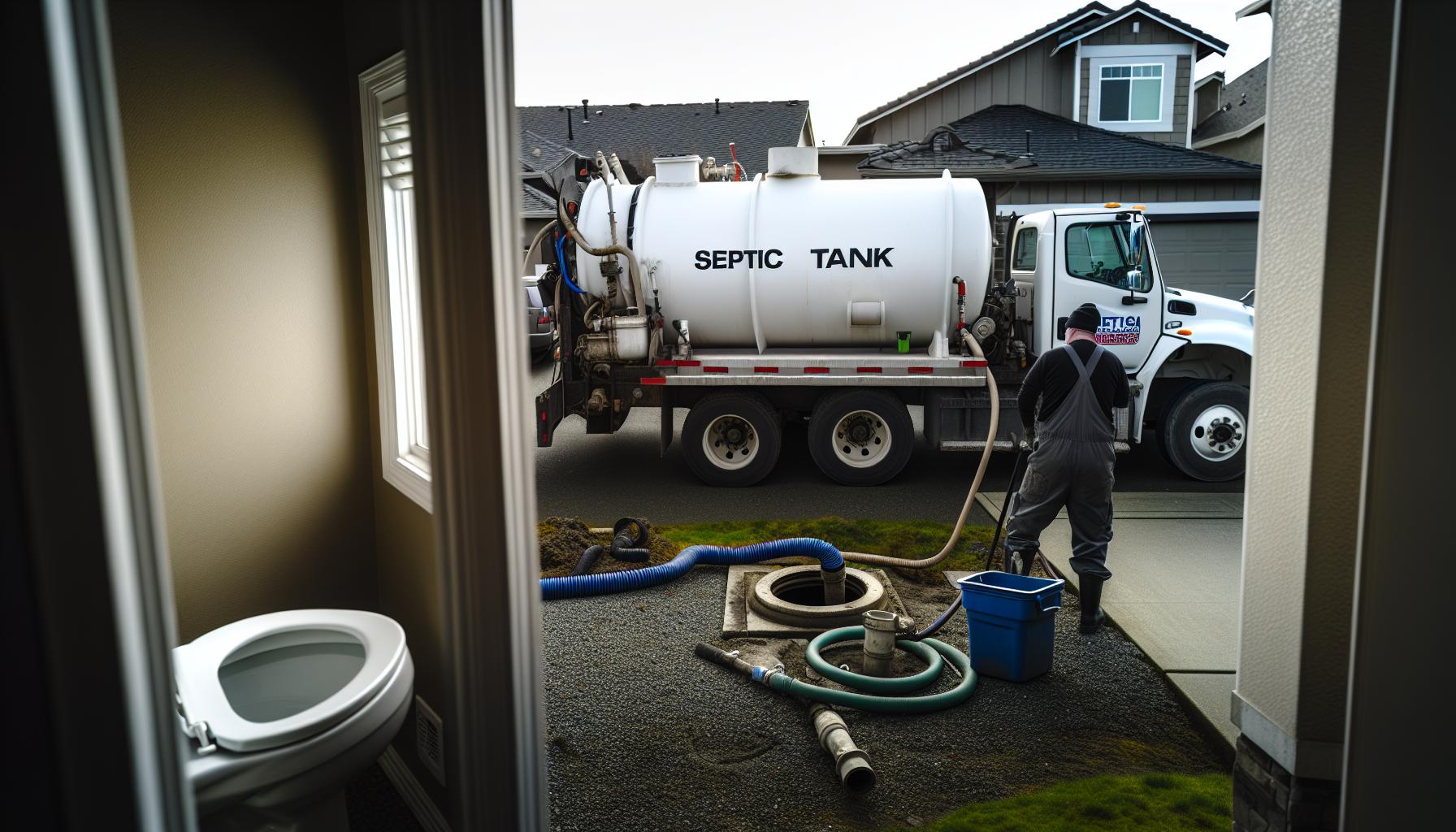
Can You Flush While Septic Tank Is Being Pumped?
Many homeowners wonder if it’s okay to continue using their toilets and plumbing fixtures while their septic tank is being pumped. In general, it’s best to avoid flushing or running water during the pumping process. This is not just a precaution-continuing to flush can create needless issues that affect the efficiency, safety, and thoroughness of the pumping service.
When a septic tank is being pumped, the technician needs clear access to the tank’s interior to remove solids, scum, and sludge. Flushing or introducing additional water during this time can cause the tank to fill or overflow, which may interfere with the pump-out process. More importantly, it can also push unsettled solids downstream prematurely, perhaps clogging your drain field or pipes. For example, if you flush during a pump-out, the technician may not be able to clean the tank optimally because new waste is instantly entering the system, leading to incomplete pumping and quicker reaccumulation of sludgesuggest flushing multiple toilets sequentially rather than all at once to reduce strain on the system.
- Hold off on non-essential flushing: Avoid flushing toilets, running dishwashers, or using washing machines during the pumping window.
- Inform household members: Communicate the temporary water-use restrictions so everyone is aware and can cooperate.
- Plan your pumping appointment wisely: Schedule for a time when water usage is naturally low, like early morning or when fewer people are home.
Ultimately, following these practices helps ensure that your septic tank is pumped thoroughly and efficiently, and prevents accidental strain or damage to your system. It’s a small inconvenience that can substantially prolong the health and longevity of your septic system.
Why Flushing During Septic Pumping Can Be Risky
Using your plumbing during septic tank pumping might seem harmless, but even a single flush can disrupt the entire process. When wastewater continues to flow into the tank while it’s being emptied, it can cause the tank to fill back up quickly, forcing sludge and solids that haven’t settled properly to move downstream. this premature movement of solids can clog pipes, damage the drain field, or reduce the efficiency of your septic system. The pumping technician needs the tank to be as empty as possible to thoroughly remove accumulated scum and sludge-not a tank that’s actively replenished mid-service.
Additionally, continued flushing during pumping often leads to incomplete evacuation of waste materials. this means the residual sludge remains thicker and settles more rapidly, accelerating the need for future pump-outs. Imagine trying to vacuum a carpet while someone’s shaking dust onto it-flushing adds new ”waste dust” before the “carpet” is cleaned. Such interference increases the risk of costly repairs or even system failure over time.
Why Avoid Flushing Minimizes Risks
- Prevents overflow: Extra incoming water during pumping can cause the tank to overflow, sending untreated waste back into your yard or plumbing.
- Ensures efficient cleaning: An empty tank allows the technician to remove maximum sludge, extending the time before the next pump-out.
- Protects drain field health: Keeping solids in the tank prevents clogging and failure of the soil absorption system, which is costly to repair or replace.
In rare situations-like medical needs or emergencies-where water use can’t be avoided, it’s critical to inform your septic service provider ahead of time. they may suggest flushing toilets one at a time rather than all at once or delaying pumping until periods of low water use.These small changes can reduce strain on your system and support more effective septic maintenance.
ultimately, patience and cooperation during this short window help protect your home’s wastewater system, preventing avoidable malfunctions, expensive repairs, and environmental hazards. It’s a small sacrifice that pays off in long-term system health and functionality.
How Septic Pumping Process Works Step-by-Step
Septic tank pumping is a precise and methodical process designed to restore your system’s efficiency by removing accumulated waste without causing disruption or damage. Understanding each step clarifies why avoiding flushing during pumping is crucial and reveals what actually happens beneath the surface during service.The process begins with the technician locating access points or lids to the septic tank, often using specialized equipment if these are buried or obscured. Once exposed, they carefully measure the levels of scum, sludge, and wastewater inside the tank to assess how much material needs removal. This evaluation helps tailor the pumping approach, ensuring thorough cleaning without over-disturbing settled solids that can lead to system issues.
Step-by-Step overview of Septic Tank pumping
- Opening and inspection: The technician uncaps the tank lids and inspects interior conditions, checking for cracks, unusual buildup, or damage that might affect pumping or indicate repairs.
- Sludge and scum removal: Using a powerful vacuum truck, the technician begins to extract solids from the bottom (sludge) and top layers (scum). This step demands patience and skill because removing too rapidly or allowing inflow during pumping can stir contents and push solids downstream.
- Wastewater level monitoring: Throughout pumping, the technician monitors the liquid level to avoid emptying too abruptly, which could cause the tank to collapse or damage internal components.
- Final inspection and tank sealing: after pumping, a final check ensures no waste remains that could jeopardize performance, followed by closing the tank securely to prevent contamination and odors.
This controlled process works best without the interference of fresh wastewater entering the tank mid-pumping. Flushing toilets or running water introduces new fluid and solids that force the technician to work against a constantly refilling tank, making it harder to remove as much waste as possible. Such as, if someone flushes during pumping, sludge that’s meant to be pumped out can mix with incoming liquids, potentially pushing solids into drain pipes – a leading cause of clogs and system failure.
By cooperating with your septic professional and avoiding water use during service, you help ensure the tank is emptied to the greatest extent, extending time until the next pump and safeguarding your system’s health. In cases where water use cannot be avoided, communicating with your provider allows them to adjust their approach, such as scheduling pumping during periods of low water usage or recommending staggered flushing to minimize disruption.
Understanding this step-by-step method emphasizes why even small actions like flushing matter during septic pumping and highlights the technician’s expertise in maintaining a complex,delicate system.
Impact of Flushing on Septic System During Pumping
Flushing while your septic tank is being pumped can significantly disrupt the delicate balance and effectiveness of the pumping process. Introducing fresh wastewater mid-service forces the technician to constantly contend with a tank that’s refilling rather of being emptied. This can lead to incomplete removal of sludge and scum, which are the very materials responsible for slowing down or potentially damaging your septic system over time. When solids aren’t fully extracted, they may be pushed into the drain field, causing blockages that are costly and tough to repair.
water and waste entering the tank during pumping can create turbulence that stirs settled solids back into the liquid layer. This mixing complicates removal as the technician aims to carefully extract sludge from the bottom without sending solids downstream.If flushing causes that layer to agitate, it risks clogging pipes and filters that are critical for treating wastewater effectively. For example, just a single flush during pumping could increase the likelihood of sludge bypassing the tank, which directly impacts your system’s performance and longevity.
How Flushing Adds Strain During Pumping
- Constant Refilling: each flush introduces more wastewater, making it difficult to lower the fluid level enough for a thorough solids extraction.
- Increased Risk of Clogs: Stirred-up solids can move into inlet and outlet pipes, potentially causing blockages that impair flow.
- Longer Pumping Time: Technicians may need to extend the service time or return more frequently if flushing prevents effective waste removal.
- Possible Damage: Rapid changes in tank levels might stress the tank structure or internal components, risking cracks or failures.
In real-world terms, imagine trying to empty a bathtub while someone continuously pours water back in-it’s not only inefficient but can cause overflow or damage. Similar principles apply to your septic tank, underlining why avoiding flushing during pumping is crucial. If you absolutely must use water, minimize it as much as possible and inform your service provider ahead of time so they can plan accordingly.
Ultimately, respecting the flushing restrictions during septic pumping ensures that the tank is cleaned properly, delays the buildup of harmful solids, and protects your overall system from premature wear. This cooperation not only preserves your septic investment but also helps maintain a healthier environment around your home.
Signs Your Septic System Is Vulnerable During Pumping
it’s often the subtle signs that reveal your septic system is notably vulnerable during pumping, especially when flushing occurs at an inopportune moment.One of the most telling indicators is a noticeable slowdown or backup in your household drains just as the pump-out begins. This can happen because flushing introduces fresh wastewater that unsettles the tank’s layers, causing solids to swirl into pipes rather than staying settled for extraction.
Another red flag is the presence of odors around your septic tank or drain field during or shortly after pumping. When solids and sludge are not fully removed due to premature flushing, partial blockages can trap gases, increasing unpleasant smells that indicate your system is struggling to operate effectively. For instance, if you smell sewage near your outdoor septic components, it might mean liquids are not flowing as freely as they should, signaling vulnerability.Pay close attention to unusual noises, such as gurgling or bubbling sounds in toilets and drains during septic service. These can indicate solids disrupting flow lines or the tank levels fluctuating rapidly from inconsistent water input.This turbulence frequently enough stresses the tank’s internal components, increasing the chance of cracks or damage if flushing continues during pumping.
Common Warning Signs to Monitor
- Slow-draining sinks, tubs, or toilets coinciding with septic pumping
- Unpleasant odors detectable near plumbing vents or drain fields
- Gurgling or bubbling sounds when using water fixtures
- Visible wet spots or soggy soil around the drain field area
By recognizing these early indicators, homeowners can better understand when their septic system’s balance is compromised during maintenance. Taking precautions such as minimizing water use and informing your septic professional about any issues can help prevent long-term damage and costly repairs. in practice, leaving flushing to a minimum during pumping maximizes the technician’s ability to remove sludge effectively, ensuring your system is less susceptible to these warning signs and continues operating smoothly for years to come.
What To Do If You must Use Water While Pumping
When circumstances demand using water during septic tank pumping, it’s essential to proceed thoughtfully to avoid disrupting the delicate balance inside your system. Although it’s best to limit water use, emergencies or daily necessities (like handwashing or minimal toilet use) sometimes can’t be postponed. In these cases, moderating your water consumption and coordinating closely with your septic professional can definitely help protect your system from undue stress.
Start by prioritizing essential water use only and spreading it out throughout the day rather than using large volumes at once. For example, rather than flushing multiple toilets back to back or running a full dishwasher cycle, flush once if absolutely necessary, and wait a critically important interval before the next use. This approach helps prevent sudden surges of wastewater that can cause turbulence inside the tank,stirring up solids and impairing the technician’s ability to pump effectively.Frequent, heavy flushing during pumping can swirl settled sludge into drainage pipes, risking clogs or backups.
Smart water Practices During Septic Pumping
- Limit flush frequency: Only flush when unavoidable, and try to stagger timing.
- Avoid running appliances: Hold off washing machine or dishwasher loads if possible until pumping finishes.
- Use water-saving fixtures: Turn faucets off tightly; avoid letting taps run unnecessarily during the service.
- Communicate with the technician: Share if water use is expected, so they can adjust pumping strategy accordingly.
In rare situations where more substantial water use is necessary, the septic professional may temporarily pause pumping to accommodate the flow, then resume once the system settles. Understanding this dynamic can help alleviate some anxiety about causing damage if flushing or water use must occur. Additionally, make sure to check for any post-pumping issues such as slow drains or odors promptly, as these can signal stress from water use during the service.
Following these guidelines can minimize risks and help maintain smooth operation during the vulnerable pumping phase. Remember, informed, moderate water use combined with clear interaction keeps your septic system healthier and supports the technician’s work to restore it optimally.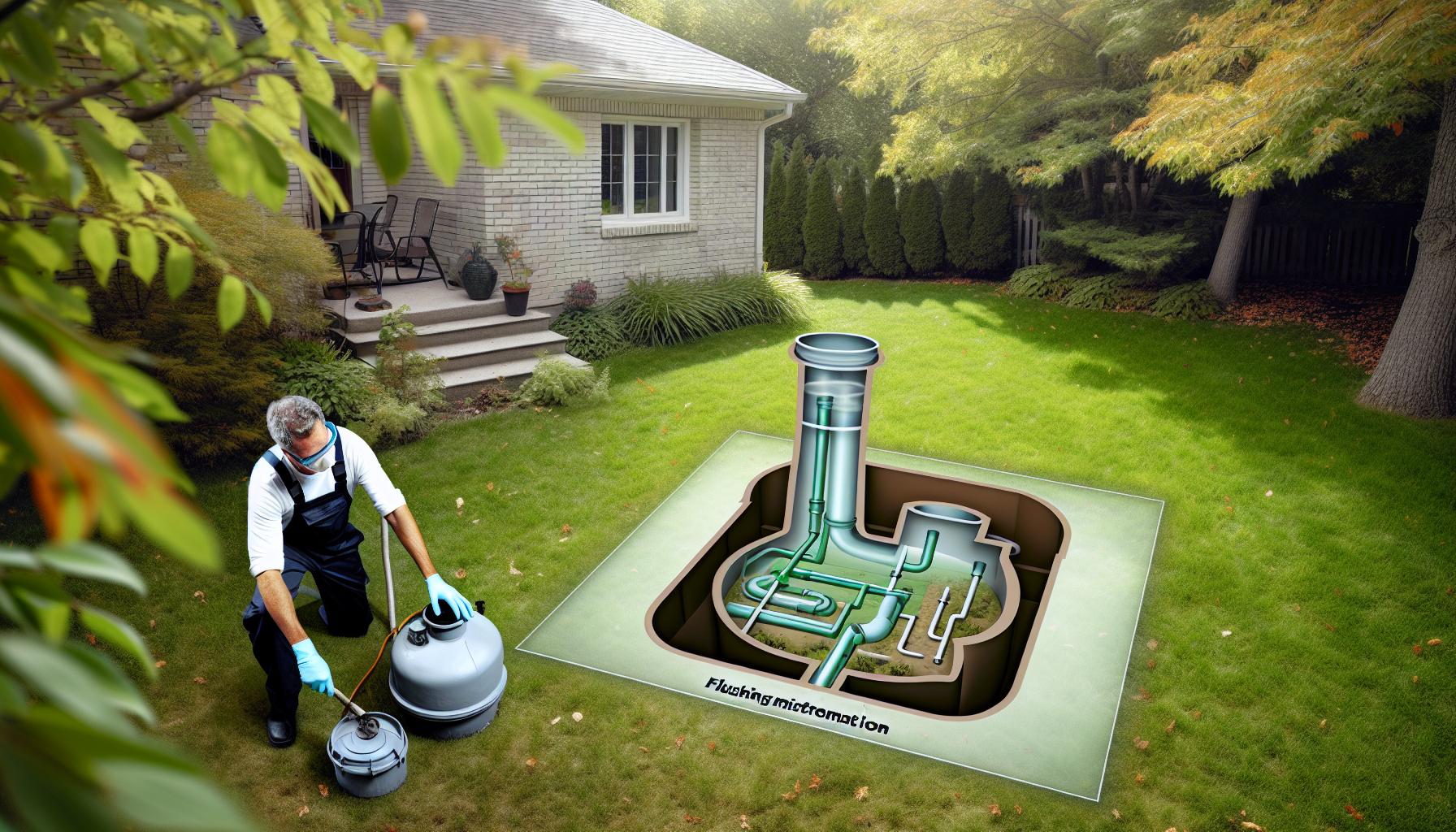
Common misconceptions About Septic Pumping and Flushing
It’s a common assumption that septic tanks require pumping only when a problem occurs or that flushing during pumping is harmless, but these beliefs often do more harm than good. Many homeowners underestimate how sensitive the septic system is during pumping because they don’t realize that even moderate water use can disrupt the delicate settling process within the tank. Flushing multiple times or running high-water-use appliances during pumping doesn’t just create inconvenience; it risks stirring up settled solids, which can clog pipes or reduce the effectiveness of the technician’s work.
Another widespread misconception is that additives or “flushable” wipes are safe and can replace proper maintenance or cautious water use. Additives do not eliminate the need for regular pumping, and many items marketed as flushable don’t biodegrade like toilet paper, causing blockages or damage-particularly during the vulnerable pumping stage when the system is actively being serviced[[[[[1]][[[[[2]][[3]]. Understanding these realities helps clarify why flushing during pumping should be minimal and carefully managed.
Practical Wisdom to Navigate Flushing Myths
- More flushing doesn’t speed up pumping: Repeated or heavy flushing during pumping can swirl sludge that should remain settled, complicating removal and potentially causing downstream backups.
- additives aren’t miracle cures: Contrary to some beliefs,septic tank additives do not negate the need for professional pumping and won’t prevent problems caused by excessive water flow during maintenance.
- Flushable doesn’t always mean septic-safe: Products labeled flushable may not break down quickly or thoroughly enough, especially problematic when the tank is being pumped and these solids can clog equipment or the system’s drainage.
- Septic systems aren’t invincible: assuming your system will last indefinitely without mindful care leads to serious issues. Proper protocols during pumping, including limiting flushing, support your system’s longevity.
Real-world examples highlight how ignoring these misconceptions leads to costly repairs. For instance, a homeowner who continued to run a dishwasher and flush after the septic technician started pumping caused sediment to become suspended and clog the outlet pipes, requiring additional service calls. Conversely, families who communicated with their septic professionals and minimized water use during service hours experienced more efficient pumping and quicker system recovery.
Ultimately, debunking these myths equips homeowners with the knowledge to protect their septic systems effectively, especially during maintenance times when the system is most vulnerable. By recognizing what’s safe and what risks exist during septic pumping, you can prevent common pitfalls and ensure your septic investment lasts longer and performs better.
How To Prepare Your Household Before Septic Pumping
Before septic pumping begins, small adjustments around your home can significantly improve the service outcome and protect your system. Many homeowners overlook the importance of preparing daily water use habits and household routines, not realizing that their actions during pumping can influence both the efficiency of the process and the long-term health of their septic system. By planning ahead, you ensure the pumpers have unobstructed access and minimize water flow that might disrupt the delicate settling balance inside your tank.
Start by informing all household members about the scheduled pumping day and the critical need to limit water usage. This means avoiding flushing toilets unless absolutely necessary and postponing tasks that involve large volumes of water, such as laundry, dishwashing, or running sprinklers. If you have multiple bathrooms, designate just one for essential use to reduce water entering the system. This simple step prevents stirring up sludge and scum layers, which can complicate the pumping process and lead to blockages downstream.
Gathering necessary access points for the septic technician ahead of time also smooths the service.Locate and clear debris from the tank lids, clean-out pipes, or risers, ensuring they are easy to find and open. in some cases, marking these access points with flags or visible markers can save time and reduce disturbances to your yard. Additionally, clear any shrubs or obstacles that may impede the pumper’s truck or hose placement.
- notify your family about flushing restrictions during pumping day.
- Postpone high water use chores such as laundry, dishwashing, or irrigation.
- Ensure clear access to the septic tank and risers by removing obstacles or debris.
- Check outdoor equipment like sump pumps or garbage disposals to avoid simultaneous heavy water flow.
Preparing your household for septic pumping isn’t just about convenience-it’s a smart, preventative measure. Such as, one homeowner who trimmed bushes and flagged the septic riser beforehand saved the technician significant time, leading to a quicker, more thorough pumping.Meanwhile, families who maintained low water use during service avoided excess agitation of solids, allowing their septic system to stabilize promptly afterward. Thoughtful preparation protects your system’s integrity while making the entire maintenance experience smoother for everyone involved.
Expert Tips to Protect Your Septic System’s health
One of the most effective ways to extend the life of your septic system and avoid costly repairs is to be mindful of how you manage water and waste throughout the septic pumping process. Even though it might be tempting to continue with normal flushing habits during pumping, it’s crucial to understand how your actions can either support or disrupt the delicate balance inside the septic tank. Thoughtful water use not only helps the technician perform an efficient job but also safeguards the system from unnecessary strain and blockages.
- Limit Water Usage During Pumping: Minimizing water flow prevents sludge and scum from stirring up and overwhelming the system. This careful approach reduces the chance of solids escaping into the drain field,which can cause clogs and premature failure.
- Use one Bathroom If Necessary: If flushing cannot be avoided during pumping, restrict it to a single bathroom to localize waste flow and reduce pressure on the tank while it is being serviced.
- Avoid Harsh Chemicals and solids: do not flush paints, solvents, wipes, or solids during pumping, as these can damage bacteria essential for waste breakdown and complicate sludge removal.
- communicate With Your Service Provider: Discuss any urgent needs or water usage during pumping with the septic technician-they may have recommendations or be able to time their work accordingly.
Small Habits That Make a Big Difference
Investing effort in daily habits provides long-term dividends. For instance, evenly spacing out water use before and after pumping helps maintain stable bacterial colonies that are vital for breaking down solids naturally. One homeowner reported that after limiting laundry loads to the days following pumping, their septic odors and backups were noticeably reduced-revealing the impact of mindful water management. Along with this, regular maintenance and inspections paired with these habits keep your system functioning smoothly year-round.
Practical Prep and Prevention Tips
Before the septic technician arrives, ensure all tank lids and risers are easily accessible and free of debris for fast service, avoiding stress that could lead to rushed or incomplete pumping. Keep outdoor water drains, sump pumps, and garbage disposals idle whenever possible on pumping day. Quick adjustments such as these streamline the process and reduce the risk of flooding or tank overflow-common issues when too much water enters during pumping.
By adopting these strategies, you actively participate in protecting your septic system’s health. Remember, treating your septic tank with care during pumping not only helps the technician do their best job but also extends the overall lifespan of your system, saving you money and trouble in the long run.
When to Contact a Professional for Septic Emergencies
Septic systems are designed to handle daily household wastewater gradually,but during the pumping process,their vulnerability increases significantly. If you notice unusual symptoms-such as persistent backups, slow drains, foul odors around your property, or standing water near the drain field-these may signal that the system is under stress and immediate professional intervention is needed. Ignoring these signs or attempting DIY fixes during septic pumping can lead to severe blockages or even system failure, resulting in costly repairs or health hazards.When flushing during septic pumping leads to unexpected overflows or if the tank appears unable to accommodate normal water flow, it’s essential to pause all water use and contact your septic service provider immediately. Professionals can assess whether the tank requires additional pumping, repairs, or temporary diversion of wastewater to prevent damage. In some cases, hydraulic overload-caused by flushing too much water while the tank is open-can cause solids to shift and clog the drain field, risking long-term damage if not promptly addressed.
- sudden backups or sewage odors during pumping
- Visible pooling of wastewater near the septic area
- Unusually slow drainage or gurgling sounds in pipes
- Tank lid damage or disruption caused by excessive flushing
- if you accidentally flush inappropriate items (e.g., wipes, chemicals) during pumping
Acting swiftly when you detect these problems helps prevent escalation and protects both your home’s plumbing and the surrounding environment. Some homeowners have shared experiences where quick communication with their septic technician during pumping allowed for adjustments on the spot, such as temporarily halting water use or re-scheduling service over multiple visits to reduce strain. This proactive approach frequently enough saves significant time and expense.
Ultimately, your septic professional is your best resource when emergencies arise during pumping or if flushing is unavoidable. Keeping their contact information handy and reporting anomalies early can preserve the integrity of your septic system and keep your household running smoothly. Remember, a well-managed septic system withstands the pumping process far better and reduces the risk of emergency interventions later.
How Flushing Affects Septic System Maintenance and Longevity
Septic systems rely on a delicate balance of bacterial activity and gradual waste flow to function effectively and ensure longevity. Flushing during the septic pumping process can disrupt this balance and, if not managed properly, may accelerate wear, increase maintenance costs, and even shorten the overall lifespan of your system. Understanding how flushing impacts maintenance and system health is crucial for every homeowner who wants to protect their investment.
When you flush large volumes of water while the tank is being pumped,you risk overwhelming the system’s capacity to process waste. This sudden surge can cause solids to shift and potentially clog the inlet, outlet, or drain field, compromising the system’s ability to treat wastewater efficiently. Over time, such hydraulic overloads can lead to costly repairs or premature failure of septic components-especially the drain field, which is costly and difficult to replace. Additionally, flushing inappropriate items such as wipes, chemicals, or greasy substances during this vulnerable time can compound problems by damaging the beneficial bacteria or clogging pipes, further complicating maintenance needs[[[[[1]](https://lunaenvironmental.com/2025/06/septic-system-essentials-what-not-to-flush-and-how-to-protect-your-system/).
Effective Strategies to Minimize Maintenance stress During Pumping
To protect your septic system’s health during pumping, it’s essential to minimize flush usage and avoid introducing harmful substances. Here are some practical tips:
- Limit water usage: Try to go as long as possible without flushing during the service window to allow the septic technician to work without interference.
- avoid flushing non-biodegradable products: Items like wet wipes, feminine hygiene products, medication residues, and harsh chemicals can disrupt bacterial ecosystems and increase sludge buildup.
- Communicate proactively with your service provider: If flushing becomes unavoidable due to emergencies, notify your technician immediately so they can adjust their approach to prevent system strain.
Homeowners have found that scheduling pumping during times of low household activity (e.g., when most family members are away or asleep) helps reduce flushing-related stress and extends intervals between necessary maintenance.
Long-Term Benefits of Careful Flushing Practices
consistently minimizing flushes at critical times not only reduces immediate risks but also supports the natural function of beneficial bacteria responsible for breaking down solids-key to extending intervals between pumpings. Proper flushing etiquette reduces sludge buildup, prevents blockages in distribution pipes, and preserves the drain field’s filtration capacity. Over years,these preventive actions translate into fewer emergency repairs and prolonged system durability,safeguarding both your finances and your home environment.
| Impact | Effect on Septic System | Maintenance Consideration |
|---|---|---|
| Excess Water Flow During Pumping | Hydraulic overload, solids displacement | Schedule multiple pumping visits; avoid flushing |
| Flushing Harmful Items | Bacterial disruption, pipe clogging | Use septic-safe products only |
| Regular Controlled Flushing | Maintains bacterial balance, reduces sludge | Follow septic maintenance guidelines |
Ultimately, adopting mindful flushing habits, especially during septic pumping, plays a pivotal role in reducing system stress and supporting its long-term reliability. Your septic system is a critical household component that thrives on balance-helping it maintain that balance today saves you from expensive, disruptive issues down the road.
FAQ
Q: How long should I avoid flushing after my septic tank has been pumped?
A: You should avoid flushing for at least 2 to 4 hours after septic pumping to allow solids to settle and prevent system overload. waiting helps maintain your septic system’s balance and avoids unnecessary strain. for detailed timing advice, see our section on how To Prepare Your Household Before Septic Pumping.
Q: Can flushing during septic pumping cause backups inside the home?
A: Yes, flushing while your septic tank is being pumped can cause backups and slow drains because the tank is temporarily disconnected or empty. Avoid flushing to prevent sewer gas odors and wastewater from backing up into your home. Learn more in Why Flushing During Septic Pumping Can Be Risky.
Q: what temporary water use is safe while septic pumping is in progress?
A: Minimal water use like hand washing or a quick rinse is generally safe, but avoid flushing, laundry, or dishwashing. If water use is necessary, distribute it evenly and keep usage low to reduce pressure on the system. Refer to What to do If You Must Use Water While Pumping for safe practices.
Q: How can I prevent septic tank damage related to flushing during maintenance?
A: Prevent damage by wholly avoiding flushing and high water use during pumping. Communicate with your septic professional about timing and limit water flow until the process is complete. This protects the tank’s structure and avoids costly repairs. See Expert Tips to Protect Your Septic System’s Health for more guidance.
Q: Why does flushing affect septic system efficiency during pumping?
A: Flushing during pumping disrupts the balance of solid and liquid waste, reducing bacterial breakdown efficiency and potentially causing clogs.Keeping flushing off ensures septic bacteria remain active for proper treatment after pumping. For more, refer to Impact of Flushing on Septic System During Pumping.
Q: What signs indicate flushing caused problems during septic pumping?
A: Signs include slow drains, foul odors, gurgling sounds, or sewage backups in toilets or drains. If these occur, contact a professional promptly as noted in When to Contact a Professional for Septic Emergencies. Early action helps prevent extensive damage.
Q: Is it safe to flush after professional septic pumping or should I wait for inspection?
A: Flushing is generally safe once pumping is complete and the technician confirms everything is sealed and functioning. Waiting for inspection ensures no leaks or damage occurred. Check How To Prepare Your Household Before Septic Pumping for post-service care tips.
Q: How does flushing during septic maintenance impact long-term system health?
A: Flushing during maintenance can lead to system overload, accelerating wear and reducing lifespan. Avoid flushing to protect your septic system’s longevity and maintain optimal function.See How Flushing Affects Septic System Maintenance and Longevity for comprehensive insights.
For best results,explore our full article sections linked here and maintain good septic practices to protect your home system. feel free to reach out if you have questions or need expert advice on septic pumping and maintenance.
To Wrap It Up
Understanding whether you can flush while your septic system is being pumped is crucial to maintaining a healthy septic tank and avoiding costly repairs. Remember, avoiding use during pumping ensures efficient servicing and prolongs your system’s lifespan. If you have more questions about septic maintenance or want to learn about regular inspection schedules, be sure to check out our guides on septic tank care and troubleshooting common septic issues.
For tailored advice or assistance with your septic system, consider signing up for our newsletter or scheduling a consultation with our experts. Don’t wait until small problems turn into expensive repairs-take proactive steps today to protect your investment. Feel free to leave a comment if you have further questions or experiences to share, and explore related topics like “Signs Your Septic tank Needs Pumping” or “How to Choose a Septic Service Provider” to deepen your knowledge and stay informed on septic system best practices.
Get our latest guides, news, and insights highlighted in your Google Search & AI Overviews.