

Can You Flush? Basic Plumbing Troubleshooting Guide
Did you know that simple plumbing issues like a stubborn toilet that won’t flush properly can lead to bigger headaches if ignored? Understanding the basics of flushing and common toilet troubleshooting can save you both time and costly repairs. This guide breaks down essential tips to help you quickly identify and fix everyday flushing problems, making sure your plumbing runs smoothly and reliably. Whether you’re dealing with slow drains, frequent clogs, or running toilets, learning thes practical steps empowers you to take control of your homeS plumbing system with confidence. Dive in to discover how a few easy troubleshooting fixes can prevent larger issues and keep everything flowing as it should.
understanding Common Reasons Why Toilets Don’t Flush
Toilets are marvels of simple yet precise mechanics, but when they fail to flush, the inconvenience can disrupt your entire routine. Often, the root causes are surprisingly straightforward, and understanding these can empower you to troubleshoot before calling in professional help. Whether your toilet produces a weak flush or refuses to activate altogether, several common issues tend to be responsible, and knowing these can save you time and frustration.
A frequent culprit behind flush failure is a problem within the tank’s internal components. For example, a worn-out or misaligned flapper-a rubber seal that lifts when you press the handle-is a common reason water doesn’t flow into the bowl properly. Without an effective seal, the tank won’t deliver the necessary flush pressure. Similarly, issues with the flush handle or chain, such as a loose connection or broken parts, can prevent the flapper from lifting at all.
Other times, the problem lies in water supply or fill mechanisms. if the tank won’t fill after flushing, or fills too slowly, it can mean the fill valve is clogged, damaged, or improperly adjusted. Without adequate water, the flush loses strength. Additionally,a clogged toilet drain or vent pipe can hinder water flow,leading to weak flushing or standing water in the bowl.
Common Causes at a Glance
- Flapper Issues: Worn, warped, or improperly sealed flappers block the release of flush water.
- Flush Handle or Chain problems: Broken or disconnected parts prevent the mechanism from triggering the flush.
- Fill Valve Malfunction: Clogged or faulty valves reduce water refill speed, compromising flush power.
- Drain or Vent Obstructions: Blocked pipes or improperly vented drains slow or stop waste removal.
- Low Water Level: Insufficient water in the tank means a weak or incomplete flush.
Identifying these causes early not only speeds up repair but prevents further complications such as leaks or water waste. For example, a continuously running toilet often signals a problem with the flapper or fill valve, which, if ignored, can increase your water bill and strain your plumbing. When troubleshooting, always inspect these components first as they are the moast accessible and commonly misunderstood parts of the flushing system.
By familiarizing yourself with these typical scenarios, you can approach your toilet troubleshooting more confidently and efficiently, turning what may initially seem like a daunting plumbing issue into a manageable, routine fix [[2]](https://johnsonsheating.com/how-to-fix-a-toilet/) [[1]](https://www.homedepot.com/c/ah/common-toilet-problems-you-can-easily-fix/9ba683603be9fa5395fab9016d0b3c6).
Essential Tools for DIY Toilet Troubleshooting
An often overlooked truth about home plumbing repairs is that having the right tools at your disposal transforms a perhaps stressful situation into a straightforward task. When it comes to toilet troubleshooting, many problems are rooted in small, accessible parts that you can repair yourself – provided you have a handful of reliable tools ready. Equipping yourself properly not only accelerates the diagnosis and repair process but also saves you money on unneeded service calls.
For most toilet repairs,a simple toolkit suffices,which is both easy to assemble and user-kind for beginners.At the very least, you’ll want to have a basic adjustable wrench to loosen or tighten nuts and bolts inside the tank without damaging porcelain or metal fixtures. In conjunction with this, a flathead screwdriver and a Phillips head screwdriver are essential for adjusting or removing screws that hold handles, levers, or other mechanisms.
A plunger is a staple for nearly every household and is the first line of defense against clogged toilets. However, not all plungers are created equal: a flange plunger with an extended rubber collar creates a better seal in toilet bowls compared to a simple cup-style plunger – ensuring effective pressure buildup to dislodge obstructions. Another very handy tool is a toilet auger (or closet auger) - a specialized flexible cable designed specifically for toilets. This can reach clogs further down the drain without scratching the porcelain or damaging the trap.
Additional Helpful Items for Thorough Troubleshooting
- Bucket and Towels: Preparing for potential water spills inside the bathroom prevents messes and water damage.
- Replacement Parts: Having common spare parts like flappers, tank-to-bowl gaskets, or fill valves on hand enables quick fixes without multiple trips to the hardware store.
- Flashlight: Many toilet tanks and pipes are in dimly lit areas; a flashlight improves visibility when inspecting internal parts.
- Gloves: Protect your hands from harsh chemicals, water, or grime during repairs.
While you might think diving into toilet repairs requires a plumber’s specialized tools, these basic items empower most homeowners to tackle common issues like slow filling, phantom flushing, or faulty flappers quickly and safely. For example, if your toilet is continuously running, you can use a wrench and screwdriver to adjust or replace the fill valve, or swap out a worn flapper in minutes, restoring proper function and stopping wasteful water loss.
By assembling this modest toolkit, you gain both confidence and readiness to handle everyday toilet troubles, making downtime and inconvenience a rare occurrence in your home.
| Tool | Primary Use | Recommended Feature |
|---|---|---|
| Adjustable Wrench | loosening/tightening flush valve nuts | Non-slip grip with protective coating |
| Flathead & Phillips Screwdrivers | Removing/adjusting tank hardware | Magnetic tips for easier screw handling |
| Flange Plunger | Clearing clogs in toilet bowl drain | Extended rubber flange for better seal |
| Toilet Auger | Breaking up deep clogs beyond plunger reach | Plastic-coated cable to prevent porcelain scratches |
| Flashlight | Illuminating dark tank and pipe areas | Compact, luminous LED preferred |
How to Diagnose a Weak or Incomplete Flush
A toilet that only partially flushes or flushes weakly can be frustrating and inconvenient, often signaling underlying issues that, when caught early, are straightforward to resolve. One of the most common causes is insufficient water volume or pressure during the flush cycle, which compromises the bowl’s ability to clear waste effectively. Before jumping to conclusions, it’s vital to observe how your toilet behaves during and after flushing to pinpoint the exact problem.
Start by examining the water level inside the tank. If the water doesn’t rise to the proper height-typically about an inch below the overflow tube-the flush won’t have enough force. Sometimes the fill valve might potentially be misadjusted or malfunctioning, causing the tank to refill insufficiently. Additionally, check for a slow or inconsistent refill, which can also drain the tank prematurely and weaken flushing power. Another key suspect lies in the flush mechanism itself,such as a worn or warped flapper that fails to lift fully or stays partially open,preventing a full release of water from the tank to the bowl.
Signs to Watch For
- half-hearted or incomplete flushes: The toilet might sound like it’s flushing but leaves waste behind.
- Slow bowl refill after flushing: This indicates water is not reaching the bowl properly.
- Weak or absent siphoning action: without the necessary water volume and pressure, the siphon effect that clears the trapway fails.
- Continuous or “phantom” flushing sounds: Water leaks from the tank into the bowl, reducing flush effectiveness.
Performing a visual check inside the tank can reveal much about the cause. Lift the tank lid and watch the flushing cycle. See if the flapper lifts straight up and stays open long enough for a strong flush. Observe the water flow from the rim holes and the siphon jet hole at the base of the bowl; if these are clogged with mineral deposits or debris, water flow is restricted, resulting in a weak flush.
Simple tests to Confirm the Problem
Try this quick test: after flushing, immediately lift the tank’s flapper manually to increase water flow to the bowl. If this noticeably improves the flush,the flapper mechanism or chain linkage likely needs adjustment or replacement. If not, the issue could be clogged rim holes or an improperly set water level.
| Potential Cause | Diagnostic Tip | Common Fix |
|---|---|---|
| Low Tank Water Level | Check water height inside the tank | Adjust fill valve height or float setting |
| flapper Not Fully opening | Watch flapper movement during flush | Replace or adjust flapper/chain length |
| Clogged Rim Jets or Siphon Hole | Inspect bowl rim for mineral buildup | Clean using vinegar or bowl cleaner |
| Fill Valve Problems | Observe refill speed and sound | Replace faulty fill valve |
By following these steps, most weak flush issues can be identified and remedied with little more than adjustment or cleaning. Regular maintenance of tank components and bowl jets can prevent future flush problems and keep your toilet performing efficiently without costly plumbing calls.
Step-by-Step Guide to Fixing a Clogged Toilet
Clogs are one of the most common-and most frustrating-toilet issues homeowners face. Fortunately, many blockages can be cleared without calling a plumber, especially when you understand the right techniques and tools to use. Acting quickly and methodically often prevents minor backups from turning into major headaches.
start by resisting the urge to flush repeatedly; this can worsen the clog by pushing it deeper into the drain line. Instead, equip yourself with a sturdy plunger-ideally one designed specifically for toilets with a flange to create a tight seal.Position the plunger over the toilet drain and pump with firm, steady pressure, focusing on both pushes and pulls to help dislodge the obstruction. It usually takes about 10-15 vigorous pumps to clear most clogs.
If plunging alone doesn’t do the trick, a toilet auger (also called a closet auger) is frequently enough the next best tool. Unlike a standard drain snake, a toilet auger is designed with a protective sleeve that prevents scratching the porcelain bowl while extending far enough to reach blockages lodged in the toilet trap or just beyond.Insert the auger carefully into the drain, twisting the handle to break up or retrieve the clog. Patience here is key; work slowly and don’t force the auger if you meet solid resistance to avoid damaging pipes.
Additional Tips to Prevent Mess and Mitigate Damage
- Turn off the water supply valve: Before reaching in, shut off the water supply to prevent accidental overflow.
- Use rubber gloves: To keep the process sanitary and protect your hands.
- Try hot water with dish soap: Pouring a bucket of hot (not boiling) water mixed with a generous squirt of dish soap into the bowl can definitely help loosen greasy or sticky clogs.
- Avoid harsh chemical cleaners: These can damage your pipes or toilet components and often do not remove blockages effectively.
| Step | action | What to Expect |
|---|---|---|
| 1 | Stop flushing and assess water level in bowl | Prevent overflow; determine clog severity |
| 2 | Use a flange plunger with strong, steady strokes | Dislodge or slightly move clog toward drain |
| 3 | Apply hot water and dish soap, then wait 10-15 minutes | Soften blockage, improve chances of clearing |
| 4 | Insert toilet auger gently, rotate to break or retrieve clog | Address stubborn blockages beyond plunger reach |
| 5 | Flush carefully after clearing to test success | Verify flow is restored; watch for slow drains |
Should these methods fail, the clog might potentially be further down your drain line, or caused by non-flushable items that require professional removal. But for the vast majority of simple blockages, these tried-and-true approaches are effective, budget-friendly, and empower you to maintain your bathroom with confidence and care.
Troubleshooting Toilet Fill Valve and Refill Issues
Few things are as frustrating as a toilet that just refuses to refill properly after a flush. The fill valve,frequently enough overlooked but crucial,controls the steady flow of water into the tank to prepare for the next flush. When this component malfunctions, it can lead to a slow refill, loud noises, or even continuous running water, wasting both water and money. Understanding the intricacies of the fill valve can save you a costly plumber visit and restore your toilet’s efficiency in minutes.
at the heart of the problem, many toilet refill issues stem from the fill valve’s internal parts becoming worn or clogged. Mineral deposits from hard water can build up inside the valve, restricting water flow and resulting in a sluggish refill. Sometimes, the float mechanism-which signals when to stop filling-gets stuck or improperly adjusted, causing the valve to either underfill or overfill the tank. Both scenarios disrupt the timing and volume of water necessary for a solid flush.
Basic Diagnosing Tips for Fill Valve Troubles
- Listen for irregular water sounds: Hissing or constant running water after a flush often points to a faulty fill valve.
- Check the water level: The water should rest about an inch below the overflow tube. Too low or constantly rising water levels indicate adjustment needs.
- Inspect for leaks or drips: Even a minor drip inside the tank can suggest that the fill valve seal is compromised.
If you notice the water takes too long to refill, start by turning off the water supply and removing the valve’s top cover (consult your model’s instructions). Using a small brush or cloth, clean out any debris or scale from the valve seat and surrounding areas. This simple maintenance can dramatically improve flow. Next, adjust the float arm or cup-most modern fill valves have a screw or clip that lets you raise or lower the water cutoff point. Raising the float allows more water into the tank, whereas lowering it saves water but can weaken the flush.
When Replacement is the Best Solution
While cleaning and adjustment solve many issues, fill valves do degrade with time. If you encounter persistent noises, constant running, or inconsistent refill speeds after a thorough check, it might be time to replace the valve altogether. fortunately, modern fill valves are inexpensive and designed for easy DIY replacement without spilling water or needing special tools. Many come with universal fittings, making compatibility with most toilets straightforward.
| Symptom | Possible Cause | Recommended Action |
|---|---|---|
| Slow or no refill | Clogged valve or sediment buildup | Turn off water; clean valve components carefully |
| Water runs continuously | Faulty fill valve seal or stuck float | Adjust float; replace valve if seal damaged |
| Water level too high or low | Improper float adjustment | Adjust float height to proper level |
| Loud hissing or water noise | Worn valve diaphragm or clogged inlet | Inspect valve; clean or replace as needed |
Regular inspection of your fill valve can also prevent wear-related failures.Take a moment every few months to verify the water level and listen for unusual sounds-routine maintenance frequently enough nips problems before they become emergencies. In short, mastering the fill valve’s function empowers you to keep your toilet flushing smoothly, avoids water waste, and ensures your bathroom remains in top shape without the hassle of urgent call-outs. For more on other toilet troubleshooting tips, consult guides from trusted home advancement resources[[1]](https://www.homedepot.com/c/ah/common-toilet-problems-you-can-easily-fix/9ba683603be9fa5395fab9016d0b3c6)[[2]](https://www.ifixit.com/Wiki/Toilet_Troubleshooting).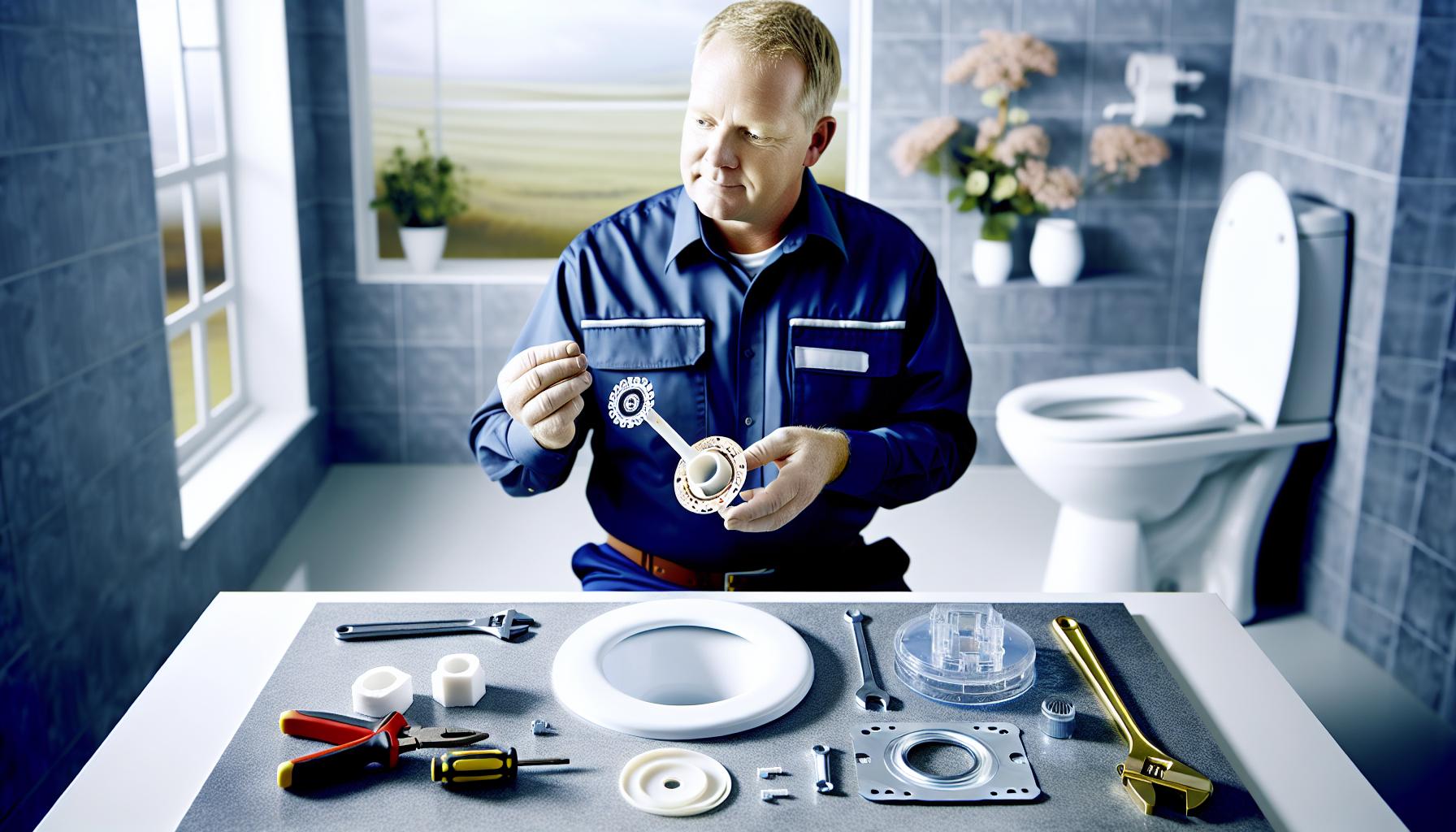
Identifying and Repairing Flapper Problems
Few components in toilet mechanics cause as much trouble-and frustration-as the flapper. This small rubber piece is crucial because it seals the flush valve at the bottom of the tank, holding water until you flush. When the flapper malfunctions, you might experience weak flushes, continuous running water, or water slowly leaking from the tank into the bowl, all of which waste water and drive up your utility bill.
Common Flapper Issues and Their Symptoms
Over time, flappers can become warped, cracked, or coated with mineral deposits, especially in areas with hard water. This results in an imperfect seal that allows water to slowly leak out of the tank, causing the toilet to run intermittently or flush on its own without pressing the handle. Another frequent problem is the flapper chain-if it’s too tight or tangled, it can prevent the flapper from fully closing, leading to leaks or incomplete flushing. Conversely, a chain that’s too loose may cause the flapper not to lift sufficiently, resulting in a weak flush.
Diagnosing flapper Problems
To determine if the flapper is the culprit behind your toilet troubles, start by lifting the tank lid and closely observing the flapper during and after a flush. If water continues seeping past it even after the flush cycle ends,it’s an immediate sign the flapper isn’t sealing properly. You can also test for leaks by adding a few drops of food coloring to the tank water and waiting 15 to 30 minutes. If colored water appears in the bowl without flushing, a faulty flapper or seal is highly likely the cause.
Practical Steps to Repair or Replace a flapper
Repairing flapper issues often begins with a thorough cleaning. Mineral buildup and debris on the sealing surface can prevent a snug fit, so gently scrubbing the flapper and the surrounding flush valve seat with a soft brush or cloth can restore proper sealing. If cleaning does not resolve leaks or poor flushing,replacing the flapper is a straightforward and inexpensive fix. Modern flappers come in universal designs, making them easy to install regardless of your toilet model.
- Turn off the water supply: Prevent accidental flooding during repair.
- Flush the toilet: Drain as much water as possible from the tank.
- Remove the old flapper: Detach the chain from the flush lever and unhook the flapper from the overflow tube.
- Install the new flapper: hook it onto the overflow tube and connect the chain with slight slack for smooth operation.
- Turn water back on and test: Verify the flapper creates a good seal and the flush is strong.
Why regular Flapper maintenance Matters
While it may seem minor, routinely inspecting your flapper mechanism can save considerable hassle. Even a slight misalignment or early wear can lead to water waste and inefficient flushing. By making flapper checks part of your bathroom maintenance, you’ll catch problems early and keep your toilet functioning optimally for years. Remember, a well-sealed flapper not only conserves water but ensures every flush completes properly without repeated trips to the plunger.
| Symptom | Likely Cause | Repair Tip |
|---|---|---|
| Water running continuously after flush | worn or warped flapper seal | clean sealing surface; replace flapper if damaged |
| Toilet flushes partially or weakly | Flapper not lifting fully or chain too loose | Adjust chain length; ensure proper flapper lift |
| Phantom flushing (flushes on its own) | Flapper leaks water slowly causing automatic refill | Replace flapper; confirm proper valve seal |
| Flapper stuck open after flushing | Chain too tight or tangled | loosen or untangle chain to allow full closure |
With a bit of attention and basic tools, tackling flapper problems puts you firmly in control of your toilet’s performance and household water efficiency. The key lies in recognizing symptoms early and addressing them with simple cleaning or replacement-proven ways to restore your toilet’s reliable flush without expensive plumbing calls. For ease and peace of mind, consider keeping a spare flapper on hand as part of your home maintenance kit.
How to Address Continuous Running or Phantom Flushing
Continuous running water or phantom flushing in your toilet is not just a nuisance but also a stealthy water waster that can dramatically increase your utility bill. Frequently enough, these issues arise when the toilet’s internal components fail to create a proper seal or balance water flow. Understanding why your toilet won’t stop running or flushes unexpectedly can empower you to fix the problem quickly and avoid unnecessary costs.
One of the most common culprits behind these symptoms is a worn or warped flapper. This small rubber piece rests over the flush valve opening, holding water in the tank until you flush. When it no longer seals tightly, water seeps slowly into the bowl, triggering the fill valve to continually add water, causing that persistent running sound. Phantom flushing occurs when the slow leak is substantial enough that the toilet refills without you touching the handle, an often surprising and frustrating experience.
Practical Tips to Stop the Running Water
- Check the flapper seal: Lift off the tank lid and observe the flapper immediately after a flush. If water continues to drain beneath it, mineral buildup, warping, or cracks are likely to blame.
- Test for leaks: Add a few drops of food coloring to the tank water without flushing. Wait 15 to 30 minutes and look inside the bowl. If colored water seeps through, the flapper or flush valve seal needs attention.
- Adjust the chain: If the chain attached to the flapper is too tight or tangled, it can prevent the flapper from properly sealing the valve. Ensure there is slight slack to allow a full closure,but not so loose that the flapper fails to lift completely on flush.
- Clean or replace the flapper: Gently scrub the flapper and valve seat to remove mineral deposits that interfere with sealing. If cleaning doesn’t solve the problem, replacing the flapper is an easy, cost-effective fix.
Additional Factors to Consider
Sometimes,the fill valve might be the hidden reason your toilet continuously runs. If the water level in the tank is set too high,water will spill into the overflow tube,triggering a nonstop refill cycle. Adjusting the fill valve to keep the water level about one inch below the overflow pipe can stop this behaviour. Also, check for cracks or damage to the overflow pipe itself, as leaks here can mimic flapper problems.
| Symptom | Likely Cause | Action |
|---|---|---|
| Toilet runs continuously after flushing | Warped or deteriorated flapper seal; water level too high | Clean or replace flapper; adjust fill valve water level |
| Phantom flushing (flushes without handle) | Slow water leak past flapper | Replace flapper; test valve seal with food coloring |
| Flapper chain too tight | Flapper unable to seal completely | Loosen chain to allow full flapper closure |
| Fill valve not shutting off | Faulty fill valve or float assembly | Inspect and replace fill valve if needed |
By focusing on these key areas, many homeowners can resolve continuous running and phantom flushing issues themselves without the need for a plumber. Taking swift action not only prevents the frustration of a noisy bathroom but also conserves water and helps keep your utility bills in check. Having a spare flapper and knowing how to adjust your toilet’s internal parts are invaluable first steps to putting these common issues behind you.
For persistent or confusing problems beyond these typical fixes, professional plumbing assistance can ensure the root cause is correctly diagnosed and repaired. However, most continuous running or phantom flushing issues trace back to flappers and simple adjustments, making them manageable for even novice DIYers.
When to Check and Clear the Toilet Trap and sewer Line
Sometimes, when a toilet struggles to flush properly or water drains slowly, the issue lies beyond the tank and bowl – specifically within the toilet trap or sewer line. These hidden pathways are vital to ensuring waste moves efficiently away from your home, and blockages here can cause persistent clogs or backups that no amount of tank tinkering can fix.Recognizing when to inspect and clear these areas can save you from frustration and costly repairs.
The toilet trap, a curved section of pipe inside the base of the toilet, serves as a water seal to prevent sewer gases from entering your bathroom. Though, its shape also makes it a common spot for trapped debris like excess toilet paper, small foreign objects, or hardened waste buildup. If your toilet frequently clogs or the flush is weak despite a properly working tank mechanism, the trap might be partially blocked. In such cases,using a plunger with firm,controlled pressure often clears the obstruction. For tougher blockages, a toilet auger (or closet auger) designed specifically for traps can reach further and dislodge debris safely without damaging porcelain.
Beyond the trap, sewer line problems become clearer when multiple drains in the house slow down or back up, or when flushing causes gurgling sounds in other fixtures. Tree roots, grease build-up, or collapsed pipes can obstruct the main sewer line, impairing the toilet’s ability to flush waste efficiently. Attempting to clear such blockages requires more advanced tools such as a plumbing snake or even professional hydro-jetting. Always consider whether the problem is isolated to one toilet or affects wider plumbing – this distinction helps determine whether to focus on the trap or call in a pro for sewer line inspection.
Signs that Indicate Trap or Sewer Line Issues
- repeated or frequent toilet clogs: Despite plunging, the toilet won’t stay clear.
- Slow draining bowl: Water recedes sluggishly or remains even after multiple flushes.
- Bubbling or gurgling sounds: These noises may come from the toilet or other nearby drains when flushing or draining sinks.
- Multiple fixtures affected: Slow drainage or backups in more than one drain signal a possible sewer line blockage.
- Unpleasant odors: Persistent sewage smell around the toilet can indicate venting or trap failures compounded by clogs.
Clearing Methods and Cautions
| Situation | Recommended Approach | Tools/Resources Needed |
|---|---|---|
| Trap clog limiting flush | Use a plunger or toilet auger to dislodge debris | Plunger (flange type), Toilet auger |
| Sewer line obstruction suspected | Inspect using sewer camera or call professional; hydro-jetting or snaking required | Professional sewer camera inspection, plumbing snake, hydro-jetter |
| Multiple fixture slow drainage | Consider main sewer cleanout clearing and professional plumber assistance | Access to sewer cleanout, plumber’s expertise |
While minor trap blockages can frequently enough be managed with common household tools, persistent or severe obstructions usually require professional attention to avoid damage and ensure proper resolution. routine maintenance-like avoiding flushing non-degradable items and using enzyme drain cleaners periodically-can definitely help reduce the risk of trap and sewer line issues before they start. Keeping these unseen plumbing pathways clear is essential for a smoothly functioning toilet and a worry-free bathroom experience.
Preventative Maintenance Tips to Avoid Future Flush Failures
A well-maintained toilet doesn’t just prevent inconvenient flush failures; it also extends the lifespan of your plumbing system and conserves water-a win for both your wallet and the environment. One of the most effective ways to avoid future flushing problems is to stay proactive with simple habits and timely inspections that catch small issues before they escalate into costly repairs.
Regularly inspect key components inside your toilet tank, such as the flapper, fill valve, and flush handle. Over time, mineral buildup, wear and tear, or slight misalignments can disrupt their function, causing weak flushes or continuous running water. Cleaning deposits off parts and replacing worn items promptly helps maintain optimal performance. For instance,hard water deposits in jet holes may reduce water flow,so consider routinely scrubbing these areas with a mild vinegar solution.
Simple Habits That Protect Your toilet
- Flush only appropriate waste: Avoid flushing anything other than toilet paper and human waste. Items like wipes, feminine hygiene products, or grease solidify in traps and pipes, leading to clogs.
- Control water level: keep the tank water level at the manufacturer’s recommended height to ensure a strong flush without overflows that cause running.
- Check for leaks: Periodically test for silent leaks-which waste water and strain your system-by adding food coloring to the tank and monitoring for color in the bowl without flushing.
- Maintain seals and bolts: Inspect toilet base bolts and wax rings annually to prevent leaks and odors from seal failure.
Enzyme-Based Cleaners: A Gentle Yet Powerful Ally
Instead of harsh chemical drain cleaners that can damage pipes and tank components, enzyme-based cleaners provide a safer alternative. These products promote natural breakdown of organic waste within traps and pipes, reducing buildup without corroding plumbing. Use enzyme treatments every few months as part of routine maintenance to keep your toilet’s inner workings clean and free-flowing.
| Preventative Action | Frequency | Benefit |
|---|---|---|
| Check flapper and tank parts | Every 6 months | Prevents leaks and ensures efficient flushing |
| Clean jet holes and siphon tube | Quarterly | Maintains strong flush action and prevents mineral buildup |
| use enzyme drain cleaner | Every 3 months | Breaks down organic deposits gently |
| Inspect base seals and bolts | Annually | Prevents water leaks and odor seepage |
These small but consistent steps can dramatically reduce the risk of stubborn clogs, leaks, or the frustrating sound of phantom flushing. Remember, treating your toilet as a system rather of just a bowl-and-tank combo helps you detect subtle warning signs early, saving time, money, and discomfort down the road. Routine care isn’t just about avoiding emergencies; it’s about ensuring peace of mind with every flush.
Signs You Need Professional Plumbing Help
Sometimes, despite your best efforts with troubleshooting and minor repairs, a toilet problem signals that professional expertise is necessary. Recognizing these signs early can save you from costly damage, prolonged inconvenience, and even health hazards caused by persistent leaks or backups. While many common issues are DIY-friendly, complicated symptoms often indicate underlying plumbing problems beyond simple fixes.
If your toilet repeatedly fails to flush completely even after attempting standard unclogging methods,it might point to deeper blockages in the sewer line or vent pipe. Similarly, a toilet that overflows frequently or backs up dramatically usually requires a plumber’s camera inspection to accurately diagnose and clear stubborn obstructions.Another important red flag is persistent water pooling around the toilet base despite tightening bolts or replacing the wax seal-this may imply a cracked bowl, damaged flange, or deteriorated pipes that need professional attention to avoid structural damage.
Unusual noises such as gurgling sounds from drains, sudden flushing sound repeats without user input (phantom flushing), or continuous water running after every flush despite flapper or fill valve replacements suggest more complex malfunctions in the internal tank components or water pressure issues. These problems often need specialized tools and plumbing experience to repair correctly and prevent wastage.
When to Call a Pro
- Repeated flush failures after DIY attempts: Persistent clogging or weak flush despite plunging or enzyme treatments indicates deeper issues.
- Water leaks at the base or behind the toilet: If seals,bolts,or tank parts inspections don’t resolve leaks,structural or pipe damage could be present.
- Overflowing toilet or backups affecting multiple fixtures: These symptoms often stem from sewer line blockages requiring professional clearing.
- Unexplained water running or strange noises: Complex tank malfunctions or water supply problems are best handled by licensed plumbers.
In some cases, hiring a professional can also be the safer choice to avoid injury or accidental damage. Dealing with hidden leaks behind walls, corroded pipes under the floor, or arduous-to-access toilets requires experience and proper equipment. Professionals can also advise on when a toilet or plumbing system replacement might be a more cost-effective long-term solution rather than repeated repairs.
By recognizing these warning signs and trusting an expert at the right time, you ensure your toilet and plumbing system remain reliable, hygienic, and efficient-putting an end to frustrating flush failures and conserving water effectively. It’s an investment in your home’s comfort and value that pays off in peace of mind.
| Indication | possible Cause | Recommended Action |
|---|---|---|
| Persistent clogging despite plunging | Deep sewer line blockage or vent pipe issue | Professional inspection and clearing |
| Water pooling around toilet base | Damaged wax seal, flange, or cracked bowl | Plumber repair or part replacement |
| Continuous water running after repairs | Complex tank issues or faulty fill valve | Expert diagnosis and replacement |
| Phantom flushing or gurgling sounds | Internal tank malfunction or drainage problem | Plumbing system evaluation |
| Toilet overflowing repeatedly | Sewer line or vent blockage | Professional drain cleaning |
Frequently asked questions
Q: How can hard water affect toilet flushing performance?
A: Hard water can cause mineral buildup inside toilet components like the fill valve and rim holes, leading to weak or incomplete flushes. To improve flush performance, regularly clean these parts with vinegar or a descaling solution. For more detailed maintenance tips, see the Preventative Maintenance Tips section of the guide.
Q: what causes a toilet to flush slowly, and how do I fix it?
A: A slow-flushing toilet usually results from partial clogs in the trap or drain pipe or inadequate water flow into the bowl. Try using a plunger or a plumbing snake to clear blockages and check that the fill valve supplies enough water, as covered in the Step-by-Step Guide to Fixing a Clogged Toilet section.
Q: Why does my toilet flush with low water pressure, and what can I do about it?
A: Low water pressure during flushing is often due to a partially closed water supply valve or sediment buildup in the fill valve. Ensure the valve is fully open and clean or replace the fill valve if necessary. For troubleshooting, refer to the Troubleshooting Toilet Fill Valve section of the guide.
Q: How frequently enough should I replace toilet parts to maintain optimal flushing?
A: To keep flushing efficient, replace parts like the flapper, fill valve, and flush handle every 3-5 years or sooner if signs of wear appear. Regular inspection, as suggested in Preventative Maintenance Tips, helps avoid flush failures and costly repairs.
Q: Can improper toilet installation cause flushing problems? How do I check?
A: Yes, incorrect installation can cause issues like weak flushes or leaks.Check if the toilet is securely fastened to the floor, and ensure the water supply line and seal are correctly positioned. If unsure, revisiting the Signs You Need Professional Plumbing Help can guide when to call an expert.
Q: what role does air pressure play in flushing problems, and how can I fix it?
A: Air trapped in the drain lines can slow flushing or cause gurgling sounds, indicating a venting issue. You might need to clear or repair vent pipes to restore proper air flow. For detailed steps, see the sections on clearing the toilet trap and sewer line.
Q: How can I tell if a toilet’s flush mechanism needs adjustment or replacement?
A: Signs include flapper not sealing properly, flush handle sticking, or water running continuously. If adjusting the chain or float doesn’t improve flushing, replacing these parts is advised. The guide’s Identifying and Repairing Flapper Problems section offers step-by-step help.
Q: why does my toilet keep refilling after the flush, and how can I stop it?
A: Continuous refilling frequently enough results from a faulty flapper or fill valve causing water to leak into the bowl. Inspect these components and replace or adjust them to stop phantom flushing. For troubleshooting,refer to How to address Continuous Running or Phantom Flushing.
Explore the full troubleshooting guide for in-depth repair steps and preventative maintenance insights to keep your toilet flushing flawlessly.
in Summary
By understanding the essential steps to troubleshoot common flushing issues, you’re now better equipped to tackle basic plumbing problems with confidence. Whether it’s a stuck flapper or a faulty fill valve, these simple fixes can save time and costly repairs. To stay ahead of plumbing challenges, explore our detailed guide on preventative maintenance tips and learn how to extend the life of your toilet components.
If you’re still experiencing issues or want to dive deeper into home plumbing, check out our resources on clog removal techniques and when to call a professional plumber. Don’t wait until a minor problem becomes a major headache-taking prompt action can prevent further damage and costly replacements. Subscribe to our newsletter for the latest plumbing tips and special offers, or contact our expert team for personalized advice.
Have questions or success stories with your toilet repairs? Share your experience in the comments below and join a community of homeowners taking control of their plumbing. Keep exploring our plumbing tutorials to master troubleshooting and maintenance, ensuring reliable flushing every time.
Get our latest guides, news, and insights highlighted in your Google Search & AI Overviews.


