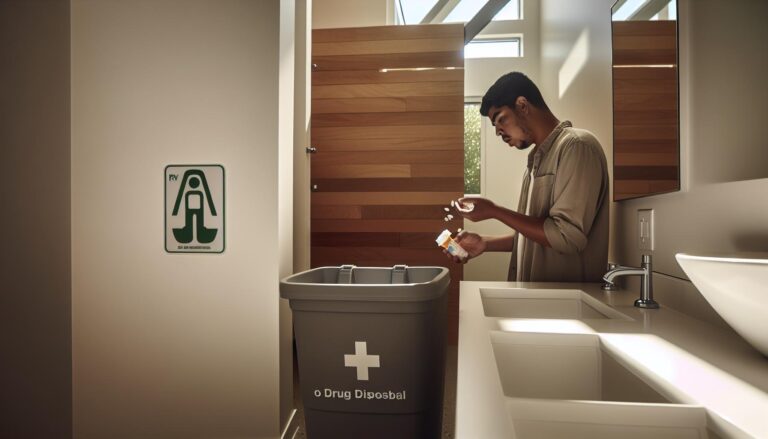
Can You Flush Makeup Wipes? Beauty Product Plumbing Risk
Did you know that flushing makeup wipes down the toilet can cause serious plumbing problems? Although it might seem convenient to simply toss these wipes away this way, many beauty products aren’t designed to break down quickly like toilet paper. This can lead to clogged pipes, costly repairs, and even environmental harm. If you’ve ever paused before flushing a makeup wipe, you’re not alone-understanding how these products interact with your plumbing system is essential for protecting your home and the habitat. In this article, we’ll explore why makeup wipes pose a risk to your plumbing, what happens when they get flushed, and the best ways to dispose of them safely. Whether you’re aiming to prevent stubborn blockages or just looking for simple habits to keep your bathroom running smoothly, this guide will give you clear, practical information to make smarter beauty routine choices. Keep reading to uncover how a small change can save you time,money,and hassle down the line.
Are Makeup wipes Safe to Flush? Key Considerations

Many people assume that if a product is labeled “flushable,” it’s perfectly safe to toss down the toilet. However, when it comes to makeup wipes, this assumption can lead to costly and frustrating plumbing issues. Despite their convenience and soft texture, makeup wipes are typically made from synthetic fibers designed to hold up when wet, which means they do not break apart easily once flushed. Unlike toilet paper, which is engineered to dissolve quickly in water, makeup wipes ofen remain largely intact, increasing the risk of clogging pipes or overwhelming wastewater treatment systems.
Key considerations to keep in mind include:
- material composition: Most makeup wipes contain polyester, polypropylene, or other plastic-based fibers that resist breaking down, making them unsuitable for flushing.
- Labeling can be misleading: Even products marketed as “flushable” may not meet municipal sewer system requirements, so it’s essential to verify the product’s flushability with your local water authority.
- Environmental impact: Flushing these wipes can contribute to sewer blockages and “fatbergs,” which are large masses of congealed wipes, grease, and other debris causing significant damage and costly maintenance.
- Plumbing system variability: Older or narrower pipes are especially vulnerable to blockages caused by wipes, and homes with septic systems may experience severe complications if wipes accumulate.
Understanding these facts is crucial, as flushing makeup wipes can cause problems not only for your household plumbing but also for the wider sewage infrastructure. When in doubt, the safest approach is to dispose of makeup wipes in the trash. This simple habit can prevent blockages, protect municipal wastewater treatment processes, and support long-term plumbing health.
How Makeup Wipes Impact Your Plumbing System

Flushing makeup wipes can set off a chain reaction of issues inside your plumbing that often go unnoticed untill a clog becomes a costly headache. Unlike toilet paper, which disintegrates rapidly in water, the synthetic fibers in makeup wipes – commonly polyester or polypropylene – hold together stubbornly once flushed. These materials are designed for durability and moisture resistance, qualities that make them excellent for facial cleansing but disastrous when they enter your pipes. Over time, wipes can accumulate and snag on pipe irregularities or join with other debris, forming blockages that restrict water flow or result in backups.
Modern plumbing systems vary widely, and older homes with narrower or aging pipes are especially vulnerable.Even if a wipe passes through your home’s pipes initially, it can gather with grease, hair, or other solids further down the sewage line, escalating the risk of a complete obstruction. For households relying on septic tanks, flushed wipes exacerbate problems by contributing to sludge buildup and impairing the natural bacterial action essential for breaking down waste. In these scenarios, what seems like a harmless flush turns into expensive plumbing repairs or septic system failures.
Practical Impacts on Your Home Plumbing
- Pipe Blockage: Wipes do not break down and can create dense mats that trap other debris.
- Pressure Build-up: Backed-up water causes slow draining sinks, toilets, or even flooding in severe cases.
- Increased Maintenance: Regular drain clearing or emergency plumbing calls become more frequent and costly.
- septic System Damage: Non-biodegradable wipes interfere with waste treatment processes, possibly requiring costly septic tank pumping or replacement.
A helpful mindset shift is viewing makeup wipes as non-flushable waste, irrespective of marketing claims. Placing used wipes in a trash bin prevents them from entering your plumbing entirely. If you’re concerned about the environmental footprint of disposing of wipes in the trash, consider biodegradable alternatives designed to break down safely (though even these should be checked for flushability).Taking these precautions protects your plumbing infrastructure, saves you from surprise repair bills, and supports healthier community sewer systems.
the robust structure that makes makeup wipes excellent for makeup removal is precisely what makes them poor candidates for the toilet. Avoid flushing wipes to keep your pipes flowing freely and your home’s plumbing intact.
Understanding the Environmental Consequences of Flushing Wipes

Flushing makeup wipes doesn’t just risk your plumbing-it also carries significant environmental consequences that often go unnoticed. These wipes,typically made from non-biodegradable synthetic fibers like polyester and polypropylene,resist breakdown in water. When flushed, they travel through municipal sewage systems and often bypass the initial treatment processes designed to handle organic waste. Their persistence means they can accumulate in waterways and sewage infrastructure, contributing to larger environmental problems.
Once makeup wipes enter rivers, lakes, or oceans, they pose a threat similar to other types of plastic pollution.These wipes fragment over time into microplastics, which are ingested by aquatic life, potentially causing harm throughout the food chain.Furthermore, in sewage treatment plants, wipes can clog machinery, leading to mechanical failures and increased emissions. Addressing these blockages requires more energy and resources, indirectly raising the environmental footprint of wastewater management.
Wider Ecosystem and Community Effects
- Water Pollution: Non-degradable fibers contribute to pollution in natural water bodies, threatening fish, birds, and ecosystems.
- Toxic Chemicals: Makeup wipes often contain preservatives and fragrances that can leach harmful substances into water systems.
- Increased Carbon Footprint: More frequent repairs and energy-intensive processing increase greenhouse gas emissions associated with sewage treatment.
- Impact on Wildlife: Animals can become entangled in wipes or mistake them for food, leading to injury or death.
These environmental impacts highlight the importance of proper disposal methods. choosing to throw used wipes in the trash rather than flushing them prevents them from entering waterways and sewage systems. For those seeking environmentally responsible options, biodegradable wipes-certified to break down safely in compost or landfill conditions-offer a promising alternative but still require careful disposal according to product instructions.
By redirecting makeup wipes from the sewer into proper waste streams, you help reduce the pressure on treatment facilities and protect aquatic habitats. This simple behavior change is a critical step in supporting sustainable urban infrastructure and environmental health.
Common Plumbing Problems Caused by Flushed Makeup Wipes

Flushing makeup wipes down the toilet might seem harmless, but these seemingly small actions can lead to surprisingly large and costly plumbing problems. Unlike toilet paper,which is designed to break down quickly in water,makeup wipes are made from non-woven synthetic fibers that resist disintegration. This durability means wipes often get caught and accumulate inside household pipes, eventually forming stubborn clogs that restrict water flow and risk sewer backups.
One common issue arises when wipes intertwine with other debris like hair, grease, and paper products, creating dense blockages that standard plungers or chemical drain cleaners struggle to clear. Unlike food waste, these wipes don’t decompose or soften over time, making manual removal by a plumber often the only solution. For homeowners, this can translate into expensive emergency repairs and inconvenient disruptions of water usage essential for daily routines.
Types of plumbing Problems Triggered by Makeup Wipes
- Slow Draining and Toilet Overflows: Even before a complete blockage occurs,the presence of wipes can reduce pipe diameter,causing water to drain poorly and toilets to overflow unexpectedly.
- Main Sewer Line Blockages: When wipes reach municipal sewer mains, they can accumulate with fats, oils, and other debris, leading to large-scale blockages that affect entire neighborhoods.
- Damage to Septic Systems: In homes using septic tanks, wipes disrupt the natural bacterial processes needed to break down waste, leading to premature tank failure and costly pump-outs.
- Frequent Backups and Foul Odors: Persistent wipe-related obstructions trap waste inside the system, increasing the chance of sewage backups and unpleasant odors within the home.
Real-World Exmaple: The “Fatberg” Phenomenon
Cities worldwide have reported enormous sewer blockages known as “fatbergs,” masses composed largely of wipes combined with grease and sanitary waste. These fatbergs can span multiple feet and require costly excavation to remove. While fatbergs are often in public sewers, similar, smaller blockages form in home plumbing when wipes accumulate around pipe bends and joints.
Practical Advice to Avoid Plumbing Hassles
The best way to prevent these plumbing headaches is simple: never flush makeup wipes-even those labeled as “flushable.” Dispose of used wipes in the trash to keep pipes and municipal systems clear.When buying wipes, look for truly biodegradable options and always follow manufacturer disposal recommendations. Regularly maintaining drains by avoiding grease residue and hair buildup can also reduce risks of wipe entanglement.
By understanding the unique properties of makeup wipes in plumbing environments, you can protect your home from costly repairs and avoid the frustrating consequences of blocked drains and overflows. Small changes in everyday habits go a long way toward maintaining a healthy plumbing system.
How to Properly Dispose of Makeup Wipes at Home

Flushing makeup wipes might feel like a quick and convenient way to dispose of them, but the reality is far from simple. Makeup wipes’ non-degradable fibers resist breakdown in water, making them a frequent culprit behind stubborn plumbing clogs and environmental harm. The most effective solution is to treat these wipes like household trash rather than bathroom waste, protecting both your home’s plumbing and local sewage systems.
At home, the easiest and safest disposal method is to place used wipes in a sealed trash bag or dedicated waste bin.To minimize odors and mess, consider wrapping the wipe in a small piece of tissue or paper towel before tossing it in the garbage. This added step can be especially helpful if you have sensitive noses or share a bathroom with others. Additionally,keep a discreet,covered bin in your vanity or bathroom cabinet to encourage consistent disposal habits away from the toilet.
Effective Disposal Tips for Makeup Wipes
- Use Lidded Bins: Prevent odors and maintain cleanliness by opting for a covered trash can specifically for wipes and other personal care disposables.
- Seal Garbage Bags Regularly: To avoid lingering smells and prevent wipes from drying out, seal your trash bags frequently, especially if you accumulate a lot of wipes.
- Educate household Members: Encourage everyone in the home to follow the same disposal routine to reduce accidental flushing and plumbing risks.
- Consider Biodegradable Alternatives: Some eco-friendly brands offer wipes made to degrade more quickly in landfill conditions, which lessen long-term environmental impacts.
For households with septic systems, keeping wipes out of the plumbing is even more critical.Flushing wipes can disrupt the balance of bacteria essential to properly breaking down waste, leading to costly septic tank repairs or premature emptying. If you’re uncertain about which products to trust, check for packaging labels that clearly indicate whether a wipe is biodegradable or safe for landfills-but remember, “flushable” claims often can be misleading.
By consistently disposing of makeup wipes as trash rather than flushing, you take the simplest step toward preventing clogged pipes, costly repairs, and sewer system backflows. This small everyday habit preserves the health of your plumbing and contributes to a cleaner environment, proving that mindful disposal makes a significant difference over time.
Differences Between Flushable and Non-Flushable Wipes Explained

Many consumers are understandably confused by packaging claims that label some wipes as ”flushable,” leading to questions about what truly sets these apart from ordinary, non-flushable wipes. The reality is that the differences are more than just marketing-they reflect crucial factors related to a wipe’s material composition, disintegration behavior, and impact on plumbing and sewage systems.
Flushable wipes are designed to break down more readily when exposed to water, ideally dispersing quickly enough to pass through household plumbing and municipal sewer lines without causing blockages. This is achieved by using fibers that are thinner, less tightly woven, and frequently enough combined with water-soluble binders or materials that fragment under agitation. however, flushability standards remain largely unregulated, and there’s no universally accepted test method, so “flushable” wipes can vary widely in their actual performance.
In contrast, non-flushable wipes-including many makeup wipes-are typically made with synthetic fibers such as polyester or polypropylene, which are durable and resistant to water. These materials provide the softness, strength, and moisture retention consumers expect from beauty wipes but make them unlikely to break down in pipes or sewage systems. When flushed, these wipes can accumulate and intertwine with other debris, increasing the risk of clogs and costly plumbing repairs.
key Differences at a Glance
| Feature | Flushable Wipes | non-Flushable Wipes |
|---|---|---|
| Material Composition | Water-dispersible fibers; often biodegradable or semi-biodegradable | Non-water dispersible synthetic fibers (polyester, polypropylene) |
| Disintegration in Water | Breaks down into small particles under agitation | Resists breakdown; tends to stay intact |
| Effect on Plumbing | Less likely to clog if properly flushed in small quantities | High risk of blockage, especially when flushed repeatedly |
| Environmental Impact | generally better; may biodegrade in sewer or landfill (varies by brand) | Persists long-term, contributing to environmental pollution |
Practical Implications for Homeowners
Even with “flushable” claims, the safest advice remains to dispose of all makeup wipes in the trash. Many sewage infrastructure experts caution that even flushable wipes can contribute to buildup in pipes, especially if flushed frequently or alongside other solids. Moreover, septic system users should be particularly vigilant, since flushable wipes may still disrupt the delicate bacterial balance necessary for waste breakdown.
If you’re keen to use flushable wipes, look for third-party certifications or detailed flushability tests on packaging, and always follow product usage guidelines carefully-flushing small amounts gradually rather than disposing of large batches at once. But when it comes to makeup wipes, the best practise is to err on the side of caution and keep them out of the toilet altogether to protect your plumbing and the environment.
- Check packaging carefully: Some brands label wipes as flushable despite lack of rigorous testing.
- Consider your plumbing system: Homes with older pipes or septic tanks are more vulnerable to damage from wipes.
- Use alternatives when possible: Look for biodegradable or reusable cleansing cloths as an eco-friendlier choice.
understanding these crucial differences empowers you to make informed decisions that safeguard your home’s plumbing and contribute to a healthier environment-small changes in disposal habits can prevent big headaches down the line.
Expert Tips to Prevent Blockages and Plumbing Damage

Flushing makeup wipes down the toilet might seem harmless, but even occasional flushing can set the stage for costly plumbing issues. Wipes are designed for durability and moisture retention, meaning they don’t break down easily like toilet paper. Over time, these resilient fibers can accumulate inside pipes, causing partial or complete blockages that restrict water flow and may lead to sewage backups. Though, by adopting a few practical habits, you can definitely help keep your plumbing system clear and functioning smoothly.
Smart Habits for Healthy Pipes
- Always opt for the trash bin: The simplest and most effective way to prevent plumbing problems is to avoid flushing wipes altogether. Designate a small wastebasket near your sink or toilet specifically for makeup wipes and other personal care disposables.
- Use minimal water flow when flushing: If you must flush ”flushable” wipes occasionally, reduce risk by flushing one wipe at a time with plenty of water to facilitate dispersal and minimize buildup in your pipes.
- Regular plumbing maintenance: Scheduling periodic inspections can catch early signs of blockages before they become serious. Professional plumbers can use drain cameras to identify wipe accumulation or other debris so that preventive cleaning can be performed.
- Be mindful of your septic system: For homes with septic tanks, avoid flushing any wipes since even those marketed as flushable can harm the delicate balance of bacteria essential for waste breakdown and cause system failures.
- Educate household members and guests: Make sure everyone in your home understands the importance of proper wipe disposal. Visible reminders near the toilet can reduce accidental flushing and protect your plumbing investments.
Choosing the Right Alternatives
Switching to more eco-friendly options reduces plumbing risk and environmental impact. Consider reusable cloths that can be washed, or biodegradable wipes specifically tested for safe waste disposal. A few brands have adopted plant-based fibers that dissolve more readily, but even these are best discarded in the trash to avoid uncertainty.
| Disposal Method | Pros | Cons |
|---|---|---|
| flushing Wipes | Convenient (in theory) | High clog risk; environmental harm; costly repairs |
| Trash Disposal | Prevents blockages; environmentally safer with proper waste management | Requires regular emptying |
| Reusable Cloths | Eco-friendly; cost-effective over time | Needs cleaning; upfront cost |
By combining thoughtful disposal practices with preventive maintenance, you can keep your plumbing well-protected and avoid the frustration and expense of clogged drains caused by makeup wipes. Remember, preventing blockages is always easier – and cheaper - than fixing them later.
What Municipal Sewage Systems Say About Makeup Wipes

Most municipal sewage systems worldwide reiterate a clear warning: flushing makeup wipes-even those labeled “flushable”-poses a significant risk to sewer infrastructure and wastewater treatment processes. These wipes do not disintegrate like toilet paper and can accumulate rapidly, leading to costly blockages and operational challenges for treatment facilities. Many cities have reported rising maintenance costs tied directly to wipe-related clogs, often referred to as “fatbergs” when combined with grease and other debris, causing extensive pipe damage and backups.Sewage professionals emphasize that the fibers and synthetic materials in makeup wipes are engineered for durability and moisture retention, properties that make them ideal for personal care but disastrous for plumbing networks. When flushed, these wipes tend to cluster in pipes and pumps, obstructing flow and sometimes damaging critical mechanical components in treatment plants. This leads to increased energy usage and labor for municipalities, ultimately translating to higher utility fees for residents.Some local governments have launched educational campaigns specifically targeting wipe disposal to curb these issues.
Practical Advice Backed by Municipal Insights
- Trash bins are your plumbing system’s best friend: Municipalities strongly encourage disposing of wipes in the trash rather than the toilet to safeguard community sewer systems.
- Flush only human waste and toilet paper: These items are designed to break down quickly and flow smoothly through pipes and treatment operations.
- Recognize the limits of “flushable” claims: Many wipes marketed as flushable fail industry standard tests and don’t degrade sufficiently in wastewater environments, meaning they can behave like regular wipes once flushed.
Impact on Wastewater Treatment Facilities
beyond clogging pipes, wipes can interfere with the biological treatment processes that rely on bacteria breaking down organic matter. As wipes do not biologically degrade readily, they accumulate in settling tanks and filters, increasing sludge volume and complicating its safe disposal. This inefficiency forces treatment plants to spend more on processing and managing waste,sometimes leading to untreated overflows during heavy rain or peak usage periods.
| Issue | municipal impact | Resident Consequence |
|---|---|---|
| Piping blockages | Increased repair & maintenance costs | Home plumbing backups; costly repairs |
| Fatberg formation | Labor-intensive removal; sewer line damage | Potential sewage overflows; foul odors |
| Treatment disruption | Reduced efficiency; higher operational costs | Possible increased fees; environmental risks |
Communities with proactive public education and strict enforcement against flushing wipes have reported fewer blockages and lower sewer maintenance expenses. To contribute positively, residents can stay informed about local guidelines and adopt responsible disposal habits. Remember,while makeup wipes provide convenience,their place is the trash can-not the toilet.
Alternatives to makeup Wipes That Are Flush-Friendly

Many people seek a convenient, effective way to remove makeup that won’t compromise their home plumbing or municipal sewage systems. Fortunately, there are several flush-friendly alternatives to conventional makeup wipes that offer both practicality and environmental benefits. These options dissolve or biodegrade quickly, easing the burden on plumbing and treatment facilities while keeping your skincare routine hassle-free.
Wet Washcloths and Reusable Facial pads
A simple, cost-effective option is using a soft, damp washcloth or specially designed reusable facial pads. Made from natural fibers like cotton or bamboo,these can be moistened with water,micellar water,or oil-based cleansers to gently lift makeup without any risk to plumbing systems. Because they are reusable, they greatly reduce waste and eliminate concerns about flushing debris entirely. Plus, machine washable pads or cloths help maintain skin hygiene while considerably lowering your environmental footprint.
Biodegradable and Compostable Wipes
For on-the-go convenience, look for makeup wipes explicitly labeled as biodegradable or compostable. These products break down more efficiently in natural conditions, unlike traditional synthetic wipes that persist in pipes and water treatment plants. Though they should still be disposed of in the trash or compost bins rather than flushed, they offer a more sustainable alternative from a waste management outlook. Be sure to verify certifications or third-party testing to confirm the wipe’s compostability.
Oil Cleansing and Cleansing balms
Oil-based cleansers and balm formulas are increasingly popular for their ability to dissolve makeup gently yet thoroughly without requiring disposable wipes at all. By applying the oil directly to dry skin and then rinsing with warm water (or a reusable cloth), you avoid introducing non-flushable materials into plumbing systems. These products often offer nourishing skincare benefits as well, making them an excellent dual-purpose choice.
Micellar Water with Cotton Pads
Using micellar water with biodegradable cotton pads is another flush-safe solution. Unlike wipes, cotton pads disintegrate quickly when discarded or can be composted, making them much less harmful to sewer and septic systems.Always avoid flushing cotton pads, though, as their fibers can still cause blockages, but combined with responsible disposal, they are a plumbing-friendly makeup removal method.
- Choose products with clear eco-certifications. Certifications like USDA Organic, FSC certified cotton, or OK Compost can guide you toward truly environmentally safe options.
- Prioritize reusable over single-use where possible. Replacing disposable wipes with cloths or pads reduces overall waste dramatically.
- Dispose of any wipes-even biodegradable ones-in the trash or compost bin-not the toilet. This helps keep municipal and home plumbing systems running smoothly.
| alternative | Flush Safety | Environmental Benefit | Convenience Level |
|---|---|---|---|
| Reusable Washcloths & Facial Pads | Safe (non-flushable) | Reduces waste; washable | Moderate (requires washing) |
| Biodegradable/Compostable Wipes | Do NOT flush | break down naturally in compost | High (disposable) |
| Oil Cleansers & Balms | Safe (no physical wipes) | Minimal packaging waste | High |
| Micellar water + Cotton Pads | Do NOT flush | Cotton pads biodegrade | Moderate |
by making intentional choices in makeup removal products,you can maintain your skincare routine while respecting the integrity of your home’s plumbing and supporting community water treatment efforts. Moving toward flushable-friendly alternatives not only safeguards infrastructure but also contributes to reducing the growing problem of wipe-related blockages plaguing municipalities worldwide.
Myths and Facts About Flushing Beauty Products

flushing makeup wipes may seem like a harmless convenience, but several persistent myths obscure the real impact these products can have on plumbing and the environment.One common misconception is that wipes labeled as “flushable” or “biodegradable” are safe to flush down the toilet. In reality,even so-called flushable wipes frequently enough fail to break down quickly or fully in household plumbing systems or municipal sewage treatment plants. Unlike toilet paper, which is designed to disintegrate rapidly in water, many wipes retain their strength and structure, causing blockages and damage over time.
Another widespread belief is that flushing occasional wipes won’t cause issues. While a single wipe might pass through without immediate problems,repeated flushing creates accumulations that can clog pipes,pumps,and treatment equipment. These blockages often lead to costly repairs and backups in both private homes and city sewage infrastructure. Moreover, the myth that liquid cleansers or makeup remover products are flush-safe simply because they’re liquids is flawed-when combined with wipes or other solid debris, the liquids don’t mitigate the physical blockage risks.
Separating Fact from Fiction
- Myth: Flushable wipes fully dissolve like toilet paper.
Fact: most wipes break down very slowly or not at all, making them prone to causing blockages. - Myth: Biodegradable wipes are safe to flush as they break down naturally.
Fact: Even biodegradable wipes require specific composting conditions to degrade and should be disposed of in trash or compost bins, not toilets. - Myth: Occasional flushing of wipes won’t impact plumbing.
Fact: Over time, even small amounts accumulate and can cause severe clogs and plumbing damage.
Understanding these truths helps consumers make better choices that protect their home plumbing and municipal wastewater systems alike. Rather of flushing wipes,discarding them with regular trash or composting biodegradable types (where appropriate) helps prevent plumbing emergencies and reduces environmental harm.
Practical Tips to Avoid Common Pitfalls
- Always check labels carefully. ”Flushable” claims are not standardized, so look for third-party certifications or manufacturer disclaimers about proper disposal.
- Use alternatives like reusable cloths or oil-based cleansers. these eliminate the risk of flushing solid debris while maintaining effective makeup removal.
- Educate household members and guests. Even well-intentioned flushing of wipes can cause problems-clear interaction prevents costly surprises.
By dispelling these myths and following straightforward disposal practices, you maintain the integrity of both your home plumbing and broader water management systems. The modest effort to rethink flushing habits can have significant benefits,reducing blockages and supporting sustainable urban infrastructure.
How to handle Persistent Clogs from Makeup Wipes

Clogs caused by stubborn makeup wipes can quickly turn from a minor inconvenience into a frustrating plumbing nightmare. Because these wipes don’t break down like toilet paper, they tend to accumulate in pipes, leading to persistent blockages that standard plungers might not resolve. Tackling these clogs early and effectively requires a combination of patience, the right tools, and preventive strategies to avoid costly plumber visits.
When you encounter a clog that won’t budge, start with a high-quality plunger designed for toilets, ensuring a tight seal before plunging firmly several times. If this doesn’t clear the blockage, a drain snake (or auger) can be an effective next step. It physically dislodges or breaks up compacted wipes stuck deeper in the pipe. For those who prefer chemical solutions, enzymatic or biological drain cleaners are a safer alternative to harsh chemicals, as they break down organic matter without damaging pipes. However, avoid relying on chemical cleaners regularly, as some can exacerbate pipe corrosion or fail to dissolve wipe fibers.
professional intervention may become necessary in severe cases if DIY methods fail. Plumbers can use specialized hydro-jetting equipment that blasts high-pressure water through pipes to clear blockages without damaging plumbing infrastructure. In some situations, plumbers might perform a camera inspection to pinpoint the exact location and composition of the clog, providing insights to prevent future buildups.
Practical Tips to Minimize recurring Clogs
- Stop flushing makeup wipes altogether: The best fix is prevention. Always dispose of wipes in the trash, regardless of ”flushable” labeling.
- Regular maintenance: Periodically flushing drains with hot water mixed with baking soda and vinegar can help keep pipes clear of buildup.
- Educate household members: Ensure everyone understands what can and cannot be flushed to avoid accidental blockages.
- Use drain guards: Screens installed over drains can catch stray debris before they enter your plumbing system.
Remember, persistent clogs often signal underlying damage or repeated misuse of plumbing systems. Addressing them promptly and adopting smarter disposal habits protects your plumbing and saves money over time. When in doubt, consulting a licensed plumber ensures that clogs are handled safely and effectively, minimizing disruption to your daily routine.
Innovations in Disposable Wipes and Future Plumbing Risks

The market for disposable wipes has evolved substantially in recent years, spurred by consumer demand for convenience and environmentally conscious options. Manufacturers are now experimenting with innovative materials designed to dissolve faster and decompose more easily after flushing, seeking to address the longstanding plumbing challenges posed by traditional wipes. However, despite these technological strides, the future plumbing risks associated with disposable wipes-especially makeup wipes-remain a concern that consumers and municipalities cannot overlook.
Many “flushable” wipes on the market use biodegradable fibers, such as plant-based viscose or rayon blends, which disintegrate more readily in water compared to conventional polyester or polypropylene fabrics. Brands are also incorporating new enzyme-infused treatments aimed at accelerating break-down in sewer systems. While these innovations show promise, real-world testing reveals that even the most advanced wipes sometimes fail to break up quickly enough, leading to the familiar blockages and damage downstream. This lag in degradation is particularly problematic in older plumbing infrastructures where narrower pipes and accumulated residue amplify clogging risks.
Balancing Innovation with Responsible Use
- Look beyond “flushable” claims: Regulatory oversight on flushability varies by region, so independent certifications from wastewater authorities or environmental groups can provide a better indication of performance.
- Combine innovation with education: Even the best-designed wipes can cause issues if flushed in large volumes or alongside other non-dissolvable materials. Public awareness campaigns help reduce improper disposal.
- Support infrastructure upgrades: Some wastewater treatment plants are adapting by installing advanced screens and grinders to handle wipes, but such investments are costly and time-consuming.
What’s on the Horizon?
Emerging technologies focusing on sustainable raw materials, including biodegradable bioplastics and natural fibers like cotton or hemp, are gaining traction for wipe manufacturing. Research into enzyme-embedded materials that actively self-degrade upon contact with sewage promises a future where wipes can be both user-friendly and truly flush-safe. Still, the transition to these next-generation products will likely be gradual, requiring collaboration between manufacturers, regulators, and consumers.In the meantime, practical steps such as avoiding flushing makeup wipes-even those marketed as flushable-remain the safest approach to protect your home’s plumbing and municipal sewer systems. Taking the extra moment to dispose of wipes in the trash avoids costly repairs and contributes to a healthier environmental footprint.
| Innovation | Potential benefit | Current Limitations |
|---|---|---|
| Biodegradable Fibers (Viscose, Rayon) | Faster breakdown in water; gentler on pipes | Varied flushability; some still resist disintegration |
| Enzyme-Infused Wipes | Active breakdown after flushing | Effectiveness depends on sewage conditions and volume |
| Natural Fiber Wipes (Cotton, Hemp) | Renewable materials; better biodegradability | May cost more; availability limited |
| Municipal Infrastructure Upgrades | improved screening and clog prevention | High costs; not universally implemented |
The bottom line is that while innovations are moving the disposable wipe industry closer to sustainable and plumbing-friendly solutions, responsible disposal remains essential.Combining cutting-edge product progress with informed consumer behaviors is the best way to mitigate future plumbing risks related to makeup wipes and maintain healthier water systems worldwide.
Q&A
Q: What happens to makeup wipes after they are flushed down the toilet?
A: Makeup wipes do not break down quickly in plumbing or sewage systems. Instead, they often accumulate and cause blockages, leading to costly repairs and environmental harm. It’s best to dispose of them in the trash to avoid these risks. Learn more in How Makeup Wipes Impact Your Plumbing System.
Q: Are all makeup wipes labeled “flushable” safe for drains and sewers?
A: No, even wipes labeled “flushable” can clog plumbing since many don’t disintegrate properly. always check product materials and prefer disposing wipes in the bin. For safer options, read Differences Between Flushable and Non-Flushable Wipes Explained.
Q: How can flushing makeup wipes affect local water treatment facilities?
A: Flushing makeup wipes can disrupt sewage treatment processes by clogging machinery and increasing maintenance costs.This often results in higher environmental pollution risks. Prevent damage by never flushing wipes, as outlined in What Municipal Sewage Systems Say About Makeup Wipes.
Q: Can makeup wipes cause plumbing problems even if used occasionally?
A: yes, even occasional flushing can lead to build-up over time causing blockages and slow drains. Consistent proper disposal is key to preventing plumbing issues-as explained in Common Plumbing Problems Caused by Flushed Makeup Wipes.
Q: What are eco-friendly alternatives to makeup wipes that won’t harm plumbing?
A: Eco-friendly alternatives include washable cloth pads, reusable microfiber cloths, and cleansing balms that are gentle on skin and plumbing. For more options, explore Alternatives to Makeup Wipes That Are Flush-Friendly.
Q: How can I tell if a wipe is truly safe to flush without damaging pipes?
A: A safe flushable wipe should disintegrate quickly in water, pass strict standards, and have clear labeling confirming pipe safety. However, most makeup wipes don’t meet these criteria-see Differences Between Flushable and non-Flushable Wipes Explained for guidance.
Q: Why don’t sewage systems recommend flushing makeup wipes even if labeled flushable?
A: Sewage systems discourage flushing wipes, even ”flushable” ones, because they clog pumps and pipes, causing environmental and costly infrastructure damage. Proper disposal methods can prevent blockages-refer to What Municipal Sewage Systems Say About Makeup Wipes.
Q: What immediate steps can I take if I accidentally flush a makeup wipe?
A: If you flush a makeup wipe, avoid flushing more items, run hot water through the drain, and if blockage occurs, contact a professional plumber promptly. For detailed advice,see How to Handle Persistent Clogs from makeup Wipes.
For more insights and expert advice, consider revisiting these sections in our main article to keep your plumbing safe and maintain eco-friendly habits.
Key Takeaways
Understanding the risks of flushing makeup wipes is crucial to protecting your plumbing and the environment. rather than flushing, consider responsible disposal methods that prevent costly blockages and support eco-friendly habits. If you’re looking for practical alternatives and more on sustainable beauty routines, check out our guides on “Eco-Friendly Skincare tips” and “Safe disposal of Beauty Products.”
Take charge now by adopting safer habits-your pipes and planet will thank you. to stay informed on the latest beauty and home care insights, subscribe to our newsletter or explore our product recommendations designed to reduce waste and plumbing issues. Should you have questions or want expert advice, don’t hesitate to reach out in the comments or through our consultation page.
Remember, making smarter choices about makeup wipes keeps your home running smoothly and aligns with environmentally-conscious living. Keep exploring related topics like “Common Plumbing mistakes” or “DIY Home Maintenance Tips” to deepen your knowlege and protect your household. Your informed decisions today can prevent plumbing headaches tomorrow-stay connected for more trusted tips!
Get our latest guides, news, and insights highlighted in your Google Search & AI Overviews.