Can You Flush Antifreeze Down the Toilet? Toxic Waste Alert
Did you know that pouring antifreeze down your toilet can have serious environmental consequences? While it might seem like a quick and easy way to dispose of this toxic chemical, flushing antifreeze risks contaminating your local water supply and harming wildlife. Understanding whether it’s safe or legal to flush antifreeze is crucial for protecting your home plumbing and the environment. If you’ve ever wondered about the proper way to dispose of antifreeze or the dangers it poses when released into water systems, you’re not alone. This article will clarify the risks associated with flushing antifreeze and offer practical guidance on responsible disposal methods you need to know to keep your family and community safe. Keep reading to uncover why this common household mistake coudl lead to serious toxic waste issues-and how you can avoid them with simple, informed actions.
Is Antifreeze Safe for Household Plumbing?
Antifreeze might seem like a harmless liquid easily disposed of down household drains, but it poses significant risks to your plumbing system as well as the broader environment. Despite being a liquid, antifreeze is typically composed of chemicals-such as ethylene glycol or propylene glycol-that can be corrosive or toxic, possibly harming the materials and mechanisms within your pipes. Flushing antifreeze down toilets or sinks is not a safe or recommended practice, as it can lead to buildup, corrosion, and damage in household plumbing systems, resulting in costly repairs.
In many plumbing setups, drains lead to municipal sewage systems or septic tanks that are not equipped to filter out or neutralize the harmful compounds in antifreeze. For example, ethylene glycol is known for its toxicity and chemical persistence, which can affect pipes made of metal, PVC, or other materials differently, sometimes accelerating their deterioration. Even if the antifreeze flows freely through the pipes initially, it can leave residues or cause reactions that degrade seals, joints, and fixtures over time.
- Corrosion Risk: some antifreeze components are mildly acidic and can erode pipe linings, especially in older or compromised plumbing.
- Clogging Potential: When mixed with other waste materials, antifreeze residues might contribute to blockages or sludge buildup.
- Septic System Harm: In homes using septic tanks, antifreeze can kill beneficial bacteria that break down waste, undermining system function.
To protect both your home’s plumbing and local water treatment processes, it’s best to avoid pouring antifreeze into any household drain. Instead, collect used antifreeze in a sealed container and seek out local hazardous waste disposal facilities or automotive service centers that accept chemical waste. This practical approach not only preserves your pipes but also supports environmental safety efforts by preventing toxic substances from entering water supplies or sewage lines.
Practical Tips for Homeowners
- Consult your municipality’s guidelines on disposing of automotive fluids.
- Use clearly labeled containers for antifreeze collection and storage until proper disposal.
- Avoid mixing antifreeze with other household chemicals-this can complicate disposal and increase corrosion risks.
By understanding the dangers antifreeze poses to household plumbing and taking responsible disposal steps, you can avoid costly plumbing issues and contribute to a safer home and community environment.
Environmental Risks of Flushing Antifreeze
Antifreeze contains chemicals like ethylene glycol and propylene glycol that, when flushed into household drains, can disrupt delicate environmental balances far beyond your home’s plumbing. These substances don’t simply vanish once they enter the sewage or septic systems. Instead, they can persist, causing contamination to soil, groundwater, and local waterways. Even small quantities of antifreeze pose a significant risk because of their toxicity and the difficulty wastewater treatment plants have in fully breaking them down.
Once antifreeze reaches natural water bodies, its toxic components can harm aquatic life by entering the food chain and affecting fish, amphibians, and microorganisms crucial to ecosystem health. Such as, ethylene glycol can deplete oxygen levels in water, creating “dead zones” where aquatic species struggle to survive. This impacts biodiversity and destabilizes established habitats, sometimes leading to long-term ecological damage that is costly and complex to reverse.
Another concern is the impact on municipal sewage treatment processes. Wastewater plants typically rely on biological digestion to remove contaminants, but antifreeze’s chemical additives can kill or inhibit these beneficial bacteria, reducing treatment efficiency. This can lead to the discharge of partially treated or toxic wastewater into the environment, amplifying pollution problems downstream.
Key Environmental Dangers
- Persistence: Antifreeze chemicals do not easily biodegrade,lingering in soil and water for extended periods.
- Toxicity: Highly toxic to both wildlife and pets, even small exposures can cause serious harm.
- Bioaccumulation: Toxic substances accumulate in animals over time, magnifying effects throughout the food web.
- Interference with wastewater Treatment: Disrupts microbial populations essential for processing sewage.
To minimize these damaging effects, it’s crucial never to dispose of antifreeze through household drains or toilets. Instead,collecting spent antifreeze in sealed containers and delivering it to certified hazardous waste disposal centers or automotive shops trained in chemical handling is the safest path. This not only prevents chemical release into the ecosystem but also aids in the proper recycling or neutralization of these harmful substances,supporting broader environmental health initiatives.By thinking beyond the convenience of simply flushing antifreeze away, you help protect vital water resources and maintain the integrity of local ecosystems-efforts that ultimately benefit community health and sustainability for years to come.
Health Hazards Linked to Antifreeze Disposal
Certain household chemicals may seem harmless when washed away, but antifreeze ranks among the most deceptively perilous substances to dispose of improperly.When flushed down toilets or drains, antifreeze introduces highly toxic compounds into water systems, posing serious and sometimes unseen threats to human health. Its primary ingredient, ethylene glycol, is not only toxic if ingested but can also infiltrate water supplies, leading to contamination that is difficult to detect and even more challenging to remediate.
The risks are particularly severe because ethylene glycol and other additives can persist in water sources, bioaccumulate, and enter drinking water supplies. This contamination creates opportunities for accidental ingestion, especially among children and pets who are attracted by antifreeze’s sweet taste. Even minute amounts can cause poisoning, resulting in symptoms ranging from nausea and dizziness to life-threatening kidney failure and neurological damage. Reports have shown that improper disposal of antifreeze has led to several cases of toxic exposure related to contaminated well water and municipal sources, underscoring the grave consequences of careless disposal.In addition to direct ingestion risks, antifreeze compounds can interfere with water treatment infrastructure designed to keep communities safe. Chemical residues disrupt the microbial balance essential for wastewater purification, potentially allowing harmful pathogens and pollutants to pass through treatment stages. This indirect effect contributes to broader public health hazards, including outbreaks of waterborne diseases and elevated levels of toxins exceeding regulatory limits.
practical Health Precautions
- Keep antifreeze products securely stored: Prevent accidental spills and child or pet access, since exposure can be rapidly fatal.
- Never flush antifreeze down household drains: Use designated hazardous waste collection points or automotive service centers for disposal.
- If exposure occurs: Seek immediate medical attention; treatment is most effective when started early.
- Test private wells regularly: Particularly if antifreeze disposal nearby is suspected, to detect contamination before health effects arise.
Understanding the hidden dangers linked with antifreeze disposal reinforces why proper handling is essential-not only to protect immediate household health but the broader community as well. By adopting careful disposal routines and raising awareness,you contribute to breaking the cycle of toxic chemical exposure from antifreeze.
Legal Regulations on Antifreeze Waste Disposal
Disposing of antifreeze improperly isn’t just hazardous to health and the environment-it’s also against the law. Many jurisdictions classify antifreeze as a hazardous waste due to its primary ingredient, ethylene glycol, which is toxic and persistent in ecosystems.Laws regulating antifreeze disposal are designed to prevent contamination of water supplies and soil, protect wildlife, and reduce the risk of human exposure to poisonous substances.
At the federal level in the United States, the Resource Conservation and recovery Act (RCRA) governs the handling and disposal of hazardous wastes, which typically includes used antifreeze that contains hazardous contaminants or additives. Under RCRA, businesses and individuals must follow strict guidelines for storage, transportation, and disposal of such waste, or face penalties. This means flushing antifreeze down household drains or toilets violates federal regulations because these routes lead directly to municipal wastewater systems that are not equipped to neutralize toxic chemicals effectively.
Many states and local governments have built upon federal regulations with more specific rules. for example, some states require antifreeze to be taken to certified hazardous waste collection centers or licensed automotive service facilities that offer proper recycling or disposal programs. Illegal dumping of antifreeze can result in fines, cleanup orders, or even criminal charges. Awareness of these laws is especially critically important for homeowners managing car maintenance waste or businesses generating antifreeze byproducts.
Practical Advice for Compliance
- Check local hazardous waste regulations: Municipal websites often provide guidance for safely disposing of automotive fluids,including antifreeze.
- Use approved recycling services: Many service stations and auto shops accept used antifreeze free of charge or for a nominal fee.
- Keep accurate records: Businesses especially should maintain documentation of antifreeze disposal as mandated by law.
- Never combine antifreeze with other wastes: Mixing can complicate recycling efforts and may increase disposal restrictions.
Understanding and adhering to these legal frameworks not only helps avoid costly fines but also plays a critical role in safeguarding public health and the environment. responsible disposal supports water quality, protects wildlife, and sustains community resources, all while keeping you clear of legal complications.
How Antifreeze affects Sewage and water Systems
antifreeze contains chemicals that municipal sewage systems and water treatment plants are not designed to handle effectively. When antifreeze enters the sewage system through flushing, toxic components such as ethylene glycol can pass through conventional treatment processes without being fully broken down. This means these hazardous substances may contaminate both the sludge produced and the treated effluent released into natural water bodies,potentially harming aquatic ecosystems and endangering wildlife.
sewage treatment plants focus primarily on removing organic waste, pathogens, and suspended solids-not industrial chemicals like antifreeze.The presence of these compounds can disrupt the delicate microbial communities essential for processing sewage, reducing treatment efficiency. In certain specific cases, heavy contamination may force treatment facilities to increase costs for specialized removal methods or even cause temporary shutdowns to prevent environmental damage. this burden ultimately falls on communities in the form of higher utility fees or environmental health risks.
Beyond treatment challenges, antifreeze chemicals can leach into groundwater through leaking sewage infrastructure or overflow events, posing risks to drinking water supplies. As ethylene glycol and other additives remain toxic at low concentrations, even trace amounts are cause for concern. contaminated water may require costly remediation efforts and can compromise public health, particularly for vulnerable populations such as children and pets.
Mitigating the Impact of Antifreeze on Water Systems
- Never dispose of antifreeze via household drains or toilets: These routes bypass the safeguards necessary to neutralize toxic chemicals.
- Use designated collection and recycling programs: These services are equipped to handle antifreeze safely and may allow recovery of reusable components.
- Report spills or illegal dumping: Early intervention helps prevent persistent contamination in waterways and infrastructure.
- Educate others on proper disposal: Community awareness reduces accidental pollution and supports healthier water systems.
By understanding the limitations of sewage and water treatment facilities in addressing antifreeze contamination, individuals and businesses can take responsible steps to protect vital water resources and maintain the integrity of environmental infrastructure.
Proper Methods for Disposing of Antifreeze
Proper disposal of antifreeze is crucial to protect both the environment and public health, yet many people remain unaware of the safest and most effective methods. Unlike ordinary household waste, antifreeze contains hazardous chemicals that require specialized handling to prevent contamination of water systems. By following appropriate disposal practices,you not only help reduce toxic pollution but also support the recovery and recycling of valuable materials.
One of the most practical approaches is to take used antifreeze to designated hazardous waste collection centers or recycling programs.These facilities are equipped to test, treat, and either safely dispose of or recycle antifreeze components. Many auto shops, service stations, and municipal waste departments offer convenient drop-off points, sometimes free of charge. Before disposal, ensure the antifreeze is stored securely in a sealed container clearly labeled to avoid accidental spills or misuse.
For those handling large quantities, contracting professional waste management companies experienced in automotive chemical processing is advisable. These experts use advanced methods to reclaim reusable glycol and dispose of toxic residues responsibly, adhering to environmental regulations.Avoid mixing antifreeze with other fluids like oil or fuel as this complicates recycling efforts and may create hazardous waste.
Practical Tips for Safe Antifreeze Disposal
- Do not pour antifreeze into drains, soil, or waterways: This can directly poison ecosystems and seep into groundwater.
- Use sealed, leak-proof containers: Prevents accidental exposure to children, pets, or wildlife during storage and transport.
- Contact local environmental or waste authorities: They can guide you to approved disposal or recycling programs near you.
- Label containers clearly: Include details such as contents and date to assist recycling personnel.
Considering that antifreeze components like ethylene glycol can be recovered and reused, recycling not only mitigates environmental risks but also conserves resources. if you live in an area without a formal collection program, reaching out to automotive or chemical manufacturers can sometimes lead to solutions or partnerships for proper handling.
By integrating these practices into everyday vehicle maintenance routines, individuals contribute to minimizing toxic waste accidents and supporting a healthier, cleaner water supply for their communities.
Signs of Antifreeze Contamination in Water Supplies
Antifreeze contamination in water supplies can pose serious risks, yet often goes unnoticed until significant damage occurs.one subtle yet alarming sign is the presence of a sweet,chemical odor or taste in drinking water. This is due to ethylene glycol, a common ingredient in many antifreeze formulations, which is both toxic and highly soluble in water.If you detect an unusual sweetness or synthetic smell coming from your taps, it’s critically important to act quickly and avoid consumption until the water is tested.
Visual indicators can also offer early warnings of contamination. Water that appears unusually cloudy, oily, or has an iridescent sheen floating on the surface may have been compromised by chemical pollutants such as antifreeze. These changes result from the physical and chemical properties of glycol-based fluids, which do not readily biodegrade and can form persistent residues. In natural water bodies, contamination might be spotted through distressed aquatic life-such as dead fish or unusual algae blooms-which reflect ecosystem imbalance triggered by toxic influxes.
how to Recognize Antifreeze Presence in Water
While professional testing is essential for confirmation, here are some practical signs to watch for:
- Uncharacteristic odors: A sweet or syrupy smell near wells, springs, or faucets.
- Water discoloration: Any yellowish, oily film or unnatural turbidity.
- Rapid algae growth: Excessive algae or aquatic plant growth can indicate chemical imbalances.
- Health symptoms in animals or humans: Unexplained nausea, vomiting, or neurological effects linked to water use.
if you suspect contamination, refrain from using the water for drinking, cooking, or bathing and contact local environmental or water quality authorities immediately. They can arrange for quantitative analysis of glycol compounds and other antifreeze components, helping pinpoint the source and extent of contamination.
Taking these early warning signs seriously not only protects your household but also supports broader community health and local ecosystems. Timely detection paired with proper remediation steps can prevent long-term environmental damage and costly water treatment interventions.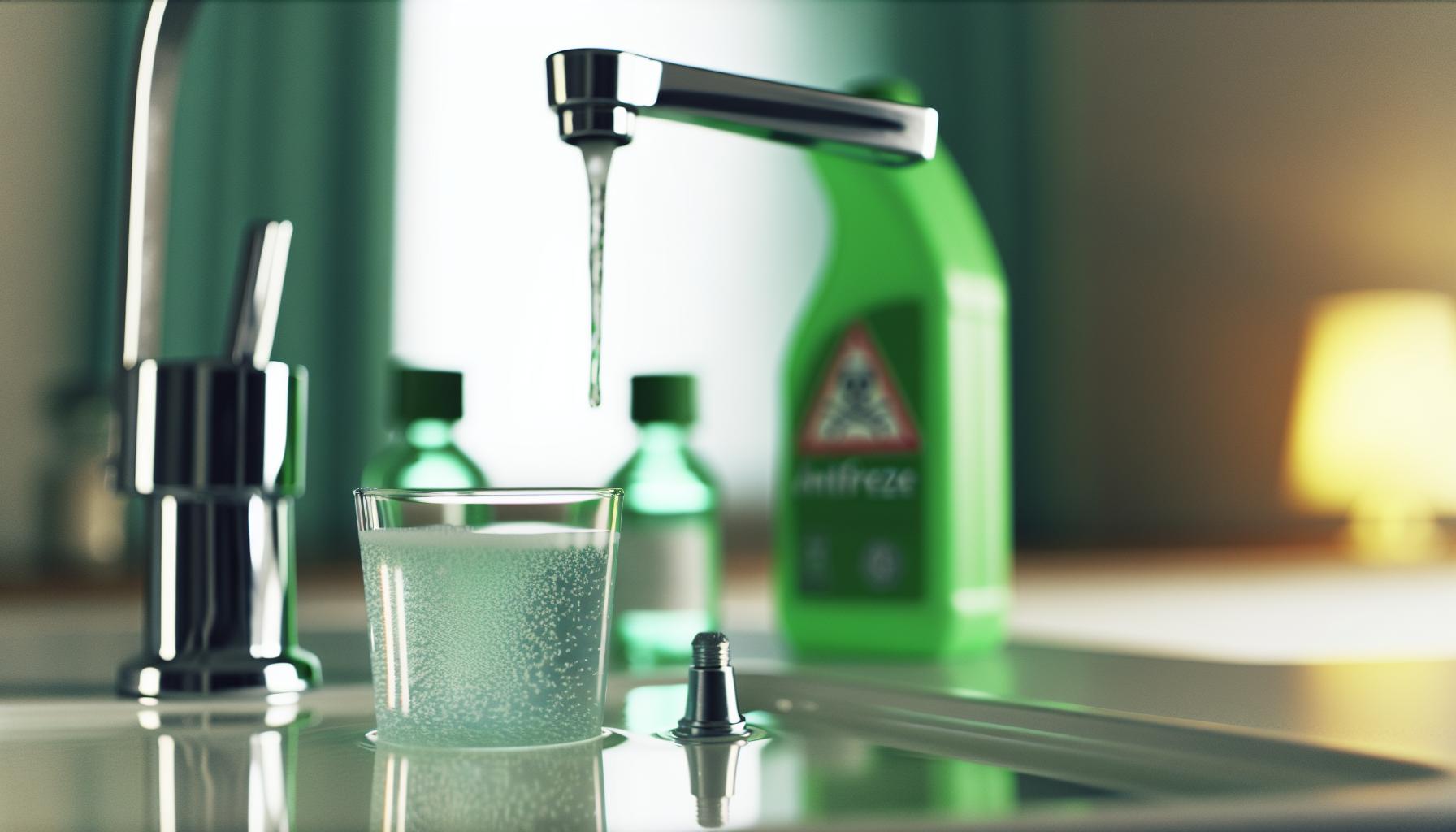
Eco-friendly Alternatives to Conventional Antifreeze
Many conventional antifreeze products rely on ethylene glycol or propylene glycol, substances that pose significant environmental and health risks if improperly disposed of. Fortunately, advances in green chemistry have introduced eco-friendly antifreeze options that reduce toxicity while maintaining performance, making them an excellent choice for environmentally conscious users.These alternatives not only minimize harm to aquatic ecosystems and drinking water supplies but also frequently enough incorporate biodegradable and renewable ingredients that degrade more readily in the environment.
One of the leading eco-friendly alternatives uses propylene glycol derived from renewable resources such as corn or sugarcane. Unlike ethylene glycol, propylene glycol boasts lower toxicity to humans and wildlife, making spills or accidental flushes less hazardous.Some manufacturers now offer fully biodegradable antifreeze formulations that combine plant-based glycols with natural corrosion inhibitors, thus reducing both chemical persistence and toxic load in wastewater systems. These products are increasingly popular in industries that emphasize sustainability, like agricultural machinery and eco-conscious automotive brands.
Choosing the Right Eco-Friendly Antifreeze
When selecting eco-friendly antifreeze, consider these key factors:
- Toxicity profile: Opt for formulations labeled non-toxic or biodegradable to reduce risks during accidental disposal.
- Biodegradability: Products designed to break down quickly in the environment limit long-term contamination.
- Compatibility: Ensure the antifreeze works with your vehicle’s or equipment’s metals and seals to avoid damage.
- Certification: Look for third-party environmental certifications that validate green claims.
In many cases, these alternatives may come at a slightly higher upfront cost but can save money by reducing the need for complex waste treatment and preventing environmental fines or cleanup costs.
real-World Impact and Usage
Several municipalities and environmental agencies now recommend or even mandate the use of less toxic antifreeze for activities near sensitive water systems. For example, eco-friendly antifreeze reduces the impact on fish and aquatic plants in runoff-prone areas, helping preserve biodiversity and ecosystem balance. Moreover, industries like boating and winter recreational vehicles benefit from greener antifreeze options by preventing chemical buildup in lakes and reservoirs frequently used for recreation and drinking water.
By switching to these safer alternatives,businesses and homeowners alike take an active role in protecting local waterways and contribute to wider efforts combating pollution. Even if disposal practices change for the better, starting with less hazardous substances is a vital prevention step.
Tips for Using and Disposing of Eco-Friendly Antifreeze
While these alternatives reduce environmental harm, always:
- Dispose of leftover antifreeze at designated hazardous waste collection points.
- Never pour antifreeze down household drains or toilets, regardless of formulation.
- Store antifreeze in sealed containers away from children and pets to prevent accidental ingestion.
Responsibly selecting and handling antifreeze helps keep communities safe while supporting greener and cleaner water systems for future generations.
Expert Tips to Avoid Toxic Waste Accidents
Accidental spills or improper disposal of antifreeze can quickly escalate into serious environmental and health hazards, especially given the toxic nature of common ingredients like ethylene glycol. Preventing these toxic waste accidents starts with awareness and proactive handling measures in both residential and commercial settings. Recognizing that even small quantities improperly discarded can contaminate water systems underscores the importance of strict safety habits and responsible disposal practices.
One of the most effective ways to minimize risks is to establish a clear, accessible storage and disposal routine for antifreeze. Keep all antifreeze containers tightly sealed and stored in designated areas away from children, pets, and pets. Using clearly labeled, durable containers reduces confusion and accidental ingestion or spill incidents. When transferring or disposing of antifreeze, always wear protective gloves and eyewear to guard against skin and eye contact, and avoid any flushing or pouring down sinks, toilets, or storm drains, as these often lead directly into vulnerable water systems.
Practical Steps to safeguard Against Toxic Waste Incidents
- Use smaller quantities: Purchase antifreeze in amounts that match your immediate needs to reduce leftover product.
- Set up a spill kit: Maintain absorbent materials like kitty litter or commercial spill pads nearby to quickly contain accidental leaks or drips.
- Educate household members and employees: Inform everyone involved about the risks of antifreeze and proper handling procedures to foster a culture of safety.
- Document disposal actions: Keep receipts or records when you deliver antifreeze waste to approved hazardous waste facilities,proving compliance and responsibility.
- Leverage professional services: Consider partnering with specialized waste management services that offer safe antifreeze recycling and disposal options.
For example, some automotive repair shops implement mandatory training and signage that clearly warn staff against flushing antifreeze.Likewise, municipal waste collection centers frequently enough provide designated antifreeze drop-off days paired with clear instructions, which greatly reduce the likelihood of environmental contamination.
Benefits of Vigilant Antifreeze Management
By integrating these precautionary actions, both individuals and businesses not only protect local ecosystems but also avoid costly fines or remediation related to illicit disposal. Moreover, such diligence supports broader sustainability efforts by maintaining clean drinking water sources and healthy soils. Taking simple,consistent steps ensures that antifreeze – even when necessary – doesn’t become a dangerous pollutant.
Ultimately, preventing toxic waste accidents revolves around respect for the chemical’s power and commitment to responsible stewardship, a choice that benefits communities and the planet alike.
What to Do If Antifreeze Is Flushed Accidentally
Accidentally flushing antifreeze can cause significant concerns due to its toxic properties and potential to harm plumbing, sewage treatment processes, and the environment. Immediate action can help mitigate damage and support proper handling by local authorities or waste management professionals.Though it may seem like the antifreeze has simply disappeared down the drain, the reality is that it can enter water treatment systems or contaminate groundwater-a serious situation requiring swift attention.
First, notify your local wastewater management or environmental protection agency as soon as possible. many municipalities have protocols for handling hazardous chemical discharges and can provide guidance on any necessary follow-up steps or testing. Early notification helps initiate monitoring of the sewage system and can prevent wider contamination issues downstream. If you know the amount and type of antifreeze flushed, provide those details to aid their response efforts.
Immediate Actions to Consider
- Do not attempt to flush additional chemicals or water: Adding more liquids can spread contamination further through plumbing and municipal systems.
- Isolate the source valve or plumbing if possible: For example, if flushed from a basement utility sink, shutting off valves may help prevent additional antifreeze from entering the drainage system.
- Document the incident thoroughly: Record the volume, brand, and chemical formulation (such as ethylene glycol or propylene glycol) along with the exact time of flushing. This information is critical when reporting the spill.
Healthcare or poison control centers should be contacted immediately if there is any suspicion of human or animal exposure, especially ingestion or skin contact, as antifreeze’s sweet taste frequently enough attracts pets and children but is highly toxic.
Long-Term Considerations and Prevention
Once the initial emergency is managed, consider the following steps to avoid recurrence and promote environmental safety:
- Establish designated disposal points: Locate local hazardous waste facilities or automotive centers certified to accept antifreeze waste safely.
- Educate household members and staff: Ensure everyone understands why flushing antifreeze is dangerous and learns safe handling methods.
- Use spill containment kits: Being prepared with absorbent materials can reduce accidental releases of antifreeze indoors or outdoors.
In some cases, advanced municipal sewage treatment plants may possess the capability to treat small quantities of ethylene-based compounds, but this should never justify flushing antifreeze casually, as treatment capacity is limited and the risk to ecosystems remains high. Proactive communication and responsible handling ensure that when accidents happen, their impact is minimized and properly addressed by trained professionals.
FAQ
Q: Why is flushing antifreeze down the toilet considered a toxic waste hazard?
A: Flushing antifreeze down the toilet releases harmful chemicals like ethylene glycol into sewage systems, posing serious risks to aquatic life and drinking water supplies. Its toxic properties demand careful disposal to prevent environmental contamination and public health dangers. Learn more in the Environmental Risks of Flushing Antifreeze section.
Q: How long does antifreeze contamination last in water systems if flushed down the toilet?
A: Antifreeze chemicals can persist in water systems for weeks to months, depending on concentration and treatment efficiency. This prolonged contamination threatens ecosystems and water safety, making immediate proper disposal essential to minimize damage. Refer to Signs of Antifreeze Contamination in Water Supplies for detailed info.
Q: What are safer household disposal alternatives to flushing antifreeze down the toilet?
A: Instead of flushing antifreeze, collect it in a sealed container and take it to certified hazardous waste facilities or participate in local automotive fluid recycling programs. These methods protect plumbing and the environment-see Proper Methods for Disposing of Antifreeze for guidance.
Q: Can biodegradable or eco-friendly antifreeze be safely flushed down household drains?
A: Even eco-friendly antifreeze formulas should never be flushed down toilets or drains,as they may still harm water treatment processes and aquatic life. Proper disposal follows the same precautions-review Eco-Friendly Alternatives to Conventional Antifreeze for safer options and disposal tips.
Q: How can homeowners prevent accidental flushing of antifreeze and toxic waste?
A: To prevent accidental flushing,clearly label antifreeze containers and store them away from bathrooms. educate household members on hazardous waste risks and keep antifreeze disposal instructions handy. These Expert Tips to Avoid Toxic Waste Accidents effectively reduce flushing errors.
Q: What immediate actions should be taken if antifreeze is accidentally flushed down the toilet?
A: If antifreeze is accidentally flushed, contact your local waste treatment facility or environmental authority immediately. Running excess water may dilute the chemical but won’t eliminate risk. Prompt reporting aids containment efforts-see the What to Do If Antifreeze Is Flushed Accidentally section for full steps.
Q: Does flushing small amounts of antifreeze truly impact municipal sewage and water treatment plants?
A: Yes, even small antifreeze quantities can disrupt sewage plant operations by poisoning bacterial colonies essential for waste breakdown. This leads to inefficient treatment and environmental hazards. Avoid flushing antifreeze entirely to protect water treatment systems-learn more in How Antifreeze Affects Sewage and Water Systems.
Q: Where can I safely dispose of used antifreeze if my local area lacks hazardous waste programs?
A: When no local hazardous waste options exist, consult automotive shops or recycling centers, as many accept used antifreeze for safe recycling. Never dispose of it down toilets or drains. Visit the Proper Methods for Disposing of Antifreeze section for option disposal resources in such situations.
For more detailed guidance, explore related sections in the article or contact environmental professionals to ensure safe antifreeze handling and disposal practices.
To Wrap It Up
Flushing antifreeze down the toilet poses serious risks to both your plumbing and the environment, making responsible disposal essential. To protect your home and local waterways from toxic waste contamination,always follow recommended guidelines and consider professional disposal services. For more insights on safe household chemical handling, explore our detailed guides on eco-friendly waste management and plumbing maintenance.
Don’t wait-take action now by accessing our resources on hazardous waste disposal and staying informed about the safest practices. Ready to stay ahead? Subscribe to our newsletter for expert tips, or contact our specialists for personalized advice. If you have questions or experiences with antifreeze disposal, share them in the comments below to join the conversation and help others stay safe.
Continue exploring related topics like “How to Dispose of Automotive Fluids Safely” and “Protecting Your Home Plumbing from Chemical Damage” to deepen your understanding and maintain a safer, healthier environment. Your vigilance makes a difference-keep learning and stay empowered!
Get our latest guides, news, and insights highlighted in your Google Search & AI Overviews.