

Can You Flush Tissues? Why Your Toilet Says No
Many people wonder if it’s safe to flush tissues down the toilet, but the truth is, not all tissues are created equal when it comes to plumbing. Unlike toilet paper, which is designed to break down quickly in water, tissues often don’t dissolve as easily and can cause clogs or damage to your plumbing system. Understanding why your toilet “says no” to flushing tissues is crucial for maintaining a functional bathroom and avoiding costly repairs. This article will explore the differences between tissues and toilet paper,explain the risks associated with flushing tissues,and offer practical advice on how to dispose of them properly. By learning what happens inside your pipes and how to protect your plumbing,you can keep your bathroom running smoothly and save yourself from unnecessary headaches.If you’ve ever asked yourself whether to flush that tissue or toss it in the bin, read on to get clear, expert-backed answers that make everyday decisions easier and safer for your home.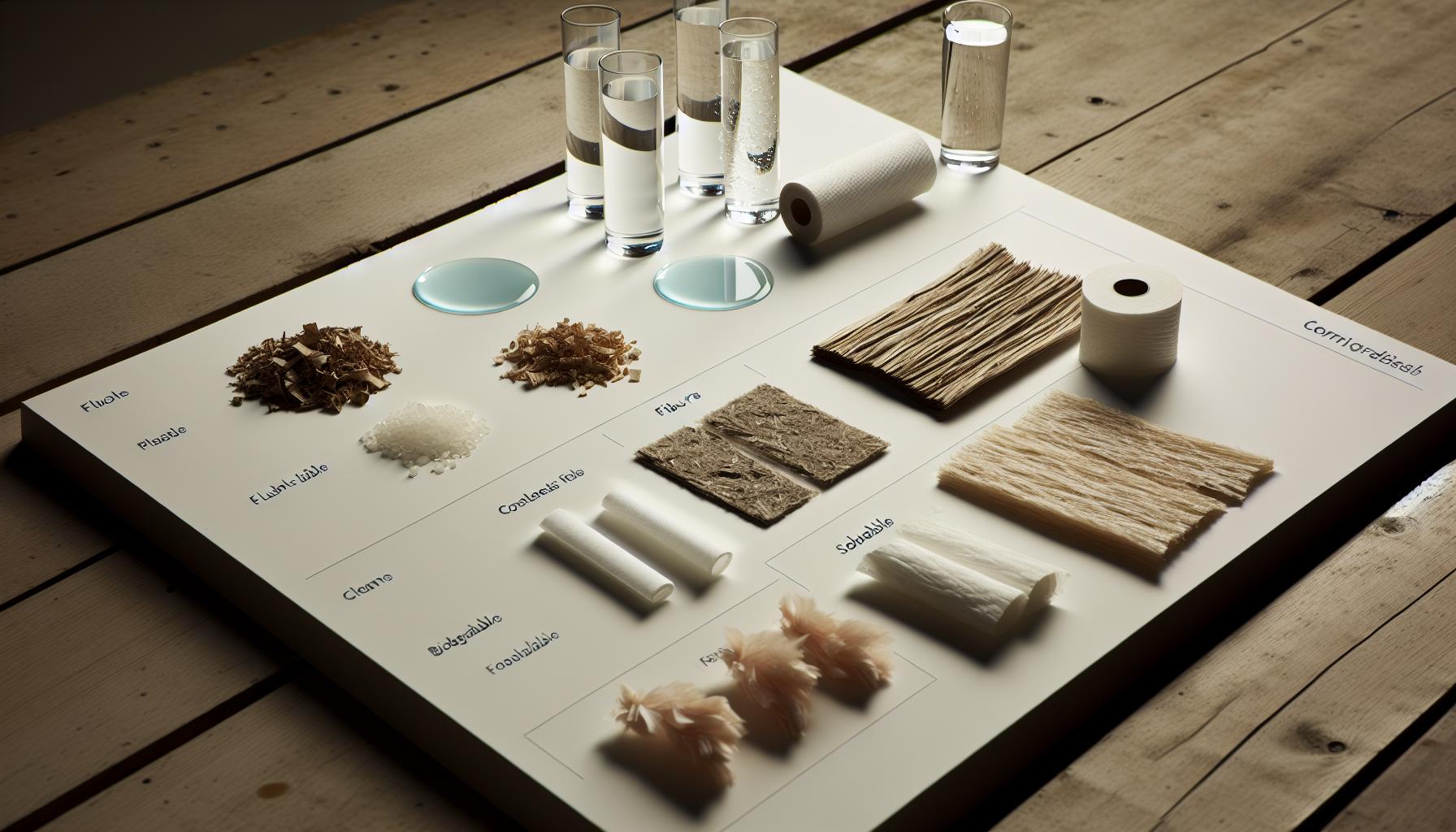
what Are Flushable Tissues Made Of?
Flushable tissues might sound like a convenient solution for personal hygiene, but their composition often challenges that very convenience. Unlike conventional toilet paper, which is specifically engineered to break down quickly in water, flushable tissues are crafted to offer durability and softness, resulting in a different material makeup that may not disintegrate easily in plumbing systems.
Most flushable tissues are made from a blend of cellulose fibers, which give the tissue its structure and softness, combined with binding agents that help hold the fabric together during use. These additives often include synthetic fibers or plastic-like materials designed to improve strength and wet durability. While this makes the tissue feel gentler and more robust, it also means the fibers don’t break apart easily once flushed, increasing the risk of clogs.
- Cellulose Fibers: derived from wood pulp, these fibers form the core absorbent material.
- Synthetic Polymers: Added to enhance strength and wet resistance,but slow down disintegration.
- Binders and Fillers: Improve texture and durability, but can contribute to residue buildup.
Many manufacturers label these products as “flushable” as they pass certain industry standards under controlled lab conditions. However,real-world plumbing systems and municipal wastewater treatment plants differ considerably,often lacking the ability to fully break down these tissues before they accumulate and cause blockages. This disparity leads to the misconception that flushable tissues are harmless to flush, when in fact their material composition frequently causes plumbing challenges.
Understanding what these products are made of can empower consumers to make informed choices about disposal. For example, opting for regular toilet paper or using tissues designed solely for trash disposal can prevent costly plumbing repairs and reduce environmental harm. In essence, the blend of durable fibers and synthetic additives that make flushable tissues appealing for use also explains why many toilets and pipes “say no” when these tissues enter the system.
How tissues Impact Your Plumbing System
Many people underestimate how much a seemingly harmless flushable tissue can disrupt plumbing systems,but the reality is far from simple. Unlike toilet paper, which is engineered to rapidly disintegrate in water, flushable tissues often maintain their structure long after being flushed. This resistance to breaking down can cause tissues to accumulate and form blockages within the pipes, leading to costly plumbing issues that homeowners and municipal systems frequently confront.
Once flushed, these tissues don’t dissolve like toilet paper. Rather, they tend to clump together, trapping other debris such as grease, hair, and fats, which further compounds the obstruction.Over time, these blockages can thicken into dense masses that reduce water flow, increase pressure, and may eventually cause backups or sewage overflows. In some cases, the damage requires expensive repairs or even pipe replacement.This problem is exacerbated in older plumbing systems with narrower or aging pipes, which are less capable of handling non-degradable materials.
Understanding the Risks to Sewer and Septic Systems
Flushable tissues can have downstream impacts beyond just your home’s pipes. Municipal wastewater systems are designed to handle materials that degrade quickly; tissues that resist breakdown interfere with this process. They can combine with fats and greases to form “fatbergs,” giant masses that block sewers and require significant effort and expense to remove. Similarly, septic tanks depend on bacteria to digest waste, but synthetic fibers in flushable tissues can inhibit this natural process, leading to system failures and costly pump-outs.
- Impact on Home Plumbing: Increased risk of clogs, backups, and pipe damage.
- Drainage and Sewer Issues: Blockage formation and fatberg development.
- septic System Disruption: Slower decomposition and more frequent maintainance.
Practical steps such as limiting what you flush can preserve your plumbing’s health. When using tissues, it’s better to dispose of them in a lined trash bin rather than the toilet. This simple habit can prevent blockages and extend the lifespan of your plumbing infrastructure.
In essence, while flushable tissues offer convenience, their impact on plumbing systems is often severe and costly. Awareness and mindful disposal are key to avoiding unnecessary repairs and protecting public sewer systems.[[1]][[2]][[3]]
Why Toilets reject Tissues: The Science explained
Few things reveal the complexity behind everyday plumbing more than the challenge flushable tissues pose. While these products may appear harmless or even convenient, their interaction with toilet systems is a complex issue grounded in how modern plumbing-and the materials themselves-work. unlike toilet paper, which is specifically designed to disintegrate on contact with water, many flushable tissues maintain a tougher physical structure that confounds the flushing and wastewater treatment processes.
At a microscopic level, the fibers and binders used in flushable tissues are frequently enough stronger and less soluble than those in traditional toilet paper. this durability means that when tissues enter the toilet bowl, they don’t break apart rapidly during the flush cycle. Instead, their persistent structure leads to slower degradation, which causes them to stick to pipe walls or bundle tightly with other debris like grease, fats, and hair. This aggregation can drastically reduce pipe diameter, increasing the chance of clogs and backups. In essence, the material properties of these tissues interfere with the water’s ability to carry waste smoothly through narrow bends and joints common in plumbing systems.
Mechanical and Chemical Barriers in Plumbing
There are several reasons plumbing systems effectively ”reject” these tissues instead of flushing them away seamlessly:
- Fiber Strength and Cohesion: Flushable tissues often contain synthetic fibers or chemical binders designed to hold the tissue intact for durability, but these same properties prevent rapid breakdown in water.
- Water Flow Dynamics: Toilets rely on a swift and turbulent flush to move waste.When heavier,more cohesive tissues enter the system,the water flow isn’t strong enough to disintegrate or fully carry them away.
- Pipe Surface Texture: Older or rougher pipe interiors create friction points where tissues can catch and accumulate, unlike toilet paper that dissolves quickly to avoid such adhesion.
- Resistance to Microbial Degradation: The substances in flushable tissues may resist the natural bacterial processes that assist in breaking down organic material in septic tanks and sewer systems.
This interaction explains why plumbing systems “reject” flushable tissues-not in the sense of actively pushing them back-but because these materials disrupt the crucial balance of physical and chemical processes that enable waste removal. The result is an increased likelihood of persistent blockages and pressure buildups.
Practical Implications and Prevention
Understanding these scientific reasons allows homeowners and facilities managers to make better decisions. Simply put, materials that don’t disintegrate swiftly or break down biologically are ill-suited for toilets. The best practice is to dispose of flushable tissues in the trash, which prevents slow-developing blockages that may not reveal themselves until serious damage occurs. For those particularly concerned about older or sensitive plumbing, avoiding these tissues altogether safeguards against surprise plumbing failures.
By appreciating the mechanics behind why toilets “reject” flushable tissues, it becomes clear that the problem is less about the flush itself and more about the material’s failure to match the functional requirements of the wastewater system-offering a perspective that promotes smarter disposal choices and plumbing preservation.
Differences Between Tissues and Toilet Paper
A common misconception is that tissues and toilet paper are interchangeable in terms of flushability, but their differences go far beyond just texture or thickness. Toilet paper is engineered with a single critical goal in mind: to dissolve quickly and safely in water to prevent plumbing issues. In contrast, tissues-whether labeled flushable or not-often contain stronger fibers and additives designed for durability during use, making them less compatible with wastewater systems.
Toilet paper is typically made from soft cellulose fibers that are loosely bonded, allowing it to break down easily upon contact with water. this rapid disintegration minimizes the risk of clogging and facilitates smooth passage through pipes and septic systems. On the other hand, many tissues, including “flushable” varieties, incorporate synthetic binders or have a tighter fiber network aimed at improving strength and absorbency. While these features are great for personal hygiene, they cause tissues to remain intact longer in plumbing systems, leading to buildup and blockages where toilet paper would have already dissolved.
- Material composition: Toilet paper uses biodegradable, water-soluble fibers; tissues often blend natural and synthetic fibers.
- Breaking down time: Toilet paper disintegrates within seconds to minutes; tissues can take hours or longer to fragment.
- Intended use: Toilet paper is specifically designed for flush-and-forget convenience; tissues prioritize strength and durability, often for facial care.
These basic differences illustrate why flushable tissues create a significantly higher risk to home and municipal plumbing than toilet paper. Such as, if you flush multiple tissues at once, they can clump and trap grease or hair on pipe surfaces, gradually narrowing flow paths and possibly causing costly backups. Conversely, flushing an equivalent amount of toilet paper almost never leads to issues because it dissolves rapidly and flushes cleanly.
| Feature | Toilet Paper | Flushable Tissue |
|---|---|---|
| Fiber Type | Natural cellulose fibers | Natural + synthetic fibers |
| Solubility in Water | High (breaks down quickly) | Low to moderate (breaks down slowly) |
| Typical Usage | Bathroom hygiene, flush-safe | Facial or wet use, not always flush-safe |
| Impact on Plumbing | Minimal risk of clogging | High risk of buildup and clogs |
Understanding these contrasting properties can guide better decisions when it comes to what should be flushed. Even if a tissue brand markets itself as ”flushable,” it’s wise to consider the bigger picture: your home’s plumbing and local sewer environment may not support the same rapid breakdown toilet paper achieves. In short, choosing toilet paper that’s fit for purpose is the most reliable way to keep your pipes flowing freely and avoid the common pitfalls tissues can introduce.
Environmental Consequences of Flushing Tissues
Many people underestimate the hidden environmental toll that flushing tissues can impose on our natural ecosystems and wastewater infrastructure. Unlike toilet paper, which is designed to biodegrade rapidly when exposed to water, tissues often contain synthetic fibers and additives that resist speedy breakdown. When flushed, these materials can persist throughout sewage systems, leading to accumulations that necessitate costly interventions and long-term ecological consequences.
Tissues that linger in sewer lines or wastewater treatment plants contribute to blockages and overflows, which may release untreated or partially treated waste into rivers, lakes, and oceans. This contamination poses significant threats to aquatic life, including entanglement, ingestion, and habitat degradation. Additionally, persistent materials from flushed tissues can accumulate as microplastics, further exacerbating pollution problems that ripple through the food chain.
Impacts on Wastewater Management and Pollution
- Sewer System Strain: Resistant tissue fibers can clump with grease, hair, and other debris, creating blockages that increase the risk of sewage backflows into homes and streets.
- Treatment Challenges: Wastewater plants are optimized to break down natural fibers like those in toilet paper. Tissues with synthetic components are harder to process, leading to inefficiencies and elevated operational costs.
- Environmental Pollution: Overflow events caused by clogs can result in raw sewage entering natural water bodies, harming ecosystems and public health.
These issues are compounded by the sheer volume of tissue products mistakenly flushed due to labeling or misunderstandings about flushability.Even tissues marketed as “flushable” have been shown to degrade more slowly than toilet paper, frequently enough misleading consumers about their true environmental impact.[[1]](https://www.reelpaper.com/blogs/reel-talk/is-it-better-to-flush-or-throw-away-toilet-paper?srsltid=AfmBOopU33Z7I9c_LErY3PGLvqp8IF__CC2JU9E4cTLc67N2D0xDylDs)
Better Choices for a Greener Future
To reduce these environmental risks, it’s essential to opt for disposal methods that keep tissues out of the sewage system:
- use a Waste Bin: Dispose of used tissues in a lined trash bin rather than flushing them.
- Educate Household Members: Spread awareness about what can and cannot be safely flushed to prevent accidental tissue disposal down the toilet.
- support Eco-Friendly Products: Choose products certified for compostability or biodegradability when possible to minimize landfill impact.
By making informed choices about tissue disposal, households can significantly reduce the strain on wastewater infrastructure and limit harmful pollution, helping protect both local environments and global ecosystems.
| Environmental Factor | Toilet Paper | Tissues (Flushable or Not) |
|---|---|---|
| Breakdown Rate in Sewers | Seconds to minutes | Hours to days,sometimes much longer |
| contribution to Sewer Blockages | Minimal | high,especially with synthetic fibers |
| Impact on Wastewater Treatment Plants | low,standard processing | Increased load,inefficiency,higher costs |
| Potential to Pollute Natural Waterways | Low | Significant risk from overflows and microplastics |
Taking these environmental realities into account encourages responsible habits that keep toilets-and the planet-healthier over the long term.
alternatives to Flushing Tissues Safely
Using alternatives to flushing tissues can make a significant difference both for your home plumbing and the environment.Many people assume that tissues labeled as “flushable” can safely be sent down the toilet, but the reality is that most do not disintegrate quickly, leading to costly blockages and pollution issues. Rather,adopting simple alternatives can definitely help prevent these problems before they start,while keeping your household routine convenient and hygienic.One of the most straightforward options is to use a dedicated waste bin lined with disposable bags specifically for tissues. This keeps used tissues separate from plumbing and makes disposal straightforward. To maintain hygiene and reduce odors, consider bins with lids or foot pedals. Placing these bins in bathrooms and high-traffic areas encourages consistent use and prevents accidental flushing. Furthermore, educating family members or roommates about the importance of not flushing tissues can quickly reduce the overall risk of clogs and sewer damage.
For those seeking more environmentally friendly choices, many companies now offer biodegradable or compostable tissue products.When disposed of properly,these can break down in composting facilities rather than lingering in landfills or waterways.Though, compostable tissues should never be flushed, as even biodegradable fibers require specific conditions to break down efficiently and could still harm sewage systems if flushed.Instead, these products align best with responsible trash disposal or composting programs when available.
Practical tips for Safe Tissue Disposal
- Separate Disposal Stations: In busy households, consider placing small bins in multiple bathrooms or near sinks to catch used tissues instantly.
- Regular Emptying: Frequently empty and clean bins to keep them sanitary and odor-free,which promotes continual use.
- Signage or Reminders: Simple stickers or notes on bathroom mirrors can reinforce the “no flushing” message, especially where guests may not be familiar with local plumbing systems.
- Use Flushable Toilet Paper Only: Reserve flushing for products specifically designed to quickly dissolve, such as standard toilet paper, avoiding confusion about what is safe to flush.
By integrating these alternatives into daily routines,households can effectively protect their plumbing infrastructure and reduce environmental harm caused by tissues in the wastewater system. Taking small, consistent steps adds up to a cleaner, safer sewage network and healthier waterways for the community at large.
How to Dispose of Used Tissues Properly
It’s tempting to treat tissues like toilet paper and simply flush them away, but this can lead to costly plumbing issues and environmental harm.The best practice is to keep used tissues out of the plumbing system entirely, ensuring both your household pipes and public sewer lines stay clear and functioning properly. A simple shift in disposal habits can make a big difference for your home’s maintenance and the planet.
Keeping a dedicated bin specifically for used tissues is the safest and most hygienic method. Opt for a small waste container lined with disposable bags for easy cleaning and disposal.Consider using bins equipped with lids or foot pedals to minimize contact and control odors, especially in bathrooms and bedrooms. By placing these bins within easy reach-next to the sink or toilet-you encourage everyone in your household and guests to do the right thing consistently.
Smart Practices for Tissue Disposal
- Separate Bins for Different Waste: Use clearly labeled bins if you want to keep recyclables and general trash apart. This helps prevent confusion and accidental flushing of foreign materials.
- Frequent Cleaning and Emptying: Empty tissue bins regularly to avoid unpleasant smells and discourage overflow, which may lead to improper disposal.
- Use Disposable liners: Plastic liners simplify waste removal and keep bins sanitary without needing frequent deep cleaning.
- Interaction Within the Household: Place gentle reminders such as notes or stickers near the toilet to educate or remind family members and guests why flushing tissues is harmful.
For those looking to minimize landfill waste, consider composting alternatives only if the tissues are made from 100% biodegradable materials and free from synthetic additives or bodily fluids-note that composting should be done in proper facilities, not flushed. Never rely on flushing as a disposal method for any tissue products,even “flushable” ones,as the majority don’t break down quickly enough and cause clogs or contribute to sewer pollution [[1]](https://afterhoursplumbing.com.au/blog/can-i-flush-tissues-down-the-toilet/) [[2]](https://oracwa.org/non-flushables-comm-toolkit/).
By adopting these straightforward disposal habits, you keep your household plumbing safe, reduce the risk of expensive repairs, and play a part in protecting broader water treatment infrastructure and the environment.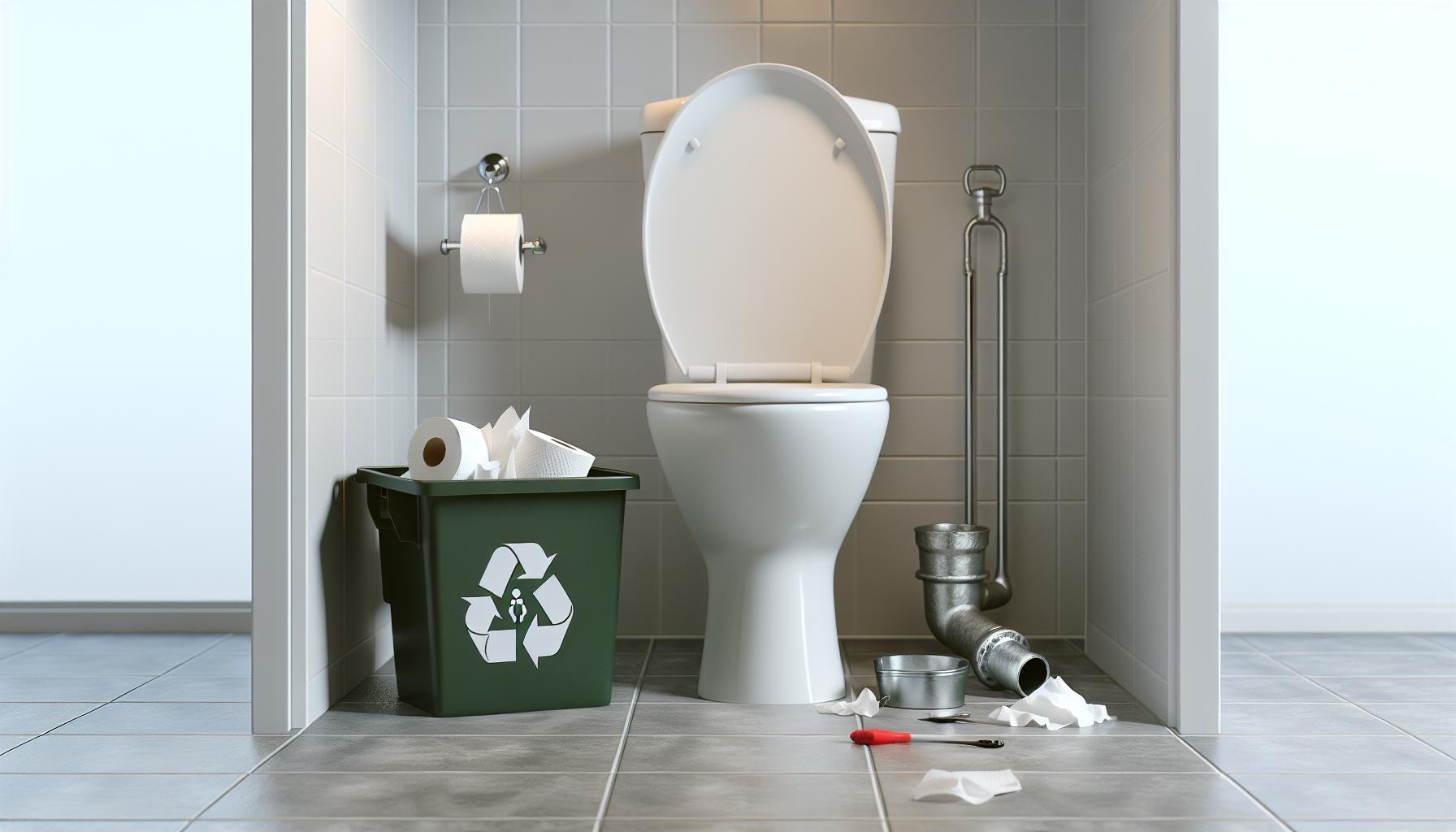
Common Myths About flushing Tissues Debunked
Many people assume that since tissues look and feel similar to toilet paper, they must be just as safe to flush. This common misconception often leads to plumbing headaches and costly repairs. The key difference lies in how these products are engineered: toilet paper is specially designed to disintegrate rapidly in water, while tissues are built for softness and strength, making them reluctant to break apart when flushed. Understanding this difference is crucial to protecting your plumbing and the environment.
Dispelling the flushable Wipes and Tissues Myth
A widespread myth is that “flushable” wipes and tissues can be safely flushed down the toilet. Even though packaging may suggest they are safe for plumbing systems, numerous plumbing experts and municipal wastewater agencies have confirmed that these products do not break down like toilet paper.Instead, they tend to clump together, causing blockages in household pipes and municipal sewer lines alike, sometimes resulting in expensive and extensive repairs [[2]](https://www.facebook.com/groups/bvbehindthescenes/posts/6695645077180548/) [[3]](https://brpimech.com/myth-busting-is-flushing-wet-wipes-ever-okay).
Understanding Why Tissue Disposal Matters
Flushing tissues under the assumption that they mimic toilet paper’s flushability ignores the science behind their construction. Unlike toilet paper, tissues often contain added layers, lotions, or synthetic fibers, which prevent them from dissolving readily.This can create stubborn blockages over time,even if no immediate clog seems apparent. furthermore, plumbing systems are not designed to handle these materials, and routine flushing increases the risk of sewer backups, costly maintenance, and environmental issues, such as sewage overflows and water contamination.
Practical Tips to Avoid Flushing Tissues
To help change disposal habits, keep a small, covered waste bin close to toilets and sinks specifically for tissues and other non-flushables. Educate household members and guests with clear signage explaining why tissues should not be flushed. Here’s a quick summary of significant points to remember:
- Do not flush tissues, even if labeled flushable or biodegradable.
- Used tissues belong in the trash, not the toilet.
- Flush only toilet paper, which is designed to break down safely.
- Composting tissues may be an option if they are untreated and free of bodily fluids, but never flush them.
By recognizing and discarding these myths, you protect your home’s plumbing and contribute to a healthier environment, avoiding plumbing disasters and costly repairs.
For a deeper dive into what experts say about these products and their impact, refer to trusted plumbing sources to guide your tissue disposal choices [[1]](https://www.lordsofplumbing.com/myths-of-toilet-paper-and-plumbing/).
Signs Your Plumbing Is Damaged From Flushing Tissues
It frequently enough starts with small, almost unnoticeable signs-slow draining sinks or toilets that gurgle unexpectedly-before escalating into costly plumbing headaches. Flushing tissues can silently wreak havoc within your pipes long before a full blockage occurs,making early detection critical to prevent expensive repairs. Because tissues don’t break down like toilet paper, they tend to accumulate and bind with other debris, gradually narrowing pipe openings and obstructing water flow.
Common Warning Signs to Watch For
- Slow Draining Fixtures: If your sinks, tubs, or toilets take longer than usual to drain, it might very well be a sign that tissues or other non-dissolvable materials are building up inside your pipes.
- Gurgling or Bubbling Sounds: Strange noises coming from your toilet or drains often indicate trapped air caused by obstructions downstream, frequently linked to flushed tissues.
- Frequent Toilet Backups: If your toilet frequently clogs or overflows with minimal use, tissue buildup may be restricting proper flushing and wastewater flow.
- Unpleasant Odors: Persistent sewer smells near drains or toilets suggest stagnant water caused by blockages, which can be exacerbated by non-dispersing tissues.
Why Ignoring These Signs Can Lead to Bigger Problems
Plumbing systems rely on smooth passage of waste; stubborn tissue fibers create patches that trap grease,hair,and other debris,multiplying the risk of full pipe obstruction. Over time, this causes pressure buildup leading to pipe damage, leaks, or even sewage backups into your home. such as, a homeowner who regularly flushed tissues found themselves facing a major sewer line replacement after ignoring slow drains and persistent clogs for months. Detecting problems early can save thousands in emergency plumbing bills.
What to Do if You Suspect Tissue-Related damage
If you observe any of these signals,don’t delay:
- Perform a simple drain test: Check the speed of draining sinks and toilets to monitor worsening conditions.
- Use a plunger or drain snake cautiously: minor clogs can sometimes be resolved early without professional help.
- Schedule a professional plumbing inspection: Experts can use cameras to pinpoint tissue-related blockages before they escalate.
- Adjust habits immediately: Stop flushing tissues to prevent compounding the problem.
Taking these proactive steps can halt damage progression and preserve your home’s plumbing integrity.
| Symptom | Possible Tissue-Related Cause | Recommended Action |
|---|---|---|
| Slow draining toilet or sink | Partial clog due to tissue buildup | Use plunger; monitor progress |
| Gurgling sounds during flushing | Air trapped from pipe obstruction | Inspect drains; consult plumber if persistent |
| Frequent toilet overflows | Blocked waste line from non-dissolving tissues | Contact professional plumber immediately |
| Foul odors near drains | Stagnant water from pipe blockage | Schedule sewer line inspection and cleaning |
By recognizing and acting on these early warning signs, you can avoid the costly and frustrating consequences of flushing tissues and protect your home’s plumbing system from long-term harm.
What Manufacturers Say About Tissue Flushing
Manufacturers of tissues and flushable wipes frequently enough present a complicated picture when it comes to flushing their products. While many brands label certain wipes as “flushable,” plumbing industry experts and municipal wastewater authorities commonly disagree with this claim. This disconnect largely stems from differing standards and testing methods used by manufacturers compared to what is needed to protect plumbing and sewer systems effectively.
Leading tissue manufacturers typically emphasize that their products are designed to break down more readily than traditional wipes or paper towels. However, even these tissues are not engineered to disintegrate as quickly or as completely as standard toilet paper. This gradual breakdown can lead to accumulation inside pipes, causing partial or full blockages over time. Some companies include disclaimers advising consumers to dispose of tissues in trash receptacles rather than flushing them, reinforcing the caution that even “flushable” labeling should not be taken at face value.
Understanding Manufacturer Testing vs.Real-world Plumbing
Manufacturers often perform lab-based dispersibility tests that simulate water agitation to show how their tissues break apart. Yet, these controlled conditions don’t accurately replicate the complex environment inside household plumbing and municipal sewer systems. In real plumbing scenarios, slow water flow combined with rough pipe surfaces encourages tissues to catch and bind with other debris like grease and hair, creating stubborn blockages far sooner than tests suggest.
Many reputable tissue-makers now openly recommend against flushing tissues as a best practice despite marketing efforts. They understand that consumer habits must be aligned with plumbing realities to avoid damage. For example,some brands have updated their packaging to clearly state:
- “For disposal,please place used tissues in the trash.”
- “Not designed to dissolve like toilet paper.”
- “Flushing may cause plumbing clogs.”
These warnings aim to reduce costly damage claims and improve customer awareness.
Manufacturer Advice for Households
Most manufacturers suggest practical guidelines to minimize plumbing risks associated with tissues:
| Manufacturer Advice | Practical Consumer Action |
|---|---|
| Limit flushing tissues to emergencies only | Place used tissues in a waste bin whenever possible |
| Use minimal tissue amounts near water fixtures | Avoid large tissue loads in single flushes to reduce blockage risk |
| Combine flushing with extra water flow | Flush twice if tissue flushing is unavoidable, to help move materials |
| Consider alternative products labeled explicitly “toilet paper” | Select true toilet papers designed for rapid dissolution |
By following these manufacturer-backed steps, consumers can protect their plumbing while managing hygiene needs effectively.
real-World Examples
Some manufacturers have shared customer anecdotes where flushing tissues regularly led to plumbing repairs, encouraging them to adopt better disposal habits. Similarly, plumbing professionals often collaborate with brands to highlight plumbing issues caused by improper flushing, pushing for clearer product labels and consumer education. This ongoing dialogue reflects a growing responsibility among manufacturers to balance product performance with real-life plumbing safety.
while tissue makers recognize that their products are not equivalent to toilet paper in terms of flush-ability, they increasingly aim to inform consumers and encourage proper disposal methods. Listening to manufacturer warnings and adapting habits accordingly is a crucial step in reducing plumbing headaches and costly repairs linked to tissue flushing.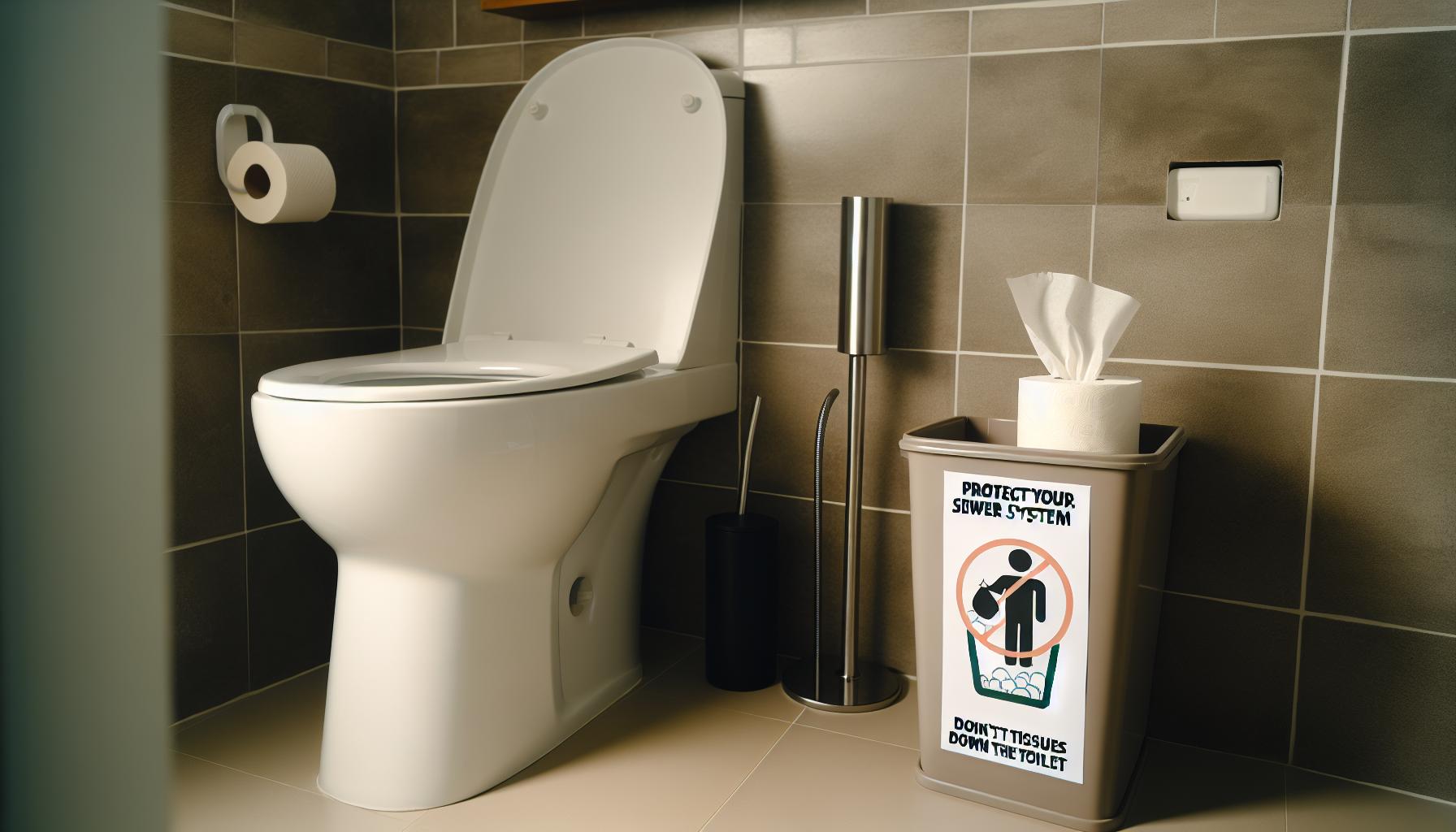
Tips for Protecting Your Sewer System From Tissues
Many homeowners underestimate how even small changes in daily habits can protect their plumbing and sewer systems from costly damage caused by flushing tissues. Unlike toilet paper, which is specifically engineered to disintegrate quickly in water, tissues tend to hold together and cling to pipe surfaces, creating the perfect environment for blockages. Simple but consistent adjustments to how you handle tissues can make a significant difference in preventing clogs and expensive repairs.
One of the most effective steps is to adopt the habit of discarding used tissues into a dedicated trash bin rather than flushing them. This habit alone greatly reduces the chance of tissues accumulating inside pipes and sewer lines. if flushing tissues is unavoidable, ensure the quantity kept to a minimum to lessen the workload on your plumbing. Flushing a large mass of tissues at once increases the risk they will catch on pipe bends or rough spots and eventually cause blockages[[1]](https://www.wmur.com/article/consumer-reports-flushable-wipes-damage-05072025/64706144).
Smart Flushing Habits That Help Prevent Clogs
- Flush in smaller loads: if tissues must go down the toilet, flush smaller amounts gradually rather than all at once. This helps prevent buildup in one spot.
- Use extra water: Running additional water while flushing can help carry tissues more effectively through pipes and reduce sticking.
- Stay informed about product labels: Choose products specifically marked as toilet paper rather than ‘flushable tissues,’ as the latter are not designed for rapid breakdown.
Regular home maintenance plays a critical role as well. Inspect drains and pipes periodically for slow drainage or unusual odors-early signs that tissues or other debris might potentially be causing partial clogs. Scheduling professional plumbing inspections every few years can help detect and address issues before they escalate into major blockages or sewer backups[[2]](https://www.superiorplumbing.com/plumbing-pitfalls-the-hidden-dangers-of-baby-wipes).
Engage Your Household in Consistent Best Practices
Educating family members or housemates on the risks of flushing tissues and encouraging consistent disposal in trash bins can prevent accidental plumbing problems.Providing easily accessible wastebaskets in bathrooms creates a convenient alternative that reduces tempted flushing. Additionally, consider displaying simple reminders or notes near toilets, reinforcing responsible tissue disposal.
| Action | benefit |
|---|---|
| Dispose of tissues in bathroom trash bin | Prevents tissue accumulation and pipe blockages |
| Flush small amounts only, with extra water if needed | Reduces likelihood of clogs by improving tissue flow |
| regular plumbing inspections and drain maintenance | Early detection of blockages saves costly repairs |
| Educate household members and provide clear disposal options | Consistent habits reduce plumbing risks effectively |
By integrating these straightforward precautions into your daily routine, you support the longevity of your home’s plumbing and contribute to smoother municipal sewer operations. ultimately, protecting your sewer system from tissue-related damage is about combining mindful disposal practices with preventative maintenance and awareness.
Q&A
Q: How do tissues contribute to toilet clogs compared to other common clogging items?
A: Tissues cause clogs because they don’t break down quickly like toilet paper. Their durable fibers can bind and accumulate, creating blockages more easily than biodegradable waste. To prevent plumbing issues, avoid flushing tissues and opt for proper disposal methods detailed under How to Dispose of Used Tissues Properly for best results.
Q: What impact do flushing non-flushable tissues have on municipal wastewater systems?
A: Flushing non-flushable tissues strains wastewater treatment plants by slowing breakdown and increasing solid waste buildup. This leads to costly maintenance and environmental issues. For full context, see Environmental Consequences of Flushing Tissues to learn safer alternatives that protect community sewer systems.
Q: Can flushing tissues damage septic tanks differently than standard sewer lines?
A: Yes, tissues can severely disrupt septic tanks as they resist decomposition, causing sludge accumulation and system backups. Septic systems rely on quick decomposition, which tissues impede. Refer to How Tissues Impact Your Plumbing System for customized septic care advice.
Q: Why do some tissues labeled ”flushable” still cause plumbing problems?
A: “Flushable” tissues often don’t disintegrate fast enough, leading to pipe clogs similar to regular tissues. the term is not strictly regulated, so trusting manufacturer claims can be risky.For more insight, review What Manufacturers Say About Tissue Flushing in the main article.
Q: How can I tell if my toilet is having trouble as of flushed tissues?
A: Signs include slow draining, frequent clogs, gurgling sounds, or backups. Persistent issues after flushing tissues indicate plumbing stress.Visit Signs Your Plumbing Is Damaged From Flushing Tissues for detailed detection methods and timely fixes to protect your home.
Q: Are there eco-friendly alternatives to tissues that are safe to flush?
A: Yes, biodegradable toilet paper and specially designed wet wipes that fully dissolve are safer options. These alternatives reduce plumbing risks and environmental harm. For safe use guidelines, check Alternatives to Flushing Tissues Safely to maintain efficient plumbing.
Q: How should households educate family members about correct tissue disposal to avoid plumbing issues?
A: Encourage disposing of tissues in trash bins and explain plumbing risks associated with flushing. Visual reminders and shared guidelines promote responsible habits. Review How to Dispose of Used tissues Properly for family-friendly disposal tips and protect your pipes together.
Q: When is it appropriate to call a plumber if tissue flushing has caused a blockage?
A: Contact a plumber if slow drains, repeated clogs, or sewage backups persist despite stopping flushing tissues. Early professional intervention prevents costly damage. For preventative strategies, see Tips for Protecting Your Sewer System From Tissues and maintain healthy plumbing.
Explore these FAQs to deepen your understanding and safeguard your plumbing system. For comprehensive details, revisit sections like How Tissues Impact Your Plumbing System and Alternatives to Flushing Tissues Safely. Protect your home with informed choices.
Insights and Conclusions
understanding why flushing tissues can harm your toilet is key to preventing costly plumbing issues and maintaining a healthy home system.By choosing safer alternatives and following proper disposal tips, you protect both your pipes and the environment. If you want to dive deeper, explore our guides on “How to Prevent Toilet Clogs” and ”Eco-Friendly Bathroom Habits” to keep everything flowing smoothly.
don’t wait for a blockage to disrupt your routine-take action today by adopting these best practices and sharing this knowledge with friends or family who might benefit. For personalized advice or plumbing solutions, consider signing up for our newsletter or scheduling a consultation with our experts. Got questions or experiences about flushing habits? Drop a comment below-we’d love to hear from you and help you further. keep exploring our site for more helpful tips on bathroom care and maintenance to stay ahead of any plumbing challenges.
Get our latest guides, news, and insights highlighted in your Google Search & AI Overviews.


