Can You Make a Toilet Flush Stronger? Pressure Boost Hacks
did you know that a weak or sluggish toilet flush can lead to frequent clogs, unpleasant odors, and unneeded frustration? If your toilet isn’t clearing waste efficiently, boosting its flush pressure could be the simple fix you need. Understanding how to enhance your toilet’s flushing power not only improves bathroom hygiene but can also save you from costly repairs or premature replacements. Weather you’re dealing with low water pressure, an older model, or just want a more effective flush, ther are practical hacks to optimize performance without calling a plumber. Stick around as we explore proven tips and tweaks that can make your toilet’s flush stronger, helping your bathroom function smoothly and confidently every time.
Understanding How Toilet Flushing Pressure Works
A strong toilet flush is often taken for granted until it starts to weaken, and understanding what actually drives that flush can empower you to improve it effectively. At its core, the flushing mechanism uses water pressure combined with gravity to force waste out of the bowl and into the plumbing system. Though, the interplay between the water volume, tank design, and flush valve mechanics determines how forceful that flush truly is.
In typical gravity-flush toilets, flushing depends on the weight of the water stored in the tank dropping rapidly through the flush valve. The higher the water level and the faster it exits, the stronger the pressure exerted on the trapway and drain pipe. Think of it like pouring water from a height; the speed and volume give the flush its momentum. Pressure-assist toilets add an extra element by compressing air inside a sealed tank to increase water force beyond what gravity alone can deliver. This naturally results in a more powerful and aggressive flush, ideal for larger waste removal or commercial settings.
Several factors influence flushing pressure, including the size and shape of the flush valve, the diameter of the toilet’s trapway, and the design of the rim jets that splash water into the bowl. For example, modern toilets with larger flush valves (2 inches or more) can release water more quickly, enhancing pressure and efficiency compared to older 1.5-inch valves. The bowl’s internal design also affects how water flows and the thoroughness of waste clearing-it’s not just about raw pressure, but how pressure is directed.
- Water Volume: More water in the tank means more available force to push waste down.
- Flush Valve Size: Larger valves allow faster water release,increasing flush power.
- Trapway Diameter: Wider trapways reduce clogging and provide smoother waste exit.
- Rim Jet Placement: Even water distribution around the bowl improves cleaning action.
Understanding these principles means you can make informed adjustments, such as increasing the water level or upgrading to components that optimize flow rate.Rather than just guessing, knowing that flushing pressure is essentially a product of water volume, release speed, and efficient design sets the stage for effective pressure boost hacks that genuinely work. Whether you stick with gravity or move to pressure-assist systems, recognizing these mechanics helps in tailoring the perfect flush for your bathroom’s needs.
Common causes of Weak Toilet Flushes and How to Diagnose Them
One of the most frustrating bathroom problems is when a toilet’s flush suddenly feels weak or sluggish, leaving you wondering if it’s just a minor annoyance or a symptom of a deeper issue. Often, this decline in flush strength is a signal that certain components or conditions within your toilet system are working against the natural water pressure and gravity forces designed to deliver a powerful flush.Diagnosing the root cause early not only saves on costly repairs but can restore your toilet’s efficiency with minimal effort.
Signs Pointing to Common Flush Weakness Factors
A good place to start is by observing the behavior of the flush itself. If you notice the toilet tank refilling slowly, the water swirling around the bowl ineffectively, or persistent partial clogs, these clues point to specific issues. Common culprits include:
- Low Water Level in the Tank: If the tank’s water line is below the recommended fill mark, there isn’t enough water volume to generate strong flush pressure. Sometimes, the float might potentially be set too low or the fill valve malfunctioning.
- Partially Blocked Rim Jets or Siphon Jet: Mineral buildup from hard water or debris can clog the small holes under the bowl rim or the siphon jet at the bowl’s bottom, restricting water flow and weakening the flush force.
- Malfunctioning or Poorly Sized Flush valve: An old or damaged flush valve may not open fully, limiting water release speed. Similarly, older toilets frequently enough have smaller flush valve openings (around 1.5 inches) compared to modern 2-inch valves,restricting flow.
- Trapway Clogs or Narrow Trapway Diameter: Waste that struggles to exit through a narrowed or clogged trapway can reduce flush effectiveness and invite repeated blockages.
- Fill Valve Problems or Water Supply Issues: Insufficient water supply pressure or a failing fill valve may cause slow tank refill, directly impacting flush strength over time.
How to Pinpoint the Underlying Problem
Diagnosing which factor is at play frequently enough requires a process of elimination through simple checks:
- Inspect Tank Water level: Remove the tank lid and verify the water reaches the manufacturer’s indicated fill line, usually marked within the tank. If it’s low, adjust the float arm or replace the fill valve as needed.
- Look for Mineral Deposits: Shine a flashlight under the rim to spot mineral buildup blocking the rim jets. Soaking with vinegar or a descaling agent can help clear these blockages.
- Test Flush Valve Operation: Lift the flapper or flush valve manually and observe water release speed. Hesitation or slow draining signals wear or incorrect valve size that might need replacement.
- Examine Waste Flow: Check visually or with a thin flexible tool if the trapway is partially obstructed. Frequent clogs require cleaning or might hint at a need for a wider trapway model.
- monitor Refill timing: Time how long it takes the tank to refill after a flush. A refill longer than 1 to 2 minutes typically indicates water supply or valve issues.
Understanding these common causes and how to test for them allows you to target specific pressure problems rather than trial-and-error fixes. For example, a sluggish flush combined with a calm, low-swirl bowl frequently enough points directly to rim-jet blockages or low water volume, while slow refilling directs attention to water supply mechanics. Catching these early guarantees a smoother and more powerful flush without the need for emergency plumbing calls.
Easy DIY Fixes to Boost Toilet Flush Strength Quickly
A surprisingly simple fix can often restore your toilet’s flush power without expensive parts or professional help. Many homeowners overlook how routine maintenance and minor adjustments can significantly improve flush strength. Such as, clearing mineral deposits blocking rim jets or siphon jets releases the water flow into the bowl fully, enhancing the swirling action that clears waste efficiently. Using white vinegar or a descaling solution to soak these areas for an hour or two can dissolve stubborn calcium buildup, allowing water to flow through at the proper pressure and speed.
Another quick betterment is adjusting the float or fill valve inside the tank. By raising the float slightly, you increase the water level, ensuring more volume is ready for each flush. this increased water level creates more momentum, boosting flush intensity immediately. Many toilets have an easily accessible float cup or ball that can be bent or slid to change the fill height-no specialized tools required. Just be careful not to raise it too high, as overflowing or constant running water might occur.
Small Repairs with Big Impact
Replacing a worn or warped flapper valve is another straightforward DIY fix that often pays dividends instantly.A flapper that doesn’t lift fully restricts water release, weakening the flush’s thrust. flappers are inexpensive and snap in place, making replacement a simple task for most DIYers. When installing a new flapper, choose models with a larger flush valve opening if possible-for example, moving from a 1.5-inch to a 2-inch flapper blade increases the volume of water discharged quickly, dramatically improving flush force.
Cleaning the trapway-the S-shaped pipe inside the toilet-can also restore flush efficiency. Mineral deposits or stuck debris narrow the passage, hindering waste removal and inducing partial blockages. Gently scrubbing or using a toilet auger can clear obstructions and restore free flow.While this involves slightly more effort,it’s still manageable with basic tools and enhances performance noticeably without replacement.
Simple Do’s and don’ts for DIY Flush Boosting
- Do: Periodically clean rim jets and siphon jets to avoid blockages.
- Do: Adjust the float height to optimal water level for your model.
- Do: Replace old flappers with high-performance, wider-flush versions.
- Don’t: Use harsh chemical cleaners that can damage seals or corrode metal parts.
- Don’t: Force or overtighten parts; gentle adjustments often work best.
By applying these easy fixes, most people experience a measurable increase in flush power within minutes, often solving what seemed like intricate pressure problems with surprisingly little effort. These quick DIY steps are accessible, budget-friendly, and ideal for homeowners seeking to refresh their toilet’s performance swiftly and reliably.
Upgrading Toilet Components for a Powerful Flush
Upgrading key toilet components can transform a lackluster flush into a noticeably powerful one, all without replacing the entire fixture. While a basic toilet model might deliver standard performance, swapping out certain parts with modern, optimized versions can significantly enhance flushing action and water efficiency together. This approach not only addresses common causes of weak flushes but also future-proofs your bathroom with tried-and-tested, readily available upgrades.
One of the most impactful upgrades involves replacing the flapper valve. Standard flappers are often limited by their size and design, restricting the volume and speed of water released during flushes. Upgrading to a high-performance flapper with a wider flush valve opening-such as moving from a 1.5-inch to a 2-inch variant-allows a greater surge of water to pass swiftly from tank to bowl, increasing the momentum that drives waste removal. These flappers are engineered to lift fully and seal tightly, preventing leaks that can weaken flush power and waste water. As flappers are inexpensive and simple to install, this upgrade offers a high return on effort.
Another crucial component to consider is the fill valve. Newer models on the market incorporate improved mechanisms for faster tank refilling and more precise water level control. High-quality fill valves often include adjustable settings, enabling you to maintain optimal water height for each flush.Increasing the water level inside the tank provides more gravitational force, thereby boosting flush pressure without increasing your water bill excessively. Some advanced fill valves even feature quite operation or anti-siphon functionality, enhancing overall toilet efficiency and durability.
Trapway and Flush Valve Upgrades
The trapway-the S-shaped passage inside the toilet-impacts flush power dramatically. Wider,smoother trapways reduce the chance of clogs and allow waste to exit more easily. While this frequently enough means upgrading the entire bowl or toilet,some manufacturers offer retrofit kits or replacement drains engineered to improve flow. Coupling this with a large-diameter flush valve amplifies performance by maximizing the amount of water moving through the system at once. This synergy between an optimally sized flush valve and a clear trapway can make the difference between partial flushes and truly effective clearing.
Benefits of Pressure-Assist components
For those seeking a more radical improvement, pressure-assisted flush mechanisms replace the conventional gravity-driven system. These components trap pressurized air or water inside a sealed tank, then release it rapidly during flushing. The result is a forceful surge that surpasses conventional models in clearing waste and maintaining bowl cleanliness. While pressure-assist toilets frequently enough cost more upfront and require compatible plumbing setups, many users report fewer clogs and a noticeably stronger flush experience, especially in high-use households.
- Upgrade Recommendations:
- High-performance flappers (2-inch or wider openings)
- Adjustable, quality fill valves
- Wider or coated trapways to prevent buildup
- Pressure-assist flush systems for peak power
- Installation Notes: Many upgrades are DIY-friendly, but compatibility with your existing toilet model is crucial.
Ultimately, a strategic component upgrade balances increased flush power with water conservation and ease of maintenance. Homeowners can selectively invest in parts that enhance current toilet functionality,frequently enough transforming sluggish flushing into a reliable,powerful performance without resorting to costly full replacements. Exploring the best components for your specific toilet brand and model ensures you get the maximum bang for your buck and enjoy a consistently strong flush for years to come.
How Adjusting the Water Level Can Improve Flush Force
The height of the water in your toilet tank plays a surprisingly critical role in how powerful each flush feels. As gravity is the driving force behind a gravity-flush toilet’s operation, a higher water level means more potential energy that translates into a stronger rush when you press the handle. Conversely, if the tank’s water level sits too low, the resulting flush lacks the necessary volume and force to clear waste effectively, often leaving you stuck with multiple flushes or blockages.
Most toilets have a marked fill line inside the tank or on the overflow tube to indicate the ideal water height-typically about an inch below the top of the overflow pipe.If your water level falls short of this line, you can adjust the fill valve-either by turning a screw, sliding a clip, or simply bending the float arm-to allow more water to fill the tank before shutting off. This small change can noticeably increase the pressure and momentum of the flush without increasing water usage dramatically.
Fine-Tuning Water Levels for Optimal Performance
- Check the Fill Valve Adjustment: If your toilet uses a float ball, gently bend the arm upwards to raise the water level. For newer fill valves with a float cup, move the clip or adjust the height of the float to increase water volume.
- Maintain Appropriate water Depth: Avoid raising the water level above the overflow tube.Excess water will simply spill over and waste water without improving flush power.
- Test Flush Efficiency: After adjusting, flush the toilet a few times to confirm the new water level balances strong performance and no overflow.
In practical terms, even a one-inch increase in water height can add notable weight to the water column, boosting the velocity and volume expelled during a flush. This increase makes a significant difference in clearing stubborn waste and keeping the bowl cleaner with fewer passes.
Examples of Impact
A common issue in older toilets is that sediment or mineral deposits clog the fill valve or cause the float to close prematurely, resulting in a lower water level and weak flushes. Cleaning or replacing the fill valve frequently enough restores the capacity to maintain a higher water level and thus more flush power. For households prone to low water pressure or water-saving toilets, fine-tuning this balance becomes essential to maximize performance without compromising efficiency.
The relationship between water level and flush force reveals that optimizing this seemingly minor setting is one of the simplest, most cost-effective pressure boost hacks available to homeowners. by understanding and carefully adjusting the water height inside your tank, you empower gravity to do its job with full strength every time you flush.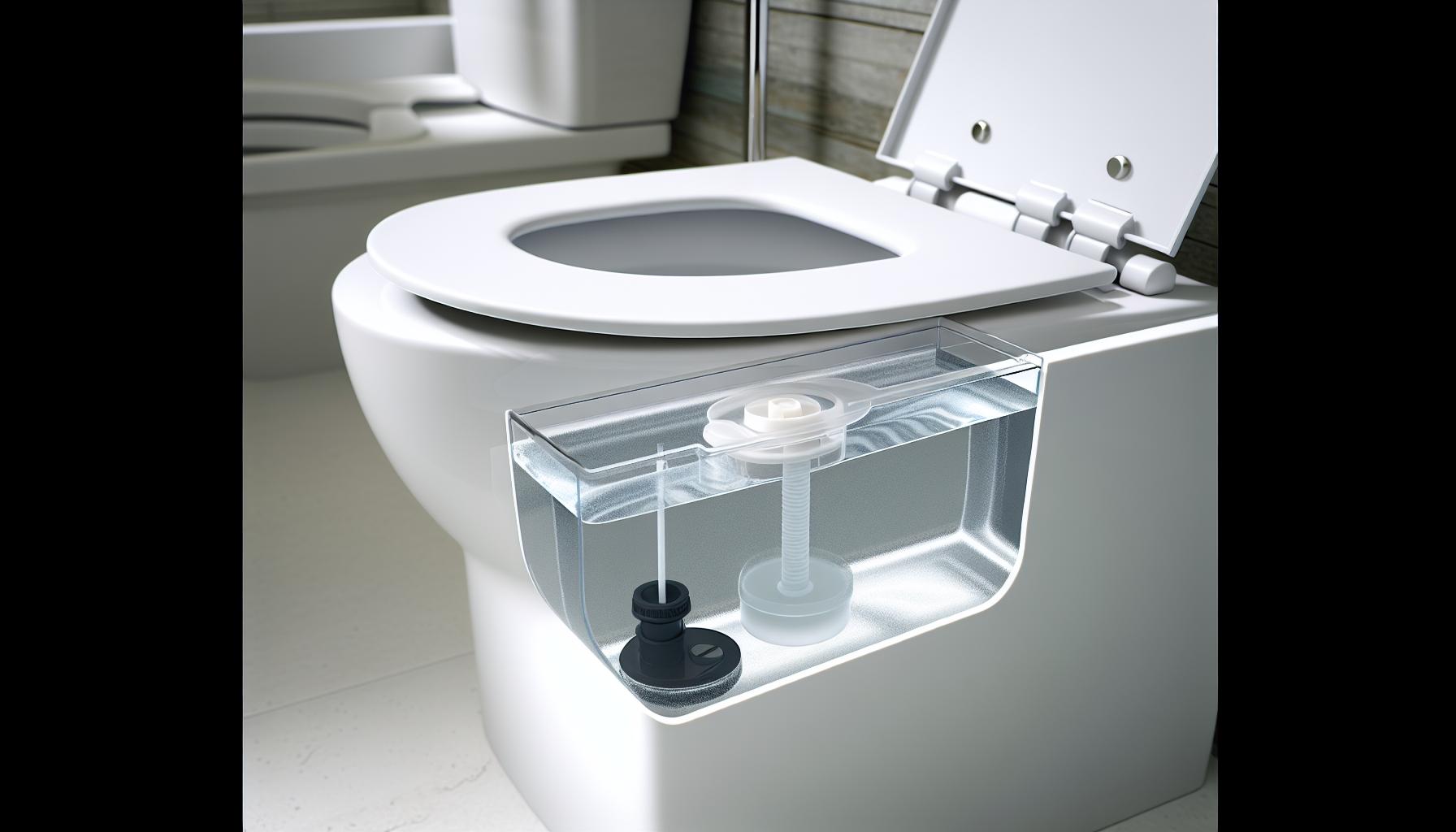
The Role of Water Pressure in Toilet Performance
Water pressure is often an overlooked factor when considering the strength of a toilet flush, yet it plays a crucial role in how effectively waste is cleared from the bowl. While gravity does most of the heavy lifting in traditional toilets, the supply water pressure feeding the tank can influence how quickly the tank refills after each flush, indirectly affecting the overall flushing cycle. Low household water pressure can lead to slow tank refills, which might cause longer wait times between flushes and sometimes result in weak flush performance, especially in water-efficient models designed to use minimal water per flush.
In many homes, the municipal water pressure averages between 40 and 80 psi, which is generally sufficient to maintain proper toilet function. However,in properties with inconsistent or low pressure,toilets may struggle to fill quickly or achieve optimal flushing force.Installing a pressure-assist toilet system can be a game changer in such scenarios as these units use pressurized air inside the tank to amplify flushing power significantly beyond what gravity alone can provide. This design harnesses water pressure more directly, delivering a forceful and reliable flush even in low-supply-pressure settings.
Maximizing Flush Power Through Water Pressure Management
- Regularly Check Supply Valve and Lines: Ensure the shut-off valve fully opens to maximize water flow. Partially closed or clogged valves and supply lines can reduce water pressure leading to weaker flushes.
- Water Pressure Booster Pumps: For homes with chronically low pressure, installing a booster pump can enhance the water supply pressure to toilets and other fixtures, improving overall efficiency.
- Pressure-Assist vs. Gravity-Flush Toilets: Understand that while gravity-flush models depend mostly on water volume and tank height for power, pressure-assist models leverage supply water pressure to create a stronger, more vigorous flush.
In some cases, localized plumbing issues such as sediment buildup or corroded pipes may reduce water pressure, further diminishing flush strength. Flushing problems can sometimes be traced back to these hidden factors, emphasizing the value of routine plumbing maintenance. Homeowners should also consider water-saving upgrades thoughtfully, as ultra-low-flow toilets use less water and may appear to flush weaker, but modern designs often compensate with improved pressure dynamics and bowl design.
By focusing on water pressure-not just water volume-households can gain better control over their toilet’s flushing performance. Whether by adjusting supply mechanisms, replacing components, or upgrading to pressure-assist systems, optimizing water pressure is a dependable strategy to achieve a cleaner, stronger flush every time.
Installing Pressure-Assist Toilets vs. Gravity-Flush Models
One of the most effective ways to dramatically enhance flushing power in your bathroom is by considering the type of toilet you install. The choice between pressure-assist toilets and traditional gravity-flush models centers on how flushing force is generated, and this decision can have a real impact on performance, maintenance, and water efficiency.
pressure-assist toilets take advantage of your home’s water pressure by trapping air inside a sealed tank, effectively compressing it to create a powerful burst of water during each flush. This pressurized system can clear waste rapidly and thoroughly, making it an excellent option for households with larger families, frequent use, or persistent flushing problems. Moreover, these systems typically use less water per flush than traditional toilets, marrying strength with efficiency-a win-win in today’s water-conscious environment. Though, they tend to be more complex mechanically, can be noisier during operation, and generally come at a higher price point both for initial purchase and potential repairs.
In contrast, gravity-flush toilets rely solely on the force of gravity pulling water from a high-set tank into the bowl. While this approach is simple and time-tested, flush strength depends heavily on tank height, water volume, and overall design. Gravity models are typically quieter and less expensive up front but may suffer from weaker flushes,especially in low-flow versions aimed at water savings. In areas with reduced household water pressure or older plumbing,gravity-flush toilets might struggle to maintain strong performance without additional adjustments or upgrades.
- Installation Considerations: Pressure-assist systems usually require a sturdier toilet base and more complex connections, so professional installation is often recommended. Gravity-flush toilets offer easier retrofitting to existing plumbing and can often be replaced as a DIY project.
- Maintenance Factors: With fewer moving parts, gravity-flush models generally involve simpler upkeep. pressure-assist units may require more frequent inspection and repair of the pressure mechanisms to sustain optimal performance.
- Flush Power Comparison: Pressure-assist toilets can generate up to 20-30% stronger flushes compared to gravity-flush models, making them highly effective against stubborn clogs or heavy waste loads.
| Feature | Pressure-Assist Toilet | Gravity-Flush Toilet |
|---|---|---|
| Flush mechanism | Pressurized air + water | Gravity-driven water flow |
| Flush Strength | Stronger, more forceful | Moderate, dependent on water volume |
| Noise Level | Generally louder | quieter |
| Water Efficiency | High efficiency with strong flush | Varies; low-flow models less forceful |
| Installation Complexity | More complex; professional recommended | Simple; frequently enough DIY-friendly |
| maintenance | Higher complexity, more parts | Simpler, fewer parts |
For anyone aiming to boost flush power with a longer-term solution, understanding these differences is key. Pressure-assist toilets are the top choice where flush strength is paramount and budget permits, while gravity-flush models remain reliable and practical for everyday use, especially with strategic adjustments to water levels and valves. Whichever you choose, the right combination of flush design and proper installation ensures your toilet performs strongly and reliably every time.
Advanced hacks: Modifying Flush Valves and Tanks
Few upgrades in bathroom maintenance can provide as noticeable a difference as smart tweaks to your toilet’s flush valve and tank components. These parts govern water release speed and volume, which directly affects how forcefully the toilet clears waste. By understanding the mechanisms at play and implementing targeted adjustments,you can revitalize an underwhelming flush without the cost or disruption of a full toilet replacement.
Optimizing the Flush Valve for Maximum Water Flow
the flush valve serves as the gateway releasing water from the tank into the bowl. Larger-diameter valves and flappers allow a faster, more voluminous flow of water, resulting in a stronger flush. Many older or low-flow toilets come equipped with valves that restrict flow to conserve water but compromise effectiveness.Replacing a standard 2-inch flush valve with a 3-inch model can dramatically increase the volume and velocity of water during a flush, pushing waste through with more power.
- Check Valve Size: Inspect your current flush valve diameter and consider upgrading to a wider valve compatible with your toilet model.
- Replace the Flapper: Opt for high-quality flappers that seal tightly but open fully during flushes. Worn or undersized flappers can choke off water flow.
- Use a Flush Valve Booster: Some manufacturers offer booster kits or extended flappers designed to maximize the flush valve opening time, allowing more water to flow before the valve reseats.
Tank Modifications to Enhance Flush Dynamics
Adjusting the tank internals can fine-tune how water gathers and releases. Raising the float to increase the water level near the fill valve’s maximum safe height means more water is stored for each flush. Though, it’s critical not to exceed the tank overflow tube’s top to avoid constant running water.
Another advanced approach is modifying or replacing the tank’s refill tube and rim holes to channel water more effectively around the bowl, sharpening siphon action and preventing residual waste. This technique requires careful assessment of the toilet’s design, as improper adjustments can lead to leaks or inefficient filling.
| Modification | Impact on Flush | Ease of Implementation |
|---|---|---|
| Flush valve upgrade (2″ to 3″) | Increases water volume and speed during flush | Moderate; requires disassembly of tank components |
| High-quality flapper replacement | Improves valve seal and flush consistency | Easy; DIY-friendly |
| Raise tank water level | More water per flush; stronger force | Easy; adjust float arm or fill valve setting |
| Modify refill tube position or rim holes | Enhances bowl rinse action and siphoning | Advanced; may require trial and error |
Practical Considerations and Cautions
While these modifications can elevate flush performance, it’s important to ensure all parts remain compatible with the toilet’s make and model to prevent leaks or mechanical failure. Water efficiency standards should also be maintained to avoid unnecessarily high water use. Testing each change incrementally helps identify the ideal setup for your specific fixture.
Real-world experience shows that even small upgrades, like installing a larger flush valve or adjusting the tank water level, often yield significant improvements in flushing power, especially in gravity-flush toilets. Coupled with routine maintenance and addressing common issues like mineral buildup, these hacks can keep your toilet running cleaner and stronger for years without costly replacements.
Using Add-Ons and Accessories to Enhance flush Power
Many toilet improvements focus on the internal hardware, but a variety of add-ons and accessories can also significantly enhance flush power without major renovation. These devices work by optimizing water flow, improving bowl rinse efficiency, or even boosting water pressure, proving that small investments can yield surprisingly strong results.
One popular category is the flush valve booster kits. These kits attach to existing flush valves and extend the duration the valve remains open, allowing more water to rush from the tank to the bowl. This increased volume and speed of water effectively amplify the flush force, clearing waste more reliably. Many boosters are straightforward to install and compatible with common toilet models, making them an accessible upgrade for DIY enthusiasts.
Another effective enhancement involves rim scrubbers and jet-enhancing inserts installed within the toilet bowl. These accessories focus on improving water distribution around the rim and into the siphon jet hole, intensifying the bowl rinse and strengthening the siphoning effect. Improved siphon action means waste is flushed away more aggressively and reduces the chance of residue build-up-all without increasing water consumption.
For toilets connected to water supplies with lower pressure, pressure-assist kits or pump-boosting devices might be an option. While these are less common and require careful matching to your existing toilet model, they can significantly amplify flush power by augmenting the water pressure during the flush cycle. However, these should be considered after evaluating simpler solutions and ensuring compatibility with your plumbing.
- Flush Valve Booster Kits: Extend flush valve opening for increased water flow.
- Jet and Rim Enhancers: Improve water distribution to strengthen bowl rinse and siphon force.
- Pressure-Assist Devices: Amplify water pressure, ideal for homes with low water supply pressure.
- Replacement High-Flow Flappers: Often included in accessory kits for better sealing and full valve opening.
Choosing the Right Add-Ons for Your Toilet
Compatibility is key: always verify that any accessory is designed to work with your toilet’s brand and model. Proper installation ensures you avoid leaks or operational issues, and manufacturers frequently enough provide detailed instructions or support.When combined with routine maintenance-such as cleaning mineral deposits from jets and valves-these add-ons can keep your toilet flushing powerfully and efficiently for years.
In real-world use,many homeowners experience an immediate,noticeable improvement in flush strength from simple add-ons like flush valve boosters and rim jet enhancements. These solutions provide an excellent middle ground for those unwilling to invest in complete toilet replacements or major plumbing changes, striking a balance between performance enhancement and cost-effectiveness.
Preventing Clogs to Maintain Strong Flush Efficiency
A sluggish flush often signals the early stages of a clog lurking somewhere in the system, and even minor blockages can significantly rob your toilet of its flushing power.Preventing these obstructions before they take hold is one of the most effective ways to maintain strong flush efficiency. Often, a toilet’s ability to clear waste in one go depends as much on how free the drainage path is as it does on the force of water entering the bowl.
Routine maintenance and mindful usage practices play a pivotal role in keeping your toilet clear and flushing powerfully. Avoid flushing anything other than toilet paper and human waste-items like wipes labeled “flushable,” feminine hygiene products, paper towels, and even large amounts of toilet paper can clog drains or slow water movement. If you live in an area with hard water, mineral deposits can build up gradually inside rim jets and siphon tubes, restricting water flow and weakening the flush force. Regularly cleaning these parts with a gentle descaling solution can keep the water pathways clear and ensure maximum pressure during every flush.
Simple Habits That Prevent Blockages
- Moderate Paper Use: Use only what’s necessary to avoid creating dense clumps that resist flushing.
- Flush in Multiple Steps: For larger waste loads, flushing twice rather than trying to clear everything in one go can reduce strain.
- Inspect Toilet Internals: Periodically check for buildup or sediment in the bowl jets and siphon holes and clean as needed.
- Avoid Chemical Drain Cleaners: These can damage toilet components and are frequently enough ineffective; opt for enzymatic cleaners safe for plumbing.
When Prevention Isn’t Enough
Sometimes even the best precautions can’t prevent debris or mineral buildup from affecting flush performance. In such cases, a thorough manual inspection or professional drain cleaning might be necessary, especially if you notice gurgling sounds, slow drainage, or repeated partial flushes. Using a plunger or toilet auger promptly at the first sign of blockage can prevent a simple issue from escalating into a full clog that disrupts your toilet’s efficiency.
Incorporating these preventative measures into your routine not only ensures sustained flush strength but also extends the lifespan of your toilet’s internal parts. With fewer blockages and clean, unobstructed flow paths, every flush utilizes maximum pressure, delivering the solid performance you expect without the frustration of weak or incomplete flushing.
When to Call a Professional for Flush Pressure Issues
Sometimes, despite your best DIY efforts, the cause of a weak toilet flush runs deeper than what simple adjustments can fix. persistent flushing issues frequently enough point to underlying plumbing problems or complex internal component failures that require a professional’s expertise. Addressing these issues early can save you from costly damage, water waste, and ongoing frustration.
If you’ve tried routine maintenance such as cleaning rim jets, adjusting water levels, or clearing minor clogs without noticeable improvement, it’s a clear signal to get expert help. Additionally, if you observe any of the following symptoms, a plumber should evaluate your toilet system promptly:
- Inconsistent or weak flush pressure despite correct water level adjustments. This may indicate hidden leaks,worn-out flush valves,or internal tank damage.
- Constantly refilling tank or running water sounds. such issues can point to faulty flapper valves or fill valves that impact tank pressure and flush force.
- Slow drainage accompanied by gurgling noises in nearby drains. This often signals blockages in the sewer line or venting problems beyond the toilet itself.
- Visible cracks in the tank or bowl, or water pooling around the base. Structural damage can reduce flushing efficiency and lead to leaks.
- Multiple flush attempts required to clear waste consistently. This can be caused by diminished water pressure in your home’s plumbing system or accumulated debris obstructing flow paths.
In certain specific cases, professional plumbers can offer solutions that go beyond cosmetic fixes, such as inspecting the pressure in the supply lines, replacing pressure-assist components, or upgrading to newer toilet models optimized for water efficiency and strong flushes. For example, when water pressure from the municipal supply is insufficient, a plumber might recommend installing a pressure-assist or dual-flush toilet that compensates for low flow conditions. Moreover,professionals have access to specialized tools and knowledge for thorough tank disassembly,valve replacement,and diagnostic tests that reveal hidden plumbing issues not obvious to homeowners.
Signs Professional Intervention Is the Best Choice
- Repeated flush sluggishness despite DIY troubleshooting.
- Complex plumbing configurations beyond your comfort level.
- Unexplained water noises or leaks inside wall cavities or floors.
- Desire to upgrade to advanced toilet technology or install pressure-assist systems.
- Plumbing code considerations or need for permit-compliant installations.
Choosing professional service ensures that flush pressure issues are diagnosed accurately, and solutions are tailored for long-term reliability. This can ultimately prevent water waste, protect your home’s plumbing infrastructure, and deliver the powerful, efficient flush experience you expect. Don’t hesitate to reach out to a licensed plumber if simple fixes fail to restore your toilet’s performance fully-investing in expert care upfront often saves time and money down the line.
Q&A
Q: How does warm water affect the strength of a toilet flush?
A: Warm water can help dissolve clogs and mineral build-ups,indirectly improving flush strength. However, it does not increase flush pressure itself. Using warm water occasionally as a maintenance step can enhance efficiency and prevent weak flushes over time. For more flush improvement tips, see Preventing clogs to Maintain Strong flush Efficiency.
Q: What role does toilet bowl design play in flush power?
A: Toilet bowl shape and trapway size significantly influence flush performance. Bowls with a wider trapway and optimized shape provide smoother drainage and stronger flush action. Consider upgrading to models designed for better hydraulics to boost flush force naturally.
Q: Can adjusting the fill valve speed improve toilet flush power?
A: Yes, adjusting the fill valve speed can stabilize the water level in the tank, ensuring a full flush reservoir for a stronger flush. Slowing the fill valve prevents premature stopping, while optimizing fill speed enhances water pressure consistency during flushing.
Q: Why do dual-flush toilets sometimes have weaker flush pressure, and can this be fixed?
A: Dual-flush toilets frequently enough use less water per flush, which can reduce flush pressure. You can improve strength by adjusting the flush mechanism or modifying the water volume in the tank while still conserving water. Check Upgrading Toilet Components for a Powerful Flush for upgrade ideas.
Q: How can toilet seat weight affect flush performance?
A: A heavier toilet seat can slightly interfere with the flush handle mechanism, causing slower or incomplete flushes.Replacing it with a lighter or soft-close seat ensures smooth handle movement, maintaining optimal flush strength and preventing pressure loss.
Q: What is the impact of water supply line diameter on toilet flush strength?
A: A narrow or partially blocked water supply line restricts water flow, lowering tank refill speed and flush pressure. Upgrading to a wider diameter line or clearing obstructions ensures rapid tank refill and stronger, more consistent flushes.
Q: Is there an eco-friendly way to boost a toilet’s flush power without increasing water usage?
A: Yes, using pressure-assist mechanisms or improving valve efficiency can increase flush power without adding water volume. Installing high-efficiency flush enhancers maintains eco-friendly water use while improving pressure effectiveness.
Q: Can changing the toilet’s flush handle length improve flush power?
A: Yes, adjusting or replacing the flush handle with a longer lever can increase the force applied to the flush valve, resulting in a more powerful and complete flush. This simple modification improves leverage without increasing water pressure.
Explore these additional flush-boost strategies alongside your current fixes for optimum results. For detailed methods, refer to specific sections like Upgrading toilet Components and Advanced Hacks: modifying Flush Valves and Tanks. Stay proactive with maintenance to keep your toilet flushing strong!
Insights and Conclusions
Boosting your toilet flush pressure doesn’t have to be complicated. By applying these simple yet effective hacks, you can enhance flushing power, prevent clogs, and maintain a smoothly running bathroom. Don’t wait until a weak flush turns into a costly problem-take action now and enjoy a more efficient, reliable toilet.
For more practical solutions,explore our guides on common plumbing fixes and water-saving bathroom upgrades. If you want expert advice tailored to your home, consider signing up for our newsletter or scheduling a consultation with our trusted specialists.Have questions or tips of your own? Share your experiences in the comments below-we love hearing from our community!
Remember, improving toilet flush strength is just the start. Check out related topics like “How to Fix a Running Toilet” and ”Top Water Pressure Boosting Tips” to keep your home’s plumbing at peak performance. Your next flush could be stronger than ever-make it happen today!
Get our latest guides, news, and insights highlighted in your Google Search & AI Overviews.