Can You Flush a Car AC Evaporator? HVAC System Cleaning
Your carS air conditioning system relies heavily on the evaporator to keep the cabin cool and cozy. Over time, dust, mold, and debris can build up within this crucial component, reducing efficiency and causing unpleasant odors. But can you safely flush a car AC evaporator as part of HVAC system cleaning? Understanding the right methods to clean your evaporator not only improves air quality but also extends the lifespan of your AC system, saving you money and hassle down the road. If you’ve noticed weaker cooling or musty smells from your vents, this guide will walk you through the benefits, risks, and best practices of flushing your car’s AC evaporator, helping you decide if it’s the right solution for your situation. Read on to learn how proper maintenance can restore fresh airflow and keep your vehicle’s HVAC system running smoothly.
Can You Flush a Car AC Evaporator? Myths and Facts
Flushing a car AC evaporator is a topic surrounded by both legitimate concerns and common misconceptions.Many vehicle owners wonder if this component-hidden deep within the HVAC system-can or should be flushed to improve performance, air quality, or longevity. The straightforward answer is yes, but with importent caveats that depend largely on how the process is carried out and the condition of the AC system itself.
One pervasive myth is that flushing the evaporator is always necessary or guarantees a “fix” for AC problems. In reality, the evaporator generally accumulates dust, organic debris, and sometimes mold or bacteria, but it rarely harbors the kind of metal shavings or sludge that mandate a harsh mechanical flush like you might see in the condenser or lines. Over-flushing or using improper fluids can inadvertently damage delicate evaporator fins or seals,leading to leaks or compromised cooling performance.
Key facts to consider:
- The evaporator can be flushed-but carefully. Using specialized AC flush fluids designed to break down grime without harming internal components is essential. As some automotive workshop experts suggest,it’s common practice to flush evaporators with denatured alcohol or dedicated AC flush agents to remove contaminants before recharge,especially if the system contacted refrigerant contaminants or failed components [[3]](https://forum.aircondition.com/forum/main-forum/3007-flushing-an-automotive-ac-system).
- Flushing isn’t the same as cleaning the cabin air filter or ducts. Many people confuse evaporator maintenance with replacing or cleaning the filter or vents. while those help air quality, only a flush can dislodge internal buildup safely inside the evaporator core.
- Not every AC issue warrants a flush. If your evaporator is affected by mild microbial growth or dust, a fumigation or biocide spray sometimes suffices. Flushing becomes necessary only if there is evidence of contamination from compressor failure or system breakdowns, which can introduce metal particles or oil sludge into the evaporator coil [[1]](https://www.hella.com/techworld/us/technical/car-air-conditioning/flushing-the-car-ac-system/).
Proper flushing can extend your AC’s life and improve its efficiency, but it requires precision and the right materials to avoid costly damage. Understanding these realities helps owners and technicians make informed decisions rather than fall victim to hearsay that flushing is a quick fix for all evaporator problems.
How a Car AC Evaporator Works and Why It Gets Dirty
Few components in a car’s air conditioning system are as crucial-or as easily overlooked-as the evaporator. This compact heat exchanger is responsible for the cooling effect inside your vehicle by absorbing heat from the cabin air and transferring it to the refrigerant. As warm air from the passenger compartment passes over the evaporator coil, the refrigerant inside absorbs heat energy and evaporates, resulting in the cold air that blows through your vents.
However, this process places the evaporator in a challenging environment that naturally invites dirt and contaminants. Because the evaporator coil is typically located behind the dashboard and exposed to air pulled directly from outside or the cabin itself, it inevitably collects dust, pollen, and other airborne particles. Over time, moisture from condensation forms on the evaporator’s surface during operation, creating a damp environment perfect for mold, mildew, and bacterial growth. These microorganisms not only degrade air quality but can also impair cooling efficiency by clogging tiny fins and passages designed to maximize heat exchange.
- Dust and debris buildup: Air entering the HVAC system carries dust and environmental pollutants that accumulate on the evaporator fins, reducing airflow and heat transfer.
- Moisture accumulation: Condensation from temperature changes encourages microbial growth, creating unpleasant odors and potential health hazards.
- Residual refrigerant oil and dirt: Occasional system leaks or compressor wear may introduce oily residues, which bond with dirt and exacerbate clogging inside the coil.
Such operational realities explain why the evaporator gradually loses efficiency and why a surface that seems hidden works harder every season. Without periodic attention, this build-up can restrict airflow, reduce cooling capacity, increase system strain, and even encourage corrosion or leaks. Understanding the evaporator’s role and its exposure to contaminants is key to appreciating why maintenance-such as flushing or specialized cleaning-is sometimes necessary to restore both performance and cabin air quality.
Signs Your Car AC Evaporator Needs Cleaning
A car’s AC evaporator often goes unnoticed until subtle clues signal it needs attention.Because the evaporator traps moisture and airborne particles during operation, it can become a breeding ground for mold and mildew, which not only compromises air quality but also reduces cooling efficiency. Being alert to early warning signs can save you time, money, and discomfort by addressing the problem before it worsens.One of the most common indicators is a musty or moldy odor coming from the AC vents, especially when starting the system. This unpleasant smell usually stems from microbial growth on the damp evaporator core or within the air ducts. While unpleasant on its own,this condition can aggravate allergies or respiratory issues if left untreated[1][2]. Additionally, a noticeable reduction in cooling performance-where the air blows less cold or airflow feels restricted-often points to dirt and debris clogging the evaporator fins, hindering heat exchange.
Other practical signs to watch for include:
- Increased humidity inside the cabin: A dirty evaporator struggles to condense moisture effectively, leaving the interior feeling clammy or moist.
- Water dripping inside the cabin or unusual puddles: Blocked drain passages from accumulated slime or dirt can cause water to leak from the evaporator area.
- Unusual noises when the AC runs: Obstructions or buildup may cause the system to work harder, leading to sounds such as gurgling or hissing.
- Persistent fogging on windows: If the AC cannot adequately remove moisture from the air, windows may fog up more frequently and resist defogging attempts.
regular awareness of these symptoms helps you take timely action-whether that means a simple flush, disinfecting treatment, or professional cleaning-to restore fresh, cool air and optimal function to your vehicle’s HVAC system.
Safe Methods to Flush and Clean the AC Evaporator
Few components in a car’s air conditioning system accumulate as much grime and biological buildup as the evaporator coil. Flushing this delicate core effectively without causing damage requires precision and the right approach. fortunately, there are safe, proven methods that car owners and technicians alike can rely on to restore cleanliness and keep the system running smoothly.
One of the most widely recommended methods is using specialized evaporator cleaner sprays-formulated as foams or liquids-that are designed to break down dirt, mold, and bacteria safely without the need to disassemble the entire HVAC system. These cleaners are typically applied directly into the air intake vents or through the cabin air filter housing, allowing the foam to penetrate the evaporator core’s fins and dissolve contaminants. After submission, the remaining solution and loosened debris drain out through the AC condensate drain, flushing away buildup while disinfecting the system. This method’s appeal lies in its simplicity and low risk, making it ideal for routine maintenance or treating mild to moderate contamination [[1]](https://sanddancetyre.com/blog/how-to-clean-car-ac-evaporator-without-removing/).
Effective Flushing Techniques Without Full Removal
- Foam-based aerosol cleaners: these expand into the evaporator core’s fins to reach hard-to-access areas,loosening dirt without abrasive damage.
- liquid sprays with antimicrobial agents: Designed to kill mold and bacteria while gently dissolving grime that impedes airflow.
- Compressed air blowouts: Used carefully after chemical treatment to expel residual debris through the condensate drain or access points.
It’s essential to operate in a well-ventilated area and wear protective gloves and eyewear, as some cleaning agents contain chemicals that can irritate skin and eyes.Also, be sure not to oversaturate the evaporator with cleaning liquid, as excess moisture can foster further microbial growth if not properly drained.
Why Professional cleaning Sometimes Makes Sense
While DIY flushes work well for regular upkeep, severe cases of buildup might require professional intervention. Experts can safely access the evaporator core by partially dismantling the dashboard and employ pressurized flush units or ultrasonic cleaning for a more thorough cleanse. Additionally, they can inspect and clear clogged drain tubes, a common culprit behind water leaks inside the cabin.
Tips for Maximizing Cleaning Results
- Use cleaners specified for automotive AC systems: Avoid household or generic cleaners that may damage the evaporator surface or rubber seals.
- Run the AC fan during and after application: This helps distribute the cleaning agent evenly and accelerates drying.
- Check and replace the cabin air filter: A dirty filter diminishes airflow and reintroduces contaminants to the evaporator.
By adopting these careful, evidence-based flushing methods, you can extend the lifespan of your AC evaporator, ensure fresher air quality, and maintain efficient cooling without costly repairs or replacements.This approach balances convenience and effectiveness while minimizing environmental impact often associated with improper chemical usage or disposal.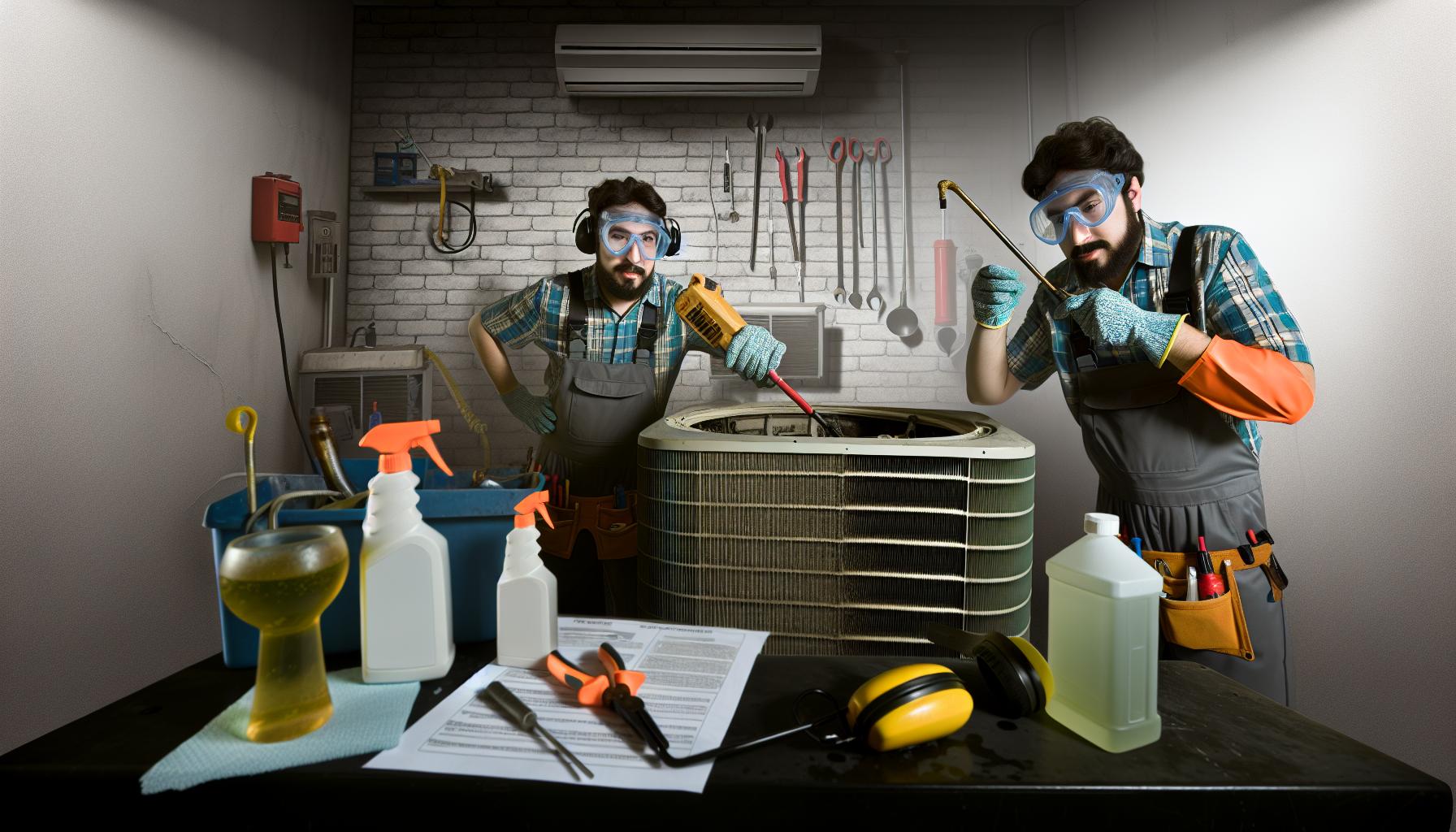
Tools and Materials Needed for Flushing the Evaporator
Few car maintenance tasks highlight the blend of simplicity and precision like flushing the AC evaporator. Without the right tools and materials, what seems straightforward can quickly turn into a messy, ineffective job or worse, damage the delicate evaporator core. Having a well-prepared kit not only guarantees a more thorough cleaning but also safeguards your vehicle’s HVAC components and indoor air quality.
To effectively flush the evaporator, start with specialized automotive AC evaporator cleaners. These come in either foam or liquid spray forms and often contain antimicrobial agents tailored to dismantle mold, mildew, and accumulated grime without compromising metal fins or rubber seals. It’s crucial to select products explicitly formulated for automotive AC systems rather than homemade remedies or household cleaning agents to avoid corrosion or lingering residues.Complementing the cleaner, you’ll need access tools to reach the evaporator core without full disassembly-this often includes a set of flexible nozzle extensions or long spray tubes that help deliver the cleaning solution deep inside the vents or air intake ducts. In some cases, compressed air can be used as a non-liquid flush step to blow out loosened debris or dry moisture trapped after cleaning. However, this requires proper safety gear and controlled pressure to avoid damaging fins.
Essential Items at a Glance
- Automotive AC evaporator cleaner (foam or liquid): Specifically designed to dissolve dirt and microbes without harming system components.
- Flexible spray nozzle or extension tube: For reaching confined evaporator areas through cabin air filter slots or vent openings.
- Protective gloves and eyewear: Chemical cleaners can irritate skin and eyes, so safety is paramount.
- Compressed air source (optional): For clearing out residual solution or debris post-flush-use cautiously to prevent damage.
- Distilled water or automotive AC flush fluid: Sometimes used as a rinse to remove cleaner traces and contaminants after initial treatment.
- Clean microfiber cloths or shop towels: Useful for wiping surrounding areas and preventing drips from entering unintended parts.
- Replacement cabin air filter: As dirty filters contribute heavily to evaporator contamination, replacing it during or after flushing enhances results.
In certain professional or advanced DIY scenarios, additional equipment such as pressurized flushing kits or ultrasonic cleaners may be utilized. These allow for more thorough penetration and debris removal but require careful handling and experience to operate safely. For most car owners, sticking to quality foam or spray cleaners alongside proper application tools will suffice.
clear your work area and ensure good ventilation, as many AC cleaning agents release fumes that can be unpleasant or hazardous in closed spaces. Taking these preparatory steps and assembling the right materials empowers you to clean your car’s AC evaporator effectively-restoring performance and freshness with confidence.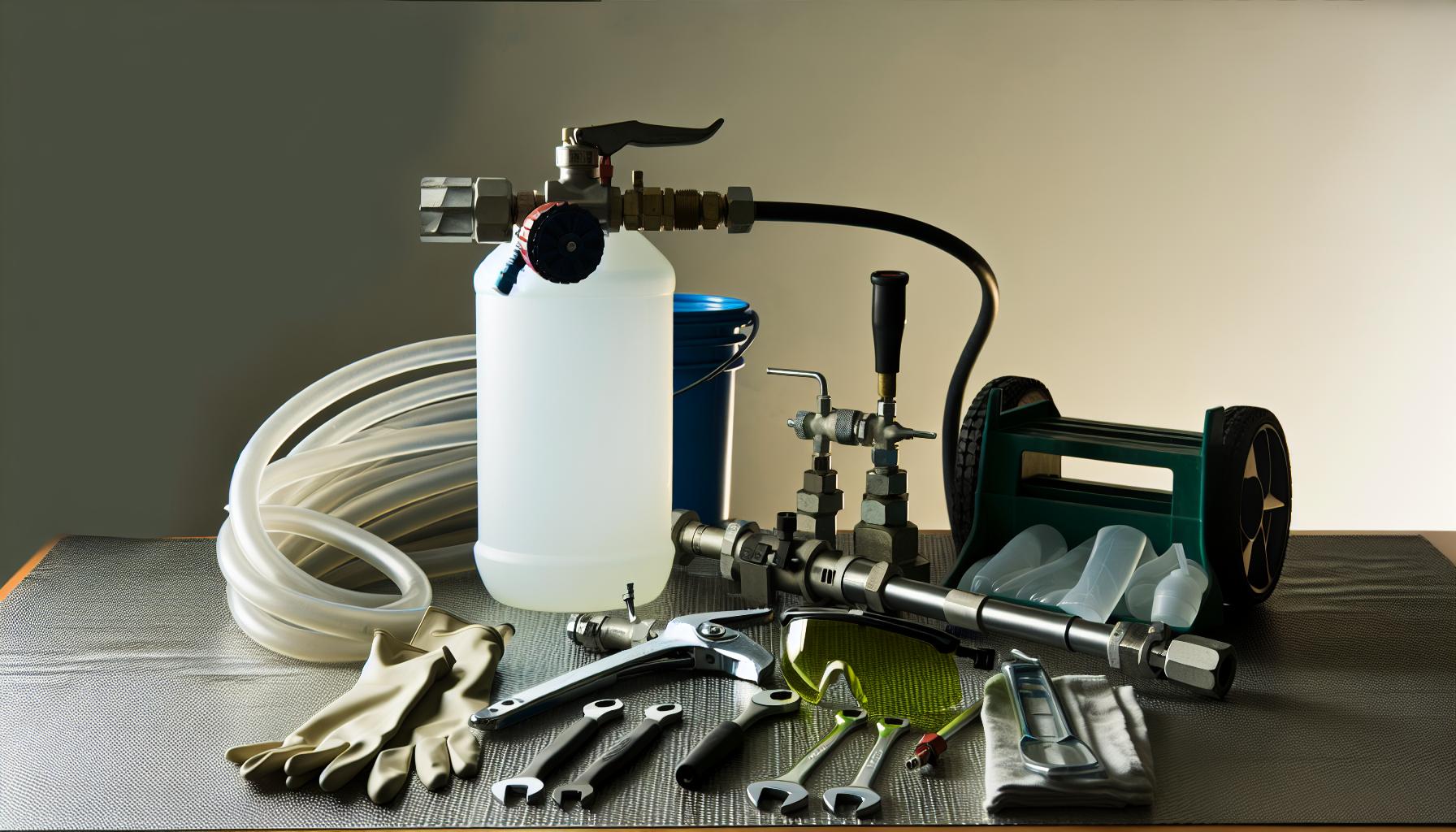
Step-by-Step Guide to Flushing a Car AC Evaporator
Flushing the AC evaporator is a rewarding process that can significantly restore your car’s cooling efficiency and freshen the air inside the cabin. The key to success lies in a careful, methodical approach that balances effective dirt and microbial removal without risking damage to the delicate fins or seals inside the HVAC system. Before beginning, ensure the vehicle’s engine is off and the AC system is depressurized, as this prevents unwanted emissions or fluid leaks during cleaning.
Start by locating the evaporator core, which is typically found behind the dashboard or under the glove compartment. Accessing it often involves removing the cabin air filter and opening the air intake ducts, which are common entry points for flushing agents. Using a flexible spray nozzle or extension tube attached to your chosen automotive AC evaporator cleaner-preferably a foam formula-gently apply the cleaner deep into the evaporator’s fins and surrounding vents. The foam’s expanding action helps lift away stubborn mold, mildew, and accumulated dust without excessive moisture. Allow the cleaner to dwell as per the product instructions, commonly around 10 to 15 minutes, to maximize microbial breakdown.
Following the application, rinse the evaporator cautiously with distilled water or a specialized AC flushing fluid if recommended, ensuring that excess liquid does not saturate electrical components or drip into the cabin. Using compressed air at a low pressure can assist in removing remaining debris and moisture; though, proceed carefully as strong blasts can bend the thin evaporator fins and compromise airflow. replace the cabin air filter with a new one to prevent future buildup and reassemble the components carefully. Running the AC system on maximum fan and cooling settings for a few minutes post-cleaning helps dry any residual moisture and restores normal airflow.
Helpful Tips for an Effective Flush
- Wear protective gloves and eyewear: Many AC cleaners contain chemicals that can irritate skin and eyes.
- Work in a well-ventilated area: Cleaning agents may emit fumes harmful in enclosed spaces.
- Avoid excessive moisture: Too much water can lead to corrosion or mold growth inside ducts.
- Use only products formulated for automotive AC systems: household cleaners may damage seals or leave residues.
This step-by-step approach balances thoroughness with caution, ensuring a cleaner evaporator without introducing harmful side effects.With practice and proper tools, flushing your car’s AC evaporator becomes a straightforward maintenance task that keeps the climate system running smoothly and the air quality crisp. For those less comfortable with disassembling parts or using pressurized equipment, professional service remains a wise choice.
Common Mistakes to Avoid When Cleaning Your Evaporator
Few things can undermine your car’s AC performance more than improper cleaning attempts that cause more harm than good. Many car owners unintentionally damage their evaporator by overlooking the delicate nature of its components. As an example, applying excessive water or harsh cleaning chemicals can corrode metal parts, degrade seals, or leave behind residues that trap dirt rather than remove it. Rather than improving airflow,this results in further clogging and unpleasant odors.
Another frequent pitfall is rushing the drying process.The evaporator’s fins and housing are prone to moisture retention if not carefully dried, creating an ideal environment for mold and mildew growth.Running the AC at full blast after cleaning without ensuring the area is sufficiently dry can exacerbate this problem, counteracting your efforts and even impacting cabin air quality.
Access-related errors also rank high on the list. Many assume they can skip removing the cabin air filter or neglect to open all necessary ducts, which limits the cleaning agent’s reach and leaves behind stubborn buildup. Conversely, improper disassembly or forced penetration into the HVAC system risks breaking fragile fins or misaligning components-a costly mistake that could compromise system efficiency or require professional repairs.
- Using non-automotive or household cleaners: these can damage the evaporator’s thin fins and rubber seals, void warranties, or leave harmful residues.
- Employing high-pressure sprays indiscriminately: strong jets of water or air can bend delicate fins or push debris deeper into inaccessible areas.
- Skipping safety gear and ventilation: Ignoring protective gloves, eyewear, or airflow exposes you to harmful fumes and irritants common in AC cleaners.
- Forgetting to replace or clean the cabin air filter afterwards: A clogged or dirty filter will quickly negate the benefits of your cleaning effort.
Triumphant evaporator cleaning combines patience, appropriate tools, and a respect for the system’s complexity. Avoiding these common errors not only protects your vehicle but also ensures improved cooling efficiency and healthier cabin air. When in doubt, consulting a professional can prevent costly damage while delivering a thorough, safe flush tailored to your car’s specific needs.
Benefits of Regular HVAC System Cleaning for Your Car
Keeping your car’s HVAC system clean isn’t just about comfort; it has a significant impact on the overall health and longevity of your vehicle’s air conditioning. Regular cleaning of the evaporator and related components ensures that the system functions smoothly, providing consistent cooling and better air quality inside the cabin. Dust, mold, and other contaminants accumulate over time, restricting airflow and forcing your AC to work harder, which can lead to quicker wear and ultimately expensive repairs.
Improved Cooling Efficiency and Energy savings
A clean evaporator allows refrigerant to absorb heat more effectively, which means your AC doesn’t have to run as long or as hard to maintain the desired temperature. This efficiency reduces strain on the compressor and other parts, improving fuel economy in the process. For drivers who rely heavily on their AC, especially in hot climates, this translates into noticeable performance benefits and savings on fuel costs over time.
Healthier Cabin air Quality
The HVAC system acts as the lungs of your car’s interior environment. Contaminants like dust, pollen, bacteria, and mold spores that accumulate on the evaporator and inside air ducts can circulate continuously, triggering allergies or respiratory discomfort for you and your passengers. Regular cleaning lowers the risk of unpleasant odors and keeps the air fresh, making each drive more comfortable and safer for sensitive individuals.
Reduced Risk of System Failures
Neglected dirt and debris can clog drains or corrode components in the evaporator assembly. this may cause water leaks inside the vehicle, electrical issues, or compressor breakdowns. By flushing the evaporator periodically, you help prevent these malfunctions, extending the life of your AC system and avoiding costly emergency repairs.
- Maintains optimal airflow: Clean evaporator fins and ducts ensure efficient circulation.
- Prevents mold and mildew buildup: Helps avoid dampness that fosters microbial growth.
- Protects surrounding components: Reduces corrosion risks to metal parts and rubber seals.
Many vehicle owners underestimate the effect of routine HVAC maintenance but considering its direct connection to your driving comfort and health, it’s an investment that pays dividends. Whether you choose to perform basic upkeep yourself or opt for professional cleaning, staying proactive keeps your AC system ready to deliver consistently cool, clean air throughout the year. As an example, workshops offering specialized AC evaporator cleaning services report improved client satisfaction through enhanced cooling performance and fresher interior air quality after servicing[[[[[2]](https://www.nextgenautocare.co.in/ac-evaporator-cleaning).
In essence, regular HVAC system cleaning is a straightforward yet vital practice that protects your vehicle’s value while enhancing your everyday driving experience.
When to Seek Professional AC Evaporator Cleaning Services
When your car’s air conditioning struggles to deliver cool air despite routine upkeep, it’s frequently enough a clear sign that a deeper, professional-level cleaning of the evaporator might be necessary. While DIY flushes and cleaner sprays can handle minor dirt buildup, certain issues require specialized tools and expertise to avoid damaging sensitive components or missing hidden contaminants. Professionals bring a comprehensive approach that ensures the entire HVAC system-including hard-to-reach areas-is properly cleaned and inspected.
Routine professional cleaning becomes particularly important if you notice persistent musty odors, reduced airflow, or visible moisture leaking inside the cabin. These symptoms often indicate mold growth or clogged drainage channels that simple at-home treatments cannot fully address. Additionally, when your AC system shows inconsistent cooling or unusual noises, a trained technician can diagnose underlying problems related to evaporator corrosion or refrigerant flow restrictions, which might get overlooked without advanced diagnostic equipment.
When to consider Professional Intervention
- Evaporator access is complex: Some vehicles require dashboard or glove box removal to reach the evaporator core safely, a task best handled by technicians.
- Persistent foul odors: Lingering smells suggest deep fungal or bacterial buildup requiring targeted antimicrobial treatments unavailable in consumer-grade products.
- Visible moisture or leaks inside: Standing water or wet carpets indicate clogged condensate drains that call for professional clearing to prevent mold spread and electrical damage.
- Declining AC performance despite DIY care: If repeated flushes and filter changes fail to restore cooling output, an expert evaluation can reveal hidden faults.
- Recent AC system repairs: After compressor replacement or refrigerant recharge, a professional cleaning ensures contaminants don’t compromise new components.
Value of Professional cleaning Services
Investing in expert maintenance often results in longer system life and improves air quality far beyond the capabilities of over-the-counter cleaners. For example, top-tier auto repair shops employ specialized evaporator-cleaning solutions and pressurized foggers that sanitize internal ducts without dismantling the entire dashboard. These services may also come with warranties or system checks that provide peace of mind, especially for high-mileage vehicles prone to HVAC wear.
while many car owners successfully perform basic evaporator flushing on their own, professional services become essential when access is limited or problems persist. Timely expert intervention not only restores peak cooling performance but also minimizes costly repairs and health risks from mold and allergens circulating inside your vehicle. When in doubt, consulting a trusted HVAC specialist is a smart step to safeguard your car’s comfort and longevity.
For detailed walkthroughs on how professionals tackle evaporator cleaning, including methods and product recommendations, exploring tutorial videos and community forums can offer additional guidance and set expectations before entrusting your vehicle to a service center [[1]](https://www.reddit.com/r/autorepair/comments/vdrfvs/cleaning_car_evaporator/)[[[[[2]](https://www.youtube.com/watch?v=7R70SEWLX0g).
Impact of Evaporator Cleaning on AC Performance and Air Quality
Few automotive upkeep tasks can improve your driving comfort as noticeably as cleaning the AC evaporator. Over time,the evaporator accumulates dust,mold,and other contaminants,which severely hinder airflow and cooling capacity. By flushing and cleaning this crucial component, you restore the AC’s ability to efficiently regulate cabin temperature while simultaneously enhancing the air quality inside your vehicle-resulting in a fresher, healthier environment beyond just cooler air.
When a buildup forms on the evaporator’s fins or inside its coils, heat exchange becomes less effective. This makes the compressor and other system components work harder, increasing energy consumption and perhaps causing premature wear. A clean evaporator facilitates more efficient refrigerant evaporation,amplifying cooling performance and reducing strain on the entire HVAC system. This efficiency can also translate to better fuel economy, as the engine experiences less load from running an overworked air conditioner [[1]](https://www.3mcarcaresholinganallur.com/latest-update/fresh-air-inside-your-vehicle-3m-car-ac-evaporat/13).
Beyond temperature control,dirty evaporators often foster unwanted odors and airborne allergens in the car cabin. Moist conditions encourage mold and bacterial growth on the evaporator surface, which can circulate musty smells and irritants through your vents. Regular cleaning not only eliminates these contaminants but also improves the overall air quality by allowing fresh, clean air to flow freely-a vital benefit for allergy sufferers or those sensitive to poor indoor air[[[[[2]](https://www.tiktok.com/@underchargers/video/7378662274707311878). In fact, a neglected evaporator can significantly degrade your driving experience by turning the cabin into a source of discomfort or even health concerns.
Enhancing longevity and Consistency
Routine cleaning contributes to consistent AC performance by preventing drainage blockages and corrosion, common problems linked to dirt and biological debris buildup. These issues often manifest as fluctuating cabin temperatures or intermittent airflow, frustrating symptoms that cleaning can resolve effectively. Furthermore, by avoiding clamp failures or drain leaks through upkeep, you reduce the risk of costly repairs, preserving your vehicle’s HVAC investment over time.
Key Benefits at a Glance
| Benefit | Impact on AC System & Cabin |
|---|---|
| improved Cooling Efficiency | Better heat exchange,quicker cabin cool-down,less compressor strain |
| Enhanced Air Quality | Reduced mold,allergens,and unpleasant odors |
| Energy & Fuel savings | Lower HVAC energy demand,improved fuel economy |
| Increased System Longevity | Fewer component failures,reduced maintenance costs |
In essence,flushing and maintaining the evaporator is not just about fixing poor cooling-it’s a preventative measure that keeps your entire AC system running efficiently and your vehicle cabin fresh and inviting. Whether you choose DIY methods for minor maintenance or professional cleaning for thorough care, addressing evaporator cleanliness regularly is key to enjoying a comfortable, health-conscious drive [[3]](https://www.nextgenautocare.co.in/ac-evaporator-cleaning).
Alternative Maintenance Tips to Keep Your AC Evaporator Clean
Few vehicle owners realize that maintaining a clean AC evaporator doesn’t always require intensive flushing or professional servicing. Simple, consistent habits incorporated into your regular car care routine can significantly reduce dirt accumulation and microbial growth on the evaporator, promoting better air quality and system performance without the hassle of deep cleaning.
One of the most effective preventative steps is regularly replacing or inspecting the cabin air filter. This filter acts as the first line of defense, trapping dust, pollen, and debris before they reach the evaporator coil. Using a high-quality cabin filter, and swapping it every 15,000 to 20,000 miles-or more frequently in dusty or pollen-heavy environments-can drastically reduce contaminants on the evaporator surface. Another key tip is to keep the AC system dry by running the fan for a few minutes after switching off the air conditioner. This helps evaporate residual moisture inside the evaporator housing, discouraging mold and mildew development that thrive in damp conditions.
Routine Cleaning and Vent Maintenance
Keeping the AC vents and ducts clean complements evaporator maintenance. Wiping down vents with an antibacterial cleaner and vacuuming dust buildup from inside the cabin prevents particulates from circulating back into the AC system. Additionally,periodically spraying a non-acidic evaporator cleaner foam through accessible vents can definitely help dislodge light dirt and biofilm deposits without the need for full system flushing.Always ensure you use products specifically designed for automotive AC components to avoid damage.
Smart Usage Habits to Extend evaporator Life
Driving habits can also impact evaporator cleanliness. For example,avoiding prolonged AC use in extremely humid conditions without occasional fan-only operation helps reduce condensate accumulation. When parking your car, leaving windows slightly cracked (where safe and practical) can promote air circulation and reduce moisture buildup. In regions with heavy pollen or dusty roads, keeping windows closed and using the recirculation mode limits the intake of outdoor contaminants that can lodge deep inside the evaporator.
Summary of alternative maintenance tips:
- Replace cabin air filter regularly with high-quality filters
- Run the fan briefly post-AC use to dry the evaporator
- Clean vents and ducts using mild cleaners and vacuuming
- Use specialized evaporator cleaning foams periodically
- Adopt driving and parking habits that minimize moisture and dirt buildup
By integrating these practical measures, vehicle owners can keep their AC evaporators cleaner longer, ensuring fresher cabin air and more consistent cooling efficiency while reducing the frequency and cost of intensive cleaning or flushing procedures. These thoughtful habits go a long way toward preserving your car’s HVAC system and enhancing your driving comfort.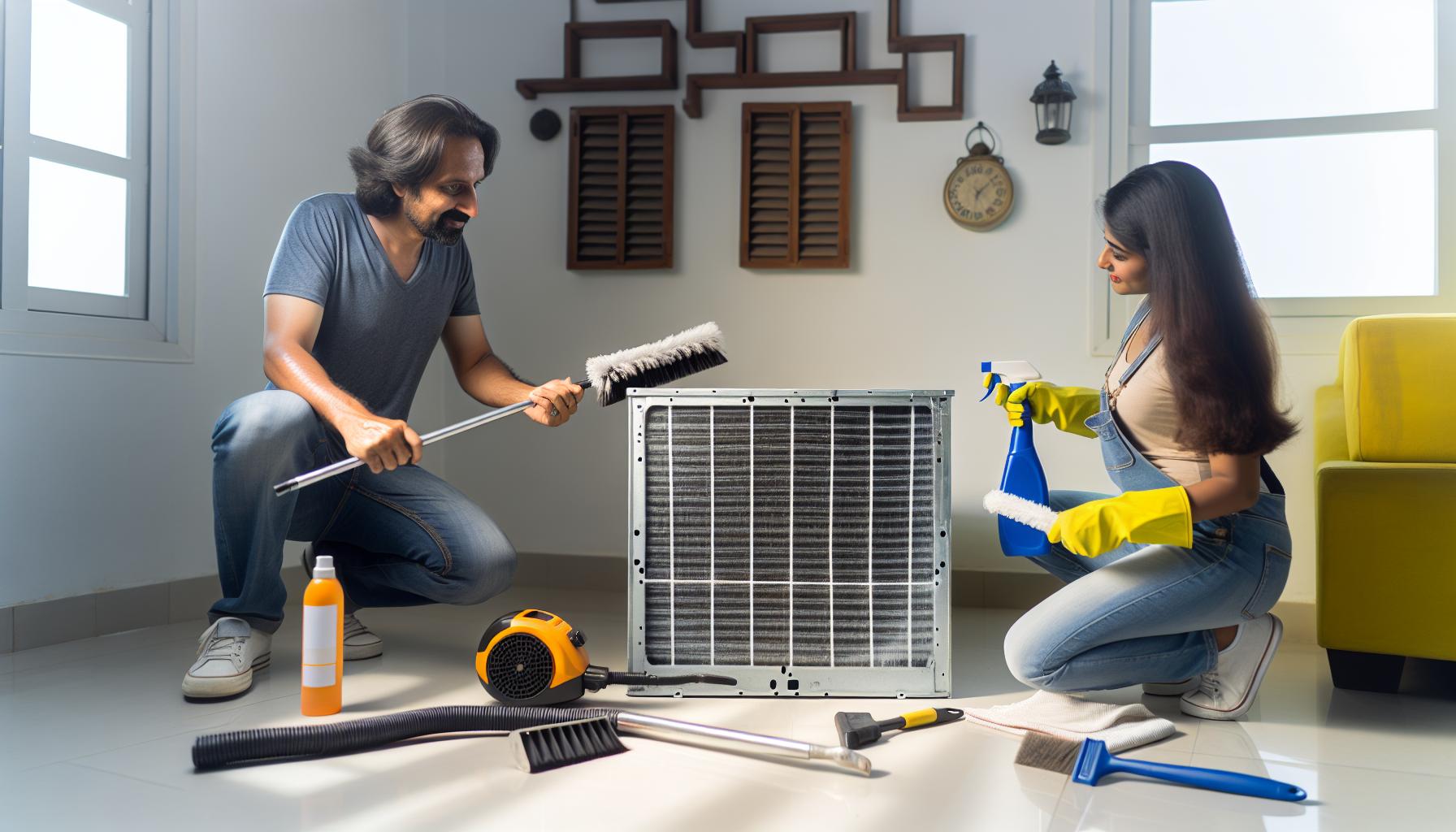
Environmental and Safety Considerations During AC Cleaning
Taking care of your car’s AC evaporator involves more than just cleanliness-it requires mindful attention to environmental and safety aspects that protect both your vehicle and the planet.Many DIYers underestimate the potential hazards posed by the chemicals and processes used in cleaning and flushing AC evaporators. Being aware of these considerations can help you carry out the task effectively,while minimizing unintended harm.when flushing or cleaning the evaporator, avoid releasing hazardous solvents, refrigerants, or contaminants into the environment. Automotive evaporator cleaners often contain chemicals that should never be poured down drains or onto soil, as they may be toxic to aquatic life and disrupt ecosystems. Always use designated containers for waste fluids and dispose of them according to local regulations. If you’re unsure about disposal protocols, consult your municipality or professional service centers to prevent environmental contamination.
Safety Practices to Protect Yourself and Your Vehicle
Working with AC systems means handling delicate components and potentially harmful substances, so wearing protective gloves and eye protection is essential. Some evaporator cleaning agents are corrosive or irritants, and prolonged skin contact or inhalation can cause discomfort or injury. Make sure you work in a well-ventilated area, preferably outdoors or in a garage with open doors and windows, to reduce exposure to fumes.
In addition, avoid using high-pressure water or harsh acidic cleaners that can damage the evaporator coils or electrical parts. The evaporator’s aluminum fins and sensitive coatings are vulnerable, so choose automotive-specific, non-acidic cleaning foams or sprays designed to safely dissolve grime and biofilms without structural degradation. Overly aggressive cleaning not only risks costly repairs but can short-circuit electrical components if moisture seeps into connectors.
Environmental responsibility and Product Selection
Using eco-friendly, biodegradable AC cleaning products can significantly reduce your environmental footprint. Many modern automotive evaporator cleaners are formulated to break down quickly and pose fewer risks to water sources and soil. When shopping for cleaners, look for certifications or labels indicating non-toxicity and reduced ecological impact.This choice supports sustainability while still achieving effective cleaning results.
Quick tips for environmentally and safety-conscious evaporator maintenance:
- Choose biodegradable, automotive-specific cleaning products
- Dispose of wash water and chemical residues at authorized waste facilities
- Wear gloves, eye protection, and ensure good ventilation during cleaning
- avoid high-pressure rinses or harsh chemicals that could harm evaporator components
- Consult professional services for complex flushing to ensure compliance with environmental standards
By embracing these safety measures and environmental responsibilities during AC evaporator cleaning, you not only protect yourself and your vehicle but also contribute to broader ecological stewardship.this mindful approach ensures that maintaining your car’s HVAC system remains a safe and sustainable part of your regular vehicle upkeep.
Frequently Asked Questions
Q: How frequently enough should you flush a car AC evaporator for optimal HVAC system cleaning?
A: You should flush your car AC evaporator every 1 to 2 years or whenever you notice reduced cooling or unpleasant odors. Regular flushing helps prevent mold buildup and ensures efficient airflow.For detailed timing and signs, see the *Signs Your Car AC Evaporator Needs Cleaning* section in the article for best results.
Q: Can flushing the AC evaporator remove mold and bacteria effectively?
A: Yes, flushing the AC evaporator with appropriate cleaning agents can effectively remove mold and bacteria buildup. Use EPA-approved disinfectants and follow safe methods outlined in the *Safe Methods to Flush and Clean the AC Evaporator* section to improve air quality and prevent health risks.
Q: What risks are associated with flushing a car AC evaporator improperly?
A: Improper flushing can cause water damage, corrosion, or reduce AC efficiency. Avoid using harsh chemicals or excessive water pressure.Refer to the *Common Mistakes to Avoid When Cleaning Your Evaporator* for safety tips to protect your HVAC system while flushing.
Q: how does flushing the evaporator impact the overall lifespan of a car’s HVAC system?
A: Flushing the evaporator helps extend your HVAC system’s lifespan by removing debris and preventing blockages that strain components.Regular maintenance as described in our *Benefits of Regular HVAC System Cleaning* section promotes reliable performance and reduces costly repairs.
Q: Are DIY flushing methods as effective as professional AC evaporator cleaning services?
A: DIY flushing can be effective for minor cleaning if done correctly,but professionals use specialized tools for deep cleaning and diagnostic checks. if you experience persistent issues, consult the *When to Seek Professional AC Evaporator Cleaning Services* section to decide when expert help is needed.
Q: What environmentally safe products can be used to flush a car AC evaporator?
A: Use biodegradable, non-toxic, and EPA-approved cleaners designed for HVAC components to flush the evaporator safely. Avoid harsh solvents to protect the environment and vehicle’s interior. See *Environmental and Safety Considerations During AC Cleaning* for recommended products.
Q: How can regular HVAC system cleaning prevent bad odors from the car AC evaporator?
A: Regular cleaning removes mold, mildew, and trapped debris that cause musty odors. Flushing the evaporator improves air flow and eliminates odor-causing bacteria, as covered in the *Impact of Evaporator Cleaning on AC performance and Air Quality* section. Consistent care maintains fresh cabin air.
Q: What are signs that flushing alone isn’t enough to clean the car AC evaporator?
A: if foul odors, reduced cooling, or condensation persist after flushing, deeper cleaning or component replacement may be necessary. Persistent issues frequently enough indicate clogged or damaged evaporators,highlighted in our *When to Seek Professional AC evaporator Cleaning Services* for next steps.
—
For more detailed steps and tips, check out our full guide sections to keep your car’s AC system clean and efficient.
Concluding Remarks
Flushing your car AC evaporator is a crucial step in maintaining an efficient HVAC system and ensuring clean, cool air inside your vehicle. By addressing buildup and grime through proper cleaning methods, you can extend the lifespan of your AC components and avoid costly repairs down the road. If you’re wondering about the best practices or next steps for your car’s HVAC maintenance, exploring our detailed guides on Car AC Maintenance Tips and Signs Your Car AC Needs Servicing can arm you with practical knowledge to keep your system running smoothly.Don’t wait for discomfort or reduced performance to take action-regular evaporator flushing and system cleaning can prevent common issues and enhance air quality promptly. For those ready to optimize their HVAC setup, consider scheduling a professional consultation or signing up for our newsletter to receive monthly expert advice and exclusive offers. Feel free to share your questions or experiences in the comments below; we’re here to help you stay cool and confident on the road while keeping your HVAC system in top shape.
Get our latest guides, news, and insights highlighted in your Google Search & AI Overviews.