How to Replace the Pump on an LG Washing Machine: DIY Repair Guide
Are you tired of dealing with a malfunctioning pump in your LG washing machine? Don’t worry, we’ve got you covered! In this handy DIY repair guide, we will show you step-by-step how to replace the pump on your LG washing machine like a pro. With our expert tips and clear instructions, you’ll have your machine up and running in no time. Let’s dive in and get started on fixing that pesky pump issue once and for all!
Introduction
Replacing the pump on your LG washing machine may seem like a daunting task, but with the right guidance, it can be a manageable DIY repair. The pump is a crucial component that helps to drain water from the machine during the wash cycle. If you notice your washing machine not draining properly, making strange noises, or leaking, it may be time to replace the pump.
Before you begin the repair process, be sure to gather all necessary tools and materials. This includes a new replacement pump specific to your LG washing machine model, screwdrivers, pliers, and a towel to clean up any spills. It’s also a good idea to have a bucket or container on hand to catch any excess water that may come out during the repair.
To start the replacement process, first, unplug your washing machine from the power source to ensure safety. Then, locate the pump at the bottom of the machine. Use your screwdriver to remove the screws holding the pump in place. Once the pump is loose, disconnect the hoses and wires attached to it. Finally, install the new pump by following the reverse steps of removal, connecting the hoses and wires securely and tightening the screws. Plug in your washing machine and test it to ensure the new pump is working properly.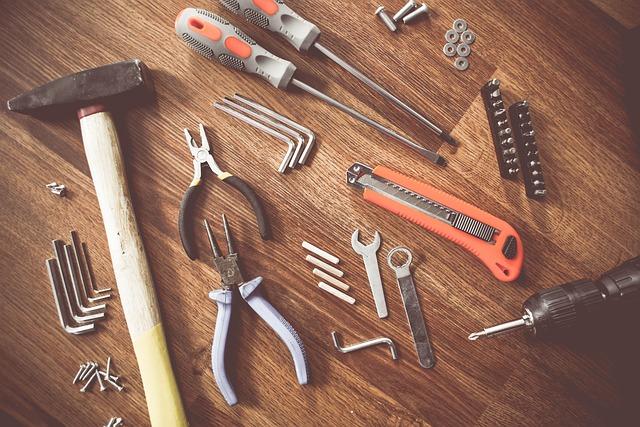
Tools and Materials Needed
– Screwdriver (Phillips and flathead)
- Pliers
- Adjustable wrench
- Socket wrench
- Replacement pump (make sure it’s compatible with your LG washing machine model)
- Towel or rag
- Bucket or container to catch water
- Gloves (optional, but recommended)
- Safety goggles
Having the right tools and materials on hand is crucial when replacing the pump on your LG washing machine. Make sure you have a variety of screwdrivers, pliers, an adjustable wrench, and a socket wrench to efficiently remove the old pump and install the new one. You’ll also need a replacement pump that is compatible with your specific LG washing machine model.
Before you begin the repair process, gather a towel or rag to soak up any excess water, as well as a bucket or container to catch any water that may spill during the pump replacement. It’s also a good idea to wear gloves and safety goggles to protect your hands and eyes from any potential hazards. With these tools and materials at your disposal, you’ll be well-equipped to tackle the task of replacing the pump on your LG washing machine.
Locating and Accessing the Pump
To locate and access the pump on your LG washing machine, you will first need to unplug the machine from the power source. Then, you can follow these steps:
- Remove the bottom front panel of the washing machine by unscrewing the screws holding it in place.
- Once the panel is removed, you should be able to see the pump located near the bottom of the machine.
- The pump is usually connected to the drain hose and the motor with clamps or screws. You will need to carefully disconnect these connections to access the pump for replacement.
- Make sure to have a container ready to catch any water that may spill out when you disconnect the pump from the drain hose.
Replacing the pump on your LG washing machine can be a straightforward process if you follow these steps carefully. Remember to always refer to the manufacturer’s instructions or seek professional help if you are unsure about any steps in the process.
Removing the Old Pump
To begin from your LG washing machine, you will first need to unplug the machine from the power source to ensure safety. Next, you will need to locate the pump which is typically located at the bottom of the machine. The pump is responsible for draining water from the machine during the wash cycle.
Once you have located the pump, you will need to disconnect the hoses connected to it using a pair of pliers. Be sure to have a bucket or towel ready to catch any excess water that may drain out. After removing the hoses, you will then need to remove any screws or clips holding the pump in place.
With the pump now free from its mounting, carefully lift it out of the machine. Take note of how the pump is positioned and connected so that you can easily install the new pump later on. Inspect the old pump for any signs of damage or wear, which may have been causing issues with your washing machine.
Continue by cleaning the area where the old pump was located to ensure proper installation of the new pump. Now that the old pump has been successfully removed, you are ready to move on to installing the new pump in your LG washing machine.
Installing the New Pump
When it comes to replacing the pump on your LG washing machine, following these steps will ensure a smooth DIY repair process. Here’s a detailed guide on how to install the new pump:
- Disconnect the power supply and water source to the washing machine.
- Locate the old pump at the bottom of the washing machine.
- Remove the screws that secure the pump in place using a screwdriver.
- Disconnect the hoses attached to the pump and carefully remove the old pump from the machine.
Now that you have removed the old pump, it’s time to install the new one. Follow these steps:
- Connect the hoses to the new pump and secure them in place.
- Place the new pump in the designated spot at the bottom of the washing machine.
- Secure the new pump with screws to ensure it stays in place during operation.
- Double-check all connections before turning on the power and water supply to test the new pump.
Securing the Pump in Place
To secure the pump in place on your LG washing machine, you will need to follow these steps carefully:
– Remove any screws or bolts holding the pump in place
– Gently pull the pump towards you to detach it from the machine
– Place the new pump in the same position as the old one
– Secure the pump by tightening the screws or bolts back into place
Make sure to double-check that the pump is securely in place before testing your washing machine. This step is crucial to ensure that the pump functions properly and does not cause any leaks or other issues. By following these simple steps, you can successfully replace the pump on your LG washing machine and keep it running smoothly.
Reconnecting Hoses and Wires
When replacing the pump on your LG washing machine, is a crucial step in the repair process. Before you begin, make sure to disconnect the power source and drain any remaining water from the machine.
To reconnect the hoses, start by attaching the drain hose to the pump and securing it with a hose clamp. Ensure that the connection is tight to prevent leaks. Next, connect the inlet hoses to the appropriate ports on the pump, making sure to tighten the connections securely.
When reconnecting the wires, refer to the wiring diagram provided in your washing machine’s manual to ensure proper placement. Carefully attach each wire to the corresponding terminal on the new pump. Double-check your connections to avoid any electrical issues once the machine is back in operation.
Finally, test the pump by running a short cycle to ensure that everything is functioning correctly. If you encounter any problems, double-check your hose and wire connections before proceeding with further troubleshooting.
Testing the Washer
Once you have replaced the pump on your LG washing machine, it’s important to test it to ensure that everything is working properly. Here’s a simple step-by-step guide on how to test the washer:
- Plug in the washing machine and turn it on.
- Select a short cycle and start the machine.
- Check for any leaks around the pump area.
- Listen for any unusual noises coming from the pump.
If the washing machine is running smoothly without any leaks or strange noises, then congratulations! You have successfully replaced the pump on your LG washing machine. If you encounter any issues, double-check your work and make sure everything is properly connected before seeking further assistance.
Troubleshooting Common Issues
If you’re experiencing issues with your LG washing machine and suspect that the pump may be the culprit, fear not! Replacing the pump on your LG washing machine is a relatively straightforward DIY repair that you can tackle with a few basic tools and some guidance. Here are some common problems you may encounter and troubleshooting steps to help you along the way:
**Common Issues:**
1. **No draining**: If your washing machine is not draining properly, it could be due to a faulty pump. Check the pump for any clogs or obstructions that may be inhibiting water flow.
2. **Strange noises**: Unusual noises coming from your washing machine during the drain cycle could indicate a problem with the pump. Inspect the pump for any signs of wear or damage.
3. **Leaks**: Leaks around the pump area could be a sign of a faulty pump seal. Replace the pump seal if necessary to prevent further leaks.
**Troubleshooting Steps:**
– Unplug the washing machine and turn off the water supply before starting any repairs.
– Remove the access panel at the back of the washing machine to locate the pump.
– Disconnect the hoses and electrical connections from the pump.
– Install the new pump and reassemble the washing machine, making sure all connections are secure.
By following these troubleshooting steps, you can successfully replace the pump on your LG washing machine and have it running smoothly in no time. If you’re unsure about any steps or encounter any difficulties, don’t hesitate to consult the manufacturer’s manual or seek professional help.
The Conclusion
In conclusion, understanding how to replace the pump on your LG washing machine can save you time and money on repairs. By following these simple steps, you can tackle this DIY project with confidence. Remember to disconnect power and water sources before beginning, and always refer to your user manual for specific instructions. With the right tools and a little know-how, you can have your washing machine back up and running in no time. Don’t hesitate to reach out to a professional if you encounter any difficulties. Happy repairing!
Get our latest guides, news, and insights highlighted in your Google Search & AI Overviews.