Can You Flush With Water Off? Manual Flushing Techniques
Did you know that in situations like water shortages or plumbing issues, knowing how to manually flush your toilet can save both water and hassle? This guide explores whether you can flush with the water supply turned off and the practical techniques to do so. Understanding manual flushing not only helps you maintain hygiene during unexpected outages but also empowers you to handle emergencies confidently. If you’ve ever faced a sudden water cut or wondered how to manage your toilet without running water, this article will walk you thru simple, effective methods to keep everything functioning smoothly. By learning these manual flushing techniques, you’ll be better prepared for common household challenges, saving time and reducing stress when they arise. Let’s dive into what’s possible when the water is off and how you can flush manually without any guesswork.
Understanding Manual Flushing and Water Usage
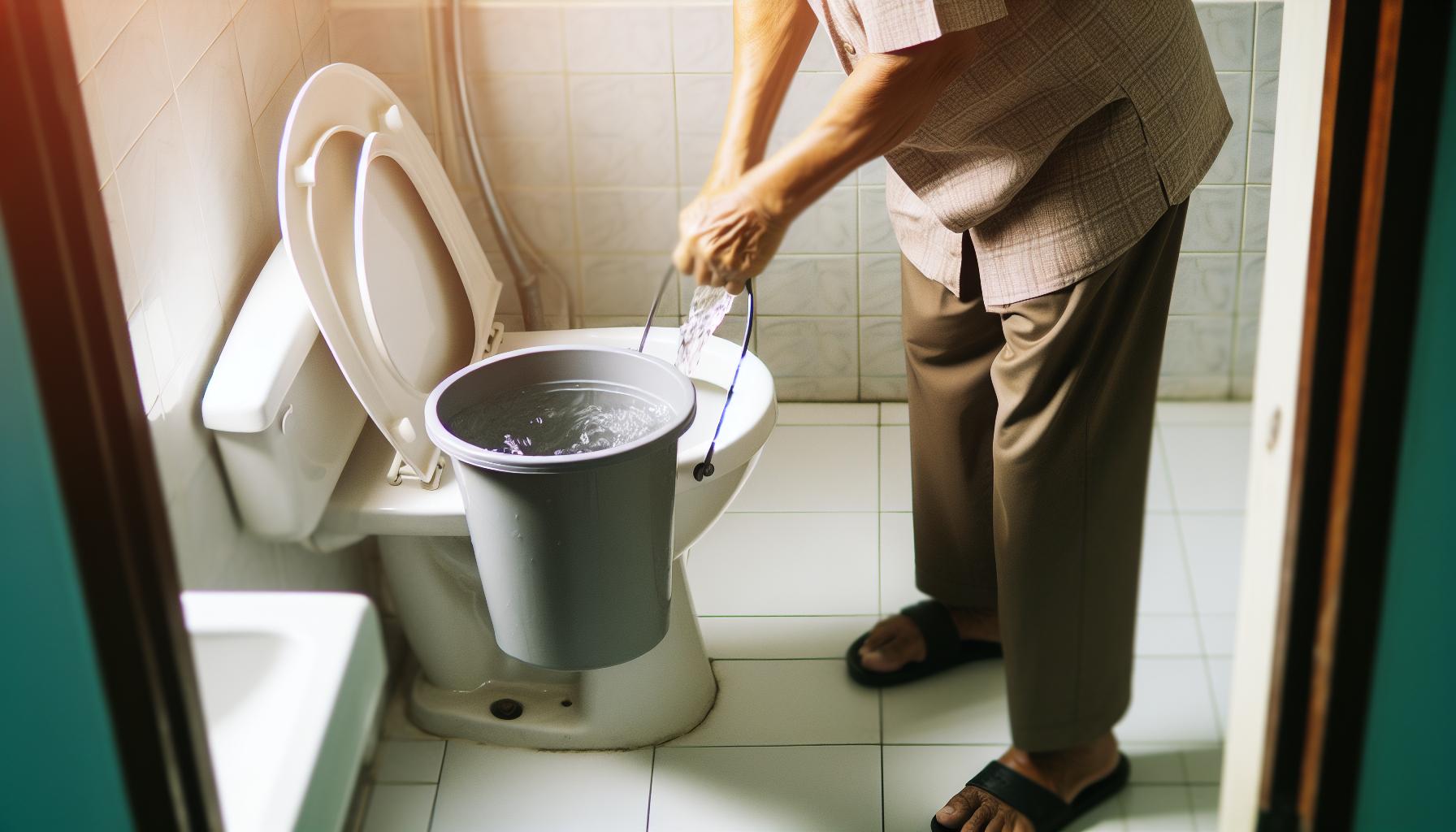
Toilet flushing is one of those everyday conveniences most people take for granted-until the water supply is interrupted. Understanding how manual flushing works without a running water source can make a significant difference in maintaining hygiene and comfort during outages or plumbing repairs. Rather than relying solely on the internal cistern, manual flushing essentially involves adding water directly into the bowl to mimic the flush cycle, enabling waste removal without the need for a tank refill.
When water is turned off at the main supply, a standard toilet’s automatic flush mechanism becomes ineffective because there’s no water refilling the tank after each use. However, by manually pouring a bucket of water into the bowl with the right force and volume, you can generate enough pressure to carry waste through the trapway and into the sewer line. This method is surprisingly efficient and can serve as a stopgap solution during emergencies, planned maintenance, or even water shortages.
It’s vital to note that the volume and speed of water introduced manually play a critical role. To little water won’t create sufficient momentum to clear the bowl, resulting in clogs or odors; too much water may cause splashing or overflow. Typically, around 1.5 to 2 gallons (5.5 to 7.5 liters) poured quickly will replicate a normal flush’s effectiveness. Keeping a dedicated container of clean water and a sturdy bucket ready can make the process hassle-free, especially if you live in an area prone to regular water shut-offs or natural disasters.
Beyond the mechanical aspect, water usage during manual flushing also presents an chance to be mindful of conservation. Manual flushing encourages a more intentional approach-only pouring exactly the necessary amount of water-which contrasts with some older or inefficient toilets that use excessive water per flush. This awareness not only helps stretch limited water supplies during outages but also cultivates more enduring habits in everyday water use.
Can You Flush a Toilet with Water Off? Explained
Surprisingly, you can still flush a toilet even when the water supply is turned off, although it requires a bit of manual effort. This technique taps into the basic principle of toilet flushing-using forceful water flow to push waste down the drain. When the automatic flush relies on an empty or inactive water tank due to a shut-off, manually pouring water directly into the toilet bowl recreates the momentum necessary to clear the bowl and maintain sanitation.
The key to success lies in the volume and speed of water introduced. Pouring too slowly or with insufficient quantity frequently enough results in incomplete flushing or lingering odors. Ideally, about 1.5 to 2 gallons (approximately 5.5 to 7.5 liters) of clean water, dumped quickly and with enough force, mimics the natural flush mechanism by generating a strong siphoning effect through the toilet’s trapway. This method is both practical and effective in various situations, such as during water outages, when the main valve is shut for maintenance, or in off-grid living setups.
Practical Tips for Manual Flushing
- Use clean water: Always use potable water to maintain hygiene and prevent odors.
- Consistent technique: Pour water steadily and briskly for optimal results.
- Prepare in advance: Keeping a bucket or container filled with water handy makes manual flushing quick and stress-free during unexpected water shut-offs.
Beyond emergency scenarios,this method can reveal just how much water traditional toilets use per flush,encouraging mindful water use even during normal conditions. Many users find that manual flushing teaches more intentional water consumption, a small but meaningful contribution to conservation efforts. In the grand scheme, knowing how to flush manually not only helps you stay pleasant and sanitary when water is unavailable but also empowers you to adapt effectively to any plumbing challenge.
Step-by-Step Guide to Manual Flushing techniques
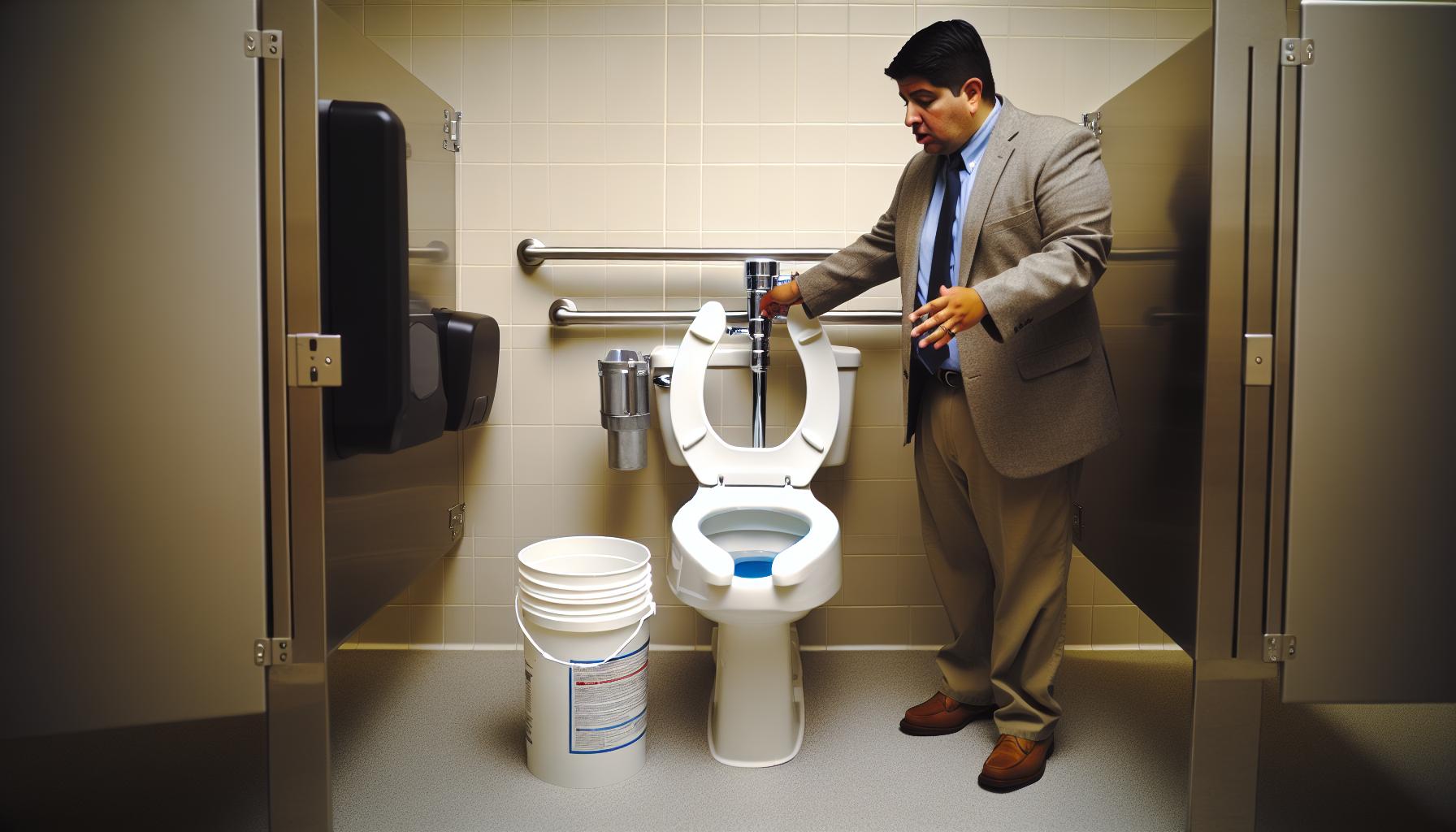
When faced with a water outage or a shut-off situation, manually flushing your toilet is a surprisingly simple yet effective skill that can keep your bathroom functional and sanitary. The key to successfully flushing a toilet manually lies in replicating the force and volume of water that a typical flush delivers.Pouring water rapidly and in sufficient quantity creates the suction and flow needed to clear waste without the help of your usual plumbing system. With just a few clear steps, you can master this handy technique.
Begin by preparing about 1.5 to 2 gallons (5.5 to 7.5 liters) of clean water in a bucket or large container. Using potable water is importent to avoid introducing contaminants or causing unpleasant odors. When ready, stand in front of the toilet bowl and pour the water firmly and quickly into the bowl from waist height or higher. This brisk pour mimics the natural flush, pushing waste through the trapway and into the drainpipe. Avoid slow or hesitant pouring, which ofen leads to an incomplete flush and lingering waste.If you’re managing multiple flushes during an extended outage, it helps to keep the water container filled and ready. Also, resist the urge to pour more water than necessary; an efficient manual flush uses just enough water to create that strong siphoning effect. For toilets that require a bit more effort, repeating the process with a second quick pour can clear remaining debris. This controlled method not only maintains hygiene but also reduces water waste compared to guessing or flooding the toilet.
Tips for Effective Manual flushing
- use clean, potable water: This safeguards against odors and ensures sanitary conditions.
- Pour from a height: Delivering water with momentum triggers proper siphoning action.
- Have water ready: Keep a bucket stocked to avoid delays in urgent situations.
- Don’t overfill: Excess water wastes resources and isn’t necessary for clearing waste.
- Be patient: Multiple pours might potentially be needed for heavy waste or slow drains.
by understanding and applying these basic principles, manual flushing becomes a reliable fallback that can keep your household comfortable, even when standard water supply lines are unavailable. This knowledge proves indispensable during water outages, plumbing repairs, or situations where traditional flushing is temporarily impossible.
Tools and Materials needed for Manual Flushing
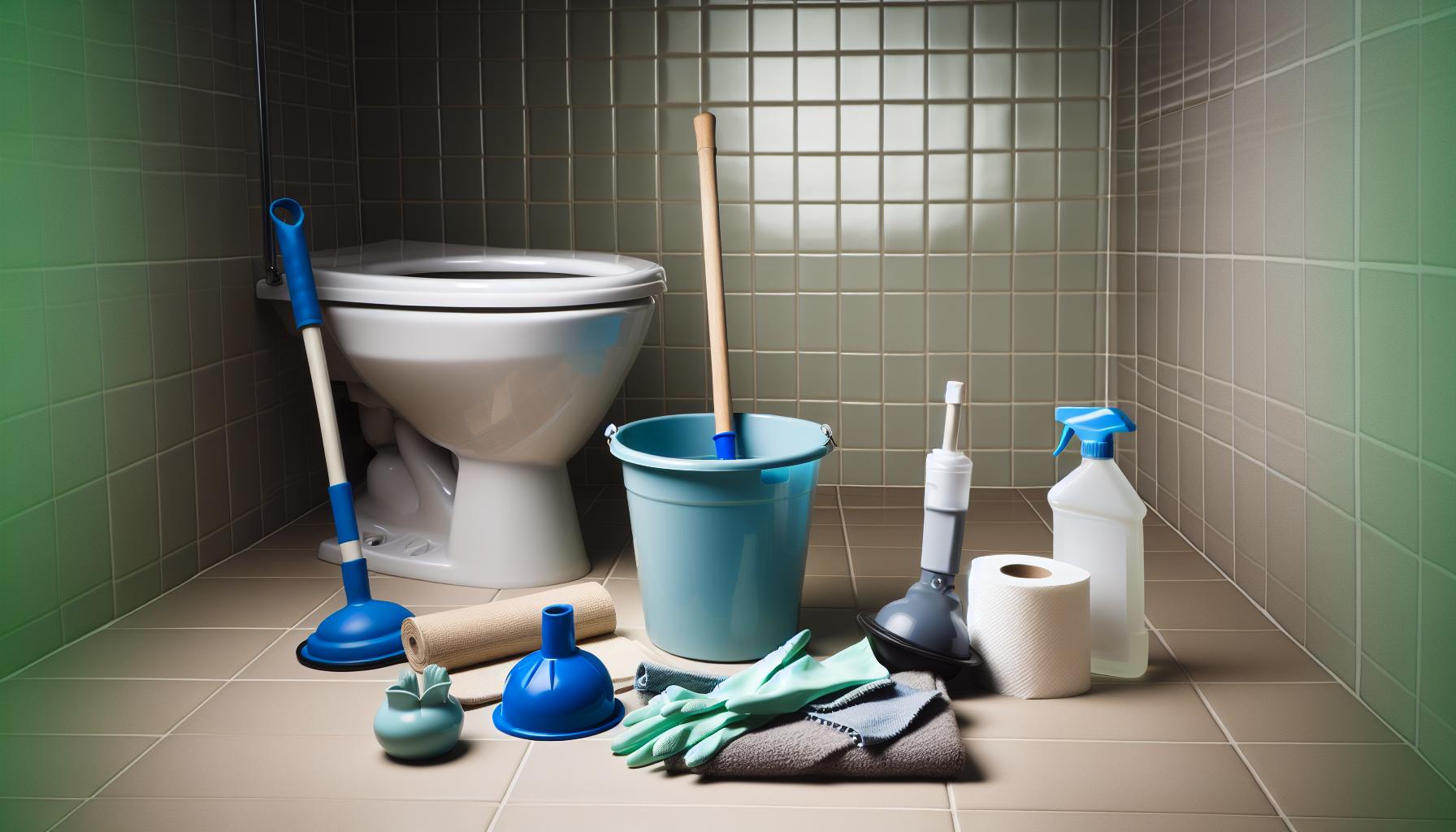
When water service is interrupted, having the right tools and materials at your disposal can turn an inconvenient scenario into a manageable one. While manual flushing doesn’t require elaborate equipment, preparing a few essentials beforehand ensures flushing is quick, hygienic, and effective, even without running water. A well-stocked setup empowers you to maintain household comfort during outages or plumbing repairs.
At the core of manual flushing is a durable container for holding and transporting water. A standard 2-gallon bucket or a similarly sized jug works best because it holds enough water to generate the necessary flush power without being too heavy to handle repeatedly. Consider using food-grade or plastic containers that are easy to clean and sanitize. This not only safeguards toilet hygiene but also reduces contamination risks, especially if you reuse the water for flushing multiple times during an outage.
In addition to your water container, having a small stool or step can be surprisingly helpful. Elevating your pouring position allows for a better pour angle and height,which creates the forceful flow needed to mimic a regular flush. Without this momentum, water might trickle into the bowl, leaving waste behind. A steady pour from waist height or above builds the siphon effect in the toilet’s trap,clearing waste more efficiently and preventing unpleasant odors.
While not essential, some household items enhance safety and convenience during manual flushing:
- Gloves: Using disposable or rubber gloves keeps your hands clean and sanitary, especially when dealing with multiple manual flushes or older toilets.
- Disinfectant wipes or sprays: Quickly clean the toilet seat and exterior surfaces before and after flushing to maintain a hygienic space.
- Measuring jug or marked container: Helps you dispense just the right amount of water each time,avoiding waste while ensuring a complete flush.
- Plastic tarp or tray: Can be placed under the toilet area during prolonged outages to protect flooring from accidental spills.
Lastly, keeping a supply of clean, potable water designated solely for manual flushing is key. If tap water is unavailable for an extended period, filling containers with bottled or filtered water ahead of time adds peace of mind. Remember, using water that isn’t contaminated prevents odors and keeps your bathroom environment safe and comfortable.
By assembling these simple materials and tools in advance, you transform a potentially stressful situation into a smooth, manageable process. Proactive preparation reduces frustration and lets you focus on comfort and sanitation-even when the usual plumbing isn’t an option.
Essential Tools and Supplies for Manual Toilet Flushing
| Item | Purpose | Tips |
|---|---|---|
| 2-gallon bucket or jug | Holds sufficient water volume for effective flush | Choose lightweight, easy-to-clean containers with handles |
| Step stool | Provides height for better pouring angle | Use sturdy, slip-resistant stools for safety |
| Disposable gloves | Maintains hygiene when handling toilet and water | Keep a pack accessible in bathroom or emergency kit |
| Disinfectant wipes or spray | Keeps toilet surfaces clean and odor-free | Opt for quick-dry, non-abrasive cleaners |
| Measuring jug or marked container | Controls water volume to conserve supply | Mark increments for consistent pours |
| Plastic tarp or tray | Protects flooring during extended outages | Fold for easy storage and reuse |
| Clean potable water | Essential flushing medium; avoids contamination | Store in cool, covered containers away from chemicals |
Common Problems When Flushing Without water and How to Fix Them
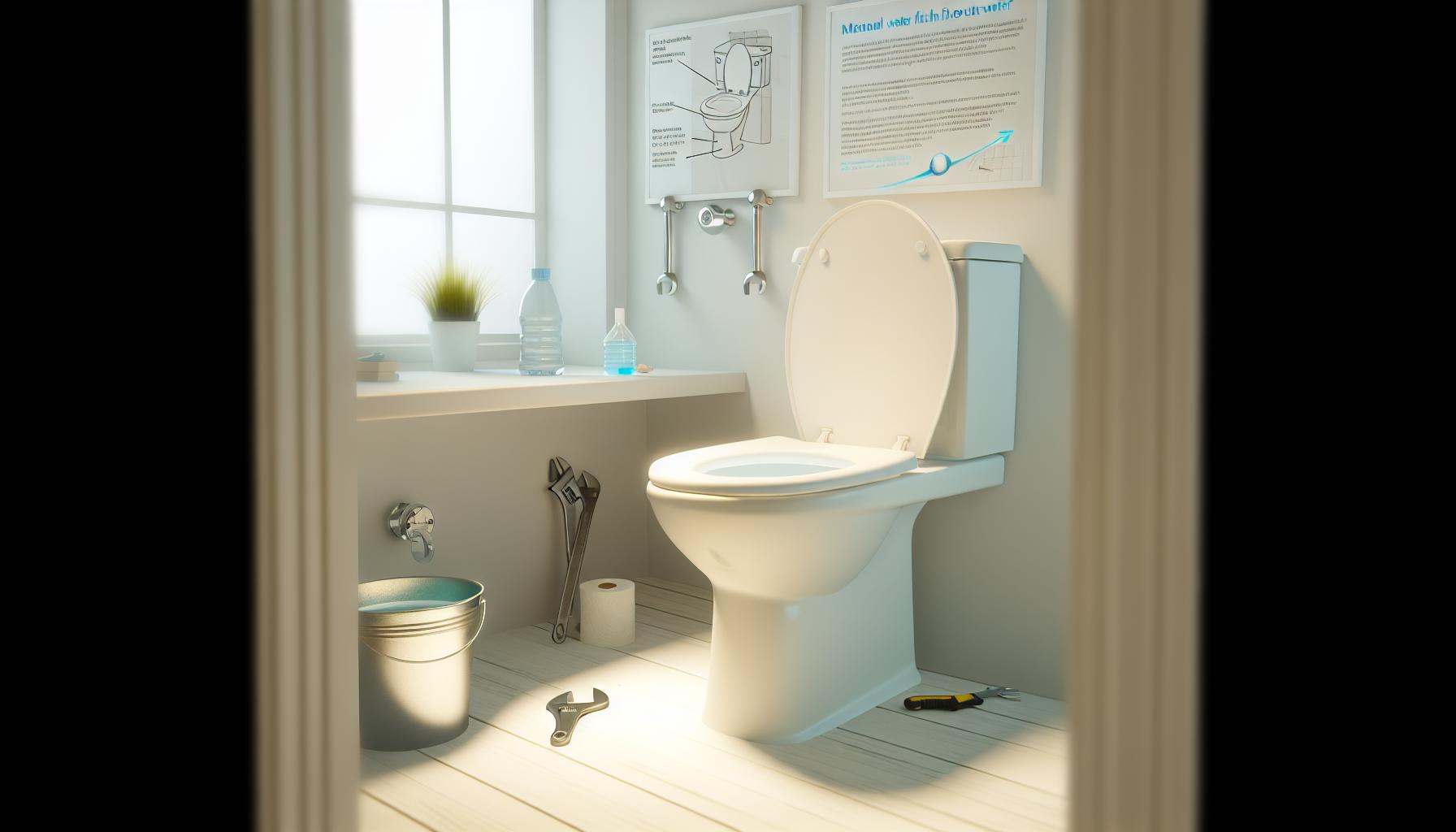
Frequently enough,the challenge of flushing a toilet without running water isn’t just about having enough water but about correctly replicating the flushing force that a typical toilet mechanism provides. A common issue homeowners face is incomplete flushing, where waste isn’t fully cleared from the bowl, leading to lingering odors or unsightly residue. This typically happens when the water is poured too slowly or from insufficient height, preventing the necessary siphoning action inside the toilet trap.
Another frequent problem is clogging, especially if too much toilet paper is used or if the water volume poured is inadequate to push everything through the drain. Without the usual force of a flush mechanism,waste and paper can accumulate,increasing the risk of backups and unpleasant cleaning jobs. Additionally, if the water used for manual flushing is contaminated or dirty-sometimes a temptation when relying on stored water sinks-it can worsen odors and create hygiene issues inside the bowl rather than solving them.
Effective solutions focus on technique and preparedness.Pour water sharply and quickly from about waist height or higher, using around 1.5 to 2 gallons for each flush, to mimic the velocity of a standard flush and fully evacuate the contents. If clogs occur, avoid flushing repeatedly; instead, use a plunger or a toilet auger if available. Preventive measures such as reducing toilet paper use during outages and ensuring that only human waste and paper enter the bowl can minimize blockages. For maintaining hygiene, regularly clean the bowl with disinfectant wipes or spray between flushes, especially if water quality is questionable.
Tips to Address Manual Flushing Challenges
- optimize pouring technique: Use a sturdy container and pour water in one swift, consistent motion rather than trickling slowly.
- Manage water volume: gauge the amount poured carefully-too little wastes effort, too much may cause spills or overflow.
- Reduce waste buildup: Limit toilet paper and avoid flushing non-degradable materials during manual flushing periods.
- Prepare backup tools: Keep a plunger handy for immediate response to clogs and consider having enzyme-based cleaners that safely break down waste residues over time.
- Maintain bowl hygiene: wipe down the toilet seat and rim frequently to discourage bacteria growth and odors.
Addressing these issues proactively can transform the inconvenience of flushing without running water into a manageable routine. Remember, the key lies in replicating the physics of a regular flush accurately and maintaining cleanliness to avoid compounding small problems into bigger ones. With the right approach,manual flushing can remain an effective temporary solution even during prolonged water outages.
Safety Tips When Performing Manual Flushes
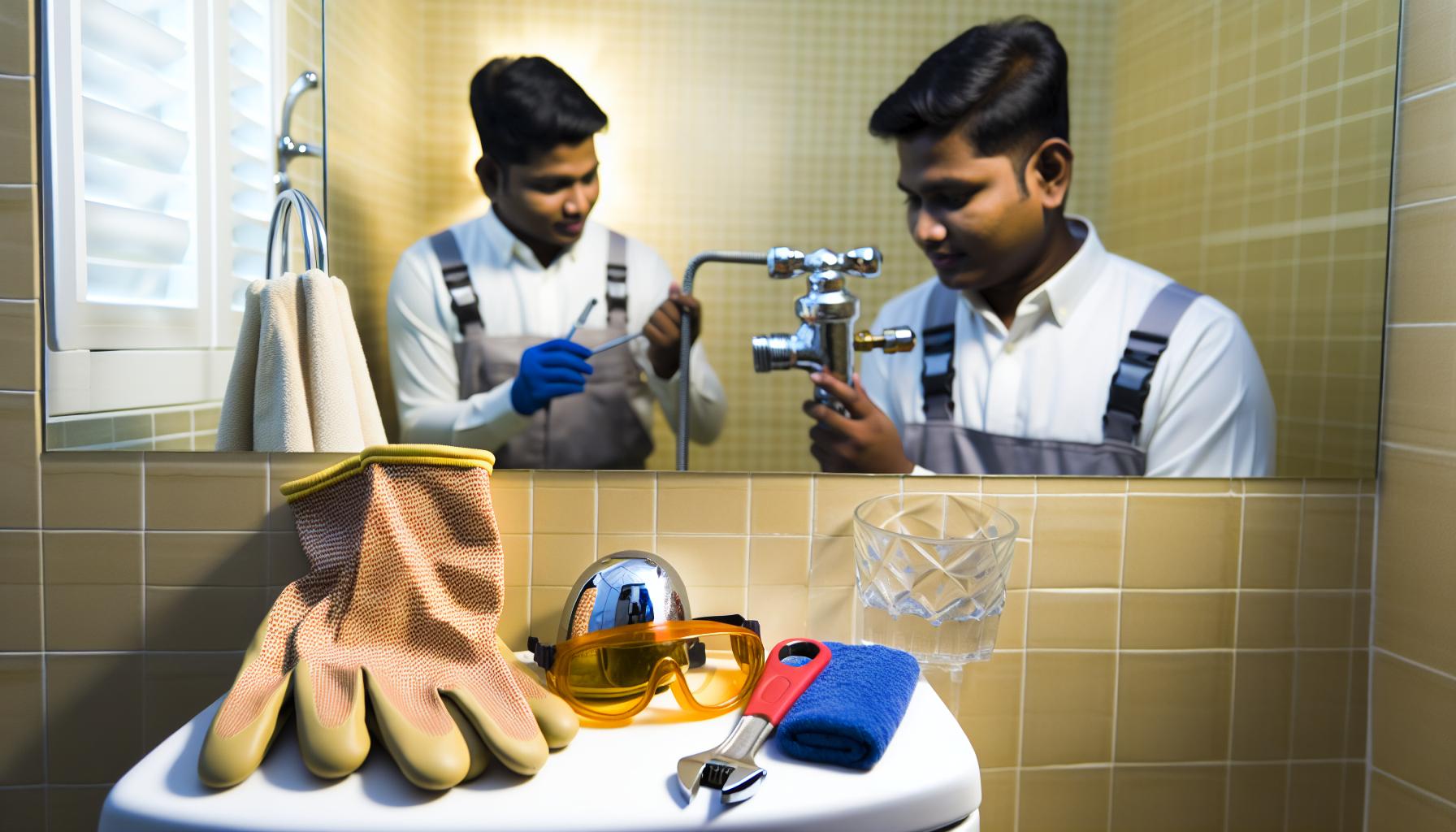
Manual flushing may seem straightforward, but ensuring safety during the process is crucial to avoid accidents, unsanitary conditions, or damage to your toilet system. One critically important consideration is the water source you use for flushing. Always opt for clean water to minimize the risk of spreading bacteria or causing foul odors. Using contaminated or stagnant water can exacerbate hygiene problems inside the toilet bowl and the surrounding area. Ideally, use potable water or water that has been stored safely in clean containers, especially during prolonged outages.
Physical safety also plays a role. When pouring water manually, use a sturdy container with a comfortable grip to prevent slips or spills that can lead to falls, especially on slippery bathroom floors. Avoid overfilling the container, as heavy lifting may result in strain or accidental dropping. Pour water steadily and from an adequate height-typically at waist level or higher-to replicate the force of a flush effectively without splashing. Wearing gloves can provide an extra layer of protection when handling water or cleaning surfaces, reducing the risk of contact with germs.
Essential Safety Practices During Manual Flushing
- Sanitize hands before and after: Frequent handwashing or using hand sanitizer helps prevent the transmission of harmful microbes.
- Maintain proper ventilation: Bathrooms can become stuffy and odor-filled during water outages. Keep windows or exhaust fans running to improve air quality.
- Clean tools promptly: Any buckets or containers used shoudl be rinsed and stored dry to prevent mold or bacteria buildup.
- Use a plunger carefully: When addressing clogs, make sure the plunger fits well and is used with controlled force to prevent damage to the toilet’s internal parts.
- Avoid standing water: Do not let water pool on bathroom floors, as this creates slip hazards and potential structural damage.
Many people underestimate the importance of preparedness when managing toilets without running water. Keeping cleaning supplies, gloves, and a designated flushing container handy reduces awkward fumbling and decreases the likelihood of unsanitary spills or accidents. Some households find that labeling and dedicating specific tools for manual flushing keeps the procedure smooth and hygienic.
Few realize that improper manual flushing technique combined with haste could lead to water damage from overflow or increased mess. Taking a moment to set your container, wear gloves if possible, and pour deliberately can make all the difference in maintaining both safety and cleanliness during this essential but frequently enough overlooked task.
How to Save Water During Toilet Flushing
Using water sparingly during manual flushing is not only essential during outages but also a smart habit for long-term water conservation. When the water supply is limited or off entirely, every drop counts, so adopting precise pouring techniques can minimize waste while maintaining toilet hygiene.For example, rather of repeatedly pouring large amounts of water, target the siphon jet area inside the bowl carefully - this is usually near the front rim - to generate enough flushing pressure with less water volume.
Many households underestimate the amount of water actually needed to create a full flush; a deliberate, measured pour from waist height can mimic a normal flush better than dumping water rapidly. This method avoids splashing and reduces the likelihood of having to flush multiple times, which wastes water unnecessarily. For instance, using a container that holds about one to two liters-just enough for an effective manual flush-helps prevent overuse.
Practical Tips to Maximize Efficiency
- Use collected greywater: Water from washing vegetables or rinsing dishes can be stored and repurposed for flushing, reducing potable water use.
- Employ dual-container method: Fill one container just enough to start the flush and another to finish, controlling water volume precisely.
- Plan flush timing: Delay flushing when possible (such as, after urination) to reduce the number of flushes and conserve water overall.
- Maintain your toilet: Fix leaks or faulty flappers to avoid wasting water during normal operation-this is especially important when water is scarce.
Everyday Conservation Practices That Help During Outages
Adopting routines such as limiting flushing to when absolutely necessary can save significant water in the long run. In many cases, people flush after every urination, which uses vastly more water than needed. If you find yourself regularly needing to manually flush, combining water-saving habits with careful manual techniques creates a balanced approach to managing resources more responsibly.
| Technique | Water Used (Approx.) | Benefit |
|---|---|---|
| Standard manual flush (1.5-2L pour) | 1.5-2 liters | Effective flush with minimal water |
| Rapid large pour (>3L) | 3+ liters | Wastes water; may cause splashing |
| Greywater reuse | Varies | Reduces potable water consumption |
Being mindful of the water volume and flow rate during manual flushing not only conserves a precious resource during temporary disruptions but also promotes sustainable habits that protect plumbing systems and reduce water bills. simple changes in how and when you flush can make a significant difference, ensuring cleanliness without unnecessary water waste.
Alternatives to Manual Flushing During Water Outages
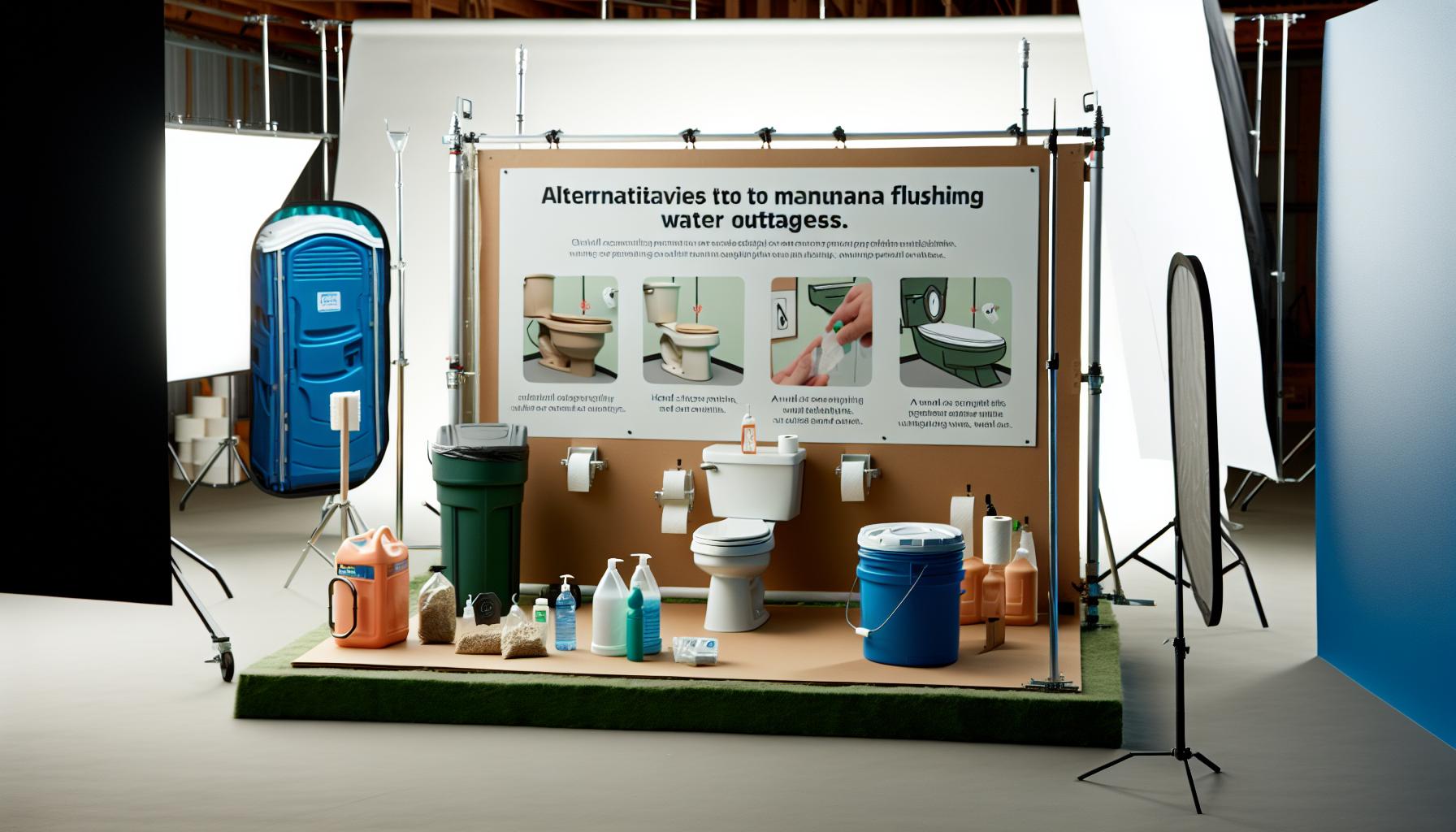
When water service is disrupted, relying solely on manual flushing may not always be the most convenient or feasible option. Fortunately, several innovative and practical alternatives exist that can definitely help maintain sanitation and comfort without running water. Exploring these solutions in advance can ease the challenges posed by water outages and reduce stress when every drop of water is precious.One popular substitute is the use of portable camping toilets or bucket toilets, which require no water for flushing and can be especially handy during prolonged outages. Many models incorporate absorbent materials or sealed waste bags that control odors and ease waste disposal,making them sanitary and environmentally friendly. This is an excellent option for households seeking temporary relief without the hassle of manually pouring water or when water conservation is critical.
Greywater and Waterless Solutions
- Greywater toilet attachments: These devices reuse non-potable water, such as bath or laundry water, to flush toilets. While installation may require preparation ahead of time, they provide a sustainable flushing mechanism without tapping into the main water supply during outages.
- Composting toilets: A more permanent waterless choice, composting toilets treat waste through aerobic decomposition. Ideal for off-grid or emergency preparedness scenarios, they eliminate the need for water entirely and reduce dependence on plumbing.
For smaller-scale or emergency use,some households turn to the “bucket flush” method,wherein waste is manually collected in a dedicated bucket lined with a plastic bag to facilitate disposal. While this method demands frequent cleaning and waste management, it can be lifesaving during severe outages or in situations where water use must be absolutely minimized.
Hand Hygiene and Sanitation Considerations
Irrespective of the method used, maintaining hygiene is crucial. Supplement manual or alternative flushing techniques with hand sanitizer, disinfecting wipes, and regular cleaning of all surfaces the waste container or toilet touches. Keeping spare plastic bags, sealable containers, or airtight bins for waste storage helps control odors and prevents contamination.
| Alternative method | Water required | Best Used For |
|---|---|---|
| Portable camping/bucket toilets | None | Short-term outage, off-grid use |
| Greywater toilet attachments | Greywater only | Households prepared in advance; sustainable flushing |
| Composting toilets | None | Long-term waterless sanitation |
| bucket flush with waste bags | Minimal or none | Emergency, no plumbing access |
By integrating these alternatives into your emergency plan or everyday water conservation strategy, you can reduce reliance on manual water pours and enhance comfort and hygiene during challenging times. Preparing in advance with the right tools and knowledge empowers households to handle interruptions gracefully, ensuring that the lack of running water doesn’t become an overwhelming obstacle.
Emergency Preparedness: Managing Toilets Without Running Water
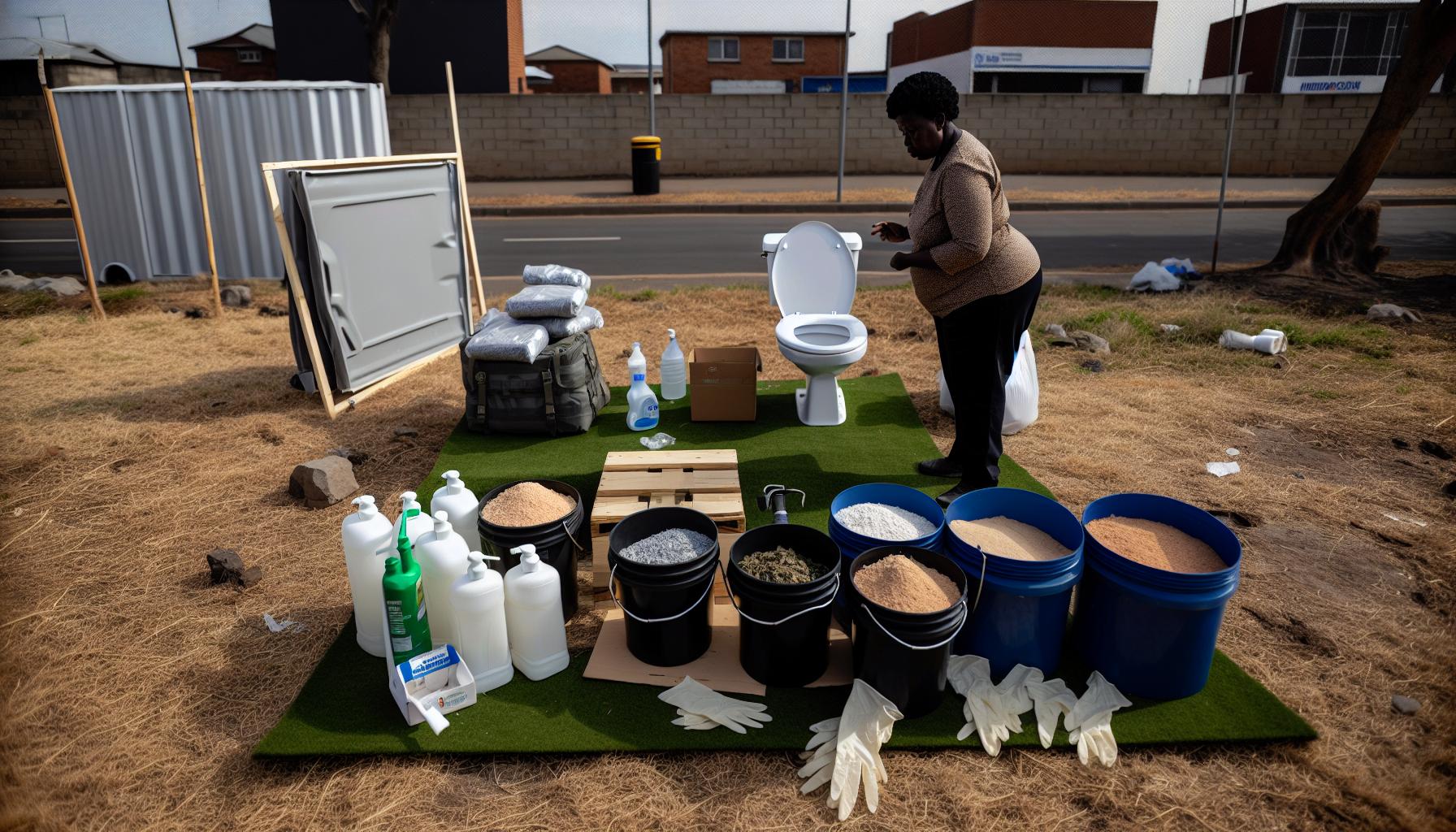
When faced with the sudden loss of running water, managing toilet use effectively becomes an urgent priority for maintaining household hygiene and comfort. While it’s tempting to assume that flushing toilets without water is impossible, with a bit of preparation and knowledge, practical solutions can help navigate this challenge smoothly. Understanding alternative methods and having the right supplies ready can turn a potentially stressful outage into a manageable situation.
One of the most straightforward approaches involves manual flushing, where water is poured directly into the toilet bowl to mimic the flush action. Though,to be fully prepared,households should also explore waterless or low-water alternatives that conserve resources and minimize the need for frequent water handling. As an example,portable camping toilets,which come equipped with sealed waste compartments or absorbent materials,offer a clean and odor-controlled option without relying on plumbing or any water at all. these are especially useful during extended outages or for off-grid living scenarios.
Alternative Sanitation Options to Consider
- Bucket flush method: Filling a bucket with water and pouring it rapidly into the toilet bowl can trigger the siphon effect, clearing waste without water connected to the tank. This technique requires about 1.5 to 3 gallons per flush and works best if done quickly and confidently.
- Greywater reuse: If you have the foresight to install greywater toilet attachments, you can recycle water from baths or laundry cycles for flushing, reducing freshwater dependency during outages.
- Composting toilets: These are ideal for those prioritizing long-term waterless living or sustainability, as they process waste without any water and produce usable compost over time.
Managing Hygiene and Comfort Without Running water
Maintaining cleanliness during outages is as crucial as waste disposal. Stock up on essentials like hand sanitizer, disinfectant wipes, and additional plastic liners or sealable bags to contain waste and odors when using bucket toilets or similar methods. Regular cleaning of toilet areas and waste containers helps prevent contamination and discomfort, making the environment safer and more pleasant.
| Method | Water Needed | Advantages | Considerations |
|---|---|---|---|
| Manual bucket flush | 1.5 - 3 gallons per use | Simple and immediate | requires water storage; fast pouring needed |
| Portable camping/bucket toilets | None | Odor control; no plumbing needed | Regular waste disposal necessary |
| Greywater attachments | Non-potable water only | Sustainable reuse, reduces water wastage | Requires planning and installation |
| Composting toilets | None | Long-term, eco-friendly, water-free | Initial investment; maintenance knowledge required |
Being proactive by integrating these practices and tools into your emergency plan can significantly alleviate the inconvenience of water disruption. Whether it’s mastering the timing and volume of a manual flush or investing ahead in waterless toilet solutions, you empower yourself to maintain sanitation standards and household comfort regardless of external water supply status. Remember, the key to success in these situations lies in preparation, adaptability, and hygiene vigilance to keep your home safe and functional when water is temporarily unavailable.
maintaining Toilet Hygiene Without Water
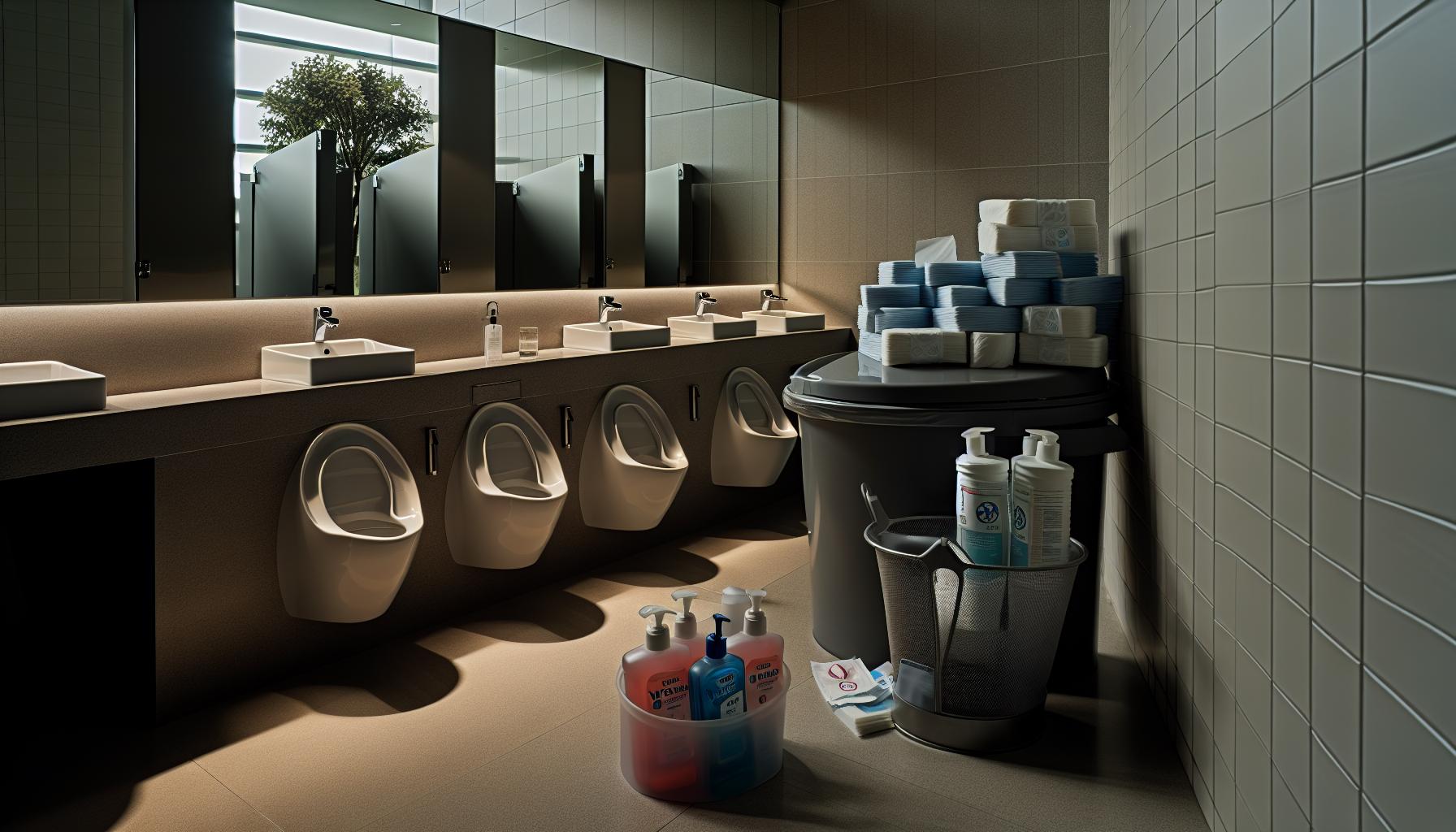
When water isn’t available, maintaining toilet hygiene might seem like a daunting challenge, but with proper strategies and a bit of preparation, it’s entirely manageable. The key lies in adopting alternative hygiene practices and using readily available supplies that prevent odors,limit germs,and ensure cleanliness without relying on running water. For example, keeping a stock of disinfectant wipes and hand sanitizer near the toilet area allows quick cleaning and personal hygiene after use, drastically reducing the risk of contamination.
Another effective tactic is to use additional plastic liners or sealable bags to temporarily contain waste when manual flushing isn’t feasible. This method,often employed in portable or bucket toilets,helps trap odors and limits exposure to bacteria. regularly emptying and sanitizing these containers with appropriate cleaners is crucial to maintain a sanitary environment. Incorporating fragrance-free, antibacterial sprays can also help neutralize odors without irritating sensitive skin or respiratory systems.
Practical Hygiene Tips for Waterless Toilet Use
- Designated cleaning Supplies: Keep a dedicated set of cleaning supplies like disposable gloves, bleach-based cleaners, and paper towels close to the toilet space. This makes prompt cleanups easier and reduces cross-contamination risks.
- Hand Hygiene: When water is unavailable for handwashing, using an alcohol-based hand sanitizer with at least 60% alcohol content is essential after every toilet use to maintain personal cleanliness.
- Ventilation: Ensure the bathroom is well-ventilated by opening windows or using exhaust fans if possible. Good airflow helps reduce moisture buildup and limit smell from manual waste disposal methods.
- Routine Surface Disinfection: Focus on high-touch areas such as toilet handles, door knobs, and faucet edges by disinfecting them regularly to reduce the spread of bacteria.
Additionally, adopting mindful waste disposal routines during outages can minimize hygiene risks. For instance, if using the bucket flush method, pouring water quickly and with enough force into the toilet bowl maximizes waste removal efficiency, thus reducing residue buildup that can breed bacteria and odors. When water resources are constrained, balancing flushing volume to what’s truly necessary while employing hygiene practices helps conserve supplies and keeps living spaces comfortable and safe. This holistic approach to sanitation ensures that even in the absence of running water, households can sustain a clean and pleasant bathroom environment.
Troubleshooting Manual Flush Failures
When manual flushing doesn’t go as planned,it can quickly turn from a minor inconvenience into a major hygiene concern. One common reason manual flush failures occur is insufficient water volume or inadequate force during the flush. Unlike an automatic flush, which uses a designed amount of water and pressure, manually pouring water requires careful technique. Pouring slowly or using too little water can leave waste behind, clog the bowl, or cause unpleasant odors. To avoid this, a swift, steady pour of at least 1.5 to 2 gallons (5.5 to 7.5 liters) is generally needed to mimic the hydraulic force of a normal flush.Another hurdle frequently enough encountered is improper water delivery. For example,pouring water from too high above the bowl can cause splashing,wasting precious water and making cleanup necessary. Conversely, positioning the water source too close to the surface can reduce flushing efficiency. Finding the optimal height-about one foot above the rim-and aiming toward the back of the bowl helps guide waste smoothly through the trap and into the drain.Additionally, using a container with a wide opening can increase flow rate and reduce the chance of inaccurate pouring.
In certain specific cases, persistent manual flush failures may signal a deeper problem such as partial clogs or inefficient toilet design. Old or low-flow toilets, in particular, are more prone to manual flush challenges when the water supply is off. To troubleshoot these issues:
- Check for blockages: Use a plunger or toilet auger to clear partial clogs that impede waste movement.
- Inspect the trapway: Mineral deposits or debris buildup can restrict flow, so scrubbing the bowl or employing mild descaling agents may help.
- Adjust your pouring technique: Experiment with different containers and pouring speeds to maximize flush effectiveness.
If manual flush attempts continue to fail despite these measures, it might be worth investing in a portable commode or bucket system temporarily, especially during extended water outages. This avoids repeated issues and maintains hygiene without excessive water use. Remember, residual odors or stains after inadequate flushing can be mitigated by prompt cleaning with disinfectants and ensuring ample ventilation.
Resolving manual flush failures often comes down to combining careful technique with routine maintenance and patience. With thoughtful adjustments, you can restore reliable flushing function and keep your bathroom sanitary, even when the water is off.
When to Call a Professional Plumber for Flushing Issues
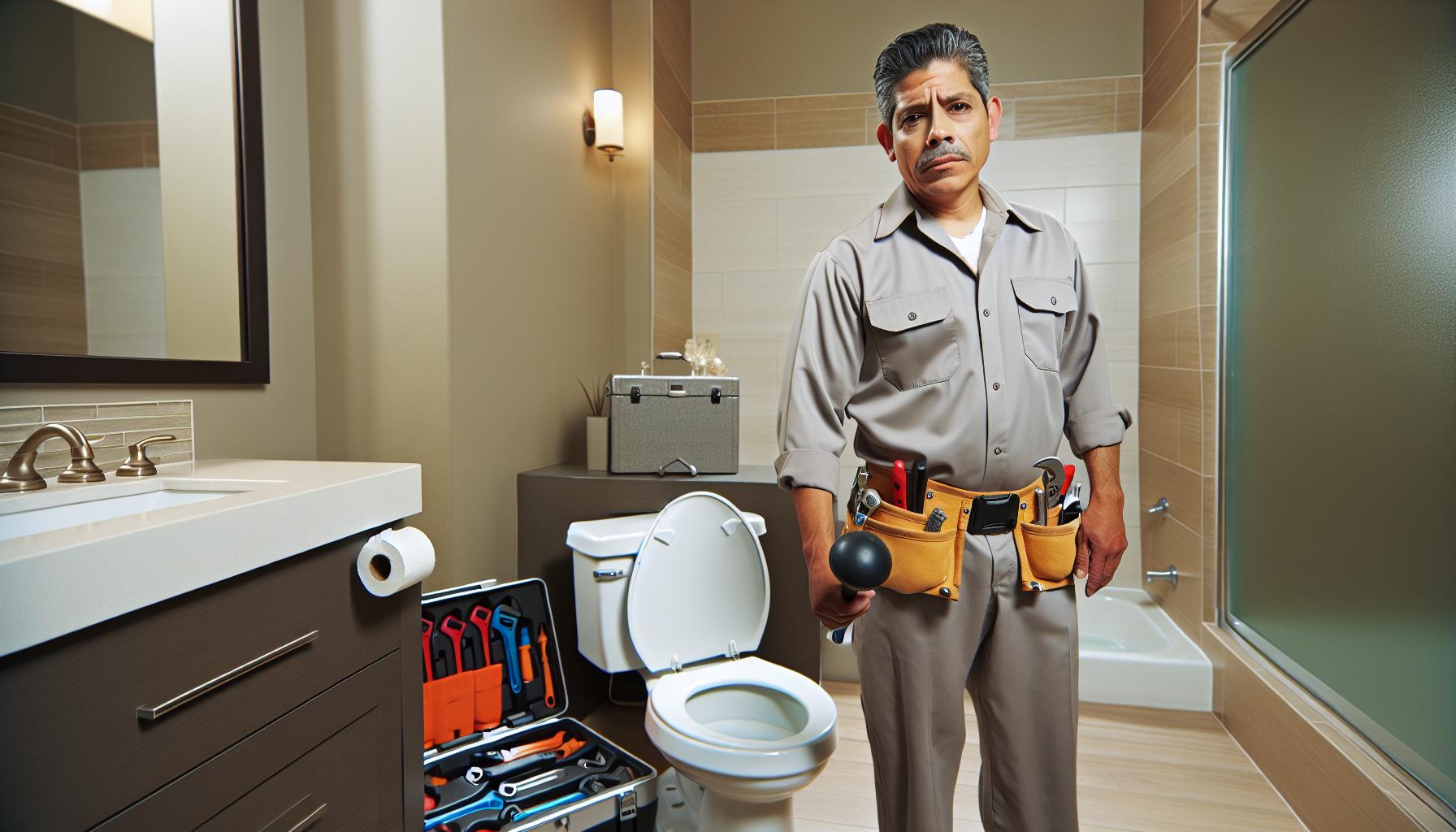
The moment manual flushing turns from a temporary workaround into a persistent problem, it’s crucial to recognise when professional expertise is needed. Toilets are deceptively complex systems - what might seem like a simple clog or flushing issue can frequently enough be a sign of underlying plumbing problems that only a licensed plumber is equipped to handle.Ignoring these signals not only prolongs inconvenience but can also lead to costly damages or unsanitary conditions.
One of the strongest indicators to seek professional help is when repeated manual flush attempts fail despite using proper technique and adequate water volume. If waste regularly remains in the bowl, water backs up, or you notice slow drainage, the cause might be a stubborn blockage deep in the pipes or a deteriorating toilet trap that home remedies can’t fix. Additionally, unusual or persistent odors that linger despite thorough cleaning frequently enough hint at hidden leaks or sewage vent issues requiring specialized inspection tools.
Older toilets or those with low-flow designs can further complicate manual flushing efforts during water outages – if you find yourself battling efficiency problems despite troubleshooting,a plumber can assess whether an upgrade or repair is advisable. Similarly, if manual flushing leads to consistent splashing or water escaping the bowl, it may signal that internal parts like the flapper valve or fill valve are malfunctioning, reinforcing the need for professional service.
Signs You Should Call a Plumber
- Repeated flushing failures: Waste is not cleared with manual flushing regularly.
- Visible water leaks or pooling: moisture around the base or inside the tank indicates plumbing faults.
- Slow drainage or gurgling sounds: May suggest blockages beyond the toilet itself.
- Old or damaged toilet components: Cracks, corrosion, or worn seals impacting function.
- Structural pipe issues: Root intrusion, pipe collapses, or systemic sewage problems.
In emergencies such as a full sewage backup or if using alternative methods like buckets and portable commodes becomes a constant necessity, professional intervention is vital to prevent health hazards. Plumbers bring not only technical tools but also diagnostic experience that ensures a permanent solution - freeing you from the frustration of manual flushing chaos and restoring your home’s plumbing reliability.Ultimately, while manual flush techniques work well during short-term water interruptions, knowing when to call a plumber keeps your bathroom functioning safely and hygienically in the long run. Their involvement can save time, avoid damage, and offer peace of mind that your sanitation needs are in expert hands.
Faq
Q: How long can you rely on manual flushing during a water outage?
A: You can rely on manual flushing for short-term water outages, typically up to a few days. Beyond that, it’s important to consider alternatives like portable toilets or water storage. Regular manual flushing without proper hygiene steps may cause sanitation issues. For detailed tips, see our section on Emergency Preparedness and Maintaining Toilet Hygiene Without Water.
Q: What is the safest way to handle toilet waste when water is unavailable?
A: The safest method is to use a sealed bucket with absorbent material, then dispose of waste according to local guidelines. Avoid pouring untreated waste directly into drains. This complements manual flushing techniques and preserves hygiene during water shutoffs, as covered in the Maintaining Toilet Hygiene Without Water section.
Q: Can adding chemicals improve manual flushing effectiveness?
A: Yes, using non-toxic toilet disinfectants or enzyme-based cleaners can definitely help break down waste and reduce odors during manual flushing. Avoid harsh chemicals that could damage plumbing. This approach enhances manual flush outcomes described in the Common Problems when Flushing Without Water part.
Q: How do toilet types affect manual flushing methods?
A: Toilets with gravity-fed tanks flush easier manually; pressure-assisted models may require alternative methods. Understanding your toilet type helps choose the best manual flush technique. Refer to the Step-by-Step Guide to Manual Flushing Techniques for tailored advice.
Q: Why is it important to manage odor control during manual flushing?
A: Controlling odors prevents discomfort and maintains sanitary conditions, especially during extended water outages. Use odor-neutralizing products and clean surfaces regularly, as highlighted under Safety Tips When Performing Manual Flushes.
Q: What are common mistakes to avoid when manually flushing a toilet?
A: Avoid using too little water, which may not clear waste, or too much, causing overflow. Also, never force flushing mechanisms, as this may cause damage. For more on troubleshooting, see Troubleshooting Manual Flush Failures.
Q: How can manual flushing techniques help reduce water usage in daily life?
A: Manual flushing can be a water-saving method by controlling water volume per flush. This practice aligns with How to Save Water During Toilet Flushing and supports eco-friendly habits without sacrificing hygiene.
Q: When should you avoid manual flushing due to health risks?
A: Avoid manual flushing if you lack protective equipment or if the toilet system is severely damaged, increasing exposure to pathogens.In such cases, consult a professional plumber promptly, as noted in When to Call a Professional Plumber for Flushing Issues.
Concluding Remarks
Mastering manual flushing techniques when water is off ensures you’re never caught unprepared during emergencies or water outages. By understanding simple, effective methods to flush without running water, you maintain hygiene and comfort with confidence. If you found this guide helpful, explore our detailed tutorials on emergency plumbing tips and water conservation strategies to enhance your preparedness.
Ready to take the next step? Sign up for our newsletter to receive expert advice, product recommendations, and timely updates on home maintenance solutions. If you have questions or unique experiences with manual flushing,share them in the comments below - your insights help build a supportive community. Don’t miss out on learning practical skills that can save time and reduce stress when water isn’t flowing.
For more on managing plumbing challenges, check our resources on toilet maintenance and repairs and discover tools designed for hassle-free home care. Stay informed, stay prepared, and keep your home running smoothly no matter the situation.
Get our latest guides, news, and insights highlighted in your Google Search & AI Overviews.