Can You Flush With the Water Off – What Actually Works
Did you know that even when your water supply is turned off,there might still be ways to flush your toilet? Understanding how flushing works without running water is more than just a curiosity-it’s essential knowledge during plumbing issues or water outages. Many people wonder if it’s possible to keep their bathroom functional during these inconvenient times and what methods actually work.In this article, we’ll explore practical, effective techniques to flush your toilet with the water off, helping you stay prepared and confident in managing unexpected situations. Whether you’re dealing with a sudden water shutoff or want to reduce waste, these tips will provide clear guidance on what’s possible and what isn’t, so you can make informed choices without stress.Read on to discover how to tackle one of those everyday challenges in a straightforward, reliable way.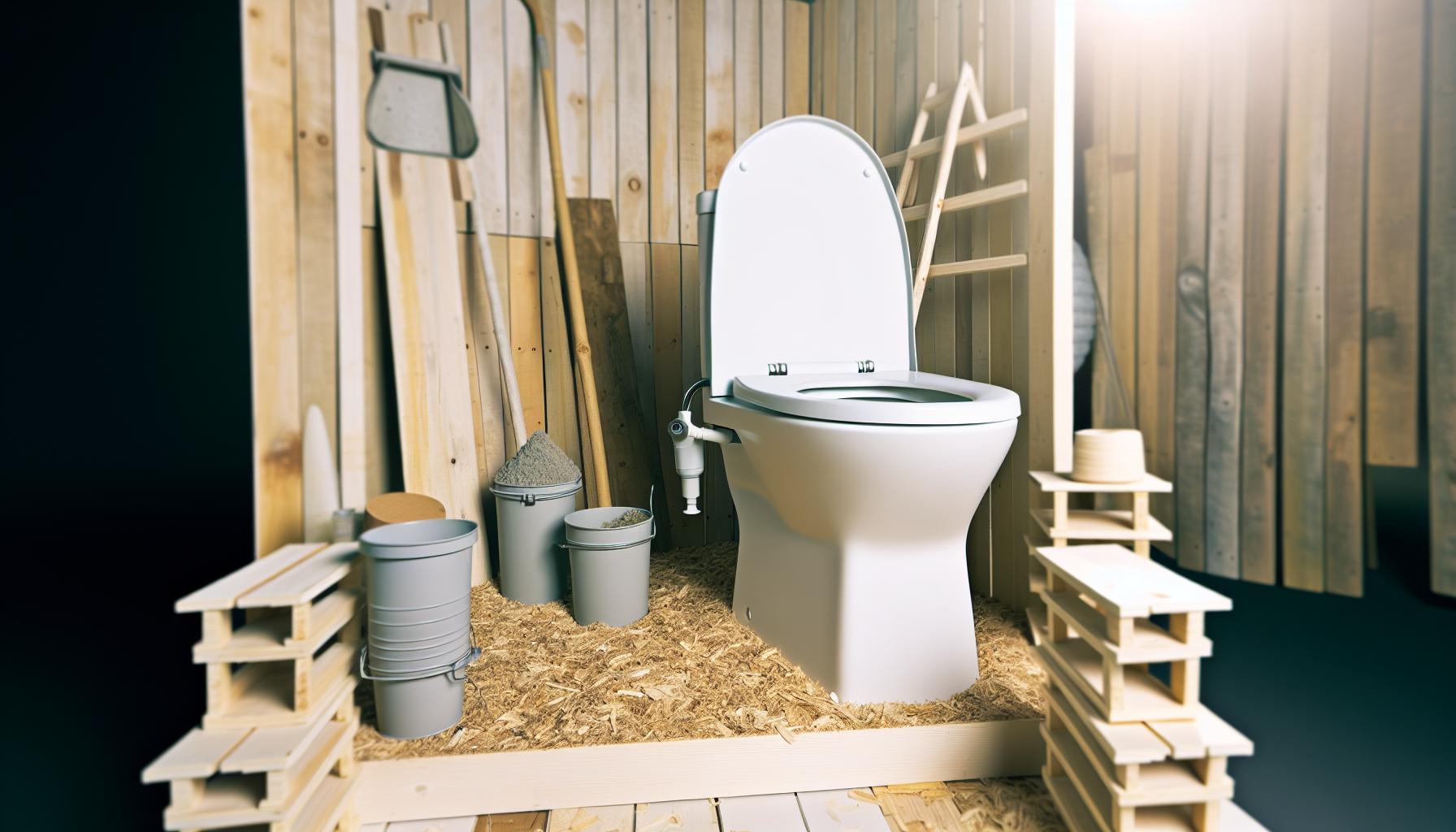
How Toilet Flushing Works Without Water
Toilet flushing traditionally relies on a steady flow of water to carry waste through the plumbing and maintain sanitation.However, when water is unavailable, the mechanism of flushing can’t operate as usual, prompting many to wonder if flushing is possible at all without water. The good news is that while the classic water-based flush depends on gravity and volume, the core idea-removing waste efficiently-can still be achieved through option approaches that mimic or replace water’s flushing action.
When a toilet’s water supply is off, it’s important to understand that the flushing action in standard toilets functions by releasing several gallons of water stored in the tank rapidly into the bowl. this surge of water pushes the waste down the trap and into the sewer or septic system. with no water entering the tank, the conventional flush button or handle won’t trigger this crucial wave of flow.However, the physical design of the toilet bowl and outlet trap can still be leveraged to clear waste by using manual or substitute methods.
- Manual Application of Water: Pouring water directly into the bowl from a bucket or large container recreates the forceful flow needed to push contents through the trap. It’s less about “flushing” in the mechanical sense and more about creating enough volume and velocity to clear waste in one go.
- Use of Gravity Alone: Some manual flush techniques rely on using the weight of water poured from a height.The added kinetic energy helps move waste-this is why pouring several liters quickly and from a sufficient height is effective.
- Alternative Containment: In situations where no water is available at all, waste can be temporarily contained using methods such as lining the bowl with heavy-duty bags or using dry composting alternatives. This approach sidesteps the need for flushing, focusing rather on hygienic containment until water is restored or waste can be removed safely.
understanding these principles turns the flushing process from a purely mechanical water-reliant system into a practical workflow adaptable to water outages. For example,during emergencies or maintenance,people have successfully used large buckets of potable or even greywater to manually flush toilets,maintaining hygiene without access to running water. This resilience depends on applying enough water volume quickly enough to clear waste and prevent odors or blockages.
By appreciating how the flushing mechanism depends on moving waste efficiently and how this can be recreated or adapted without the built-in water flow, users can apply practical solutions with confidence during water outages or in off-grid situations. These alternatives also encourage a broader outlook on waste management, often highlighting sustainable approaches that reduce reliance on water-heavy systems altogether.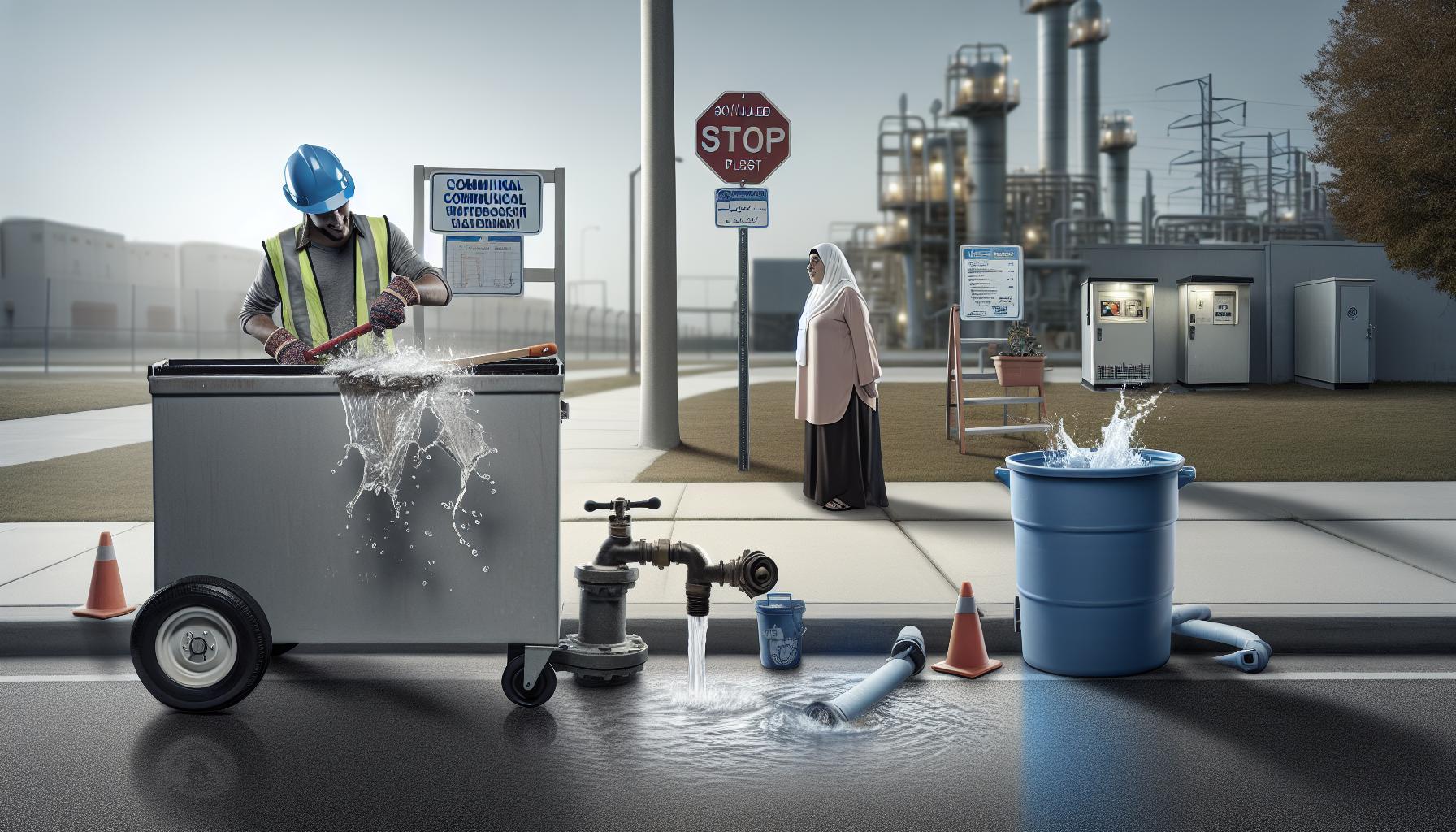
Common Reasons for Water Shut-Off Situations
Water shut-offs, whether planned or unexpected, can disrupt daily routines more than you might anticipate-especially when it comes to something as essential as flushing your toilet. Understanding why water supply interruptions occur helps in preparing smart, practical responses that keep your home functioning smoothly even when the tap runs dry. The causes range from routine maintenance to emergencies, each requiring slightly different precautions and solutions.
commonly, municipalities schedule water shut-offs for maintenance and infrastructure upgrades. These planned outages allow utility crews to repair pipelines, replace aging valves, or perform system-wide inspections needed to maintain water quality and pressure. Although advance notice is normally given, these interruptions can last several hours or even days depending on the scope of the work. During such times, the water stored in your toilet tank quickly depletes, making manual flushing methods essential.
Emergency situations also contribute significantly to water being turned off abruptly. Pipe bursts, serious leaks, or contamination events can force immediate suspension of water service to protect residents and prevent property damage. For example, extreme cold weather can cause pipes to freeze and crack, leading to sudden outages.In these cases, the unpredictability makes it crucial to have contingency plans for managing toilet use without running water.
Moreover, water shut-offs might occur locally within your own home or building due to plumbing repairs or renovations. Turning off the main water supply to fix a faulty valve, replace a toilet, or address leaks inside walls temporarily cuts off water access. In multi-unit dwellings, this can affect several households and highlight the importance of efficient communication and preparedness.
Practical Examples of Water Shut-Off Triggers
- Infrastructure Upgrades: Replacement of old mains or installing new meters.
- Scheduled Maintenance: Valve repair, pipe inspections, or flushing water lines.
- Emergency Repairs: Fixing burst pipes, firefighting system checks.
- Local Plumbing Work: Toilet replacement, sink repair requiring shut-off.
- Natural Causes: Freezing, flooding, or contamination concerns.
For homeowners, recognizing these common scenarios allows for better readiness: filling buckets of water ahead of scheduled outages or securing alternative water sources when emergencies strike. Knowing that water service could be cut off improves your ability to maintain hygiene and waste disposal without rushing or panicking. Especially in prolonged outages, understanding the nature of water interruptions influences whether you rely on manual flushing techniques or consider temporary containment solutions until normal service resumes.
In essence, water shut-offs stem from the complex balance between maintaining public infrastructure, responding to unforeseen events, and managing everyday plumbing needs. Each cause underscores why having a flexible approach to toilet flushing and water management matters-helping you maintain comfort and sanitation no matter the plumbing challenges at hand.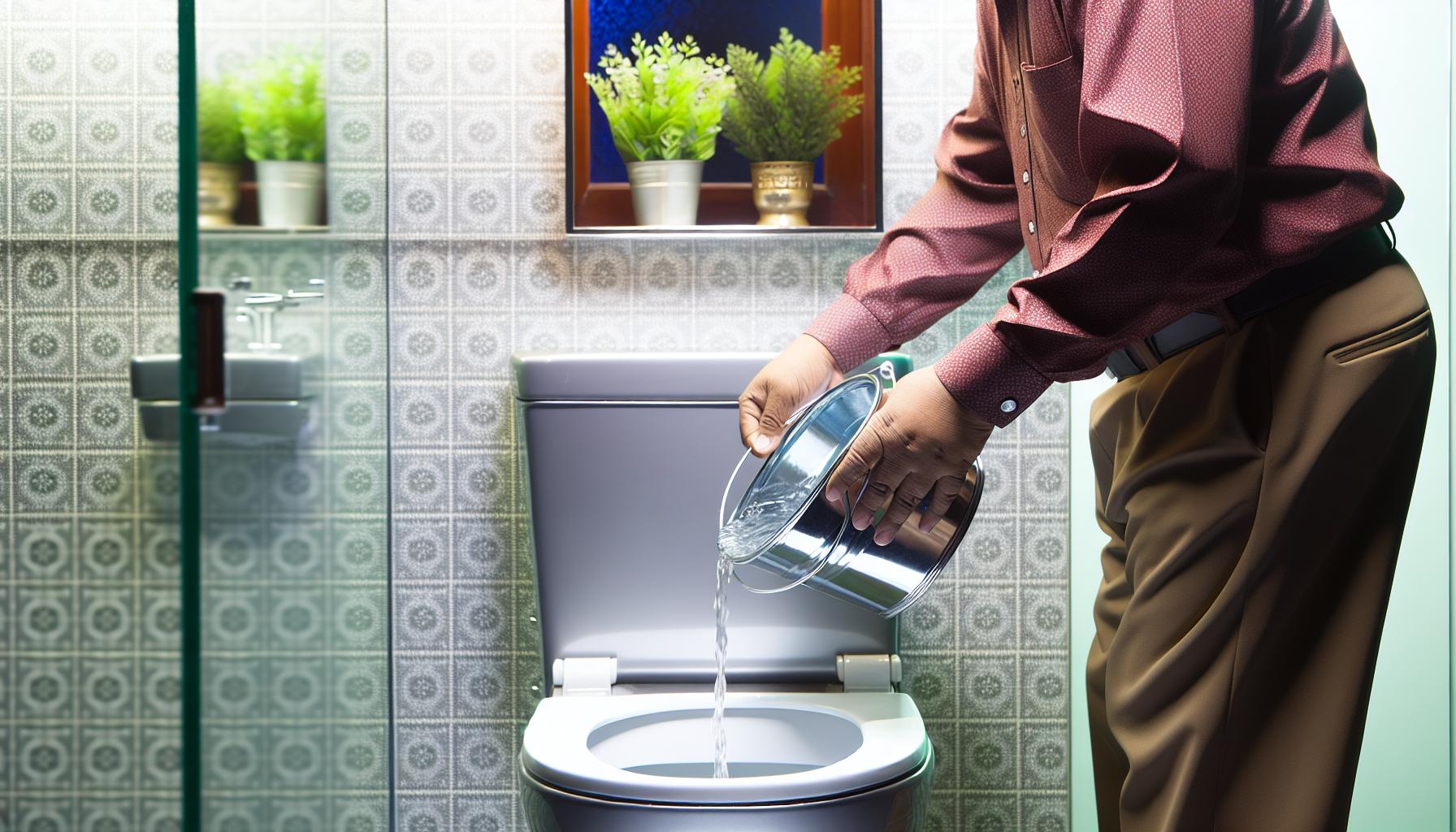
Manual Flushing Techniques That Actually Work
When the water supply is off, flushing a toilet can seem impossible, but several straightforward manual techniques can come to the rescue. One of the most effective methods involves manually introducing water into the bowl to simulate the flushing action. By pouring a bucket of water directly into the toilet bowl with enough force – about 1.5 to 2 gallons (6 to 8 liters) at once – you can trigger the siphoning effect that normally clears waste. This practical approach uses gravity and momentum to move waste through the trap and into the sewer, bypassing the need for the tank’s normal fill and flush cycle.
If you still have some water in the tank when the supply is off, you can also manually trigger the flush valve inside. Carefully lifting the tank lid and pulling up the flush lever or directly lifting the flapper valve allows any residual water in the tank to flush down the bowl. if the tank is empty, though, filling it with water from another source (a bucket or jug) before flushing will make manual flushing function much like a regular flush. This preserves the familiar method with just a bit of manual intervention and water sourcing.
Simple steps for Manual Flushing
- Bucket Flush: Quickly pour 1.5-2 gallons of water from waist height into the toilet bowl to mimic the force of a regular flush.
- Tank Refill Flush: Add water manually to the tank,then use the flush lever or lift the flapper to release water into the bowl.
- Direct Flapper Lift: If water remains in the tank, lifting the flapper valve manually allows a flush without using the handle.
while these methods are straightforward, the key to success lies in the force and volume of water. Pour too slowly, and the toilet won’t clear properly; too little water, and the trap won’t siphon. when done correctly,a manual flush can maintain household sanitation with minimal fuss,even during extended water outages.
Another practical tip is to keep a dedicated supply of clean water or jugs handy for such emergencies – having this ready can streamline manual toilet flushing entirely, reducing stress and mess. Some find that filling a large bottle or pitcher in advance provides a fast source of flushing water without having to search for alternatives once the outage begins.
These techniques not only serve well in water shutoff situations but also highlight the resilience of customary gravity-flush toilets – designed to work effectively even with simple manual actions. By understanding and practicing these methods beforehand, you’ll be better prepared when water is off but flushing necessity remains.
For more detailed guidance on manual flushing,additional resources illustrate these steps with visuals and alternative ideas to fit your home setup[[1]](https://www.mrrooter.com/about/blog/3-ways-to-manually-flush-a-toilet/) [[2]](https://www.oreateai.com/blog/mastering-the-art-of-manual-toilet-flushing/c4471e31d82cc9dcadf5c57ca5b85cb1).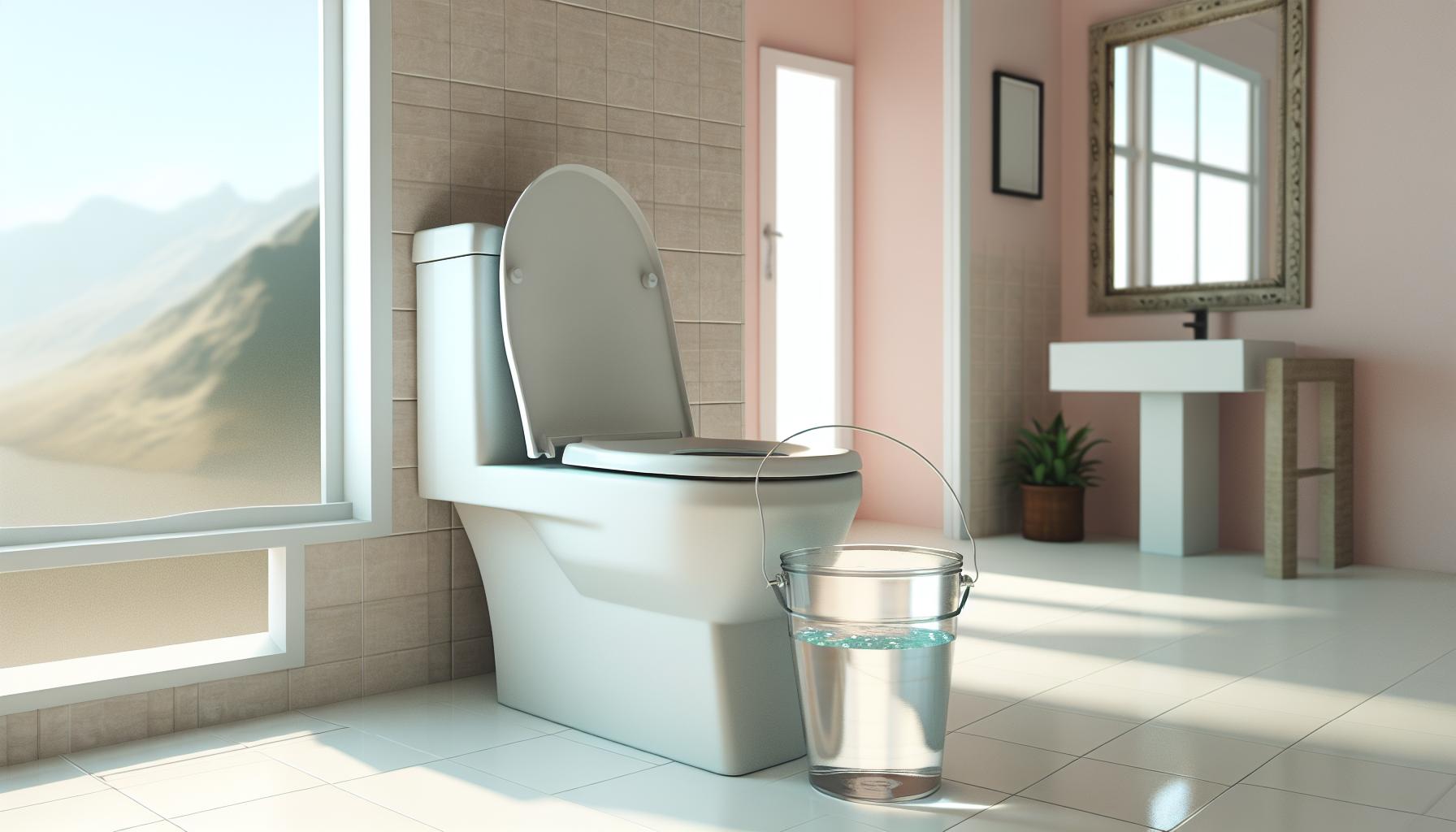
Using alternative Water Sources for Flushing
When conventional water supply is unavailable, flushing a toilet doesn’t have to come to a complete halt. Various alternative water sources can be employed effectively to maintain toilet functionality and hygiene. Understanding which liquids or collected water types are safe and practical to use can make a big difference during outages or in off-grid scenarios.The key is ensuring enough volume and sufficient force to mimic a traditional flush, promoting proper waste removal and trap clearing.
Rainwater is one of the most accessible and eco-kind options, especially in areas where water outages are predictable or frequent. Simply collecting rainwater in barrels or large containers provides a ready reserve for flushing needs. As rainwater is relatively clean, it can be used directly without treatment for this purpose, even though it’s advisable to avoid highly contaminated or stagnant rain catchment. Similarly, water saved from dishwashing, showering, or other ‘gray water’ sources may be recycled for flushing, but caution must be exercised regarding bacteria and residue content to maintain sanitary conditions.
Other liquids can work too but require more deliberation. For example, clear non-potable liquids with similar density to water-like diluted juice or even beer-might physically flush a toilet bowl as effectively as water. However, these are not practical for routine use given their cost, potential odors, and residues they leave behind. One popular community discussion highlights how almost any liquid poured quickly and in sufficient volume creates a flushing action, but such measures are generally reserved for emergencies[[2]](https://www.quora.com/Is-there-another-way-besides-water-to-flush-a-toilet).
Practical tips for Using Alternative water Sources
- Collect and Store Exactly What’s Needed: Prepare a dedicated container with 1.5 to 2 gallons of clean water alternative to flush each time.
- Pour Swiftly and from Height: To trigger proper bowl siphoning, pour the liquid briskly from waist level or higher to generate momentum.
- Maintain Hygiene: Avoid using greywater with food particles or detergents to prevent odor buildup or pipe corrosion.
- Keep Backup Options Ready: Store bottled or potable water safely for emergencies, especially during hurricane seasons or known disruptions.
In addition to using found or stored liquids, specialized products are transforming how flushing can occur without relying on traditional water sources. For instance, dry flush waterless toilets employ electric or composting technologies that do not require any flushing liquid.These modern alternatives offer not only convenience during water outages but also contribute to water conservation efforts[[3]](https://dry-flush.com/?srsltid=AfmBOor2hFswYoWKbOYAIrt5S8MEylUUcL47pCDVCHCn3d-u9mtM5llz).
Ultimately, leveraging alternative water sources for flushing balances creativity and practicality. By planning ahead, understanding your options, and ensuring proper volume and flushing speed, you can maintain toilet usability even when your primary water supply is off-keeping your household comfortable and hygienic through any water disruption.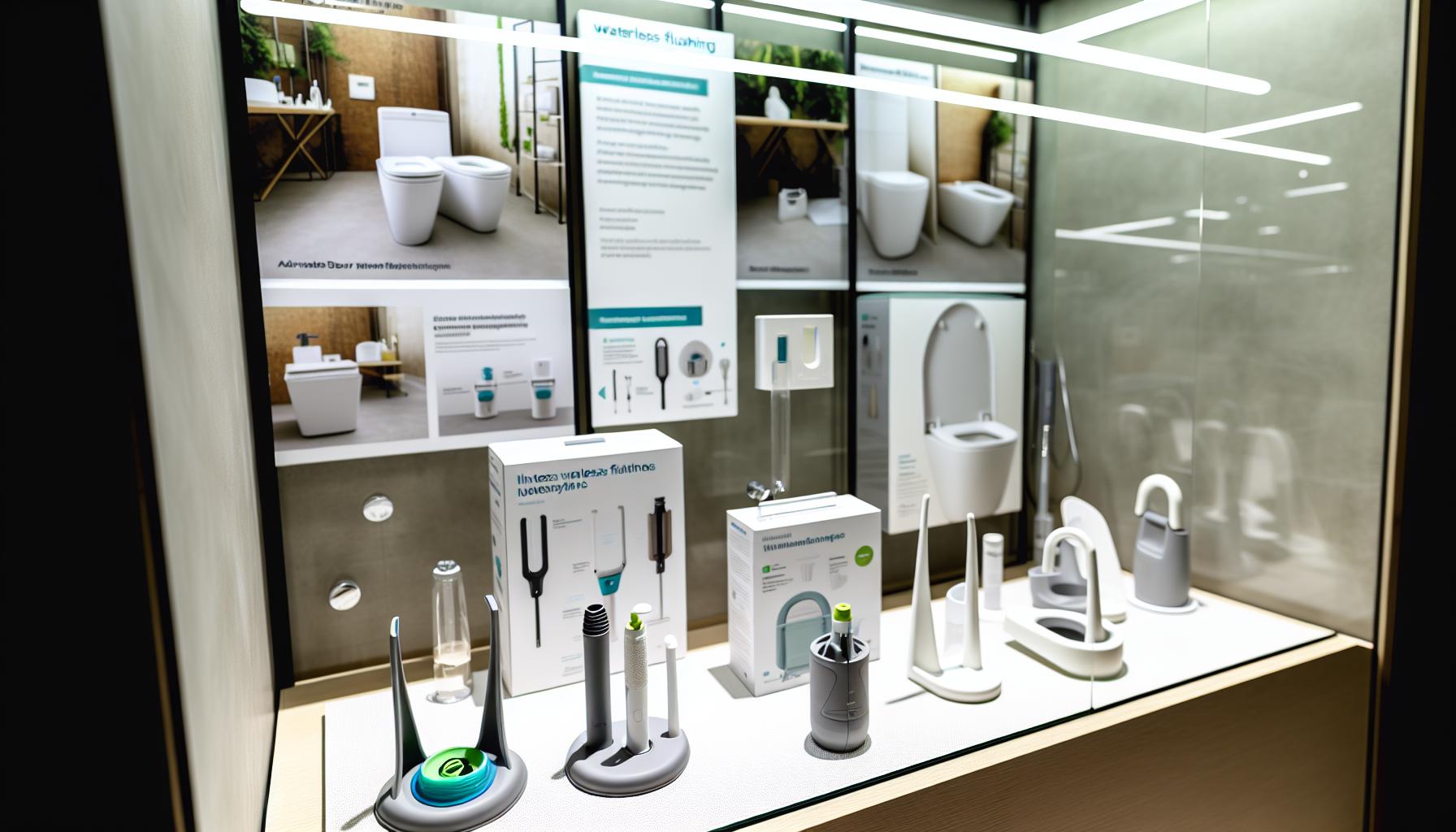
Innovative Tools and Products for Waterless Flushing
When water supply is cut off, the prospect of using a traditional flush toilet can feel frustratingly impossible, but innovation has stepped in to bridge this gap in remarkable ways. Modern solutions now enable effective waste disposal without relying on running water, offering not only emergency relief but also sustainable alternatives for everyday use. These advancements range from fully waterless dry flush toilets to composting and chemical-based systems designed to maintain hygiene and odor control with minimal environmental impact.
One standout technology is the dry flush toilet, which eschews water entirely. Instead of flushing with liquid, these systems typically use mechanical means to separate waste from the toilet bowl and seal it in a disposable or compostable cartridge. This approach not only eliminates the need for water but also prevents odors and reduces contamination risks. Dry flush toilets are increasingly popular in off-grid cabins,tiny homes,and RVs,combining portability with convenience. Their operation often involves simple lever or button activation that triggers waste collection and sealing, making them user-friendly even in water outages.
Another innovative category includes composting toilets,which leverage aerobic decomposition to process human waste safely without water or septic systems. while composting toilets require some initial setup and ongoing maintenance-such as adding bulking materials like sawdust-they serve as a highly sustainable alternative. Modern models are designed to minimize smell, separate liquid and solid waste, and accelerate composting through ventilation fans and mixing mechanisms. They have become popular in eco-conscious communities and locations where plumbing infrastructure is unavailable or unreliable.
Chemical toilets provide another practical solution,especially in portable or temporary settings like events or construction sites. These toilets use specially formulated chemicals to break down waste and control odor without flushing, relying on sealed holding tanks that are regularly serviced. Though not traditionally installed in households, their underlying principles inspire residential products that reduce or eliminate flush water.
Choosing the Right Tool or Product for Your Needs
- Evaluate usage Frequency: For sporadic use during short outages, a dry flush portable system or manual bucket flushing with stored water is often sufficient.
- Consider Installation complexity: Composting toilets usually require more setup and space but offer long-term sustainability benefits.
- Assess Odor and Maintenance: Look for products with robust sealing and ventilation to maintain hygiene and comfort.
- Understand Cost and Availability: Dry flush models can have higher upfront costs but save on water bills and plumbing repairs over time.
| Product Type | Water Usage | Maintenance | ideal Use Case |
|---|---|---|---|
| dry Flush Toilets | None | Change cartridges or bags regularly | Remote cabins, tiny homes, RVs |
| Composting Toilets | Minimal or none | Regular compost removal, ventilation upkeep | Eco-friendly households, off-grid living |
| Chemical Toilets | None or minimal | Tank servicing and chemical refills | Temporary sites, portable emergency use |
Beyond just functioning during water off scenarios, these products also contribute to broader water conservation efforts and reduce strain on municipal wastewater systems. Their increasing popularity signals a growing recognition that water is not always essential to effective sanitation. When selecting an innovative waterless flushing system,users benefit from researching product reviews,understanding maintenance requirements,and considering how each option fits with lifestyle and space constraints.
emerging waterless toilet technologies empower households and communities to maintain sanitation even in the absence of water. Whether through mechanical sealing, biological composting, or chemical treatment, these tools help close the gap left by traditional water-dependent flushing systems-supporting hygiene, sustainability, and peace of mind during water disruptions.
Health and Hygiene Tips When Flushing Without Water
When conventional flushing is unavailable, maintaining proper hygiene becomes a top priority to prevent the spread of germs and unpleasant odors. Without the natural rinse of water, waste residues can linger, making it essential to adopt alternative cleanliness strategies that keep your bathroom sanitary and comfortable.
One practical approach is to use disinfectant wipes or sprays on seats and surrounding surfaces regularly. This reduces bacteria buildup that might otherwise escalate when flushing is limited or absent. Additionally, certain waterless solutions, like dry flush toilets or composting systems, often feature built-in sealing mechanisms that trap odors and contain waste securely, which helps maintain a hygienic environment without extra effort. For manual flushing methods-such as bucket flushing-it’s crucial to ensure the water used is clean and preferably disinfected, to minimize cross-contamination risks.
Hand hygiene takes on even greater importance in water-off scenarios. Always have a supply of alcohol-based hand sanitizer accessible near the toilet area if washing hands with soap and water isn’t immediately possible. This simple habit dramatically lowers infection risks. Moreover, consider placing a small trash bin with a lid close to the toilet for disposing used wipes or tissues safely. Proper waste disposal prevents lingering odors and keeps your space tidy.
- Keep a designated cleaning kit: Include gloves, disinfectant sprays, and wipes to quickly clean surfaces after each use.
- Ventilate the bathroom: Use fans or open windows to reduce humidity and odors.
- Follow manufacturer instructions: For composting or dry flush toilets, adhering to maintenance guidelines ensures optimal hygiene.
- manage waste promptly: Empty holding tanks or compost chambers regularly to prevent buildup.
By adopting these health-conscious habits, it’s possible to sustain a safe and odor-free bathroom atmosphere, even during prolonged water outages. These measures protect not only your family’s wellbeing but also help uphold the dignity and comfort of daily life under challenging circumstances.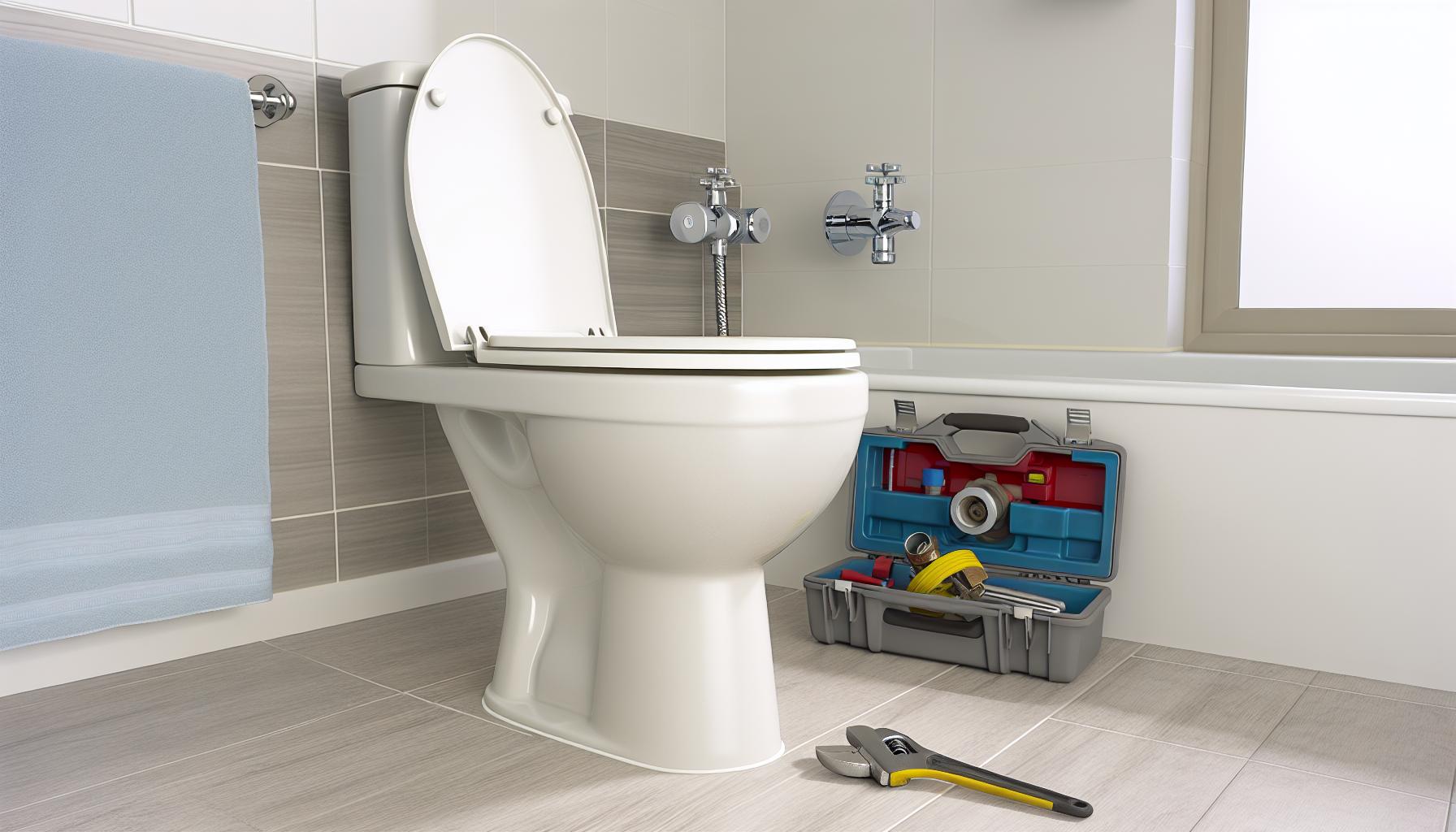
When to Avoid Flushing with Water Off
Sometimes,attempting to flush a toilet without an adequate water supply can do more harm than good,particularly when underlying plumbing issues or situational limitations exist. Pouring water into the bowl isn’t always a failsafe method; understanding when it’s best to hold off can prevent damage to your toilet, sanitary risks, and costly repairs down the line.
If your toilet’s water supply is completely shut off due to plumbing repairs or an emergency, waiting to flush might be necessary if you notice an empty tank or bowl. Without the tank’s stored water or enough manually added water, flushing can fail to generate the necessary pressure to clear waste, resulting in clogs or incomplete waste removal. Persistently forcing a flush without sufficient volume or force risks toilet overflow or damage to the internal trap mechanism.
In cases where the water supply issue stems from low water pressure rather than a full cutoff,flushing manually by pouring water may not create the force needed to move waste through the drainpipe. This can cause buildup or backups within the pipes, particularly in older plumbing systems. It’s wise to evaluate if alternative flushing methods, such as using a portable chemical toilet or waterless sanitation devices, might be safer options during prolonged outages.
Situations to Be Cautious About Flushing Without Water
- Severe pipe blockages: Without enough water, flushing can push blockages further into the system, exacerbating plumbing problems.
- Septic tanks nearing capacity: Limited or no flush volume can impact the natural breakdown process of waste in septic systems and lead to odors or backups.
- Old or fragile toilet models: Some toilets rely heavily on precise flushing mechanisms and water pressure; manual flushing may not work effectively or can break internal parts.
- During extended water outages: Relying solely on water to flush repeatedly without replenishing or alternative sanitation can degrade hygiene and increase contamination risks.
Assessing Your Best course of Action
Before attempting to flush manually during a water shut-off, consider whether your toilet tank and bowl contain enough water to mimic a natural flush. If it feels insufficient, you may want to temporarily avoid flushing; instead, use a portable waste container or waterless options and focus on preventing odors and maintaining hygiene. In emergency scenarios, contacting a professional plumber early on can help determine if temporary repairs or alternative water sourcing are necessary to safely restore flushing.
By recognizing these limits, you protect your home’s plumbing and maintain sanitary conditions until full water service is restored or a better flushing alternative is secured. Remember, improper attempts to flush without water may cause blockages, leaks, or damage that is costlier to fix than finding smarter, temporary workarounds.
For householders seeking to flush during water interruptions, pouring large quantities of water quickly into the bowl can simulate the force of a flush if done correctly. However,this technique is only effective when enough clean water is available and the system is otherwise functional [[1]]. if uncertain, err on the side of caution and explore alternate methods or professional advice rather than risking damage or unsanitary conditions.
Emergency Plumbing Hacks to Restore Flush Function
In moments when water supply is abruptly cut off, the pressure to maintain toilet functionality can feel urgent, but clever, resourceful approaches can keep your bathroom in working order without flooding or damage.One surprisingly effective trick is harnessing the kinetic energy from rapidly pouring water directly into the toilet bowl to replicate the force of a flush. Using at least 1.5 to 2 gallons of water poured steadily but quickly, you can push waste through the trap and into the drain, mimicking a typical flush’s scouring effect. Timing and volume are crucial here – an insufficient or slow pour may fail, while an overly forceful attempt risks splashing or hardware strain [[3]](https://www.plumbingjoint.com/blog/2021/october/2-ways-to-flush-a-toilet-without-running-water/).
If the shutoff is due to valve issues or minor plumbing faults, manually operating the ballcock or fill valve can temporarily restore a small, controlled water supply to the tank. gently manipulating the water supply lever or float arm using pliers or a screwdriver might open the valve enough to collect water slowly inside the tank, allowing you one or two flushes with the built-up volume. Caution is advised to avoid overtightening or forcing parts, which can break fragile components. If a valve is suspected to be corroded or stuck, turning off the main supply, draining residual water from pipes nearby, and carefully cleaning or lubricating valve parts may restore some function until a plumber can intervene.
Simultaneously occurring, makeshift solutions employing alternative water sources are invaluable. Storing rainwater in clean containers or repurposing water from sinks, bathtubs, or melted ice can supplement flush water without interruption to hygiene routines. you can keep a designated bucket filled for manual flushing, avoiding urgency or waste when the water suddenly goes off. When using these water sources, always prioritize clarity and cleanliness to minimize odors and bacterial build-up in the toilet system, which can become a health concern during outages.
Additional Emergency Tips for Temporary Flush Restoration
- Create a gravity flush bucket system: Suspend a filled bucket above the toilet bowl and pour water in a strong, steady stream to mimic a deeper flush force.
- Utilize a toilet brush or plunger: Occasionally agitating the waste can prevent it from settling and sticking, assisting manual flush efforts.
- Seal the toilet bowl carefully: Covering the bowl with plastic wrap or a garbage bag taped tightly can trap odors and contain harmful aerosols during prolonged non-flush periods.
- monitor water temperature: Warmer water accelerates waste breakdown and can definitely help maintain pipe flow during intermittent flushing.
| Emergency Hack | How It Helps | Best Practice |
|---|---|---|
| Rapid pouring of Water | Creates flush-like force to clear bowl | Use 2+ gallons poured steadily but quickly |
| Manual Valve Adjustment | Restores limited tank refill to enable flush | Use gentle tools; avoid forcing valve |
| Alternative Water Sources | Provides necessary volume when mains are off | Use clean, clear water only |
| Gravity Bucket Flush | simulates flush pressure through height | Pour in consistent stream from above bowl |
Employing these strategies not only reduces stress caused by unexpected plumbing failures but also helps maintain household sanitation until full water service is restored. Remember, while improvising in emergencies is essential, ongoing issues require professional assessment to avoid hidden damages and ensure your toilet’s longevity and performance.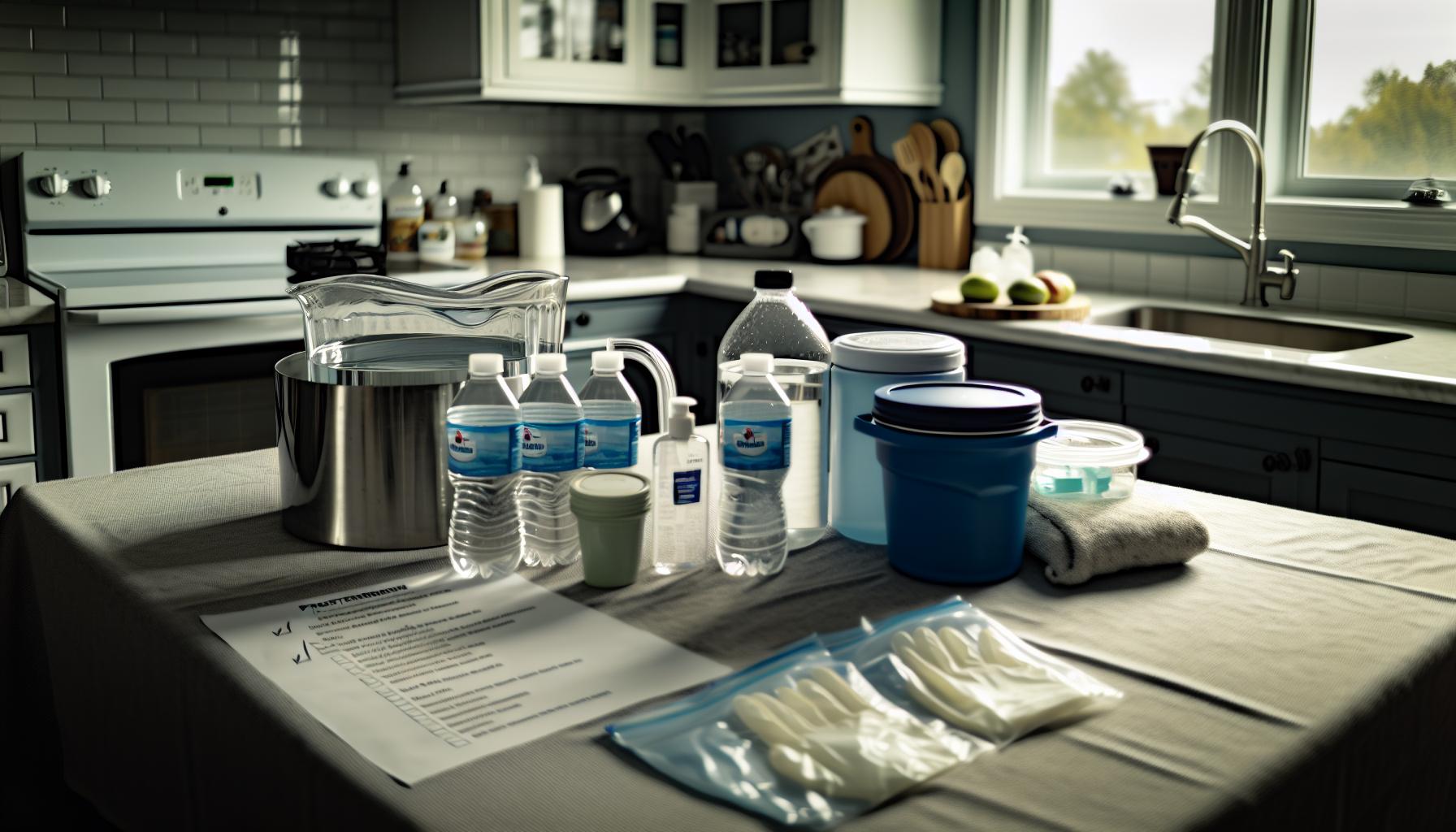
Preventive Measures to Use During Water Outages
water outages can disrupt daily routines and cause significant inconvenience, but with the right precautions, you can minimize the impact on toilet usage and overall bathroom sanitation. Planning ahead not only ensures smoother coping when the water supply stops but can also prevent costly plumbing issues later. Proactively storing water and safeguarding your toilet system during outages keeps your home comfortable and hygienic, reducing stress for everyone involved.
one of the most effective strategies is to maintain a dedicated supply of clean water specifically for toilet flushing purposes.Having at least several gallons of water reserved in sturdy, sealed containers allows you to perform manual flushes easily without scrambling for a water source at the last minute. Using rainwater collectors or filling buckets preemptively when outages are forecasted can be invaluable. It’s critically important to store this water in cool, shaded areas to preserve its freshness and avoid bacterial growth.
In addition to water storage, anticipating potential plumbing complications can save time and damage. Regular maintenance of toilet valves, especially the ballcock and fill valve, helps prevent them from becoming stuck or corroded during outages when their operation is critical. Applying a light lubricant to moving valve parts before any water shutoff event can improve their responsiveness when you need to manually open or close them. Moreover, consider keeping basic plumbing tools handy, such as pliers and a screwdriver, to adjust or free these mechanisms safely without causing hardware damage.
Practical Steps to Minimize Flow Disruptions
- Keep a flushing bucket ready: designate one or more buckets exclusively for flushing to ensure immediate availability.
- Use water efficiently: Avoid unnecessary flushes; use alternatives like toilet seat liners or portable urinals for liquid waste to prolong water reserves.
- Seal toilet bowls when idle: Cover the toilet bowl with plastic wrap or a tightly-fitted lid to reduce odors and discourage insect intrusion.
- Educate household members: Inform everyone about conserving water and proper manual flushing techniques before outages occur.
| Preventive Measure | Benefit | Best Practice |
|---|---|---|
| Store Clean Water | Ensures immediate manual flushing capability | Use sealed containers; refresh supply regularly |
| Maintain Toilet Valves | prevents sticking or malfunction during outages | Lubricate valves; perform routine inspections |
| Reserve Plumbing Tools | Enables quick manual adjustments | Keep tools accessible but secure |
| Limit Flush Frequency | Conserves water reserves during prolonged outages | Adopt waste segregation methods where possible |
By taking these preparatory steps, you enhance your ability to manage water shortages confidently and hygienically. Anticipation and readiness transform an inconvenient interruption into a manageable situation, preserving both the comfort and health of your household until full water service resumes.
Expert Advice on Maintaining Toilet Functionality
Few household systems reveal their true importance like a toilet when the water supply suddenly stops. Maintaining its functionality during such times requires both foresight and practical know-how. One of the most overlooked yet critical elements to keep in working order is the internal flushing mechanism-especially the fill valve, flapper, and flush lever. Regular inspection and gentle maintenance of these components can significantly ease the challenge of manual or alternative flushing methods.
A small but impactful tip is to periodically clean and lubricate moving parts inside the tank with a silicone-based lubricant, avoiding harsh oils that degrade rubber seals. This simple step prevents valves from seizing up during periods of inactivity or low water pressure, ensuring smooth operation when you need to initiate a flush manually or via a bucket method. Likewise, confirming that the flapper forms a watertight seal can save water and prevent odors, particularly important when you’re limited to conserved water for flushing.
Maintaining Readiness with Basic tools and Water Reserves
Keeping a set of essential plumbing tools on hand-including adjustable pliers, a small wrench, and screwdrivers-can empower homeowners to quickly fix minor valve misalignments or loosen stuck components that might otherwise keep the toilet unusable. In emergencies, knowing exactly how to manually lift the flapper or adjust the ballcock valve can restore flushing capability without waiting for professional help.
- Store several gallons of clean water: Use sealed containers and label them clearly for flushing use only to avoid contamination.
- Practice manual flushing: Familiarize yourself and household members with the technique of pouring water quickly into the bowl to activate gravity-assisted flushing.
- Check valve function before outages: test your toilet’s fill and flush mechanisms to identify any sticking parts or leaks that could worsen under water shutoff conditions.
In many cases, the toilet can still be flushed effectively by pouring water directly into the bowl, mimicking the force of a traditional flush. This technique relies heavily on how well components inside the tank respond when water refilling is paused or interrupted.Households that maintain valve health routinely find this workaround far more reliable and less messy.
Additional Expert Considerations
Beyond maintenance, consider the material and age of your toilet’s internal parts. Older toilets or those with plastic components often degrade faster, which can complicate manual flushing efforts. Upgrading certain internal parts to more durable, modern equivalents can increase resilience against outages.Also, in regions where outages are frequent or prolonged, installing a backup gravity flush system or a direct flush lever is a valuable retrofit.
| Maintenance Task | Frequency | Purpose |
|---|---|---|
| Lubricate Valves and Moving Parts | Every 6 months | Prevent sticking and ensure smooth flushing |
| Inspect and Replace Flapper Seal | Annually or as needed | Maintain watertight seal to avoid leaks and odors |
| Test Manual Flushing Method | Quarterly | Train household members and confirm procedure efficacy |
| Stock Clean Flushing Water | Keep constant reserve, refresh quarterly | Ensure availability during outages |
Maintaining your toilet with these expert strategies not only improves its reliability without running water but also extends its overall lifespan. The key to success lies in consistent upkeep combined with preparedness, turning an unavoidable water outage into a manageable scenario rather than an emergency crisis.
FAQ
Q: How long can you safely go without flushing a toilet when the water is off?
A: You can safely delay flushing for up to 24-48 hours if the toilet remains unused, but avoid flushing during longer outages to prevent leaks or damage. Use manual flushing techniques outlined in the Emergency Plumbing Hacks section to maintain hygiene while water is off.
Q: Why does flushing a toilet with no water sometimes cause clogs or damage?
A: Flushing without adequate water can cause blockages or damage because the bowl’s waste removal relies on water volume and pressure. Always follow manual flushing methods or use alternative water sources described in Manual Flushing Techniques That Actually Work for safe operation.
Q: What are the best alternative liquids for flushing when the water supply is unavailable?
A: The best alternatives include collected rainwater, gray water, or stored clean water. Avoid harsh chemicals to protect plumbing and health. Refer to Using Alternative Water Sources for Flushing for safe, effective solutions that maintain toilet function without tap water.
Q: How can you prevent unpleasant odors in a toilet when flushing is not possible?
A: To prevent odors, cover the toilet bowl with plastic wrap when not in use and add a cup of baking soda or white vinegar to neutralize smells. this hygienic tip complements advice found in health and Hygiene Tips When Flushing Without Water for maintaining freshness during outages.
Q: When is it unsafe to attempt flushing the toilet with the water turned off?
A: It’s unsafe to flush when no water or alternative source is available, as this can damage plumbing or cause sewer gas to escape.Avoid flushing during extended outages and see When to Avoid Flushing with Water Off for detailed safety guidelines.
Q: How does air pressure affect toilet flushing when water is turned off?
A: Air pressure alone cannot flush a toilet effectively. Flushing depends on water to create a siphoning effect. Use manual water addition or specialized tools described in Innovative Tools and Products for Waterless Flushing to overcome water shortages.
Q: Can you use a bucket of water efficiently to flush a toilet if the main water supply is shut off?
A: Yes, pouring about 1-2 gallons of water quickly into the bowl mimics a flush by creating enough force to remove waste. This technique is detailed in Manual Flushing Techniques That Actually Work and is an easy emergency solution during water outages.
Q: How can you maintain toilet function during prolonged water shut-off periods?
A: to maintain function during long outages, regularly add alternative water sources, keep the toilet clean, and employ preventive measures discussed in Preventive Measures to Use During Water Outages. Consistent care reduces clogs and preserves plumbing integrity.
Explore the detailed sections referenced above to enhance your preparedness and toilet maintenance strategies during water shut-offs.
Insights and Conclusions
Understanding whether you can flush with the water off reveals practical insights for managing plumbing emergencies and water conservation. By exploring effective methods and alternatives, you’re now better equipped to handle situations where water supply is disrupted without compromising hygiene or convenience. If you want to dive deeper into maintaining your home’s water system or troubleshooting common issues, check out our guides on DIY Plumbing Repairs and Water Efficiency Tips.
Don’t wait until an unexpected outage leaves you unprepared-explore these resources and consider subscribing to our newsletter for regular updates and expert advice on home maintenance. Have questions or experiences about flushing with no water? Share your thoughts below to join the conversation and help others facing the same challenges. With reliable data and practical steps at your fingertips, you can confidently manage your plumbing needs while staying informed about related topics like water pressure solutions and emergency preparedness.
Get our latest guides, news, and insights highlighted in your Google Search & AI Overviews.