Can You Flush When Water Is Off? Emergency Bathroom Fixes
Imagine facing a sudden water outage and wondering, “Can I still flush my toilet?” This common but stressful question highlights an essential household challenge: managing bathroom needs when the water supply is interrupted. Whether due to maintenance, emergencies, or unexpected disruptions, knowing simple, effective bathroom fixes can save you discomfort and potential hygiene issues. In this guide, we’ll explore practical solutions for flushing and maintaining your bathroom function without running water, helping you stay prepared and confident during inconvenient water outages. Keep reading to discover tips that turn a frustrating dilemma into manageable steps, ensuring your bathroom remains usable no matter the situation.
How toilets Work Without Water Explained
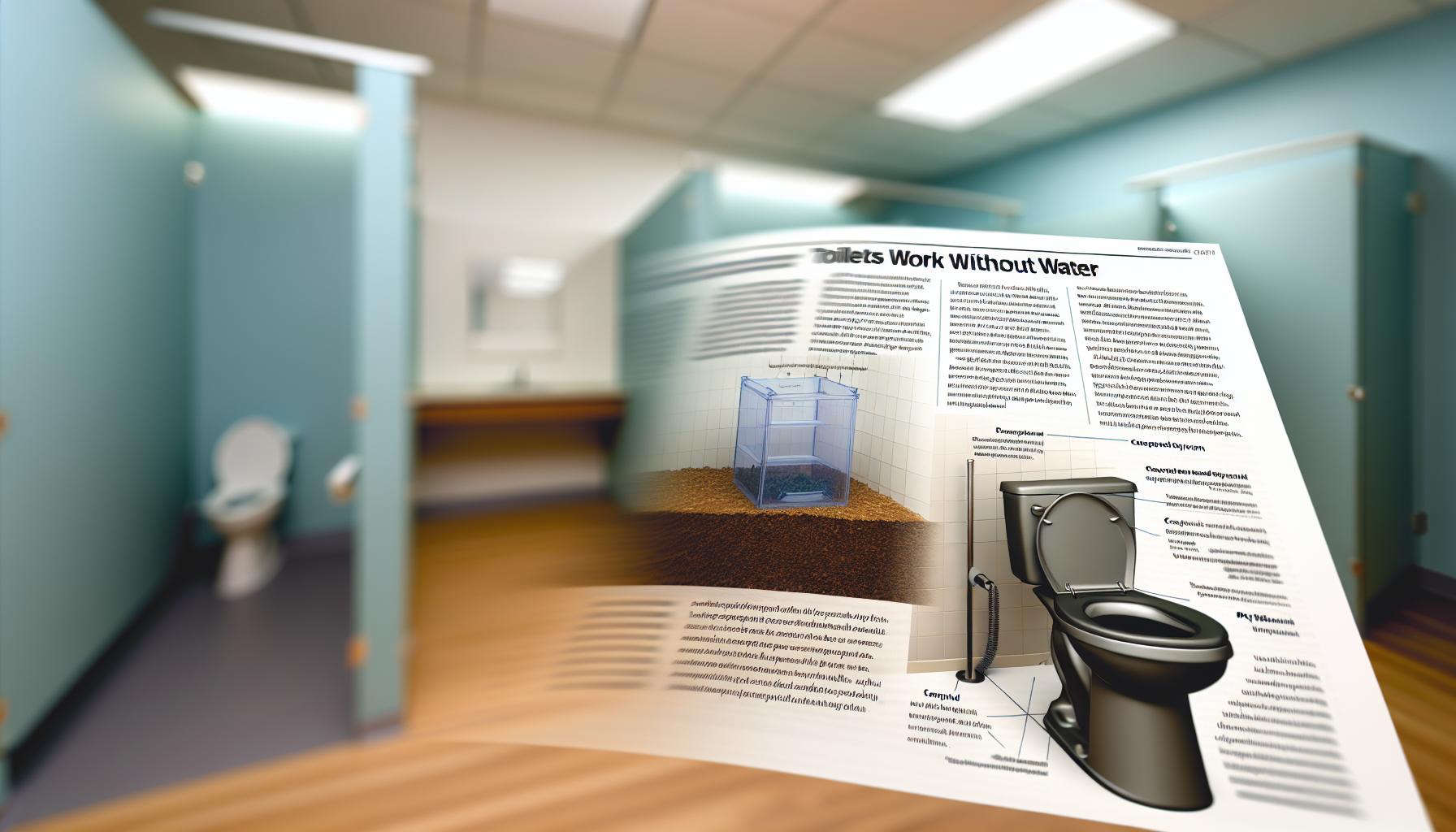
Most traditional toilets rely on a steady flow of water to carry away waste,making the idea of flushing without water seem impractical at first glance. However, the key to flushing lies not solely in the water itself but in the mechanical action and gravity that help clear the bowl’s contents. When water is unavailable, understanding how toilets function and exploring option methods can empower you to maintain bathroom hygiene even during outages or emergencies.
At its core, a toilet uses water stored in the tank to create a siphoning effect, which pulls waste through the trap and into the sewer line. Without this volume of water, the usual flushing mechanism won’t activate, but the design still allows for manual methods to clear the bowl. For example, pouring a considerable amount of water directly into the bowl can replicate the force of the flush by increasing water pressure and volume rapidly enough to push waste through the drain.
Gravity and pressure remain the main forces at play. Without water in the tank, you can cleverly leverage these forces by using containers of clean water to mimic the flush movement.This method works best when the water is poured quickly and from a height, creating sufficient momentum to remove waste and maintain a clean bowl. It’s a simple yet effective workaround that doesn’t require plumbing expertise or additional tools.
components Enabling Flush Without Water
- Toilet trap: The curved pipe beneath the bowl creates a water seal that prevents sewer gases from entering your home but also allows waste to pass through.
- Gravity: Waste moves downward naturally; the key is helping it along by adding water volume or pressure.
- Manual water addition: Pouring water rapidly simulates the flush mechanism absent of tank water.
Understanding these mechanisms not only clarifies why and how toilets can still function without the traditional flush tank but also prepares you to adapt in times of water shortage. This foundational knowledge sets the stage for exploring safe, practical methods to flush and maintain hygiene even when the municipal supply is off.
Safe Methods to Flush When water Supply Is Off
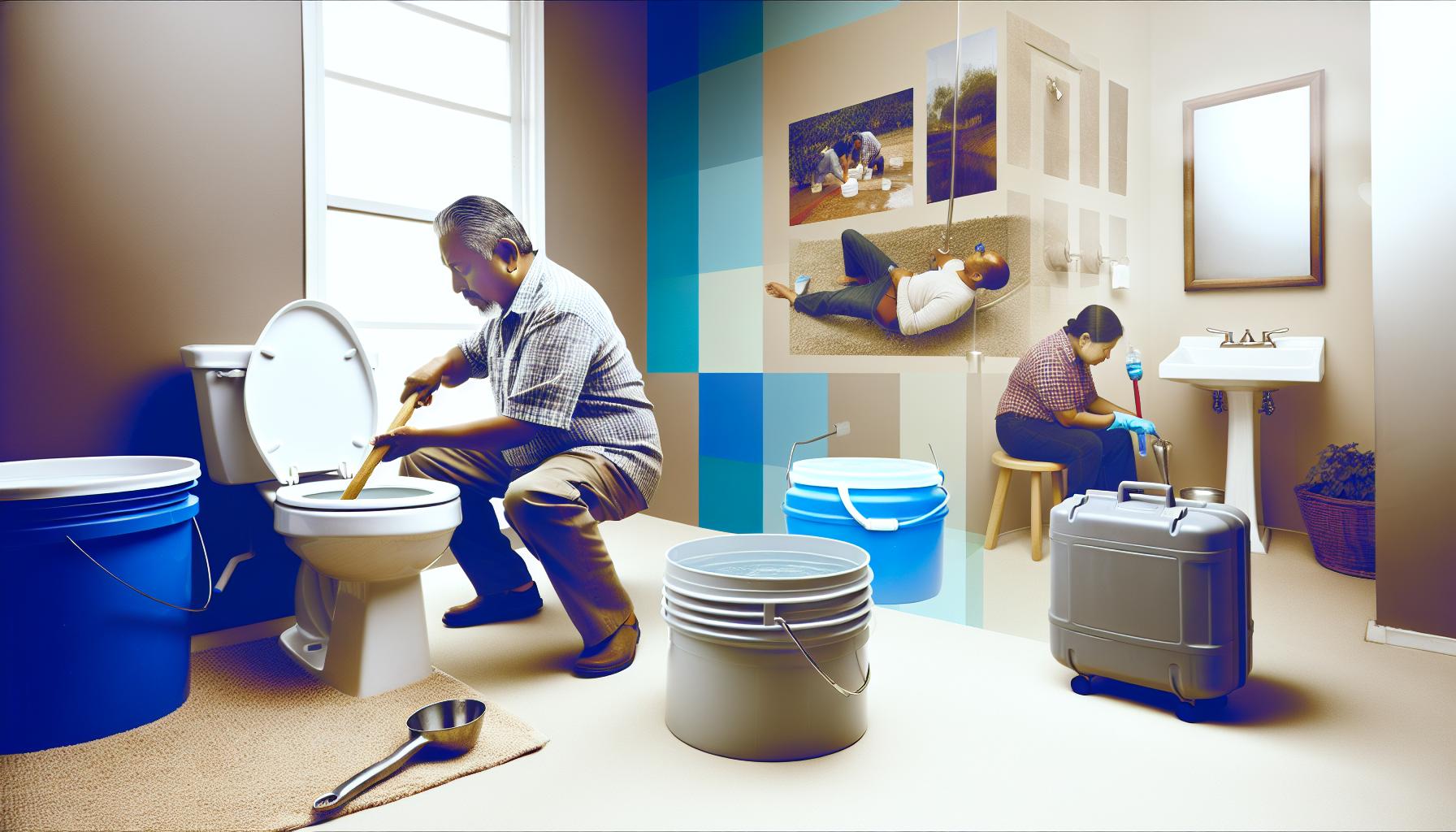
When the water suddenly stops flowing, flushing a toilet might feel like an impossible task. Yet, with a bit of ingenuity and safety-conscious methods, you can keep your bathroom functional without risking sanitation or plumbing damage. One of the safest and most reliable approaches is to use clean water stored in buckets or containers to mimic the flushing action. By pouring approximately one to two gallons (about 4 to 8 liters) of water rapidly and from a moderate height directly into the toilet bowl, you recreate the momentum generated by a normal flush, effectively pushing waste through the trap and into the sewer system.
It’s important to use potable water for this purpose to avoid introducing harmful bacteria or debris into your plumbing. If you have limited water stored for drinking or cooking, consider collecting rainwater or using melted clean ice cubes as an emergency supply for flushing. Avoid using greywater (wastewater from sinks or showers) as it could contain contaminants capable of damaging pipes or posing health risks.
Additional Precautions and Tools
- Use a sturdy container: Opt for a bucket or pitcher with a controlled pour to avoid splashing and to direct water efficiently.
- Pour confidently and swiftly: The key to mimicking a flush is speed and volume; slow pours can cause inadequate waste removal and odors.
- Ensure ventilation: Keep the bathroom well-ventilated to reduce the buildup of any unpleasant smells during water outages.
- Prepare backup water storage: Having at least 10 gallons of stored clean water for toilet use during extended outages can be a lifesaver.
For those who prefer a no-water contact method, some use disposable liners or plastic bags designed to safely contain waste. These require careful handling and frequent disposal to maintain hygiene. However, manual water pouring remains the safest for typical household toilets during a water cut. practicing this method in advance can ease stress during actual outages and preserve both your plumbing and health.
DIY Emergency Toilet Flush Techniques That Actually Work
In a water outage, the challenge lies in replicating the flush’s powerful rush without the usual supply. One surprisingly effective technique involves harnessing gravity and volume to create enough force to clear the bowl-this can be achieved by pouring water swiftly and accurately from a container held about waist to chest height. The kinetic energy from the falling water is what pushes waste through the trap and into the drain,mimicking the normal flush mechanism. Precise execution here matters: too slow a pour leads to poor clearing and odors, while too little water won’t move the waste effectively.
For those wanting a no-fuss approach, a common DIY solution is the bucket flush method. Fill a sturdy bucket or large pitcher with 1.5 to 2 gallons (6 to 8 liters) of clean water,than pour it rapidly in one steady motion into the bowl’s drain opening. This must be done confidently to generate the siphoning effect toilets rely on. If done correctly, it’s remarkably reliable-often clearing the bowl as well as a regular flush. A variation involves pre-filling the bowl with some water before pouring to enhance the siphon, especially for low-flush or high-efficiency toilets.
Innovative Tools and Tips to Boost Success
- Use a funnel or narrow spout: Directing water flow straight and forcefully into the drain maximizes flushing power and minimizes splashing.
- employ a flush aid device: Some households keep a manual flush pump or bellows handy for emergencies, which compresses air or water to boost drainage pressure.
- Practice in advance: Familiarize yourself with the volume and speed needed by testing with clean water during normal conditions. This ease can reduce stress during real outages.
Another overlooked approach is using a sturdy trash bag or specialized disposable liners designed for portable toilets. These provide a sanitary temporary replacement for flushing when water is unavailable. While not a flushing technique per se, they offer a hygienic backup.Carrying bio-degradable liners and sealable waste bags can turn your toilet into a dry composting station, an option especially valuable during extended outages or when water conservation is critical.
Simple Table: Volume Recommendations for Emergency Flushes
| toilet Type | Approximate Water Volume Needed | Notes |
|---|---|---|
| Standard Gravity Toilet | 1.5 to 2 gallons (6-8 liters) | Rapid pour needed to trigger siphon |
| Low-Flow or Dual-Flush Toilet | 2 to 2.5 gallons (8-10 liters) | May require additional volume to overcome design |
| Composting or Dry Toilet | none (use liners or waste bags) | Alternative sanitation without water |
Ultimately, prosperous DIY emergency flushing hinges on combining a clear understanding of how your specific toilet works with practical planning. Keeping a dedicated flushing water supply and the right containers ready can turn a water crisis into a manageable inconvenience rather than a hygiene nightmare.
Using Alternative liquids to Flush Your Toilet
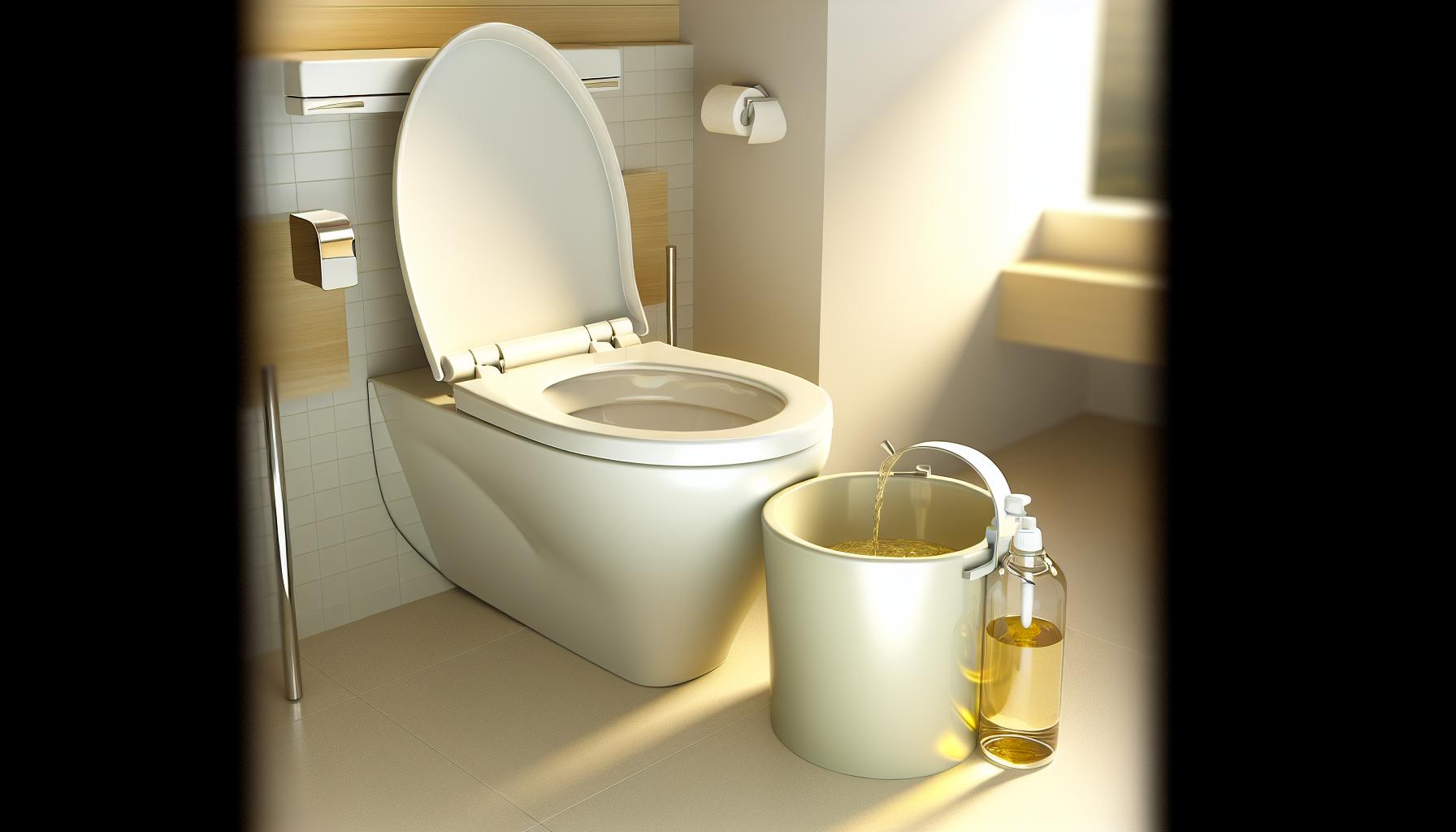
When traditional tap water isn’t available, exploring alternative liquids can be a practical solution for flushing your toilet and maintaining hygiene. surprisingly, not all liquids perform equally well, so understanding the properties that make a liquid suitable for flushing can save you frustration during an outage. The primary goal is to use a liquid with enough volume and flow to generate the force needed to mimic the siphoning action of a regular flush, while also being safe for your plumbing and septic system.
Water alternatives like rainwater or melted snow are often the best substitutes because they share the essential characteristics of tap water, including clarity and compatibility with your plumbing. Collecting and storing these in clean containers during normal days can provide a useful reserve. If using rainwater or melted snow, ensure the liquid is free of debris and contaminants to prevent clogging or damage.
Other liquids such as non-toxic, biodegradable greywater-water used for washing hands or dishes-can be an option but require caution. Greywater should be filtered and relatively clean to avoid introducing soaps or oils that can accumulate in pipes or impair septic function.Avoid using any liquids with chemicals that could corrode fixtures or disrupt bacterial action critical in septic tanks, such as bleach, household cleaners, or solvents.
Creative Alternatives and Safety Tips
- Saltwater: In emergencies near coastal areas, saltwater can flush toilets since its density aids in waste movement. though, overuse risks corroding metal components and affecting septic systems.
- Diluted vinegar or mild cleaning solutions: Small amounts mixed with water might assist in odor control while flushing but should never replace water entirely.
- Milk or juice: While technically liquid, these are poor choices due to sugar content and potential for contributing to bacterial growth and plumbing blockages.
Before pouring any alternative liquid,always test a small amount to confirm it doesn’t damage your toilet’s materials or cause an unpleasant reaction. Store alternative flushing liquids in labeled, sealed containers to maintain safety and readiness. Proper preparation and sensible choices can make alternative liquids a surprisingly effective backup during water shortages.
| Alternative Liquid | Suitability | Safety Considerations |
|---|---|---|
| Rainwater/Melted Snow | High | Use filtered to avoid debris; safe for plumbing |
| Filtered Greywater (Soap-Free) | moderate | Avoid chemicals; risk of buildup if used excessively |
| Saltwater | Moderate | Use sparingly; potential corrosion issues |
| Diluted Vinegar Solution | low-Moderate | For odor control only; don’t rely on as main flush |
| Household Chemicals (Bleach, Cleaners) | Not Recommended | Damaging to plumbing and septic systems |
| food/Beverage Liquids (milk, Juice) | Not Recommended | Can cause blockages and odors |
Leveraging suitable alternative liquids can be a game-changer in emergency toilet flushing, especially when water supply interruptions extend unexpectedly. By choosing wisely and preparing ahead, you protect both your plumbing infrastructure and your household’s health.
Portable and Chemical Toilet Solutions for Water Outages

When water is unavailable, maintaining bathroom functionality can feel daunting, but portable and chemical toilet solutions offer practical and hygienic alternatives.These systems are especially valuable during extended water outages, camping trips, or emergency situations where traditional flushing is impossible. Designed for easy setup and use, they help control waste safely without needing a plumbed water supply, providing peace of mind when conventional toilets can’t be relied upon.Portable toilets come in many forms-from simple bucket-based models to more sophisticated units with sealed waste tanks and flushing mechanisms powered by manual pumps or chemicals. Many include features to minimize odors and contain waste hygienically until disposal is possible. Chemical toilets use special biodegradable agents that break down waste and neutralize smells, making them highly effective in preventing unsanitary conditions in confined spaces.These options are widely used by emergency responders, outdoor enthusiasts, and households preparing for water shortages.
Choosing the Right Portable Toilet for Your Needs
- bucket Toilets: The most basic option, requiring minimal investment. Line the bucket with heavy-duty bags and add absorbent material or chemical treatments to manage waste and odors.
- Flush Chemical Toilets: Feature a water reservoir and a separate waste tank. The flush uses minimal water mixed with special chemicals to break down waste, suitable for longer use with minimal maintenance.
- Compost Toilets: Utilize aerobic decomposition to turn waste into compostable material, typically requiring no water and some ventilation. Ideal for eco-conscious users,though setup and maintenance can be more involved.
using Chemical Additives Safely and Effectively
Chemical treatments are formulated to control odor, inhibit bacterial growth, and help liquefy waste. When selecting additives, look for products labeled as non-toxic, biodegradable, and compatible with your toilet system. Overusing harsh chemicals can damage your equipment and pose environmental hazards during disposal.Always follow manufacturer instructions and dispose of chemical toilet waste at designated facilities or per local regulations.
Practical Tips for Emergency Use
- Store your portable or chemical toilet in an accessible location to set up quickly during outages.
- Keep a stock of appropriate chemical treatments and disposal bags ready well before emergencies.
- Regularly clean and maintain your portable toilet to ensure hygiene and prolong usability.
- Consider privacy and comfort by positioning the unit in a discreet, well-ventilated area.
With these solutions in place, you can manage toilet needs reliably without running water, reducing stress and health risks during disruptions.Whether for a few days or longer, portable and chemical toilets provide a resilient and user-friendly backup that stands apart from DIY flushing methods and alternative liquids.
Preventing Plumbing Damage During Water Shutoffs
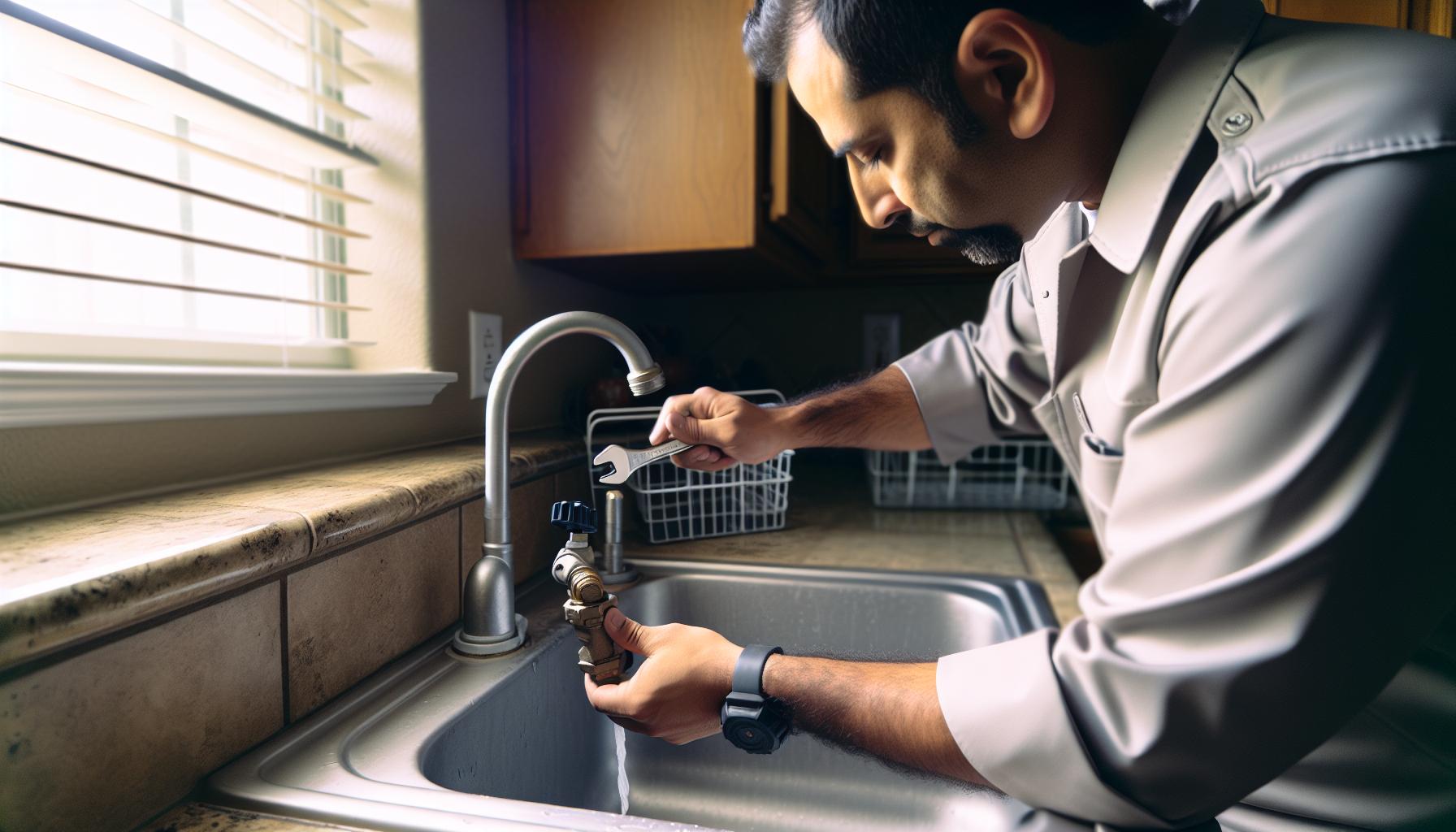
Water shutoffs can create unexpected stress on household plumbing, especially when normal flushing mechanisms fail or are forced to function without an adequate supply. One of the lesser-known risks during these periods is the potential for damage caused by prolonged dryness or sudden pressure changes in your pipes.Without flowing water, seals can dry out and become brittle, and blockages can develop if waste is not managed properly. Protecting your plumbing during these vulnerable times requires proactive steps and a cautious approach.
Avoid flushing the toilet repeatedly when the water supply is off. Each flush typically relies on a specific volume of water to carry waste efficiently through the trap and into the sewer lines. Without water, waste can settle and harden inside the pipes, causing clogs that are tough and costly to clear later. Instead, consider alternative waste containment methods such as portable or chemical toilets, which keep the plumbing intact and prevent raw waste from entering your system.
practical Measures to Protect Your Plumbing
- Maintain Moisture in Trap Seals: Toilet traps rely on standing water to create a seal that prevents sewer gases from entering your home. If you anticipate a lengthy water outage, periodically pour small amounts of water into the toilets and drains to keep these seals wet and effective.
- Use Minimal Flushing Techniques: When flushing is necessary and water is limited, add just enough water (or alternative liquids safe for plumbing) to effectively flush away waste. Avoid the temptation to force multiple flushes with insufficient water.
- Clear Pipes of Standing waste: During extended shutoffs, keep an eye on slow drains or odors which can signal waste buildup. Acting swiftly with gentle plunging or enzyme-based cleaners (safe for your system) can prevent more serious blockages.
- Secure Plumbing Fixtures: Ensure that shutoff valves and connections are properly closed or supported to prevent leaks and water hammer effects once service is restored.
In some cases, prolonged water interruptions can expose hidden vulnerabilities, such as brittle seals or corroded pipe sections. Regular maintenance before an outage-including inspecting rubber gaskets, valves, and pipe joints-can reduce the risk of these components failing under stress. One homeowner’s experience involved a water shutoff that dried out the toilet’s wax seal, leading to leaks when water service resumed. Addressing such issues ahead of time avoids emergency repairs and water damage.
By understanding how your plumbing systems behave without water and taking purposeful steps to preserve their integrity, you can minimize damage during disruptions and ensure a smooth transition back to normal use. Remember, careful handling during outages can save you considerable time, expense, and inconvenience down the line.
When to Call a Professional Plumber for Emergency Fixes
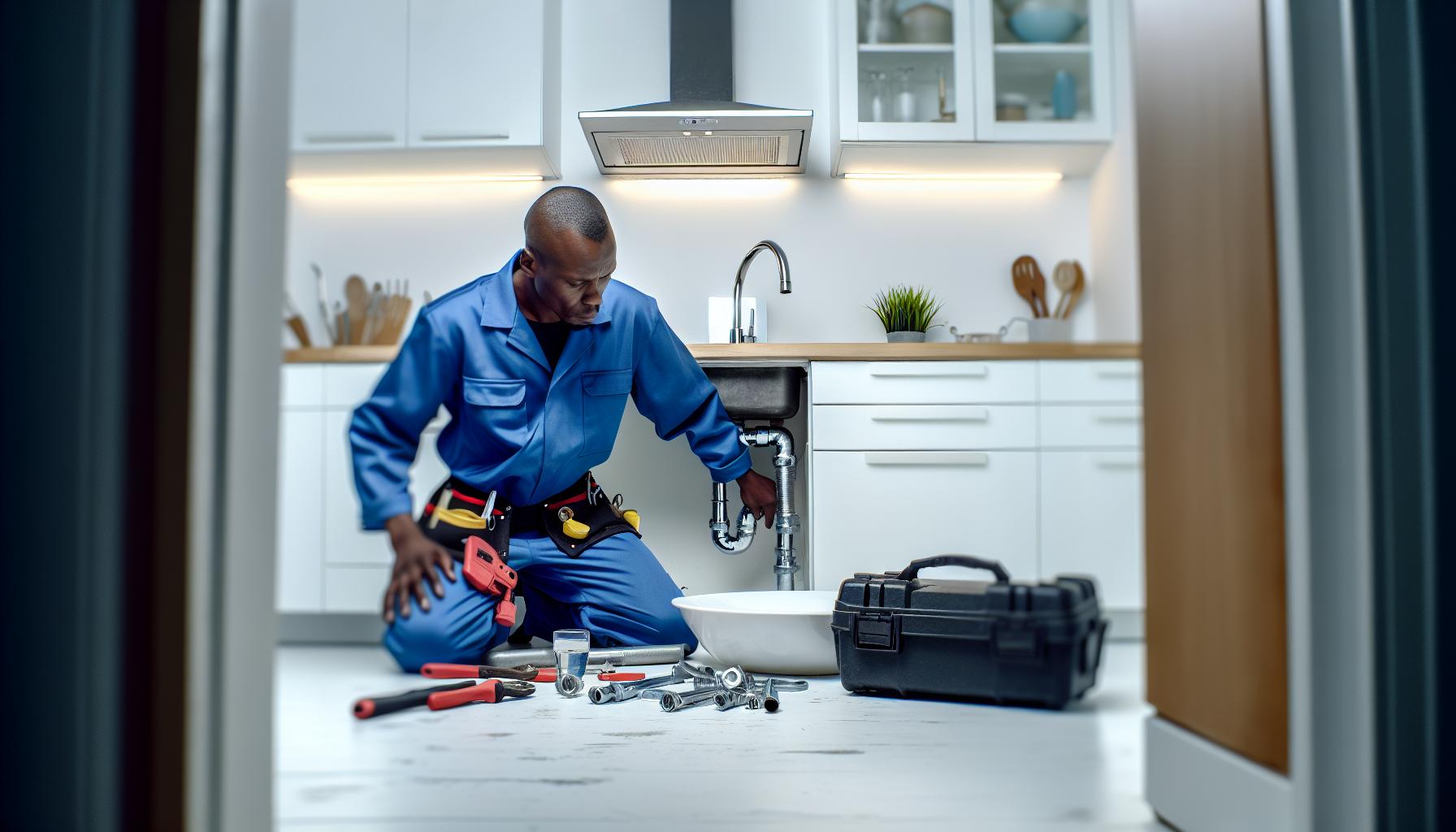
Unexpected plumbing issues during a water outage can quickly escalate from minor inconveniences to meaningful emergencies. Knowing when to step back and call a professional plumber is crucial-not just for fixing the problem at hand, but for preventing costly damage to your home’s plumbing system. As an example, if flushing attempts with limited or no water lead to persistent backups, foul odors, or visible leaks around the toilet base, it’s a clear signal that professional intervention is needed before the situation worsens.
Some problems, like a damaged wax seal or compromised toilet flange caused by prolonged dryness during a water shutoff, often require specialized tools and expertise to repair properly. Attempting DIY fixes in these cases can inadvertently damage pipes or fixtures further. Additionally, if you notice water pooling near plumbing fixtures once water service resumes, it’s essential to have a plumber inspect for hidden leaks or pressure issues. These symptoms frequently enough indicate that seals or joints failed under stress and must be addressed promptly to avoid structural damage or mold growth.
When Immediate Professional Help Is Advisable
- Persistent Clogs and Backups: When plunging or gentle home remedies don’t clear blockages and sewage or wastewater begins to back up, a plumber’s expertise is necessary to address deep or stubborn obstructions safely.
- Leaks After Water Restoration: Discovering leaks or water pooling after water service returns likely signals failed seals or cracked fittings that need immediate professional attention.
- Unusual Noises or Pressure Fluctuations: Loud banging sounds or irregular water pressure upon restoration can indicate “water hammer” or trapped air-issues requiring specialized diagnostic and repair equipment.
- damaged Plumbing Components: Visible cracks in pipes, broken valves, or dislodged fixtures found during or after the outage are beyond typical homeowner repair capabilities.
Timing can be everything in plumbing emergencies related to water outages. Delaying a professional assessment may lead to more extensive damage and increased repair costs. Conversely, prompt intervention often preserves plumbing integrity and restores safe, functional bathroom use quickly. If you’re ever unsure whether an issue is beyond your control, err on the side of caution and contact a licensed plumber-you’ll save both headaches and potentially significant expenses down the line.
Pro Tips to Communicate effectively with Your Plumber
- Describe Symptoms Clearly: detailed explanations of smells, sounds, or specific areas affected help plumbers diagnose problems more accurately before they arrive.
- Mention Water Outage Duration: Letting them know how long the water was off provides insight into what plumbing components might be stressed or dried out.
- Share Previous Attempts at Fixes: Informing them about any DIY methods or products used prevents redundant or harmful interventions.
Ultimately, while minor precautions and DIY emergency flushing tactics can maintain functionality during short water interruptions, professional plumbing support is indispensable for tackling serious repairs and safeguarding your home’s plumbing long-term.
Tips to Maintain Hygiene Without Running Water
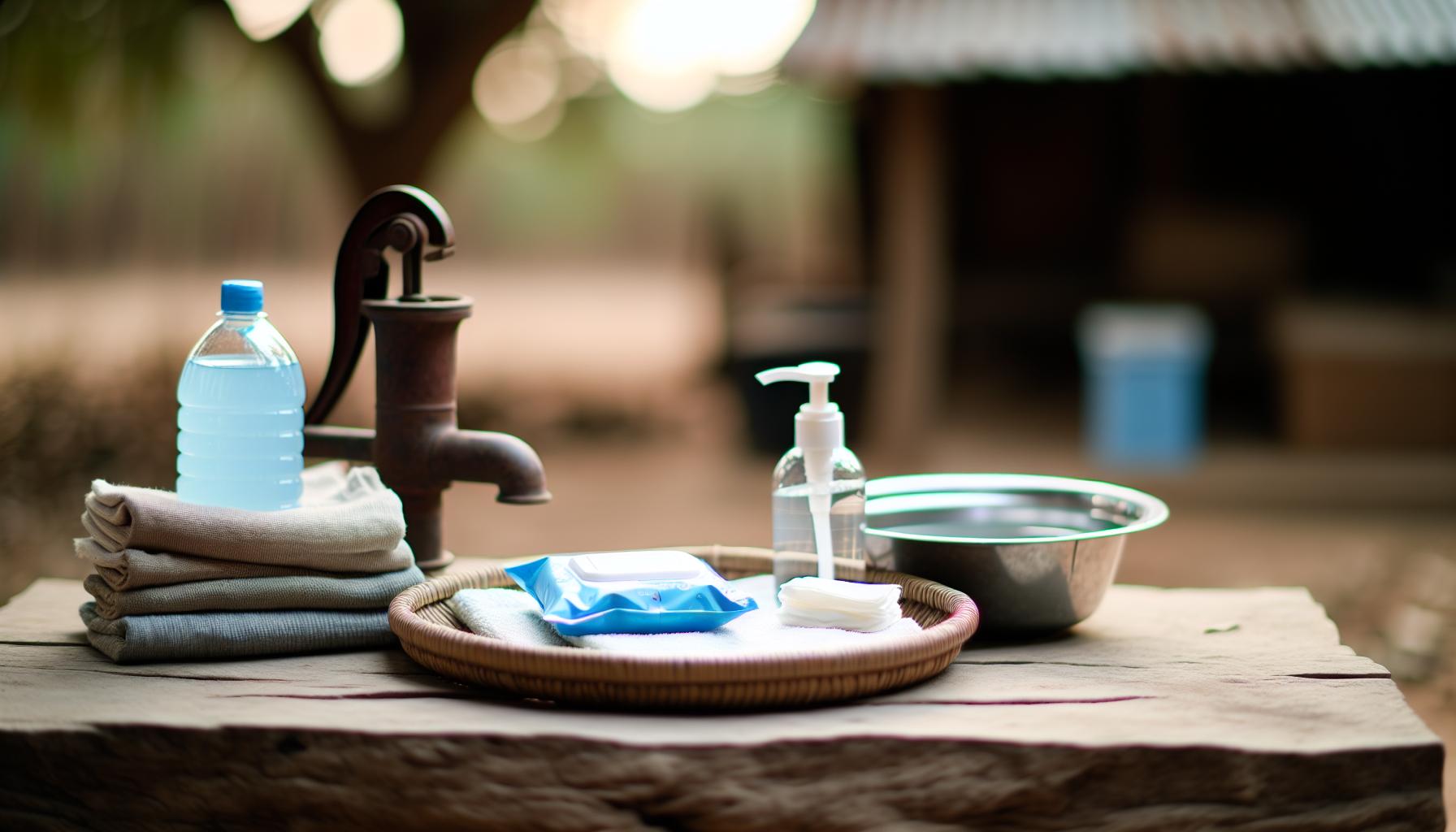
When water service abruptly stops, maintaining personal hygiene might feel impossible, but with a few smart strategies, you can keep your household clean and healthy until normal flow resumes. As water is essential for washing hands, faces, and cleaning surfaces, adapting your routine using alternative methods can prevent illness and discomfort during these challenging times. the key lies in finding effective ways to minimize contamination and bacterial spread, even without running water.
One essential practice is to use alcohol-based hand sanitizers liberally,especially after bathroom visits and before meals. While these don’t replace handwashing with water entirely, sanitizers with at least 60% alcohol dramatically reduce harmful germs when water is unavailable. Additionally, wipe-clean disposable towels or antibacterial wipes can provide a convenient way to remove dirt and bacteria from hands and surfaces. However, always keep in mind that visibly soiled hands require more than sanitizer; in such cases, using stored or alternative water sources for washing can be necessary.
Simple Techniques to Stay Clean without Running Water
- Use Bottled or Stored Water Sparingly: Keep a container of water handy specifically for essential hygiene tasks such as face washing or oral care.
- Employ No-rinse Cleansing Products: Try no-rinse body wipes or dry shampoos to maintain cleanliness without needing a shower or sink.
- Set Up a Handwashing Station: Fill a large jug with a spigot for controlled water flow, combined with soap and a basin for greywater collection to prevent mess.
- Practice good Toilet Hygiene: Use a bucket of water mixed with a small amount of bleach or disinfectant to flush manually if needed, reducing odor and bacterial buildup.
- Dispose of Waste Properly: If toilets cannot be flushed regularly, make arrangements to empty waste buckets safely and frequently to avoid unsanitary conditions.
For families with children or elderly members, developing a clear hygiene plan is even more critical. Encourage frequent hand sanitization and avoid shared towels or sponges that can harbor germs.Remember that hydration and nutrition also support skin and immune health, which can be compromised during extended outages.
By integrating these practices into your emergency preparedness, you not only reduce the risk of infections but also maintain a degree of comfort and normalcy when water is scarce. Planning ahead with hygiene kits including sanitizers, wipes, and alternative water sources will ensure you’re ready the moment the taps run dry-turning a stressful situation into a manageable one.
Preparing Your Bathroom Ahead of Water Interruptions
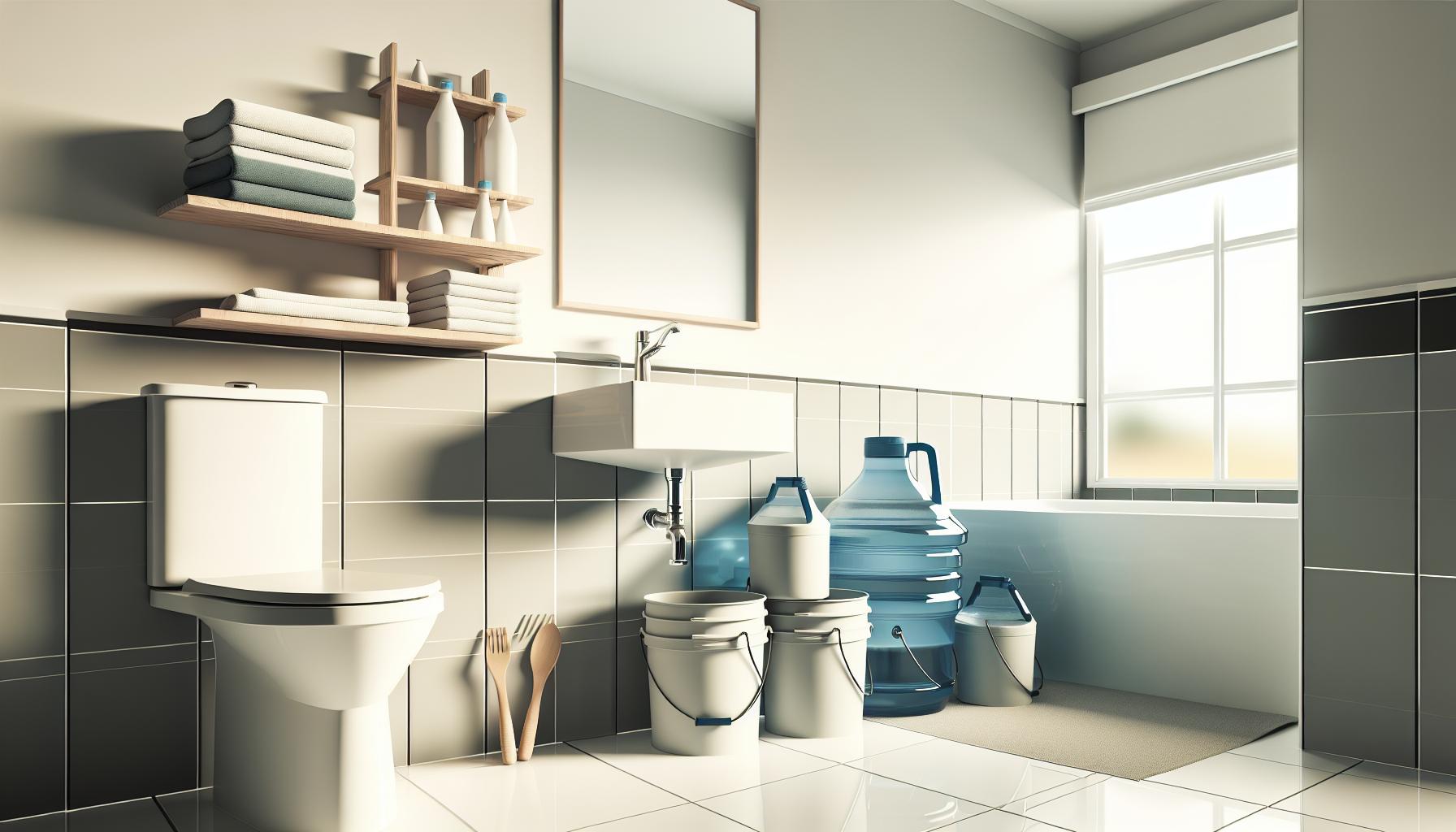
Unexpected water outages can transform your bathroom into a logistical challenge if you’re not prepared. However, with some forward planning and strategic adjustments, you can ensure your bathroom remains functional and hygienic even when the municipal water supply is interrupted. Knowing the condition of your plumbing system and anticipating basic needs ahead of time empowers you to manage emergencies calmly and efficiently.
Begin by assembling essential supplies that cater specifically to water-free or low-water toilet use. stocking up on clean water containers-for flushing and light cleaning-will substantially ease the transition during a shutdown. Consider keeping a sturdy bucket specifically reserved for manual flushing; mixing a bit of disinfectant in this water can definitely help minimize odors and bacterial growth. additionally,toilet seat covers,disposable gloves,and sealable trash bags can aid in maintaining cleanliness and odor control.
Organize your bathroom space to optimize these emergency supplies for quick access. A small, waterproof bin or cabinet shelf dedicated to water outage essentials prevents scrambling and ensures everyone in your household knows where to find them during an urgent situation. If you have young children or elderly family members, place easy-to-use hand sanitizers and no-rinse cleansing wipes within reach; this encourages frequent hand hygiene without relying on running water.
Practical Measures to Prepare Your Bathroom
- Identify Alternative Flushing Options: Familiarize yourself with your toilet’s model to understand manual flush techniques or compatibility with portable flushing devices.
- Test Emergency Flush Kits: Before any outage occurs,practice using buckets,water bottles,or chemical flush alternatives to build confidence and troubleshoot potential issues.
- seal and ventilate Properly: Ensure your bathroom has adequate ventilation and that toilet lids are kept closed to inhibit odors and the spread of germs when normal flushing isn’t possible.
- Maintain Plumbing Integrity: Turn off auxiliary valves and check seals to prevent leaks or damage during water interruptions.
By proactively investing in knowledge about your plumbing system and setting up an emergency bathroom toolkit, you reduce uncertainty and stress. you also safeguard your health and comfort,turning what could be a frustrating disruption into a manageable inconvenience. This approach ensures readiness for short-term interruptions,and it can also spark thinking about long-term solutions to reduce dependence on continuous water supply,especially useful in areas prone to frequent outages.
Common Mistakes to Avoid in emergency Flushing
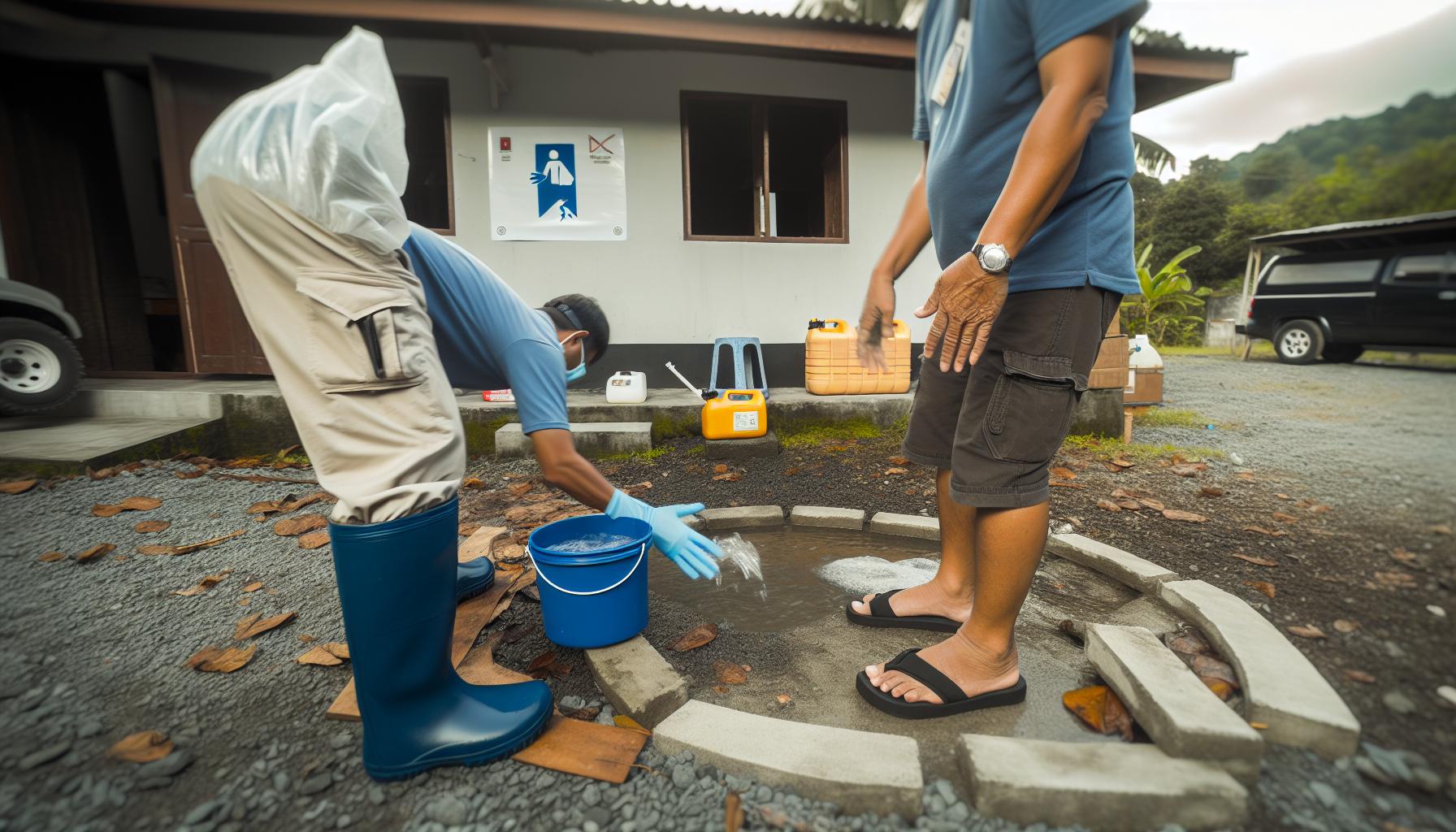
Unexpected disruptions to your water supply can trigger a cascade of small but critical errors when it comes to flushing the toilet manually. One surprisingly common oversight is using too little water to flush effectively. Flushing with insufficient water volume or rushing the pour frequently enough leaves waste partially cleared, which can cause unpleasant odors and blockages. Remember,the goal is to simulate a normal flush as closely as possible by rapidly dumping 1.5 to 2 gallons (about 6-8 liters) into the bowl to generate enough force to clear the trap and bowl.
Another frequent mistake is forgetting to close the toilet lid before manual flushing. This step is crucial for controlling splashes and minimizing aerosolized germs, especially when flushing without water pressure. Additionally, some people resort to pouring alternative liquids like bleach or harsh chemicals directly into the bowl in an attempt to disinfect or mask odors. While disinfectants are important, inappropriate use of chemical agents can damage porcelain surfaces and pipes or create toxic fumes. Stick to diluted, toilet-safe disinfectants and follow product directions carefully.
Overloading the toilet’s drain with paper or solid waste without enough flush water is another challenge. In emergencies, it’s better to dispose of excessive toilet paper or hygiene products in sealed waste bags rather than flushing them, to prevent clogs that lead to costly plumbing issues. Similarly, avoid employing makeshift plungers or tools in haste, as improper use could damage the toilet seal or the internal mechanisms, resulting in leaks or malfunction once water is restored.
Key practices to Avoid in Emergency Flushing
- Using Inadequate Water Volumes: Always pour water swiftly and in sufficient quantity to mimic the natural flush force.
- ignoring the Toilet Lid: Closing the lid reduces splash-back and airborne contaminants, crucial for hygiene during outages.
- Applying Strong Chemicals Incorrectly: Avoid harsh or concentrated chemicals directly in the bowl to protect plumbing and indoor air quality.
- Flushing Excessive Solids: Limit flushing of paper and solids; use sealed trash bags when necessary to prevent blockages.
- Improper Use of Tools: Never force plungers or tools aggressively as this may damage the toilet components.
Taking these precautions not only preserves your plumbing integrity but also helps maintain sanitary conditions under challenging circumstances. By avoiding these common pitfalls, you keep your emergency toilet setup safe, effective, and manageable until normal water service resumes.
Long-Term Solutions for Low or no water Toilet Use
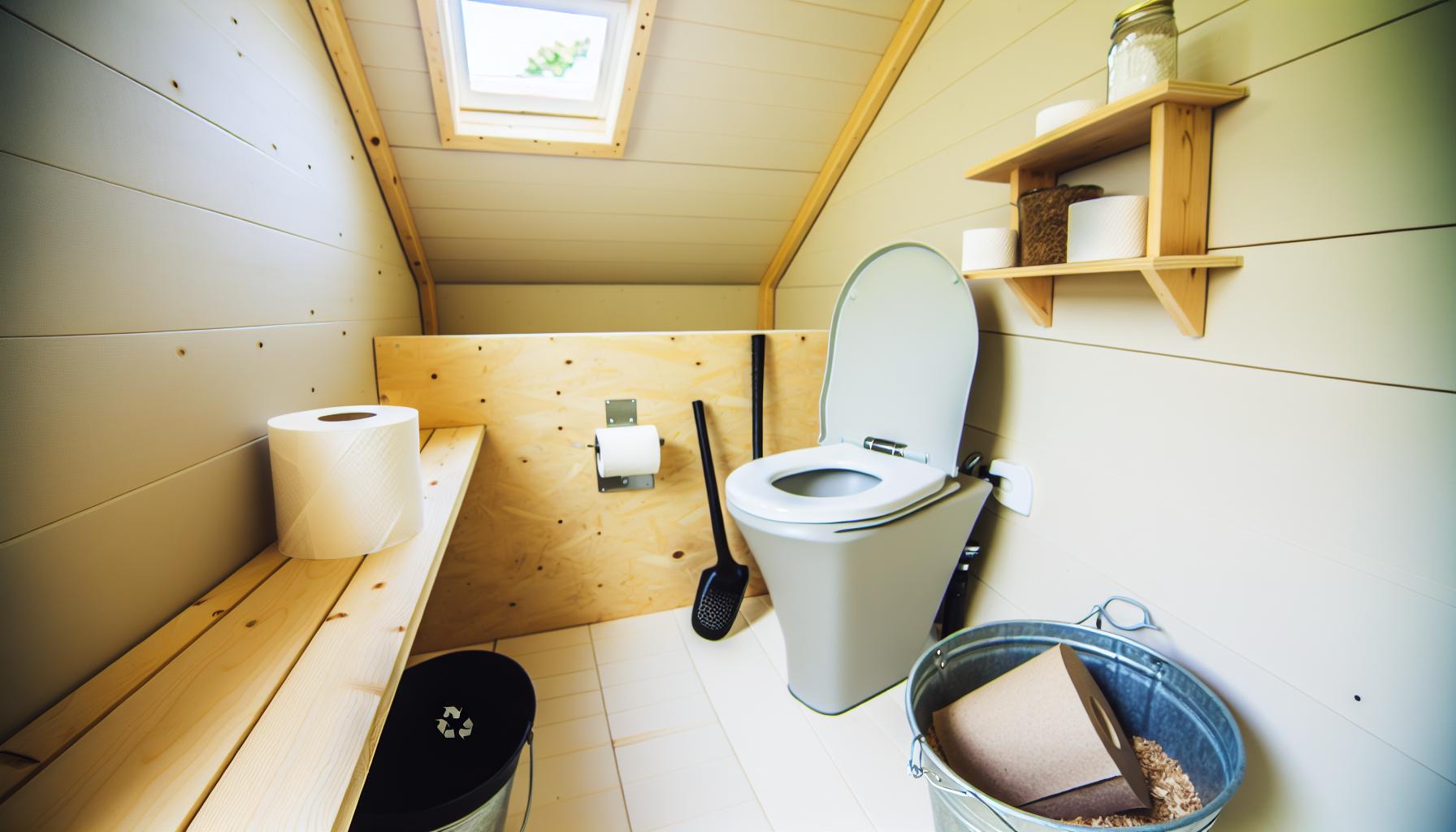
When water supply disruptions extend beyond a few days or become frequent due to droughts or infrastructure issues, relying on quick manual flushes isn’t sustainable. For households and facilities looking to adapt long-term, investing in water-efficient or entirely waterless toilet systems offers a practical path forward. Modern solutions go beyond merely conserving water; they create hygienic, odor-controlled environments that maintain comfort even during extended outages.
One popular option is dual-flush or low-flush toilets, which significantly reduce water used per flush-frequently enough to under 1.28 gallons (4.8 liters). These toilets allow users to select an appropriate flush volume for liquid or solid waste,drastically cutting water consumption without compromising performance. For those preparing for recurring or long-term water shortages, installing such fixtures not only safeguards sanitation but also lowers utility bills and reduces environmental impact.
For truly water-free solutions, composting toilets and incinerating toilets offer smart alternatives. Composting toilets utilize aerobic decomposition to break down waste into safe, odorless compost. These systems require minimal maintenance and no external water, making them ideal for remote areas or emergency preparedness. Incinerating models burn waste at high temperatures to ash, suitable where electricity is available but water isn’t. While installation requires upfront investment and familiarity with operation, they eliminate most plumbing complications and ease concerns about clogs or odors.
Additional Long-Term Considerations
- Greywater Recycling Systems: These systems capture and treat water from sinks and showers, which can be recycled for toilet flushing, reducing dependency on fresh water supply.
- Waterless Urinals: In multi-user facilities, replacing conventional urinals with waterless models reduces water use and maintenance effort.
- Behavioral Adjustments: Encourage habits such as minimizing flush frequency where safe, and disposing of non-flushable waste properly, to keep systems running smoothly.
- Regular Maintenance: Water-efficient and alternative toilet systems require scheduled upkeep to prevent odors and ensure mechanical parts function correctly over time.
| Toilet Type | Water Usage | best for | Maintenance Needs |
|---|---|---|---|
| Low-Flush/Dual-Flush | 0.8 to 1.28 gallons/flush | Households with partial water availability | Standard plumbing upkeep |
| Composting Toilet | None | Remote areas, eco-conscious users | Periodic compost removal, ventilation check |
| Incinerating Toilet | None (requires electric power) | Emergency shelters, tiny homes | Electrical system check, ash removal |
| Waterless Urinal | None | Public buildings, offices | Seal cartridge replacement |
Adopting long-term solutions often requires some upfront planning and occasional lifestyle tweaks but offers the peace of mind and hygiene standards essential during ongoing water challenges. By choosing technologies that fit your household’s needs and local conditions, you can stay prepared for interruptions and reduce environmental strains at the same time. Whether upgrading your existing bathroom or planning an off-grid setup,these options illustrate that effective sanitation without water isn’t just possible-it can be pleasant and convenient too.
FAQ
Q: How can I safely flush a toilet manually when the water supply is off?
A: You can manually flush a toilet by pouring about 1 to 2 gallons of water directly into the bowl quickly. This simulates the natural flush force, clearing waste without damaging your plumbing. For more details on *safe flushing techniques during water outages*, see the section on DIY emergency flush methods in the article.
Q: what common household liquids are effective alternatives to water for flushing a toilet?
A: Clean water is best, but in emergencies, *using clear liquids like purified or boiled water* is safest. Avoid oils, soaps, or chemicals that may clog pipes. For tips on *alternative liquids and their risks*, refer to the “Using Alternative Liquids to Flush Your Toilet” section of the guide.
Q: Why should I avoid flushing the toilet repeatedly when water is turned off?
A: Repeated flushing without enough water can cause clogs and damage seals in your toilet. It also worsens odors and hygiene issues. Learn more about *common mistakes to avoid in emergency flushing* to protect your bathroom fixtures and maintain hygiene.
Q: How can I prevent plumbing damage if I must use the toilet during a water outage?
A: to prevent damage, flush only when necessary, avoid harsh chemicals, and use controlled manual flush methods with clean water alternatives. For *prevention tips and maintenance during water shutoffs*, check the relevant section on plumbing care in the article.
Q: When is it necessary to call a professional plumber during a toilet water outage?
A: Call a professional if your toilet is clogged without water pressure, leaks develop, or if manual flushing fails. Prompt expert help prevents further damage. See the “When to Call a Professional Plumber for Emergency Fixes” section for guidance.
Q: How can I maintain bathroom hygiene when water is off for an extended period?
A: Use disinfectant wipes, hand sanitizers, and keep a supply of clean water for basic flushing and cleaning. Establishing these habits *minimizes health risks during prolonged water shortages*. Refer to the hygiene tips section for more strategies.
Q: What are the best portable toilet options for long-term water outages?
A: Portable chemical toilets and composting toilets provide hygienic, odor-free solutions during extended water shutoffs. Choose models that fit your space and usage needs. Explore *portable and chemical toilet solutions* for detailed comparisons and recommendations.
Q: How can I prepare my bathroom ahead of planned water interruptions to avoid flushing problems?
A: Before interruptions, fill containers with water for flushing, stock disinfecting supplies, and test manual flushing methods. Preparation *reduces emergency stress and plumbing issues*. The section on bathroom prep ahead of water interruptions offers step-by-step advice.
—
*For more practical emergency bathroom fixes and detailed flushing techniques, explore the related article sections to enhance your readiness and avoid common pitfalls.*
In Conclusion
knowing how to manage emergency bathroom fixes, especially when you wonder, “Can you flush when water is off?” can save you stress and discomfort during unexpected outages. By understanding alternative flushing methods and quick solutions, you’re empowered to handle bathroom challenges confidently until normal water service resumes. Don’t wait for an emergency-explore our detailed guides on plumbing maintenance and water-saving tips to stay prepared for any situation.If you found this helpful, dive deeper into related topics like troubleshooting common toilet problems or installing a backup water system to enhance your home’s resilience. Sign up for our newsletter to receive expert advice and timely updates straight to your inbox. Have questions or experiences to share? Leave a comment below-we love hearing from our community and supporting your home advancement journey.Remember, staying informed about flushing with water off and emergency bathroom fixes is key to avoiding costly repairs down the line. Explore our full range of resources to ensure your bathroom stays functional and efficient, even in the toughest times. Your next step could be mastering simple plumbing tips or scheduling a professional consultation-start now for peace of mind tomorrow.
Get our latest guides, news, and insights highlighted in your Google Search & AI Overviews.