Can You Flush a Tankless Water Heater? Maintenance Essentials
Discover how to flush a tankless water heater properly to prevent damage and boost efficiency. Learn expert maintenance tips for lasting hot water performance!

System Maintenance represents an applied mechanical and hydraulic system preventative maintenance discipline guiding property owners through component descaling, fluid circulation flushing, and mechanical calibration preventing catastrophic component failure, restoring thermodynamic heat transfer, and optimizing operational lifespan.
Step-by-step procedures for safely performing automotive engine coolant flushes at home to prevent radiator corrosion.
Technical maintenance protocols for flushing automotive AC evaporators, removing oxidized oil, and restoring air volume.
Operational plumbing guidance on whether household water fixtures can be operated while septic tanks are actively pumped.
Residential and automotive mechanical systems rely on continuous fluid circulation—including potable water, glycol refrigerants, and cooling mixtures—to transfer thermal energy and evacuate waste. Over operating lifecycles, these systems face two relentless thermodynamic degradation processes: mineral precipitation (calcium and magnesium carbonate scaling) and electrochemical galvanic corrosion.
Water heaters, for example, function as high-temperature scale concentrators. Hard water minerals precipitate out of solution when heated above 60°C (140°F), forming a dense calcified sediment blanket across the tank bottom. In gas units, this insulating layer causes severe tank overheating, popping noises, and premature floor fatigue. In electric units, it encases lower heating elements, causing element burnout within 18 months.
Automotive cooling loops face chemical depletion of sacrificial corrosion inhibitors (silicates, phosphates, or organic acid technology). Once inhibitors degrade, acidic coolant attacks aluminum radiator cores and cast-iron engine blocks. Routine preventative flushing eliminates suspended corrosion debris, restores optimal heat exchange, and protects delicate water pump mechanical seals.
| Mechanical System | Primary Failure Mechanism | Recommended Maintenance Interval | Corrective Flushing / Calibration Procedure |
|---|---|---|---|
| Residential Tank Water Heaters | Calcium carbonate sediment accumulation and sacrificial anode rod depletion | Annual sediment flush; anode inspection every 3 years | Connect garden hose to brass drain valve; flush tank under full street pressure until water runs clear |
| Automotive Cooling System | Ethylene glycol acidification and silicate abrasive fallout | Every 30,000–50,000 miles or 3–5 years | Drain radiator and block; circulate chemical descaling flush; vacuum refill with correct 50/50 mixture |
| Toilet Flush Valves & Flappers | Chloramine degradation of rubber seals and mineral binding | Inspect annually; replace every 3–5 years | Swap warped flapper or upgrade obsolete canister valves to modern silicone flapper assemblies |
| Microbore Hydronic Heating | Black iron oxide (magnetite) sludge settling in narrow pipes | Power flush every 5–7 years or when radiators develop cold spots | Perform high-flow reverse circulation power flushing with magnetic filter filtration |
Homeowners should perform a complete water heater sediment flush at least once every 12 months. In regions with very hard municipal water (>180 mg/L CaCO3), flushing every six months prevents calcified base accumulation.
Popping noises are caused by steam bubbles escaping from underneath a thick layer of calcified mineral sediment resting on the tank floor. As water trapped beneath boils, it bursts through the sediment layer like mini-geysers.
Yes. Modern universal 3-inch flapper repair kits can replace failing canister flush valves, provided the tank-to-bowl gasket and mounting bolt spacing align with standard residential plumbing dimensions.

Discover how to flush a tankless water heater properly to prevent damage and boost efficiency. Learn expert maintenance tips for lasting hot water performance!
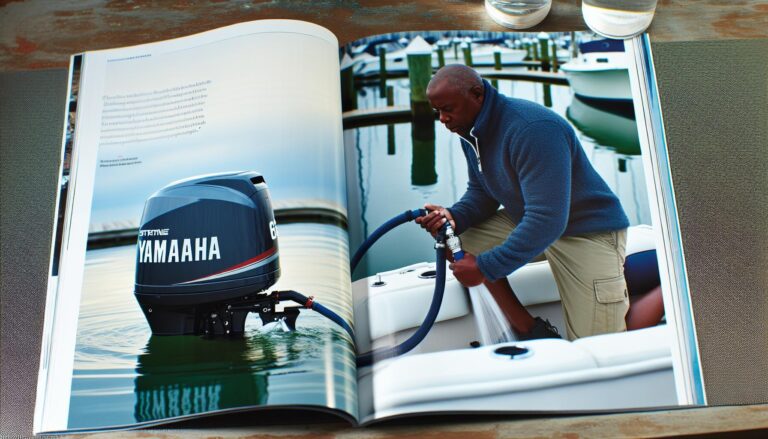
Discover if you can run a Yamaha outboard on the flush port and learn essential boat care tips to protect your motor-maximize performance and avoid costly damage today!

Can you put water in your toilet tank to flush? Discover quick, easy fixes to get your toilet working fast and avoid costly repairs-learn how now!
Discover easy DIY upgrade tips to increase toilet flush pressure and fix weak flushes fast. Learn proven tricks for a powerful, efficient bathroom boost!

Can you flush a heater core? Discover expert tips to maintain your car’s cooling system, prevent costly repairs, and keep your heater running smoothly today.