How to Vent a Washing Machine: Installation Guide
Properly venting your washing machine is essential to prevent mold and mildew buildup. Follow this installation guide to ensure your machine operates efficiently and effectively.

Washing Machines represents an appliance engineering and domestic electromechanical repair methodology guiding consumers through diagnostic fault isolation, component replacement, and preventative sanitization resolving error codes, preventing drum bio-film odors, and extending washing machine service life.
Complete maintenance protocol for running high-efficiency deep clean cycles on Maytag washers to eliminate bio-films.
Technical guide explaining the sensor mechanics and water-saving dynamics of washing machine Precise Fill features.
Step-by-step mechanical repair instructions for safely removing and replacing agitator assemblies on Maytag top-loaders.
Modern washing machines are sophisticated electromechanical systems integrating digital microcontroller boards, variable-frequency brushless direct-current (BLDC) inverter motors, optical turbidity sensors, and high-flow centrifugal drain pumps. Maintaining optimal wash quality and equipment reliability requires understanding both mechanical operation and preventative sanitization.
One of the most persistent operational challenges in modern high-efficiency (HE) front-load and top-load washers is the accumulation of bio-film and anaerobic mold within the outer tub cavity and door boot gasket. Because low-temperature wash cycles do not sanitize the drum, residual body oils, undissolved fabric softeners, and lint form a gelatinous residue known as ‘scrud.’ Eliminating this requires periodic 90°C maintenance cycles with sodium percarbonate or chlorinating descalers.
Drainage system failures account for over 50% of residential appliance service calls. Common issues manifest as error codes (such as E1, E2, OE, or 5E), indicating that the drain pump impeller is jammed by stray coins, bra underwires, or accumulated lint. Understanding how to manually drain the machine via the lower emergency filter protects control board triacs from electrical burnout.
| Appliance Symptom / Error | Probable Root Cause | DIY Diagnostic Step | Permanent Resolution Action |
|---|---|---|---|
| Error Code E1 / OE / 5E (No Drain) | Centrifugal drain pump jammed by debris or faulty pump motor | Inspect and clean out lower coin trap / lint filter assembly | Clear foreign obstructions; test pump coil resistance with multimeter (10–20 ohms); replace if burnt |
| Excessive Vibration & Shaking on Spin | Unlevel machine feet, broken suspension rods, or shipping bolts left in | Check bubble level on top lid; push down on opposite corners to detect rocking | Adjust threaded rubber leveling feet; replace worn tub suspension damper springs in top-loaders |
| Musty Mold Odor in Drum & Clothes | Anaerobic bio-film (scrud) buildup between inner and outer wash tub | Inspect rubber door boot folds for black mildew colonies | Run hot 90°C tub clean cycle with 2 cups washing soda or dedicated washer cleaner tablet; leave door open |
| Slow Water Filling or Error 4E / IE | Clogged inlet valve sediment screens or pinched fill hoses | Turn off shutoff valves, disconnect water hoses, inspect mesh filter screens | Clean particulate mineral scale from inlet screens with soft brush; verify 20–100 psi line pressure |
Front-load washers feature an airtight rubber door gasket that traps humidity. Residual detergent scum, fabric softeners, and laundry lint collect in the dark, warm folds, fostering anaerobic bacterial and fungal colonies.
Run a designated tub clean cycle once every 30 wash cycles, or at least once per month. Use hot water (above 60°C) with an oxygenated washing machine descaling tablet to dissolve grease, lime, and bio-film.
First, locate the lower front drain filter (coin trap). Place towels down, unscrew the filter plug, and clear out hair, coins, or debris that may be obstructing the pump impeller blades before suspecting electronic failure.

Properly venting your washing machine is essential to prevent mold and mildew buildup. Follow this installation guide to ensure your machine operates efficiently and effectively.

A washing machine drain does need a trap to prevent sewer gases from entering your home. Learn why this plumbing maintenance is crucial for the health and safety of your household.

To maintain your Speed Queen washing machine in top condition, regular cleaning is essential. Follow these simple steps to keep your appliance running smoothly and efficiently.

To ensure your laundry is soft and fresh, it’s important to know where to put fabric softener in your Amana washing machine. Follow these tips to make sure your clothes come out feeling and smelling great every time you do laundry.

Commercial washing machines can range in price from $1,000 to over $20,000 depending on size, capacity, and features. It’s important for businesses to consider the long-term benefits and return on investment before making a purchase.

Boxing gloves tend to accumulate sweat, dirt, and odor, making them in desperate need of cleaning. But can you throw them into the washing machine? The answer is yes, but with caution. Ensure your gloves are machine-washable and use a delicate cycle with cold water. Don’t forget to remove any lingering odors by using baking soda or specialized glove deodorizers. Air-drying is crucial to preserving their shape and durability. Follow these steps, and your gloves will stay fresh, clean, and ready for your next intense boxing session.

Yes, you can put essential oils in the washing machine to freshen up your laundry! Just add a few drops to a damp cloth or dryer ball before tossing it in with your clothes. This simple trick can give your laundry a pleasant and natural scent without using harsh chemicals.
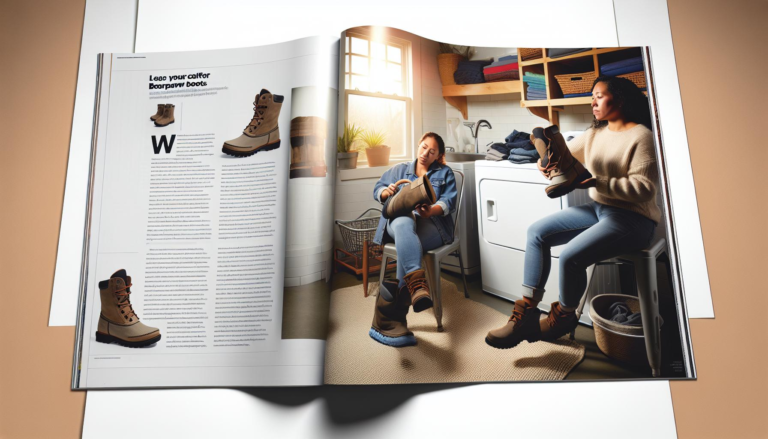
Bearpaw boots are durable and cozy, but when it comes to washing them, can they go in the washing machine? The answer is yes, you can! With a few precautions and the right settings, you can safely clean your Bearpaw boots in the washing machine, leaving them fresh and ready for more adventures. Here’s a step-by-step guide to ensure your footwear looks its best, all while maintaining its quality and comfort.

Washing machines do heat water to the desired temperature set by the user. This process helps to effectively clean clothes and remove tough stains. Understanding how your appliance works can help improve its efficiency and maximize its performance.

Yes, you can put a Jansport backpack in the washing machine! Just make sure to use a gentle cycle, mild detergent, and air dry it completely. Follow these steps for a clean and fresh backpack!

Cleaning clothing without a washing machine is easier than you think! With just a few simple steps and some common household items, you can keep your clothes looking fresh and clean. Follow these handy tips for a laundry-free solution.

Black flakes in your washing machine can be caused by mold, mildew, or detergent build-up. Follow this troubleshooting guide to get your machine clean and back to working efficiently.

Shin guards are a vital piece of sports gear, but cleaning them can be tricky. Can you toss them in the washing machine? Absolutely! However, it’s crucial to follow some key steps to prevent damage. By using a delicate cycle, mild detergent, and avoiding heat drying, you can keep your shin guards clean and in top shape for your next game. So, don’t hesitate to give them a machine wash, but remember to handle them with care!

If you’re experiencing a 4E error on your Samsung washing machine, don’t worry! Follow this troubleshooting guide to resolve the issue and get your laundry back on track in no time.

In this repair guide, we will walk you through the steps to safely remove the agitator from your Amana washing machine. By following these simple instructions, you can easily access and maintain your appliance.
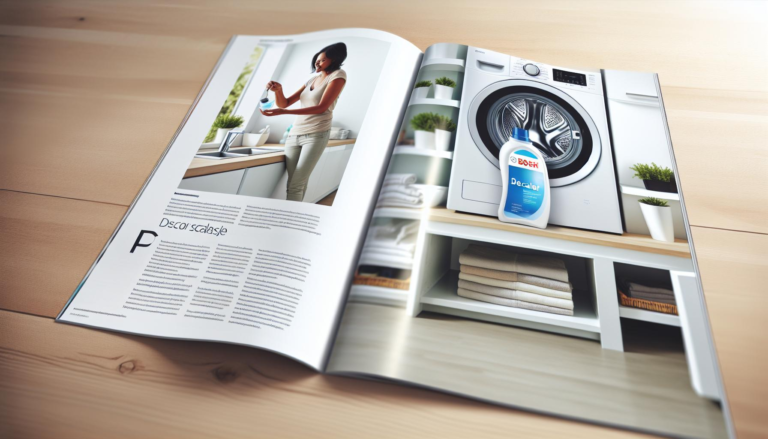
To ensure optimal performance of your Bosch washing machine, it is recommended to use the appropriate amount of descaler. Follow the manufacturer’s instructions and guidelines to achieve the best results and prolong the life of your appliance.

If you’ve ever seen the error code “E2” on your washing machine, don’t panic. This common error typically indicates a draining issue. Check your drain hose and filter for any blockages, and ensure no kinks are present. Additionally, inspect the pump for any damage. By troubleshooting these areas, you can quickly resolve the E2 error and get back to doing laundry smoothly!

When it comes to washing binders, it’s important to consider the material. Plastic or vinyl binders can usually be wiped clean, while fabric binders may require gentle machine washing. Make sure to remove any loose papers or dividers before washing, and opt for a delicate cycle with mild detergent. Avoid high heat drying and instead air dry or gently pat with a towel. Always check the care instructions provided by the manufacturer for specific guidance.

If you’ve ever battled a flea infestation in your home, you know how frustrating it can be to…

Replacing a washing machine outlet box may seem daunting, but with the right tools and knowledge, it can be a simple DIY project. Follow these step-by-step instructions to get the job done efficiently and effectively.