Can You Flush Baking Soda? Natural Cleaning Agent Safety
Did you know that baking soda is one of the most popular natural cleaning agents used in households worldwide? Its versatility and safety make it a go-to choice for everything from deodorizing to scrubbing surfaces. But a common question many people face is whether it’s safe to flush baking soda down the drain. Understanding this is crucial as while baking soda is generally safe and eco-friendly, improper disposal can sometimes affect plumbing or local water systems. If you’ve ever wondered about the impact of flushing baking soda or how to use it responsibly in your cleaning routine, this article will clarify these concerns. By exploring the safety aspects and practical tips of flushing baking soda, you can protect your home’s plumbing and contribute to a healthier habitat-all while making the most of this simple, natural cleaner. Keep reading to discover how to use baking soda wisely and effectively without unintended consequences.
Is Baking Soda Safe for Your Plumbing?
Using baking soda in your plumbing is generally considered safe when done in moderation and under the right conditions. Its mild alkaline nature makes it a gentle cleaner that can help neutralize odors and break down minor clogs without causing damage to pipes. Unlike harsh chemical drain cleaners, baking soda doesn’t carry corrosive properties that could eat away at metal or PVC pipes, making it an appealing choice for everyday household use.
However, the safety of baking soda in plumbing largely depends on how it’s used. Simply flushing small amounts of baking soda down the drain mixed wiht plenty of water does not pose a threat to your plumbing system. It dissolves easily and passes through pipes without leaving residues that might cause buildup or blockages. For example,routine maintenance by flushing a few tablespoons of baking soda with hot water can help keep drains fresh and clear.
Practical considerations to keep in mind:
- Avoid excessive amounts in a single flush: Large quantities may temporarily unsettle sediment or interact unpredictably with other substances already present in pipes.
- Be cautious combining baking soda with vinegar or other chemicals: While popular as a cleaning hack, this mixture can sometimes produce foaming or gas buildup that may stress plumbing joints or septic systems if overused [[1]](https://www.justanswer.com/plumbing/p87il-poured-baking-soda-vinegar-down-shower-drain.html), [[3]](https://mainlineplumbingservice.com/a-plumber-explains-the-dangers-of-vinegar-baking-soda-combination-on-your-plumbing-deerfield-beach-fl/).
- Consider pipe material: Old or damaged pipes may be more vulnerable to any cleaning agents, even mild ones like baking soda.
baking soda can serve as a safe and environmentally friendly solution for maintaining your drains when used responsibly. It’s a practical, low-cost option that supports natural cleaning routines without compromising the integrity of your plumbing-just be mindful of quantities and avoid mixing it excessively with acidic substances to protect your pipes effectively.
How Baking Soda Breaks Down in Water

When baking soda meets water, a simple but fascinating change takes place that allows it to dissolve easily and perform its gentle cleaning duties. chemically known as sodium bicarbonate (NaHCO₃), baking soda breaks down into sodium (Na⁺) and bicarbonate (HCO₃⁻) ions upon contact with water. This dissolution process happens quickly because baking soda is highly soluble, meaning it disperses evenly and seamlessly throughout the water.This property explains why it can be safely flushed down drains without leaving gritty residues that might clog pipes.
the bicarbonate ions in the solution play a key role in neutralizing acids, which makes baking soda effective for balancing pH levels in water-based environments. As a notable example, if you pour baking soda into a mildly acidic drain, the bicarbonate ions help neutralize that acidity, reducing odors and minor corrosion risks. though, this reaction remains mild, so it does not produce harsh chemical byproducts that could damage pipes. Rather, what you frequently enough get is a natural buffering effect that keeps plumbing systems relatively stable.
- Dissolution: Baking soda dissolves rapidly in both cold and hot water, making it easy to distribute evenly through pipes.
- Neutralization: It reacts mildly with acidic substances to form water, carbon dioxide (CO₂) gas, and salts, which generally do not harm plumbing.
- alkaline buffering: By increasing water’s pH slightly,it can impede bacterial growth and help reduce odors without the risks linked to harsh chemicals.
For a practical tip, always flush baking soda with plenty of water to maximize its solubility and reduce any chance of undissolved powder settling inside pipes. This also promotes better mixing and allows the baking soda to work as intended-breaking down light grime or neutralizing odors rather than accumulating in unwanted spots.Keep in mind that while baking soda’s breakdown in water is straightforward, combining it with acidic agents like vinegar can produce vigorous fizzy reactions. Though these create carbon dioxide and water, excessive use of such mixtures can stress plumbing systems over time due to gas buildup and mechanical pressure, reminding us to use these remedies judiciously [[1]](https://www.justanswer.com/plumbing/p87il-poured-baking-soda-vinegar-down-shower-drain.html), [[2]](https://mainlineplumbingservice.com/a-plumber-explains-the-dangers-of-vinegar-baking-soda-combination-on-your-plumbing-deerfield-beach-fl/).
Understanding how baking soda interacts with water not only reassures users about its safe disposal but also highlights its value as a gentle, natural ingredient in household cleaning and maintaining plumbing health.
Environmental Impact of Flushing Baking Soda
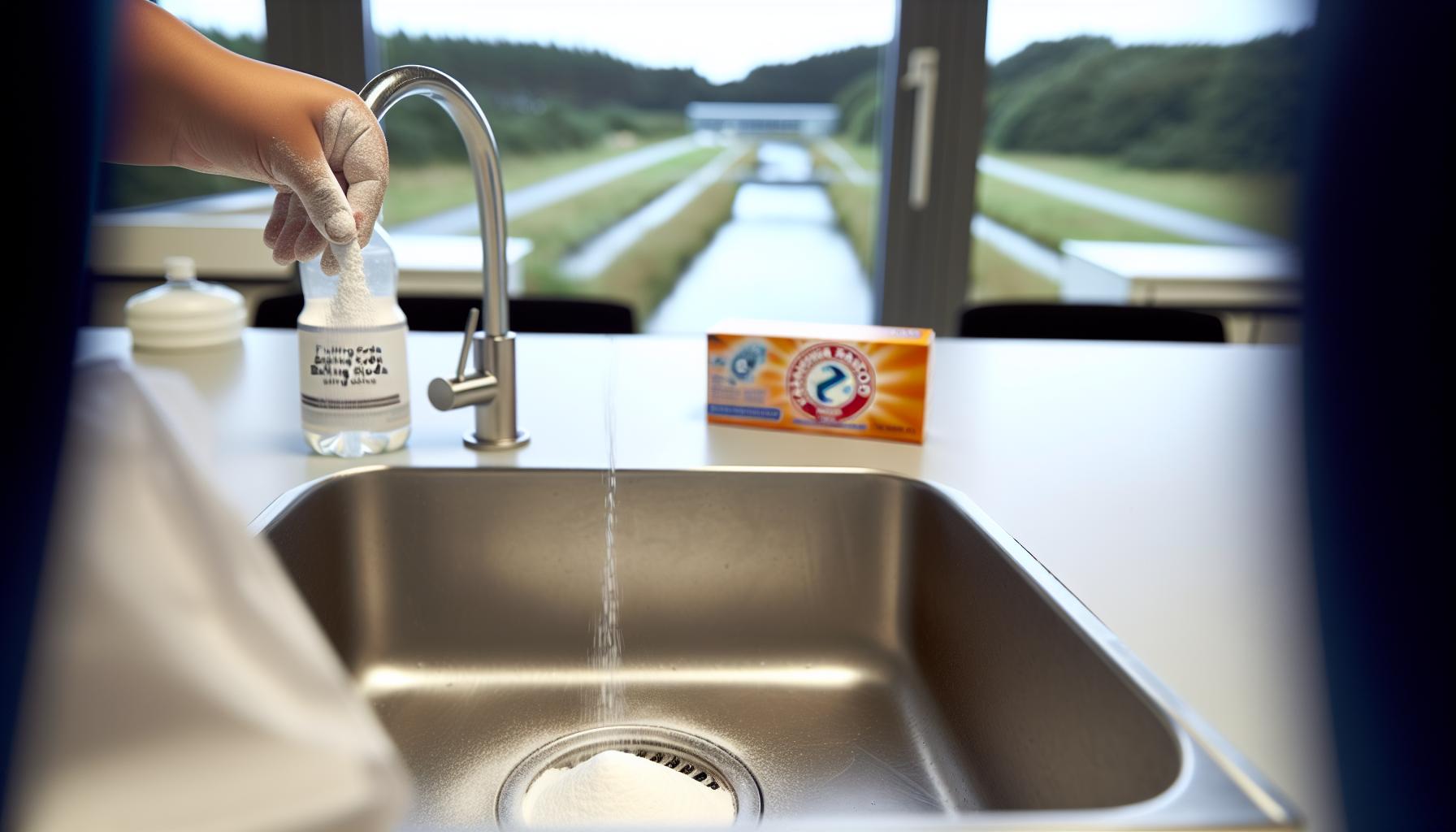
Flushing baking soda down household drains generally poses minimal environmental risk, thanks to its natural composition and benign chemical behavior in water systems.When it dissolves, baking soda breaks into sodium and bicarbonate ions, both of which are common components found naturally in soil and water. This means that, unlike harsh chemical cleaners, baking soda rarely introduces harmful substances to municipal wastewater systems or the environment. In fact,its mild alkaline nature can sometimes help balance pH levels in water,which can be beneficial when used in small quantities.
However, it’s meaningful to consider that large, repeated flushes of baking soda-especially when combined with other chemicals-could perhaps alter local water chemistry slightly. for example, elevated sodium levels from excessive disposal might affect sensitive aquatic ecosystems downstream, altering the delicate balance for plants and microorganisms. Fortunately, typical household amounts are unlikely to cause such issues, especially if followed by ample water to aid dispersion and dilution.
- Natural breakdown: Baking soda dissolves into harmless, naturally occurring ions without leaving toxic residues.
- Environmental compatibility: Sodium bicarbonate is biodegradable and does not bioaccumulate in aquatic life.
- Water treatment friendly: Wastewater treatment facilities are well-equipped to handle small amounts of baking soda without negative impact.
For those concerned about sustainability, a practical approach is to avoid flushing large quantities of baking soda at once.Rather, mix excess baking soda with compost or neutralize it in garden soil, where it can improve soil quality by moderating acidity without the risks posed by synthetic chemicals. By using baking soda wisely and disposing of excess properly, you support both effective home cleaning and environmentally responsible habits.
Balancing Use and Environmental Impact
While baking soda is clearly more eco-friendly than many commercial drain cleaners, it’s not a fully inert option if misused. For example, flushing baking soda along with vinegar creates a fizzing reaction producing carbon dioxide gas and water-a relatively safe byproduct-but excessive episodic releases of gas and salts can stress plumbing and municipal systems over time [[2]](https://www.justanswer.com/plumbing/p87il-poured-baking-soda-vinegar-down-shower-drain.html), [[3]](https://mainlineplumbingservice.com/a-plumber-explains-the-dangers-of-vinegar-baking-soda-combination-on-your-plumbing-deerfield-beach-fl/). Practicing moderation and flushing with plenty of water helps maintain environmental safety and plumbing health.
baking soda stands out as a low-impact,natural cleaning agent with a negligible environmental footprint when used responsibly-a welcomed alternative to harsh chemical cleaners that can leach toxins into soil and waterways.
| Factor | Environmental Consideration |
|---|---|
| dissolution Products | Sodium (Na⁺) and bicarbonate (HCO₃⁻) – natural and biodegradable |
| Impact on Aquatic Life | Minimal at household disposal levels |
| Potential Risks | Excessive sodium accumulation if overused; interaction with acids can stress systems |
| Common Safe Practices | flush with water, avoid mixing large quantities with acids, small doses |
Common Household Uses of Baking Soda

Baking soda is one of the most versatile household staples, often celebrated for its gentle yet effective cleaning and deodorizing properties. its mild alkalinity allows it to tackle odors, stains, and grime without the harshness of chemical cleaners, making it a favorite for natural cleaning routines. Beyond just a kitchen ingredient, baking soda quietly plays a role in maintaining freshness, balancing pH, and even minor stain removal, offering a practical, eco-friendly alternative for everyday household tasks.
Many people rely on baking soda to neutralize odors in refrigerators, carpets, and garbage bins-simply placing an open box or sprinkling the powder can absorb unpleasant smells efficiently. It also functions as a mild abrasive,perfect for scrubbing sinks,countertops,and cookware without scratching surfaces. When combined with a bit of water or lemon juice, baking soda can create a gentle paste that lifts stains from fabrics or cleans tarnished silverware, demonstrating its multipurpose nature.
Household Uses Beyond Cleaning
- Deodorizing: Neutralizes odors in shoes, litter boxes, and upholstery by chemically reacting with acidic and basic molecules that cause smells.
- Personal Care: Used in DIY toothpaste formulations or as a gentle exfoliant for skin, highlighting its safe application beyond the home environment.
- Fire Extinguishing: In small kitchen fires, baking soda can definitely help smother flames due to the release of carbon dioxide when heated.
- Fridge Freshener: Absorbs airborne compounds responsible for bad smells, making it a go-to freshening agent.
while many common uses involve direct contact or surface application, some regular routines include dissolving baking soda in water-such as for mild drain maintenance to help clear minor buildups. However, this should always be done thoughtfully and sparingly, as excessive flushing can have cumulative effects on plumbing and water systems if mixed with other substances or done frequently.
A practical tip for maximizing effectiveness without risking plumbing harm is to follow baking soda applications with plenty of water to ensure good dilution and dispersion. This helps prevent any residue from settling or reacting undesirably in pipes.
baking soda’s household utility extends far beyond simple cleaning.Its safe, natural profile allows it to contribute to a healthy, fresh, and well-maintained home environment-when used wisely and in appropriate amounts. This balance between efficacy and safety is what makes it a beloved staple for many homeowners seeking sustainable and gentle solutions.
Risks of Flushing baking Soda with Other Chemicals

Sometimes,the simple combination of household items can lead to unexpected chemical reactions-flushing baking soda alongside other substances is a perfect example. While baking soda alone is generally safe for plumbing and the environment, mixing it with other chemicals, especially harsh cleaners, can pose real risks. These reactions may cause pipe corrosion, blockages, or even damage your septic system, undermining the very natural, gentle cleaning benefits you hoped to gain.
One common mistake is combining baking soda with vinegar or acidic cleaners in the drain. Though often promoted as a DIY drain cleaner, this mixture quickly produces carbon dioxide gas and water, a fizzing reaction that can seem effective but often only shifts clogs rather than clearing them. Over time, repeated use can lead to the buildup of residue or mineral deposits, harming your pipes and eventually leading to costly repairs. Additionally, combining baking soda with commercial drain cleaners containing strong bases or acids can cause violent reactions, releasing harmful fumes and increasing the risk of pipe damage [[1]](https://bowersplumbingllc.com/blog/why-you-should-never-use-baking-soda-and-vinegar-to-unclog-a-drain/).
Why Chemical Interactions Matter
- Pipe Corrosion: Certain reactions form compounds that erode metal pipes and degrade PVC fittings.
- Septic System Disruption: Excessive sodium bicarbonate combined with harsh chemicals can upset the bacterial balance critical to septic function.
- Clogging Risks: Precipitates or residues may settle inside narrow pipes, narrowing flow paths and worsening blockages.
- Health Hazards: Mixing baking soda with bleach or ammonia can create toxic gases perilous to inhale.
A practical tip is to avoid flushing baking soda while actively using chemical drain cleaners or when other substances have just been poured down the drain. Instead, space out treatments by several hours and always follow baking soda clearing with plenty of hot water to dilute any leftover particles. this helps maintain the balance in your plumbing system and reduces negative interactions.
Understanding these risks encourages safer, more effective use of baking soda as part of a cleaning routine rather than a catch-all fix. Using it responsibly ensures your pipes remain intact and your household environment healthy, supporting the longevity of both your home and local wastewater systems[[2]](https://mainlineplumbingservice.com/a-plumber-explains-the-dangers-of-vinegar-baking-soda-combination-on-your-plumbing-deerfield-beach-fl/).
Proper Disposal Methods for Excess Baking Soda

While baking soda is a versatile and generally safe household product, disposing of excess amounts requires thoughtfulness to avoid unintended issues. Simply flushing large quantities down the drain isn’t always the best choice,as even benign substances can accumulate,interact,or disrupt local plumbing systems if not managed properly.
For small leftover amounts, one of the easiest and safest approaches is to dissolve baking soda in water and then sprinkle it onto your garden or compost pile. Baking soda’s mildly alkaline nature can help neutralize acidic soils and reduce odors without causing harm when used in moderation. However, avoid over-applying, as excessive sodium bicarbonate may affect soil nutrient balance. Another practical method is to incorporate excess baking soda into homemade cleaning pastes or scrubs, repurposing it rather than discarding it.
When it comes to household disposal, if pouring down the drain, always dilute baking soda thoroughly with plenty of warm water to minimize any potential buildup on pipe walls. It’s best to avoid combining it immediately with other chemicals, especially acidic or bleach-based cleaners, to prevent hazardous chemical reactions and plumbing damage.
Tips for safe Baking Soda Disposal
- Use Moderation: Dispose of only small quantities at a time to prevent clogging or buildup.
- Dilute Thoroughly: Follow disposal with ample warm water to wash baking soda fully through your pipes.
- Repurpose Rather Than Waste: Incorporate excess into cleaning, deodorizing, or gardening tasks instead of disposal.
- Check Local Regulations: Some areas have specific guidelines for disposing household chemicals, even natural ones like baking soda.
If you have large amounts of baking soda that you no longer need, consider donating to community centers, schools, or animal shelters, where it can be used for educational or cleaning purposes. always keep baking soda stored in a dry place and in airtight containers to minimize waste and prolong its usefulness. Employing these simple disposal practices protects your plumbing, supports environmental stewardship, and turns potential waste into a resource.
alternatives to flushing Baking Soda Down the Drain

Baking soda is incredibly versatile, yet pouring it down the drain isn’t always the optimal way to dispose of excess. Luckily, there are several alternatives that not only prevent plumbing issues but also make practical use of this safe, natural substance in everyday life. Instead of risking buildup or interactions in your pipes, repurposing baking soda often leads to more eco-friendly and resourceful solutions.
One popular alternative is to use baking soda as a deodorizer around your home. It naturally neutralizes odors without relying on harsh chemicals, making it perfect for freshening carpets, refrigerators, trash bins, or pet areas.Simply sprinkle it on surfaces, let it sit, and then vacuum or wipe away. Excess baking soda can also be incorporated into DIY cleaning products.Such as, mixing it with vinegar or lemon juice creates a gentle abrasive that lifts dirt and grime on kitchen counters, tiles, or even cookware, limiting the need for disposal and chemical cleaners.For those with a garden or compost system, baking soda can be a useful ally when applied thoughtfully. Sprinkling diluted baking soda around garden beds can help balance soil pH and deter pests in small amounts. However, moderation is key-too much can disrupt soil nutrients. Using it sparingly here is a sustainable way to put leftover baking soda to work without sending it into the wastewater system.
Creative Ways to Repurpose Baking Soda
- Odor Absorption: Use as fridge deodorizer, shoes freshener, or carpet sprinkle.
- Natural Cleaning Paste: Combine with water or mild acids for scrubbing stains and surfaces.
- Garden Aid: Apply in small quantities to neutralize acidic soil or deter pests.
- Laundry Booster: Add to wash cycles to soften fabric and brighten colors.
- Animal Care: Use to neutralize odors in pet bedding or litter boxes.
By choosing these practical alternatives,you minimize strain on plumbing systems and reduce environmental impact. Rather than flushing baking soda, making it part of your home maintenance toolkit or garden routine transforms waste into a valuable resource, prolonging both the life of your pipes and the usefulness of this common household staple.
How baking Soda Supports Natural Cleaning Routines

Many natural cleaning products rely on baking soda as a foundational ingredient as of its gentle yet effective cleaning power. Its mild abrasiveness helps lift stubborn stains without scratching delicate surfaces, making it ideal for everything from kitchen counters to bathroom tiles.When combined with a little water or a natural acid like lemon juice, baking soda transforms into a versatile paste that tackles grime, grease, and odors seamlessly-without the harsh chemicals found in conventional cleaners.Beyond its scrubbing ability, baking soda acts as a natural deodorizer by neutralizing acidic and basic odor molecules. This dual function means you can refresh spaces and remove odors while simultaneously cleaning surfaces,greatly simplifying household routines. Such as, sprinkling baking soda inside trash cans or onto carpets before vacuuming helps absorb unwanted smells naturally, reducing reliance on aerosol sprays or synthetic fragrances.
Using baking soda as part of your eco-friendly cleaning arsenal also supports sustainability goals. It’s non-toxic, biodegradable, and safe to use around children and pets, which reduces health risks associated with chemical cleaners. In fact, embracing baking soda contributes to a circular, resourceful lifestyle-where leftover product can be repurposed rather than discarded. This minimizes environmental impact from both chemical waste and excessive water treatment.
Practical tips for Incorporating Baking Soda in Natural cleaning
- Surface Cleaning: Mix baking soda with water to create a paste for scrubbing sinks, stovetops, and tiles.
- Odor Control: Use dry baking soda to neutralize odors in refrigerators, trash bins, or shoes.
- Drain Maintenance: Instead of flushing, sprinkle baking soda and flush with hot water periodically to keep odors at bay without buildup.
- Fabric Care: Add baking soda to laundry loads to boost detergent performance and soften fabrics.
Leveraging baking soda in natural cleaning routines is a win-win: you maintain a clean, pleasant home environment while safeguarding plumbing systems and the planet. Through simple, mindful practices, baking soda offers a safe, effective alternative for those wanting to maintain household cleanliness without chemical overload.
Expert Tips to Protect Pipes When Using Baking Soda

Baking soda is widely celebrated for its gentle yet effective cleaning properties, but even natural cleaners need mindful handling to keep your plumbing in top shape. While baking soda itself is safe for pipes, improper use-especially in combination with certain substances-can lead to buildup or corrosion over time. Protecting your pipes starts with understanding how to use baking soda correctly and how to avoid common pitfalls that could stress your plumbing system.
When applying baking soda as a drain cleaner or deodorizer, always follow with plenty of hot water. This simple step helps dissolve residual particles and flushes them through the pipes, preventing accumulation that could contribute to clogs. For routine maintenance, sprinkling baking soda followed by hot water once a month can keep odors at bay and maintain clear drain lines without harsh chemicals. Remember, if you combine baking soda with vinegar, the fizzing reaction primarily dislodges grime, but thorough rinsing afterward is essential to wash away loosened debris before it settles inside your pipes[[1]](https://www.justanswer.com/plumbing/p87il-poured-baking-soda-vinegar-down-shower-drain.html).
Avoid mixing baking soda with commercial chemical drain cleaners or bleach, as this can cause unwanted chemical reactions that may damage pipes or release harmful gases. Such interactions are rare in everyday household use but are important to consider if you’re using multiple cleaning agents in close succession. Instead, stick to natural combinations like baking soda with white vinegar or lemon juice for safe and effective cleaning without risking pipe integrity[[3]](https://www.facebook.com/groups/homemakingtips/posts/1396172627745896/).
- Flush with hot water: Always rinse baking soda residue through your drains with hot water to prevent buildup.
- use moderation: Don’t overload drains with large amounts of baking soda at once; gradual use minimizes clog risks.
- Avoid harsh chemical combos: never mix baking soda with bleach or commercial drain cleaners to prevent pipe corrosion.
- Routine maintenance: Monthly applications help maintain clean drains and fresh odors without damaging pipes.
By incorporating these simple practices, baking soda becomes a powerful ally in your natural cleaning toolkit-supporting not only a cleaner home but also well-maintained plumbing. With mindful use, you can harness baking soda’s cleaning benefits while protecting pipes from unnecessary wear or blockages, ensuring long-lasting performance with minimal environmental impact.
Understanding When Baking Soda Should Not Be Flushed

There are situations where flushing baking soda down your drains may do more harm than good. While baking soda is generally mild and safe for plumbing when used appropriately, problems arise when large amounts accumulate without proper rinsing, or when it’s combined with incompatible substances. For example, pouring excessive quantities of baking soda at once may contribute to residue buildup, especially in older pipes or plumbing systems prone to clogging.This can create blockages rather than clearing them, defeating the purpose of treatment and potentially requiring professional intervention.
Another critical consideration is the timing and substances with which baking soda is introduced. Mixing baking soda directly with harsh commercial drain cleaners, bleach, or ammonia before flushing is ill-advised. These combinations can trigger chemical reactions that not only jeopardize pipe material integrity-leading to corrosion or weakening-but also risk the release of dangerous fumes, posing hazards during household cleaning[[1]](https://mainlineplumbingservice.com/a-plumber-explains-the-dangers-of-vinegar-baking-soda-combination-on-your-plumbing-deerfield-beach-fl/). For those who prefer natural methods, it’s safer to use baking soda with mild acids like white vinegar or lemon juice, but even then, a thorough flush with hot water afterward is essential to clear any loosened debris.
Environmental factors can also influence whether baking soda should be flushed. In homes with septic systems, heavy or frequent flushing of baking soda-even in moderate amounts-could disrupt the delicate bacterial balance necessary for processing waste, potentially leading to system imbalances or odors. Additionally, if your local wastewater treatment facility has restrictions on certain substances, it’s critically important to consider these before routinely flushing baking soda, especially in large quantities.
- Limit quantity per use: Avoid dumping large volumes of baking soda to reduce risk of residue buildup or clogs.
- Never mix with harsh chemicals: Prevent chemical interactions and pipe damage by keeping baking soda separate from bleach or commercial cleaners.
- Flush thoroughly: Always follow baking soda use with hot water to dissolve particles and wash away debris effectively.
- Consider plumbing system type: be cautious when using baking soda around septic tanks or specialized treatment systems.
By recognizing these boundaries, you can avoid common pitfalls that lessen the effectiveness of baking soda as a natural cleaner and protect your plumbing investment. Practicing restraint and care ensures baking soda remains a safe, eco-friendly option rather than a hidden source of plumbing headaches.
Frequently Asked Questions
Q: How does baking soda affect septic systems when flushed down the drain?
A: Baking soda is generally safe for septic systems in small amounts, as it helps balance pH levels without harming beneficial bacteria. However, excessive flushing may disrupt microbial activity. Use baking soda sparingly and consult expert tips on protecting pipes and septic health to maintain system balance and avoid costly issues.See Expert Tips to Protect Pipes When Using Baking Soda for details.
Q: What are the risks of flushing baking soda with acidic cleaning agents?
A: Flushing baking soda with acidic cleaners can cause a chemical reaction that produces foam and pressure, potentially damaging pipes or drains. Avoid mixing cleaning agents down the drain and follow proper disposal methods highlighted in Risks of Flushing Baking Soda with other Chemicals for safe use.
Q: Can flushing baking soda help prevent drain clogs naturally?
A: Yes,flushing baking soda followed by vinegar can help break down minor clogs by loosening debris and neutralizing odors. Though, do this occasionally and avoid overuse to protect plumbing. For best practices, refer to How Baking Soda Supports Natural Cleaning Routines and Is Baking Soda Safe for Your Plumbing?
Q: When should you avoid flushing baking soda to protect home plumbing?
A: avoid flushing baking soda if your plumbing is old, corroded, or combined with harsh chemicals, as this can cause damage. Refer to understanding When Baking Soda Should Not Be Flushed and Expert Tips to Protect Pipes when using Baking Soda for guidance on safe usage and alternative disposal methods.
Q: What volume of baking soda is safe to flush without harming drains or the environment?
A: small household amounts, typically less than a tablespoon per flush, are safe and environmentally friendly when disposed of down the drain. Large quantities should be disposed of properly to avoid plumbing issues or environmental impact. For alternatives, see Proper Disposal Methods for Excess Baking Soda.
Q: How does the chemical composition of baking soda influence its safety when flushed?
A: Baking soda is chemically mild (sodium bicarbonate) and dissolves easily in water,making it safe in moderate amounts when flushed. Its neutralizing properties help reduce acidity in drains, but improper use with other chemicals can pose risks. Learn more in How Baking Soda Breaks Down in Water.
Q: What are eco-friendly alternatives to flushing baking soda down the drain?
A: Eco-friendly options include composting baking soda with organic waste or discarding it in regular trash when in excess.These methods reduce water system strain and environmental impact. For more on responsible practices, refer to Alternatives to Flushing Baking Soda Down the Drain.
Q: Why might baking soda flushing not be suitable for all types of drain systems?
A: Some drain systems, like those in older homes or commercial buildings, may be sensitive to even mild substances like baking soda, which could accumulate and cause blockages over time. Consult is Baking Soda Safe for Your Plumbing? to assess your system’s suitability and follow tailored disposal advice.
For more detailed guidance on safe baking soda use and disposal, explore the linked sections above and consider adapting your cleaning routine to protect both your home and the environment.
In Retrospect
Understanding the safety of flushing baking soda down your drain helps you make informed choices about natural cleaning agents, protecting both your plumbing and the environment. While baking soda is generally safe and effective for household cleaning, being mindful of proper disposal ensures you get the most from this versatile product without unintended issues. If you’re curious about other eco-friendly cleaning tips or want to explore safe alternatives,check out our guides on natural drain cleaning methods and homemade cleaning solutions to expand your sustainable routine.
Ready to keep your home sparkling and chemical-free? Dive deeper into our expert resources or subscribe to our newsletter for the latest tips on natural cleaning agents and safe household practices. Have questions or experiences with baking soda or other green cleaners? Share your thoughts below and join our community dedicated to smart, safe, and sustainable living. For personalized advice, consider our consultation service or browse trusted eco-friendly products designed to support your clean and conscious lifestyle.
Get our latest guides, news, and insights highlighted in your Google Search & AI Overviews.