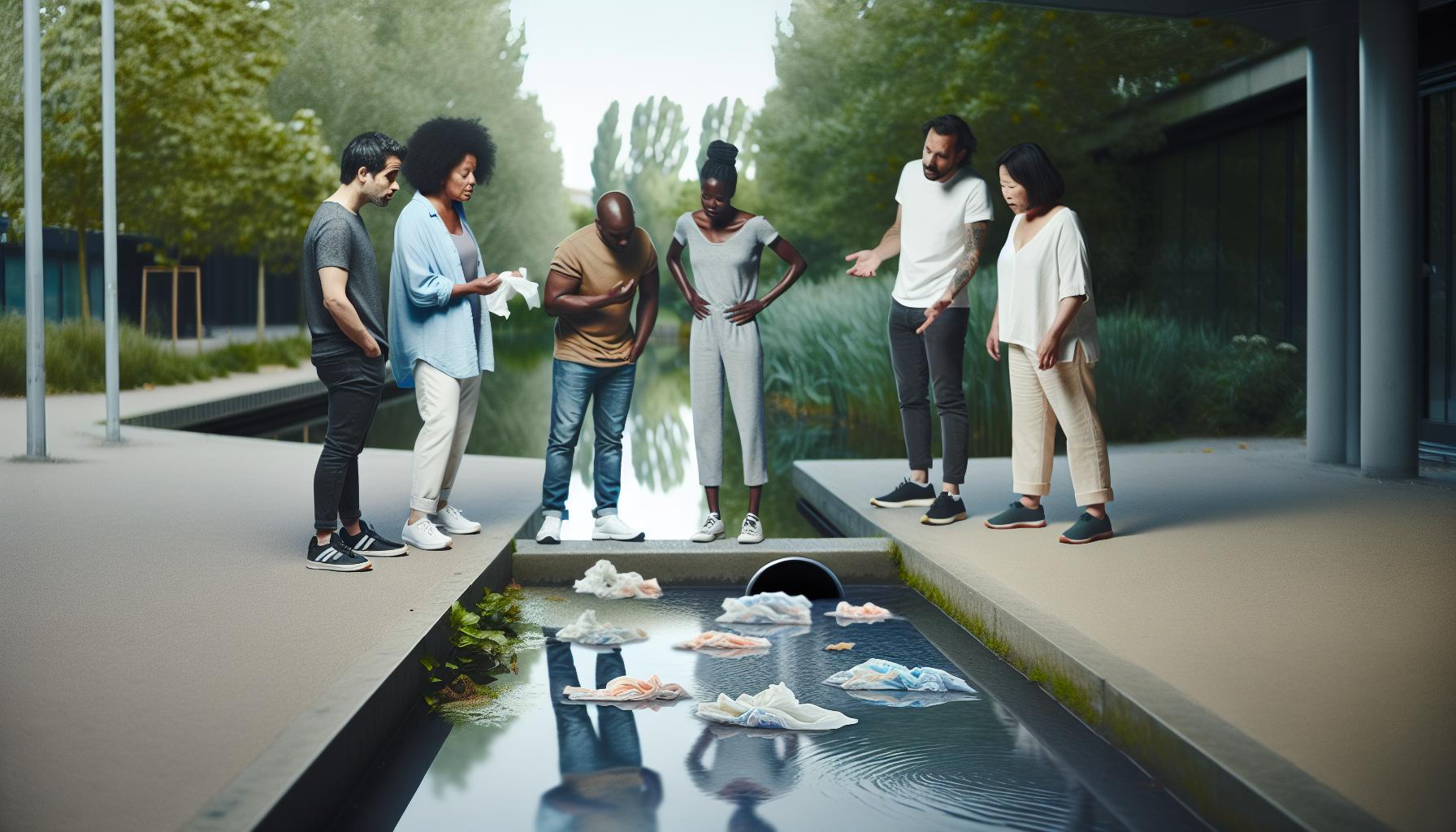
Can You Flush Wet Wipes? Why “Flushable” Means Nothing
Did you know that despite being labeled “flushable,” many wet wipes cause serious plumbing and environmental problems? This confusing label often misleads consumers into thinking these wipes break down like toilet paper, but in reality, they can clog pipes, damage sewage systems, and harm aquatic life. If you’ve ever wondered weather it’s really safe to flush wet wipes, you’re not alone-and understanding the truth can save you from costly repairs and support better environmental choices.This article will clarify why ”flushable” means much less than you might expect and guide you through safer alternatives, helping you make informed decisions that protect both your home plumbing and the planet. Keep reading to uncover the surprising facts behind flushable wipes and discover practical advice for managing daily hygiene without flushing risks.
What “Flushable” Really Means and Why it’s Misleading
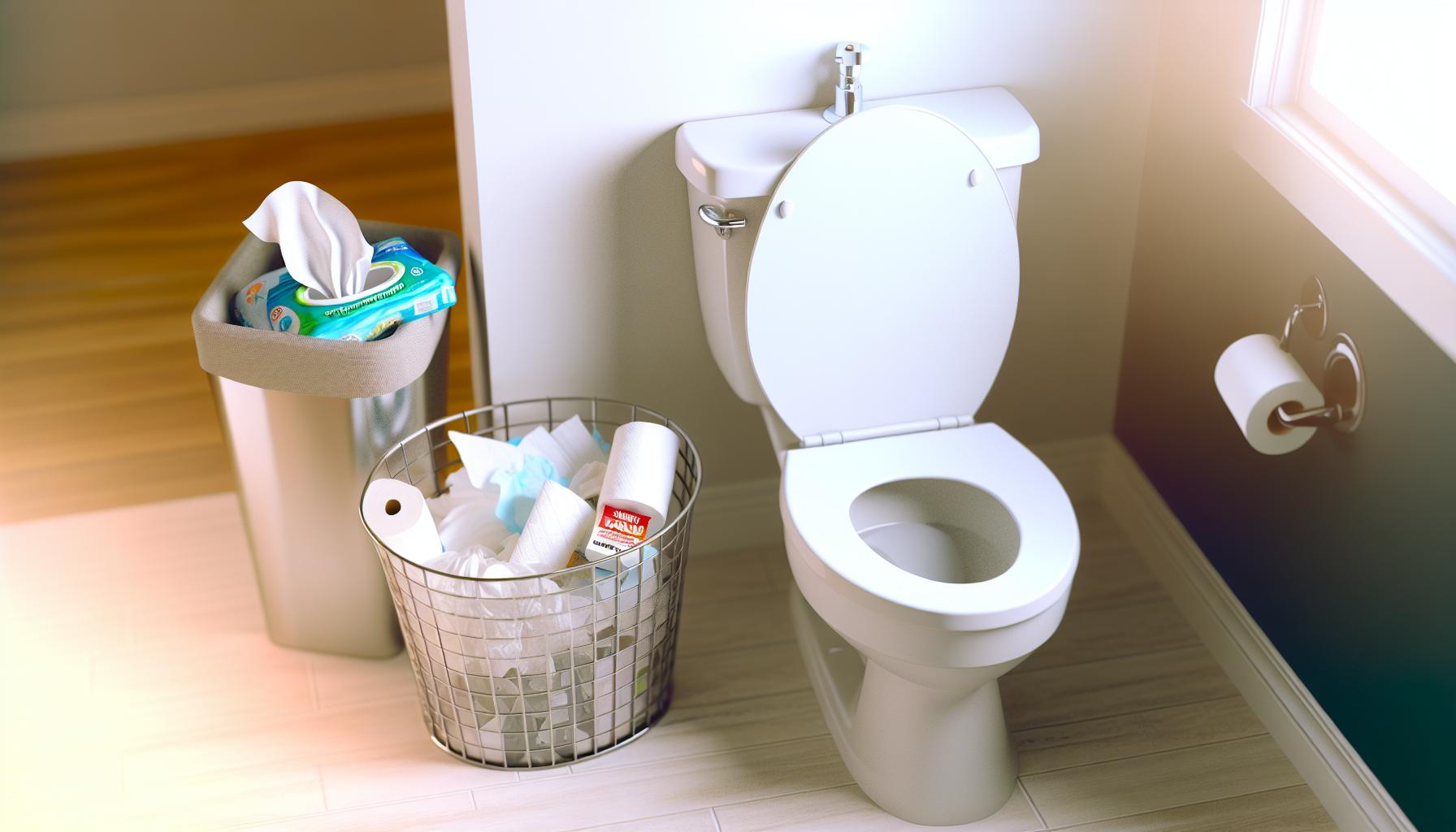
Many people assume that if a product is labeled “flushable,” it means it’s safe to dispose of it down the toilet without consequence. However, this term is often misleading and doesn’t guarantee the wipe’s ability to break down like toilet paper. Unlike traditional toilet paper, which is designed to dissolve quickly and minimize plumbing issues, many wet wipes marketed as flushable don’t degrade fully or timely, causing major problems in household plumbing and wastewater systems.
the reality is that “flushable” is more of a marketing label than a standardized, regulated term. Many products branded as such pass basic flush tests under lab conditions but fail to disintegrate rapidly in real-world sewer systems. This slow breakdown allows wipes to accumulate, potentially causing blockages or mixing with fats and oils to create stubborn “fatbergs.” For example, wipes made from synthetic fibers don’t biodegrade naturally and can linger in plumbing for long periods, unlike the cellulose fibers found in toilet paper.
- Flushable doesn’t equal biodegradable: Flushable wipes might pass through your toilet, but many don’t break down quickly enough once in the sewer, increasing risk for clogs.
- Lack of standardized testing: Without universally enforced standards, companies use varied testing methods, leading to inconsistent results that confuse consumers.
- Your plumbing may suffer: Even if the product flushes away, it can cause costly damage downstream-either in your home or municipal wastewater treatment plants.
Understanding this can help users make better decisions. If you’re unsure about a product’s flushability, it’s safest to dispose of wet wipes in the trash instead of the toilet. This simple step protects your plumbing and prevents environmental harm.Educating yourself about the true meaning behind “flushable” empowers you to reduce costly repairs and contribute to healthier water systems overall.
How Wet Wipes Impact Your Plumbing and Septic System
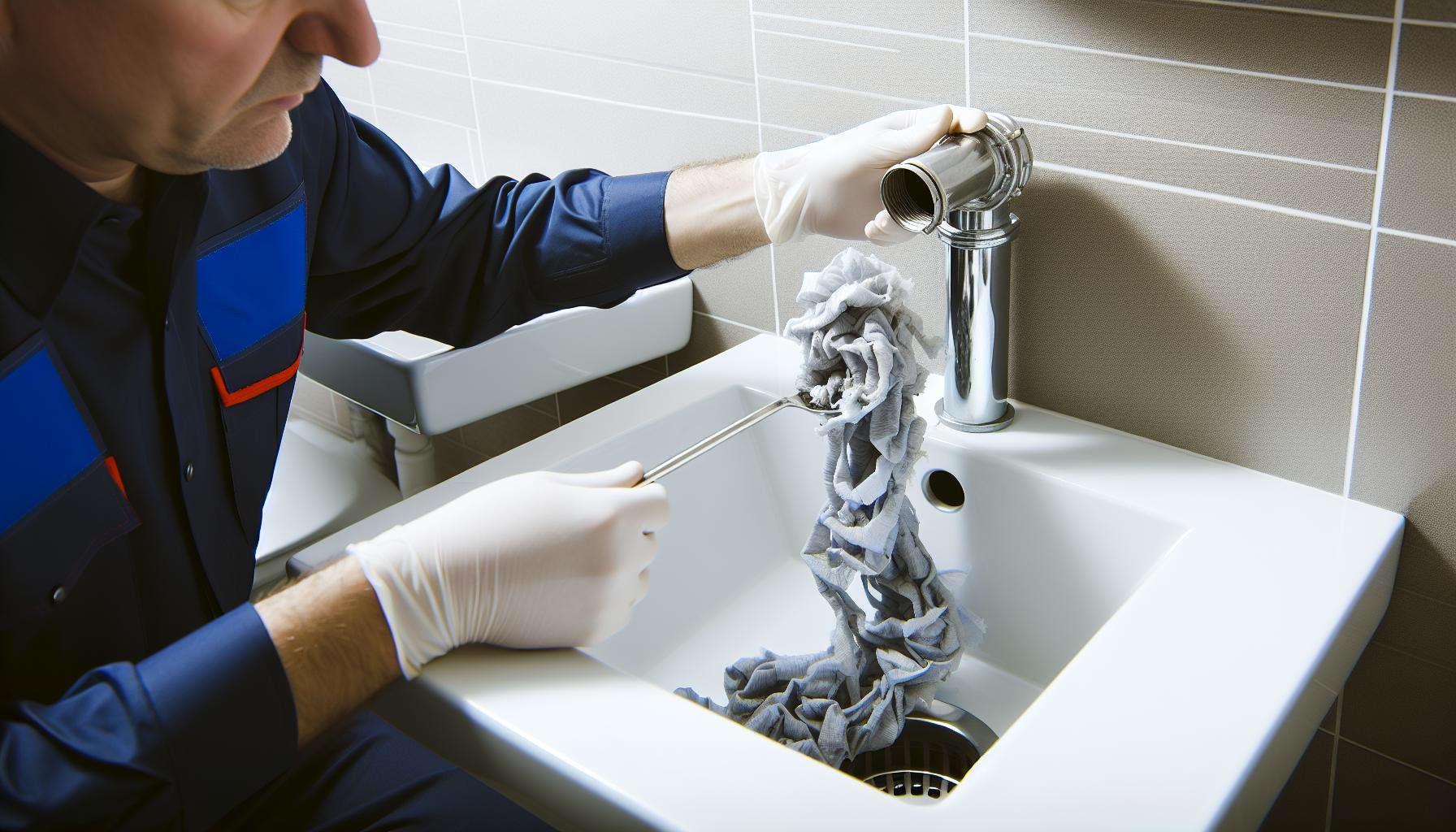
Many homeowners are unaware that flushing wet wipes-even those labeled “flushable”-can wreak havoc on both residential plumbing and septic systems. Unlike toilet paper, which is designed to break down rapidly in water, most wet wipes resist disintegration. This characteristic causes them to remain intact as they travel through your pipes, increasing the likelihood of blockages that can lead to costly backups or the need for professional drain cleaning.
wet wipes tend to entangle with othre debris, oils, and grease inside pipes, contributing to the formation of tough, rope-like clumps often referred to as “fatbergs.” These masses can obstruct flow in narrow household piping and cripple septic tank function by limiting the natural bacterial breakdown processes essential for waste treatment. Septic tanks rely on waste decomposition to operate effectively, but the synthetic fibers in wipes can accumulate in the system, reducing its capacity and potentially causing overflow or failure. Homeowners with septic systems often face expensive repairs or premature tank replacement when wet wipes are repeatedly flushed.
Practical Impacts on Plumbing and Septic Health
- Increased clog formation: wet wipes’ durability means they don’t fragment like toilet paper, quickly causing blockages in toilet traps, drains, or sewer lines.
- Damage to septic tank bacteria: Chemicals and fibers in wipes can disrupt the microbes in septic tanks that break down waste, impairing system function.
- Higher maintenance costs: Persistent flushing of wipes may lead to regular plumbing emergencies, costly snaking or hydro-jetting services, and septic pump-outs more frequently than normal.
- Potential pipe damage: Accumulated wipes combined with grease and other debris can put physical strain on pipes, increasing the risk of cracks or leaks over time.
To illustrate, some plumbers report that even wipes marketed as flushable fail to break down substantially during real-life plumbing transit, capturing them in clogged pipes for years if not addressed. For households using septic systems, flushing wipes can be especially detrimental since these wipes interfere with the delicate biological balance needed to treat waste efficiently. Ultimately, avoiding flushing any type of wet wipe is the best way to safeguard your plumbing infrastructure and preserve septic system health.
Simple Steps to Protect Your Home Plumbing
Rather than risking damage or costly repairs, dispose of all wet wipes in the trash. Using alternatives like toilet paper or bidet systems reduces strain on your plumbing. If a clog occurs, professional drainage specialists can often remove wipe buildups-but prevention is far less expensive and disruptive. Being mindful of the long-term impact of wet wipes will help maintain smooth operation of both septic and municipal pipe networks.[1] [2]
Environmental Consequences of Flushing Wet Wipes
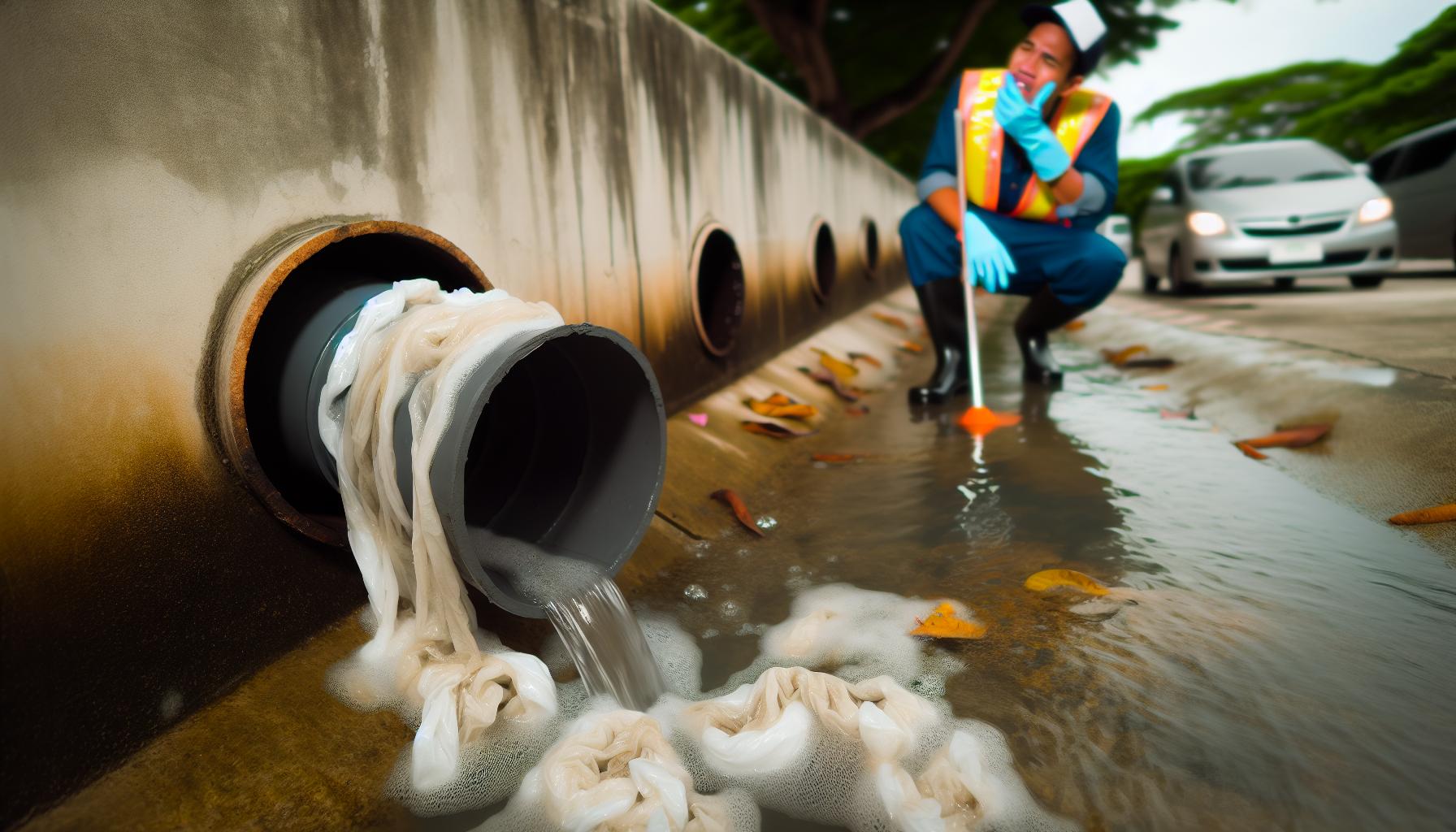
Flushing wet wipes-even those marketed as “flushable”-has far-reaching environmental consequences that often go unnoticed by many households. These seemingly harmless products contribute to a disproportionate amount of sewer blockages, with studies indicating that wet wipes make up more than 90% of the materials causing clogs in sewer systems nationwide. When flushed, wet wipes don’t break down like toilet paper; instead, they persist through the sewer network, entangling with fats, oils, and grease to form massive, solidified masses known as “fatbergs.” These fatbergs not onyl obstruct sewage flow but also require extensive and costly interventions by water companies and local authorities, diverting resources from other vital environmental management efforts.
Impact on Aquatic Life and Ecosystems
Beyond clogging sewer infrastructure, wet wipes pose a critically important threat to aquatic environments once they escape wastewater treatment. Many wipes contain synthetic fibers and plastics that do not biodegrade, fragmenting instead into microplastics. these microplastics enter rivers, lakes, and oceans, where they are ingested by marine wildlife. Ingesting such materials can lead to physical harm, impaired digestion, and even starvation in species ranging from fish to birds. This plastic pollution cycle has cascading effects on biodiversity and ecosystem health,ultimately affecting the food chain and human communities dependent on aquatic resources.
Wastewater Treatment Challenges
Wastewater treatment plants are designed to handle typical sewage components, but the introduction of wet wipes complicates this process. The persistent nature of these wipes can interfere with treatment machinery,causing frequent breakdowns and increased maintenance costs. Moreover, because wipes do not decompose readily, they disrupt the biological processes essential for breaking down organic matter, reducing the efficiency of treatment systems. This inefficiency can lead to environmental release of untreated or partially treated waste, further contaminating natural water bodies.
- Increased resource consumption: Maintenance of clogged systems demands excess energy, labor, and chemicals to restore function.
- Escalated methane emissions: Disrupted treatment can produce higher levels of methane,a potent greenhouse gas.
- Pollution risks: Overflow events caused by blockages can contaminate streets, parks, and waterways with untreated sewage.
What You Can Do
Simple behavioral changes can substantially reduce this environmental burden. Never flush wet wipes, regardless of packaging claims. Instead, dispose of them in household trash bins.Encouraging others to understand the hidden dangers of flushing even “flushable” wipes can reduce sewer blockages and protect aquatic ecosystems alike.Communities and manufacturers must also continue efforts to innovate biodegradable alternatives and improve labelling transparency to minimize ecological harm.
By recognizing the full scope of environmental damage caused by flushed wet wipes,we can make informed choices that support cleaner,healthier water systems and contribute to a sustainable future for wildlife and human populations alike.[1] [2] [3]
Common Misconceptions About Wet Wipes Disposal
Many people beleive that because a product says “flushable” on the packaging,it will safely disintegrate once flushed away,behaving much like traditional toilet paper. Though, this assumption is frequently enough misleading and contributes to widespread plumbing and environmental issues. In reality,the term ”flushable” lacks consistent definition and regulatory enforcement,which means many wipes marketed in this very way do not break down quickly or completely,causing serious blockages and damage to wastewater systems.
One common misconception is that flushable wipes will dissolve harmlessly once they enter the sewer or septic system.Unlike toilet paper, which is designed to break apart rapidly in water, wet wipes typically contain synthetic fibers that remain intact for long periods. This durability, prized by consumers for cleaning effectiveness, becomes a liability downstream, as wipes cling to pipe walls, snag grease and fats, and accumulate with other debris to form fatbergs-massive blockages that can require costly removal efforts. It’s critically important to understand that even if a wipe appears thin or water-permeable,it doesn’t mean it will degrade quickly or completely after flushing.
Another misleading belief is that flushing wipes constitutes an eco-pleasant choice compared to throwing them in the trash. While some manufacturers are making strides toward producing wipes from biodegradable materials and using sustainable manufacturing processes, the reality is that these products still pose challenges once flushed. Many wipes include plastic fibers or other non-biodegradable components, ultimately contributing to microplastic pollution in waterways if wastewater treatment plants fail to capture them fully. Moreover, as research shows, flushable wipes only represent a small fraction of debris that harms sewer systems, yet their persistent nature amplifies their impact disproportionately.
Practical Advice to Avoid Plumbing and Environmental Problems
- Always dispose of wipes in the trash: Regardless of labeling, wet wipes should not be flushed. Keeping them out of the pipes prevents blockages and helps maintain smoother wastewater treatment processes.
- Look for truly biodegradable options: If you prefer wipes for convenience,seek products certified by credible environmental or biodegradability standards and confirm they are intended for disposal in trash,not toilets.
- Educate others: A large portion of sewer blockages results from flushing non-flushable wipes, so spreading awareness about proper disposal can protect community plumbing systems and reduce costly repairs.
In understanding these misconceptions, households can avoid contributing to clogged pipes, environmental degradation, and increased municipal costs. By critically evaluating product claims and opting for informed disposal practices, consumers play a vital role in protecting plumbing infrastructure and the environment from the hidden costs of flushing wet wipes.[1] and [2] provide further insights into why “flushable” is not synonymous with safe or sustainable disposal.
Standards and Regulations Behind “Flushable” Claims
Few product labels cause as much confusion as ”flushable” when it comes to wet wipes. Despite what the packaging suggests, there is no universal standard or single regulatory body that fully governs the use of this term, leaving consumers vulnerable to misleading claims and municipalities burdened by costly blockages. The label often implies that these wipes will safely disintegrate in plumbing and wastewater systems like toilet paper does - but in reality, the regulatory landscape is patchy, and enforcement remains limited.
Efforts to bring consistency and transparency have been underway on multiple fronts. For example, in the United States, the WIPES Act, passed by the House of Representatives, aims to curb confusion by requiring manufacturers to clearly label non-flushable wipes with a “Do Not flush” icon prominently displayed on packaging. This bipartisan law is a step toward protecting wastewater infrastructure by alerting consumers more effectively to disposal risks before purchase[1]. Though, it does not directly define what “flushable” means or mandate extensive testing standards.
Industry Guidelines Versus Regulatory Enforcement
In parallel, wipes manufacturers have released voluntary flushability guidelines to address the inconsistencies. These guidelines encourage use of standardized testing protocols meant to evaluate how quickly and completely wipes break down in real sewer environments, under conditions that simulate household plumbing and municipal systems. Such protocols assess:
- disintegration time – How fast the wipe fibers break apart after flushing.
- Physical fragmentation – The size of fragments remaining after disintegration.
- Biodegradability – Ability to decompose through biological processes within wastewater systems.
Despite these efforts,compliance remains voluntary,and enforcement of claims is limited by jurisdiction - creating a patchwork where some brands might meet higher standards while others continue marketing wipes that resist breakdown and persist in pipes[3].
What Consumers Should Know About flushability Claims
Until a fully enforceable regulatory framework is established worldwide, consumers should remain cautious and critical of “flushable” labels. Some key points include:
- Look beyond the label: Even wipes labeled flushable may not pass rigorous disintegration tests designed by wastewater professionals.
- Manufacturer transparency: Favor brands that provide clear testing data or third-party certifications demonstrating compliance with recognized flushability standards.
- Local regulations and advisories: Check guidance from your municipal water authority or environmental agencies, as some regions maintain their own flushability standards or bans.
| Type of Regulation | Key Features | Impact on consumers |
|---|---|---|
| Voluntary Industry Guidelines | Standardized testing for disintegration/biodegradability, labeling recommendations | Can inform responsible manufacturers but not legally binding |
| Government Legislation (e.g., WIPES Act) | Mandates non-flushable labeling; encourages better consumer notices | Improves consumer awareness but does not define flushability |
| Municipal/Local Regulations | May ban certain wipes or require removal fees from manufacturers | Affects usage and disposal habits locally, varies widely |
Improving Consumer decisions and Protecting Infrastructure
Advocating for stronger regulation and clearer standards remains critical to resolving confusion over flushability claims. Meanwhile, consumers can protect their plumbing systems and municipal sewers by disposing of wipes in trash bins regardless of labels. Supporting brands committed to sustainable, verifiable practices and engaging in community education helps push the market toward truly safer products.
By understanding the complexity behind “flushable” claims and questioning product labels, households can play a key role in preventing costly infrastructure damage and environmental harm associated with wet wipe misuse.
Safe Alternatives to Flushing Wet Wipes
Flushable wet wipes may promise convenience, but the reality of their impact on plumbing and wastewater systems means looking for safer habits is essential. For households eager to maintain their pipes and protect the environment, several practical alternatives offer a way to enjoy the benefits of wet wipes without the costly and damaging consequences of flushing them.
One of the simplest and most effective alternatives is to use wet wipes strictly for surface cleaning and dispose of them in the trash. Many people underestimate how resilient even “flushable” wipes are-they do not break down like toilet paper and often contribute to persistent blockages known as fatbergs. Keeping a small lidded bin in the bathroom dedicated to used wipes encourages proper disposal and reduces the risk of plumbing clogs.
Choosing Less problematic Products
For those who want a more sustainable option, consider switching to reusable cloth wipes made from natural fibers. These can be washed and reused multiple times, dramatically cutting down on waste.While they require a bit more effort,reusable wipes eliminate the risk of sewer damage and reduce landfill contributions.
If disposable wipes are still preferred, opting for biodegradable or compostable wipes-clearly labeled and certified by recognized environmental standards-can lower the environmental footprint when properly discarded. Though, even these should *not* be flushed unless explicitly tested and approved by wastewater authorities, as many environments do not break them down efficiently.
Helpful Everyday Tips
- Keep a “no wipes in the toilet” rule: Regardless of packaging claims, never flush wipes down the toilet.
- Use dual bins in the bathroom: one for toilet paper (flushable) and another for wipes (trash only).
- Inform guests and family: Post a friendly reminder near toilets to help everyone avoid accidental flushing.
- Consider safe wet wipe substitutes: use dampened tissue paper or soft cloth when a wet wipe isn’t strictly necessary.
| Option | Environmental Impact | Ease of use | Plumbing Safety |
|---|---|---|---|
| Disposable Non-flushable Wipes (trash Disposal) | Moderate; contributes to landfill but prevents sewer blockages | High; convenient and hygienic | Safe; no risk to plumbing |
| Reusable Cloth Wipes | Low; washable and reusable, reduces waste | Medium; requires laundering | Safe; no flushing required |
| Biodegradable/Compostable Wipes (Non-flushable) | lower, when composted properly | High; similar convenience to disposable wipes | Safe, if not flushed |
| Dampened Toilet Paper or Cloth | Low; uses existing toilet paper | Medium; less moist but flushable | Safe; designed for flushing |
Ultimately, the key to protecting your plumbing and the environment lies in mindful disposal practices and choosing products designed with sustainability in mind. by adopting these alternatives, you avoid the false security of “flushable” labels and contribute to reducing the costly repairs and environmental harm caused by wet wipe clogging.
How to Properly Dispose of Wet Wipes to Avoid Clogs
Flushing wet wipes, even those labeled “flushable,” remains one of the leading causes of costly plumbing repairs and municipal sewer issues worldwide. Unlike toilet paper, which breaks down quickly in water, wet wipes are frequently enough made from synthetic fibers designed for durability, meaning they don’t disintegrate easily.This resilience is exactly what leads to stubborn clogs, fatbergs, and damage to septic systems. The best way to avoid these costly problems is to commit to responsible disposal habits that protect your plumbing and the environment.
The simplest and most effective method is to always toss used wipes into a dedicated trash bin rather than the toilet. Keeping a small, covered bin in the bathroom makes proper disposal convenient, reducing the temptation to flush wipes “just this once.” for shared spaces, such as workplaces or family homes, placing clear signage near toilets helps reinforce this important rule among visitors or children who might be unaware of the damage caused by flushing wipes.
Practical Tips for Wipe Disposal
- Use a lidded bin designed for wet wipes: This helps contain odors and discourages trash overflow.
- Separate bins for toilet paper and wipes: Designate one bin exclusively for wipes and other non-flushable hygiene products, maintaining your toilet paper as the only flushable material.
- Educate household members and guests: A simple sticky note by the toilet reminding everyone “Wipes go in the trash, not the toilet” can prevent accidental flushing.
- Choose biodegradable or compostable wipes with caution: Only dispose of these wipes in composting bins if local facilities except them, as home composting often isn’t suitable and flushing is still discouraged.
Why Trash, Not Toilet?
Even wipes marketed as biodegradable or compostable usually require industrial composting environments to break down effectively-environments that sewers and septic tanks simply don’t provide. their fibers hold together far longer than toilet paper, making them prone to catching onto grease and other debris in pipes, which then collect to form massive blockages. These blockages can lead to wastewater overflow, costly repairs, and environmental contamination. Flushing wipes doesn’t just risk your own plumbing but can cause widespread issues in municipal wastewater treatment systems.
| Disposal Method | Environmental Impact | Convenience | effect on Plumbing |
|---|---|---|---|
| Thrown in Trash Bin | Moderate; landfill contribution but prevents sewer damage | High; easy to establish habit | Safe; no risk of blockages or fatbergs |
| Flushed Down Toilet | High; causes blockages and pollution from sewer overflows | Temptingly convenient but costly long-term | Dangerous; leads to clogs, repairs, and backups |
| Industrial Composting (if applicable) | Low; efficient breakdown if facilities available | Varies; requires access to composting services | Safe only when not flushed |
By adopting the practice of disposing of wet wipes in the trash, you eliminate a major source of plumbing failures and environmental hazards. This small behavior change, combined with choosing sustainable wipe alternatives like reusable cloths or dampened toilet paper, promotes healthier homes and communities.Remember, the label “flushable” is not a guarantee-common sense and responsible habits remain your best tools to keep pipes and ecosystems flowing smoothly.
Innovations and Solutions in Wet wipe Manufacturing
Wet wipe manufacturers are increasingly responding to the challenges posed by traditional wipes, with efforts focusing on creating products that minimize environmental impact and reduce plumbing and sewer system damage. Although the notion of “flushable” wipes remains controversial due to inconsistent standards and real-world plumbing issues, innovation in materials and production processes is pushing the industry toward more responsible solutions.
One promising development involves the use of naturally derived fibers that break down more readily in water compared to synthetic ones. Such as, some manufacturers now blend plant-based materials like bamboo, cotton, or biodegradable viscose fibers to enhance disintegration rates without sacrificing the wipe’s strength during use. These fibers degrade faster once flushed, theoretically reducing clog formation. However, it’s important to note that even these wipes require specific testing and certifications, as breakdown times can vary widely depending on sewer system conditions.
Technological Advances Boosting Biodegradability
- Enzyme-Enhanced Fibers: Some companies experiment with enzyme treatments that help fibers break down once exposed to water and bacteria in sewer systems, accelerating disintegration.
- Water-Dispersible Polymers: Innovations in polymer science allow wipes to lose their fabric structure upon flushing, turning into smaller particles less likely to cause blockages.
- Recycled and Sustainable Materials: Using recycled fibers or sustainably harvested raw materials reduces the environmental footprint and supports circular economy goals.
Along with materials, manufacturing processes are evolving. Some producers employ specialized weaving or bonding techniques that allow wipes to maintain durability during use but facilitate easier fragmentation post-flush. This fine balance aims to solve the key problem: wipes strong enough for cleaning yet weak enough to break down rapidly in plumbing systems.
Collaborations and Certifications Are Shaping the Market
Stakeholders, including wastewater utilities, environmental groups, and manufacturers, are collaborating to establish robust testing protocols beyond simple flushability claims.Programs like the Water UK-approved “Fine to Flush” or ISTA/EDANA guidelines set clearer benchmarks for disintegration and biodegradability, helping consumers make more informed choices.
| Innovation Type | benefit | Limitations |
|---|---|---|
| biodegradable Natural Fibers | Breaking down faster,reduced pipe clog risk | may require industrial composting,slower breakdown in cold or anaerobic conditions |
| Enzyme Treatment | Speeds disintegration in sewer systems | Limited to specific fiber blends,added production cost |
| Water-Dispersible Polymers | Transforms into smaller particles preventing blockages | Potential microplastic concerns if not fully biodegradable |
While these advances represent positive progress,experts emphasize that no currently available wet wipe has achieved a universally safe flushable status. Even with improved composition, many sewer systems cannot guarantee total disintegration due to factors such as pipe layout, flow velocity, and the presence of fats or other debris.
Practical Consumer Tips to Complement Innovations
To protect your home plumbing and reduce environmental harm, consumers should:
- Verify Certifications: Look for wipes certified by trusted autonomous programs, not just “flushable” labels.
- Use Alternatives When Possible: Opt for reusable cloths or dampened toilet paper for personal hygiene tasks to eliminate disposal concerns.
- Limit Flushing to Toilet Paper Only: Regardless of wipe innovation, disposal in the trash remains the safest option for now, preventing costly clogs and municipal issues.
Ultimately, ongoing research and innovation hold potential to reshape the wet wipe category. But until materials and sewer systems evolve in tandem, responsible consumer disposal combined with industry transparency and regulation will be key to mitigating the widespread problems caused by conventional flushable wipe claims.
Signs Your Plumbing Is Damaged by Wet Wipes
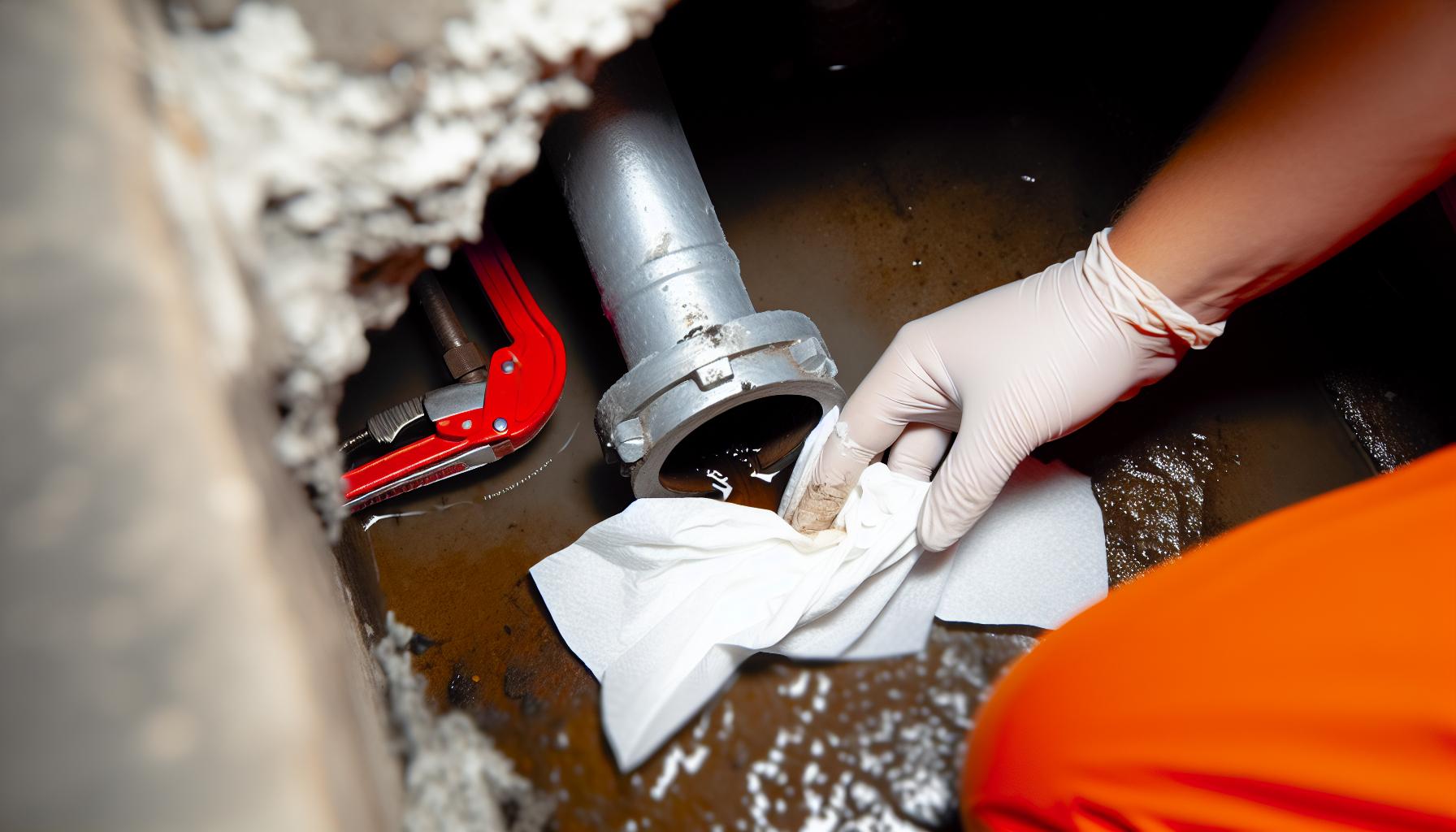
Flushable wipes might promise convenience, but their impact on plumbing is often anything but simple. One of the biggest challenges is that these wipes don’t break down as swiftly or thoroughly as toilet paper,which can cause subtle yet serious problems over time. Even if you don’t notice an immediate clog, persistent flushing of wipes can lead to slow drainage, recurring backups, or foul odors indicating trapped waste and pipe damage.Common early signs that your plumbing might potentially be suffering as of wet wipes include unusually sluggish toilets and sinks, gurgling sounds from drains, and water pooling around fixtures after a flush. These symptoms suggest partial blockages forming inside pipes, frequently enough caused by wipes entangling with fats, grease, and other debris to create stubborn “fatbergs.” Homeowners might initially dismiss these issues,but if ignored,they can escalate into complete pipe blockages or even burst pipes,especially in older plumbing systems.
what To Look For in Your Home Plumbing
- Slow Flushing or Toilet Overflow: When wipes accumulate, water cannot flow freely, causing toilets to flush weakly or back up.
- Drain Gurgling and Bubbling: Sounds coming from toilets or sinks during flushing may indicate trapped air due to clogged vents or partial blockage.
- Unpleasant Sewer Odors: A foul smell near drains or toilets can mean that waste isn’t moving properly, often caused by wipe build-up.
- Frequent Plumbing Repairs: If plumbers frequently find wipe-related blockages during routine checks, it’s a clear warning sign of ongoing damage.
Unlike toilet paper,which disintegrates almost immediately,many flushable wipes contain synthetic fibers that retain strength in water. As an inevitable result, these wipes can cling to pipe walls or collect at bends and junctions, gradually reducing diameter and disrupting flow. Real-world tests, including those by plumbers like Roger Wakefield, have shown that even the best-performing flushable wipes like Cottonelle break down incompletely or slowly[[[[[1]](https://rogerwakefield.com/are-flushable-wipes-actually-flushable-plumber-tests/). Such partial degradation still leaves behind fibrous residues prone to snagging waste and other debris, forming dense clumps.
If you suspect wipe-related damage, early intervention can prevent costly repairs or sewer line replacements. Using a professional plumber’s camera inspection can identify wipe build-up before symptoms become severe. Additionally, avoiding flushing any wipes-flushable or not-and opting for disposal in trash bins is the most reliable way to protect your plumbing integrity.
Preventative Tips at a glance
| sign of Damage | What It Means | What to do |
|---|---|---|
| Slow toilet flush | Partial pipe blockage from wipes | Avoid flushing wipes; call a plumber for inspection |
| Drain gurgling noise | Blocked vents or pipe narrowing | Schedule professional drain cleaning before worsening |
| Sewer smell near fixtures | Trapped waste due to wipe clumps | Check traps and vents; consult a plumbing expert |
| Recurring clogs after plunging | Persistent wipe accumulation | Consider hydro-jetting and change disposal habits |
Recognizing these warning signs early and adapting habits accordingly can save homeowners from unexpectedly high repair bills or the frustration of repeated plumbing issues caused by “flushable” wipes. The myth of easy disposal hides very real consequences that manifest over time in your pipes and sewer lines. Staying vigilant and informed is key to ensuring your plumbing stays problem-free.
How Municipal Systems Handle Flushed Wet Wipes
Municipal wastewater treatment systems face a constant battle against the resilient nature of wet wipes flushed down toilets. Unlike toilet paper, which is engineered to dissolve quickly in water, most wet wipes retain their strength and structure, even after being flushed.This persistence means that wet wipes frequently enough pass through residential plumbing only to accumulate and cause serious challenges once they reach municipal sewer lines and treatment plants.
At the sewer system level, wipes contribute to the formation of massive blockages known as “fatbergs,” which are hardened conglomerations of greasy fats, oils, and non-biodegradable materials like wipes. These fatbergs can block main sewer lines, leading to sewage backups into homes, streets, and local waterways. repairing these blockages is costly and labor-intensive, often requiring crews to physically break down or dredge out deposits. Sewer maintenance budgets across many cities are increasingly strained due to the need for frequent removal of wipe-related clogs.
How Treatment Plants Manage wet Wipes
Once flushed wipes reach wastewater treatment plants, they pose unique operational challenges.Treatment processes rely on screens and grinders to remove solids before biological treatment, but wipes frequently enough pass through initial screening due to their size and adaptability. Their fibrous composition can then entangle pumps and clog machinery, leading to equipment downtime and expensive repairs.Maintenance teams must regularly clear wipe accumulations from screens, filters, and pipes, diverting resources from other critical tasks.
Additionally, wet wipes interfere with sludge treatment. Because wipes do not break down quickly, they become trapped in sewage sludge and may not biodegrade efficiently. this can complicate sludge handling and disposal, increasing processing costs and environmental management concerns.
Practical Lessons and What Residents Can Do
Municipalities have started to implement public awareness campaigns, urging residents to “Do Not Flush Wipes,” regardless of labels claiming flushability. Clear communication helps reduce the volume of wipes entering sewers, which in turn lowers the risk of blockages and mechanical failures. Some cities also install improved screening systems or adopt new technologies like ultrasonic clog detectors to identify and manage wipe clusters before they escalate.
- Rethink “Flushability”: even wipes labeled flushable may cause expensive problems downstream.
- Community Involvement: Educating households on proper disposal reduces system strain.
- Investment in Infrastructure: Cities are increasingly investing in sewer upgrades explicitly designed to handle wipe-related challenges.
- Support Innovative Solutions: Encouraging manufacturers to create truly biodegradable wipes helps ease the burden on municipal systems.
The collective impact of flushing wet wipes extends far beyond individual homes. While treatment plants work hard to keep sewage flowing and communities safe, preventing wipes from entering the sewer system in the first place is the most effective way to protect vital infrastructure and reduce public costs. By understanding the municipal challenges and supporting responsible disposal habits, residents play a crucial role in maintaining the health of both local plumbing and broader wastewater management systems[[[[[1]](https://www.greenwoodud.com/latest-news/the-problem-with-flushable-wipes/)[[[[[3]](https://www.mrrooter.com/about/blog/can-flushable-wipes-damage-my-plumbing/).
Tips for Educating Others About Wet wipe Disposal Risks
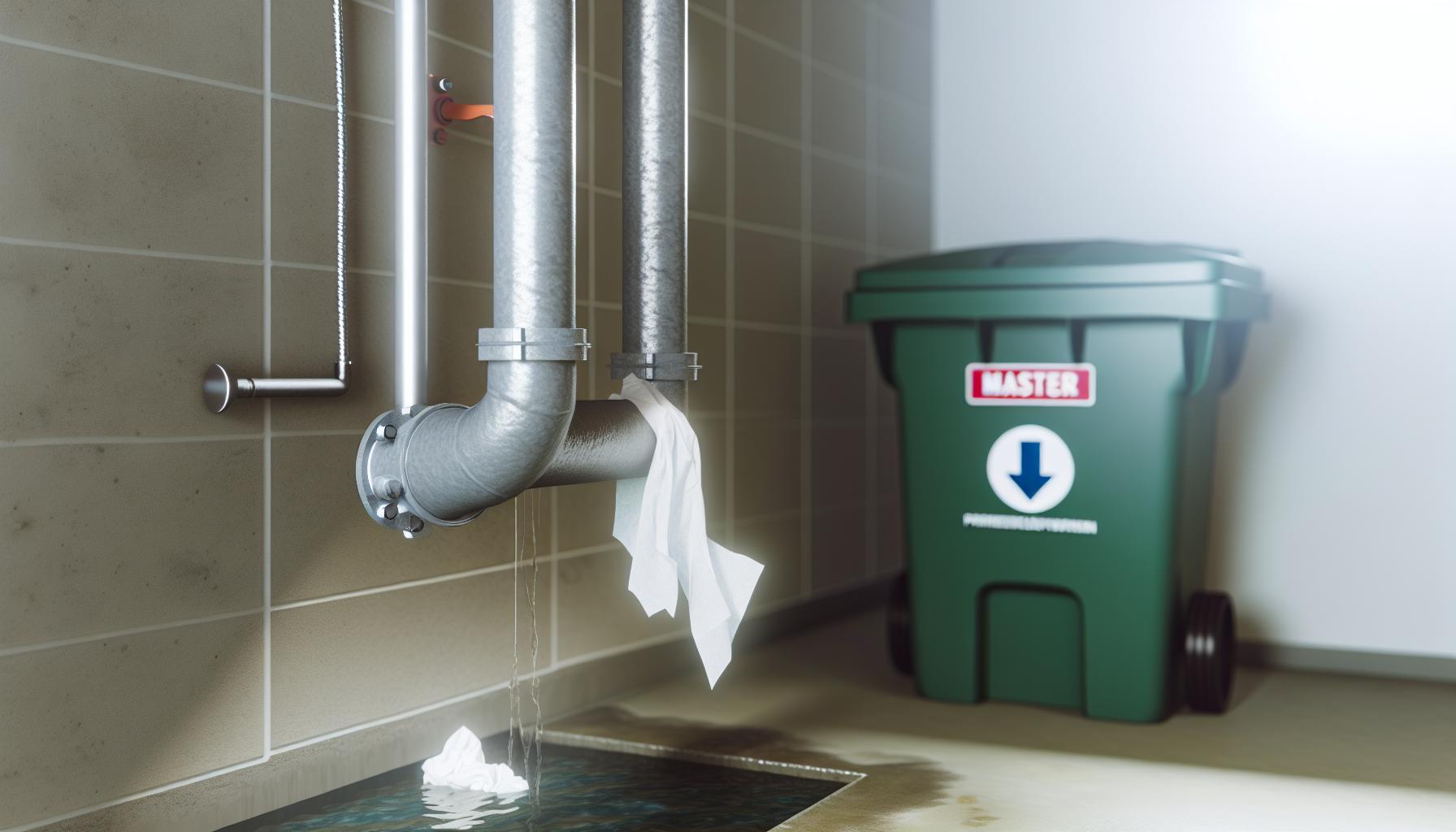
Many people are surprised to learn that even wipes marketed as “flushable” can cause major plumbing and environmental problems. Spreading awareness about this misconception is crucial because the cost of ignoring it falls on communities, homeowners, and infrastructure alike. The most effective education blends clear facts with practical, relatable advice that empowers everyone-from neighbors to businesses-to make better disposal choices.
One approach is to leverage everyday touchpoints where people interact with wet wipes, such as packaging, restrooms, and social media platforms. Highlighting simple messages like “When in doubt, throw it out” or “Flush toilet paper only” helps reduce confusion in a straightforward way. Visual aids, such as infographics showing how wipes accumulate in pipes or form “fatbergs” in sewers, translate abstract issues into tangible problems that resonate. Encouraging schools and community groups to participate in interactive programs or AR experiences immerses people in learning moments that stick and inspire action[1].
Engage Communities with Clear, Consistent Messaging
Consistency is key when educating a broad audience. Coordinated campaigns involving municipalities, waste management authorities, and product manufacturers can amplify the message beyond individual efforts. Messages should be easy to find on wet wipe packaging and visible in public restrooms, with clear symbols that convey “do not flush.” Hosting workshops or community forums where plumbing experts explain the costly impact of flushed wipes offers a platform for questions and dialog, fostering stronger community buy-in. Additionally, partnering with influencers or local leaders who can share personal stories or DIY plumbing mishaps makes the dangers of flushing wipes more relatable[2].
Equip people with Practical Disposal Tips
Teaching people how to correctly dispose of wet wipes is often overlooked in favor of just warning them not to flush. Providing alternatives increases compliance: suggest labeled bins in public and private bathrooms or clearly marked trash cans for wipes. Emphasize the benefits of these habits-not just to avoid costly repairs but also to protect local waterways and marine life from pollution. Simple reminders like keeping a small trash bag or container nearby in washrooms serve as practical solutions that reduce impulse flushing. These strategies not only support infrastructure but also nurture environmentally responsible behavior that can ripple through families and neighborhoods[1].
- Use social proof: Share statistics or local stories about plumbing damage caused by wipes to build urgency.
- Make the message memorable: Incorporate catchy slogans or mascot characters to strengthen retention.
- Advocate for policy change: Encourage community members to support laws requiring better disposal labeling and education campaigns.
- Highlight environmental impact: Connect personal choices with broader ecological consequences, empowering responsible disposal.
By blending clear education with actionable tips and community involvement, efforts to reduce flushing of wet wipes gain momentum. The ultimate goal is equipping every household and business with the knowledge and motivation to protect plumbing systems and the environment from preventable damage caused by the misleading concept of “flushability.”
Faq
Q: How do flushable wet wipes affect local water treatment plants?
A: Flushable wet wipes often don’t break down fully, causing buildup in water treatment systems. This increases maintenance costs and can disrupt treatment processes.avoid flushing wipes to protect municipal systems; learn more about how your local sewer handles wipes in our section on *How Municipal Systems Handle Flushed Wet Wipes* for practical insight.
Q: What materials in wet wipes prevent them from breaking down in pipes?
A: many wet wipes contain synthetic fibers and binding agents that resist disintegration in water. These materials keep wipes intact, leading to blockages and damage in plumbing and sewer lines. For safer options, refer to our *Innovations in Wet Wipe Manufacturing* that explore plant-based alternatives.
Q: can flushing “flushable” wipes void my home insurance or warranty?
A: Yes, flushing wipes labeled ”flushable” can void plumbing-related warranties or insurance claims if damage occurs, as most providers see this as misuse. Always dispose of wipes properly to maintain coverage and keep your plumbing safe-see *How to Properly Dispose of Wet wipes to Avoid Clogs* for tips.
Q: Why do some communities enforce bans on flushing wet wipes despite “flushable” labels?
A: Communities ban flushed wipes as they cause frequent sewer blockages, expensive repairs, and environmental harm. The ”flushable” label doesn’t ensure compatibility with local sewage systems, prompting regulations aimed at protecting infrastructure and water quality.
Q: How can businesses reduce wet wipe disposal issues in restrooms?
A: Businesses can install clearly marked waste bins and educate users about not flushing wipes. Offering alternatives like biodegradable paper towels reduces plumbing risks. Explore *Tips for Educating Others About Wet Wipe Disposal Risks* to implement effective restroom policies.
Q: Are flushable wipes safe for homes with septic tanks?
A: Flushable wipes are generally unsafe for septic tanks as they do not break down quickly, causing hopper clogs and system failures. Use only septic-safe toilet paper and dispose of wipes in the trash for optimal septic health, detailed under *How Wet Wipes Impact Your Plumbing and Septic System*.
Q: When is it acceptable to flush a wipe labeled flushable?
A: It’s best *never* to flush wipes-even if labeled flushable-to avoid plumbing issues. If unavoidable,flush a single wipe at a time with plenty of water to minimize risk,but the safest practice is disposal in trash bins highlighted in *Safe Alternatives to Flushing Wet Wipes*.
Q: What steps can municipalities take to reduce wipes-related sewer clogs?
A: Municipalities can run public education campaigns, improve sewer infrastructure, and enforce disposal regulations. They may also promote wipes recycling programs and support innovations in biodegradable wipes, as discussed in *Innovations and solutions in Wet Wipe Manufacturing*.
—
*For more detailed advice and solutions, explore our full article sections and stay informed on protecting your plumbing and environment!*
To Wrap It Up
Understanding why “flushable” wet wipes often cause plumbing and environmental issues is essential in making smarter disposal choices that protect both your home and the planet. Avoiding flushing these wipes can prevent costly blockages and contribute to healthier wastewater systems. If you’re looking for alternatives, explore our comprehensive guide on eco-friendly cleaning products and proper waste disposal methods to make an immediate positive impact.
Ready to take action? Dive deeper into related topics like “How to Maintain Your Plumbing System” and “Everyday Habits That Save Water and Money” to enhance your home care routine. Don’t forget to subscribe to our newsletter for the latest tips and expert advice on sustainable living and household solutions. Have questions or thoughts about wet wipes and their impact? Share your experiences in the comments below-we value your insights and look forward to continuing this important conversation.
Get our latest guides, news, and insights highlighted in your Google Search & AI Overviews.