Can You Flush Acetone? Chemical Disposal Safety Rules
Did you know that flushing acetone down the drain can pose serious risks to your plumbing, local water supply, and the environment? Acetone, a common solvent found in nail polish removers and cleaners, requires careful disposal to prevent harmful chemical exposure and environmental damage. Understanding whether itS safe to flush acetone and how to dispose of it properly is essential for anyone handling this chemical,whether at home or in a professional setting. This guide will clarify the safest methods to dispose of acetone, explain why improper disposal can lead to costly consequences, and provide practical steps to protect both your health and the environment. By learning these chemical disposal safety rules, you can avoid risks and contribute to a cleaner, safer community. Keep reading to discover how to handle acetone responsibly and why following these guidelines matters more than you might think.
What Is Acetone and Its Common Uses

Acetone is one of the most commonly used solvents worldwide, prized for its ability to dissolve many substances quickly and effectively. Beyond its familiar presence in nail polish removers,acetone’s versatility spans industries from manufacturing to healthcare and even household applications. Its rapid evaporation rate and strong solvency make it a go-to choice for cleaning purposes, removing adhesives, or thinning certain paints. However, what often gets overlooked is how this powerful chemical interacts with household plumbing and the environment once disposed of.
In practical terms,acetone is a colorless,flammable liquid with a distinctive pungent odor that evaporates quickly at room temperature. It is frequently utilized in laboratories and industrial settings to clean equipment and surfaces because it leaves almost no residue. Nail salons rely on it for polish removal, while some medical facilities use it to help prepare skin before procedures. The reason acetone is so common is not just its effectiveness but also its ability to mix well with water, oils, and other organic compounds-qualities that make it both valuable and challenging when it comes to disposal.
- Key applications of acetone include:
- Solvent for paints, varnishes, and lacquers
- Ingredient in pharmaceutical manufacturing and cosmetics
- Cleaning agent for laboratory glassware and electronic parts
- Usage in production of plastics and synthetic fibers
despite its widespread use, acetone’s strong solvency also raises vital questions about how safely it can be discarded, especially in household contexts. Many people wonder if it’s acceptable to flush acetone down the drain due to its water-miscibility. while it may seem harmless to wash it away with water, the reality is that acetone’s chemical properties can be harsh on plumbing systems and detrimental to local water treatment processes. Understanding acetone’s nature helps shed light on why careful management and disposal are necessary to avoid costly damage and environmental harm.
Why Flushing Acetone Is dangerous for Plumbing

Even though acetone readily mixes with water and evaporates quickly, disposing of it down household drains can lead to unforeseen plumbing issues. Its potent solvency-excellent for dissolving stubborn residues-also presents a risk by attacking seals, pipes, and other materials commonly used in plumbing systems. Many residential plumbing systems include components made of rubber, plastic, or metal alloys that are vulnerable to degradation when exposed repeatedly to strong solvents like acetone.
In practical terms, flushing acetone can cause the following plumbing concerns:
- Pipe deterioration: Acetone’s chemical makeup can weaken PVC pipes and rubber gaskets over time, making them brittle and prone to cracking or leaks.
- Seal damage: The solvent may dissolve or erode pipe seals and washers, potentially leading to leaks that are costly to repair.
- Clogging risks: While acetone is a liquid solvent, it can dissolve certain residues within pipes and then cause sudden redeposition or aggregation downstream, disrupting wastewater flow.
- Fire hazards: As a highly flammable liquid,acetone vapors accumulating in poorly ventilated drain systems pose a potential ignition risk.
Case Example: Household Sink repairs Linked to Solvent Use
Plumbers frequently report damage caused by household chemicals improperly disposed of through sinks. In one notable scenario, frequent flushing of acetone-containing solvents to remove paint residues led to corroded joints and pipe failures in the kitchen plumbing. This not only increased the risk of water damage but also required replacement of costly pipe sections. This example highlights why though acetone seems water-compatible, it still demands cautious handling beyond casual disposal.
Protecting Your Plumbing From Solvent Damage
To preserve the longevity of your plumbing system,avoid rinsing acetone directly down drains. Rather,
- Collect acetone-soaked rags or waste and dispose of them according to local hazardous waste guidelines.
- Use dedicated solvent waste containers or bring leftover acetone to certified chemical waste collection points.
- Limit exposure duration by ventilating areas where acetone is used to reduce vapor retention within plumbing spaces.
By understanding these risks, homeowners can make informed decisions and prevent costly repairs linked to improper disposal practices. Remember, plumbing might tolerate a variety of household waste, but strong chemicals like acetone require special consideration to maintain system integrity and safety.
Environmental Risks of Improper Acetone Disposal
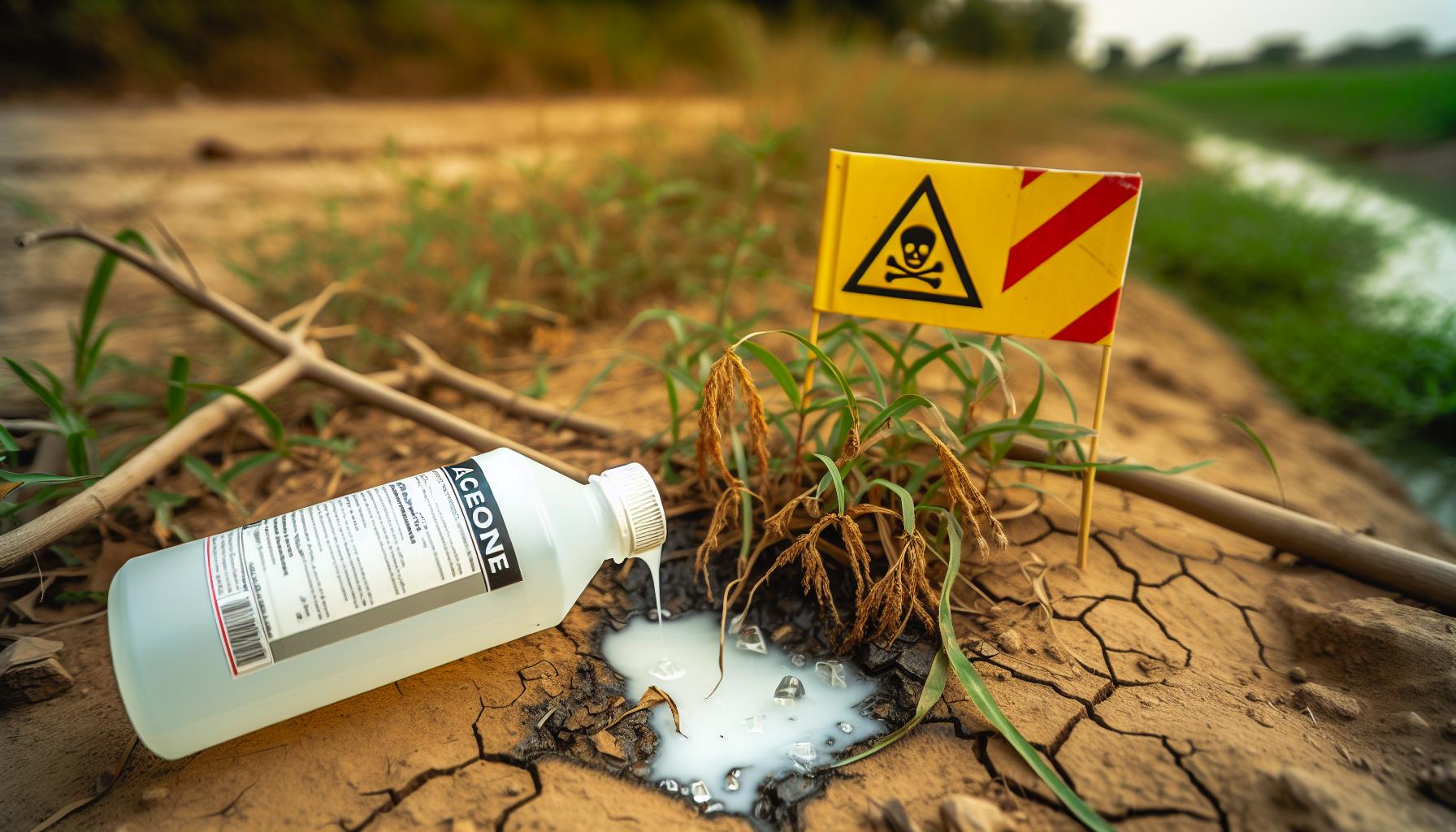
Improper disposal of acetone poses significant threats beyond just household plumbing concerns, extending into the environment where its effects can ripple through ecosystems and water sources. Despite acetone’s tendency to evaporate quickly, when poured down drains or discarded carelessly, it can enter wastewater systems and ultimately contaminate natural water bodies. There, acetone acts as a potent solvent, disrupting aquatic life by altering water chemistry and affecting the organisms essential to balanced ecosystems.The speedy evaporation of acetone does not guarantee its harmlessness once disposed of improperly. In anaerobic environments like septic tanks or slow-moving waterways, acetone can persist longer and interfere with microbial communities responsible for breaking down organic waste. Disturbances to these microorganisms can impair natural water purification processes, leading to increased pollution downstream. Additionally, acetone’s volatile nature means vapors released from improperly contained waste can contribute to air pollution and pose inhalation risks to humans and wildlife.
Real-World Impacts on Ecosystems
Consider scenarios where workshops, art studios, or households routinely flush acetone-containing solutions down sinks and drains.Over time, even low concentrations accumulating in local water bodies can lead to:
- Fish and amphibian stress: Exposure to solvents like acetone can cause biological stress, reducing reproduction rates and increasing mortality.
- Disruption of aquatic vegetation: Solvents can damage sensitive plant species essential for oxygen production and habitat protection.
- Contamination of drinking water: Trace chemicals infiltrating groundwater may elevate the cost and complexity of water treatment.
Practical Advice for Minimizing Environmental Harm
To protect local waterways and soil health, never dispose of acetone by flushing it down drains or pouring it onto the ground. Instead, follow these actionable steps:
- Use designated hazardous waste disposal: Collect acetone waste in sealed containers and take it to certified chemical waste facilities.
- Opt for evaporation in well-ventilated,controlled settings: Small amounts can sometimes be evaporated safely outdoors away from storm drains and living areas.
- Engage community hazardous waste programs: Many municipalities offer periodic collection services that prevent harmful chemicals from entering the environment.
By adopting these practices, individuals and businesses can drastically reduce the environmental footprint of acetone use, safeguarding water quality and ecosystem integrity for future generations. Understanding these risks shifts acetone from being simply an industrial solvent to a chemical requiring responsible stewardship in everyday disposal decisions.
safe Disposal Methods for Acetone at Home

Acetone, even though a common household solvent, requires thoughtful disposal to prevent harm to your plumbing, indoor air quality, and the environment. Simply pouring it down the sink or toilet might seem convenient but can introduce hazardous vapors and damage wastewater treatment processes. Fortunately, there are practical and safe methods you can use at home to handle acetone waste responsibly without causing undue risk.Start by collecting acetone in a sturdy,clearly labeled container with a tight-fitting lid. Glass or chemical-resistant plastic containers work best to avoid leaks and evaporation.Store this container in a well-ventilated area away from heat sources or open flames as acetone vapors are highly flammable. Keeping the quantity manageable helps minimize risks and facilitates disposal when you have gathered a sufficient amount.
When it comes to disposal, never mix acetone with regular household trash or down residential drains. If you have only a small amount, one option is to leave the acetone container open outdoors, in an isolated and shaded spot, allowing it to evaporate naturally over time. This process should be done away from storm drains, children’s play areas, and pets, ideally on a calm day to prevent vapor spread. However, avoid this method if you have large volumes or live in an area prone to extreme temperatures or poor ventilation, as accumulated vapors could become a fire hazard.
For larger volumes or frequent use, your best course of action is to utilize local hazardous waste collection programs, which are often run by municipal waste authorities or environmental agencies. These services accept acetone and other solvents for safe professional disposal or recycling. To make the process easier, keep acetone waste sealed and bring it during designated collection events. Contact your local goverment or waste facility for schedules and guidelines.
Tips for safe Handling and Temporary Storage
- Label containers clearly: Avoid accidental misuse or disposal errors by marking containers with “Acetone Waste.”
- Use secondary containment: Place acetone containers inside larger tubs or trays to catch leaks.
- Keep away from ignition sources: Do not store near stoves, heaters, or electrical equipment.
- Wear protective gloves and ensure ventilation: When handling acetone, minimize skin contact and avoid breathing in fumes.
While it might feel cumbersome to manage acetone disposal carefully, these steps protect your home and local environment from risks associated with chemical contamination and fire hazards. Taking the time to follow responsible disposal habits is a small effort with a significant positive impact, especially when repeated routinely in workshop, art studio, or household settings. Through mindful storage and participation in community hazardous waste programs, you can turn a potentially dangerous chemical into a safely managed waste product.
| Disposal Method | Best For | Key Considerations |
|---|---|---|
| Natural Evaporation | Small volumes (a few ounces) | Outdoor, away from storm drains and ignition sources; good ventilation |
| Hazardous Waste Collection | Large volumes or frequent users | Follow local regulations; store in labeled, sealed containers |
| Professional Disposal Services | industrial quantities or special cases | May require transport by licensed handlers; cost involved |
Legal Regulations on Acetone Chemical Disposal

Many people are surprised to learn that acetone, despite its widespread household availability, is subject to strict regulations when it comes to disposal.This is because acetone is classified as a hazardous chemical under various environmental laws due to its volatility, flammability, and potential to harm aquatic life if released improperly.Pouring acetone down the drain or into regular trash doesn’t just risk local pollution-it may also violate legal guidelines designed to protect public health and the environment.
In the United States, for example, the environmental Protection Agency (EPA) oversees regulations under the Resource Conservation and Recovery Act (RCRA), which governs hazardous waste management. Acetone is generally listed as a hazardous waste if it is discarded and exhibits characteristics like ignitability. This means that individuals and businesses must follow specific protocols for collection, storage, transport, and disposal. Many municipalities have local ordinances requiring that acetone waste be brought to designated hazardous waste collection centers rather than being flushed or mixed with regular garbage. Failure to comply can result in fines or other enforcement actions.
Understanding Compliance and Best Practices
- Labeling and segregation: Containers holding acetone waste must be clearly marked and stored separately from non-hazardous waste to prevent accidental mixing.
- Limit quantities at home: While small, incidental amounts used for household tasks might be exempt from some regulations, stockpiling large volumes without proper disposal arrangements is often illegal and unsafe.
- Hazardous waste collection events: Many local governments organize periodic collection days specifically for solvents like acetone. Participating in these programs ensures compliance and reduces the risk to community water and soil health.
Across other regions such as the European Union, the Waste Framework Directive imposes similar rules, emphasizing that solvents including acetone must be handled by authorized facilities. Businesses often need permits to transport acetone waste, and even residential users should be mindful not to contravene local rules by flushing or discarding solvents indiscriminately. Some countries also require Safety Data Sheets (SDS) for commercial transactions of acetone, reinforcing the importance of knowing safe handling and disposal standards.
Examples of Regulatory Implications
| Region | Relevant Regulation | Key Requirement |
|---|---|---|
| United States | resource Conservation and Recovery Act (RCRA) | Waste acetone must be treated as hazardous waste; disposal via approved facilities only |
| European Union | Waste Framework Directive (2008/98/EC) | Proper classification and delivery to licensed waste handlers; prohibition of direct discharge into sewers |
| Canada | Canadian Environmental protection Act (CEPA) | Controls on release and disposal; provincial hazardous waste regulations vary but require licensed disposal |
By understanding and respecting these rules, users protect their community and environment while avoiding costly penalties. If you’re unsure about local requirements, a quick call to your municipal waste management authority or environmental agency can clarify how to legally and safely dispose of acetone. Taking this responsible step not only supports legal compliance but reinforces lasting habits in chemical handling.
How to Identify Hazardous Waste Containing Acetone

Acetone is a common ingredient in many household and industrial products, making it vital to recognize when waste contains this chemical and when such waste qualifies as hazardous. A key factor is the concentration and the physical form of acetone in the waste, as small diluted amounts may pose minimal risk, whereas concentrated or spent acetone mixtures usually require careful management.Understanding these nuances protects you from unintentional violations of disposal regulations and prevents environmental harm.
To identify acetone-containing hazardous waste, start by checking product labels and Safety Data Sheets (SDS). These documents clearly list acetone as an ingredient along with important hazard information such as flammability, volatility, and the recommended precautions. Waste is often hazardous if it exhibits one or more of the following: ignitability (flammable vapors or liquids), toxicity, or reactivity-acetone’s low flash point puts it squarely in the ignitable category. For example, leftover acetone used for cleaning paintbrushes or thinning adhesives is typically hazardous waste because of its high concentration and flammable properties.
Beyond pure acetone waste, it’s critically important to recognize mixed wastes containing acetone. Solvent blends, paint thinners, nail polish removers, or cleaning solvent residues can all include acetone in varying but potentially hazardous quantities. When identifying such waste, consider the following:
- Concentration levels: Waste are more likely hazardous when acetone concentration exceeds local regulatory thresholds (frequently enough around 24% or higher, though this varies by jurisdiction).
- Physical characteristics: Strong odors reminiscent of nail polish remover, high volatility, and flammable vapors are practical warning signs.
- Container labeling: Properly marked containers identify acetone or solvent waste and help avoid accidental mixing with non-hazardous trash.
Simple Tools and Tips for Identification
| identification Method | What to look For |
|---|---|
| Safety data Sheets (SDS) | Acetone listed under ingredients; handling and disposal instructions |
| Product Labeling | Terms like “acetone,” “solvent,” “flammable,” or “volatile organic compounds” |
| Physical Signs | Strong solvent smell; rapid evaporation; flammable liquid precautions |
| Local Regulations | Check hazardous waste thresholds for acetone concentration in your area |
If you suspect that waste you have contains acetone, err on the side of caution-treat it as hazardous until verified otherwise through testing or consultation with waste professionals. Many regions provide resources to help homeowners and businesses correctly identify and classify solvent wastes, including acetone. Remember, simply discarding waste as it looks harmless can lead to serious environmental and legal consequences, so proper identification is a critical first step toward safe and compliant disposal.
Alternatives to Flushing Acetone Down the Drain

Disposing of acetone by flushing it down the drain is a common impulse but one that can lead to serious harm to plumbing systems,water supplies,and the environment.Fortunately, there are effective and responsible alternatives that safeguard both your household and the planet.Rather of pouring acetone down sinks or toilets, consider managing this chemical waste through methods that reduce risk and ensure compliance with local regulations.
One practical choice is to collect and store acetone waste securely in well-labeled, airtight containers made from materials compatible with solvents (like certain plastics or metal cans specifically designed for chemical storage). This approach allows you to accumulate small amounts safely before arranging for proper disposal. Many communities have designated hazardous waste collection days or facilities where residents can drop off solvents like acetone free of charge or for a nominal fee. utilizing these services prevents acetone from entering the municipal sewer system and enables professionals to treat or recycle the chemical appropriately.
If leftover acetone still smells fresh and hasn’t been heavily contaminated, another option is reusing it for cleaning tasks such as degreasing tools or removing adhesives. While this won’t eliminate the need for eventual disposal,it reduces waste volume and maximizes product use. For larger quantities, some industries and contractors partner with chemical recycling services that reclaim solvents through distillation, converting used acetone back into a usable product. This sustainable practice, though more common in commercial settings, points to the value of not discarding solvents casually.
Simple Steps To Avoid Flushing Acetone
- Identify local hazardous waste programs: Most municipalities provide guidelines or facilities for safe solvent disposal-check their websites or call for details.
- Use approved containers: Store acetone waste in clearly labeled, sealed containers to prevent spills and vapors.
- Schedule waste pickup or drop-off: Take advantage of hazardous waste collection days to minimize accumulation at home.
- Consider solvent recycling: Explore services that reclaim and purify solvents to reduce environmental footprint.
By adopting these alternatives, you not only prevent costly damage to your home’s plumbing but also contribute to a cleaner environment. small changes in handling acetone waste-thinking beyond the drain-make a significant difference in protecting waterways, wildlife, and community health from chemical pollution.
Best Practices for Handling and Storing acetone Safely

Handling and storing acetone with care is essential not only to preserve its effectiveness but also to protect your home and health from potential hazards. Given acetone’s high volatility and flammability,improper storage can lead to dangerous vapor buildup,accidental fires,or chemical spills. Even small amounts of acetone vapors can quickly accumulate in enclosed spaces, creating an environment prone to ignition from sparks, static, or heat sources. This makes understanding the right containment and safety measures non-negotiable for anyone using this solvent.To minimize risks, always use containers specifically designed for flammable liquids-ideally metal cans or heavy-duty plastic bottles that can be tightly sealed.Avoid makeshift solutions like repurposed water bottles, as they rarely provide sufficient chemical resistance or airtight sealing. Labeling containers clearly with “acetone” and hazard warnings is crucial so that anyone encountering the storage area is immediately aware of the potential dangers. If possible, keep acetone in original manufacturer bottles or compliant secondary containers, and ensure lids are screwed on securely after each use to prevent vapor escape.
Optimal Storage Conditions
- Store acetone away from heat sources: Keep containers in a cool, well-ventilated area, far from direct sunlight, heaters, and electrical appliances that could spark.
- Keep it out of reach of children and pets: Use locked cabinets or dedicated chemical storage areas to prevent accidental ingestion or contact.
- Separate from incompatible chemicals: Avoid storing acetone near strong oxidizers, acids, or alkalis which can react dangerously if leaks occur.
- Limit quantity stored at home: Purchase only what you expect to use within a short timeframe to reduce risks associated with prolonged storage.
When handling acetone, wearing appropriate safety gear such as gloves and eye protection is advisable sence prolonged contact can irritate skin and eyes. Using acetone in well-ventilated spaces or outdoors helps disperse vapors and protects respiratory health. Additionally, keep a fire extinguisher rated for flammable liquids close by, especially if you’re using acetone for cleaning or hobby projects.
| Storage aspect | Recommended Practice |
|---|---|
| Container Type | use airtight, acetone-compatible metal or plastic containers with secure lids |
| Location | Cool, ventilated, away from ignition sources and sunlight |
| Safety Measures | Proper labeling, access control, fire extinguisher nearby |
| Handling | Wear gloves and eye protection; work in ventilated areas |
By adopting these safeguards, you not only extend the shelf life and efficacy of acetone but also drastically reduce the chance of accidents or environmental harm. Thoughtful and deliberate storage and handling go hand in hand with responsible disposal practices-both are integral to chemical safety in any home or workspace.
How Local Waste Facilities Manage Acetone Disposal

Many people are unaware that local waste facilities play a crucial role in managing acetone and other hazardous substances safely and effectively. Instead of risking environmental contamination or plumbing damage by flushing acetone down drains, these facilities have specialized processes to handle such volatile chemicals responsibly. Their systems not only protect public health but also comply with strict environmental regulations, making them an essential resource for proper acetone disposal.
Local waste management centers typically separate acetone from general household waste and collect it as part of their hazardous waste programs. Once received, acetone-containing materials are categorized based on concentration and contamination level. Facilities use controlled methods such as chemical treatment, distillation, or incineration to neutralize or recycle acetone without releasing toxins into the air, water, or soil. In some cases, recovered acetone is purified and repurposed for industrial use, contributing to resource conservation and waste reduction.
How to Prepare Acetone Waste for Drop-Off
- Use original or compatible containers: Avoid leaking and contamination by securely sealing acetone in metal or heavy-duty plastic bottles.
- Label clearly: Mark containers as “acetone” with hazard warnings to assist facility workers in identifying and sorting materials safely.
- Do not mix with other chemicals: Combining acetone with incompatible wastes can pose serious risks during treatment.
- Transport carefully: Carry acetone containers upright and avoid exposure to heat or sparks during transit.
Many waste facilities schedule special collection days or maintain permanent hazardous waste drop-off sites where residents can safely dispose of acetone. These programs frequently enough exist nationwide,but check with your local municipal waste authority for location details,accepted quantities,and any preparatory instructions.
| Facility Service | Description |
|---|---|
| Household hazardous Waste (HHW) Collection | Periodic events where residents can drop off acetone and other hazardous chemicals for safe disposal. |
| Permanently Established Hazardous Waste Centers | Facilities operating year-round accepting acetone with strict protocols for handling and disposal. |
| Industrial Chemical Recycling Programs | Channels for businesses that generate larger volumes of acetone to recycle rather than discard it. |
By utilizing these services, you can ensure that acetone is managed in a way that prevents environmental harm and complies with legal disposal requirements. Importantly, these local programs remove the burden and risks of on-site acetone disposal, providing a safe, straightforward, and environmentally responsible alternative to flushing or dumping this chemical.
Steps to Take in Case of Acetone Spills or Exposure

Accidental acetone spills or exposure can happen unexpectedly, and knowing how to respond quickly and effectively is crucial to minimizing harm to yourself, others, and the environment. Despite acetone’s common use as a solvent, it is highly flammable and can irritate skin, eyes, and respiratory passages. Immediate and careful action helps prevent serious injury or contamination.First, if a spill occurs, avoid ignition sources such as open flames, sparks, or electrical equipment as acetone vapors are extremely flammable. Increase ventilation by opening windows or turning on exhaust fans to disperse fumes rapidly. If possible, isolate the spill area to limit exposure and inform others nearby to stay clear.
Next, take personal safety precautions before attempting cleanup:
- Wear protective gloves and eye protection: Acetone can quickly dry out skin and cause irritation.
- Use appropriate respiratory protection: In poorly ventilated spaces, a mask or respirator reduces inhalation risks.
- Avoid direct skin contact: Remove contaminated clothing immediately and rinse affected skin with plenty of water for at least 15 minutes.
For smaller spills on solid surfaces, absorb the acetone with inert materials like sand, vermiculite, or commercial spill absorbents. Collect the material in a sealed, labeled container for later disposal at a hazardous waste facility. Avoid using water to rinse large spills into drains or outdoors, as this can spread contamination and harm plumbing and ecosystems.In cases of inhalation or eye exposure, move to fresh air promptly and rinse eyes with water for 15 minutes while holding eyelids open.Seek medical attention if any symptoms such as dizziness, headache, or persistent irritation occur. For skin burns or prolonged exposure, professional care is strongly advised.
Emergency Response Checklist
| Action | Purpose |
|---|---|
| Evacuate and ventilate area | Reduce inhalation and fire risk from acetone vapors |
| Wear protective equipment | Prevent skin, eye, and respiratory irritation |
| Contain spill with inert absorbents | Prevent spread and facilitate safe disposal |
| Secure and label waste container | Prepare acetone-contaminated waste for proper handling |
| Seek medical help if symptoms persist | Ensure health and safety after exposure |
Understanding these steps not only protects your health but also supports responsible environmental stewardship. Planning ahead by having spill cleanup materials and a clear emergency protocol in place can make all the difference when handling acetone safely.
Frequently asked questions
Q: How should small amounts of acetone be safely disposed of at home?
A: Small amounts of acetone should never be flushed down drains. instead, store the acetone in a sealed container and take it to a local hazardous waste collection site for safe disposal. This prevents plumbing damage and environmental contamination. For more on safe disposal methods, see our section on Safe Disposal Methods for Acetone at Home.Q: What are the health risks of inhaling acetone vapors during disposal?
A: Inhaling acetone vapors can cause dizziness, headaches, and respiratory irritation. When handling or disposing of acetone, ensure adequate ventilation and consider wearing a mask. Always follow the Best Practices for Handling and Storing Acetone Safely to reduce exposure risk.
Q: Can acetone contaminate groundwater if not disposed properly?
A: Yes, improperly disposing of acetone, such as flushing it down the drain, can lead to groundwater contamination, harming ecosystems and drinking water supplies. Always follow recommended disposal guidelines outlined in Environmental Risks of Improper Acetone Disposal to protect water sources.
Q: Why is mixing acetone with other household chemicals during disposal dangerous?
A: Mixing acetone with other chemicals can cause hazardous reactions, producing toxic gases or fires. Never combine acetone with incompatible substances during disposal. Refer to Legal Regulations on Acetone chemical Disposal for safe handling protocols.
Q: What should I do if a local waste facility does not accept acetone for disposal?
A: If your local waste facility doesn’t accept acetone, contact your municipal environmental agency for guidance. Alternatively,bring acetone to a certified hazardous waste collection event or look for authorized chemical recycling programs.More info is available in How Local Waste Facilities Manage Acetone Disposal.
Q: How can businesses legally dispose of large volumes of acetone?
A: Businesses must adhere to strict hazardous waste management laws,including proper labeling and using licensed chemical waste contractors. Consult Legal Regulations on Acetone Chemical Disposal for detailed compliance guidelines and ensure environmentally safe disposal.
Q: What steps can reduce risks if acetone spills occur during disposal?
A: in case of spills, immediately ventilate the area, wear protective gloves, absorb the acetone with inert materials, and dispose of it as hazardous waste. Follow the Steps to Take in Case of Acetone Spills or Exposure section to minimize health and environmental risks.
Q: Are there eco-kind alternatives to using acetone that simplify disposal?
A: Yes, bio-based solvents and less toxic alternatives can reduce environmental impact and disposal hazards. Switching to safer substitutes can simplify chemical disposal and reduce regulatory burdens. For options, see Alternatives to Flushing Acetone Down the Drain.
For more detailed guidance, explore our full article sections linked above to ensure you stay compliant and protect both your home and the environment.
Wrapping Up
Proper disposal of acetone is essential to protect both your health and the environment, so flushing it down the drain is never advisable. Understanding safe chemical disposal rules empowers you to handle acetone responsibly and avoid costly fines or hazards. If you’re looking to deepen your knowledge, explore our guides on “Safe Household Chemical Storage” and “Environmental Impact of Solvent Waste” to stay informed on best practices.Ready to take the next step? Sign up for our newsletter to receive practical tips on chemical safety and eco-friendly disposal methods delivered straight to your inbox. Have questions or experiences with acetone disposal? Share your thoughts in the comments below-your insights help our community thrive.For specialized advice, consider booking a consultation with our experts to ensure your chemical handling meets all safety standards. Stay informed, stay safe, and keep browsing our resources to become a confident steward of chemical safety.
Get our latest guides, news, and insights highlighted in your Google Search & AI Overviews.