What’s the Washing Machine Drum? Appliance Component Explained
Have you ever wondered what exactly makes your washing machine tick? One essential component you may overlook is the washing machine drum. In this article, we will delve into the inner workings of this appliance part, explaining its purpose and significance in keeping your clothes clean and fresh. Stay tuned to learn more about the unsung hero of your laundry routine.
Introduction to the Washing Machine Drum
The washing machine drum is a critical component of your laundry appliance that plays a key role in cleaning your clothes effectively. It is essentially the large, cylindrical container where you load your clothes for washing. As the drum rotates, the clothes are agitated and moved around, allowing the detergent and water to penetrate and remove dirt and stains.
Key Features of a Washing Machine Drum:
- Material: Most washing machine drums are made of stainless steel or porcelain enamel-coated steel, known for their durability and resistance to rust and corrosion.
- Capacity: The size of the drum determines how much laundry you can fit in a single wash cycle, with capacities ranging from 5kg to 15kg or more.
- Drum Design: Modern washing machine drums often feature special patterns or ridges to improve tumbling efficiency and reduce wear and tear on your clothes.
Types of Washing Machine Drums:
- Front-Loading Drums: These drums rotate horizontally and are known for their energy efficiency and water-saving capabilities.
- Top-Loading Drums: These drums rotate vertically and are typically more affordable and easier to load and unload.
Overall, understanding the role of the washing machine drum can help you make informed decisions when purchasing a new appliance or troubleshooting any issues that may arise during its use. The drum is the heart of your washing machine, so taking care of it and using it properly is essential for optimal cleaning results and longevity of your appliance.
Understanding the Function of the Washing Machine Drum
The washing machine drum is an essential component of the appliance that plays a crucial role in the cleaning process. It is the part of the washing machine where you place your clothes for washing. The drum’s function is to hold the clothes while the machine fills with water and detergent, agitates the clothes to remove dirt, and then spins to remove excess water.
Key functions of the washing machine drum include:
- Agitation: The drum rotates back and forth, causing the clothes to rub against each other, helping to dislodge dirt and stains.
- Spin cycle: After the washing is complete, the drum spins at high speeds to extract water from the clothes, reducing drying time.
- Balancing: The drum is designed to balance itself during the spin cycle to prevent the machine from shaking or moving excessively.
Components of the washing machine drum:
- Stainless steel or porcelain: The drum is typically made of durable materials that can withstand the rigors of regular use.
- Baffles or lifters: These are small fins inside the drum that help move the clothes around during the wash cycle.
Bearings: These are components that support the drum and allow it to rotate smoothly.
is essential for proper maintenance and care of your appliance. Regular cleaning and maintenance of the drum can help prolong the life of your washing machine and ensure that your clothes come out clean and fresh after each wash.

Types of Washing Machine Drums Available
Front-Loading Drum
The front-loading drum is the most common type of washing machine drum available on the market. This drum type rotates horizontally, allowing clothes to drop to the bottom of the drum during the wash cycle. Front-loading drums are known for their efficient water and energy usage, making them a popular choice for many households.
Top-Loading Drum
The top-loading drum is another popular option for washing machines. This type of drum rotates vertically, with an agitator in the center to help move clothes around during the wash cycle. While top-loading drums may use slightly more water and energy compared to front-loading drums, they are often preferred for their convenience and ease of use.
Drum Material
- Stainless Steel: Known for its durability and resistance to rust and corrosion, stainless steel drums are a popular choice for washing machines.
- Porcelain-Coated: These drums offer a smooth surface that is gentle on clothes, but may be prone to chipping over time.
- Plastic: While less common, plastic drums are lightweight and can help reduce noise during the wash cycle.
Which Drum Type Is Right for You?
When choosing a washing machine drum, consider factors such as water and energy efficiency, durability, and convenience. Front-loading drums are ideal for those looking to save on water and energy usage, while top-loading drums may be preferred for their ease of use. The material of the drum can also play a role in your decision, so be sure to weigh the pros and cons of each type before making your purchase.

Materials Used in Manufacturing Washing Machine Drums
When it comes to manufacturing washing machine drums, various materials are used to ensure durability and efficiency. These materials play a crucial role in determining the overall performance and lifespan of the drum. Here are some of the commonly used materials in manufacturing washing machine drums:
- Stainless Steel: One of the most popular materials used in washing machine drums is stainless steel. It is well-known for its durability, resistance to corrosion, and ability to withstand high temperatures. Stainless steel drums are also easy to clean and maintain, making them a preferred choice for many manufacturers.
- Porcelain-Coated Steel: Another common material used in washing machine drums is porcelain-coated steel. This material offers both the strength of steel and the smooth, non-porous surface of porcelain. Porcelain-coated steel drums are rust-resistant and provide a protective barrier against scratches and stains.
- Plastic: Some washing machine drums are made from plastic materials, such as high-density polyethylene (HDPE). Plastic drums are lightweight, cost-effective, and resistant to rust. However, they may not be as durable or long-lasting as stainless steel or porcelain-coated steel drums.
- Fiberglass: Fiberglass is another material used in manufacturing washing machine drums. Fiberglass drums are lightweight, durable, and resistant to corrosion. They are also less likely to cause damage to clothes during the wash cycle.

Benefits of a Well-Maintained Washing Machine Drum
Regular maintenance of your washing machine drum is essential for ensuring its longevity and efficiency. A well-maintained drum can offer numerous benefits that will not only save you time and money but also improve the overall performance of your washing machine.
Here are some key benefits of keeping your washing machine drum in top condition:
- Improved Washing Performance: A clean and well-maintained drum allows the water and detergent to circulate more effectively, resulting in cleaner and fresher clothes.
- Prevent Damage: Regular maintenance helps to prevent wear and tear on the drum, reducing the risk of costly repairs or replacements in the future.
- Reduced Energy Consumption: A well-maintained drum can operate more efficiently, reducing energy consumption and lowering your utility bills.
- Extended Lifespan: By taking care of your washing machine drum, you can prolong the lifespan of your appliance and enjoy its benefits for years to come.

Signs of a Damaged Washing Machine Drum
When it comes to your washing machine, the drum is a crucial component that plays a key role in the cleaning process. The drum is the inner part of the washing machine where you load your clothes. It rotates to agitate the clothes and facilitate the washing process. Understanding the can help you identify issues early on and prevent further damage to your appliance.
One common sign of a damaged washing machine drum is excessive noise during the wash cycle. If you notice loud banging or scraping sounds coming from your machine, it could be a sign that the drum is loose or out of balance. Another indication of a damaged drum is if you see visible cracks or dents on the surface of the drum. These can not only affect the washing performance but also pose a safety risk.
Additionally, if you notice that your clothes are coming out of the wash cycle with tears or snags, it could be a sign that the drum is damaged. Uneven spinning and leaking water during the wash cycle are also indicators of a faulty drum. It’s important to address these issues promptly to prevent further damage to your washing machine.

Tips for Extending the Life of Your Washing Machine Drum
The washing machine drum is an essential component of your washer that holds the clothes during the washing cycle. Over time, the drum can wear out and potentially lead to costly repairs or replacement. To extend the life of your washing machine drum, follow these useful tips:
- Avoid overloading: Overloading your washing machine can put extra strain on the drum, causing it to wear out faster. Be sure to follow the manufacturer’s guidelines for load capacity.
- Use the right detergent: Using too much detergent can create excess suds, which can put pressure on the drum. Use the recommended amount of detergent for each load.
- Keep it balanced: Make sure your washing machine is level to prevent the drum from becoming unbalanced during the spin cycle. This can cause unnecessary wear and tear.
- Inspect and clean regularly: Check the drum for any signs of wear or damage, such as rust or cracks. Also, clean the drum regularly to remove any buildup of dirt or detergent residue.
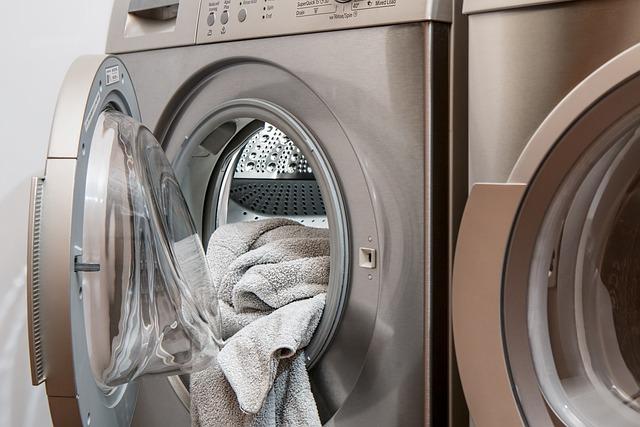
How to Properly Clean and Care for Your Washing Machine Drum
The washing machine drum is an essential component of your appliance that is responsible for holding and agitating your clothes during the washing cycle. It is important to properly clean and care for your washing machine drum to ensure it functions efficiently and prolong its lifespan.
To clean your washing machine drum, follow these simple steps:
1. **Empty the drum**: Make sure the drum is completely empty before starting the cleaning process.
2. **Use a cleaning solution**: Mix equal parts water and white vinegar or bleach and pour it into the drum. Run a hot water cycle to clean and disinfect the drum.
3. **Wipe down the drum**: After the cycle is complete, use a clean cloth or sponge to wipe down the inside of the drum to remove any leftover residue.
4. **Leave the door open**: To prevent mold and mildew buildup, always leave the washing machine door open after each use to allow for proper ventilation.
Regularly cleaning and caring for your washing machine drum will not only keep your clothes clean but also help maintain the efficiency of your appliance. By following these simple steps, you can ensure your washing machine drum stays in top condition for years to come.
The Way Forward
In conclusion, the washing machine drum is a vital component of your appliance that houses the clothes during the wash cycle. Understanding the role of the drum can help you troubleshoot common issues and maintain your washing machine for optimal performance. Remember to regularly clean and inspect the drum to ensure it operates smoothly and efficiently. With this knowledge, you’ll be better equipped to keep your washing machine in top condition. Thank you for reading!
Get our latest guides, news, and insights highlighted in your Google Search & AI Overviews.