

Can You Flush When Pipes Are Frozen? Winter Plumbing Tips
Did you know that flushing your toilet or running water when pipes are frozen can sometimes do more harm than good? Frozen pipes are a common winter headache, causing frustration and potential damage during the cold months. Understanding whether you can safely flush and how to handle freezing pipes is essential to protecting your home’s plumbing system. If you’ve ever faced that sudden stop in water flow or worried about burst pipes, this guide offers practical winter plumbing tips to help you navigate these challenges.By learning simple yet effective strategies, you can avoid costly repairs and keep your water flowing safely even during harsh freezes. Keep reading to uncover what actions to take when your pipes freeze and how to respond calmly and confidently to winter plumbing troubles.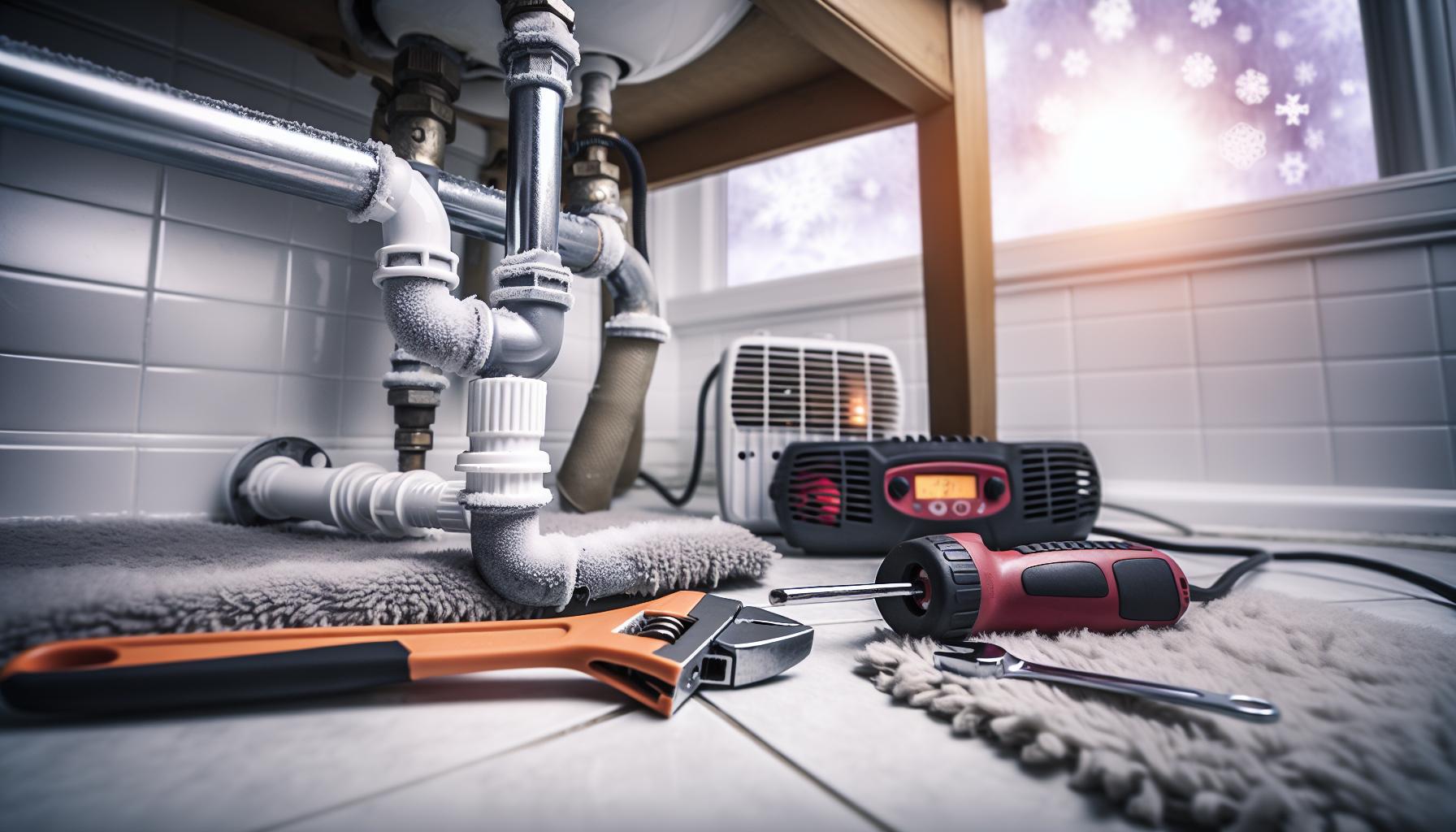
Understanding Why Pipes Freeze in Winter Conditions
when winter’s chill sinks below freezing, certain plumbing systems become vulnerable to an unexpected enemy: ice. Water expands as it freezes, and when this happens inside your pipes, it can lead to blockages or even bursts, leaving homeowners wiht costly repairs and inconvenient downtime. Understanding why pipes freeze is crucial for taking proactive steps to protect your plumbing and avoid the stress of frozen pipes during harsh cold spells.
At the heart of the issue is the temperature your pipes are exposed to. Pipes located in unheated areas such as basements, crawl spaces, attics, or exterior walls are particularly prone to freezing. Water inside these pipes loses heat to the surrounding environment and eventually chills to freezing or below,typically at 32°F (0°C) or less. Even a brief dip into subfreezing temperatures can initiate ice formation, especially if the pipe insulation is inadequate or there’s a draft.
Factors That Increase the Risk of Pipe Freezing
- Poor Insulation: Pipes that lack proper insulation or are exposed to cold drafts freeze faster becuase heat escapes more readily.
- Still Water: Water that isn’t moving is more prone to freezing. Moving water resists freezing longer, which is why slowly dripping faucets can prevent a complete freeze.
- Extremely Low Temperatures: Prolonged cold snaps, especially those that last several hours or days, increase the likelihood of freeze damage.
- pipe Material and Diameter: Smaller diameter pipes freeze more quickly than larger ones because there’s less water volume to retain heat.
The Consequences of Frozen Pipes in Your Plumbing System
When water freezes inside a pipe, the expanding ice can create pressure between the blockage and the closed faucet, exerting tremendous stress on the pipe walls. This pressure frequently causes pipes to crack or burst, particularly in older plumbing systems where materials may have weakened over time. This explains why understanding the freezing process helps homeowners anticipate risks and underscores the importance of preventing freezing before it starts.
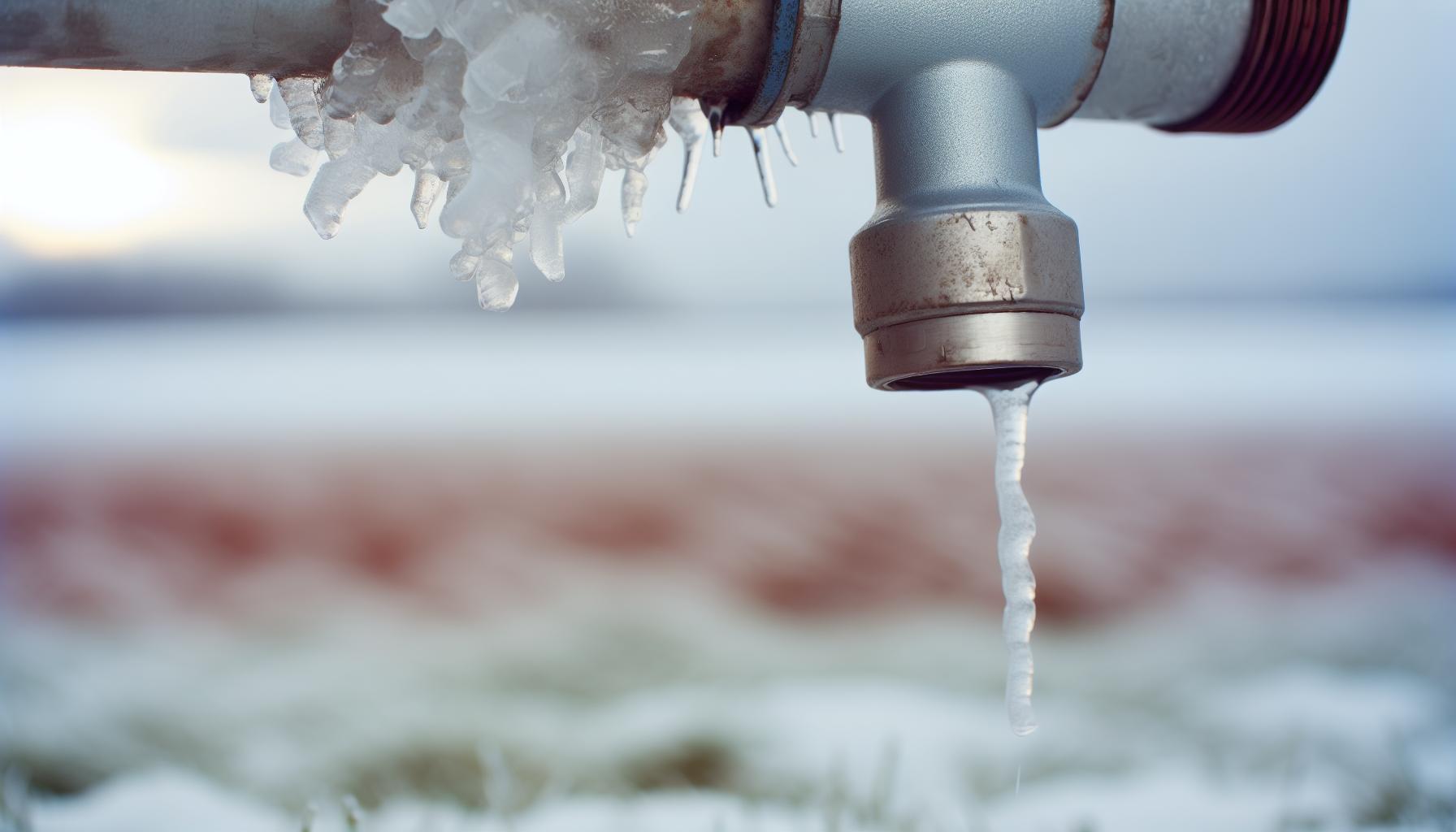
Can You Safely Flush When Pipes Are Frozen?
Attempting to flush toilets or run water through frozen pipes might seem like a straightforward way to move things along, but it can actually lead to more problems rather than solving them. When pipes are frozen, water within them is either partially or fully blocked by ice, making flushing an ineffective and potentially risky action. Forcing water through these blockages can cause substantial pressure buildup, putting the plumbing at greater risk of cracking or bursting-a costly repair many homeowners want to avoid.
In some cases, if only a small section of a pipe is frozen and the block is minor, gently running water at a trickle can help keep water moving and delay freezing. However,flushing a fully frozen toilet or running large amounts of water is not advisable.It can backfire by increasing pressure behind the ice obstruction or overwhelming the freeze point,which leads to pipe damage. Instead,a better approach is to focus on thawing frozen sections safely before turning on water fixtures.
Why Held Water pressure Matters
When you flush a toilet or open a faucet connected to frozen pipes, the water has nowhere to go past the ice obstruction. This causes pressure to spike between the faucet and the ice block.since pipes can only tolerate so much pressure, forcing water flushes may exacerbate cracks or cause bursts, especially if the pipes are old or already weakened by corrosion. Unlike running water at a low flow, which helps prevent ice from fully forming, a strong flush introduces a sudden volume that the frozen system can’t accommodate.
Safe Practices When You Suspect Frozen Pipes
- Check for signs of freezing: Cold spots on pipes or no water flow at faucets can indicate frozen sections.
- Avoid flushing toilets or running taps forcefully: Doing so before thawing can increase risk of pipe damage.
- Use safe thawing methods: applying gentle heat sources like a hairdryer, heat lamp, or warm towels helps thaw pipes gradually without shock.
- Allow water to drip slowly: Keeping faucets slightly open can help maintain flow and reduce the chance of freezing.
Ultimately, flushing while pipes are frozen is generally not safe or effective. prioritizing thawing and maintaining low water flow provides a safer path to restoring normal function in your plumbing system without risking costly damage or emergency repairs.
Step-by-Step Guide to Thawing Frozen Pipes Without Damage
Frozen pipes can quickly turn a cold day into a costly emergency, but thawing them carefully and methodically can prevent extensive damage. It’s crucial to remember that rushing the thawing process or applying excessive heat can lead to cracked or burst pipes-issues that frequently enough require expensive repairs. The key lies in patience and using the right techniques that gently and safely restore water flow without compromising the plumbing’s integrity.
Locate and Prepare the Frozen Area
Before you begin thawing, identify the section of pipe that’s frozen. Look for unusually cold spots,frost on exposed pipes,or taps with little to no water flow. If the pipe is behind a wall or under flooring, listen for reduced water sounds and check nearby fixtures. Once located, open the faucet connected to the frozen pipe. This relieves pressure and provides an outlet for melted water, reducing chances of pipe bursts.
Use Gentle Heat Sources to Thaw Gradually
Applying heat slowly and evenly is the safest approach. Some effective tools include:
- Hairdryer: Use on low or medium heat, moving steadily along the pipe to warm it.
- Heat lamp or portable space heater: Position near the frozen section, maintaining a safe distance to avoid overheating or fire hazards.
- Warm towels: Soak towels in warm water, then wrap them around the pipe; replace as they cool.
Avoid using open flames, heat guns, or high-heat devices, as these can damage pipe insulation or cause fires. If the frozen pipe is accessible, applying heat from a safe distance prevents sudden temperature shocks that could stress the pipe material.
Encourage Slow Water Flow
While applying heat, keep the faucet slightly open to allow melting ice to flow out and reduce pressure buildup within the pipe. This slow drip helps flush out small ice chunks and signals when the thawing is complete. If the water begins to flow freely and steadily, you’ve successfully restored water movement without risking damage.
Monitor and Repeat as Needed
Frozen sections sometimes extend beyond the initial spot identified. If thawing one area doesn’t restore flow, move on to adjacent pipe sections or try reapplying gentle heat.Always be vigilant for signs of pipe stress such as bulging or leaking sounds-if these occur, cease thawing efforts and contact a professional plumber immediately.
| Step | Action | Reason |
|---|---|---|
| 1 | Locate frozen pipe and open faucet | relieves pressure and identifies ice blockage |
| 2 | Apply gentle heat source (hairdryer, warm towels) | Gradual thaw prevents pipe damage |
| 3 | allow faucet to drip slightly | Helps ice melt and reduces pressure buildup |
| 4 | Monitor pipe condition; repeat thawing as necessary | Ensures complete thaw and detects leaks early |
By following these steps with care, you minimize the risk of bursting pipes and costly water damage. Planning ahead and knowing how to safely thaw your pipes can make all the difference between a minor inconvenience and a major plumbing disaster during winter’s coldest days.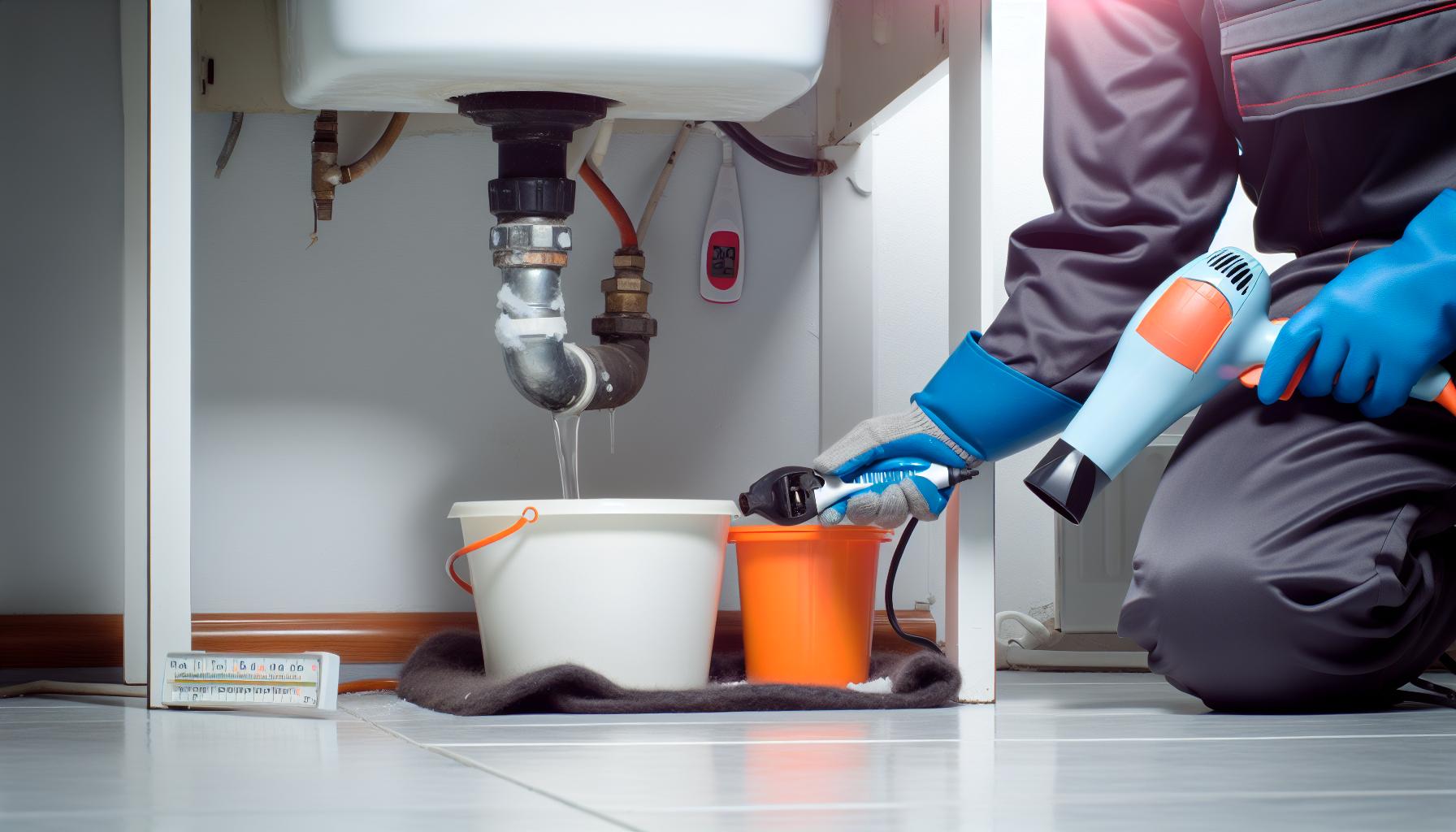
Common Risks of Flushing With Frozen Plumbing Explained
Frozen plumbing systems pose unique challenges when it comes to flushing. While it may seem like a straightforward action to flush water through frozen pipes in an attempt to clear blockages, doing so can actually exacerbate the problem and lead to significant damage. One of the primary risks lies in the fact that ice inside pipes is rigid and unyielding; forcing water against that solid blockage creates increased pressure that the pipe may not be able to withstand.
Why Flushing Can Worsen Frozen Pipe Situations
When water encounters a frozen section of pipe, it cannot flow freely and begins to back up behind the obstruction. Attempting to flush or run water forcibly through the system while pipes remain frozen creates a risky pressure build-up. Unlike liquid, ice does not compress, so this trapped pressure may cause pipes to bulge, crack, or even burst. Burst pipes lead to flooding, extensive water damage, and costly repairs-not the relief homeowners are hoping for when they flush prematurely.
Potential Damage and Safety Concerns
Besides structural damage, flushing frozen pipes might also damage plumbing fixtures or valves that are not designed to handle such unusual pressures.Additionally, forcing water through an ice blockage risks pushing small shards of ice further down the line, potentially causing additional blockages or damaging other plumbing components.
in colder climates, it’s common for shared plumbing lines in buildings or neighborhoods to freeze simultaneously. Flushing in these conditions can inadvertently impact neighboring units by increasing pressure in communal pipelines, thereby causing leaks or bursts beyond a single property.
- hidden bursts: Pressure may cause small leaks to develop behind walls or under floors before visible signs appear,delaying detection and increasing repair complexity.
- worsening ice blockages: Sudden water flow changes can fracture the ice, resulting in multiple frozen segments rather than one manageable blockage.
- Increased risk to outdated plumbing: Older pipes with corrosion or weakened materials are especially vulnerable to damage from buildup pressure during flushing attempts.
When Flushing Might Be Safer
If a pipe has already been fully thawed and inspected, gentle flushing can definitely help clear debris or small ice remnants. Though, until any frozen segment is confirmed to be fully melted, it’s best to avoid running taps or flushing toilets aggressively. Instead, consider low-pressure actions such as allowing faucets to drip slowly or gently warming pipes as advised in thawing guides.
Ultimately, understanding these risks helps prioritize safer methods that protect plumbing systems during winter freezes. If in doubt, consulting a professional plumber ensures that flushing or thawing is done without inadvertently causing damage.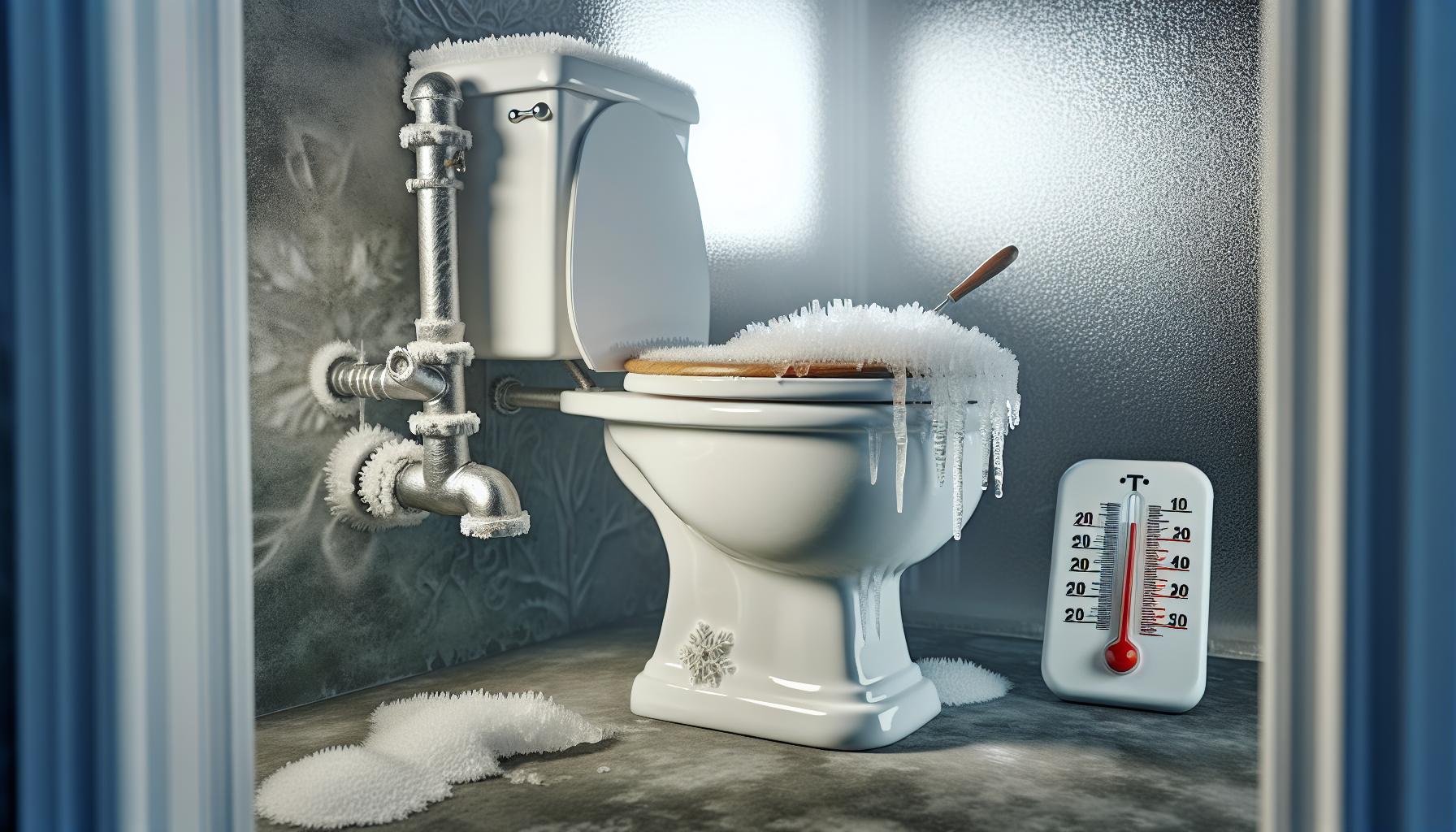
Preventative Measures to Avoid Frozen Pipes and Plumbing Issues
Frozen pipes can cause severe inconvenience and costly damage, but taking proactive steps early in the season dramatically reduces these risks. One of the most effective approaches is to identify and address vulnerable areas-especially pipes located in unheated spaces such as basements, crawl spaces, attics, garages, or exterior walls. Insulating these pipes with foam sleeves or heat tape not only prevents heat loss but also creates a buffer against freezing temperatures.
Maintaining a consistent indoor temperature is equally critical. During extreme cold snaps, keeping cabinet doors under sinks open allows warmer air to circulate around plumbing fixtures. Additionally, letting faucets drip slowly during overnight freezes can keep water moving just enough to discourage ice formation without wasting excessive water. While it may seem counterintuitive, this small flow alleviates pressure build-up and decreases the likelihood of pipes bursting due to expansion from freezing.
additional Practical Tips to Protect Plumbing during Winter
- Seal cracks and openings: Inspect your home’s foundation, walls, and around service entry points (like where pipes enter the house). use caulking or weather stripping to block cold drafts that could lower pipe temperatures unexpectedly.
- Upgrade outdated plumbing: older metal pipes, especially galvanized steel or cast iron, corrode and become brittle over time, making them more susceptible to freezing and bursting. Consider replacing these with modern, more resilient materials like PEX or copper.
- Install pipe insulation strategically: Focus on external walls and areas prone to cold air infiltration. Even inexpensive foam pipe covers can make a significant difference during short-term cold spells.
- Use smart thermostats and temperature sensors: Some advanced systems can alert homeowners if indoor temperatures fall below a safe threshold, allowing timely action before pipes are threatened.
For homeowners in regions with frequent and severe winters, investing in heated water cables or pipe heating systems provides an automated defense. These products gently warm pipes only when temperatures drop dangerously low, preventing freezing without constant manual intervention.
in all cases,regular maintenance and seasonal inspection help uncover small issues before they escalate. For example, leaks or clogged gutters can contribute to ice dam formation on roofs, which indirectly affects plumbing by causing unexpected moisture and temperature variations. Combine these measures with an action plan for safe pipe thawing if freezing does occur, and you’ll maintain a resilient plumbing system through even the coldest months.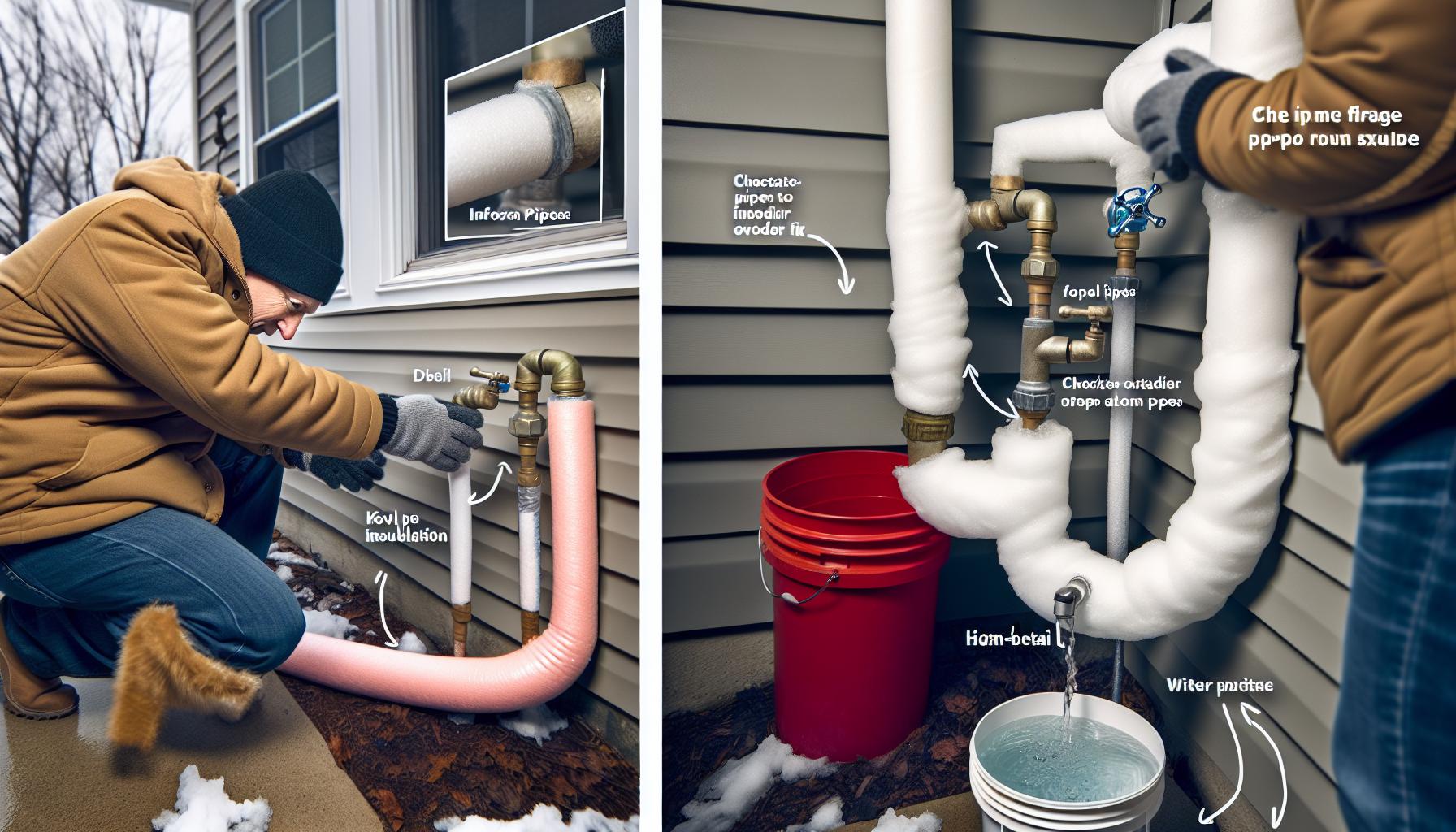
how to Protect Your Plumbing System During Extreme Cold
In the depths of winter, even a brief temperature plunge can spell disaster for unprotected plumbing. The risk isn’t just about frozen pipes shutting off your water supply-it’s the potential bursting and flooding that follow which often leads to the most damage. That’s why taking strategic precautions well before the mercury drops is essential to safeguarding your home’s plumbing infrastructure.
One of the most effective ways to shield your pipes is to focus on thermal protection in vulnerable areas like unheated basements, crawl spaces, and exterior walls. Using foam pipe insulation or heat tape creates an insulating barrier that substantially reduces heat loss. Heat tape, in particular, is an excellent investment-it automatically activates at lower temperatures and keeps pipes just warm enough to prevent ice formation without wasting energy. Remember, the goal isn’t to generate heat continuously, but to maintain pipe temperature above freezing during cold spells.
Everyday Practices That Make a Difference
Consider practical, low-cost habits that promote steady warmth around your plumbing system. As an example, keeping kitchen or bathroom cabinet doors open during cold nights allows warm indoor air to circulate freely around pipes beneath sinks. similarly, allowing faucets to drip slightly during extreme cold helps maintain water movement, reducing the chance of ice blockage while avoiding excessive water waste. These small actions reduce pressure build-up inside the pipes-a key factor in avoiding bursts when freezing occurs.
- Seal drafty gaps: Cracks in walls, floors, or around pipe entry points can let in cold air, undermining your insulation efforts. Use weather stripping or caulk to close these channels and stabilize temperatures.
- Switch to durable materials: Upgrading old, brittle pipes to modern PEX or copper enhances overall resistance to cold stress and corrosion.
- Leverage technology: Smart thermostats and temperature sensors can alert you if indoor temps dip dangerously low, allowing you to act quickly before a freeze takes hold.
- Install pipe heating systems: Automated heated water cables are ideal for regions prone to severe winters, balancing efficiency and protection effortlessly.
Why Routine Maintenance Pays Off
Beyond insulation and immediate cold-weather tactics, regular inspection is a frontline defense against winter plumbing emergencies. Issues such as small leaks, clogged gutters, or inadequate drainage can exacerbate cold-related problems by influencing moisture and temperature fluctuations around your home’s piping.Especially before winter sets in, conducting thorough maintenance keeps your system resilient and ready to handle whatever the season throws at it.Combining thermal protection with thoughtful daily habits and preventative maintenance offers a comprehensive shield for your plumbing during extreme cold. This multi-layered approach doesn’t just prevent frozen pipes; it guards your home against the costly aftermath, providing peace of mind until spring arrives.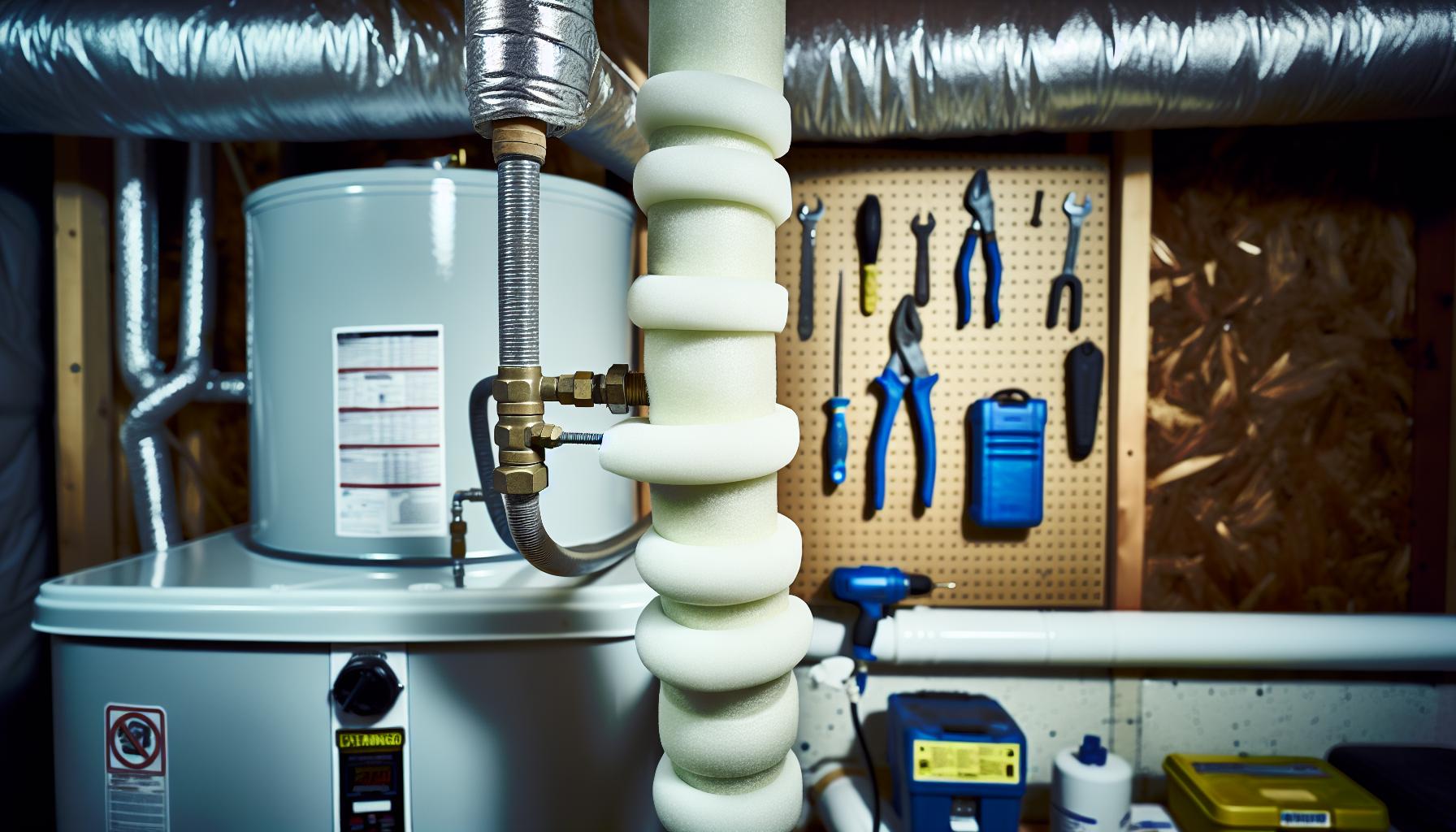
Emergency Plumbing Tips When Pipes Freeze and Burst
Frozen pipes bursting can rapidly transform a minor inconvenience into a major household emergency, leading to costly water damage and repair bills. When you notice a sudden loss of water pressure or visible leaks during freezing weather, swift and smart action is crucial to minimize harm and restore your plumbing. Knowing exactly what to do-and what not to do-can help you contain the situation until professional help arrives or even allow you to fix it yourself safely.
If a pipe bursts, the first step is to immediately shut off your home’s main water supply valve. This simple move stops the flow of water, preventing further flooding and damage. Next, open all faucets in your home to drain remaining water in the pipes and relieve pressure. Avoid trying to flush toilets or run water from taps connected to frozen or burst pipes, as this can worsen blockages or bursts by forcing pressure through compromised sections.
Effective Short-Term Measures to Limit Damage
- Contain leaks: Use buckets, towels, or waterproof materials to collect leaking water and protect floors or valuables nearby.
- Temporarily thaw frozen pipes safely: Apply gentle heat using a hairdryer or warm towels-never use open flames or high-heat devices, which can cause serious damage or fire risk.
- Prevent refreezing: Once thawed, keep water flowing at a slow drip and maintain warmth in affected areas to discourage new ice formation.
- Document the damage: Take photos and notes for insurance claims before beginning any repairs or cleanups.
When Immediate Repairs Aren’t Possible
If you cannot fix the burst pipe yourself, consider these interim solutions while waiting for a plumber: wrapping ruptured pipes with pipe repair clamps or waterproof tape can slow water release, and turning off electrical circuits near wet areas reduces shock hazards.Also, avoid flushing toilets or running water if you suspect frozen blockages, as flushing may increase pressure behind ice dams and trigger bursts downstream.
| Action | Purpose | Key Tip |
|---|---|---|
| Shut off main water supply | Stops flooding immediately | Locate your home’s main valve beforehand to act fast |
| Open taps after valve off | Drain leftover water, reduce pressure | Open both hot and cold taps on diffrent floors |
| Apply gentle heat to frozen pipes | Safely thaw blocked pipes | Use a hairdryer or warm towel; avoid direct flames |
| Use pipe repair tape/clamps | Temporary leak control | Ensure the pipe is dry before applying tape for best adhesion |
Taking these steps quickly can significantly reduce the extent of water damage, giving you more control over what can be a disruptive and costly event. Preparing a simple emergency kit with items like towels, buckets, a portable heater, and pipe tape can make all the difference on a freezing night when pipes falter. Remember, while you can manage minor issues safely, persistent or severe damage always warrants calling a licensed plumber to perform thorough inspections and permanent repairs.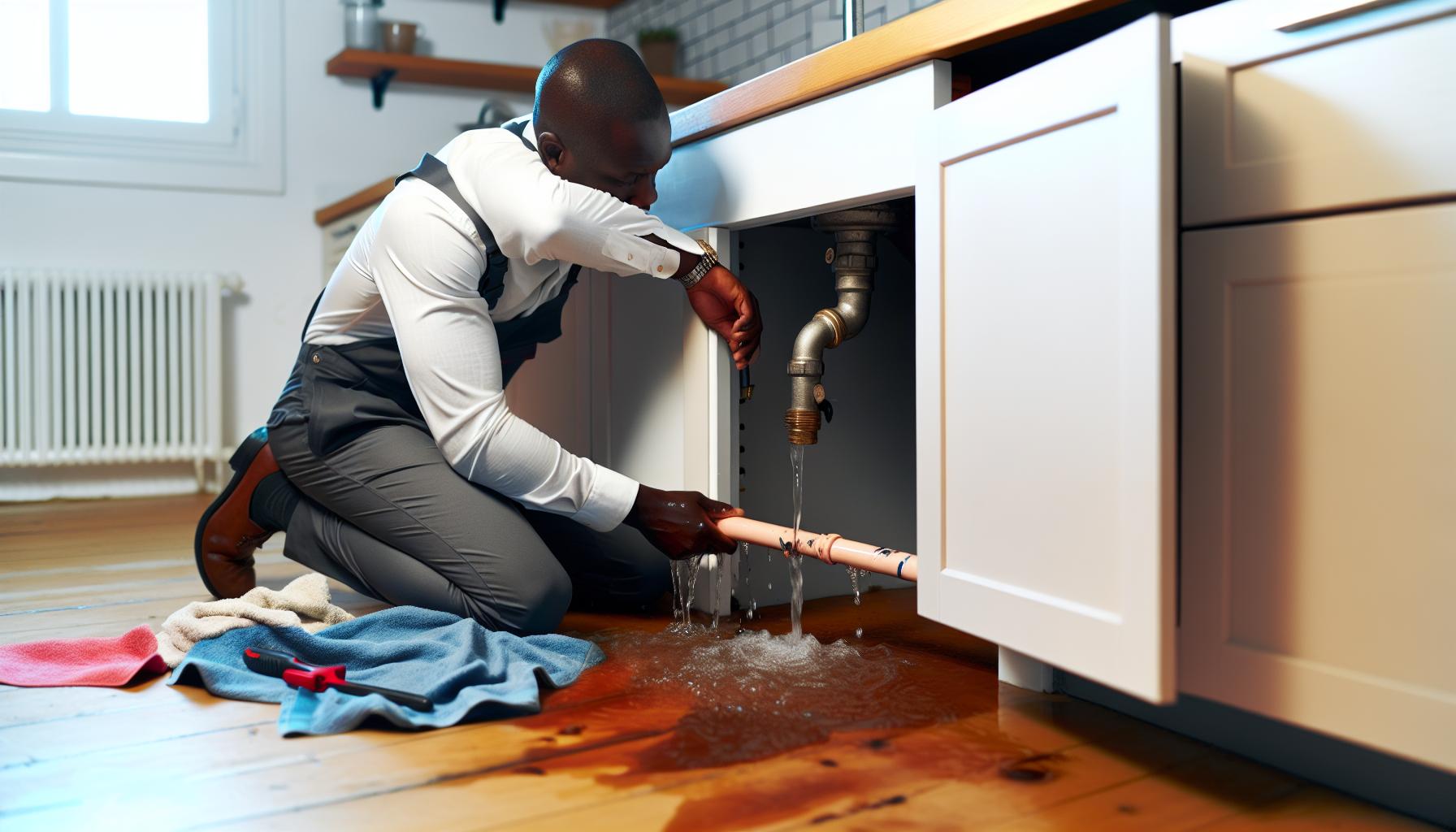
Signs Your Pipes Are Frozen and How to Confirm It
Winter’s freezing temperatures can cause hidden damage to your home’s plumbing before you even realize there’s a problem. Recognizing the early warning signs of frozen pipes is essential to prevent costly bursts or blockages that might lead to major water damage. While colder climates often bring pipe-freezing risks to the forefront,even unexpected cold snaps in milder areas can catch homeowners off guard.
One of the most immediate clues is a noticeable drop in water flow or pressure from faucets, especially those located on exterior walls, basements, or unheated areas like garages. Such as, if you turn on a tap and hear a faint trickle followed by sputtering and then no water at all, that’s a common indication that ice is blocking the pipe’s interior. Another red flag is unusual sounds when running water, such as banging or gurgling noises, which can signal trapped air pockets caused by ice build-up.
Visual and tactile inspections can help confirm suspicions of frozen pipes. Look for frost or condensation forming on exposed pipes, as well as unusually cold pipe surfaces during the chill of the day. Sometimes, the pipes themselves may feel hard or brittle to the touch. Additionally, a persistent damp or musty smell near plumbing lines might indicate a slow leak around a cracking frozen pipe that’s not yet visible.
Simple Tests to Confirm Frozen Pipes
- Check multiple fixtures: If several taps on the same water line show reduced or no flow, the problem likely stems from a frozen pipe rather than a fixture issue.
- Evaluate hot and cold water separately: If only cold water is affected,freezing is a prime suspect since hot water lines are less vulnerable.
- Inspect pipe temperature: Use a non-contact infrared thermometer to quickly identify cold spots along visible pipes; readings significantly below room temperature are a strong sign of ice formation.
- Seek localized frost or ice: Pay special attention to areas near exterior walls,crawl spaces,attics,or where insulation is inadequate.
Why Flushing During This Time Can be Risky
Before considering flushing any toilet or running water through frozen plumbing, remember that increased pressure can worsen pipe damage or push ice blockages into more fragile sections downstream. If you confirm frozen pipes, focus initially on gently thawing and relieving pressure rather than flushing, which will be covered in more detail in other sections.
Being vigilant about these signs and responding quickly can save you from the headache and expense of dealing with bursts or extensive repairs. Always combine visual cues with water flow tests to confirm pipe status accurately in cold conditions.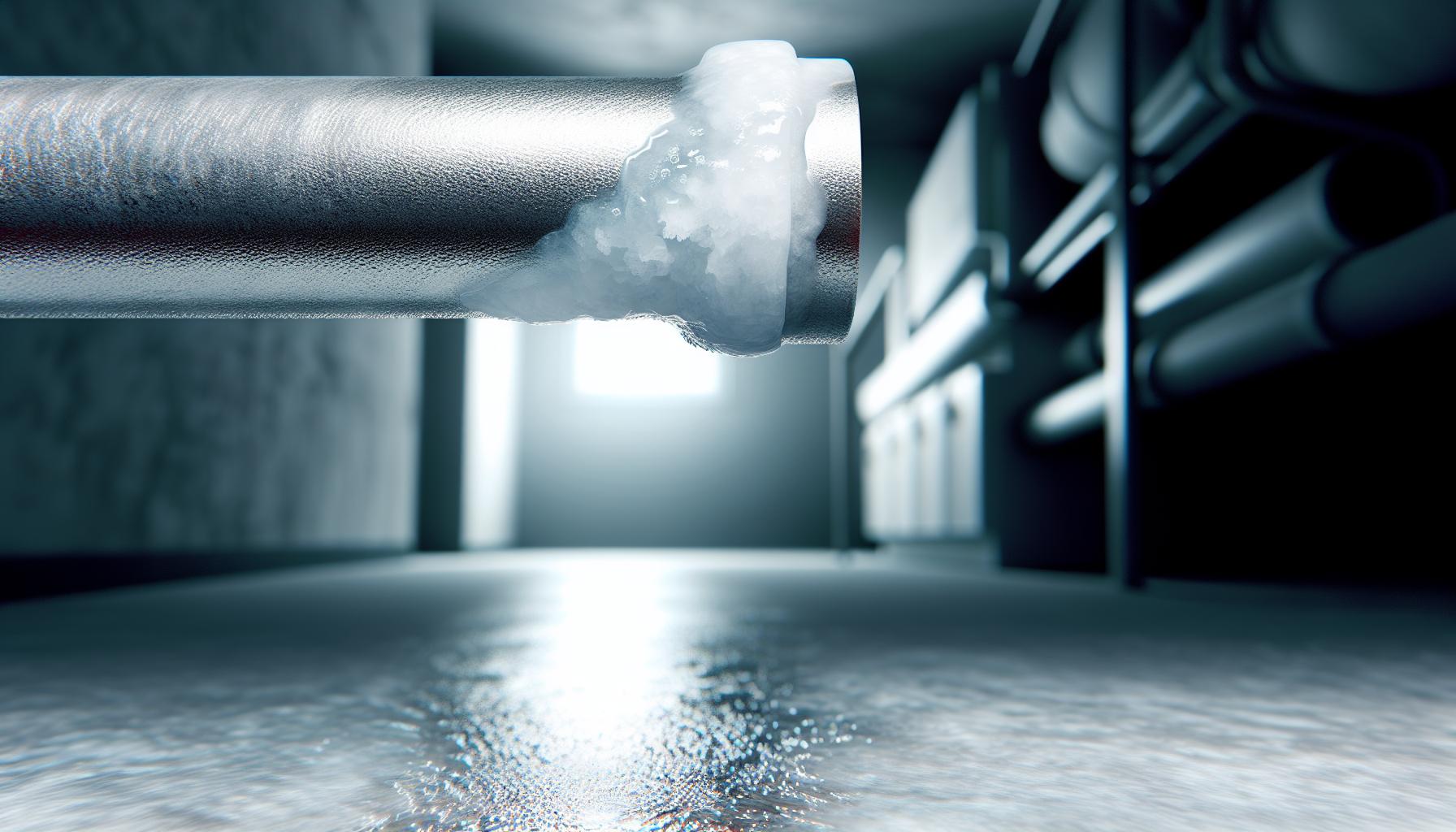
Best Tools and Materials for Dealing With Frozen Pipes
frozen pipes demand not only a careful approach but also the right arsenal of tools and materials to safely and effectively restore your plumbing without causing further damage. knowing what to have on hand before winter strikes can turn a stressful emergency into a manageable repair task. Among the most essential items are safe heat sources specifically designed or recommended for thawing pipes, along with tools that help identify problem areas accurately and efficiently.
Safe Heat Application Tools
Using direct flames or high-heat sources can quickly damage pipes or insulation and worsen the situation. Instead, electric heating pads, heat lamps, or hair dryers are excellent options for gently warming frozen sections without the risks associated with open flames or high heat.Many experts also recommend pipe-thawing tape – a special electrical heating wire wrapped around pipes that distributes heat evenly. This is especially valuable for vulnerable or hard-to-access pipes in basements and crawl spaces.
Diagnostic and Support Materials
Before thawing, pinpointing the frozen segment is crucial. A handheld infrared thermometer is a practical investment,letting you detect cold spots along pipes with precision and avoid unnecessary heat application. Similarly, a sturdy flashlight can help inspect dim or tight spaces where frost accumulates. Supporting materials like pipe insulation sleeves or foam tubes allow you to reinforce vulnerable pipes immediately after thawing,preventing repeat freezing cycles.
- Infrared thermometer: Non-contact temperature readings to locate ice blockage points
- heating tape or pad: Controlled electric heat application along frozen pipe sections
- Hair dryer or heat lamp: Safe, gradual warming tools for exposed pipes
- Flashlight: Better visibility for visual inspection and frost detection
- Pipe insulation materials: Foam sleeves, fiberglass wrap, or self-adhesive insulation strips
- Rubber gloves: Protect your hands while handling cold or damp pipes
Materials to Avoid and Use With Caution
Homeowners frequently enough ask whether hot water or chemical agents can safely thaw pipes-generally, pouring boiling water over frozen pipes can cause thermal shock, risking cracks or bursts. Similarly, chemical de-icers designed for outdoor use are not recommended indoors due to toxic fumes and potential pipe damage. Electrical heating cables must be used following manufacturer instructions and with proper power sources to avoid electrical hazards.
| tool/Material | Recommended Use | Key Benefit | Warnings |
|---|---|---|---|
| Infrared Thermometer | Identify frozen pipe sections | Non-invasive, fast temperature readings | None, but keep calibrated |
| Heating Tape/Cable | Apply steady heat along pipe length | Even warming, reduces burst risk | Use only rated cables; avoid water contact |
| hair Dryer/Heat Lamp | Gently thaw exposed pipe areas | Easy to control and apply | Avoid direct overheating; keep dry |
| Foam Pipe Insulation | Prevent future freeze cycles | Reduces heat loss from pipes | Must be installed properly; secure well |
| Rubber Gloves | Protect hands during thawing process | Improves grip and warmth | Ensure dry for electrical safety |
having the right tools and materials ready empowers you to tackle frozen pipes methodically and safely. This preparedness not only saves time and money but also drastically reduces the risk of accidental damage when pipes freeze unexpectedly. Remember, when in doubt about any step, consulting a professional can preserve your home’s plumbing integrity during those harsh winter months.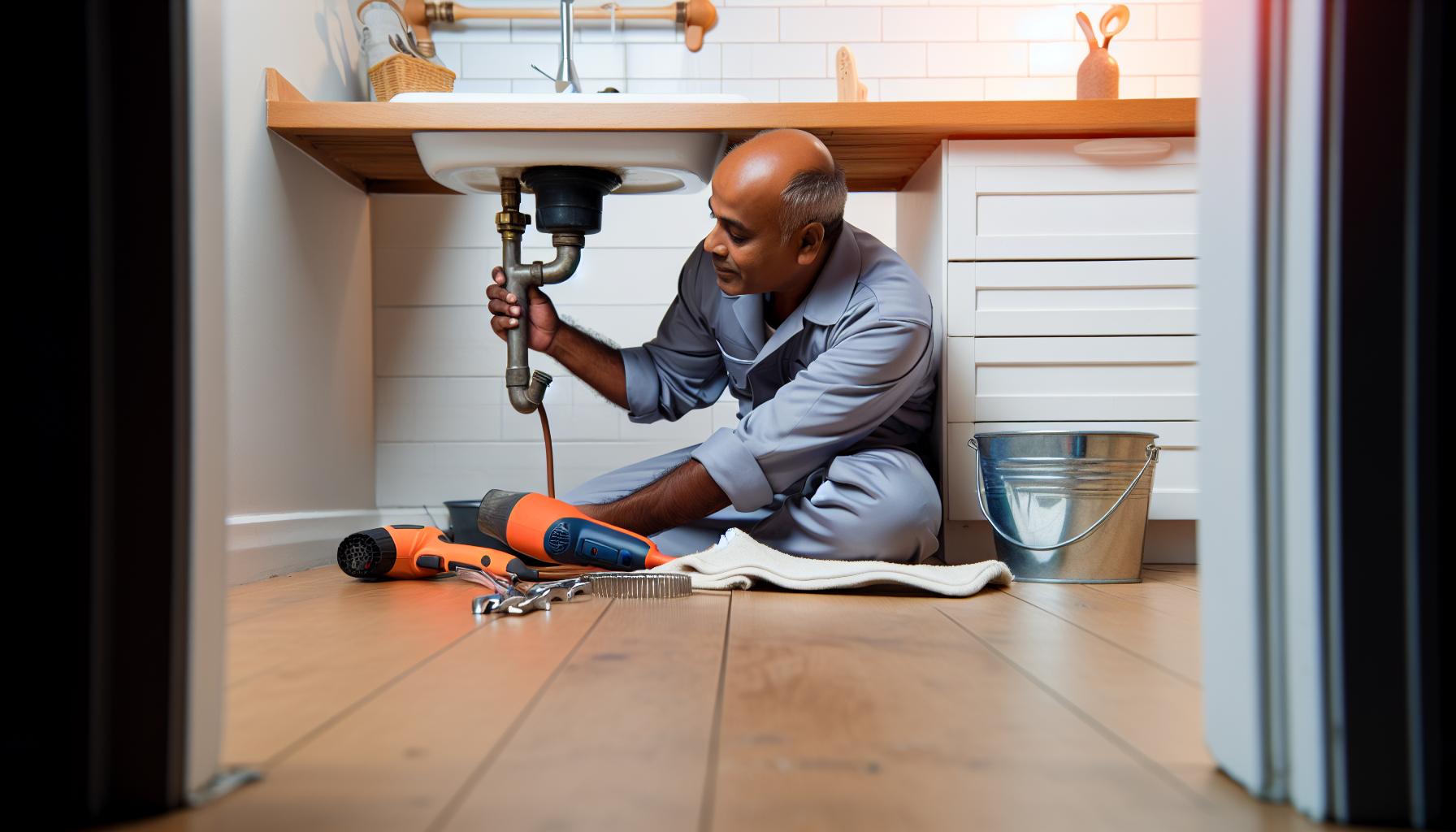
when to Call a professional Plumber for Frozen Pipes
Frozen pipes can turn a simple flush into a homeowner’s worst nightmare,with potential damage escalating quickly if the situation is mishandled. While many DIY enthusiasts feel confident tackling minor freezing issues, there are distinct signs and circumstances when enlisting a professional plumber is not only wise but essential to prevent costly repairs and ensure safety.In cases where water flow is fully halted despite gentle thawing attempts, or if you notice cracks, bulges, or leaks along your pipework, it’s a clear red flag. Attempting to flush or force water through frozen pipes under these conditions can cause sudden bursts, flooding, and significant structural damage. Professionals have specialized tools such as moisture sensors, pipe cameras, and controlled heating devices designed to assess and address these delicate scenarios with precision.
Complex Plumbing Layouts and Hard-to-Reach Pipes
Older homes, buildings with multiple plumbing branches, or those with pipes running through unheated crawl spaces or walls often present challenges beyond standard thawing methods.Plumbers trained in winter plumbing issues know how to safely and effectively access these elaborate areas without causing disruption or damage to insulation and finishes. Their expertise reduces the risk associated with excessive heat use or improper handling of vulnerable piping.
Emergencies Involving Pipe Bursts or Leaks
If a frozen pipe has already cracked or burst, immediate professional intervention is crucial. Beyond just thawing the pipes, a plumber can perform emergency repairs such as shut-off valve replacement, pipe patching, or rerouting water supply to minimize flooding and damage. attempting to flush frozen pipes under these conditions can worsen leaks or dislodge ice blockages dangerously.
- Persistent freezing despite home thawing efforts – signals that professional-grade equipment is needed
- Visible pipe damage or signs of leakage – unsafe to continue using plumbing without expert assessment
- Complex plumbing configurations – require expert knowledge to access and repair safely
- Emergency burst situations – demand swift, specialized repair to avoid water damage
involving a licensed plumber early can save homeowners both time and money by preventing minor freeze issues from escalating. Many providers also offer winter maintenance checks and insulation upgrades, which add long-term resilience to your plumbing system. Remember, when it comes to frozen pipes and flushing concerns in cold weather, cautious evaluation and professional support can protect your home’s plumbing and peace of mind during the harshest months.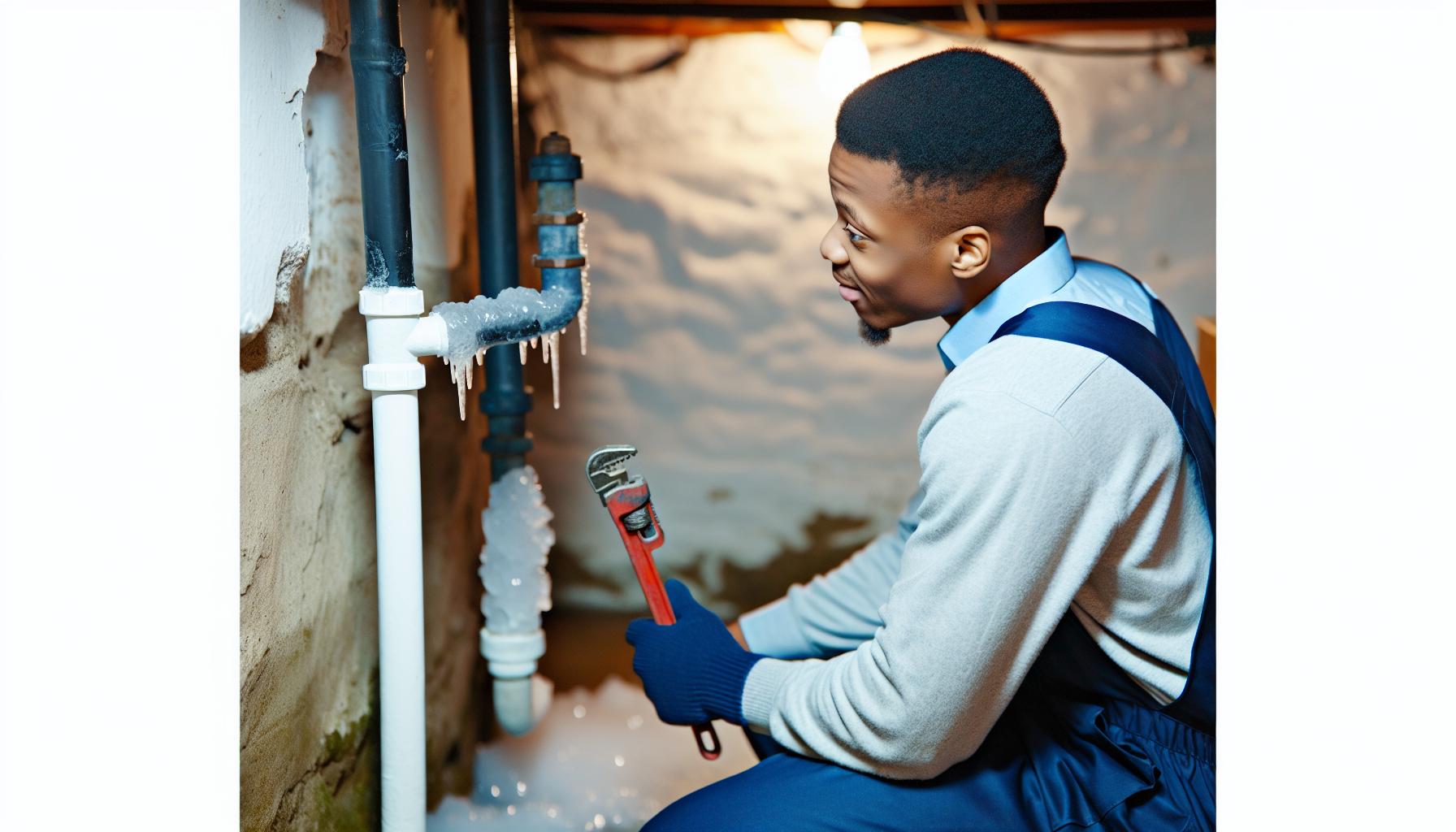
Long-Term Solutions to Strengthen Your Winter Plumbing Resilience
Few situations are as frustrating-and potentially costly-as dealing with plumbing frozen solid by winter’s chill. Yet, homeowners who invest in thoughtful, long-term strategies to bolster their plumbing systems against the cold can significantly reduce the risk of frozen pipes and the ensuing damage. Taking proactive steps now not only safeguards your home but also prevents the headache and expense of emergency repairs in the dead of winter.
One of the most effective long-term solutions involves enhancing pipe insulation.Rather than relying on makeshift or thin coverings, upgrading to high-quality foam pipe insulation sleeves or insulated wrap tape creates a thermal barrier that maintains pipe temperatures above freezing. Pay special attention to pipes in vulnerable areas like crawl spaces, basements, attics, garages, and exterior walls-regions often exposed to colder ambient temperatures.
in addition to insulation, consider installing heat cable or heat tape (preferably with built-in thermostats). These electrical strips provide consistent, controlled warmth directly to pipes that are prone to freezing. Modern options automatically turn on when temperatures drop below a set threshold, providing peace of mind without manual intervention.This can be especially useful for complex plumbing layouts or pipes in hard-to-insulate locations.
Maintain Steady Water Flow and Temperature
Running a trickle of water through faucets connected to vulnerable pipes during cold snaps can be a surprisingly simple yet effective preventative measure. Moving water freezes less readily than stagnant water. Pair this with leaving cabinet doors open to expose plumbing under sinks to warmer ambient air from your home’s heating system-small adjustments like these contribute to system-wide freeze prevention.
- Seal drafts and air leaks: Gaps around windows,doors,and where pipes enter the home allow cold air to chill plumbing lines. Use weatherstripping and caulk to close these openings.
- Upgrade to frost-resistant faucets and valves: Older fixtures often freeze more easily; modern products provide greater tolerance to cold.
- regular winter maintenance: Schedule professional inspections to assess insulation integrity, test heating elements, and identify weak points well before temperatures plummet.
Long-Term Investments for Reliable Protection
For those building new homes or undertaking major remodels, relocating vulnerable pipes to interior walls or heated areas drastically improves freeze resilience. Additionally, installing a water leak detection system with automatic shut-off valves can minimize damage if a pipe does freeze and burst despite all safeguards. Remote monitoring technology now allows homeowners to receive alerts on their phones, enabling speedy action regardless of location.
| Long-Term Solution | Benefits | Recommended For |
|---|---|---|
| High-quality pipe insulation | Maintains pipe temp, reduces freeze risk | All homes, essential for older plumbing |
| Heat cables with thermostats | Automated warming of susceptible pipes | Complex, hard-to-insulate layouts |
| Seal drafts and upgrade fixtures | Prevents cold air infiltration, improved durability | Homes with air leaks or aging plumbing |
| Water leak detection & automatic shutoff | Early leak alerts, damage mitigation | High-value homes, vacation properties |
By combining these strategies, homeowners create a resilient plumbing infrastructure that can withstand fluctuating winter conditions without the stress of frozen pipes. Investing time and resources in these solutions builds confidence that when a cold snap strikes, your plumbing will stay operational and safe-eliminating the dreaded question of whether it’s safe to flush frozen pipes and letting you focus on enjoying a warm, worry-free home.
FAQ
Q: How can I tell if flushing frozen pipes will cause more damage?
A: Flushing frozen pipes can increase pressure and cause cracks or bursts. If water flow is restricted or pipes feel brittle, avoid flushing and focus on gentle thawing methods. Learn more about risks of flushing frozen plumbing in the article’s detailed risk section to protect your system effectively.
Q: What is the safest water temperature to use when thawing frozen pipes?
A: The safest water temperature for thawing frozen pipes is warm or lukewarm, around 100°F (38°C). Avoid hot water,which can cause pipe damage from thermal shock. Gradual warming prevents splitting-see our thawing guide for step-by-step instructions.
Q: Why does running water help prevent pipes from freezing during winter?
A: Running water helps prevent freezing by reducing pressure buildup and keeping water moving, which lowers the chance of ice forming. A slow drip from faucets reduces freezing risk-refer to our prevention tips to implement this easy winter plumbing habit.
Q: How long can pipes stay frozen before permanent damage occurs?
A: pipes typically face serious damage if frozen for more than 24-48 hours due to expansion and pressure. Prompt thawing within this window minimizes risks-review our emergency plumbing tips for quick and safe action steps if pipes freeze.
Q: Can opening cabinet doors help protect pipes from freezing?
A: Yes, opening cabinet doors allows warmer air circulation around plumbing beneath sinks, reducing freezing risk. Combine this with letting faucets drip during extreme cold-visit our section on protecting your plumbing system for more effective winter tricks.
Q: What plumbing materials are most resistant to freezing in cold climates?
A: PEX piping is generally most resistant to freezing due to its adaptability and ability to expand without bursting. Replacing older materials like copper or PVC with PEX can improve winter resilience-explore our long-term solutions for strengthening winter plumbing resilience.
Q: When should I expect to call a professional plumber for frozen pipes?
A: Call a professional if pipes burst, if frozen pipes are inaccessible, or after multiple freeze-thaw cycles. Persistent leaks or no water flow after thawing also signal the need for expert help. Check our “When to Call a Professional” section for detailed guidance.
Q: What immediate steps should I take if my pipes freeze during a winter storm?
A: Immediately open faucets to relieve pressure, apply gentle heat via a hairdryer or warm towels, and keep cabinet doors open. Avoid open flames or direct heat. For full emergency instructions, refer to our emergency plumbing tips to safeguard your home fast.
For more detailed instructions, explore the full article sections on thawing frozen pipes and preventative measures to protect your plumbing system effectively this winter. Stay safe and prepared!
In Retrospect
Understanding how to handle flushing when pipes are frozen is crucial to preventing costly damage during winter months. Acting promptly with the right steps can safeguard your plumbing and avoid emergency repairs. For more in-depth guidance, explore our detailed winter plumbing maintenance tips and learn how to identify early signs of pipe freezing.
Don’t wait until the cold causes irreparable problems-take advantage of our expert advice, tools, and resources designed to keep your home’s plumbing flowing smoothly all season long. Ready for next steps? Check out our plumbing repair services or subscribe to our newsletter for ongoing tips that keep you informed and prepared. Have questions or experiences to share? Leave a comment below and join the conversation to help others stay ahead of winter plumbing challenges.
Continue exploring topics like “Preventing Burst Pipes” and “Emergency Plumbing Solutions” to deepen your knowledge and protect your home. Your reliable source for winter plumbing care is just a click away-stay proactive, stay protected.


