Can You Flush Tampons? The Plumber’s Costly Warning
Did you know flushing tampons can cause expensive plumbing problems? While it might seem like a simple and convenient way to dispose of them,many plumbers warn that tampons don’t break down easily and can lead to blockages,costly repairs,and environmental harm. If you’re wondering whether it’s safe to flush tampons, this article will clear up the confusion and explain why following the right disposal methods not only protects your plumbing system but also saves you money and stress in the long run. Understanding what really happens when tampons enter the drain can help you make informed choices that keep your home running smoothly and avoid unexpected repair bills. Keep reading to learn the plumber’s costly warning and discover safer alternatives for tampon disposal.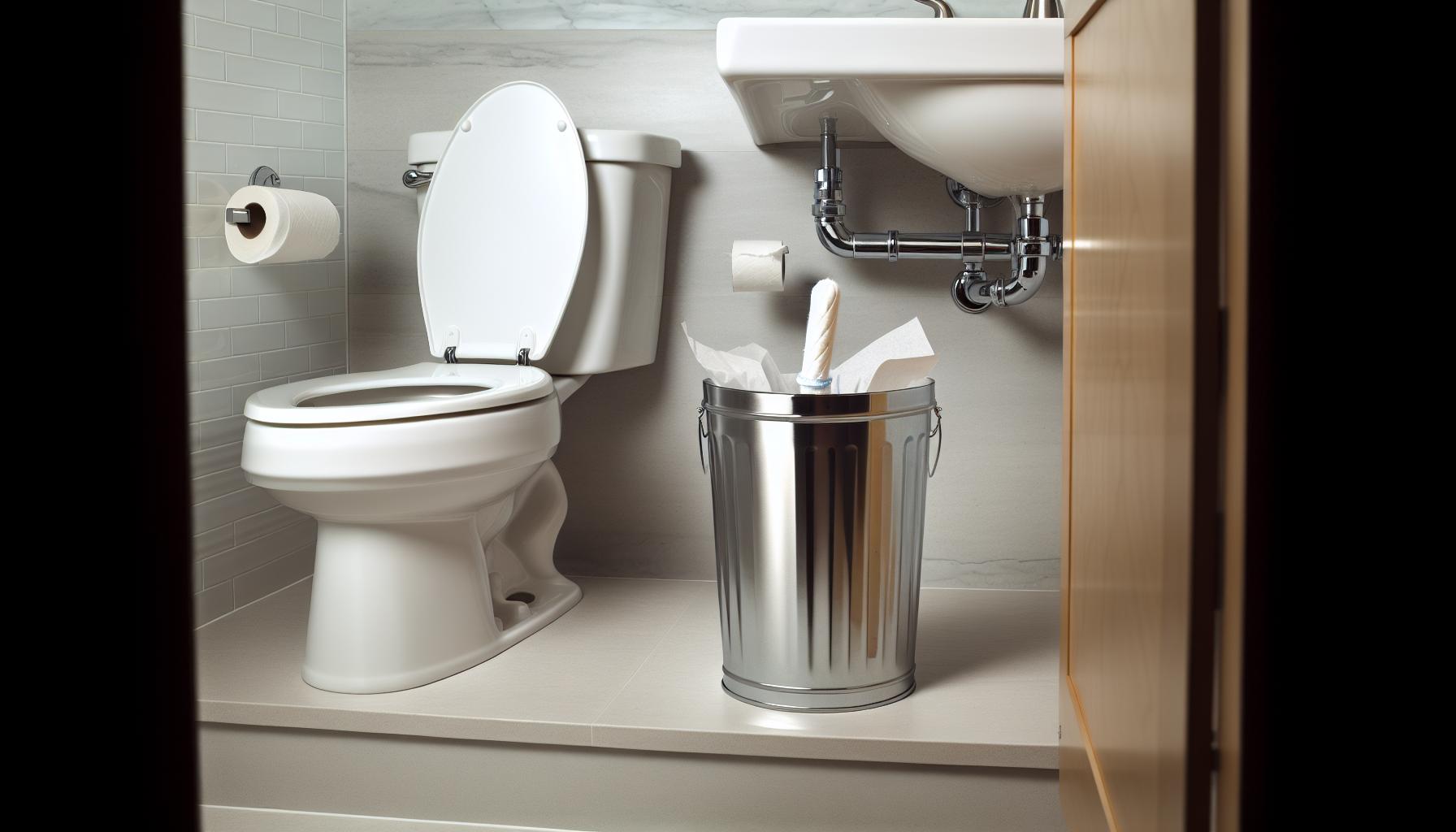
Understanding Why Tampons Shouldn’t Be flushed
Tampons may seem small and harmless, but flushing them down the toilet can lead to significant plumbing problems. Unlike toilet paper, which is designed to dissolve quickly in water, tampons are made from dense materials like cotton and rayon that do not break down easily. When flushed, they can absorb water, expand, and become lodged in pipes, creating stubborn blockages that interfere with the flow of waste.This can not only cause inconvenient clogs but also lead to costly repairs and potential water damage in your home.
Many people assume that because tampons are labeled as “flushable” or because some bathroom habits include flushing them, this practice is safe. However, plumbing experts and local sewer authorities strongly advise against it. even a single tampon can trap other debris, accumulating over time to form major obstructions within household pipes or municipal sewage systems. These blockages disrupt normal sewage flow, sometimes causing backups that affect your entire home or neighborhood.
- Durability: Tampons retain their shape and absorb moisture, which means they don’t disintegrate like toilet paper.
- Size and Expansion: Once wet, they expand and become even harder to flush through narrow pipes or septic tanks.
- Material Composition: Some tampons contain synthetic fibers that resist breakdown, increasing the risk of sewer line damage.
- Environmental Impact: When they reach sewage treatment plants, tampons can cause equipment damage and increase maintenance costs, passing on expenses to consumers.
Understanding the risks highlights why it’s crucial to dispose of tampons properly in trash bins rather than toilets. This simple change in habit protects your plumbing, reduces the chance of emergency repairs, and supports broader community sanitation efforts. If you’ve ever experienced a stubborn clog or noticed slow drainage, flushing tampons could be a hidden culprit behind those issues, reinforcing why this everyday convenience isn’t worth the potential headache.
The Hidden Plumbing Risks and Expensive Repairs
Flushing tampons down the toilet might seem harmless at first glance, but it can quickly lead to costly plumbing nightmares that many homeowners regret. Unlike toilet paper, tampons are designed to withstand moisture without breaking apart, which means they tend to linger in pipes, absorbing water and swelling as they go. This property causes them to get stuck,frequently enough trapping other debris and creating dense blockages that resist conventional flushing. These stubborn clogs don’t just slow drainage-they can bring plumbing systems to a grinding halt, requiring professional intervention that frequently enough comes with a hefty price tag.
Why Blockages Lead to Expensive Repairs
when tampons accumulate and cause pipe blockages, the issue rarely fixes itself. Homeowners might initially notice slow drains or minor backups, but over time, the problem escalates. The blockage can force wastewater to back up into sinks, showers, or even toilets, creating a serious sanitation hazard and potential water damage to floors, walls, and cabinetry. Clearing these kinds of obstructions is neither simple nor cheap. Plumbers frequently enough need to use specialized tools like motorized drain snakes or hydro-jetting equipment to break down or flush out the clogs. In severe cases, pipe sections may have to be removed and replaced. this not only adds to the financial cost but creates a significant disruption in the household.
Real-World plumbing Challenges
Consider a scenario where a single tampon gets flushed and lodges just out of sight in a home’s main drain line.Over weeks, it acts like a dam, catching hair, grease, and other solids, creating a firm mass. The homeowner might ignore slow drainage symptoms until water begins to backflow or odors appear. At this point, an emergency plumber visit becomes unavoidable, often costing hundreds or even thousands of dollars. Municipal sewage systems face similar issues on a larger scale, where accumulated feminine products contribute to “fatbergs”-massive blockages that shut down sewage lines. The resulting damage demands significant public expenditure for cleanup and repairs, costs that trickle down to consumers in the form of higher water and sewage bills.
Protecting your Plumbing Investment
Preventing tampon-related blockages is straightforward but often overlooked. To avoid these expensive repairs, it’s critical to develop a habit of discarding used tampons in a small, covered waste bin rather than the toilet. This preventive measure keeps plumbing free-flowing and circumvents costly calls to a plumber. Investing in this simple change can save homeowners time, money, and stress while maintaining a healthy and sanitary home habitat.
- Immediate risks: Tubes and traps in household plumbing are prone to become sites for tampon clogs.
- Long-term damage: Persistent blockages can corrode pipes and damage sewage pumps.
- Repair costs: Plumber call-outs for tampon blockages typically range from $150 to $600, escalating with severity.
In short, flushing tampons risks much more than a clogged drain-it puts your entire plumbing system at risk, resulting in expensive repairs and inconvenient downtime that far outweigh the momentary convenience of flushing. Adopting safe disposal habits is a small price to pay for peace of mind and a smoothly operating home plumbing system.[1][2][3]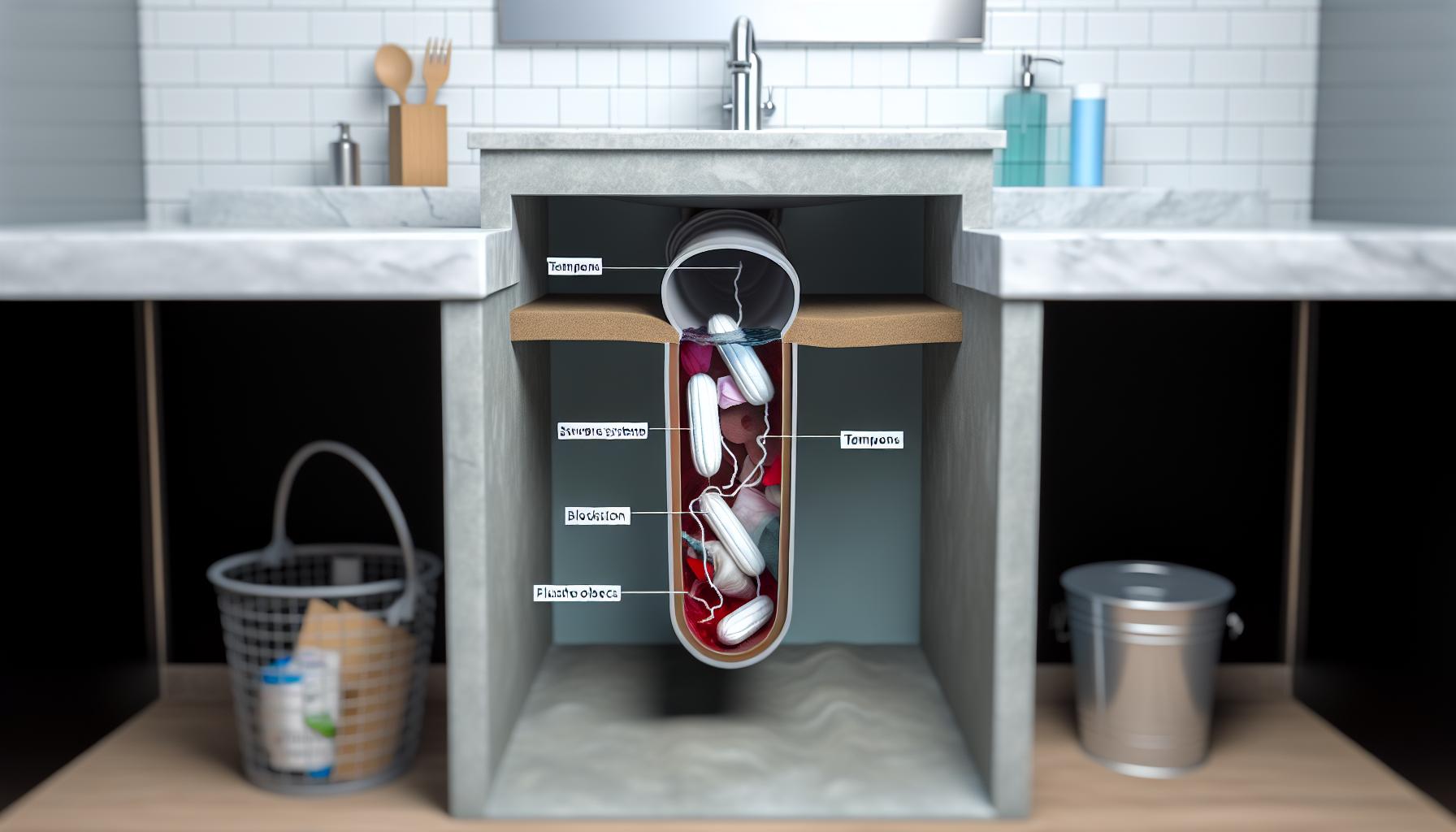
How Tampons Impact Your Sewage System
Few everyday habits contribute to the mounting problems faced by municipal sewage systems quiet like flushing tampons. While a single tampon may seem harmless, these products are engineered to absorb moisture and maintain structural integrity, making them especially prone to causing obstructions once they leave the household plumbing. Rather than dissolving or breaking down easily like toilet paper, tampons can linger in sewage pipes, swelling and ensnaring other debris, which fuels the formation of dense blockages known as “fatbergs.”
The Chain Reaction of Tampon Blockages in Sewage Systems
As tampons travel beyond home drains to larger sewer lines,they create ideal conditions for complex clogs. Their fibrous nature traps grease, fats, wipes, and other solids present in wastewater, evolving into massive masses that can span dozens of feet and weigh several tons. These fatbergs not only restrict flow but also damage critical infrastructure such as pumps and valves, leading to costly repairs and service interruptions for entire communities. Moreover, when sewage backs up due to these blockages, it poses severe environmental and public health risks through potential raw sewage spills.
Real-World Impact and Cost Implications
Cities around the world have documented how flushed feminine hygiene products significantly contribute to fatberg formation. For example, local utilities often report increased maintenance calls during menstruation cycles and awareness campaigns have been initiated to educate the public on proper disposal. Cleaning these blockages involves specialized equipment like high-pressure water jets and heavy-duty mechanical cutters, requiring expert labor and downtime for critical wastewater facilities. The financial burden is eventually passed on to taxpayers through higher sewage rates or municipal taxes.
Practical Advice for Reducing Sewage System Strain
- Never flush tampons or related products: Always dispose of used tampons in a designated waste bin, especially in bathrooms.
- Advocate awareness: Encourage family members and building occupants to understand that “flushable” labels on some feminine products are misleading and can harm sewage infrastructure.
- Support local initiatives: Engage in or promote community programs that aim to reduce blocked sewer lines through education and improved waste management.
The cumulative effect of millions of tampons flushed daily cannot be overstated. By choosing conscious disposal habits, individuals play an essential role in safeguarding the extensive and costly network of pipes, pumps, and treatment plants that keep our environment clean and communities healthy.[1][2]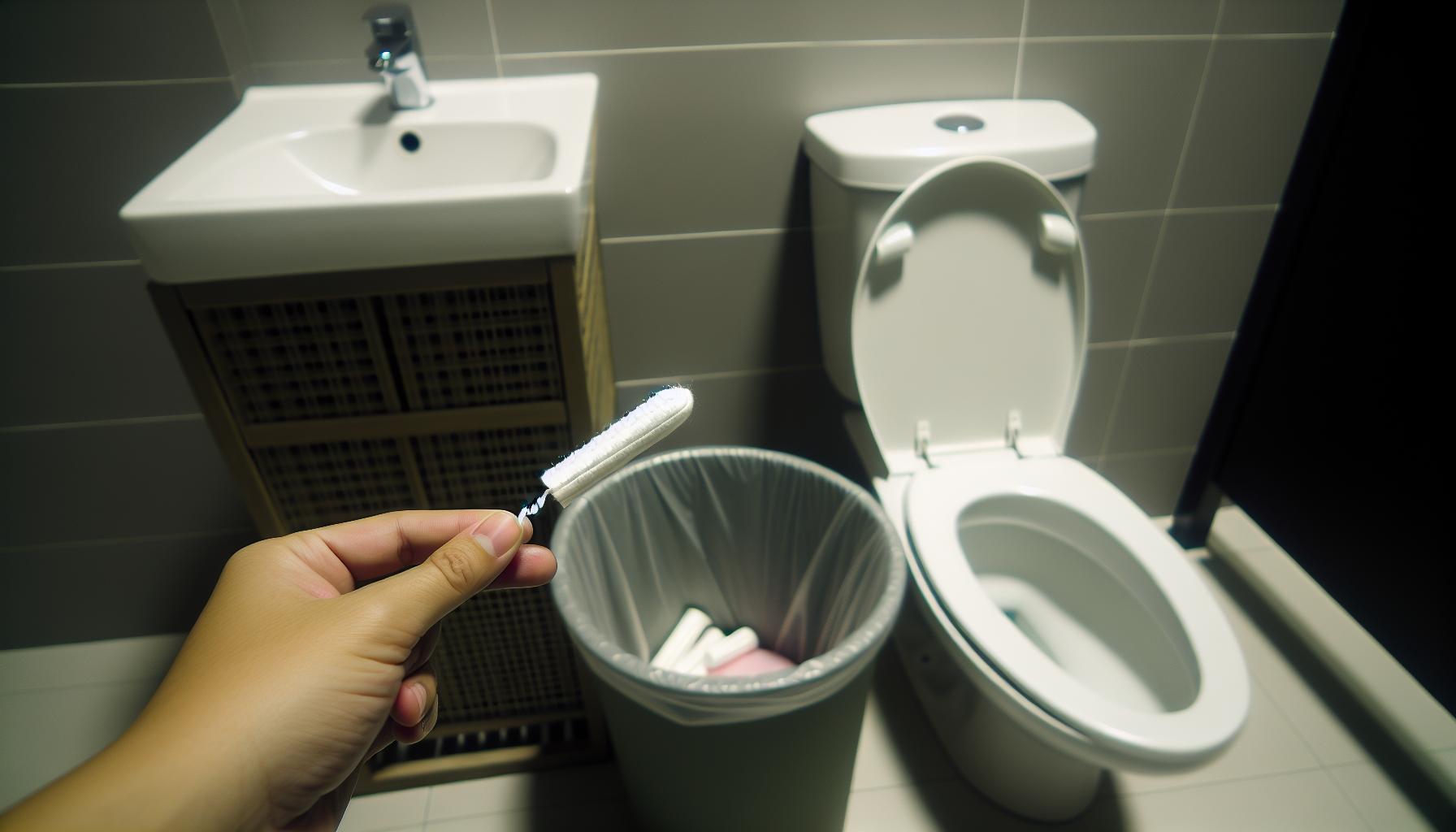
Common Myths About Flushing Tampons Debunked
Few household myths about tampons and flushing persist despite clear evidence and expert warnings. One of the most common misconceptions is that tampons can be safely flushed simply as they are small and “disappear” down the toilet without immediate signs of trouble. In truth, tampons are made with absorbent fibers designed to expand, which means they do not break down or dissolve like toilet paper. This expanded material can easily create stubborn blockages in both home plumbing and municipal sewage systems,leading to costly repairs and environmental harm[[[[[1]](https://www.nytimes.com/2018/08/25/science/do-not-flush-down-toilet.html).
Another popular belief is that products labeled as “flushable” are genuinely safe to flush. Sadly,this label is often misleading.Many so-called flushable tampons and wipes don’t disintegrate fast enough to prevent clogging. Plumbing professionals frequently testify that these items contribute heavily to sewer backups and damage to infrastructure, nonetheless of their marketing claims[[[[[2]](https://www.healthline.com/health/can-you-flush-tampons). This means relying on packaging claims can be a costly mistake for homeowners and municipalities alike.
Additionally, some assume that flushing tampons is a hygienic and environmentally friendly disposal method. However, rather than being flushed away safely, tampons accumulate and combine with fats, oils, and other debris to form large blockages known as fatbergs, which require specialized equipment and extensive labor to remove. This process uses considerable resources and can lead to untreated sewage spills, posing serious public health and environmental risks[[[[[3]](https://www.bannisterplumbingandair.com/post/you-should-stop-flush-feminine-products).
Practical Tips to Avoid Common Pitfalls
- Use discreet waste bins: Keep a small, lined waste container in your bathroom labeled for feminine products.
- Educate household members: Discuss why flushing these products risks damage and higher repair costs.
- Ignore “flushable” claims: Always opt for trash disposal, regardless of packaging assurances.
Recognizing and debunking these myths not only protects your home’s plumbing but also contributes to healthier sanitation systems and reduced municipal maintenance expenses. Learning the facts empowers everyone to make safer, smarter choices about tampon disposal.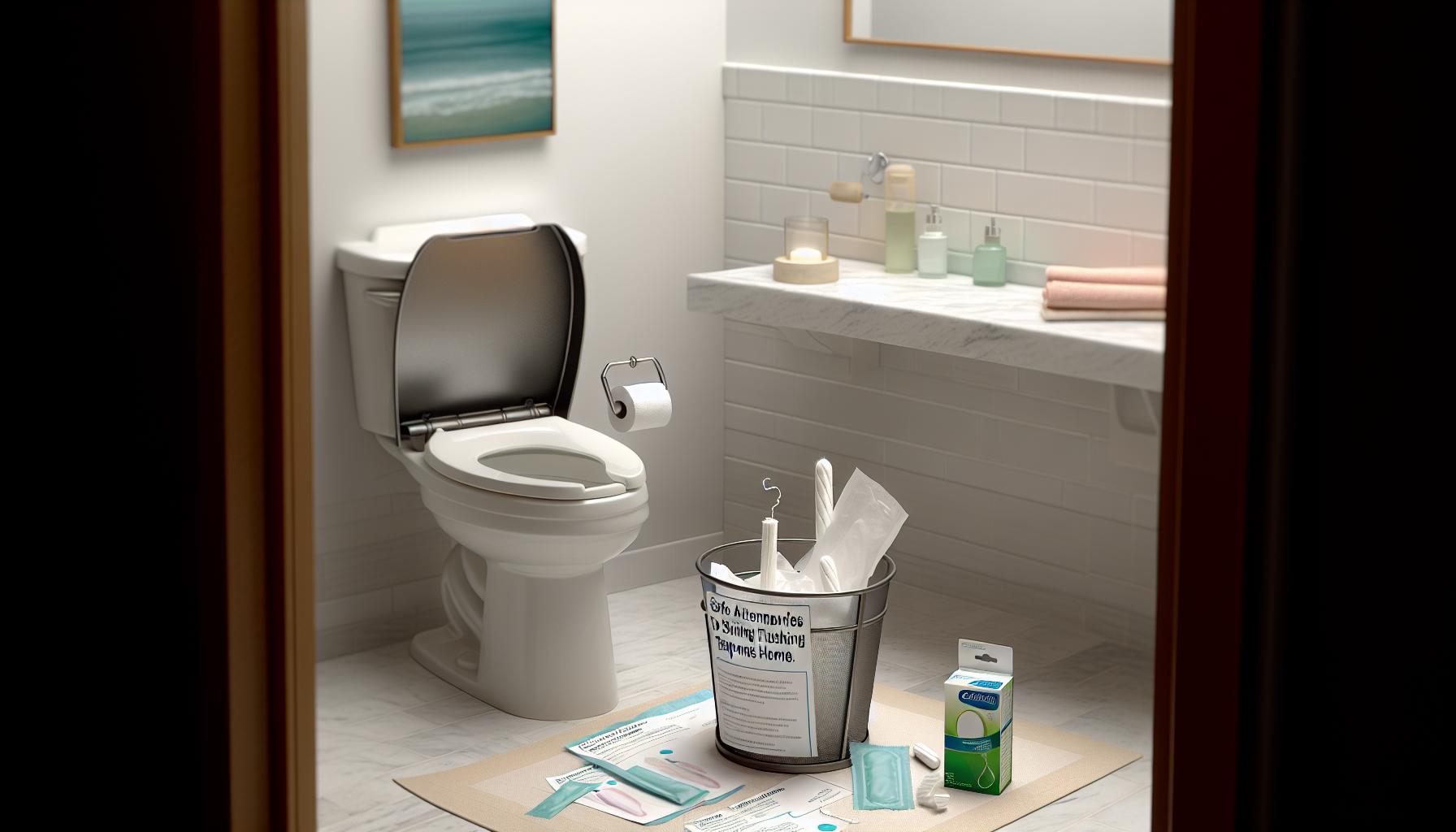
Safe Alternatives to Flushing Tampons at Home
Flushing tampons down the toilet isn’t just risky for your plumbing – it’s avoidable with a few simple changes to your bathroom routine.Rather than leaving you to wonder what to do with used tampons, there are discreet and hygienic disposal methods that protect both your home’s pipes and the environment. By adopting these alternatives, you can prevent costly repairs and reduce your contribution to burdensome sewage issues like blockages and fatbergs.
One of the easiest and most effective solutions is to keep a small, lined waste bin specifically for feminine hygiene products within reach in your bathroom. Using a container with a lid helps control odors and keeps disposal private. Many companies now offer specialized disposal bags or envelopes that are biodegradable, moisture-resistant, and designed for single-use tampons, pads, or wipes. these products provide an added layer of discretion and sanitation for users, especially in shared spaces or public restrooms.As a notable example, Tossibles offers stylish, biodegradable disposal envelopes that make managing menstrual waste clean and convenient without flushing [2].
Practical Tips for Safe Disposal
- Use toilet-side feminine hygiene bins: Opt for small, covered bins with disposable liners to make emptying easier and more hygienic.
- Wrap before discarding: Wrap tampons in their wrapper, toilet paper, or a disposal bag before placing them in the trash to reduce odors and contact risks.
- Consider eco-friendly disposal bags: Look for biodegradable options specifically designed for feminine products to minimize environmental impact.
- Educate household members: Share data about plumbing risks to ensure everyone follows safe disposal practices consistently.
along with home options, many public venues and workplaces now provide specialized disposal bins, recognizing the importance of preventing plumbing disasters and protecting public sewage infrastructure. By embracing these safe disposal methods, you eliminate the chance of pipe damage from the swelling fibers in tampons and help keep municipal sewer systems running smoothly.
transitioning away from flushing and towards proper trash disposal – combined with education and thoughtful product choices – offers a enduring solution that benefits your household’s plumbing and the broader environment. Small, intentional habits like these can save you from expensive plumbing headaches while supporting healthier sanitation practices everywhere.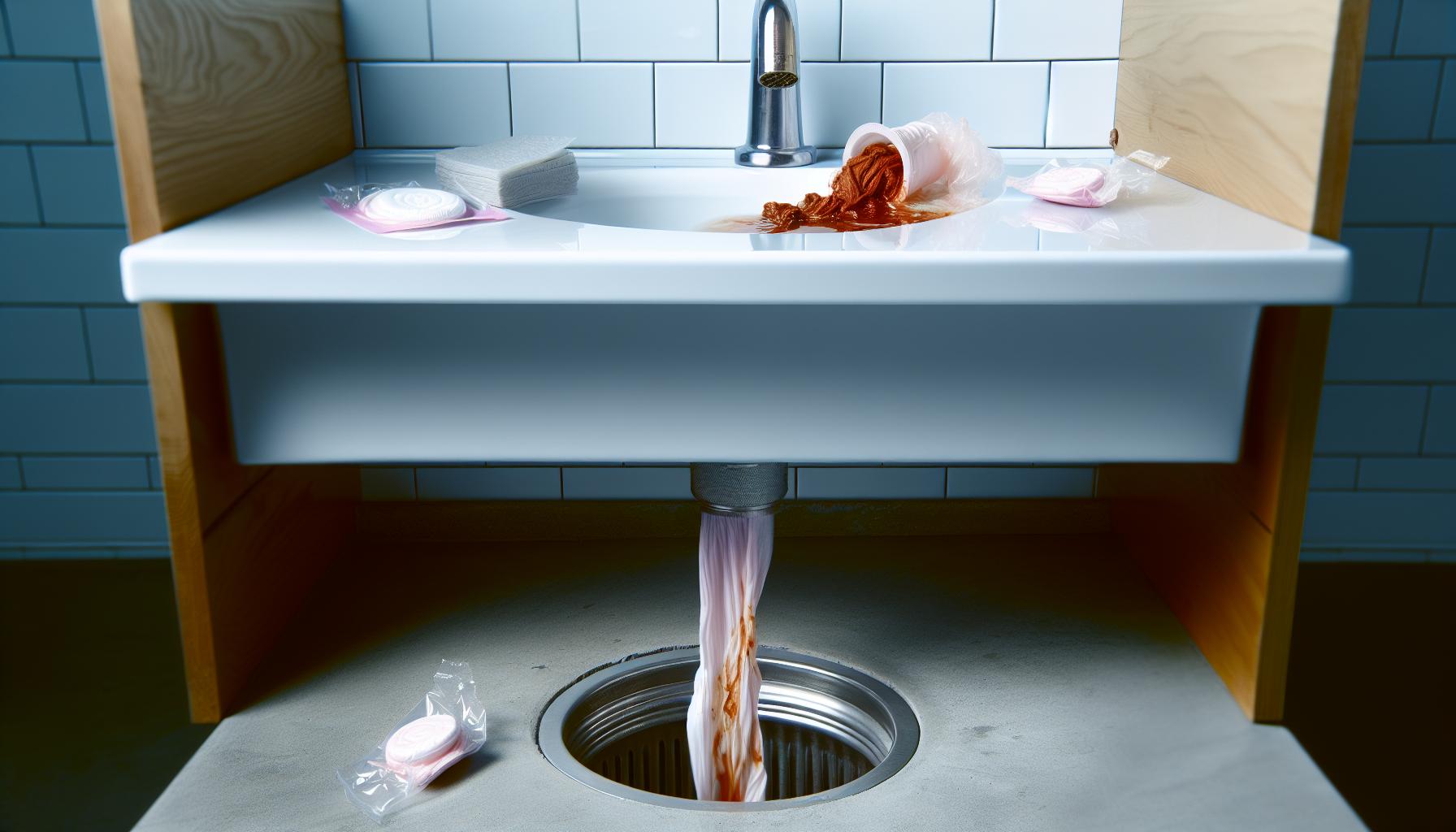
Environmental consequences of Flushing Feminine Products
Every year, millions of feminine hygiene products like tampons, pads, and applicators are flushed down toilets, creating an often unseen but significant environmental hazard. Because these items don’t break down easily, they accumulate in wastewater treatment plants and local waterways, contributing to persistent pollution and harming aquatic ecosystems.Unlike human waste, tampons and related products often contain synthetic materials and plastics, which resist decomposition and release microplastics into the environment, affecting marine life far beyond your local drain.
Why Flushing Feminine Products Harms Water Systems
Most tampons contain superabsorbent polymers and plastic fibers designed to expand and retain moisture. When flushed, they absorb water in pipes and sewage systems, swelling and causing blockages that wastewater facilities struggle to manage. this not only increases maintenance costs but can also lead to untreated sewage discharges into rivers, lakes, and oceans during system overflows. Such pollution disrupts aquatic habitats, reduces water quality, and threatens species from fish to birds.
Impact on Marine Life and Biodiversity
Discarded tampons and pads frequently enough find their way into oceans either directly from sewage overflows or through improper landfill runoff. The synthetic components take decades to degrade,breaking down into microplastics that are ingested by marine animals at all levels of the food chain. This ingestion can cause internal injuries, reproductive issues, and death among wildlife, creating ripple effects throughout aquatic ecosystems. Furthermore, the shining colors and artificial fragrances often used in feminine products can introduce harmful chemicals into water bodies.
Practical Steps to Reduce Environmental Harm
To minimize your ecological footprint, avoid flushing any feminine hygiene products. Instead:
- Use designated waste bins: Dispose of used tampons and pads in trash bins lined with biodegradable bags for easy, hygienic removal.
- Opt for eco-friendly options: Consider biodegradable or organic cotton products that break down more readily when disposed of properly.
- Spread awareness: educate family members and peers about the environmental damage caused by flushing these items, encouraging safer practices.
By making mindful disposal choices, you contribute to reduced sewage blockages, less marine pollution, and healthier natural habitats for generations to come.Small behavior changes in your bathroom routine can make a remarkable ecological difference.
Sources:
Kotex and Tampax manufacturers expressly advise against flushing tampons due to environmental and plumbing impacts[[[[[1]]; research highlights the role of flushed feminine products in microplastic pollution[[[[[3]].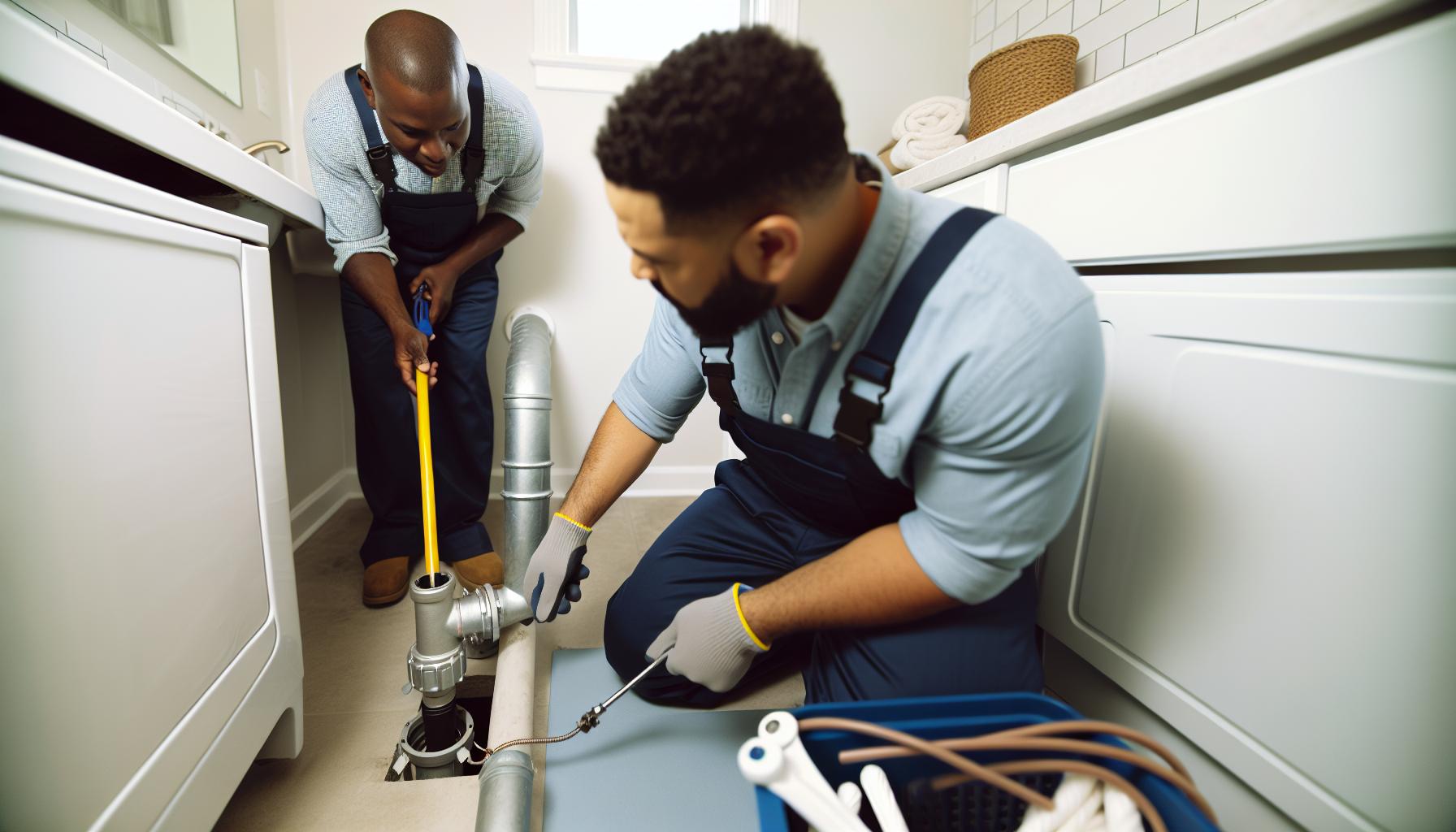
How Plumbers Diagnose and Fix Tampon Blockages
Few plumbing issues are as surprisingly troublesome and costly as those caused by flushed tampons. Despite their small size,tampons can absorb water and swell within pipes,creating stubborn blockages that don’t dissolve like typical waste. When a blockage is suspected, plumbers rely on a blend of specialized tools and diagnostic techniques to quickly locate and assess the problem before deciding the best method of removal.
A common first step involves the use of a drain camera inspection. This technique sends a flexible,waterproof camera through the pipe system,giving plumbers a real-time look for clogs and buildup. With tampon blockages, the camera often reveals dense, entangled masses that cling to pipe walls, confirming the need for careful extraction. Unlike grease or mineral deposits, tampon blockages don’t easily break apart with typical drain cleaning chemicals, which means more mechanical intervention is usually necessary.
Once identified, plumbers often turn to tools like hydro jetting or mechanical augers (snake machines) to clear the pipes. Hydro jetting uses high-pressure water streams to blast away blockages, but because tampons absorb water and expand, this method is sometimes less effective if the mass is already quite large or compacted. Augers, conversely, physically break up or pull the blockage apart without damaging the pipes, making them well-suited to tampon-related clogs.
Additional Insights and Prevention Advice
- Professional removal is highly recommended: Attempting to fix tampon blockages with household plungers or chemical cleaners frequently enough worsens the problem by pushing the obstruction deeper.
- Regular pipe inspections: In commercial or multi-unit buildings, routine camera inspections can catch early signs of tampon accumulation, preventing expensive repairs.
- Clear interaction saves time and money: Informing your plumber about suspected tampon clogs helps expedite the diagnosis and allows them to bring the right equipment on the first visit.
In many cases, addressing tampon blockages promptly reduces the risk of sewage backups or pipe damage that could lead to costly replacements. It’s a clear reminder that flushing these products may seem convenient but often invites a plumber’s costly visit-and a headache best avoided altogether.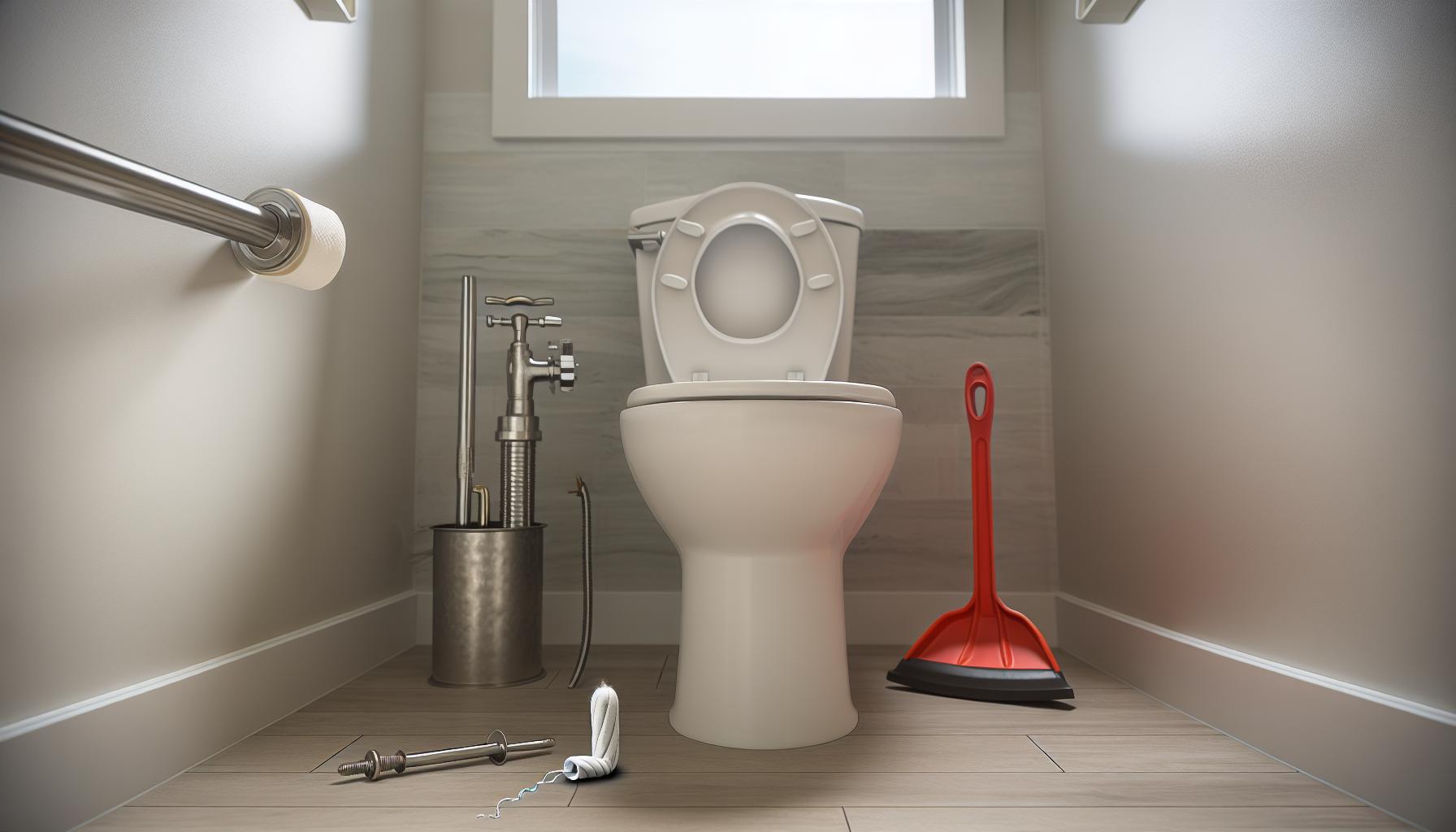
What To Do If You Accidentally Flush a Tampon
Flushing a tampon by mistake is more common than you might think, but it’s critically important to act thoughtfully to prevent further complications.Unlike toilet paper, tampons do not break down easily in water-in fact, they absorb moisture and expand, which can quickly lead to blockages in your pipes or sewer system. The key is to address the mishap promptly before it escalates into a costly plumbing emergency.
If you realize a tampon has been flushed,avoid flushing again repeatedly,as this can push the tampon deeper into the system,making removal more difficult and sometimes causing severe obstructions. Rather, if the tampon is still near the toilet trap, try to safely remove it using a pair of rubber gloves or a reusable grabber tool-never use harsh chemical drain cleaners, as these are ineffective on tampon material and can damage your pipes.
Steps to Take immediately
- Stop using the toilet: Prevent further flushing or water discharge that could worsen the blockage.
- Attempt manual retrieval if accessible: If you are pleasant, check the toilet trap for the tampon and remove it carefully.
- Contact a professional plumber early: Inform them specifically about the tampon flush so they can bring the right equipment, such as drain cameras and augers, to diagnose and fix the problem efficiently.
Keep in mind that plumbers typically prefer to use mechanical methods instead of harsh chemicals to clear tampon blockages-tools like drain cameras help locate the obstruction precisely, and augers or hydro-jetting are deployed cautiously depending on the severity. Trying to self-solve with plungers often makes things worse by pushing the tampon farther down, where it can cause more extensive damage.
For multi-unit homes or shared plumbing setups, it’s especially crucial to address tampon clogs quickly, as blockages can affect more than just your household and lead to communal sewage backups. Early communication with a plumber can save time, money, and a lot of frustration by expediting pinpointed repairs and preventing emergencies.In the rare case you can’t remove the tampon yourself and a plumber’s visit isn’t immediately possible, minimize water use in that bathroom to avoid creating pressure behind the blockage. Acting quickly and wisely helps protect your pipes from damage and reduces the risk of expensive repairs down the line.
By understanding these immediate steps, you not only prevent serious plumbing headaches for yourself but also support the health of your home’s sewage system in the long run.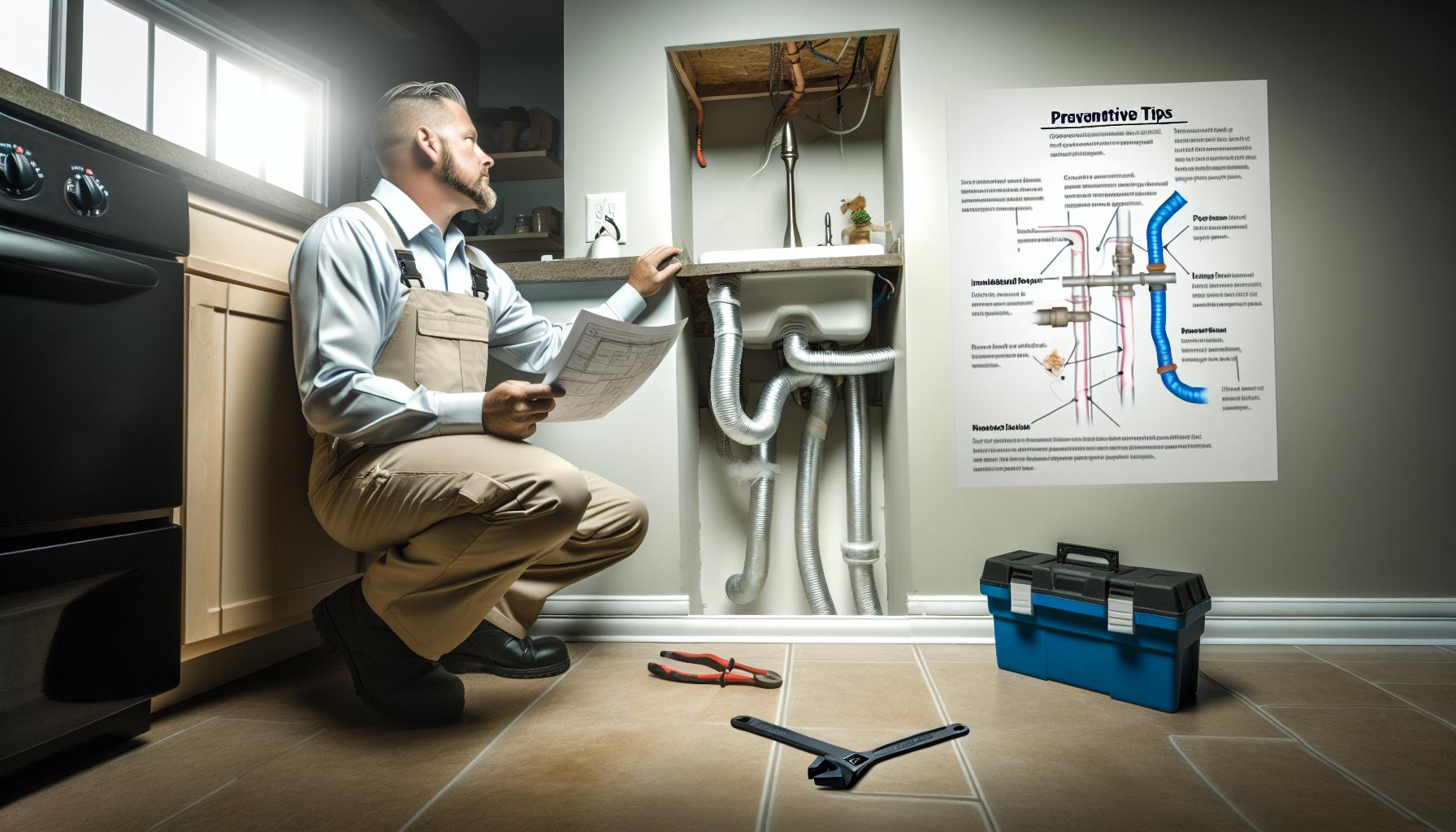
Preventive Tips to Protect Your Pipes from Damage
Few household habits can be as costly or frustrating as a clogged pipe caused by flushing the wrong items-tampons being a prime culprit. Because tampons are designed to absorb moisture and expand rather than dissolve, they act almost like sponges within your plumbing, which can lead to severe blockages. Preventing such plumbing disasters starts with awareness and simple behavioral changes that protect your entire sewage system from needless damage.
One of the most effective steps is straightforward: never flush tampons or similar feminine hygiene products down the toilet. Instead, use a dedicated bin lined with a sealable bag to dispose of used tampons hygienically and responsibly. Making this a clear household rule can drastically reduce plumbing risks. In shared homes or multi-unit buildings, posting gentle reminders in bathrooms can definitely help spread this critically important message without embarrassment.
Practical Daily Habits to Safeguard Your Pipes
- Educate Everyone in the Household: Ensure all family members and guests understand that items like tampons, wipes (even those labeled “flushable”), paper towels, and cotton swabs do not break down like toilet paper and can cause blockages.
- Install drain Screens or Guards: In certain areas prone to buildup, such as bathroom sinks and showers, drain screens catch debris before it enters the plumbing. While tablets and cords don’t catch tampons, minimizing other buildup reduces overall strain on pipes.
- Keep Emergency Plumbing Tools Handy: Basic tools such as a plunger for minor obstructions and gloves for manual retrieval can prevent escalation if a tampon is accidentally flushed and caught near the toilet trap.
- Regular Plumbing Maintenance: Scheduling yearly inspections with a professional plumber to use cameras and other diagnostic tools can catch early signs of partial blockage and corrosion,preventing more serious issues down the line.
The Role of Water Usage in Pipe Health
Using excessive water or multiple flushes to try to force a tampon through the pipes can worsen the problem by pushing the tampon deeper into areas that are harder and more expensive to reach. If you suspect an obstruction, reduce water flow in the bathroom where the blockage is and avoid flushing repeatedly. Sometimes, waiting and seeking professional help early is the safest, most cost-effective response.
By adopting these preventive measures, you protect not only your plumbing infrastructure but also avoid emergency service calls that can cost hundreds or even thousands of dollars. Small conscious efforts around disposal coupled with smart maintenance habits create a resilient system that withstands daily use without blockage or sewage backup-keeping your home’s plumbing smooth and worry-free.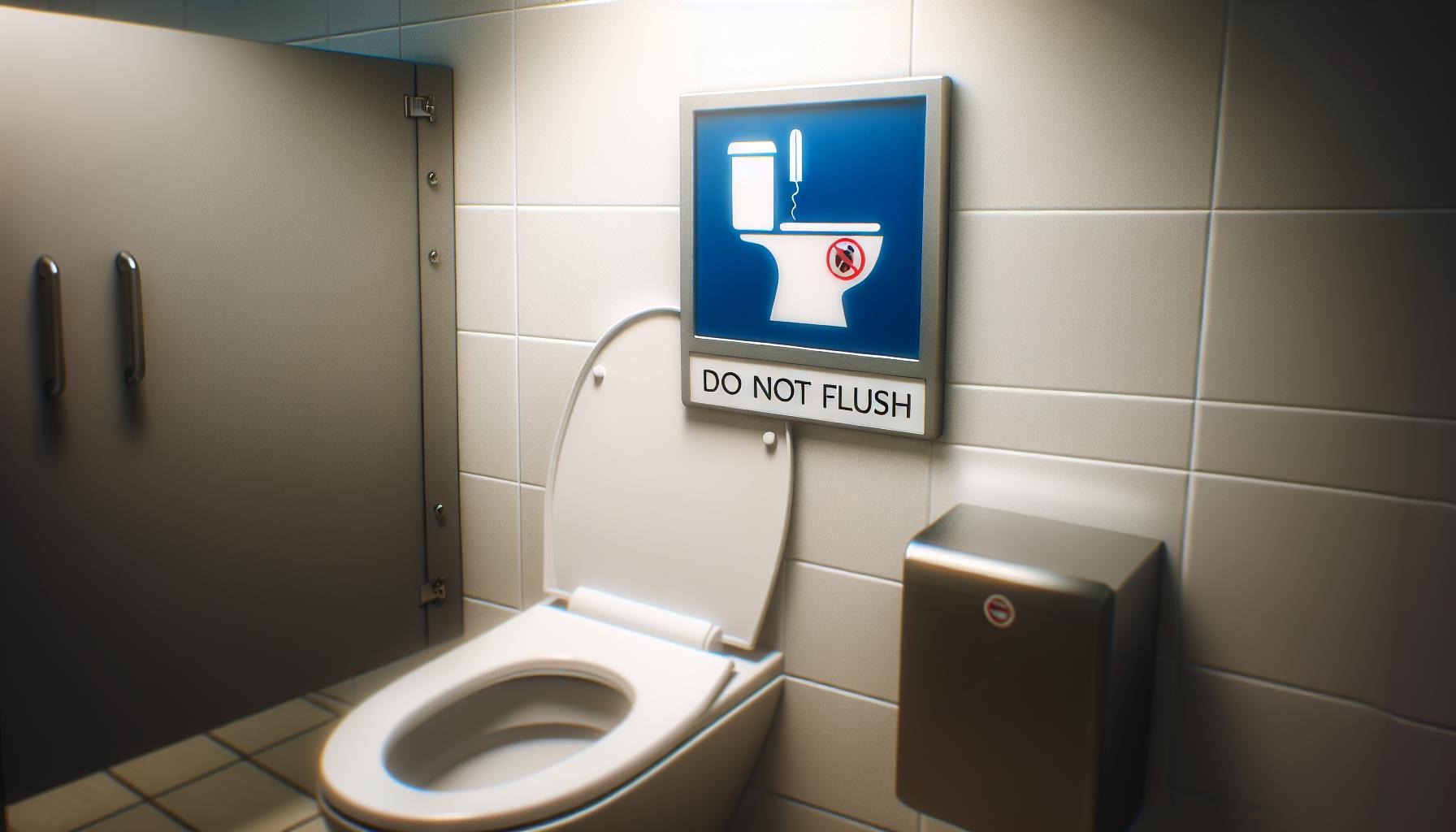
legal Regulations and Local Guidelines on Flushing Tampons
Flushing tampons is more than just a household etiquette issue-it’s often explicitly regulated by local wastewater authorities and plumbing codes, reflecting broader public health and environmental considerations. Many municipalities enforce rules forbidding the disposal of tampons and similar feminine hygiene products via toilets, as these items do not break down efficiently and can lead to costly blockages in public sewer systems. Violating these regulations can sometimes result in fines or penalties, especially for businesses such as restaurants, hotels, or public facilities that are held to stricter sanitation standards.
Understanding Local Variations in Guidelines
Regulations regarding tampon disposal vary by location,but most urban sewer departments and environmental agencies worldwide agree on one point: tampons should never be flushed. Such as, some city wastewater treatment plants with aging infrastructure have introduced targeted outreach programs to educate residents about proper feminine product disposal because of recurring blockages from these items. This demonstrates that even in places without formal legal bans, strong local guidelines exist and are actively promoted.
Practical Tips for Compliance and Community Health
- Check Your Local Utility or Municipal Website: Most cities provide clear guidance on permissible items for flushing-often under “wastewater treatment” or “sewer use” regulations. These resources also list recommended disposal alternatives.
- Follow Building Codes: residential and commercial buildings may have plumbing codes prohibiting the flushing of any non-biodegradable feminine hygiene products to prevent liability and plumbing damage.
- Educate Tenants or Employees: Property managers should share local disposal laws and best practices to reduce risks of blockages and fines, especially in multi-tenant buildings.
Legal Implications for Commercial and Public Spaces
Businesses face particular scrutiny as tampon-induced blockages can halt operations and incur repair expenses plus regulatory fines. Some jurisdictions require businesses to provide labeled sanitary disposal bins in restrooms, ensuring clear options beyond the toilet. Non-compliance can trigger inspections and result in citations under health and safety codes.
| Stakeholder | Common Regulation | Recommended Practice |
|---|---|---|
| Homeowners | Strong advisories against flushing tampons | Use bins lined with sealable bags for disposal |
| Businesses/Public Facilities | Mandated sanitary bins and disposal signage | Regular waste removal and tenant education |
| Wastewater Authorities | Bans or restrictions on flushing non-biodegradable items | Community outreach to promote proper disposal |
Recognizing these rules and guidelines can protect not only your plumbing but also contribute to the efficient operation of municipal sewage systems and environmental safety. Staying informed about local regulations empowers you to prevent plumbing nightmares and avoid legal issues, making your home or workplace compliant, safe, and sustainable. When in doubt, disposing of tampons in the trash following recommended sanitary procedures remains the best practice universally endorsed by plumbing experts and health authorities alike[[[[[1]](https://www.healthline.com/health/can-you-flush-tampons) [[[[[2]](https://www.cdc.gov/hygiene/about/menstrual-hygiene.html)[[[[[3]](https://allianceforperiodsupplies.org/can-you-flush-tampons/).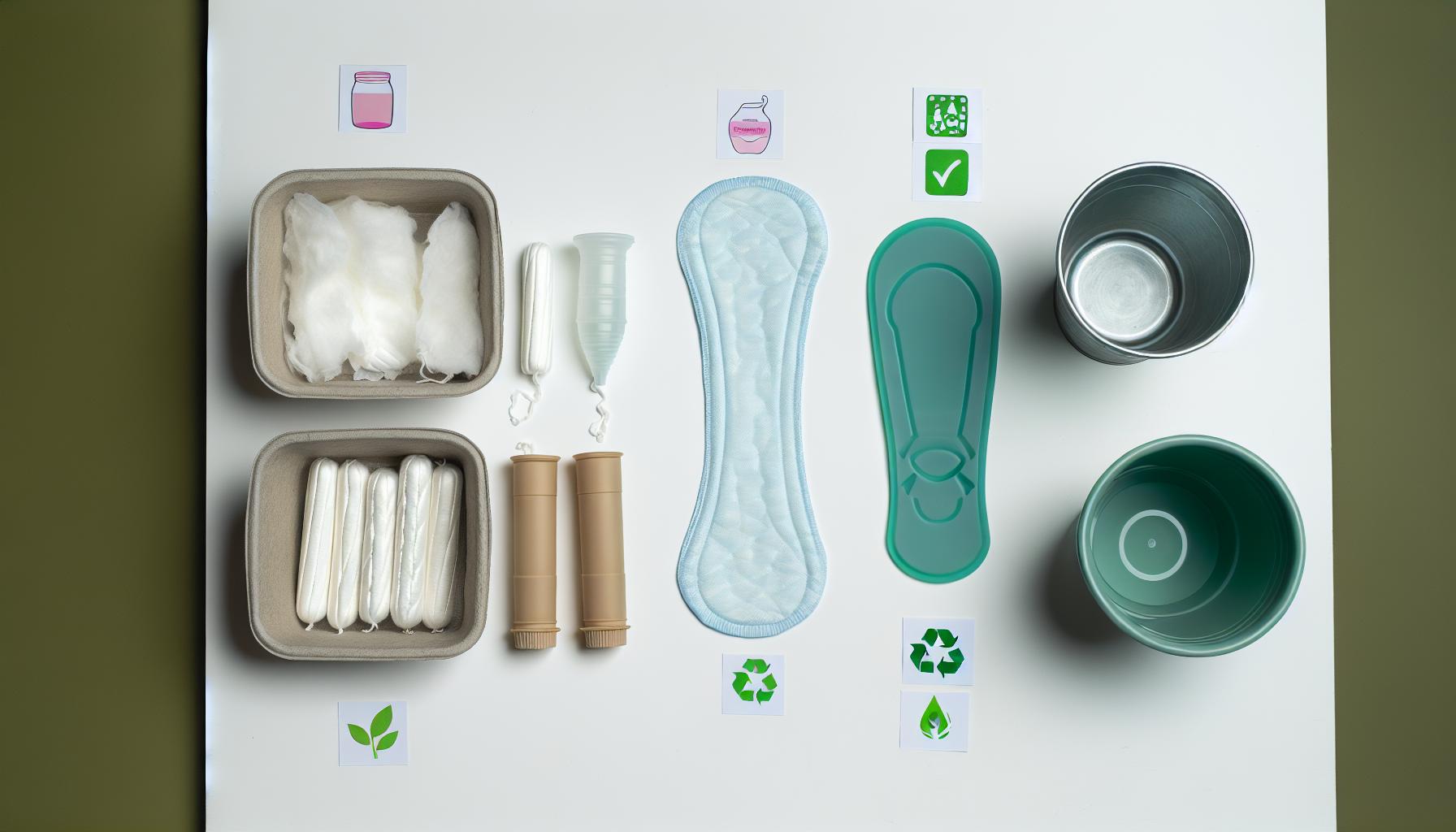
Comparing Tampons and Other Feminine Products for Disposal
Many people assume that flushing any feminine hygiene product is safe as they are designed to absorb fluids and are frequently enough marketed as disposable. However,when it comes to proper disposal,not all products behave the same way in plumbing systems. Understanding the differences between tampons,sanitary pads,menstrual cups,and other feminine products is crucial to prevent costly plumbing issues and environmental harm.
Unlike tampons, which are compact but highly absorbent and made of materials that do not break down easily in water, sanitary pads and panty liners typically contain plastic components and adhesives. These materials make them bulkier and far more likely to cause blockages if flushed. Pads should never be flushed, as even a single pad can snag in pipes and create large obstructions. Similarly, disposable wipes-often marketed as “flushable”-also pose significant risks due to their slow degradation rate and fibrous structure, compounding the plumbing problems caused by tampons when flushed.
Menstrual cups and period underwear stand apart as reusable options that do not require disposal after each use, thereby sidestepping the flushing dilemma entirely. Menstrual cups are made of medical-grade silicone or rubber and can be emptied, washed, and reused for years, offering an environmentally sound alternative that developers and environmentalists alike frequently enough recommend. For those who rely on disposable products for convenience, proper trash disposal with a dedicated, lined sanitary bin is the safest route.
Comparison Table: Disposal practices and Risks
| Product Type | Flushable? | Typical Disposal Method | Common Plumbing Risks |
|---|---|---|---|
| Tampons | No | Wrapped in tissue, disposed in trash bin | Blockages due to absorbent fibers and size |
| Sanitary Pads & Panty Liners | No | Wrapped securely, disposed in trash | High risk of pipe obstructions from plastics and adhesives |
| Disposable Wet Wipes | No (despite marketing) | Trash disposal recommended | Clogs and sewer backups from slow degradation |
| Menstrual Cups | Reusable (no disposal) | Cleaned and reused | None |
| Period Underwear | Reusable (no disposal) | Washed and reused | None |
Key Takeaways for safe Disposal
- never flush feminine products: Tampons, pads, liners, and wipes all pose serious risks to plumbing and wastewater systems.
- Use dedicated bins: Dispose of products in sealed and lined bins to maintain hygiene and prevent odors.
- Consider reusable alternatives: Menstrual cups and underwear reduce waste and eliminate disposal concerns.
In real-world cases, plumbers frequently encounter massive blockages formed by flushed tampons entwined with other flushed items like wet wipes and sanitary pads. These blockages often require expensive mechanical removal or even pipe replacement. Moreover, flushing non-degradable feminine products contributes to environmental pollution, as these items can bypass filtration and end up in natural waterways. Choosing the right disposal method is a simple yet crucial step to preserving both home plumbing health and the broader ecosystem.
Expert Advice: Communicating Plumbing Risks to Your Household
One of the most effective ways to protect your home’s plumbing-and avoid costly repairs-is through open,clear communication with everyone in your household about the risks posed by flushing tampons and other feminine hygiene products. Many blockages happen because well-meaning family members are simply unaware that flushing these items can cause severe clogs not only at home but throughout the municipal sewer system. By approaching this conversation proactively, you can establish responsible habits and prevent plumbing emergencies before they start.
When discussing plumbing risks, it helps to explain why tampons and similar products are problematic: unlike toilet paper, tampons don’t dissolve quickly and can absorb water, expanding and creating obstructions deep in pipes. Sharing relatable examples-such as the fact that plumbers frequently enough find flushed tampons entangled with wipes and pads in stubborn blockages requiring costly mechanical removal or pipe replacement-makes the risk tangible and motivates behavior change. Emphasizing that avoiding flushing these products is a simple, effective way to save money and protect the home reinforces the message positively.
Tips for Clear and Impactful communication
- Lead with facts: Share practical plumbing insights, such as how flushed tampons cause pipe blockages and can even create hazardous sewage backflow.
- Encourage open dialog: Invite questions and share any past home plumbing issues or stories from friends and neighbors to illustrate consequences.
- Designate visible disposal bins: Setting up clearly marked, lined bins in bathrooms signals the proper disposal method and reduces the temptation to flush.
- use reminders in shared spaces: simple signs or discreet notes above the toilet can reinforce the no-flush rule gently but persistently.
- Discuss reusable options: Introducing alternatives like menstrual cups or period underwear can pivot the conversation toward sustainability and comfort, helping normalize less wasteful choices.
In multi-generational or shared homes, habits vary, and assumptions about flushing safety can differ. A good approach is to make education an ongoing conversation rather than a one-time directive-especially with younger family members or guests unfamiliar with the plumbing risks. By fostering a household culture informed by knowledge and respect for plumbing systems, you empower everyone to make wiser choices that preserve pipes and protect the environment.Ultimately, getting everyone on the same page about tampon disposal helps avoid unexpected plumbing disasters and minimizes disruptions-saving money, safeguarding hygiene, and maintaining peace of mind. Plumbing issues caused by flushed feminine products can be costly and stressful, but transparent communication paired with practical actions turns prevention into a shared household goal.
Frequently Asked Questions
Q: How does flushing tampons affect municipal sewage treatment facilities?
A: flushing tampons disrupts municipal sewage systems by causing clogs and increasing maintenance costs.These materials don’t break down easily, leading to blockages that strain sewage treatment plants. For sustainable disposal tips, see the section on How Tampons Impact Your Sewage System. Always opt for safe alternatives to flushing tampons to protect community infrastructure.
Q: What are the signs that a tampon flushing blockage is developing in home plumbing?
A: Early signs of tampon blockages include slow drains, gurgling toilets, and unpleasant sewer odors. If you notice these, avoid flushing more tampons and consult plumbing experts. Learn more in Preventive Tips to Protect Your Pipes from Damage to stop costly repairs before they start.
Q: Can flushing tampons lead to health hazards in the home or neighborhood?
A: Yes, flushing tampons can cause sewage backflow, exposing homes and neighborhoods to harmful bacteria and viruses. This creates serious health risks and requires professional cleanup. Refer to The Hidden Plumbing Risks and Expensive Repairs for more on preventing these hazards.
Q: Are there biodegradable tampons safe to flush, or should all tampons avoid flushing regardless?
A: Even biodegradable tampons should never be flushed as they still cause plumbing blockages and environmental issues. For effective disposal methods, check Safe Alternatives to Flushing Tampons at Home where you’ll find eco-friendly and plumbing-safe options.
Q: how can I educate my household about the plumbing dangers of flushing tampons?
A: Start by sharing straightforward facts about the costly plumbing repairs caused by flushing tampons. Use clear explanations from Expert Advice: Communicating Plumbing Risks to Your Household to encourage responsible disposal habits and protect your home’s plumbing system.
Q: What immediate steps should I take if my child or guest accidentally flushes a tampon?
A: If a tampon is flushed accidentally, immediately avoid using water to flush further. Contact a plumber to assess and resolve any blockages safely. For detailed actions, see What To Do If You Accidentally Flush a Tampon to minimize damage and costly repairs.
Q: How do tampon blockages compare with other common flushed items like wipes or paper towels?
A: Tampon blockages are frequently enough more severe as they absorb water and expand, worsening clogs. Unlike toilet paper, tampons and similar items like wipes don’t dissolve and frequently cause expensive plumbing issues. Compare more in comparing Tampons and Other Feminine products for Disposal to understand the risks involved.
Q: Where can I find local disposal regulations and guidelines about flushing tampons?
A: Local disposal rules vary, but most municipalities prohibit flushing tampons due to plumbing risks. Check your city’s sanitation or water authority websites. for general guidelines, see Legal Regulations and Local Guidelines on Flushing Tampons to stay compliant and avoid penalties.
For deeper insights on safe tampon disposal and protecting your home plumbing, explore the full article sections linked above. Keeping your pipes clear starts with informed habits!
Key Takeaways
Understanding why flushing tampons can lead to costly plumbing repairs is crucial for protecting your home and wallet. If you want to avoid unexpected blockages and expensive plumber visits, it’s best to dispose of tampons responsibly-never down the toilet.To explore smart bathroom habits and prevent common plumbing issues, check out our guide on preventing Bathroom Clogs and learn how to maintain your home’s pipes effectively in Top Plumbing Tips for Homeowners.
Don’t let a simple habit turn into a major repair bill. If you’re concerned about plumbing damage or want personalized advice,consider signing up for our newsletter or scheduling a consultation with our experts today. Have questions or experiences about flushing tampons? Share your thoughts below or join the conversation on our social channels to help others avoid costly mistakes. Protect your plumbing, save money, and stay informed with our trusted resources-because every flush counts.