

Can You Flush Rubbing Alcohol? Isopropyl Disposal Rules
Did you know that improperly disposing of rubbing alcohol, or isopropyl alcohol, can harm plumbing systems and the environment? Many people wonder if it’s safe to simply flush it down the drain, but understanding the right way to dispose of this common household chemical is crucial. This article will clarify whether you can flush rubbing alcohol and explain the proper disposal methods that protect both yoru home and local water supply. By learning the correct practices, you’ll avoid potential risks, adhere to safety guidelines, and contribute to environmental health. Keep reading to discover expert advice on handling and disposing of isopropyl alcohol responsibly, ensuring you stay safe and comply with disposal regulations.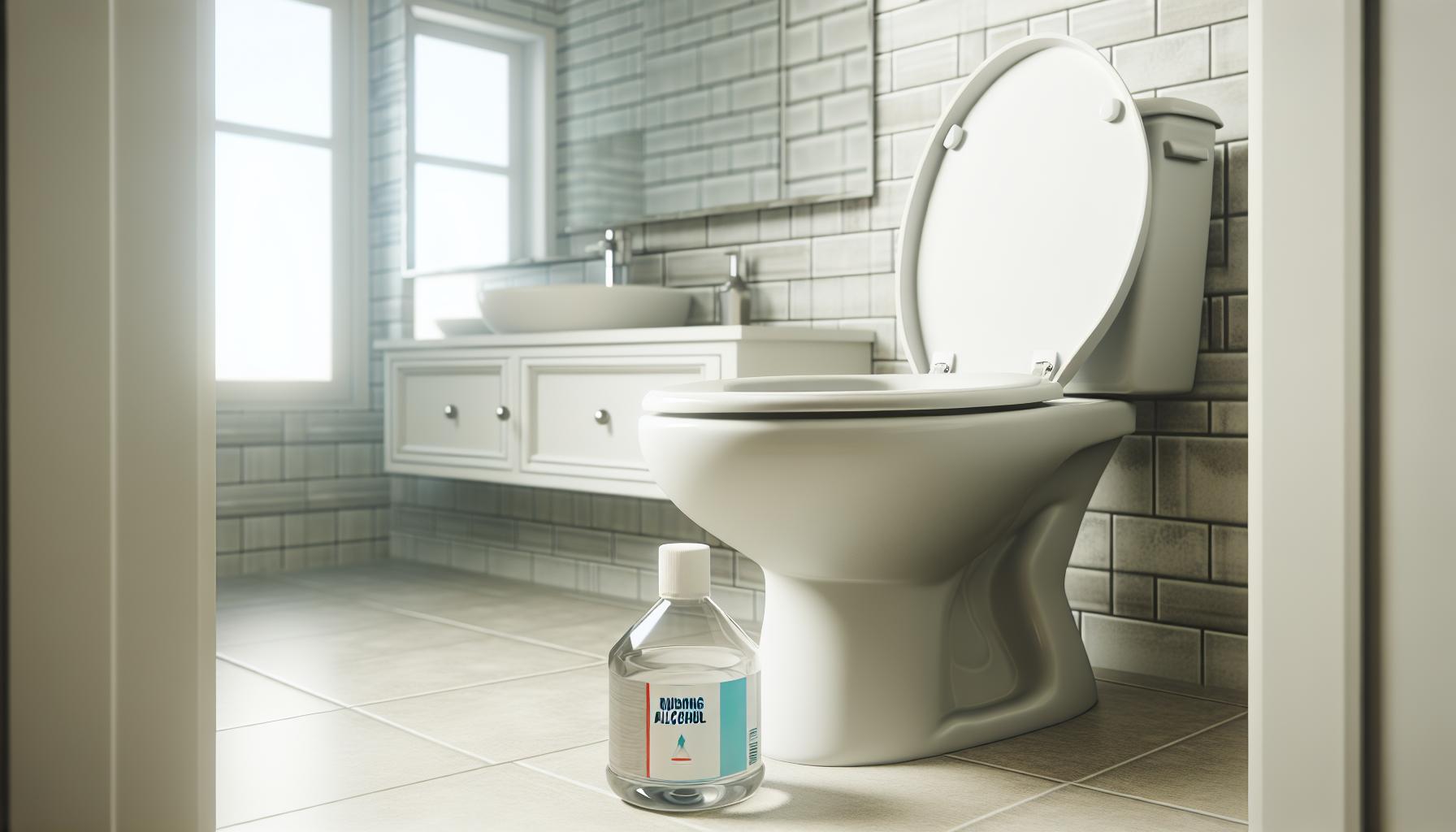
Is It Safe to Flush Rubbing Alcohol Down the Toilet?
When dealing with leftover rubbing alcohol, many wonder if flushing it down the toilet is a harmless way to dispose of it. While small quantities of isopropyl alcohol can technically be flushed, it’s vital to approach this practise with caution and awareness. Isopropyl alcohol is a volatile, flammable liquid that can affect water treatment systems and aquatic ecosystems if poured excessively or without proper dilution.
Before flushing, consider that municipal sewage systems are not designed to handle large amounts of solvents like rubbing alcohol. Although isopropyl alcohol breaks down more readily than some chemicals, dumping even moderate volumes down the drain or toilet can overwhelm the treatment processes, possibly contaminating waterways and harming aquatic life. This is especially true if the isopropyl alcohol isn’t diluted properly. Many experts recommend diluting rubbing alcohol with notable amounts of water before disposing of it through a drain to minimize environmental impact and aid sewage treatment efficiency.
Best Practices for Flushing Small Amounts
- Dilution: Always mix rubbing alcohol with plenty of water-at least a 10:1 water-to-alcohol ratio-to reduce the concentration of solvent entering the sewage system.
- Small quantities only: limit flushing to very small amounts (e.g., under 100 mL). Larger volumes should be handled by hazardous waste disposal services.
- Avoid mixing with other hazardous substances: Combining alcohol with other chemicals can create perilous reactions in plumbing or treatment plants.
For typical household use, such as leftover rubbing alcohol used for cleaning wounds or surfaces, flushing diluted small amounts occasionally is generally acceptable. however, relying on the toilet as the regular disposal method for larger quantities is neither environmentally responsible nor recommended by waste management authorities.
By considering these guidelines, you help protect both your local water infrastructure and the broader environment. If you frequently have leftover isopropyl alcohol or larger volumes to dispose of, exploring alternatives like hazardous waste collection events or specialized disposal services is the safer, eco-kind route to take[[2]](https://www.wikihow.com/Dispose-of-Rubbing-Alcohol), [[3]](https://homegrail.com/can-you-pour-rubbing-alcohol-down-the-drain/).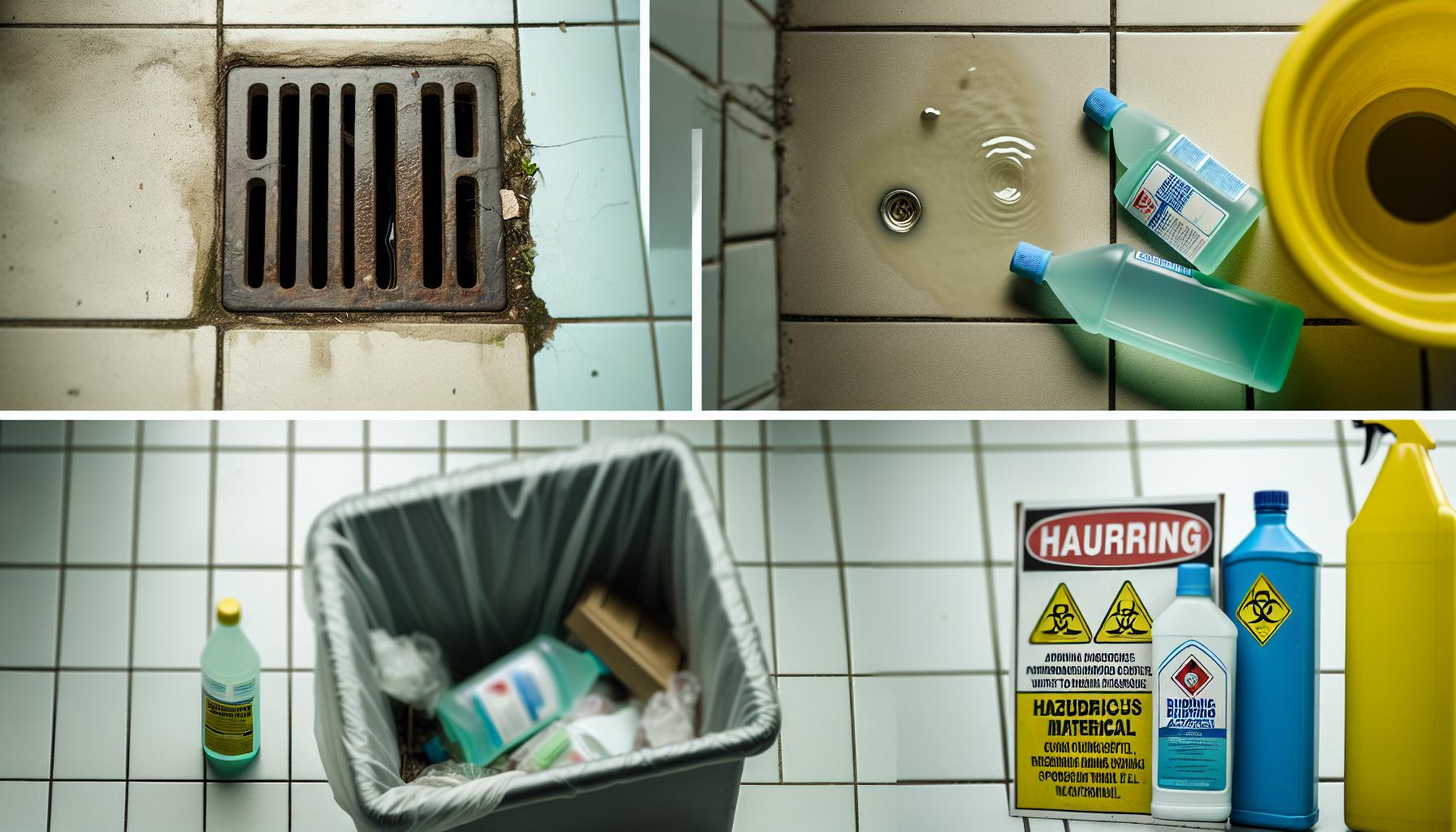
Understanding Environmental Risks of Rubbing Alcohol Disposal
Isopropyl alcohol, while seemingly harmless as a common household disinfectant, poses several environmental challenges when disposed of improperly. One of the main concerns revolves around its chemical nature-being a volatile, flammable solvent that can disrupt sewage treatment processes and, ultimately, aquatic ecosystems if large amounts are introduced into water systems. Unlike biodegradable organic waste, isopropyl alcohol doesn’t simply vanish; it requires biological treatment to break down, and excessive quantities can overload these treatment mechanisms.
When isopropyl alcohol enters wastewater in concentrated forms, it can inhibit the bacterial populations responsible for treating sewage. These microbial communities are essential for breaking down organic matter and neutralizing harmful substances. Overexposure to solvents like rubbing alcohol can reduce their efficiency, resulting in incompletely treated wastewater being released into natural water bodies. This can lead to contamination of rivers, lakes, and groundwater sources, putting aquatic life at risk through toxicity and oxygen depletion.
Beyond treatment interference, environmental toxicity is a critical concern. Isopropyl alcohol dissolves quickly in water but remains toxic to various forms of aquatic fauna, including fish and invertebrates. Prolonged exposure to even low concentrations can lead to bioaccumulation in some organisms, causing disturbances in reproductive cycles, behavior, and feeding. Moreover, the flammable nature of isopropyl alcohol increases risks during transport through sewage infrastructure, potentially causing safety hazards in poorly ventilated or confined spaces.
Practical risks to Consider
- Overloading Wastewater Treatment: High volumes of isopropyl alcohol exceed the capacity of biological systems, leading to incomplete purification.
- Waterway Contamination: Insufficiently treated alcohol can enter natural environments, poisoning aquatic ecosystems and disrupting biodiversity.
- Sewage Infrastructure Hazards: The flammability and volatility may contribute to fire or explosion risks within sewer lines or treatment plants.
- Long-Term Ecological Damage: Continuous improper disposal can cause cumulative effects, impacting not only wildlife but also human water supplies.
Understanding these risks highlights why proper disposal is not merely a matter of convenience but an environmental responsibility. even small amounts of rubbing alcohol, if routinely flushed without dilution or care, accumulate to create systemic challenges for sewage management and ecological health. For instance, households or businesses that frequently dispose of significant quantities contribute disproportionately to these environmental threats.
To mitigate these impacts, always dilute isopropyl alcohol with plenty of water before disposal and limit the amounts flushed to very small volumes. Additionally, exploring alternatives such as returning unused alcohol to hazardous waste collection programs or using specialized disposal services benefits both local infrastructure and the broader ecosystem. Recognizing that your disposal habits contribute directly to environmental preservation encourages safer, more sustainable practices in everyday life[[2]](https://realfarmacy.com/how-to-dispose-isopropyl-alcohol/), [[3]](https://homegrail.com/can-you-pour-rubbing-alcohol-down-the-drain/).
Official guidelines and Regulations for Isopropyl Alcohol Disposal
Few household chemicals are as deceptively easy to misuse as isopropyl alcohol, largely due to its common presence and versatile uses. Yet, beneath its everyday convenience lies a regulatory framework designed to prevent environmental harm and protect public infrastructure. Governments and environmental agencies around the world have established clear guidelines to ensure that isopropyl alcohol is disposed of safely, primarily becuase of its flammability and potential toxicity if released improperly.
Disposal rules often hinge on the volume and concentration of isopropyl alcohol being discarded. For small amounts, such as those typically found in households, many municipal wastewater treatment authorities permit dilution with water before disposal down the drain, provided that the quantity is minimal and it does not violate local wastewater discharge limits. However, many jurisdictions explicitly prohibit pouring undiluted or large volumes of isopropyl alcohol down household drains or toilets due to risks of interfering with sewage processing and creating flammable atmospheres in plumbing systems.
key Regulatory Considerations
- Hazardous Waste Classification: Concentrated isopropyl alcohol above certain thresholds (often around 24% or higher) is usually classified as hazardous waste by regulatory bodies such as the U.S.Environmental Protection Agency (EPA) or equivalents worldwide. This classification mandates disposal through licensed hazardous waste facilities rather than residential sewer systems.
- Local and State Ordinances: Many municipalities supplement federal guidelines with their own rules requiring residents and businesses to hand over bulk quantities of rubbing alcohol to specialized household hazardous waste (HHW) collection events, rather than disposing of the chemical through drains.
- Workplace and Commercial Rules: Facilities handling isopropyl alcohol in larger quantities may be subject to stricter OSHA and environmental regulations, requiring documentation of disposal methods, use of licensed waste contractors, and containment protocols to prevent environmental release.
Practical Tips for Compliance
- Consult Local Authorities: As regulations can vary widely, the first step in disposal should be to check with local wastewater or environmental protection agencies for specific guidelines in your area.
- use HHW Programs: Safely disposing of isopropyl alcohol through household hazardous waste programs is often the most environmentally responsible choice, ensuring professional handling and treatment.
- Avoid Mixing with Other Chemicals: Mixing isopropyl alcohol with incompatible substances before disposal can create dangerous chemical reactions,which regulatory guidelines strictly warn against.
| Type of Disposal | Recommended Situations | Regulatory Notes |
|---|---|---|
| Diluted Disposal Down Drain | Small residential amounts, well diluted with water | Allowed in some areas, prohibited in others-check local rules |
| Household Hazardous Waste Facilities | Large quantities, undiluted, or concentrated solutions | Preferred and often mandated by local/state law |
| Commercial Licensed Waste Collection | Industrial or workplace waste | Strict documentation and handling required under OSHA and EPA |
Understanding and respecting these regulatory frameworks safeguards both environmental and human health, avoiding costly infractions and amplifying the positive impact of seemingly small individual actions. Rather than viewing these rules as mere bureaucratic hurdles, thinking of them as protective measures for our shared water systems and ecosystems helps encourage responsible stewardship in every household and workplace.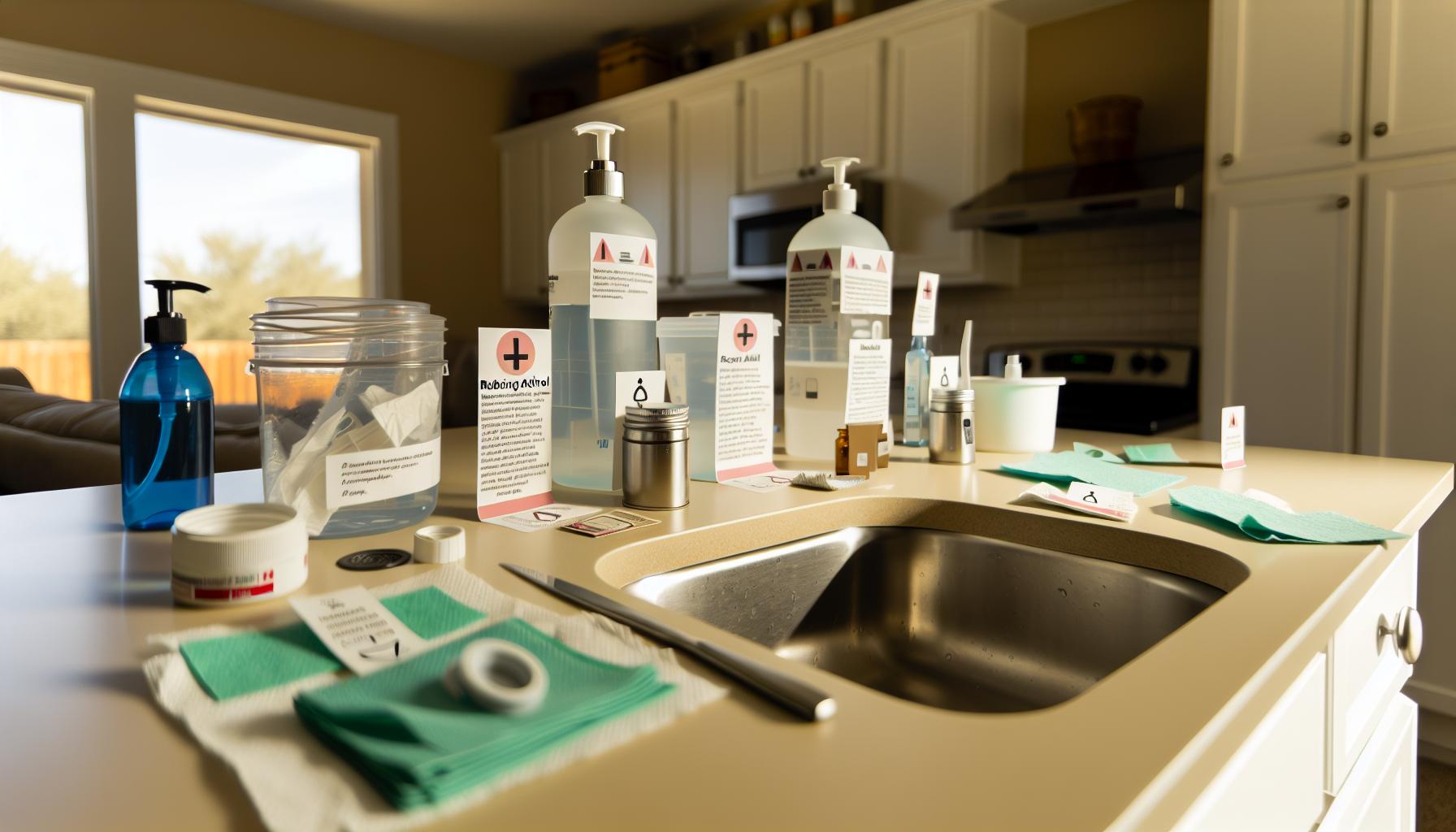
Effective Household Methods for Disposing of Rubbing Alcohol
Rubbing alcohol is a common household staple, but disposing of it safely requires more than just pouring it down the drain or flushing it away. Tho small amounts diluted with plenty of water might sometimes be permissible under certain local regulations, this method isn’t universally safe or recommended due to the chemical’s flammability and potential to disrupt sewage treatment processes. Instead, there are practical and environmentally responsible ways to handle leftover or unwanted isopropyl alcohol that anyone can follow at home.
One effective method involves leveraging household hazardous waste (HHW) collection programs. Many communities hold designated drop-off events or operate permanent facilities where residents can bring chemicals like rubbing alcohol for safe disposal. These services ensure that chemicals are handled by professionals who can either recycle or neutralize them properly, minimizing environmental contamination. Even if these programs are not regularly available in your area, local waste authorities often provide guidelines on where to take small quantities or properly prepare them for disposal.
For very small leftover amounts, consider diluting the rubbing alcohol significantly with water-ideally to less than 10% concentration-and then pouring it slowly down a drain connected to a municipal sewer system. It’s crucial not to exceed local volume limits or pour undiluted solutions, especially in private septic systems which may not effectively process such chemicals. Always flush the drain with plenty of water to aid dilution. Remember that this practice only suits very small household quantities and might be prohibited in some areas, so checking local regulations before proceeding is essential.
- Never mix isopropyl alcohol with other household chemicals during disposal, as this can cause hazardous chemical reactions.
- Store rubbing alcohol securely in a sealed, labeled container until you can dispose of it through proper channels.
- Consider repurposing leftover rubbing alcohol for cleaning, disinfecting, or craft projects to reduce waste.
| Household Disposal Method | Best Practices | Notes |
|---|---|---|
| HHW Collection Programs | Bring sealed containers to designated locations | Environmentally safest and often free for small quantities |
| Diluted Drain Disposal | Dilute to <10% concentration, pour slowly with water flush | Only small amounts, check local municipality permissions |
| Storage for Future Use or Recycling | Store tightly sealed away from heat sources | Reduces frequency of disposal; reuse encouraged when safe |
By following these approaches, households can prevent environmental harm, avoid plumbing issues caused by improper disposal, and comply with often complex local regulations. In contrast, indiscriminate flushing or pouring down storm drains not only risks water contamination but can also create fire hazards in pipes and treatment plants. Thoughtful disposal not only protects the planet but also keeps your home safe and in good condition. For many, the best first step remains reaching out to local environmental agencies or waste facilities to confirm the safest options specific to their area.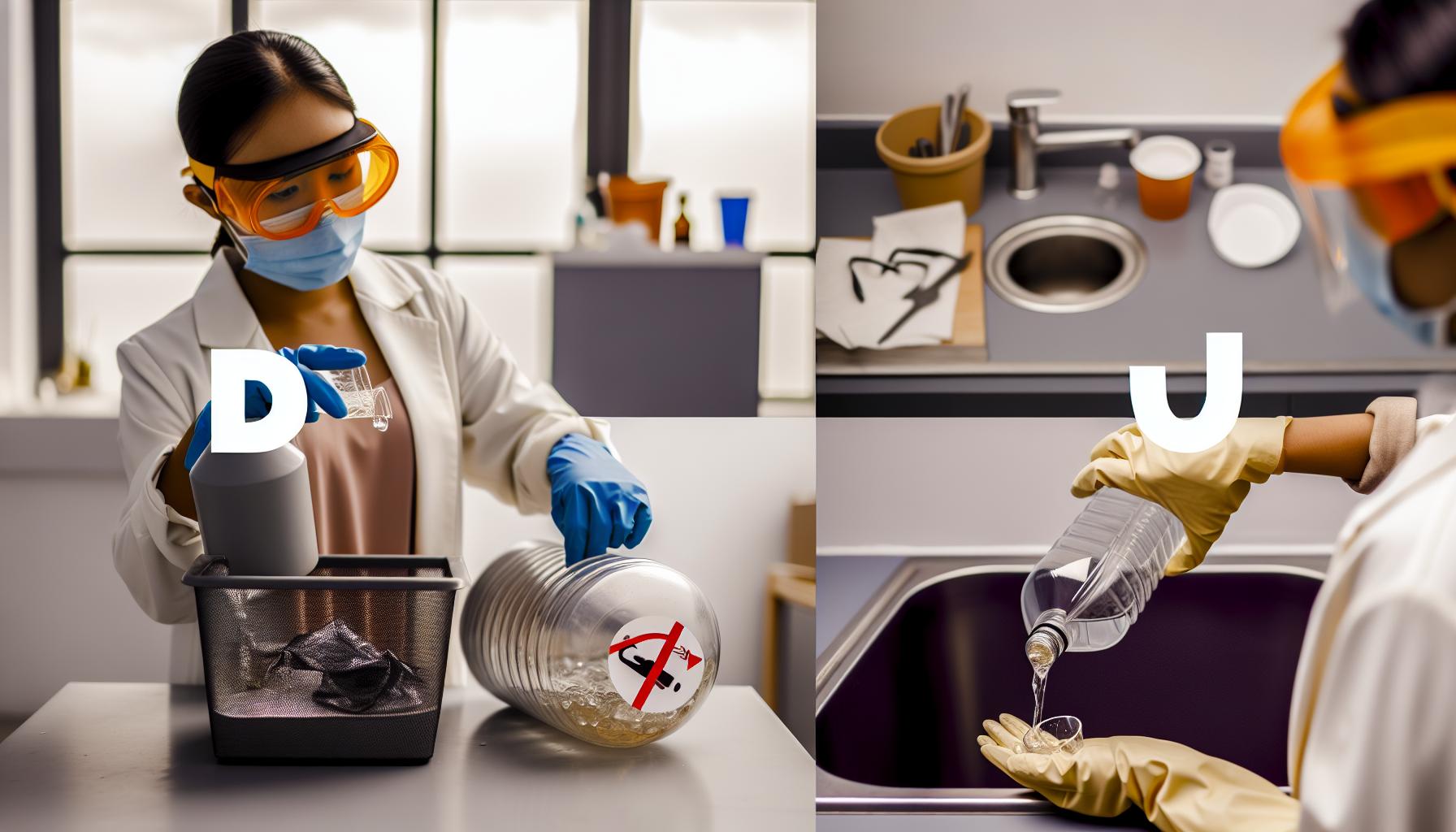
Dos and Don’ts: What Not to Do When Disposing Isopropyl Alcohol
Rubbing alcohol might seem harmless enough to pour down the drain or flush away without a second thought, but doing so recklessly can lead to unexpected hazards for your plumbing and the environment. Because isopropyl alcohol is both flammable and chemically active, improper disposal methods can pose risks not only to household safety but also to municipal sewage systems and natural waterways. Understanding what to avoid during disposal ensures you protect yourself, your community, and local ecosystems.
one major error is never disposing of rubbing alcohol undiluted or in large quantities into the sewage system or toilet. Concentrated isopropyl alcohol can disrupt the biological processes in wastewater treatment plants, making it harder for these systems to breakdown pollutants efficiently. Moreover, flushed alcohol may enter septic tanks where it can kill beneficial bacteria vital for breaking down waste, leading to costly system failures. Even small amounts should be diluted significantly-with a recommended ratio around 1 part alcohol to 4 or more parts water-to reduce harm before any disposal in sinks connected to municipal sewers, and only if permitted by local authorities.
- Avoid mixing isopropyl alcohol with other household chemicals like bleach, ammonia, or acids. Such combinations can lead to dangerous chemical reactions or release toxic gases.
- Do not pour rubbing alcohol into storm drains or outdoor drainage systems. These systems typically bypass treatment plants and release contaminants directly into rivers, lakes, or the soil, posing environmental risks.
- Resist the urge to dispose of large volumes casually. Bulk quantities should always be handed over to local hazardous waste facilities or collection events designed to handle volatile chemicals safely.
- Never burn rubbing alcohol indoors or in unventilated spaces. While it’s flammable, combustion releases harmful fumes and increases the risk of accidental fires.
Practical Examples of Common Mistakes to Avoid
A frequent scenario involves pouring excess rubbing alcohol into the toilet “for convenience.” Even though occasional small dilutions in a sink with running water might be acceptable where local regulations allow, toilets are not designed to handle flammable liquids safely. The confined environment can facilitate vapor buildup, creating fire hazards or pipe corrosion. Similarly, some homeowners mistakenly mix leftover alcohol with paints or solvents before disposal, unintentionally producing hazardous waste mixtures that complicate safe processing at waste facilities.
In essence,thoughtful disposal habits start with storing rubbing alcohol securely in clearly marked containers and using local hazardous waste programs whenever possible. If dilution and drain disposal is your only option, ensure compliance with local guidelines and focus on minimal volumes.This mindful approach spares your plumbing infrastructure and contributes to healthier water supplies and ecosystems.
| What to Avoid | Potential Consequences |
|---|---|
| Pouring undiluted or large quantities into sinks/toilets | Damage to septic systems; disruption of sewage treatment; fire hazard |
| Mixing with household chemicals like bleach | Toxic gas release; hazardous chemical reactions |
| Disposing into storm drains or outdoor drains | Direct environmental contamination; harm to aquatic life |
| Improper storage leading to leaks or spills | Fire risk; dangerous exposure to vapors or skin contact |
By steering clear of these pitfalls and following sensible disposal methods, you protect your household environment and support broader community health and safety initiatives. Always check with local authorities if uncertain-waste disposal rules can vary widely and responding accordingly is the safest course.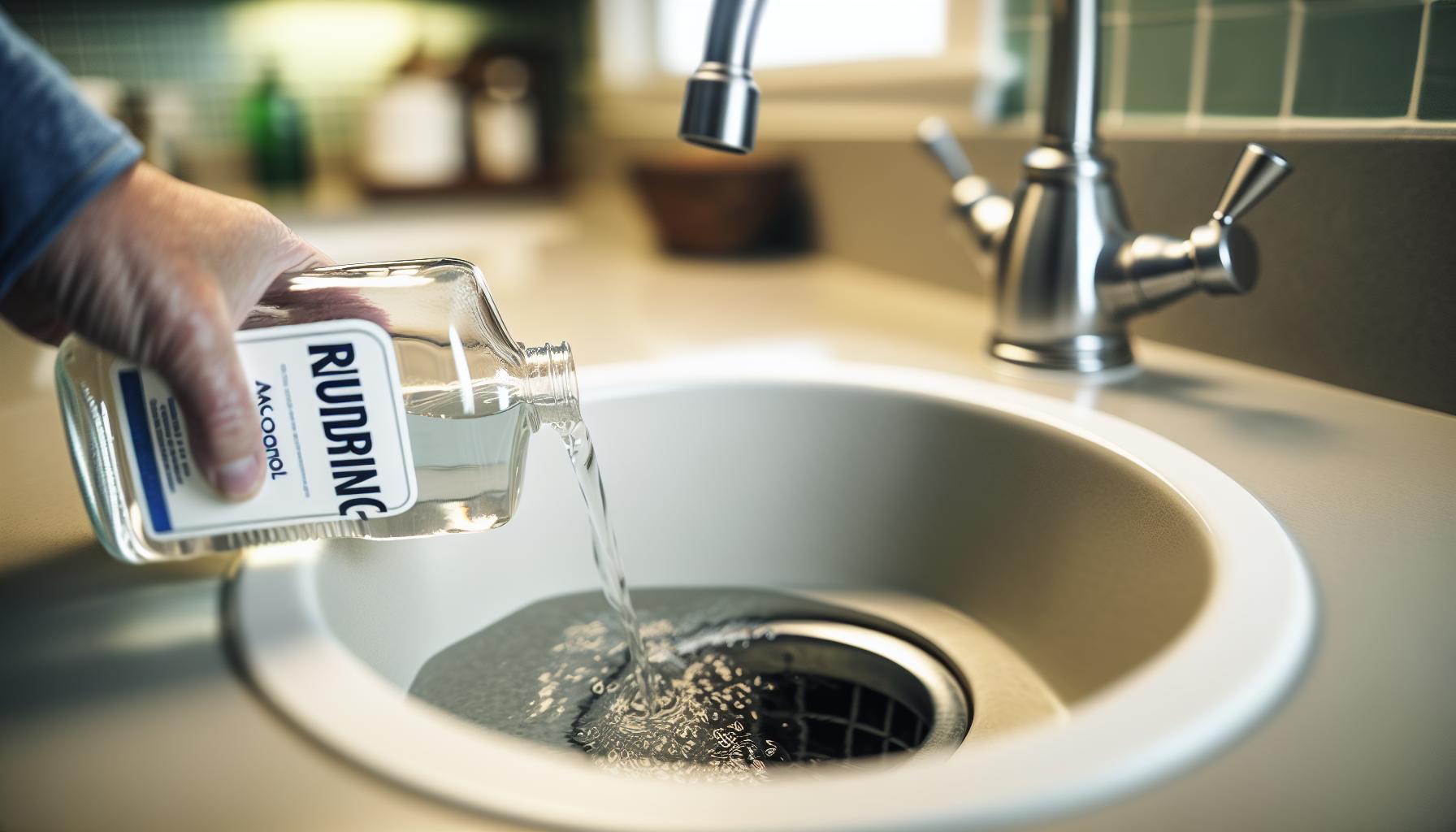
How Much Rubbing Alcohol Is Harmful to Sewage Systems?
Pouring too much rubbing alcohol into sewage systems can cause significant damage far beyond the immediate household plumbing. Even small volumes of highly concentrated isopropyl alcohol can disrupt the delicate microbial balance essential for the biological treatment processes in wastewater facilities. These bacteria and other microorganisms break down organic matter and contaminants, but excessive alcohol acts as a biocide, killing these beneficial microbes and impairing the plant’s efficiency.
Generally, any amount above trace levels-roughly amounts exceeding a few ounces at a time-can start to present problems, especially if disposed of repeatedly or in undiluted form. For example, introducing 100 ml or more of pure isopropyl alcohol into household drains daily could begin to overwhelm septic tanks or municipal treatment processes.in septic systems,these bacteria are critical for degrading sewage solids; their loss leads to system backups,foul odors,odors,and costly repairs.
Factors That Influence Harmful Thresholds
- Concentration of the alcohol: Higher concentrations (90% or above) are far more toxic to microbial communities than diluted forms (like 70% IPA mixing with water).
- Frequency of disposal: One-time or very infrequent disposal of small amounts might potentially be tolerated, but repeated introduction accumulates toxicity.
- Type of sewage system: Municipal plants generally handle low-level chemical contaminants better due to scale and multiple treatment stages, whereas private septic tanks are more vulnerable.
- Local regulations and treatment technology: Some facilities have more advanced filtration and chemical processing that may mitigate damage, but this varies widely.
Taking a practical outlook, if you regularly find yourself with more than a cup (approximately 240 ml) of leftover rubbing alcohol, it’s wise to avoid flushing it all down the drain at once. Rather, take advantage of local household hazardous waste disposal programs or allow natural evaporation in a well-ventilated outdoor area to minimize environmental impact and safeguard treatment systems.
Why Dilution Matters
Dilution before disposal can reduce toxicity considerably. A common suggestion is diluting rubbing alcohol with at least four parts water before disposal into a sink (not a toilet), utilizing constant running water to flush the mixture quickly through pipes. Dilution lowers the overall concentration, making it less harmful to sewage microbes and reducing fire risks within household plumbing.
| Disposal Volume | Likely Impact on Sewage System |
|---|---|
| Less than 50 ml (diluted appropriately) | Minimal impact; generally safe for municipal treatment |
| 50 ml to 200 ml (undiluted) | Moderate risk to septic bacteria; potential disruption if repeated frequently enough |
| Over 200 ml (undiluted, frequent disposal) | High risk; significant damage to microbial systems, system failures possible |
By understanding these threshold effects, users can make informed choices to protect their homes and community infrastructure. Err on the side of caution: avoid flushing large volumes, dilute whenever possible, and consult local waste disposal guidelines to determine safer alternatives before disposal. This approach preserves not only sewage system health but also wider environmental balance.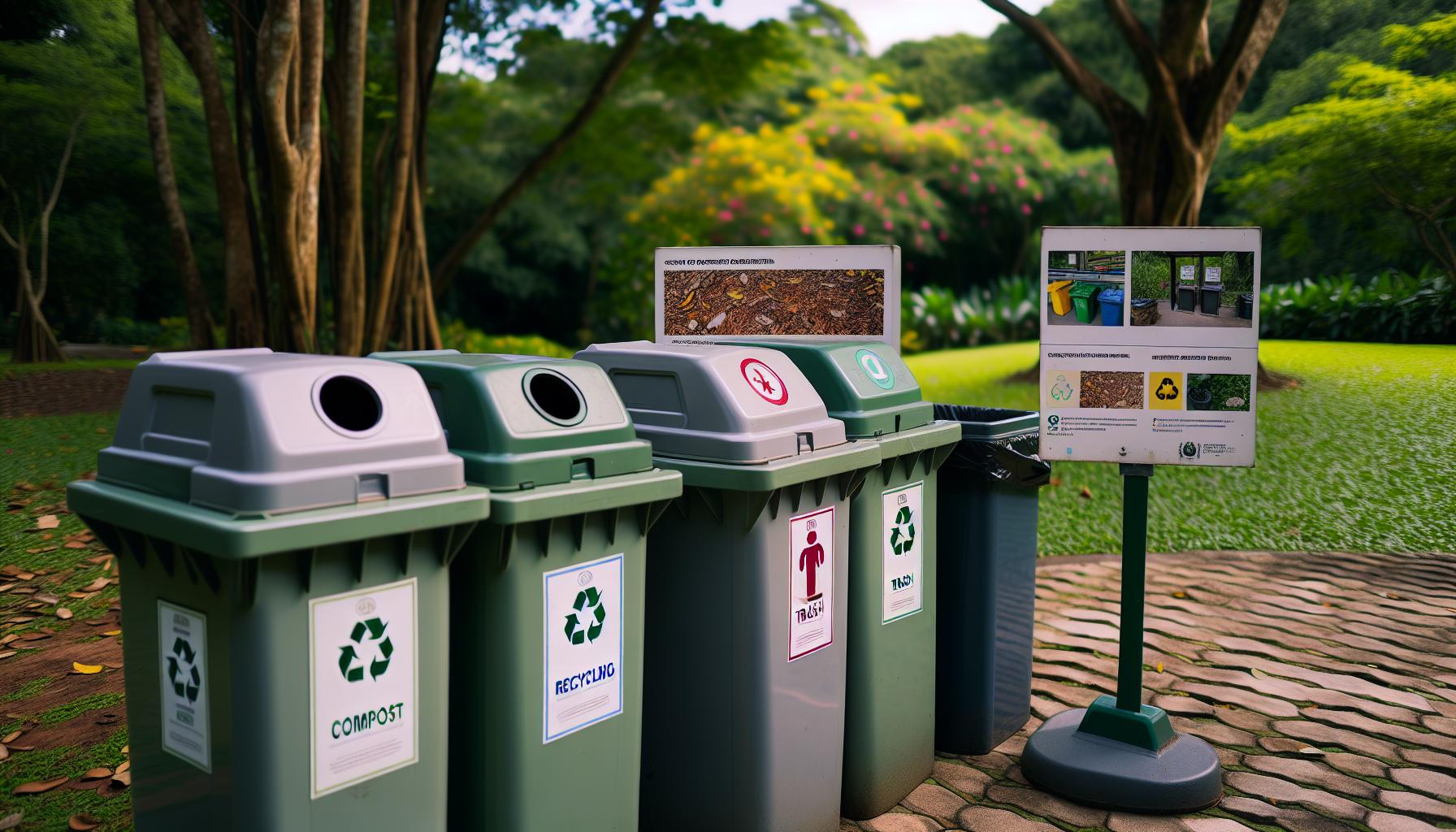
Alternatives to Flushing: Safe and Eco-Friendly Disposal Tips
many people underestimate how leftover rubbing alcohol can be managed responsibly without resorting to flushing it down the toilet or drain. Flushing may seem convenient, but there are several safer, environmentally friendly alternatives that help protect plumbing infrastructure and local ecosystems. Not only do these methods reduce harm,but they also often align with local disposal regulations and promote sustainability.
Use Local Hazardous Waste Collection Programs
One of the most effective ways to dispose of rubbing alcohol is by utilizing municipal or regional household hazardous waste (HHW) facilities. These programs are specifically designed to handle chemicals like isopropyl alcohol safely. By bringing your leftover rubbing alcohol in sealed and properly labeled containers to a designated drop-off site,you ensure it’s processed under controlled conditions-often through high-temperature incineration or chemical recycling methods that prevent environmental contamination. Many communities offer periodic collection events or permanent facilities; checking with your local environmental or waste management agency can help you find the nearest option.
Evaporation in a Controlled Environment
If only small amounts need disposal, allowing rubbing alcohol to evaporate naturally outdoors can be a practical option. Since isopropyl alcohol evaporates relatively quickly, pouring it into a wide, shallow container placed in a well-ventilated, shaded outdoor area can let it dissipate harmlessly over time. Always keep it away from direct sunlight, open flames, or enclosed spaces to prevent fire hazards and ensure proper air circulation. This method is ideal for quantities less than a few ounces and requires caution and patience, but it eliminates the risk of damaging plumbing or harming microbial sewage systems.
small Quantity Disposal with Dilution
For very minor spills or leftover amounts less than 50 ml,diluting rubbing alcohol with a large volume of water before disposal into a household sink (never a toilet) is sometimes acceptable in areas where it’s allowed by local regulations.dilution reduces the toxicity level entering the sewage system, mitigating damage to essential microbial communities. Always run plenty of water during and after pouring, and ensure the sink drains to a municipal sewage system with proper treatment capabilities.
Safe Handling and Storage to Minimize Waste
Preventing disposal needs through mindful purchasing and storage is an important strategy. Buying smaller quantities suitable for your typical use reduces leftover product. Additionally, tightly sealed bottles stored in cool, dark places can retain rubbing alcohol’s effectiveness longer, minimizing waste from evaporation or degradation.If the alcohol in your home remains usable, consider donating it to local clinics, community centers, or art programs that might utilize it within its shelf life.
- Avoid mixing rubbing alcohol with other household chemicals.
- Never pour rubbing alcohol on soil or into storm drains.
- Do not discard rubbing alcohol in regular trash unless guidance states it is indeed safe and allowed.
By adopting these alternatives, you contribute to environmental protection and community health while complying with disposal guidelines. Safe practices ensure that valuable water resources, local wildlife habitats, and municipal treatment systems remain unharmed by improper chemical disposal. Consider your local resources for hazardous waste, use evaporation or dilution methods responsibly, and always prioritize strategies that minimize chemical waste overall.
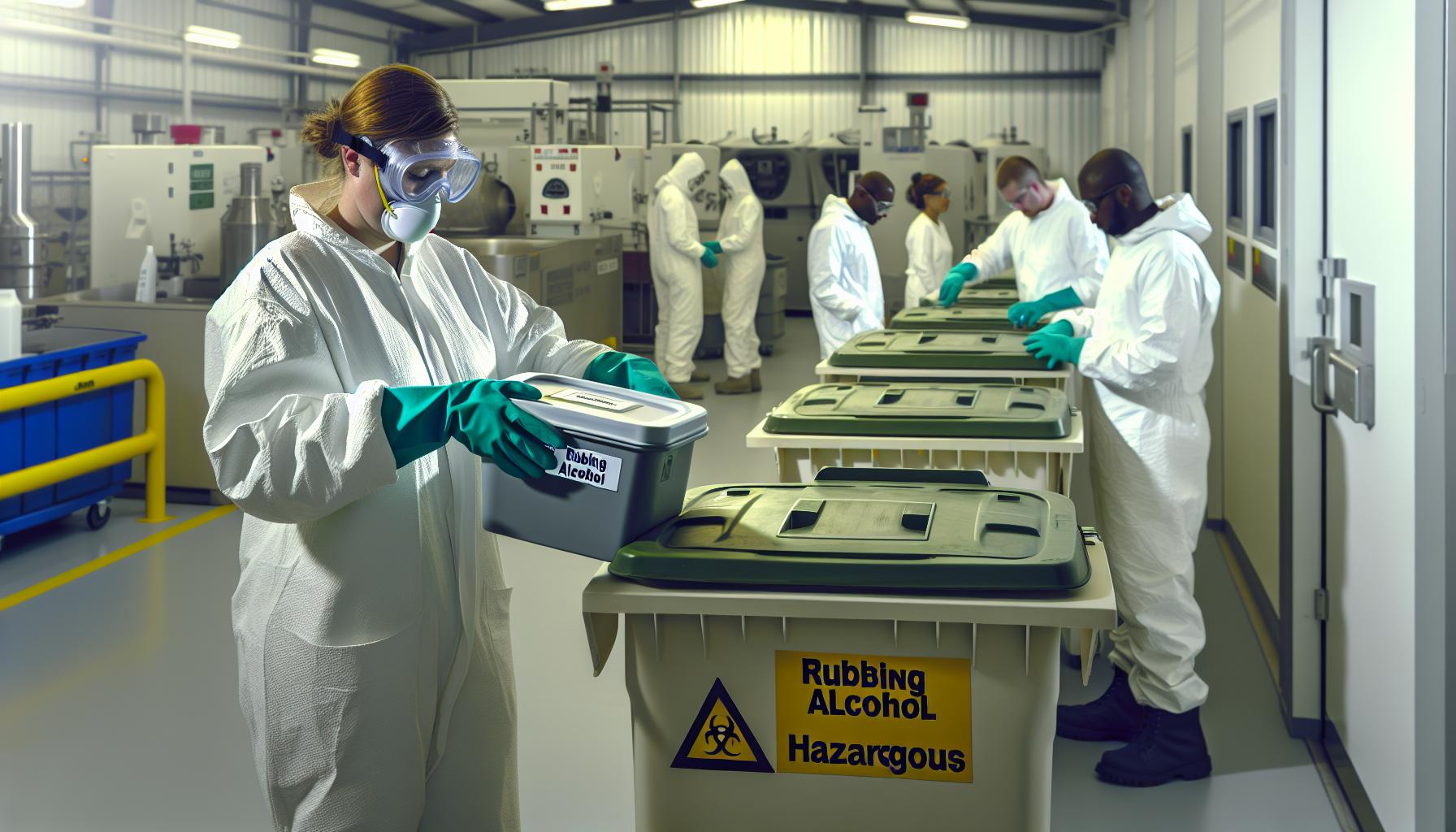
How Local Waste Services Handle Hazardous Liquids Like Rubbing Alcohol
Hazardous liquids like rubbing alcohol require specialized handling that goes far beyond standard trash or wastewater systems. Local waste services are equipped with dedicated programs designed to safely manage these substances, preventing environmental harm and protecting public health.Many communities operate Household Hazardous Waste (HHW) collection sites where residents can bring chemicals such as isopropyl alcohol for proper disposal. These facilities use controlled methods-often high-temperature incineration or chemical treatment-to neutralize harmful compounds without releasing toxins into water supplies or soil.
these collection programs typically accept rubbing alcohol in sealed containers, ensuring no accidental spills occur during transport or processing.Some municipalities organize periodic drop-off events, making it convenient for households to rid themselves of hazardous liquids responsibly. As regulations can vary widely across regions, waste services frequently enough provide online resources or hotline support to guide residents through local protocols. Utilizing these services not only ensures compliance with disposal laws but also significantly reduces the risk of damaging sewage systems or contaminating ecosystems.
In many cases, after collection, rubbing alcohol undergoes decomposition through thermal oxidation, effectively breaking down the chemicals into harmless byproducts such as carbon dioxide and water vapor.This processing eliminates potential threats to aquatic life or soil health that improper disposal could cause. Additionally, waste facilities may segregate rubbing alcohol from other hazardous wastes to optimize treatment methods tailored to the chemical’s specific properties. This approach showcases how local waste management systems apply expert knowledge and technology to safely handle what might or else be a dangerous pollutant.
- check with your local environmental or waste management agency to find available hazardous liquid drop-off locations.
- Always transport rubbing alcohol in tightly sealed, labeled containers to prevent spills and ensure proper handling.
- Do not mix rubbing alcohol with other household chemicals before disposal to avoid hazardous reactions during treatment.
- Ask about periodic hazardous waste collection events if permanent drop-off centers are not nearby.
By engaging with local waste services focused on hazardous materials, you play an essential role in fostering community health and environmental stewardship. This systemized approach to managing rubbing alcohol prevents contamination of water supplies, preserves the integrity of municipal sewage infrastructure, and safeguards wildlife habitats from chemical exposure. Whether through drop-off centers or specialized collection events, entrusting hazardous liquids to trained professionals is the most effective and responsible way to handle leftover isopropyl alcohol.
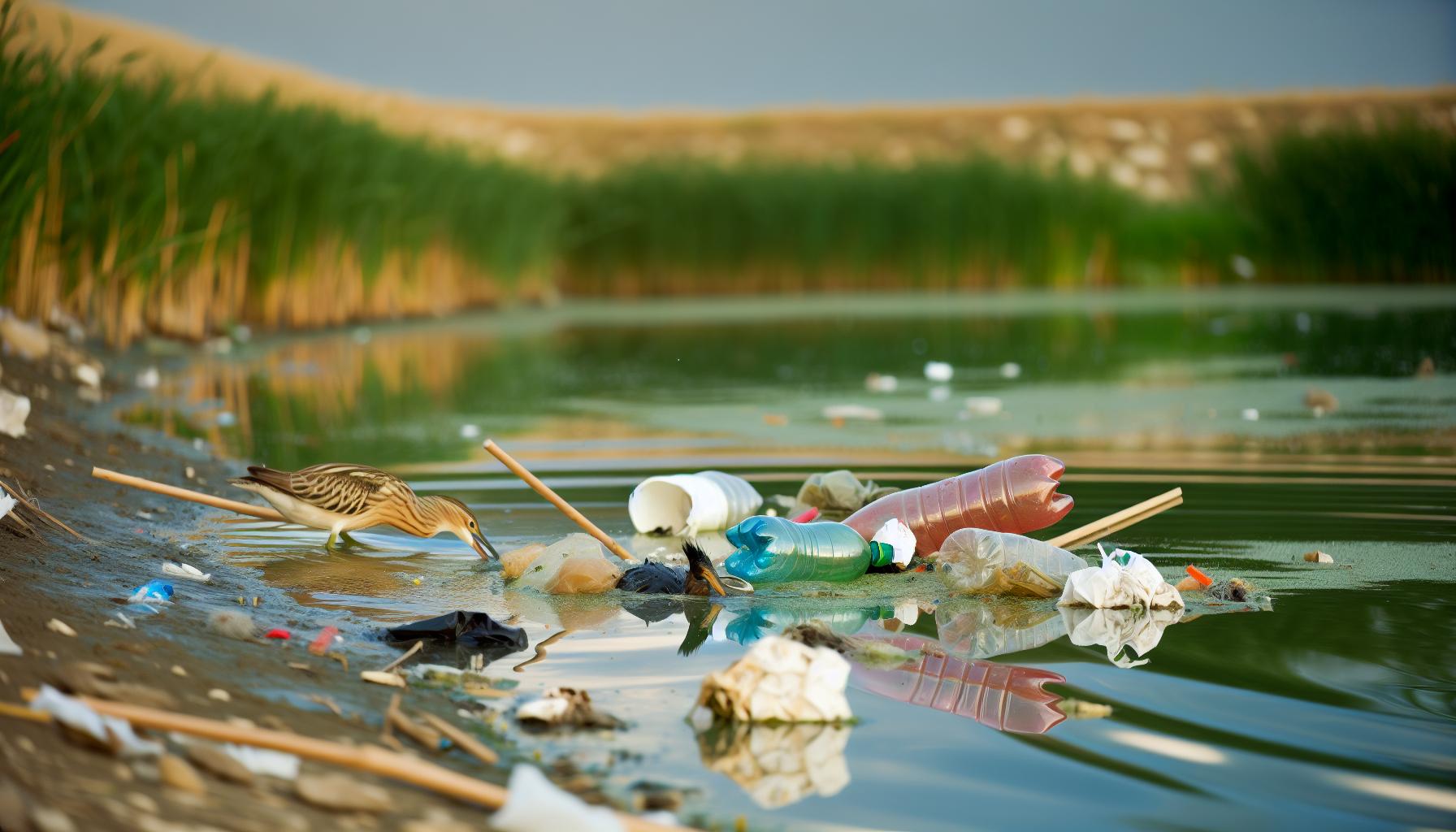
Impacts of Improper Disposal on water Supply and Wildlife
Improperly disposing of rubbing alcohol by flushing it down toilets or drains can have far-reaching consequences on both water quality and the delicate ecosystems that depend on it. Although isopropyl alcohol breaks down relatively quickly compared to some other chemicals, its presence in significant concentrations can overwhelm wastewater treatment processes. This can lead to contamination of natural waterways, affecting aquatic organisms and the broader environment.
When isopropyl alcohol enters sewage systems untreated or in large amounts, it can disrupt the balance of microorganisms essential for breaking down organic waste in wastewater treatment plants. This disruption decreases the efficiency of these systems, potentially allowing harmful pollutants to pass through and enter rivers, lakes, or groundwater. Such contamination can contribute to oxygen depletion in water bodies,triggering harmful algal blooms and endangering fish and other aquatic life. Moreover, as wildlife is sensitive to changes in water chemistry, even relatively dilute alcohol residues can cause stress or toxicity in amphibians, insects, and other species vital to ecosystem health.
Ripple effects on Wildlife and Ecosystems
The toxic impact on wildlife extends beyond aquatic environments. Birds and mammals relying on contaminated water sources may experience health issues or behavioral changes. For example, small amounts of isopropyl alcohol ingestion can irritate mucous membranes and affect neurological functions in animals that drink polluted water. Over time, bioaccumulation of contaminants can also pose risks to predators higher in the food chain. This highlights the importance of preventing even household quantities of rubbing alcohol from entering natural water systems.
Guidance for Responsible Disposal
To protect the water supply and wildlife, it is crucial to adhere to proper disposal methods for rubbing alcohol:
- Avoid pouring large volumes down toilets or drains. If disposal via plumbing is unavoidable, dilute small amounts substantially with plenty of water to minimize environmental impact.
- Use local hazardous waste collection programs. These services ensure isopropyl alcohol is handled with specialized treatment methods that neutralize contaminants before release.
- Never mix rubbing alcohol with other household chemicals before disposal, as this can create hazardous byproducts harmful to treatment processes and the environment.
By following these precautions, individuals can significantly reduce the potential damage to municipal water systems and safeguard the ecosystems that depend on clean, uncontaminated water.
Examples of Long-Term Consequences
Several studies and real-world incidents highlight how improper disposal can escalate:
| Impact | Description | Environmental Outcome |
|---|---|---|
| Wastewater Disruption | Toxic load exceeds microbial breakdown capacity | Reduced treatment plant efficiency, untreated discharge |
| Oxygen Depletion | Increased biological oxygen demand from alcohol decomposition | Fish kills and harmful algal blooms |
| Wildlife Toxicity | Direct exposure to alcohol-contaminated water | Health impairment and population decline in sensitive species |
Understanding these impacts reinforces why proper management of isopropyl alcohol waste is more than just a regulatory issue-it is integral to preserving water integrity and wildlife health for future generations.
Signs You’ve Disposed of Rubbing Alcohol Incorrectly
It’s not always immediately obvious when rubbing alcohol has been disposed of improperly, but certain environmental and household signs can hint that the chemical entered the waste system in a harmful way. Frequently enough,these indicators arise as isopropyl alcohol disrupts microbial communities in sewage treatment or contaminates local water sources,creating ripple effects that become noticeable over time.
One common signal is unusual odors emanating from drains or sewage treatment areas. Since isopropyl alcohol affects bacteria responsible for breaking down organic waste, you might detect a strong, chemical-like smell or a foul stench where microbial activity has been compromised. This nuisance odor suggests the treatment process is struggling with unexpected chemical loads.
Another warning sign is visible water quality changes near discharge points. If you notice increased turbidity, oily sheens, or sudden discoloration in nearby streams, rivers, or ponds, these could be reflections of inadequate breakdown of rubbing alcohol contaminants. Aquatic life decline-such as fish kills or absence of usual insect populations-is often associated with the toxic effects of improperly managed isopropyl alcohol in water systems.
Within your household plumbing, sluggish drainage or ongoing pipe corrosion may also indicate incorrect disposal.Isopropyl alcohol in large quantities can degrade pipe materials or alter the balance of bacteria responsible for maintaining clear sewage flow. Over time, this can lead to costly repairs or system backups.
Key Indicators of Improper Disposal
- Persistent chemical or alcohol-like odors around sinks, drains, or septic tanks
- Sudden changes in local water appearance, including cloudiness, sheen, or unexpected color shifts
- Noticeable decline in aquatic wildlife in nearby water bodies after disposal events
- Repeated plumbing issues such as slow drains or corrosion stemming from altered microbiological environments
Recognizing these signs early can help you adjust your disposal habits and avoid contributing to environmental and infrastructural damage. In many communities, local hazardous waste facilities offer guidance and services specifically for chemicals like rubbing alcohol. When in doubt, consulting professionals or municipal waste guidelines is the safest route to ensure your disposal methods do not inadvertently cause long-term problems.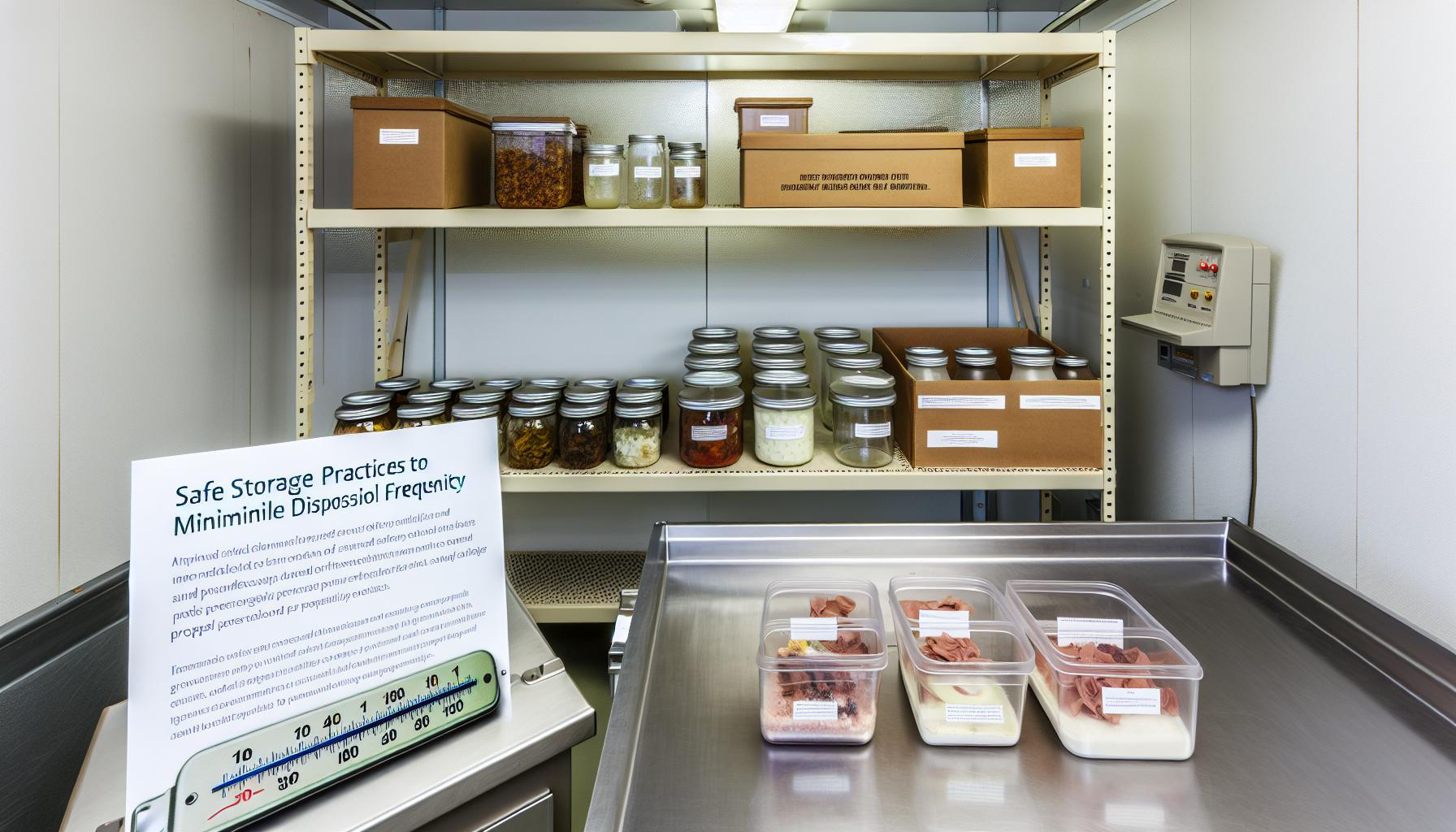
Safe Storage Practices to Minimize Disposal frequency
Many people don’t realize that how you store rubbing alcohol significantly impacts how often you need to dispose of it-and ultimately how safely it can be managed. Proper storage not only extends the usable life of isopropyl alcohol but also prevents accidental spills, which could create needless hazards or complicate disposal efforts. by adopting mindful storage habits, you reduce waste and lower the chances of having leftover quantities that require special handling or frequent disposal.
Choosing the right container is foundational.Always keep rubbing alcohol in its original, tightly sealed container or transfer it to a clearly labeled, airtight chemical-resistant bottle. Avoid using containers made of materials that can corrode or react with alcohol, such as certain plastics not designed for solvents. Storing it in a cool, dry, and well-ventilated place away from direct sunlight or heat sources slows evaporation and maintains its effectiveness over time. Many people overlook the fact that leaving containers loosely capped or in warm environments accelerates alcohol loss, resulting in more frequent need for replacements and eventual disposal of degraded product.
Tips to Maximize Shelf Life and Minimize Waste
- Keep containers upright and secure: Prevent leaks or spills that can pose fire risks or contaminate surfaces.
- Store away from ignition sources: Rubbing alcohol is flammable, so store it distant from flames, sparks, or electrical equipment.
- Use smaller bottles for frequent use: This limits exposure to air and contaminants, preserving larger bulk supplies.
- Label containers clearly: Include concentration and purchase date to monitor potency and know when it might be time to dispose.
- Regularly check storage areas: Look for leaks, damaged containers, or evaporated volumes to address problems early.
In households or workplaces where rubbing alcohol is used occasionally, consider buying smaller quantities that better match typical usage rates. This practice minimizes leftover alcohol that sits unused and eventually requires disposal. for example, a small travel-size bottle often suffices for first aid or cleaning, preventing the accumulation of large stocks that become waste.
In essence, intentional storage habits can dramatically reduce how frequently enough you find yourself needing to dispose of rubbing alcohol, lowering environmental risks and costs associated with its handling. Being proactive not only safeguards your immediate environment but also contributes to wider community efforts aimed at safer chemical management.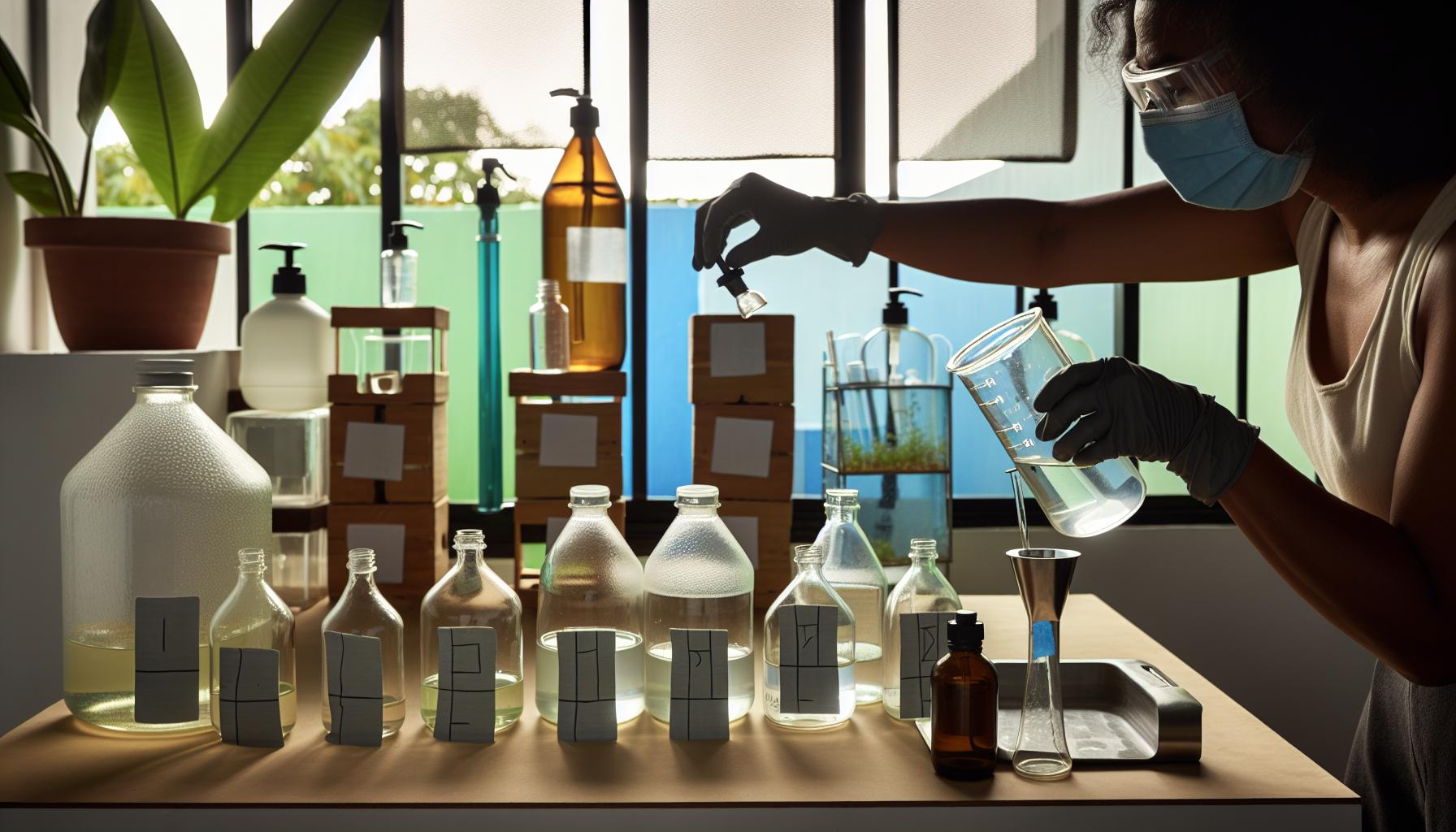
Recycling and Reuse Options for Leftover Isopropyl Alcohol
Leftover isopropyl alcohol doesn’t have to become waste destined for disposal, especially when you consider its versatile applications beyond common uses. Many people are unaware that isopropyl alcohol can often be reused or recycled within the home or workplace,reducing environmental impact and saving money.By exploring practical reuse strategies, you can extend the life of your remaining supply while minimizing the need to flush or discard it improperly.
One of the simplest ways to repurpose leftover isopropyl alcohol is by using it as a cleaning agent for electronics, glass surfaces, or stainless steel. Because it evaporates quickly and leaves no residue, it’s excellent for sanitizing screens, keyboards, and small mechanical parts. This reduces the demand to buy new bottles just for cleaning tasks. Additionally, diluted isopropyl alcohol solutions can safely disinfect household surfaces-just ensure concentration levels are appropriate for intended uses to avoid damage.
Creative Reuse Ideas for Leftover Isopropyl Alcohol
- Homemade disinfectant sprays: Combine isopropyl alcohol with distilled water in smaller spray bottles for convenient sanitizing around the home.
- Tool and brush cleaning: Use it to break down grease and disinfect paintbrushes or small hand tools.
- Aromatherapy blends: Mix with water and essential oils to create DIY room fresheners or cleaning sprays that dry quickly and sanitize simultaneously.
- Emergency fire starter: Saturate cotton balls or fabric scraps to keep as portable fire starters for camping or emergency kits.
For those with larger volumes of leftover rubbing alcohol, some communities offer recycling or take-back programs through hazardous waste disposal centers where chemical solvents are processed safely. These programs can sometimes reclaim isopropyl alcohol for industrial use or environmentally sound destruction, which prevents contamination of water systems or soil. If such local services exist, bringing sealed and clearly labeled containers to these centers is a responsible disposal alternative that contributes to sustainable chemical management.
Key Tips for Reuse and Safe Handling
- Check concentration before reuse: Over time, isopropyl alcohol can lose potency, especially if containers are not airtight. use a fresh sample for critical sanitization tasks.
- Avoid mixing with incompatible substances: Never combine with bleach or acids, as this can produce hazardous gases.
- Label reused containers: Clearly mark any bottles repurposed for cleaning or other uses to avoid accidental ingestion or misuse.
- Store in proper containers: Keep reused isopropyl alcohol in containers resistant to alcohol corrosion and away from heat or fire sources.
By viewing leftover rubbing alcohol as a resource rather than simply waste, you embrace a proactive approach toward sustainability. Not only does this practice reduce the environmental footprint associated with hazardous disposal, but it also encourages smarter consumption habits and promotes awareness about the responsible management of everyday chemicals.
Frequently Asked Questions
Q: How much isopropyl alcohol can I safely pour down the drain?
A: You can safely pour small amounts of isopropyl alcohol diluted to about 5% or less down the drain. Always follow it with plenty of water to help dilute and flush it through pipes. For larger quantities,use household hazardous waste disposal services to avoid environmental harm. See *Effective Household Methods for Disposing of Rubbing Alcohol* for detailed advice.
Q: Why should I avoid flushing high concentrations of isopropyl alcohol?
A: Flushing high concentrations of isopropyl alcohol can harm plumbing systems and disrupt wastewater treatment processes. It poses risks to aquatic life if it reaches natural water bodies. Always dilute or seek hazardous waste disposal options to ensure safe handling. Learn more in *Understanding Environmental Risks of Rubbing Alcohol Disposal*.
Q: What are the best alternatives to flushing rubbing alcohol at home?
A: Rather of flushing, you can store leftover rubbing alcohol safely, donate uncontaminated quantities, or take it to a local household hazardous waste facility. Avoid pouring large amounts down the drain to protect the environment and comply with regulations. Refer to *alternatives to Flushing: Safe and Eco-Friendly Disposal Tips* for practical options.
Q: How do local waste services typically handle isopropyl alcohol disposal?
A: Many local waste management programs accept isopropyl alcohol as hazardous waste during special collection events or at designated drop-off centers. Contact your city’s waste department for guidelines and locations.Proper disposal ensures compliance and environmental safety.Check *how local Waste Services Handle Hazardous Liquids Like Rubbing Alcohol* for more info.
Q: Can pouring water after rubbing alcohol help reduce environmental impact?
A: Yes, pouring water after a small amount of rubbing alcohol helps dilute it, reducing its concentration in sewage systems and minimizing environmental damage. However, this method is only for low volumes (around 5% concentration or less).For larger volumes, consider hazardous waste disposal. See *Dos and Don’ts: What Not to Do When Disposing Isopropyl Alcohol* for guidance.
Q: When is it necessary to take rubbing alcohol to a hazardous waste disposal site?
A: if you have large volumes of rubbing alcohol or if it’s contaminated by other chemicals, you should take it to a household hazardous waste disposal site. This prevents environmental contamination and follows local disposal regulations. Visit *Official Guidelines and Regulations for Isopropyl Alcohol Disposal* for detailed instructions.
Q: What signs indicate improper disposal of rubbing alcohol in residential plumbing?
A: Signs include unusual odors from drains, slow drainage, or damage to plumbing fixtures.These can result from alcohol disrupting septic systems or reacting with pipe materials. If you notice these,reduce alcohol disposal into sinks and consider professional inspection. Learn more in *Signs You’ve Disposed of Rubbing Alcohol Incorrectly*.
Q: How can safe storage of isopropyl alcohol reduce frequent disposal needs?
A: Safely storing isopropyl alcohol in sealed, labeled containers away from heat and direct sunlight helps extend its usability and reduce the need for disposal. This practice minimizes waste and lowers environmental risks. See *Safe Storage Practices to Minimize Disposal Frequency* for tips on prolonging shelf life.—
For comprehensive insights, explore the main article sections, and consider consulting local regulations for the best practices in your area. Staying informed ensures *safe, responsible*, and *environmentally friendly* rubbing alcohol disposal.
Final Thoughts
Proper disposal of rubbing alcohol is essential not only for safety but also for protecting the environment. Now that you understand why flushing isopropyl alcohol down the drain is discouraged and what safe disposal methods to follow, you can confidently handle leftover products without worry. To explore more about household chemical safety or tips on eco-friendly cleaning, check out our guides on safe chemical disposal and green cleaning alternatives.
If you’re interested in staying informed about practical safety tips and responsible home maintenance, consider subscribing to our newsletter for regular updates.Have questions about other common household items or disposal concerns? Drop a comment below or visit our detailed article on hazardous waste management to keep learning. Taking these smart steps today ensures you’re not only compliant with disposal rules but also contributing to a cleaner, safer environment.
Remember, knowing how to responsibly discard rubbing alcohol and similar substances protects both your home and community. For more expert advice and trusted resources, keep exploring our site and join our engaged community of proactive homeowners and safety-conscious readers.


