Can You Flush Latex Gloves? Protective Gear Disposal
Did you know that flushing latex gloves down the toilet can cause significant plumbing and environmental problems? With the growing use of protective gear, especially latex gloves, understanding the proper way to dispose of them has become more vital than ever. Many people wonder if it’s safe or even acceptable to flush these gloves, but the answer isn’t straightforward.Improper disposal can clog pipes, harm wastewater treatment systems, and contribute to pollution. If you’ve found yourself asking, “Can you flush latex gloves?” this guide will clarify why it’s crucial to handle this common protective item responsibly. by learning the right disposal methods, you can protect your home’s plumbing and help reduce environmental impact-ensuring your safety gear doesn’t become a safety hazard in other ways. Keep reading to discover practical, easy-to-follow tips for disposing of latex gloves safely and sustainably.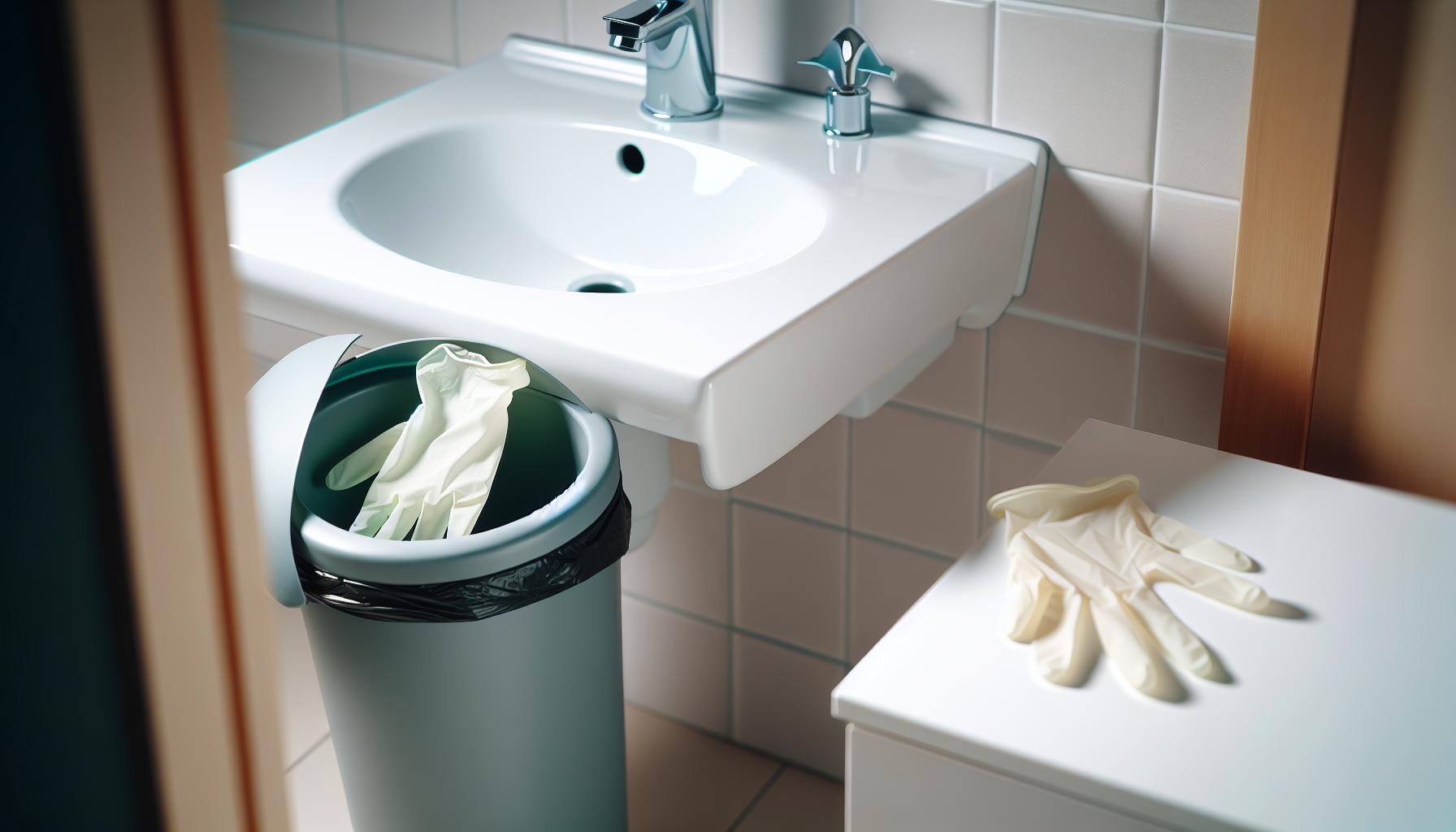
Can you Really Flush Latex Gloves Safely?
Latex gloves, often used for medical, cleaning, or food-handling purposes, might seem like convenient items to flush away after use, especially during busy or urgent moments. However, despite their seemingly disposable nature, flushing latex gloves is far from a safe or environmentally sound practice. Unlike toilet paper, which is specifically designed to break down quickly in water, latex gloves are made from durable rubber materials that do not easily dissolve or degrade in plumbing systems.
Flushing latex gloves can lead to serious blockages in household pipes and municipal sewer systems. Because these gloves retain their form and do not biodegrade rapidly, they often accumulate alongside other non-flushable items-causing costly clogs and damage.Moreover,once flushed,latex gloves enter wastewater treatment plants,where they can disrupt machinery or contribute to solid waste buildup,increasing the burden on already strained infrastructure.
- Immediate plumbing issues: Gloves can become lodged in pipes, leading to backups or overflows inside homes.
- Environmental concerns: They do not break down easily and can persist through water treatment, potentially releasing microplastics or chemicals into waterways.
- Waste management challenges: They complicate sorting and processing at sewage plants, raising operational costs and risks of malfunction.
From both a practical and environmental standpoint, this makes flushing latex gloves an unsafe option. Instead, gloves should be disposed of in regular trash unless otherwise specified by local hazardous waste guidelines, especially if contaminated. Following proper disposal steps protects both your plumbing and broader ecological health.
If convenience is a concern,setting up a designated disposal bin for used gloves or utilizing community hazardous waste programs can be an effective way to manage protective gear safely. Some regions offer special collection services for protective equipment, ensuring gloves are handled in a way that minimizes environmental impact and public health risks [[1]](https://recycleright.org/its-now-easier-than-ever-to-dispose-of-your-household-hazardous-waste/) [[2]](https://www.columbus.gov/Services/Trash-Recycling-Bulk-Collection/Household-Trash-Collection/Household-Hazardous-Waste-Collection). Remember, the perceived ease of flushing does not outweigh the potential harm caused down the line-responsible glove disposal is key to sustaining plumbing health and environmental safety.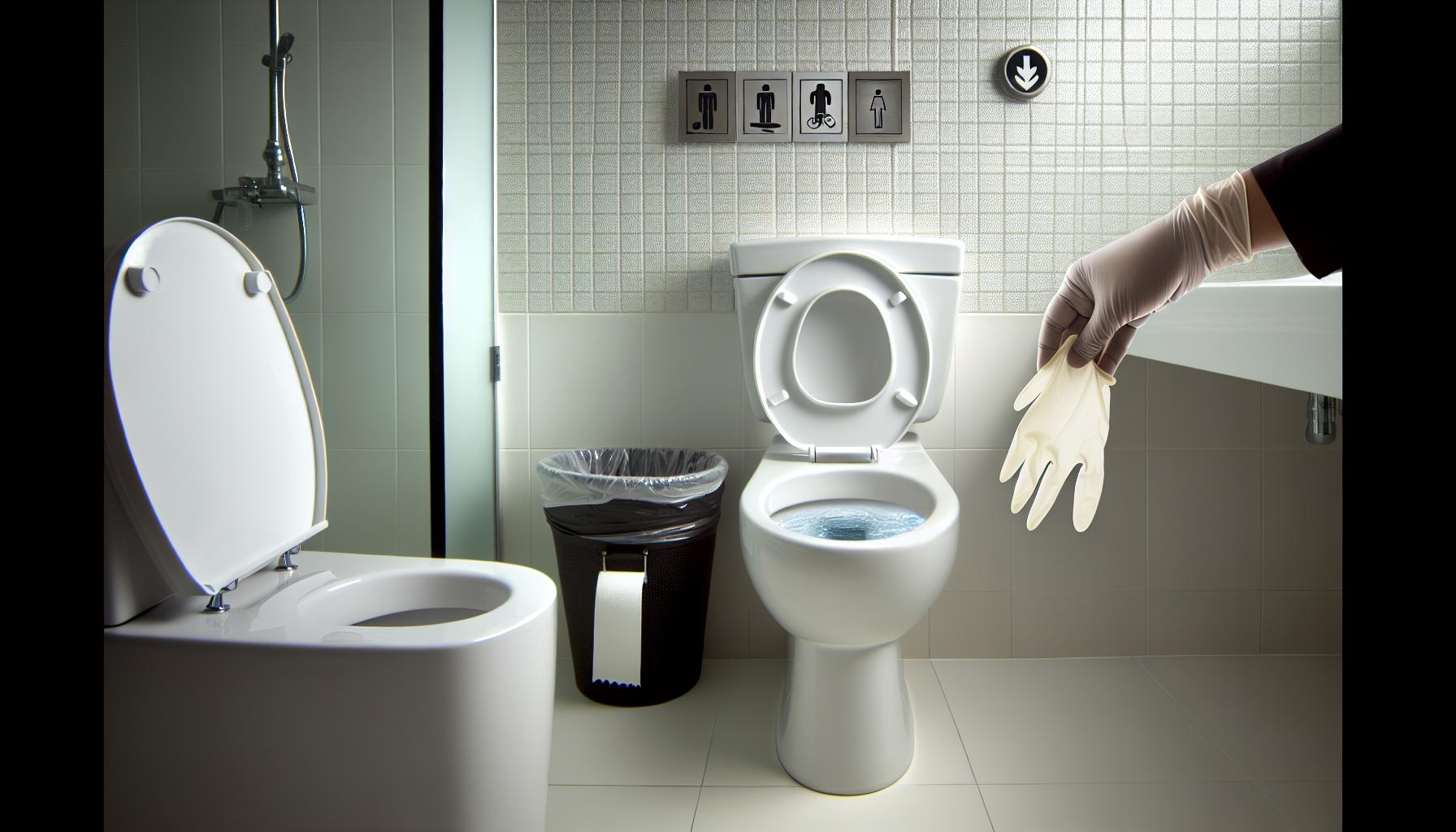
Environmental Impact of Flushing Latex Gloves
Latex gloves might seem harmless once flushed down a toilet,but their environmental footprint tells a much different story. These gloves, made primarily from natural or synthetic rubber, are designed for durability and resistance rather than quick disintegration. consequently, when flushed, they frequently enough survive the journey through household plumbing and municipal sewer systems, only to become persistent pollutants in aquatic ecosystems.
Once in waterways, latex gloves contribute to the growing problem of plastic and rubber pollution. Unlike biodegradable organic materials, these gloves break down very slowly, if at all, as environmental conditions in wastewater and natural bodies of water are insufficient to decompose them efficiently. Over time, sunlight, mechanical abrasion, and microbial action can fragment these gloves into smaller particles, leading to microplastic contamination - a known threat to aquatic wildlife and potentially human health. Fish and other organisms may ingest glove fragments mistakenly, causing physical harm or introducing toxic substances bound to the rubber’s chemical additives into the food chain.
Long-Term Ecological consequences
Flushing latex gloves adds to the cumulative environmental burden faced by natural water systems. Wastewater treatment plants are not equipped to filter out all glove residues, allowing some to enter rivers, lakes, and oceans. These materials can persist in sediments and disrupt habitats, impacting biodiversity and the balance of aquatic ecosystems. Additionally, the rubber and synthetic compounds in gloves may leach harmful chemicals over time, contributing to water pollution that is challenging to remediate.
Human and Infrastructure Impact
Besides ecological concerns, flushed gloves pose a costly problem for municipal infrastructure. Wastewater facilities must expend additional resources to remove these stubborn waste items, which can increase energy consumption and operational costs. Blockages caused by aggregated gloves and other non-biodegradable materials can lead to sewage overflows,increasing public exposure to untreated waste and associated health risks.
- Persistence: Unlike organic waste, gloves don’t break down quickly, leading to accumulation in water bodies.
- chemical Leaching: Gloves may release additives harmful to aquatic life.
- Microplastic Formation: Breaking into smaller particles, gloves contribute to microplastic pollution.
- Increased Treatment Load: Additional strain on water treatment systems raising costs and energy use.
the is substantial and multifaceted.Choosing properly designated disposal methods helps safeguard environmental health and reduces the hidden costs to water infrastructure. Ultimately, preventing gloves from entering wastewater streams is a simple yet powerful act that supports broader ecological and human well-being.
why Flushing Gloves Clogs Plumbing Systems
Flushing latex gloves might seem like a convenient way to dispose of them, but it can create serious problems within household plumbing and municipal sewer systems. unlike toilet paper or organic waste, latex gloves do not break down quickly. Their durable, elastic material often remains intact as they navigate sharp bends and narrow pipes, increasingly prone to snagging on rough surfaces or other debris. Over time, flushed gloves can intertwine with other non-flushable items, forming dense clogs that restrict water flow, leading to backups and costly plumbing repairs.Another factor contributing to plumbing issues is the glove’s tendency to retain its shape and elasticity even when subjected to water pressure and friction. This persistence means gloves can act like tiny nets, trapping other solids and causing blockages to grow larger and more difficult to clear. In homes with septic systems, these blockages can disrupt the entire wastewater treatment process, leading to system failures that require professional servicing – often at a high cost and inconvenience.
Practical Insights for Homeowners and Facilities
For those wondering why gloves cause such stubborn clogs, consider how the internal diameter of common wastewater pipes is often just a few inches wide. When a glove folds or bunches as it passes through, it can wedge in place, especially near pipe joints or bends. Over days or weeks, the accumulation of additional debris-including grease, hair, and other flushable items-around trapped gloves can create full obstructions. These blockages have unluckily been a common culprit behind blocked drains and sewer backups in both residential and commercial buildings.To avoid these issues, it’s best to treat latex gloves like other non-flushable waste such as sanitary products or plastics. Rather of flushing, gloves should be disposed of in regular trash bins or collected for specialized waste management if contaminated. This small step protects home plumbing and municipal infrastructures from preventable damage and contributes to smoother wastewater flow across entire cities.
- Material durability: Latex gloves remain intact and elastic, resisting breakdown in pipes.
- Shape retention: Gloves can stretch and fold, causing snag points inside plumbing.
- Aggregate formation: gloves trap other debris,worsening clogs and blockages.
- Costly consequences: Blockages lead to expensive repairs and potential health hazards.
Taking actions like these protects both personal property and community sanitation systems, reinforcing why flushing latex gloves is strongly discouraged. Proper disposal promotes longevity of plumbing and wastewater infrastructure and prevents the unpleasant consequences associated with clogged and overflowing pipes.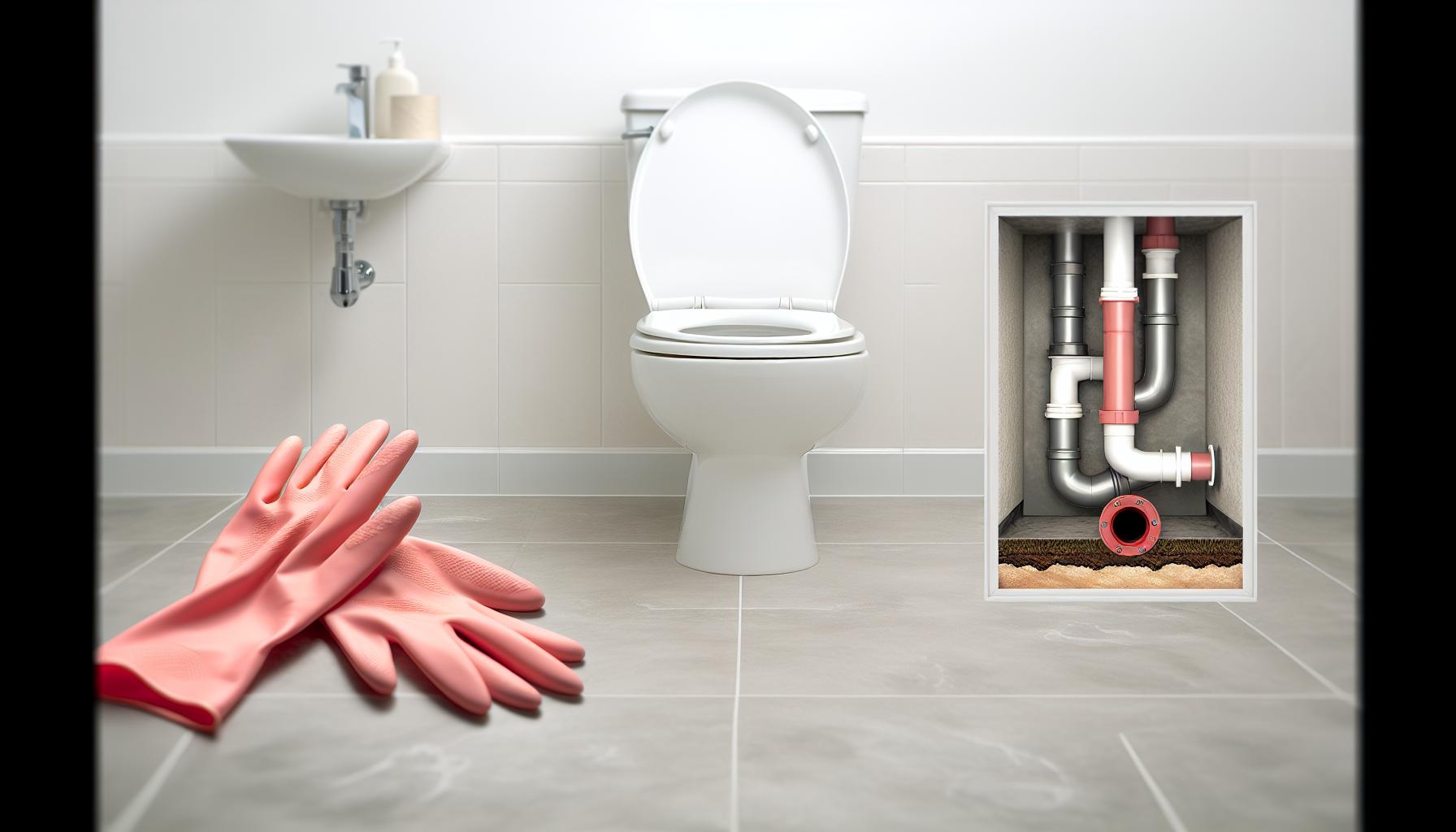
Proper Disposal Methods for Latex Gloves
Latex gloves, while essential for hygiene and protection, require mindful disposal to avoid environmental damage and plumbing issues. A surprisingly effective approach is to treat them as non-flushable waste-meaning they belong in the trash, not the toilet. This simple step preserves both household plumbing and municipal wastewater treatment facilities from costly blockages and operational disruptions caused by the gloves’ resilient material.
When disposing of latex gloves, it’s important to first assess whether they have been contaminated by hazardous or infectious materials. For gloves used in medical settings, or those potentially exposed to bodily fluids or chemicals, it is crucial to follow local biomedical waste regulations which often mandate sealed and clearly labeled hazardous waste bins or specialized collection services. For general household use, placing gloves neatly inside a tied plastic bag before discarding in the regular waste bin helps contain any residual contaminants and minimizes litter risk.
Best Practices for Safe and Responsible Disposal
- do not flush gloves: As detailed previously, their elastic nature leads to plumbing clogs.
- Use sealed bags for disposal: This prevents residue leakage and reduces contamination risk.
- Separate contaminated gloves: When applicable, utilize designated hazardous waste containers or follow guidance from local health authorities.
- Avoid littering: Gloves discarded carelessly outdoors pose environmental hazards to wildlife and ecosystems.
In some regions, facilities offer specialized recycling or take-back programs for nitrile and latex gloves, but these are not globally prevalent, and gloves often require decontamination before they qualify. In healthcare environments,large-scale waste management providers handle segregation,sterilization,and disposal to comply with environmental and safety standards.
For individuals looking to minimize glove waste, consider using gloves sparingly where possible and opting for reusable, washable glove alternatives for tasks that do not involve contamination risks. This strategy reduces landfill burden and environmental impact over time.
By following these straightforward yet effective steps, users not only protect their own plumbing but also contribute to broader efforts aimed at reducing waste accumulation and environmental pollution associated with disposable protective gear.
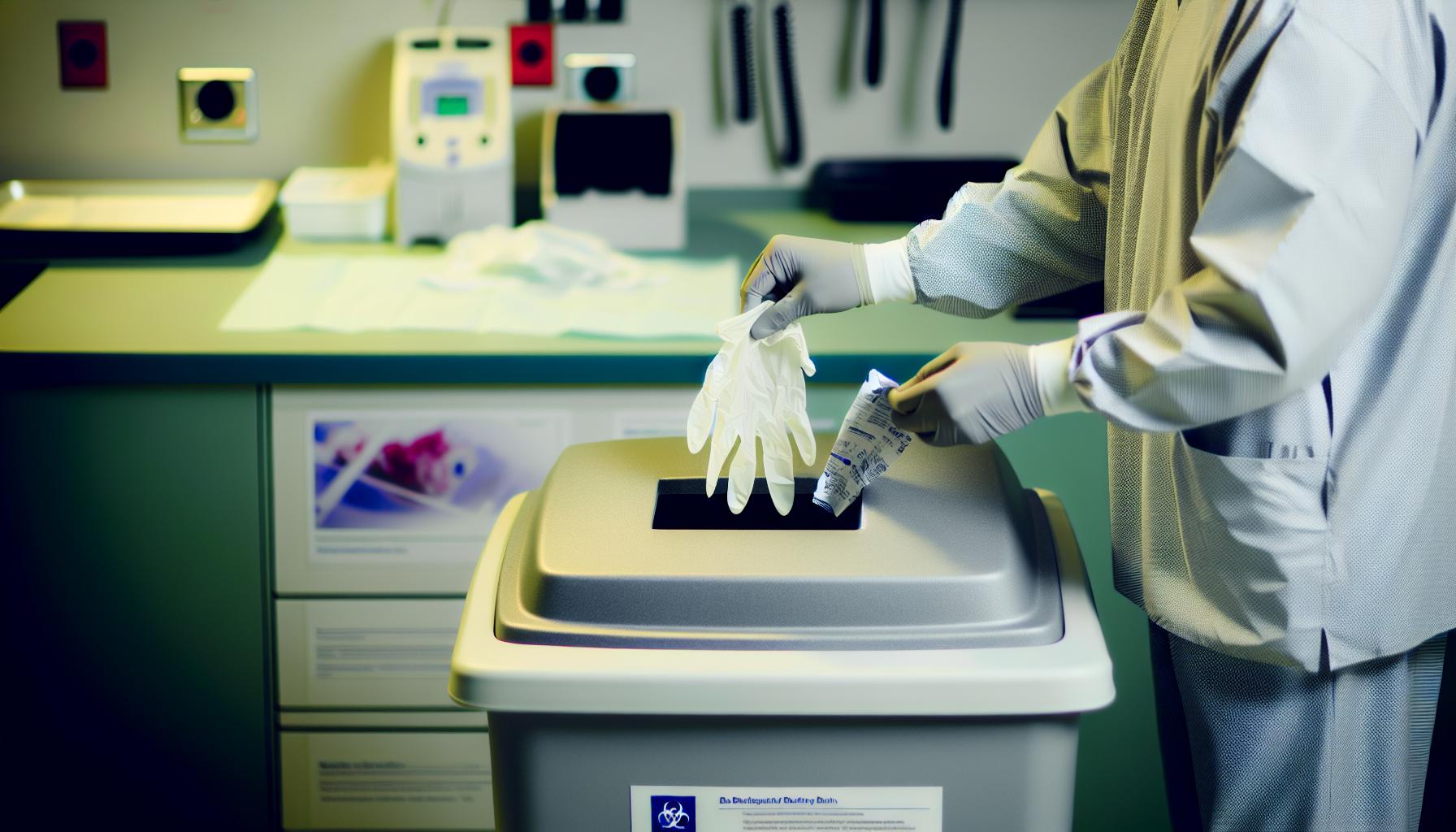
How to Dispose of Gloves During Health Crises
In times of health emergencies, such as pandemics or widespread infectious outbreaks, the volume of disposable glove use surges dramatically, making proper disposal more critical than ever. Gloves contaminated with pathogens can pose a significant risk not only to household members but also to sanitation workers and the wider community if not handled carefully. Unlike routine household waste, contaminated gloves must be managed as potentially biohazardous material to prevent cross-contamination and reduce the spread of infection.
For individuals disposing of gloves at home during a health crisis, it’s vital to treat used gloves as hazardous waste. Instantly after removal,gloves should be turned inside out and placed carefully into a strong,sealable plastic bag. This bag should than be securely tied to prevent leakage or accidental exposure. The sealed bag belongs in the regular trash if your local regulations do not provide specific guidance or special collection services. Under no circumstances should gloves be flushed down toilets-the risk of plumbing blockages is compounded by the potential spread of contaminants through wastewater systems, further endangering public health infrastructure.
Guidelines for Safe Glove Disposal During Health emergencies
- Containment: Use double-bagging if gloves are heavily soiled to enhance containment of biological waste.
- Labeling: Where possible, mark glove waste bags as “medical waste” to alert waste handlers and reduce risk.
- Local Regulations: Always check for and follow official health department instructions on domestic hazardous waste disposal, as many areas establish specific drop-off points or temporary collection services during crises.
- Minimize Contact: Avoid touching the glove exterior during removal, and wash hands thoroughly after disposal to maintain personal safety.
Healthcare facilities and care homes typically have strict protocols involving the segregation of glove waste into clearly labeled biohazard bins, followed by professional collection and incineration or sterilization to neutralize infectious agents. These procedures ensure that contaminated gloves are not released into standard waste streams or the surroundings, safeguarding both workers and ecosystems.
in community settings,education remains key. Clear communication about why gloves should never be flushed-and how to safely bag and discard them-can reduce improper disposal habits drastically. For instance, during the COVID-19 pandemic, many municipalities issued guidelines emphasizing sealed disposal to mitigate contamination risks while discouraging flushing or outdoor littering.By adopting these responsible practices, both individuals and institutions can contribute considerably to public safety and environmental protection during health crises, affirming that proper disposal habits matter as much as the gloves themselves in controlling infection spread.[1] [2]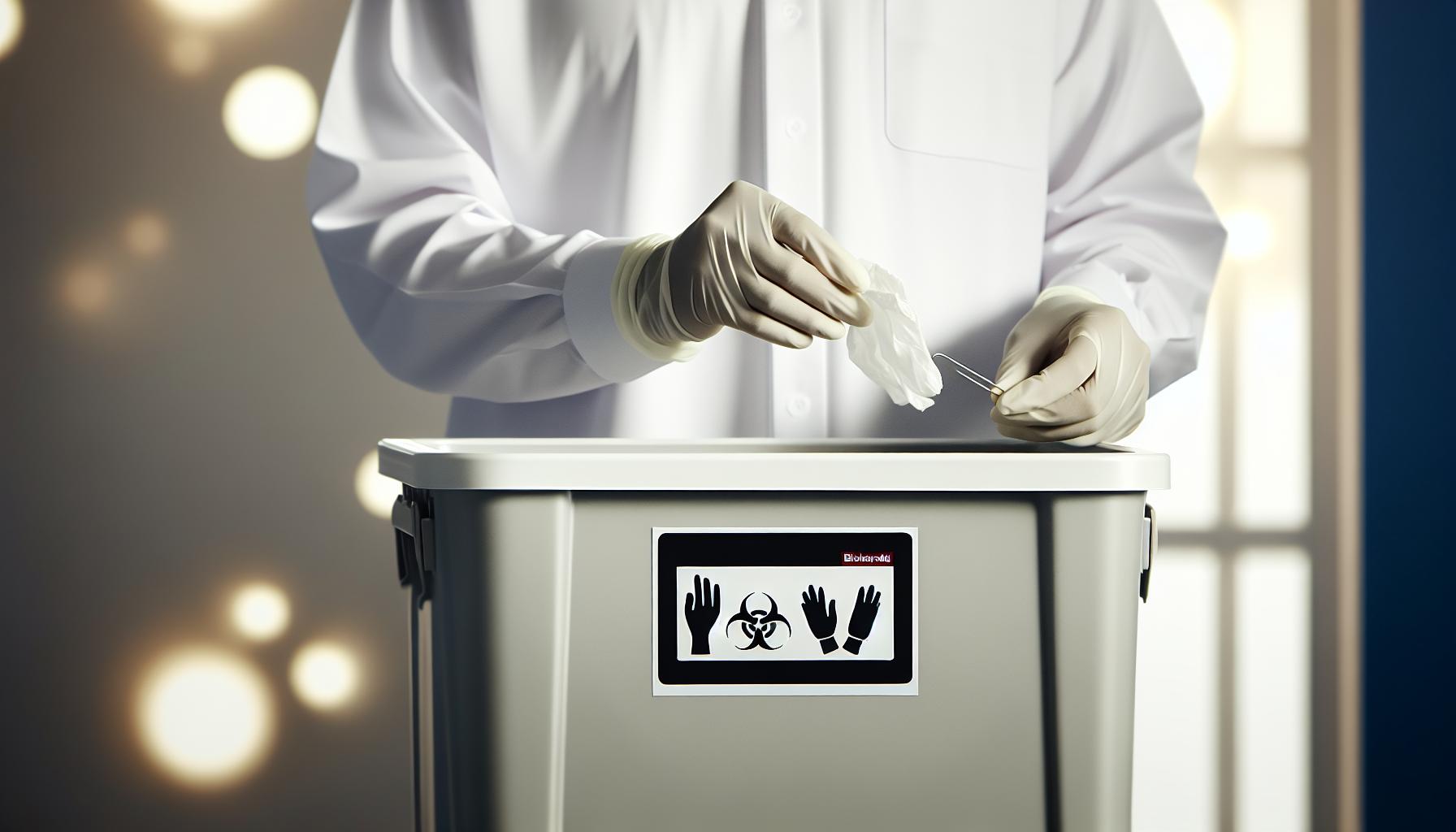
Comparing latex Gloves to Other Disposable Gloves
Latex gloves have been a staple in both medical and everyday protective gear for decades, but they are far from the only option available. When considering disposal methods, understanding how latex compares to other disposable glove materials-like nitrile and vinyl-can clarify why certain types are more prone to environmental and plumbing issues if flushed or discarded improperly.
Latex gloves, made from natural rubber, are prized for their elasticity, fit, and biodegradability compared to synthetic alternatives. However, their natural origin doesn’t mean they break down quickly in all environments-especially in water systems where low oxygen levels slow decomposition. In contrast, nitrile gloves, made from synthetic rubber, offer stronger chemical resistance and durability but are not biodegradable and pose greater environmental persistence. Vinyl gloves, derived from polyvinyl chloride (PVC), are less elastic and durable but often cheaper; they also degrade very slowly and can release harmful plasticizers into ecosystems if not disposed of responsibly.
| Glove type | Material Origin | Durability & Flexibility | Biodegradability | Environmental concerns |
|---|---|---|---|---|
| Latex | Natural rubber | High | Moderate (slow in water) | Allergic reactions; accumulates in plumbing if flushed |
| Nitrile | synthetic rubber | Very high | Minimal | Persistent plastic waste; harder to break down |
| Vinyl | PVC-based | Low to moderate | Minimal | Contains plasticizers; environmental toxins on degradation |
Due to their construction, latexes tend to clog plumbing systems more severely if flushed. Their sticky, elastic nature causes them to cling inside pipes, leading to blockages that require costly repairs. Nitrile and vinyl gloves, being less stretchy but more rigid, can also cause similar issues but may behave differently when caught in pipes. Irrespective of type, no disposable glove should be flushed since all contribute to plumbing complications and environmental contamination.
From an eco-conscious standpoint,latex gloves have an edge because they partially biodegrade,especially when composted under controlled conditions.This biodegradability, tho, does not extend to wastewater systems or sewer environments, where glove decomposition is slow and problematic. Meanwhile, nitrile and vinyl gloves lack biodegradability, so they persist in landfills or waterways, making responsible disposal even more critical.
- Practical Tip: When choosing gloves for frequent use, consider your disposal options-latex is preferable if proper biomedical disposal or industrial composting is available.
- remember: No disposable glove should be flushed under any circumstances, as all types risk plumbing damage and environmental harm.
- During health crises, adhere strictly to recommended disposal protocols to avoid cross-contamination and infrastructure strain regardless of glove material.
Understanding these distinctions empowers users to make informed choices about glove use and disposal, ensuring protective gear serves its purpose without unintended environmental or infrastructural consequences. For more insights on responsible glove disposal,including recycling programs and waste management,consulting your local regulatory guidance is always essential[2].
Recycling and Biodegradability of Latex Gloves
Latex gloves stand out in the disposable glove market due to their partially biodegradable nature, which offers a glimmer of hope for reducing environmental impact when compared to synthetic alternatives. Made from natural rubber, latex gloves can break down over time through microbial action, but this process depends heavily on the disposal environment.In aerobic, industrial composting facilities where oxygen levels and temperatures are optimized, latex gloves have a better chance to decompose effectively and return to the ecosystem as organic matter. Though, in landfills or aquatic environments like sewers and wastewater systems, decomposition slows dramatically due to low oxygen and cooler temperatures, prolonging their presence in the environment.
Why Recycling Latex Gloves Is Challenging
Despite their natural origin, recycling latex gloves is not straightforward. The presence of additives, pigments, and potential contamination from use-especially in medical or industrial settings-limits the feasibility of recycling them through conventional systems. Moreover, most municipal recycling programs do not accept gloves as recyclable materials, primarily because they pose sanitation risks and complicate sorting processes. Specialized programs or industrial composting facilities are required to handle used latex gloves properly, but these services are not widely accessible to all consumers or businesses.
Practical Tips for Managing Used Latex Gloves
To minimize environmental harm, consider these actionable steps:
- Use Gloves Judiciously: Reserve disposable latex gloves for necessary tasks to reduce waste.
- seek Industrial Composting: If available, send used gloves to certified composting facilities designed to break down natural rubber products safely.
- Consult Local Guidelines: Many regions offer hazardous or medical waste collection services where gloves can be disposed of appropriately without contaminating recycling streams or landfills.
- Avoid Flushing or Trash Disposal: Never flush gloves or throw them loose in household trash to prevent plumbing issues and environmental contamination.
Some innovative companies and researchers are exploring ways to recycle or upcycle latex gloves through processes like devulcanization-a chemical method that reverses rubber vulcanization to recover reusable latex material. While this technology isn’t yet mainstream, its development points to a future where latex glove waste might become a resource rather than a liability.
Balancing Biodegradability with Practicality
While natural latex gloves offer an environmental advantage in theory, real-world conditions often limit these benefits. Their biodegradability should not be seen as a free pass for careless disposal, especially flushing, which leads to plumbing clogs and wastewater contamination.Instead,proper disposal combined with evolving recycling technologies can improve the overall sustainability of latex gloves as a protective gear choice.
| Factor | Details |
|---|---|
| Biodegradability | Moderate; effective primarily in industrial composting settings, slow in natural or aquatic environments |
| Recycling Feasibility | Low in standard municipal programs; potential in specialized rubber recycling or devulcanization |
| Environmental Risk if Flushed | High; causes pipe blockages and extended contamination in wastewater systems |
| Recommended disposal | Industrial composting, hazardous waste collection, or controlled medical waste management |
Understanding these nuances empowers users to make smarter decisions, balancing the practical benefits of latex gloves with their environmental responsibilities. Choosing latex gloves with disposal infrastructure in mind, and supporting innovations in glove recycling, can ultimately help reduce the ecological footprint of this widespread protective gear.
Legal Regulations on Disposing Protective Gear
Disposing of protective gear like latex gloves is subject to a patchwork of laws and regulations that vary widely depending on the country, state, or even municipality. What may seem like a simple task-tossing a disposable glove-can actually carry significant legal implications, especially when the gloves have been used in healthcare, food service, or industrial contexts. Many regulations aim to mitigate health risks, prevent environmental contamination, and alleviate damage to infrastructure, such as plumbing and wastewater systems.
In some regions, the use and disposal of natural rubber latex gloves face explicit restrictions. As an example, certain states or sectors prohibit the use or disposal of latex gloves in ways that could trigger allergic reactions or spread contamination. Rhode Island, for example, enforces a prohibition on the use of both nonsterile and sterile natural rubber latex gloves in retail food establishments, detailing that businesses must comply with local health safety codes[[1]](https://latexallergyresources.org/sites/default/files/article-attachments/Rules_and_regulations.pdf). Such legal frameworks often extend to disposal methods, mandating that contaminated gloves be treated as medical or hazardous waste and disposed of through controlled channels rather than household trash or flushing.
key Regulatory Themes to Know
- Prohibition of Flushing: Virtually all health and environmental guidelines advise against flushing any kind of gloves. Flushing is both a plumbing hazard and an environmental threat that can lead to costly blockages and ecological damage in wastewater treatment plants and natural waterways.
- Classification as Medical Waste: Gloves used in clinical or potentially infectious scenarios are typically classified as medical waste. This designation legally requires disposal through licensed biomedical waste handlers, with strict protocols for containment, transport, and treatment.
- Food Service Compliance: Food safety laws often prohibit latex gloves altogether due to allergy risks, encouraging use of nitrile or vinyl alternatives. Disposal is regulated to reduce cross-contamination and maintain sanitation standards.
- Environmental Hazards and Local Ordinances: Some jurisdictions have enacted rules that address environmental harms specifically tied to disposable gloves, including bans or limits on disposable glove use and requirements for proper disposal to avoid plastic pollution.
Practical Advice to Meet Regulatory Expectations
Given the regulatory complexity, the best approach is to:
- Consult Local Guidelines: Always check with your local environmental, health, or waste management authorities for specific disposal requirements before discarding gloves.
- use Designated Disposal Bins: In workplaces subject to oversight, use medical or hazardous waste bins exclusively for latex gloves to ensure compliance with disposal laws.
- Avoid DIY or Flushing Disposal: Never flush gloves or discard them as loose trash to comply with plumbing laws and environmental protection statutes.
- Stay Informed About Policy Changes: Laws and recommendations around disposable glove use and disposal have been evolving rapidly, especially following health crises such as the COVID-19 pandemic, so staying current can avoid inadvertent non-compliance.
| Regulatory Aspect | typical Requirement | Potential Penalties |
|---|---|---|
| Disposal Method | Use biomedical waste channels for contaminated gloves; no flushing | Fines, business closure, environmental liability |
| Use Restrictions | Bans on latex gloves in food service due to allergy risks | Violation notices, corrective actions |
| Environmental Controls | Regulated waste collection and landfill bans on certain glove types | Legal penalties, cleanup orders |
By understanding and respecting these regulations, individuals and organizations not only protect their communities and environment but also safeguard themselves from avoidable legal consequences. Proper disposal of latex gloves is not simply a recommendation - it’s a legal obligation in many contexts that ensures public health and environmental sustainability are preserved.
For those seeking to adopt best practices, engaging with certified waste management services and advocating for improved local infrastructure supporting glove recycling or composting can definitely help bridge the gap between sustainability goals and regulatory compliance[[2]](https://www.securewaste.net/step-by-step-guide-for-proper-disposal-of-latex-healthcare-gloves/)[[[[[3]](https://republicindex.com/state-laws-on-wearing-disposable-gloves-in-restaurants-are-nitrile-gloves-food-safe/).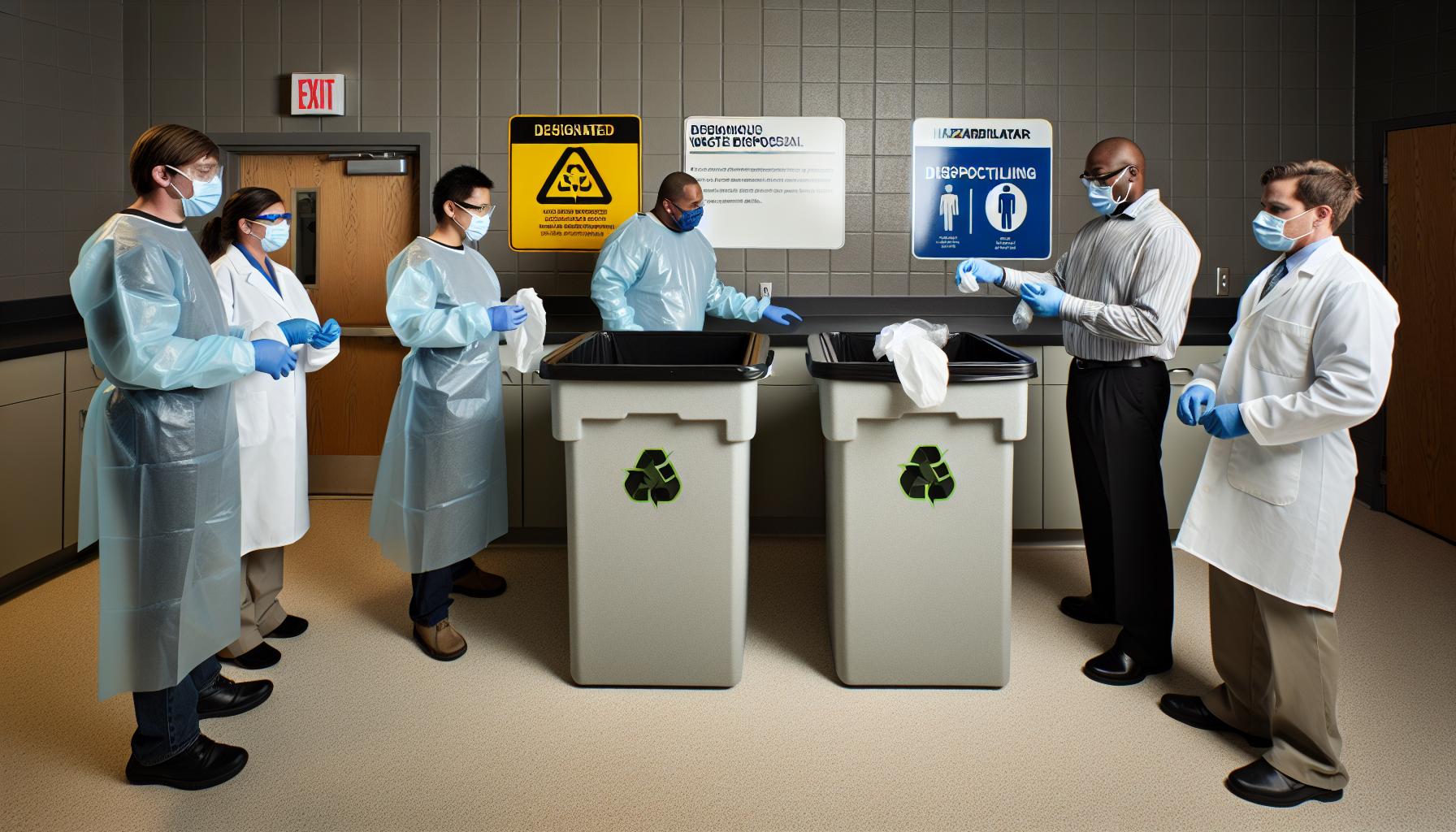
Alternatives to Flushing: Eco-Friendly Disposal Tips
Latex gloves might seem like convenient items to dispose of quickly, but flushing them is far from the best option-both for your plumbing and the environment.Rather, adopting option disposal methods can not only prevent clogs and contamination in wastewater systems but also contribute to more enduring waste management practices. Fortunately, there are practical, eco-conscious ways to manage used gloves that fit well within everyday routines and institutional protocols.
- Use Dedicated Waste Bins: Wherever possible, opt for clearly labeled disposal bins designed for medical or hazardous waste. This segregation helps ensure contaminated gloves are handled responsibly by waste management professionals and don’t inadvertently enter recycling or landfill streams.
- Seal Before Disposing: Placing used gloves in a sealed bag prevents contamination and odor issues, making transport safer and cleaner. In healthcare or community settings, double-bagging helps contain pathogens and supports compliance with health regulations.
- Explore Composting Options: Some natural latex gloves are biodegradable under the right conditions.If you’re using biodegradable gloves and your local waste management accepts organic waste, consider composting as a low-impact alternative. Be sure to verify that gloves are certified compostable and that compost facilities in your area actually process them.
- Participate in Recycling Programs: Although recycling latex gloves directly is often challenging due to contamination and material composition, specialty programs and initiatives are emerging to recycle or repurpose protective gear. Research whether your community offers such services, or inquire with glove manufacturers about take-back schemes.
Practical Tips for Sustainable Glove Disposal
The following steps can streamline eco-friendly disposal without sacrificing safety or convenience:
- Prevention is key: Use gloves only when necessary to minimize waste volume. Consider reusable gloves in non-critical applications where hygiene requirements allow.
- Separate From Regular Trash: Never mix gloves with household recyclables or flush them down the toilet. Improper disposal threatens systems not designed to handle such materials.
- Stay Updated on Local Policies: waste management rules regarding gloves evolve frequently, particularly post-pandemic, so remain informed about changes or new sustainable programs.
For example, a hospital in California implemented a program collecting used gloves and other PPE for thermal recycling. This approach recovered energy and diverted waste from landfills, illustrating how institutional commitment can transform protective gear disposal into an environmentally positive cycle.
By embracing these alternatives, individuals and organizations reduce the risk of plumbing issues, avert pollution, and participate in more responsible consumption patterns.These efforts, though seemingly small on their own, add up to meaningful environmental benefits when practiced collectively.
| Disposal Method | Environmental Benefits | Practical Considerations |
|---|---|---|
| Dedicated Medical Waste Bins | Proper pathogen containment, reduces landfill contamination | Requires access to regulated waste services |
| Composting (Biodegradable gloves Only) | Reduces plastic waste, returns organic matter to soil | Only suitable for certified compostable gloves and facilities |
| Specialized Recycling Programs | Diverts waste from landfill, supports circular economy | Still limited availability; check local options |
| Sealing in Plastic Bags for Waste Pickup | Minimizes contamination risk and odors | simple, accessible for home and office use |
Adopting these strategies empowers you to discard latex gloves in an environmentally sound manner while supporting public infrastructure and staying aligned with health and safety guidelines.
What Happens to flushed Gloves in wastewater Systems?
Many people underestimate how flushed latex gloves interact with wastewater treatment systems, yet the consequences can be surprisingly far-reaching. when latex gloves enter these systems through toilets or drains, they don’t simply vanish as other biodegradable waste might. Instead, their composition and size often result in blockages or interfere with critical stages of water treatment processes, creating challenges that affect both infrastructure and environmental safety.
Latex gloves are designed to be durable and water-resistant, which means they resist breaking down quickly when flushed. Upon entering wastewater pipelines, they tend to gather with fats, oils, greases, and other solids, forming stubborn clogs that can cause sewer backups in homes and municipal systems alike. These blockages not only require costly maintenance but also increase the risk of untreated sewage overflow, posing health and environmental hazards in surrounding areas.
When latex gloves reach wastewater treatment plants,they complicate the mechanical screening processes. Facilities use screens and filters to trap solids before biological treatment, and gloves can entangle within machinery or accumulate in quantities to large for typical screening. This accumulation can lead to equipment malfunctions or downtime, reducing a plant’s efficiency in purifying water. Additionally, the gloves’ synthetic additives and residues from use may introduce contaminants that challenge microbial digestion or affect sludge quality, making waste disposal more complex.
Environmental Implications Beyond the Treatment Plant
even if gloves pass through preliminary treatment, any fragments or residual latex material that escape into natural waterways can adversely impact ecosystems. Non-biodegradable fragments may persist in aquatic environments,contributing to microplastic pollution which harms fish,birds,and other wildlife. Moreover, chemicals from degraded gloves may leach contaminants, compounding environmental stressors.
Practical Recommendations to Protect Wastewater systems
- Avoid flushing Gloves Completely: The best way to prevent these problems is simply not to flush latex gloves. Use designated medical or hazardous waste disposal methods wherever possible.
- Seal and Dispose with Regular waste: Place used gloves in sealed bags to contain contamination and dispose of them with household or medical waste, depending on local regulations.
- Support Waste Management Innovations: Encourage your community to adopt specialized programs that handle latex and other PPE responsibly, reducing the pressure on wastewater systems.
By understanding what happens after gloves leave the drain, individuals and institutions alike can appreciate why flushing is not an acceptable disposal method. Thoughtful disposal protects plumbing infrastructure,reduces environmental harm,and ensures wastewater treatment plants can operate safely and effectively-a critical step toward sustainable management of protective gear waste.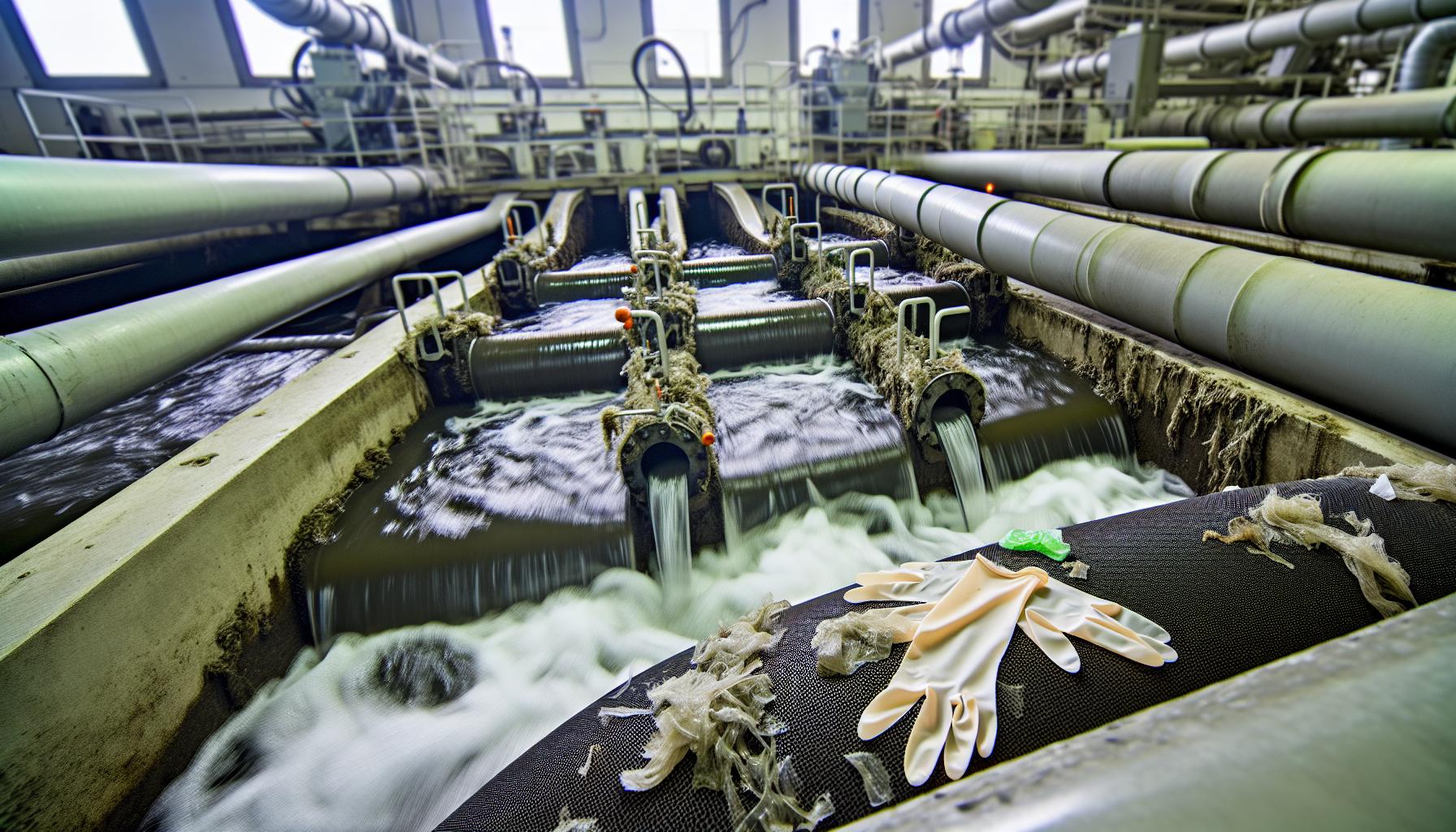
Q&A
Q: Can latex gloves contaminated with chemicals be flushed safely?
A: Latex gloves contaminated with chemicals should never be flushed as they can cause toxic pollution and harm wastewater treatment processes. Rather, dispose of them following hazardous waste guidelines or consult your local hazardous waste facility for safe disposal. For general latex glove disposal best practices, see our section on Proper Disposal Methods for Latex Gloves.
Q: How can I dispose of latex gloves at home without harming plumbing?
A: To avoid plumbing issues, do not flush latex gloves at home. Instead, place used gloves in a sealed trash bag and dispose of them with regular waste. This reduces clog risks and environmental harm. Check our guide on Alternatives to Flushing: Eco-Friendly Disposal Tips for sustainable options.
Q: What are the risks of flushing latex gloves in public restrooms?
A: Flushing latex gloves in public restrooms often leads to sewage blockages and expensive plumbing repairs. Gloves don’t break down in water, causing pipe clogs and wastewater contamination. public facilities should provide clear disposal bins and signage to prevent flushing gloves, as detailed in Why Flushing Gloves Clogs Plumbing Systems.
Q: Are biodegradable latex gloves safe to flush?
A: Even biodegradable latex gloves are not safe to flush because they require specific composting conditions to break down, which are absent in plumbing systems. Proper disposal in organic waste or sealed trash prevents environmental and plumbing issues. Learn more in our article section on Recycling and Biodegradability of Latex Gloves.
Q: Where should I dispose of latex gloves after a medical procedure?
A: Latex gloves used during medical procedures should be disposed of in biohazard or clinical waste containers to prevent contamination and spread of infection. Flushing or general trash disposal is unsafe and non-compliant with health regulations. For detailed disposal methods during health crises, review How to Dispose of Gloves During Health Crises.
Q: What environmental impact results from flushing latex gloves down the toilet?
A: Flushing latex gloves causes microplastic pollution and disrupts wastewater treatment, harming aquatic life and ecosystems. Gloves accumulate in sewage systems, leading to costly maintenance and environmental hazards. To minimize impact, follow Environmental Impact of Flushing Latex Gloves for disposal recommendations.
Q: Can latex gloves be recycled through municipal recycling programs?
A: Most municipal recycling programs do not accept latex gloves due to contamination risks and material complexity. Some specialized facilities may recycle clean latex gloves-check local services. otherwise, dispose of gloves in regular waste as advised under Legal Regulations on Disposing Protective Gear.
Q: How can businesses ensure responsible disposal of large quantities of latex gloves?
A: Businesses should implement dedicated disposal protocols, including separate waste bins, regular collections, and partnerships with licensed medical or hazardous waste facilities. Training staff and following local disposal laws ensures compliance and environmental safety. Refer to Proper Disposal Methods for Latex Gloves for extensive guidelines.
For more detailed disposal practices, explore the full article sections on each topic to ensure safe, eco-friendly handling of latex gloves and protect plumbing infrastructure while maintaining regulatory compliance.
Key Takeaways
Proper disposal of latex gloves is essential for both environmental safety and public health, and flushing them down the toilet is not a recommended option. Instead, following responsible protective gear disposal methods helps prevent plumbing issues and environmental harm.If you’re concerned about safe and eco-friendly disposal, exploring our guide on sustainable waste management and proper PPE disposal tips can provide further clarity and practical solutions.
To stay informed and ensure you handle protective gear correctly every time, consider signing up for our newsletter-packed with expert advice and the latest updates on safe disposal practices. Don’t hesitate to browse related articles like “How to Dispose of face Masks Safely” and “Eco-Friendly Alternatives to Disposable Gloves” to deepen your knowledge and adopt best practices. Have questions or unique experiences about disposing of protective gear? Share your thoughts in the comments below-we’re here to support your commitment to safety and sustainability.
By choosing informed disposal methods, you not only protect your home plumbing but also contribute to a healthier environment. Remember, understanding how to properly discard latex gloves and other protective materials is a simple yet impactful step everyone should take. Keep exploring our resources to stay ahead on safe disposal tips and help keep your community safe.