Can You Flush Disinfecting Wipes? Cleaning Product Safety
Did you know that despite many disinfecting wipes being labeled “flushable,” they can cause serious plumbing and environmental problems? Understanding whether you can safely flush thes cleaning products is essential to protecting your home’s plumbing and local water systems. This article explores the truth behind flushing disinfecting wipes-why some wipes don’t break down like toilet paper, the risks they pose to pipes and sewage treatment, and how to dispose of them responsibly. If you’ve ever wondered how your cleaning habits impact your household and community, reading on will clarify what’s safe and what’s not, helping you make smarter choices that keep your home clean without causing costly damage.
Are Disinfecting Wipes Safe to Flush?
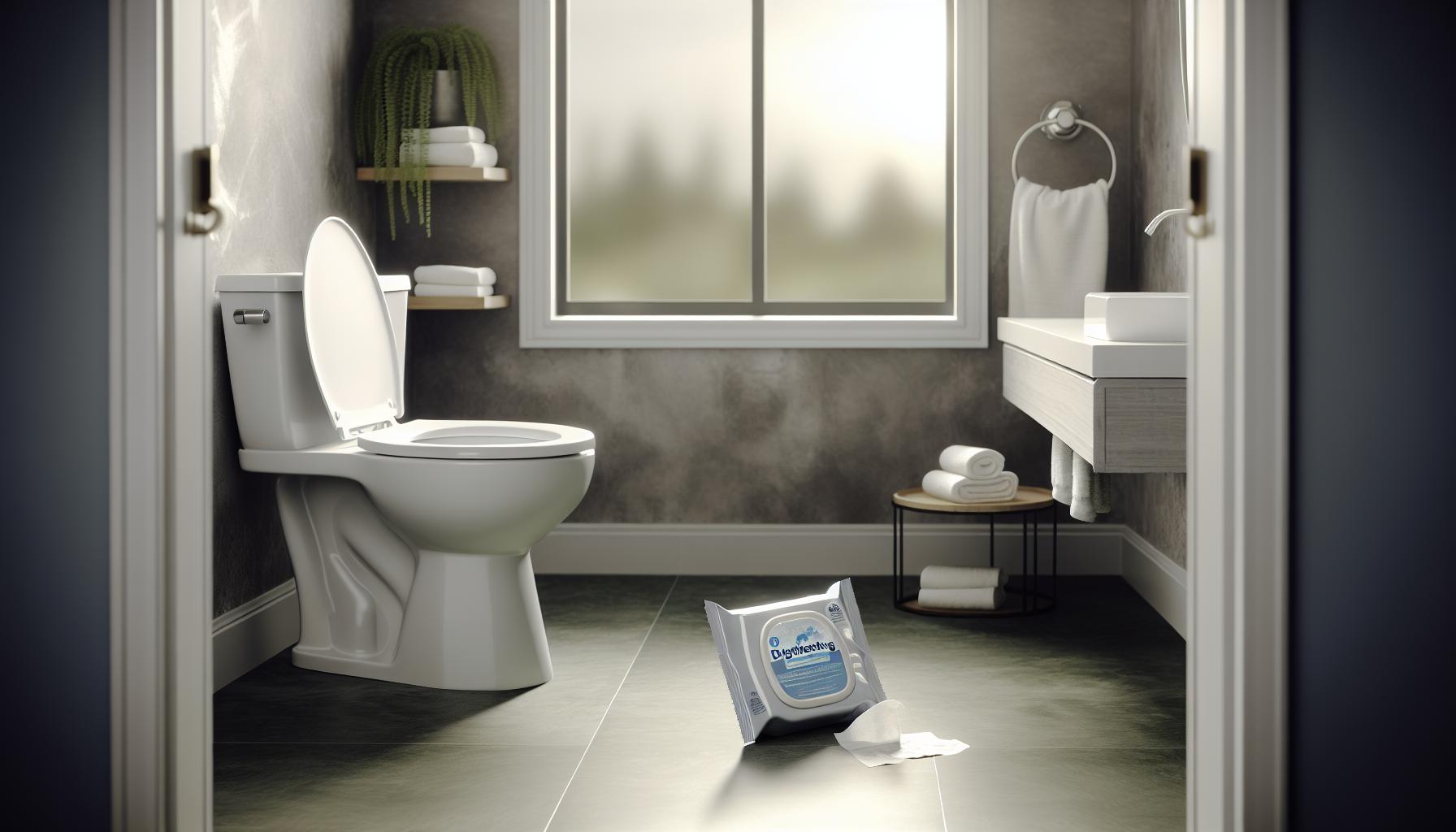
Disinfecting wipes might seem convenient for rapid cleaning and hygiene, but when it comes to flushing them, the reality is far less straightforward. Despite many products being labeled as “flushable,” most disinfecting wipes do not break down easily in water. This means they can persist in plumbing systems and wastewater treatment facilities, leading to significant blockages and damage. Municipalities around the world report frequent sewer clogs caused by these wipes,which can result in costly repairs and environmental harm.
Why are disinfecting wipes problematic for flushing? Unlike toilet paper, which is designed to disintegrate rapidly in water, disinfecting wipes are often made from synthetic fibers that resist breaking down. Even wipes marketed as “flushable” or “septic-safe” can create accumulations in pipes. This buildup not only risks clogging home plumbing but also impairs municipal sewer systems, perhaps causing backups and overflows. Such as, New York City’s sanitation department has explicitly warned against flushing wipes, labeling them as major contributors to sewer damage[[1]](https://www.cnn.com/2020/03/20/us/wipes-flush-toilet-pipes-wellness-trnd).
- Wipes do not dissolve quickly: Their material composition keeps them intact well after being flushed.
- Build-up leads to blockages: Clumps of wipes can combine with grease and other debris to form blockages known as “fatbergs.”
- Septic systems are vulnerable: Not all wipes are safe for septic tanks. Only those truly biodegradable and plant-based break down effectively to protect these systems.
For households,the simplest and safest approach is to dispose of disinfecting wipes in the trash rather than the toilet. Doing so helps avoid plumbing problems and contributes to preserving municipal wastewater management. In short, flushing disinfecting wipes-even those labeled “flushable”-is generally unsafe and not recommended.
Practical Tips for Keeping Plumbing Clear
- If you need to clean surfaces,consider alternatives that are easier on plumbing,such as paper towels or reusable cloths.
- Check product labels carefully: Look specifically for biodegradable and septic-safe certifications if you must use wipes near plumbing systems.
- Be cautious during times of high wipe use (e.g., during health crises) as increased flushing can exacerbate blockage issues citywide.
By adopting these practices, homeowners can avoid the costly consequences of clogged pipes and help reduce the strain on community sewage infrastructure[[2]](https://nicencleanwipes.com/apps/articles/flushable-wipes-safe-for-septic-systems?srsltid=AfmBOooUIlTJMVntkV91cr_RGKp50fjMX8uVlPQHEwLGmI8yvqlaa9eK).
How Disinfecting Wipes Impact Plumbing Systems
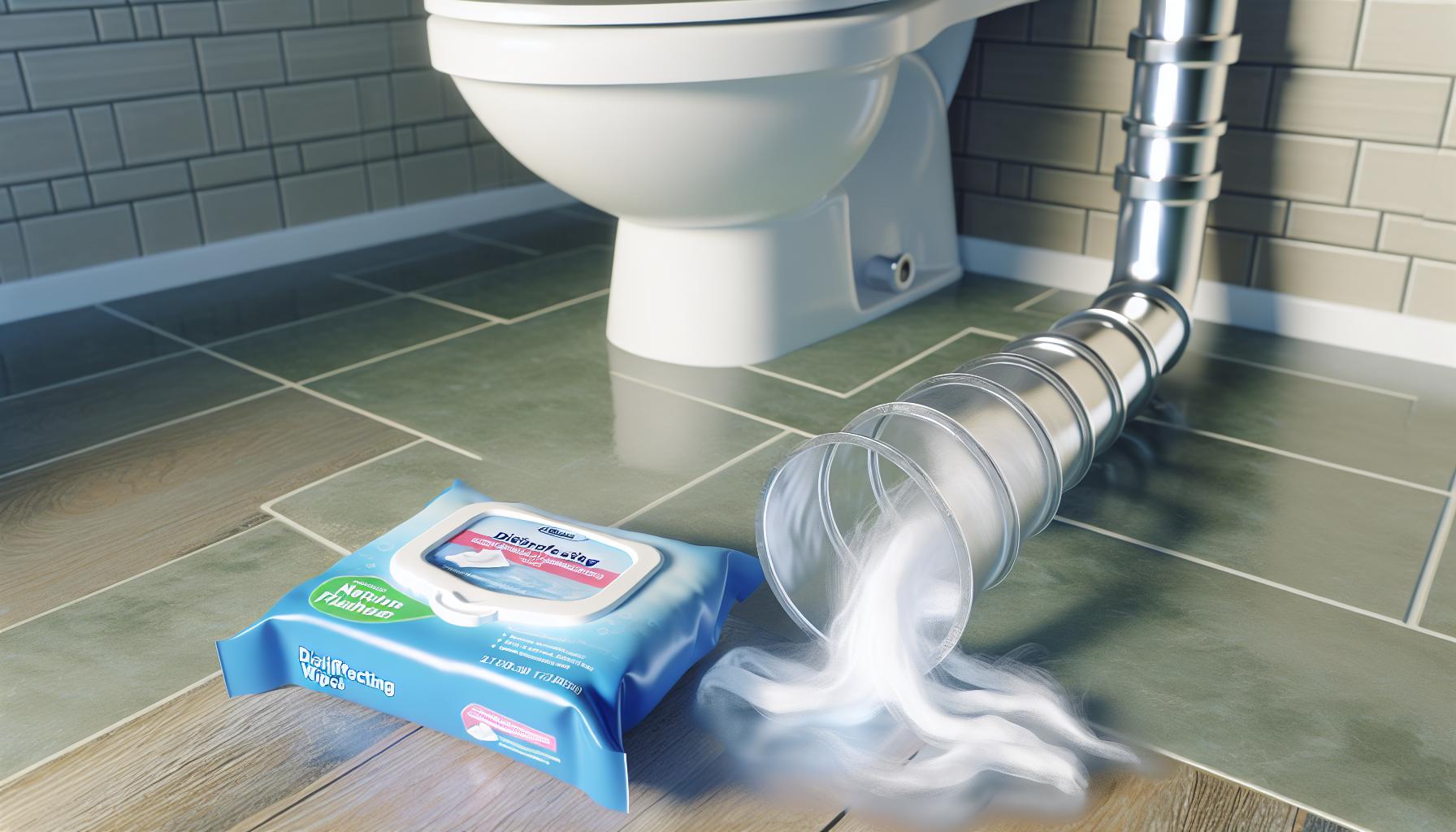
Disinfecting wipes, while highly effective for surface cleaning, pose serious challenges onc flushed down the toilet. Unlike toilet paper, which is engineered to dissolve quickly in water, most disinfecting wipes are constructed from durable synthetic fibers that stubbornly retain their shape and strength. This durability, though beneficial for wiping, becomes a major problem inside plumbing systems, where wipes can accumulate, entangle with other debris, and lead to severe blockages.
When wipes catch in household pipes, they often combine with substances like grease, hair, and other solids to form dense masses sometimes called “fatbergs.” These clogs not only slow down drainage and cause unpleasant odors but can also lead to costly repairs or even pipe ruptures. The problem worsens in sewer mains and treatment plants, where large quantities of wipes build up, sometimes causing system overflows that affect entire neighborhoods. In fact, many water utilities note wipes as one of the leading causes of sewer backups and mechanical failures in pumps and grinders[[1]](https://www.hcmud82.com/news/dont-flush-wipes-save-your-pipes)[[2]](https://www.blindandsons.com/blog/flushing-disinfectant-wipes).
Risks to Home and Municipal Plumbing
- Home Plumbing: Wipes can lodge in narrow household pipes, especially if they meet bends, joints, or older plumbing with rough surfaces, causing slow drains or complete clogs.
- Municipal Sewers: Aggregated wipes often mix with fats and oils to form stubborn blockages that are tough and expensive for cities to remove.
- Septic systems: Many wipes do not biodegrade properly in septic tanks, leading to system overload, reduced efficiency, and premature failure.
A well-documented example of this occurs during times of increased wipes usage-such as flu seasons or health emergencies-when sewer service calls spike due to unexpected blockages. To avoid such issues,homeowners should adopt simple habits that protect their pipes from wipes buildup,such as disposing of used wipes in the trash rather than flushing,and choosing truly biodegradable products if wipes are essential.
Understanding these impacts empowers users to mitigate plumbing risks and extend the life of both their home’s pipes and community sewage infrastructure. Being mindful today can definitely help prevent the costly headaches and environmental toll caused by improperly flushed disinfecting wipes[[3]](https://actionplumbingobx.com/tips/truth-about-flushable-wipes/).
Understanding Flushability Standards and Labels
Many consumers are surprised to learn that the term “flushable” on disinfecting wipes is far from a regulated guarantee of safety for plumbing systems. Actually, flushability standards and labeling can vary widely, leading to confusion and unintended damage to home and municipal pipes. Understanding what these claims truly meen-and what standards actually exist-empowers users to make smarter choices and avoid costly plumbing headaches.
Flushability relates to a product’s ability to break down quickly enough after flushing so it dose not cause blockages or contribute to sewer system failures. However, there is no single, universally enforced standard for flushability. Some wipes manufacturers rely on third-party certifications that test disintegration under simulated sewer conditions, while others may use looser criteria focused merely on initial disintegration rather than complete biodegradability or septic system compatibility. This inconsistency means a wipe labeled “flushable” may still retain much of its strength and shape in real sewer environments, leading to pipe clogs and environmental harm.
key Factors Behind Flushability Claims
- Disintegration Testing: Effective flushable wipes must break apart within a defined timeframe in water, ideally within minutes or a few hours. This simulates conditions after flushing, reducing the risk of large fragments clogging pipes.
- Biodegradability: Beyond just breaking apart, true flushable wipes should biodegrade fully in septic or wastewater treatment systems. Unfortunately, many wipes are made with synthetic fibers that resist complete breakdown.
- Label Openness: Some products use vague terms like ”flushable” or “septic safe” without detailed testing data or certifications. Scrutinizing packaging and looking for reputable third-party approvals helps identify safer options.
- Regulatory Variances: Flushability standards can vary by country or region, with some areas lacking clear regulations. In the United States, such as, there is no FDA or EPA standard specifically governing flushability claims for wipes.
Practical Advice for Consumers
To reduce plumbing risks, do not rely solely on packaging claims when deciding whether to flush disinfecting wipes. Rather, look for wipes that:
- Reference clear, third-party flushability certifications, such as those by the wastewater industry or independent testing labs.
- Specify that they are biodegradable and septic-safe based on rigorous testing.
- Include detailed guidance on proper disposal to avoid misuse.
Additionally, note that even wipes meeting flushability criteria may still pose risks in older plumbing systems or municipal sewers with heavy grease build-up. When in doubt, the safest choice is always to dispose of wipes in the trash.
| Flushability Attribute | What to look For | Why it Matters |
|---|---|---|
| Disintegration Time | Breaks apart within 30 minutes to 2 hours | Prevents large pieces blocking pipes after flushing |
| Biodegradability | Certified to biodegrade in septic/wastewater | Ensures no long-term environmental harm or septic tank damage |
| Third-Party Certification | Validated by independent organizations (e.g., Water Quality Association) | Confirms claims are backed by standardized testing |
| Clear Labeling | Specific guidance, warnings, and disposal methods | Helps consumers avoid misuse and understand risks |
By developing a critical eye for labels and certifications, users can better navigate the marketing around disinfecting wipes and minimize damage to plumbing infrastructure. Recognizing that “flushable” is not always synonymous with “safe” for pipes or the habitat is an critically important first step toward responsible home cleaning habits.
Environmental Risks of Flushing Disinfecting Wipes
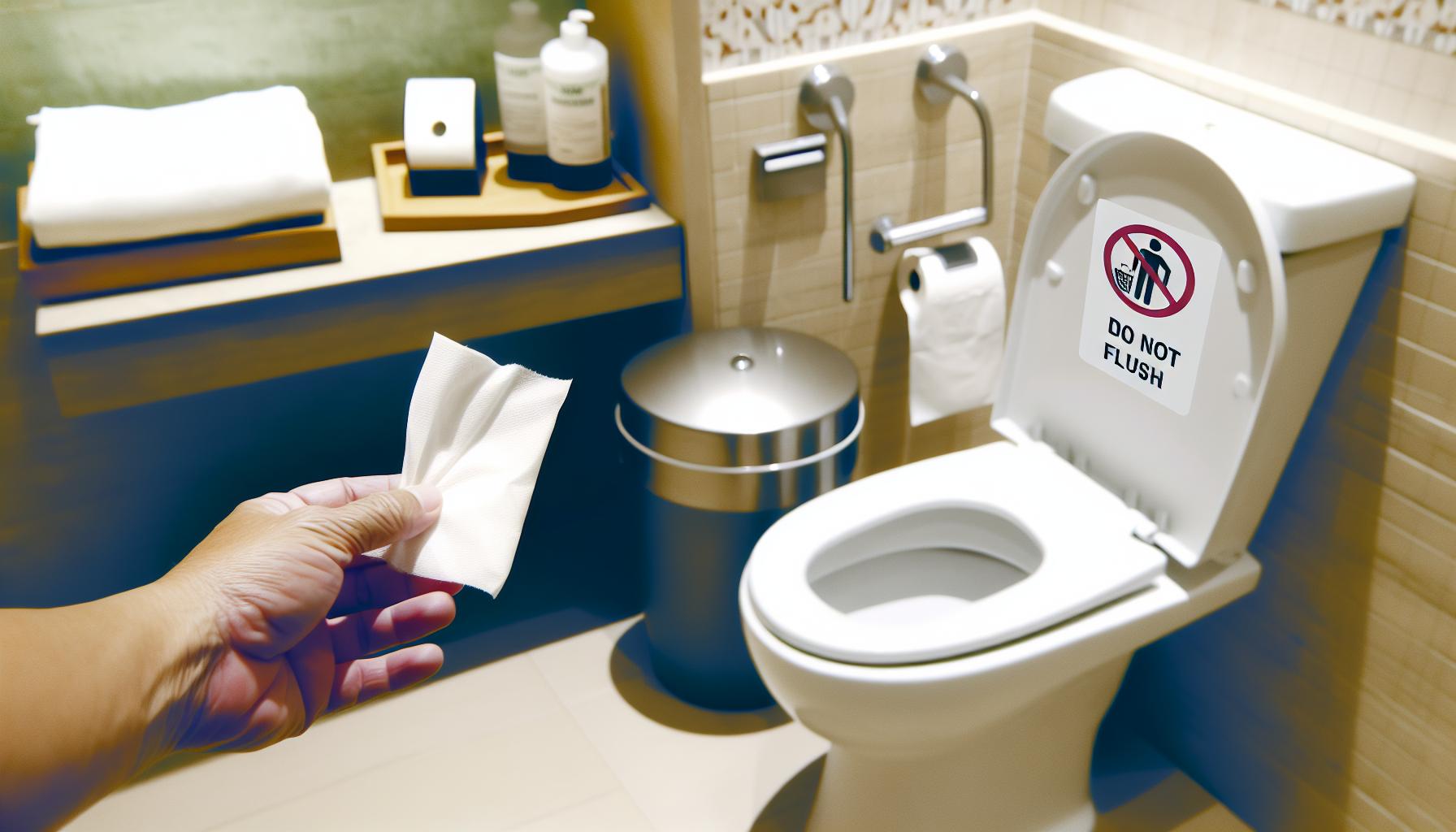
Disinfecting wipes may seem convenient to flush, but their environmental footprint is far from negligible.Unlike toilet paper, which is designed to dissolve rapidly in water, most disinfecting wipes are made from synthetic fibers that do not break down easily. When flushed, these wipes can persist through wastewater treatment plants, causing accumulation in water bodies and strain on municipal systems. As they fragment,they introduce microplastics and other synthetic materials into aquatic ecosystems,which can harm wildlife and contaminate drinking water sources.
This slow breakdown process means that wastewater facilities must work harder – and spend more – to remove these materials from sewage.According to estimates, the presence of wipes in sewer systems contributes considerably to the billions in infrastructure repairs and treatment costs needed nationwide. Beyond financial costs, the environmental consequences include clogged pipes that can cause sewage overflows, releasing untreated waste into the environment and posing public health risks. These problems are exacerbated in areas with aging infrastructure or combined sewer-stormwater systems, where blockages from wipes frequently lead to pollution events [[1]](https://www.consumerreports.org/home-garden/are-flushable-wipes-really-flushable-a1736074350/).
The Hidden Threat of Synthetic Fibers
Many disinfecting wipes contain plastics such as polyester or polypropylene to enhance strength and durability.unfortunately, these synthetic components resist natural biodegradation, remaining in waterways for years after flushing. This persistence contributes to the global problem of microplastic pollution, which has been documented in oceans, rivers, and even tap water. The slow disintegration of wipes creates a steady source of microplastic fibers that can be ingested by aquatic organisms, entering the food web and potentially impacting human health.
Practical Environmental Considerations
To lessen environmental impacts, consumers should:
- Avoid flushing wipes of any kind: Even products labeled ”flushable” frequently enough do not meet rigorous biodegradability standards and can harm local ecosystems.
- Opt for biodegradable alternatives: When possible, use cleaning products made from natural fibers free of plastics and chemicals that break down more readily in wastewater systems.
- Dispose of wipes in the trash: Proper disposal ensures wipes end up in landfills or specialized waste processing rather than waterways.
- Support municipal education efforts: spreading awareness about the environmental toll of wipes can reduce misuse and system blockages.
By understanding the environmental implications of flushing disinfecting wipes, individuals can make informed decisions that protect plant and animal life, preserve water quality, and reduce costly infrastructure damage.
| Environmental risk | Impact | Consumer Action |
|---|---|---|
| Microplastic Pollution | Degradation-resistant fibers contaminate water bodies and the food chain | Choose biodegradable wipes and avoid flushing |
| Sewer System Blockages | Wipes accumulate and cause sewage overflows, threatening public health | Dispose of wipes in trash, not toilets |
| Increased Treatment Costs | Extra materials require more energy and chemicals to remove | Use sustainable cleaning products and minimize flushable waste |
Proper Disposal Methods for Disinfecting Wipes
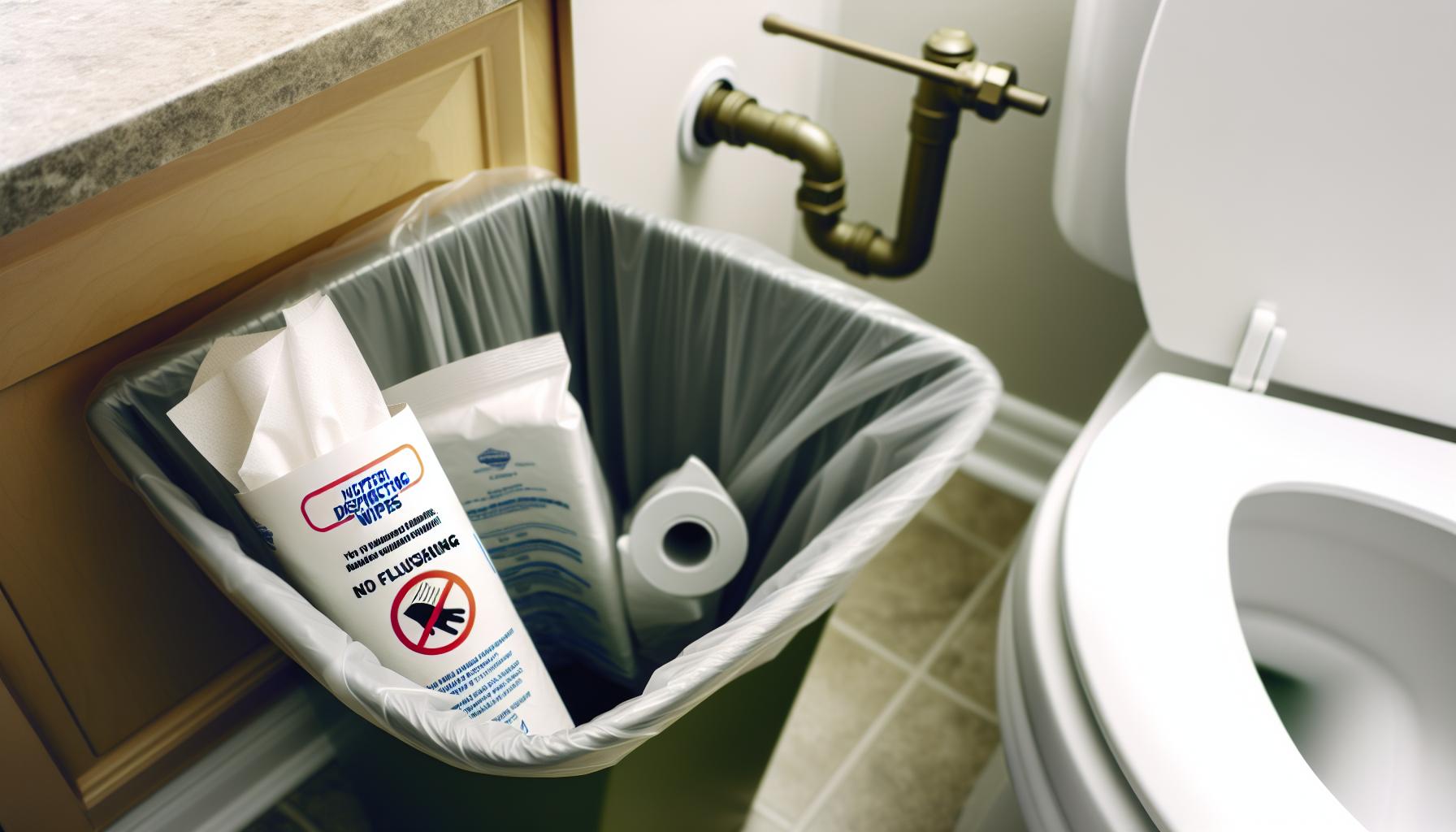
One common misconception is that disinfecting wipes can be safely flushed down the toilet, mimicking the convenience of toilet paper disposal. However, the best practice is to treat these wipes like any other non-biodegradable waste and discard them in a regular trash bin. Flushing wipes-even those labeled “flushable”-can lead to significant problems in both household plumbing and municipal wastewater systems. Since most disinfecting wipes contain synthetic fibers like polyester or polypropylene, they don’t break down quickly or completely in water, creating stubborn blockages and contributing to costly infrastructure damage [[1]].
- Use a designated bin: Keep a small trash bin in bathrooms or near cleaning areas to make disposal convenient and reduce the temptation to flush wipes.
- Seal wipes tightly: If the wipes are saturated with chemicals or leftovers, placing them in sealed bags before trashing helps prevent leaks and odors.
- Follow local waste guidelines: Some municipalities have special disposal programs for diapers, wipes, or hygiene products-check with your waste management authority for available options.
The Impact of Proper Disposal
Throwing wipes in the trash keeps them out of waterways and sewer systems, dramatically lowering the risk of clogs and sewage overflows that can threaten public health and ecosystems. Many wastewater treatment plants are not equipped to handle these synthetic materials, meaning wipes flushed into the system often bypass initial filtration steps and must be manually removed, increasing operational costs and environmental risks [[2]].
For households with septic systems, flushing wipes can be especially damaging since these systems rely on natural bacterial breakdown-something wipes do not facilitate.Disposing of wipes in the trash is not only the safest choice for the environment, but also ensures the longevity of home and community plumbing infrastructure.
Simple Actions, Big Benefits
By adopting straightforward habits such as discarding wipes in the trash and educating family members about the dangers of flushing, individuals help reduce the burden on wastewater treatment plants and contribute to cleaner waterways. These small actions collectively decrease the production of microplastic pollution and safeguard public health.
| Recommended Disposal Practice | Why It Matters | Consumer Tip |
|---|---|---|
| Place used wipes in trash bins | Prevents sewer clogs and environmental pollution | Use covered trash bins for hygiene and odor control |
| Avoid flushing any wipes | Protects plumbing and wastewater systems | Remind guests and children not to flush wipes |
| seal wipes before disposal, if wet | Reduces leaks and unpleasant smells in trash | use biodegradable bags if possible |
Remember, despite marketing claims, no disinfecting wipe has yet met worldwide standards that guarantee safe flushing. Choosing to discard wipes responsibly not only preserves plumbing but also contributes to broader environmental health. For those seeking eco-friendlier options, consider biodegradable wipes or reusable cleaning cloths that align better with sustainable disposal practices [[3]].
Common Misconceptions About Disinfecting Wipes
Disinfecting wipes have become household staples for quick sanitation, but there is a persistent and widespread misunderstanding about their safe disposal. Many believe that because some wipes are marketed as “flushable,” they can be tossed down toilets just like toilet paper. However, this assumption overlooks the critical differences in material composition and how wipes interact with plumbing and wastewater systems.Unlike toilet paper, which is designed to disintegrate quickly in water, disinfecting wipes generally contain synthetic fibers such as polyester or polypropylene that are resistant to breaking down, leading to persistent blockages.
Another common misconception is that the flushable label guarantees the product will safely degrade in home plumbing or municipal sewer systems. In reality, there are no standardized, universally accepted criteria or regulations that definitively certify wipes as flushable. Testing by consumer advocacy groups and wastewater authorities consistently shows that many of these wipes remain intact for long periods, accumulating in pipes, sewers, and treatment plants. The notion that flushable wipes are septic-safe is similarly misleading-septic systems rely on natural bacterial digestion, which these wipes inhibit, resulting in costly repairs or system failures.
Many users also underestimate the environmental impact of flushing wipes. They overlook how clogged sewer systems can lead not only to household plumbing backups but also to broader public health risks, including sewage overflows in natural waterways. These events contribute to pollution, ecosystem damage, and increased microplastic contamination, since the synthetic fibers in wipes fragment into tiny particles rather than biodegrading.
- Flushability claims do not equal safe disposal: Marketing can be misleading-always verify local guidelines and manufacturer recommendations before flushing any wipes.
- “Septic-safe” does not mean biodegradable: Septic-safe wipes may still disrupt microbial digestion and accumulate in your system.
- Material composition matters: Understanding that synthetic fibers do not disappear in water can guide better disposal choices.
Practical Advice for Avoiding Problems
Many plumbing issues can be avoided by simply treating disinfecting wipes as non-flushable waste.Keeping a designated trash bin within easy reach in bathrooms can reduce the impulse to flush. When wipes are moist or contain chemicals, sealing them in biodegradable bags before throwing them away masks odors and prevents leakage. by recognizing these misconceptions and adjusting disposal habits accordingly,homeowners can protect their plumbing,ease the burden on municipal wastewater infrastructure,and contribute to environmental conservation.
Understanding these nuances empowers consumers to make informed decisions beyond marketing messages-helping prevent costly damages, protect public health, and uphold sustainable sanitation practices.
Alternatives to Flushable Disinfecting Wipes
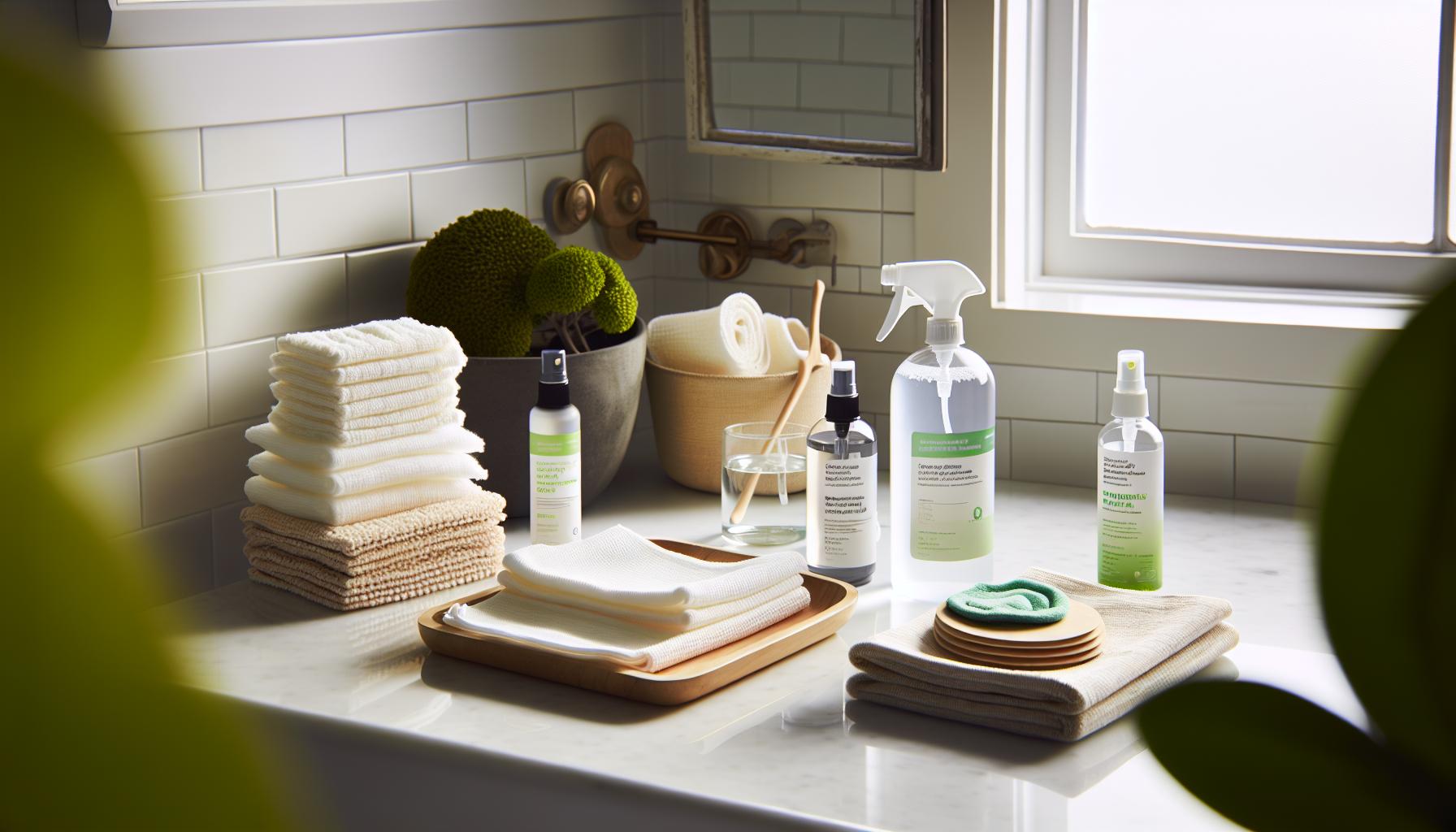
Many people seek the convenience of disinfecting wipes but hesitate when it comes to disposal because “flushable” labels often prove misleading. Fortunately, there are several effective and environmentally responsible alternatives that provide similar sanitizing benefits without threatening plumbing or local water systems. Choosing the right substitute not only safeguards your home’s pipes but also supports broader environmental health.
Reusable microfiber cloths are a standout option for effective cleaning. These cloths require only water or a mild disinfectant spray to lift and trap germs and grime without leaving residue. After use, they can be washed repeatedly, reducing waste significantly compared to disposable wipes. Additionally, microfiber’s fine fibers clean surfaces gently and reach tiny crevices often missed by standard wipes. For households focused on minimizing plastic and chemical waste, this option delivers both performance and sustainability.
Another practical alternative includes using cotton or bamboo washcloths combined with a safe, multi-surface cleaner. This approach can be especially appealing for sensitive skin or households with children and pets,as you control the ingredients in your cleaning solution. Plus, natural fiber cloths biodegrade easily once they are no longer usable and can be composted, unlike synthetic wipes.
For on-the-go convenience, consider portable spray bottles filled with disinfectant alongside a stack of washable cloth napkins. This method eliminates any disposable waste while maintaining ease and portability during travel or errands. Some brands now offer concentrates or tablets that dissolve in water to create your own disinfecting sprays, further minimizing packaging and environmental impact.
- Microfiber cloths: Durable, reusable, trap dirt and germs effectively.
- Cotton/bamboo washcloths: Natural, biodegradable, and gentle on surfaces and skin.
- DIY disinfectant sprays: Control ingredients, reduce waste from disposables.
- Portable cleaning kits: Combine sprays and reusable cloths for sanitary convenience without disposable waste.
Taking a moment to prepare cleaning solutions and reusable cloths in advance empowers you to replace disposable wipes without compromising on cleanliness or convenience. Over time, this habit not only helps prevent costly clogs and plumbing issues associated with flushing wipes but also lessens the environmental burden caused by synthetic waste in sewage systems and natural waterways. Making these thoughtful substitutions demonstrates how simple household decisions can make a big difference in maintaining healthy homes and communities.
How to Choose Safe Cleaning Products for Home Use

Choosing cleaning products that are both effective and safe for your home and plumbing system requires more than just picking the one with the sleekest packaging or most appealing scent. In fact, one of the most overlooked factors is how the product’s ingredients and physical form affect not only your immediate cleaning needs but also longer-term household and environmental health. For example, many disinfecting wipes marketed as “flushable” can cause serious plumbing problems because they don’t break down like toilet paper, despite their misleading labels [[2]](https://www.deltadiablo.org/flushable-wipes).
When selecting disinfecting products, it’s important to prioritize formulations that are non-toxic, biodegradable, and compatible with your septic or sewer system. Products that contain harsh chemicals or synthetic fibers can linger in pipes, creating blockages that lead to costly repairs. Opting for wipes or cloths that disintegrate readily-or better yet, replacing disposable wipes entirely with reusable alternatives-can save you trouble and protect both your plumbing and the environment.
Key Criteria to Look for in Cleaning Products
- Biodegradability: Choose products that break down naturally and quickly in water. avoid wipes that remain intact for extended periods after flushing.
- Septic-Safe Certification: If you rely on a septic system, verify the product’s compatibility to prevent septic tank damage or failure.
- Ingredient Transparency: Select products with clear labeling and fewer synthetic chemicals or fragrances that could harm sensitive skin or irritate allergies.
- Minimal Packaging Waste: Prefer concentrated sprays or refillable containers that reduce single-use plastics.
- Ease of Proper Disposal: Recognize which products must be disposed of in trash bins rather than flushed, even if they say “flushable” on the label.
Practical Tips for Safe Product Selection
In practice, always read product reviews and consult trusted resources or municipal guidelines regarding flushability. As an example, consumer tests show many so-called flushable wipes don’t disintegrate quickly enough to avoid sewer clogs, even though manufacturers claim otherwise [[2]](https://www.deltadiablo.org/flushable-wipes).When in doubt, err on the side of caution by placing used wipes in the trash. Favoring reusable microfiber or natural fiber cloths combined with appropriate disinfectants can also reduce dependence on disposable products and minimize plumbing risks.If convenience is a priority,look for cleaning kits that include easy-to-use sprays and washable cloths that balance effectiveness with sustainability. Keeping your cleaning routine flexible-by preparing homemade disinfectant mixtures or exploring products with naturally derived ingredients-gives you control over safety without sacrificing hygiene standards.
| Product Feature | Why It Matters | Example or Note |
|---|---|---|
| Biodegradability | Ensures quick decomposition in water, preventing clogs | Toilet paper vs. synthetic wipes disintegration time |
| Septic-Safe Labeling | Prevents septic tank build-up and costly maintenance | Look for NSF or state-certified septic-safe products |
| Ingredient Transparency | Reduces exposure to irritants and supports healthier home air quality | Simple lists with botanical or non-toxic compounds |
| Packaging | Lessens environmental footprint and single-use waste | Concentrated refills or biodegradable packaging options |
Choosing wisely not only prevents plumbing headaches but also upholds a cleaner, greener home environment. The more informed you are about what goes into your cleaning products-and how they behave after use-the better equipped you are to maintain your household’s health and sustainability.
What to Do if Wipes Cause Clogs or Plumbing Issues
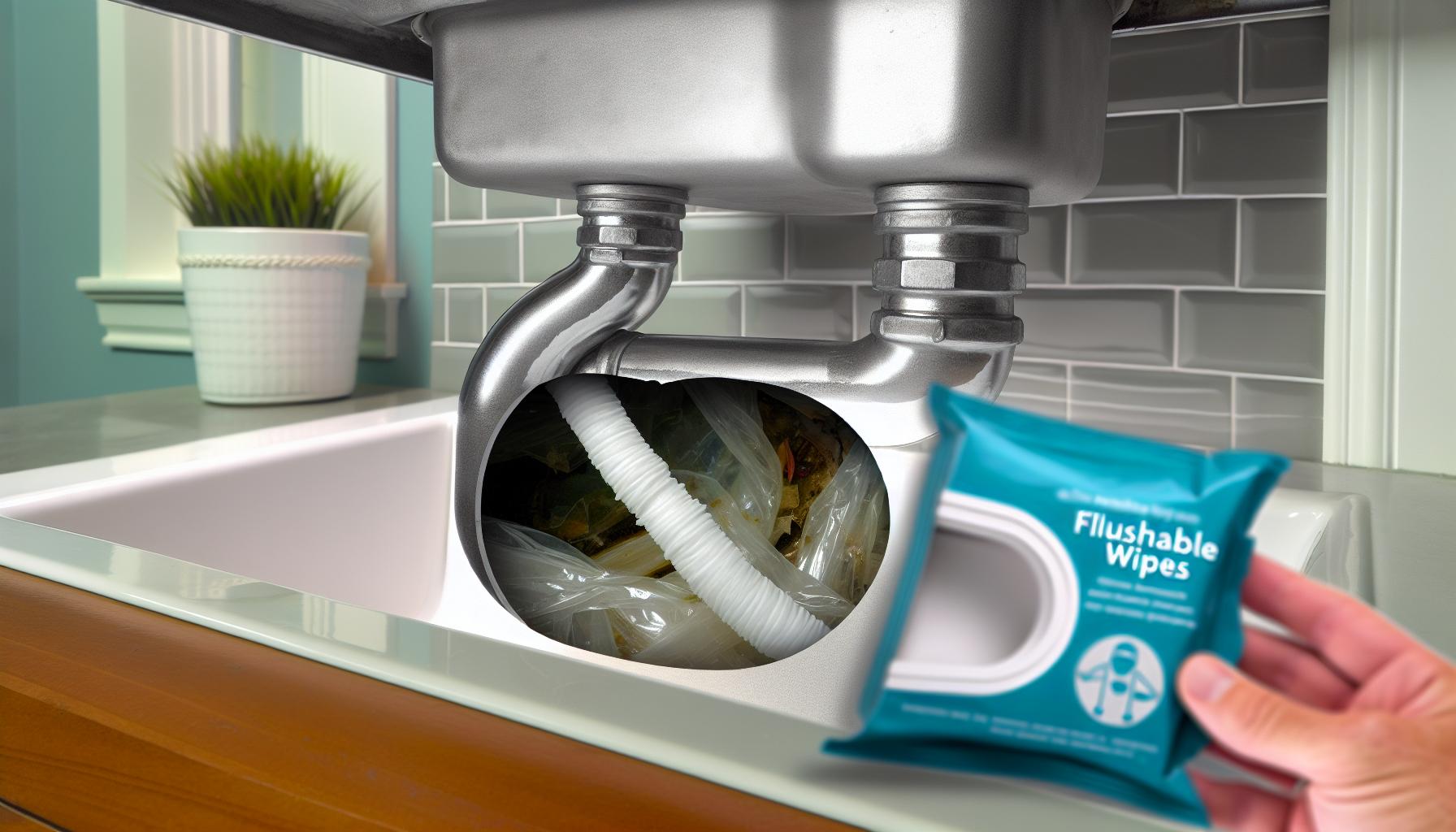
Many homeowners are surprised to learn that once disinfecting wipes clog their plumbing, simple fixes like plungers or chemical drain cleaners often won’t cut it. Unlike toilet paper,which dissolves quickly,most disinfecting wipes remain intact and can accumulate stubborn blockages in pipes. Acting swiftly and correctly can save you from expensive repairs or a plumbing emergency.
Initial Steps to Address Clogs
If you detect slow drains,gurgling toilets,or partial backups,start by avoiding additional flushing or use of water fixtures connected to the affected plumbing lines. Using a manual drain snake or auger can sometimes break apart minor wipe blockages near the drain opening. However, be cautious not to push the blockage deeper into the system, as wipes tend to entangle and become tougher to remove.
Chemical drain cleaners are generally ineffective on wipe clogs because they are designed to dissolve organic material like hair and grease-not synthetic fibers.Moreover, harsh chemicals can damage your pipes and harm the beneficial bacteria in septic systems.Instead, try flushing the pipes gently with hot water to help loosen accumulated grease and other materials that might be trapping wipes.
When to Call a Professional
If household methods don’t resolve the clog quickly, it’s time to contact a licensed plumber. Professionals use specialized equipment such as motorized drain snakes, high-pressure water jetting, or camera inspection tools that can locate and remove wipe clogs more efficiently. In severe cases, plumbing sections may require partial disassembly to clear stubborn obstructions caused by wipes piled up over time.
For those on septic systems, plumbers can also evaluate whether the blockage is causing inefficient waste breakdown or risking septic tank backups. Early intervention prevents costly septic system damage and safeguards overall home health.
Preventive Measures Moving Forward
Recovering from a wipe-related clog is frustrating but infinitely easier when combined with prevention strategies. As no wipe-flushable or not-is truly safe for plumbing systems [[1]](https://www.cnn.com/2020/03/20/us/wipes-flush-toilet-pipes-wellness-trnd), always dispose of used disinfecting wipes in the trash. consider alternatives such as reusable microfiber cloths or paper products designed explicitly for flushing if you must flush anything.
| Action | why It Helps | Notes |
|---|---|---|
| Stop flushing wipes immediately | Prevents worsening the blockage | Recall flushable wipes still cause clogs |
| Use manual snake or auger | Can remove or loosen clogs near drain openings | Avoid pushing blockage deeper |
| Avoid chemical drain cleaners | Ineffective on synthetic fibers; damages pipes and septic | Better to consult a professional |
| Call a licensed plumber | Access to advanced tools and expertise | Required for severe or persistent clogs |
| Switch to trash disposal for wipes | Prevents future plumbing issues | Reduces septic and sewer backups |
Addressing disinfecting wipe clogs effectively requires quick action combined with informed choices about disposal. Understanding that most wipes don’t disintegrate like toilet paper helps homeowners prioritize wastewater health and avoid costly plumbing nightmares in the future.
Innovations in biodegradable and Septic-Safe Wipes
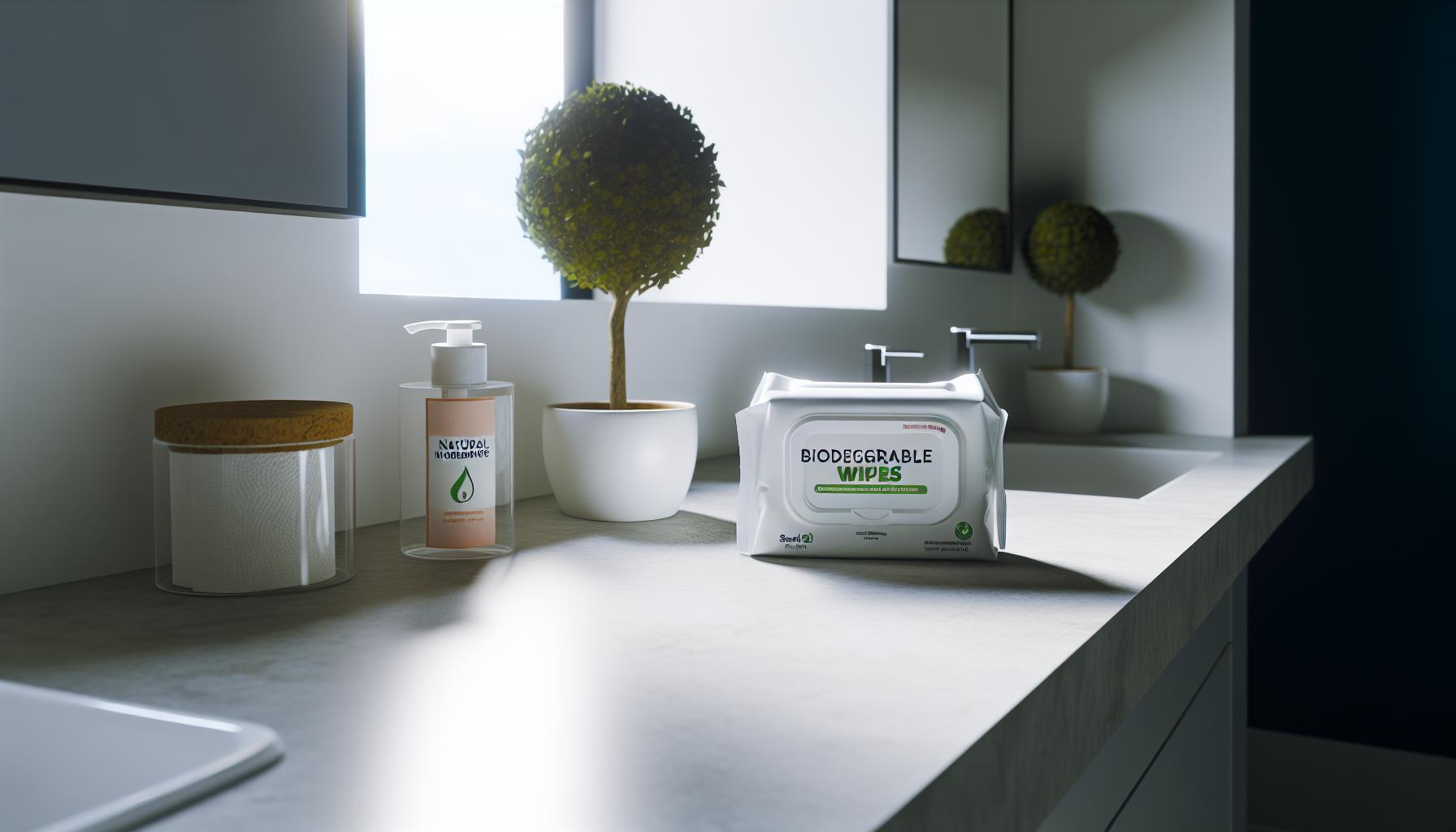
Flushable disinfecting wipes have traditionally posed significant challenges to plumbing and septic systems due to their synthetic fibers and slow breakdown rates. However, recent offer promising alternatives for consumers who seek effective cleaning without harming their home’s wastewater infrastructure. These newer products are engineered to dissolve more rapidly than conventional wipes, reducing the risk of clogs and environmental impact while maintaining strong disinfecting properties.
Advancements in Material Technology
Manufacturers are increasingly developing wipes made from natural fibers such as plant-based cellulose, cotton, or bamboo, often combined with biodegradable binders that help the wipe disintegrate quickly in water. This shift from synthetic polymers to organic materials allows the wipes to mimic the dissolving behaviour of toilet paper, though usually not as instantly. Some products also incorporate enzymatic additives that promote faster breakdown in septic environments, helping maintain the beneficial bacterial balance critical for septic tank health.
Certification and Septic compatibility
To guide consumers, third-party certifications and flushability standards are emerging alongside product innovation. Look for wipes labeled with testing from organizations like the Water Quality Research Foundation or those that meet stringent wastewater industry standards. These certifications mean the wipe has passed tests for disintegration and septic system safety,although experts still caution that even these wipes are best disposed of in trash bins when possible to avoid system complications.
Balancing Performance and Environmental Responsibility
While the “flushability” claim is evolving, consumers should know that biodegradability does not mean instantaneous or harmless flushing. Many biodegradable wipes require specific conditions like industrial composting facilities to break down efficiently, which home septic systems or municipal sewage plants may not provide. Innovators are now exploring wipes with dual-functionality-antimicrobial efficacy combined with rapid biodegradation-to bridge the gap between hygiene needs and plumbing safety.
- Practical Tips for Choosing and Using Biodegradable Wipes:
- Check product packaging for clear flushability testing or septic-safe certification.
- Prefer wipes with natural fiber content and minimal synthetic additives.
- Use biodegradable wipes sparingly in flushing, ideally disposing of them in the trash to reduce risks.
- Support brands obvious about their environmental impact and product testing.
Ultimately, while represent important progress in reducing plumbing sabotage and environmental harm, consumers should remain cautious.Safe disposal habits combined with thoughtful product selection help ensure homes stay clog-free and waterways remain protected.
Frequently Asked Questions
Q: How do disinfecting wipes differ from regular flushable wipes in terms of plumbing safety?
A: Disinfecting wipes frequently enough contain stronger fibers and chemicals, making them less likely to break down compared to regular flushable wipes. *This increases the risk of clogs* and plumbing damage. Always check the label for *septic-safe* or *biodegradable* claims and avoid flushing disinfecting wipes to protect your pipes. See more in the [How Disinfecting Wipes Impact Plumbing Systems](#) section.
Q: What are the health risks associated with improper disposal of disinfecting wipes?
A: Improper disposal of disinfecting wipes can expose people to harmful chemicals and pathogens, especially in public disposal areas. Flushing wipes can also contaminate water sources,risking community health. *Use designated trash bins* for disposal to minimize health hazards and environmental harm, as detailed in the [Environmental Risks of Flushing Disinfecting Wipes](#) section.
Q: When is it safe to use disinfecting wipes around children and pets?
A: It’s safe to use disinfecting wipes around children and pets when surfaces are allowed to dry completely, preventing ingestion or skin irritation. *Keep wipes out of reach* and follow product instructions for safe use. For selecting safer options, refer to [How to Choose Safe Cleaning Products for Home Use](#).
Q: Why are some disinfecting wipes labeled “flushable” but still not recommended for flushing?
A: Some wipes labeled “flushable” meet minimal disintegration standards but still do not break down fully in sewer systems, causing blockages. *Always verify flushability certifications* and prefer disposing wipes in trash to avoid plumbing issues, as explained in the [Understanding Flushability Standards and Labels](#) section.
Q: How can you effectively dispose of disinfecting wipes in public places without trash bins?
A: if trash bins are unavailable, store used disinfecting wipes in a sealed plastic bag until you can discard them properly. This prevents littering and environmental contamination. Keeping a small disposable bag when out can help maintain *safe and responsible waste disposal*.
Q: What cleaning alternatives can replace disinfecting wipes for quick surface sanitizing?
A: Alternatives include *spray disinfectants with microfiber cloths*, reusable wipes, or alcohol-based sanitizing sprays. These reduce waste and plumbing risk while maintaining sanitation. For more on this, explore [Alternatives to Flushable Disinfecting Wipes](#) for safer cleaning options.
Q: How does flushing disinfecting wipes affect municipal wastewater treatment systems?
A: Flushing disinfecting wipes can cause blockages and increase maintenance costs for wastewater facilities as wipes resist breakdown. This *leads to environmental pollution* and more frequent system repairs. Support environmental safety by disposing wipes correctly as covered in [Environmental Risks of Flushing Disinfecting Wipes](#).
Q: What immediate steps should homeowners take if disinfecting wipes clog their plumbing?
A: If you experience clogs from disinfecting wipes, avoid chemical drain cleaners; rather, try a plunger or drain snake. If unresolved, contact a licensed plumber. Reviewing the [What to Do if Wipes Cause Clogs or plumbing Issues](#) section offers detailed guidance to protect plumbing and avoid costly repairs.
—
For more helpful insights on disinfecting wipes and safe cleaning practices, feel free to explore our detailed article sections linked above and stay informed on best disposal and product choices.
in summary
Understanding whether disinfecting wipes are safe to flush is crucial for protecting your plumbing and the environment.While these wipes may seem convenient, flushing them can cause blockages and costly damage, emphasizing the importance of proper disposal methods.To explore practical alternatives,check out our detailed guide on eco-amiable cleaning habits and how to dispose of household waste responsibly.
If you want to deepen your knowledge about product safety, consider reading our posts on “Safe Cleaning product choices” and “preventing Household Clogs: Tips You Need.” Don’t forget to sign up for our newsletter to receive expert insights and updates on cleaning product safety directly to your inbox. Have questions or experiences about disinfecting wipes disposal? Share your thoughts in the comments below and join the conversation!
Taking action today by disposing of disinfecting wipes correctly supports a safer home and environment. Stay informed, follow best practices, and explore our resources to keep your plumbing and community protected from harmful blockages and chemical hazards.