

Can You Flush Tampons? The Answer That Saves Your Plumbing
Many people wonder whether tampons are safe to flush, a common question that can have serious consequences for your plumbing and the environment. While it might seem convenient to flush tampons down the toilet, doing so often leads to clogged pipes, costly repairs, and harm to wastewater systems.Understanding what happens when tampons enter your plumbing is key to protecting your home and municipal infrastructure. If you’ve ever paused before flushing or asked yourself, “Can you flush tampons?” this article will clarify the facts, dispel common myths, and offer practical advice to keep your plumbing running smoothly.By the end,you’ll have the knowlege to make informed choices that save you time,money,and hassle-so read on to discover the answer that truly protects your pipes.
What Happens When You Flush Tampons Down the Toilet
Flushing tampons down the toilet might seem like a convenient and harmless choice, but the reality beneath the surface plumbing is quite different. Unlike toilet paper,which is designed to break down quickly in water,tampons are made of dense,highly absorbent cotton and synthetic fibers that retain their shape and size even when saturated. This means that once flushed, tampons rarely disintegrate and can become lodged inside pipes, leading to blockages that are not only inconvenient but potentially costly to fix.
When a tampon enters the plumbing system, it tends to catch on bends or rough spots in the pipes, often snagging on other debris like hair or grease buildup. Over time, these trapped tampons accumulate, forming clumps that restrict water flow and can cause backups or overflows. This effect is especially common in older plumbing systems with narrow pipes but can also affect modern systems if tampons and other non-flushable items keep entering the sewage line. Even if the tampon makes it out of the home’s plumbing, it can still contribute to wider municipal sewer blockages known as “fatbergs,” posing serious maintenance challenges.
Beyond physical blockages, tampons flushed down the toilet can also interfere with septic tanks. Septic systems rely on anaerobic bacteria to break down solid waste; tampons resist decomposition and do not break down easily, which can upset the balance inside the tank. This leads to poor tank performance and potentially expensive septic repairs or premature tank pump-outs.
What Actually Happens in Your Plumbing
- Initial blockage: The tampon’s absorbent fibers swell upon contact with water, making it larger and more rigid.
- Snagging and buildup: Tampons catch on pipe imperfections or other debris,creating a growing mass.
- Reduced flow: Water movement slows, increasing pressure and likelihood of backups or clogs.
- potential damage: Persistent blockages can strain pipes and fixtures, leading to leaks or ruptures over time.
Understanding the physical characteristics of tampons and how thay interact within your plumbing can prevent frustrating issues and keep your home’s waste system functioning smoothly.If you’re unsure about what can safely flush, it’s best to err on the side of caution and favor choice disposal methods that minimize plumbing risks.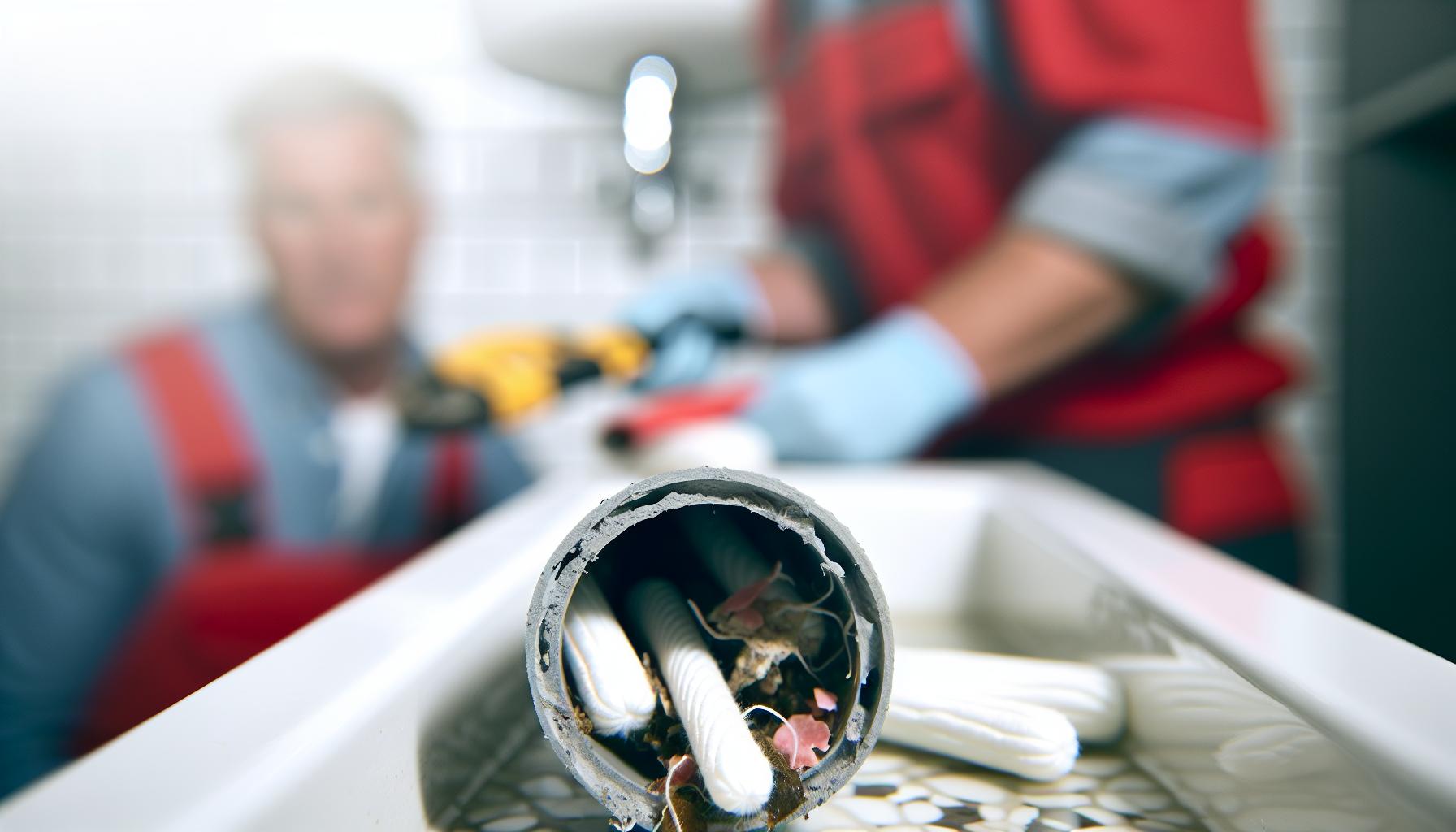
Common Plumbing Problems Caused by Flushed Tampons
Flushing tampons can lead to a variety of troublesome plumbing issues that homeowners often face only after inconvenient or costly damage has occurred. Unlike toilet paper, tampons are engineered to absorb moisture and maintain their structure, which means once they enter the pipes, they don’t break down easily. This characteristic can quickly spell trouble for your plumbing system. Within your pipes,these absorbent products swell as they take in water and become more rigid,creating obstructions that slow down or fully block the flow of wastewater.
One of the most common problems caused by flushed tampons is localized clogs, which typically form where pipes bend or narrow. These blockages frequently enough trap additional debris such as hair, grease, and other sanitary products, compounding the issue and making the clog tougher to dislodge. This buildup can back up water into sinks, bathtubs, or even toilets themselves, causing unpleasant overflows or slow-draining fixtures that signal trouble beneath the surface. In older homes with narrower or more fragile plumbing, even a single tampon can trigger frequent backups or persistent clogs requiring professional intervention.
Persistent Blockages and Their Consequences
- Recurring slow drains: Small, tampon-induced clogs rarely clear themselves and can cause ongoing drainage issues.
- Sewer line damage: Continuous obstruction raises pressure in pipes, increasing the risk of cracks, leaks, or pipe bursts.
- Costly repairs: Professional removal often involves snaking, hydro jetting, or even excavation for severe blockages.
In septic systems, flushing tampons can disrupt the delicate balance of microbial activity essential for waste breakdown. These products resist decomposition and accumulate inside the tank, leading to longer retention times, sludge buildup, and reduced system efficiency. Failure to address these blockages early can cause septic backups inside the home or costly repairs such as tank pumping and component replacement.
Real-world plumbing emergencies related to tampon flushing often catch homeowners off guard. For example, a plumber might find several tampons caught in one pipe bend, entwined with hair and grease, causing a near-complete blockage that shuts down the entire waste line from that bathroom. Preventing this scenario means understanding that flushing tampons presents a continuous risk not only to your plumbing but also to municipal sewer infrastructure, where amassed tampons contribute to giant “fatbergs” that challenge city maintenance crews.By recognizing these common plumbing problems and taking steps to avoid flushing tampons, you protect both your home’s plumbing integrity and avoid unexpected expenses and stress that come from clogs or pipe damage. Opting for proper disposal methods can save you notable hassle in the long run.
Why Tampons Are Harmful to Sewer systems and Septic Tanks
Many people don’t realize that tampons pose a serious threat to municipal sewer systems and home septic tanks, primarily because they don’t break down like conventional toilet paper. Designed to absorb moisture and retain their shape, tampons frequently enough travel through sewer pipes only to become stubborn blockages. These accumulations can lead to extensive damage and costly interventions for both municipal infrastructure and individual homeowners.
In sewer systems, flushed tampons contribute to the formation of massive “fatbergs”-dense, rope-like conglomerates of tampons, wet wipes, grease, and other sanitary debris that can grow to enormous sizes. These fatbergs obstruct flow in the mains, causing sewage backups and environmental hazards. Cities frequently enough incur millions of dollars annually in labor and equipment costs just to excavate and remove these clogs. Because tampons do not decompose easily, they persist in the system, acting as a structural backbone around which other waste materials gather.
Septic tanks are even more vulnerable to tampon-related issues. The microbial ecosystems inside septic tanks rely on the breakdown of organic waste to maintain system balance and prevent buildup.Sence tampons resist degradation, they linger and accumulate, disrupting the natural digestion process and causing sludge to build up more rapidly. This reduces the effective capacity of the tank and can lead to costly maintenance such as more frequent pumping or even premature system failure. Unlike sewage treatment plants that can sometimes manage blockages, septic systems operate on a smaller, more delicate scale and are less forgiving to foreign objects like tampons.
- Key consequences of tampon disposal in sewer/septic systems:
- Persistent pipe obstructions leading to backups and overflows
- Expensive municipal cleanup efforts and repairs
- Accelerated sludge buildup in septic tanks reducing system lifespan
- Increased risk of environmental contamination from sewage spills
Understanding these risks highlights why flushing tampons is strongly discouraged. taking a few extra seconds to dispose of tampons in the trash not only protects your home plumbing but also helps preserve vital city sewer services and the environment.In doing so, you become part of the solution to a widespread and expensive public sanitation problem.
Safe Alternatives to Flushing Tampons You Should Know
Flushing tampons may seem convenient,but there are several safe and simple alternatives that prevent plumbing issues and protect the environment. One of the easiest solutions is to use a small, dedicated waste bin placed discreetly in your bathroom. Many households keep a lidded trash can nearby specifically for disposing of tampons, pads, and other feminine hygiene products. this practice is widely recommended by plumbing experts as it eliminates the risk of blockages and keeps your pipes flowing smoothly.If discretion is a concern, consider using odor-sealing disposal bags designed for feminine hygiene products. These are inexpensive, readily available, and provide a hygienic, convenient option for storing used tampons until you can empty the bin regularly.Some newer products on the market even offer biodegradable disposal bags that help reduce environmental impact without compromising sanitation.
Eco-Friendly and Hygienic Alternatives
For those looking to reduce their environmental footprint, exploring reusable options can also be part of a holistic approach. Menstrual cups and washable cloth pads are gaining traction as sustainable alternatives that generate less waste overall. While these don’t replace tampons entirely for everyone,integrating them into your routine can significantly decrease the volume of disposable products needing special disposal consideration.
If you do choose to use disposable tampons, disposing of them in the trash remains the safest option. Avoid tossing them into bins outside your home where animals or pests may access them; instead,use covered containers and regularly empty their contents into sealed trash bags. This habit keeps your home hygienic and protects municipal waste management processes.
- Key safe alternatives to flushing tampons:
- Use a small, covered bathroom trash bin
- Employ odor-sealing or biodegradable disposal bags for hygiene and discretion
- Switch to reusable menstrual products to reduce waste
- Ensure regular emptying and sealing of trash to maintain cleanliness
By adopting these practical alternatives, you not only safeguard your plumbing and septic systems but also contribute positively to public sanitation and environmental preservation.Small changes in tampon disposal habits can add up to significant benefits over time.
How to Properly Dispose of Tampons without Risking Clogs
flushing tampons can create serious blockages as their dense fibers don’t break down like toilet paper. To avoid costly plumbing emergencies and maintain smooth water flow, understanding the proper way to dispose of tampons is essential. A simple habit change can protect your home’s plumbing and prevent avoidable clogs that often require professional plumbing services.
One of the most effective strategies is to always discard used tampons directly into a dedicated, covered bathroom trash bin. this practice not only protects your pipes but also keeps your bathroom clean and hygienic. For added discretion and odor control, consider using odor-sealing disposal bags designed specifically for feminine hygiene products. These bags are inexpensive, easy to use, and help contain moisture and odors until you empty the trash.
Tips for Effective Tampon Disposal
- Choose the right bin: A lidded trash can placed within easy reach encourages proper disposal every time.
- Use disposal bags: Biodegradable or scented feminine hygiene disposal bags minimize unpleasant smells and keep waste contained.
- Empty regularly: Avoid letting the bin overflow by emptying it frequently into sealed household trash bags to maintain cleanliness.
- Avoid outside bins for hygiene products: Flushing or placing used tampons in communal outdoor bins risks animal access and environmental contamination.
beyond managing disposal inside your home, adopting reusable menstrual products like menstrual cups or washable pads can dramatically reduce the volume of waste generated, easing the disposal burden altogether. However,for those continuing to use disposable tampons,the safest,clog-free option is trash disposal – never flushing.
By integrating these practical disposal techniques into your routine, you not only safeguard against plumbing issues but also contribute to healthier sewer systems and septic tanks. Remember, what you put down the toilet can come back to haunt your pipes - and your wallet.Simple changes in tampon handling eliminate that risk while supporting both your plumbing and the environment.
Signs your Plumbing Is Damaged by Flushed Tampons
Flushing tampons down the toilet can cause subtle damage long before a full-blown blockage becomes apparent. Often, the first signs might seem minor but should never be ignored, as early detection can save significant repair costs and inconvenience.When tampon fibers accumulate, they don’t break down easily, creating dense masses that cling to pipe walls and reduce water flow. This slow buildup can trigger a cascade of plumbing issues.
Common warning signs include slow-draining sinks, toilets that gurgle or make bubbling sounds after flushing, and frequent backups or foul odors emanating from drains.These symptoms indicate partial clogs where water struggles to pass through obstructed pipes. If ignored, these partial blockages can escalate rapidly, leading to overflowing toilets, sewage backups into the home, or water damage. It’s also telling if you notice toilets needing multiple flushes to clear waste completely or hear unusual noises within walls or floors where plumbing runs.
How to Recognize Early Indications of Damage
- Slow or incomplete flushing: Water lingering or pooling in the bowl after flushing can mean a developing clog.
- Unusual sounds: Gurgling or hissing noises coming from toilets or drains often signal trapped air caused by blockages.
- Persistent odors: Musty or sewage-like smells near bathroom fixtures may suggest backed-up waste trapped behind obstructions.
- Water backups: Overflowing sinks or toilets, especially when multiple plumbing points are affected, often reveal widespread blockages.
In some cases, tampons can become lodged deep within the sewer line, making superficial fixes ineffective. Professional inspection with a plumbing camera may be necessary to confirm the presence of stubborn tampon-related blockages. Pay attention to repeated plumbing problems-if plungers and drain cleaners fail to fix recurring clogs, the culprit could well be accumulated feminine hygiene products.
Taking action at the first sign of trouble is vital. Ignoring these warning signs not only risks expensive repairs but also compromises the hygiene and comfort of your home. Implementing proper tampon disposal habits and promptly addressing slow drainage or odd plumbing noises will keep your system running smoothly and your household protected from costly interruptions.
Environmental Impact of Flushing feminine Hygiene Products
Flushing feminine hygiene products like tampons has a significant and frequently enough overlooked environmental impact that extends far beyond household plumbing issues. Unlike toilet paper, tampons are designed to absorb liquid and maintain structural integrity, meaning they don’t break down easily in water. Once flushed, they can persist through sewage treatment systems and make their way into local waterways, contributing to pollution and harming aquatic ecosystems.
Many wastewater treatment plants are not equipped to fully filter out these bulky items. Consequently, flushed tampons can cause blockages in municipal sewer lines, leading to costly repairs and overflow events where raw sewage might spill into nearby rivers, lakes, or oceans. Such incidents pose serious health risks and disrupt habitats for fish and other wildlife. Additionally, these persistent materials often contribute to the global problem of microplastic pollution when synthetic fibers in tampons degrade slowly over time but never fully disappear.
Practical Ways to Reduce Environmental Harm
- Choose biodegradable or organic options: Some brands offer tampons made from natural fibers that decompose more quickly, lessening environmental impact if accidentally flushed or mishandled.
- Proper disposal is key: Always use trash bins designated for sanitary waste. This simple practice prevents harmful products from entering aquatic systems and sewer infrastructure.
- Educate and advocate: Sharing awareness about the environmental consequences of flushing tampons can encourage better disposal habits among family and friends.
By switching to thoughtful disposal methods and being mindful about product choices, individuals can help curb the needless introduction of non-biodegradable materials into delicate water treatment processes and natural habitats. Together, these small changes contribute to protecting water quality and reducing the strain on aging sewer and septic systems, all while preserving the environment for future generations.
Professional Plumbing Advice for Tampon-Related Blockages
Many plumbers will tell you that tampons are among the more stubborn causes of toilet and drain clogs as they don’t disintegrate easily like toilet paper. When tampons accumulate inside pipes, they create dense blockages that can quickly escalate into significant plumbing emergencies. Addressing these kinds of blockages frequently enough requires specialized techniques and tools best handled by professionals,as improper attempts to clear them can damage your pipes or worsen the clog.
Professional plumbers frequently use drain snakes with rotating heads or hydro-jetting-high-pressure water streams-to break apart and flush away tampon blockages. Unlike chemical drain cleaners, which are ineffective against tampons and can corrode your plumbing, mechanical methods physically remove the obstruction without risking further harm.In some stubborn cases, plumbers might utilize video pipe inspection cameras to locate the precise blockage and determine its severity, enabling targeted and efficient repairs.
If your toilet repeatedly clogs or drains slowly despite plunging, or if you notice gurgling sounds and foul odors, it’s crucial to schedule a professional inspection promptly. Early intervention can prevent more extensive damage, such as pipe corrosion or sewage backups, which are far more expensive and disruptive to repair. A plumber can also advise on whether your system would benefit from preventive maintenance like regular line cleaning or upgrades to accommodate household waste more effectively.
- Don’t flush tampons even in “modern” plumbing systems: Many think that newer pipes can handle all waste,but tampons resist breaking down and cause issues irrespective of age.
- Avoid chemical drain cleaners: These are usually ineffective against tampon blockages and may harm your plumbing over time.
- Hire a licensed plumber for thorough blockage removal: Professionals have the right tools and experience to clear clogs without damaging pipes.
- Consider preventative services: Routine plumbing maintenance can reduce the risk of tampon-related blockages and extend your system’s lifespan.
Ultimately,the best professional advice is clear: tampons should never be flushed. If a blockage occurs, prompt consultation with a qualified plumber not only resolves the immediate problem but also helps safeguard your entire plumbing infrastructure from recurring issues caused by improper disposal.
Tips to Protect Your Plumbing from tampon and Sanitary Waste
many people underestimate how easily tampons and other sanitary products can wreak havoc on household plumbing, yet just one flushed tampon can trigger a costly and stubborn blockage. Protecting your plumbing starts with understanding that these items are simply not designed to break down in water like toilet paper. Keeping them out of your pipes is the cornerstone of avoidance. Beyond simply not flushing, there are smart habits and proactive measures you can adopt to safeguard your plumbing system for the long term.
- Always use a dedicated disposal bin: Placing a small, covered waste bin in bathrooms ensures that tampons, pads, and related hygiene products have a hygienic resting place – reducing any temptation or accident of flushing.
- Educate every household member: even well-intentioned guests or family can mistakenly flush tampons if they aren’t aware of the risks. Posting a polite reminder near the toilet can prevent costly mistakes.
- Be mindful about what you flush besides tampons: Items like cotton swabs, dental floss, and wipes labeled “flushable” frequently enough cause the same kind of build-ups.Limiting flushables helps keep your system clear and less prone to clogging.
- Consider regular plumbing maintenance: Scheduling routine professional inspections and drain cleanings can catch minor blockages before they escalate, especially in homes with multiple bathrooms or septic systems.
Simple Daily Habits Make a Big Difference
Even minor adjustments in everyday bathroom use can prevent major headaches. For example, when changing a tampon, wrapping it in toilet paper or the wrapper it came in before discarding prevents moisture-induced stickiness in the trash bin. Also, avoiding simultaneous disposal of multiple sanitary items down the sink or toilet reduces the likelihood of sudden clogs.
Recognizing Early Warning Signs
If you notice slow drainage,gurgling noises,or unpleasant odors from your toilets and drains,these might potentially be early signs of tampon-related build-up. addressing these issues instantly by calling a licensed plumber will typically cost far less than emergency blockages demanding extensive repairs.
| Preventative Action | benefit |
|---|---|
| Use bathroom waste bins with lids | Reduces flushing mistakes and maintains hygiene |
| Post clear disposal reminders | Educates visitors and children on proper practices |
| Schedule annual plumbing check-ups | Detects and prevents developing clogs early |
| Avoid flushing non-degradable products | Protects pipes and septic systems from damage |
Ultimately, protecting your plumbing from tampon and sanitary waste is less about intricate products and more about consistent, informed daily habits. Taking these steps not only saves money but also preserves the comfort and hygiene of your home, preventing the frustration and expense of emergency plumbing interventions.
How to Educate Household Members on Tampon Disposal Best Practices
Many people don’t realize how easily flushed tampons can cause serious plumbing headaches until it’s too late. The key to preventing these costly problems frequently enough lies in clear and consistent communication within your household.When every member understands why tampons shouldn’t be flushed and how to dispose of them properly, the risk of clogs and damage drops dramatically. It’s about creating a culture of awareness and responsibility, especially as guests or younger family members might be unaware of the impact their actions have on your plumbing.
Start by placing a visible, polite reminder near toilets, such as a small sign or sticker, that outlines safe disposal habits in simple, straightforward language. This can be surprisingly effective at stopping accidental flushes. Pair this with a dedicated bathroom trash bin equipped with a lid to encourage proper disposal-when the right tools are easy to use and hygienic, compliance naturally improves. Explain that tampons don’t break down like toilet paper and can easily jam pipes, leading to expensive repairs and even septic tank damage in some homes.
Engaging Household Members with Practical Tips
Regularly discuss why flushing tampons is harmful and reinforce these points gently during routine conversations, especially if there are new household members or frequent visitors. Sharing real-world examples, such as a neighbour’s blocked drains or expensive plumber visits, can bring the issue closer to home and underscore its seriousness without creating blame. Offering clear guidance on wrapping tampons in toilet paper or their original wrapper before placing them in the bin also helps prevent odors and keeps the bathroom tidy, making the practice more appealing.
- Hold brief family or roommate meetings: Use these moments to refresh everyone’s understanding of plumbing-friendly habits.
- Create friendly but firm bathroom rules: Encourage peers to remind each other, fostering a shared sense of responsibility.
- Provide discreet disposal options: Small, covered bins with liners reduce embarrassment and increase willingness to comply.
| Action | Effectiveness |
|---|---|
| post clear signage near toilet | Reduces accidental flushing, especially for guests |
| Provide covered bathroom bins | Encourages hygienic, proper disposal |
| Discuss plumbing risks openly | Builds household consensus and accountability |
| Use practical demonstration or examples | Improves understanding and motivates change |
By embedding these strategies into your household routine, you make proper disposal second nature-not just a rule on a sign. This proactive approach not only preserves your plumbing system but also fosters a considerate and informed living environment, sparing everyone the inconvenience and expense of avoidable blockages.
Frequently Asked Questions
Q: Why do some plumbing systems handle flushed tampons better than others?
A: Plumbing systems with wider pipes or modern designs may handle flushed tampons better,but most toilets and pipes are not equipped to dispose of tampons safely.Always avoid flushing tampons to prevent unexpected clogs and potential damage. Learn more about signs of damage in Signs Your plumbing Is Damaged by Flushed Tampons for early prevention tips.
Q: How can flushing tampons affect municipal sewer treatment processes?
A: Flushing tampons can cause blockages during treatment and disrupt wastewater flow at municipal plants. Because tampons don’t dissolve easily, they contribute to costly maintenance and environmental harm. For eco-friendly disposal alternatives, see Safe Alternatives to Flushing Tampons You Should Know.
Q: Are biodegradable tampons safe to flush down the toilet?
A: Even biodegradable tampons are not recommended for flushing because they take time to break down and can still cause blockages. It’s safer to dispose of them in the trash to protect your plumbing and local sewer systems,as detailed in How to Properly Dispose of tampons Without Risking Clogs.
Q: What immediate steps should I take if a tampon causes a toilet blockage?
A: If a tampon causes a blockage, avoid excessive flushing. Use a plunger gently or a plumbing snake to remove the obstruction. If unsuccessful, contact a professional plumber to prevent damage. More advice is available in Professional Plumbing Advice for Tampon-Related Blockages.
Q: Can flushing tampons damage septic tanks differently than city sewer systems?
A: Yes, flushed tampons can severely damage septic tanks by clogging filters and disrupting bacterial balance, leading to costly repairs. City sewer systems face similar issues, but septic tanks require even more careful waste management.For safe disposal, refer to Safe Alternatives to Flushing Tampons You Should Know.
Q: When educating others about tampon disposal,what key points should be emphasized?
A: Stress that flushing tampons can cause plumbing clogs,harm the environment,and increase maintenance costs. Encourage disposing of tampons in dedicated waste bins, as outlined in How to Educate Household Members on Tampon Disposal Best Practices for reducing risk and promoting responsible habits.
Q: How do tampon materials contribute to plumbing and environmental problems?
A: Tampons are made from absorbent materials designed to expand, making them prone to clogging pipes and harming sewer systems when flushed. These materials also persist in the environment,posing pollution risks. Explore more in Environmental Impact of Flushing Feminine Hygiene Products.
Q: What are the safest and most hygienic alternatives to flushing tampons at home?
A: The safest alternatives include disposal in sealed plastic bags placed in waste bins or using specialized feminine hygiene waste containers. These methods prevent clogs and contamination. For more tips, visit Safe Alternatives to Flushing Tampons You Should Know.
For a deeper dive and additional tips on protecting your plumbing and making eco-conscious choices, explore our full guide sections linked above.
Final Thoughts
understanding the impact of flushing tampons on your plumbing is essential to avoid costly repairs and maintain a healthy home system. Remember,choosing safer disposal methods protects your pipes and the environment. If you found this guide helpful,explore our detailed tips on preventing common plumbing issues and eco-friendly waste disposal techniques to further safeguard your home.
Ready to take the next step? Sign up for our newsletter to receive expert advice on home maintenance and plumbing care straight to your inbox. Have questions or experiences to share about tampon disposal or other plumbing concerns? Join the conversation in the comments below or check out our related article on how to handle clogged drains effectively.
By staying informed about why flushing tampons can harm your plumbing and what alternatives to consider, you’re making smarter, safer choices that prolong your system’s life. Visit our resource hub for more insights on bathroom maintenance and sustainable living-because a well-informed homeowner is the best protector of their home.


