Can You Flush Blue Roll? Paper Towel vs. Toilet Paper
Many people wonder whether it’s safe or even advisable to flush blue roll (paper towel) down the toilet,especially when comparing it to traditional toilet paper. While both serve cleaning purposes, their different materials and breakdown rates can have serious consequences for your plumbing and local sewage systems. Understanding the key differences between blue roll and toilet paper not only helps you avoid costly blockages but also promotes better household and environmental health. If you’ve ever paused to question which tissue is flush-friendly or what happens when the wrong product goes down your toilet,you’re not alone-and this guide will clear up the confusion. By exploring the properties and disposal recommendations for both, you’ll be equipped with the know-how to protect your pipes and make smarter daily choices. Let’s dive into why flushing blue roll isn’t like flushing toilet paper, and what that means for your bathroom routine.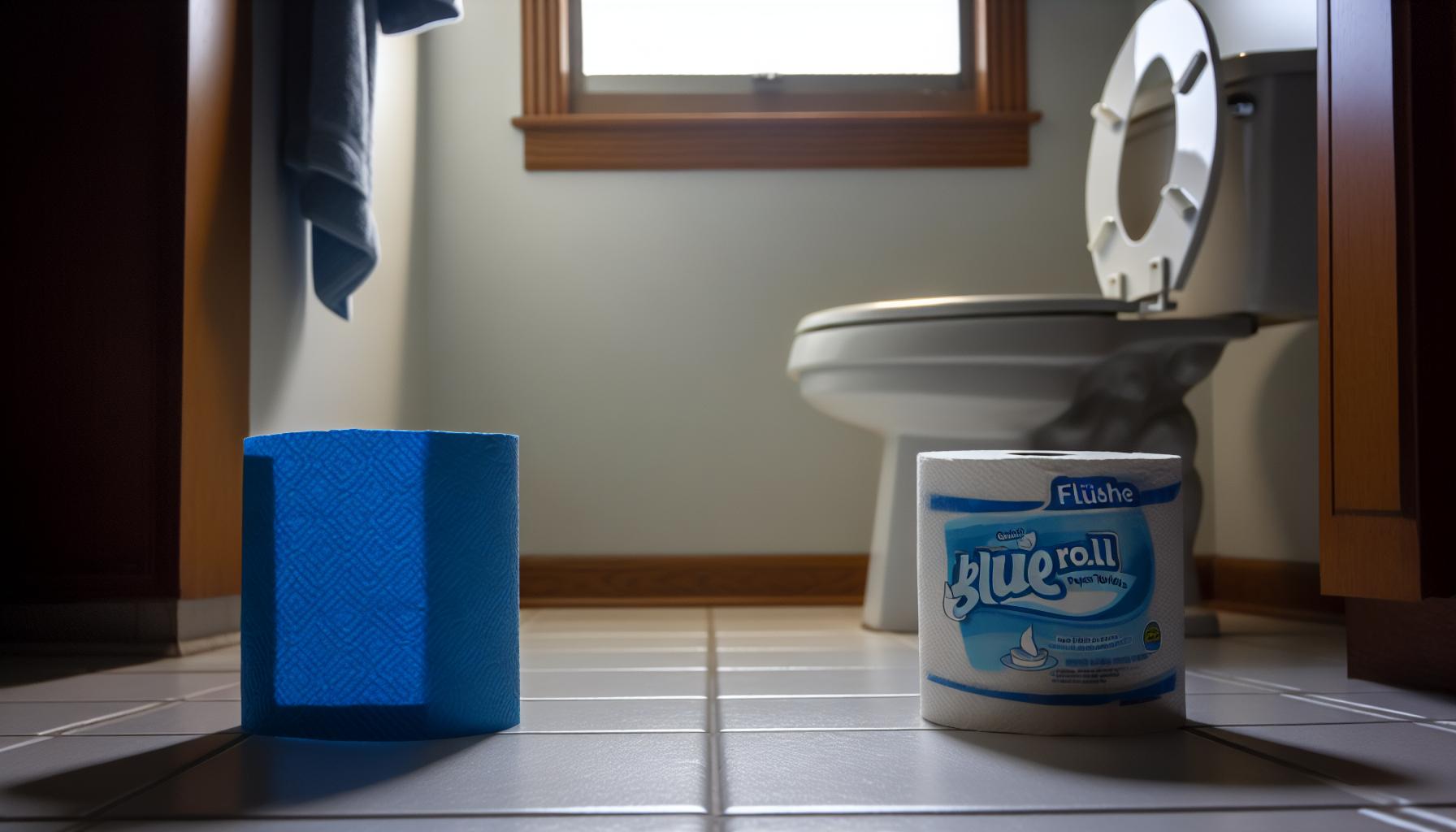
Can You Flush Blue Roll? understanding What Blue Roll is
Most people have encountered blue roll in kitchens, workshops, or garages, but surprisingly, many are unclear about whether it’s safe to flush down the toilet. Blue roll, ofen mistaken for paper towels or toilet paper, is a highly absorbent paper product typically designed for rapid cleanup of spills and grease. Unlike toilet paper, blue roll is usually made from thicker, stronger fibers that do not break down easily in water. This fundamental difference plays a critical role in how suitable blue roll is for flushing.
While it might be tempting to dispose of blue roll in the toilet due to its paper-like nature, it’s important to recognize that blue roll is generally not designed to disintegrate rapidly when exposed to water. Rather, it tends to stay intact or clump together, which can create notable blockages in plumbing systems and municipal sewage infrastructure. Therefore, even if your blue roll looks similar to paper towels, it acts differently once flushed-often causing problems rather than solutions.
What Makes Blue Roll Different?
- Durability and Thickness: blue roll is manufactured to be stronger and more durable to withstand handling and tough cleaning jobs. This durability means it doesn’t dissolve like toilet paper.
- Material Composition: It often contains recycled fibers or added binders that increase its strength but reduce its ability to break down in water.
- Purpose: Designed for spill absorption and wiping surfaces, not bodily waste, so it doesn’t have the same biodegradable properties required for safe flushing.
Understanding these differences is essential for making informed decisions about waste disposal in your home or business.Instead of risking costly plumbing emergencies, it’s wiser to dispose of blue roll in general waste bins designated for non-flushable materials. This approach helps protect both your plumbing and the broader sewage systems used by your community.
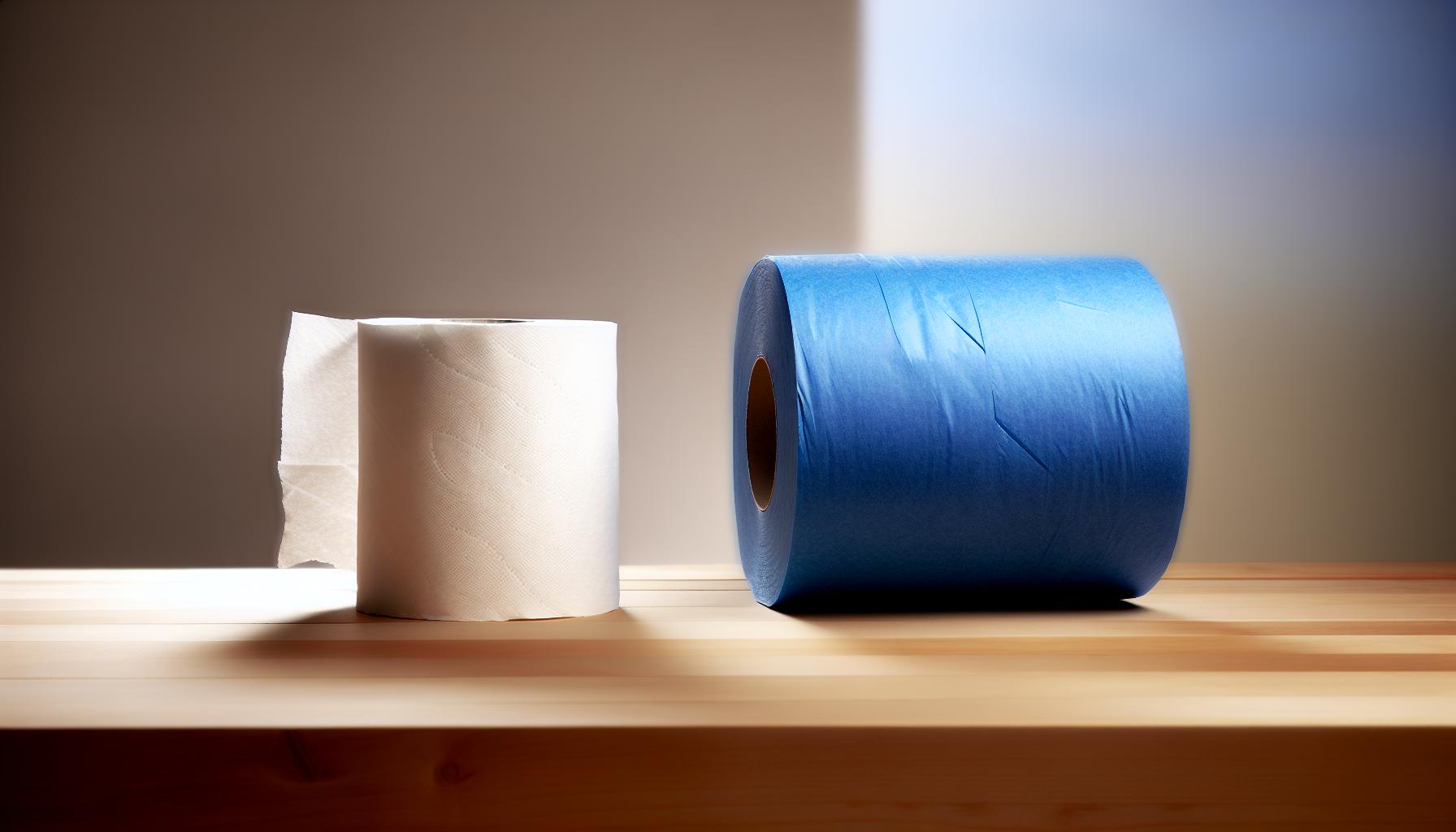
Toilet Paper vs. Blue Roll: Key Differences Explained
It’s easy to assume that all paper products work the same way when it comes to disposal, but the differences between toilet paper and blue roll are significant-especially when considering whether either should be flushed. Toilet paper is specifically engineered to dissolve quickly in water, preventing blockages and easing the waste treatment process. Blue roll, conversely, is designed for durability and absorbency outside the bathroom, which makes it much less suitable for flushing.
One of the most noticeable distinctions lies in how each product handles moisture. Toilet paper is typically thin and made from soft fibers that break down rapidly when wet. This fast disintegration ensures it travels smoothly through home plumbing and municipal sewage systems. Blue roll, frequently enough constructed from thicker, compressed fibers combined with binders for increased strength, resists breaking apart. This quality is excellent for cleaning greasy surfaces or soaking spills but problematic for toilets, as it can accumulate and cause clogs.
Comparing Key Attributes
- Absorbency and Strength: While both products absorb liquids, toilet paper balances softness with quick break down, whereas blue roll prioritizes toughness and lasting absorbency.
- Biodegradability: Toilet paper is made to be highly biodegradable and flush-safe; blue roll lacks the same standards and often contains recycled materials that hinder breakdown.
- Intended Use: Toilet paper is for personal hygiene; blue roll is for general cleaning tasks-not designed for bodily waste or sewage disposal.
| Feature | Toilet Paper | Blue Roll |
|---|---|---|
| Material Composition | Soft, biodegradable fibers | Thicker, stronger fibers with binders |
| Breakdown Time in Water | seconds to minutes | Minutes to hours or may not fully disintegrate |
| Typical Use | Personal hygiene | Cleaning spills, wiping surfaces |
| Flushability | Safe to flush | not safe to flush |
Understanding these differences helps prevent common plumbing nightmares and environmental harm. For example, trying to flush blue roll might seem harmless at first, but it can lead to costly blockages that inconvenience households and burden municipal systems. Therefore, while toilet paper is a flush-friendly solution, blue roll is best disposed of in a rubbish bin.
In everyday practice, think of toilet paper as a flushable paper designed with your plumbing in mind, while blue roll is a tough cleaning tool that thrives outside of drains and toilets. This mindset will guide safer disposal habits-and keep your plumbing flowing smoothly.
Why Paper Towels Should Never Be Flushed
Many people unknowingly treat paper towels as a disposable equivalent to toilet paper, but this misconception can lead to significant plumbing headaches and environmental damage. Unlike toilet paper, which is engineered to break down swiftly in water, paper towels are designed to be durable and absorbent-even when wet. this resilience makes them excellent for cleaning spills, but it also means they do not disintegrate easily in toilets or sewage systems, which can result in stubborn blockages.
When flushed, paper towels often clump together, creating dense masses that resist flowing through pipes. Over time,this accumulation can cause severe blockages,requiring costly professional plumbing interventions or even municipal sewer repairs. Additionally, these blockages can lead to unpleasant overflows and damage not only your home’s plumbing but also disrupt the wider sewage treatment process.
Reasons to Avoid Flushing Paper Towels
- Durability in Water: Paper towels often contain compressed fibers and additives that prevent quick disintegration,unlike toilet paper’s delicate,water-soluble structure.
- Risk of Plumbing Damage: Persistent clogs from paper towels can cause pipe backups, corrosion, and increased wear on wastewater treatment infrastructure.
- Environmental Consequences: When flushed, paper towels contribute to the formation of fatbergs-large masses of non-degradable materials combined with fats and oils-that harm the surroundings and amplify maintainance costs.
- Economic Impact: Besides costly plumbing repairs, improperly flushed paper towels burden municipal sewage systems, which may pass these costs on to consumers through increased service fees.
Practical Tips for Proper Disposal
To protect your plumbing and contribute to local environmental health:
- Dispose of paper towels in the trash bin. This simple habit prevents avoidable plumbing issues.
- Use designated cleaning wipes only when labeled flushable. However, even “flushable” wipes have caused problems and are often best disposed of in rubbish.
- Educate household members and guests. Clear signage near toilets can prevent mistaken flushing and associated damage.
understanding that paper towels are fundamentally different from toilet paper in composition and purpose is key to maintaining both your home’s plumbing system and the broader sanitation infrastructure. Making this small shift in disposal habit protects your pipes, saves money, and supports a healthier environment.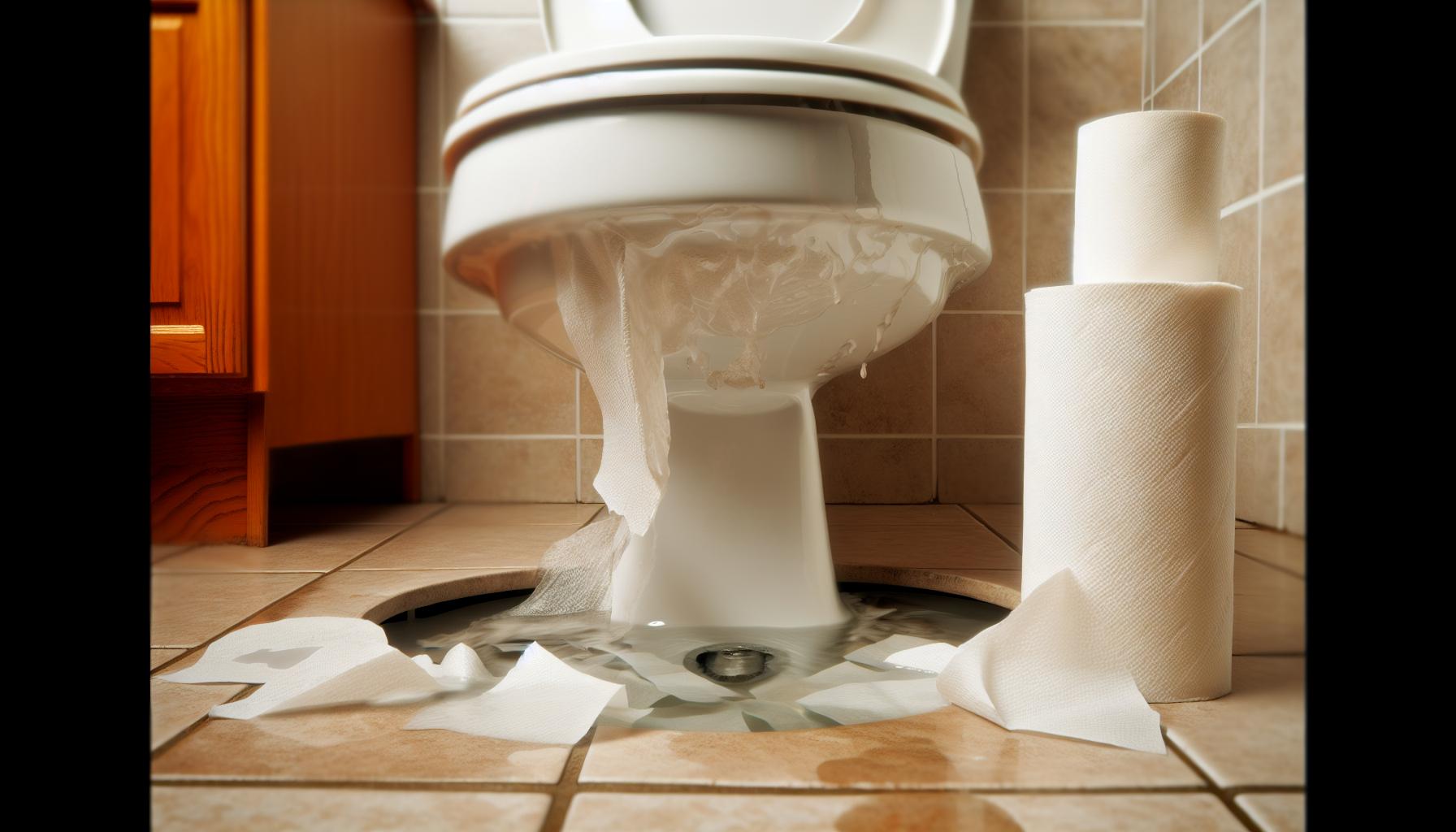
Environmental impact of Flushing Blue Roll and Paper Towels
Flushing blue roll or paper towels down the toilet can have far-reaching environmental consequences that many consumers might not promptly consider. Unlike toilet paper, which is specifically engineered to dissolve quickly in water, blue roll and paper towels are designed for durability and absorption, making them slow to break down and prone to causing blockages in sewer systems. This durability can lead to persistent clogs not only in household plumbing but also in municipal wastewater infrastructure, where they contribute to the formation of large, dense fatbergs-congealed masses of non-degradable materials mixed with fats and oils-that are notoriously difficult and costly to remove.
Beyond the immediate plumbing issues, these blockages have a significant environmental footprint.Blocked sewer systems can cause untreated sewage to overflow into waterways,harming aquatic ecosystems and posing public health risks. The added strain on sewage treatment plants from removing such materials consumes more energy and resources, which increases greenhouse gas emissions and operational costs.Consequently, improper disposal of blue roll and paper towels indirectly amplifies the pollution and carbon footprint associated with waste management.
Understanding the scale of Environmental Impact
- Non-biodegradability: Blue roll and most paper towels often contain synthetic fibers or binders that resist breakdown, leading to accumulation in sewer systems.
- Sewage system disruption: These durable fibers combine with fats and grease in drains to form fatbergs, causing expensive and energy-intensive maintenance.
- Water pollution risk: When blockages cause overflows, contaminated water carrying pathogens and waste can enter local water bodies, threatening both wildlife and human health.
- Increased carbon footprint: Repairing clogged systems and managing blockages requires heavy machinery and chemicals, both of which contribute to environmental degradation.
Practical Implications for Waste management
Choosing to dispose of blue roll and paper towels in the trash rather than the toilet supports more lasting waste management practices.solid waste that goes to landfill or is composted (if biodegradable) is easier to control and manage, reducing harmful environmental impacts. For instance, some municipalities offer composting programs where biodegradable paper towels can safely decompose without clogging infrastructure. This also reduces the burden on wastewater facilities, helping maintain cleaner waterways and lowering overall environmental harm.
in essence, avoiding flushing blue roll and paper towels is a simple but powerful action that protects plumbing systems, contributes to healthier aquatic environments, and supports more sustainable resource use.Making this choice reflects an understanding of how everyday habits impact the broader ecosystem and encourages responsible stewardship of vital environmental resources.
How Blue Roll affects Your Plumbing System
Flushing blue roll down your toilet may seem harmless at first glance, but its impact on your plumbing system can be surprisingly severe. Unlike toilet paper, which is engineered to quickly disintegrate in water, blue roll is typically designed for durability and absorption, meaning it resists breaking apart when wet. This resilience causes it to remain largely intact as it travels through household pipes, increasing the risk of buildups and persistent blockages.
When blue roll accumulates inside your pipes, it can obstruct water flow and trap other materials like grease or hair, forming dense clogs that are difficult to clear. Over time, these blockages can reduce drainage efficiency, cause slow to empty sinks or toilets, and ultimately lead to costly plumbing repairs. For example, plumbers frequently encounter pipe obstructions caused by improperly flushed blue roll, requiring tools like drain snakes or hydro-jetting to break apart or remove the tangled masses.
Why Blue Roll Is Particularly Problematic for Plumbing
- Slow degradation: Blue roll fibers don’t dissolve easily, meaning they linger in pipes longer than toilet paper.
- Absorptive nature: Its capacity to soak up liquids makes it expand inside pipes,worsening blockages.
- Tendency to aggregate: When combined with grease, fats, and other debris, blue roll can contribute to fatbergs-large, hardened clumps that obstruct sewage systems.
Even small amounts flushed regularly can accumulate, turning minor inconveniences into major plumbing headaches. households that rely heavily on blue roll or paper towels for cleaning might not notice slow drains immediately, but repeated flushing compounds the issue over months or years. Preventative care is vital: avoid flushing blue roll altogether and dispose of it in the trash or compost (if biodegradable). Doing so protects your plumbing and reduces the risk of sudden backups or overflows.
while blue roll might be convenient for cleaning spills, its physical properties make it unsuitable for flushing. Protecting your plumbing means understanding these differences and adjusting disposal habits accordingly-your pipes will thank you, and you’ll avoid costly, disruptive repairs.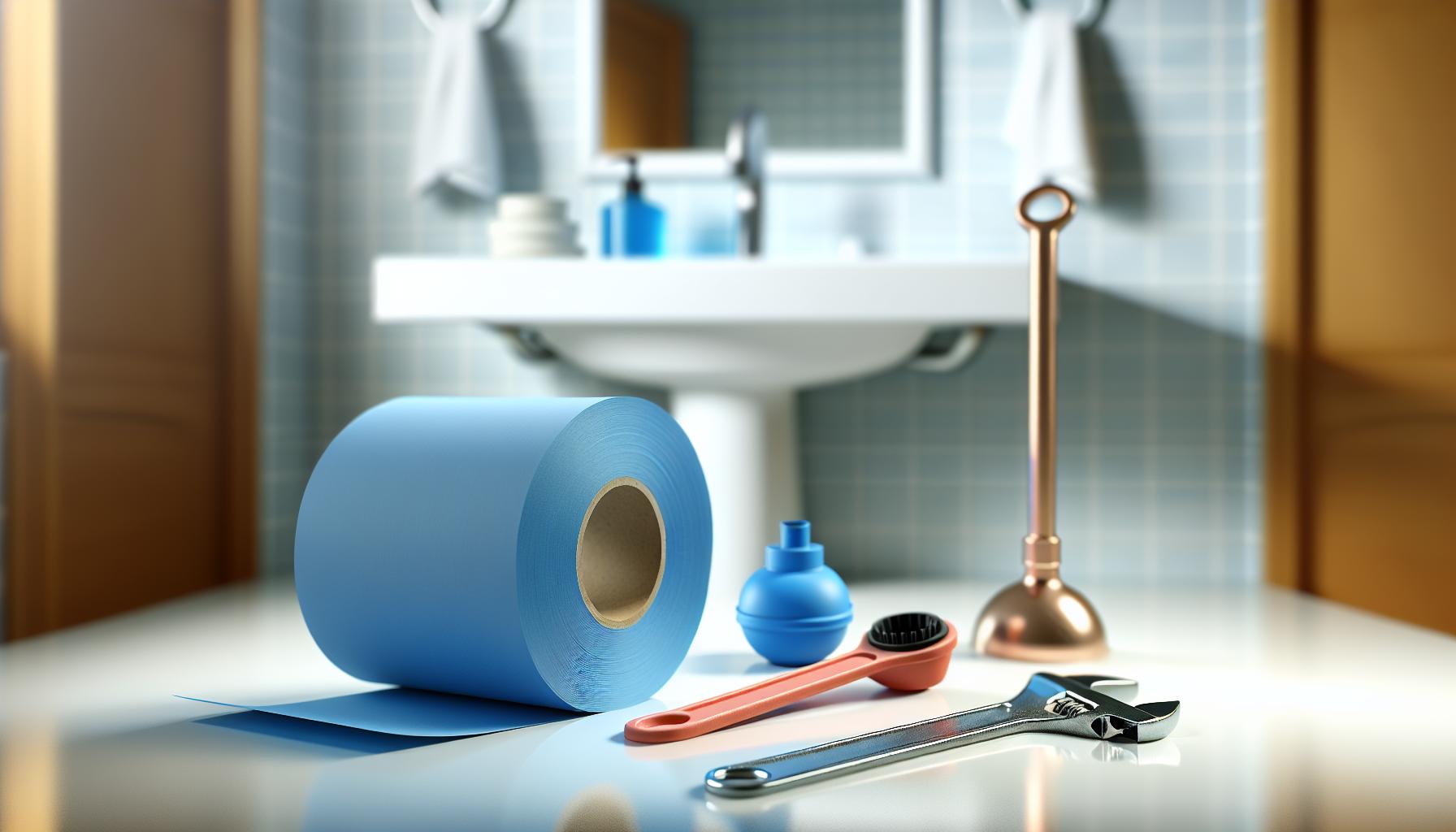
safe Disposal Methods for Blue Roll and Paper Towels
Few household habits carry as much risk to your plumbing as the improper disposal of blue roll and paper towels. While it might feel convenient to flush these items down the toilet, their design and material composition make this approach a recipe for clogged pipes and costly repairs. Recognizing how to dispose of these absorbent products safely can protect your plumbing system and contribute to a cleaner, more efficient waste management process.
Practical Disposal Tips for Blue Roll and Paper Towels
- Use the trash Bin: The simplest and safest method for disposing of blue roll and paper towels is to discard them in the garbage. These products are designed to be tough and absorbent, meaning they do not break down like toilet paper and will accumulate in pipes if flushed.
- Consider Composting Biodegradable Options: If you use blue roll or paper towels made from 100% natural fibers without chemical additives, check if your local composting facilities accept them.Composting can be an environmentally friendly choice to landfill disposal, but only if the product is certified compostable.
- Separate from Recyclables: Since blue roll and paper towels often contain food residue, oils, or cleaning chemicals, they must never be placed with paper recycling. Contaminated paper damages the recycling stream and is better suited for trash or compost.
Why Responsible Disposal Matters
Beyond plumbing risks, flushing these items impacts municipal sewer systems and wastewater treatment facilities. Blue roll and paper towels contribute to the formation of fatbergs-large masses of grease, wet wipes, and fibrous materials that can block city sewers and cause sewage overflows. By opting for safe disposal at home,you help reduce the environmental strain and potential public health hazards associated with clogged sewer infrastructure.
Examples to Reinforce Good Practices
As an example, households that switch exclusively to toilet paper for bathroom use, and reserve blue roll or paper towels for cleaning spills away from drains, typically experience fewer plumbing issues. Plumbers often report that simply educating clients about what should not be flushed leads to a significant reduction in callouts due to blockages. Keep a small, dedicated bin for soiled blue roll near sinks or workspaces to make proper disposal effortless and intuitive.
| Disposal Method | Suitable for | Benefits | Notes |
|---|---|---|---|
| Trash Bin | All blue roll and paper towels | Prevents clogs; easy and convenient | Ensure bin has a lid to contain odors |
| Composting | Unbleached, chemical-free blue roll or towels | Reduces landfill waste; environmentally friendly | Verify local composting acceptance |
| Flushing | Toilet paper only | Designed to dissolve quickly, preventing blockages | Never flush blue roll or paper towels |
By establishing mindful habits for disposing of blue roll and paper towels, you safeguard your home’s plumbing and contribute positively to broader environmental health. Small actions-like using bins thoughtfully and composting where possible-make a big difference in preventing clogs and keeping waste systems running smoothly.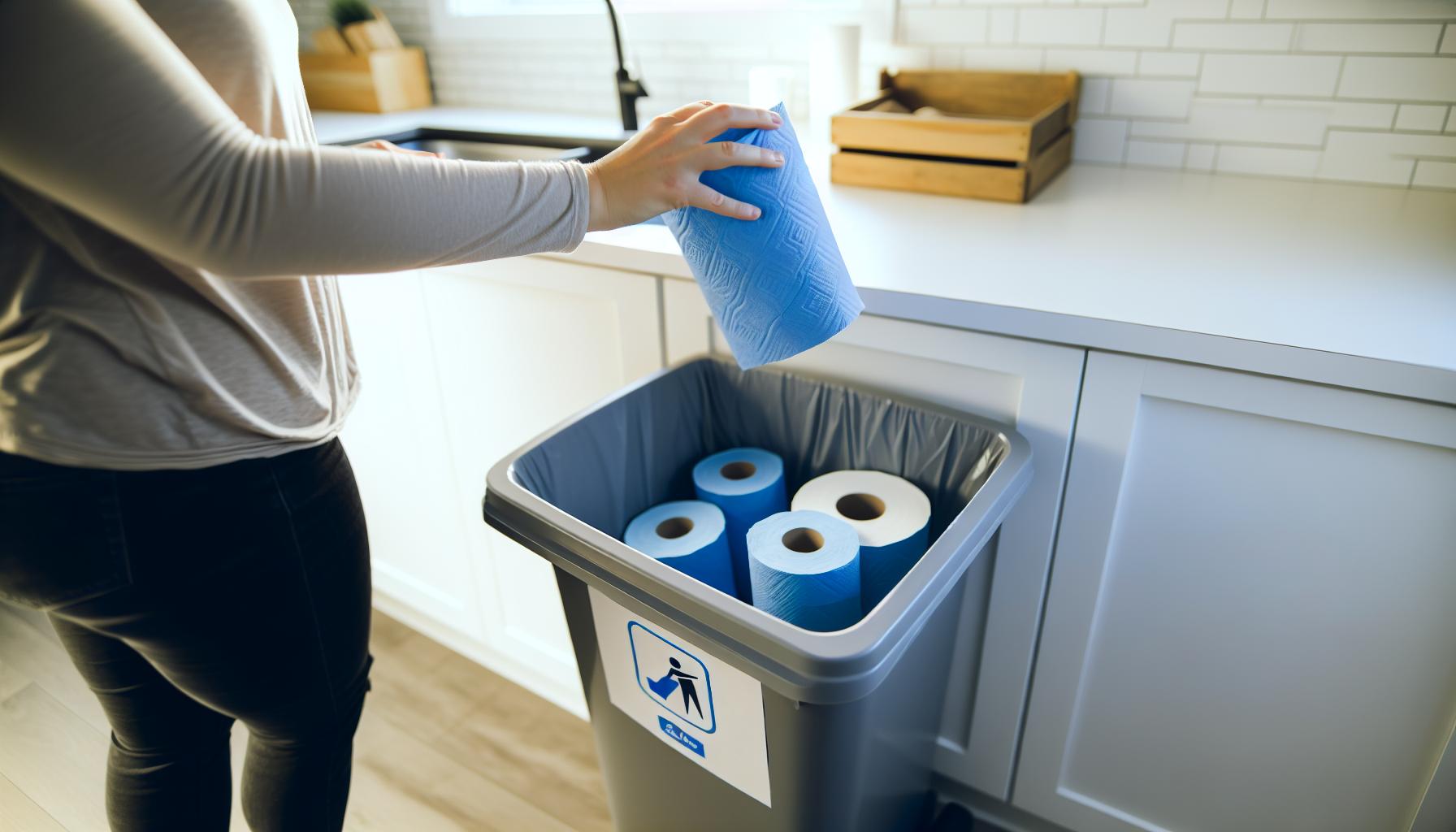
Common misconceptions about Flushing Paper Products
Many people assume that all paper products are safe to flush simply because they look similar or come rolled in a similar fashion, but this misconception can lead to costly plumbing headaches. Unlike toilet paper, which is specifically engineered to disintegrate quickly upon contact with water, blue roll and paper towels are designed for durability and absorbency. This means they do not break down easily and are prone to causing blockages in both household plumbing and municipal sewer systems.
another common myth is that if something flushes once without issue, it will always be safe to flush. This can be dangerously misleading. While a single sheet of a tougher paper product like blue roll may seem to go down smoothly,repeated flushing of these materials builds up fibrous masses inside your pipes over time. These accumulations can combine with fats, oils, and other debris to form stubborn blockages often requiring professional removal.
Some also believe that if a product is labeled as “flushable,” it is automatically safe for all plumbing systems. However, the term “flushable” is often used loosely by manufacturers and usually applies only to specific products, such as certain wet wipes designed to break down more effectively than blue roll or traditional paper towels. Always verify product facts and, when in doubt, opt against flushing anything other than toilet paper.
Practical Tips to Avoid Common Pitfalls
- read Labels Carefully: Look for products that explicitly state they are biodegradable and safe for flushing, but treat these with caution in older or compromised plumbing systems.
- Limit Blue Roll and Paper Towels to Trash Disposal: Keep a designated bin nearby to encourage proper disposal habits and reduce temptation to flush these items.
- Educate Household Members: Share knowledge about what is safe to flush to prevent accidental blockages caused by uninformed guests or children.
Understanding the differences in product composition and performance is crucial for preventing plumbing disasters. By recognizing that not all paper is equal in its flushability, you maintain a healthier home plumbing system and contribute to broader environmental and infrastructure well-being.
How to Choose Toilet Paper That Flushes Easily
Choosing toilet paper that flushes easily isn’t just about comfort-it’s a smart move to protect your plumbing and avoid costly repairs. Unlike blue roll or paper towels, which are made to be strong and absorbent but don’t break down well, toilet paper should disintegrate quickly once it touches water. This ensures it moves smoothly through your pipes and prevents blockages before they start.When shopping, look for toilet paper brands that highlight their rapid dissolving properties. Many manufacturers now test their products for septic safety and flushability, so labels such as “rapidly dissolving,” “septic safe,” or “biodegradable” are good indicators. keep in mind that overly thick or multi-ply toilet paper, while frequently enough softer, can sometimes cause issues if it doesn’t break down efficiently, especially in older plumbing systems. Striking the right balance between softness and flushability is key.
- Check Ply and Thickness: A 2-ply toilet paper usually offers good absorbency and strength without being too heavy to flush.
- Consider Material Composition: Toilet papers made from 100% recycled fiber generally dissolve faster than those containing synthetic fibers or lotions.
- Look for certifications: Some products carry certifications or endorsements from plumbing associations or environmental bodies, which means they meet high standards for flushability and biodegradability.
For households with older or sensitive plumbing, testing new brands in small amounts helps gauge their real-world flushability. Also, educating everyone in the home about limiting the amount of paper per flush can dramatically reduce the chance of buildup. Remember, even the best toilet paper won’t perform well if flushed in excessive quantities. Choosing the right product,combined with mindful use,keeps your system running smoothly and supports a healthier environment by reducing sewer blockages associated with non-flushable or slow-dissolving paper products.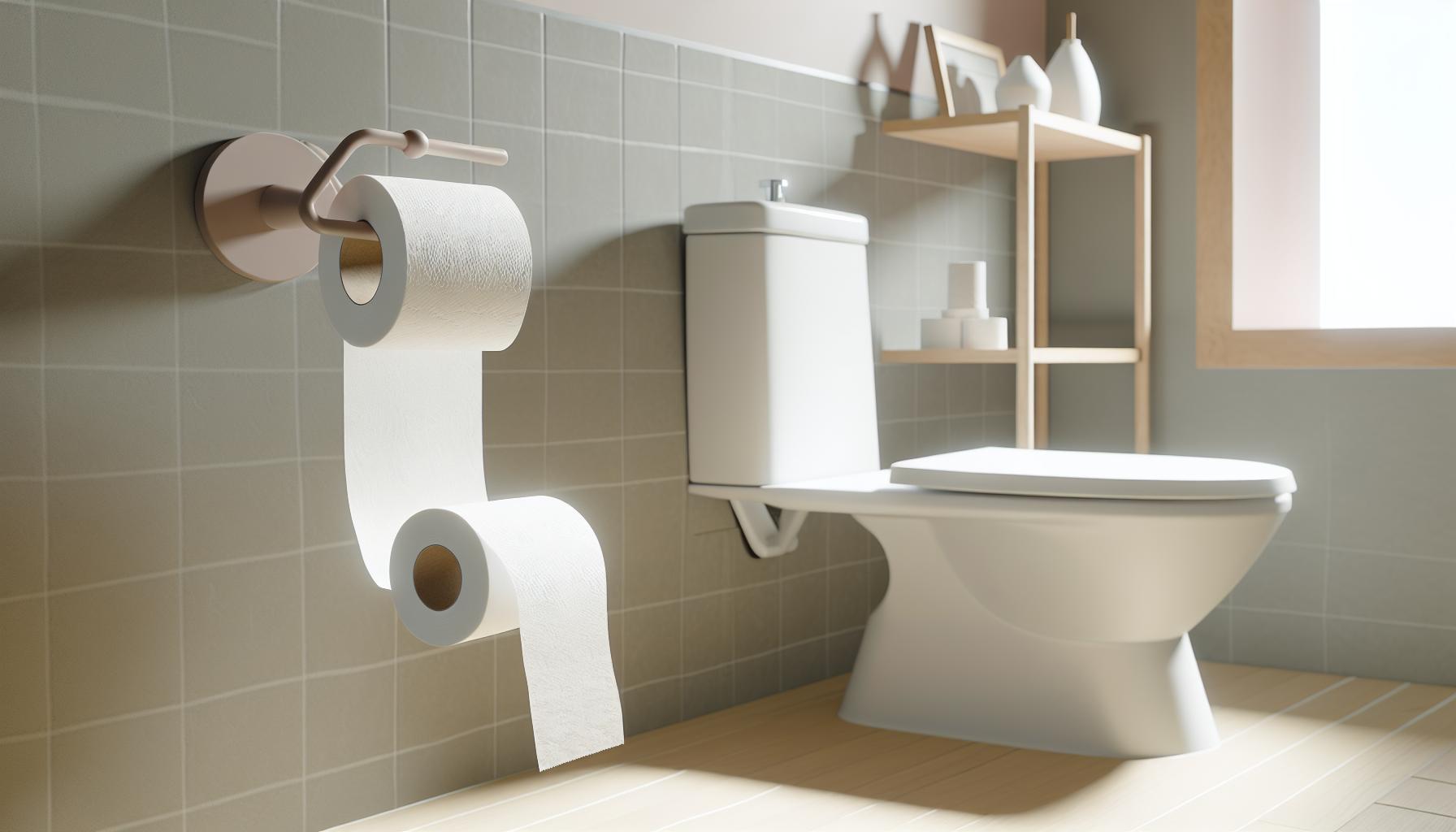
What to Do If Blue Roll Causes Blockages
It’s surprisingly common for homes to experience blockages caused by flushing materials like blue roll, especially since its durability and slower breakdown can quickly lead to clogged pipes. When faced with this issue, prompt and careful action can definitely help minimize both inconvenience and potential damage to your plumbing system.
Immediate Steps to Clear a Blue Roll Blockage
Start by avoiding additional flushing, which can worsen the problem. if the blockage is in a toilet, using a high-quality plunger is frequently enough the simplest and safest first measure. Ensure a tight seal around the drain hole and apply firm, consistent pressure to help dislodge the obstruction. For blockages located further down the drain line, a plumbing snake or auger can physically break apart or retrieve the blue roll material causing the clog.
If manual methods fail,it’s important not to resort to harsh chemical drain cleaners,as these can damage your pipes and may not be effective against fibrous paper products. rather, consider enzymatic drain cleaners designed to break down organic matter gradually; these tend to be safer and more environmentally friendly.
When to Call a Professional
Persistent or repeated blockages mean it’s time to consult a licensed plumber, especially if you notice slow draining in multiple fixtures or sewage backups. Professionals have specialized equipment like motorized augers and cameras to safely diagnose and clear tough blockages without damaging your plumbing. They can also inspect for any underlying issues exacerbated by flushing inappropriate materials.
Preventing Future Blockages
Beyond resolving an active clog, prevention is key. Educate everyone in the household about the dangers of flushing blue roll or paper towels, which are designed for durability rather than flushability. Encourage the use of toilet paper that disintegrates quickly in water, ideally products labeled “septic safe” or ”rapidly dissolving.”
- Dispose of blue roll, paper towels, and wipes in the trash instead of the toilet.
- Limit the amount of paper flushed at one time to reduce strain on the system.
- Regularly maintain plumbing with safe drain treatments or professional inspections.
Taking these steps can help protect your plumbing investment and reduce the likelihood of inconvenient and costly blockages caused by materials not designed for flushing.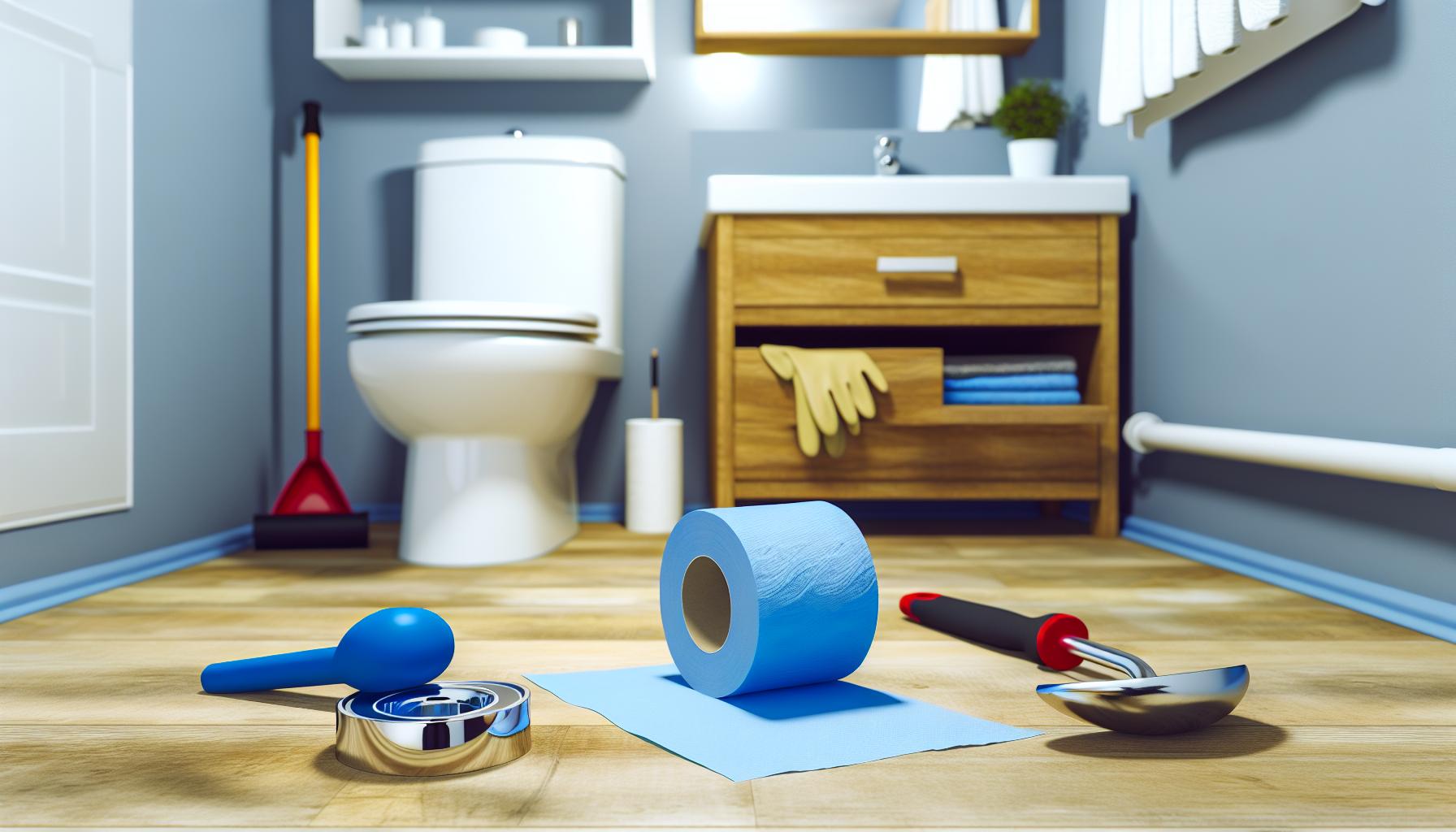
Alternatives to Blue Roll for Cleaning Purposes
Many people reach for blue roll or paper towels as quick, convenient options for cleaning up spills and messes, but these materials often cause more harm than good when flushed.Fortunately, there are several effective and safer alternatives that not only protect your plumbing but can also be better for the environment and your wallet over time.
Reusable Cloths and Microfiber Towels
One of the best alternatives is investing in reusable cloths or microfiber towels. These are highly absorbent, washable, and designed to last through multiple uses, making them a sustainable choice. Unlike blue roll or paper towels, reusable cloths don’t break down slowly in plumbing systems as they shouldn’t be flushed at all-rather, simply rinse and launder them after use. They’re perfect for everything from kitchen spills to dusting and polishing, significantly reducing the need for disposable options.
Biodegradable and Compostable Paper Products
If disposable options are preferred, look for biodegradable or compostable paper towels specifically labeled in this very way. These products break down more rapidly in water and can be composted rather than sent to landfill when not flushed. However,even these should never be flushed down the toilet,since plumbing systems aren’t equipped to handle any kind of paper towels safely.Rather,dispose of them in your regular or compost waste stream to minimise environmental impact.
Natural Fiber Cleaning Tools
Another interesting alternative includes natural fiber sponges or cloths made from materials like bamboo, cotton, or hemp. These materials are durable,absorbent,and often antimicrobial,providing a hygienic cleaning experience with less waste. Some bamboo cloths, for example, are designed to be compostable at the end of their lifecycle, supporting zero-waste lifestyles.
- Keep multiple cloths handy for different cleaning tasks to avoid cross-contamination.
- Maintain hygiene by washing them regularly in hot water with detergent.
- Rotate and replace cloths when they become worn to maintain effectiveness.
by switching to these alternatives, you can protect your plumbing from blockages caused by non-flushable materials like blue roll, while also reducing waste.Many households find this shift not only environmentally friendly but also cost-effective over time, as reusable cloths drastically cut down on the need to purchase disposable paper products.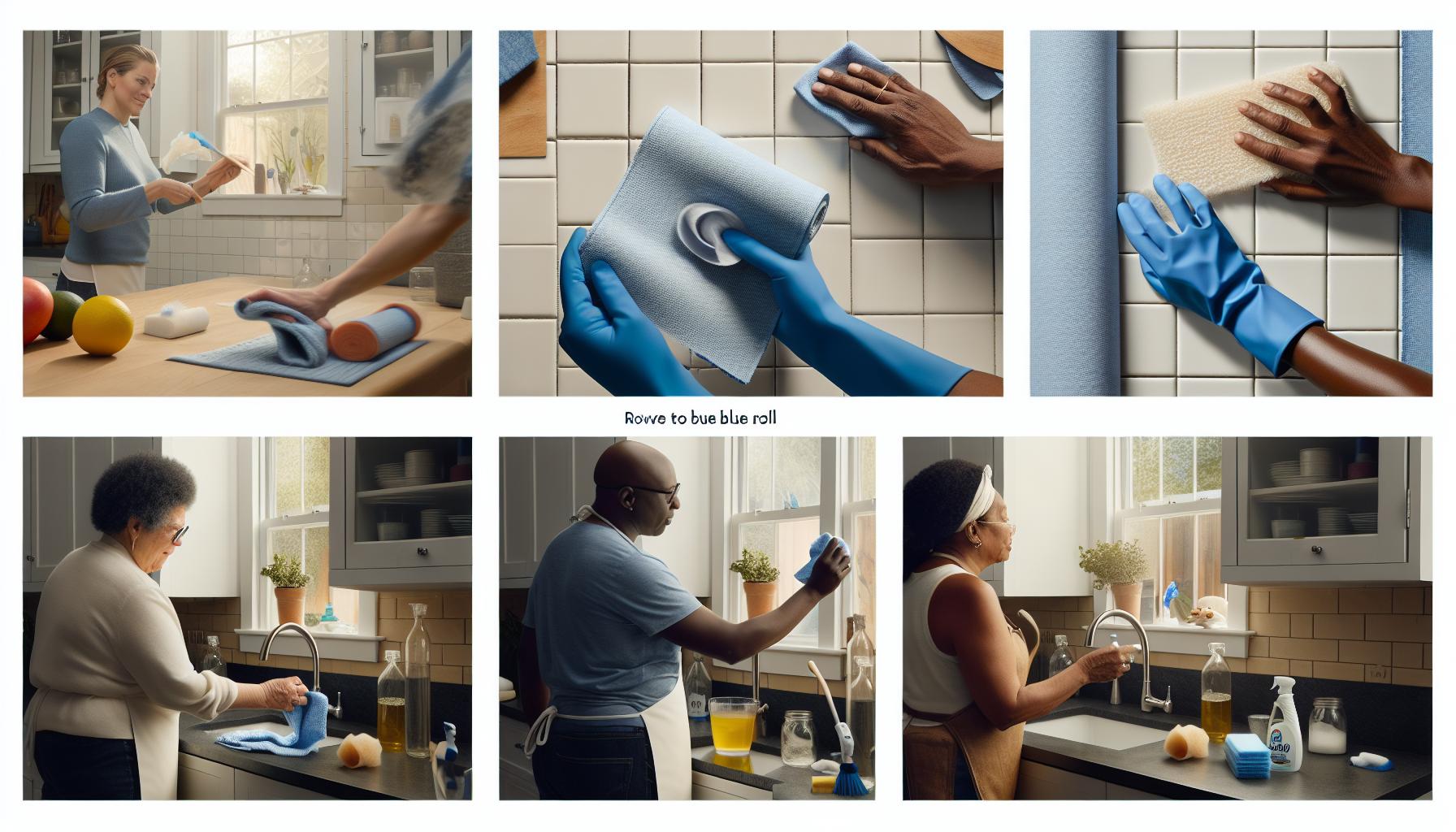
Faq
Q: How does blue roll break down compared to toilet paper when flushed?
A: Blue roll is designed for durability and does not break down quickly in water like toilet paper.While toilet paper dissolves rapidly to prevent clogs, blue roll stays intact longer, increasing the risk of plumbing blockages. For more details, see the section How Blue Roll Affects Your Plumbing System in our article.
Q: What happens if I accidentally flush blue roll with toilet paper?
A: Flushing blue roll with toilet paper can cause immediate or gradual blockages in your plumbing because blue roll doesn’t dissolve easily. If this happens, avoid flushing again, and consider using a plumber’s snake or contact a professional to clear the pipe. Refer to What to Do If Blue Roll Causes Blockages for troubleshooting tips.
Q: Why is blue roll not suitable as a toilet paper substitute?
A: Blue roll is thicker and less absorbent than toilet paper, making it unsuitable for flushing or bathroom use. Its strong fibers and adhesives prevent it from breaking down, leading to plumbing and environmental issues. For alternative options, check Alternatives to blue Roll for cleaning Purposes.
Q: How can you dispose of blue roll safely without flushing it?
A: The safest way to dispose of blue roll is by throwing it in the trash or using designated waste bins. Do not flush it, as it can cause plumbing problems. You can also consider recycling if your local facility accepts it. See Safe Disposal Methods for Blue Roll and Paper Towels for more disposal advice.
Q: Can flushing blue roll cause problems in septic systems?
A: Yes, flushing blue roll can disrupt septic system function because it does not decompose like toilet paper. It can cause blockages and reduce the efficiency of bacterial breakdown in septic tanks. For septic-safe products, consult How to Choose Toilet Paper that Flushes Easily.
Q: How does the composition of blue roll differ from paper towels and toilet paper?
A: Blue roll is generally made from stronger,more durable fibers with additives that resist disintegration,unlike toilet paper,which is designed to dissolve quickly in water.Paper towels are similar in strength to blue roll but may include different fiber blends. This difference affects flushing safety and plumbing impact.
Q: Are there eco-friendly alternatives to using blue roll for cleaning tasks?
A: Yes, eco-friendly alternatives include reusable microfiber cloths, washable rags, or biodegradable paper products designed to break down safely. These reduce environmental impact and plumbing risks. To explore these, see Alternatives to Blue Roll for Cleaning Purposes for greener cleaning options.
Q: When should you switch from blue roll to toilet paper for hygiene purposes?
A: Switch to toilet paper when you need a flushable, skin-friendly, and absorbent product for personal hygiene. Blue roll is intended for cleaning or wiping surfaces and is not suitable for flushing or direct use on skin. Learn more in Toilet Paper vs. Blue Roll: Key Differences Explained.
For more in-depth guidance, explore the full article and related sections to ensure your flushing habits are safe for both plumbing and the environment.
To Conclude
Understanding whether you can flush blue roll is essential to maintaining a worry-free plumbing system and avoiding costly blockages. Remember, while some paper towels might seem similar to toilet paper, they don’t break down the same way, so choosing the right option ensures your pipes stay clear and your home stays hygienic. For more insights, explore our detailed guides on how to properly dispose of household waste and toilet paper alternatives that won’t harm your plumbing.
Don’t let uncertainty linger-take a moment now to review your bathroom habits and consider switching to plumbing-friendly products that protect your home. If you found this helpful, sign up for our newsletter for expert tips, or check out our product recommendations to make smarter, eco-friendly choices.Have questions or experiences to share? Drop a comment below or join the conversation on social media to stay informed and engaged with a community that values practical plumbing advice.