
Can You Fill Toilet Tank With Water to Flush? Emergency Fix
When your toilet tank isn’t filling properly, it can quickly turn into a frustrating emergency, especially when a flush is urgently needed. But did you know you can manually fill the tank with water too get your toilet working again temporarily? This simple but effective trick can be a lifesaver if your fill valve malfunctions or there’s a plumbing issue causing the tank to remain empty. Understanding when and how to fill your toilet tank by hand not only provides immediate relief but also helps you avoid costly call-outs or prolonged inconvenience. If you’ve ever been stuck wondering how to flush your toilet when the automatic refill isn’t working, this guide will walk you through practical steps to keep things functioning smoothly until a permanent fix can be made. Read on to discover how this emergency fix works, the best ways to do it safely, and tips to troubleshoot common problems that might be causing the issue.
How a Toilet Tank Normally Fills and Flushes
A toilet tank operates like a simple yet precise water management system designed to ensure efficient flushing while conserving water.After each flush, water from the home’s supply line refills the tank through a valve mechanism that is carefully regulated to prevent overflow. This refill happens quickly yet smoothly, preparing the toilet for the next use without wasting excess water.Inside the tank, the fill valve controls the incoming water flow. As water enters, it raises a float-either a ball or a cup attached to an arm-which acts as an automatic shut-off sensor. When the float reaches a preset level, it signals the fill valve to stop the water flow, ensuring the tank only fills to the optimal height needed for a strong flush. This balance maintains consistent water pressure and prevents continuous running, a common issue in faulty toilets.
When you flush, the flapper or flush valve at the bottom of the tank lifts, allowing the stored water to rush into the bowl.This rapid release of water creates the siphoning action that clears waste from the bowl and refills it with clean water. Once the tank empties,the flapper drops back into place,sealing the tank to begin the refill cycle again. This closed-loop system works seamlessly under normal conditions but relies heavily on correctly functioning components like the fill valve,float,and flapper.
Understanding this process can definitely help homeowners diagnose why a toilet might fail to fill or flush properly. For exmaple, if the fill valve is clogged or the float gets stuck, the tank won’t refill, leaving you with no water to flush. Knowing how these parts interact can empower you to perform quick checks or emergency manual fillings that keep your toilet operational until repairs can be made.
- Fill Valve: Controls water intake after a flush
- Float Mechanism: Senses water level to stop filling
- Flush Valve/Flapper: Releases water to flush waste
This mechanical teamwork ensures toilets function efficiently every day, highlighting the importance of proper maintenance and awareness for emergency scenarios.
Is It Safe to Fill a Toilet Tank Manually?
Manually filling a toilet tank is a straightforward emergency solution that many homeowners find reassuring during unexpected plumbing interruptions, such as water supply outages or fill valve failures.Using a bucket or container to pour water directly into the tank can instantly restore flushing capability, helping maintain basic sanitation without relying on immediate repairs. This method is generally safe when done thoughtfully and with clean water.
However, certain precautions are essential to ensure safety and avoid damage. As an example, only use potable, clean water to prevent introducing contaminants into the tank and subsequently the toilet bowl. Additionally, pour water gently to avoid splashing or damaging internal components like the flapper or float. Overfilling the tank beyond its standard fill level can cause continuous running or leaks, so attention to the water level is crucial.
Practical Considerations and safety Tips for Manual filling
- Water Quality: Use clean, preferably tap water. Avoid using water that may contain debris or contaminants.
- Filling Speed: Pour water slowly to mimic the normal filling process and protect delicate parts inside the tank.
- Water Volume: Fill only up to the designated water line or just below the overflow tube to prevent spillage or malfunction.
- Hygiene: Wash hands after handling water containers, especially in emergency situations where water source cleanliness may be uncertain.
While manual filling is a useful stopgap, it is important to recognize it as a temporary fix, not a permanent substitute for a properly functioning fill valve system. Repeated reliance on this method without addressing underlying issues can lead to other complications such as leaks, inefficient flushes, or damage to fill components. In cases where the fill valve or float mechanism is broken or clogged, manual filling keeps your toilet usable until professional repairs are arranged, but long-term maintenance remains necessary.
the practice is safe and effective for emergency flushing when executed cautiously. Taking a moment to understand how much and how fast to fill ensures that this quick fix supports your home’s sanitation without inadvertently creating bigger problems.This knowledge empowers homeowners to maintain comfort and hygiene confidently, even during supply interruptions or mechanical faults.
Step-by-Step Guide to Emergency Toilet Tank Filling
When the toilet tank won’t fill due to a plumbing interruption or malfunctioning fill valve, you can restore flushing power quickly by manually adding water – a simple yet effective emergency solution. This hands-on approach lets you bypass the usual water supply path and keep your bathroom functional even without immediate repairs. The key is to do it carefully to avoid damaging the tank’s delicate internal parts or causing leaks.
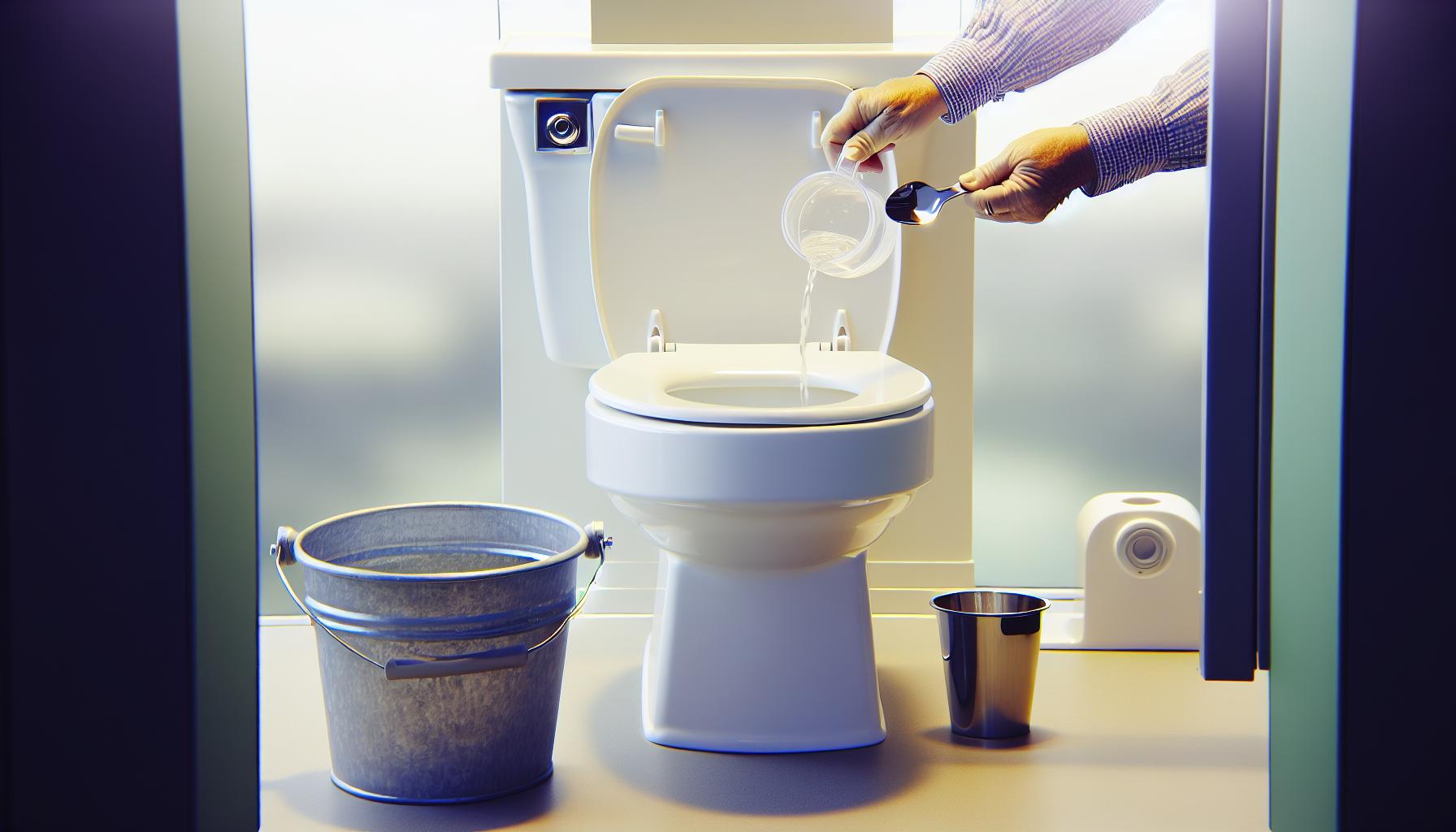
Begin by lifting the lid off the toilet tank and inspecting the water level inside.Use a clean bucket, pitcher, or container filled with potable water to ensure no contaminants enter the tank. Pour the water slowly and steadily, aiming below the tank’s overflow tube or the designated water line marked on the inside wall.Filling too fast or overfilling can cause water to continuously drain into the bowl, wasting water and possibly overwhelming the system. Take your time so the water flow mimics what the fill valve normally achieves.
- Step 1: Remove the tank lid carefully to access the inside without disturbing the internal components.
- Step 2: Pour clean water slowly into the tank, watching the water level to avoid surpassing the overflow pipe height.
- Step 3: Once the water reaches the appropriate level, stop pouring and replace the lid gently to avoid accidental knocks.
- Step 4: Flush the toilet as usual to test if the manually filled water flushes properly.
Using this method keeps the toilet usable in emergencies and buys you time until a professional plumber can fix the underlying problem with the fill valve or float mechanism. For example, many homeowners use this approach during short water outages or when the fill valve is clogged with mineral deposits, giving them peace of mind with bathroom functionality despite plumbing setbacks.
A useful tip is to keep a small, dedicated container near the toilet for quick refills in case your fill valve breaks unexpectedly. This preparedness cuts down on stress and lets you address the situation promptly - especially important in busy households or during water supply interruptions.
By following this step-by-step approach, you can confidently maintain indoor hygiene and comfort without running water for the tank. Just remember it’s a temporary measure, so arrange professional repairs soon to restore automatic and efficient toilet operation permanently[[1]](https://www.justanswer.com/plumbing/qn6rn-toilet-water-tank-won-t-fill-water-just.html).
Common Issues Requiring Manual Tank Filling
Sometimes,the convenience of an automatic toilet flush is interrupted by issues that leave the tank unable to fill properly,forcing homeowners to step in with manual water filling. One of the most common culprits is a malfunctioning fill valve, which can become clogged with mineral deposits or debris, especially in areas with hard water. When this happens, the valve may fail to open fully, preventing the tank from refilling after a flush. Manually adding water bypasses this mechanical failure, giving you immediate flushing power until repairs are made.
Another frequent cause is water supply interruptions. Whether due to scheduled maintenance, unexpected plumbing work, or local water main breaks, a lack of running water temporarily cuts off the toilet’s normal refill mechanism. in these situations, filling the tank by hand with clean water keeps your bathroom functional without relying on external systems. This is especially vital in households with young children or elderly family members, for whom emergency toilet access is essential.
Mechanical failures of components like the float ball or float arm can also lead to water level issues inside the tank. If the float becomes stuck or damaged,it may trick the system into thinking the tank is full when it’s actually empty,stopping the refill process prematurely. Manual filling becomes a practical workaround in this case, ensuring that despite sensor errors, the toilet can still be flushed effectively. Additionally,leaks within the tank (such as a faulty flapper seal) might cause water to drain continuously,making manual refilling necessary to maintain adequate flushing pressure temporarily.
- fill valve clogs or malfunctions: Often due to mineral buildup or debris, leading to no or slow tank refilling.
- Local water supply interruptions: Planned or emergency water outages necessitating manual intervention.
- Faulty float mechanisms: Causing incorrect water level detection and premature shutoff of tank refill.
- Interior tank leaks: such as worn flappers, causing continuous water loss and requiring repeated manual refills.
Understanding these common scenarios helps you recognize when a hands-on approach is both practical and necessary. It’s useful to keep a container of clean water nearby for quick manual refills during such times, reducing stress and ensuring consistent home hygiene even when plumbing systems falter. remember, while manual tank filling is an effective stopgap, addressing the root cause with professional assistance ensures long-term reliability and efficiency.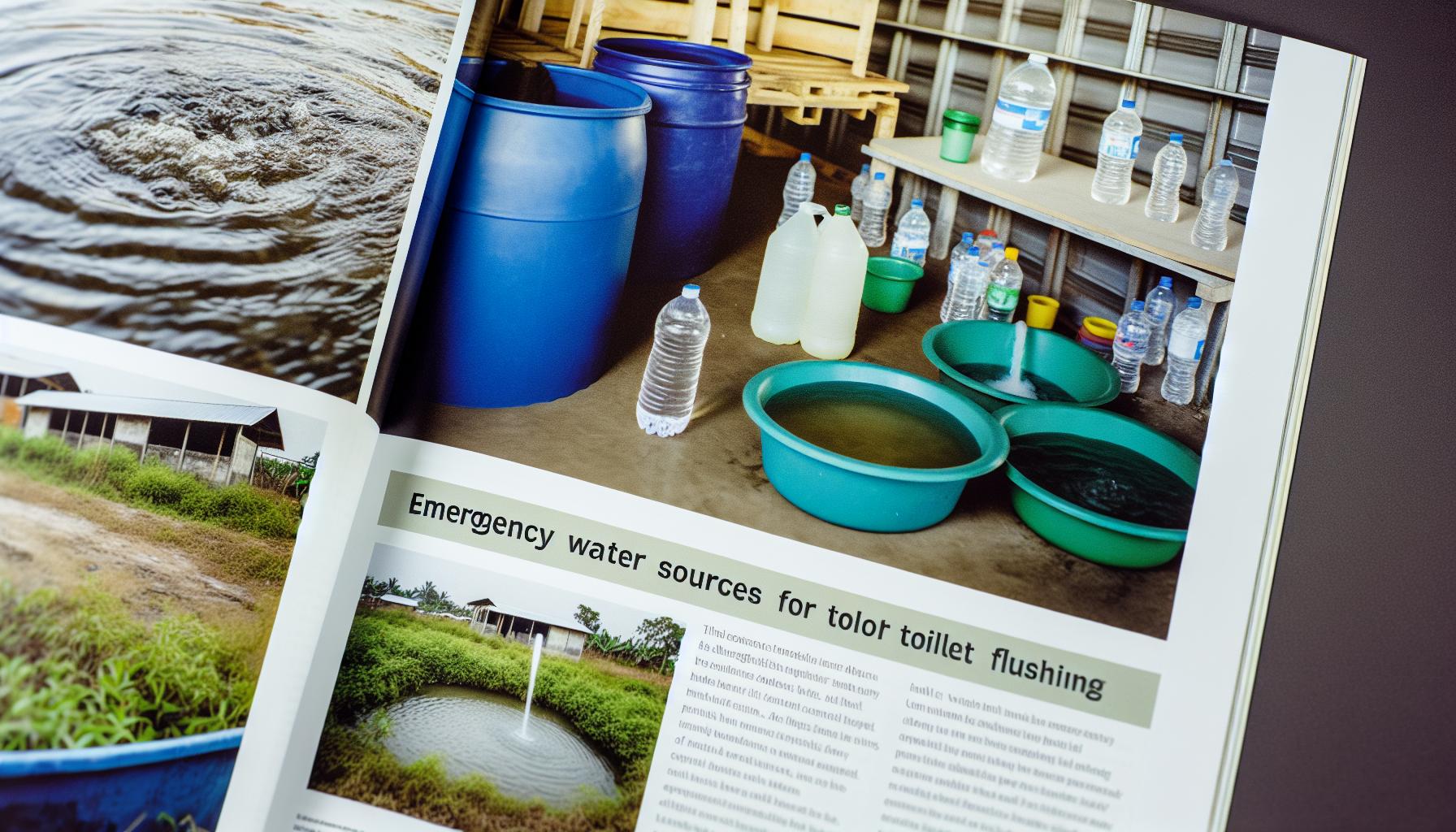
best Water Sources for Emergency Toilet flushing
Finding an appropriate water source during an emergency to fill your toilet tank can mean the difference between maintaining hygiene and facing inconvenience. While the immediate instinct might be to grab any available container filled with water, prioritizing cleanliness and safety is crucial to avoid introducing contaminants into your plumbing system or creating health hazards.
In urgent situations, tap water stored in a clean container remains the best and safest option. If you anticipate a water outage, it’s wise to store potable water beforehand specifically for toilet use, thereby ensuring you have a supply that won’t damage your plumbing or risk bacterial buildup. Additionally,water from appliances like water heaters or water collected from condensation on air conditioning units-if visibly clean-can serve as emergency reservoirs,though these sources should be used cautiously and less frequently due to potential impurities.
Option water Sources to consider
- Rainwater: If you have a rain barrel or other collection system, filtered rainwater can be a practical choice. however, avoid using untreated rainwater directly as it may contain debris or microorganisms.
- Water from swimming pools or hot tubs: In a pinch, this water can flush toilets but only if treated, as chemical additives may affect plumbing over time.
- Stored bottled water: While frequently enough reserved for drinking, large bottles of purified water can be reused for flushing during emergencies.
- Water from kitchen or bathroom sinks or tubs: Collecting water from these sources before a supply cut-off ensures you have clean water readily available for manual tank filling.
Water Quality and Plumbing Considerations
Using water that is too dirty or chemically treated can damage toilet components such as the fill valve and flapper, accelerating wear and leaks.It’s best to avoid water with heavy sediments, oils, or harsh chemicals. Even in emergencies, flushing with relatively clean water helps maintain your toilet’s functionality and reduces the risk of clogs or mechanical failures.
| Water Source | Advantages | Considerations |
|---|---|---|
| Tap water (stored) | Clean, safe, readily available if pre-stored | Requires advance planning for outages |
| Rainwater (filtered) | Free, lasting | May contain impurities, filter recommended |
| Pool or hot tub water | Large volume available | Chemicals can harm plumbing if used repeatedly |
| Bottled water | Pure, safe, portable | Costly for frequent use |
| Water from household sinks or tubs | Clean, accessible pre-outage | Must be collected before supply disruption |
Being mindful about the water you choose to manually fill your toilet tank ensures the process remains efficient and safe, preserving your plumbing’s longevity. Remember, consistent preparation-such as storing clean water specifically for emergency use-will save time and stress when unexpected interruptions occur.
Pros and Cons of Using a Bucket to Fill Toilet Tanks
Using a bucket to manually fill a toilet tank can be an effective emergency solution that many people turn to when the usual water supply is interrupted. This method offers a quick and direct way to initiate a flush, especially in situations where the toilet’s fill valve is malfunctioning or when there’s a complete water outage. However, despite its simplicity, filling a tank with a bucket comes with both clear benefits and notable limitations worth considering.
One of the strongest advantages is the accessibility and immediacy of this approach. Most households have a bucket or a similar container nearby, making it easy to collect and pour water directly into the tank or bowl without needing any specialized tools. This can be particularly handy during power or plumbing outages when the automated refill process is disabled. Plus, the ability to control the amount of water added means you can avoid overflow by pausing between pours – a helpful feature if your uncertain about the tank’s current water level or condition.
On the flip side, there are some challenges and risks associated with this method that users should be mindful of. Pouring water too quickly or using excessive force can jostle internal components such as the flapper valve or fill valve, potentially causing leaks or misalignment. Additionally, repeatedly lugging buckets of water might be physically challenging or inconvenient, especially for larger tanks that require several gallons to fill adequately. Another consideration is water cleanliness; if the bucket isn’t perfectly clean or the water is contaminated, you risk introducing debris or bacteria into the toilet system which can accelerate wear or cause clogs.
Practical Tips for Using a Bucket Efficiently
- Use moderate, controlled pours: Slowly pour water near the overflow tube to fill the tank without splashing or disturbing internal parts.
- Choose clean containers: Ensure your bucket is free of dirt and residues to prevent contaminating the tank water.
- Pre-fill buckets when possible: Store water in buckets ahead of emergencies to save time and effort during actual outages.
- Be mindful of tank capacity: Avoid overfilling; filling just enough for a proper flush helps conserve water and prevents spills.
Summary of Strengths and Weaknesses
| Pros | Cons |
|---|---|
| Readily available household tool with no special equipment needed | Potential to dislodge tank components if poured carelessly |
| Works effectively in water outages or fill valve failures | Physically demanding repeated trips for large volumes of water |
| Allows precise control over tank water level | Risk of introducing contaminants if bucket or water is unclean |
| Simple and fast emergency fix with minimal technical know-how | Temporary solution; not ideal for long-term or frequent use |
By weighing these factors, you can decide if using a bucket to fill your toilet tank suits your particular emergency needs. This approach shines as a practical, low-tech fix that requires minimal preparation, but maintaining care in execution will help avoid creating new issues while solving immediate problems.
How to Avoid Toilet Malfunctions During Emergency Fixes
When dealing with emergency toilet fixes, taking a careful and informed approach is crucial to prevent creating additional problems in your toilet’s internal mechanism. Water can be your best ally in flushing during outages or valve failures, but improper handling can easily cause malfunctions that might be costly or time-consuming to repair.A mindful technique ensures the temporary solution stays effective without damaging delicate components like the flapper, fill valve, or float assembly.
One common pitfall during manual filling is pouring water too quickly or directly onto internal parts. A forceful rush of water can shift or misalign the flapper valve, resulting in leaks or a tank that won’t hold water properly. Instead, aim to pour water gently and steadily near the overflow tube, which helps equalize pressure and fill the tank evenly without disturbing the mechanisms inside. Using clean,debris-free water and a clean container also minimizes the risk of clogging or corrosion,which can exacerbate existing issues or lead to new ones.
Key Tips to Maintain Toilet Functionality While Manually Filling
- Control the flow: Use slow, measured pours rather than dumping water quickly to avoid jostling components.
- Protect internal parts: Avoid directly hitting the flapper or float assembly with water; pour beside or slightly behind them.
- Use clean water and containers: Dirty water can introduce sediment that clogs valves or wears rubber seals prematurely.
- Observe water levels carefully: Stop filling once the water reaches the typical fill line or just below the overflow tube to prevent spills and tank flooding.
- Limit frequency: Rely on manual filling only in emergencies, as prolonged lack of proper tank refills could cause mechanical wear or improper flushing.
Care during emergencies not only preserves your toilet’s function but can extend component life, saving you expensive repairs. For example, excessive water pressure on the fill valve can cause premature corrosion or damage seals inside the valve assembly. Likewise, a misaligned flapper may lead to continuous water running, increasing your water bill and wasting resources. Remember, the goal of manual filling is to sustain performance until a permanent fix or professional repair can be implemented.
Signs You might potentially be Causing More Harm Than Good
| Warning Sign | Possible Cause During Manual Filling | Action to Take |
|---|---|---|
| Tank keeps running after flush | Flapper dislodged or seal compromised by fast water pouring | Stop manual filling; reposition or replace flapper as needed |
| Water overflows tank or leaks at base | Overfilling beyond safe tank level due to poor level monitoring | Monitor fill levels carefully; pour smaller amounts |
| Slow or incomplete flush during manual filling | Inadequate water volume added or partial blockage from debris | Ensure proper volume and clean water; inspect flush valve |
Taking these preventative steps during an emergency water fill can mean the difference between a prosperous fix and worsening a minor plumbing situation. By remaining user-aware and purposeful, you protect your home’s plumbing integrity even under unexpected conditions.
when to Call a Plumber Instead of DIY Fixes
There are moments when attempting a DIY fix for your toilet tank may seem like a quick and convenient solution, but certain warning signs indicate that professional help is necessary to prevent further damage. For example, if repeated manual filling does not resolve flushing issues, or if the internal components such as the fill valve or flapper seem broken, misaligned, or continually malfunctioning despite your careful efforts, it’s a clear indication that expert intervention is needed. Attempting to force a fix in these cases can lead to leaks, water wastage, or more costly repairs down the line.
Some plumbing problems aren’t just inconvenient; they can cause significant water damage or health hazards if left unattended. persistent leaks at the tank base, continuous running water, or frequent need to manually fill the tank after flushing often point to worn-out or faulty internal parts that require replacement or professional adjustment. Additionally, if you notice unusual noises, cracks in the tank, or difficulty accessing components for inspection and repair, a licensed plumber’s expertise will ensure the problem is both accurately diagnosed and safely corrected.
When professional Assistance Is the Best Choice
- Repeated failures after manual filling: If your toilet needs constant emergency filling and still fails to flush properly, underlying mechanisms such as the fill valve, flush valve, or float assembly may need replacement.
- visible leaks or water pooling: Water leakage around the base or tank indicates seals or bolts are compromised, requiring a plumber’s specialized tools and knowledge to fix without causing structural damage.
- Complex internal damage: Broken or misaligned parts inside the tank often require more than just repositioning. A plumber can assess if parts are corroded or beyond repair.
- Safety concerns or uncertainty: If you’re unsure about the cause of the tank malfunction or the safety of your plumbing system (e.g., risks of backflow or water contamination), it’s better to call a professional than risk DIY mistakes.
Real-World Examples of When Calling a Plumber Saved the Day
Consider a homeowner who tried repeatedly to manually fill their tank to compensate for a faulty fill valve. Without proper diagnosis,the valve’s internal seals deteriorated,causing continuous water flow and escalating the water bill alarmingly. A professional plumber quickly identified the issue and replaced the valve, restoring efficient operation and preventing wasted water. In another case, a slow, incomplete flush combined with irregular tank filling led to finding of sediment buildup blocking the fill valve seat-something that required proper tools and expertise to clear safely without damaging the valve.
In essence, while manual filling and minor adjustments can offer a short-term solution, many toilet tank problems demand the skills of a certified plumber. By recognizing when a problem exceeds your DIY capabilities, you can avoid unnecessary frustration, prolonged downtime, and costly repairs.
| Situation | Why Call a Plumber | Potential Risk if DIY Attempted |
|---|---|---|
| Persistent continuous running water | Flush valve or flapper likely needs replacement or reseating | Water wastage, rising bills, and possible tank damage |
| Water pooling underneath the toilet | Seal or tank bolts leaking, requires professional resealing | Water damage to floors and subflooring, mold growth |
| Fill valve malfunction with stuck float | Valve replacement or repair needed to restore proper fill | Continued flushing issues, overflow, wasted water |
| Cracks or structural damage to tank | Tank replacement and plumbing system inspection necessary | Potential for catastrophic leaks, flooding |
Trusting your toilet’s maintenance to a qualified professional ensures efficient, lasting repairs and peace of mind. When emergencies strike, knowing when to escalate to a plumber can save you time, money, and stress while protecting your plumbing infrastructure for the long term.
Preventative Tips to Avoid Toilet Tank Water Shortages
Many toilet tank water shortages stem not from sudden plumbing failures but from preventable buildup and overlooked maintenance. Addressing small issues before they escalate can save you from unexpected emergencies that force reliance on manual tank filling. Making a habit of routine checks and preventive actions keeps your toilet’s filling mechanism reliable and helps avert inconvenient shortages.
Regularly inspecting internal components like the fill valve,float,and flush valve is crucial. Over time, mineral deposits and sediment can accumulate, especially if you have hard water, causing these parts to malfunction and slow tank refilling. A practical approach is to clean or replace parts as needed-soaking fill valve assemblies in vinegar to dissolve mineral scale is a simple, effective fix that restores proper function without requiring full replacements [[2]](https://www.jsewerandplumbing.com/how-can-i-fix-a-slow-filling-toilet-tank/). Also, ensuring the float is correctly adjusted prevents overfilling or insufficient water levels that disrupt flushing.
Incorporate Water Supply and Usage Habits into Your Maintenance
Awareness of your household water supply’s stability and quality plays a pivotal role in preventing tank shortages. for instance, low municipal water pressure or clogged supply lines reduce fill speed and might leave your tank only partially filled. Flush your toilet periodically-even in seldom-used guest bathrooms-to keep the internal mechanisms lubricated and sediment from settling. During water rationing or supply interruptions, pre-filling a clean container or ensuring access to safe water sources for emergency refills builds resilience without damaging your plumbing.
Tips to Minimize Emergency manual Tank Filling
- Perform quarterly inspections: Check for leaks, corrosion, and sediment around and inside your toilet tank.
- Use water softeners if necessary: They reduce mineral buildup that clogs fill valves and inlet screens.
- Replace worn seals and flappers: worn-out parts cause continuous running and water loss, leading to shortages despite an open water supply.
- Install pressure regulators: These keep water flow consistent,reducing stress on fill valves and preventing failure.
Real-world experiences highlight how simple upkeep prevents costly crises. A homeowner who neglected minor sediment buildup found their fill valve seat clogged and unable to refill properly, resulting in repeated manual filling and ineffective flushes. After routine maintenance and replacement of the valve seal, tank operation normalized, eliminating the need for emergency refills and preserving water efficiency.
By proactive care, you reduce reliance on emergency fixes, protect plumbing systems, and ensure your toilet flushes effectively whenever needed-turning what could be a stressful situation into a smoothly managed household routine.
FAQ
Q: How long can I use the toilet after filling the tank manually during an emergency?
A: You can typically use the toilet normally after manually filling the tank once, but this is a temporary fix.Each flush requires refilling the tank manually until proper repairs are made. For ongoing issues, see When to Call a Plumber Instead of DIY Fixes to avoid further inconvenience.
Q: What is the safest method to manually add water to a toilet tank during a water outage?
A: The safest way is to use a clean bucket or container with potable water and pour it slowly into the tank until it reaches the fill line. Avoid using contaminated water sources to prevent bacteria risks. Refer to Best Water Sources for Emergency Toilet Flushing for guidance.
Q: Can I use cold water from other household taps to fill the toilet tank in an emergency?
A: Yes, cold potable water from household sinks or bathtubs is safe to use for emergency flushing. Just ensure the water is clean and avoid hot water as it may damage the toilet parts. This quick solution aligns with advice in Step-by-Step Guide to Emergency Toilet Tank Filling.
Q: Why does my toilet overflow after filling the tank manually to flush?
A: Overflow after manual filling usually means the fill valve or flapper is malfunctioning, causing the tank to overfill or water to leak into the bowl. Check parts as suggested in Common Issues Requiring Manual Tank Filling and schedule a repair soon to prevent water waste.
Q: How can I minimize water wastage when manually filling a toilet tank during emergencies?
A: To reduce water waste, fill only to the marked fill line in the tank and flush gently. Using an appropriately sized bucket can control the amount of water added. For detailed tips, see How to Avoid Toilet malfunctions During Emergency Fixes.
Q: What temporary alternatives exist if I cannot fill the toilet tank manually during a plumbing failure?
A: If manual tank filling isn’t possible,consider using a portable toilet or bucket flush method,pouring water directly into the toilet bowl to trigger flushing. These alternatives help in emergencies while waiting for professional repair-visit When to Call a Plumber Rather of DIY Fixes for support.
Q: Are there any health risks associated with flushing a toilet using manually added water?
A: Flushing with manually added water is safe if clean, potable water is used. Using contaminated sources can cause hygiene issues or odors. Always use safe water sources as outlined in Best Water Sources for Emergency Toilet Flushing to maintain sanitation.
Q: How often should I check my toilet tank components to avoid needing manual water filling emergencies?
A: Regular checks every 6 months can prevent sudden failures. Inspect the fill valve, flapper, and float for wear or leaks. Preventative maintenance advice is available in Preventative Tips to Avoid Toilet Tank Water Shortages, helping reduce emergency fixes and enhance reliability.
For detailed instructions and more emergency plumbing advice, feel free to explore our full guide sections linked above. Staying prepared ensures you handle toilet issues quickly and safely!
Closing Remarks
if you find yourself needing an emergency fix,filling your toilet tank with water manually is a simple and effective way to restore flushing function quickly. Acting promptly not only prevents discomfort but also helps avoid potential plumbing issues down the line. For ongoing maintenance tips and to troubleshoot common toilet problems, be sure to explore our detailed guides on toilet repair and water-saving flush techniques.
Ready to take control of your bathroom maintenance? Check out our comprehensive resources on DIY plumbing fixes and subscribe to our newsletter for expert advice delivered straight to your inbox.If you have questions or want to share your experience with this emergency flush method, leave a comment below-we’re here to help you stay informed and confident in managing your home’s water system. Discover more on related topics like toilet tank replacement and low-water flush solutions to keep your fixtures running smoothly.
By understanding how to fill your toilet tank with water to flush, you’re empowering yourself with quick, practical solutions when plumbing problems arise. Explore our other helpful articles and tools to extend your knowledge and keep your home functioning at its best. your next step toward hassle-free plumbing starts here.


