Can You Flush Sawdust Down the Toilet? Woodworking Cleanup
Did you know that flushing sawdust down the toilet can cause more problems than just a clogged pipe? While woodworking cleanup often leaves you wondering about the easiest way to dispose of sawdust,toilets are not designed to handle wood particles. Understanding why sawdust doesn’t simply disappear in the plumbing system is crucial to avoid costly repairs and environmental harm. If you’re a woodworker or DIY enthusiast, knowing the right disposal methods for sawdust can save time, money, and frustration. This article will explore why flushing sawdust down the toilet is a bad idea, what risks it poses to your home’s plumbing, and practical alternatives for safe and effective cleanup. By the end, you’ll have clear, actionable advice that keeps your workspace clean without compromising your plumbing.
Is Sawdust Safe for Toilet Disposal? Common Myths Explained
Many woodworking enthusiasts wonder whether it’s safe to flush sawdust down the toilet, given how commonly sawdust appears during cleanup. The reality is more nuanced than a simple yes or no. While sawdust is organic and biodegradable,flushing it can lead to plumbing headaches,contrary to popular myth that it simply dissolves or “washes away.” Sawdust doesn’t easily break down in water like toilet paper does. Instead, it tends to absorb moisture, clump together, and potentially cause blockages within your pipes over time.
One common misconception is that small amounts of sawdust won’t impact your plumbing due to their fine size or that cold water flow will prevent buildup. Though, sawdust’s unique fiber structure and absorbency mean it can accumulate in drains and traps, especially when combined with other bathroom waste. In addition, certain types of sawdust-especially from oily or resinous woods-may resist decomposition or even harden, further increasing the risk of clogs.
Why Flushing Sawdust Isn’t a Good Idea
- Absorption and swelling: Sawdust absorbs water and swells, creating blockages rather than flowing freely.
- Fibrous nature: Unlike toilet paper designed to disintegrate, sawdust fibers can entangle and trap other debris.
- Incompatibility with septic systems: For homes using septic tanks,sawdust can disrupt bacterial balance,impeding waste breakdown.
- Environmental misunderstanding: although biodegradable in composting conditions, flushing sawdust doesn’t expose it to ideal decomposition environments.
In fact, sawdust is highly valued as a cover material in composting toilets because it helps absorb moisture and eliminate odors, but this controlled habitat is completely different from conventional plumbing systems where water flow and pipe design aren’t suited for fibrous, absorbent materials like sawdust [[1]](https://humanurehandbook.com/downloads/Cover_Material_Info.pdf). Seeing sawdust safely managed in composting toilets can mistakenly lead to the belief that flushing it in a home toilet is equally harmless, which isn’t the case.
for anyone dealing with woodworking cleanup, the safest practice is to dispose of sawdust through trash, compost (if untreated), or specialized waste disposal rather than risking your plumbing infrastructure. recognizing these facts prevents costly repairs and ensures your pipes stay clear and functioning properly.

How Sawdust Interacts with Plumbing systems
It’s easy to underestimate the impact that something as seemingly harmless as sawdust can have on your home’s plumbing system. Unlike toilet paper, which is engineered to dissolve quickly when wet, sawdust behaves very differently once it enters your pipes. The tiny wood fibers absorb water and expand,forming dense clumps that do not break apart easily. This can cause sawdust to accumulate in traps and narrow sections of your plumbing, resulting in stubborn blockages that are tough to clear.
Another key factor is sawdust’s fibrous structure, which acts like a natural mesh that can trap hair, lint, and other debris commonly found in bathroom drains. This compounding effect exacerbates clog formation, turning a small issue into a costly repair. Moreover, if the sawdust comes from oily or resinous wood species, it can harden over time, adhering strongly to pipe walls and making mechanical removal even more challenging.
How Pipes respond to Sawdust
- Swelling and compaction: Sawdust absorbs water and swells, occupying more space within pipes and reducing flow capacity.
- Debris entanglement: the fibrous strands entangle with other materials, accelerating debris buildup.
- Resistance to flushing: Unlike typical flushable materials, sawdust doesn’t disperse easily, making water flow ineffective at transporting sawdust waste downstream.
Homes using septic systems face additional risks, as sawdust can disrupt the delicate bacterial balance essential for breaking down organic waste. Failing septic tanks can lead to expensive pump-outs or repairs, which could have been avoided with proper disposal methods.In contrast, composting toilets harness sawdust’s moisture-absorbing and odor-controlling properties effectively because the environment is controlled for decomposition – a condition that traditional plumbing systems simply do not provide.
Understanding these interactions is crucial before deciding to flush any woodworking residue. Protecting your plumbing from sawdust buildup not only avoids frustrating clogs but also preserves the longevity and effectiveness of your home’s drainage infrastructure.

Types of Sawdust: Which Can cause Blockages?
Not all sawdust poses the same risk when it comes to plumbing blockages-its potential to cause issues varies considerably depending on the wood type and particle size. Hardwoods like oak, maple, and walnut produce denser sawdust particles that tend to compact more tightly when wet, increasing the likelihood of clogs. By contrast, softer woods such as pine or cedar create fluffier sawdust that may be slightly less prone to dense accumulation but still poses a threat when flushed in large quantities.
Another important consideration is whether the sawdust contains residues from finishes, oils, or resins. Sawdust derived from treated or oily woods is particularly problematic as these substances can cause the wood particles to bind together, hardening inside pipes. Resinous woods like pine contain natural sap that becomes sticky when wet, forming stubborn blockages that resist typical drain-clearing methods. Additionally, sawdust mixed with fine dust or powder increases the risk as those tiny particles fill pipe crevices and form compact masses over time.
Factors That Influence Sawdust-Related Blockages
- Particle Size and Texture: Coarser sawdust may flush more easily but can still accumulate,while very fine sawdust behaves almost like mud,settling and solidifying inside pipes.
- Wood Species: Hardwood sawdust clogs more tightly than softwood; resinous wood sawdust sticks and hardens more.
- Contaminants and Treatments: Sawdust mixed with paint, varnish, or oils worsens blockage potential and can damage plumbing over time.
- Moisture Absorption: All sawdust swells when wet, but differences in wood density affect how much they expand within pipes.
Understanding these nuances will empower you to recognize which types of sawdust are most hazardous to your plumbing. Such as, if you’re working with oily or resin-rich woods, even small amounts of flushed sawdust can quickly accumulate into a clog. In contrast, sawdust from untreated softwoods poses somewhat less risk but should still never be rinsed down toilets or sinks. Instead, it’s safer and more environmentally responsible to dispose of sawdust through composting or dedicated waste channels designed to handle wood debris.

Environmental Impact of Flushing Sawdust Down Toilets
Many people underestimate the ecological consequences of flushing sawdust down toilets,assuming it simply dissolves or washes away harmlessly. In reality,sawdust can contribute to notable environmental challenges,especially when combined with modern sewage treatment systems not designed to handle wood particles or associated contaminants. Once flushed, sawdust does not break down easily; it tends to absorb water, expand, and create dense masses that complicate both municipal wastewater processing and septic system function.
From an environmental perspective, sawdust flushed through toilets can aggravate issues such as:
- Increased Wastewater Treatment Burden: Sawdust adds organic solids that sewage plants must filter out. this extra load consumes more energy and chemicals, reducing overall treatment efficiency and potentially increasing operational costs.
- disruption to Septic Systems: In residential areas reliant on septic tanks, sawdust may accelerate solid accumulation in the tank, leading to premature clogging and costly pump-outs. Moreover, it can clutter drain fields, impairing natural soil filtration and risking groundwater contamination.
- Potential for Toxic Residue Release: Sawdust from treated or painted wood stocked with chemicals may introduce micro-contaminants into wastewater streams, threatening aquatic ecosystems downstream when effluents are released.
Many environmentally-conscious homeowners now recognize that flushing sawdust contradicts water conservation goals, as it exacerbates sewage challenges rather than reducing water or waste. Instead, eco-kind disposal methods such as composting provide dual benefits: turning sawdust into soil-enriching material while restricting harmful runoff or plumbing damage. As an example, composting toilets often use sawdust as a carbon-rich cover material that absorbs moisture and odor without polluting water systems, emphasizing how beneficial proper sawdust management can be [[2]].
Key Environmental Takeaways
| Impact | Description |
|---|---|
| Wastewater System Overload | Sawdust increases solid load and requires extra energy for removal |
| Septic System damage | Accelerates sludge buildup and disrupts soil drainage, risking leaks |
| Chemical Contaminants | Residual finishes in sawdust can harm aquatic ecosystems |
| Resource Inefficiency | Flushing wastes valuable organic material that could be composted |
Understanding these broader impacts helps clarify why flushing sawdust is not merely a plumbing concern but an environmental issue demanding responsible disposal solutions. By choosing alternatives-like mulching,composting,or using designated waste services-you can protect both your plumbing and the planet.
Effective Alternatives to Flushing Sawdust Safely
It’s a common misconception that sawdust simply dissolves and disappears when flushed,but in reality,it can cause significant plumbing headaches and environmental harm. Fortunately, there are several practical and environmentally-friendly alternatives to flushing this wood waste, making your cleanup both safer for your home’s plumbing and better for the planet.
One of the most effective options is composting. Sawdust is rich in carbon, making it an excellent ingredient in compost piles when balanced with nitrogen-rich materials like food scraps or grass clippings. Composting sawdust not only prevents clogging in septic or municipal systems but actually transforms it into a nutrient-rich soil amendment for gardens and landscaping.For woodworkers, incorporating sawdust into garden mulch or backyard compost bins reduces waste and supports sustainable gardening practices.
If composting isn’t viable,consider using sawdust for fire-starting. When pressed together into bricks or simply kept dry, sawdust serves as a fantastic natural tinder for fireplaces or campfires, diverting wood waste from water systems. Sawdust can also be mixed with materials such as wax or paper to craft fire starters at home, providing a resourceful use without the risks associated with flushing.
For pet owners, sawdust makes an effective and cost-efficient absorbent litter material for small animals like rabbits, guinea pigs, or even chickens.Ensure the sawdust is from untreated,chemical-free wood to avoid exposing pets to toxins. This reuse strategy decreases waste volume and eliminates the risk of sewer clogs related to disposal.
Useful Sawdust Handling Tips
- Separate sawdust based on source: Untreated, natural wood sawdust is safer for composting or animal bedding. Avoid disposing of sawdust from treated or painted wood near water systems.
- Dry sawdust before storage or reuse: Wet sawdust tends to clump and makes cleanup and reuse more difficult.
- Consider local green waste or wood recycling programs: Many municipalities accept sawdust for mulching or industrial processing, providing eco-friendly disposal without plumbing risk.
By opting for these alternatives, you not only preserve your plumbing but also contribute to reducing landfill waste and preventing environmental contamination. Proper management helps turn what many consider a nuisance into a valuable resource-proving that with the right approach, sawdust can be part of a sustainable cycle rather than a plumbing hazard.
Additional creative uses and disposal ideas for sawdust provide a broad spectrum of options that help keep your workshop tidy without compromising your home’s plumbing or the environment[[1]].
Proper Sawdust Cleanup tips After Woodworking
The fine, powdery texture of sawdust can seem deceptively easy to clean, yet without the right approach, leftover wood particles can quickly become a stubborn mess that spreads throughout your workspace or even causes respiratory irritation. For woodworkers of all levels, effective sawdust cleanup is not just about tidiness-it’s about maintaining a safe, efficient, and environmentally responsible workshop.
Start by ensuring your tools and workspace encourage dust collection at the source. Using dust extractors and shop vacuums equipped with HEPA filters will help capture the majority of airborne sawdust, preventing buildup on surfaces and floors. Immediate cleanup after each woodworking session makes the process much more manageable and reduces the likelihood of dust creating slip hazards or infiltrating HVAC systems.
When cleaning surfaces, avoid simply sweeping sawdust into the nearest drain or toilet, as this can cause plumbing issues and environmental strain. Instead, use a combination of damp cloths or microfiber dusters to trap fine particles rather than dispersing them into the air. If possible, collect and segregate sawdust by type-untreated wood sawdust has many reuse options, while sawdust from painted or treated wood requires specialized disposal due to potential toxins.
Practical Sawdust Cleanup Tips
- Use dedicated dust collection systems: Attach dust extractors to power tools to minimize airborne particles.
- Vacuum frequently: Opt for vacuum cleaners with HEPA filters to capture fine dust and improve air quality.
- Wipe surfaces with slightly damp cloths: This reduces dust dispersion and makes collection easier.
- Bag sawdust securely: Store sawdust in sealed bags or containers to avoid accidental spills and contamination.
- separate treated and untreated sawdust: Helps prevent toxic material mishandling and facilitates reuse or recycling.
By integrating these methods, woodworkers not only protect their respiratory health and workshop cleanliness but also ensure sawdust does not find its way into inappropriate disposal routes like toilets or storm drains. Consider partnering with local recycling centers or green waste programs that accept sawdust, providing environmentally sound solutions and sometimes even returning composted material back to the community for use in gardening or landscaping.
Ultimately, a well-planned cleanup routine reduces environmental impact and plumbing problems alike, turning an unavoidable byproduct of woodworking into a manageable, and often beneficial, resource.
Preventing Plumbing Issues from Woodworking Waste
One of the most overlooked but critical aspects of managing a woodworking space is preventing sawdust and wood waste from compromising your plumbing system. Even though sawdust might seem harmless due to its fine texture, when flushed down toilets or drained incorrectly, it can accumulate over time and cause stubborn blockages. Unlike typical toilet paper or organic waste, sawdust does not break down easily in plumbing pipes; it tends to clump together, especially when mixed with water, forming dense masses that restrict water flow and damage pipes.
To protect your plumbing,it’s essential to avoid disposing of sawdust and wood debris in any drains or toilets. This applies not only to raw sawdust but also to dust from treated or painted wood, which may contain chemicals that can harm wastewater treatment processes or leach toxins into the environment. Instead, collect sawdust directly from your workspace using dust extractors or shop vacuums designed for fine particulates. By containing sawdust at the source, you significantly reduce the risk of it entering your home’s drainage system.
Smart Strategies to Safeguard Your Plumbing
- Use sealed containers for disposal: Store collected sawdust in airtight bags or bins to prevent accidental spills and ensure it stays dry until proper disposal.
- Establish a designated disposal routine: Regularly remove sawdust from your workshop rather than letting it accumulate. Partner with local green waste or composting programs that accept untreated wood waste.
- Avoid flushing any woodworking debris: Items like sawdust, wood shavings, or scraps should never go down toilets or sinks, where they can cause costly clogs and backups.
- Maintain your plumbing system: Periodically inspect and clean your drains to catch any early signs of blockages caused by stray debris.
Ignoring these precautions can quickly lead to costly plumbing repairs that disrupt your workflow and damage your property. many newer plumbing systems are more sensitive to fine particulate buildup, so preventative care is more critical than ever.In one case, a woodworker experienced frequent toilet backups after flushing sawdust, which required professional pipe cleaning and replacement of damaged sections. Learning from these examples underscores that proper waste handling benefits both your workshop’s productivity and your home infrastructure.
Incorporating sustainable disposal methods enhances environmental responsibility as well. Rather of flushing sawdust, repurpose untreated sawdust for composting, mulch, or animal bedding when safe and appropriate. Avoid disposal in conventional trash where possible; large amounts of sawdust can contribute to landfill problems or release airborne particles during transport.
By taking deliberate steps to keep woodworking waste out of plumbing systems, you can maintain a healthy, efficient workspace and save yourself from the inconvenience and expense of blocked pipes and sewage backups. Practical waste management isn’t just good practice-it’s a necessity for anyone committed to a clean and well-functioning workshop environment.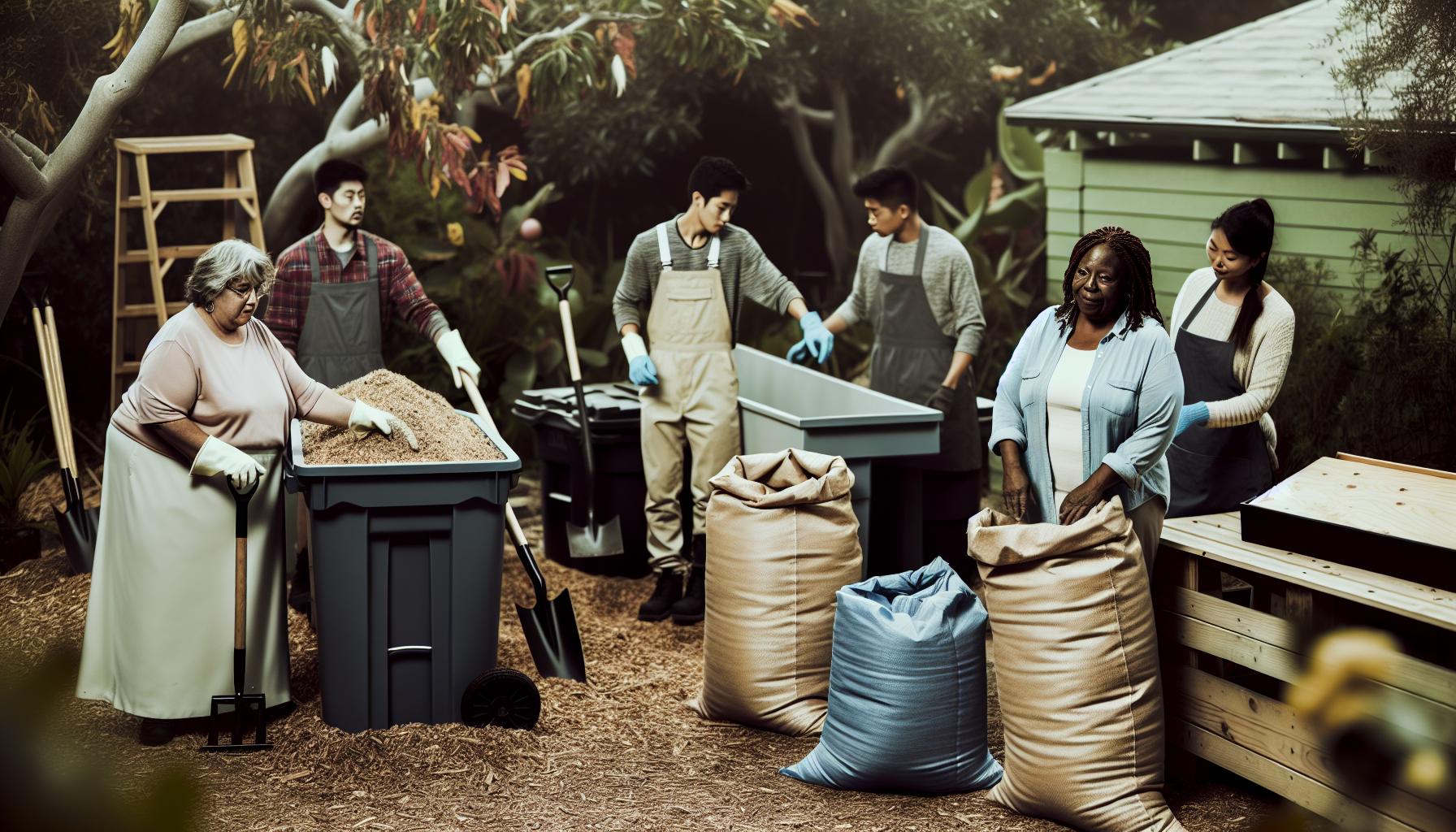
Step-by-Step Guide to Disposing Sawdust Responsibly
Few workshop residues are as deceptively troublesome as sawdust-it may seem harmless, but without proper disposal, it can quickly become a plumbing nightmare or an environmental hazard. Responsible handling starts with understanding that flushing sawdust down the toilet or any drain is never a safe option. Instead, follow a methodical approach that protects both your home’s infrastructure and the environment.
Begin by collecting sawdust at the source. Use a dust extractor or a shop vacuum equipped with a HEPA filter designed specifically for fine wood particles. This prevents sawdust from scattering or settling in hidden corners where it’s harder to gather. Once collected, transfer sawdust instantly into sealed, airtight containers like heavy-duty plastic bags or dedicated bins to keep it dry and contained, minimizing dust airborne or accidental spills.
Practical Steps for Sawdust Disposal
- Separate treated from untreated wood dust: sawdust from painted, stained, or chemically treated wood should never be composted or used around plants, due to potential toxins.
- Use untreated sawdust beneficially: Repurpose clean sawdust by mixing it into garden compost, using it as mulch to improve soil moisture retention, or as animal bedding if appropriate.
- Contact local waste management: Check if your municipality offers wood waste recycling or green waste collection services. many accept untreated sawdust and wood scraps for environmentally safe processing.
- Dispose of non-recyclable sawdust properly: When recycling isn’t an option, bag the dust carefully and dispose of it with your regular trash to avoid contamination of drains and waterways.
Additional Tips to Keep in Mind
- Keep your workspace clean by performing regular sweep-ups and vacuuming to prevent buildup of sawdust that could get accidentally flushed or swept into drains.
- Avoid mixing sawdust with liquids such as paint thinners or oils before disposal, as these combinations require specialized hazardous waste handling.
- Label containers clearly if storing sawdust for future use, especially if segregated by treatment type to prevent accidental misuse.
| Step | Action | Why It Matters |
|---|---|---|
| 1 | collect sawdust using proper equipment | Captures fine particles efficiently and reduces airborne dust hazards |
| 2 | Store in sealed containers | Prevents spills, keeps dust dry, and makes handling safer |
| 3 | Sort untreated vs. treated sawdust | Ensures safe, appropriate disposal or reuse methods |
| 4 | Reuse untreated sawdust or send to green waste facilities | Reduces waste and environmental footprint |
| 5 | Properly dispose of unusable sawdust | Avoids plumbing clogs and environmental contamination |
Adhering to these steps not only prevents costly plumbing problems and environmental damage but also reflects a commitment to sustainable workshop practices. Remember, treating sawdust as just “waste to flush away” overlooks its potential risks and benefits alike. Embracing responsible disposal safeguards your home and community, turning a common woodworking byproduct into an opportunity for cleaner, greener living.
Expert Advice on Managing Woodshop Wastewater
few workshop byproducts pose as much risk to plumbing and the environment as sawdust mixed with wastewater. Although it might seem convenient to rinse sawdust or wood debris down the drain, this habit can cause persistent blockages and negatively impact municipal treatment systems. Effective management of woodshop wastewater requires intentional actions that go beyond the conventional “flush and forget” mindset, preserving both your plumbing infrastructure and local waterways.
Understanding the Behavior of Sawdust in Wastewater
Sawdust, particularly fine particles from woodworking, doesn’t dissolve or break down easily in water. Instead, it tends to clump together, trapping grease, oils, and other residues common in woodshop runoff. These aggregates can adhere to pipe walls,creating stubborn buildups that narrow pipes and restrict flow. Over time, untreated sawdust-laden wastewater can overwhelm septic systems or overwhelm municipal sewage treatment plants, contributing to costly repairs and environmental harm.
Practical Tips to Control and Treat Woodshop Wastewater
- Minimize water contact: wherever possible, dry sweep sawdust and debris before any wet cleaning. This reduces the volume of particulate matter entering the wastewater stream.
- Use sediment traps or settling tanks: Installing simple filtration or settling systems can help capture suspended solids before they enter drains, protecting your home’s plumbing and city treatment facilities.
- Separate oily or chemically treated dust: Sawdust contaminated with finishes or solvents requires special handling as these substances are hazardous. Avoid rinsing these materials down any drain.
- Adopt environmentally friendly cleaning agents: Choose biodegradable, low-toxicity cleaners that won’t compound pollution issues when combined with woodshop residues.
Creating a Sustainable Wastewater Routine
Incorporate routine maintenance and smart habits to keep woodshop wastewater manageable. For example, rinse tools and surfaces over a basin with a filter or absorbent material that can be emptied into solid waste containers. This strategy significantly reduces suspended solids and contamination in your wastewater.
| Action Step | reason |
|---|---|
| Dry sweep work areas regularly | Limits sawdust spreading and potential drain contamination |
| Install filters or traps on drains | Captures and prevents sawdust from entering plumbing |
| Avoid flushing sawdust with water | Prevents clogs and environmental impact |
| Dispose of oily or treated sawdust as hazardous waste | Protects ecosystems from harmful chemicals |
Implementing these steps not only safeguards your plumbing but also contributes to broader environmental stewardship. Many woodworking professionals have adopted these practices, reporting fewer clogs and enhanced confidence in compliant, eco-conscious waste handling. By treating woodshop wastewater proactively, you protect your property and support cleaner water systems for the community.
What to Do If Sawdust Causes a Toilet Clog
Few home plumbing challenges are as frustrating-and surprisingly common-as a clog caused by sawdust or wood particles in the toilet. Unlike typical organic waste, sawdust doesn’t break down easily in water and often forms dense, sticky masses that resist flushing. The first step when you suspect a sawdust clog is to avoid repeated flushing,which could push the blockage farther down the pipes and worsen the problem.
Step-by-Step Approach to Clearing a Sawdust-Related Toilet Clog
- use a quality plunger: A flange plunger designed for toilets offers the best seal and pressure to dislodge clogs. Apply slow, steady thrusts rather than rapid pumping to avoid splashing and further compacting the sawdust.
- Consider a toilet auger: If plunging fails, a closet auger can reach deeper blockages. when using the auger, advance slowly and gently to break up or retrieve sawdust clumps without damaging the porcelain or pipes.
- Avoid chemical drain cleaners: Harsh chemicals are rarely effective on organic particulate clogs like sawdust and may degrade plumbing components or produce harmful fumes.
- Try enzymatic or bacterial drain treatments: These can help break down organic materials over time, though results may take days and are not always guaranteed with sawdust’s unique properties.
If manual methods don’t resolve the issue, it’s wise to call a professional plumber early rather than risk pipe damage or costly repairs from persistent blockages.
Preventing Recurrent Issues and Protecting Plumbing
Once the immediate clog is cleared,prevention is key. Avoid flushing sawdust or wood debris altogether-sweep and collect it separately for proper disposal. Installing drain guards in workshop sinks and wash areas can catch particulates before they enter your plumbing system. Regular maintenance,like pipe inspections or professional cleanings,is also beneficial if you frequently work with woodworking materials.
| Action | Benefit |
|---|---|
| Use mechanical tools (plunger, auger) | Physical removal breaks up sawdust clog effectively |
| Avoid chemical cleaners | Prevents pipe corrosion and ineffective treatment |
| Call plumber promptly if clog persists | Reduces risk of costly damage or backups |
| Adopt prevention habits | Protects plumbing and reduces future blockages |
Ultimately, sawdust is a silent troublemaker in residential plumbing, but with prompt, informed action, you can restore flow and safeguard your system. Taking sawdust disposal seriously not only saves frustration but also supports the long-term health of your household pipes.
Frequently asked questions
Q: How does sawdust affect septic systems if flushed down the toilet?
A: Flushing sawdust can disrupt septic systems by absorbing excessive water and solidifying, leading to clogs and inefficient decomposition. avoid pouring sawdust into septic tanks to maintain proper system function. For more on preventing plumbing issues, see our section on Preventing Plumbing Issues from Woodworking Waste.
Q: Can flushing sawdust damage municipal wastewater treatment plants?
A: Yes, sawdust can cause blockages and strain municipal treatment processes by clogging pipes and filtration systems. It’s best to dispose of sawdust through dry waste methods or designated collection centers instead of flushing to protect public infrastructure. Learn alternatives in Effective Alternatives to Flushing Sawdust safely.
Q: What immediate steps should I take if sawdust accidentally clogs my toilet?
A: If sawdust clogs your toilet, start with a plunger to dislodge the blockage. If ineffective, use a plumbing snake or call a professional plumber to avoid causing damage. Refer to What to Do If Sawdust Causes a Toilet Clog for detailed solutions and preventative advice.
Q: Why is sawdust considered a poor material for toilet disposal compared to toilet paper?
A: Sawdust lacks the water-soluble fibers of toilet paper, causing it to clump and resist breaking down. This leads to potential pipe blockages and plumbing damage, making it unsuitable for toilet disposal compared to standard waste materials.
Q: How can I safely clean woodworking sawdust without risking plumbing damage?
A: Use a broom, dustpan, or vacuum designed for fine particles to collect sawdust. Dispose of it in compost, yard waste, or sealed bags rather than flushing. This method prevents plumbing and environmental hazards,as outlined in our Proper Sawdust Cleanup Tips After Woodworking.
Q: Are there eco-friendly disposal options for sawdust from woodworking cleanup?
A: Yes, sawdust can be composted, used as mulch, or added to animal bedding. These options recycle the waste safely and reduce environmental impact better than flushing. Explore the Environmental Impact of Flushing Sawdust section for sustainable disposal insights.
Q: When is sawdust safe to flush, if ever?
A: Sawdust should generally never be flushed because it causes plumbing and environmental issues.Only in rare cases with tiny, untreated amounts and after consulting local waste guidelines might flushing be safe. Always check local regulations first to prevent costly damage.
Q: What signs indicate plumbing problems caused by flushed sawdust?
A: Slow draining, frequent clogs, gurgling sounds, and unpleasant odors can signal sawdust-related plumbing issues. Early detection helps prevent major repairs. For comprehensive steps to prevent and manage these issues, see Preventing Plumbing issues from Woodworking Waste.
For more in-depth guidance, consider exploring our detailed step-by-step guide on disposing sawdust responsibly to protect your plumbing and the environment.
Key Takeaways
While it might be tempting to flush sawdust down the toilet for easy cleanup after woodworking, it’s important to consider the potential plumbing issues and environmental impact before doing so.Proper disposal methods not only protect your pipes but also promote a safer, more efficient workshop environment. For more tips on managing woodworking debris, check out our guides on safe dust disposal methods and effective workshop cleanup strategies.
To keep your workshop running smoothly, explore our recommended tools and resources that make cleanup quicker and more eco-friendly. Ready to deepen your knowledge? Dive into our article on wood dust health hazards and prevention to stay informed. Don’t forget to subscribe to our newsletter for the latest woodworking advice, and share your cleanup hacks in the comments-your experience could help others avoid costly mistakes.
By taking thoughtful steps to handle sawdust properly, you’ll protect your home’s plumbing and maintain a cleaner workspace. For answers to all your woodworking cleanup questions and more, stay connected with us for expert guidance that supports your craft and keeps your projects on track.
Get our latest guides, news, and insights highlighted in your Google Search & AI Overviews.