Can You Flush Pads? Menstrual Product Plumbing Nightmares
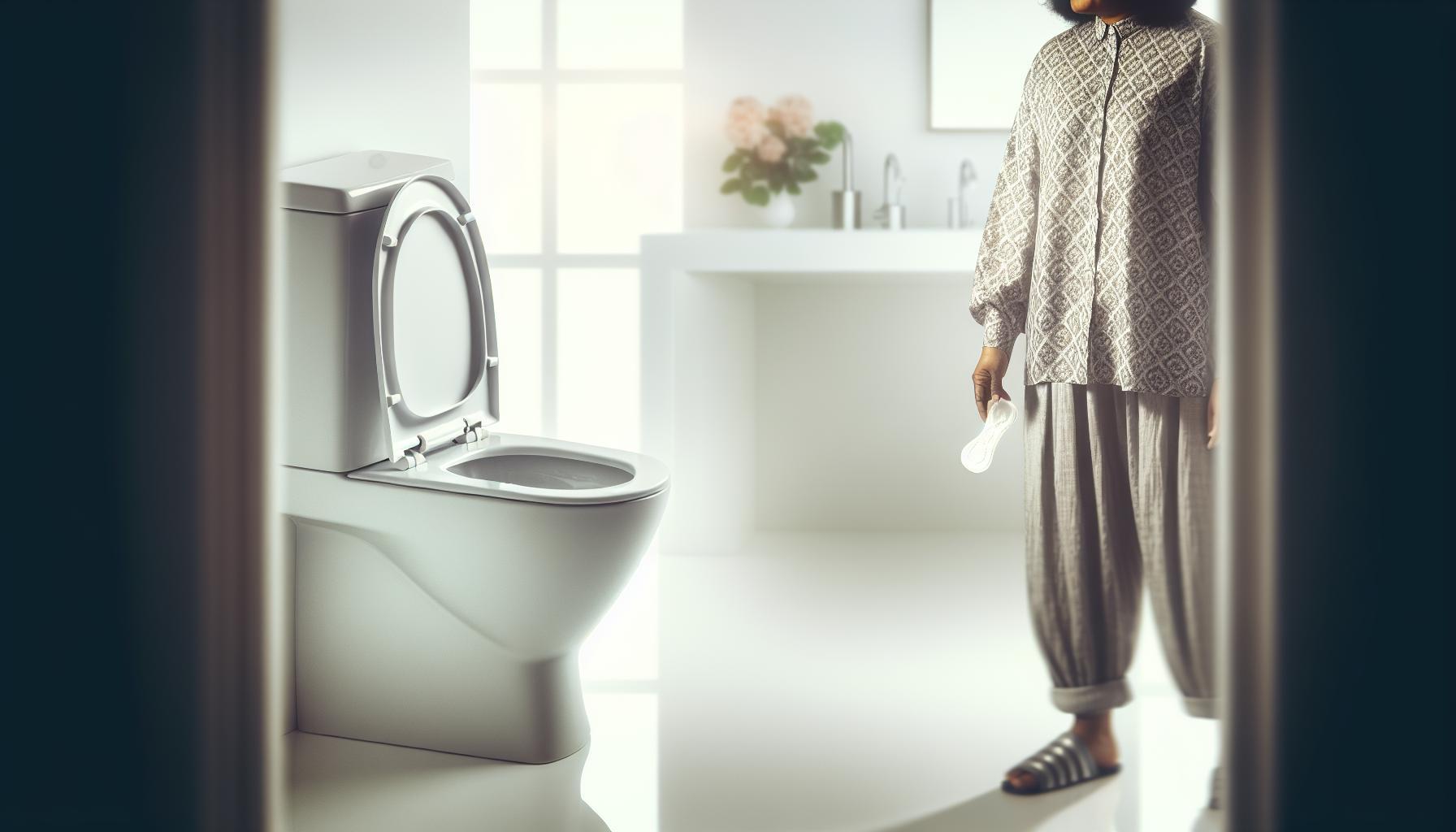
Did you know that flushing menstrual pads down the toilet can lead to serious plumbing problems and costly repairs? While it might seem convenient to dispose of pads by flushing, these products are not designed to break down easily in water, often causing clogs and blockages. Understanding why pads shouldn’t be flushed is crucial for protecting your plumbing and avoiding unexpected headaches at home. This article dives into the realities of flushing menstrual products, explains how different materials affect your pipes, and offers practical disposal alternatives. Whether you’re looking to prevent plumbing nightmares or simply want to be environmentally responsible, learning the facts about pads in the plumbing system will save you time, money, and stress. Keep reading to discover why the simple action of flushing can become a big problem and how you can take easy steps to keep your bathroom running smoothly.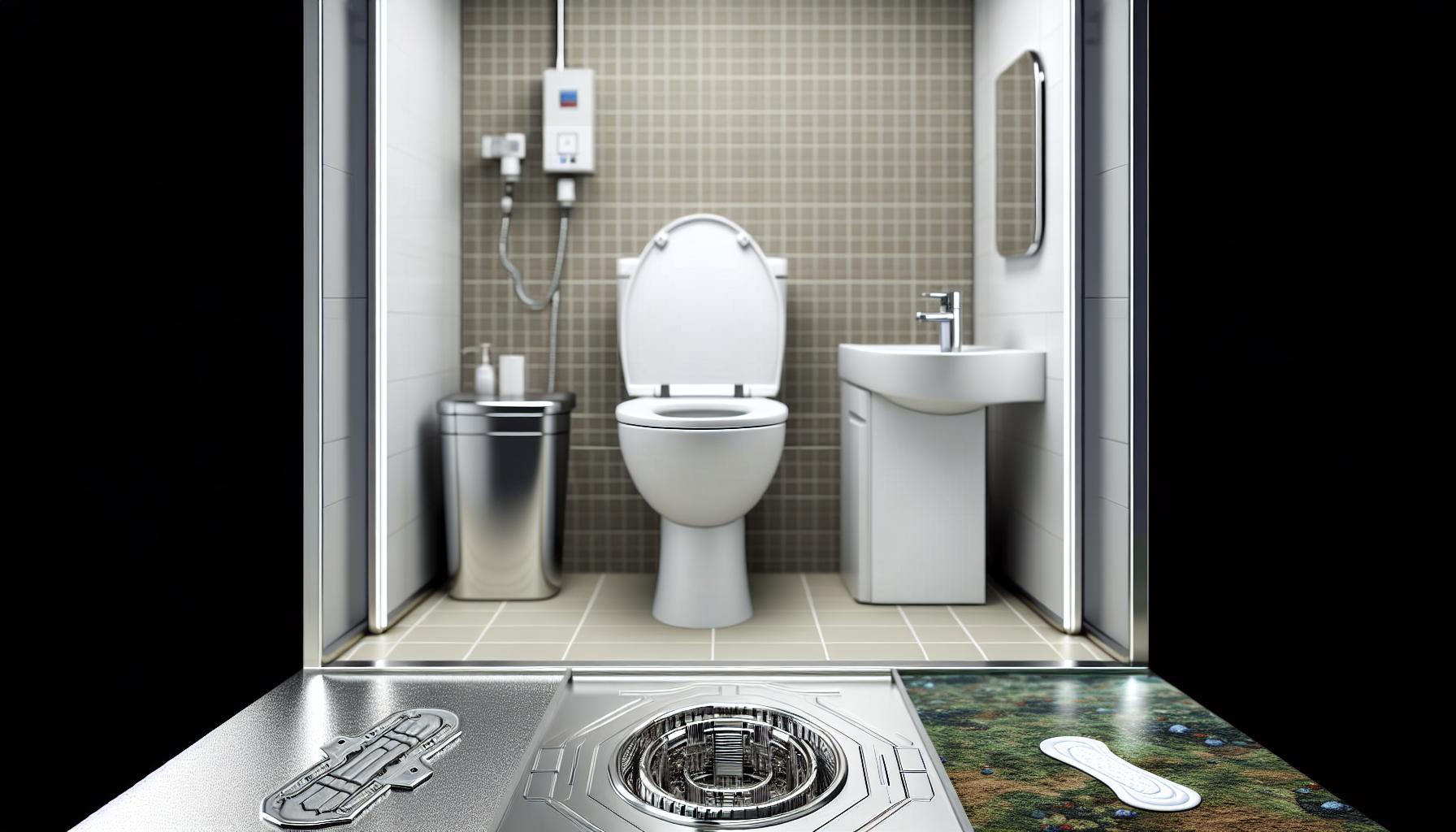
Can You Flush Pads? Understanding Menstrual Product Disposal
many peopel wonder if flushing sanitary pads down the toilet is a harmless way to get rid of menstrual waste, but the reality is far more complex. Unlike toilet paper, which is specifically designed to dissolve quickly in water, pads are made from thick absorbent materials-such as cotton, plastics, and adhesives-that simply don’t break down in plumbing systems. Flushing pads can quickly lead to blockages, costly repairs, and unpleasant plumbing nightmares. Understanding why pads are off-limits for flushing can save you both frustration and money.
Pads are bulky and their layers hold fluids without disintegrating,meaning once flushed,they tend to get caught in pipes or accumulate in sewer systems. This can cause significant clogs that interrupt sewage flow and sometimes even lead to backups into your home. Even if a pad looks small,its composite materials make it stubbornly resistant to water breakdown-a major problem in both residential and municipal wastewater systems. The plumbing infrastructure is designed to handle human waste and specific biodegradable paper products, but never oversized, synthetic items like pads.
- Risk of Plumbing Damage: Pads can disrupt the normal flow of waste, causing local blockages and strain on pipes.
- Environmental Concerns: pads do not biodegrade quickly and can contribute to pollution when flushed improperly.
- Disposal Alternatives: Wrapping used pads in toilet paper or biodegradable bags and discarding them in a trash bin is a safer, more hygienic method.
Considering these facts, it’s clear that proper disposal of menstrual pads isn’t just a personal obligation but also crucial for maintaining household plumbing and protecting municipal sewage systems. simple habits like using designated bins rather of flushing can prevent costly plumbing emergencies and reduce harmful environmental impacts. In short, while it might seem like an easy disposal method, flushing pads is neither safe for your plumbing nor recommended by professionals.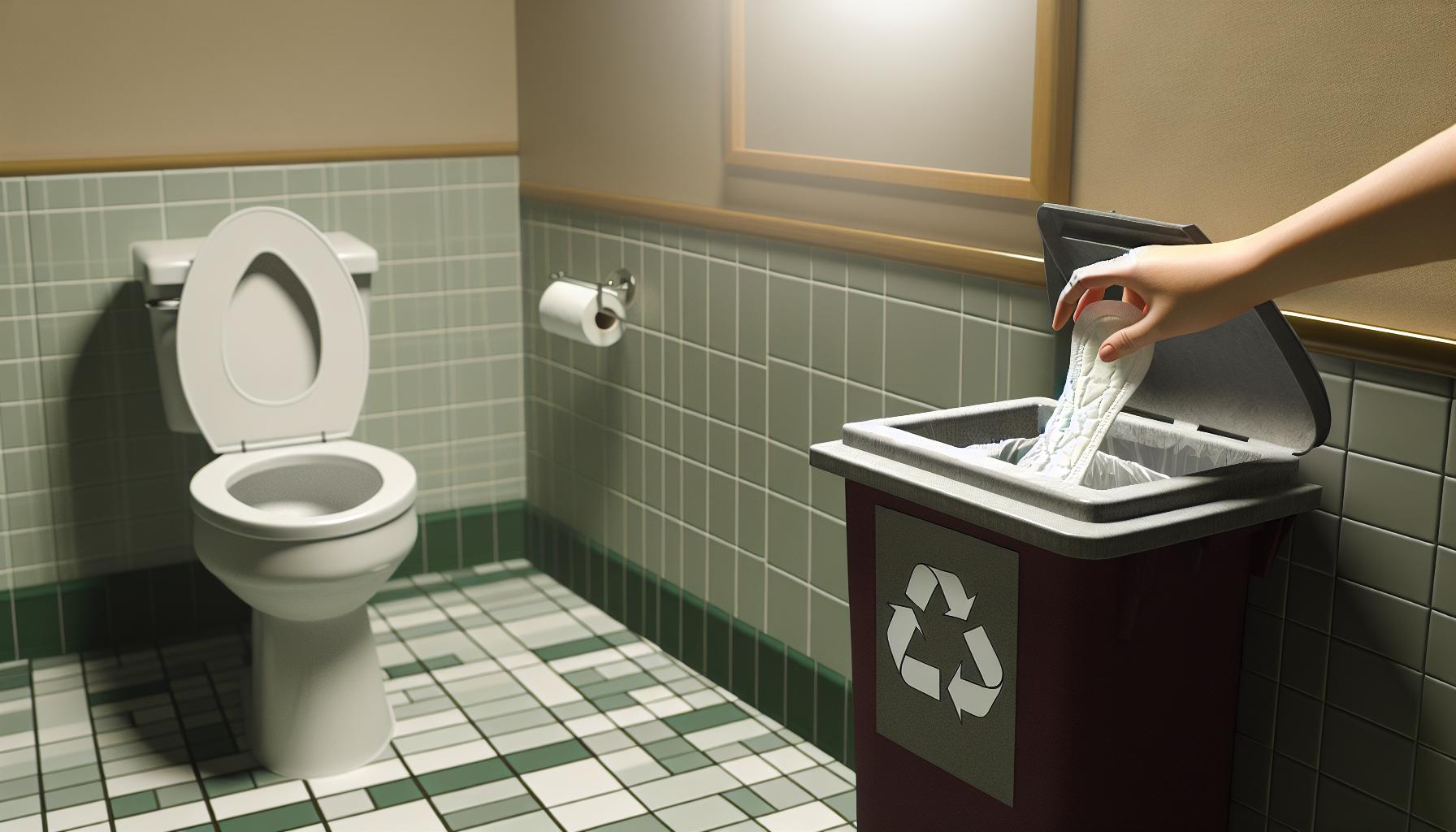
common Plumbing Problems Caused by Flushing pads
Flushing sanitary pads can quickly turn an ordinary plumbing system into a costly and frustrating headache. Unlike toilet paper, pads are designed to be absorbent and durable, which ironically makes them highly prone to causing blockages rather than breaking down as they travel through pipes. When flushed, these bulky products frequently enough become lodged in narrow sections of plumbing, creating stubborn clogs that impede the flow of wastewater.
One common problem is that pads trap other debris as they get stuck, gradually forming dense blockages that swell and harden over time. These conglomerations can cause water to back up into sinks, bathtubs, or even toilets, perhaps leading to unsanitary overflow situations. In certain specific cases, attempting to clear a pad-related clog requires costly professional intervention due to the nature and size of the obstruction. Moreover, because pads contain synthetic materials like plastic backings and adhesives, they do not break down naturally, which exacerbates long-term plumbing strain and reduces the overall lifespan of pipes and sewage infrastructure.
Why Pads Are Plumbing Hazards
- Bulk and Absorbency: Pads swell when wet, increasing their size, which makes them harder to pass through pipes.
- Material Composition: Layers of plastic,cotton fibers,and adhesives resist water degradation,unlike toilet paper.
- Clog Formation: Flushed pads can snag on pipe bends or joint connections, trapping waste and debris that accumulate over time.
These issues aren’t confined to internal household plumbing alone. Municipal sewer systems often face blockages termed “fatbergs”-large masses composed of sanitary products, fats, and other waste-that result from flushing non-degradable items like pads. These blockages contribute significantly to sewage backups, costly municipal repairs, and environmental pollution when untreated sewage escapes into waterways.
Real-world examples show that persistent flushing of pads in apartment buildings or public restrooms often leads to repeated emergency plumber visits, disrupting daily routines and inflating maintenance costs. Homeowners might notice slow drains or gurgling sounds as early warning signs of startup blockages caused by flushed pads.
Practical Advice
To avoid these plumbing nightmares, it is best to dispose of used pads in trash bins lined with biodegradable bags or sealed containers. If you must flush anything, stick strictly to toilet paper and human waste, which are designed for safe passage through plumbing systems.
By understanding these common plumbing challenges tied to flushing pads,you not only protect your property but also help maintain the broader community infrastructure from costly damages and environmental harm.
How Different Types of Menstrual Products Affect Your Pipes
When it comes to managing menstrual hygiene, the variety of products available can have vrey different impacts on your plumbing systems. While toilet paper and bodily waste are designed to break down quickly in water, many menstrual products are not, and flushing them can spell trouble for your pipes. Understanding how these products behave once flushed can help you make smarter choices and prevent costly plumbing issues.Sanitary pads, for instance, are particularly troublesome in plumbing systems. Their absorbent core swells with moisture, frequently enough expanding multiple times their dry size, making them bulky and prone to getting stuck in pipe bends or narrow joints. Pads also contain synthetic materials such as plastic backings and adhesives,which resist breakdown and can cling to pipes or other flushed debris,gradually forming dense blockages known as “fatbergs” in municipal sewer systems. Tampons,although smaller,also pose challenges; while some products advertise themselves as flushable,many do not disintegrate quickly enough,leading to similar clogging problems.
Menstrual cups and period underwear represent alternatives with minimal impact on plumbing since they are reusable and never meant to be flushed. on the other hand, some single-use products like certain flushable wipes or “flushable” tampon applicators can seem like convenient options, but their actual disintegration rates often don’t meet plumbing standards, contributing to slow drains and blockages over time.
Comparing Menstrual Products and Their Plumbing Risks
| Product Type | Flushable | Key Plumbing Concerns |
|---|---|---|
| Sanitary Pads | No | Bulk expands with water; synthetic layers resist breakdown; high clog risk |
| Tampons | Varies (most not flushable) | Slow disintegration; potential clumping; can cause pipe blockages |
| Menstrual Cups | No (reusable) | No impact on plumbing; not designed to be flushed |
| Period Underwear | No (washable) | No impact on plumbing |
| Flushable Wipes (Menstrual Hygiene) | Often marketed as flushable, but problematic | Does not break down quickly; contributes to plumbing and sewer issues |
Practical Tips for Protecting Your Plumbing
- Avoid flushing: Dispose of all menstrual products except toilet paper in the trash to prevent pipe blockages.
- Educate household members: Clear communication about which products can safely be flushed reduces accidental clogs.
- Consider reusable options: Menstrual cups or period underwear eliminate disposal worries and prevent plumbing damage.
- Proper packaging: Wrapping used pads or tampons in biodegradable bags before trash disposal helps contain odors and waste.
while convenience might tempt some to flush certain menstrual products, most are designed with materials that do not break down in plumbing systems, causing costly and unsanitary issues. Being mindful of the products you use and disposing of them properly will help maintain the integrity of your household plumbing and support broader community sewage management.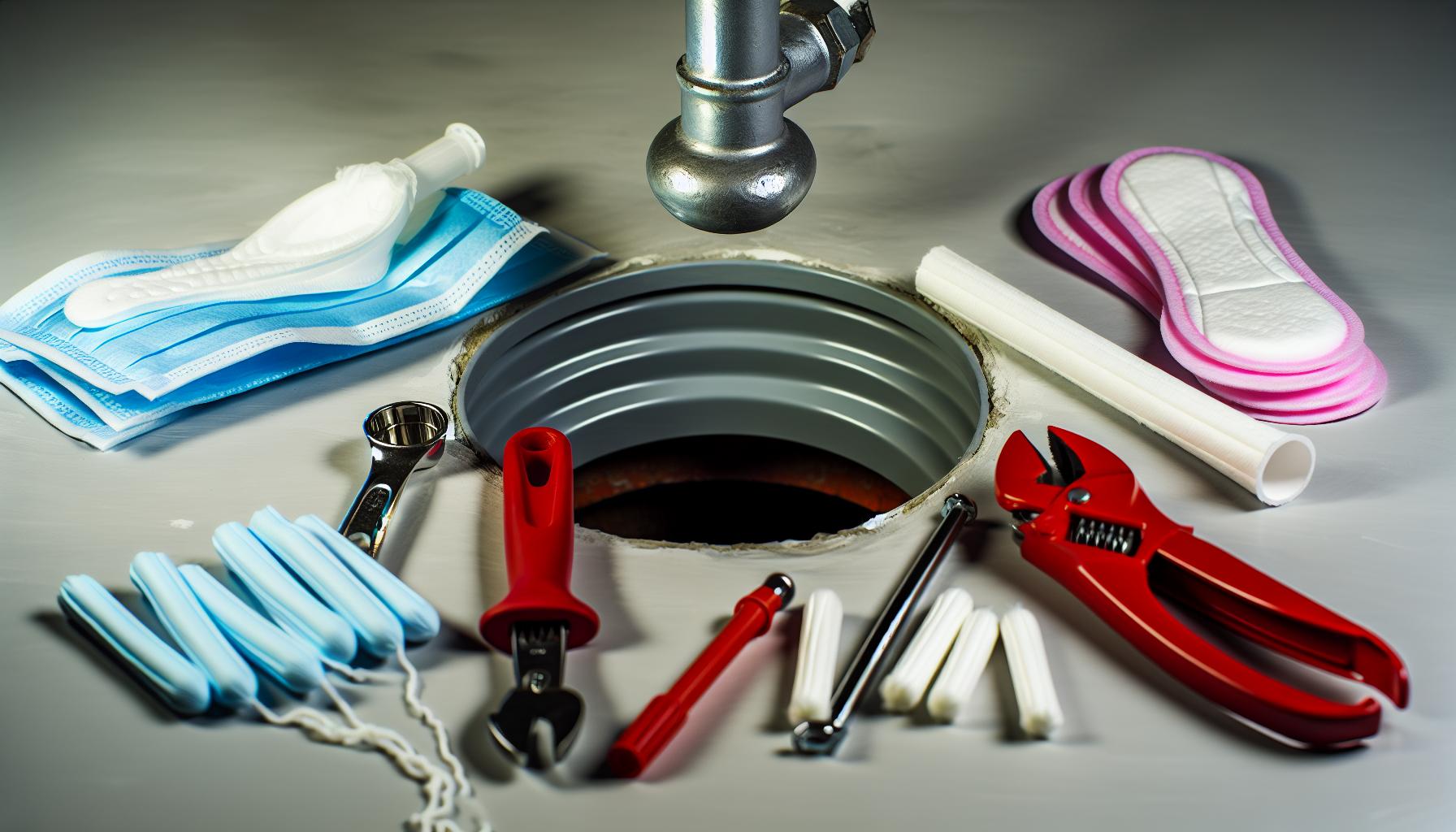
Environmental Impact of Flushing Menstrual Products
Flushing menstrual products may seem like a convenient disposal method, but it has far-reaching environmental implications that are often overlooked. When pads,tampons,or flushable wipes enter sewage systems,their synthetic components-plastic backings,adhesives,and other non-biodegradable materials-do not break down easily. This contributes to the accumulation of persistent waste in wastewater treatment plants, increasing the challenge and cost of managing sewage and protecting aquatic ecosystems.
Unlike toilet paper, which is designed to dissolve rapidly, many menstrual products form dense blockages known as fatbergs when combined with fats, oils, and other debris in sewer lines.These fatbergs not only disrupt plumbing infrastructure but can also cause untreated sewage to overflow into rivers and lakes, leading to pollution that harms wildlife and contaminates water supplies. Furthermore, customary incineration or landfill disposal methods used to manage clogged waste generate greenhouse gases and chemical pollutants, contributing indirectly to environmental degradation.
Long-term Ecological Consequences
As most menstrual products contain plastics derived from petroleum, their breakdown-whether in the sewer system or landfills-introduces microplastics into the surroundings.These tiny plastic particles have been detected in water sources worldwide and are known to accumulate in aquatic and terrestrial food chains,posing risks to animals and potentially human health.The cumulative effect stresses the urgency for more enduring disposal practices and product innovation across the menstrual hygiene sector.
Reducing Impact Through Thoughtful Choices
Protecting both plumbing and the environment starts with understanding the full lifecycle of menstrual waste:
- Opt for reusable alternatives: Menstrual cups and period underwear drastically decrease landfill contributions and reduce the volume of flushed waste.
- Dispose responsibly: Wrapping disposable pads or tampons in biodegradable packaging before placing them in the trash minimizes odor and limits plastic pollution at landfills.
- Advocate for flushable standards: If you use flushable products, check if they meet rigorous disintegration criteria certified by plumbing organizations to ensure minimal environmental harm.
- Community action and education: Raising awareness about the environmental burden of flushing menstrual products helps shift collective behaviors and supports sustainable waste management policies.
By choosing appropriate disposal methods and supporting eco-friendly menstrual products, individuals can significantly reduce the strain on sewage systems and mitigate the environmental footprint of menstrual hygiene management. This awareness not only benefits our plumbing infrastructure but also safeguards vital ecosystems for future generations.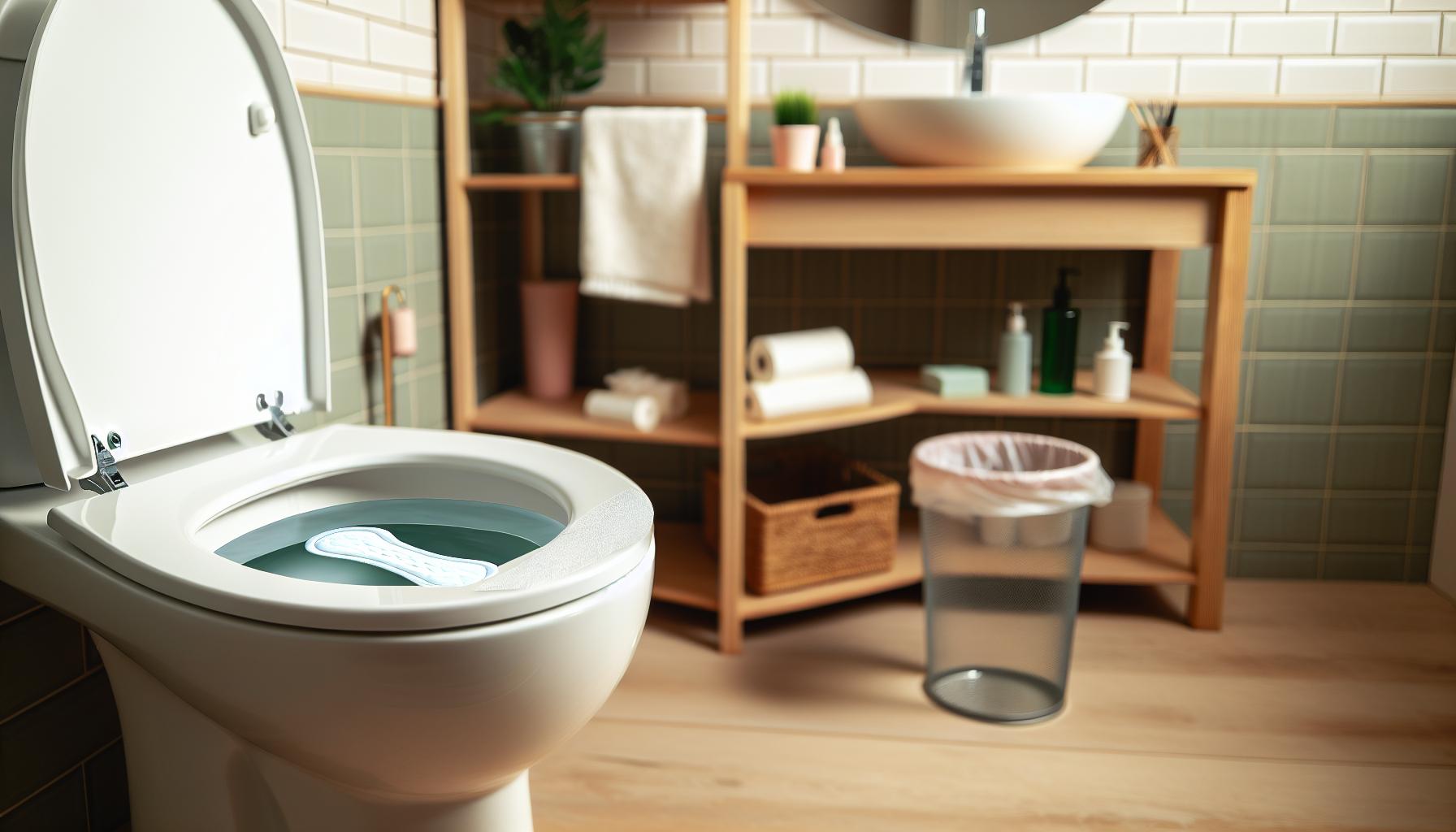
Safe Alternatives to Flushing Pads and Waste Management Tips
Flushing menstrual pads and other hygiene products might seem like a rapid fix, but it frequently enough leads to plumbing headaches and environmental woes. thankfully, there are simple yet effective alternatives that protect your home’s plumbing system while promoting responsible waste management. A key step is embracing disposal habits that balance convenience with sustainability and infrastructure safety.One of the most straightforward methods is to wrap used pads or tampons in toilet paper or biodegradable wrapping before placing them in the trash bin.This not only helps contain odors but also signals to waste handlers that the item requires special disposal. To further enhance waste management, using dedicated sanitary bins equipped with liners in restrooms can encourage proper disposal behaviors, particularly in public or shared spaces.
Embracing Reusable Alternatives
Switching to reusable menstrual products can drastically reduce the volume of disposable waste that might otherwise be flushed or discarded carelessly. Menstrual cups, made from medical-grade silicone, and period underwear provide sustainable, cost-effective options that eliminate the need for disposable pads altogether. Additionally, these alternatives lessen the strain on sewage systems and reduce plastic pollution as they do not contain synthetic backings or adhesives prone to clogging pipes.
Practical Tips for Waste Management
- Educate household members: Clear signage or simple reminders in bathrooms can reinforce the message that menstrual products should never be flushed.
- Use compostable wrappers: if wrapping pads before disposal, opt for plant-based, compostable materials to reduce landfill burden.
- Dispose promptly: Prevent accumulation of odors and pests by taking out sanitary waste bins regularly.
- Consider professional disposal services: Some regions offer specialized feminine hygiene product collection programs that ensure safe and environmentally conscious waste handling.
By adopting these alternatives and waste management strategies, you not only avoid costly plumbing repairs but also contribute positively to environmental health. Paying attention to how menstrual waste is handled in your home or facility creates a ripple effect, promoting cleaner waterways and healthier communities.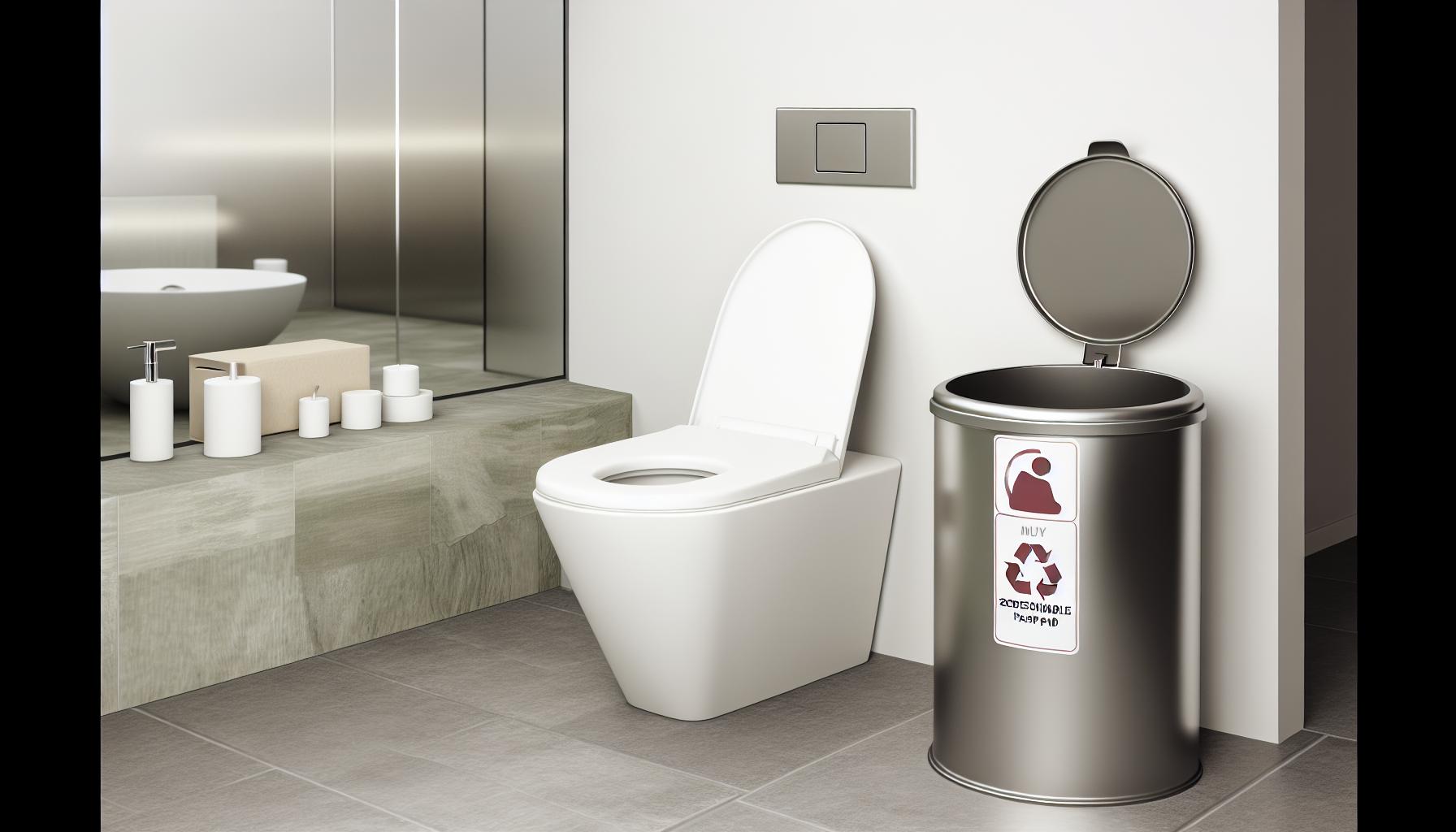
How Plumbing Systems React to Non-Flushable Items
Flushing non-flushable menstrual products, such as pads, can have surprisingly immediate and lasting impacts on your home’s plumbing system. Unlike toilet paper, which is designed to dissolve rapidly in water, pads are made of absorbent materials including fibers, adhesives, and plastic backings that do not break down easily. When flushed, these materials tend to absorb water, expand, and cling to the interior walls of pipes, creating stubborn blockages that impede water flow and lead to backups.
Plumbing systems rely on smooth, unobstructed channels to function properly. Introducing bulky or non-degradable items disrupts this balance, creating “catch points” where debris collects. Over time, pads can aggregate with grease, hair, and other waste, forming dense clogs that are arduous to clear without professional intervention. In older homes with narrow or aging pipes,even small flushes of these items can accelerate deterioration and result in costly repairs.
Understanding the Mechanics of Pipe Blockages
- Expansion and adherence: Pads swell significantly upon contact with water, increasing their size several times. This expansion allows them to wedge tightly within bends, joints, and smaller diameter pipes.
- accumulation effects: Even if a single pad partially passes through the system, it often traps other solid waste, causing a buildup that reduces pipe diameter and blocks drainage.
- Material resistance: Most pads contain plastic linings and adhesives designed to withstand moisture,meaning they resist biodegradation and remain intact as they travel-or obstruct-your plumbing.
Real-Life Examples and Common Problems
A frequent scenario involves flushing a pad and later experiencing slow draining sinks, gurgling toilets, or unexpected water backups in multiple fixtures-symptoms signaling a plumbing clog downstream. Sometimes, residents only notice an issue once sewage begins to back up or a foul odor permeates the bathroom, indicating the blockage is severe enough to affect the venting system or sewer line.
Moreover, municipal wastewater systems and septic tanks aren’t equipped to handle these materials either. Pads can obstruct pumps and grinders in treatment plants or settle in septic tanks, compromising their function and leading to environmental hazards.
Tips to protect Your Plumbing
To safeguard your plumbing:
- Never flush menstrual pads or any hygiene products: Dispose of them in garbage bins designed for sanitary waste.
- Use biodegradable wrapping or dedicated sanitary bins: This keeps waste contained and helps maintenance workers handle the materials safely.
- Educate household members: Consistency in disposal habits prevents accidental flushing and reduces plumbing emergencies.
Taking these precautions ensures that your plumbing infrastructure remains reliable, minimizes the risk of invasive and costly repairs, and promotes responsible waste management practices that benefit both your home and the environment.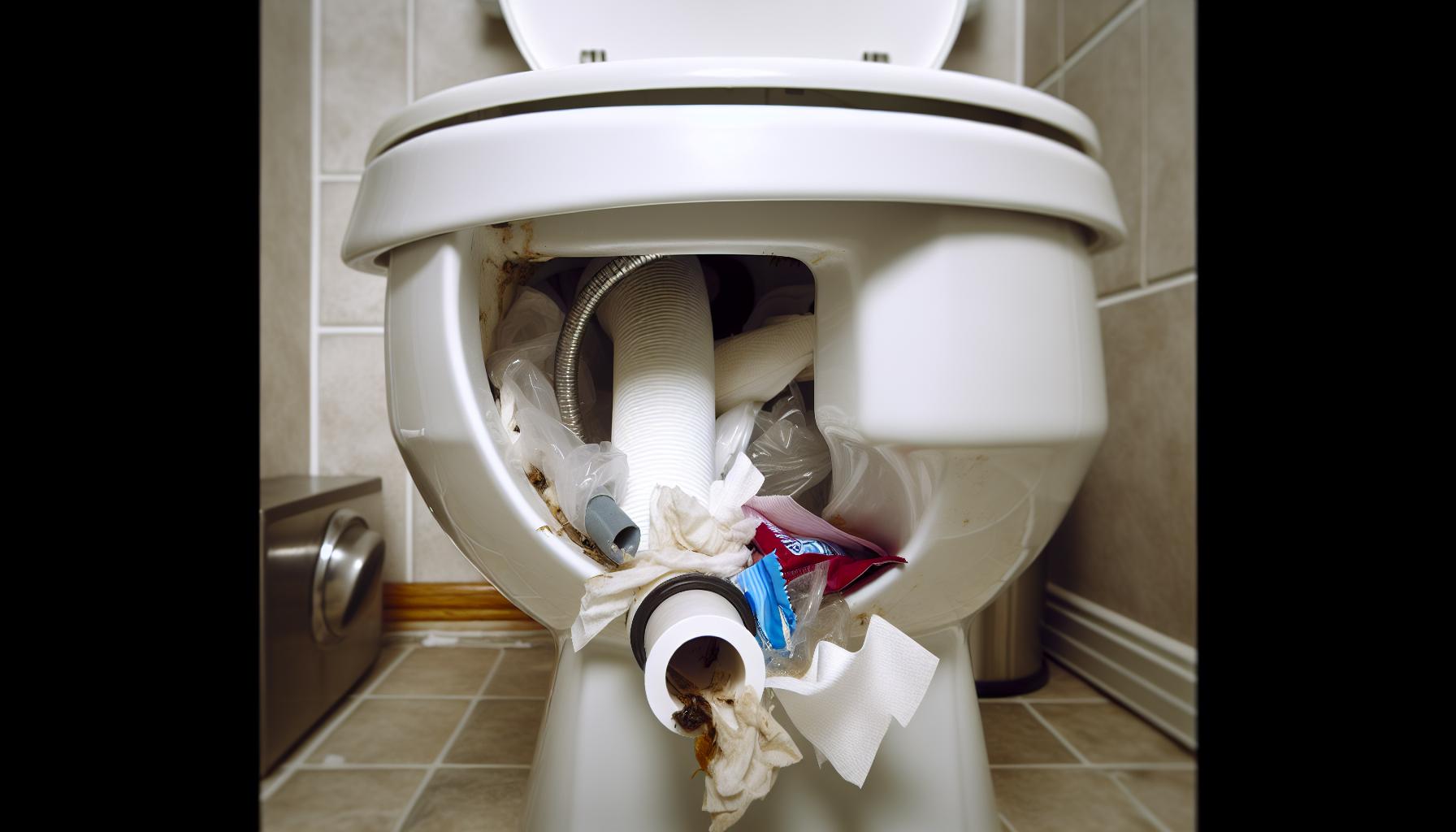
Signs of Plumbing damage from Flushing Pads and What to Do
Flushing menstrual pads can silently set the stage for costly and frustrating plumbing issues,often unfolding over days or weeks before becoming evident.Unlike toilet paper, pads don’t break down in water; instead, they absorb moisture, swell, and lodge firmly within pipes, causing partial or complete blockages. Recognizing the early warning signs of plumbing damage allows homeowners to act swiftly and prevent extensive repairs.
Common indications include unusually slow drains not only in toilets but also in sinks,showers,or bathtubs. You might notice water pooling around fixtures or toilets that take multiple flushes to clear. A telltale sign is unusual gurgling or bubbling noises from toilets or drains, which occur when trapped air struggles to escape through narrowed or obstructed pipe sections. These noises often signal that the system is working harder to maintain flow, a direct result of internal obstructions caused by flushed pads.
Persistent or recurring foul odors in the bathroom or near drains also merit attention, as stagnant waste trapped behind pad blockages can emit unpleasant smells. Should backups escalate, you might see sewage rising in unexpected places, such as floor drains or lower toilets-an alarming symptom indicating a serious clog. In older plumbing systems, the presence of pads can accelerate pipe corrosion or damage sewer line joints, resulting in leaks or cracks that worsen over time.
Practical Steps to Address and Prevent Damage
- Immediate response: At the first signs of slow drainage or gurgling, avoid flushing other bulky items. Instead, try using a plunger or a drain snake designed for toilets to gently clear minor blockages.
- Avoid chemical drain cleaners: These rarely dissolve sanitary products and may damage pipes further.
- Call a professional plumber: If symptoms persist or worsen, timely intervention by a licensed expert is crucial to locate and remove pad clogs safely without damaging your plumbing.
- routine inspection: Schedule periodic plumbing check-ups, especially if you live in an older home or have a septic system, to catch early signs of emerging blockages.
Recognizing Damage Patterns
| Symptom | Potential Cause | Suggested Action |
|---|---|---|
| Slow draining toilets and sinks | Blockage from swollen pads narrowing pipe diameter | Use plunger; call plumber if unresolved |
| Gurgling noises in drains | Trapped air due to partial clogs in pipe system | Stop flushing pads; inspect plumbing |
| Unpleasant bathroom odors | waste buildup behind obstruction | professional cleaning and pipe inspection |
| Water backup in multiple fixtures | Major clog or sewer line damage | Immediate plumbing service needed |
Being proactive by promptly noticing these signs and avoiding flushable taboos can save substantial time and expense. Ultimately,treating your pipes with care and choosing safe disposal methods for menstrual products protects the integrity of your home’s plumbing and supports broader environmental health.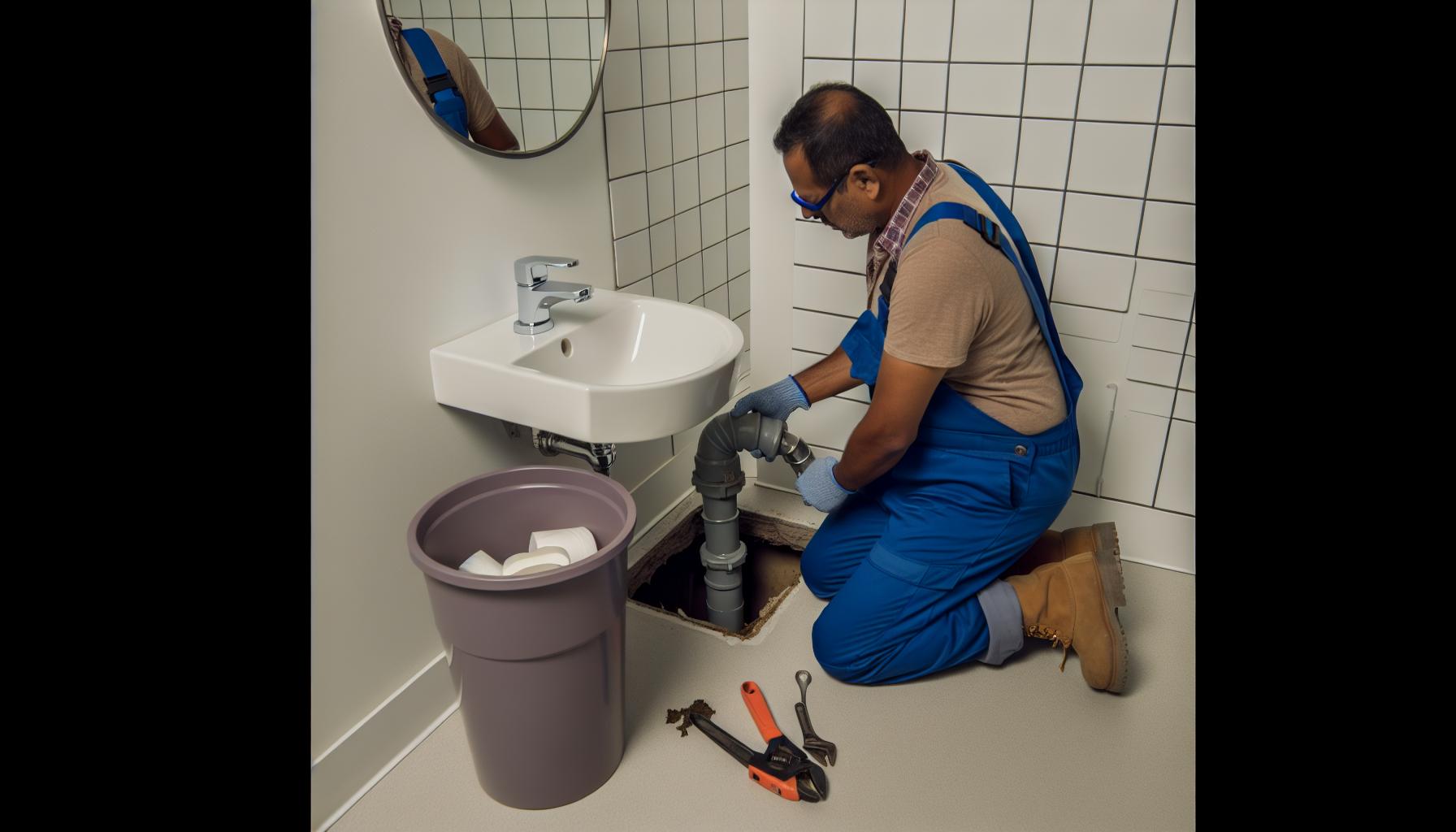
Professional Solutions for Menstrual Product Plumbing Clogs
It’s surprising how a single flushed pad can spiral into a complicated plumbing nightmare requiring professional intervention. Once menstrual products lodge in your pipes, they create stubborn blockages that typical DIY methods often cannot resolve. Licensed plumbers bring specialized tools and expertise to effectively clear these clogs while minimizing any risk of further damage to your home’s plumbing infrastructure.
Professionals typically start with a thorough diagnosis using technologies like video pipe inspection cameras, which provide a clear view inside your drainage system, pinpointing the location and extent of the obstruction. This precise details allows them to select the best removal technique-whether that’s mechanical snaking with heavy-duty augers, hydro-jetting with high-pressure water to flush away debris, or manual extraction if the clog is accessible. These methods are far more effective and safer than chemical drain cleaners, which not only fail to dissolve pads but can also corrode pipes over time.
when to call a Professional
- Persistent slow drainage or repeated backups: If plungers and basic plungers don’t improve flow, a professional’s intervention helps prevent worsening conditions.
- Unusual noises or odors: Gurgling sounds or foul smells frequently enough signal a partial clog that requires expert attention before it escalates.
- Multiple fixtures affected: Blockages causing backups in several drains point to sewer line involvement, demanding prompt, professional assessment.
Beyond unclogging pipes, experts can evaluate your entire plumbing system’s health, especially in older homes prone to pipe corrosion or where flushed pads have caused joint damage. They may recommend partial pipe replacements or preventative upgrades that reduce future clog risks. In addition,professional plumbers can advise on the safest disposal practices tailored to your household’s plumbing and local waste management rules,ensuring long-term protection against similar issues.
In short,confronting a menstrual product clog is rarely straightforward. engaging a licensed plumber early not only saves time and expense but also safeguards your home’s plumbing integrity. Their combination of precise diagnostics, industrial-grade tools, and informed judgment ensures that problems caused by flushed pads are resolved thoroughly and permanently.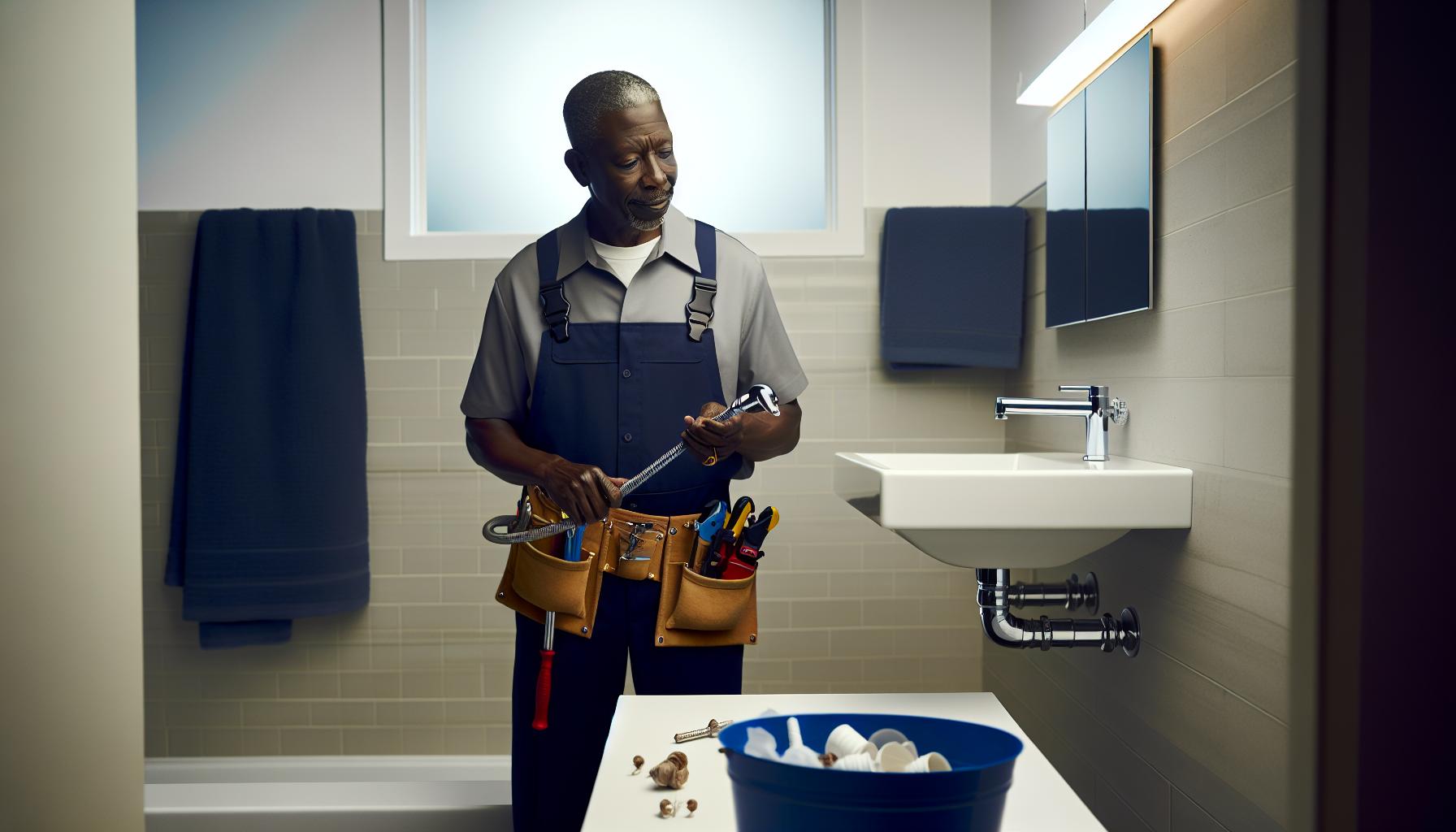
Innovations in Menstrual Products Designed for Safe Disposal
Innovations in menstrual products are rapidly evolving, driven by growing consumer demand for safe disposal options that protect both plumbing systems and the environment. One of the most notable advancements is the progress of flushable menstrual products specifically engineered to break down quickly after flushing, much like toilet paper. these products use biodegradable materials that disintegrate upon contact with water,dramatically reducing the risk of pipe blockages-a major advancement over traditional pads laden with synthetic fibers and plastic backings.
Several brands now offer flushable panty liners and tampons designed with responsibly sourced fibers and dissolvable wrappers. These products undergo rigorous testing to meet plumbing safety guidelines,helping users confidently dispose of them without fear of costly plumbing repairs. Still, it’s crucial to read product labels carefully as “flushable” isn’t universally defined, and improper disposal of even these safer products can cause issues if flushed excessively or if local plumbing systems are older and more fragile.
Emerging Technologies and Smart Designs
Innovation isn’t limited to materials-some manufacturers are integrating smart design features to further ease disposal. Such as, some pads now incorporate perforations or segmented layers that facilitate quick breakdown in water, while others avoid plastic components entirely to reduce environmental persistence. Additionally, reusable menstrual products like cups and washable cloth pads continue to gain popularity by eliminating waste disposal concerns altogether, offering a sustainable alternative that keeps pipes clear.
Environmental and Practical Benefits
These product innovations not only defend plumbing but also contribute to environmental health by decreasing landfill waste and reducing microplastic pollution in waterways. For consumers, switching to flushable or reusable options can simplify period hygiene routines and align with broader eco-friendly lifestyles. When combined with proper disposal education-such as avoiding flushing traditional pads-these products make managing menstrual waste safer and more convenient.
- Choose certified flushable products that meet testing standards.
- Start gradually if transitioning from conventional products to gauge how your plumbing reacts.
- Pair with reusable solutions for waste reduction and greater longevity.
By embracing these advances, individuals contribute to healthier plumbing systems, fewer clogs, and reduced reliance on professional plumbing interventions, all while supporting a shift toward sustainable menstrual care.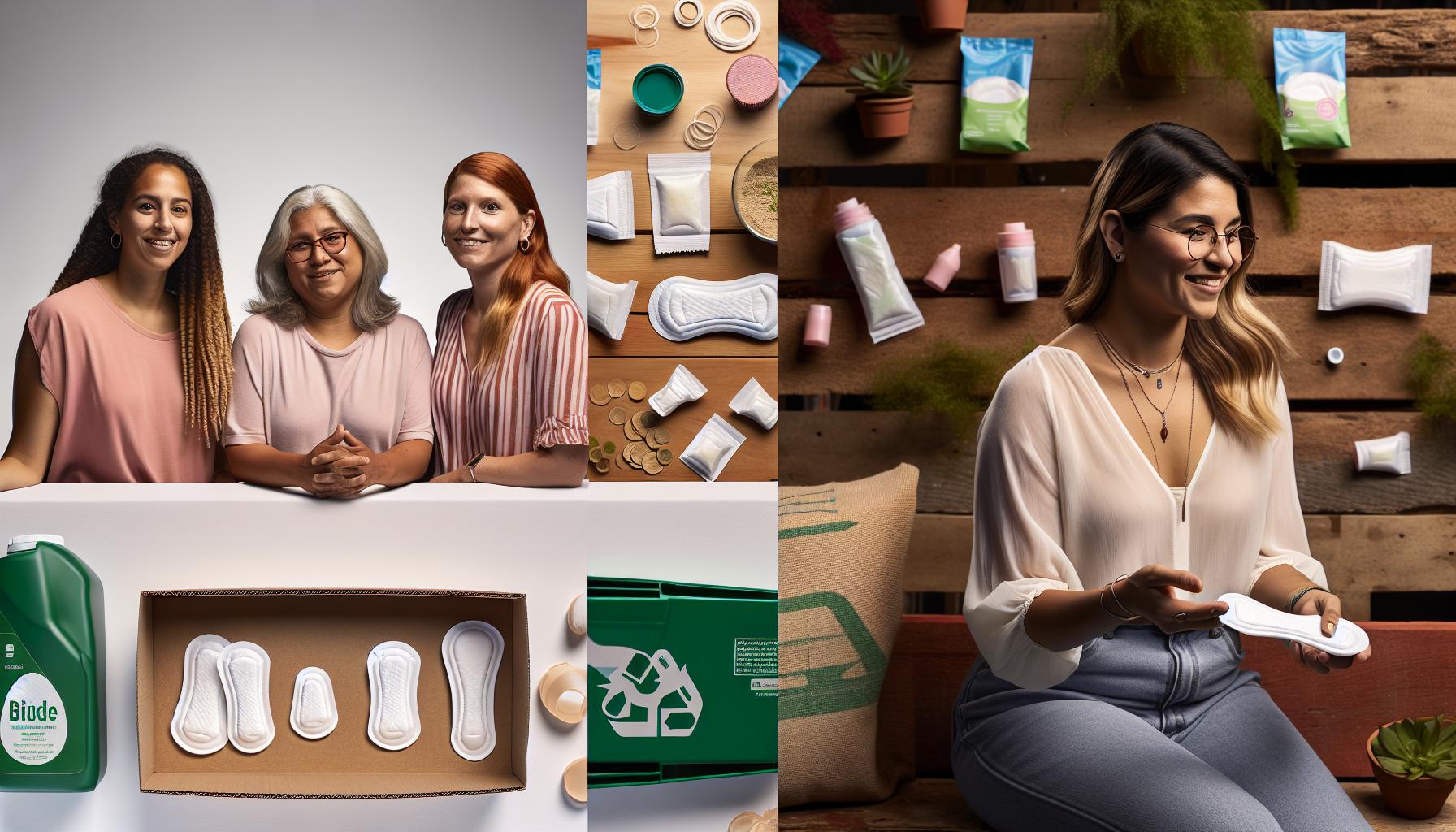
Myths and Facts About Flushing Menstrual Products
Many people assume that if a product seems small or disposable, it can be flushed without issue-but when it comes to menstrual products, this misconception can lead to serious plumbing headaches. Unlike toilet paper, which is designed to dissolve quickly in water, most pads contain plastic backings and absorbent materials that do not break down. Flushing these products often causes blockages that disrupt home plumbing and municipal sewage systems, resulting in costly repairs and environmental damage.
The belief that all tampons or pads are flushable is another common myth. While certain tampons may be safe to flush if they are specifically labeled as such, conventional pads are almost never designed for flushing. Even products marketed as “flushable” can present problems if used excessively or in older plumbing systems, since standards for flushability vary widely and aren’t strictly regulated. Therefore, reading packaging carefully and understanding your local plumbing conditions is essential before assuming a product won’t cause harm.
Common Myths vs. Practical Truths
- myth: “Flushable” means harmless to all plumbing systems.
Fact: The term “flushable” lacks a universal standard; some products labeled flushable do not disintegrate quickly enough, risking clogs especially in older pipes. - Myth: Flushing pads is okay if they’re small or thin.
Fact: Even small pads contain non-biodegradable materials that accumulate,creating stubborn blockages that grow over time. - myth: Flushing menstrual products is environmentally friendly since they disappear.
fact: Pads and similar items contribute to sewer overflows and can harm water treatment facilities and aquatic ecosystems when flushed improperly.
Practical Advice to Avoid Plumbing Nightmares
To protect your plumbing and the environment, always dispose of pads and other menstrual waste in the trash. If you seek convenience, consider switching to proven flushable tampons or products certified by reputable testing bodies, but use them sparingly. For a sustainable and plumbing-friendly approach, reusable products like menstrual cups and washable pads offer both eco benefits and freedom from disposal worries.
Understanding these myths and facts empowers you to make informed decisions, preventing costly plumbing disasters and supporting healthier infrastructure. Remember, when in doubt, err on the side of caution and keep all pads out of the toilet to maintain smooth-flowing pipes and protect your community’s plumbing system.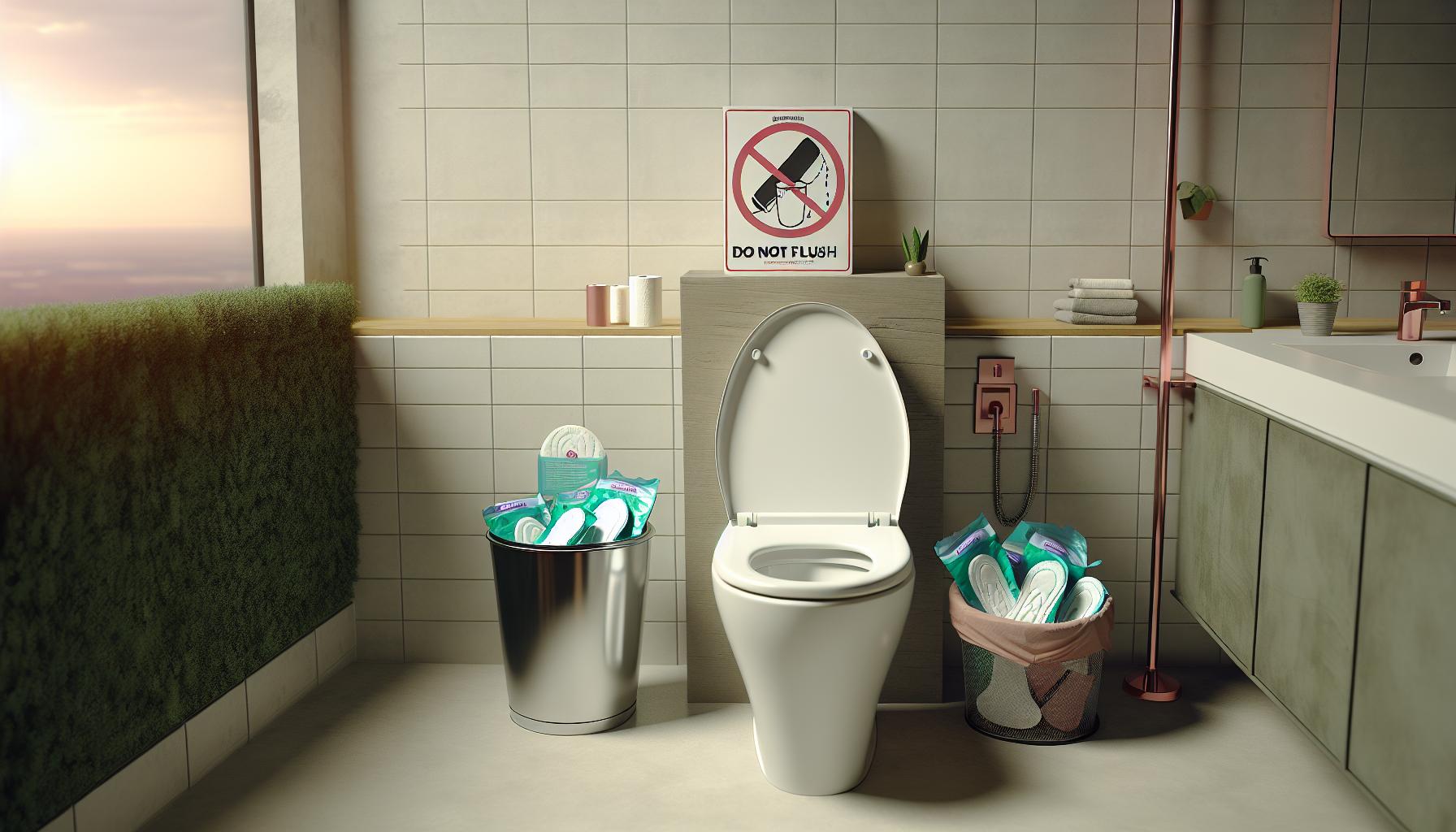
Preventive Maintenance to avoid Menstrual Product Plumbing Nightmares
Few home maintenance issues are as frustrating or costly as plumbing clogs caused by non-flushable items like menstrual pads. Since these products do not dissolve like toilet paper, proactive care is essential to keep your pipes flowing freely and avoid emergency repairs. Regular attention to disposal habits combined with awareness of your plumbing system’s limitations can save significant time, money, and stress.
One powerful step is to establish a clear household rule: never flush pads, sanitary napkins, or similar menstrual products down the toilet. Instead,always use a dedicated trash bin for disposal,ideally one with a lid to contain odor and provide convenience. Educating all household members helps prevent accidental flushing. If your bathroom doesn’t already have a small waste container, adding one is a simple investment with a big payoff.
Additionally, periodic plumbing maintenance is crucial. Performing routine inspections and simple preventive measures helps catch early signs of buildup before they escalate. Consider these practical tips:
- Flush with plenty of water: After normal toilet use (with paper only), flushing with an extra gallon or two of water helps push residue through the pipes more effectively.
- Use enzyme-based drain cleaners: Unlike harsh chemicals, enzyme products safely break down organic matter and keep drains clear without damaging pipes.
- Avoid excessive use of “flushable” wipes or products: Many contain plastic fibers that can accumulate and worsen blockages over time, especially in older plumbing.
- Schedule professional inspections: A plumber can use cameras to inspect pipes for potential blockages or damage, enabling repairs before serious problems develop.
- Monitor toilet behaviour: Slow draining, gurgling sounds, or frequent clogs are warning signs that prompt early intervention.
for households aiming to be environmentally conscious while minimizing plumbing risks, switching to reusable menstrual products like menstrual cups or washable pads offers a compelling long-term solution. These options not only reduce waste but also eliminate flushing concerns entirely.
Lastly, being mindful of local plumbing system sensitivity helps. Older homes with narrower pipes or septic tanks are often less forgiving to any non-flushable waste, so residents in these areas should be especially vigilant about product disposal.
By combining proper disposal habits with regular maintenance and informed product choices, you can prevent menstrual product-related plumbing disasters and maintain a smoothly functioning bathroom that supports both your home infrastructure and the environment.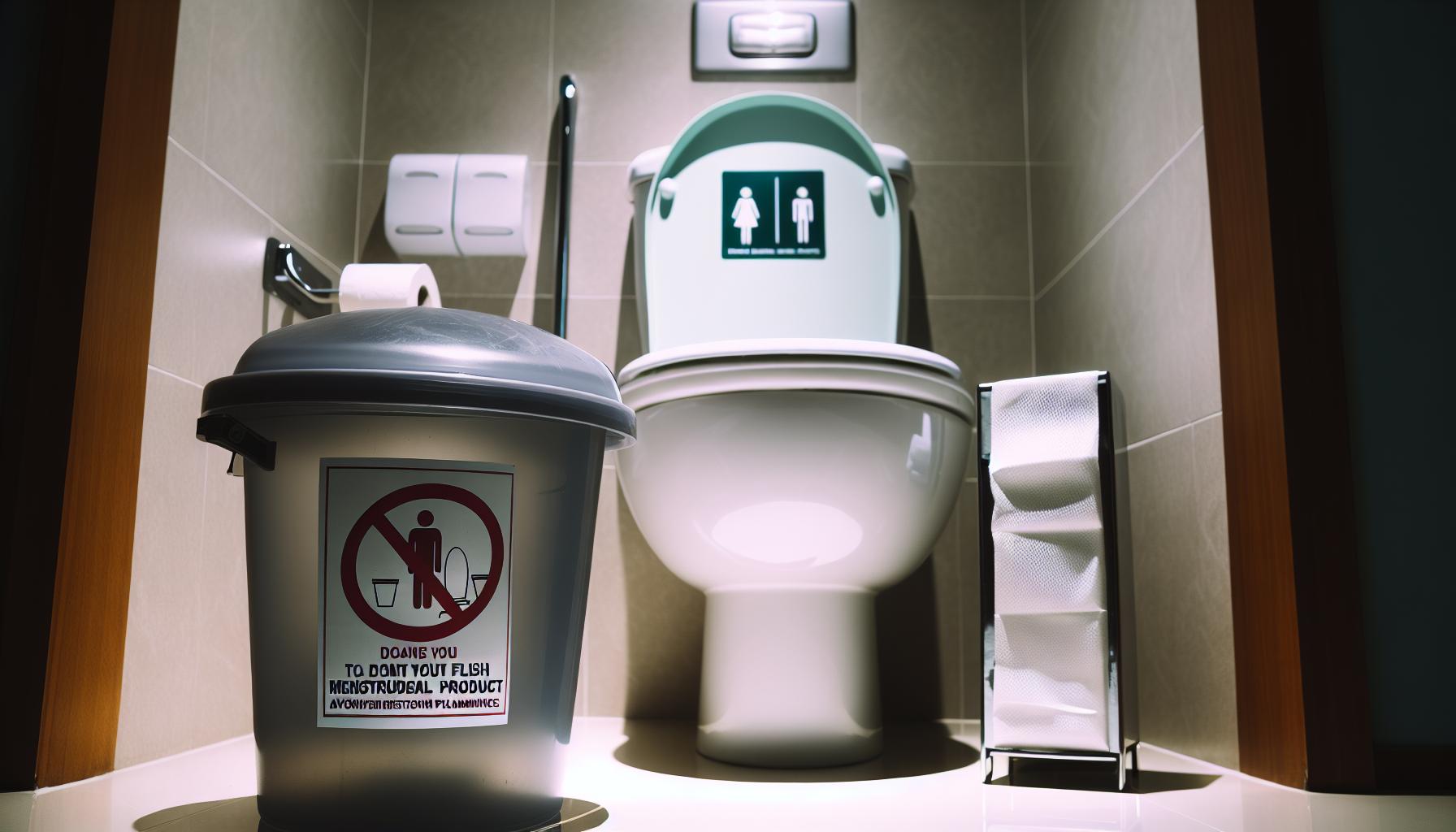
FAQ
Q: What happens if menstrual pads are flushed repeatedly over time?
A: Repeatedly flushing menstrual pads builds blockages that accumulate and worsen plumbing issues. Over time, this can cause severe pipe clogs and costly repairs. To avoid plumbing nightmares, always dispose of pads in the trash and review our section on Signs of Plumbing Damage from Flushing pads for early warning signals and solutions.
Q: Are there any biodegradable pads safe for flushing?
A: Currently, most menstrual pads are not biodegradable enough to be safely flushed. Even so-called “flushable” products can cause plumbing problems. It’s best to check packaging for disposal instructions and stick to safe disposal methods highlighted in our Safe Alternatives to Flushing Pads section to protect your pipes.
Q: How should you dispose of menstrual products in shared or public restrooms?
A: In shared or public restrooms,menstrual products should always be discarded in the provided sanitary bins. Flushing pads can cause building-wide plumbing issues and inconvenience others. For more tips on waste management, see our guide on Safe Alternatives to Flushing Pads and Waste Management Tips.
Q: Can flushing menstrual products affect septic systems differently than municipal plumbing?
A: Yes, flushing pads can be even more damaging to septic systems because they do not break down easily, leading to clogs and system failure. Septic tanks require careful waste management, so avoid flushing pads and explore our How Plumbing Systems React to Non-Flushable Items for tailored advice.
Q: What immediate steps can you take if a pad causes a plumbing blockage?
A: If a pad causes a blockage, instantly stop using the affected fixture and avoid flushing other items.Use a plunger or call a professional plumber if necessary. Our section on Professional Solutions for Menstrual Product Plumbing Clogs offers guidance on safe and effective remediation.
Q: Why do menstrual pads cause more severe clogs compared to tampons or liners?
A: Menstrual pads contain thick absorbent layers and plastic backings that expand and entangle in pipes, creating tougher clogs than tampons or liners. Understanding How Different Types of menstrual Products Affect Your Pipes can help you make better disposal choices to avoid plumbing damage.
Q: Can flushing pads harm local wastewater treatment plants?
A: yes, flushing pads adds non-biodegradable waste to treatment plants, leading to increased maintenance costs and environmental harm. Proper disposal supports wastewater infrastructure health, as detailed in our Environmental Impact of Flushing Menstrual Products section.
Q: Are there any new menstrual products designed to avoid plumbing issues if accidentally flushed?
A: Emerging menstrual products use biodegradable materials or innovative designs to minimize plumbing hazards if accidentally flushed. Check our Innovations in Menstrual Products Designed for Safe Disposal section for the latest eco-friendly options and safe disposal tips.
for more detailed insights, explore the full article sections to protect your plumbing and make informed menstrual product choices.
Wrapping Up
Understanding the risks of flushing pads and other menstrual products is crucial to avoiding costly plumbing nightmares and environmental harm. Remember, these items aren’t designed to break down in your pipes, which can lead to blockages and damage. If you’re wondering about safe disposal or want to explore eco-friendly alternatives, check out our guides on responsible menstrual product use and plumbing care tips. Taking action now helps protect your home and community.
For more insights on managing menstrual health and preventing household plumbing issues, dive into our detailed articles on sanitary product waste and drain maintenance. Don’t forget to subscribe to our newsletter for the latest advice and practical solutions tailored to everyday living. Have questions or experiences to share? join the conversation in the comments-your input could help others avoid similar challenges.
By staying informed about menstrual product disposal and its impact on plumbing, you empower yourself to make better choices that save time and money. Explore recommended products and expert tips on our site to keep your home running smoothly. Together, we can reduce plumbing problems caused by flushing pads and promote healthier, more sustainable habits.
Get our latest guides, news, and insights highlighted in your Google Search & AI Overviews.