Can You Flush Toilet Seat Covers? Paper Shield Disposal
Many people wonder weather it’s safe or appropriate too flush toilet seat covers, those thin paper shields designed for hygiene in public restrooms. Understanding the proper way to dispose of these covers is significant not only for preventing plumbing problems but also for maintaining efficient waste management. While seat covers provide a convenient barrier, flushing them can sometimes lead to clogs or damage in certain plumbing systems. If you want to avoid messy backups and costly repairs, it’s helpful to know when flushing is okay and when it’s best to use trash bins instead. In this guide,we’ll explore the do’s and don’ts of paper shield disposal,helping you make informed choices that protect your home plumbing or public restroom facilities. Keep reading to learn practical tips that ensure cleanliness without compromising your pipes or the environment.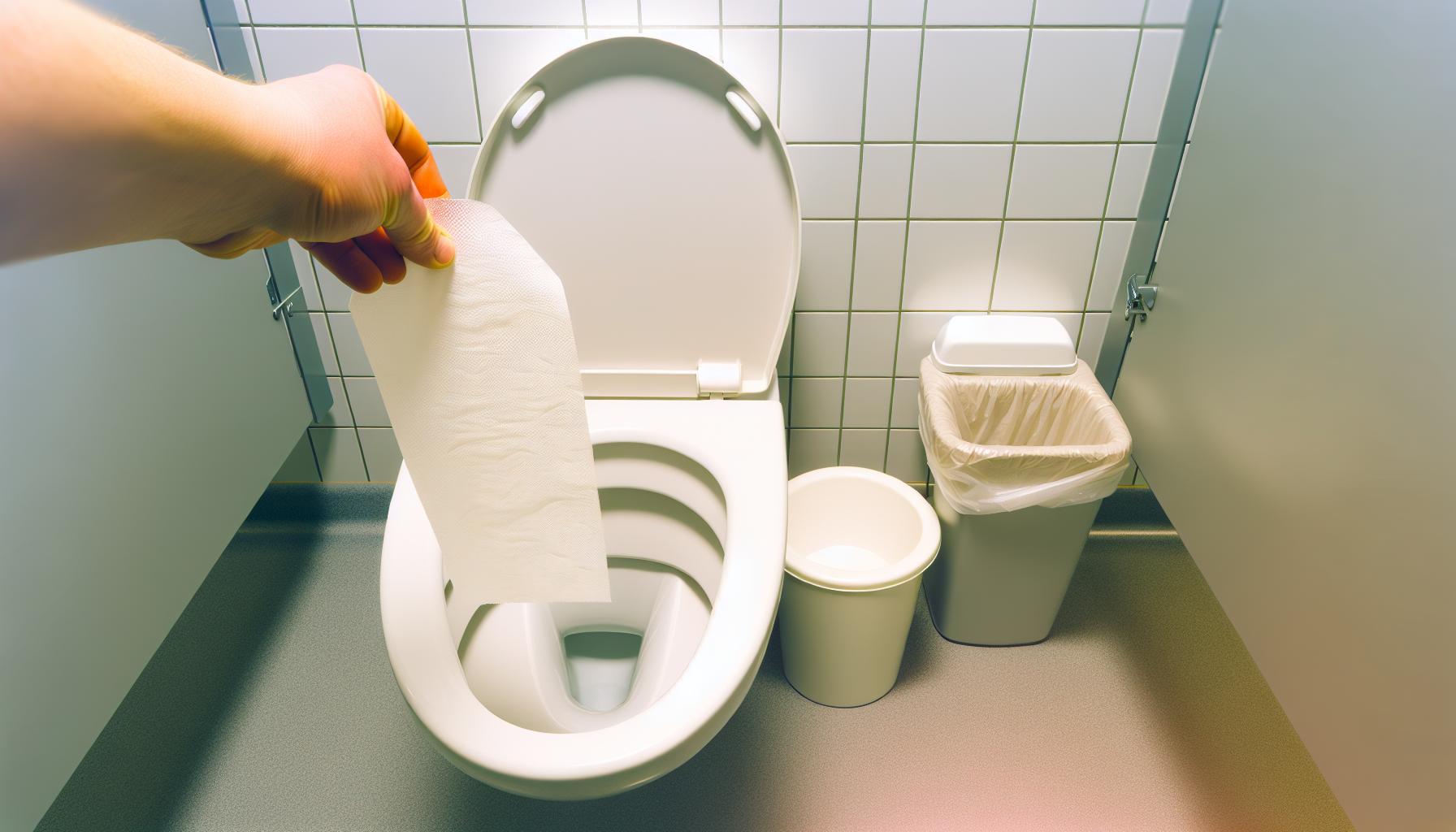
Are Toilet Seat Covers Safe to Flush?
Many people assume that toilet seat covers are designed to be flushed without issue, but the reality is more nuanced. While thin, hygienic paper seat covers are technically flushable, their impact largely depends on the type of plumbing system and the specific materials used in the covers. In many residential settings, flushing these covers can lead to clogs or plumbing problems as they don’t break down as quickly as regular toilet paper. This is especially true if the seat cover is thick or coated with chemicals to improve durability or moisture resistance.
It’s important to recognize that most toilet seat covers are intended for single use and speedy disposal but not necessarily for flushing. Public restrooms with commercial-grade plumbing may handle flushed seat covers more efficiently, but in typical home plumbing systems, slowing degradation of seat covers can cause accumulations leading to blockages. For this reason, many plumbers and wastewater experts recommend disposing of seat covers in a trash bin rather than flushing them at home.
- Flushable seat covers: Generally thinner, made from biodegradable paper designed to dissolve quickly, but still may pose risks if flushed in large quantities.
- Non-flushable seat covers: May include plastic films or thicker paper coatings, preventing them from breaking down and causing plumbing backups.
Considering these points, it’s best to err on the side of caution and avoid flushing most toilet seat covers in private bathrooms. This small step can prevent costly repairs and keep your home plumbing running smoothly. When in doubt, placing seat covers in a waste bin is the safest and most environmentally friendly disposal method. In commercial settings or public restrooms, dedicated waste disposal systems often accommodate flushing seat covers more safely, but even then, signage or facility guidelines can offer the best advice on proper disposal.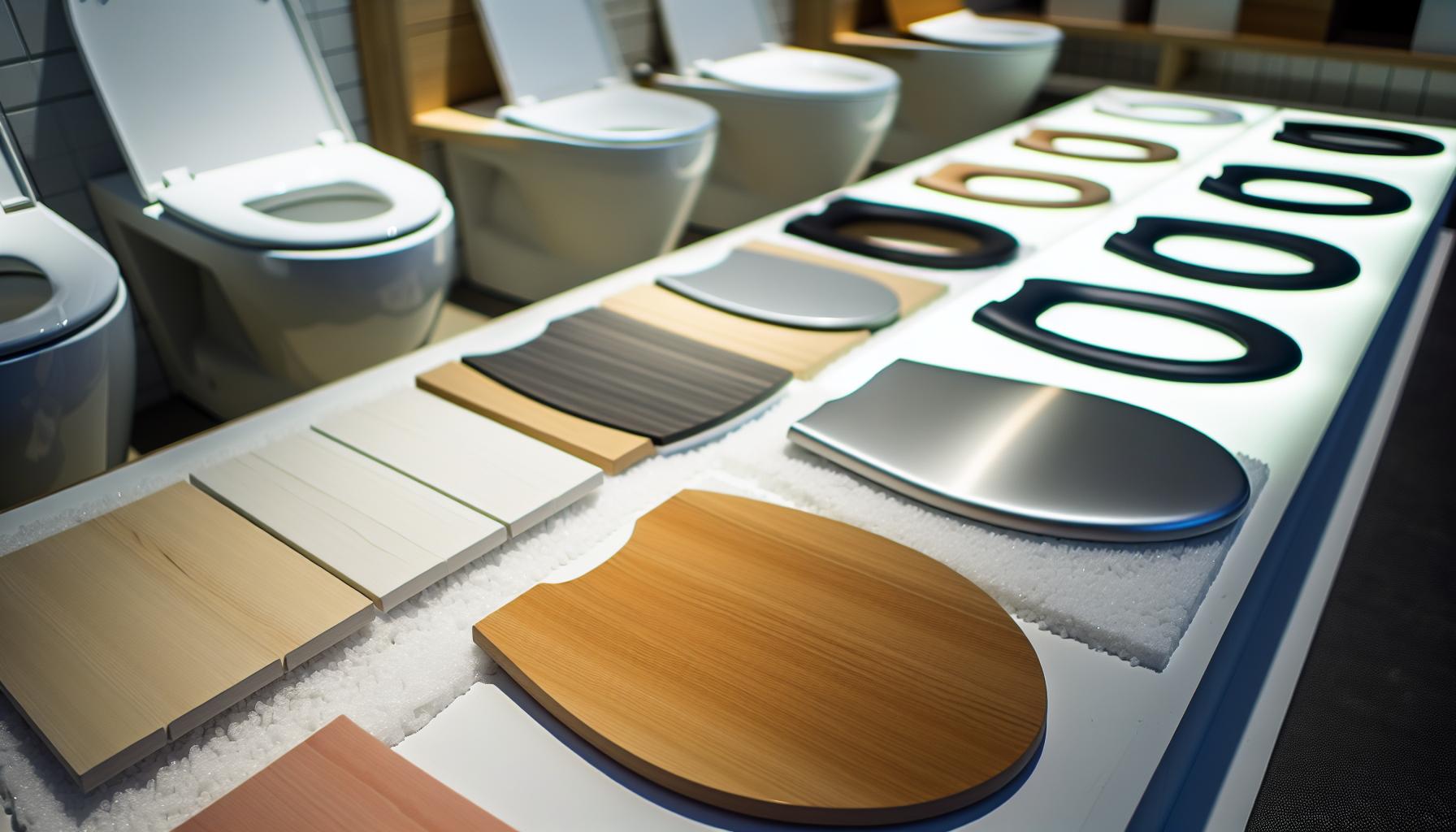
Materials Commonly Used in Toilet Seat Covers
The composition of toilet seat covers varies significantly depending on their intended use, price point, and manufacturer, making it essential to understand what materials are involved when considering disposal options. Many people assume all seat covers are made from simple paper,but this is far from the full picture. The type of fiber, coatings, and even additives impact how quickly-or if-the cover can break down after flushing.
Most commonly, toilet seat covers are crafted from thin tissue paper, similar to facial tissue or lightweight napkins. This material is designed primarily for quick biodegradation and easy dissolution, which is why these covers are often marketed as flushable. However, even these seats may contain binders or wet-strength resins that slow the breakdown process, increasing the risk of plumbing clogs if large amounts are flushed together.
Common Materials Found in Toilet Seat Covers
- Virgin Pulp Paper: This is the most basic and biodegradable material, offering a soft but fragile protective sheet. It breaks down relatively quickly in water and is the safest option for flushing.
- Recycled Paper: Cost-effective and eco-friendly, recycled fibers may be used but can vary in thickness and durability. Sometimes recycled covers are less absorbent and more prone to tearing or clogging.
- Coated Paper: Some covers come with waxy or plastic coatings designed to make them water-resistant or stronger. These coatings dramatically reduce biodegradability, often rendering the covers non-flushable despite their paper base.
- Plastic Film Layers: Rarely, seat covers may include a thin plastic film layer to prevent moisture penetration or provide a smoother feel. These are always non-flushable and must be disposed of in the trash.
Why Material Choice Matters for Flushability
The key factor that determines whether a seat cover can be safely flushed hinges on how the material interacts with water and plumbing systems. A purely paper-based,uncoated cover can dissolve quickly and pass through pipes without issue-ideal in commercial restrooms equipped with robust sewage lines.In contrast,materials with synthetic additives or sturdier coatings resist disintegration and accumulate,potentially causing blockages.
For example, a public restroom may stock inexpensive, single-ply tissue paper covers designed explicitly for flushing, whereas premium home-use covers might prioritize comfort and durability, adding coatings that hinder flushability. This discrepancy often leads to confusion for consumers who assume all toilet seat covers behave the same way once flushed.
Understanding these distinctions helps users make informed choices-if your toilet seat covers feel noticeably thicker, have a glossy finish, or come with no flushability claims, it’s a good sign they should be discarded in normal waste, not flushed.
| Material Type | Flushability | Breakdown Speed | Common Usage |
|---|---|---|---|
| Virgin Pulp Paper | Generally Flushable | Fast (minutes to hours) | Basic commercial seat covers |
| Recycled Paper | Sometimes Flushable | moderate | Eco-friendly brands, some home use |
| Coated Paper (Wax/Plastic) | Non-Flushable | Very Slow or No Breakdown | High-end seat covers, moisture-resistant types |
| Plastic Film Layers | Never Flushable | Does not degrade | Specialty covers or enhanced durability models |
Being mindful of the materials behind your toilet seat covers not only helps avoid costly plumbing issues but also supports environmentally responsible disposal habits. Checking packaging labels for flushability claims or asking facility managers about the products used can clarify the safest way to dispose of these seemingly simple hygiene aids.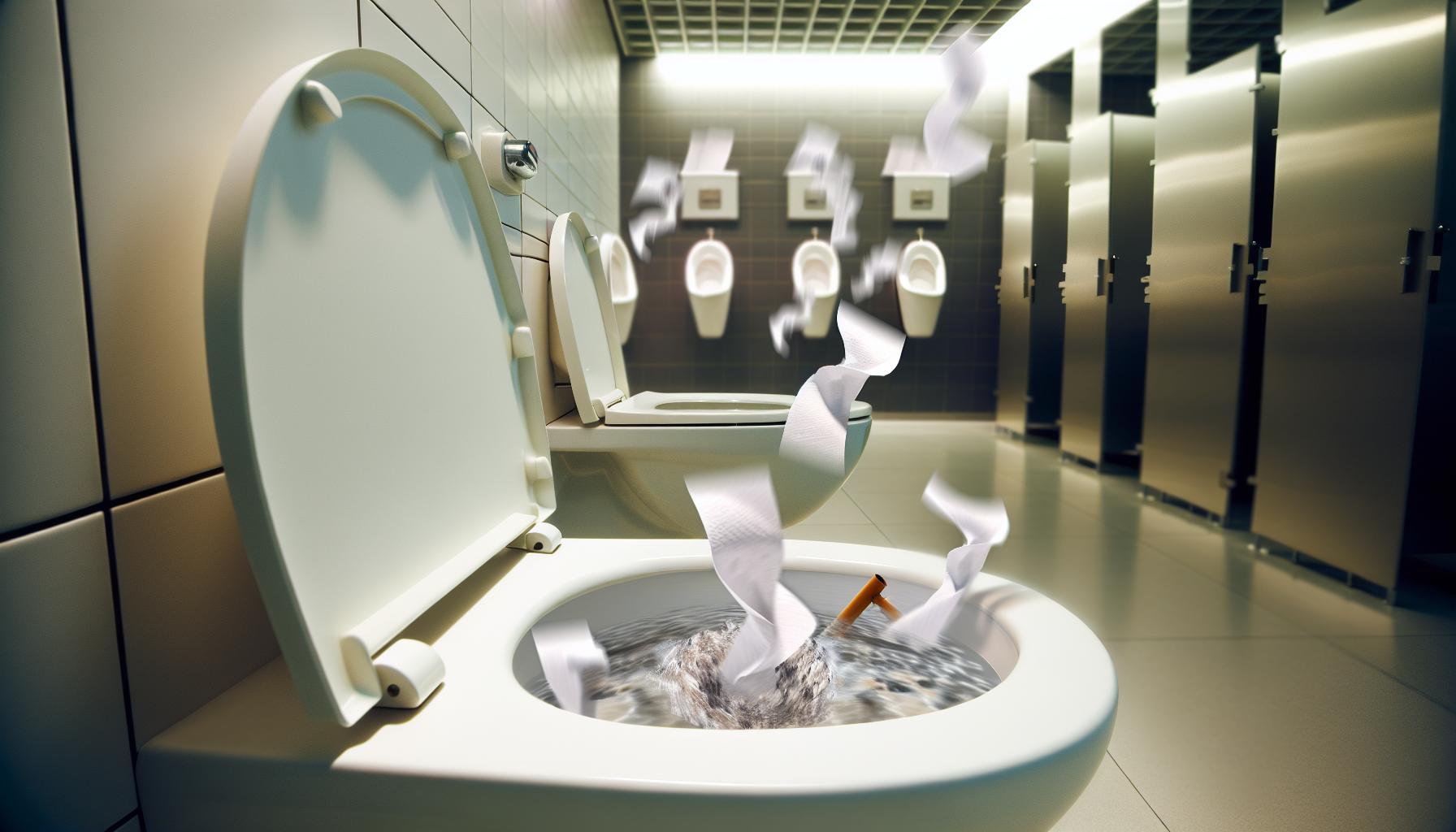
Environmental Impact of Flushing Seat Covers
One surprising environmental consideration is that even materials labeled “flushable” can contribute to challenges within waste treatment systems. While many toilet seat covers made of virgin pulp paper break down fairly quickly,flushing large volumes of any paper product-including seat covers-can place added strain on sewage infrastructure. This is especially true in older or less advanced municipal systems that may not be equipped to efficiently handle fibrous products beyond human waste and toilet paper.
The impact on wastewater treatment plants varies based on the composition of the seat covers. Covers with synthetic coatings or plastic films persist much longer in the environment, potentially causing microplastic pollution or clogging pumps and filters. While biodegradable paper covers generally decompose into harmless organic matter, the additives like wet-strength resins can slow this process down, leading to unexpected buildup in sewage pipes or treatment facilities.
Key Environmental Considerations for Flushing Seat Covers
- Water Consumption and Treatment Load: the breakdown of paper seat covers requires additional processing at wastewater plants, increasing water usage and energy consumption in treating solids.
- Potential for Sewer Blockages: Synthetic or coated covers bypass natural biodegradation, risking costly blockages and overflows that harm local ecosystems.
- Microplastic and Chemical Pollution: Non-paper additives or plastic layers can contribute toxic residues or microplastics into waterways if not properly filtered out.
- Wastewater Infrastructure Compatibility: Modern commercial restrooms may accommodate flushable seat covers better than home plumbing systems or smaller municipal plants, influencing the environmental footprint indirectly.
From a practical standpoint, limiting the flushing of non-paper seat covers or those without clear flushability claims supports not only your home’s plumbing health but broader environmental well-being. Public restrooms that choose sustainably sourced, uncoated virgin pulp covers demonstrate a balance between hygiene convenience and reducing ecological harm by ensuring materials break down swiftly and do not accumulate.
Consumers can also help by checking product labels and opting for seat covers made from 100% biodegradable materials free from plastic or chemical coatings.Considering alternatives like carrying personal seat covers or investing in bidet attachments can further reduce dependence on disposable paper products, lowering overall environmental stress related to waste management.
| Environmental Factor | Flushable Virgin Pulp Covers | Coated or Plastic-Enhanced Covers |
|---|---|---|
| Breakdown Time in Sewage | Minutes to hours (fast) | Days to months or never |
| Impact on Wastewater Treatment | Low to moderate | High risk of complications |
| Microplastic Pollution Risk | Negligible | High |
| Sewer Blockage Potential | Minimal if flushed responsibly | Significant if flushed |
A mindful approach to flushing seat covers ensures we protect both our plumbing and the environment. Educating yourself on material types and disposal recommendations empowers smarter choices, preserving essential water treatment resources and reducing microplastic pollution downstream.
Toilet Seat Covers vs. Other Bathroom Paper products
When it comes to flushability, not all bathroom paper products are created equal. Toilet seat covers frequently enough get lumped together with items like toilet paper, facial tissues, or paper towels, but their differences in material composition and intended use significantly affect how they behave in plumbing and wastewater systems. unlike toilet paper, which is specifically designed to disintegrate quickly in water, many seat covers are made from thicker, sometimes virgin pulp-based paper with the purpose of creating a barrier rather than dissolving rapidly.
This basic difference means that while toilet paper generally breaks down within minutes, toilet seat covers can take longer depending on their fiber density and any chemical coatings applied. For example, some disposable seat covers contain added wet-strength resins to maintain integrity when wet, making them more resistant to breakdown compared to standard toilet paper. Facial tissues or paper towels, often found in bathrooms, share a similar fate-they’re usually sturdier and slower to degrade, which is why they are widely advised against flushing.
Comparing Biodegradability and Plumbing Risks
The biodegradability of these products is central to understanding their environmental impact and plumbing safety:
- Toilet Paper: Engineered for rapid dispersion and breakdown, making it safe for flushing in most plumbing systems.
- Toilet Seat Covers: Vary widely-from thin, uncoated virgin pulp that breaks down relatively fast to coated or reinforced covers that resist disintegration.
- Facial Tissues & Paper Towels: Usually contain stronger fibers and additives; they do not break down easily and can cause clogs if flushed.
due to these differences, flushing seat covers does not always carry the same risk level as flushing tissues or paper towels, but caution is still advised. In many cases, seat covers labeled as “flushable” meet certain standards for breakdown but may still contribute to sewage strain if flushed regularly or in bulk.
Practical disposal Advice and User Behavior
For users navigating these options, knowing when to flush and when to dispose properly can prevent plumbing issues and environmental harm. When only a few biodegradable seat covers are flushed occasionally, most modern plumbing systems and municipal treatment plants handle them without problem. however, frequent flushing of large amounts or covers with plastic films can lead to blockages or increased treatment complexity.
In public restrooms, trash receptacles for used seat covers are standard, limiting plumbing impact and encouraging responsible disposal. For those at home or in places without dedicated bins, combining awareness of the product’s flushability claims with moderation is the best strategy. Switching to alternatives like reusable personal covers or bidet hygiene systems can further reduce reliance on disposable bathroom paper products altogether.
| Bathroom Paper Product | designed for Flushability | Breakdown Speed | Typical Plumbing Risk |
|---|---|---|---|
| Toilet Paper | Yes | Very Fast (minutes) | Low |
| Toilet Seat Covers | Varies by product | Minutes to hours (uncoated); hours to days (coated) | Low to Moderate |
| Facial tissues | No | Slow (hours to days) | Moderate to High |
| Paper Towels | No | Very Slow (days to weeks) | High |
Understanding these nuances empowers you to make informed decisions not only about what you flush but also how you manage hygiene and environmental responsibility. while seat covers serve an important function for user comfort and perceived cleanliness, their suitable disposal methods often align closer with paper towels or tissues rather than toilet paper-highlighting the importance of reading product labels and following disposal instructions carefully.
Proper Disposal Methods for Toilet Seat Covers
Few bathroom items are as deceptively tricky as toilet seat covers when it comes to disposal. Despite their thin, paper-like appearance, these covers often contain additives or coatings that challenge quick disintegration, making the “flush or trash” dilemma a common source of plumbing headaches and environmental concerns.To ensure smooth plumbing function and reduce waste system strain,adopting thoughtful disposal practices is essential.
At home, the safest approach is to treat used seat covers similarly to paper towels or facial tissues-discard them in a waste bin rather than flushing. This precaution is especially important if the covers are visibly coated, reinforced, or marketed as “wet-strength,” which helps them maintain integrity when damp but also slows breakdown in pipes. For those without a dedicated bathroom trash bin, placing a small liner or container near the toilet can easily encourage proper disposal and avoid accidental flushing.
When Flushing Might Be Acceptable
Some brands advertise their seat covers as flushable and meet industry standards for water dispersibility,but even these should be flushed sparingly. Flushing a single,thin,uncoated cover occasionally is unlikely to cause plumbing issues in a modern home or public restroom system designed with robust waste handling. Yet bulk flushing or repeated disposal this way increases clog and backup risks-especially in older pipes or septic systems. Checking product packaging for flushability claims and following instructions can guide safer use.
Public Restrooms and Responsible Disposal
Most public facilities provide dedicated trash bins for used seat covers, signposting that flushing is discouraged and supporting plumbing longevity at scale. These receptacles frequently enough come with lids to minimize odor and maintain hygiene-encouraging compliance. Facility managers can reduce clog incidents by educating users about disposal methods, maintaining bin availability, and selecting seat covers less likely to cause plumbing stress.
Practical Tips for Proper Disposal
- Read labels carefully: Only flush seat covers explicitly marked as flushable; otherwise, use a bin.
- Limit quantity: Even flushable covers should be flushed individually, not in multiples.
- Use covered trash bins: For hygiene and odor control at home or in offices, choose bins with lids.
- Consider alternatives: Reusable toilet seat protectors or bidet attachments can reduce reliance on disposable covers.
By integrating these disposal practices into daily routines, users protect plumbing infrastructure and contribute to a cleaner, less wasteful environment. Proper disposal isn’t just about avoiding clogs-it reflects a simple but impactful step toward responsible bathroom hygiene.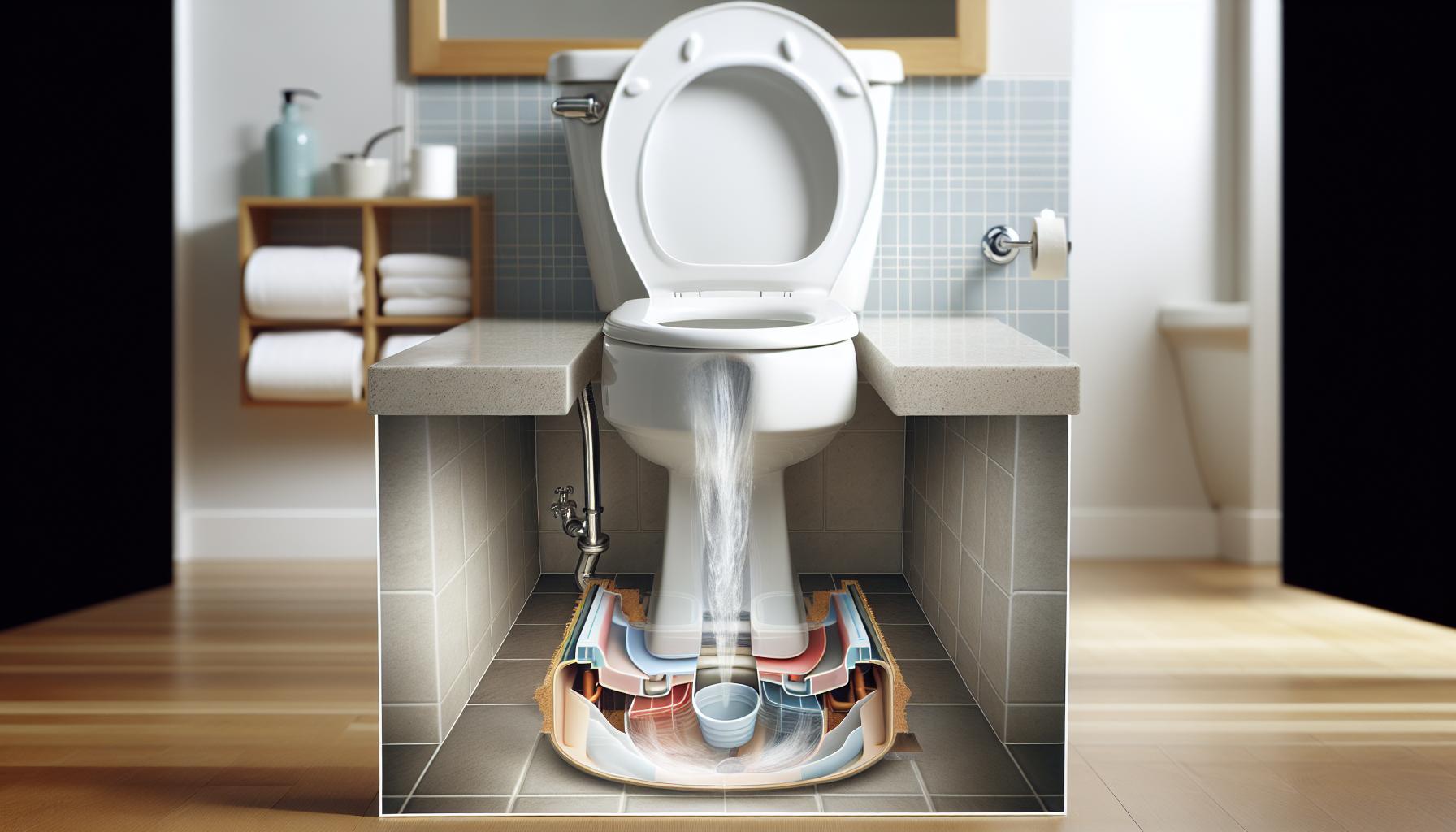
How Plumbing Systems Handle Seat Covers
One surprising aspect of how plumbing systems handle toilet seat covers lies in the materials and design of the covers themselves. While toilet seat covers might appear similar to regular tissue paper, many feature coatings, wet-strength treatments, or reinforcements that slow their breakdown in water. When flushed, these factors can interfere with the immediate dissolving action that plumbing systems rely on to keep water and waste flowing smoothly. Even the most modern sewage systems, which are engineered to manage conventional paper waste, can struggle with these reinforced covers if disposed of incorrectly or in large volumes.
Plumbing infrastructure varies widely-from the compact pipes inside homes to expansive municipal sewer networks-but all systems depend on waste disintegration to prevent blockages. Traditional toilet paper is specifically engineered to loosen and break apart within seconds of flushing, ensuring it passes easily through traps, pipes, and treatment centers. Toilet seat covers, however, especially those not labeled as flushable, can retain their shape longer or clump together when wet. This persistence increases the risk of clogging at critical points such as:
- P-traps and S-traps: These curved pipe segments are designed to hold water and prevent odors but easily trap paper that doesn’t dissolve quickly.
- Narrower pipes and older plumbing: Homes with aging systems or reduced pipe diameter are more vulnerable to blockages caused by resilient materials.
- Septic tanks: In septic systems, non-degradable seat covers remain intact much longer, hindering bacterial breakdown and potentially leading to costly maintenance or pump-outs.
Even in commercial or municipal wastewater settings, where processing equipment is more robust, large volumes of flushed seat covers can accumulate and cause problems that ripple through the system-leading to costly stoppages and environmental hazards.
What Happens Beyond the Flush?
Once flushed, water carries waste and any paper products through a series of pipes to either a city sewage system or an on-site septic tank. Properly designed flushable paper quickly disintegrates,allowing seamless passage. However, seat covers with additives can:
- Cling to pipe walls or internal components, narrowing flow paths
- Mix with fats, oils, and other residues to form stubborn blockages
- Resist breakdown in septic tanks, accumulating in sludge layers and reducing tank efficiency
Municipal sewer plants often spend considerable effort removing such debris during preliminary treatment stages, but this process increases operating costs and environmental strain.
Practical Advice for homeowners and Facility Managers
To minimize the risk of plumbing issues,it’s valuable to understand the limitations of your specific plumbing system. For older homes or those with septic tanks, it’s best to avoid flushing anything beyond standard toilet paper. In workplaces and public areas:
- Ensure bin availability next to toilets to discourage flushing of seat covers
- educate users on why flushing seat covers is problematic
- Choose seat cover products labeled as biodegradable and flushable when disposal via flushing is unavoidable
By appreciating how plumbing systems interact with these seemingly innocuous items, users can prevent costly repairs and contribute to smoother municipal wastewater management. Small changes in disposal habits have a meaningful impact on the longevity and reliability of both home and public restroom plumbing.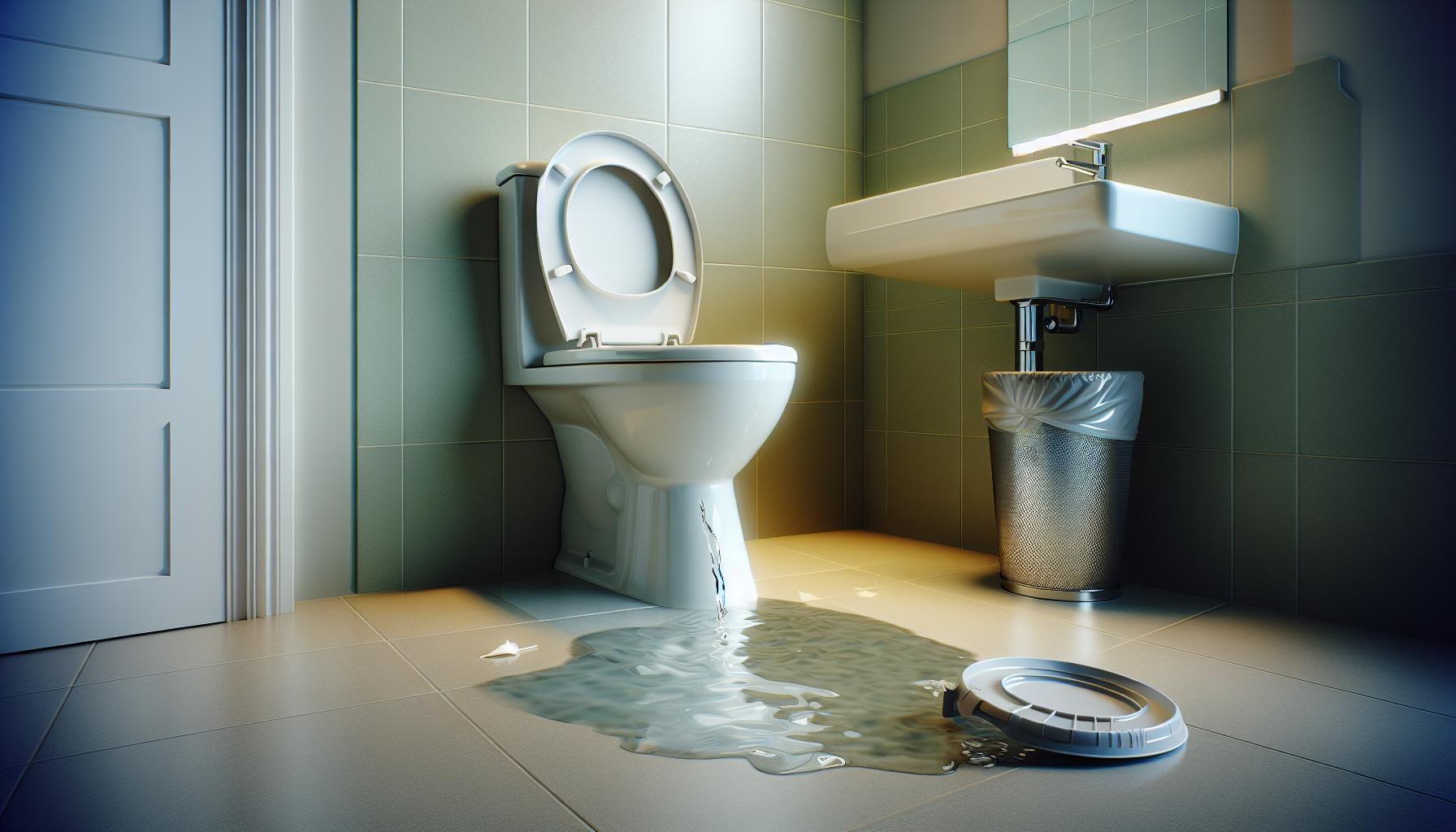
Risks of Flushing Toilet Seat Covers in Home Plumbing
Many homeowners underestimate how delicate residential plumbing systems actually are when it comes to flushing anything beyond standard toilet paper. Unlike commercial or municipal sewage systems designed to handle larger volumes and tougher debris, domestic plumbing often has tighter pipe diameters and older infrastructure that simply can’t accommodate the slower-disintegrating materials found in many toilet seat covers. The result? An increased risk of inconvenient-and sometimes expensive-blockages that can disrupt your bathroom’s function and potentially cause water damage.
Toilet seat covers frequently contain special coatings or wet-strength additives that prevent them from breaking down as fast as regular toilet paper. When flushed, these materials can accumulate in key trouble spots in your plumbing such as your P-trap, the U-shaped pipe segment under your sink or toilet that traps odors but can also catch non-dissolving debris. The accumulation can cause partial or full clogs,leading to slow drains,gurgling sounds,or even backups over time. Older homes with narrower pipes are especially susceptible, as the reduced space leaves less room for clumps to pass through safely.
Why Septic Systems Are More Vulnerable
If you use a septic system instead of municipal sewer services, the risks multiply. Non-degradable seat covers don’t simply block pipes-they also hinder natural bacterial processes necessary for breaking down waste in the tank. Persistent materials collect and thicken sludge layers prematurely, reducing tank capacity and causing costly maintenance issues such as frequent pump-outs or even system failure. in worst-case scenarios, this can lead to groundwater contamination or costly repairs that run into thousands of dollars.
Practical Steps to Protect Your Home Plumbing
- Stick to flushing only toilet paper: Even if a seat cover is labeled as “flushable,” it’s safer to dispose of them in a trash bin to prevent plumbing issues.
- Provide waste bins in restrooms: Having a clearly labeled disposal bin encourages everyone to avoid flushing seat covers and reduces plumbing risk.
- Regular maintenance checks: For aging or septic-equipped homes, scheduling routine inspections and cleanings can catch early signs of buildup before they turn serious.
Being mindful of these issues isn’t just about avoiding inconvenience; it helps extend the life of your plumbing infrastructure and keeps unwanted repair costs at bay. Small changes in what you flush can make a big difference in maintaining a healthy, trouble-free home bathroom system.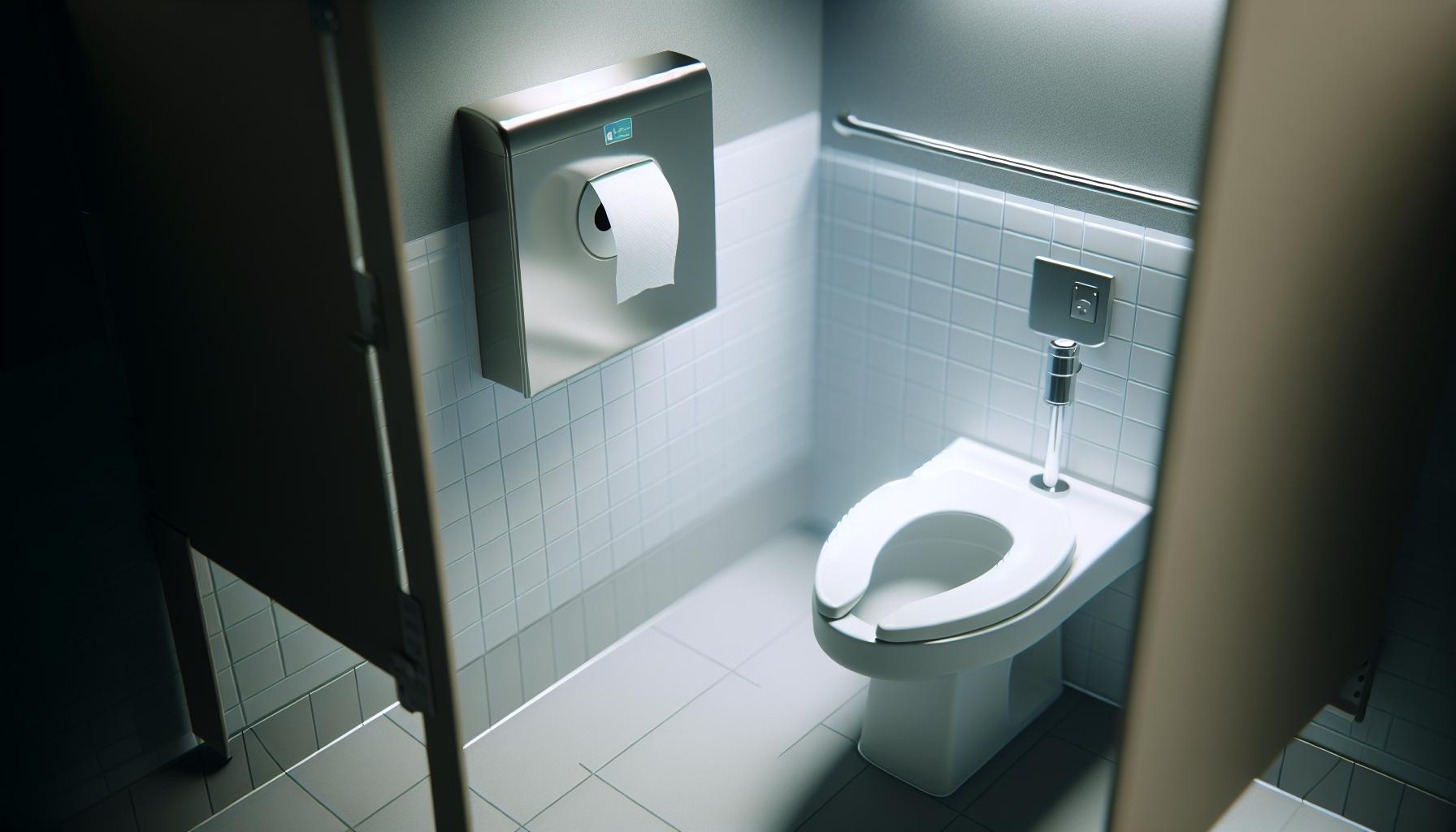
Public Restroom Practices and seat Cover Disposal
It’s surprising how often the safest disposal practise for toilet seat covers is overlooked in public restrooms, despite their widespread availability. Many people instinctively flush these paper shields, assuming they’ll break down like toilet paper, but this habit can pose a range of challenges in public restroom plumbing systems. unlike the high-capacity infrastructure in municipal sewage systems designed to handle diverse waste, many public facilities still face issues caused by flushing seat covers, especially when combined with other non-flushable items.Public facilities typically aim to accommodate a high volume of users with varied habits, so offering clear, convenient disposal options is essential. Providing well-marked, foot-operated trash bins right next to toilets is one of the most effective ways to encourage proper seat cover disposal. These bins not only reduce clogging issues but also help maintain cleaner restroom environments, as users can avoid the messy buildup sometimes caused by flushing materials that don’t dissolve quickly. In some high-traffic venues, maintenance teams report fewer plumbing backups simply by increasing the number and accessibility of disposal containers.
Promoting User Awareness Through Signage
Clear signage explaining that toilet seat covers should not be flushed and directing users to proper disposal bins can significantly influence user behavior. Such as, concise messages such as “Please dispose of seat covers in the bin provided” paired with simple graphics can reduce confusion. Triumphant public restrooms often take this a step further by including multiple languages or pictorial cues to accommodate diverse populations, helping all users follow best practices.
impacts on Maintenance and Costs
Flushing seat covers in public restrooms creates frequent blockages in pipes and septic or sewer systems, leading to costly repairs and increased facility downtime. When maintenance teams encounter clogged pipes, the disruptions often affect multiple stalls or restrooms, causing frustration and complaints from users. By emphasizing proper disposal-backed by well-placed bins, signs, and employee training-facilities can reduce these interruptions and protect the plumbing infrastructure. This proactive approach frequently enough results in lower maintenance costs and longer-lasting restroom fixtures.
- Ensure waste bins are emptied regularly: Overflowing bins can discourage proper use, leading to seat covers ending up on floors or flushed.
- Choose bins with lids and foot pedals: This reduces contact, improving hygiene and user comfort when discarding seat covers.
- Train cleaning staff: Proper restroom maintenance includes checking for flushed seat covers to identify early signs of blockages.
small changes in restroom design and user interaction can create a big difference in how toilet seat covers are disposed of in public settings. Encouraging responsible disposal protects plumbing systems, reduces cleaning hassles, and helps maintain a more pleasant, hygienic restroom experience for everyone.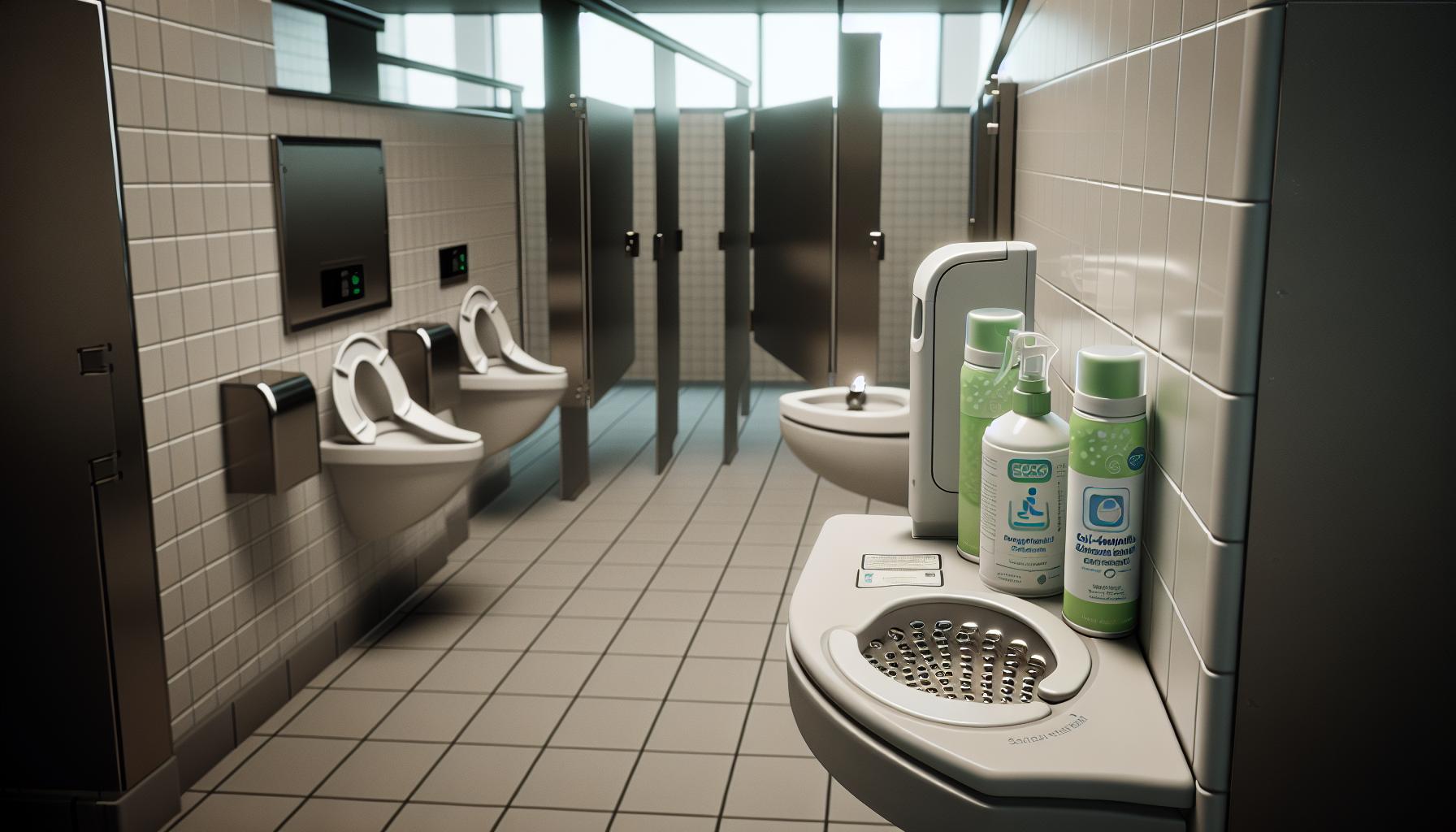
Alternative hygiene Solutions Beyond Seat Covers
Few bathroom hygiene products carry the assumption of safety quite like toilet seat covers, yet many overlook alternatives that offer equal or superior protection without the disposal concerns. As awareness grows about the environmental and plumbing drawbacks of flushing seat covers, many users and facilities are turning to innovative and more sustainable hygiene options altogether.One increasingly popular solution is the use of disposable toilet wipes specifically designed for personal hygiene rather than surface protection. These wipes, often marketed as flushable, break down more effectively in plumbing systems compared to paper seat covers. Though, it’s critically important to choose certified flushable brands to avoid clogging risks. For facilities aiming to eliminate paper waste, antibacterial toilet sprays or foams provide an immediate hygienic barrier on the toilet seat without any physical material left behind, significantly reducing the need for disposal bins or flushing concerns.
Reusable options are also gaining traction in eco-conscious circles and private homes. For example, washable toilet seat covers made from fabrics or silicone provide long-lasting protection and comfort, eliminating paper waste entirely. Users simply carry them in a handbag or pocket and clean them regularly, much like reusable menstrual products or shopping bags. Although less common in public restrooms due to sanitary concerns, they suit personal bathroom hygiene needs well.
Practical Tips When Adopting Alternatives
- Assess the setting: Public restrooms may benefit more from antibacterial sprays and improved cleaning protocols, whereas private homes might find reusable covers more practical.
- Educate users: Providing clear instructions on how to use and dispose of alternative hygiene products ensures compliance and reduces confusion.
- Combine methods for best results: Such as, pairing a quick spray with single-use wipes can maximize hygiene while minimizing environmental impact.
Adopting alternative hygiene solutions can not only reduce plumbing blockages and waste management challenges but also elevate user comfort and environmental responsibility. As restroom design and user habits evolve, embracing these innovations offers a future-forward approach to personal hygiene beyond the traditional paper seat cover.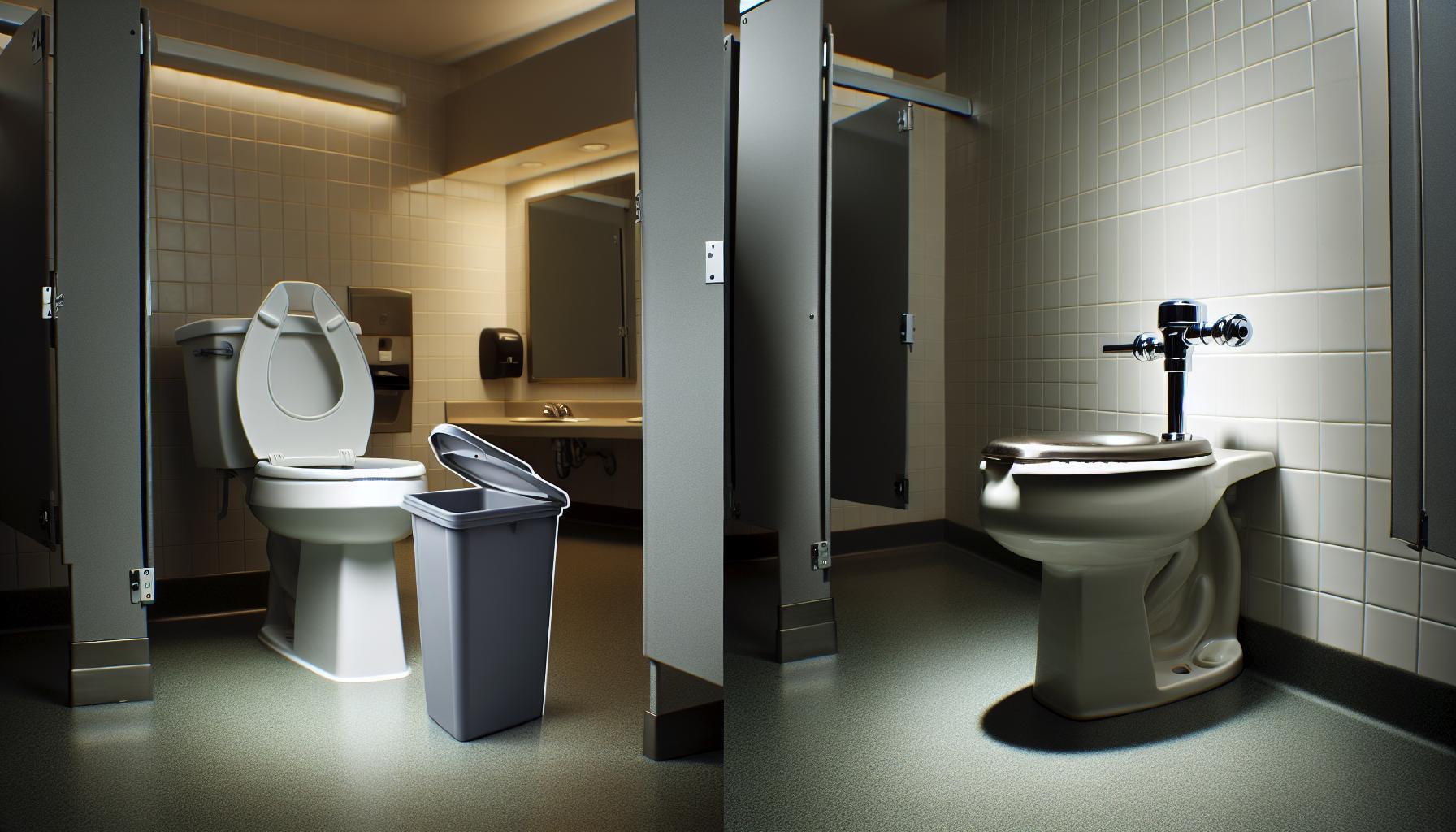
Myths and Facts about Toilet Seat Cover Disposal
Toilet seat covers often come shrouded in assumptions that lead to misconceptions about their disposal-especially regarding whether they can safely be flushed. One pervasive myth is that because these covers are made of thin paper, they will disintegrate just like toilet paper once flushed. Though,this isn’t always the case. Many seat covers are designed with sturdier paper or coated materials to prevent moisture absorption and tearing, which can lead them to resist breaking down in plumbing systems. Flushing them doesn’t guarantee they’ll vanish harmlessly; instead, they might accumulate, causing blockages or stress on waste treatment facilities.
Another common misunderstanding is that public restrooms universally flush seat covers, reinforcing the notion that this is the best or only hygienic option.In reality, a majority of public facilities provide disposal bins precisely because flushing these covers risks clogs and costly repairs. Private residences may not encounter the same infrastructure challenges on a large scale, but even residential plumbing can be vulnerable to damage from flushed seat covers, especially in older pipes or septic systems not equipped to handle non-dissolvable waste.
Clearing Up the Confusion
- Not all seat covers are flushable: Unlike toilet paper, most paper seat covers are not designed to dissolve quickly. This increases the risk of plumbing issues.
- Flushing does not improve hygiene: Leaving a seat cover on the seat after use without flushing,when cleaned properly afterward,is typically more sanitary than flushing it into questionable plumbing.
- Disposal bins are frequently enough safer and more eco-friendly: Collecting used seat covers in bins prevents pipe blockages and allows for proper waste management or recycling where available.
Practical Advice for Users
If flushing is unavoidable or allowed in some systems, users should verify whether seat covers are explicitly labeled as “flushable” and preferably certified by recognized standards. Even then, caution is warranted. In most cases, the safest practice-both for your plumbing and the environment-is to dispose of seat covers in a nearby trash or recycling bin. Facilities can aid this by providing clearly marked receptacles and signage, dispelling any inappropriate assumptions.By understanding these distinctions, users can avoid the common traps of misinformation and help maintain both hygiene and plumbing integrity. This clarity enables better individual and public restroom practices and encourages the adoption of more sustainable, less problematic alternatives as discussed earlier in this guide.
Frequently Asked Questions
Q: Why shouldn’t I flush toilet seat covers even if they’re made of paper?
A: You should avoid flushing toilet seat covers because many are made from paper mixed with biodegradable coatings or additives that don’t dissolve easily. This can cause clogs in home plumbing and damage sewage systems. Instead,dispose of them in trash bins to protect plumbing and the environment. For more on disposal, see Proper disposal Methods for Toilet Seat Covers.
Q: How can I safely dispose of toilet seat paper shields in public restrooms?
A: the safest way to dispose of toilet seat paper shields in public restrooms is to use designated waste bins, usually located near the toilet. Flushing is discouraged to prevent plumbing issues and maintain hygiene. Check Public Restroom Practices and Seat Cover Disposal for detailed guidelines.
Q: Are there specific types of toilet seat covers designed to be flushable?
A: Some brands offer flushable toilet seat covers, made entirely from rapidly dissolving, biodegradable paper. However, it’s important to verify product labeling and local plumbing recommendations before flushing, as many plumbing systems are not designed for any seat cover disposal via toilets. Learn more in the Materials Commonly Used in Toilet Seat Covers section.
Q: Can flushing toilet seat covers affect septic systems differently than municipal sewers?
A: Yes, flushing toilet seat covers can be more problematic for septic systems because they rely on natural bacteria to break down waste. Non-dissolvable seat covers may disrupt bacterial activity, causing blockages and septic failure. For plumbing impacts, refer to Risks of Flushing Toilet Seat Covers in Home Plumbing.
Q: What should I do if a toilet seat cover accidentally clogs my toilet?
A: If a toilet seat cover causes a clog, instantly stop flushing and try using a plunger to clear the blockage. Avoid using chemical drain cleaners,which might damage pipes. If the clog persists,contact a plumber.supportive tips can be found in How Plumbing Systems Handle seat Covers.
Q: How do toilet seat covers compare to flushable wipes in terms of plumbing safety?
A: Toilet seat covers are generally less risky than flushable wipes,but both can cause plumbing problems if flushed as they don’t break down quickly. Unlike wipes, seat covers are often thinner and more biodegradable; still, disposal in trash is preferred. See the section Toilet Seat Covers vs. Other Bathroom Paper Products for insights.
Q: Why do some public restrooms provide disposable bins instead of encouraging flushing toilet seat covers?
A: Public restrooms use disposable bins to prevent plumbing damage and maintain sanitation. Flushing seat covers can cause blockages and costly repairs,so bins ensure proper waste handling. This approach aligns with recommended Public Restroom Practices and Seat Cover Disposal.
Q: when is it acceptable to flush toilet seat covers in environmentally friendly facilities?
A: Flushing toilet seat covers is only acceptable in facilities explicitly designed to handle biodegradable paper products that dissolve quickly. Always check posted guidelines or product information. Otherwise, placing covers in waste bins remains the safest choice.For more, consult environmental Impact of Flushing Seat Covers.
For a deeper understanding and additional tips,explore related sections like Proper Disposal Methods for Toilet Seat Covers and Myths and Facts About Toilet Seat Cover Disposal. Staying informed helps protect both your plumbing and the environment!
Future Outlook
Understanding whether you can flush toilet seat covers is crucial for maintaining plumbing health and environmental responsibility. Remember, while many paper seat covers may technically be flushable, disposing of them properly helps prevent clogs and supports eco-friendly practices. To explore more about safe restroom habits, check out our guides on proper bathroom waste disposal and eco-friendly hygiene tips.
If you’re still unsure about the best way to handle paper shields or want expert advice on bathroom maintenance, don’t hesitate to contact our specialists or subscribe to our newsletter for the latest tips and solutions. Your quick actions today can save costly repairs tommorow.Share your experiences or questions below-we’d love to hear how you manage paper disposal in your home or workplace and help you find the best approach.
keep exploring related topics like ”flushable vs. non-flushable products” and “preventing plumbing blockages” to stay informed and proactive. By staying engaged with these insights, you ensure a cleaner, safer bathroom and a smoother plumbing system for years to come.