Can You Flush Toilet Paper? Basic Plumbing 101
Did you know that flushing the wrong type of toilet paper can cause costly plumbing issues and unexpected blockages? Understanding whether you can safely flush toilet paper is essential for maintaining a healthy plumbing system and avoiding messy repairs. This guide breaks down the basics of toilet paper disposal, helping you make informed choices that protect your pipes and the environment. Whether you’re curious about what’s truly flushable or simply want to keep your bathroom running smoothly, learning these simple yet important details can save you time, money, and headaches down the line. keep reading to find out how to prevent common plumbing problems with the do’s and don’ts of flushing toilet paper-knowledge every homeowner or renter needs to master.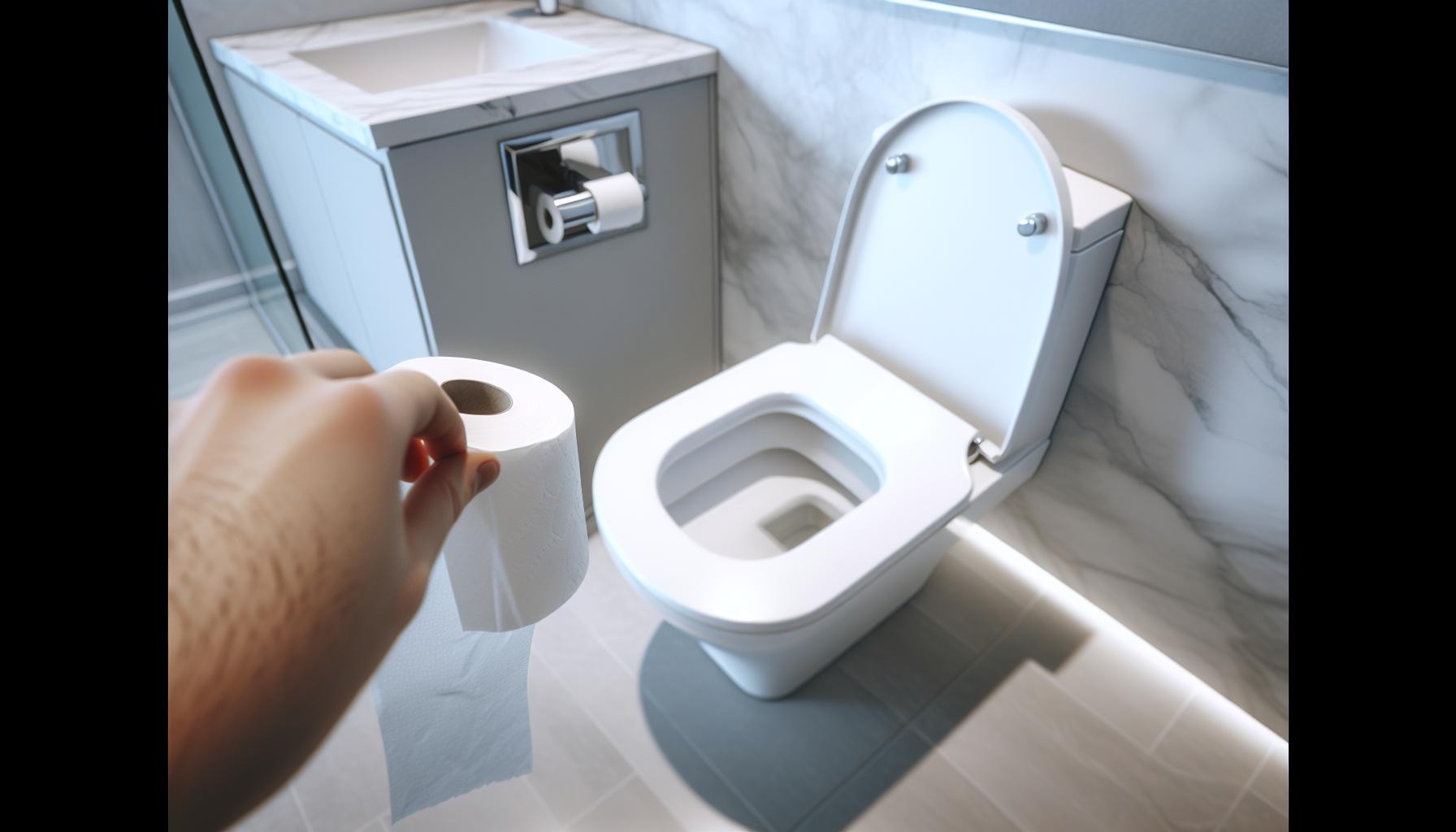
What Happens When You Flush Toilet Paper
Few everyday actions are as automatic as flushing toilet paper – yet behind this simple gesture lies a fascinating interaction between materials,water flow,and plumbing design.When you flush toilet paper, it doesn’t just disappear instantly; it undergoes a process that involves breaking down, traveling through pipes, and eventually reaching the sewage system or septic tank.Understanding this journey can help explain why some toilet papers are safer to flush than others, and why clogs sometimes occur.
Toilet paper is specially manufactured to dissolve and disintegrate quickly in water. Unlike ordinary paper, it’s made to break apart easily so it can pass through pipes without causing blockages. As the flush pushes the paper through the toilet trap and into the plumbing, the water flow dilutes and breaks down the paper fibers further, helping it move along smoothly. This natural disintegration is critical because if the paper stays intact, it can accumulate and create hurdles within the narrow pipes of your home.
However,flushing too much toilet paper at once can overwhelm the system. Excessive or thick wads of paper may not fully dissolve during a single flush,which increases the risk of sticking to pipe interiors or mixing with grease and debris to form clogs. Many plumbers highlight that balance is key: using enough paper to maintain hygiene but not so much that it taxes your plumbing. For households with older or narrow piping, extra caution is advised since these systems are more prone to slowdowns caused by toilet paper buildup.
- Paper Fiber Breakdown: Toilet paper fibers disintegrate in water, which prevents clogs.
- Water Flow Role: Adequate flushing volume and pressure help push and dilute paper.
- Volume Management: Excess paper can slow dissolution, risking pipe obstruction.
By recognizing these factors, you can appreciate why not all toilet paper is created equal and why some brands or types are labeled “safe to flush.” it’s also a reminder that the simple act of flushing involves a delicate balance of materials and mechanics to keep your home’s plumbing flowing smoothly.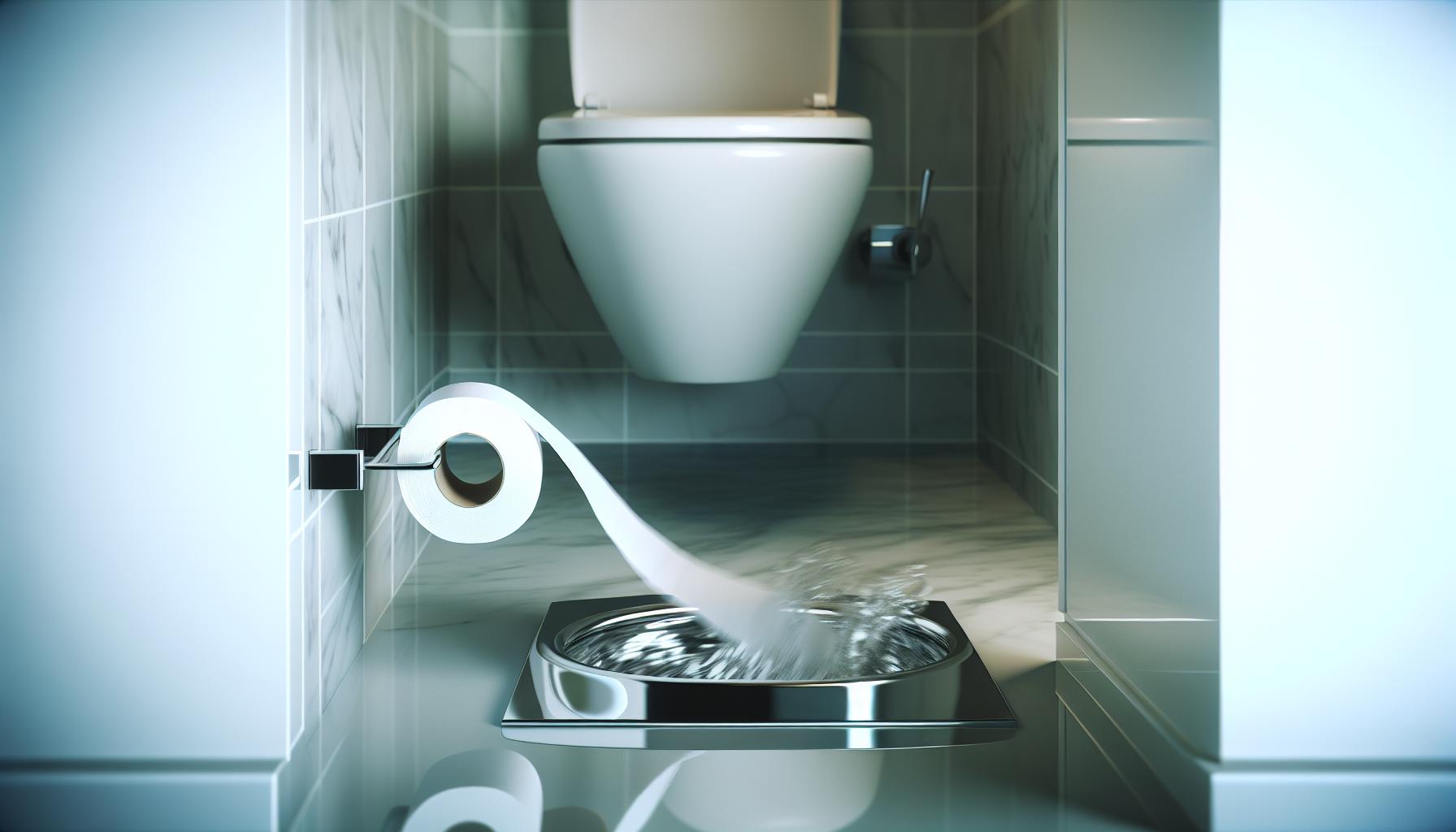
Types of toilet Paper Safe for Flushing
Choosing toilet paper that truly breaks down quickly and safely is essential to keeping your plumbing system functioning smoothly and avoiding costly clogs. Many consumers assume all toilet paper is flush-safe, but the truth lies in the material’s design, composition, and how it reacts in water. When shopping, knowing which types are engineered to dissolve effectively can save you headaches and protect your pipes.
The best flushing toilet papers are those labeled as “septic safe” or “rapidly dissolving.” These varieties typically consist of lower ply counts and use shorter fibers that break apart more readily when exposed to water. Such as, single-ply or lightweight two-ply papers often dissolve faster than ultra-thick or quilted options, which may remain intact longer and risk buildup. Some premium brands now focus on balance-providing softness while still ensuring fast disintegration-to optimize both comfort and plumbing compatibility.
What To Look for in Flush-Safe Toilet Paper
- Fiber Composition: Toilet papers made from biodegradable fibers such as recycled paper or sustainably sourced virgin pulp tend to break down more rapidly compared to those heavily coated with lotions, dyes, or synthetic additives.
- Ply Thickness: Thinner papers generally dissolve faster. While multi-ply papers can feel plush, they frequently enough require more flushing power to clear fully.
- Septic & Plumbing Compatibility Labels: Certifications or claims like “septic safe,” “rapid dissolve,” or “environmentally friendly” provide good guidance, though it’s wise to verify with self-reliant testing where possible.
Common examples and practical Tips
To illustrate,consider how single-ply toilet paper created for public restrooms often disintegrates nearly instantly,minimizing clogs in high-traffic facilities with older plumbing. In contrast, softer, luxury brands with thick quilting may feel better but can cause problems in homes with smaller or aging pipes. if you’re unsure of your plumbing’s tolerance, opting for a quickly dissolving variety can prevent downstream difficulties.
Here’s a simple practical tip: if your household uses a septic system,prioritize toilet paper explicitly marked safe for septic use.These papers promote healthier bacterial action and prevent excess solids from accumulating. Alternatively, if you encounter repeated flushing concerns, testing a new brand by flushing a small amount first can provide peace of mind before fully switching.
| Type of Toilet Paper | flushability | Best Use Cases |
|---|---|---|
| Single-Ply, Recycled Paper | High-breaks down fast | Older plumbing, septic systems, public restrooms |
| Two-Ply, Septic-Safe Certified | Moderate-soft with good dissolution | Residential bathrooms with modern plumbing |
| Ultra-Soft, Thick Quilted | Low-may require multiple flushes | Homes with robust plumbing only |
Ultimately, the right choice balances comfort with plumbing safety. Selecting toilet paper designed for efficient disintegration helps maintain smooth water flow, decreases maintenance calls, and supports environmentally responsible waste management. Staying informed about the product you use is a simple yet impactful way to safeguard your bathroom’s plumbing system.
How Plumbing Systems Handle Toilet Paper
Few people realize that the journey of toilet paper through your plumbing system is more complex than it seems. Once flushed, toilet paper enters a network specifically designed to manage wastewater efficiently while minimizing blockages. Plumbing pipes, especially in modern homes, rely on gravity and water pressure to push waste along. Toilet paper’s ability to dissolve quickly is crucial, as lingering material can accumulate and cause costly backups.
Most plumbing systems include smooth pipes with carefully engineered slopes that encourage waste to flow downward without clinging to the sides. When toilet paper begins to break down as it gets wet, it mixes with the water and waste, forming a slurry easily transported through these pipes. However, if the paper is thick, layered, or slow to disintegrate, it can stick to pipe walls or combine with fats and other debris, greatly increasing the risk of clogs. Older plumbing systems with narrower pipes or older materials may be more sensitive to these issues, underscoring the importance of selecting toilet paper designed to dissolve quickly.
biological and Mechanical Breakdown in Septic and Sewer Systems
Toilet paper that reaches septic tanks or municipal sewer lines faces different challenges. In septic tanks, natural bacteria digest organic waste, but toilet paper must be soft enough to break apart so bacteria can effectively decompose it. Papers labeled “septic safe” encourage this process without overwhelming the system. In sewer treatment plants, the paper is eventually broken down via mechanical agitation and microbial action, but excessive amounts or non-degradable paper materials can slow this down or clog pumps and filters.
Practical Tips to Help Your Plumbing Handle Toilet Paper Better
- Flush in Moderation: Avoid flushing large wads or excessive amounts of toilet paper at once. Instead, multiple lighter flushes reduce strain on pipes and septic or sewer systems.
- Choose the Right Paper: Use toilet papers that are tested or rated for fast dissolution, notably if your home has older plumbing or a septic system.
- Regular Maintenance: Periodic inspections and professional plumbing cleanouts can prevent buildup from slow-dissolving materials before they cause blockages.
Understanding how your plumbing system handles toilet paper empowers you to make choices that keep your home’s waste flowing smoothly. Opting for toilet paper formulated to dissolve quickly is a simple yet effective way to support long-term reliability in the intricate plumbing network hidden behind your bathroom walls.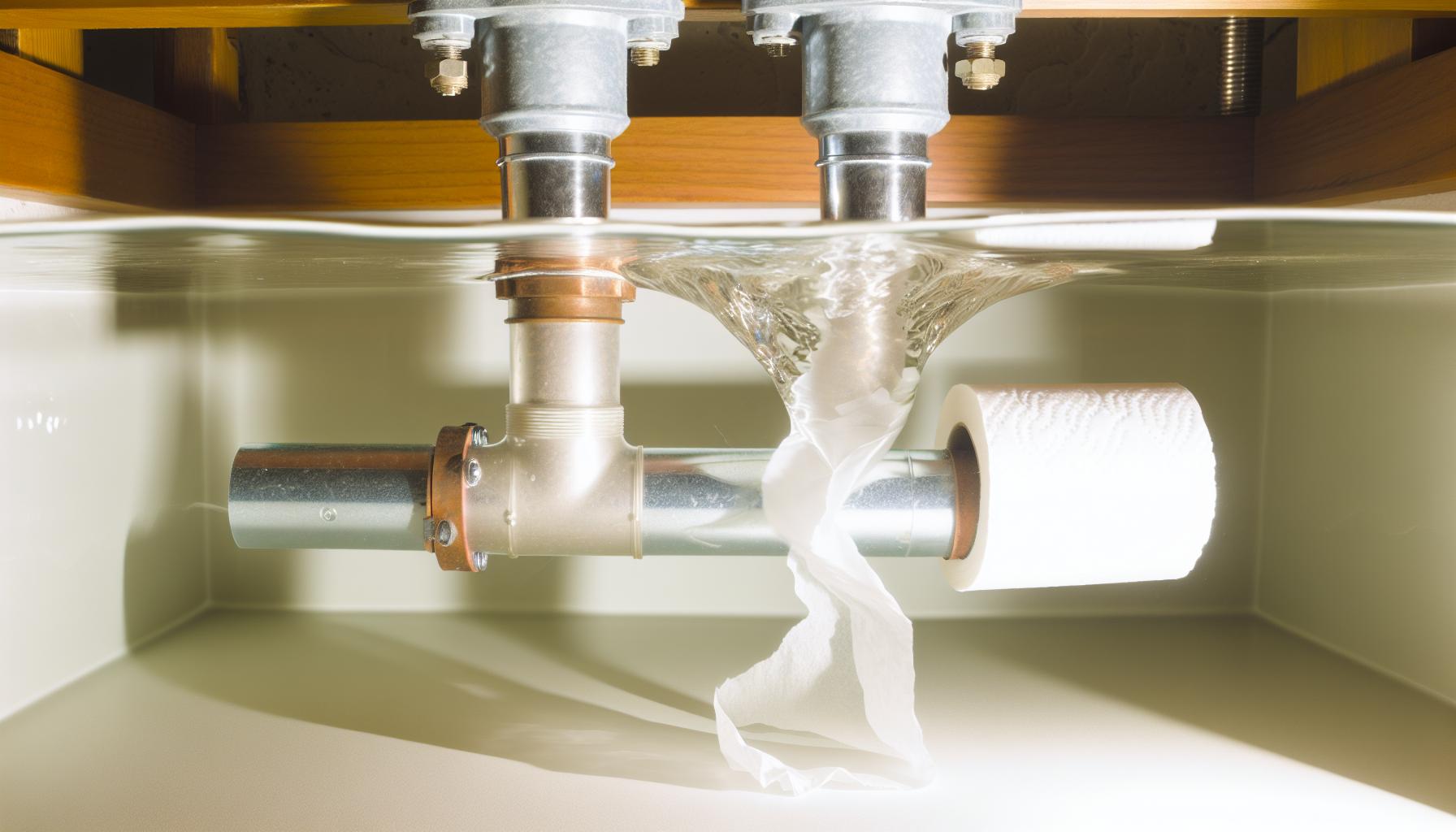
Common Plumbing problems From Flushed Paper
Flushing toilet paper might seem straightforward, but the reality is that it can sometimes trigger unexpected plumbing headaches. While most toilet papers are designed to dissolve easily, using excessive amounts or papers that don’t break down quickly can lead to buildup and blockages within your pipes. Such as, in homes with older or narrow pipes, slow-dissolving paper can cling to interior pipe surfaces, gradually forming obstructions that restrict water flow and cause backups.One of the most common issues arises when toilet paper combines with grease, hair, or other debris in the system, creating dense mats that are tough for water to move through. This kind of accumulation can cause persistent slow drains or even full clogs that require professional intervention.Additionally, thick, quilted, or layered toilet papers-while comfortable-frequently enough resist breaking apart, increasing the likelihood of these problems.
In septic systems, excess or non-biodegradable toilet paper can overload the bacterial digestion process. This slows down waste breakdown and may force more frequent pump-outs or lead to system failures if not managed properly. Similarly, municipal sewer lines can experience wear and tear or blockages when unsuitable toilet paper is flushed repeatedly.
Common Signs of Toilet Paper-Related Plumbing Troubles
- Slow Draining Toilets or Sinks: Indicates partial blockage due to paper buildup.
- Frequent Toilet Overflows: Caused by clogging inside the trap or drain pipe.
- Gurgling Sounds: From trapped air trying to escape past obstructions.
- Unusual Odors: Stagnant waste trapped behind paper clogs can produce bad smells.
How to Tackle These Problems
Starting with smaller flushes to avoid overwhelming the system is a simple yet effective preventive step. Choosing brands labeled as fast-dissolving or “septic safe” reduces the risk of buildup.If clogs occur, gentle plunging often clears toilet paper blockages if addressed early. For persistent issues, professional drain cleaning ensures the pipes are free from hardened paper and other debris before the problem worsens.
Keeping an eye on what gets flushed and responding promptly to warning signs can extend the life of your plumbing, saving costly repairs and inconvenience.
| Problem | Cause | Practical Tip |
|---|---|---|
| Slow Drains | Paper buildup narrowing pipe diameter | Flush small amounts; avoid thick paper |
| Frequent Overflows | Clogs at toilet trap due to excessive paper | use plunge promptly; call plumber if unresolved |
| Septic System Issues | Non-biodegradable or too much paper | Use septic-safe paper and schedule inspections |
When Toilet Paper Clogs Your Pipes: Symptoms and Solutions
Few household issues are as unwelcome – or as urgent – as realizing your toilet is clogged due to toilet paper buildup. While toilet paper is designed to dissolve, factors like pipe diameter, paper thickness, and flushing habits can turn a simple flush into a stubborn blockage. Being able to recognize the symptoms early and knowing how to respond can save you from costly plumbing repairs and the hassle of a backed-up bathroom.
- Slow Draining and Frequent Backups: When toilet paper accumulates inside pipes, it narrows the passage where wastewater flows. This restriction often manifests as slow draining toilets or sinks nearby, signaling partial blockages that worsen over time.
- unusual Noises: Gurgling or bubbling sounds coming from drains or toilets usually indicate trapped air struggling to move past an obstruction created by paper mats.
- Bad Odors: Waste that becomes trapped behind clogged sections can stagnate, releasing unpleasant smells into your bathroom space.
- Unexpected overflows: In severe cases, flushing excessive toilet paper can cause water and waste to back up, sometimes spilling over the toilet bowl, especially if the trap or drain line is clogged.
strong awareness of these signs helps homeowners act quickly before minor clogs escalate. Here are effective solutions tailored to these issues:
Effective Strategies to Clear Toilet Paper Clogs
- Use a Plunger Correctly: A flange plunger provides a powerful seal in the toilet bowl, enabling pressure buildup to dislodge the paper blockage. Start with gentle thrusts to avoid splash-back,then increase force gradually.
- Enzyme-based Drain Cleaners: For less severe clogs, enzyme or bacterial drain treatments can break down cellulose fibers in toilet paper without damaging pipes or septic systems. Avoid harsh chemical drain cleaners that can harm plumbing.
- Manual removal: If plunging fails, removing the toilet to access the trap bend can be a last resort. This approach is usually best left to professionals to prevent pipe damage.
- Professional Drain Cleaning: Persistent or recurrent clogs often require video camera inspections and mechanical augers or hydro-jetting performed by plumbers to thoroughly clear accumulated debris and paper buildup.
Preventative Tips for Avoiding Toilet Paper-related Clogs
| Symptom | Cause | Solution |
|---|---|---|
| Slow Drains | Accumulated paper restricting pipe flow | Flush smaller amounts; select rapid-dissolving paper |
| Gurgling Sounds | Trapped air due to partial blockages | Clear blockage with plunger; avoid flushing large loads |
| Overflow Risk | Severe clog at toilet trap or drainage line | Immediate plunging; call plumber if unresolved |
Understanding these symptoms along with practical solutions equips you to handle toilet paper clogs confidently. Prompt action not only restores convenient flushing but also protects your plumbing infrastructure from long-term damage. Remember, moderation in flushing - both in paper quantity and type – is one of the simplest keys to keeping your pipes clear and your bathroom functioning smoothly.
Eco-Friendly Alternatives to Flushable Toilet Paper
Many people assume that flushing toilet paper is invariably safe for plumbing, but the environmental impact and potential for clogging can vary widely based on the type of paper used. While conventional flushable toilet paper breaks down faster than other bathroom paper products, there are several eco-friendly options designed specifically to minimize both their footprint on plumbing systems and the environment.
One popular alternative is bamboo toilet paper, which is rapidly renewable, requires less water and pesticides to produce, and frequently enough breaks down more quickly than customary wood pulp paper. Bamboo’s natural fibers tend to dissolve efficiently, reducing the chance of pipe blockages and easing the burden on wastewater treatment systems. Choosing bamboo brands that explicitly state their septic-safe or biodegradable properties provides an excellent balance of sustainability and plumbing safety.
Another option gaining traction is the use of recycled toilet paper. Made from post-consumer paper products, recycled toilet paper typically uses fewer new resources, reducing environmental harm. high-quality recycled toilet papers designed for flushability often meet or exceed municipal wastewater guidelines, ensuring they’re less likely to cause problems in your home plumbing or septic system.
Non-Flushing Alternatives to Reduce Plumbing Stress
for households looking to minimize any risk, bidets or washlets have become a favored complement or replacement for toilet paper. by significantly reducing or eliminating the need for paper, these devices offer a hygienic, eco-conscious solution that virtually eliminates paper-related clogs. Using bidets can also cut paper consumption by up to 75%, further protecting plumbing lines and sewer infrastructure.
If toilet paper must be used, consider keeping an extra waste bin nearby to dispose of thicker wipes or paper products labeled “flushable” but which have a tendency to clog pipes. The discrepancy between “flushable” and truly biodegradable is a common issue; many so-called flushable wipes are non-degradable and can cause major blockages in municipal systems.
- Choose rapid-dissolving paper types: Look for ultra-thin, single-ply options that dissolve quickly.
- Limit the amount flushed: Smaller amounts prevent heavy paper masses that clog traps.
- consider septic-safe or biodegradable certifications: Papers meeting these standards are less likely to stress plumbing.
By embracing these eco-friendly and practical alternatives, homeowners can dramatically reduce the risk of paper-related plumbing problems while contributing to a healthier planet. Simple changes like switching to bamboo or recycled paper and incorporating bidet technology demonstrate that lasting bathroom care doesn’t have to come at the expense of functionality or convenience.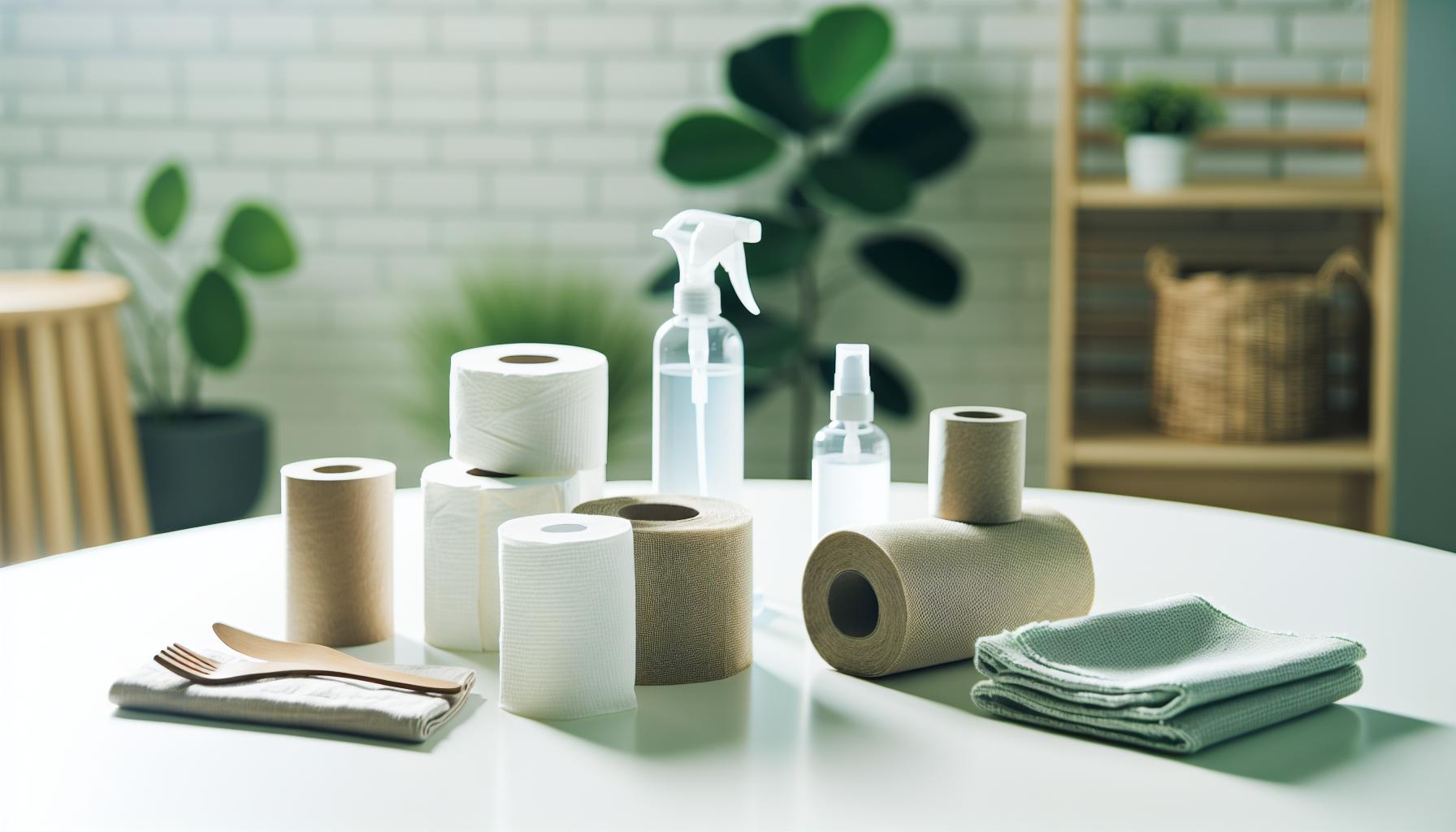
How to Prevent Toilet Paper-Related Plumbing Issues
Flushing toilet paper might seem harmless,but without mindful habits,it can quickly lead to costly plumbing headaches. The key to avoiding these issues lies in understanding how toilet paper interacts with your plumbing system and adopting simple, preventative measures. Even high-quality flushable papers need to be used thoughtfully to keep pipes clear and efficient.
Start by moderating the amount of toilet paper you flush. Overloading the bowl with thick wads or multiple sheets at once can create clumps that resist breaking down, resulting in blockages. Instead, flush smaller amounts more frequently if needed. This habit reduces the bulk passing through your pipes at one time and eases the load on your septic or municipal wastewater system. it’s a small change that drastically lowers the chance of clogs forming in drains or sewer lines.
Choosing the right type of toilet paper is another crucial factor. Opt for ultra-thin, single-ply options that dissolve quickly and avoid extra absorbent or quilted varieties known to retain moisture excessively. Papers labeled as septic-safe or biodegradable typically meet rigorous standards ensuring they break down efficiently in-situ. Avoid flushing wipes or paper products marketed as “flushable” unless they specifically meet recognized biodegradability certifications, as many contain synthetic fibers that cause stubborn blockages despite their claims.
Practical Tips to Protect Your Plumbing
- Flush in intervals: Avoid flushing large amounts of toilet paper in one go to prevent buildup.
- Install a drain strainer: Use mesh screens in drains to catch non-flushable debris before it causes trouble.
- Maintain regular plumbing inspections: Periodically check pipes and drains to catch early signs of paper buildup.
- Consider plumbing upgrades: older homes with narrow pipes benefit from consulting a plumber about enhancements that accommodate modern usage better.
For households with septic tanks, using toilet paper specifically designed for septic safety is vital. These papers break down swiftly and minimize sludge accumulation, helping preserve your system’s function and longevity. If you’re unsure whether your current toilet paper is septic-compatible, check packaging for certification logos or consult your septic service provider.
A practical example comes from community efforts in cities with aging sewer systems where excessive flushing of heavy toilet papers and wipes led to frequent blockages and costly repairs. Public awareness campaigns encouraged using thin, rapidly dissolving papers and flushing smaller amounts, successfully reducing plumbing emergencies.
By combining mindful usage with informed product choices, you can significantly reduce toilet paper-related plumbing issues. This not only saves money on repairs but also supports smoother wastewater management and environmental health.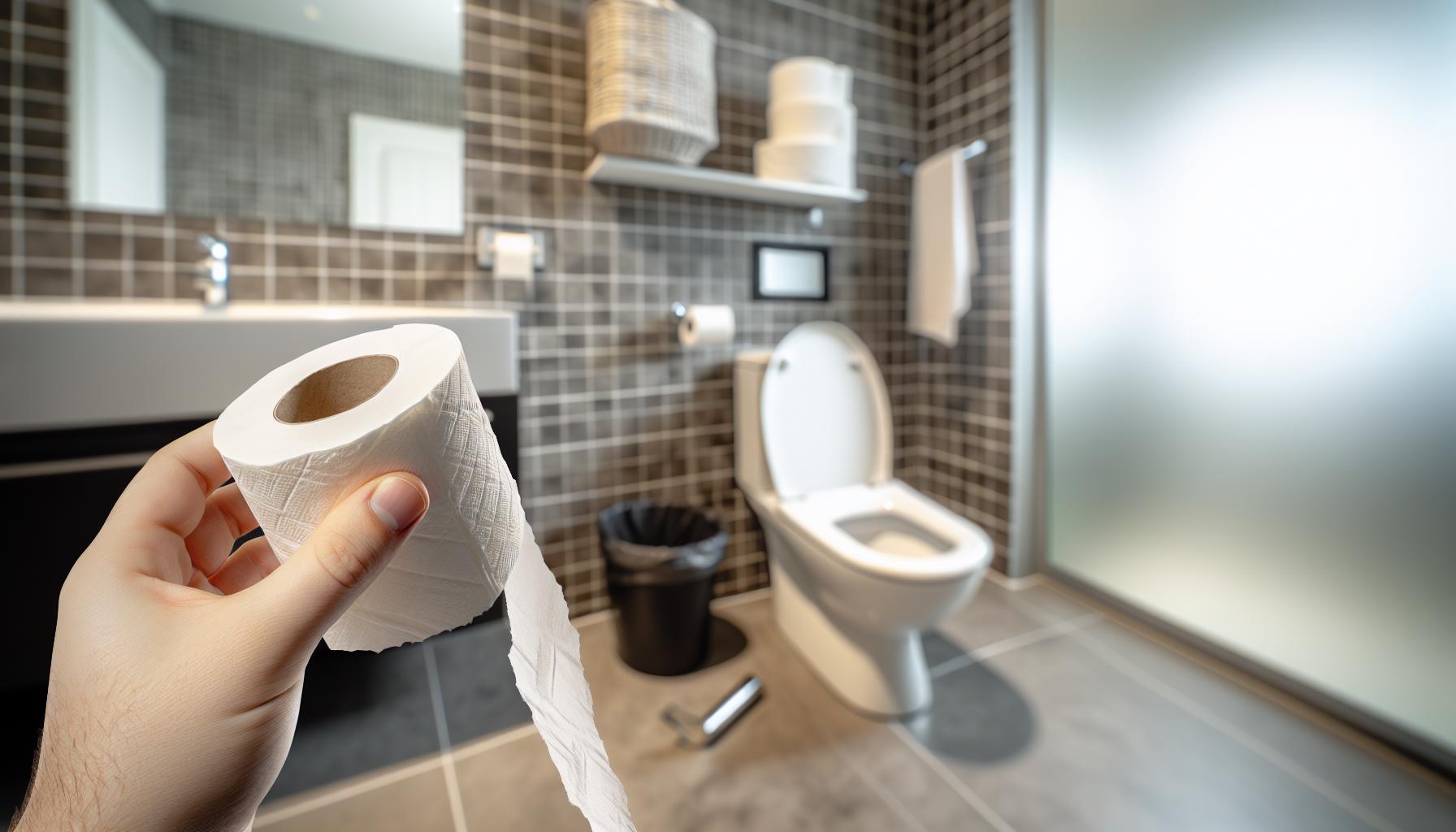
Expert Tips for Proper Toilet Paper Disposal
Flushing toilet paper may feel like second nature, but giving some thought to how you dispose of it can make a big difference in maintaining your plumbing’s health and preventing costly repairs. Many people overlook the cumulative impact that seemingly small habits have on the plumbing system-yet simple adjustments in disposal routines can add up to major savings and trouble-free bathrooms.
One of the most effective habits is to use toilet paper sparingly and flush in small amounts rather than large, bulky clumps all at once. This reduces the chance of paper compacting and hanging up in pipes. When disposing of used paper, break it up if possible rather than bunching it into thick clumps. Additionally, always be cautious about what goes into the toilet besides toilet paper; flush only what is designed to break down quickly.Avoid flushing items like wipes, feminine products, or paper towels, which do not dissolve easily and commonly cause blockages.
Practical Habits for Household Plumbing Care
- Use Septic-Safe Paper: If you have a septic system, opt for papers labeled as septic-safe or biodegradable, as they degrade faster and protect your tank from sludge buildup.
- Flush Multiple Times If Needed: Don’t hesitate to flush midway when removing larger amounts of paper-smaller loads are easier on pipes and septic systems alike.
- Educate Household Members: Make sure everyone in your home understands what can and cannot be flushed. Children, guests, or care providers may not be familiar with these precautions.
- Maintain Your Plumbing: Periodically inspect your pipes and consider professional maintenance to clear minor blockages before they escalate.
A little local knowledge can also go a long way. For instance, communities with aging sewer infrastructure sometimes suffer from frequent backups tied to the buildup of non-degradable paper products flushed down toilets. By shifting collective behaviour toward using thinner, faster-dissolving toilet paper and flushing less per session, some municipalities have successfully reduced routine sewer line maintenance costs.
Being mindful about how you dispose of toilet paper not only protects your home’s plumbing but supports public wastewater systems and environmental sustainability. Adopting these expert-backed disposal practices ensures you contribute to a healthier plumbing ecosystem and avoid unexpected plumbing nightmares.
| Tip | Why It Matters |
|---|---|
| Flush smaller amounts of toilet paper per flush | Prevents clumping and reduces strain on pipes and septic systems |
| Choose biodegradable or septic-safe toilet paper | Ensures faster breakdown and less sludge accumulation |
| Avoid flushing non-paper products | Prevents tough blockages often caused by wipes and sanitary products |
| Regularly inspect and maintain plumbing | Identifies early issues, avoiding costly emergencies |
Understanding “Flushable” Labels: what They really mean
Few labels generate as much confusion as ”flushable” when it comes to toilet paper and similar products. While the term suggests that an item can safely be flushed without causing plumbing issues, the reality is frequently enough more complicated, both for household pipes and municipal wastewater systems. understanding what “flushable” really means requires digging beyond marketing claims to see how these products behave once they hit the sewer.At its core,”flushable” typically implies that a product will break down quickly enough not to clog pipes or contribute to sewer system blockages. Though, no global standard governs this term, and definitions can vary widely by manufacturer and region. Some items labeled flushable might disintegrate in controlled lab tests but fail to decompose rapidly in real-world plumbing or septic environments. This discrepancy is why many wastewater professionals warn against flushing anything other than toilet paper, which is specifically engineered for rapid dissolution.
What to look for in “Flushable” Products
To gauge whether a flushable label can be trusted, keep these factors in mind:
- Independent Testing: Reliable products frequently enough undergo third-party testing to verify quick biodegradability and disintegration under typical sewage system conditions.
- Certification Marks: Look for endorsements from credible organizations like the Water Environment Federation (WEF) or certifications that specify septic safety and flushability.
- Material Composition: True flushable paper products usually avoid synthetic fibers and plastics, which don’t break down easily and are common culprits in pipe clogs and environmental harm.
Even with these assurances, experts caution that flushing large amounts of “flushable” wipes or bulky paper at once can still cause plumbing headaches. These products are best treated like toilet paper-flushed sparingly and only in moderate quantities.
Why “Flushable” Doesn’t Always Mean “No Problems”
The infrastructure behind your plumbing is designed around materials that dissolve swiftly, like conventional toilet paper. Flushable wipes and specialized papers can behave differently in older pipes or septic tanks. They may slowly accumulate on pipe walls or congeal with grease and other debris, eventually forming stubborn blockages known as “fatbergs” in sewer lines. Even municipal wastewater systems face challenges when flushable-labeled products do not meet strict disintegration criteria.Practical experience from plumbers and sanitation workers highlights frequent issues arising from flushing anything other than traditional toilet paper. This is why many cities and environmental agencies actively discourage flushing wipes-even those marketed as flushable-and instead promote responsible disposal alternatives.
| Key Point | Practical Advice |
|---|---|
| “Flushable” claims often lack uniform standards | Verify product certifications before trusting flushability claims |
| Flushable wipes take longer to break down than toilet paper | Use sparingly and avoid bulk flushing to reduce clog risks |
| Non-paper additives cause persistent plumbing problems | Opt for 100% biodegradable, plant-based toilet paper instead |
| Older plumbing systems are more vulnerable | Consult local guidelines and plumbers before using flushable alternatives |
treating “flushable” as a convenient but not foolproof label can save homeowners and public systems from costly repairs. When in doubt,default to traditional,septic-safe toilet paper and dispose of other hygiene products in the trash.this prudent approach aligns both with protecting your plumbing and supporting broader environmental health.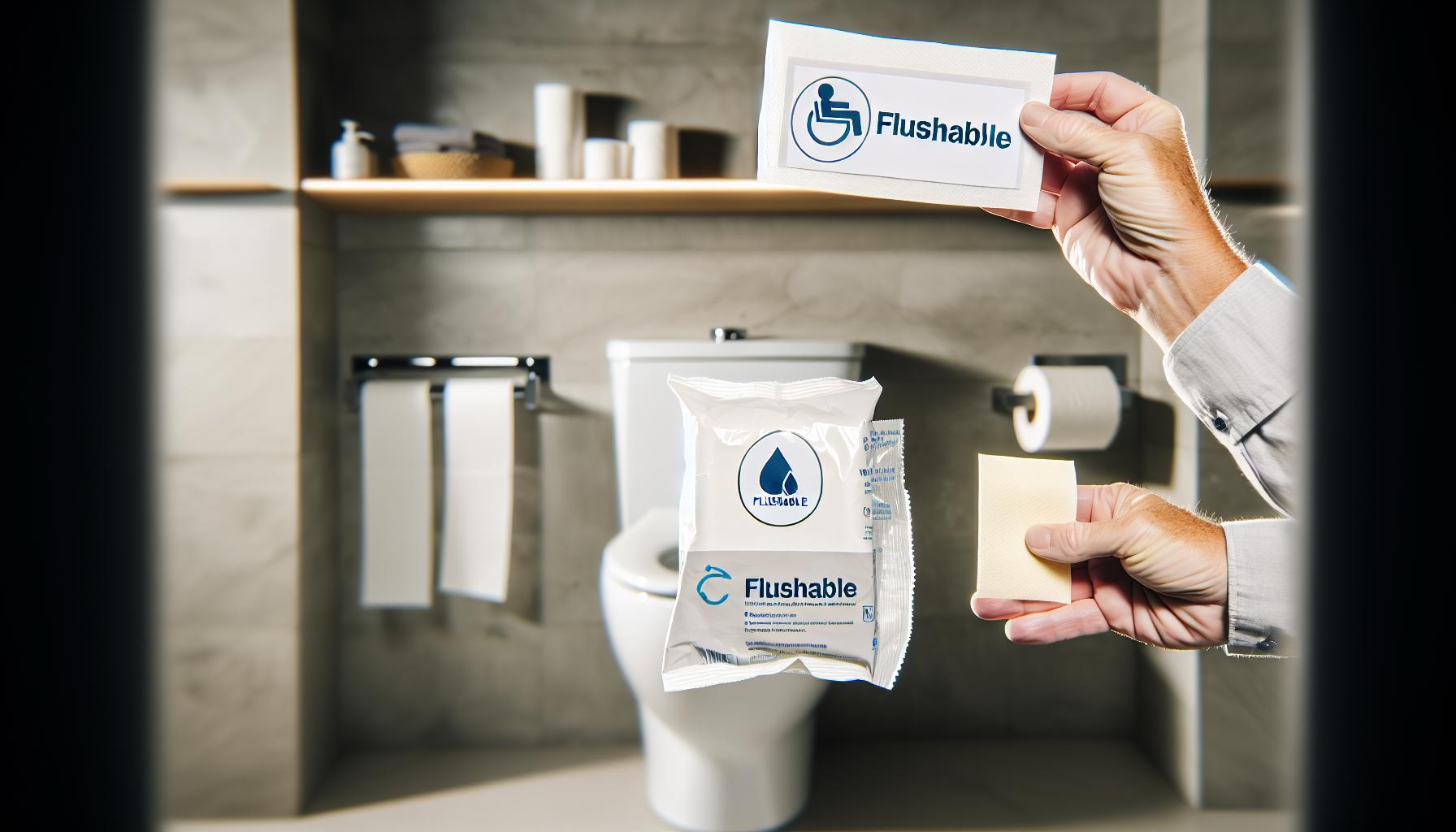
How Much Toilet Paper Is Too Much to Flush?
It’s tempting to flush large wads of toilet paper at once, especially after a thorough clean-up, but doing so can quickly overwhelm your plumbing system. Even the most dissolve-friendly toilet paper has its limits-the key is moderation and knowing how much your household plumbing can safely handle. Excessive toilet paper can cause slow drains,backups,or full clogs that require professional attention.
Modern toilet paper is designed to break down rapidly when exposed to water, but this process isn’t instantaneous. When too much paper enters the pipes at once, portions may remain intact long enough to clog narrow pipe openings or combine with other debris, creating stubborn blockages. This issue is particularly common in older homes with narrower pipes or homes using septic systems, where decomposition occurs at a slower rate.
Guidelines for Safe Flushing
While there’s no strict “one-size-fits-all” rule, the following tips can help prevent flushing issues:
- Flush in smaller amounts: If you need to use multiple sheets, flush intermittently rather than all at once. For example, limit flushing to one or two hand-sized wads per flush.
- Observe your toilet’s performance: Slow draining or frequent need for plunging can signal you’re flushing too much paper at one time.
- Opt for single-ply or septic-safe toilet paper: These tend to dissolve faster, reducing clog risk.
- Avoid flushing bulky paper products like paper towels or wipes: They don’t break down and should never be flushed, no matter the quantity.
Recognizing When You’ve Overdone It
Flushing too much toilet paper doesn’t always cause immediate backup; frequently enough, it’s a slow build-up. Here are some warning signs to watch for:
| Symptom | Cause |
|---|---|
| Slow or gurgling drains | Piled-up paper restricting water flow |
| Pooling toilet bowl water after flush | Partial clog caused by thick paper mass |
| Unpleasant odors from drains | Trapped debris creating blockage and bacterial growth |
Being mindful of these signals and acting early-reducing flushed paper amounts or using a plunger promptly-can avoid costly repairs down the line.
Balancing Hygiene and Plumbing Care
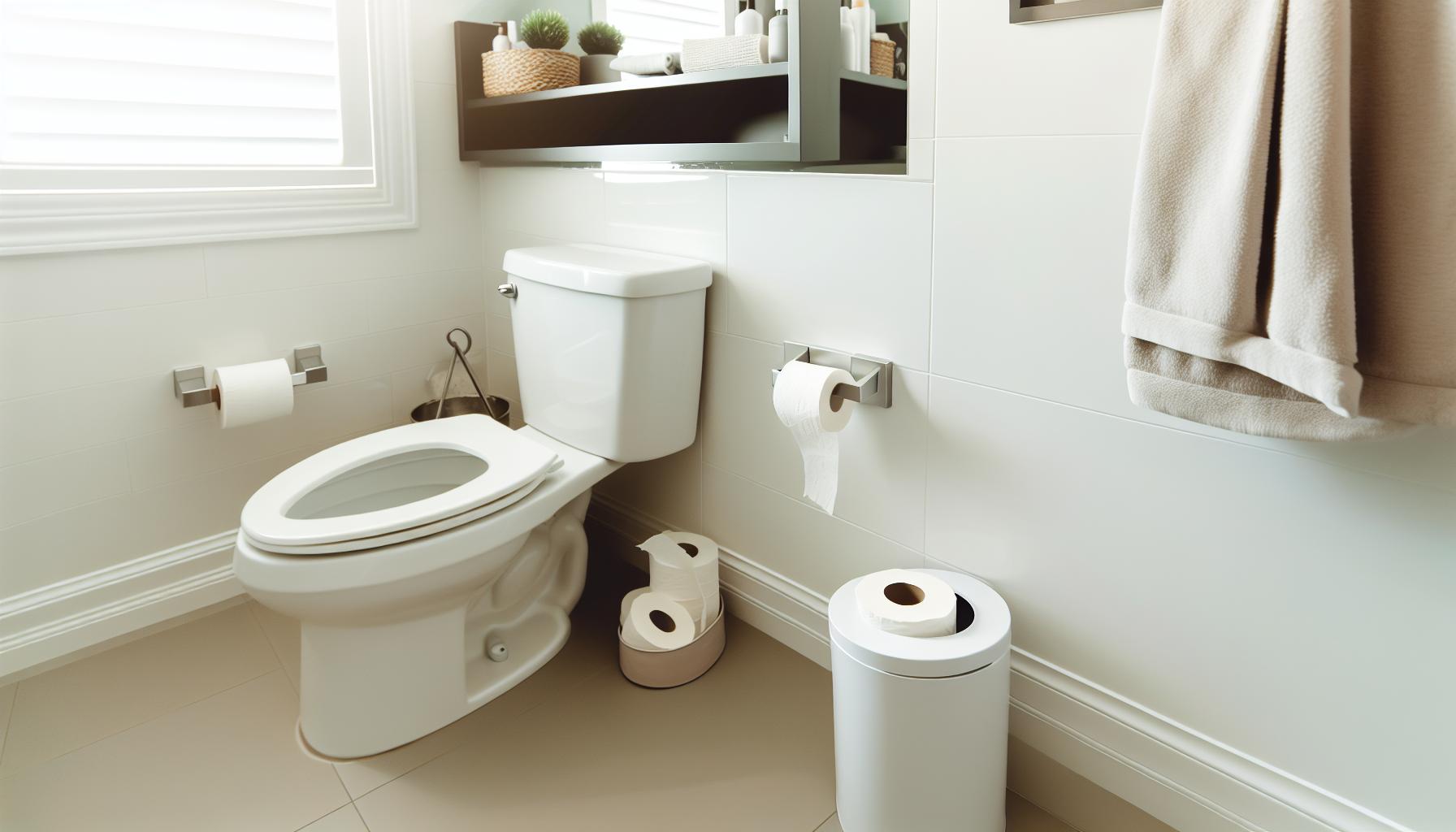
Everyone’s needs differ, especially with personal hygiene habits or larger households. A practical method is keeping a spare trash bin near the toilet for excess paper disposal. While this might feel old-fashioned, it’s a proven tactic to ease strain on home plumbing and community waste systems alike.
Ultimately, flushing manageable amounts of toilet paper allows your plumbing system to do its job efficiently, extending the life of your pipes and minimizing disruptions. When in doubt, err on the side of smaller flushes and complementary disposal methods to keep things flowing smoothly.
Emergency Plumbing Fixes for Toilet Paper Clogs
Clogs caused by flushed toilet paper can quickly turn a routine bathroom break into a frustrating ordeal. Fortunately, many blockages can be addressed instantly with common household tools and a bit of know-how before calling a plumber. Acting promptly when you notice signs of a clog is crucial to preventing more severe plumbing issues and costly repairs.
When the toilet won’t flush properly or the water begins to rise without draining, start with a reliable plunger designed for toilets (a flange plunger works best as it creates a tighter seal). Use vigorous, controlled thrusts rather than wild, rapid plunging, aiming to loosen the paper mass blocking the pipes. Often, repeated plunging dislodges the obstruction and restores normal flow quickly.
If plunging alone doesn’t solve the problem, a plumbing snake or auger can be the next step. This flexible tool is inserted into the drain to physically break apart or retrieve stubborn paper clumps lodged deeper within the system. If you don’t own a snake,many hardware stores will rent one,or you might consider a manual auger as an affordable alternative for smaller blockages.
Additional At-Home Measures
- Hot water and dish soap: Pouring a bucket of hot (not boiling) water mixed with a few tablespoons of dish soap into the bowl can definitely help soften and lubricate a clog, making it easier to clear with a plunger afterward.
- Baking soda and vinegar: Though not always instantly effective for dense paper clogs, this combination creates a fizzing reaction that can definitely help break down organic material to some degree and reduce odor.
- Avoid chemical drain cleaners: These are generally not recommended for toilet clogs as they may damage pipes or the porcelain surface and frequently enough fail against toilet paper masses.
If DIY attempts fail, or if multiple toilets or drains are affected simultaneously, this might indicate a larger sewer line blockage or septic system issue. In these situations, it’s wise to contact a licensed plumber who can use professional-grade equipment to inspect and resolve complex blockages safely and efficiently.
Remember, the key to emergency fixes lies in responding quickly, using the right methods, and avoiding harsh chemicals that might cause more harm than good. Keeping a plunger handy and knowing how to use it properly can often prevent minor paper clogs from becoming major headaches.
| Emergency Fix | How It Works | When to Use |
|---|---|---|
| Plunger (flange type) | Creates suction to dislodge clog | Initial response to slow flushing or rising water |
| Plumbing snake/Auger | physically breaks up or retrieves blockage | When plunging doesn’t clear clog |
| Hot water + Dish soap | Softens and lubricates blocking paper mass | To assist mechanical methods or minor slow drainage |
| Baking soda + Vinegar | Produces fizzing reaction to help loosen debris | Supplementary method for odor and minor clogs |
| Professional help | Advanced clearing tools, camera inspection | Persistent clogs or multiple drain problems |
Frequently asked Questions
Q: Can flushing wet wipes cause toilet clogs even if they are labeled flushable?
A: Yes, wet wipes labeled flushable can still cause clogs because they do not break down as quickly as toilet paper. To avoid plumbing issues, it’s best to dispose of wipes in the trash rather than flushing, as explained in the section on Understanding “Flushable” Labels for safer plumbing practices.
Q: How does the thickness of toilet paper affect plumbing systems?
A: Thicker or multi-ply toilet paper takes longer to dissolve, potentially leading to pipe buildup and blockages.Choosing thinner, septic-safe toilet paper helps maintain clear drains and avoid costly repairs. See Types of Toilet Paper safe for Flushing for more guidance.
Q: What are the signs that toilet paper is harming your septic system?
A: Signs include slow draining toilets, foul odors, and frequent backups. These symptoms indicate that toilet paper isn’t breaking down efficiently in your septic tank. For tips on prevention, refer to How to Prevent Toilet Paper-Related Plumbing Issues in the main article.
Q: Why shouldn’t you flush paper towels or facial tissues even if toilet paper is safe to flush?
A: Paper towels and facial tissues are designed to be strong and aren’t made to dissolve like toilet paper, often causing clogs or damage to plumbing. Always dispose of these items in the trash to protect your pipes and septic system.
Q: Can excessive flushing of toilet paper lead to pipe damage over time?
A: Yes, consistently flushing large amounts of toilet paper can strain pipes, causing build-up and potential damage. Moderation is key, and following recommendations from How Much Toilet Paper Is Too Much to Flush? helps extend the life of your plumbing.
Q: What environmentally-friendly options exist besides flushable toilet paper?
A: Alternatives include bidets, reusable cloth wipes, or compostable paper products that reduce plumbing risks and environmental impact. Explore Eco-Friendly Alternatives to Flushable Toilet Paper for sustainable options that benefit both plumbing and the planet.
Q: How can regular maintenance help prevent toilet paper-related clogs?
A: Routine inspections and professional plumbing cleanings clear minor buildup before it causes blockages. Combine this with mindful flushing habits detailed in Expert Tips for Proper Toilet Paper Disposal to avoid emergency fixes.
Q: What are quick home remedies for minor toilet clogs caused by toilet paper?
A: Using a plunger or enzyme-based drain cleaner can often clear minor clogs safely without chemicals that harm pipes. For more severe cases, professional help is recommended as described in Emergency Plumbing Fixes for Toilet Paper Clogs.
For detailed insights on each topic, explore the corresponding sections in the full article to optimize your plumbing health and prevent common toilet paper plumbing issues.
Key takeaways
Understanding whether you can flush toilet paper without causing plumbing issues is crucial for maintaining a healthy, clog-free system. By choosing the right type of toilet paper and following proper flushing guidelines, you reduce the risk of costly repairs and keep your pipes flowing smoothly. Ready to take your home maintenance further? Explore our detailed guides on common plumbing mistakes to avoid and how to troubleshoot slow drains to stay ahead of problems before they start.
Don’t let plumbing questions slow you down-subscribe to our newsletter for expert tips, or schedule a consultation with our specialists to get personalized advice tailored to your needs. If you found this guide helpful, leave a comment or share it with friends facing similar concerns. Remember,flushing responsibly not only protects your plumbing but also supports your home’s longevity. Keep exploring, stay informed, and ensure your bathroom runs efficiently every day.