

Can You Flush Tissues? The Truth About Toilet Paper Alternatives
Did you know that not all paper products are created equal when it comes to flushing? While toilet paper is specifically designed to dissolve in water, many popular alternatives like tissues or paper towels do not break down easily, which can lead to clogged pipes and costly plumbing issues. Understanding whether you can flush tissues safely is more crucial than ever, especially as people explore alternatives during shortages or for environmental reasons. this article unpacks the truth behind using tissues and other substitutes in your toilet, helping you make informed decisions that protect your plumbing and reduce waste. By exploring the science and practical advice behind toilet paper alternatives, you’ll gain valuable insights that go beyond just convenience-ensuring you maintain a hygienic bathroom while avoiding unexpected problems. keep reading to discover which alternatives are truly flushable and what you should avoid to keep your home running smoothly.
Can You Flush Tissues? What You Need to Know
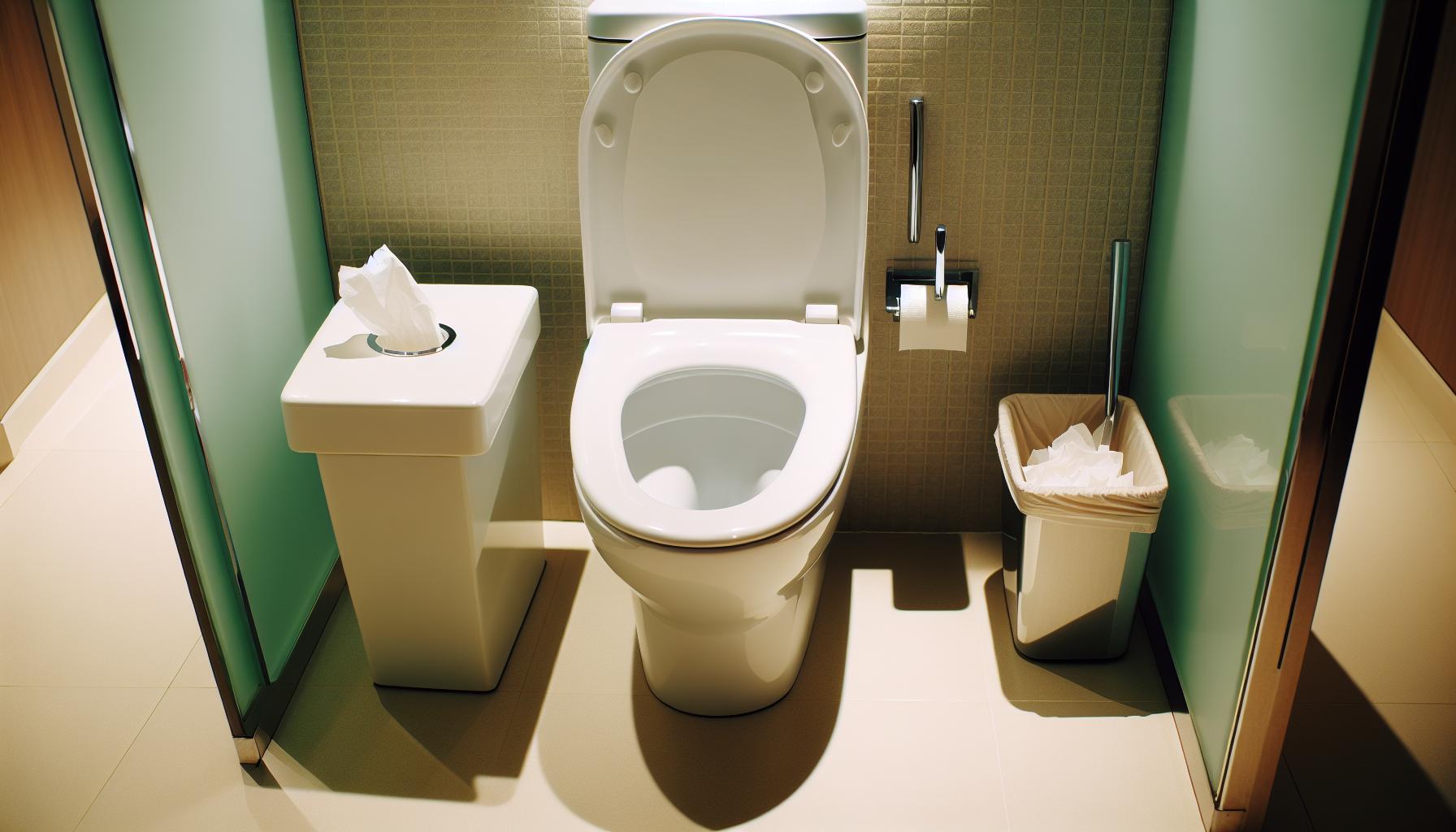
At first glance, tissues might seem like a convenient stand-in for toilet paper, especially during shortages or emergencies. However, the reality is quite different when it comes to flushing them down your toilet. Unlike toilet paper, which is specifically engineered to disintegrate quickly in water, moast facial tissues and paper handkerchiefs are designed to be stronger and more absorbent. This means they don’t break apart easily and can linger in plumbing systems, increasing the risk of clogs and costly repairs.
While it might be tempting to flush tissues to save time or for convenience, it’s important to understand that doing so often does more harm than good. Many plumbing experts and wastewater authorities strongly advise against flushing tissues as they can accumulate in pipes and traps, leading to blockages that interfere with the smooth function of your home’s plumbing.
What Makes Toilet Paper Different From Tissues?
- Designed to Dissolve: Toilet paper is made with a weaker fiber structure that quickly breaks down upon contact with water.
- Thickness and Coating: Tissues are generally thicker and sometimes contain lotions or additives that resist breaking down.
- Longevity in Pipes: because of their composition, tissues can stay intact longer, creating buildup in pipes.
For this reason, even though tissues can technically be disposed of in a trash bin rather than the toilet, flushing them should be avoided. If you find yourself without toilet paper, consider alternative products that are marked specifically as flushable or safe for plumbing. Remember,flushing the “wrong” tissue can turn a minor inconvenience into a major plumbing headache.
In sum, while tissues may look like a handy alternative, they should be treated like solid waste and discarded in the trash rather of flushed. This simple change prevents clogs, preserves the health of your home’s plumbing, and helps avoid unexpected plumbing bills.
For more insights on alternative hygiene products and flushing safety, understanding the type of product you are using is essential before making an informed choice.
[[1]](https://www.nytimes.com/wirecutter/blog/toilet-paper-options/)[[2]](https://www.quora.com/What-is-an-alternative-to-using-toilet-paper)[[3]](https://www.popularmechanics.com/science/green-tech/a31740030/toilet-paper-alternatives-what-will-flush-coronavirus/)
How Different Types of Tissues Affect Your Plumbing
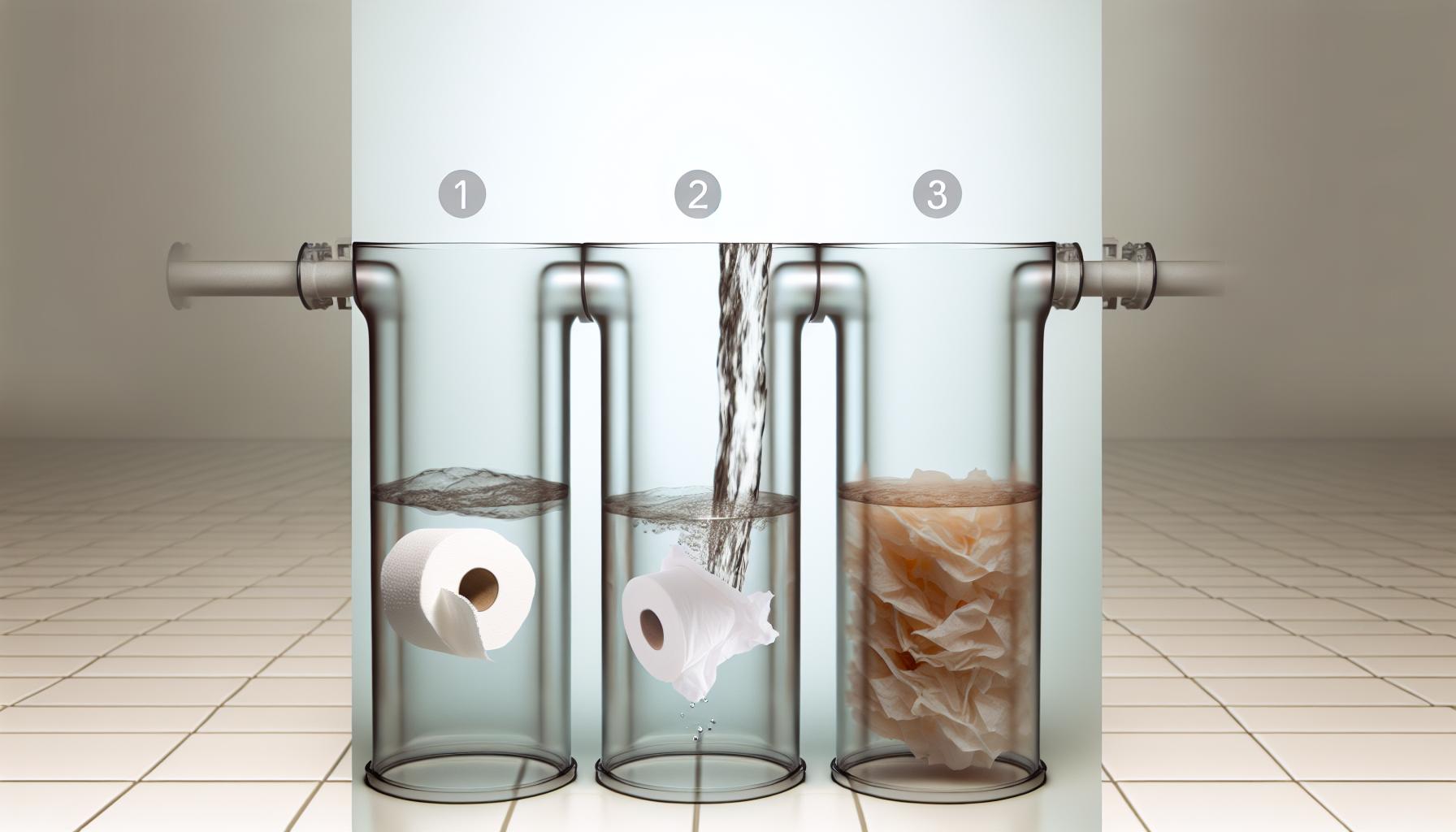
Many people underestimate how differently tissues behave in plumbing systems compared to toilet paper. While all paper products may look similar at first glance, their fiber composition, thickness, and additives greatly influence how they interact with water and pipes. Customary facial tissues are engineered to be strong and absorbent, frequently enough incorporating binders, lotions, or coatings that prevent rapid disintegration. This durability, even though ideal for facial use, becomes problematic once flushed, as these tissues tend to resist breaking down and can cling inside pipes.
The way tissues break down – or rather, fail to break down – directly affects plumbing health. toilet paper, by contrast, is intentionally designed with shorter, weaker fibers that quickly dissolve in water. This attribute helps prevent clogs by allowing the product to disperse and travel easily thru pipes to sewage systems. Though, tissues maintain their structure longer and, when flushed, they can accumulate by sticking to pipe walls or other debris, gradually narrowing pipe openings and increasing the risk of blockages.
Types of Tissues and Their Plumbing Impact
Not all tissues are created equal,and some varieties can be even more damaging to plumbing than others:
- Standard Facial Tissues: Made with sturdy fibers,often combined with lotion or scent,these tissues float and hold together initially,increasing buildup risks.
- Flannel or Cloth-like Tissues: These thicker tissues can be particularly troublesome,as their fabric-like qualities resist disintegration and clog pipes faster.
- Flushable Wipes (Declared): Marketed as flushable,these vary widely in composition.Many still fail to break down efficiently, contrary to packaging claims, and may cause similar plumbing issues as traditional tissues.
- toilet paper: Thin, unscented, and designed for dissolution, it remains the safest bet for plumbing health.
| Product Type | Water Dissolution rate | Risk of Pipe Blockage | Recommended Disposal |
|---|---|---|---|
| Toilet Paper | Fast (designed to dissolve) | Low | Flush |
| Standard Facial tissues | Slow | High | Trash |
| Flannel/Cloth-like Tissues | Very slow | very High | Trash |
| Flushable Wipes | Varies (often slow) | Moderate to High | check local guidelines; often trash |
Understanding these differences can inform better choices in bathroom hygiene products and prevent expensive plumbing headaches.For example, one homeowner discovered recurring drain clogs only to find that flushing thick facial tissues was the culprit-a problem easily fixed by switching to toilet paper and disposing of tissues in the trash.
- Pro tip: Always opt for products labeled specifically as “septic-safe” or “rapidly dissolving” when considering flushing alternatives.
- Remember: Even within the “flushable” category, restrictions at municipal plants and septic tanks mean many supposedly flushable tissues should be discarded with regular waste.
Ultimately, respecting the unique properties of different tissue types is key to maintaining a clog-free plumbing system and avoiding costly repairs.
Safe Alternatives to toilet Paper: What Really Works
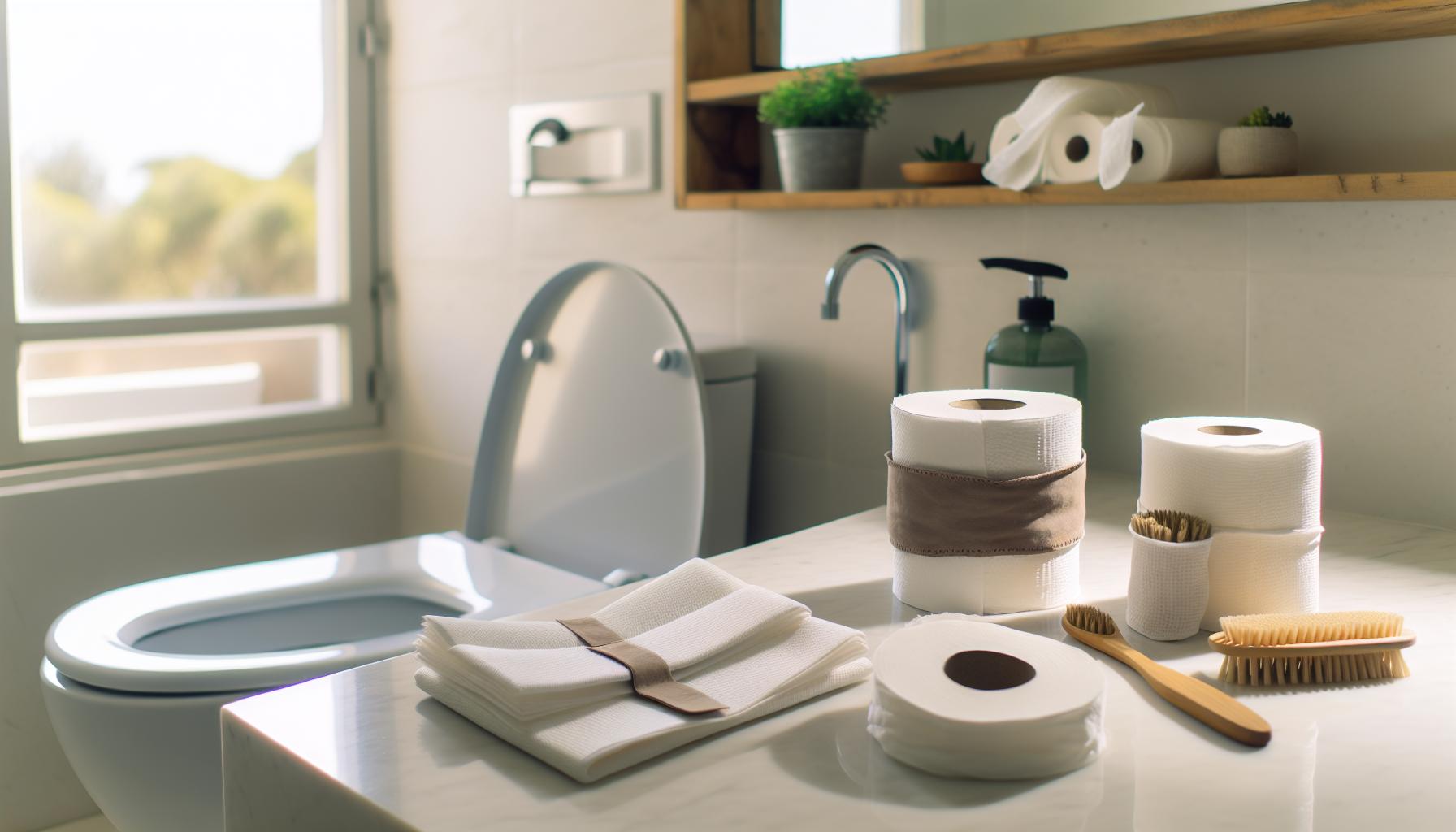
Many people look for alternatives to traditional toilet paper either due to personal preference, skin sensitivity, or environmental concerns. Though, not every option touted as an alternative is truly safe for flushing or gentle on plumbing systems. Fortunately, understanding the characteristics that make a product plumbing-kind can definitely help you make choices that maintain both hygiene and home infrastructure.
What Makes a Toilet Paper Alternative Safe?
Effective flushable alternatives share a few key qualities: they break down quickly in water, contain materials that are biodegradable, and avoid additives that hinder disintegration. For example, unbleached, recycled fiber paper products designed specifically for bathroom use often offer both softness and reliability in dissolving after flushing. These products minimize the risk of clogging by dispersing rapidly, preventing buildup inside pipes.
Another practical option gaining popularity is the use of bidet attachments or handheld bidet sprayers. These devices significantly reduce or eliminate the need for toilet paper altogether by using water to cleanse, which obviously causes no blockages.Even though installation requires some upfront effort,many users experience improved cleanliness,reduced paper waste,and fewer plumbing worries.
Alternatives to Avoid Flushing
- Facial tissues and paper towels: These products are engineered to be stronger and often contain lotions or softeners making them slow to break down,thus unsuitable for flushing.
- Flushable wipes: Despite misleading labels, many flushable wipes don’t disintegrate quickly and can act similarly to traditional tissues by causing pipe blockages.
- Cloth wipes or flannel tissues: Reusable cloth wipes can be eco-friendly but should never be flushed; they require washing to maintain sanitation.
Simple Steps to Transition Without Risk
If you’re searching for alternatives, consider these tips:
- Test flushable certifications: Look for products certified by reliable third-party organizations for flushability and septic tank safety.
- Combine bidet use with minimal toilet paper: This reduces paper quantity flushed while maintaining comfort.
- dispose of non-flushable items responsibly: Always place facial tissues, wipes, and other strong paper products in the trash to avoid plumbing problems.
| Alternative | Flushable? | Breakdown Speed | Proposal |
|---|---|---|---|
| Standard Toilet Paper | Yes | Fast | Flush |
| Flushable Toilet Wipes (Certified) | Varies | Moderate | Flush cautiously; verify guidelines |
| Facial Tissues | No | Slow | Trash |
| Bidet / Water Cleansing | N/A | N/A | Preferred option; reduces paper use |
By selecting alternatives that reliably dissolve and are intended for plumbing systems, you protect your home from costly blockages and contribute less waste to the environment. For many households, integrating a bidet with reduced toilet paper use is both a hygienic and plumbing-friendly solution that modernizes bathroom routines without sacrificing convenience.
Environmental Impact of Flushing Tissues vs. Toilet Paper
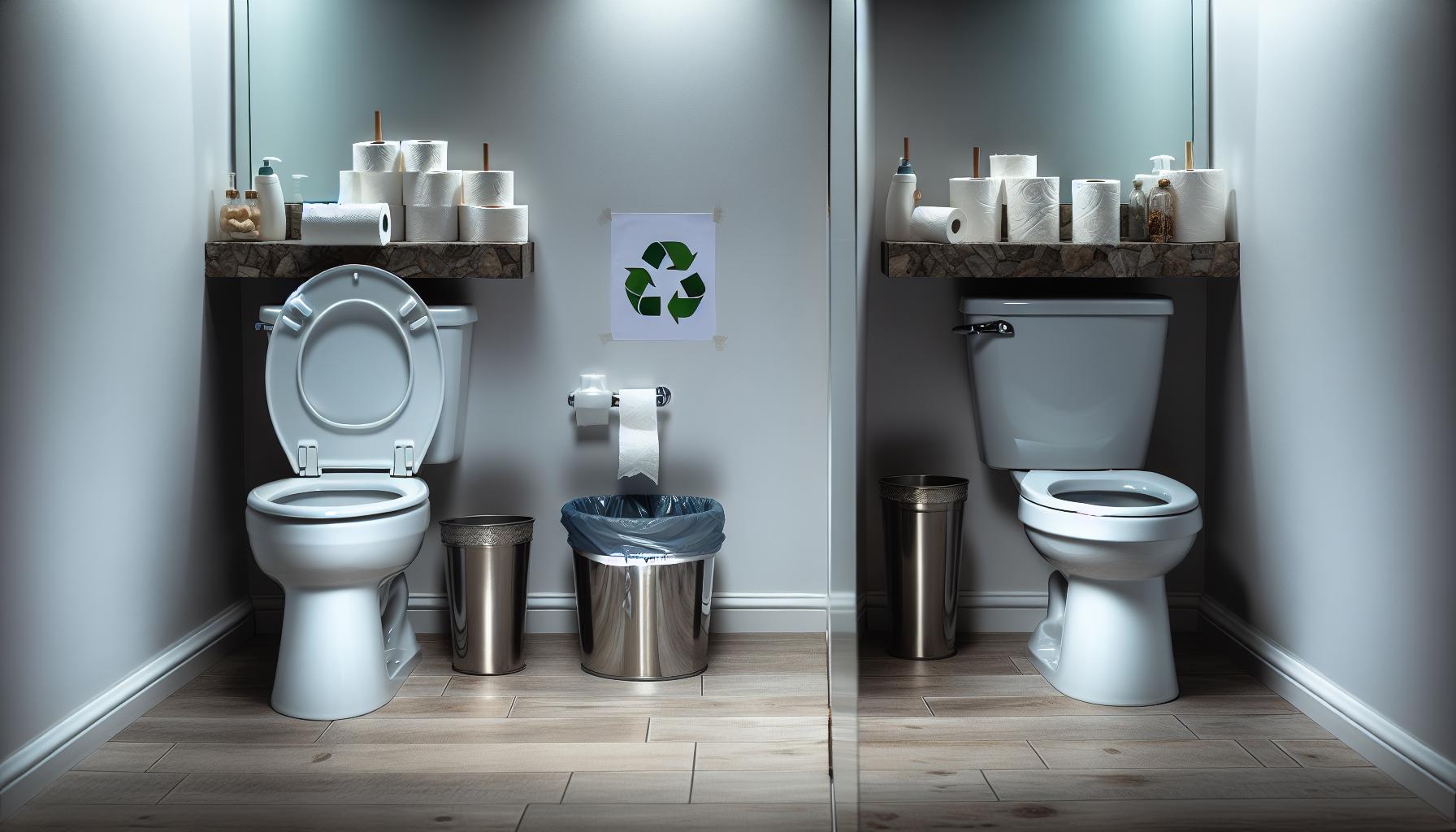
While it might seem convenient to simply flush any tissue or paper product down the toilet, the environmental consequences and plumbing implications differ significantly between standard toilet paper and other tissue types. Toilet paper is specifically engineered to break down quickly once flushed, which means it generally travels through sewage systems more smoothly, posing less risk to both municipal treatment plants and household plumbing. In contrast, facial tissues and many so-called “flushable” wipes are made stronger with added lotions or binders, causing them to persist longer in water and leading to blockages or inefficiencies in wastewater management.
Flushing toilet paper, when done in moderation, typically results in lower environmental harm compared to disposing of paper products in the trash. Discarding tissues or toilet paper into landfills accelerates methane production-a potent greenhouse gas-when organic matter decomposes anaerobically. On the other hand, wastewater treatment systems are designed to handle and treat human waste and rapidly disintegrating paper fibers, making flushing of standard toilet paper a relatively lasting choice. However, this balance tips when non-flushable tissues enter the system, as these can clog pipes and increase maintenance needs, indirectly elevating environmental costs through increased energy use and repair resources.
Choosing Environmentally Friendly Options
To minimize ecological footprints and protect plumbing infrastructure, consider these practical strategies:
- Use biodegradable, unbleached toilet paper: These products tend to break down even more quickly and reduce chemical inputs to water treatment facilities.
- Incorporate bidet systems: Using water cleansers reduces overall paper use and lessens waste generation, making it a highly sustainable bathroom practice.
- Dispose of facial tissues and wipes in the trash: Even though this contributes to landfill volume, preventing blockages and costly repairs outweighs the drawbacks when flushability is in question.
The ongoing debate around “flushable” wipes highlights a key environmental and infrastructural tension: The flushability label is not standardized, meaning many products labeled as such fail to disintegrate properly and complicate sewage treatment processes. Opting for certified flushable products,or better yet,traditional toilet paper and bidet combinations,leads to healthier plumbing systems and a reduced ecological impact.
| Product Type | Flushability | Environmental Impact When Flushed | Alternative disposal Recommendation |
|---|---|---|---|
| Standard Toilet Paper | Yes | Low; designed to biodegrade quickly in water | Flush |
| Facial Tissues | No | High; slow degradation causes clogs and maintenance issues | Trash |
| Flushable Wipes (Varies by Certification) | Varies | Variable; often fails to disintegrate as claimed | Use certified products cautiously; otherwise, trash |
| Bidet / Water Cleansing (Reduces Need for Paper) | N/A | Very Low; reduces paper usage and landfill waste | Preferred |
By understanding these nuances and making informed choices, individuals can jointly support environmental sustainability and maintain well-functioning plumbing systems, ultimately benefiting communities and ecosystems alike.
Common Plumbing Problems Caused by Flushing Tissues
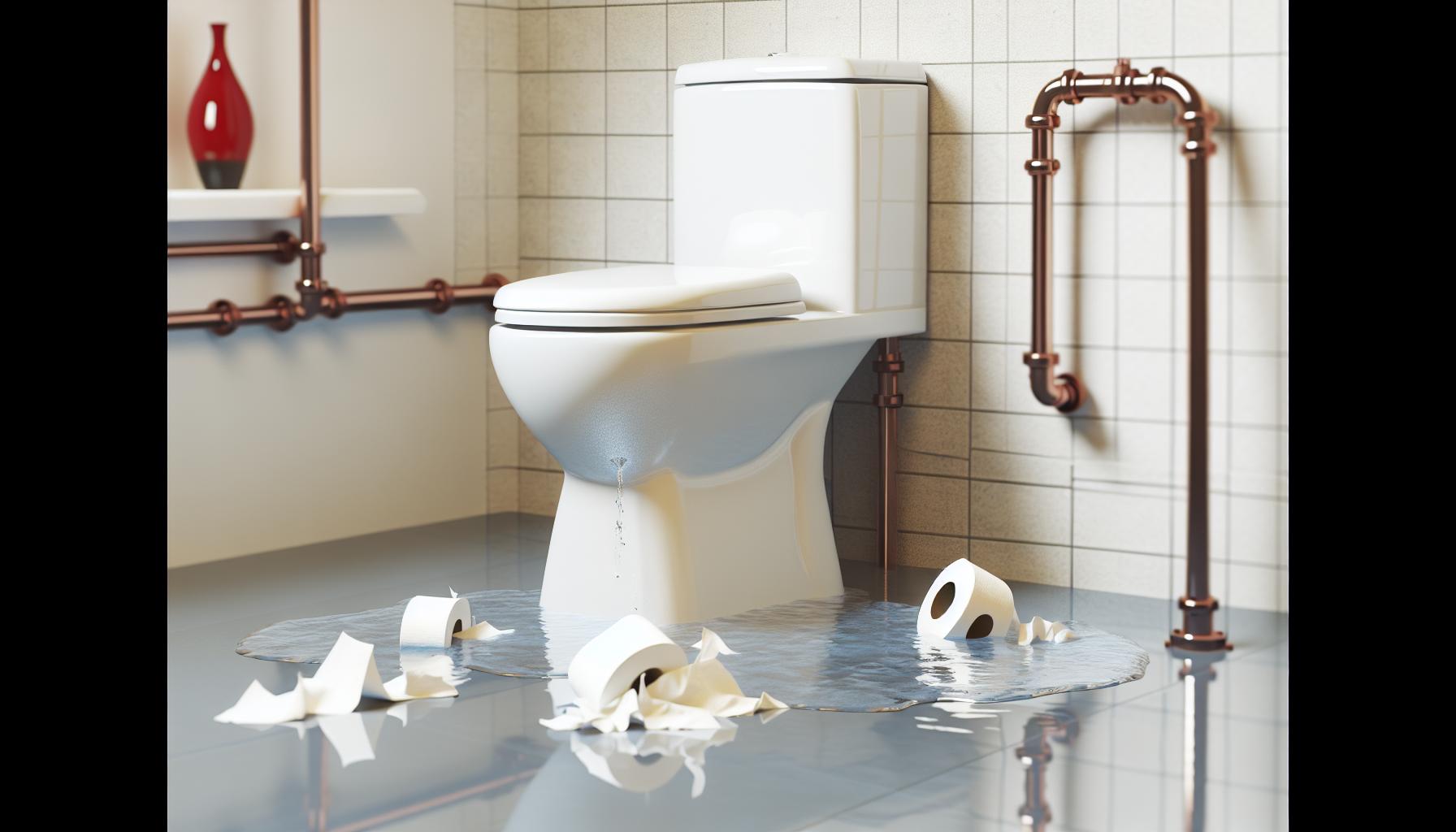
Flushing tissues, such as facial tissues or paper towels, can quickly transform a simple plumbing system into a costly headache. Unlike toilet paper, which is designed to dissolve rapidly in water, most tissues are made to be stronger and more absorbent. This durability leads them to resist breaking down, creating stubborn clogs that impair water flow and strain pipes. Over time, these blockages can cause slow drains, recurring backups, and even burst pipes in severe cases, resulting in expensive repairs and inconvenient disruptions.
One of the more frustrating issues caused by flushed tissues is the formation of fibrous mats that cling to pipe walls or combine with grease and other debris. These mats act like sponges,trapping more solids and gradually narrowing the pipe diameter. In household plumbing, this often manifests as toilets that frequently clog or drains that take longer to empty. for municipal sewage systems, the problem escalates, contributing to overflows and costly maintenance interventions. For example, many plumbers report an uptick in emergency service calls during cold and flu seasons when tissue use-and improper flushing-surges.
Key Plumbing issues Linked to Flushing Tissues
- Persistent Clogs: Tissues do not dissolve easily, leading to obstructions in toilets, traps, and sewer lines.
- Drain Slowdowns: Small blockages caused by tissues can restrict water flow,causing sinks,tubs,and toilets to drain sluggishly.
- Pipe Damage: Repeated clogs or pressure buildup can weaken pipes over time, increasing the risk of leaks and bursts.
- sewage backups: When tissues accumulate in septic tanks or municipal sewers, they can cause waste to back up into homes or streets.
To protect your plumbing, consider treating tissue disposal like you would other non-flushable items.If you experience frequent plumbing issues after flushing tissues, a professional inspection might pinpoint where fiber build-up has compromised your pipes. Preventative measures also include educating everyone in the household about what belongs in the toilet-and, crucially, what doesn’t. Placing a small waste bin near the toilet can encourage proper disposal habits without sacrificing convenience.
Understanding that tissues are designed for durability rather than dissolvability is the first step toward avoiding plumbing nightmares.By opting to discard used tissues in the trash rather than the toilet, homeowners can save themselves from avoidable repairs and maintain a healthier, more efficient plumbing system.
How to Dispose of Tissues Without Clogging Pipes
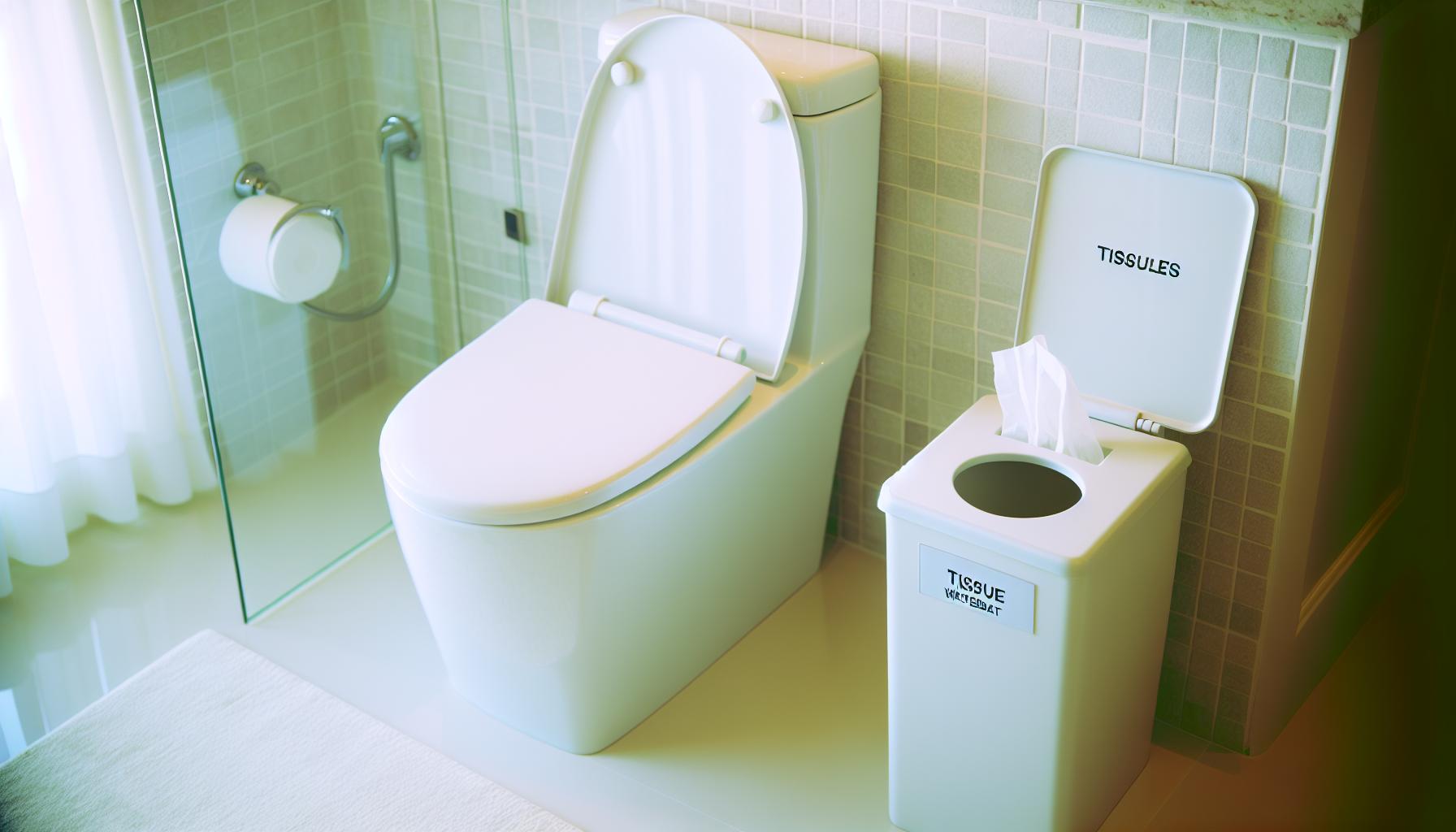
Discarding used tissues responsibly doesn’t have to be inconvenient, yet it can make a huge difference in preventing costly plumbing issues.Since facial tissues and many paper towels are engineered to resist quick disintegration, flushing them means inviting clogs and persistent pipe damage. Instead of risking blockages, the simplest solutions involve a bit of forethought and a few easy adjustments around your bathroom routine.
Practical Steps for Safe Tissue Disposal
- Keep a Small Waste Bin Accessible: Place a dedicated trash bin near the toilet to encourage proper disposal. This acts as a visual and convenient reminder that tissues belong in the garbage, not the drain.
- Use Disposable Liners or Bags: Lining the bin with a small plastic bag makes cleanup fuss-free. Once full, tie it securely and dispose of it with regular household waste to prevent odors and mess.
- Educate Household Members: Clear interaction about what can and cannot be flushed helps create good habits. Children and guests particularly benefit from simple signage or gentle reminders.
- Consider Composting When Possible: If your tissues are free from chemicals or heavy lotions, composting can be an eco-friendly alternative-just ensure they don’t carry bodily fluids or contaminants before adding them to your compost pile.
Why Avoiding the Flush Matters
Refraining from flushing tissues protects both your home plumbing and broader municipal sewage systems.Unlike toilet paper, tissues form fibrous clumps that catch other solids, leading to blockages that are expensive and time-consuming to resolve. By intercepting these materials at the source-in the trash-you reduce the risk of slow drains, overflows, and the need for repeated professional interventions.
Real-World example
During cold and flu seasons, plumbing professionals often see a spike in clogged toilets caused by increased tissue use and improper disposal. Homes with a clear no-flush policy and strategically placed bins frequently avoid such costly disruptions. This simple habit proves especially effective in multi-occupant households or shared facilities, where differing restroom habits commonly lead to problems.
ultimately, adopting mindful disposal practices means less frustration, fewer plumbing emergencies, and a healthier home environment. By treating tissues like other non-flushable items, you maintain your pipes’ integrity and contribute to a more sustainable wastewater system.
Understanding Septic Systems and Tissue Disposal
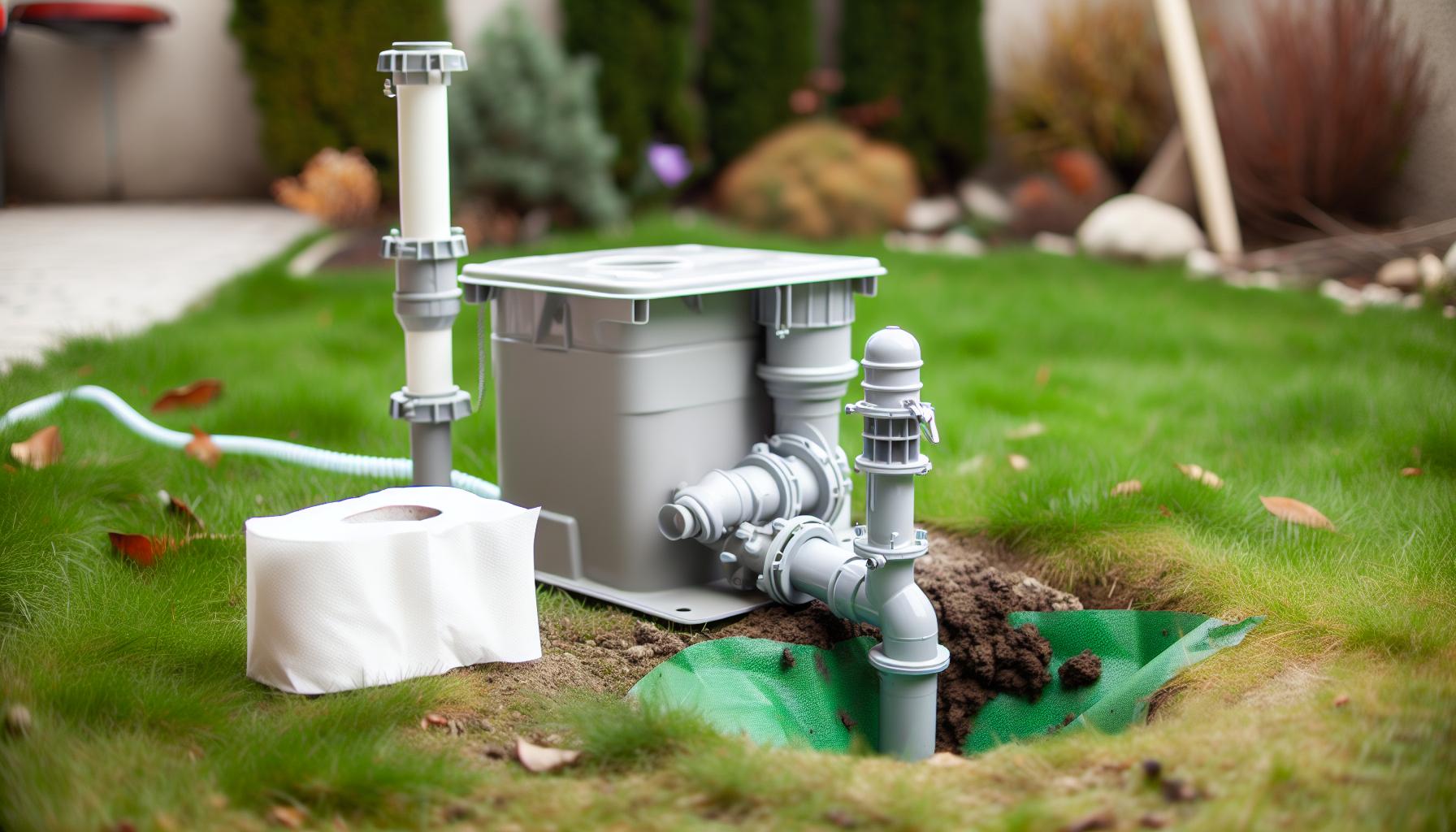
Many homeowners with septic systems might assume that flushing tissues poses no threat since these systems are built to handle waste efficiently. However, tissues-especially facial tissues and paper towels-often contain binders and fibers that do not break down easily, unlike toilet paper designed specifically for septic systems. The slower decomposition rate can lead to buildup and blockages, compromising the delicate balance of bacteria that keep the system functioning properly. this disruption not only may cause backups in your home plumbing but also expensive repairs or septic tank pumping much sooner than expected.
septic tanks rely on natural bacteria to decompose organic waste, but the dense fibers in tissues resist bacterial digestion, contributing to solid waste accumulation. Over time, this can reduce the tank’s capacity and interfere with the leaching field’s ability to absorb effluent safely. In some severe cases, flushed tissues can clog pipes between the house and the septic tank or within the tank itself, leading to costly interventions and environmental contamination risks.
Best Practices for Tissue Disposal in Homes with Septic Systems
- Do not flush tissues: even if you have a well-maintained septic system, avoid flushing any tissues.Instead, dispose of them in a trash bin to prevent fiber buildup.
- Use septic-safe toilet paper: Choose toilet papers labeled as septic-safe or rapid-dissolving, which break down quickly and support system health.
- Regular septic maintenance: Schedule periodic inspections and pumping to remove solids and assess system health before problems arise.
- Educate all household members: Ensure everyone understands what can and cannot be flushed to maintain septic system longevity.
For example,households that switched from flushing facial tissues to collecting them in bins reported fewer septic backups over time,illustrating the positive impact of mindful disposal. Small changes in routine can safeguard your investment in your septic system and prevent messy, inconvenient repairs.
| item | Flushable (Septic-safe) | Recommended Disposal |
|---|---|---|
| Toilet Paper (Septic-safe) | Yes | Flush |
| Facial Tissues | No | Trash |
| Paper Towels | No | Trash |
| flushable Wipes (Check Label) | Frequently enough No | Trash preferred |
Understanding these distinctions and respecting the limits of your septic system plays a crucial role in maintaining a functional and environmentally responsible home wastewater system. By choosing to dispose of tissues properly, you not only protect your plumbing but also contribute to a healthier, longer-lasting septic setup.
Signs your Plumbing Is Affected by Flushed Tissues
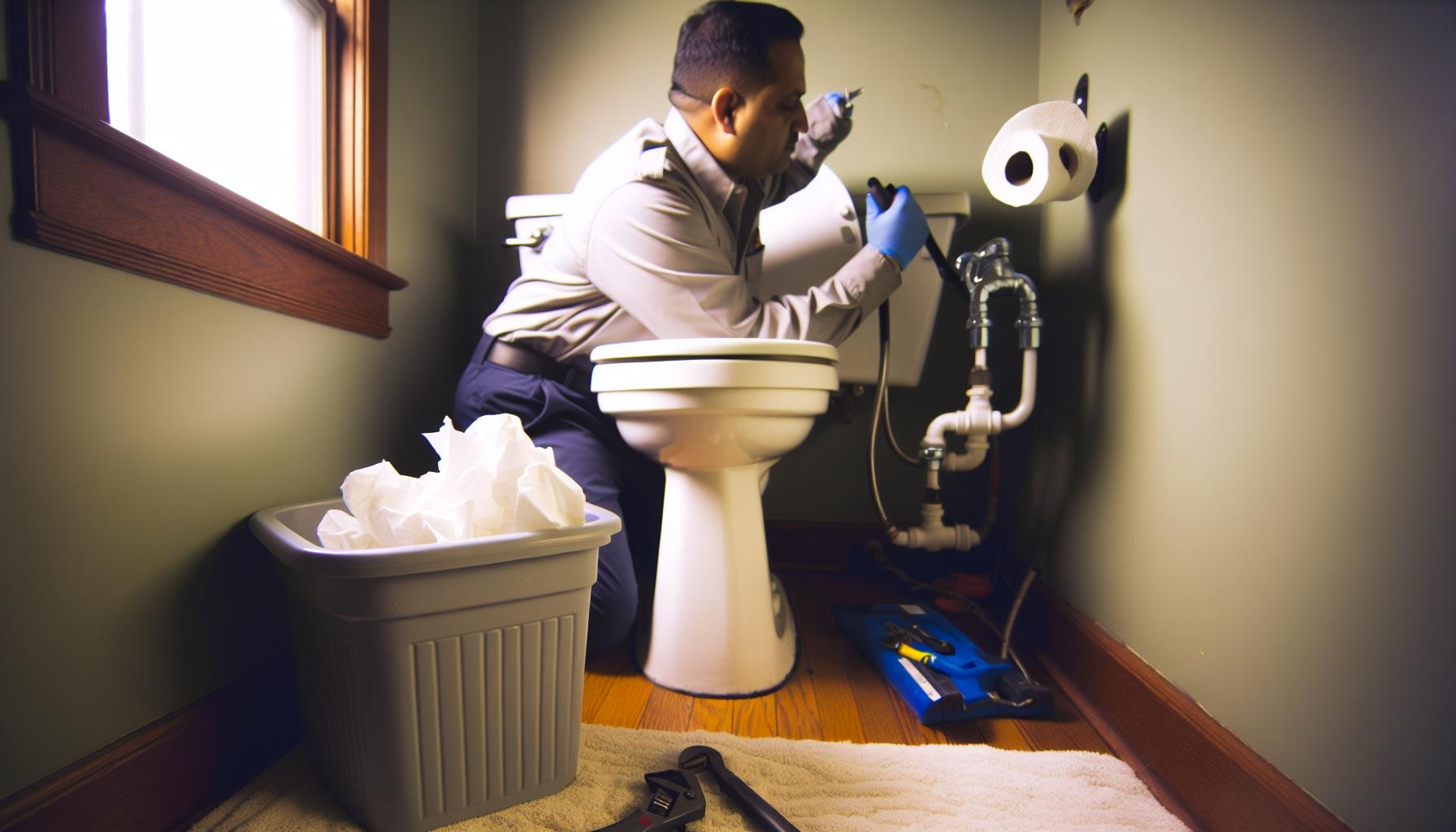
It’s often surprising how something as simple as flushing tissues can quietly sabotage your home’s plumbing until clear signs emerge that demand attention.Because tissues don’t break down like toilet paper, they tend to accumulate in pipes and septic systems, gradually causing problems that start small but escalate over time.Recognizing these warning signs early can save you from costly repairs and inconvenient home plumbing issues.
Frequent slow drains or recurring clogs in toilets, sinks, or showers can indicate that fibrous tissue buildup is restricting water flow. You might notice water backing up unexpectedly or an unpleasant odor near drains, which often points to blockages where these tissues have tangled with other waste. Particularly in homes with septic systems, flushed tissues can form dense mats that slow the natural breakdown process, disrupting flow between your home and the septic tank and leading to backups or sewage smells in your yard or basement.
Another key symptom is gurgling noises from drains or toilets, signaling trapped air caused by partial blockages downstream. If flushing the toilet causes water levels to rise unusually high before draining, or if you experience repeated sewer odors inside the home, these are red flags your plumbing is struggling with obstructive materials, potentially including flushed tissues. Additionally, if you’ve had multiple plumber visits for seemingly unexplained blockages, it’s worth considering tissue disposal habits as a root cause.
Practical Steps to Assess and Address Tissue-Related Plumbing Issues
- Monitor slow draining fixtures: Keep an eye on any drains that take longer than usual to clear, especially after flushing or showering.
- Check for unusual odors: persistent sewer smells inside or near plumbing vents can indicate trapped waste from tissues.
- Inspect for gurgling sounds: Noises from drain pipes frequently enough mean trapped air pockets caused by accumulation.
- Schedule professional inspections: Early plumbing camera inspections can help identify if tissue buildup or other debris is causing partial or complete blockages.
By staying alert to these signs and adjusting what you flush accordingly-favoring septic-safe toilet paper and discarding tissues in the trash-you can preserve your plumbing’s health and avoid disruptive surprises. Such as, households switching from flushing facial tissues to bin disposal typically report fewer backups and smoother system function, highlighting how small, informed changes prevent major headaches down the line.
Expert Tips for Choosing Flushable Products Wisely
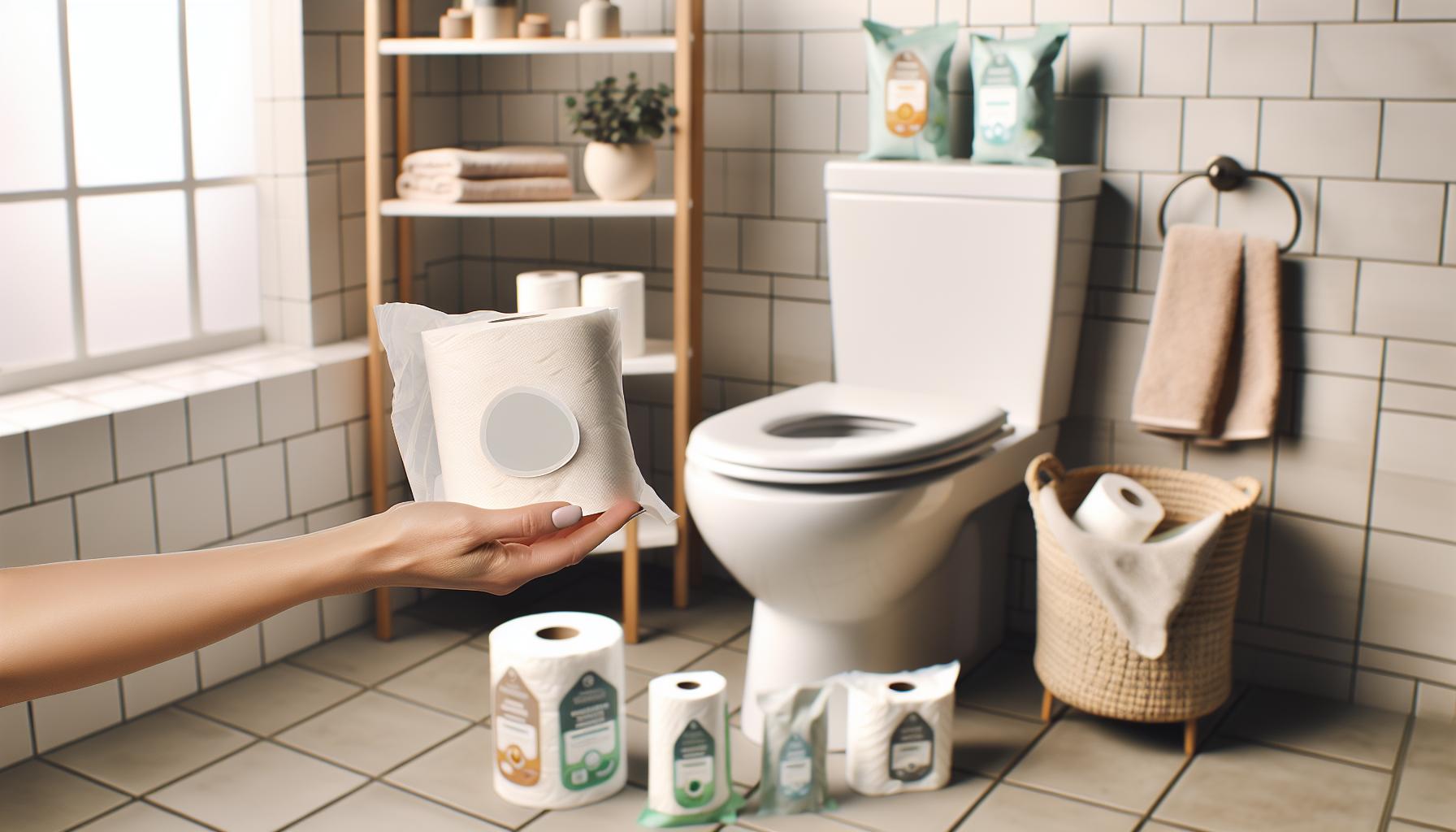
Choosing the right products to flush requires a careful balance between convenience and responsibility. Many consumers are drawn to the label “flushable” on wipes and alternative tissue products, assuming they are safe for plumbing and septic systems.However, the reality is more nuanced: not all items marketed as flushable truly break down as effectively as toilet paper, which is specifically engineered to disintegrate quickly in water. This means that even “flushable” wipes or tissues can contribute to clogs and damage over time, especially in older plumbing or sensitive septic setups.
A practical approach to selecting flushable products is to trust those that prioritize rapid biodegradability and are certified by recognized wastewater organizations. Look for certifications or labeling that indicate compliance with standards such as those from the International Water Services Flushability Group (IWSFG) or equivalent authorities. These standards assess how well a product disperses in water and its impact on treatment systems. Remember, a product labeled flushable in one country or by one manufacturer may not meet rigorous standards globally, so local recommendations and user experiences can offer valuable guidance.
- Test your system’s tolerance: If you’re switching to a new flushable product, watch your plumbing closely for any signs of trouble over the following weeks, such as slow drains or odors.
- Opt for alternatives when unsure: When in doubt, disposing of facial tissues and wipes in the trash is the safest way to protect your pipes and septic system.
- Consider water flow and product thickness: Thicker or heavily textured wipes are less likely to break apart quickly. Thin, loosely woven alternatives have a better chance of minimizing blockages.
Real-World Considerations and Example
For instance, a household that switched from using adult wipes labeled as flushable to a brand specifically tested by wastewater utilities saw a noticeable reduction in plumbing issues, notably fewer instances of slow draining and sewer backups. This highlights the value of picking products with clear testing and reputable endorsements. Also, always combine careful product choice with good habits: never flush more than what one toilet flush can handle, and avoid flushing bulk quantities at once.
By making educated decisions and staying informed about the realities behind “flushable” claims, you can enjoy the convenience of alternative products without compromising your plumbing or the environment. Ultimately, the smartest approach is to prioritize your home’s plumbing health and local wastewater considerations over marketing claims.
Debunking Myths About “Flushable” Wipes and Tissues
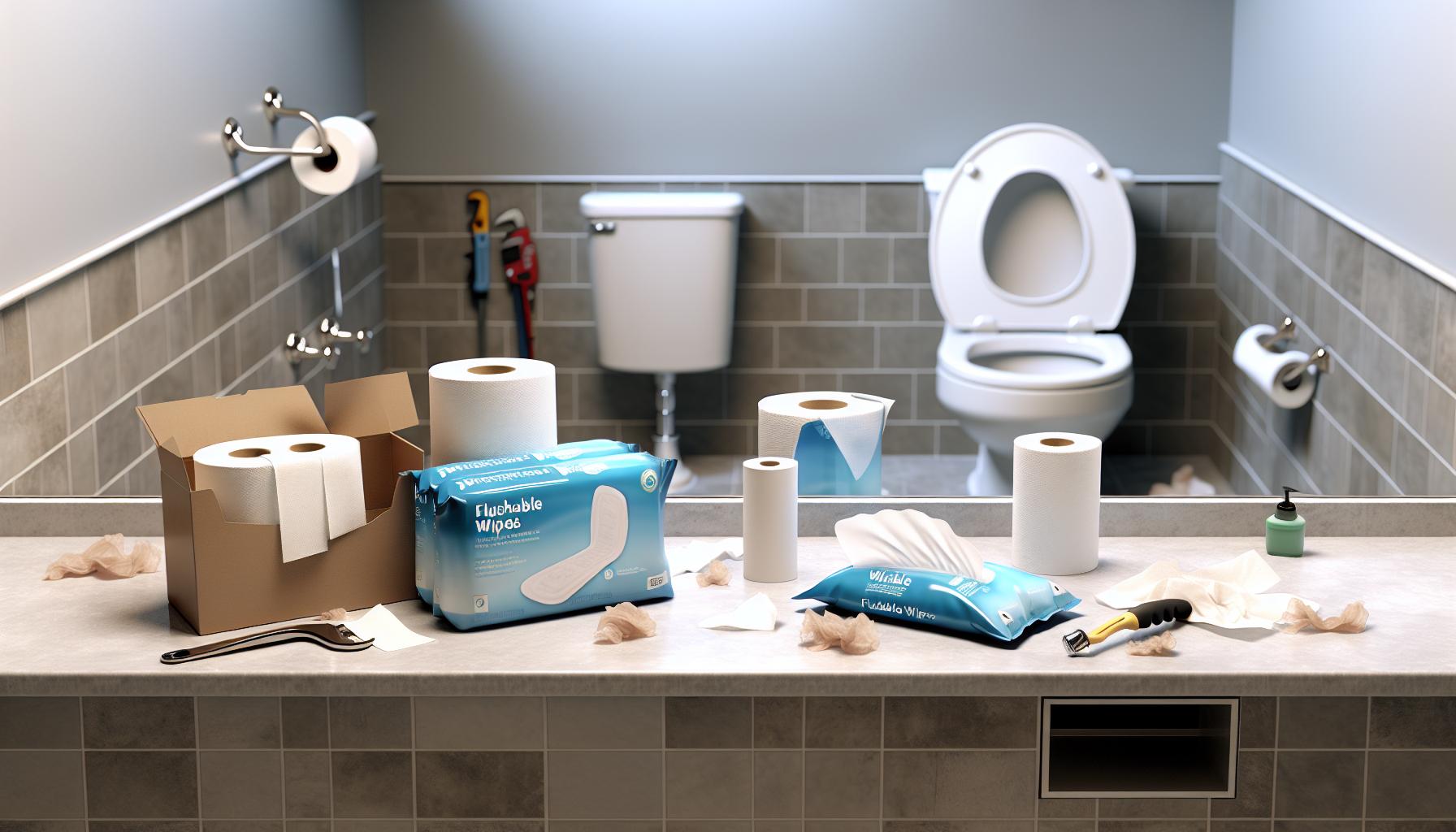
Many people assume that anything labeled “flushable” is safe to send down the toilet, but this is far from the full picture. Flushable wipes and tissues often contain materials that don’t break down as easily or quickly as traditional toilet paper. Despite convincing marketing, these products can linger in plumbing systems, clumping together to form stubborn blockages. This reality clashes with the popular myth that all flushable items disintegrate harmlessly once flushed.
One key point to understand is that “flushable” is not a regulated term and varies widely between manufacturers.Some wipes are designed for cleaning and durability rather than rapid breakdown, meaning they can take weeks-or even longer-to decompose in sewage systems. This slow decomposition leads to the accumulation of fibrous clumps, often called “fatbergs,” which can cause costly damage and disruption to municipal sewer infrastructure and private septic tanks alike [[1]](https://www.arnoldsenvironmental.com/arnolds-stories/flushable-or-not-the-truth-behind-flushable-wipes). Moreover, many households face recurring plumbing troubles that trace back to flushed wipes rather than more traditional toilet paper.
Separating fact From Fiction
- Myth: All flushable wipes disintegrate like toilet paper.
Fact: Most wipes labeled flushable do not break down efficiently, especially in septic systems, increasing the risk of clogs and backups. - Myth: Flushing small amounts is harmless.
Fact: Even small quantities of stubborn wipes can accumulate over time, leading to serious blockages. - Myth: If it’s on a package,it’s safe to flush everywhere.
Fact: Flushability standards differ internationally, and a product safe for municipal sewers in one region might not be safe for your home’s plumbing or septic system [[2]](https://www.squattypotty.com/blogs/blog/%F0%9F%92%A7-the-biggest-myths-about-flushable-wipes-debunked?srsltid=AfmBOoq2ksyO1Qt_pyio2iiE6j7T5aTH8Qbp8GPcyDyPZuZlEEZTCP7b).
Many wastewater professionals recommend voters look beyond marketing claims and rather seek out products certified by trusted organizations like the International Water Services Flushability Group (IWSFG). These certifications indicate that a product has been tested rigorously to break apart quickly and safely in wastewater systems, reducing the risk of plumbing issues.Real-world experience confirms these findings: for example, families replacing generic flushable wipes with brands verified by wastewater utilities often report fewer plumbing problems, slower drain times, and less buildup in drains and septic tanks-saving both money and inconvenience in the long run. When unsure, the safest route is to discard wipes and tissues in the trash rather of the toilet, thereby protecting home plumbing and community sewer infrastructure [[3]](https://www.reddit.com/r/explainlikeimfive/comments/1732va9/eli5_why_cant_you_flush_flushable_wipes).
By recognizing these myths and understanding the science behind flushability,consumers can make informed choices that safeguard their homes and the environment alike. Simply put: convenience should never come at the expense of responsible disposal habits and plumbing health.
Frequently asked questions
Q: Why do tissues clog toilets more easily than toilet paper?
A: Tissues clog toilets more easily because they lack the quick-dissolving fibers of toilet paper. Unlike toilet paper, tissues are thicker and do not break down easily, increasing the risk of blockages. To avoid plumbing problems,dispose of tissues in a trash bin instead of flushing. Learn more in our Common Plumbing Problems Caused by Flushing Tissues section.
Q: How can I safely dispose of tissues without harming my plumbing?
A: The safest way to dispose of tissues is to throw them in the trash,not the toilet. This prevents clogs and plumbing damage. Consider keeping a small waste bin near the bathroom for convenience. For detailed advice,see How to Dispose of Tissues Without Clogging Pipes in the main article.
Q: What are some effective flushable alternatives to tissues and toilet paper?
A: Effective flushable alternatives include biodegradable wet wipes labeled safe for septic systems and bidet attachments. These options reduce blockages while maintaining hygiene. Always check product labels and test compatibility to protect your plumbing, as explained in Safe Alternatives to Toilet Paper: What Really Works.
Q: Can flushing tissues damage septic systems differently than municipal sewers?
A: Yes, tissues can cause more serious damage to septic systems as they don’t break down easily and can disrupt bacteria balance. Avoid flushing tissues if you use a septic tank. Refer to Understanding Septic Systems and Tissue Disposal for specific precautions.
Q: How can I tell if flushed tissues have caused damage to my plumbing?
A: Signs of damage include slow drains, frequent clogs, and unpleasant odors near toilets or septic tanks. Early detection helps prevent costly repairs. For guidance, see Signs Your Plumbing Is Affected by Flushed Tissues to identify symptoms promptly.
Q: What role do “flushable” claims on tissues play, and are they reliable?
A: Many “flushable” tissues do not fully disintegrate and can still cause problems, despite claims. Always look for autonomous certifications and avoid relying solely on marketing. Our Debunking Myths About “Flushable” Wipes and Tissues section offers deeper insight.
Q: How do tissue materials compare environmentally when flushed versus disposed of in trash?
A: Flushing tissues can harm wastewater treatment and cause blockages,leading to environmental damage,while trash disposal limits these risks. Proper disposal reduces pollution and protects ecosystems.Explore Environmental Impact of Flushing Tissues vs.Toilet Paper for more details.
Q: When is it okay to flush tissue products, and when should you avoid it?
A: Flush tissue products only if they are clearly labeled as septic-safe and break down quickly; or else, avoid flushing to prevent plumbing issues.* When in doubt, dispose of tissues in the trash. Check Expert Tips for Choosing Flushable Products Wisely for best practices.
For deeper understanding, explore the linked sections in the main article. Proper disposal habits ensure smooth plumbing and environmental care.*
The Conclusion
Understanding whether you can flush tissues safely is essential for protecting your plumbing and the environment.While some alternatives may seem convenient, choosing the right products can prevent costly blockages and support sustainable bathroom habits.If you’re curious about safer toilet paper alternatives or wont to explore eco-friendly options, check out our guides on best biodegradable toilet papers and how to maintain a healthy septic system.Don’t wait until a clog disrupts your day-take control now by making informed choices that keep your home running smoothly. For more expert tips and updates on bathroom essentials, subscribe to our newsletter and join a community committed to smarter, greener living. Have questions or experiences to share? We’d love to hear from you in the comments below-your insights help others navigate these common concerns with confidence.
Ready to dive deeper? Explore related topics like DIY plumbing fixes and bathroom product reviews to stay ahead. By staying informed on flushing alternatives and maintenance, you not only protect your pipes but also contribute to a cleaner environment, reinforcing your role as a savvy, responsible homeowner.


