Can You Flush Gum Down the Toilet? Sticky Situations Avoided
You might think flushing gum down the toilet is a harmless way to dispose of it, but this common habit can cause serious plumbing problems and environmental issues. chewing gum is designed to be sticky and resistant to breaking down, which means it doesn’t dissolve like toilet paper. When flushed, gum can cling to pipes, leading to clogs, costly repairs, and even sewage backups. Understanding why gum shouldn’t be flushed helps protect your home’s plumbing while contributing to a healthier environment. In this article, we’ll explore the consequences of flushing gum down the toilet and share smarter, eco-friendly disposal alternatives that keep your pipes flowing smoothly and reduce needless waste. Stick around to learn how a simple change in your gum disposal can save you money, avoid frustration, and support community infrastructure-helping you avoid those sticky situations for good.
Why Flushing Gum Down the Toilet Is Risky
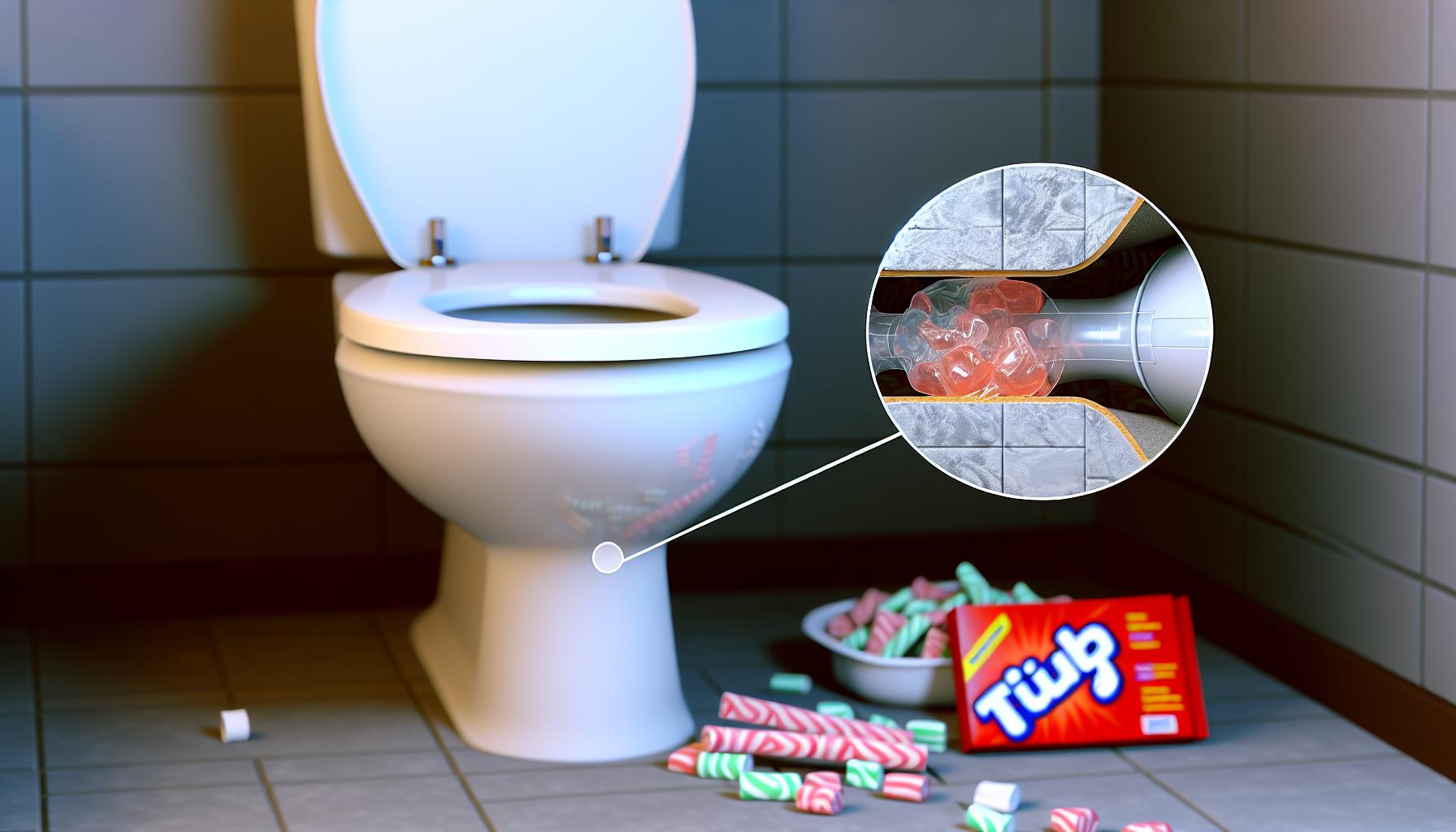
Gum might seem harmless when tossed into the toilet,but its unique composition makes it a persistent troublemaker in plumbing systems. unlike organic waste or toilet paper, chewing gum is made from synthetic rubber and various sticky binders that don’t dissolve or break down easily in water. This means once flushed, gum tends to cling to the insides of pipes and joints, creating an adhesion point for other debris.Over time, small bits of lint, hair, and other waste accumulate around the gum, forming stubborn blockages that can restrict water flow and cause backups.
The risk is not just limited to your home’s plumbing.At a municipal level, flushed gum contributes to larger-scale clogs in sewage systems. As it doesn’t disintegrate, gum can combine with grease and other sticky substances in pipes, leading to costly maintenance and repairs for wastewater facilities.This sticky buildup complicates the treatment process and can even cause foul-smelling backups that affect neighborhoods. In contrast to biodegradable waste, gum’s chemical makeup resists natural breakdown, creating a long-lasting nuisance both in private and public infrastructure.A practical way to think of gum is like a stubborn adhesive: if it sticks to the inside of pipes, it will seize onto other waste, leading to progressively larger clogs and more serious plumbing headaches. From costly repairs to the inconvenience of a backed-up toilet, the consequences of flushing gum far outweigh the momentary convenience. Understanding these risks encourages more mindful disposal methods that protect your plumbing and the environment.
- Non-biodegradability: Gum does not dissolve in water,making it prone to persistent accumulation.
- Adherence to pipes: Its sticky nature captures debris, accelerating clog formation.
- Costly plumbing issues: Blockages caused by gum can necessitate expensive and invasive repairs.
- Environmental burden: Gum flushed down toilets enters sewage systems that struggle to process it effectively.
avoiding the flush now saves both hassle and money later-small changes in disposal habits prevent sticky situations in plumbing systems.
How Gum affects plumbing and Sewage Systems
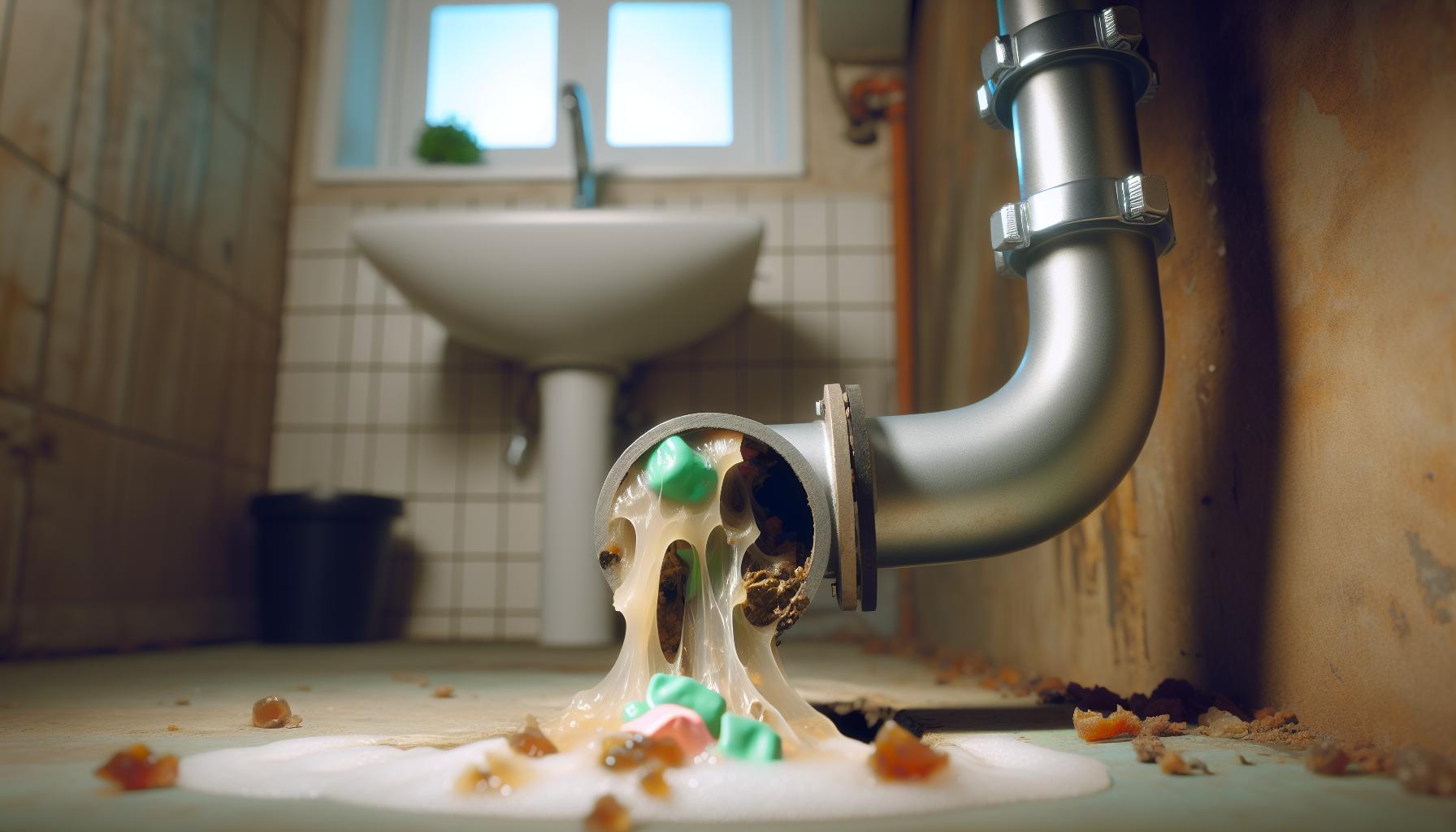
Chewing gum’s impact on plumbing and sewage systems is far more critically important than moast might realize. Once flushed, gum’s sticky, resilient nature causes it to adhere firmly to the surfaces inside pipes, unlike toilet paper or organic waste that dissolves or breaks down.This persistent build-up can trap other materials like hair, grease, and lint, gradually narrowing pipe diameters and obstructing water flow. Over time, these gum deposits create dense, immovable clogs that are notoriously difficult to clear with standard plumbing methods.
In municipal sewage systems, the problem escalates dramatically. Gum flushed from countless households accumulates in sewer pipes alongside other non-biodegradable waste, forming large, stubborn blockages. Such blockages not only disrupt the smooth transport of wastewater but also increase the risk of overflows and backups in residential areas. Treatment plants face added challenges as gum’s synthetic rubber components resist breakdown, complicating filtration and processing stages. This can lead to increased maintenance costs and system downtime, ultimately passing costs on to communities.
what Makes Gum So problematic?
- Non-biodegradability: Gum’s base contains synthetic polymers that don’t decompose naturally, meaning it remains in plumbing and sewer systems indefinitely.
- Adhesiveness: Its glue-like texture causes it to stick to piping walls, attracting other debris and forming solid masses.
- Resistance to water and chemicals: Unlike organic waste, gum doesn’t dissolve or break down when exposed to water or conventional sewage treatments.
Because of these properties, flushing gum transforms a small, seemingly harmless piece of waste into a long-term infrastructure burden. Plumbing professionals frequently enough describe gum-related clogs as some of the most stubborn, requiring specialized tools or chemical solvents to remove. These difficulties highlight why preventive disposal measures are far more effective than reactive plumbing repairs.
To protect both household plumbing and public sewage systems, it’s crucial to treat gum as a non-flushable waste item. Proper disposal prevents sticky accumulations, reduces costly service calls, and contributes to smoother, more efficient wastewater management overall. In essence, understanding the true nature of gum in pipes empowers better habits that save money and reduce environmental strain.
Common Plumbing Problems Caused by flushing Gum
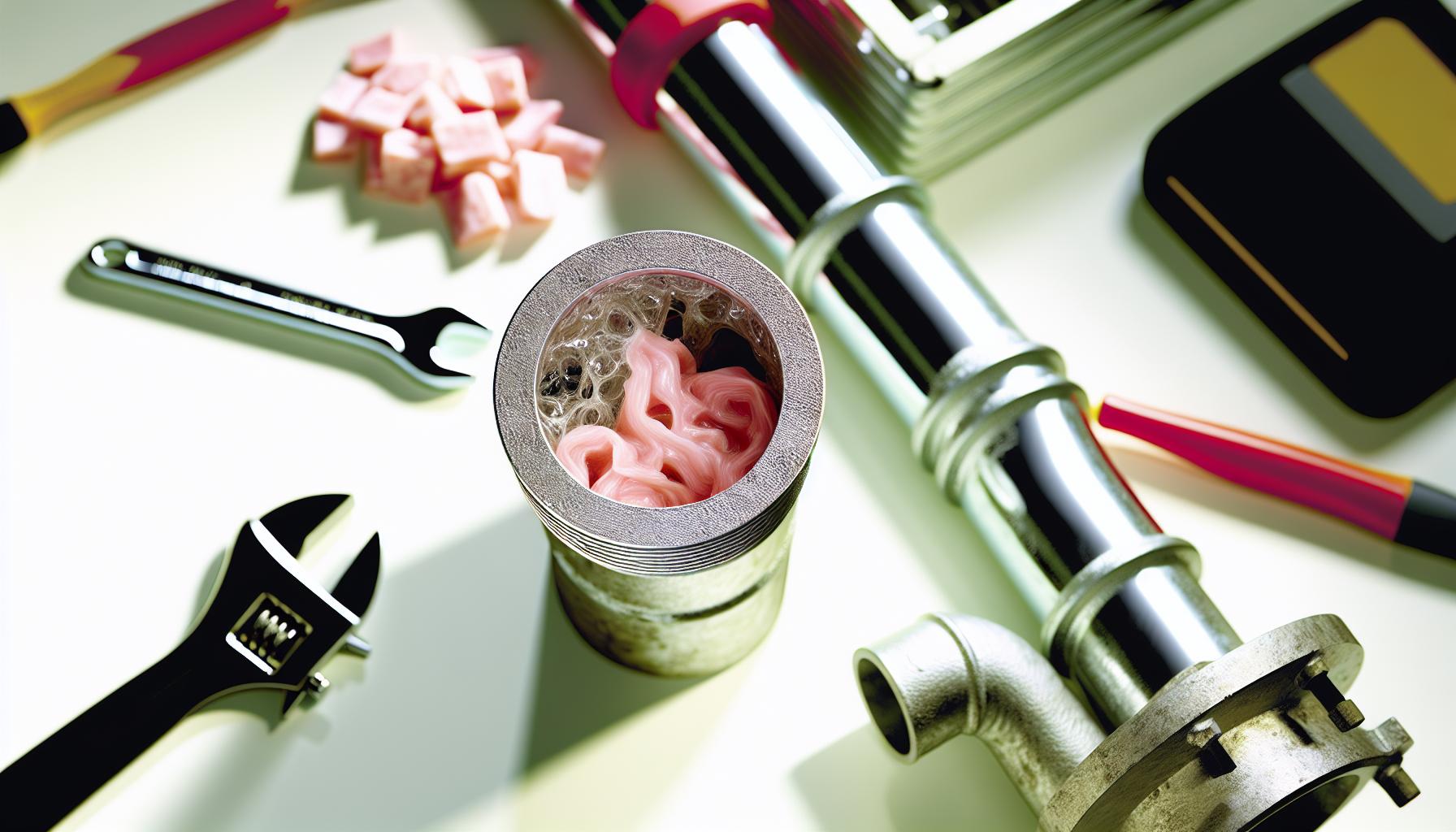
Gum’s sticky and resilient nature turns it into a plumbing nightmare once flushed. Unlike typical waste that either dissolves or breaks down, gum clings tenaciously to pipe walls and attracts other debris such as hair, grease, and lint. This combination leads to gradual narrowing of pipes, restricting water flow and increasing the risk of blockages that can cause slow drains or even complete plumbing backups. Over time, these accumulations become firm masses that are stubborn to dislodge, frequently requiring professional intervention.
Household plumbing isn’t the only system at risk. When gum travels further into municipal sewage systems, it compounds the problem by combining with other non-biodegradable materials to form large, dense obstructions in sewer lines. These blockages can disrupt wastewater flow, leading to costly overflows or sewage backups into homes and streets, not to mention expensive repairs for local authorities. Gum’s synthetic rubber base resists degradation during wastewater treatment, complicating plant operations and increasing maintenance needs.
Common Issues Created by Flushed Gum
- Pipe Narrowing and Gradual Clogging: Gum buildup reduces pipe diameter over time, causing slower drainage and potential backup risks.
- Stubborn Blockages: The adhesiveness of gum makes clogs that are difficult to clear with standard plungers or drain cleaners.
- Increased Maintenance Costs: Both homeowners and municipalities face higher expenses due to the specialized cleaning needed to remove gum deposits.
- Damage to Plumbing Infrastructure: persistent clogs can strain pipes and joints, leading to leaks or pipe failures.
Practical examples highlight the scale of the problem: plumbers often report encountering gum stuck miles downstream in sewer lines, merging with fats and other debris to form “fatbergs,” which demand costly excavation or high-pressure jetting to remove. Even flushing a small piece of gum can initiate this chain reaction. This underlines why preventive measures, such as never flushing gum at all, are far more effective than costly plumbing repairs. Regular maintenance checks and mindful disposal habits go a long way in protecting your pipes and the wider sewage system from gum-related complications.
Environmental impact of Disposing Gum in Toilets

Discarding chewing gum down the toilet may seem convenient, but it poses significant environmental challenges that often go unnoticed. Chewing gum’s synthetic rubber base makes it resistant to natural breakdown processes, meaning it can linger in sewage systems and wastewater treatment plants without decomposing. This not only burdens maintenance infrastructure but also risks contaminating local waterways when gum particles escape treatment,contributing to pollution issues that affect aquatic life and ecosystems.
When gum infiltrates municipal sewage systems, it accumulates alongside other non-biodegradable waste such as fats, oils, and sanitary products. This combination frequently enough forms large, dense clumps known as “fatbergs,” which can block sewer lines extensively.These blockages lead to sewage overflows that spill untreated wastewater into streets, parks, and rivers, creating potential health hazards for communities and wildlife alike.Moreover, these events increase the operational strain on water treatment facilities, which must expend more energy and resources to manage and repair damaged infrastructure caused by these obstructions.
long-Term Environmental Consequences
- Persistent Pollution: Since gum doesn’t biodegrade easily, tiny fragments can end up in sewage sludge or effluent released into waterways, adding to microplastic pollution concerns.
- increased Carbon Footprint: The extra maintenance, repair, and treatment processes needed to address gum-related clogs demand additional energy consumption, indirectly raising greenhouse gas emissions from municipal services.
- Threats to Aquatic Species: Gum residues and additives can leach chemicals harmful to fish and other aquatic organisms, disrupting habitats and food chains.
Households can play a crucial role in reducing this environmental burden by adopting responsible gum disposal habits. Rather of flushing, wrapping gum in paper or placing it in designated waste bins prevents it from entering sewage networks in the first place.By reducing non-biodegradable waste flowing into treatment facilities, communities can lower maintenance costs and better protect surrounding ecosystems.
Practical Steps to minimize Impact
- carry a small disposable container or use gum wrappers to store used gum until it can be disposed of properly.
- Advocate for public awareness campaigns highlighting the environmental risks of flushing gum.
- Support and encourage local authorities to improve waste collection infrastructure,especially in high-traffic public spaces.
By considering these factors,it becomes clear that flushing gum isn’t just a plumbing issue but a wider environmental concern. Making small, mindful changes in disposal behavior can substantially contribute to healthier urban wastewater systems and cleaner natural environments.
Safe and Responsible Ways to Dispose of Chewing Gum
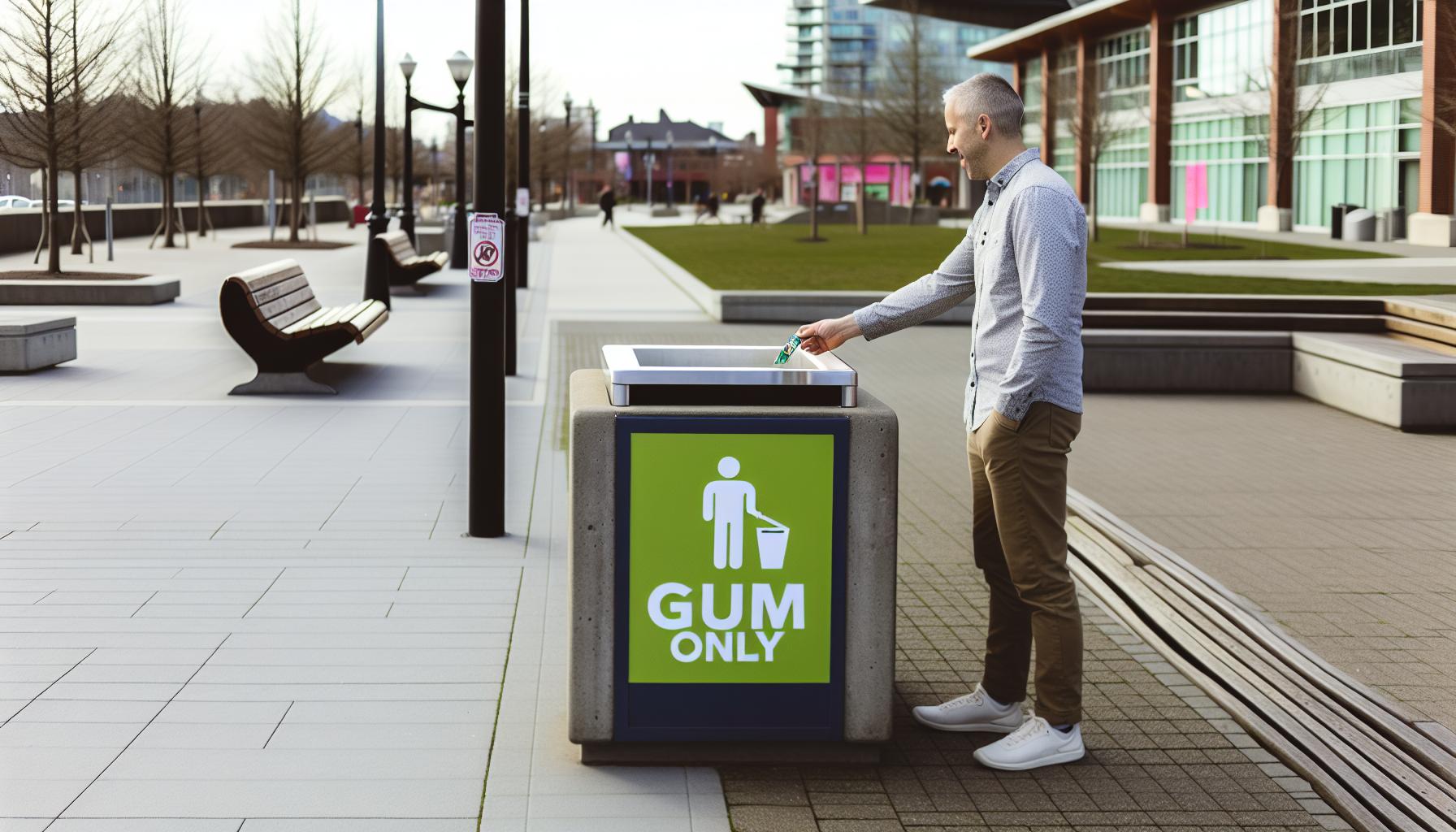
Chewing gum might seem harmless after you’re done with it, but its sticky nature means disposal requires a bit more thought than simply flushing or spitting it out anywhere. Contrary to what some might assume, gum does not dissolve or break down easily-making it essential to adopt disposal habits that safeguard both plumbing and the environment. Small changes in how you handle used gum can prevent costly blockages and reduce environmental harm.
One of the simplest and most effective methods is to wrap your gum in paper-like its original wrapper or a scrap of tissue-before tossing it in a trash bin.This prevents it from sticking to surfaces or other waste, containing the mess and making waste collection cleaner. For those on the go, carrying a small reusable gum disposal container is a smart choice. These compact containers fit easily in a purse or pocket and allow you to store chewed gum hygienically until you find a proper trash receptacle. public spaces and workplaces are increasingly installing dedicated gum bins, which help keep sidewalks and floors gum-free while streamlining waste management.
Practical Tips for Responsible Gum Disposal
- Use a wrapper or tissue to seal used gum before disposal. This simple step keeps trash cans and garbage bags cleaner and more manageable.
- Carry a portable gum disposal case. Ideal for busy commuters and students, these containers allow you to store gum safely until you can access a trash bin.
- Be mindful of public spaces. avoid spitting gum on sidewalks, parks, or streets to help reduce litter and the costly cleaning efforts cities must undertake.
- Encourage businesses and public venues to place gum disposal bins in high-traffic areas. Specially designed gum bins minimize litter and facilitate proper waste sorting.
Besides personal obligation, raising awareness about the problems caused by improper gum disposal can have a ripple effect. Educational campaigns in schools and community centers can teach children and adults why flushing or spitting gum irresponsibly impacts plumbing and the environment. In places with littering problems, community clean-up days that include gum removal not only beautify neighborhoods but also highlight the significance of proper disposal.Ultimately, the key lies in treating gum waste like any other trash: wrap it up and put it in the bin, never the toilet or street. With a little planning and small behavioral adjustments, everyone can contribute to less clogged pipes, cleaner public areas, and healthier ecosystems-proving that responsible disposal is as significant as the decision to chew it in the first place.
Alternatives to Flushing Gum for Busy Households

Even in the busiest households, disposing of chewing gum responsibly doesn’t have to be a hassle or an afterthought.Given that gum doesn’t break down in plumbing systems, finding convenient alternatives to flushing it down the toilet is critical - not only to avoid costly plumbing issues but also to protect the environment from persistent pollution. Simple, practical solutions exist that make gum disposal both efficient and tidy, regardless of a fast-paced lifestyle.
One widely effective strategy involves keeping small, portable gum disposal containers on hand. These reusable cases are compact enough to fit in a purse, backpack, or even a car glove compartment. When chewing gum away from home, instead of flushing or spitting it out, simply stash the gum inside the container. This prevents unpleasant sticky residues in pockets or trash bags and keeps your immediate environment clean until the gum can be properly tossed in a waste bin. For families with children,having a designated container can also be an easy teaching tool to encourage good hygiene habits and environmental awareness from a young age.
If you prefer a no-extra-items approach at home, consider setting a small dedicated “gum disposal cup” or jar in common areas like the kitchen or bathroom. Wrap each piece of used gum in tissue or paper beforehand and place it inside the cup. Once full, the cup’s contents can be securely wrapped and thrown out with regular trash. This method keeps gums confined, reducing sticky messes around the house and making cleanup straightforward – especially during busy mornings or gatherings.
- keep a portable gum case handy. Compact containers help manage gum disposal on the go without risk to plumbing.
- Use a dedicated disposal jar at home. It’s a swift, no-fuss place for gum waste that limits mess and clutter.
- Wrap gum in tissue before disposal. Wrapping helps contain stickiness and keeps trash bins cleaner.
- Teach and model responsible disposal habits. Encourage all household members to adopt these simple practices for long-term benefits.
Ultimately,these approaches prevent the temptation to flush gum,especially when households are rushing through busy mornings or errands. By creating practical disposal habits that fit everyday routines, families can protect their plumbing systems and contribute to less environmental gum pollution - all without sacrificing convenience or cleanliness.
Signs Your Pipes Are Clogged From Flushed Gum

When gum finds its way into the plumbing system, it doesn’t simply vanish-it can cling stubbornly to pipe walls, gradually building up to create significant blockages. Recognizing the early warning signs of such a clog is crucial to preventing costly and inconvenient plumbing emergencies. Unlike typical debris that might wash away or decompose over time, gum’s sticky and insoluble nature makes it a persistent culprit in causing drainage issues.
One of the first indicators of a gum-related clog is slow draining water in sinks, bathtubs, or toilets. You might notice that water takes longer than usual to clear away after use, hinting that a sticky obstruction is restricting flow inside the pipes. This symptom frequently enough gets worse incrementally, as layers of gum accumulate and trap other waste materials, intensifying the blockage. Similarly, gurgling sounds from drains-a telltale sign that air is struggling to escape past an obstruction-may alert you that the pipes are becoming congested.
In more advanced cases, flushing might cause toilet backups or unexpected overflows, which point to a serious accumulation further down the sewer line. It’s critically important to take these symptoms seriously, as leaving gum clogs untreated can lead to major damage, water damage in your home, and an unpleasant mess needing professional cleanup. Another less obvious sign can be repeated clogging despite multiple plunging attempts, suggesting that the gum is adhering firmly and won’t be dislodged by typical DIY methods.
- Slow draining fixtures-sinks, showers, or toilets hesitate to empty efficiently.
- Gurgling or bubbling noises indicating trapped air from obstructed pipes.
- Frequent toilet backups or water overflowing unexpectedly.
- Persistent clogs that don’t resolve with plungers or drain cleaners.
Given gum’s sticky texture, it can trap other debris like hair, grease, and paper, compounding blockages and making them harder to clear.If you suspect gum is the cause of your plumbing problem, avoid harsh chemicals that may damage your pipes further and contact a professional plumber. Early intervention can often rescue your plumbing with minimal disruption.
By paying close attention to these subtle but telling signs, you can protect your home from the hidden hazards of flushed gum and maintain smoother, trouble-free plumbing for years to come.
Professional Solutions for Gum Blockages and Cleanup

Few plumbing challenges are as deceptively stubborn as gum blockages. unlike typical organic matter, gum’s elastic and adhesive properties enable it to cling persistently to pipe walls, resisting conventional removal methods and creating a tough obstacle for standard plumbing tools. When homes face such sticky situations, calling on professional expertise frequently enough becomes the most effective way to restore smooth drainage without causing damage to the pipes.
How Professionals Approach Gum Blockages
Experienced plumbers utilize a combination of specialized equipment and techniques tailored to dislodge and extract gum accumulations safely. Traditional plunging or chemical drain cleaners rarely succeed because gum does not dissolve or break apart easily. Instead,plumbers often rely on advanced mechanical augers or hydro-jetting systems:
- Mechanical augers-also known as drain snakes-are flexible,motorized tools designed to reach deep into pipes and scrape or break up sticky residues including gum,hair,and grease.
- Hydro-jetting applies a high-pressure water stream inside the pipes, effectively scouring the inner surfaces to remove gum buildup and other debris without the use of harsh chemicals.
These professional methods not only clear current blockages but also prevent further accumulation by smoothing pipe surfaces.
Why DIY Solutions Rarely Work
Home remedies such as using drain cleaners or plungers are generally ineffective against gum as of its resilient, non-biodegradable structure. Actually, some chemical drain products might even harm your plumbing fixtures or worsen clogs by causing pipe corrosion or mixing poorly with other materials stuck alongside gum. Professionals, in contrast, understand which tools are safe to use based on pipe material and blockage severity, minimizing long-term damage risk.
Additional Considerations for Cleanup and Prevention
After removing gum blockages, professionals typically inspect the plumbing system using video camera scopes. This helps verify complete clearance and assess any damage requiring follow-up repairs. They may also recommend preventive maintenance programs, such as routine pipe inspections and cleanings, to keep your system trouble-free.
Here’s a quick overview of professional services and their benefits:
| service | Benefit |
|---|---|
| Mechanical Augering | Direct removal of gum and debris; effective on most pipe types |
| Hydro-Jetting | Non-chemical deep cleaning; prevents future buildup |
| Video Inspection | Pinpoints blockages and potential pipe damage accurately |
| Routine Maintenance | Prolongs pipe lifespan; reduces emergency callouts |
in essence, tackling gum clogs with professional tools and expertise is the safest way to resolve sticky plumbing issues quickly and prevent costly damage.Whether it’s a lingering slow drain or repeated backups, early consultation with a licensed plumber can save you the hassle and expense that come with ignoring these persistent blockages.
preventing Sticky Mistakes: Best Bathroom Habits

Avoiding plumbing headaches often begins with simple everyday decisions, especially when it comes to what we flush or discard in the bathroom. Many people underestimate how small choices-like tossing gum into the toilet-can lead to stubborn blockages that disrupt home plumbing and sewage flow for years. Developing mindful bathroom habits not only preserves the longevity of your plumbing system but also saves time, money, and inconvenience in the long run.
One of the most effective ways to prevent stubborn gum clogs is to never flush chewing gum or any non-degradable items down the toilet.Unlike toilet paper, gum is designed to be elastic and resistant to breakdown. Even if it initially seems to flush away, it tends to cling to pipe interiors, accumulating with grease, hair, and other debris. Instead, always dispose of gum in a trash bin or place a small container nearby for safe disposal, especially in shared or public restrooms.
Simple Bathroom Habits That Protect your Plumbing
- Educate household members and guests: Posting gentle reminders near toilets about what not to flush encourages better disposal habits.
- Use disposable towels or tissues for gum disposal: Wrapping gum in tissue before tossing it into the bin prevents sticky messes and odors.
- Avoid flushing other problematic items: Beyond gum, avoid flushing items like sanitary products, wipes (even those labeled flushable), cotton swabs, and hair, which compound the risk of clogs when combined with sticky residues.
- Keep a dedicated wastebasket close to the toilet: Convenience is key-when wastebins are easily accessible,the temptation to flush inappropriate items decreases dramatically.
- Routine check-ups: Scheduling regular plumbing inspections can catch early signs of buildup before they escalate into blockages.
Leverage Technology and Preventative Mindsets
For busy households and commercial establishments,installing signs or using engaging visuals can raise awareness and reduce careless flushing. Moreover, some modern toilets and plumbing systems are designed for better waste handling, but they are no substitute for responsible disposal. Taking proactive steps, such as promptly cleaning sink and shower drains to remove hair and debris, also reduces the risk of gum sticking to pipe walls and causing further obstructions.
By embedding these habits into the daily routine, you not only protect your plumbing system but also foster a culture of environmental responsibility. Each sticky mistake avoided reduces the need for costly professional interventions and lessens the burden on municipal wastewater treatment systems.
| Best Practice | Benefit |
|---|---|
| Dispose of gum in trash bins | Prevents pipe adhesion and buildup |
| Post reminders about flushing rules | Improves household and guest compliance |
| Provide easy access to wastebaskets | Reduces temptation to flush inappropriate items |
| Schedule periodic plumbing inspections | Early detection of blockages; lowers emergency repairs |
Adopting these bathroom practices might seem minor but yields major dividends in maintaining clean, clog-free plumbing and a hygienic environment. Ultimately, the cumulative impact of mindful disposal habits helps everyone avoid those sticky, costly situations that gum and other improper waste often cause.
Myths and Facts About Flushing Gum Explored

Many people assume that chewing gum, being small and seemingly harmless, can be flushed down the toilet without consequence. This misconception often leads to unexpected plumbing headaches.The truth is, gum is engineered to be elastic, sticky, and resistant to breaking down-qualities that make it one of the worst offenders for causing clogs when flushed. Unlike toilet paper, which is designed to dissolve quickly in water, gum tends to cling to pipe walls and trap other debris, gradually narrowing the flow path until a blockage forms.
Common Myths Debunked
- Myth: Gum dissolves or breaks down in water.
Fact: Gum is specifically formulated to resist moisture and degradation, meaning it will not dissolve in your plumbing system. It stays sticky and can trap hair and grease, compounding issues over time.
- Myth: Flushing a single piece of gum won’t cause problems.
Fact: Even a single piece can adhere to pipes and collect debris, especially in older or narrower plumbing. While it might not cause immediate trouble, repeated flushing significantly raises the risk of serious clogs.
- Myth: Gum flushed down the toilet just disappears into the sewer system.
Fact: Gum contributes to blockages not only in home plumbing but also municipal sewer lines and wastewater treatment plants. This creates broader infrastructure challenges, increasing maintenance costs that ultimately affect the whole community.
Practical Advice for Gum Disposal
Understanding why gum should never be flushed is half the battle. Here are some straightforward, actionable steps to keep your plumbing safe and your household informed:
- Always discard gum in a trash can: Encourage household members and guests to wrap gum in tissue before throwing it away. this prevents sticky residue and odors in bins.
- Use visible reminders: Strategically placed signs near toilets in shared spaces can reduce accidental flushing and foster better habits.
- Maintain regular plumbing maintenance: Scheduling inspections helps identify early signs of buildup before they worsen, saving money and hassle.
Real-World Outlook
Consider a busy family household or office where multiple people might flush gum unknowingly. Over weeks and months, these small acts accumulate, creating stubborn blockages that can require costly professional intervention to resolve.Plumbing experts frequently warn that gum is one of the most challenging substances to remove as of its sticky nature and resistance to breakdown. This is especially true in areas with older pipe systems or municipal infrastructure that is already under strain.
| Myth | Fact |
|---|---|
| Gum dissolves quickly in water. | Gum is water-resistant and non-biodegradable, causing clogs. |
| One piece of gum won’t harm plumbing. | Even one piece can start build-up in pipes over time. |
| Flushing gum is an environmentally safe disposal. | Gum exacerbates municipal sewer problems and environmental waste. |
By dispelling these common myths and promoting responsible disposal,homeowners and businesses can avoid the “sticky situations” that gum flushing causes. This not only keeps plumbing systems functioning smoothly but also contributes to healthier, more lasting waste management practices in the wider community.
Faq
Q: How long does flushed gum stay in plumbing pipes?
A: Flushed gum can stay stuck in plumbing pipes indefinitely as its sticky, non-biodegradable nature prevents it from breaking down. Over time, it accumulates with other debris, causing blockages. To avoid costly plumbing issues,always choose safe disposal methods as detailed in the Safe and responsible Ways to Dispose of chewing Gum section.
Q: Can flushed gum cause sewer backups outside the home?
A: Yes, flushed gum can contribute to sewer backups beyond your home, as it clings to other waste materials and narrows sewer lines. This can lead to costly municipal repairs and environmental hazards. Learn more about how gum affects plumbing and sewage systems for prevention tips in our article.
Q: What happens if my septic system receives flushed gum?
A: Flushing gum into a septic system disrupts natural bacterial activity essential for waste breakdown and can cause clogs. Gum’s resistance to decomposition leads to accumulation, increasing maintenance costs. Refer to our section on Common Plumbing Problems Caused by Flushing Gum for septic-safe disposal alternatives.
Q: Are there eco-friendly products to dissolve gum in pipes?
A: Currently, there are no eco-friendly products that effectively dissolve flushed gum in pipes. Mechanical cleaning by professionals remains the best solution. Avoid relying on harsh chemicals that can harm plumbing or the environment.See Professional solutions for Gum Blockages and Cleanup for expert advice.
Q: How can I teach children not to flush gum down the toilet?
A: Encourage children to wrap gum in tissue and throw it in the trash by explaining plumbing harm simply. Use age-appropriate language and set bathroom rules to prevent flushing gum.The Preventing Sticky Mistakes: Best Bathroom Habits section offers practical tips for families.
Q: Can flushing gum damage water treatment plants?
A: Yes, gum can damage water treatment facilities by clogging machinery and slowing processes. it sticks to screens and pumps, increasing repair costs and downtime. supporting responsible gum disposal helps protect local infrastructure, as explained in Environmental Impact of Disposing Gum in Toilets.
Q: What’s a quick option to flushing gum when away from home?
A: When away from home, carry a small resealable bag or gum disposal pouch to store chewed gum until you find a trash bin. This prevents plumbing damage and environmental harm. Check out our Alternatives to Flushing Gum for Busy Households for more practical solutions.
Q: How often should plumbing be inspected if gum has been flushed previously?
A: If gum has been flushed in the past, schedule plumbing inspections every 1-2 years to catch early blockages. Regular maintenance reduces repair costs caused by sticky gum buildup. For symptoms and inspection tips, see Signs Your Pipes Are Clogged From Flushed Gum.
For deeper insights, explore our full article sections linked throughout. Avoid sticky plumbing problems by making smart gum disposal a habit today!
In Retrospect
Avoid flushing gum down the toilet to prevent costly plumbing issues and protect your home’s pipes from sticky blockages. Understanding the risks helps you make smarter choices that keep your plumbing running smoothly.If you’re curious about other everyday habits that impact your home’s maintenance, check out our guides on proper waste disposal and bathroom care tips.
Ready to take control of your household plumbing? Explore our in-depth articles on preventing drain clogs and maintaining a healthy bathroom environment. Don’t forget to subscribe to our newsletter for expert advice straight to your inbox, plus exclusive tips on home care and eco-friendly practices. Have questions or experiences about flushing habits? Share your thoughts below or connect with our community to learn even more. keeping your pipes clear starts with knowing what not to flush-stay informed and keep your home safe!