Can You Flush Cat Litter? Why Vets Say Never
Did you know that flushing cat litter down the toilet can cause serious plumbing issues and environmental harm? Many cat owners assume it’s an easy disposal method, but veterinarians and waste experts strongly advise against it. Understanding why flushing cat litter is risky is essential-not only to protect your home’s plumbing but also to safeguard public health and the environment. If you’ve ever wondered whether you can simply flush clumps of litter, this article will explain the hidden dangers and provide practical alternatives. By making informed choices, you can keep your household running smoothly while doing right by your pet and the planet. Keep reading to discover why vets say never to flush cat litter and what you should do instead.
Why Flushing Cat Litter is Dangerous for Plumbing
Many cat owners flush litter down the toilet thinking it’s a convenient way to dispose of waste, but this seemingly harmless habit can spell big trouble for your plumbing system. Unlike human waste and toilet paper, cat litter is designed to clump and harden when wet, which means it doesn’t dissolve easily or break down in water. as a result, flushed litter often accumulates in pipes and septic tanks, leading to stubborn blockages or damage to the entire plumbing infrastructure.
In most household plumbing systems,narrow pipes and traps are not engineered to handle the gritty,clumping nature of cat litter. Over time, these materials can compact and create dense masses that restrict water flow. This can cause slow drains, unpleasant backups, or even complete pipe clogging. For those connected to septic systems, clogging becomes even more problematic because the sediment can disrupt bacterial action critical for breaking down solids, resulting in costly septic repairs or pumping.
Common Plumbing Issues Caused by Flushing Cat Litter
- Pipe Blockages: Clumping litter collects and hardens inside pipes, which can form significant obstructions.
- Septic System Damage: Litter can settle at the bottom of septic tanks, impeding natural bacterial decomposition.
- Sewer Line Clogs: In municipal sewer systems, cat litter can accumulate and cause backup problems not only for your home but also for the community lines.
- Malfunctioning Water Treatment: Pet waste and clumped litter are problematic for treatment plants not designed to process these materials.
Even products marketed as “flushable” cat litter have been shown to cause similar issues, as their components simply do not dissolve quickly enough to prevent build-up in household plumbing or municipal wastewater systems. Plumbing professionals frequently report that removing litter clogs involves laborious manual extraction or costly hydro-jetting procedures, which can be avoided entirely by choosing choice disposal methods.
Adopting safer disposal habits-such as bagging used litter and disposing of it in the trash-not only helps protect your plumbing but also reduces potential environmental contamination. remember, a little extra care with litter disposal can save you from expensive plumbing bills and prevent inconvenient messes down the line.
What Vets Say About Health Risks From Flushed Litter
Flushing cat litter might seem like a harmless and easy disposal solution, but veterinarians strongly advise against it due to serious health concerns. One of the primary risks involves *Toxoplasma gondii*, a microscopic parasite commonly found in cat feces. When flushed, this parasite can enter water systems and survive wastewater treatment processes, eventually contaminating natural water bodies. This puts not only wildlife but also humans at risk, as Toxoplasma is linked to toxoplasmosis-a condition that can cause severe illness, especially in pregnant women and immunocompromised individuals.
Veterinarians emphasize that flushing litter can also spread other harmful pathogens and bacteria present in cat waste, such as *Salmonella* and *Campylobacter*. these pathogens, once introduced into the environment through flushed waste, contribute to waterborne infections that affect both humans and animals. This risk is compounded by the fact that municipal sewage treatment plants are frequently enough not equipped to fully neutralize these pet-related contaminants, allowing them to persist and multiply downstream.
For households with multiple cats or those caring for vulnerable family members, vets advise disposing of cat litter in sealed bags placed in regular trash rather than flushing. This helps contain the pathogens and minimizes environmental release. Additionally, some veterinarians recommend using litter additives or formulas that are specifically designed to reduce odor and bacterial growth, which can make disposable litter safer to handle. They caution, however, that regardless of litter type, flushing is never a safe method of disposal.
Practical Tips from Vets on Handling Cat Waste Safely
- Use disposable liners and seal waste in airtight bags before placing litter in the trash.
- Wear gloves and wash hands thoroughly after cleaning the litter box to reduce risk of infection.
- Regularly disinfect the litter box with pet-safe cleaning agents to control bacterial growth.
- educate all household members about the risks of flushing and proper litter disposal habits.
By following these veterinary-backed guidelines, cat owners can protect both their family’s health and the environment while avoiding the plumbing problems frequently enough caused by flushing litter. This balanced approach ensures your cat’s waste is handled responsibly without compromising safety.
How Different Types of Cat litter Affect Disposal Options
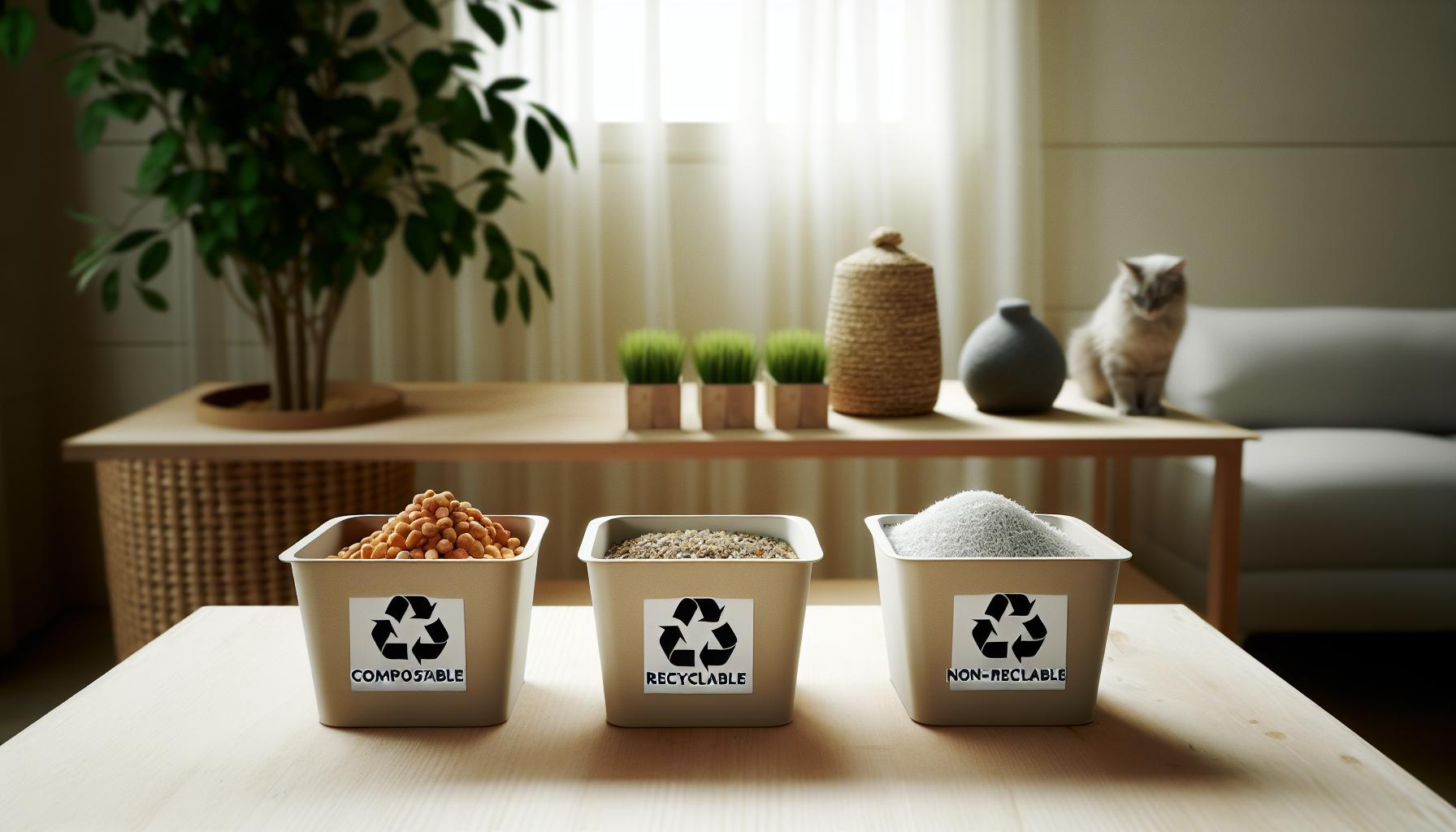
Different types of cat litter vary significantly in composition and behavior after use, which directly influences the safest and most responsible disposal methods. While some litters are marketed as “flushable,” understanding the realities behind these labels is crucial to prevent plumbing issues, environmental harm, and health risks.
Clay-based litters, especially those made from bentonite clay, are among the most common types. Their strong clumping ability makes waste removal convenient, but this same quality causes serious problems when flushed. Clay particles expand in water, leading to clogs in household plumbing and municipal sewage lines. Moreover, clay does not break down easily, making it unsuitable for flushing or composting.This type should always be sealed in bags and disposed of in regular trash to avoid costly blockages and environmental damage.
Conversely, biodegradable litters, frequently enough derived from natural materials such as wheat, corn, pine, or paper, present more environmentally conscious disposal options. Many of these litters are compostable under the right conditions but still pose risks if flushed. Despite their organic origins, biodegradable litters can contain absorbed waste that harbors dangerous pathogens; flushing them can introduce these microorganisms into water systems. For households interested in composting, it is vital to ensure fermentation or composting processes reach high enough temperatures to neutralize harmful bacteria and parasites.
How Litter Type Guides Disposal choices
| Cat Litter Type | Flushable? | Best Disposal Method | key Considerations |
|---|---|---|---|
| Clay-based (Bentonite) | No | Sealed trash bags | Clogs plumbing; non-biodegradable |
| Silica Gel | No | Trash disposal | Non-clumping; does not dissolve, can accumulate |
| Biodegradable (Wheat, Corn, Pine) | Generally No | Composting (if safe), trash | Requires proper composting to neutralize pathogens; avoid flushing |
| paper-based | Sometimes marketed flushable | Trash or compost where suitable | Breaks down faster; still may harbor pathogens |
While flushable litters might sound like a modern convenience, many still carry hidden risks.Some certifying bodies lack rigorous testing for parasite or bacteria neutralization before labeling litters as flushable.This means that even if the material itself dissolves or breaks down, the waste it contains can remain a hazard to sewage treatment plants and the environment.
To maximize safety and environmental obligation:
- Never flush clay-based or silica litters, regardless of packaging claims.
- Choose biodegradable litters if composting is an option in your household or community, ensuring proper process management.
- Always bag used litter securely before disposal to contain odors and pathogens.
- Research local waste management guidelines for disposing of pet waste to avoid contaminating water supplies.
Understanding how different litters behave after use can empower cat owners to make disposal choices that protect plumbing infrastructure, safeguard public health, and support environmental stewardship.
Environmental Impact of Flushing Cat Litter Down the Toilet
Flushing cat litter down the toilet might seem like a convenient way to handle pet waste, but beneath this seemingly simple act lies a cascade of environmental consequences that many don’t realise. cat feces can carry harmful pathogens,particularly *Toxoplasma gondii*,a parasite that poses serious threats to aquatic ecosystems and human health. When flushed, these parasites are not always eradicated by wastewater treatment plants, which often lack the infrastructure to fully filter or neutralize pet-borne pathogens. This means they can enter natural waterways, threatening marine wildlife such as sea otters, fish, and other aquatic organisms sensitive to disease[[[[[1]](https://www.aaatoday.com/why-flushable-kitty-litter-isnt-exactly-flushable/).
Hidden Risks Beyond Plumbing
The impact extends beyond biological risks. many cat litters, especially clay-based varieties, do not dissolve in water. These materials accumulate in sewage systems, clogging pipes and treatment plant machinery. This results in costly repairs and inefficiencies that increase the environmental footprint of waste management programs. moreover, the presence of non-biodegradable particles in waterways contributes to microplastic pollution when silica or synthetic litters are flushed, compounding long-term ecological damage[[[[[2]](https://www.treehugger.com/flushable-cat-litter-4864207).
Practical Tips to Reduce Environmental Harm
To protect the environment, it’s crucial for cat owners to adopt disposal practices that keep hazardous materials out of waterways:
- Avoid flushing any type of cat litter or feces. Regardless of advertising, the risks to ecosystems and sewage systems are significant.
- Use biodegradable litters responsibly. These can be composted where permitted-always confirm local guidelines and ensure composting reaches temperatures high enough to destroy pathogens.
- Securely bag litter waste and dispose of it through municipal trash programs designed to handle pet waste safely.
- Explore community hazardous waste disposal options for pet waste if available, as some local governments provide eco-amiable pet waste services.
In essence, what seems like a small convenience-flushing cat litter-can ripple out into considerable environmental harm. By choosing safer disposal methods, pet owners play a vital role in protecting waterways and reducing the spread of parasites that threaten wildlife and human health.
Safe and Eco-Friendly Ways to Dispose of Cat Litter
Cat owners often seek convenient ways to dispose of used litter, but the best methods prioritize both environmental safety and household plumbing health. Surprisingly, wrapping litter in biodegradable materials or using alternative composting solutions can dramatically reduce your ecological footprint. These approaches also help prevent the spread of harmful parasites frequently enough found in pet waste, which conventional flushing simply transfers to water systems ill-equipped to handle them.
Bagging and Trash Disposal
One of the simplest and most effective methods involves securely placing used litter,especially clumping or clay varieties,into sealed biodegradable or compostable trash bags. This containment prevents odors and reduces contamination risk for waste handlers. It’s crucial to use bags labeled compostable or biodegradable to minimize plastic pollution, as regular plastic bags contribute to landfill waste and microplastic issues. Once bagged, disposing of litter in your regular trash ensures it is managed properly within municipal waste processing systems designed to handle sanitary landfill or incineration safely[[[[[2]](https://ecoservantsproject.org/cat-litter-and-the-environment-choosing-wisely-and-disposing-responsibly/).
Composting Biodegradable litter: A Responsible Alternative
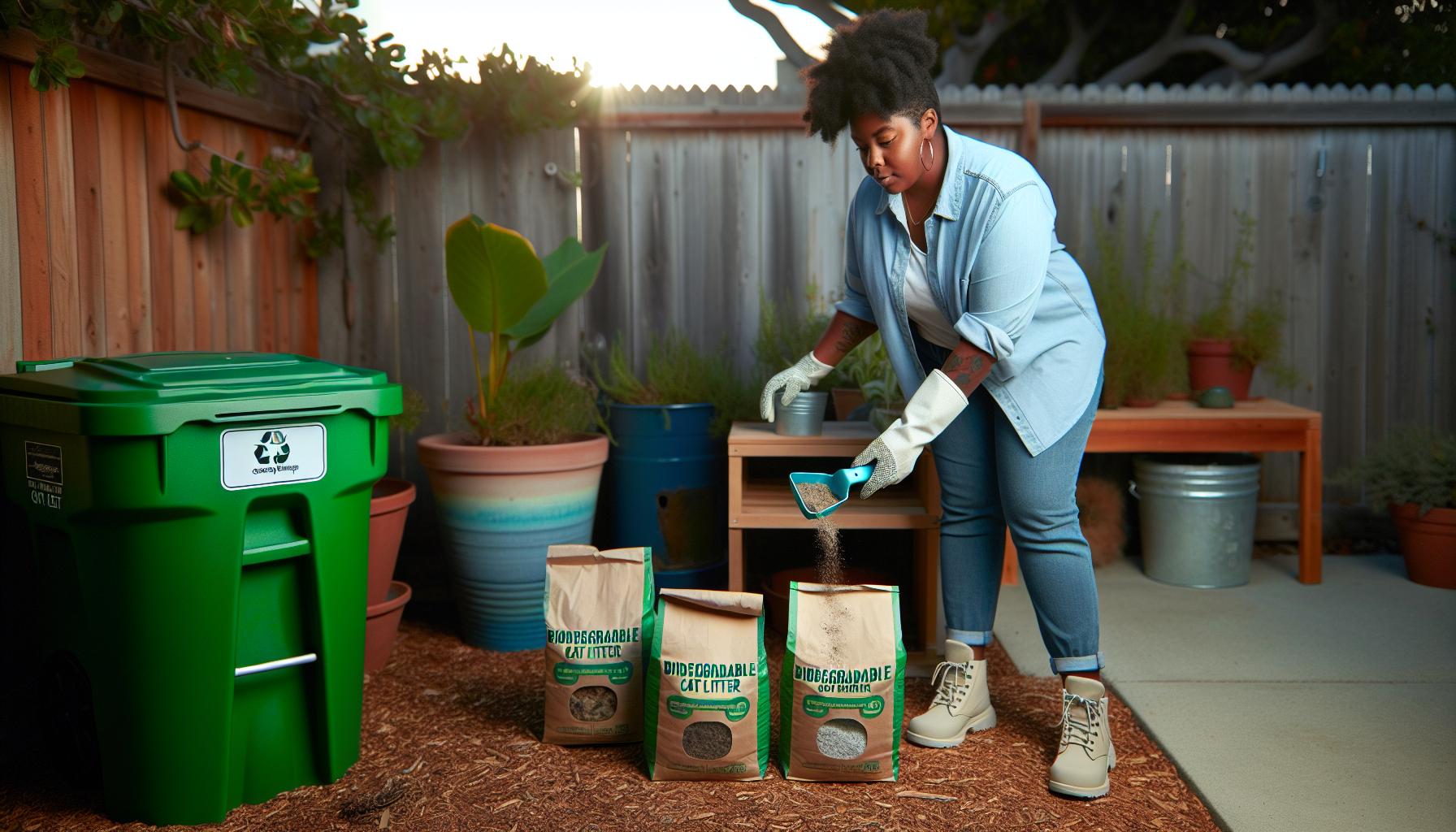
For cat owners using plant-based litters-such as those made from corn, wheat, or coconut husks-composting can offer an environmentally friendly option when done carefully. though, not all composting setups are suitable.You’ll need a dedicated pet waste compost bin to contain pathogens like *Toxoplasma gondii*, and your compost pile must reach temperatures high enough to neutralize these risks. Check local regulations and guidelines as some municipalities prohibit composting pet waste in household systems. When done properly, composting biodegradable litter can turn waste into usable soil conditioner, closing the loop on resource use[[[[[2]](https://ecoservantsproject.org/cat-litter-and-the-environment-choosing-wisely-and-disposing-responsibly/).
Community and Specialized Waste Programs
Some areas offer pet waste-specific disposal services or hazardous waste programs that safely handle cat litter. These can include drop-off locations or curbside pickup for pet waste sealed in specified bags. Leveraging these services not only keeps harmful pathogens out of waterways but also supports broader efforts to minimize environmental contamination. It’s worth exploring options provided by local waste management authorities or environmental organizations to see if such eco-conscious programs exist in your community.
- Never flush cat litter, regardless of the brand’s claim. Plumbing damage and environmental risks are too significant.
- Choose biodegradable litters if composting. Confirm your compost system meets safety standards for pet waste.
- Seal litter in compostable bags for trash disposal. This helps minimize pollution and keeps waste securely contained.
- Explore local hazardous waste services for pet waste disposal to support environmental health.
By adopting these safer disposal practices, cat owners can protect plumbing systems, prevent costly repairs, and significantly reduce the chance of contaminating fragile aquatic ecosystems.This mindful approach reflects an important responsibility pet owners share in fostering a cleaner, healthier environment for all.
Common Myths About flushing Cat Litter Debunked
many cat owners are surprised to learn that flushing cat litter-even products marketed as “flushable”-poses serious risks that go beyond mere convenience. A widespread myth is that flushable litter is wholly safe for plumbing and the environment,but in reality,this is far from the truth. Sewer systems and municipal treatment plants are not designed to handle cat litter, and flushing it can lead to costly clogs, environmental contamination, and public health concerns.
One common misconception is that because some litters dissolve quickly or are labeled biodegradable,they won’t cause plumbing problems. However, many clay-based or clumping litters absorb water and swell, which can create severe blockages in home pipes and municipal sewage lines. Unlike human waste and toilet paper, litter particles often settle and compact, resisting flushing and causing backups. Moreover, even biodegradable litters require specialized industrial composting to break down properly; flushing them simply sends them to water treatment plants that can’t process them effectively, leading to increased strain and higher utility costs for everyone[[[[[3]](https://mccarthyplumbinggroup.com.au/blog/2024/11/08/can-you-flush-flushable-cat-litter/).
Another persistent myth is that flushing cat litter is hygienic or environmentally responsible because it removes waste immediately from your home. While this may seem logical, flushing can spread dangerous parasites like *Toxoplasma gondii* into water systems.This parasite survives sewage treatment and can pollute waterways,threatening marine life and human health. Veterinarians strongly advise against flushing for this very reason, emphasizing safer disposal methods that protect water quality and public safety[[[[[2]](https://www.facebook.com/groups/DanaPointUnplugged/posts/991545871045049/).
- “Flushable” labeling does not mean plumbing-safe. Be cautious of marketing claims-testimonials and real-world plumbing outcomes often tell a different story.
- Not all biodegradable litters are flush-safe. Always check manufacturer guidelines and local regulations before considering disposal via flushing.
- Flushing doesn’t eliminate pathogens. It simply moves the problem downstream-into sewage systems and natural environments.
- Proper disposal methods include sealed trash bags or dedicated composting setups. These contain waste safely and reduce environmental risks.
By understanding the facts behind these myths, cat owners can make better-informed disposal choices. Flushing may seem like an easy cleanup, but it can lead to expensive plumbing repairs and widespread environmental harm. Opting for responsible waste management not only protects your home but also preserves public health and the environment for future generations.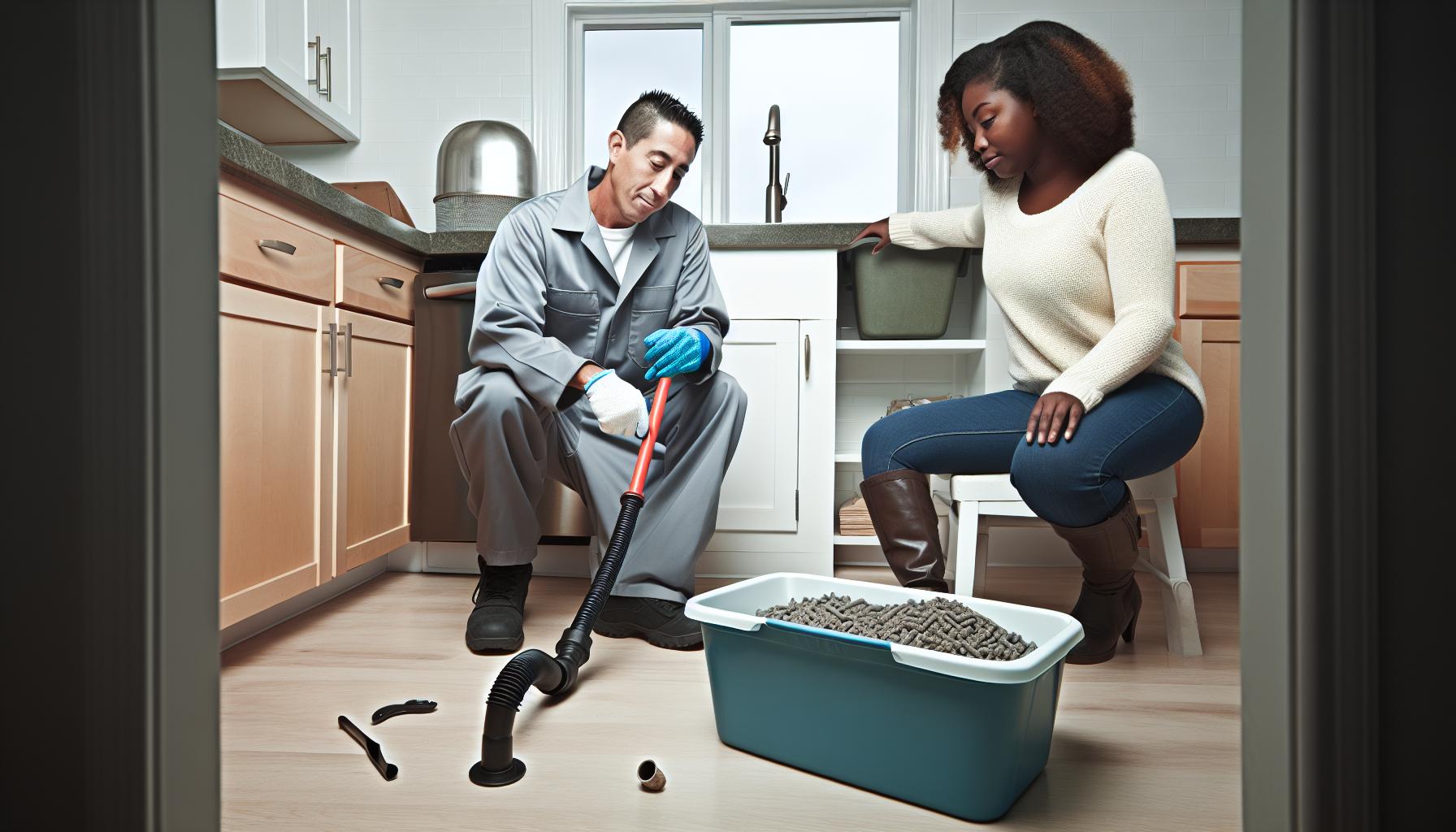
How Plumbing Professionals Handle Cat Litter Blockages
Pipes clogged by flushed cat litter present a uniquely stubborn challenge for plumbing professionals because litter materials, especially clay-based and clumping types, absorb water and expand, forming dense, cement-like blockages. These obstructions frequently enough don’t respond to conventional plunging or chemical drain cleaners, requiring plumbers to employ specialized tools and methods to clear them effectively and protect the integrity of residential plumbing systems.
Techniques and Tools Used for Clearing Litter Blockages
Professional plumbers typically begin with a detailed inspection, frequently enough using video pipe cameras to locate and assess the scale and exact position of the blockage without unnecessary pipe damage. Once located, the most common approach involves mechanical snaking or auger tools. these devices physically break apart or dislodge the compacted litter mass. In some cases, high-pressure water jetting is employed to blast blockages free – this method is particularly effective for stubborn clumps that coat pipe walls but is carefully applied to prevent pipe damage.
however, even these approaches can become complicated when cat litter clumps bond with other materials such as hair, grease, or debris, creating tougher composite blockages that can span multiple pipe sections. This requires plumbers to combine tools and tactics and sometimes perform partial pipe replacement if damage or persistent obstruction occurs.
Why Prompt Professional Help Makes a Difference
Delaying professional intervention frequently enough exacerbates plumbing damage. Blockages caused by flushed litter don’t just impede drainage; they increase the risk of pipe corrosion due to trapped moisture and create scenarios for sewage backup that can lead to costly hygiene issues.Experienced plumbers also advise against home remedies like chemical drain cleaners, as these can erode pipe materials, multiplying repair costs.
Moreover, plumbing professionals instruct homeowners on how to detect early warning signs of clogging – such as slow drains, gurgling noises, or unusual toilet flush behaviors – as timely action prevents the blockages from worsening into full system backups.
- Inspection: Video camera tools assess blockage severity before intervention.
- Mechanical Clearing: Snaking and augers dislodge litter clumps physically.
- Hydro Jetting: High-pressure water blasts break down hardened debris.
- Pipe Repairs: Replacement might potentially be necessary if blockages cause pipe damage.
- Preventive Advice: Homeowners are coached on signs of clogging and safer disposal to avoid future incidents.
By understanding the complexity and persistence of cat litter blockages, plumbers can tailor solutions that safeguard home plumbing systems effectively. The best approach, however, is prevention – avoiding flushing cat litter entirely spares owners from costly repairs and the stress of dealing with clogged pipes altogether.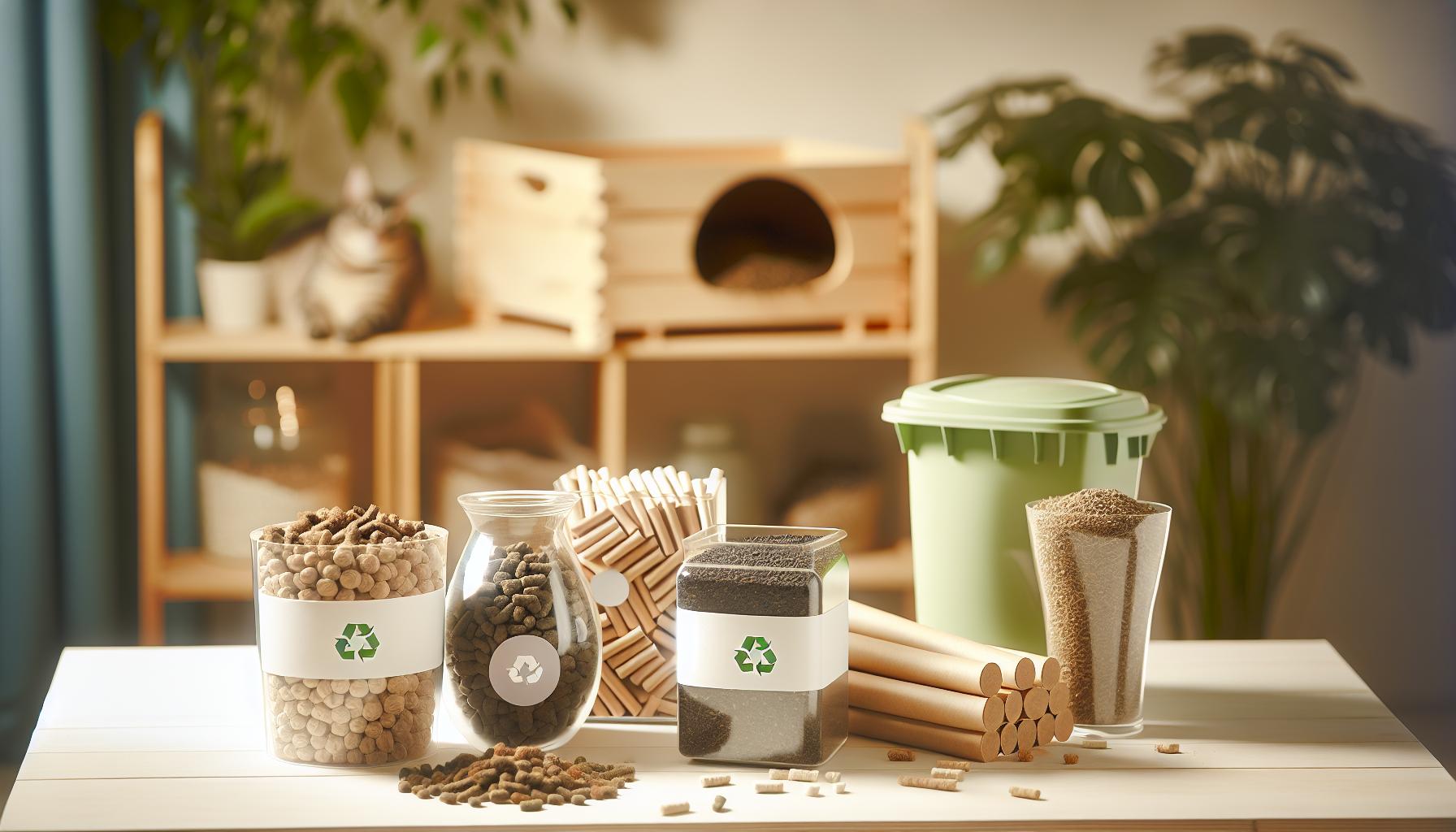
Alternatives to Flushing: Biodegradable and Compostable Litters
Many cat owners seek convenient ways to dispose of used litter without contributing to plumbing headaches or environmental harm. Thankfully, there is a growing range of biodegradable and compostable cat litters designed specifically to offer eco-friendly disposal options while avoiding the dangers associated with flushing traditional clay-based litters. These alternatives provide a practical and responsible choice for those mindful of their cat’s waste and its impact on plumbing and the planet.
Biodegradable Litters: What Are They Made Of?
Biodegradable cat litters typically consist of natural materials that break down more easily compared to conventional clay or silica litters. Common ingredients include:
- Wood pellets or shavings – Frequently enough sourced from pine, cedar, or other softwoods, these litters absorb moisture and control odor naturally.
- Corn – Corn-based granules offer clumping properties with a plant-based origin.
- Wheat – Wheat litters clump well and have natural odor-controlling enzymes.
- Walnut shells – Ground nutshells provide absorbency and a fine texture.
- Paper – Recycled paper pellets are lightweight and dust-free, though they don’t clump as much.
Because these materials are organic, they usually decompose faster in landfill and compost environments, reducing their ecological footprint.
Composting Cat Waste: Balancing Safety and Sustainability
While biodegradable litters break down naturally, it’s essential to be aware that cat feces can carry pathogens like Toxoplasma gondii, which pose risks if directly composted and later used in edible gardens.To manage this:
- Use dedicated composting systems: Specialized hot composting setups exceeding 140°F for extended periods can neutralize parasites and bacteria safely.
- Avoid composting near food crops: If you compost cat litter at home, keep it separate from vegetable or herb gardens to minimize contamination risks.
- Consider municipal compost: Some cities accept pet waste for industrial composting, where processing standards ensure pathogen destruction.
Following these guidelines allows cat owners to embrace compostable litter options while maintaining responsible hygiene and safety.
Convenience Meets Responsibility
Choosing biodegradable and compostable cat litters frequently enough simplifies disposal. Many products allow you to bag used litter and dispose of it with regular yard waste or in designated compost bin programs.this helps avoid the plumbing dangers and environmental concerns linked to flushing cat litter down toilets,which can cause clogs and spread harmful parasites via wastewater.
| Type of Biodegradable Litter | Key Benefits | Disposal Method |
|---|---|---|
| Wood Pellet / Shavings | Natural odor control, low dust, compostable | Yard waste bin or compost with caution |
| Corn-Based | Good clumping, biodegradable, plant-based | Dispose in compost bin or trash (depending on local guidelines) |
| Wheat-Based | clumps well, controls odors naturally | Compost or trash according to municipal rules |
| Paper Pellet | Lightweight, dust-free, non-clumping | Trash or sometimes compost if facilities permit |
Keep in mind that each product’s suitability for flushing or composting depends on local wastewater systems or municipal composting facilities, so always check disposal suggestions on packaging and local regulations.
By embracing these environmentally conscious alternatives, cat owners can protect their plumbing infrastructure, reduce potential health risks highlighted by vets, and contribute to sustainable pet care practices without sacrificing convenience or litter performance. These litters offer a meaningful step towards a cleaner home and planet – all while supporting your cat’s well-being.
signs Your Plumbing is Clogged From Flushed Litter
Flushing cat litter may seem harmless at first, but the consequences often reveal themselves through frustrating plumbing issues. Because many types of cat litter don’t dissolve or break down easily, they linger inside pipes and accumulators, gradually creating blockages that reduce water flow and impair drainage. Homeowners might notice these problems subtly at first, but recognizing the warning signs early can save costly repairs and prevent extensive damage.
- slow Draining Fixtures: One of the most common indications is water that drains slowly from sinks, bathtubs, or toilets. If you’ve flushed litter recently,this slowdown could suggest accumulation inside the pipes.
- gurgling Sounds: Unusual noises from toilets or drains-such as gurgling or bubbling-often point to trapped air caused by partial clogs, a notorious issue with compacted litter materials.
- Frequent Toilet Backups: Flushing cat litter frequently leads to toilet backups, where waste water rises unexpectedly or overflows, signaling serious obstruction that requires immediate attention.
- Recurring Blockages Despite Clearing Attempts: Even after plunging or snaking drains, if clogs return quickly, it’s a sign that the stubborn litter particles are tightly packed and not flushing away properly.
Why Litter Causes Such Persistent Plumbing Issues
Unlike human waste or toilet paper, most cat litters-especially clay-based or clumping types-absorb water and then harden, turning into dense masses that don’t easily move through plumbing systems.Over time, these hardened residues can catch debris, grease, and hair, intensifying blockages. This is especially problematic in older homes with narrow pipes or in municipal systems not designed to filter out heavy solids.
Real-World Examples
Many plumbers report house calls where the root cause of persistent toilet and drain clogging was flushing cat litter. In one notable case, a homeowner spent months dealing with slow toilets and foul odors, only for professionals to find a large accumulation of compacted litter several feet into the pipe. This required expensive pipe removal and replacement-a costly reminder that what seems convenient can lead to significant plumbing woes.
How to Respond If You Notice These Signs
If you suspect litter-related clogging,limit water usage in affected areas to minimize overflow risk and contact a professional plumber promptly. Avoid using chemical drain cleaners that are ineffective on solid waste and can damage pipes. Early professional intervention often means simpler solutions, such as mechanical clearing or targeted hydro-jetting, avoiding major repairs.
Recognizing these signs can empower cat owners to avoid the frustration and costs that come from flushing cat litter, reinforcing why it’s a disposal method veterinarians and plumbing experts alike strongly advise against.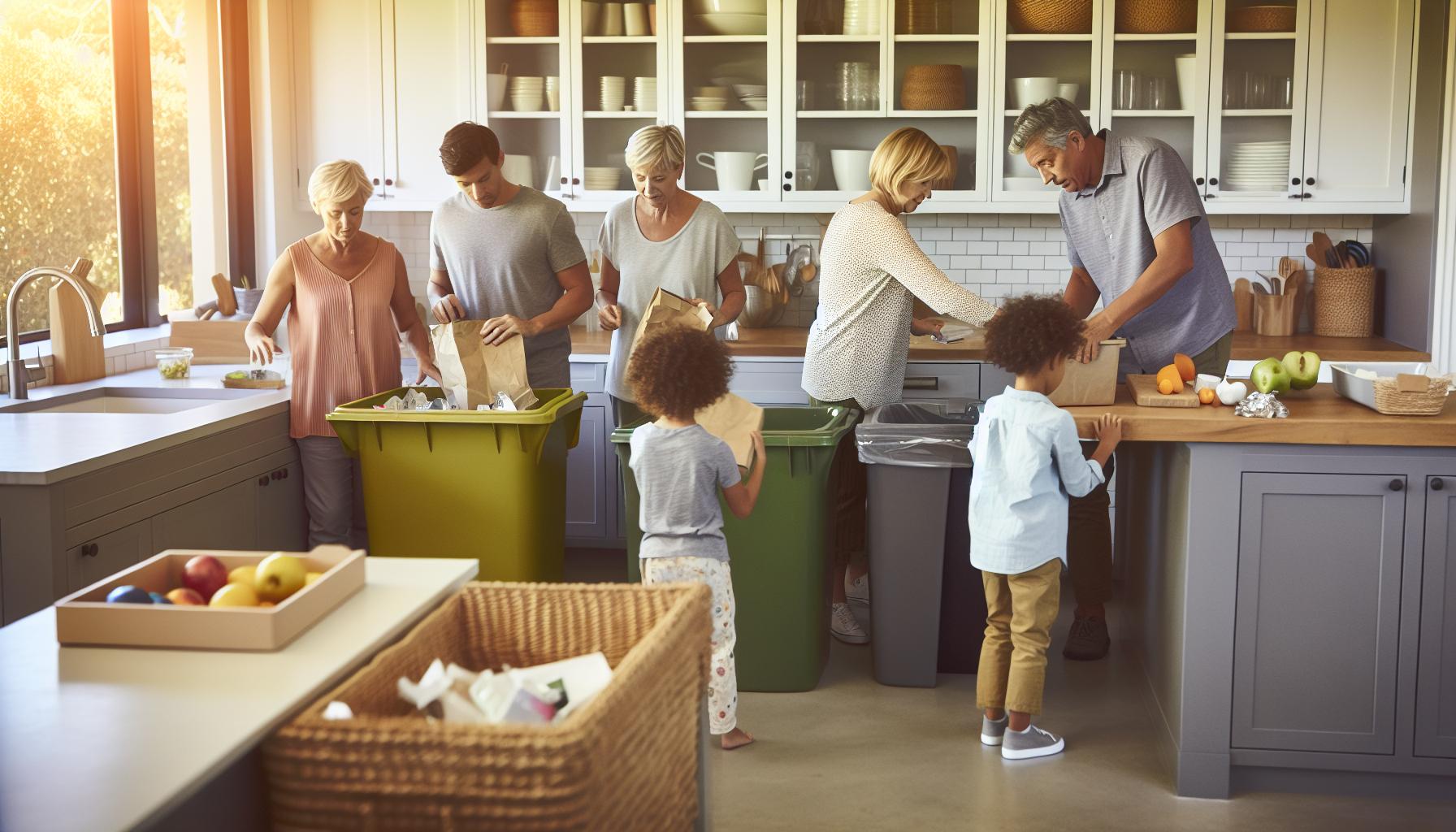
How to Train Yourself and Household to Properly Dispose Litter
Flushing cat litter might seem like a rapid and easy way to dispose of waste, but shifting this habit requires intentional effort and household-wide awareness. Establishing proper disposal routines not only protects your plumbing but also ensures the well-being of your entire home environment. It begins with understanding why alternative disposal methods are essential and then embedding those practices into daily life.
Create Clear Disposal stations
Designate a specific area for cleaning and disposing of cat litter waste.Providing a sturdy, sealable trash bin close to the litter box encourages everyone to avoid the toilet and instead discard used litter responsibly. Using bags or liners that are easy to tie off can help contain odors and make the process more hygienic. Placing a small reminder note near the litter box or bathroom can reinforce the proper disposal method, particularly for guests or new household members.
Educate and Communicate
Awareness is the cornerstone of responsible disposal habits. Share with everyone in your home the reasons why flushing litter is harmful-not just the immediate plumbing risks but also the long-term environmental effects. You might use simple facts or even show plumbing repair examples from trusted sources to illustrate the consequences.Establishing routine conversations about litter care can nurture a shared sense of responsibility.
Incorporate Practical Habits
Building new habits frequently enough depends on convenience and consistency. Here are actionable steps to adopt together:
- Scoop Daily: Regular scooping minimizes the amount of waste and makes disposal more manageable.
- Use Dedicated Litter Disposal Bags: Consider biodegradable or compostable bags designed for litter, reducing environmental impact while keeping the process tidy.
- Set a Disposal Schedule: Empty the litter waste bin frequently to prevent odor buildup, reinforcing the habit and removing temptation to “just flush it.”
- Lead by Example: Show family members or roommates how you dispose of litter and gently correct misuse when noticed.
Leverage Technology and Tools
Modern litter disposal technologies, such as sealed litter disposal systems or litter robot units, can help contain waste and odor without relying on plumbing. Some systems even offer disposable liners that make it simple to remove waste directly to the trash. Investing in these tools can be a game-changer for busy households or multi-cat families, making proper disposal nearly effortless.
By developing these supportive strategies and embedding them into daily routines,households can reliably avoid flushing cat litter. This practical shift not only protects your plumbing and wastewater systems but also aligns with responsible pet ownership and environmental stewardship,turning what may seem like a minor issue into a well-managed household norm.
FAQ
Q: What happens to cat litter in wastewater treatment plants?
A: Cat litter does not break down properly in wastewater treatment plants and can cause clogs or damage equipment. It can also introduce harmful pathogens into the system. To protect sewage infrastructure, avoid flushing litter and opt for recommended disposal methods outlined in the *Safe and Eco-friendly ways to Dispose of Cat litter* section for more details.
Q: Can flushing cat litter spread parasites or diseases?
A: Yes. Flushing cat litter can spread parasites like *Toxoplasma gondii*, which pose health risks to humans and wildlife. Vets advise against flushing to prevent contamination of water sources and reduce infection risks. Learn more about these health risks in the *What Vets Say About Health Risks From Flushed Litter* section.
Q: Are some types of cat litter safe to flush?
A: No cat litter is truly safe to flush, as all types can cause plumbing issues or pollution. Even biodegradable litters may not dissolve fully in pipes. Rather,choose biodegradable or compostable litters and follow eco-friendly disposal methods discussed under *Alternatives to Flushing* for safer options.
Q: How can I convince household members not to flush cat litter?
A: Educate family members about plumbing damage and environmental risks caused by flushing cat litter. Set clear disposal routines, like using sealed trash bags or compost bins where safe. Refer to *How to Train Yourself and Household to Properly Dispose Litter* for practical training tips to ensure everyone complies.
Q: What plumbing signs indicate cat litter has been flushed?
A: Common signs include slow drains, repeated clogs, gurgling sounds, and foul odors. If you notice these symptoms, contact a plumber to inspect for litter blockages. For detailed troubleshooting and prevention advice, see the *Signs Your Plumbing Is Clogged From Flushed Litter* section.
Q: Is flushing cat litter worse than flushing human waste?
A: Flushing cat litter is worse because it contains clumping agents and parasites not found in human waste, which can clog plumbing and contaminate water supplies. Human waste is biodegradable, but litter’s solid components pose significant disposal challenges.For more comparison, check *Why Flushing Cat Litter Is Dangerous for Plumbing*.
Q: How does flushing cat litter affect local wildlife and ecosystems?
A: Flushed cat litter can introduce toxins and parasites to waterways, harming fish, birds, and other wildlife. It disrupts natural ecosystems and water quality. Choosing proper disposal methods reduces environmental damage-learn how in the *Environmental Impact of Flushing Cat Litter Down the Toilet* section.
Q: Can septic systems handle flushed cat litter better than city sewers?
A: No, septic systems are also vulnerable to damage from cat litter because it clumps and solidifies, leading to blockages and system failures. Avoid flushing litter even with septic tanks, and follow recommended disposal guidelines to protect your home’s plumbing.
—
For more tips and detailed guidance on environmentally responsible cat litter disposal, explore our full article sections above. Ensuring safe disposal helps protect your plumbing and health, while benefiting the environment.
To Conclude
Understanding why flushing cat litter is strongly discouraged helps protect your plumbing, local ecosystems, and your pet’s health. Avoiding this common mistake ensures a safer home and a more sustainable environment. If you’re wondering about safe cat litter disposal methods or how to maintain a clean, odor-free litter box, be sure to explore our detailed guides on Eco-Friendly Pet Waste Disposal and best Practices for Litter Box Hygiene.
Ready to keep your home and pet safe? Sign up for our newsletter to receive expert tips, product recommendations, and the latest veterinary advice on cat care. Don’t hesitate to share your experiences or questions below-our community is here to support you.For further peace of mind, check out how to choose the right litter and alternative disposal options, keeping your routine effective and environmentally responsible. Staying informed is the best way to care for your furry friend and your home’s plumbing, so keep browsing for more insights and practical advice!