

Can You Put a Flush Mount Fan on a Sloped Ceiling? Install
Ceiling fans are a popular way to enhance comfort and airflow in any room, but installing them on a sloped ceiling presents unique challenges-especially when considering a flush mount option. While flush mounting fans creates a sleek, space-saving look on flat ceilings, sloped ceilings often require special mounting techniques to ensure the fan operates safely and effectively. If you’ve ever wondered whether you can put a flush mount fan on a sloped ceiling, or how to install one properly, this guide will help clarify what works best. Understanding the right installation approach is crucial to avoid balance and clearance issues that impact both performance and safety. Whether you’re updating yoru space or tackling a new build with angled ceilings,knowing your options will save you time and frustration. Keep reading to discover how to navigate these installation challenges and achieve a stylish, functional ceiling fan setup that fits perfectly-even on an incline.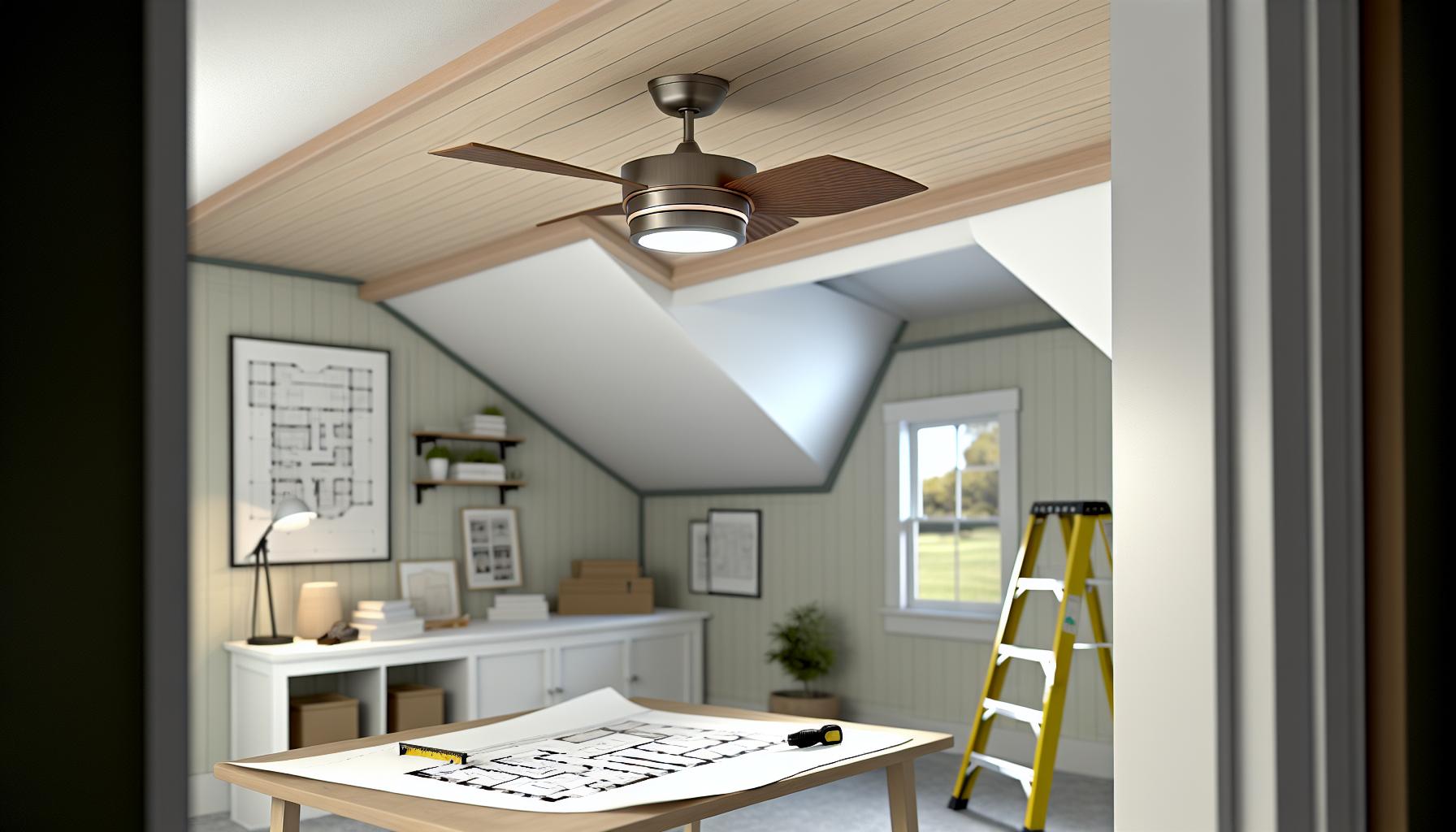
Understanding Flush Mount Fans and Sloped Ceilings
Installing a flush mount ceiling fan in a room with a sloped ceiling can initially seem straightforward, but it involves more careful consideration than mounting on a flat surface. Flush mount fans are designed to sit directly against the ceiling without a downrod, offering a sleek, low-profile look-perfect for rooms with low or standard-height ceilings. However, when facing a sloped ceiling, this design can challenge both function and aesthetics because the fan’s blades and motor housing need to maintain proper alignment and clearance for safe, effective operation.
One key factor is that a flush mount fan typically requires a level mounting surface to ensure the fan blades remain horizontal when spinning. If installed flush against an angled ceiling without adjustment, the fan will tilt, causing uneven airflow and perhaps increased wear on the motor or blades. This misalignment can lead to rattling noises,vibration,or even safety risks. That’s why many contractors and homeowners opt for specialized sloped ceiling adapters or angled mounting kits that compensate for ceiling pitch and keep the fan properly oriented.
It’s critically important to understand that while flush mount fans emphasize compactness and space-saving benefits, their compatibility with sloped or vaulted ceilings is inherently limited. For example, some models are specifically designed or rated for such conditions, allowing installation on slopes up to a certain degree-typically around 20 to 30 degrees-or they can be paired with adapter kits that introduce a slight pitch correction. Without these modifications, the fan system may not meet safety codes or deliver the desired performance.
Practical Considerations for Flush Mount Fans on Angled Ceilings
- Ceiling slope compatibility: Verify if the fan is rated for slope installation or can be combined with an adapter designed to accommodate angled ceilings.
- Blade clearance and rotation: Ensure blades have sufficient clearance from the ceiling and walls to prevent wobbling or noise.
- Electrical box selection: Use a fan-rated junction box firmly secured to framing that supports angled mounting.
- Aesthetic alignment: Consider how the tilt may affect the visual balance of the fan and blade positioning relative to room geometry.
In practical terms, flush mount fans can be installed on sloped ceilings-but the process often requires additional hardware or selecting models with specific slope capabilities. For those determined to preserve the clean, close-to-ceiling look in angled spaces, consulting fan specifications and investing in a proper mounting adapter is essential to achieve optimal performance and safety.[3] Moreover, adapter kits like the Visual Comfort Fan Sloped Ceiling Adapter provide elegant solutions to seamlessly integrate flush mount fans on slopes, blending form and function effectively.[1]
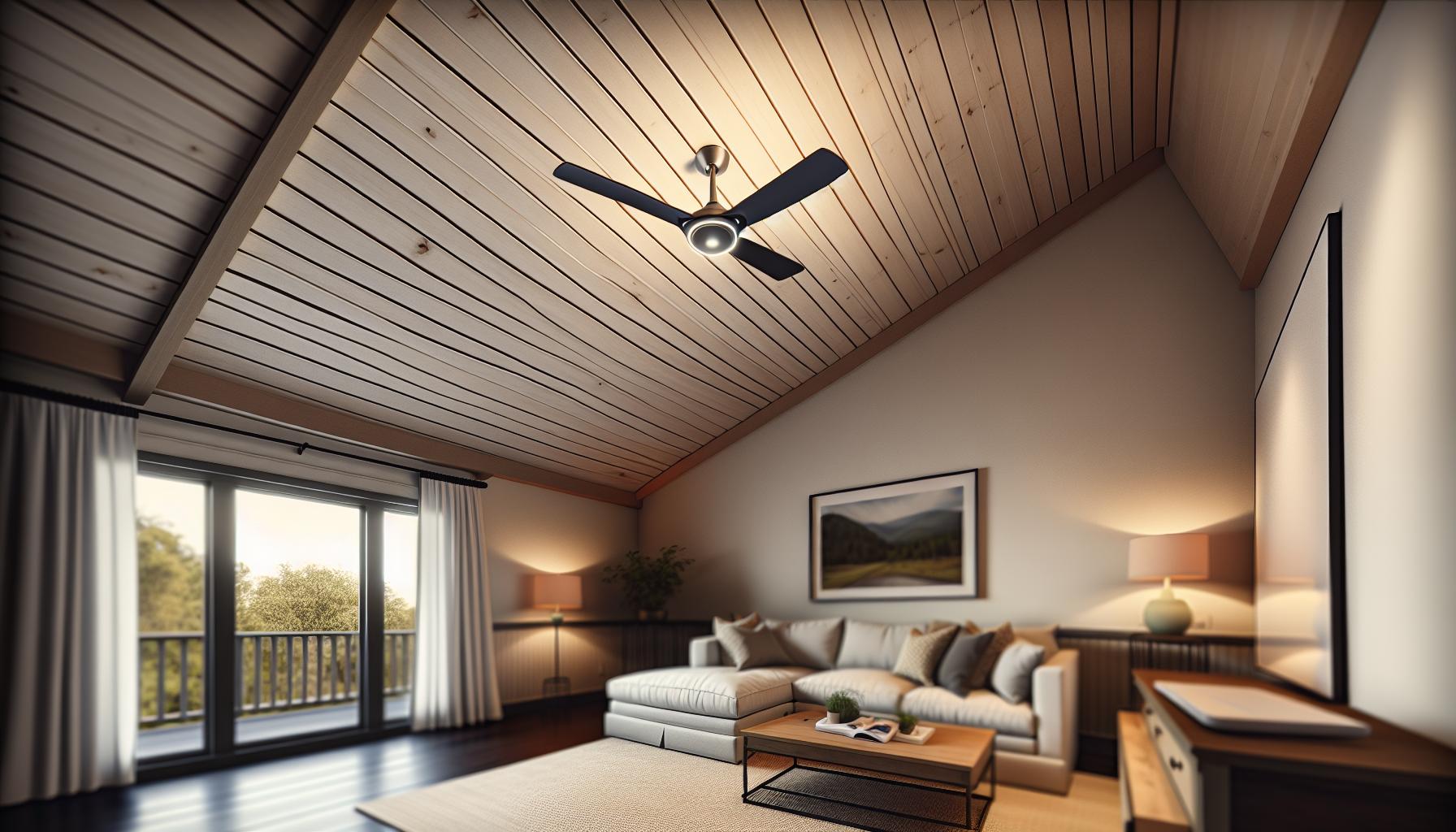
Benefits and Limitations of Flush Mount Fans on Slopes
Flush mount ceiling fans bring a sleek, space-saving appeal to rooms by sitting close against the ceiling, a feature particularly prized in spaces where ceiling height or room scale calls for a subtle, streamlined fixture. when it comes to angled or sloped ceilings, flush mount fans can still be a viable option-but this scenario introduces a unique set of pros and cons that every homeowner should carefully weigh before proceeding. Understanding these factors helps balance aesthetic goals, performance needs, and safety considerations.
One of the core advantages of flush mount fans on sloped ceilings is their low-profile design, which maintains visual harmony and prevents the fan from overwhelming a room’s proportions, especially in spaces where hanging fixtures might feel bulky or intrusive. This makes them particularly suited for bedrooms, hallways, or rooms with limited ceiling clearance.Additionally, flush mounts eliminate the need for long downrods, which can be cumbersome or impractical on sharply angled surfaces. With the right slope adapters or models rated for pitched installations,flush mount fans can operate with minimal compromise on airflow and vibration.
Though, these benefits come with notable limitations. The most notable challenge lies in the fan’s requirement for a level blade plane. Without proper adjustment, the blades will rotate unevenly due to the tilt, adversely affecting air circulation and potentially causing motor strain from imbalance. This alignment difficulty means not every flush mount fan is suitable for sloped ceilings, especially as slope angles increase beyond roughly 20 to 30 degrees. The potential for increased noise, wobbling, or reduced lifespan is higher if appropriate mounting hardware is not used. Furthermore, many flush mount designs lack the built-in versatility to swivel or pivot, which compromises both performance and safety on a slanted ceiling.
Key Trade-offs to consider
- Space efficiency vs. mounting complexity: Flush mount fans save space but often require specialized brackets or adapters to ensure proper installation on slopes.
- Visual appeal vs. mechanical performance: The sleek look may come at the cost of airflow inefficiency or increased wear if the fan is not correctly oriented.
- Cost implications: Purchasing fan models with slope compatibility or additional mounting kits may increase initial expenses but help avoid costly repairs or replacements later.
Such as, some homeowners have successfully combined flush mount fans with angled ceiling adapters designed to keep the blades level and the motor vibration-free, thereby preserving both functionality and style. Conversely, those who attempted installation without these accommodations frequently enough encountered undesirable shaking or noisier operation. Ultimately, the decision hinges on carefully matching fan specifications to the degree of the ceiling slope and planning for any needed installation accessories. When done correctly, flush mount fans can offer an elegant solution for sloped ceilings, but overlooking these nuances risks falling short on both comfort and reliability.
Measuring and Preparing Your Sloped Ceiling for Installation
When tackling a sloped ceiling for a flush mount fan installation, precision in measuring and readiness is your best friend. Unlike flat ceilings, the angle introduces complexities that can affect both the mounting process and fan performance. Before anything else, assess the exact pitch of your ceiling. This angle measurement is crucial because it determines whether your flush mount fan will require additional slope adapters or specialized mounting brackets to achieve a level blade rotation and stable operation.
Start by using a digital angle finder or a protractor level placed flat against the ceiling surface to capture the slope degree. Knowing this angle upfront allows you to select a fan model specifically designed for angled ceilings or to purchase compatible adapters that adjust the fan mounting plane. Such as, a ceiling with a slope under 20 degrees may work with simpler flush mount fans, but anything steeper demands equipment that can pivot or redirect the fan motor housing adequately to compensate for the tilt. Neglecting this step risks uneven blade spin, increased wobble, and accelerated wear.
Equally important is identifying the optimal placement for the fan. measure the ceiling joists or beams behind the drywall using a stud finder to ensure the mounting bracket can be securely fastened. The sloped surface means typical mounting boxes may not sit flush, so prepping the area with a flat mounting plate or reinforcing the ceiling framing might be necessary to provide a solid, level base. Consider also the fan’s clearance from walls and light fixtures, remembering that blade tips should stay well clear of any obstructions for safety and airflow efficiency.
Practical Preparation Tips
- Mark multiple anchor points: Draft placement marks directly onto the ceiling surface after locating joists to anticipate where mounting hardware will attach.
- Use templates: Many fans come with mounting templates; taping these in place helps visualize positioning and slope adaptations before drilling.
- Test fit components: before final installation, loosely assemble the fan components, mounting bracket, and any adapters to confirm alignment and balance on the slope.
- Account for wiring: Verify that electrical connections are safely accessible and compliant with local codes-sloped ceilings sometimes require longer wire runs or conduit adjustments.
By dedicating effort to these measurement and preparation steps, you lay a strong foundation for a flush mount fan installation that balances sleek aesthetics with dependable performance. Taking the time to expertly assess your sloped ceiling’s unique geometry not only simplifies the subsequent installation process but also protects your investment by minimizing the risk of operational issues linked to improper mounting on angled surfaces.
Choosing the Right Flush Mount Fan for Angled Ceilings
Selecting the ideal flush mount fan for an angled ceiling goes beyond simply choosing a stylish fixture-it demands careful consideration of functionality and fit to ensure safety and performance in a sloped environment. Many homeowners underestimate how much ceiling angle impacts the fan’s stability and airflow, but the right fan can make all the difference in delivering efficient ventilation without wobble or noise.
When shopping for a fan intended for a sloped ceiling, prioritize models explicitly rated for angled installations or those that come with adaptable mounting hardware. Fans equipped with adjustable mounting brackets or ball-and-socket joints offer critical flexibility, allowing the fan motor housing to remain perfectly vertical despite the ceiling’s tilt. This is important because flush mount fans that do not accommodate slope angles risk uneven blade rotation or excessive vibration, which can reduce lifespan and create safety hazards. For slopes steeper than about 20 degrees, an adapter or an angled mount is almost always necessary to maintain balance and proper operation.
- Fan Size and Blade Span: Choose a fan size appropriate not only for your room but also for your ceiling height and slope. larger fans may require greater clearance than a flush mount can offer on a steep pitch, so compact or low-profile flush mount fans are better suited to tight spaces.
- motor and Mounting Design: Look for fans with reversible motors and lightweight blade materials to reduce stress on mounting points. models designed for flush mounting should have a sturdy mounting canopy that can be secured firmly to a reinforced ceiling plate on angled surfaces.
- Compatibility with Slope Adapters: Some brands offer slope-specific adapters-like Visual Comfort’s sloped ceiling adapter or angled ceiling mounts from Hunter-that are designed to pair with flush mount fans, maintaining a level blade plane while snug to the ceiling face [[[[[1]][[2]].
Practical Tips for Selection
Before finalizing your purchase, measure the precise angle of the ceiling slope and double-check the manufacturer’s specifications for maximum slope compatibility. Keep in mind the location of mounting beams and wiring access points, as some flush mount fans require a flat mounting surface or additional ceiling reinforcement. Consult product reviews or speak with specialists who have experience in sloped ceiling installations to gather insights about long-term reliability and ease of installation.
In some cases, opting for a fan model that isn’t strictly flush mount but comes with a short downrod and a compatible angled mount might provide a more secure and balanced setup without compromising style, especially for ceilings with very steep pitches.Always ensure the fan maintains a vertical orientation for safety-flush mount fans alone are rarely designed to tilt,which is why accessory adapters are essential.
By carefully matching fan capabilities with your ceiling’s slope and structural realities, you ensure a stable, attractive, and efficient fan installation that complements your space and stands the test of time.
Step-by-Step installation Guide for Sloped Ceilings
Installing a flush mount fan on a sloped ceiling may seem tricky at first, but with the right approach and careful preparation, the process can be straightforward and rewarding. One key to success is ensuring the fan stays perfectly vertical despite the angle of the ceiling, which preserves balance and maximizes performance. Preparing well before starting any installation work sets the foundation for a smooth, safe, and durable setup.
Begin by turning off power to the ceiling wiring at the circuit breaker to avoid any electrical hazards during installation. next, remove the existing light fixture or fan along with its mounting bracket. On sloped ceilings, existing boxes may not be rated for fan support, so inspect the electrical box for sturdiness-if you find a plastic box or one not designed for fans, replace it with a fan-rated, reinforced electrical box securely anchored to ceiling joists. Adding blocking between joists may be necessary to create a solid mounting base that can handle the fan’s weight and vibration without flexing or loosening over time.
Using a Slope Adapter or Angled Mount
To keep your flush mount fan motor housing plumb on the sloped surface, install a slope ceiling adapter that fits between the fan canopy and the ceiling box. These adapters come with adjustable tilt angles and ball-and-socket designs to compensate for the angular difference, ensuring the fan blades spin smoothly and evenly. Without this, the fan risks wobbling or uneven wear, which could compromise safety and comfort.Some fan models include compatible adapters, while others may require purchasing them separately.
Step-by-Step Installation Highlights
- Assemble the Fan Components Off the Ceiling: Partially build the fan’s blade mounts, light kit (if included), and housing on the floor. this limits working at awkward angles and provides better control over alignment.
- Attach the Slope Adapter: secure the slope-specific adapter to the reinforced electrical box using manufacturer-recommended screws and hardware.
- Connect Wiring Carefully: Follow wiring instructions precisely, matching insulated wires by color and using wire nuts to secure them. Tuck connections neatly inside the electrical box.
- Mount the Fan Motor Housing: Hang the motor housing on the adapter or bracket according to the fan manual. Use any safety cables or securing brackets provided to prevent accidental falls or shifting.
- Install Blades and Final Hardware: Attach blades ensuring they are level and evenly spaced. Complete any light kits or cover installation before restoring power.
Working with an assistant can make aligning and securing the fan easier, especially given the challenges posed by angled ceilings. Use a level during installation to confirm the fan motor is perfectly vertical and the blades are balanced. Testing the fan after installation allows you to detect wobbling or noise early and address it by tightening screws or adjusting blade positions.
By following these best practices, you set up your flush mount fan for optimal performance and longevity while preserving a sleek look against your sloped ceiling. Taking the time to reinforce mounting points and use specialized adapters pays off by avoiding costly repairs or replacements down the road. For complex slopes, consulting a professional electrician can ensure compliance with local codes and electrical safety standards, giving you peace of mind along with a cool, comfortable room.
[[[[[1]] offers a helpful video and tips for simplifying this process, while on forums like Reddit, homeowners share solutions for reinforcing ceiling boxes and tackling tricky slopes[[[[[3]]. Remember,patience and preparation are your best tools when marrying a flush mount fan with a sloped ceiling.
Common Challenges and How to Overcome them
One of the most frequent hurdles when installing a flush mount fan on a sloped ceiling is achieving a perfectly level and stable setup despite the angle. Without proper adjustment, the fan can wobble excessively, which not only reduces performance but also risks mechanical damage and safety concerns. Carefully selecting and installing a slope ceiling adapter or angled mount is essential; these accessories compensate for the ceiling’s pitch and allow the fan motor housing to hang plumb, ensuring smooth operation and longevity.Another common challenge involves ensuring the mounting hardware is secure enough to support the fan’s weight and vibrations. Sloped ceilings often have existing electrical boxes designed for light fixtures, which might not be rated for fans. If these aren’t reinforced or properly anchored to ceiling joists, it can lead to structural instability and noise. Adding blocking between joists or replacing the electrical box with a fan-rated model addresses this issue and creates a solid foundation for installation.ignoring this step often results in loosening mounts or rattling sounds over time.
Wiring on an angled ceiling can also be tricky, particularly if the space inside the electrical box is limited or awkwardly positioned. It’s critically important to carefully plan wire routing and connections, ensuring proper insulation and resistance to stress from tilting. Using wire nuts and carefully tucking wires inside the box helps prevent shorts or damage during future fan adjustments. Also,working with a partner can make managing the fan components and wiring easier,as it allows for steady handling and better alignment.
Strategies to Avoid Common Pitfalls
- Test fit Before Final Assembly: Temporarily hang the fan with the adapter to check levelness and make minor adjustments without full reassembly.
- Use a Quality Level Tool: A laser or bubble level ensures the fan motor housing is perfectly vertical, which is crucial for balanced blade rotation.
- Secure Mounting Hardware Tightly: Use manufacturer-recommended screws and hardware, double-checking torque to prevent loosening under vibration.
- Consult Installation Manuals and Manufacturer Resources: Many flush mount fans designed for angled ceilings come with specific instructions or adapter kits; following these prevents many common errors.
Taking these steps seriously can vastly reduce installation headaches and improve both the functionality and safety of your flush mount fan on a slope. Practical experience shared by homeowners often highlights the value of patience and incremental adjustments when working in tight, angled spaces, underscoring that preparation is the key to success.
Safety Tips and Building Code Considerations
When installing a flush mount fan on a sloped ceiling, safety and compliance with local building codes are not just formalities-they are critical to ensuring a secure and reliable installation that stands the test of time. One of the most important considerations is confirming that the existing electrical box can support the weight and dynamic forces exerted by a ceiling fan. Unlike standard light fixtures, ceiling fans create ongoing vibrations and torque that require a fan-rated box firmly anchored to structural framing members. Installing a fan on a box not rated for fan support risks catastrophic failure,including the fan detaching from the ceiling.
Since sloped ceilings often involve awkward angles and non-standard framing layouts, reinforcing the mounting point with additional blocking between joists is a wise precaution. This ensures that weight is distributed evenly, preventing undue strain on the electrical box and ceiling drywall. Many local electrical codes mandate specific fasteners and support structures for ceiling fans, reflecting these safety principles. Always verify your region’s building codes and consult a licensed electrician, especially when altering the mounting infrastructure in sloped or vaulted ceiling areas.
Proper grounding and wiring practices are equally essential. Sloped ceilings sometimes make it arduous to work with wiring inside tight or angled electrical boxes. To maintain a safe installation, use wire connectors rated for the environment, make sure all wires are properly insulated, and avoid any strain or twisting that could damage connections over time. Overhead fan installations must comply with grounding requirements to reduce electrical shock risks, which is somthing that can be overlooked when working on complex angled surfaces without careful planning.
Key Safety Tips for Sloped Ceiling Fan Installations
- Use Fan-Rated Electrical Boxes: Ensure the mounting box is UL-listed for fan support and firmly attached to joists or blocking.
- Verify Ceiling Angle compatibility: Many fans and slope adapters are rated for angles up to 45 degrees-exceeding this may require custom mounting solutions.
- Confirm Compliance with Local Codes: Check local electrical and building codes related to ceiling fan installation, including mounting height and clearance requirements.
- employ Proper Wiring Methods: Use UL-listed wire nuts or connectors, secure wire routing to prevent movement, and ensure reliable grounding.
- hire Professionals When Necessary: For complex sloped ceilings, especially those with steep pitches or masonry materials, a licensed electrician can ensure code compliance and safety.
| Safety Aspect | Advice | Reason |
|---|---|---|
| Mounting Box Type | Fan-rated, UL-listed | supports fan weight and vibration safely |
| Support Reinforcement | Blocking between joists | Prevents structural damage and buzzing |
| Wiring | Proper connectors & insulated wires | Prevents shorts and electrical hazards |
| Angle Limits | Up to 45° with slope adapters | Ensures fan hangs plumb for safe operation |
| Professional Consultation | Licensed electrician | Ensures compliance & safe installation |
By addressing these safety and code considerations early in your project, you can avoid costly rework or hazardous situations that arise from improper fan installations on sloped ceilings. Proper preparation paired with respect for local regulations will provide peace of mind and deliver optimal fan performance for years to come.
Alternatives to Flush Mount Fans for Sloped Ceilings
Installing a flush mount fan on a sloped ceiling can be an elegant solution, but it’s not always the most practical or straightforward choice, especially when angles are steep or structural challenges arise. Fortunately, there are several effective alternatives that cater to sloped ceilings without compromising on style, function, or safety. These options often provide greater flexibility in mounting and airflow control, ensuring your space remains comfortable and visually appealing.
One popular alternative is using fans specifically designed for sloped ceilings, which often include angled mounting brackets or slope adapters. These adapters pivot the fan’s housing so the blades hang perfectly vertical despite the ceiling’s incline. This allows the fan to operate efficiently while maintaining balance and reducing strain on the mounting hardware-a crucial factor on sloped surfaces.for extremely angled ceilings, some manufacturers produce fans with extended downrods or adjustable mounting hardware to accommodate pitches exceeding 45 degrees, addressing installation challenges common on vaulted or cathedral ceilings.
Another viable choice is a semi-flush mount fan, which extends the fan further below the ceiling surface. This type of fan generally comes with longer rods and is more forgiving when dealing with slopes as the fan’s weight is better balanced and airflow is less restricted by close proximity to the ceiling. Semi-flush mount fans can also be combined with slope adapters to ensure the fan blade alignment remains optimal. although these fans protrude more than flush mounts, they often complement high or angled spaces better, providing a commanding presence and enhanced air circulation.
For homeowners seeking a low-profile alternative but facing steep slopes, building a mounting box or “flat platform” at the peak can be an effective solution. This involves constructing a small level surface on the ceiling’s highest point, which creates a flat plane to secure the fan. This method is especially popular when the ceiling slope converges at a ridge or peak, as it allows any standard flush mount fan to be installed safely and securely without custom hardware. The boxed area can be finished seamlessly with drywall and paint to blend in with the ceiling aesthetics, offering a clean, professional look [1].
Other Practical options to Consider
- Ceiling fans with integrated lighting fixtures: these often come with mounting systems that accommodate angled ceilings, helping you combine illumination and airflow.
- Flush mount fans designed with lower profiles or hugger styles: Especially helpful in rooms with limited head clearance,some models cater to moderate slopes without additional adapters [2].
- Wall-mounted fans or portable fans: For particularly challenging angles or if ceiling installation isn’t feasible, wall-mounted fans can provide directional airflow without ceiling modifications.
| Alternative | Key Features | Suitability for Sloped Ceilings |
|---|---|---|
| Fans with Slope Adapters | Adjustable mounting angles,fits up to ~45° slopes | Ideal for moderate slope ceilings,maintains fan balance |
| Semi-Flush Mount Fans | Longer downrods,extended clearance from ceiling | Good for higher or steeper ceilings,better air circulation |
| Custom Mounting Box | Level platform construction at ceiling peak | Enables standard flush mount fan on steep slopes |
| Wall-Mounted Fans | Directional airflow,no ceiling installation | Suitable for difficult or unconventional ceiling angles |
Exploring these alternatives not only expands your options but also highlights the importance of matching the type of fan and mounting method to your specific ceiling geometry. Considering the slope angle, room size, and aesthetic preferences will guide you toward the best solution, ensuring effective airflow without compromising on safety or design integrity. When in doubt, consulting with a professional installer can help you identify the most practical approach based on your home’s unique characteristics.
Maintenance and Troubleshooting for Sloped Ceiling Fans
Fans installed on sloped ceilings can become a focal point of both comfort and style, but their unique mounting situations sometimes require a bit more attention when it comes to upkeep. Unlike traditional flat-ceiling fans, those positioned on angled surfaces experience stresses and airflow dynamics that can trigger specific maintenance and troubleshooting needs. Staying proactive with inspection and care ensures your fan remains efficient,quiet,and safe over time.
One of the most common issues with fans on sloped ceilings is blade wobble or imbalance. Even a small deviation from perfect alignment can be amplified on an angled mount, resulting in vibration, noise, or wear on components. To combat this, routinely check that the fan blades are securely fastened and balanced. If wobbling occurs,use a balancing kit or try swapping blade positions to even out any inconsistencies. Remember that slope adapters and mounting hardware should also be inspected, as any looseness at the bracket can cause safety risk and operational inefficiency.
Another maintenance focus should be the mounting bracket and electrical connections. Sloped ceilings often require specialized hardware to keep the fan stable, so verify that all screws and bolts remain tight, especially after seasonal temperature shifts that can affect the ceiling materials. Inspect wiring connections to ensure they are secure and protected, minimizing any risk of electrical faults or flickering lights if your fan includes an integrated fixture. Using a voltage tester or consulting a professional electrician annually can provide peace of mind.
Practical Tips for Long-Term Performance
- Clean fan blades regularly: dust build-up can unevenly add weight to blades, worsening imbalance issues especially noticeable on non-level mounts.
- Lubricate moving parts if recommended: Some motor assemblies benefit from periodic lubrication, but always check manufacturer guidance on maintenance for your specific model.
- Monitor noise and vibrations: Early detection of unusual sounds can prevent costly repairs-noises often hint at loose screws, worn bearings, or motor strain.
- Check slope adapter integrity: Over time, adapters or extension rods can loosen; tightening or replacing these parts helps maintain optimal blade alignment.
Troubleshooting Common Problems
| Issue | likely Cause | Recommended Action |
|---|---|---|
| Fan Wobbling or shaking | Imbalanced blades, loose mounting bracket, or faulty slope adapter | Use blade balancing kit, tighten all mounting hardware, inspect/replace adapters |
| Excessive Noise During Operation | Worn motor bearings, loose screws, or debris in blades | Clean blades, tighten screws, lubricate bearings or schedule motor repair |
| Fan Not Starting or Inconsistent Power | Electrical connection issues or faulty switch | Inspect wiring connections, test switches, consult electrician if needed |
| Uneven Airflow or Reduced Efficiency | Misaligned blades due to slope, dirt accumulation, or blade damage | Adjust blade alignment with adapter, clean blades thoroughly, replace damaged blades |
Regular maintenance tailored to the unique demands of sloped ceiling installations extends the lifespan of your fan and ensures steady, comfortable airflow. With a bit of routine care and prompt attention to any mounting or balance issues, your fan will offer reliable performance without compromising safety or aesthetics. For complex troubleshooting, particularly electrical concerns or structural adjustments, working with a qualified professional is always the safest route to preserving both your fan’s function and your home’s integrity.
Maximizing Airflow Efficiency on Sloped Ceilings
Airflow efficiency can make or break the comfort a ceiling fan provides, especially when installed on a sloped ceiling. Unlike flat ceilings where air distribution is more predictable, the challenge with sloped ceilings lies in directing airflow effectively, since the fan blades are not always perfectly horizontal. Though, with mindful planning and the right equipment, you can maximize your fan’s cooling and circulation capabilities even on angled surfaces.
One key factor is ensuring the fan hangs level despite the sloped ceiling. Using an angled ceiling mount or a slope adapter is essential, as these devices correct the tilt and allow the fan to spin horizontally, preventing uneven airflow that can reduce effectiveness and cause unwanted vibrations [[2]](https://www.hunterfan.com/collections/ceiling-fan-angled-ceiling-mounts?srsltid=AfmBOoodAnsKQPq_v43wNZUU0Wy5Q0sugTdfTXdIqTNxql0vP6dZrMus). Without these, your fan essentially pushes air at an angle, creating inefficient circulation and often pooling air in unexpected spots rather than evenly throughout the room.
Another practical approach is selecting a flush mount fan designed for low-profile installation but compatible with slope adjustment.Some manufacturers offer fans paired with sloped ceiling adapters that allow you to maintain that sleek, close-to-ceiling look while still achieving optimal blade alignment and smooth airflow[[[[[3]](https://www.lightopia.com/Details/VisualComfortFan-SlopedCeilingAdapter/29949?srsltid=AfmBOookhdt0bW6lPU4nnTNZrxwOE1qosQGbLAa2ABiJiS3tAHbrVi9j). This setup not only enhances airflow but also reduces wobble and noise, contributing to both comfort and long-lasting operation.
Tips to Enhance Air Movement and Comfort
- Position the fan centrally: Installing the fan in the center of the room ensures more balanced air distribution, as sloped ceilings frequently enough have varying heights that can hamper airflow if placement is off-center.
- Optimize blade pitch and size: Fans with blades pitched between 12° to 15° are ideal, providing a stronger airflow even when mounted on a slope. Larger blades also push more air but require proper support to avoid wobbling.
- Maintain adequate clearance: Keep the recommended distance between the fan blades and ceiling surface, as too tight a fit can restrict airflow and cause heat buildup around the motor.
- Complement with ceiling height considerations: in rooms with very high sloped ceilings, pairing your flush mount fan with supplemental ventilation or strategically placed vents can improve overall air circulation.
mastering airflow on a sloped ceiling is a blend of selecting the right fan model and using appropriate mounting hardware to guarantee the fan blades remain level and operate smoothly. When these elements come together, even a flush mount fan tucked closely to the ceiling can create a refreshing breeze and promote consistent air movement throughout your room, no matter the angle of your ceiling.
Q&A
Q: How can you adapt a flush mount fan for installation on a steeply sloped ceiling?
A: To install a flush mount fan on a steep sloped ceiling, you often need an extension downrod and an angled ceiling adapter to ensure the fan blades hang vertically. This adjustment maintains balance and airflow efficiency. for detailed setup, check the *step-by-Step installation Guide for Sloped Ceilings* in the main article for best practices.
Q: What are the common issues when mounting a flush mount fan on a sloped ceiling, and how can they be fixed?
A: Common issues include improper blade angle and fan wobble. These can be fixed by using a compatible angled ceiling adapter and ensuring the mounting bracket supports swivel adjustment. Refer to the *Common Challenges and How to Overcome Them* section for troubleshooting tips to ensure safe, smooth operation.
Q: Why is a flush mount fan not generally recommended for steep or vaulted ceilings without modification?
A: Flush mount fans are designed for flat ceilings; on steep or vaulted ceilings, the blades may not hang correctly, causing imbalance and reduced airflow. Using a downrod and angled adapter helps, but otherwise, alternative fan types may perform better. See *Alternatives to Flush Mount Fans for Sloped Ceilings* for more options.
Q: How does the ceiling slope angle affect the choice of ceiling fan mounting hardware?
A: The slope angle determines the length and type of downrod and if an angled adapter is necessary. typically, ceilings over 15 degrees require an angled adapter to allow the fan to hang straight and operate safely. Learn more about hardware selection in *Choosing the Right Flush Mount Fan for Angled ceilings*.
Q: Can you install a flush mount fan on a sloped ceiling without an electrician?
A: Yes, if you have basic electrical and DIY skills, you can install a flush mount fan on a sloped ceiling using the correct adapter and downrod. However, for complex wiring or steep angles, consulting a professional electrician ensures code compliance and safety. Reference the *Safety Tips and Building Code Considerations* section for detailed guidance.
Q: What maintenance tips help ensure a flush mount fan works efficiently on a sloped ceiling?
A: Regularly check that the fan is securely mounted and that the downrod and adapter aren’t loose. Clean blades to prevent dust buildup and balance the fan as needed to reduce wobble. For extensive guidelines, see *Maintenance and Troubleshooting for Sloped Ceiling Fans* in the main article.
Q: How does installing a flush mount fan on a sloped ceiling impact airflow and energy efficiency?
A: If installed correctly with the right hardware, a flush mount fan on a sloped ceiling can maintain optimal airflow and energy efficiency. Improper installation may reduce performance due to blade misalignment. For ways to optimize air circulation, review *Maximizing Airflow Efficiency on Sloped ceilings*.
Q: What are the best flush mount fan brands or models designed specifically for sloped ceilings?
A: Brands like Hunter, Minka-aire, and Westinghouse offer flush mount fans compatible with sloped ceilings, often including angled ceiling adapters or adjustable downrods. Check product specifications for slope angle compatibility and explore *Choosing the Right Flush Mount Fan for Angled Ceilings* for recommendations.
—
For more detailed installation advice and options,explore the related sections of our main article on flush mount fans and sloped ceilings. This will help you make an informed choice for your space and ensure optimal fan performance and safety.
Closing Remarks
Ensuring the right installation of a flush mount fan on a sloped ceiling not only maximizes airflow but also enhances your room’s style and functionality.Whether you’re tackling this project yourself or consulting a professional, understanding the nuances of angled ceiling mounting is crucial for a safe and efficient setup. If you’re ready to upgrade your space, don’t hesitate to explore our detailed guides on ceiling fan types and installation tips to make the most informed choice for your home.Have questions about specific models, slope adjustments, or electrical safety? Dive into our expert resources or check out related articles like “Choosing the Best Ceiling Fan for Sloped Ceilings” and “Top Installation Mistakes to Avoid.” For ongoing updates, installation hacks, and exclusive offers, sign up for our newsletter-your next perfect fan is just a click away. Share your experience or ask questions below; we’re here to help ensure your flush mount fan installation is smooth, stylish, and perfectly adapted to your sloped ceiling.
By focusing on the ideal flush mount fan solution for angled ceilings, you’re making a smart, lasting home improvement. Ready to learn more about optimizing airflow or exploring compatible fan styles? Keep browsing to expand your knowledge and create the comfortable living space you deserve.


