How to Clean & Shine Metal Coins at Home: The Metal Care Guide
To clean and shine metal coins at home safely, first determine if the coin has numismatic collector value…

The Industrial Chemistry & Textile Conservation hub deconstructs the science of the wash. Core attributes include the use of ‘Hydrophilic vs. Lipophilic’ molecular heads to lift stains, the role of ‘Optical Brighteners’ in enhancing light reflection, and the impact of ‘Hard Water’ on detergent efficiency. The technical value lies in the transition from basic sanitation to the high-level preservation of luxury and vintage garments.
We examine how ‘Protease and Lipase’ enzymes break down organic stains at the molecular level, allowing for effective cleaning at lower temperatures. Our chemical guides focus on the science of ‘Spotting’—the targeted removal of specific chemicals—and the use of ‘Sizing’ to restore the original shape and feel of a garment. Understanding the chemistry of cleaning is essential for any professional garment care specialist.
How does dry cleaning work? Dry cleaning isn’t actually dry; it just doesn’t use water. Instead, it uses a liquid chemical solvent that is much more effective at removing oil-based stains without causing the fibers to swell and shrink, which is what happens to delicate fabrics like wool and silk in a traditional washing machine.
What is a ‘Surfactant’? Surface Active Agents (Surfactants) are molecules that reduce the surface tension of water. They have a ‘water-loving’ end and an ‘oil-loving’ end. They attach to dirt and oil with one end and to the water with the other, effectively pulling the stain out of the fabric and into the water to be rinsed away.
Services: Chemical Protocols.
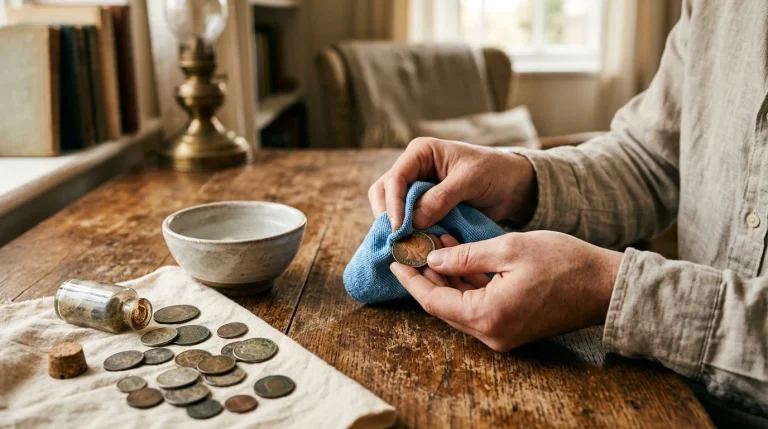
To clean and shine metal coins at home safely, first determine if the coin has numismatic collector value…
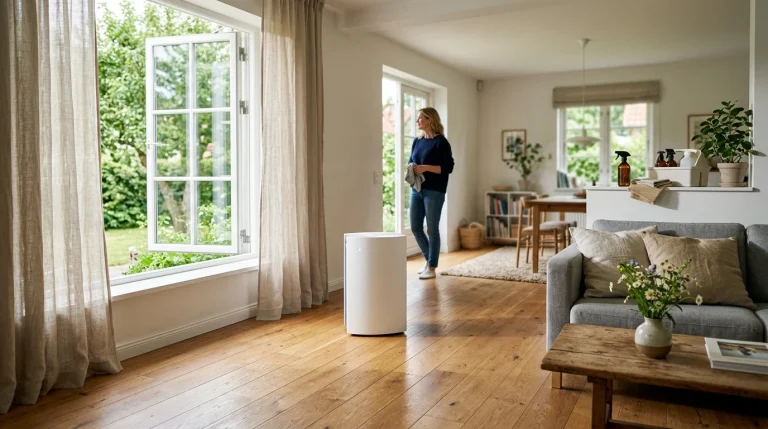
The only safe and effective way to address methamphetamine odor in a property is through comprehensive structural chemical…
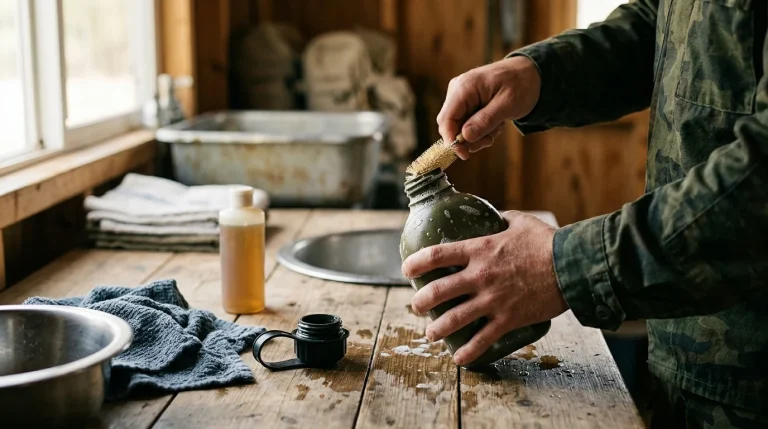
To wash a JCLC (Junior Cadet Leadership Challenge) canteen effectively, disassemble the cap and rubber sealing gasket, wash…
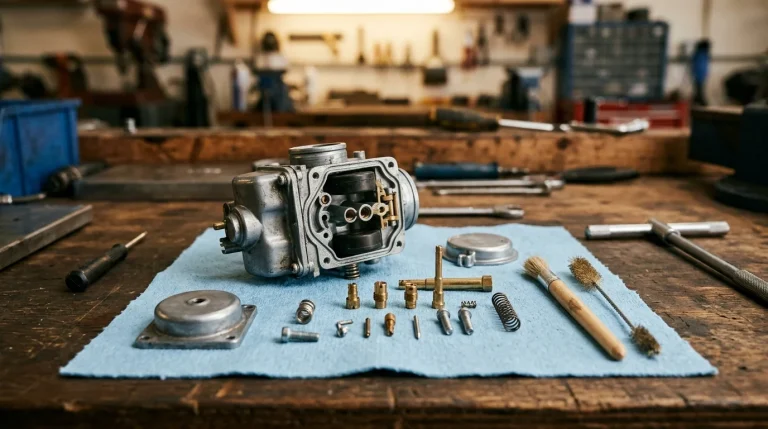
No, you should never boil a carburetor in Original Simple Green. Original Simple Green is an alkaline cleaner…
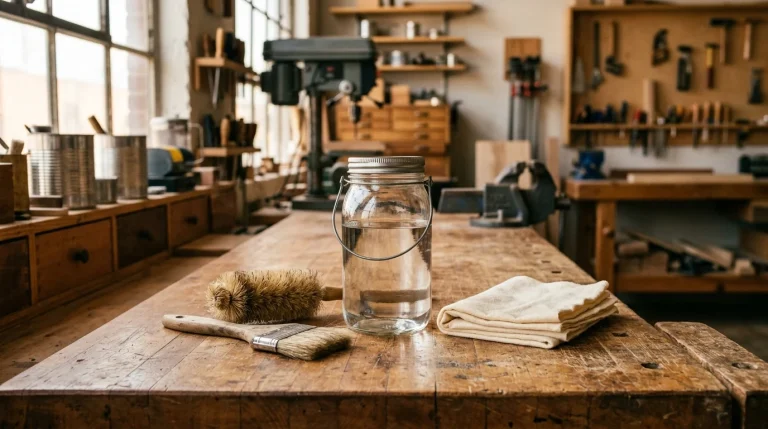
To make a safe and effective homemade mineral spirits cleaner, blend 4 parts standard or odorless mineral spirits…
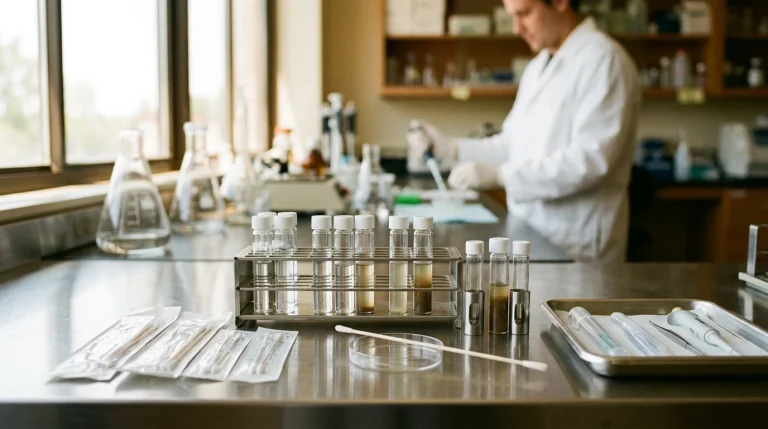
To remediate meth and MSM residue on household surfaces, isolate the affected zone with negative air pressure, remove…
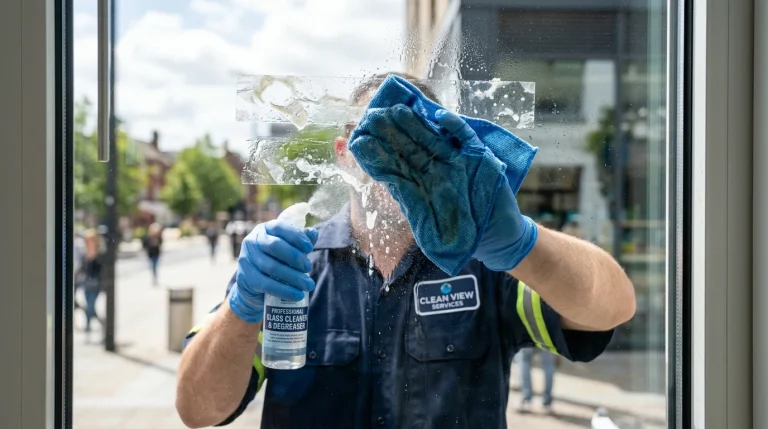
Removing sticky residue from windows with spirits involves applying mineral spirits (petroleum distillates) or methylated spirits (denatured alcohol)…

Prada handbag care is the specialized conservation protocol for cleaning, conditioning, and protecting luxury Prada bags crafted from…
Finding the best cleaning hacks tips and tricks can be the difference between spending your entire weekend scrubbing…
Wondering how to make your house smell good before guests arrive? We tested everything from classic stovetop simmer…
Wondering how to clean walls without turning your living room into a streaky, mud-smeared disaster? We tested the…
Looking for the best cleaning hacks to transform your messy house into a spotless sanctuary without spending hours…

If you’re wondering where to dump clean fill near you, look no further! As a professional cleaning lady, I’ve got you covered with pro tips on how to find the best disposal options for your clean fill materials. Stay tuned for expert advice!

Your leather bag is an investment that deserves proper care. Learn how to clean it at home to ensure its longevity. Follow these simple steps and keep your bag looking its best for years to come!

Keeping your white shoes clean can be a challenge, but with the right tricks, you can keep them looking fresh. Regularly clean with a gentle soap and water, or use a specialized shoe cleaner for tougher stains. Remember to let them air dry completely before wearing them again.

Cleaning an area rug at home might seem like a daunting task, but with the right techniques, you can achieve professional results without breaking a sweat. In this article, we will guide you step-by-step on how to rescue your rug, revealing the secrets that professional cleaners swear by. So say goodbye to stains and dirt – it’s time to bring that rug back to life!

Tonsil Care Tips: Keeping your tonsils clean is essential for fresh breath. Gargling with salt water, using a water flosser, or gently scraping them with a tongue scraper can help remove bacteria and debris. Consistent oral hygiene routines can keep your tonsils healthy and your breath fresh.
Moldy shoes ruining your fresh look? These insider secrets will help you get rid of mold and leave your shoes looking good as new. Say goodbye to musty odors and hello to clean, fresh footwear.

Regularly cleaning your car’s air filter at home is essential for ensuring fresh air and optimum performance. Follow these simple steps to keep your car running smoothly and efficiently.

Wondering if 2000 PSI is enough to clean concrete? According to professional cleaning lady, yes it is! With the right technique and detergent, you can effectively remove dirt and stains from concrete surfaces without causing damage. Keep reading for expert tips!