

Can You Flush Vomit? Safe Cleanup After Illness
Did you know that while it might seem natural to flush vomit down the toilet instantly after an illness, doing so isn’t always the safest or most effective way to handle cleanup? Understanding when and how to flush vomit properly is key to preventing plumbing issues and ensuring hygienic disposal.Whether you’re caring for a sick loved one or managing your own illness, knowing the right cleanup steps can make a big difference in maintaining a safe and clean environment. This guide will walk you through practical advice on flushing vomit the right way and offer tips for safe cleanup after illness, helping you avoid common pitfalls and protect your home. Keep reading to learn how to handle this unpleasant but crucial task with confidence and care.
Is It Safe to Flush Vomit Down the Toilet?
Vomit, while unpleasant, is generally safe to flush down the toilet in small amounts and under typical circumstances. Toilets and modern plumbing systems are designed to handle bodily fluids and organic waste, so flushing vomit helps remove it quickly, reducing odors and potential contamination in your living space. However, the key considerations revolve around how much is being flushed and the composition of the vomit-especially if it contains solid particles, medications, or other substances that might affect your plumbing.
When flushing vomit, it’s best to ensure the toilet is fully functioning and not prone to clogs. Vomit often contains mucus and food particles that can accumulate and cause blockages in smaller or older plumbing systems if flushed repeatedly.For this reason,it’s wise to flush in stages if there’s a large volume,allowing the water to clear the pipes gradually. Additionally, avoid flushing any non-digestible items such as paper towels, tissues, or medications mixed with the vomit, as these can lead to costly plumbing problems.
In situations where vomiting occurs frequently-such as during illness outbreaks-regular flushing of vomit is practical and hygienic, but it should be paired with prompt cleaning and disinfecting of surfaces that might have been contaminated. Flushing alone doesn’t neutralize bacteria or viruses present in vomit,so thorough cleanup helps minimize risks of cross-contamination and lingering infection.
- Use lukewarm water flushes to help break down the vomit and prevent buildup.
- Flush multiple times during large episodes to safeguard plumbing integrity.
- Avoid flushing non-degradable items along with vomit to minimize clogs.
Ultimately, flushing vomit down the toilet is a practical and straightforward disposal method when performed thoughtfully, but it should be part of a broader hygienic routine to maintain both household cleanliness and plumbing health.
Understanding What Happens when you flush Vomit
Vomit might seem like an unusual substance to flush, but your plumbing system is generally equipped to handle it-if done thoughtfully. When you flush vomit, the toilet’s water quickly carries away the mixture of stomach acids, food particles, and mucus into the sewage system or septic tank. because vomit is largely liquid and organic, modern plumbing treats it much like other bodily wastes. Though, certain components within vomit can influence how smoothly this process occurs. For example, solid chunks of undigested food or mucus can cling to pipes, leading to buildup if flushed frequently or in large quantities.
The volume and composition of the vomit play critical roles in what happens downstream. Flushing small amounts allows water pressure and flow to dissolve and transport waste easily, but large volumes might overwhelm the system if flushed all at onc. In such cases, flushing incrementally with lukewarm water can help break down the material, making it easier for the drainage system to handle. Lukewarm water is more effective at dissolving organic matter and can prevent residue accumulation inside pipes, reducing the risk of clogs or unpleasant odors lingering within the toilet bowl.
What’s Going on Inside Your Plumbing?
Once flushed, the contents travel through your toilet trap and into the drainpipes connected to your home’s sewer or septic system. Here, a combination of water flow, gravity, and the treatment processes in municipal sewage plants help break down organic waste safely. In a septic system, beneficial bacteria continue decomposing the organic matter into harmless by-products. However, solid objects like paper towels or undissolved medications mixed with vomit don’t break down as easily and can cause blockages or damage to these systems.
- Food particles: Depending on size,may settle or slow drainage if flushed in large amounts.
- Mucus and stomach acids: Typically dissolve quickly but can contribute to pipe corrosion over time if plumbing is older.
- Foreign objects: Should always be avoided in toilets to prevent major plumbing issues.
It’s also important to remember that vomiting sometimes signals illness, so the vomit may contain bacteria or viruses. While flushing removes the waste from sight and smell, it does not sterilize the toilet or pipes. This makes diligent surface cleaning and disinfection after vomiting episodes essential to minimize contamination risks around the toilet area.
Understanding these aspects allows you to flush vomit confidently when appropriate-taking steps like staged flushing and avoiding non-flushable materials ensures your plumbing remains healthy while improving hygiene in your space.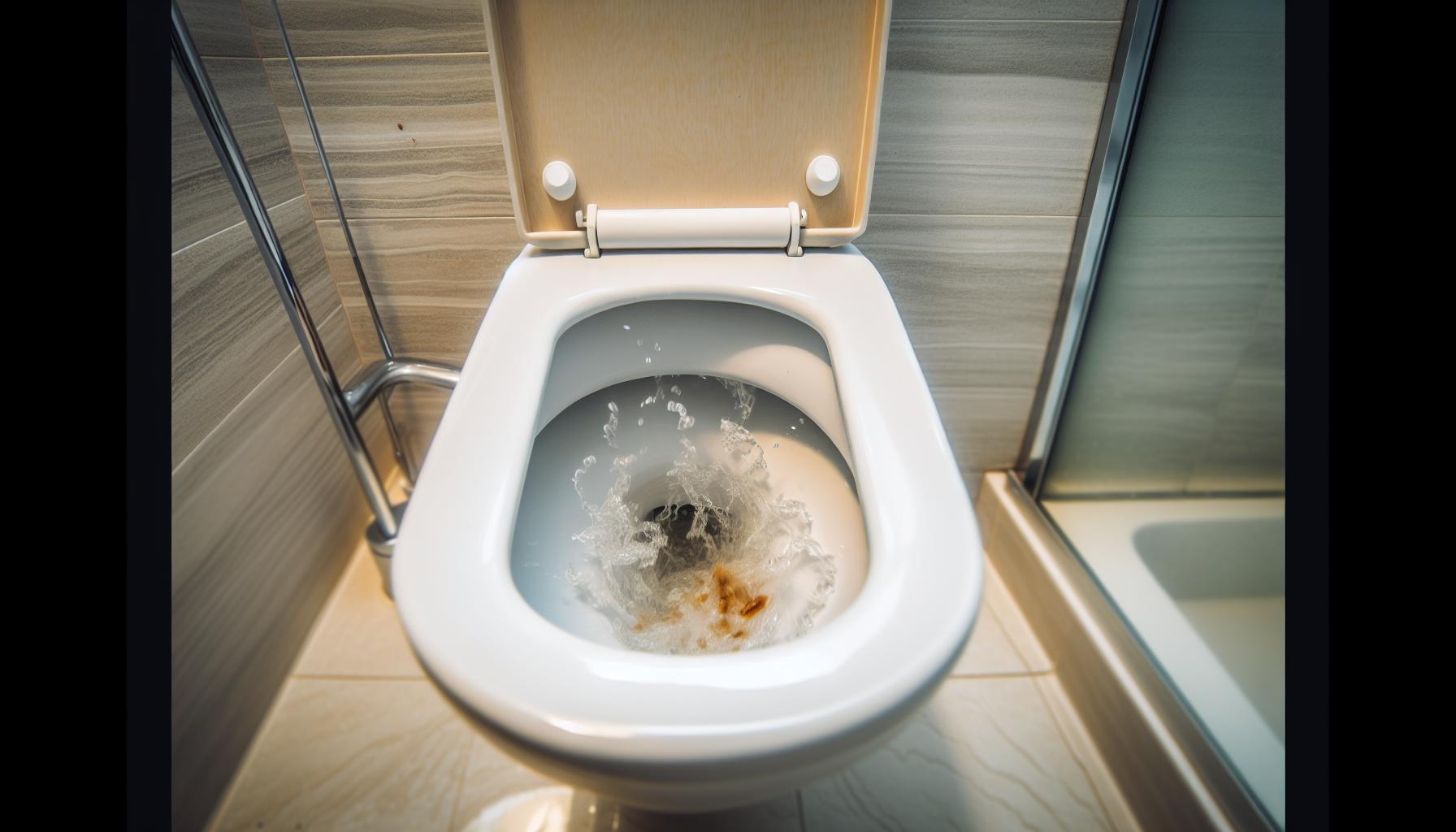
Step-by-Step Guide to Safely cleaning Vomit Surfaces
Cleaning up vomit promptly and thoroughly is essential-not just for appearance, but to prevent the spread of germs and lingering odors. Many people feel overwhelmed facing this task, but with the right approach, it can be managed efficiently and safely. The key lies in treating vomit as a perhaps infectious organic material, using appropriate tools and methods to minimize contamination while restoring cleanliness.start by gently removing any solid matter using disposable paper towels or an old cloth-avoid using sponges or reusable cloths unless you plan to disinfect them thoroughly afterward. Be careful not to scrub at this stage, as this can spread contaminants. Rather, scoop or blot up solids and dispose of them in a sealed plastic bag for sanitary trash removal.Next, rinse the affected area with lukewarm water to dilute residues, which helps prevent staining and eases detergent action.
Essential Tools and Supplies
Preparation makes cleanup more effective and less stressful. Before you begin, have ready:
- Disposable gloves: Protect your hands from germs and odors.
- Paper towels or disposable cloths: For initial removal and drying.
- Mild detergent or enzymatic cleaner: Breaks down organic components.
- Disinfectant spray or solution: Kills bacteria and viruses post-cleaning.
- Bucket of lukewarm water: For rinsing and diluting residues.
- Trash bags with ties: To securely discard contaminated materials.
Cleaning Procedure
- Ventilate the area by opening windows or turning on exhaust fans to reduce odors and airborne pathogens.
- Wear gloves to safeguard your skin.
- Remove solids carefully, placing them directly into a trash bag.
- Blot the remaining liquid using paper towels, absorbing as much as possible without smearing.
- Apply detergent or enzymatic cleaner to the spot, allowing it to sit for several minutes. Enzymatic cleaners are especially effective on vomit because thay break down proteins and organic matter that cause stains and odors.
- Gently scrub the area using a disposable cloth or sponge to lift residue without spreading it further.
- Rinse with lukewarm water and blot dry.
- Disinfect the surface thoroughly using an EPA-registered disinfectant or a bleach solution (typically 1 tablespoon bleach per quart of water). Follow manufacturer instructions and allow the surface to air dry for full germ-killing effect.
- Dispose of all used materials and gloves immediately in a sealed bag to prevent contamination of other surfaces.
If vomit occurs on carpet or upholstery, absorb as much as possible first, then use an enzymatic cleaner designed for fabrics. Avoid saturating the fabric to prevent mold growth, and consider professional cleaning for extensive or stubborn stains.
By following these steps carefully, you ensure the area is clean, safe, and less likely to harbor germs or odors that could affect you or others in your household. This thorough approach also respects plumbing concerns by reducing residues flushed down the toilet and minimizing persistent stains on surrounding surfaces.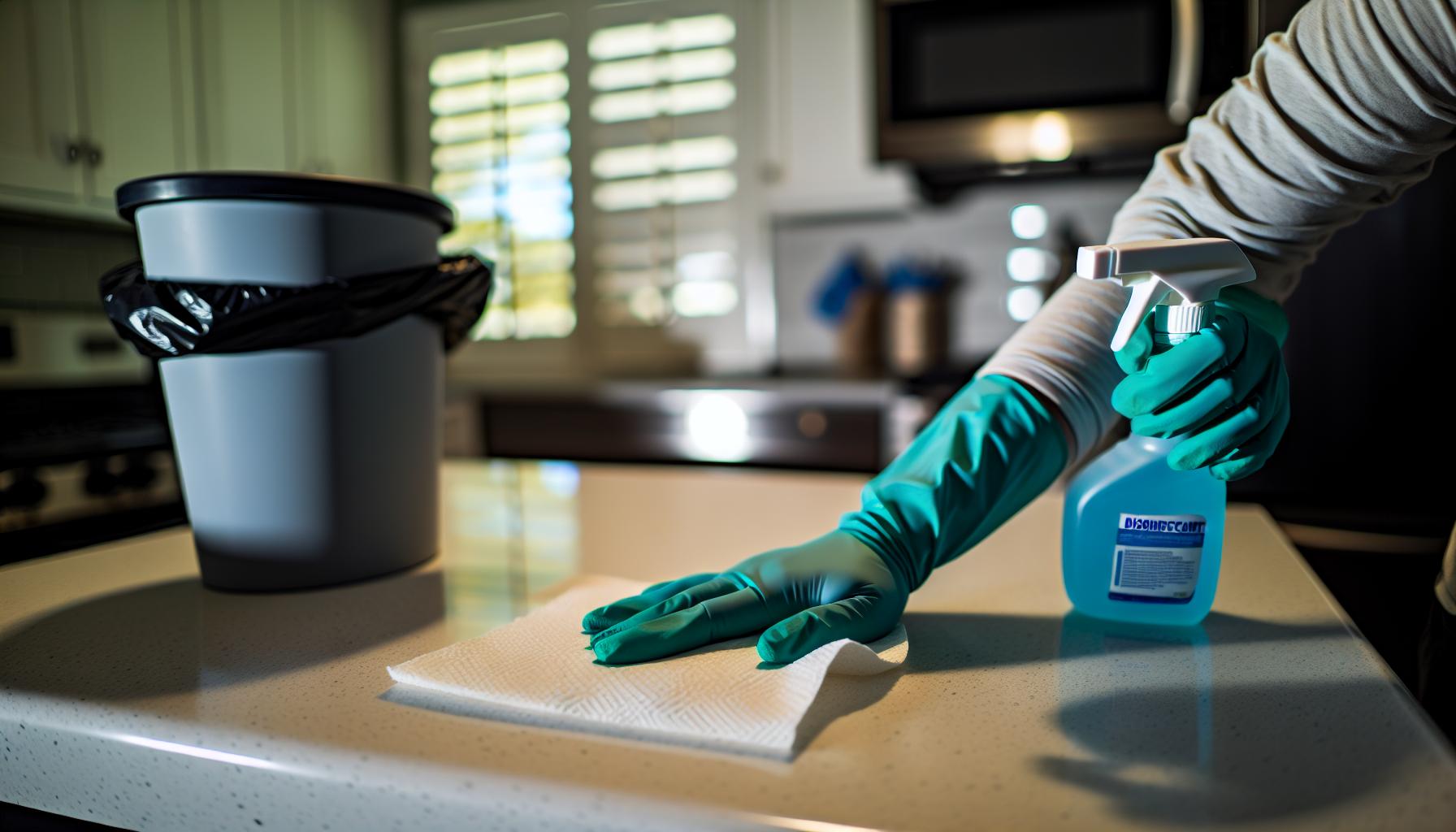
Effective Disinfection Methods for Vomit Cleanup
Vomit can harbor a mix of bacteria, viruses, and other pathogens, making thorough disinfection not just a suggestion but a necessity to prevent illness and lingering odors. Simply cleaning up visible residue isn’t enough; properly disinfecting the area is what ultimately breaks the chain of contamination and restores a safe environment. Effective disinfection kills the microorganisms lurking within the organic matter, reducing risk not only for yourself but anyone else who may come into contact with the space afterward.
Choosing the right disinfectant is crucial. EPA-registered products specifically designed to combat pathogens are your best bet, especially those labeled as effective against viruses like norovirus or rotavirus-common culprits in vomiting-related illnesses. Alternatively, a diluted bleach solution (generally 1 tablespoon of bleach per quart of water) serves as a powerful, cost-effective choice for hard, non-porous surfaces.It’s important to follow manufacturer guidelines on contact time-usually letting the solution air dry on the surface for at least 10 minutes ensures maximum germ-killing effect. For porous materials like carpets or upholstery, enzymatic cleaners paired with disinfectants formulated for fabrics can break down organic residues without causing damage.
Practical Disinfection Tips for Vomit Cleanup
- Prepare your solution fresh: Bleach and many disinfectants lose potency over time, so mix only what you’ll use in one session.
- Apply liberally but avoid over-saturating: Especially on fabrics, excess liquid can encourage mold growth if not thoroughly dried.
- Use disposable applicators: Cotton balls, paper towels, or single-use cloths help prevent spreading germs to clean areas.
- Ventilate the area: Open windows or run fans to reduce harsh chemical odors and help surfaces dry faster.
- Don protective gear: Gloves and masks protect you from pathogens and harsh cleaning agents alike.
Real-world scenarios emphasize that speed and thoroughness matter equally. As an example, in a busy household or childcare setting, prompt disinfection between vomiting episodes can halt the spread of infections dramatically. In public spaces, such as schools or transport terminals, combining mechanical cleaning (removal of vomit) with immediate request of disinfectant limits exposure risks significantly. Remember, even after cleaning, hands must be washed meticulously with soap and water to prevent accidental transmission.
| Disinfectant Type | Suitable Surfaces | Contact Time for Effectiveness | Pros | Cons |
|---|---|---|---|---|
| EPA-registered disinfectant sprays | hard, non-porous (tiles, countertops) | 5-10 minutes | Broad spectrum, user-kind | Cost varies, possible chemical fumes |
| Bleach solution (1 tbsp bleach/quart water) | hard, non-porous | 10 minutes or more | Highly effective, inexpensive | Corrosive, can discolor surfaces |
| Enzymatic cleaners | Carpets, upholstery, fabrics | Varies, usually 5-15 minutes | Gentle on fabrics, odor neutralizing | Not a disinfectant alone-often paired with others |
Ultimately, disinfection after vomit cleanup is a vital step that safeguards health and restores comfort. Investing a bit of time and care here prevents unpleasant setbacks, including infections and persistent odors, making your space safer and fresher for everyone.
Handling Vomit in Different Environments (Home, Public, outdoors)
Vomit incidents rarely happen at convenient times or places, and managing the cleanup efficiently depends heavily on the environment. Whether at home, in a crowded public space, or outdoors, the approach and tools available will shape how you handle the situation safely and effectively.
At home, you have the advantage of familiar surroundings and access to a range of cleaning supplies and protective gear. Immediate action is key: you can flush small amounts of vomit down the toilet if it’s mostly liquid and free of solids, which reduces residual odors and mess, but avoid flushing large chunks or excessive volumes to prevent plumbing clogs. Use absorbent materials like paper towels or disposable cloths to scoop up solid debris and dispose of them in a sealed plastic bag. Follow this by thorough disinfection with products suitable for your surface types, such as diluted bleach on tile floors or enzymatic cleaners on fabrics-always wearing gloves to protect yourself from pathogens.
Public spaces present unique challenges due to traffic flow and limited access to water or cleaning products. In such cases, containment is critical to prevent the spread of germs and unpleasant odors.Use available disposable supplies like paper towels or seek assistance from maintenance personnel if possible. For solid waste, avoid flushing unless using a restroom with suitable plumbing and only for liquid vomit.Transport any solid waste in a sealed bag to a proper disposal site if flushing isn’t an option. Quick notification to responsible staff helps ensure professional-level cleanup with appropriate disinfectants and biohazard disposal methods, which is especially important in schools, transport hubs, or restaurants where illness transmission risk is higher.
Outdoors, the cleanup can be the most intricate due to environmental factors and lack of sanitation facilities. Flushing is generally not advised here-public toilets can be used if accessible and practical. Otherwise, the focus should be on containment and minimization of environmental impact. Use biodegradable absorbents or soil to cover vomit quickly,which helps reduce odors and prevents contamination of surfaces or wildlife. Then, carefully collect the contaminated material with gloves and place it in a sealed bag for disposal in a nearby trash receptacle. Carrying a basic vomit cleanup kit, including gloves, disposable wipes, and odor neutralizers, can be a lifesaver when outdoors or traveling.
Key Tips for Handling Vomit Across Environments
- Assess the Volume and Consistency: Only flush primarily liquid vomit and small amounts to avoid plumbing issues.
- Containment and Disposal: Use sealed bags for solid vomit regardless of location to prevent contamination and odor spread.
- Use Appropriate Disinfectants: Hard surfaces can be disinfected with bleach or EPA-registered products, while fabrics require enzymatic cleaners.
- Protect Yourself: Always wear gloves and, if possible, masks to minimize exposure to pathogens.
- Prompt Cleanup Prevents Spread: Quickly managing vomit not only avoids lingering odors but also reduces the risk of disease transmission.
Keeping these practical strategies in mind ensures safe, hygienic management of vomit no matter where it occurs, reducing health risks and restoring clean, cozy environments efficiently.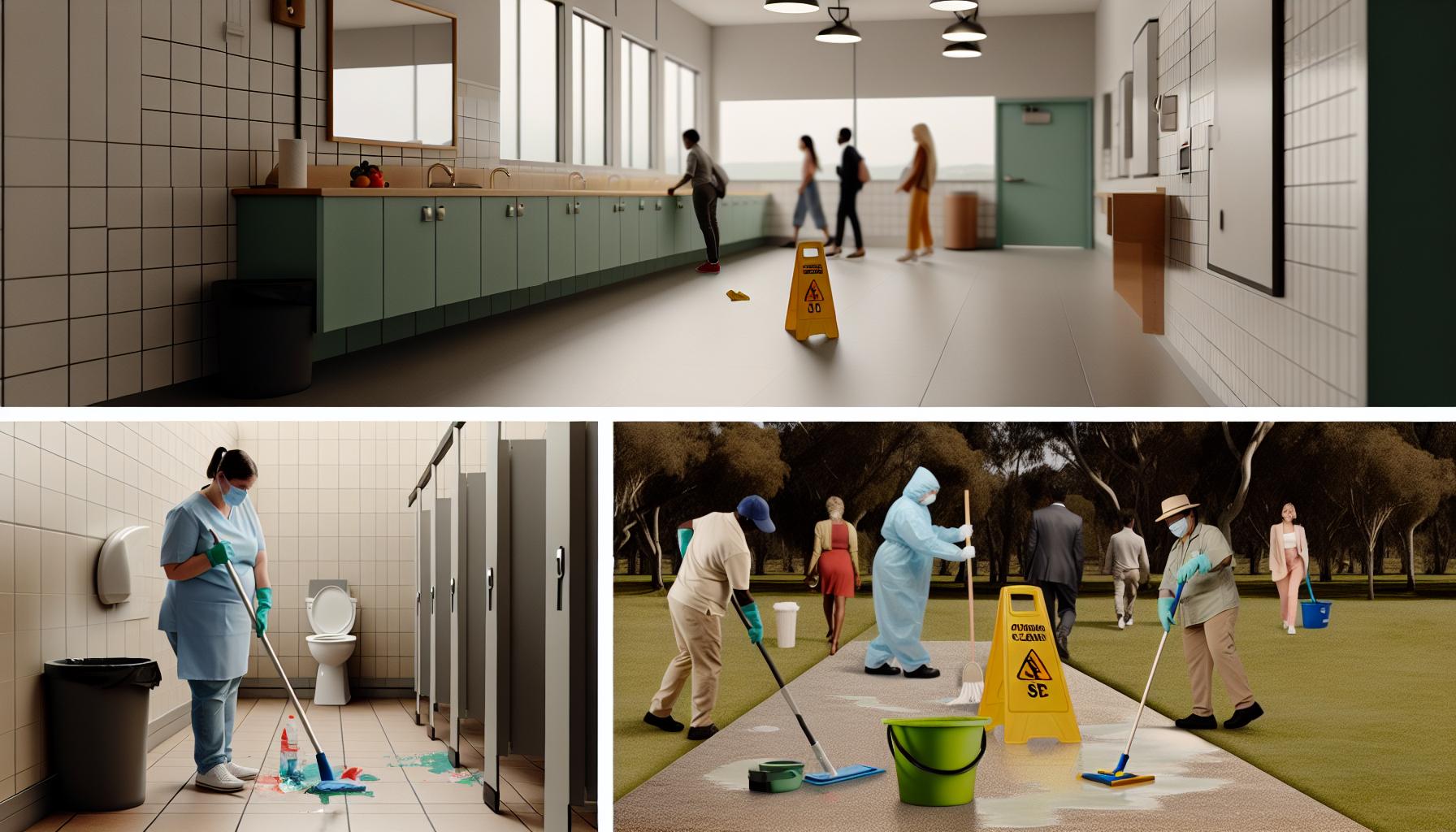
Preventing Plumbing Issues After flushing vomit
Vomiting may seem like an unavoidable mess, but when it comes to your plumbing, how you manage what goes down the toilet can make a big difference in avoiding costly clogs and damage. Even though liquid vomit is generally safe to flush, the presence of solid chunks and large volumes can easily lead to blockages, especially in home plumbing systems that are less robust than commercial ones. Preventing plumbing issues starts by understanding the limits of your system and taking proactive steps before and after flushing.
Most toilets are designed to handle liquid waste and small amounts of solids, yet large food particles, mucus, or chunks from vomit can cling to pipes and cause buildup over time. To keep your drains flowing freely, it’s best to clear as much solid material as possible with disposable towels or wipes before flushing. if you accidentally flush more than a small amount, running additional water in the toilet can help dilute the contents and speed the passage through pipes.However, avoid flushing excessive volumes repeatedly as this can overwhelm the system and lead to backup.
Practical Tips for Maintaining Clear Pipes
- Flush Only When Liquid: Limit flushing to vomit that is primarily liquid to prevent solids from accumulating in the pipes.
- Use Plenty of Water: after flushing, run extra water by flushing the toilet again or pouring water from a bucket to help wash down any residual debris.
- Regular Drain Maintenance: Monthly use of gentle, non-toxic drain cleaners or enzymatic treatments can definitely help break down organic buildup inside your pipes.
- Avoid Chemical Overload: Steer clear of harsh chemical cleaners immediately after vomiting incidents, as they can react unpredictably with organic matter and potentially harm pipes.
- Pre-Disposal for Solids: Scoop up solid vomit parts carefully with disposable materials and dispose of them in sealed bags-this simple step prevents unneeded strain on your plumbing.
Recognizing When Your Plumbing Needs Attention
Keep an eye out for early warning signs such as slow draining toilets,gurgling sounds,or recurring bad odors.These symptoms could indicate that vomit solids or other debris are beginning to obstruct your pipes. If you notice these issues shortly after flushing vomit, avoid repeated flushes as it can worsen blockages. Rather, seek professional plumbing inspection and cleaning to avoid costly repairs.
By adopting a cautious and informed approach-flushing only appropriate amounts, using additional water to clear pipes, and properly disposing of solids-you can maintain your plumbing’s health even during unpleasant episodes. This mindful handling protects your pipes, minimizes inconvenience, and ensures your home’s waste system continues functioning smoothly without interruption.[1][2][3]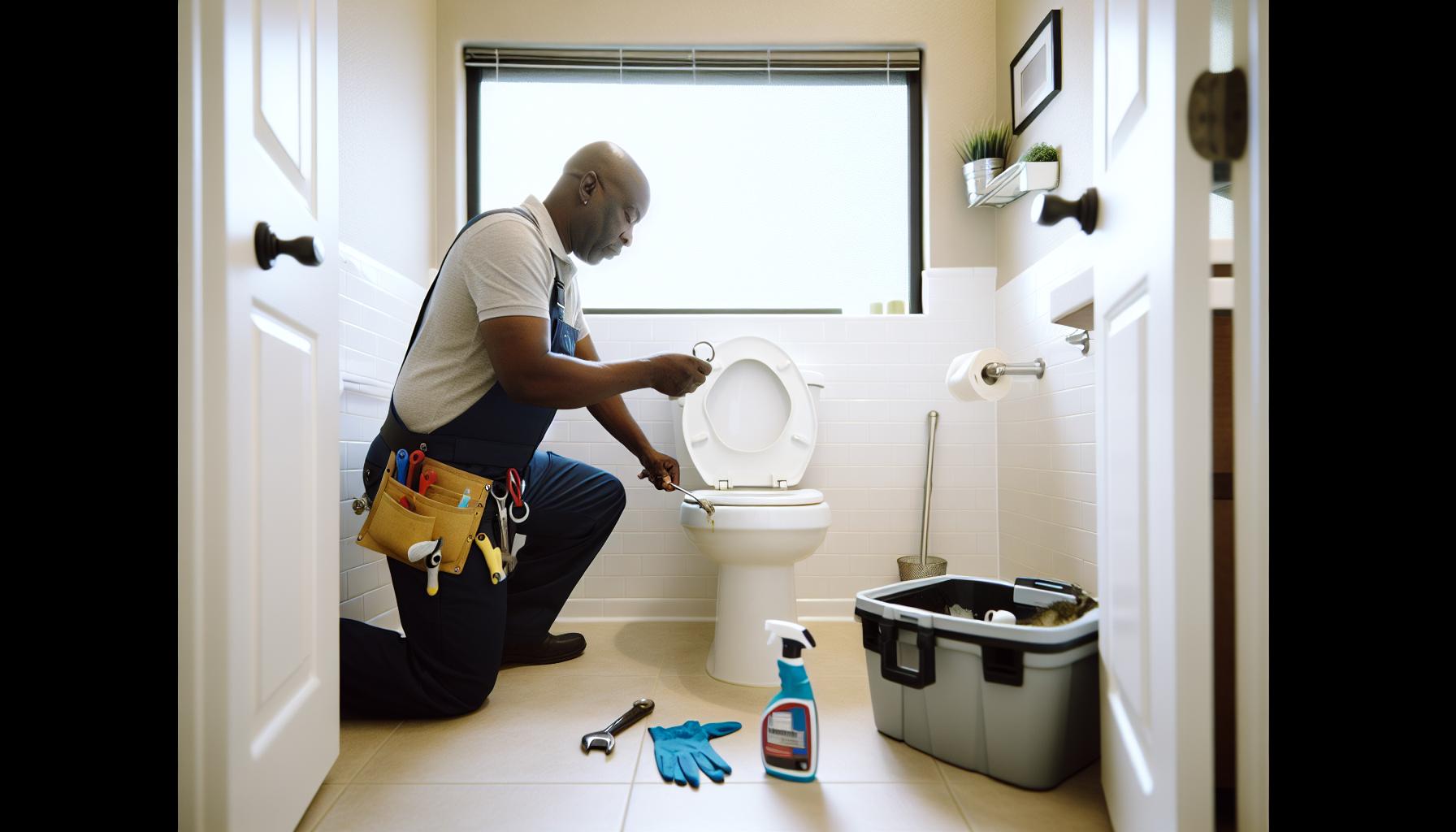
Proper Disposal Alternatives When Flushing Is Not Recommended
sometimes flushing vomit down the toilet isn’t the safest or most practical option, especially when dealing with large quantities or solid chunks that can clog plumbing systems. Exploring option disposal methods can help protect your pipes, minimize environmental impact, and make cleanup more manageable. having a plan for these situations is key to avoiding frustration and costly repairs.
One of the simplest alternatives is using disposable absorbent materials such as paper towels, old rags, or disposable cloths to scoop up solid or semi-solid vomit before disposal. These materials can then be securely sealed in a plastic bag and placed in your trash bin. This method helps keep solids out of your plumbing while containing odors and reducing the risk of spreading germs. If you’re in a public or outdoor setting without immediate access to trash collection,a portable sealable bag or container can be a lifesaver.
For households concerned about odors or hygiene,consider keeping a dedicated sealed container lined with disposable bags for vomit disposal. After use, the bag can be tightly closed and discarded, preventing unpleasant smells and cross-contamination within your waste bins. additionally, lining trash cans with odor-control bags or adding baking soda at the bottom aids in odor absorption.
creative and Safe Alternatives for Vomit Disposal
- Composting Considerations: Generally, vomit should not be added to compost piles due to potential pathogens, but if it primarily consists of fruit or vegetable matter, small amounts diluted with garden soil may be acceptable in a well-maintained compost system. Always research local composting guidelines before attempting this.
- Outdoor Disposal: If you are outdoors and flushing isn’t possible,burying vomit in a thoughtful manner – at least 6-8 inches deep and away from water sources – can be an environmentally conscious choice. Use gloves and disinfect tools afterward.
- Use of Absorbents: Materials like kitty litter, sawdust, or shredded newspaper can absorb liquid vomit, making it easier to bag and dispose of. This method is especially useful in situations where liquids need to be contained swiftly.
Always be sure to wear gloves and practice proper hygiene when handling vomit to avoid contamination and illnesses. Avoid flushing wet wipes, paper towels, or other non-flushable materials that may accompany vomit material as these can worsen plumbing issues.
By opting for these proper disposal alternatives, you help maintain the health of your plumbing and create a cleaner, safer environment.these practical solutions offer peace of mind, especially when managing a particularly messy vomiting incident or when traditional flushing isn’t an option.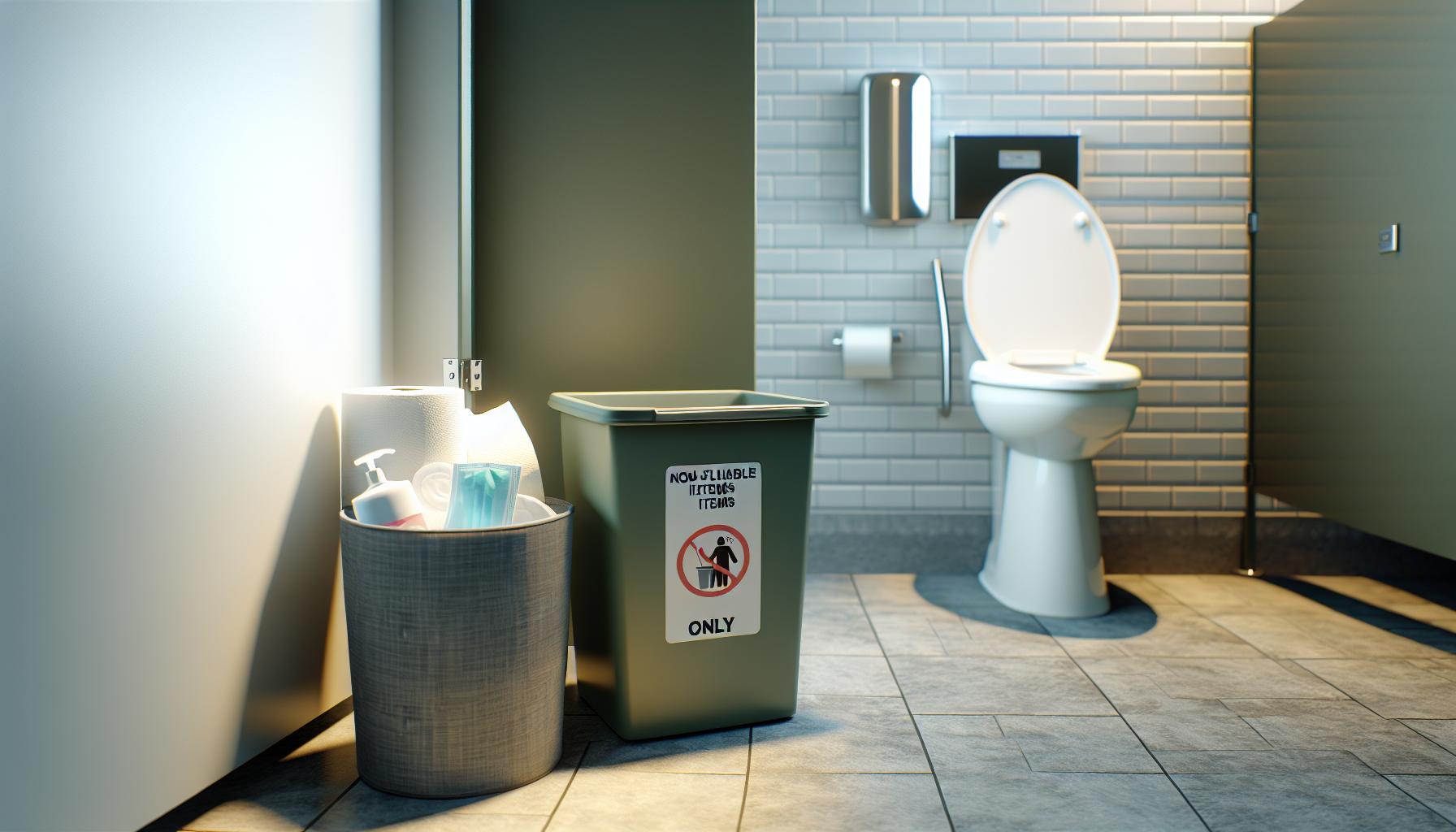
Protective Gear and Hygiene Tips During Vomit Cleanup
Few cleanup tasks demand as much care as handling vomit, which can carry bacteria or viruses capable of spreading illness. Taking proper precautions not only protects you but also prevents cross-contamination to others or surfaces in your environment. Simple steps like wearing the right protective gear and following hygiene best practices make an immense difference in safety and ease of cleanup.
At minimum, always wear disposable gloves, such as nitrile or latex, to prevent direct contact with potentially infectious material. If the vomit is fresh and liquid, gloves effectively block transmission of microbes often present in bodily fluids. for larger messes or cleanup in public spaces, consider additional protection like a face mask to avoid inhaling any airborne particles or unpleasant odors, and eye protection if there’s risk of splashing. Wearing old clothes or a waterproof apron can also save you from staining or unwanted contamination.
Maintaining a clean workspace is as critical as protecting yourself.Use disposable absorbent materials-paper towels, disposable cloths, or similar-to carefully scoop or blot the vomit rather than spreading it. Place all contaminated materials, including gloves, masks, and used towels, in a sealed plastic bag immediately. Wash your hands thoroughly with soap and warm water afterward, even if you wore gloves, to eliminate any microbes that might have transferred during removal or disposal.
Hygiene Essentials for Safe Vomit Cleanup
- start with clean hands: Washing your hands before beginning helps avoid transferring germs from other surfaces to the cleanup area.
- Glove up properly: inspect gloves for tears before use and remove them carefully afterward by turning inside out to avoid touching the contaminated exterior.
- Use disposable supplies: Avoid cloth towels or reusable sponges; opt for single-use items to stop germs from lingering after cleanup.
- Disinfect thoroughly: After physical cleanup, apply an EPA-registered disinfectant or a bleach solution to surfaces to kill lingering pathogens.
- Limit contact: Keep children,pets,or other household members away from the area until it is fully cleaned and disinfected.
- Proper waste disposal: Ensure vomit-soiled materials go directly into a sturdy trash bag, sealed tightly to contain odors and microbes.
In some cases, such as caring for someone with a contagious illness, taking extra hygiene steps like changing clothes after cleanup or laundering contaminated fabrics separately can further reduce spread risks. Remember, effective protective practices combined with conscientious hygiene are the best defense for your health and those around you when dealing with vomit cleanup scenarios.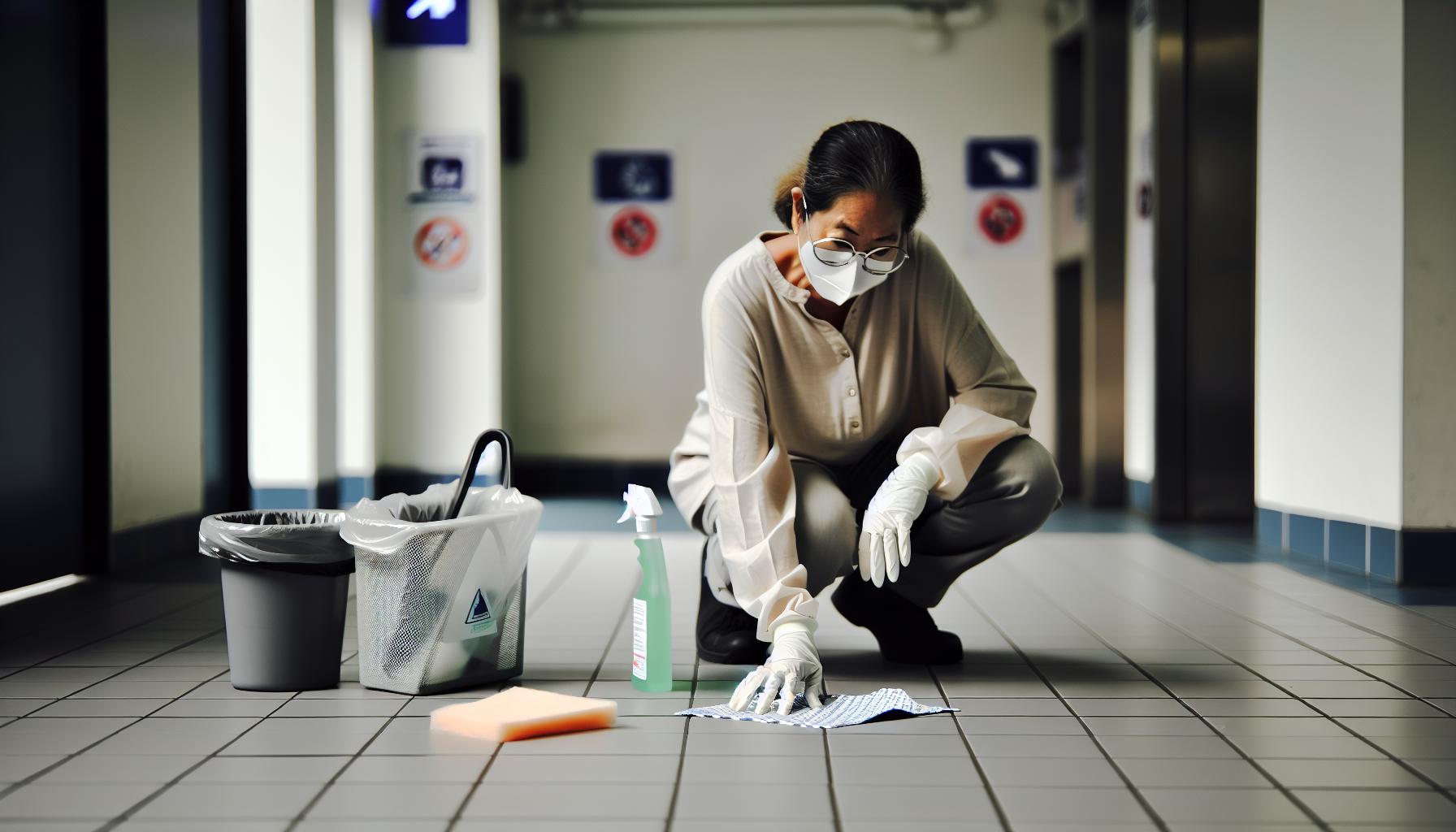
Dealing with Persistent Odors and Stains Post-Cleanup
Persistent odors and stains can be some of the most challenging aftermaths of cleaning up vomit, frequently enough lingering longer than expected and causing discomfort or embarrassment. The acidic nature of vomit, combined with its complex mixture of stomach acids, enzymes, and partially digested food, makes it a particularly tenacious stain and source of odor if not treated promptly and thoroughly. Addressing these issues effectively requires both immediate action and follow-up care to restore clean surfaces and fresh air.
One effective approach to neutralizing odors is to use natural deodorizers such as white vinegar or baking soda after the initial cleanup and disinfection. vinegar works by neutralizing alkaline odors,while baking soda absorbs moisture and traps scent particles. For fabric or carpet stains, sprinkle baking soda liberally over the area, let it sit for several hours (ideally overnight), then vacuum thoroughly. A diluted vinegar spray can also be applied,followed by blotting with a clean cloth – but test on a small area first to ensure it doesn’t cause discoloration. Commercial enzyme cleaners are another valuable tool; these break down organic matter deep within fibers or porous surfaces, eliminating the source of the smell rather than just masking it.
For persistent stains on hard surfaces like tile or laminate, scrubbing with a mild abrasive cleaner after disinfecting can lift residue that might or else attract bacteria or odors. Avoid harsh chemicals that might damage finishes,and rinse thoroughly to remove any cleaning agents. In spaces such as bathrooms or kitchens, improving ventilation during and after cleanup by opening windows or running fans helps dissipate any lingering odors more quickly.
Tips to Prevent Odors and Stains from Returning
- Act quickly: The sooner you clean and disinfect,the less chance stains and odors have to set in.
- Use protective barriers: When cleaning porous materials, try applying a fabric or surface protector afterward to reduce future absorption.
- Launder contaminated fabrics separately: Use a hot water cycle with an appropriate disinfectant or detergent to fully sanitize clothing, bedding, or upholstery covers.
- Repeat treatments as needed: Some stubborn stains or smells may require multiple cleaning sessions, especially on carpets or upholstery.
- Maintain good air circulation: Persistent moisture can worsen odors, so keep spaces dry and well-ventilated to prevent bacterial growth.
By combining patience with appropriate cleaning techniques and the right products, you can drastically reduce the lasting impact of vomit stains and odors. This not only restores your living environment but also helps prevent unpleasant reminders or health concerns associated with residual germs.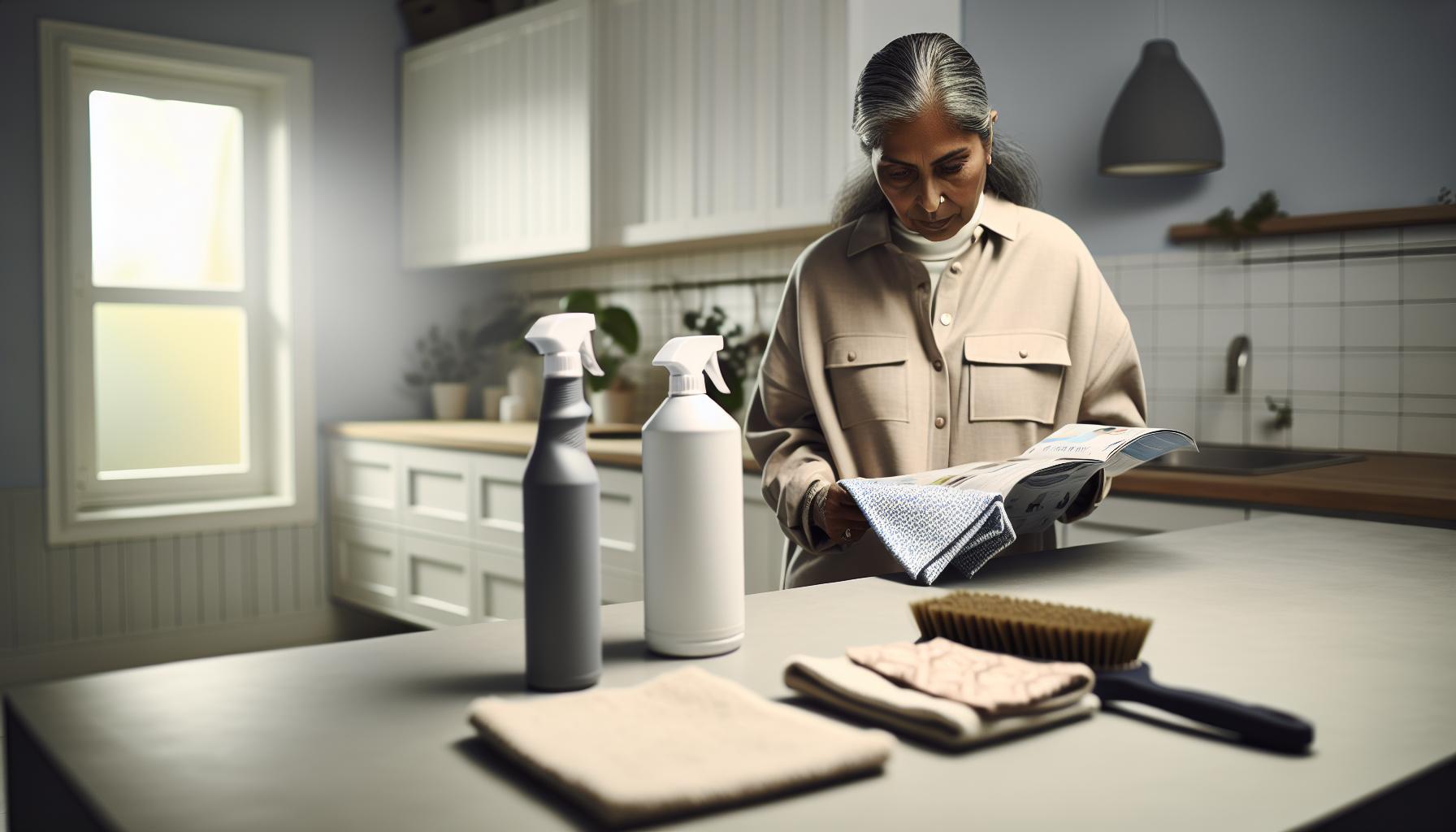
When to Seek professional Help for Vomit Cleanup
Sometimes, tackling vomit cleanup on your own is manageable, but there are situations where professional intervention becomes essential. Vomit isn’t just unpleasant-it can carry bacteria, viruses, and other pathogens that pose health risks, especially if the cleanup is extensive, involves biohazardous material, or impacts sensitive areas like carpets, upholstery, or ventilation systems. Knowing when to hand over the reins to trained specialists can save you time, reduce health hazards, and ensure thorough decontamination.
Large-scale vomit spills-such as those resulting from illness outbreaks in commercial settings, daycare centers, or public transport-often require professional cleaning to prevent cross-contamination and lingering odors. similarly, if vomit has soaked into porous materials or fabric surfaces that are arduous to sanitize completely at home, experts use specialized equipment and enzyme-based cleaners designed to break down organic matter effectively. Such as, if a carpet or sofa smells persistently despite your best efforts, professional remediation can neutralize odors and remove stains that typical household products cannot fully resolve.Another clear indicator for professional help is if the vomit cleanup intersects with plumbing or sewage complications. attempting to flush large amounts of vomit or related waste without proper consideration can lead to clogs or bacterial buildup in pipes. In these cases, a plumber or biohazard cleanup service can safely address both the mess and any hidden damage to the system. Additionally, if the vomit contains blood or if the person who vomited has a contagious illness, professional biohazard cleaning companies follow strict protocols, including use of PPE (personal protective equipment), to reduce risk of infection spread.
When It’s Wise to Call a Professional
- Volume & Location: Large spills or those on delicate surfaces like carpets, upholstery, or mattresses
- Health Concerns: Presence of blood, infectious disease, or immunocompromised individuals in the environment
- Persistent Odors & Stains: When odors or stains remain after repeated home cleaning attempts
- Plumbing Issues: Vomit causing or associated with toilet or drain blockages
- Time & Expertise: When prompt, thorough decontamination is needed to reopen public spaces or businesses safely
Investing in professional cleanup not only restores cleanliness but also provides peace of mind, knowing that all potential health hazards have been addressed effectively. If ever in doubt, erring on the side of expert help ensures safety for everyone involved and prevents small messes from becoming long-term problems.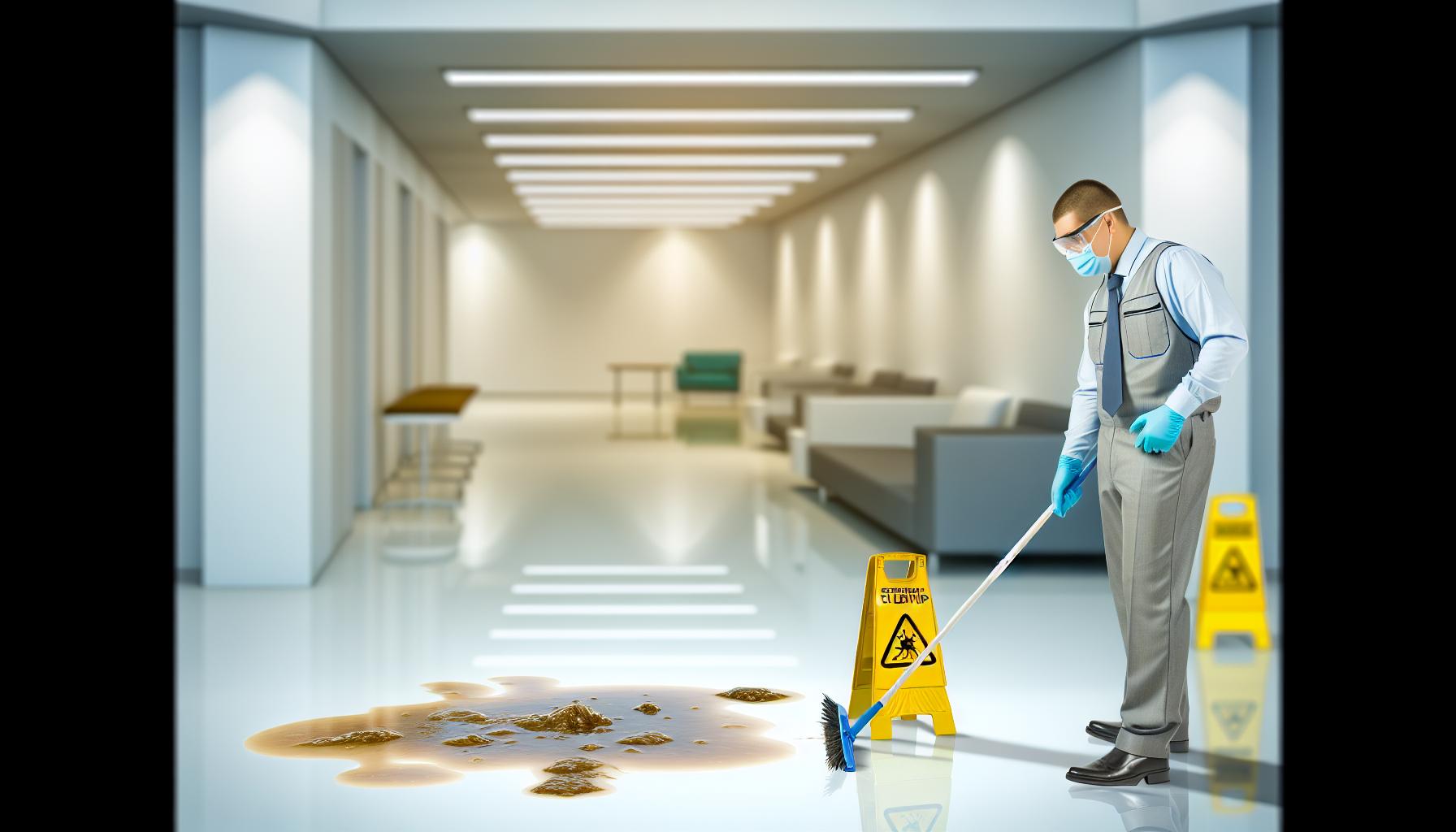
Common Mistakes to Avoid After Vomiting Cleanup
Few cleanup efforts are as unpleasant or fraught with pitfalls as dealing with vomit, yet some common errors can easily turn a straightforward task into a lingering problem. Whether at home or in public settings, overlooking certain details right after cleaning can compromise hygiene, damage plumbing, or prolong odors-leading to repeated frustration and potential health risks.
One major misstep is flushing large quantities of vomit down the toilet without considering the consequences. many assume vomit behaves like regular waste, but it can thicken, congeal, and interact with other debris, increasing the risk of clogs or strain on plumbing systems. Instead, it’s wiser to dispose of bulk vomit into a sturdy waste bag or container first, then flush only small residues diluted with plenty of water. This practice helps prevent unnecessary blockages and costly repairs.
Another frequent error involves insufficient disinfection.Simply wiping up the vomit might remove visible mess, but pathogens often linger on surfaces, potentially causing ongoing contamination. Using a proper disinfectant and allowing adequate wet contact time-typically at least five minutes-is essential to fully neutralize viruses and bacteria. Neglecting this step can lead to persistent odors and increase the chance of illness spread within the environment.
Many people also underestimate the importance of protective gear and personal hygiene post-cleanup. Skipping gloves or failing to wash hands thoroughly afterward can expose you or others to harmful microorganisms. It’s advisable to don disposable gloves, masks, and even aprons during cleanup, then sanitize hands well and launder contaminated clothing separately. This reduces cross-contamination risks and maintains a safer environment.
Common Pitfalls and How to Avoid Them
- Flushing large volumes: Avoid overwhelming your toilet by disposing of bulk vomit in sealed trash instead of flushing it all at once.
- Inadequate disinfection: Use EPA-approved disinfectants and let surfaces remain wet for the recommended time to eliminate pathogens effectively.
- Ignoring personal protection: Always wear disposable gloves and wash hands thoroughly to prevent self-contamination and spread to others.
- Poor ventilation: Failing to air out the area can trap odors and contribute to mold growth; open windows or use fans when possible.
- Skipping deep cleaning on fabrics: vomit on upholstery or carpets requires enzyme-based cleaners or professional treatment; surface cleaning won’t suffice.
By sidestepping these common mistakes through mindful disposal, diligent disinfection, and protective measures, cleanup becomes more efficient and safer for everyone involved. Remember, the goal isn’t just to hide the mess but to restore a clean, sanitary space where health risks are minimized and comfort is quickly regained.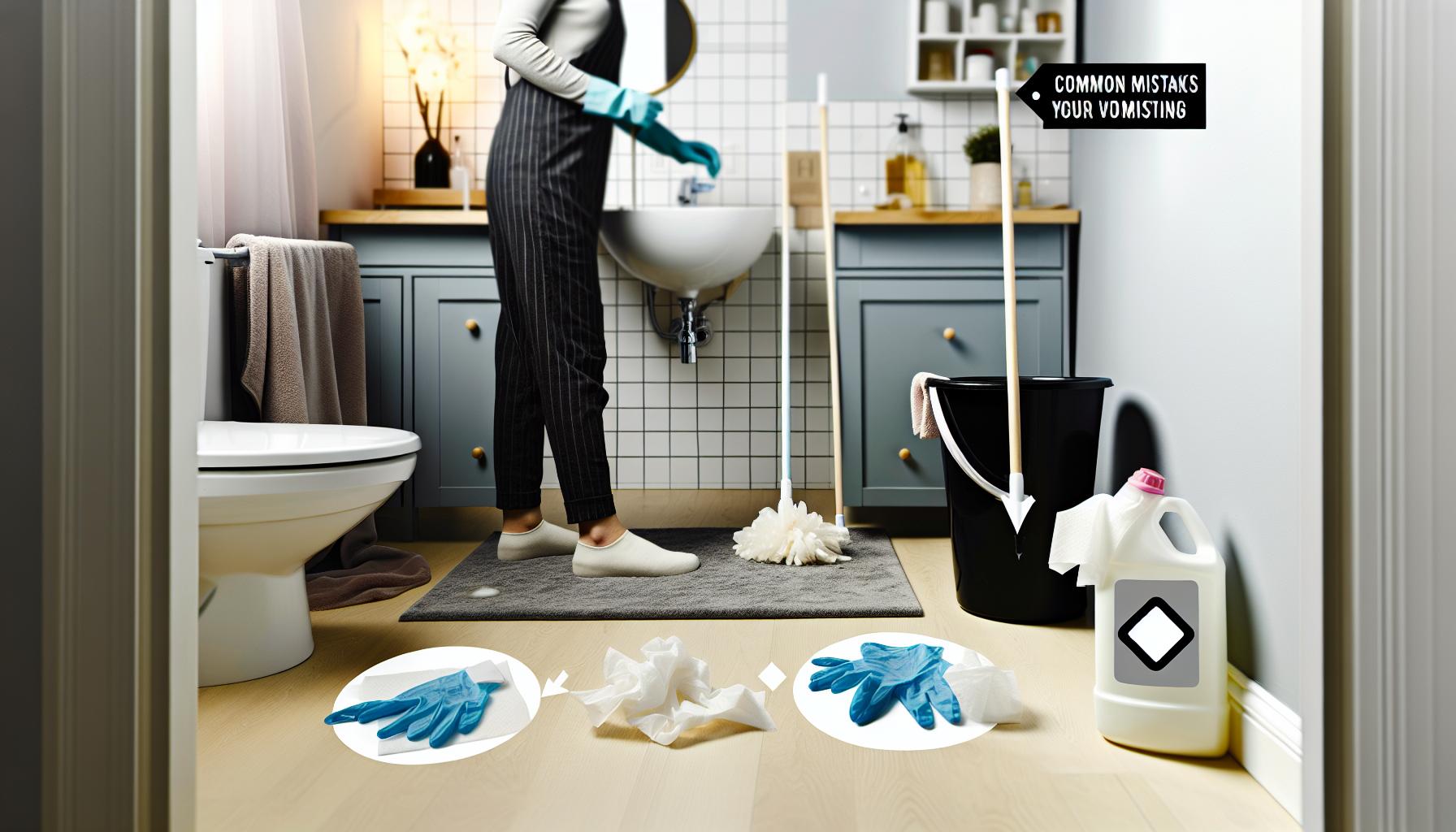
How to minimize Cross-Contamination and Illness Spread
Few cleaning tasks demand as much attention to hygiene and detail as managing vomit cleanup, particularly when preventing the spread of illness is crucial. vomit is a potent vector for microbes,including viruses and bacteria that can be easily transmitted to surfaces,hands,and even the air if not handled correctly. Minimizing cross-contamination starts by treating every cleanup step as an infection-control procedure,not just a surface wipe-down.
One of the most effective ways to limit illness spread is to contain the vomit promptly and handle it with the right protective equipment. Always wear disposable gloves,and if possible,a mask and apron to shield skin and clothes from droplets. Avoid using bare hands or porous cleaning tools that can harbor pathogens. Once you’ve safely removed the bulk, immediately seal waste in a sturdy, leak-proof bag to prevent accidental spills or leaks during disposal. Wash your hands thoroughly with soap and warm water-scrubbing for at least 20 seconds-right after glove removal, even if you didn’t feel any direct contact with the mess. This simple habit dramatically lowers the chance of self-contamination or transferring germs to others.
Environmental hygiene plays a pivotal role in stopping pathogens from spreading in indoor spaces. After absorbing or scrubbing up vomit,surfaces must be disinfected with an EPA-registered product effective against viral and bacterial agents commonly found in bodily fluids. Pay particular attention to high-touch areas nearby, such as doorknobs, faucet handles, and light switches, as contaminated hands easily move germs to these spots. Allow the disinfectant to remain wet on surfaces for the full contact time recommended by the manufacturer-typically five to ten minutes-to ensure complete microbial kill. Skipping this step leaves pathogens alive and primed for transmission.
In multi-person environments like schools, offices, or public transit, consider additional measures to limit airborne spread. Vomiting can aerosolize infectious particles, so increasing ventilation by opening windows or using fans helps disperse contaminants. When cleaning in these settings, cleaners should be trained and equipped not only with gloves but also with masks or respirators, especially if vomiting was recent or involved a contagious illness such as norovirus. laundering any clothing or linens exposed to vomit separately and at high temperatures with detergent further reduces risk, as pathogens can linger on fabrics long after visible stains disappear.
- Use disposable gloves,masks,and aprons to prevent direct contact.
- Seal vomit waste in leak-proof bags immediately after cleanup.
- Disinfect all affected surfaces and adjacent high-touch areas thoroughly.
- Allow disinfectants proper wet contact time to kill viruses and bacteria effectively.
- Increase ventilation to reduce airborne pathogens in contaminated spaces.
- Launder contaminated textiles separately in hot water with detergent.
- Wash hands meticulously with soap and water after every stage of cleanup.
By integrating these steps into your vomit cleanup routine, the risk of cross-contamination and subsequent illness spread diminishes significantly. treating vomit as a hazardous biological substance rather than just an unpleasant mess ensures that cleanup protects both immediate and long-term health.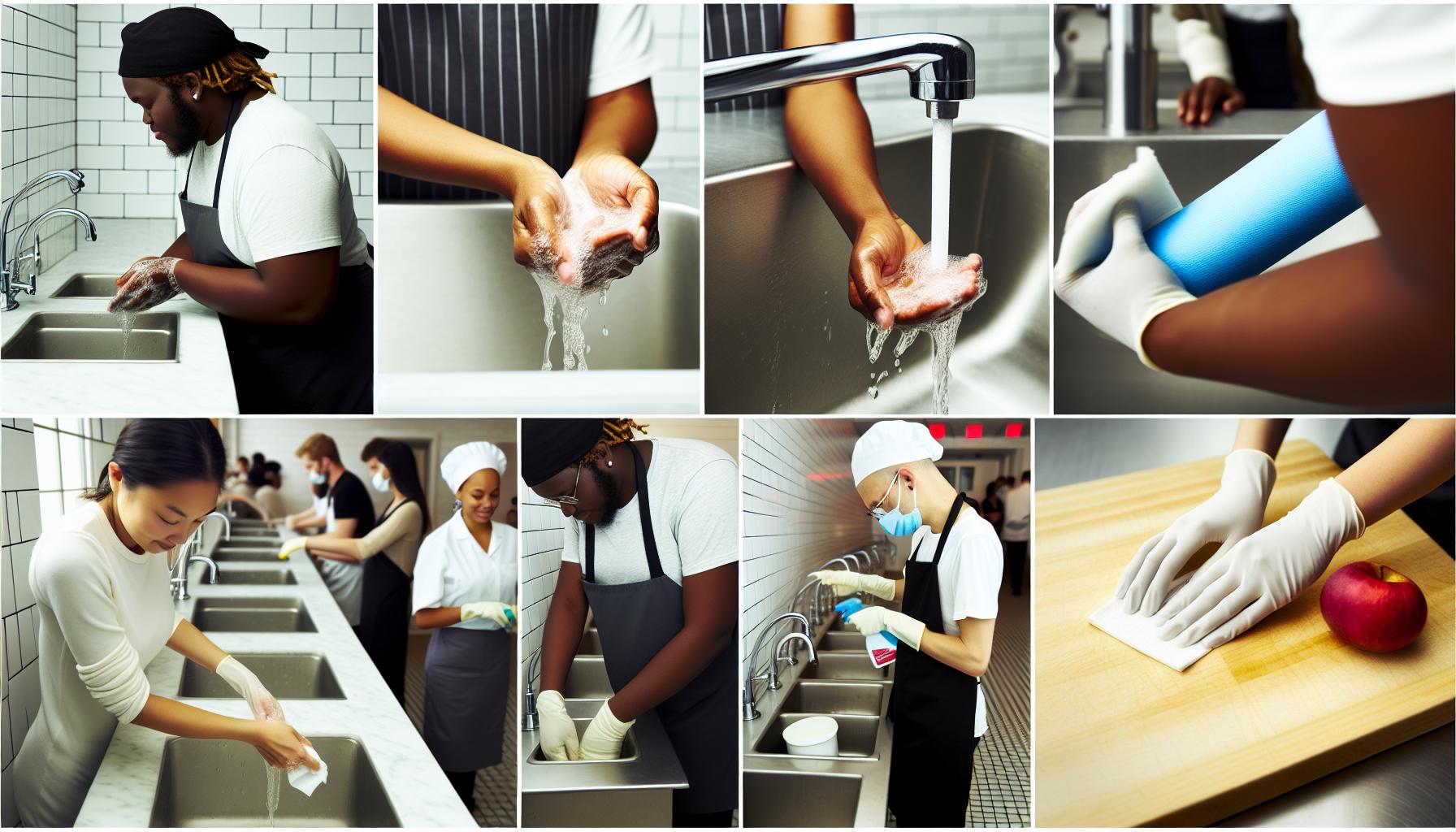
Frequently Asked Questions
Q: How can you safely dispose of large amounts of vomit when flushing isn’t an option?
A: To safely dispose of large vomit quantities without flushing, use sealed plastic bags lined with absorbent materials like paper towels.Double-bag the waste to prevent leaks,then discard in outdoor trash bins.This method minimizes plumbing risks and contamination. For more, see proper disposal alternatives in the main article.
Q: Why is it important to avoid mixing vomit with other household waste during cleanup?
A: Avoid mixing vomit with other waste because it can increase cross-contamination and spread pathogens. Keeping vomit separate during cleanup reduces hygiene risks and simplifies disinfection. Follow protective gear and hygiene tips to minimize illness spread effectively.
Q: What disinfection products work best for cleaning vomit-contaminated carpet or fabric?
A: enzyme-based cleaners or disinfectants with bleach effectively break down vomit proteins and kill germs on carpets or fabrics. After removal, apply the product according to instructions, then allow full drying to prevent odors and stains. Learn more in effective disinfection methods.
Q: When should you avoid flushing vomit to prevent plumbing damage?
A: Avoid flushing vomit if it contains large chunks, thick mucus, or foreign objects as these can clog pipes and septic systems. Rather, opt for absorbent disposal methods outlined in the article’s disposal alternatives section to protect your plumbing.
Q: How can you minimize lingering vomit odors in poorly ventilated rooms?
A: To reduce odors in poorly ventilated spaces, open windows when possible, use air purifiers, and apply odor-neutralizing sprays or baking soda on affected surfaces. Proper cleaning and disinfection also help eliminate bacteria causing smells. Check the article section on odor and stain removal for tips.
Q: What are the risks of not wearing gloves or protective gear during vomit cleanup?
A: Skipping gloves or protective gear raises infection risk from bacteria and viruses in vomit. Always wear disposable gloves and masks to protect your skin and respiratory system, as detailed in our protective gear and hygiene tips section for safe cleanup.
Q: How do outdoor vomit cleanup procedures differ from indoor cleaning?
A: Outdoor vomit cleanup requires containment to prevent environmental contamination. Use absorbent materials to soak up vomit, seal waste securely, and disinfect the area if possible. avoid runoff into gutters or water sources. For specifics, refer to handling vomit in different environments.
Q: What steps can reduce the chance of illness spreading after someone vomits in a shared space?
A: To minimize illness spread in shared spaces, promptly clean and disinfect all surfaces, isolate contaminated items, and encourage frequent handwashing. Use masks if necessary and follow protocols in minimizing cross-contamination outlined in the article.
Feel free to explore these answers to enhance your vomit cleanup knowledge and protect your home effectively. For detailed instructions, see the respective sections within the main article.
The conclusion
Cleaning up vomit safely is essential not only for hygiene but also to protect your plumbing and home environment. Remember, while small amounts can often be flushed, it’s important to follow safe cleanup steps to avoid clogs and contamination. If you’re looking for detailed guidance on managing household messes or preventing plumbing issues, be sure to explore our articles on safe bathroom cleaning tips and how to maintain your home plumbing system. Taking quick and informed action helps keep your space sanitary and your water lines clear.
Ready to deepen your knowledge? Check out our expert resources on related topics like handling illness at home or effective disinfecting methods. Don’t hesitate to subscribe to our newsletter for ongoing tips and support-it’s the best way to stay prepared for any unexpected cleanup. Have questions or want to share your experience? We’d love to hear your thoughts in the comments below. Keeping your home safe after illness starts with informed care, so dive deeper, stay proactive, and keep coming back for trusted advice on household health and maintenance.
Get our latest guides, news, and insights highlighted in your Google Search & AI Overviews.


