Can You Flush Toilet Paper in Mexico? Vacation Must-Know
When traveling to Mexico, one simple question can cause unexpected stress: can you flush toilet paper? Understanding local plumbing practices is essential, as many places in Mexico have delicate sewage systems not designed to handle toilet paper. Flushing it can lead to clogged toilets, unpleasant backups, or embarrassing situations during your vacation. Knowing the correct etiquette ahead of time helps you avoid inconvenience, respect local infrastructure, and enjoy a worry-free trip. Whether you’re staying at a remote beach town or a bustling city, this guide will clarify when and where flushing toilet paper is acceptable, ensuring you’re prepared for every bathroom visit abroad. Keep reading to discover practical tips that make your stay smoother and more comfortable.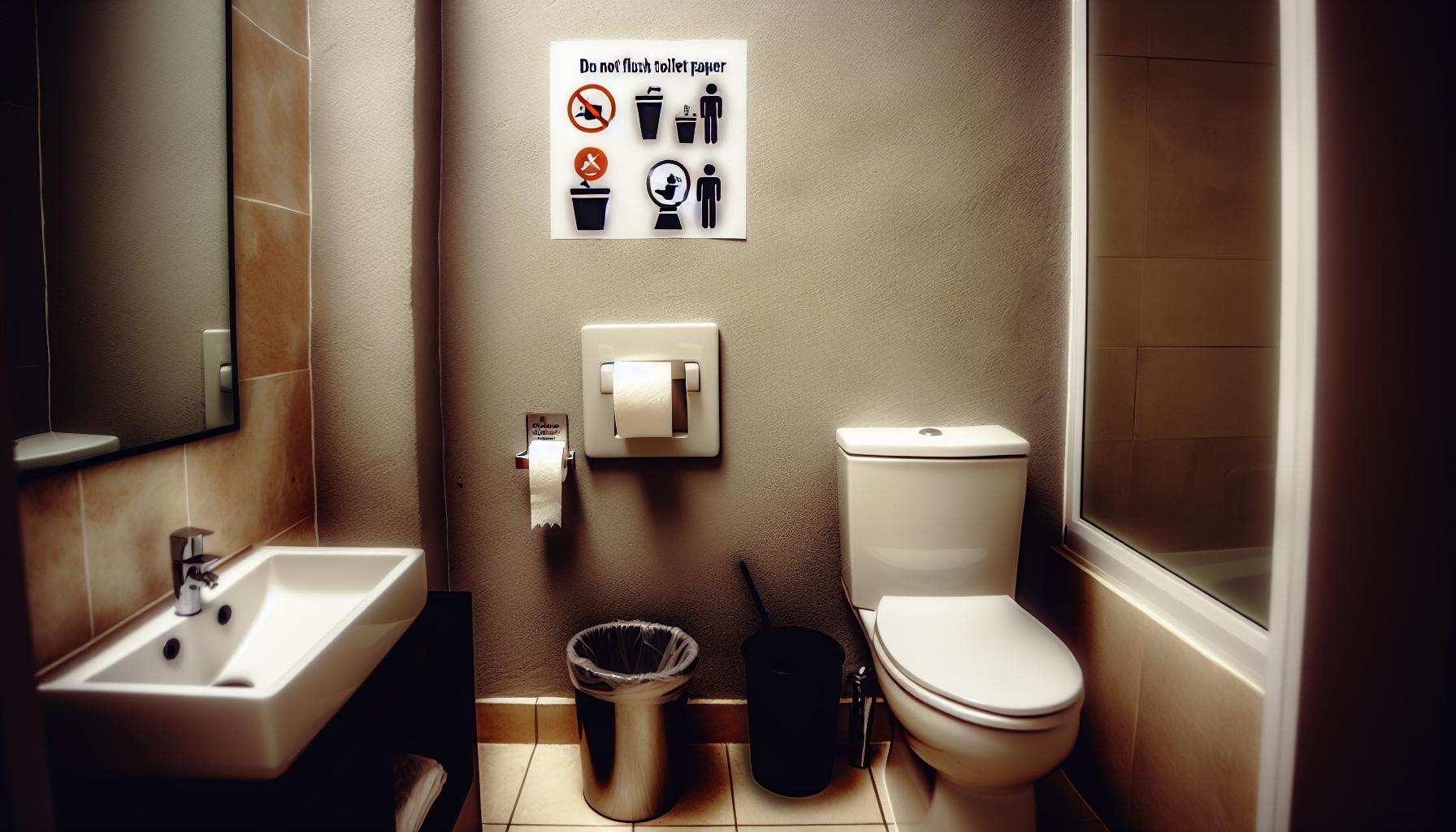
Can You flush Toilet Paper in Mexico? Understanding Local Plumbing Practices
Many travelers are caught off guard when they discover that flushing toilet paper in Mexico isn’t always the straightforward practice they’re used to at home. This is largely due to variations in local plumbing infrastructure that can struggle to handle materials that are typically considered flushable elsewhere.Unlike modern sewage systems in many countries designed to dissolve and process toilet paper efficiently, some regions in Mexico-especially rural areas and older buildings-use septic tanks or less advanced sewage lines that can easily become clogged or damaged by paper waste.
Understanding these local plumbing practices is essential for avoiding frustrating and costly situations when visiting.In many places across Mexico, restrooms will have small waste bins next to the toilet specifically for disposing of used toilet paper. The plumbing in these areas often includes narrow pipes or simpler treatment systems that aren’t equipped to break down paper quickly. Flushing toilet paper risks blockages that can lead to unpleasant backups, damage to property, or strain on local sewage treatment facilities.
- Septic systems and older pipes: More common outside major cities, these systems depend heavily on careful waste management and cannot handle large quantities of paper.
- water pressure considerations: Lower water pressure in some plumbing setups means flushing anything other than human waste and minimal water-soluble materials can cause problems.
- Waste disposal customs: Historically, the practice of discarding toilet paper in bins has become normalized, helping maintain sanitary conditions without stressing local plumbing.
for travelers, the key takeaway is to observe posted signs and local customs, and when in doubt, opt to place used toilet paper in the provided waste bin. This practice helps ensure that you respect local infrastructure and avoid inconvenience during your trip. If you’re staying in newer hotels or international chains in Mexico City or resort areas, you’re more likely to encounter flush-pleasant toilets, but it’s always good to confirm. Being informed empowers you to navigate Mexican bathrooms confidently and responsibly,making your travel experience smoother and culturally respectful.
why Some Mexican Toilets Require Special Waste Disposal
Many travelers are surprised to learn that the plumbing systems in much of Mexico aren’t designed to handle flushed toilet paper the way systems in more developed countries are. This stems from a combination of older infrastructure,varied sewage treatment methods,and unique water pressure conditions common throughout the country.In many Mexican homes, hotels, and public restrooms – especially outside major urban centers – the pipes and septic tanks can easily become overwhelmed or clogged by materials that might seem routine to flush elsewhere.
Older buildings frequently enough rely on septic tanks or simplified sewage lines rather than extensive underground sewer networks. These systems require careful waste management as they have limited capacity to break down paper quickly. When toilet paper is flushed,it can accumulate in narrow pipes or septic tanks,leading to blockages or plumbing failures. This isn’t just an inconvenience; in some cases, it can cause costly repairs or unsanitary conditions.
Factors Behind Special Waste Disposal Needs
- Infrastructure age and design: Many regions still have plumbing originally built for minimal waste, using narrow pipes more prone to clogging with fibrous materials.
- Septic tank prevalence: Septic systems require solids to settle and degrade naturally, meaning toilet paper must be kept out to maintain proper function and avoid backups.
- Variations in water pressure: Lower water flow or pressure reduces the flush’s power, so heavier materials like toilet paper don’t always get fully cleared from pipes.
- Environmental and cultural adaptations: Unlike countries with highly centralized water treatment, some Mexican communities have adopted the practice of discarding toilet paper into bins to protect their plumbing and local water quality.
In tourist areas,these challenges are often mitigated by modern flush systems capable of handling toilet paper without problems. However, seeing a small bin beside the toilet is a quick signal that flushing paper isn’t advisable and the local plumbing requires special care.When traveling, respecting these practices ensures you avoid unpleasant blockages and show consideration for local infrastructure. If unsure, always look for signs or ask your host – this simple action can save you from embarrassing or costly situations.
Common Signs You Should Avoid Flushing Toilet Paper
one of the quickest ways to tell if you should avoid flushing toilet paper is by checking for a small waste bin next to the toilet. In many Mexican bathrooms-especially outside major cities-this bin is a clear cue that the plumbing cannot handle flushed paper. It’s not just a random convenience; it’s a protective measure to prevent clogging due to the older or more sensitive septic and sewer systems in place. Ignoring this seemingly minor detail can lead to blockages that cause uncomfortable delays and costly repairs.
Another subtle but significant sign comes in the form of posted instructions or small placards near the toilet. Many public restrooms or family-run hotels put up polite notices in both Spanish and English urging guests not to flush paper. These signs frequently enough come with reminders to dispose of used toilet paper in provided bins rather. if instructions are absent, you might notice that the toilet paper supplied is minimal or sometimes thicker tissue that doesn’t dissolve quickly, suggesting it’s intended solely for disposal in the bin rather than flushing.
Water flow can also be a hint. Toilets with a noticeably weak or slow flush often indicate infrastructure that can’t effectively clear solid material. If you flush and the water drains sluggishly or leaves paper remnants visible in the bowl, it’s a clear sign that flushing toilet paper is not advisable. In some cases, the toilet may produce louder gurgling or backing-up sounds after flushing, another red flag for fragile plumbing systems sensitive to fibrous waste.
Travelers should also be mindful of cultural habits in the area they’re visiting. In certain rural towns or historic neighborhoods where septic tanks are prevalent, locals are accustomed to disposing of toilet paper in trash bins. Observing this behavior or asking a local host can provide indispensable guidance. In short,if there is any uncertainty-especially if you notice bins,posted signs,weak flushes,or local advice-always err on the side of disposing of toilet paper in a waste container rather than risking a flushing mishap.
Quick Checklist: Signs to Avoid Flushing Toilet Paper
- Presence of a small waste bin beside the toilet
- Posted notices or instructions about waste disposal
- Minimal or thick toilet paper provided
- Weak or slow toilet flush, or paper residue remains visible
- local advice or observed behavior indicating paper disposal in bins
By staying alert for these obvious and subtle signs, you not only protect the plumbing but show respect for local customs and infrastructure-key for a smooth and enjoyable visit throughout Mexico.
What Alternatives to Toilet Paper Flushing Are Available
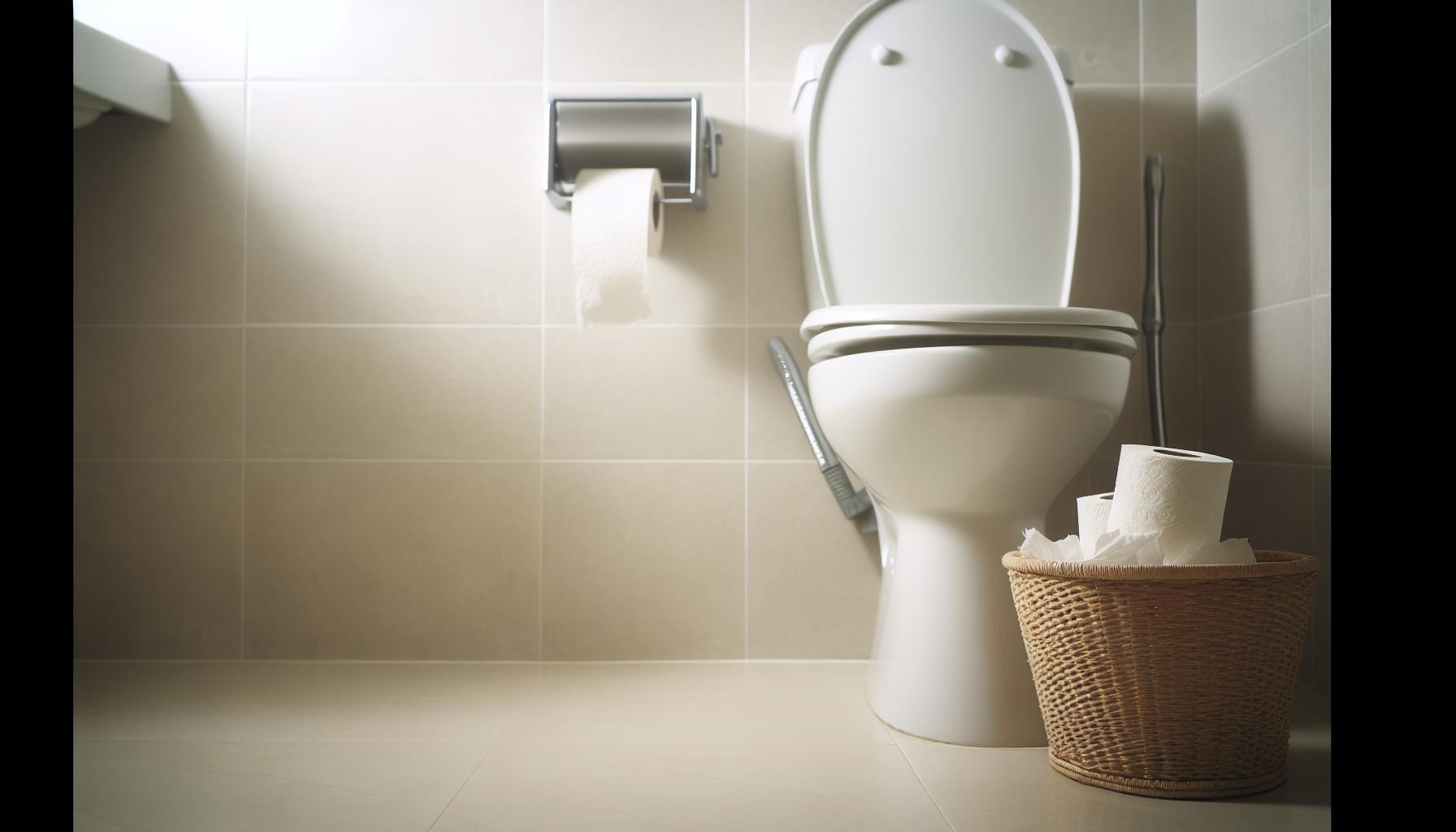
In many parts of Mexico, especially beyond the big cities, flushing toilet paper is not the norm due to plumbing limitations. Fortunately, travelers have effective alternatives that keep hygiene intact and prevent plumbing issues. One of the most common and straightforward solutions is the use of dedicated waste bins placed in every bathroom. These small, often discretely lined containers are designed specifically for toilet paper disposal. Rather than flushing, simply toss your used paper into the bin – a practice widely accepted and expected by locals.
Another increasingly popular alternative is bidet-style hygiene tools. While not traditionally common throughout Mexico, bidet attachments and portable handheld bidets are gaining attention among travelers who want to reduce or avoid toilet paper use altogether. These devices use a gentle water spray to cleanse, offering a refreshing, eco-friendly alternative that’s compatible with liquid-only sewer systems. Some upscale hotels and modern accommodations in more tourist-centric areas provide bidet showers or electronic bidet seats, enhancing comfort while fitting local sewage constraints.
For those seeking options aligned with regional customs, moist flushable wipes are sometimes used, but in many places, these still should not be flushed due to similar plumbing sensitivities as toilet paper. If wipes are allowed, always confirm with property staff or signage to avoid accidental clogs. Otherwise, wipes should follow the same disposal route as toilet paper – into a waste bin.
Practical Tips for Travelers
- Always look for a small trash bin next to the toilet: This is the primary cue for alternative disposal.
- Carry a small plastic bag: Useful for hygienically handling toilet paper in restrooms lacking proper bins.
- Consider portable bidets: Compact, travel-friendly bidet bottles are widely available and easy to use.
- confirm flushability before flushing any wipes or tissues: When unsure, err on the side of bin disposal.
Embracing these alternatives ensures that you respect local systems while maintaining personal hygiene, preventing plumbing mishaps, and contributing to a smoother travel experience in Mexico’s diverse destinations.
Impact of Flushing Toilet Paper on Mexican Sewer Systems
Many travelers are surprised to learn that flushing toilet paper in much of Mexico can cause serious issues within local sewer systems. Unlike plumbing infrastructures in countries designed to handle toilet paper breakdowns, many Mexican municipal systems-especially outside major urban centers-are built on older, narrower pipes with limited water pressure. Because of this,toilet paper often doesn’t dissolve effectively and can contribute to blockages that disrupt wastewater flow and lead to costly repairs.
When toilet paper accumulates in these pipes, it can combine with grease, sanitary products, and other debris to form stubborn clogs. These blockages not only cause unpleasant backups and overflows but can also trigger raw sewage leaks that pose significant public health risks. Municipal sewer workers often report an increase in maintenance calls tied to improper flushing habits by residents and tourists alike, making it clear why local advisories emphasize alternative disposal methods.
Understanding Local infrastructure Limitations
- Pipes are typically narrower: Many older Mexican buildings and public facilities use plumbing designed decades ago that cannot handle the volume and material breakdown common in modern Western systems.
- Water pressure is often low: Insufficient flush strength hampers removal of solids, increasing the risk of blockages.
- Sewer systems prioritize liquid waste: Because these networks are optimized for liquid flow, insoluble materials like toilet paper can create bottlenecks.
For example, in smaller towns or rural areas where infrastructure funding is limited, even a seemingly harmless flush can overload the system.This is why many Mexican households and businesses rely on separate waste bins for toilet paper rather of flushing it.
Practical Impact and Traveler Awareness
Beyond the technical plumbing challenges, the consequences ripple into everyday life-blocked sewers can cause flooding in streets, foul odors, and interruptions in basic sanitation services. Travelers unfamiliar with these realities may unintentionally worsen the problem simply by flushing toilet paper in standard hotel or public restrooms. Recognizing this, local businesses often clearly mark when flushing toilet paper is prohibited and provide bins for disposal.
To minimize impact and avoid guest embarrassment, accommodations that have upgraded their plumbing systems advertise their flush-friendly status as a comfort feature for international visitors. Still, the best approach remains respecting local disposal norms at all times to protect fragile sewer systems and public health.
Taking these factors into account, embracing the practice of disposing toilet paper in designated bins helps maintain Mexico’s local sanitation infrastructure and ensures that travelers stay respectful guests-helping the country avoid unnecessary plumbing troubles that can spoil vacations and burden communities.
Tips for Travelers: How to Handle Toilet Paper Disposal
Many travelers find themselves caught off guard when encountering toilets in Mexico that require a different approach to disposing of toilet paper. Instead of flushing, you’ll often see small waste bins placed beside the toilet-this practice is a simple but vital adaptation to protect local plumbing systems.Embracing this custom not only helps you avoid embarrassing situations but also contributes to preserving the sanitation infrastructure and preventing blockages.
Essential Practices for Proper Disposal
- Always check for signage: Look for instructions near the toilet or on the bathroom door. Many establishments clearly indicate whether toilet paper should be disposed of in a bin rather than flushed.
- Use provided waste bins: When available, use the small trash bins for toilet paper. These bins are typically lined with plastic bags for hygienic and easy removal by janitorial staff.
- Carry your own small plastic bags: when traveling to more remote areas or public restrooms without designated bins, having a sealable plastic bag can help you manage your used paper discreetly and responsibly until proper disposal is possible.
- Be discreet and sanitary: Use toilet paper sparingly to minimize waste volume. After disposal, wash your hands thoroughly with soap or use hand sanitizer, as this practice slightly differs from what many travelers are used to.
Respecting Local Norms While Staying Comfortable
Understanding that the plumbing infrastructure varies substantially from what you may be accustomed to at home can foster greater patience and cultural respect. Many hotels catering to international guests have upgraded bathrooms where flushing toilet paper is acceptable and even encouraged, so asking ahead can save surprises. However, when in doubt-particularly in hostels, rural inns, or public restrooms-it’s always safer to follow local protocols.
Practical Travel Tips
To avoid awkward moments, pack a few travel essentials that facilitate smooth toilet paper disposal:
| Item | Purpose |
|---|---|
| Small resealable plastic bags | Temporary containment of used toilet paper for disposal in trash bins |
| Travel-size hand sanitizer | Maintaining hygiene when soap and water are unavailable |
| Extra toilet paper packs | Ensures availability-some restrooms don’t provide toilet paper |
| discreet carrying pouch | Helps manage waste and hygiene supplies out of sight |
By preparing in advance and adopting these simple habits, you’ll navigate Mexican restrooms with confidence and ease-supporting local sanitation efforts while maintaining your own comfort and hygiene abroad.
How to find Accommodations with Flush-Friendly bathrooms
Finding accommodations in Mexico where you can flush toilet paper like you do at home can greatly enhance your comfort and ease during your trip. While many places still rely on local plumbing systems that discourage flushing toilet paper, a growing number of hotels, resorts, and modern rental properties-especially in major tourist destinations-have upgraded their facilities to accommodate the expectations of international guests. Knowing how to identify these “flush-friendly” accommodations before booking can save you hassle and give you peace of mind.
Look for Established Hotels and Resorts Catering to International Travelers
Many international hotel chains and luxury resorts in popular tourist hubs like Cancun, Playa del Carmen, Mexico City, and puerto Vallarta have invested in modern plumbing and sewage systems designed for flushing toilet paper. These establishments usually advertise “Western-style” or “American-style” bathrooms in their descriptions or guest reviews. Checking recent traveler feedback on platforms like TripAdvisor or Booking.com can reveal whether guests found toilet flushing convenient.
Ask Direct Questions When Booking
When making reservations via phone, email, or online chat, don’t hesitate to inquire specifically about bathroom facilities. A simple question like, “Is it okay to flush toilet paper in the rooms?” will provide clarity. This approach is especially useful when booking smaller boutique hotels, hostels, or Airbnbs where amenities vary widely. Hosts or hotel staff accustomed to international tourists are typically upfront about what is recommended for plumbing use.
Consider Private Rentals with Updated Plumbing
Vacation rentals through platforms like airbnb or Vrbo sometimes feature newly renovated bathrooms retrofitted with modern sewer connections that allow flushing. Hosts often highlight this convenience as a selling point. Reading the property description or messaging the host to confirm can ensure you don’t have to rely on waste bins for toilet paper disposal during your stay.
Essential Indicators of Flush-Friendly bathrooms
- Signage: Bathrooms devoid of “Please do not flush toilet paper” signs usually indicate flushing is allowed.
- Waste Bins: The absence of small waste bins beside toilets often signals that flushing is safe.
- Quality of Building: Newer or refurbished buildings tend to have plumbing designed to handle toilet paper better.
- Local Reviews: Read what other travelers say specifically about bathroom comfort and plumbing reliability.
| Booking Tip | Benefit |
|---|---|
| Request photos of bathroom fixtures | Visual confirmation of modern toilets and lack of trash bins |
| Search for keywords in listings: “flush toilet paper,” “modern plumbing,” “western bathroom” | Filters listings to more likely flush-friendly options |
| Read recent guest reviews carefully | Understanding real experiences regarding plumbing and sanitation |
By proactively seeking accommodations equipped for standard toilet paper flushing, you can enjoy a more familiar and hassle-free bathroom experience. This not only heightens your comfort but also helps you adapt smoothly to local customs when traveling throughout different regions in Mexico where plumbing standards may vary.
Cultural Reasons behind Mexico’s Toilet Paper Disposal Norms
Many travelers arriving in Mexico are caught off guard by the common practice of disposing toilet paper in waste bins rather than flushing it.This custom is deeply rooted in practical and past factors tied to the country’s plumbing infrastructure. Unlike many Western nations where sewer systems are designed to handle flushed paper products seamlessly,much of Mexico’s older and even some newer plumbing relies on narrower pipes and more fragile septic or treatment setups. Consequently, flushing toilet paper risks frequent clogs and costly plumbing problems-making the habitual use of waste bins a sensible and long-standing cultural norm.
This approach is embraced nationwide, from small towns to big cities, not merely as an inconvenience but as an ingrained part of daily life. Many Mexicans grow up accustomed to seeing small trash cans next to toilets, and travelers quickly learn that compliance respects local customs and aids in maintaining public sanitation standards. In some cases, even public restrooms clearly display signs asking users not to flush toilet paper, reinforcing awareness and practical adherence.
Historical Context and Infrastructure Challenges
Mexico’s urban progress and sewer systems have evolved unevenly. While upscale neighborhoods and tourist areas gradually upgrade plumbing to accommodate Western-style flushing, many places still operate with systems designed decades ago-when water conservation and pipe durability were prioritized differently. traditional plumbing networks frequently enough cannot withstand the strain of flushed paper waste, which can expand and create blockages. Over time, this has led to a cultural adaptation encouraging people to dispose of paper waste separately.
Respecting Local Norms While Traveling
Adopting local bathroom customs demonstrates cultural sensitivity and helps travelers avoid uncomfortable situations such as clogged toilets or embarrassment. When visiting Mexico, it’s useful to expect waste bins near toilets and to use them appropriately.Many establishments provide small disposable liners or plastic bags that make paper disposal hygienic and simple. Should you find yourself unsure, simply observing what locals do or asking staff discreetly will clarify expected practices without awkwardness.
- Using waste bins protects plumbing systems and reduces maintenance disruptions.
- It minimizes unpleasant backups or service interruptions in accommodations.
- Shows respect for local standards, fostering goodwill and positive interactions.
In short, this cultural norm is a practical adaptation that reflects broader matters of infrastructure reliability and environmental management rather than a mere quirk. Understanding and embracing these practices enriches your travel experience and underscores the importance of flexibility in global travel etiquette.
What to Do in a Public Bathroom When Flushing Is Not Allowed
One of the most common surprises for travelers in Mexico is encountering public restrooms where flushing toilet paper is not just discouraged but explicitly prohibited. If you find yourself in such a situation, knowing how to navigate these facilities tactfully can make your visit more comfortable and respectful. First and foremost, look for a small waste bin located near the toilet-this is your cue that toilet paper should be disposed of there rather than flushed.
To keep things hygienic and discreet,many public bathrooms provide liners or plastic bags inside these bins. if not, carrying a few small resealable bags in your travel kit can help you manage disposal neatly and avoid unpleasant odors or mess. When disposing of used paper, always wrap it securely to minimize any contact and to maintain cleanliness for the next user and cleaning staff.
- Check for signage. Clear instructions or symbols near the toilet frequently enough indicate that flushing paper is prohibited.
- Follow local practice. Observe how locals use the restroom if unsure, or politely ask staff for guidance.
- Wash hands thoroughly afterward. Hand hygiene remains critical, especially if handling waste disposal.
Furthermore,be aware that public bathrooms in tourist-heavy areas,such as airports or hotels,may be equipped with flush-friendly toilets due to upgraded plumbing systems. Though, in smaller towns, markets, or older establishments, the traditional no-flush rule likely still applies. Carrying a small flashlight or phone light can also be helpful in poorly lit restrooms when trying to locate bins or read instructions.
Being prepared and adaptable not only prevents awkward moments but also shows cultural sensitivity and respect for the infrastructure challenges many public venues face. By responsibly managing toilet paper disposal when flushing isn’t allowed, you contribute to smoother maintenance, reduce plumbing issues, and help uphold local hygiene standards throughout your travels in Mexico.
How to Prepare for Mexican Bathrooms: Essential Travel Gear
Many travelers to Mexico quickly learn that restroom experiences can vary dramatically from what they expect at home, especially when it comes to flushing toilet paper. Navigating these differences is much smoother when you’re prepared with the right travel gear designed to handle the unique challenges and customs of Mexican bathrooms. being proactive not only ensures comfort but also avoids awkward or unsanitary situations.
- Compact resealable bags: Carry a few small ziplock or resealable bags to discreetly store used toilet paper when flushing is not an option.These keep odors contained and make it easy to manage waste until you find a proper disposal bin.
- Travel-size hand sanitizer and wipes: Thorough hand hygiene is essential, especially when disposing of paper in bins. Having sanitizer and antibacterial wipes on hand allows you to stay clean even if soap or water are limited.
- Portable flashlight or phone light: Some restrooms may be dimly lit or lack clear signage. A small light source makes it easier to spot waste bins or any instructions, reducing anxiety about where to place your toilet paper.
- Extra toilet paper or tissues: Supplies can be inconsistent, so carrying your own pack ensures you’re never caught short. Additionally, some travelers prefer softer or thinner varieties that are easier to wrap and dispose of properly.
Additional Tips for a Seamless experience
In addition to these essentials, it’s wise to pack a small, discreet waste bag for longer excursions where bathroom facilities may not be available or are poorly maintained.Some travelers bring a collapsible bucket liner or biodegradable bags,which can be safely sealed and carried out. Dressing in clothing with easy access-like pants with elastic waistbands or stretchy fabrics-can minimize fumbling when managing these extra steps.
Remember, even in upscale hotels or airports where flushing toilet paper is often allowed, being prepared for more traditional setups in smaller towns or public markets will save stress and help you respect local plumbing systems. This small investment in travel gear empowers you to adapt effortlessly, maintain hygiene, and demonstrate cultural awareness throughout your Mexican journey.
Environmental Considerations of Flushing Toilet Paper Abroad
Many visitors are surprised to learn that flushing toilet paper in certain countries, including parts of Mexico, can have unintended environmental consequences. Beyond the common plumbing challenges, improperly flushed toilet paper strains local wastewater systems, often exacerbating pollution and infrastructure damage, especially in areas where sewage treatment facilities are outdated or insufficient. Understanding this connection helps travelers appreciate why local customs discourage flushing and encourage responsible disposal habits.
In many Mexican towns and rural areas, sewer lines are narrow and sometimes combined with stormwater drains, which can become clogged by non-degradable materials like toilet paper. These blockages not only cause backups and overflows-potentially contaminating nearby waterways-but also increase maintenance costs and environmental risks. For communities relying on fragile ecosystems and limited resources, the repercussions extend beyond inconvenience, impacting water quality and public health.
### Practical Ways Travelers Can Help Protect Local Environments
- Respect Waste Disposal Guidelines: Following signs and instructions about toilet paper disposal supports lasting sanitation in local communities.
- Use Biodegradable Paper When Possible: Carrying travel-sized packs of easily degradable toilet paper can ease the burden on septic systems if flushing is allowed.
- Minimize Single-Use Plastic Waste: When using resealable bags or disposable containers to store used paper, opt for biodegradable or reusable options to reduce plastic pollution.
- Support Eco-Friendly Accommodations: Choosing hotels or guesthouses that invest in modern sewage treatment or composting toilets can encourage sustainable tourism models.
By adopting these small but impactful behaviors, travelers contribute to reducing the environmental footprint of their visit, helping preserve the natural beauty and health of mexico’s communities for future generations. Moreover, being mindful of these practices aligns personal obligation with cultural respect, enhancing the overall travel experience.
Q&A
Q: How can travelers discreetly dispose of toilet paper in Mexico when flushing isn’t an option?
A: Travelers should use the provided waste bins in bathrooms to dispose of toilet paper discreetly. Carrying a small, sealable plastic bag can also help manage disposal when bins aren’t available. This approach respects local plumbing systems and keeps hygiene standards intact. For more, see Tips for Travelers: How to Handle Toilet Paper Disposal in our main article.
Q: Why do some Mexican cities have plumbing that won’t handle flushed toilet paper?
A: Many Mexican cities have older or sensitive sewer systems designed for solid waste only, causing blockages if toilet paper is flushed. this is due to narrow pipes and infrastructure limitations. Understanding this helps travelers adapt their habits and avoid plumbing issues. Learn more in understanding Local Plumbing practices.
Q: What are the best travel hacks to prepare for Mexican bathroom norms regarding toilet paper?
A: The best travel hacks include packing travel-size hand sanitizer, bringing flushable or alternative wipes, and always having a plastic bag for paper disposal. These essentials ensure comfort and hygiene while respecting local customs. Check our section on How to Prepare for Mexican Bathrooms for detailed advice.
Q: Are there eco-friendly toilet paper options suitable for use in Mexico’s plumbing systems?
A: yes, biodegradable toilet paper and compostable wipes are eco-friendly options that break down better in sensitive plumbing. Using these alternatives helps protect local sewer systems while supporting environmental care abroad.Refer to Environmental Considerations of Flushing Toilet Paper Abroad for more insights.
Q: How can I identify hotels or accommodations in Mexico with flush-friendly toilets?
A: Look for hotels that advertise modern plumbing or flush-friendly bathrooms on their websites or booking platforms. Reading reviews and contacting the property directly can confirm if toilet paper disposal is safe via flushing. See our guide on How to Find Accommodations with flush-Friendly Bathrooms for specifics.
Q: What should I do if I accidentally flush toilet paper in a Mexican public bathroom?
A: If you accidentally flush, monitor the situation carefully. If the toilet clogs,alert staff immediately to avoid plumbing damage. Avoid further flushing,and use waste bins for paper disposal afterward. Knowing this helps minimize inconvenience-refer to What to Do in a Public Bathroom When flushing Is Not Allowed for full guidance.
Q: How do cultural attitudes in Mexico influence toilet paper flushing practices?
A: Cultural attitudes prioritize protecting fragile plumbing and maintaining sanitation through waste bin use instead of flushing. This practice, shaped by local infrastructure and customs, ensures community health and avoids costly repairs.Explore the section on Cultural Reasons Behind Mexico’s Toilet Paper Disposal Norms for deeper context.
Q: Can flushing toilet paper in Mexico cause environmental problems?
A: Flushing toilet paper in Mexico’s delicate sewer systems can lead to severe blockages, causing untreated sewage spills that harm local ecosystems. Carefully disposing of paper helps prevent these environmental risks and supports wastewater treatment efforts abroad. Learn more under Environmental considerations of Flushing Toilet Paper Abroad.
—
Feel free to explore these FAQs alongside the main article for a thorough understanding of mexican bathroom customs and tips for a hassle-free trip.
In Retrospect
understanding whether you can flush toilet paper in Mexico is essential for a smooth vacation experience and avoiding plumbing issues. By following these tips,you can confidently navigate local restroom customs and protect yourself from unexpected inconveniences. If you’re planning your trip,don’t miss our detailed guide on [Essential Travel Tips for Mexico] and [How to Stay Safe While Traveling Abroad] to make your travels worry-free.
Ready to dive deeper? Explore our recommended resources and stay updated by signing up for our travel newsletter, offering expert insights and real traveler advice. Have questions or personal experiences about flushing toilet paper in Mexico? Share them in the comments below-we love hearing from you! Keep exploring our site for more practical travel hacks that ensure you enjoy every moment of your trip without surprises.
Remember, knowing local practices-like whether to flush toilet paper-enhances your vacation and shows thoughtful respect for the destinations you visit. Stay informed, travel smart, and return for more trusted advice to make your journeys truly unforgettable.
Get our latest guides, news, and insights highlighted in your Google Search & AI Overviews.