Can You Flush Old Medication? Expired Drug Disposal
Did you know that improper disposal of old or expired medications can harm the habitat and pose safety risks to your household? Understanding whether you can flush these drugs down the toilet is crucial-not all medications should be disposed of this way. This article explores the safe and responsible ways to handle expired drugs, helping you protect your family and community from accidental poisoning, misuse, and environmental contamination. If you’ve ever wondered how to get rid of leftover medications without causing harm, you’re in the right place. We’ll clear up common misconceptions and provide practical guidance so you can confidently dispose of old medicine in a manner that’s both safe and eco-friendly. Keep reading to learn what you should-and shouldn’t-flush, and find out how to dispose of medications responsibly to keep your home and environment safe.
Is It Safe to Flush Expired Medication?

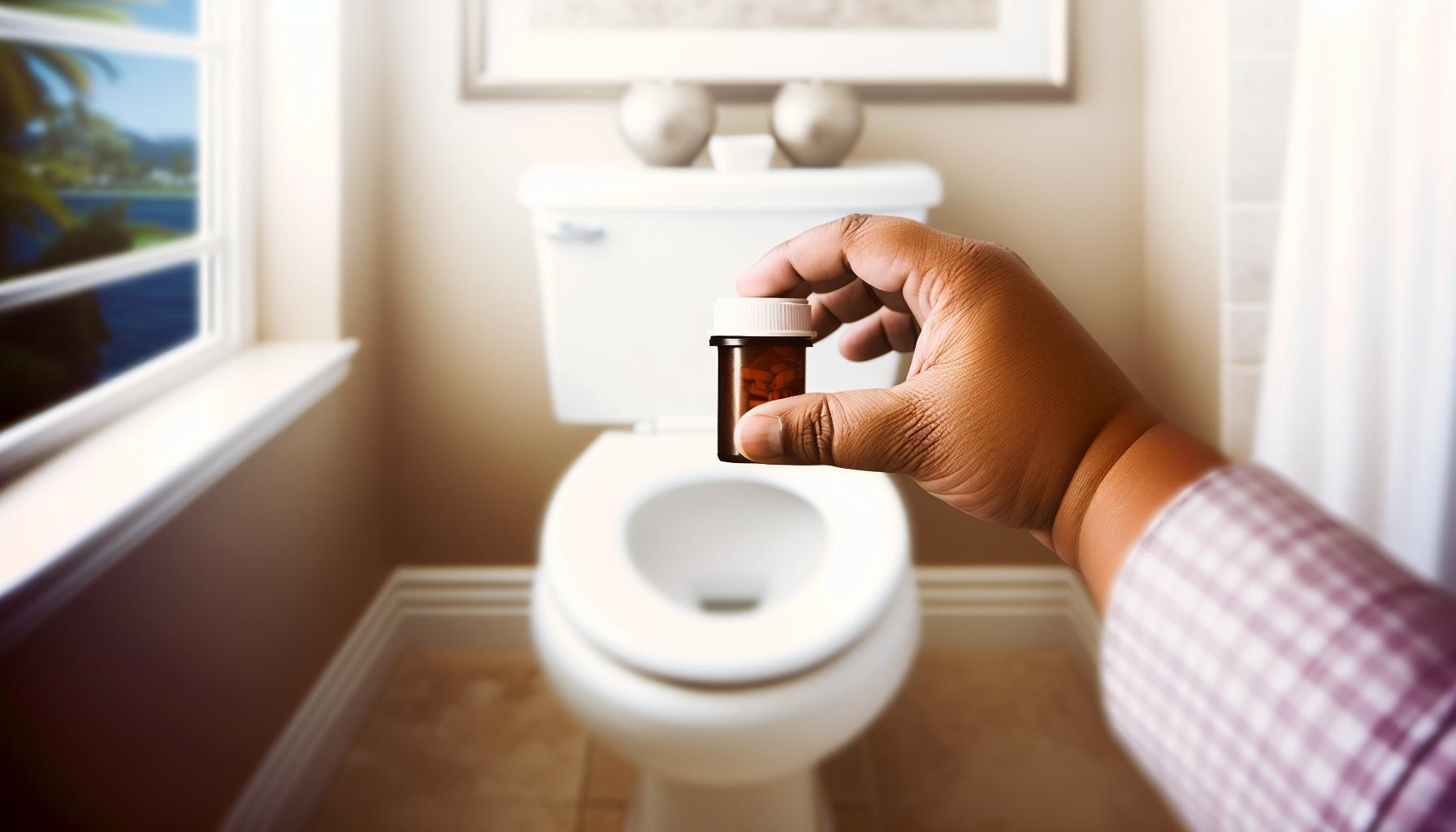
Flushing expired medication down the toilet or sink may seem like a quick and easy disposal method, but whether it’s safe depends largely on the type of medication in question. While the Food and Drug Administration (FDA) provides a specific list of medicines that are recommended for flushing due to thier potential risk if accidentally ingested by others, most expired or unused drugs should not be flushed as a routine practice. Doing so can introduce pharmaceutical compounds into wastewater systems that are not always equipped to filter and neutralize these substances effectively.Many people don’t realize that flushed medications can enter rivers, lakes, and groundwater, impacting aquatic life and potentially disrupting ecosystems. Despite these environmental concerns, the FDA has deemed flushing necessary for certain drugs (such as powerful opioids) as the immediate risk to human safety outweighs the environmental risks.This is particularly the case with medications that have a high potential for abuse or overdose, where accidental ingestion could lead to serious harm or death. For the majority of everyday expired medications, safer disposal alternatives should be prioritized.
- Medications on the FDA flush list include select narcotics and controlled substances, indicating these can be safely flushed if no take-back programme is accessible.
- Medications not on this list should either be returned to drug take-back programs or disposed of in household trash using careful precautions to reduce accidental exposure.
Such as, leftover painkillers such as fentanyl patches or oxycodone might be flushed to prevent accidental misuse, but expired antibiotics or antihistamines generally should not be flushed. When unsure, consulting resources like the FDA’s guidance or local disposal programs will help make the safest choice both for personal safety and the environment.
Understanding when and why flushing may be appropriate empowers consumers to dispose of expired drugs responsibly. This reduces both the risk of accidental poisoning and the burden on wastewater treatment systems, which may not always remove pharmaceutical residues effectively. Taking these factors into account helps strike a balance between protecting human health and minimizing environmental harm.
Environmental Impact of Flushing Drugs

Discarding medications by flushing them down the drain may seem like a convenient solution, but it carries significant environmental consequences that many people overlook. Pharmaceuticals are designed to have biological effects, and when they enter water systems untreated, they can disrupt aquatic ecosystems. wastewater treatment plants are generally not equipped to fully remove these chemical compounds, allowing residues to seep into rivers, lakes, and groundwater sources. This contamination can pose risks to fish,amphibians,and other wildlife,sometimes altering behaviors or reproductive cycles,and potentially leading to long-term ecological imbalances.
How Pharmaceuticals Enter the Environment
When flushed, medications travel through household plumbing into municipal wastewater systems. These systems primarily treat organic waste and pathogens but frequently enough lack the advanced filtration needed to degrade complex pharmaceutical molecules. as an inevitable result,drug residues persist in treated water released into natural bodies,accumulating in sediments or bioaccumulating within aquatic organisms. Studies have detected a variety of common drugs-such as antibiotics, hormones, and painkillers-in surface waters worldwide, underscoring the pervasive nature of this issue.
Why some Drugs Pose Greater Risks
Not all medications have the same environmental footprint. Such as, hormones like synthetic estrogens found in contraceptives can disrupt reproductive health in fish at extremely low concentrations. Antibiotics in waterways may encourage the growth of resistant bacteria, complicating public health efforts. In contrast,some controlled substances have acute toxicity risks if misused but lower persistent environmental effects. This nuance explains why regulatory agencies recommend selective flushing only for certain high-risk medications-balancing immediate human safety against ecological concerns.
- Persistent contaminants: Drugs such as antidepressants and NSAIDs can linger in the environment for weeks to months.
- Bioaccumulative agents: Some compounds accumulate in fish or shellfish, potentially entering the food chain.
- Ecotoxicological effects: Even low levels of pharmaceutical residues can impact aquatic species diversity and health.
Protecting Our Waterways Through Smarter Disposal
To minimize environmental harm,it’s best to reserve flushing for medications explicitly listed by the FDA as safe to flush when no take-back options exist. For most expired or unused drugs, participating in community drug take-back programs or using authorized disposal kiosks keeps pharmaceuticals out of wastewater streams. Educating households about safe disposal practices not only protects water quality but also reduces risks of accidental poisonings and drug misuse alongside environmental protection.
By understanding the environmental pathways and consequences of flushing medications, consumers can make informed choices that safeguard both public health and delicate ecosystems, demonstrating responsible stewardship of medicines beyond their intended use [[1]] [[2]] [[3]].
FDA and EPA Guidelines for Drug Disposal

Proper disposal of expired or unused medications is an essential step in safeguarding both public health and the environment. The FDA and EPA have developed clear but nuanced guidelines to help consumers navigate this complex issue. While flushing medications down the drain may seem like a quick fix, these agencies emphasize caution, reserving flushing only for specific drugs that pose a significant risk of accidental ingestion or misuse-particularly certain controlled substances-when no safer disposal options like take-back programs are available.
The FDA maintains a carefully curated “Flush List,” identifying medications that are deemed safe to dispose of by flushing due to their high potential for harm if taken by others unintentionally. Drugs such as potent opioids or certain narcotics,including fentanyl patches and morphine,may fall under this category as the benefits of immediate disposal via flushing outweigh the environmental risks. For the vast majority of other medications, the FDA advises against flushing and instead encourages participation in authorized drug take-back programs or following community disposal guidelines that prevent medicine residues from entering water systems. This approach balances public safety concerns with environmental stewardship.
Meanwhile, the EPA focuses on minimizing pharmaceutical contamination in waterways by supporting the development and promotion of disposal programs that keep drugs out of sewage and landfill systems where they can leach into soil and groundwater. Both agencies collaborate with pharmacies, healthcare providers, and law enforcement to expand access to safe disposal kiosks and mail-back options. This cooperation helps reduce environmental loading of bioactive chemicals and antibiotic residues that could encourage resistant bacteria or disrupt aquatic life cycles.
key Recommendations for Safe Medication Disposal
- Consult the FDA Flush List: Only flush medications listed by the FDA, such as specific opioids and other high-risk drugs.
- Use Take-Back Programs: Most unused or expired drugs should be taken to authorized collection sites or events.
- Follow Local Guidelines: Some regions provide special instructions or resources, such as mail-back envelopes or disposal packets.
- Avoid Mixing Medications: If disposing in the trash, blend medicines with undesirable substances like kitty litter or coffee grounds to deter accidental consumption.
The collaborative efforts of the FDA and EPA emphasize that responsible disposal is not just about convenience but about reducing risk-both human and ecological. Keeping pharmaceuticals out of the wastewater stream helps protect sensitive species and prevents the costly retrofitting of treatment plants that are typically not equipped for advanced chemical removal.By following these guidelines, consumers play a vital role in upholding a cleaner environment and safer communities.
| Disposal Method | When to Use | Advantages | Considerations |
|---|---|---|---|
| Flush (FDA-approved list only) | selected high-risk medications | Immediate removal, reduces accidental ingestion risk | Potential environmental contamination; limits on types of drugs |
| Drug Take-Back Programs | Most expired or unused meds | Safe, environmentally responsible, legal compliance | Availability varies; requires access to collection sites |
| Trash Disposal with Mixing | When no take-back or flush option exists | Prevents accidental consumption, easy | Environmental risks lower but present; must containerize securely |
Understanding these regulatory frameworks empowers individuals to make informed decisions about medication disposal.The key takeaway from FDA and EPA guidance is that though some medications might potentially be safely flushed, the priority should always be to utilize take-back programs or other recommended methods to minimize environmental impact and protect public safety together.
Common Medications You Should Never Flush

Many commonly used medications might seem harmless to flush down the toilet or drain, but in reality, doing so can introduce persistent and potentially harmful chemicals into our waterways. Unlike the few drugs authorized by the FDA’s “Flush List,” most pharmaceuticals should never be disposed of by flushing because they can contaminate aquatic environments, affect wildlife, and contribute to antibiotic resistance.Understanding which medications fall into this category helps protect both public health and the environment.
- Antibiotics: These drugs, widely prescribed for infections, can promote the development of antibiotic-resistant bacteria in water systems if flushed. This resistance jeopardizes the effectiveness of essential medicines.
- Hormonal Medications: birth control pills and hormone replacement therapies contain synthetic hormones that disrupt reproductive cycles and growth patterns in fish and amphibians when they enter waterways.
- Psychiatric Medications: Drugs prescribed for depression, anxiety, or bipolar disorder frequently enough have active compounds that can accumulate in aquatic habitats, leading to behavioral changes in wildlife.
- Nonsteroidal Anti-Inflammatory Drugs (NSAIDs): Pain relievers like ibuprofen and naproxen are known to persist in the environment and can be toxic to fish and other organisms even at low concentrations.
- Over-the-counter Cough and Cold Medications: Ingredients such as dextromethorphan and pseudoephedrine, when flushed, contribute to pollution and may affect microbial communities responsible for water purification.
- Medications with Long Half-Lives or Environmental Persistence: Some drugs degrade very slowly,leading to prolonged exposure of ecosystems to pharmaceutical residues if flushed.
Many people flush these medications out of convenience or due to lack of awareness about proper disposal methods. Though, there are safer, more environmentally responsible alternatives that can prevent hazardous pharmaceutical residues from reaching water supplies. For example, taking advantage of drug take-back programs or mixing medicines with undesirable substances before trash disposal greatly reduces the risk of accidental ingestion and environmental contamination.
| Medication type | Reason to Avoid Flushing | Potential Environmental Impact |
|---|---|---|
| Antibiotics | Promote antimicrobial resistance | Resistant bacteria in water, human health risks |
| Hormonal Treatments | Disrupt endocrine systems in animals | Reproductive issues in fish, altered ecosystems |
| Psychiatric Drugs | Accumulate and affect aquatic species behavior | Impaired wildlife populations |
| NSAIDs | Persist in environment, toxic to wildlife | Reduced fish health and survival |
| OTC Cold & Cough Medicines | Pollutants for aquatic microbes | Disrupted water purification processes |
By learning which medications should absolutely never be flushed, you can make informed disposal choices that minimize unintended consequences. If in doubt, consult disposal instructions on your medication’s label or reach out to local pharmacies, healthcare providers, or community disposal events.Protecting our water resources starts with simple actions taken in our own homes.
Proper Alternatives to Flushing Old medication

Properly disposing of expired or unwanted medications is crucial-not only to prevent environmental harm but also to avoid accidental ingestion by children, pets, or others. Fortunately, there are practical and effective alternatives to flushing drugs that safeguard our health and ecosystems.
One of the best strategies involves utilizing authorized drug take-back programs. These programs collect medications and ensure they are destroyed safely, often by incineration, which prevents pharmaceuticals from entering water systems. Many pharmacies, hospitals, and community centers participate in take-back initiatives or host periodic collection events. You can easily find nearby options by checking local government websites or using online resources dedicated to pharmaceutical disposal.
If take-back programs are unavailable, a recommended home disposal method involves combining medications with unappealing substances. For example, mixing pills or liquids with coffee grounds, dirt, or kitty litter before placing them in a sealed plastic bag significantly reduces the risk of unintended usage. Then, this package can be safely discarded in household trash, away from reach. Removing or blacking out personal details on medication labels is also advised to protect privacy.
- Never crush or dissolve medications unless directed. Some drugs retain potency even in crushed form and can release harmful substances.
- Keep medications in their original containers until confirmed disposal. this helps pharmacists or disposal facilities identify contents accurately.
- Check local regulations. Drug disposal protocols can vary; some areas require special handling for controlled substances.
| Disposal Method | Best For | Key Benefit |
|---|---|---|
| Drug Take-Back Programs | Most medications,including controlled substances | Ensures environmentally sound and safe destruction |
| Mixing with Unattractive Substances & Throwing in Trash | Medications without specific take-back options | Prevents accidental ingestion and limits environmental release |
| Mail-Back Envelopes (where available) | Convenience for remote or busy individuals | Secure,compliant transportation for destruction |
By prioritizing these alternatives,you actively contribute to reducing drug contamination in water supplies and protecting wildlife sensitive to pharmaceutical residues. Thoughtful disposal also helps prevent drug misuse and promotes community health. Taking a moment to dispose of medications responsibly makes a big difference at both individual and societal levels.
How to Identify Take-Back Programs Near You
Finding a nearby location to safely dispose of expired or unused medications has never been easier, thanks to the widespread availability of drug take-back programs.These programs provide a secure and environmentally responsible way to get rid of unwanted medicines, significantly reducing risks such as accidental ingestion, drug misuse, and environmental contamination. Before resorting to flushing or tossing medications imperfectly, tapping into these programs is your best bet for safe disposal.
Many take-back sites are conveniently located in community settings such as pharmacies, hospitals, police stations, or local government facilities. Retail pharmacies frequently enough install collection kiosks resembling secure mail drop-off boxes, where you can simply deposit your medicines without any charge or paperwork. Additionally, seasonal or periodic take-back events might be hosted by local agencies, providing temporary but accessible options that encourage community participation. Checking with your city or county health department website is a great first step to pinpoint these opportunities in your area.
How to locate Authorized Collectors and Take-Back Sites
- Use official online tools: The U.S. Drug Enforcement Administration (DEA) maintains a searchable online database of authorized drug disposal locations and scheduled take-back events. This resource allows you to enter your zip code to instantly find nearby drop-off points.
- Visit your local pharmacy: Many retail pharmacies participate as authorized collectors and will display signage indicating their participation. Even if you don’t see a kiosk, pharmacists can often guide you to the nearest disposal option.
- Contact your city or county health department: Local health departments frequently enough coordinate take-back events and can provide up-to-date information on permanent or temporary programs in the community.
- Check with healthcare providers: Some hospitals and clinics facilitate safe medicine disposal, especially for controlled substances and opioids, which require stringent handling.
- Explore mail-back programs: If you live in a rural area or cannot easily reach a physical drop-off point, many programs offer prepaid mail-back envelopes. These allow you to securely send your unwanted medication through the postal service for proper destruction.
To help visualize how these options fit into your disposal choices, here is a quick overview:
| Take-Back Option | Ideal For | Advantages |
|---|---|---|
| Pharmacy or Hospital kiosk | Households with easy access to urban or suburban centers | Free, convenient, safe, no mailing required |
| Community Collection Events | Residents seeking periodic, supervised disposal opportunities | Often staffed by professionals ensuring proper handling |
| Prepaid Mail-Back Envelopes | Remote or busy individuals | Simple, discreet, compliant with regulations |
By actively seeking out and using these programs, you not only protect your household from potential dangers but also play an crucial role in reducing pharmaceutical pollution. Take a moment to explore your local resources today-proper disposal is just a click or a short trip away, and it’s a meaningful step toward safeguarding both public health and our environment.
Step-by-Step Instructions for Safe Drug Disposal

Disposing of expired or unwanted medications in a safe and environmentally responsible way is easier than many realize-and it’s an essential step in preventing accidental poisonings, prescription drug misuse, and environmental contamination. While it might be tempting to simply flush pills or toss them in the trash,following carefully considered steps can greatly reduce risks to your household and the environment. Here’s a straightforward guide to help you dispose of medications the right way.
Gather and Sort Your Medications
Start by collecting all expired or unused prescription and over-the-counter medications from your home.Check expiration dates and separate those that are expired or no longer needed. Be sure to keep medications in their original containers if possible, as labels often include important disposal instructions. Remove any personal information by scratching it out to protect your privacy when you decide to dispose of the packaging.
Check for Specific Disposal instructions
Pharmaceuticals sometimes come with unique disposal recommendations printed on their labels or patient information leaflets. Some medications, especially controlled substances such as opioids, may require special handling due to their potential for abuse. In these cases, the safest choice is to follow any label instructions or consult your pharmacist. If no instructions are given, proceed with these general safe disposal steps.
Use Authorized Take-Back Programs
Whenever available, drug take-back programs are the gold standard for disposing of unwanted medicines. You can find authorized collection points at pharmacies, hospitals, police stations, or during scheduled community events. These programs ensure medications are incinerated or destroyed in environmentally safe ways, preventing contamination of water sources and reducing risks of misuse. If you’re unsure where to find a nearby take-back site,visit the DEA’s online locator or ask your local health department.
Disposing at Home if No Take-Back Options Are Available
If immediate access to a take-back program isn’t feasible, you can safely throw away most medications by following these steps:
- Remove the medicine from its original container. Mixing it with an undesirable substance-such as used coffee grounds, kitty litter, or dirt-helps prevent accidental ingestion by children, pets, or scavengers.
- Place the mixture into a sealed plastic bag or container to further reduce the risk of leakage or consumption.
- Throw the sealed bag in your household trash. Avoid simply tossing pills loose in the trash.
- Scratch out all personal information on the medication label to safeguard your privacy before disposal.
Important Exception: When to Flush
Flushing medications down the toilet or sink is generally discouraged except in specific cases where FDA guidelines recommend it-typically for certain powerful opioids or controlled substances that pose a high risk of accidental ingestion or overdose. Always check FDA resources or pharmacy advice to confirm if flushing is appropriate,as it can contribute to environmental contamination if done with medications not on the flush list.
| Step | Action | purpose |
|---|---|---|
| 1 | Gather all expired and unused medications | Prevent accidental access and prepare for proper disposal |
| 2 | Check for disposal instructions on labels | Follow manufacturer or regulatory guidance for specific drugs |
| 3 | Utilize drug take-back programs where available | Ensure safe, environmentally sound destruction of medicines |
| 4 | Mix medicines with an undesirable substance and seal | Discourage accidental ingestion if disposed in household trash |
| 5 | Discard sealed package in household trash | Safe and responsible disposal if take-back is not an option |
By taking these simple but effective steps, you safeguard your family and community from the dangers of improper medication disposal while also helping to protect the environment. Remember, your local pharmacies or health departments can always provide additional guidance, so don’t hesitate to ask when in doubt. Safe disposal is a crucial part of responsible medication use and helps keep our water and wildlife safe from pharmaceutical contamination.
Risks of Improper Medication Disposal at Home
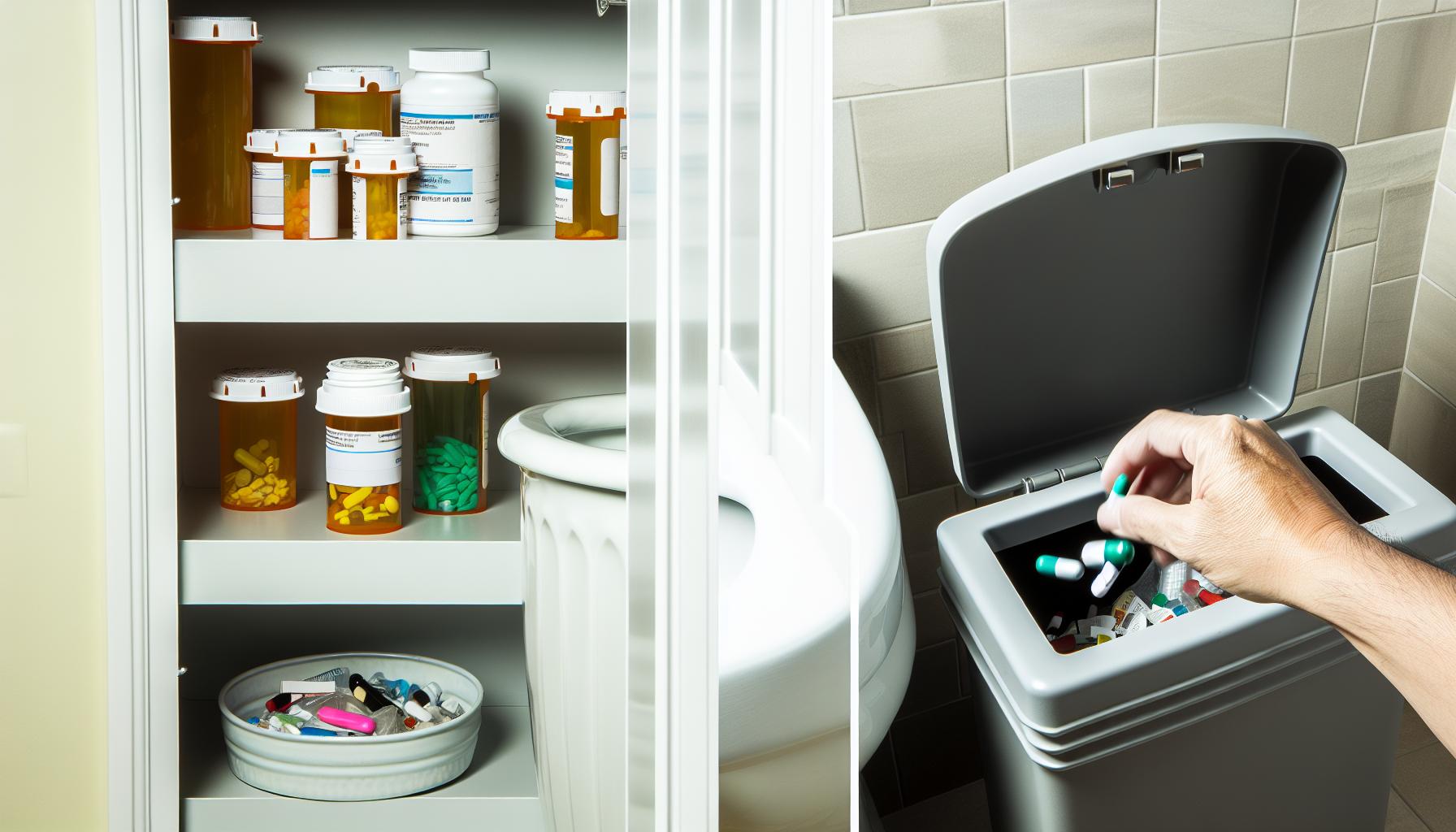
Improper disposal of medications at home can pose significant threats beyond the immediate household, affecting both people and the environment in unexpected ways. Many people are unaware that tossing expired drugs in the trash without precautions or flushing them down the toilet can lead to contamination of local water supplies, create hazards for wildlife, and increase the risk of accidental poisonings or drug misuse. These consequences highlight why careful disposal isn’t just a matter of convenience-it’s a obligation with far-reaching effects.
When medications are discarded carelessly, children or pets may find and ingest them accidentally, leading to poisoning emergencies. For example, simply throwing pills loose into the garbage makes it easier for young children or animals to access them. Even adults with a history of substance misuse can retrieve improperly discarded controlled medications, fueling addiction or accidental overdoses. This is why mixing drugs with an undesirable substance such as used coffee grounds or kitty litter-and sealing them inside a plastic bag before trashing-is a safer and more responsible method that deters unwanted access.
On an environmental level, flushing medications that are not specifically recommended for disposal via the toilet or sink can introduce active pharmaceutical ingredients into water treatment systems ill-equipped to fully filter them out. Wastewater treatment plants are not designed to remove all drug compounds,which means trace amounts can end up in rivers,lakes,and even groundwater. This contamination can disrupt aquatic ecosystems, affecting fish and other wildlife by interfering with their reproduction and behavior. These subtle but serious impacts illustrate why agencies like the EPA discourage flushing most medications and promote alternative disposal methods rather.
Practical Problems From Home Disposal Practices
- Water Contamination: Pharmaceuticals entering the water cycle can persist for long periods, accumulating and potentially affecting drinking water quality.
- Wildlife Exposure: Drugs in the environment can alter the hormonal balance of fish and amphibians,which threatens biodiversity.
- Human health Risks: Accidental ingestion of improperly discarded medications by children or pets can cause poisoning, with some medications posing severe toxicity risks.
- Community Safety Hazards: Discarded controlled substances may be diverted for illicit use, increasing risks of drug abuse and associated crimes.
Understanding these risks encourages responsible disposal habits that protect your household and community. A straightforward step like participating in authorized drug take-back programs or following safe trash disposal instructions greatly reduces these dangers. When you safely dispose of medications, you contribute directly to lessening environmental pollution and preventing accidental poisonings within your neighborhood-efforts that reverberate beyond your own home to the broader ecosystem.
In essence,the improper disposal of expired or unused medicines is a silent but preventable threat. By choosing informed, careful methods, you help break the chain of hazards from your medicine cabinet to the natural world outside.
How Expired Drugs Affect Water Supply and Wildlife

Pharmaceuticals flushed down toilets or sinks can escape full removal during water treatment processes, resulting in trace amounts entering rivers, lakes, and even groundwater sources.This seemingly small contamination poses significant challenges to aquatic ecosystems because many medications contain biologically active compounds designed to affect human bodies-effects that can inadvertently disrupt wildlife physiology and behavior. For example, hormones from birth control pills have been detected altering the reproductive systems of fish, causing abnormalities and population declines in affected species. Such impacts can cascade through food chains and compromise overall ecosystem health.
The persistence of these drug residues in the environment is a growing concern since conventional wastewater treatment plants are not equipped to eliminate all pharmaceutical compounds. Some medications degrade slowly or transform into metabolites that retain biological activity, meaning their ecological footprint can endure long after disposal. Moreover, the accumulation of various drug compounds can lead to unintended chemical interactions in water bodies, creating complex mixtures that are difficult to study but potentially harmful to diverse aquatic organisms.
- Fish and amphibians: Exposure to certain drugs can interfere with growth, reproduction, and hormonal regulation, reducing fertility and survival rates.
- Invertebrates: Medications can affect the behavior and lifespan of insects and crustaceans, which play crucial roles in food webs and nutrient cycles.
- Bioaccumulation: Some pharmaceuticals can accumulate in aquatic organisms, magnifying effects up the food chain and even impacting terrestrial wildlife and humans.
Practical steps can help reduce this environmental burden. Avoid flushing medications unless they are specifically listed as safe for disposal by flushing-such guidance is provided by regulatory agencies like the FDA and EPA.Instead, participate in local drug take-back programs or use disposal methods that contain and neutralize pharmaceuticals before they reach water systems. By doing so, you help protect water quality and preserve ecosystems that provide invaluable services to humans and wildlife alike.
| Potential Environmental Impact | Examples |
|---|---|
| Hormonal disruption | Fish demonstrating intersex characteristics due to estrogen mimics |
| Reduced reproduction | Decreased egg production in amphibians exposed to antibiotics |
| Behavioral changes | Altered feeding and predator avoidance in aquatic insects |
Understanding these effects highlights why responsible disposal of expired and unused medicines is critical. Protecting water supplies and wildlife supports public health and biodiversity in equal measure, emphasizing that the choices made at home have far-reaching consequences in the environment.
Myths and Facts About Flushing medication

Flushing old medications down the toilet or sink might seem like a quick and harmless way to get rid of them, but this common practice carries misconceptions that can have significant environmental consequences. Many people assume that wastewater treatment plants effectively remove all pharmaceutical compounds, yet the reality is quite different. Trace amounts of medications often pass through treatment facilities and end up in natural water bodies, where they can disturb ecosystems and aquatic life.
One widespread myth is that flushing medications is always safe if they are expired or unwanted. In truth, only a small subset of medicines-those specifically labeled by authorities such as the FDA for flushing-are deemed safe for this disposal method. Other medications, especially antibiotics, hormones, and psychoactive drugs, should never be flushed because they contain active ingredients that persist in the environment and can disrupt fish, amphibians, and invertebrates by altering growth, reproduction, and behavior.
- Myth: “Flushing gets rid of medicines completely and safely.”
Fact: Standard wastewater treatment plants are not designed to remove all pharmaceutical residues. Flushing can contribute to contamination of waterways and drinking water. - Myth: “Expired medicines lose their potency and become harmless.”
Fact: Even expired drugs can contain active compounds capable of affecting wildlife and ecosystems if they enter the environment. - Myth: “Flushing is the best way to prevent accidental poisoning or misuse.”
Fact: While preventing accidental ingestion is important, safer disposal options exist that effectively contain medicines without environmental harm, such as take-back programs or specialized disposal methods.
Understanding these nuances helps clarify why alternatives to flushing should be prioritized. Participating in community drug take-back programs or utilizing designated disposal kiosks offers practical, responsible solutions that protect both people and the planet. When disposing of medicines at home, mixing them with undesirable substances (like coffee grounds or cat litter) and sealing them in a container before discarding can also reduce risks without environmental damage.
| Dispelling Flushing Myths | Practical Advice |
|---|---|
| Flushing eliminates pharmaceuticals from the environment | Use take-back programs that safely collect and destroy drugs without water contamination. |
| All expired drugs are safe to flush | Check FDA/EPA guidelines; only flush certain medications as directed. |
| Flushing prevents medication misuse | Lock medicines away and use local disposal options to minimize misuse risk safely. |
By debunking these myths and replacing them with informed practices, individuals can help mitigate the ecological footprint of pharmaceuticals. In doing so,they support healthier waterways,safeguard aquatic life,and contribute to cleaner drinking water for future generations. For many, the shift from convenience-driven disposal to conscientious medicine management represents a vital step toward environmental stewardship.[1] [2] [3]
What To Do With Controlled Substances

Controlled substances require particularly careful handling when it comes to disposal, as their misuse can lead to serious health risks and legal implications. Many people may wonder if flushing these medications is safe or appropriate. The short answer: flushing controlled substances is generally discouraged,except for a very limited list approved by the FDA due to the remarkable risks these drugs pose if diverted or accidentally ingested.
Understanding the Risks
Controlled substances – including opioids, stimulants, benzodiazepines, and certain sedatives - have a high potential for abuse and addiction. Improper disposal not only jeopardizes the environment but also increases the risk of accidental poisoning, theft, or intentional misuse by others. Simply tossing these drugs in the trash or flushing them without precautions can contribute to these problems.
Safe Disposal Options
The best practice is to take advantage of authorized drug take-back programs or law enforcement drop-off points, many of which accept controlled substances securely and ensure they are destroyed in a safe and environmentally responsible manner. The U.S. Drug Enforcement Administration (DEA) sponsors National Prescription Drug Take Back events twice a year, where individuals can dispose of controlled drugs without fear of legal consequences.
If immediate disposal is necessary and no take-back options are available, the FDA provides specific guidance: some controlled substances may be flushed to prevent accidental exposure - but only those explicitly listed on the FDA’s “flush list,” such as certain potent opioids like fentanyl patches or methadone tablets. Otherwise, these medications should be mixed with undesirable substances (e.g., coffee grounds, cat litter), sealed in a disposable container or bag, and placed in the household trash to discourage misuse.
- Check the medication label and FDA flush list before considering flushing any controlled substances.
- Never flush controlled meds not on the list, to avoid contamination of water systems and environmental harm.
- Remove personal information from pill bottles or packaging before disposal to protect your privacy.
Practical Example: Community Take-Back Programs
Local pharmacies, hospitals, and law enforcement agencies commonly provide safe disposal options, where controlled substances are collected and destroyed via high-temperature incineration. These methods eliminate environmental contamination and ensure controlled drugs cannot be diverted illicitly. You can locate nearby options using online resources such as the DEA’s Disposal Locator or pharmacy websites.
| Disposal method | Applicability | Environmental Impact | Safety Considerations |
|---|---|---|---|
| Authorized Drug Take-Back Programs | All controlled substances | Minimal, environmentally responsible | Most secure, prevents diversion and misuse |
| FDA-Approved Flushing (Limited List) | Specific controlled meds on FDA flush list | Potential environmental impact, but risk outweighed by safety concerns | Only for listed drugs, immediate removal reduces accidental use |
| Disposal in Household Trash with Mixing | Controlled drugs not on flush list (if no other options) | Low to moderate, minimized by proper mixing and containment | Temporarily safe, but less ideal than take-back |
Given the complexity surrounding controlled substances, the key takeaway is to prioritize safety and legality while minimizing environmental harm. Taking advantage of community-based disposal programs or following strict at-home disposal guidelines helps prevent accidental poisonings,drug diversion,and ecological damage - all critical goals when handling these potent medications.
[FDA Guidance] and [DEA Take-Back programs] offer up-to-date resources and the safest options.
Innovative Solutions for Medication Disposal

Medication disposal is evolving rapidly,driven by growing awareness of both environmental risks and the dangers of drug misuse. One of the most promising advances is the development of eco-friendly and secure disposal technologies that go beyond traditional take-back programs and flushing. These innovations not only aim to neutralize pharmaceutical compounds effectively but also make the process more accessible and convenient for the average consumer.
Biodegradable Disposal Products
Emerging on the market are packets and gels designed to chemically deactivate drugs at home. These products contain compounds that render medicines inert and non-recoverable, making it safe to dispose of them in household trash without fearing environmental contamination or accidental ingestion. They are particularly useful for situations when take-back events or pharmacies are not nearby. Simply mixing the medication with the agent and sealing the mixture prevents active pharmaceutical ingredients from leaching into the soil or water.
Smart Disposal Devices
Tech companies and researchers are also innovating electronic disposal units that use heat, chemical reactions, or biodegradation to destroy unused medications on demand. These devices are designed for household use, incorporating safety features such as tamper-proof locking and odor control.Some models even provide guidance on proper disposal based on the medication type scanned via barcode recognition. These solutions aim to empower users to handle disposal responsibly while minimizing environmental impact at the source.
Expanded Community Infrastructure
Beyond technology, community-driven models focus on integrating pharmaceutical take-back points into everyday venues like supermarkets, libraries, and workplaces, making it easier for people to participate in safe disposal. Coupled with mobile app locators and postal mail-back programs, these initiatives reduce the need to flush drugs or throw them in the trash improperly. Increasing local options also helps reduce the environmental footprint by centralizing disposal and facilitating higher-temperature incineration processes that fully break down harmful compounds.
- Use drug deactivation packets or gels when no close take-back option exists.
- explore smart disposal units for regular medication management and safe destruction.
- Leverage mobile apps and local drop-off sites to find the nearest collection points easily.
| Innovative Solution | Description | Benefits | Considerations |
|---|---|---|---|
| Drug Deactivation Products | Chemical agents or gels that neutralize medications at home | Easy, safe, environmentally responsible; reduces flushing and landfill risk | Additional cost; not universal for all medication types |
| Smart Disposal Devices | Electronic units with scanning and destruction capabilities | Convenient, secure, tailored disposal guidance | Initial investment; emerging availability |
| Expanded Take-Back Infrastructure | More widespread, community-accessible drop-off points | Increases public participation; reduces environmental risks | Dependent on community engagement and funding |
As public health agencies and environmental advocates continue to focus on reducing pharmaceutical pollution and misuse, these innovative solutions offer hopeful alternatives to flushing or improper disposal. Staying informed about new disposal products and local programs helps consumers take proactive steps towards safer and greener medication management. this shift toward innovation ensures that expired or unused drugs are handled in a way that protects both people and the planet.
Frequently Asked Questions
Q: How often should I check my medicine cabinet for expired medications?
A: You should check your medicine cabinet at least every six months to identify expired medications and dispose of them safely. Regular checks prevent accidental use of ineffective or harmful drugs and keep your home safe. For disposal tips, see our Step-by-Step instructions for Safe drug Disposal section.
Q: Can flushing medications impact household plumbing or septic systems?
A: Flushing medications can harm your household plumbing and septic systems by introducing chemicals that disrupt bacterial balance and cause clogs. avoid flushing unless specifically instructed; consider take-back programs as safer disposal options. Learn more in our Risks of Improper Medication Disposal at Home section.
Q: what are the risks of mixing old medications with household trash?
A: Mixing expired drugs with household trash poses risks such as accidental poisoning and environmental contamination through landfill leachate. To reduce risks, follow our recommended methods like drug take-back programs or specific disposal instructions detailed in Proper Alternatives to Flushing Old Medication.
Q: How can I safely dispose of liquid medications at home?
A: To safely dispose of liquid medications, mix them with an unpalatable substance like coffee grounds or dirt in a sealed container before placing them in the trash. This minimizes accidental ingestion. For full guidance, refer to our Step-by-Step Instructions for Safe Drug Disposal.
Q: Why are some medications allowed to be flushed while others are not?
A: Some medications are safe to flush due to high risk of abuse or accidental ingestion,while others may harm the environment if flushed. Approved flushable drugs are listed by FDA; always check this list before flushing. See FDA and EPA Guidelines for Drug Disposal for detailed criteria.
Q: Where can I find approved medication take-back locations near me?
A: You can find approved take-back locations at pharmacies, clinics, or community events by checking DEA’s authorized collection sites or local health department websites. Our How to Identify Take-Back Programs Near You section offers detailed search options and resources.
Q: What should I do if I accidentally flush a medication not meant to be flushed?
A: If you accidentally flush a non-flushable medication, there’s generally no immediate danger. Avoid repeating the action and consider contacting your local waste management for advice. review Environmental Impact of flushing Drugs for prevention tips and safer disposal alternatives.
Q: How long do expired medications remain harmful in the environment after disposal?
A: Expired medications can remain biologically active and harmful for months to years in soil and water, affecting wildlife and water quality. Proper disposal prevents long-term contamination. for more, see how expired drugs affect ecosystems in How Expired Drugs Affect Water supply and Wildlife.
—
Explore our detailed guides for more safe disposal methods and help protect your community from medication risks. For hands-on steps, check out our Step-by-Step Instructions for Safe Drug Disposal section to ensure you’re disposing of expired drugs responsibly.
The Conclusion
Properly disposing of expired medication is crucial for your safety and the environment. While flushing some drugs may be appropriate, understanding which medications require special disposal helps prevent risks associated with improper handling. Take a moment now to review local disposal guidelines and consider safe options like medicine take-back programs or authorized drop-off sites to ensure your unused drugs don’t harm others or the ecosystem.
For more on safe medication practices, check out our guides on “How to Store Prescription Drugs Safely” and “Understanding Drug Expiration Dates.” If you have questions about disposal methods or need personalized advice, don’t hesitate to subscribe to our newsletter for expert tips and updates. Your responsible action today not only protects your household but also supports a healthier community.
Have thoughts or experiences with expired drug disposal? Share them below to help others and keep the conversation going. Remember, staying informed about expired medication and proper disposal methods is key to safe and effective healthcare management. Explore related topics next to deepen your knowledge and keep your medication routine both safe and smart.
Get our latest guides, news, and insights highlighted in your Google Search & AI Overviews.