Can You Flush Glass Down the Toilet? Sharp Object Dangers
did you know that flushing glass down the toilet can cause serious plumbing damage and safety risks? While it might seem like an easy way to dispose of broken glass, sharp objects pose hidden dangers that affect your home’s pipes and the local wastewater system. Understanding why glass should never be flushed is crucial for protecting your plumbing and preventing costly repairs. If you’ve ever wondered what really happens inside your pipes when foreign objects go down the toilet, this article will clarify the risks and guide you toward safer disposal methods. Keep reading to learn how small choices can lead to big consequences and what steps you can take to avoid plumbing nightmares while keeping your household safe.
Is It safe to Flush Glass Down the Toilet?
Flushing glass down the toilet is something many might consider a rapid fix when dealing with broken bathroom items-but it’s far from safe or recommended. Even small shards of glass pose a significant risk, not only to your plumbing but also to the environment and public sanitation workers who might come into contact with the waste downstream. Toilets and sewer systems are designed to handle human waste and toilet paper, which break down easily in water. Glass, conversely, is rigid, sharp, and inflexible, making it a hazardous material to flush.
Flushed glass can cause immediate physical damage inside pipes. sharp edges may puncture or scratch the interior surfaces of toilets and drainpipes,leading to costly repairs over time. In cases where pipes crack or develop leaks, the damage can be extensive and sometimes invisible until symptoms like slow drainage, foul odors, or water damage appear. Additionally,glass fragments can lodge in bends or joints within the plumbing system,causing clogs that are tricky to remove without professional intervention.
Beyond the immediate plumbing risks, consider the impact on sewage treatment plants and sanitation personnel. Sharp glass fragments passing through sewer lines can damage pumps and filtration equipment.Maintenance staff face injury risks when handling broken glass tangled with other waste materials. Most wastewater facilities request that any hazardous solids, especially sharp debris like glass, be kept out of the system entirely to preserve equipment and ensure worker safety.
flushing glass-even tiny shards-is unsafe and can have serious consequences:
- Physical damage: Sharp fragments can break or scratch pipes and toilet parts.
- Blockages: Glass can cause clogs that may not respond to typical plunging or drain cleaning methods.
- safety hazards: Injuries can occur to maintenance workers and plumbers handling the waste system.
- Environmental concerns: Glass disposal through sewers can harm treatment facilities.
the safest course of action is to never flush glass down the toilet. Instead, use proper disposal methods to protect your home’s plumbing and contribute positively to public sanitation efforts. If you find yourself with broken glass in the bathroom, carefully clean and dispose of it in designated waste containers designed for sharp objects. This simple precaution will save you from potential plumbing emergencies and keep the environment safer for everyone.
Common Types of Glass Found in Bathrooms
Glass items in bathrooms are more common than many realize, and their presence often raises questions about safe handling-especially when accidents like breakage occur. Understanding the varieties of glass frequently found in this space is crucial for grasping why flushing any glass fragments down the toilet is a hazardous choice. From delicate cosmetic containers to larger tempered glass elements, each type poses distinct challenges for plumbing and waste management systems.
Many bathroom glass objects are thin and brittle, such as perfume bottles, nail polish pots, and skincare jars. These may appear harmless but shatter into unpredictable sharp shards that can easily puncture plumbing pipes or cause blockages. In contrast, tempered glass products-like shower doors, glass shelves, or mirrored panels-are designed to break into smaller, less jagged pieces for safety, yet still remain problematic if flushed due to their size and density. Additionally, items made from heat-resistant glass like certain candle holders or decorative accents can resist easy breakage but become extremely sharp and rigid when they do crack.
Common Bathroom Glass Types and Their Risks
- Cosmetic Containers: Small jars and bottles containing creams, perfumes, or nail polish that can shatter into many tiny shards.
- Mirrors: Often backed with metal or paint, broken mirror glass is razor-sharp and tough to handle.
- Tempered Safety Glass: Found in shower enclosures and shelving,breaks into blunt pieces yet still to dangerous for plumbing.
- Decorative Glassware: Includes candle holders or soap dishes, varying widely in thickness and fragility.
For example, a shattered perfume bottle dropped into a bathtub can send a spray of fine, sharp glass fragments across the floor-fragments that, if accidentally swept into the toilet, could jeopardize your home’s plumbing system. Likewise, removing a broken glass shelf improperly could lead to flushable shards entering bathroom drains unnoticed.
As glass types vary in thickness, brittleness, and shape, they each create unique risks when flushed. Some fragments may lodge stubbornly in pipe bends, while others might scratch or break internal components of your toilet or sewage lines. Knowing these differences helps reinforce why no glass-even the tiniest fleck-should ever be rinsed or flushed away through toilet plumbing.
Being mindful about what kind of glass is present in your bathroom and how to safely handle it can prevent costly repairs and protect sanitation workers downstream. Keep in mind that even everyday glassware found in this intimate space demands careful disposal to maintain a safe and functional plumbing system.
Potential Plumbing Risks of Flushing Glass
Glass fragments are far more than just a nuisance when flushed down the toilet-they pose significant threats to the entire plumbing infrastructure. Once broken glass enters the system, it doesn’t simply dissolve or wash away. Instead, the varying sizes and sharp edges of glass shards can lodge deep within pipes, creating stubborn blockages that are difficult and costly to clear. These fragments can accumulate at pipe joints, bends, and other narrow spots, restricting water flow and potentially causing backups or overflows.
beyond blockages, glass pieces can cause direct damage to plumbing components.The sharp edges of broken glass have the potential to scratch or even puncture the inner lining of pipes, especially plastic or PVC pipes commonly found in residential plumbing systems.Over time, these micro-abrasions can weaken pipe integrity, leading to leaks or bursts. The flushing mechanism inside modern toilets is also vulnerable; sharp glass can chip or crack the ceramic bowl or damage sealing gaskets, compromising the toilet’s functionality and increasing the risk of leaks.
Real-World Examples of plumbing Damage Due to Glass
- Pipe Clogs: A homeowner flushed broken glass from a shattered perfume bottle that accumulated at an S-trap, causing sewage to back up into the bathroom.
- Damaged Toilet Bowl: sharp glass shards chipped the surface of the toilet bowl, leading to cracks that worsened over weeks.
- Punctured PVC Pipes: Repeated exposure to glass shards caused small holes and leaks requiring pipe replacement.
Glass also presents unique challenges for sewage treatment facilities. As it does not biodegrade, glass fragments persist throughout the system, causing wear and tear on pumps and filters designed to handle softer waste material. This increases maintenance costs and operational downtime.
| Potential Plumbing Issue | Description | Impact |
|---|---|---|
| Blockages | Glass shards accumulate at pipe bends and narrow sections. | Restricted water flow and sewage backups. |
| physical Pipe Damage | Sharp edges scratch or puncture pipe interiors. | Leaks,bursts,costly repairs. |
| Toilet Mechanism Damage | Damage to ceramic bowl or seals due to sharp shards. | Poor flushing performance, leaks. |
| Sewage System Wear | Glass persists in treatment facilities, damaging equipment. | Increased maintenance and system downtime. |
Considering these risks, flushing even tiny fragments of glass down the toilet jeopardizes your home’s plumbing health and can lead to expensive emergency repairs. It’s far safer to handle broken glass with care and dispose of it using recommended methods rather than risking damage that could disrupt your entire waste system.
Sharp Object Hazards for Septic and Sewer Systems
Many homeowners underestimate the hidden dangers that sharp objects like broken glass pose once they enter septic or municipal sewer systems. Unlike organic waste, glass does not break down or soften over time, so it remains in the system indefinitely. These jagged shards can embed themselves within pipes, damaging delicate equipment and creating long-lasting blockages that are costly to resolve.
In septic tanks, the presence of sharp glass fragments disrupts the normal settling process. Glass can puncture or scratch the tank’s interior lining, causing leaks or premature tank failure. Additionally, these shards can injure maintenance workers during routine pumping or inspections, making safety a serious concern. On a larger scale, when glass reaches municipal sewer systems, it grinds against the mechanical components of pumps and screens, accelerating wear and increasing the frequency of repairs. Since sewage systems are engineered to handle primarily liquid and soft waste, glass fragments pose a unique operational threat.
Real-Life Consequences of Flushing Sharp Objects into Sewer Systems
- Equipment Damage: Sharp glass shards pits pump impellers and tears protective screens, reducing efficiency and causing unexpected shutdowns.
- Increased Blockages: Glass accumulates at pipe elbows and junctions, trapping debris and forming dense clogs that require costly hydro-jetting or excavation.
- Worker Safety Risks: Hazardous glass shards in septic tanks have led to cuts and injuries, emphasizing the need for protective measures during maintenance.
| Hazard | Effect on Septic/Sewer System | Long-Term Impact |
|---|---|---|
| Glass Shards in Pipes | Cause abrasion and punctures in pipe lining | Leaks, bursts, costly repairs |
| Damage to Equipment | Wear on pumps and filters | Increased maintenance, downtime |
| Worker Injury Risk | Sharp shards encountered during septic maintenance | Health hazards, safety protocol revisions |
Being aware of these risks can help prevent irreversible damage and avoid expensive repairs down the line. When you come across broken glass in the bathroom, refrain from flushing it. Instead, dispose of it carefully using protective wrapping or designated recycling programs. Preventing glass from entering your home’s plumbing ultimately safeguards both your property and the broader treatment infrastructure from sharp-object hazards.
Environmental Impact of Flushing Glass Waste
Glass fragments flushed down toilets do not simply vanish; their environmental footprint is surprisingly significant and often overlooked. Unlike biodegradable waste, glass is an inert material that persists long after it enters sewage systems. When glass reaches wastewater treatment plants or natural water bodies, it can contribute to physical pollution, posing hazards to aquatic life and disrupting delicate ecosystems.
The abrasive nature of glass shards can damage infrastructure components beyond the household level, which indirectly leads to increased energy consumption and additional chemical usage during repairs and maintenance of treatment facilities.Such as, clogged pumps caused by glass waste require more frequent servicing or replacement, which in turn increases the carbon footprint and resource consumption of these systems. Moreover, broken glass that escapes filtration can enter waterways, where it may injure fish or other wildlife, and contribute to the broader problem of micro-debris pollution.
Broader Ecological Implications
- Water Contamination Risks: While glass itself is chemically stable,it can trap contaminants or biofilms on its surface,potentially facilitating the spread of harmful pathogens or pollutants.
- Wildlife Hazards: Aquatic animals may mistake glass shards for food,leading to internal injuries or death.
- Waste Management Challenges: Glass in the sewage stream complicates sludge handling and disposal, sometimes contaminating compost or biosolid applications intended for agriculture.
Additionally, flushing glass contributes to unneeded burdens on municipal waste management. Unlike controlled recycling programs that allow glass to be repurposed sustainably, shattered glass in wastewater systems is challenging to recover and typically ends up as landfill residue or inert waste. This practice wastes valuable raw materials that could otherwise be reused, closing the loop in environmental stewardship.
By choosing proper disposal methods, such as wrapping broken glass securely before placing it in recycling bins or bringing it to designated drop-off sites, individuals help reduce the ecological impact of glass waste. this simple yet impactful choice supports emission reductions, preserves water quality, and enhances the longevity of public infrastructure.
| Environmental Concern | Effect of Flushed Glass | Why Proper Disposal Matters |
|---|---|---|
| Water Pollution | Physical litter harming aquatic habitats | Prevents injury to wildlife and contamination |
| Energy Use | Increased maintenance leads to higher power consumption | reduces repair frequency and energy demand |
| Waste Recovery | Glass lost as un-recyclable sewage waste | Recycling conserves natural resources |
Ultimately, understanding the wider environmental repercussions underscores the importance of never flushing glass down toilets. Rather, safe disposal supports both ecological health and the effectiveness of sewer and septic treatment systems.
How to Properly Dispose of Broken Glass
Handling broken glass safely is not just a matter of protecting yourself-it’s crucial for safeguarding plumbing systems and the environment. While it might be tempting to flush small shards down the toilet, this practice can cause serious damage and contamination. Instead, proper disposal techniques ensure glass waste is managed responsibly and reduces hazards for sanitation workers and recycling facilities.
Before disposing of broken glass, always gather the fragments carefully using thick gloves and tools like a broom or dustpan to avoid injuries. Once collected,securely wrap the shards in multiple layers of newspaper,cardboard,or use a rigid container to contain sharp edges effectively. clearly labeling the package as “Broken Glass” helps waste handlers identify the contents and take necessary precautions. This extra step prevents accidental cuts or punctures during collection and sorting.
Local Recycling and Disposal Options
Not all glass is accepted by curbside recycling, especially if it’s broken or mixed with other materials like ceramics or mirrors, which require specialized treatment. Check with local recycling centers regarding their policies for glass disposal – many have designated drop-off points that accept clean, wrapped glass safely. In some cases, municipal hazardous waste facilities provide programs for the safe handling of sharp objects, reducing the risk of harm and environmental contamination.
- Use designated glass recycling bins: Only place intact, clean glass bottles or jars without lids.
- Broken glass packaging: If recycling is unavailable, seal and discard it with regular trash following local guidelines.
- Avoid mixing glass with organics or recyclables: Contaminated waste streams complicate processing and increase landfill volume.
Best Practices To Remember
- Never flush glass shards or fragments down the toilet or sink drains, as they can cause costly plumbing damage.
- Wrap larger broken pieces in a sturdy container to prevent punctures and protect collection staff.
- Promptly clean up glass spills to avoid prolonged exposure risks to people and pets.
By following these straightforward precautions, you contribute positively to community safety, infrastructure longevity, and environmental health. Proper management of broken glass turns what could be a dangerous waste into a controlled material, ready to be recycled into new products or safely disposed of without endangering others.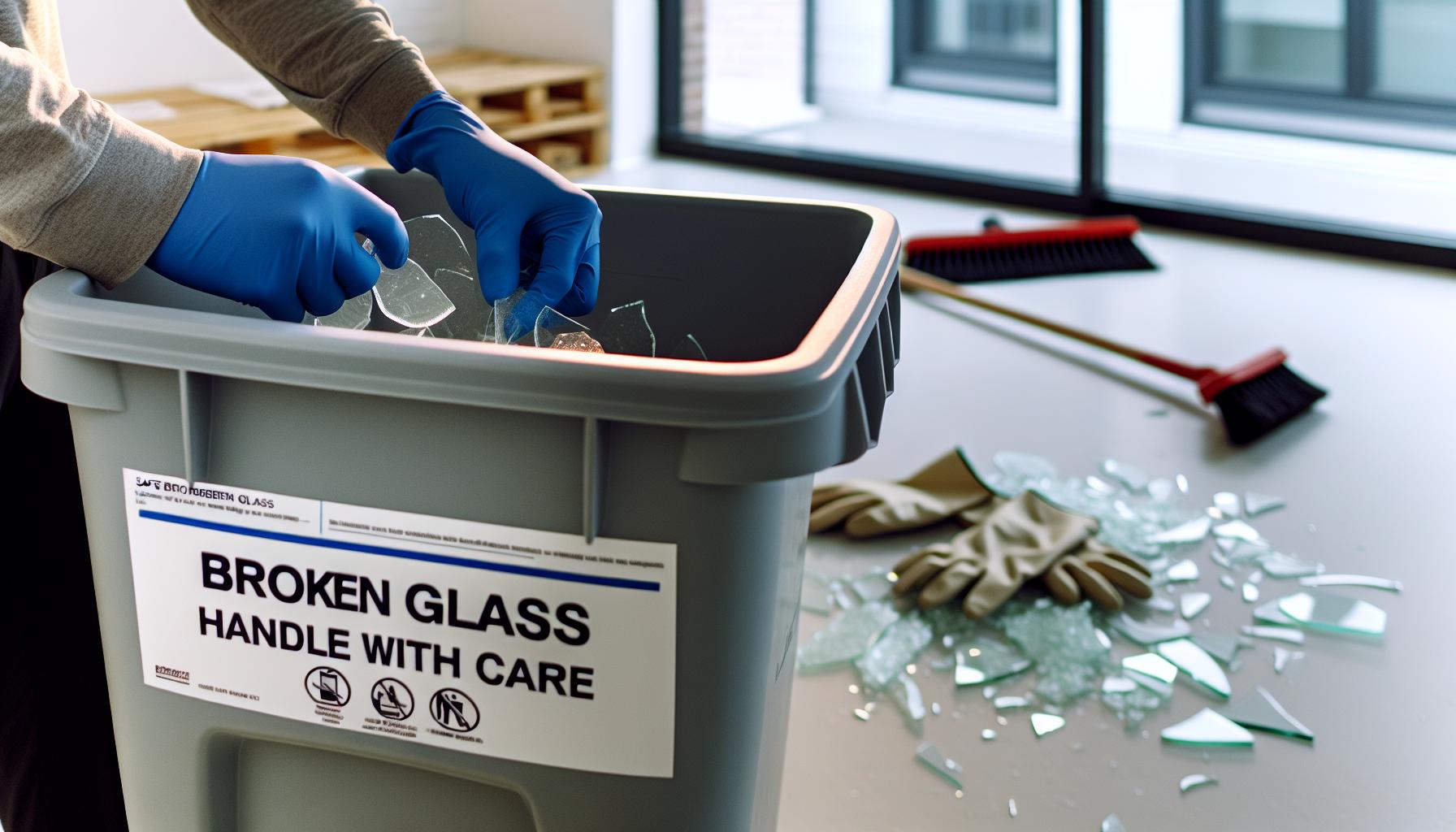
Signs Your Plumbing Is Damaged by Glass
Broken glass lodged within your plumbing can silently turn a minor inconvenience into an urgent repair scenario. One of the first subtle signs that shards of glass may be causing damage is a persistently slow drain-water may take longer to vanish from your toilet or sink, indicating an obstruction. Unlike typical clogs caused by organic debris, glass fragments can create sharp blockades that scratch and scrape pipe interiors, leading to gradual wear and weakening.
You might also notice unexpected noises, such as rattling or scraping sounds when flushing or running water.These unusual sounds arise when jagged pieces intermittently scrape against the pipe walls or cause partial blockages that disturb normal water flow. Another red flag is frequent toilet backups or recurring clogging, especially if plunging doesn’t fully resolve the issue. glass fragments don’t dissolve or break down easily; rather, they remain lodged and accumulate, causing repeated drainage issues.
Key Indicators of Glass-Related Plumbing Damage
- Slow draining toilets or sinks: Water pooling or slow emptying after flushing.
- Recurring clogs: Blockages that reappear quickly even after standard clearing efforts.
- Strange noises: Scraping, rattling, or grinding sounds inside pipes during water flow.
- Visible chips or cracks in toilet bowl: Sometimes glass shards can physically damage the porcelain, causing cracks or chips.
- Water leaks near fixtures: Damage from sharp objects can cause small breaches in pipes, leading to damp spots or dripping.
If left unaddressed, these issues can escalate into costly repairs or even major pipe bursts. For example, glass shards caught in trap bends may gradually puncture the pipe walls, allowing water to seep out behind walls or under floors, creating hidden water damage. It is especially vital to consider these signs promptly if you have recently flushed any glass fragments – even tiny shards can be the culprits.Regular plumbing inspections and professional drain cleaning can help detect and resolve damage caused by glass before it worsens. In situations where you suspect glass contamination,avoid attempting to clear clogs yourself as shards can cause injury or worsen pipe damage during manual removal. Instead, contact a licensed plumber equipped with appropriate tools like video pipe inspection cameras to accurately identify and safely remove glass debris from your system.
Alternatives to Flushing Glass Safely
Few household wastes pose as much hidden risk as broken glass does when accidentally flushed. Rather than assuming the toilet is a quick disposal route,choosing safer alternatives not only protects your plumbing but also prevents hazards downstream in municipal sewer systems or septic tanks. The key is to treat glass similarly to other sharp objects-handle with care and discard through appropriate channels.
One reliable method is to first gather the glass fragments carefully using thick gloves or a broom and dustpan, avoiding any direct hand contact. Then, securely wrap the shards in multiple layers of newspaper or an old cloth to contain sharp edges and prevent injury to sanitation workers. Clearly marking the package as ”broken glass” helps alert anyone handling the trash to exercise caution. This package should then be placed in your regular household trash bin, never into recycling or toilet disposal.
Safe Disposal Options for Glass waste
- Use designated glass recycling programs: many communities offer specialized drop-off centers or curbside pickup for glass recycling. Check local guidelines to see if the type of glass you have is accepted.
- Hazardous waste facilities: For certain glass types like tempered glass,mirrors,or coated glass that can’t be recycled curbside,take them to a hazardous waste collection point.
- Bulk waste pickup or construction debris disposal: If you’re disposing of large pieces from bathroom fixtures (like a broken shower door), contact your city’s sanitation department for the proper bulk waste procedures.
- Reuse or repurpose when possible: Intact or large pieces can sometimes be creatively reused in DIY projects or donated to arts programs.
Practical Tips for Preventing Accidental Flushing of Glass
- Keep bathroom trash cans conveniently located and lined with sturdy bags to encourage using them rather than flushing waste.
- Educate all household members about the dangers of flushing non-degradable objects, especially sharp materials.
- Use old containers or boxes labeled for broken items during cleanup to avoid hurriedly disposing of glass in toilets.
By adopting these safer handling and disposal habits, you safeguard both your home plumbing and broader sanitation infrastructure. Remember that unlike paper or human waste, glass does not break down or dissolve; it simply adds sharp, abrasive material that accelerates pipe damage or creates stubborn clogs. Thoughtful disposal ultimately protects your household and community while preventing costly repairs.
Myths and Facts About Flushing Sharp Objects
Accidental flushing of sharp objects, such as glass shards, frequently enough invites a mix of misconceptions that can lead to improper disposal and costly plumbing issues. One common myth is that the toilet’s water flow is powerful enough to safely wash away broken glass or other sharp materials without consequence. In reality, glass does not dissolve or degrade; it can easily get lodged in pipes, causing punctures, scratches, or blockages that worsen over time. The claim that sharp objects naturally grind down in plumbing is simply false-even small shards can accumulate and lead to serious damage.
Another misunderstood idea suggests that flushing sharp items poses little risk to municipal sewage systems or septic tanks because the waste will be filtered or contained somewhere along the line. However, many wastewater systems rely on pumps and delicate mechanical equipment that are vulnerable to damage by hard or pointed debris. Glass fragments can cause equipment failures and increase maintenance costs for entire communities.
Knowing the facts helps protect both your home pipes and the broader sanitation infrastructure. to keep everything flowing smoothly,it’s best to never flush glass or similar sharp objects. Instead, handle broken glass carefully-wear gloves and wrap shards securely before placing them with regular trash or recycling according to local guidelines. Remember, throwing sharp items in the toilet is a hazardous shortcut that frequently enough leads to expensive repairs and environmental harm.
Common Misconceptions and Practical Clarifications
- Myth: “Flushing broken glass is harmless if it’s small enough.”
Fact: Even tiny fragments can accumulate inside pipes, creating clogs or damaging sensitive plumbing surfaces. - Myth: “Glass will break down naturally in the sewage system.”
Fact: Glass is inert and does not decompose, meaning it remains a sharp hazard throughout the waste treatment process. - Myth: “Disposing of glass via toilet is quicker and more convenient.”
fact: While it might seem easier, this method risks serious plumbing failures and environmental contamination, far outweighing the convenience.
Understanding these realities helps households make smarter disposal choices, safeguarding plumbing health and community sanitation. When in doubt,always opt for safer,recommended waste disposal methods rather than risking permanent damage by flushing sharp objects down the toilet.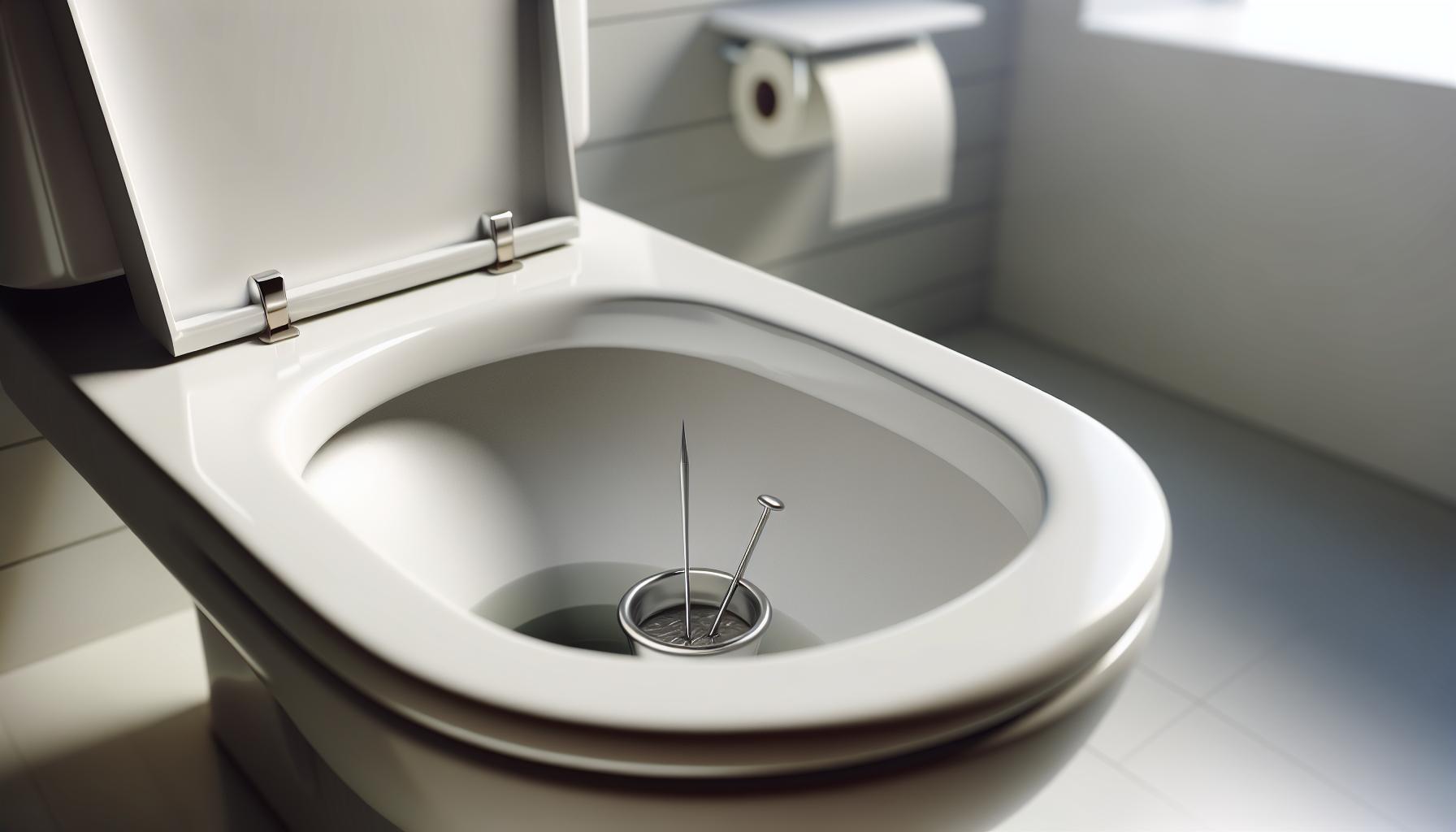
Preventive Tips to Avoid Toilet Blockages
Many toilet blockages result not just from flushing sharp objects like glass, but from everyday habits that easily go overlooked. By being proactive and mindful about what goes down the drain, you can prevent costly plumbing problems before they start.The key lies in adopting simple, consistent routines that protect both your home’s pipes and the wider sewage system.
One fundamental practice is to avoid flushing anything other than human waste and toilet paper. Items like glass shards, dental floss, wipes (even those labeled “flushable”), hair, and cotton swabs can quickly accumulate and create stubborn blockages. If you suspect broken glass is nearby, take extra care to clean it up physically-never rely on the toilet as a disposal method. Wearing gloves and using a dustpan ensures no tiny shards remain that might be accidentally flushed later.
A practical tip is to keep a small trash bin in your bathroom, clearly marked for sharp or non-flushable waste. This encourages everyone in the household to dispose of broken glass fragments and similar hazards safely, rather than risking the convenience of flushing. For families with children, educating them early about what should never enter the toilet is invaluable-kids may not realize how even small pieces of broken glass can disrupt plumbing.
Regular maintenance and monitoring help catch early signs of trouble before blockages get severe. Consider scheduling annual plumbing inspections with a professional, especially if you live in an older home or notice slow drains. Simple preventive measures, like using drain strainers and avoiding pouring grease or thick substances down the sink (which can ultimately affect the toilet system), are surprisingly effective at keeping pipes clear.
- Dispose of sharp objects safely: Use puncture-resistant containers or wrap broken glass in thick newspaper before trashing.
- Install drain strainers: Catch hair, food scraps, and other debris that might cause clogs downstream.
- Educate household members: Make sure everyone knows never to flush items like wipes,sanitary products,or glass.
- Schedule professional checks: Early detection of pipe wear and minor blockages can prevent major obstructions later.
By following these prevention strategies, you not only avoid frustrating toilet blockages but also protect plumbing infrastructure from costly damage. Taking the time to dispose of glass and other sharp materials properly is a small effort that yields lasting peace of mind-and keeps your bathroom functioning smoothly for years to come.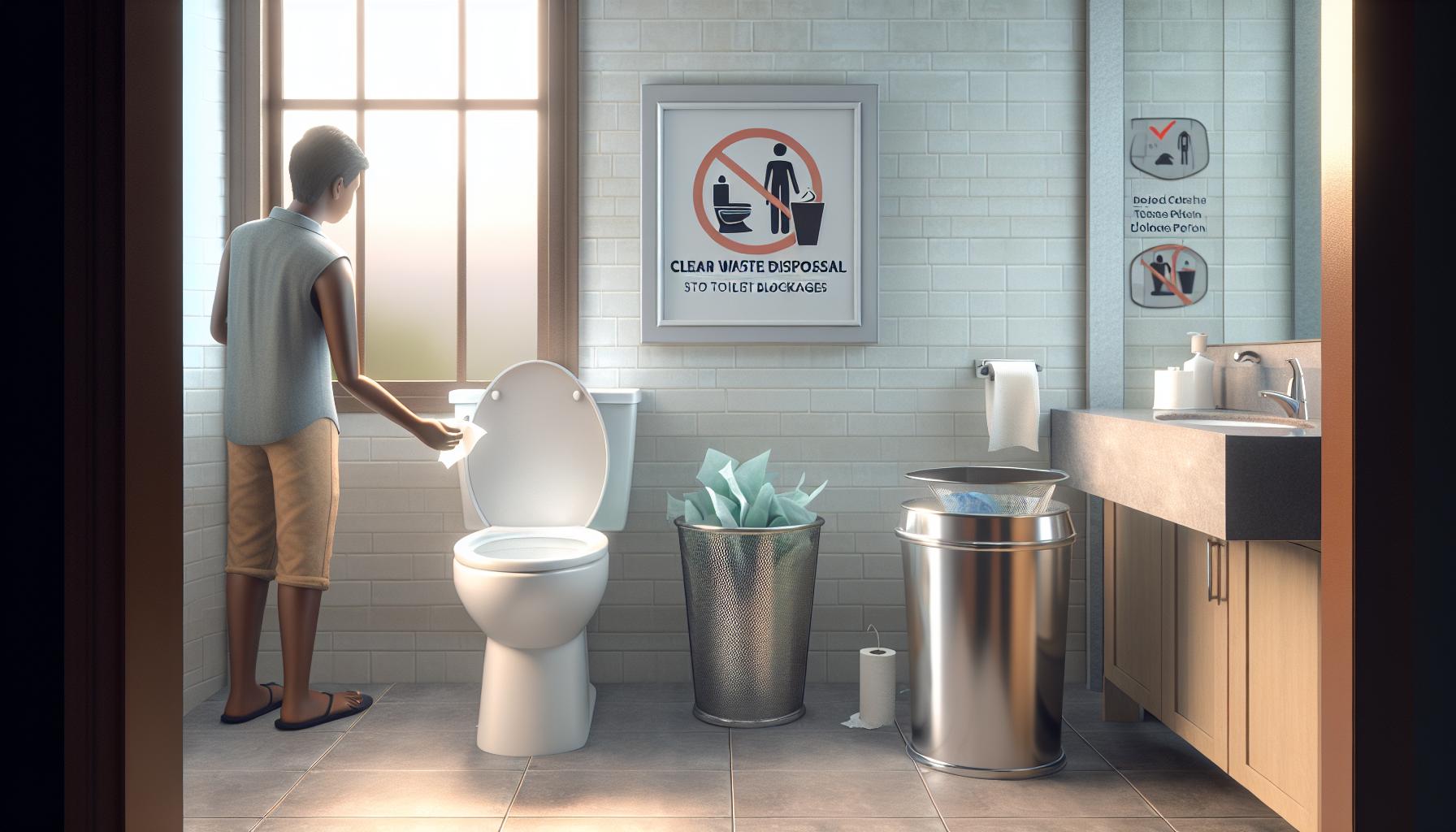
Emergency Steps if Glass Is Flushed Accidentally
Accidentally flushing glass down the toilet can be a stressful moment,but swift and informed action can help mitigate potential damage. The instant you realize glass has been flushed, it’s important not to attempt flushing repeatedly; excess water flow could push shards deeper into the plumbing system, making removal more complicated. Rather, focus on assessing the situation calmly and preparing for the next best steps.
If the toilet bowl still contains visible glass shards, avoid flushing again to keep those fragments confined. Wearing sturdy gloves, carefully scoop out any accessible pieces with a dustpan or a thick cloth and dispose of them safely in a puncture-resistant container or wrapped securely in several layers of newspaper. This immediate cleanup reduces risks to plumbing and household members alike.
If the glass has already moved beyond reach or if you notice slow drainage or unusual sounds during flushing, it’s wise to act promptly by contacting a professional plumber. Early intervention frequently enough prevents shards from combining with other debris to form stubborn clogs or cause pipe damage. Professionals have specialized tools such as pipe cameras and drain snakes that can locate and safely extract glass fragments without causing extensive disruption.
- Do not use harsh chemical drain cleaners: They won’t dissolve glass and might exacerbate pipe corrosion.
- Try to minimize water usage: Excess water can push glass further into pipes, complicating removal.
- Monitor for signs like slow drains or gurgling sounds: These indicate potential blockages needing assessment.
Remember,acting quickly and cautiously not only protects your plumbing but also prevents more costly repairs down the line. keeping emergency contact numbers for trusted plumbing services nearby can save precious time when accidents like glass flushing occur. Taking these measured steps ensures the safety and longevity of your home’s drainage system after such a mishap.
Frequently asked questions
Q: What happens if sharp glass pieces get stuck in toilet pipes?
A: Sharp glass pieces can puncture or scratch toilet pipes, causing leaks or cracks over time.This damage may lead to costly repairs and potential water damage. If you suspect pipe damage from glass,consult a plumber promptly and review Signs Your Plumbing Is Damaged by Glass for early detection tips in our article.
Q: How can I safely handle broken glass in the bathroom without flushing it?
A: To safely handle broken glass, first wear thick gloves and use a broom and dustpan to collect shards. Place the glass in a rigid container before disposing of it with household waste. For detailed disposal methods, see How to Properly Dispose of Broken Glass to prevent plumbing risks and injuries.
Q: Why shouldn’t glass be flushed even if it’s in very small pieces?
A: Even small glass pieces can accumulate inside plumbing, causing blockages or pipe damage over time. Flushing glass poses sharp object hazards to septic and sewer systems, increasing repair costs. opt for safe disposal methods outlined in Alternatives to Flushing Glass Safely to protect your plumbing.
Q: Are some types of glass more dangerous to flush down toilets than others?
A: Yes, tempered or thicker bathroom glass shards can cause more harm due to their sharp edges and durability. These types increase risks of punctures or blockages compared to thinner glass. Learn more about Common Types of Glass Found in Bathrooms to better understand hazardous materials.
Q: How do broken glass pieces affect septic systems differently than municipal sewers?
A: Broken glass in septic systems can damage delicate bacterial environments and cause physical blockages, impairing waste breakdown. Municipal sewers risk pipe damage and increased maintenance costs. For further insights, review Sharp Object Hazards for Septic and Sewer Systems in our main guide.
Q: What emergency steps should I take if glass was accidentally flushed down the toilet?
A: immediately stop using the toilet to prevent further damage. Use a plunger cautiously and contact a professional plumber to inspect and clear your pipes. Refer to Emergency Steps if Glass Is Flushed Accidentally to minimize plumbing and environmental risks.
Q: Can flushing glass lead to long-term plumbing problems, even if no immediate blockage occurs?
A: Yes, small glass pieces can cause micro-damage inside pipes leading to corrosion, leaks, or pipe failure over time. Regular plumbing inspections can detect early issues.See our Signs Your Plumbing Is Damaged by Glass section for awareness and prevention tips.
Q: What are some safe and SEO-friendly alternatives to disposing of broken glass that protect plumbing?
A: Safely wrap broken glass in newspaper or a sealed box and place it in designated recycling or waste facilities that accept glass. Avoid flushing or trashing loosely to reduce plumbing or environmental hazards. Check Alternatives to Flushing Glass Safely for full disposal recommendations.
For comprehensive guidance on avoiding plumbing damage and safe disposal, explore other key sections like How to Properly Dispose of Broken Glass and preventive Tips to Avoid Toilet Blockages in the full article.
In Conclusion
Flushing glass or any sharp objects down the toilet can pose serious risks to your plumbing and safety, so it’s essential to handle such materials responsibly. If you’re looking for safe disposal methods or ways to protect your pipes, exploring our detailed guides on proper waste management and plumbing maintenance can help you prevent costly repairs and hazards. To stay informed and avoid similar issues, consider reading our article on common household plumbing mistakes and troubleshooting tips.
Don’t let sharp object dangers catch you off guard-take proactive steps today to protect your home’s plumbing system. Subscribe to our newsletter for regular updates on home safety and maintenance, or reach out to our experts for personalized advice. If you have questions or experiences to share about disposing of hazardous items,please leave a comment below and join the conversation!
For more on safe waste disposal and plumbing care,check out our resources on eco-friendly garbage practices and emergency plumbing fixes.Staying informed ensures your home stays safe and your plumbing runs smoothly,so keep exploring to safeguard your household effectively.
Get our latest guides, news, and insights highlighted in your Google Search & AI Overviews.