Can You Flush Dirty Mop Water Down the Toilet? Cleaning Tips
Did you know that flushing dirty mop water down the toilet can sometimes cause plumbing issues or even environmental concerns? Many people wonder whether this convenient disposal method is safe or if it could lead too clogged pipes or sanitation problems. Understanding whether you can flush mop water – which often contains dirt, cleaning agents, and debris – is essential for maintaining your home’s plumbing system and protecting local water treatment processes. This article explores the best practices for disposing of dirty mop water, balancing convenience with responsible cleaning.Whether you’re aiming to keep your drains clear or reduce your environmental footprint, knowing the right steps will save you time and trouble.Read on to discover practical tips that ensure your cleaning routine is both effective and safe.
Is It safe to Flush Dirty Mop Water Down the Toilet?
Many people wonder whether pouring dirty mop water down the toilet is a harmless shortcut for disposal. While it might seem convenient and sanitary at first glance, the safety of this practice depends on several vital factors.Toilets and sewer lines are designed to handle human waste and toilet paper, but the additional load of dirty mop water-laden with debris, chemicals, and dust-can pose challenges that homeowners often overlook.
Flushing mop water is generally considered safe if the water is free from excessive solids or harmful chemicals, and if you are connected to a municipal sanitary sewer system that can properly treat such wastewater. Many experts recommend this route over pouring mop water down sinks or outdoor drains as toilets lead to the sanitary sewer, which is equipped to manage liquid waste more effectively without clogging household plumbing [[1]](https://www.facebook.com/buzzfeedtastyhome/videos/ileana_mop-water/1714498489001953/). However, it’s essential to strain out solids such as hair, dirt, and bits of food before flushing to prevent blockages or damage to pipes [[3]](https://www.hoffmannbros.com/can-i-flush/mop-water).
Consider the cleaning agents mixed into your mop water: Some disinfectants, bleach, or heavy-duty cleaning chemicals might potentially be harsh on septic systems or degrade the effectiveness of municipal wastewater treatment. If your mop water contains strong chemicals, it’s wise to minimize their concentration or avoid flushing altogether to protect environmental health. Similarly, harsh chemicals can irritate your plumbing and harm beneficial bacteria in onsite septic tanks-further underscoring the need for careful disposal.
- Strain mop water thoroughly before disposal to remove solids.
- Limit chemical concentration-use water with mild cleaning agents or diluted vinegar instead of bleach-heavy solutions.
- Flush small volumes gradually-large amounts can overwhelm the system or cause backups.
In apartment living or areas where sewer systems are fragile,choice disposal methods might potentially be a safer bet. For example, pouring mop water outside into landscaping (away from wells or storm drains) or onto soil areas can let natural filtration mitigate contaminants better without risking plumbing damage. Always follow local regulations and guidelines to ensure you’re disposing of mop water safely and responsibly.
while flushing dirty mop water down the toilet can often be safe and practical-especially when strained and chemically mild-it’s crucial to recognize the potential impacts on your plumbing system and the environment. Taking a moment to prepare the water properly or opting for alternate disposal routes helps keep your home and community’s waste systems functioning smoothly.
Understanding What’s in Dirty Mop Water
Dirty mop water is far more complex than just water with a little dirt-it’s a cocktail of debris, contaminants, and chemical residues that vary depending on the cleaning task and environment. Understanding what exactly goes into mop water can help you make safer decisions when it comes to disposal,and also protect your plumbing and the environment.
When you mop a floor, the water collects dust, hair, soil, food particles, pet dander, and sometimes even bacteria and allergens. These physical solids can accumulate quickly, forming sediment that may clog pipes if flushed without straining. along with visible debris, mop water often contains residual cleaning agents-ranging from mild detergents and vinegar to stronger disinfectants or bleach-which affect both water chemistry and how the wastewater behaves once it enters the sewage or septic systems. For example, harsh chemicals can disrupt the natural bacteria balance in septic tanks, hindering the breakdown of waste.
- Common solids in mop water: Dirt, dust, hair, food crumbs, and skin flakes.
- Chemical components: Detergents, disinfectants, bleach, ammonia, or natural alternatives like vinegar.
- biological contaminants: Bacteria, allergenic particles, and mold spores picked up during cleaning.
The concentration and composition of these elements vary considerably. As an example, mopping a kitchen floor after cooking might introduce grease and food residues, whereas mopping a bathroom floor may have higher levels of bacteria and disinfectants. The more concentrated or chemically harsh the mop water, the greater the potential impact on plumbing and wastewater treatment systems. Likewise, organic material can promote clogging or foul odors if not properly managed.
By recognizing the mix of solid particles and chemical substances commonly present in dirty mop water, you’re better equipped to assess how it should be handled post-cleaning. Simple steps like straining out solids before disposal and limiting strong cleaning agents can significantly reduce risks while keeping your household systems running smoothly.This knowledge empowers you to protect your home’s infrastructure and contribute to broader environmental health through responsible cleaning waste management.
Potential Risks of Flushing Mop Water in Household Plumbing
Dirty mop water might seem harmless enough to flush down the toilet, but it can pose several subtle risks to your household plumbing system that are worth considering. While the water itself won’t instantly damage pipes,the mixture of solid particles,chemicals,and organic debris can create blockages or chemical imbalances that lead to plumbing issues over time.
One of the main concerns involves the solid matter suspended in mop water-dust, hair, food crumbs, and soil can accumulate and settle inside pipes, especially if they are narrow or older. These particles may cling to the inner pipe walls, gradually narrowing the passage and increasing the likelihood of stubborn clogs. toilets are designed primarily for human waste and toilet paper, so flushing larger debris or gritty sediment differs from their intended function. Over time, flushed mop water loaded with residues can contribute to slow drains or backups that require professional intervention.
Along with physical clogs, chemical components in mop water introduce another layer of complexity. Many cleaning agents, from detergents to disinfectants and bleach, can interfere with the balance of microorganisms that help break down waste in septic tanks or municipal sewer systems. Harsh chemicals may kill beneficial bacteria, undermining natural decomposition and potentially causing foul odors or system inefficiencies. Even in city sewer lines, excessive chemical flow can contribute to environmental stress on water treatment facilities. This is why it’s advisable to limit the use of strong chemicals before disposing of mop water.
Practical Tips to Avoid Plumbing Problems
- Strain solids: Before disposal, pour mop water through a fine mesh strainer or sieve to catch hair and debris.
- Use mild cleaning solutions: Opt for biodegradable or gentle cleaners that are less disruptive to plumbing ecosystems.
- Avoid repeated disposal of large volumes: Pour mop water in small amounts to prevent overwhelming the pipes and septic systems.
- Regular maintenance: Schedule periodic drain cleaning to reduce buildup and maintain smooth water flow.
By understanding the composite nature of mop water and taking proactive disposal steps, homeowners can protect their plumbing infrastructure from gradual but avoidable damage. While flushing mop water down the toilet is common and usually won’t cause immediate harm, minimizing particulate and chemical content reduces long-term risks and helps keep your household plumbing and septic systems functioning optimally[[1]](https://www.reddit.com/r/CleaningTips/comments/15do73z/why_do_people_pour_mop_water_and_other_dirty/)[[2]](https://www.quora.com/Will-it-hurt-your-plumbing-if-you-pour-mop-water-down-the-toilet).
Environmental Impact of Disposing mop Water via Toilets
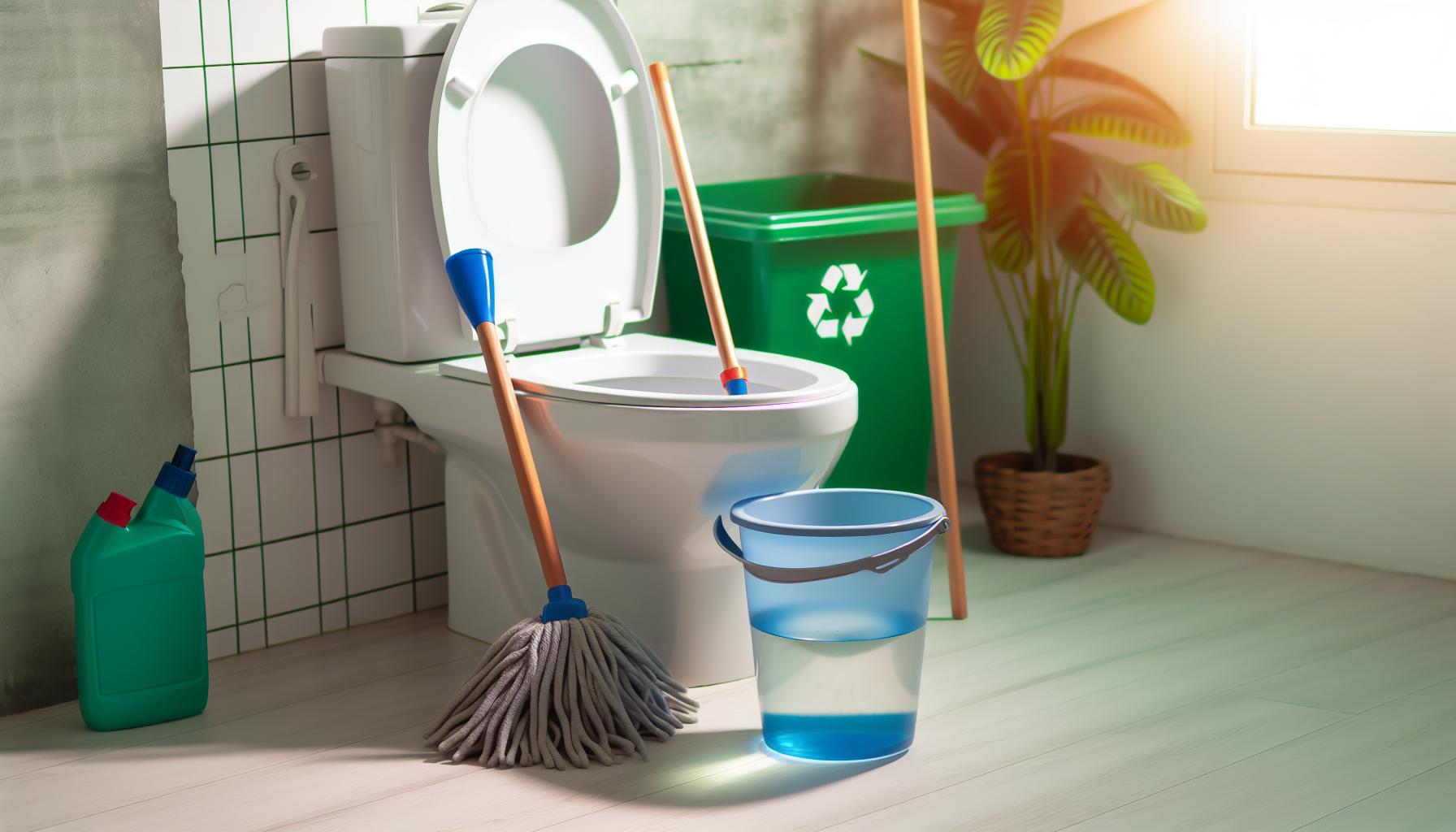
Dirty mop water carries more than just dirt-it often contains a cocktail of chemicals, organic matter, and microscopic pollutants that can weigh heavily on municipal sewage systems and the environment. When mop water is flushed down toilets, it bypasses natural filtration methods homeowners might rely on, sending contaminants directly into wastewater treatment plants that may not be fully equipped to handle such non-standard waste streams. Over time, the cumulative effect can strain these facilities, potentially leading to inefficiencies in treating both human waste and additional chemical loads.
Many municipal wastewater plants are designed primarily to process biodegradable human waste and toilet paper.The introduction of mop water laden with residues like detergents, disinfectants, and suspended solids raises issues beyond their typical operational scope. Harsh chemicals found in some cleaning solutions can disrupt the microbial communities that break down sewage organic matter, reducing treatment effectiveness and increasing the environmental footprint. In particular, substances such as bleach or ammonia can kill beneficial bacteria, which not only diminishes water purification but can also lead to the release of untreated or partially treated effluents into rivers and oceans.
Broader Environmental Concerns
- Water body contamination: Untreated or insufficiently treated wash water may carry harmful chemicals and pathogens into natural waterways, damaging aquatic ecosystems and harming wildlife.
- Soil infiltration risks: In areas relying on septic systems, mop water chemicals can disrupt soil bacterial communities essential for breaking down household waste, leading to system malfunctions and possible groundwater contamination.
- Increased chemical loads: Regular disposal of mop water with strong cleaning agents adds a persistent chemical burden to wastewater,requiring more energy and resources for treatment.
A practical illustration is the case of high-traffic commercial facilities that dispose of mop water frequently into toilets or drains.These facilities sometimes overwhelm local sewage plants, causing periodic releases of partially treated water, a tangible environmental concern highlighted by regulatory bodies. Homeowners,though producing smaller volumes,collectively contribute to this issue if mop water disposal is not thoughtfully managed.
Steps to Reduce Environmental Impact
- Choose eco-friendly cleaning products: Opt for biodegradable, phosphate-free, and less toxic cleaning agents to lessen chemical residues entering wastewater.
- Minimize solids and debris: Strain mop water thoroughly to prevent buildup that complicates treatment processes.
- Dispose responsibly: When possible, avoid flushing mop water down toilets-instead, use garden absorption zones (where safe), sanitary sinks, or designated disposal points to reduce environmental loading.
By adopting these practices, households help maintain the delicate balance in wastewater ecosystems and support the longevity and efficiency of community water treatment infrastructure. Thoughtful mop water disposal is a simple but impactful step toward protecting our waterways and promoting enduring environmental health[[1]](https://mg.rhinostationery.com/14038690/your-ultimate-guide-to-handling-dirty-mop-water/) [[2]](https://ehs.unc.edu/topics/stormwater/pollution-prevention/housekeeping/floor-cleaning-wash-water/).
How Different Cleaning Agents Affect Mop Water Disposal
Few people realize that the specific cleaning agents used in mop water dramatically influence how safely and effectively that water can be disposed of. Different chemicals behave uniquely once they enter household plumbing or municipal wastewater systems, and understanding these effects helps homeowners make smarter choices about mop water disposal.
Harsh disinfectants such as bleach and ammonia-based cleaners, while effective at sanitizing, are among the most problematic when flushed. These substances can kill beneficial bacteria vital to sewage treatment plants and septic tank systems, which rely on microbial breakdown of organic waste. The disruption of these bacterial communities slows down waste processing and can cause build-up or malfunctions in septic tanks, increasing maintenance costs and environmental risks. For instance, bleach residues can persist in water long after disposal, exerting toxic effects on aquatic life once effluent is released into waterways.
In contrast, mop water containing mild soap or biodegradable cleaning solutions generally poses less risk. These agents tend to break down more easily, reducing the chemical load on wastewater treatment facilities.However,even biodegradable detergents can contribute to foaming or nutrient imbalances if disposed of excessively.It’s also important to consider that many multi-purpose cleaners include surfactants and fragrances that may irritate aquatic environments or inhibit natural bacterial activity if disposed of frequently and in large quantities.
Common Cleaning Agents and Their disposal Implications
| Cleaning agent Type | Impact on Wastewater Treatment | environmental Considerations |
|---|---|---|
| Bleach (Sodium Hypochlorite) | Kills beneficial bacteria, disrupts septic systems | Highly toxic to aquatic life; persistent in environment |
| Ammonia-Based Cleaners | Similar microbial disruption; can produce harmful nitrogen compounds | Contributes to nutrient pollution, eutrophication risks |
| Non-Bio Soap & Mild Detergents | Generally biodegradable, less treatment interference | Low toxicity; may cause foaming in excess |
| Natural & Eco-Friendly Cleaners | Break down into harmless components, support microbial health | Environmentally safest; reduces chemical load |
To minimize negative impacts, consider selecting eco-friendly or plant-based cleaning products that avoid phosphates, harsh solvents, and synthetic fragrances. When mopping, dilute cleaning solutions as much as possible to reduce concentration, and always strain out solids which can clog drains. Another useful tip is to rotate cleaning agents periodically rather of relying on one potent chemical continuously, giving ecosystems within septic and treatment systems time to recover.
Ultimately, the composition of mop water depends heavily on what goes into the bucket. Being mindful of cleaning agent ingredients and quantities can prevent plumbing headaches and protect the environment-making mop water disposal safer for you and your community.
Effective Alternatives to Flushing Mop Water
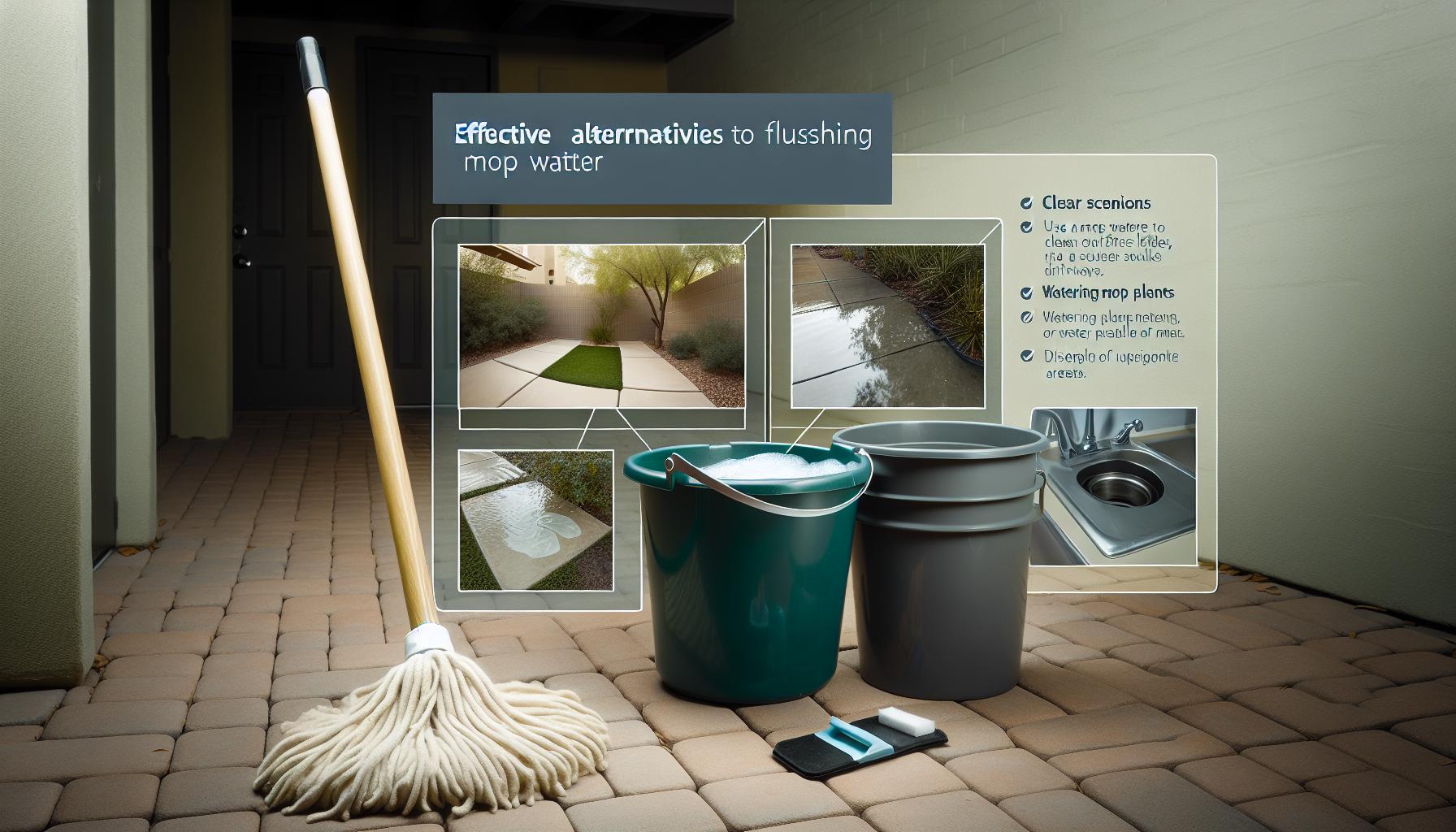
Dirty mop water often contains a mix of soil, cleaning agents, and sometimes harmful chemicals, making it less than ideal to simply flush down the toilet. Fortunately, there are practical and environmentally responsible alternatives that protect your plumbing system and the broader ecosystem. By adopting smarter disposal habits, you can avoid clogging drains and minimize the risk of introducing pollutants into wastewater treatment systems.
one of the easiest and most eco-friendly methods is to dispose of mop water outdoors in garden beds or on lawns, provided it contains only mild, biodegradable cleaners and no harsh chemicals like bleach or ammonia. The soil and plants can naturally filter and break down many impurities, turning your mop water into an unintended nutrient source rather than a pollutant.However, it’s important to avoid doing this if your mop water has strong disinfectants or oily residues, which can harm vegetation or leach into groundwater.
If outdoor disposal isn’t feasible, consider pouring mop water down the sink drain, but only if your plumbing leads to a municipal sewer system designed to handle such waste – again, avoid this if the cleaning agents are harsh or toxic. using a sink with a built-in strainer can catch debris that might or else cause blockages. For apartment dwellers without access to outdoor spaces, dumping mop water into a toilet is sometimes recommended, but it’s best reserved for mop water with gentle cleaning solutions to avoid septic or sewer system disruptions[1] make mop water disposal safer in any setting.
In settings where frequent mopping is necessary, an alternative is to use a two-bucket system: one bucket with cleaning solution for mopping and another with plain water to rinse the mop. This practice significantly reduces the volume of contaminated water generated, allowing you to dispose of rinse water more safely outdoors or down the drain with less risk.
If you have a septic system, avoid flushing mop water with disinfectants altogether. Instead, consider these systems:
| Disposal Method | Suitability | benefits |
|---|---|---|
| Outdoor Disposal on Lawn or Garden | Only biodegradable, low-toxicity mop water | natural filtration, minimizes plumbing impact |
| Sink Drain Disposal | Municipal sewer connection, mild soaps only | Convenient, effective with pre-straining |
| Toilet disposal | Apartment living without outdoor access, gentle cleaners only | Easy, though limited by chemicals used |
| Hazardous Waste Collection | Strong chemicals, industrial mop water | Prevents environmental harm and plumbing damage |
By incorporating these alternatives, you can effectively manage dirty mop water without jeopardizing your home’s plumbing or the environment. Emphasizing preventive steps-like choosing the right cleaning agents, minimizing contaminants, and proper pre-treatment-makes all the difference in maintaining healthy drains and water treatment processes.
Step-by-step Guide to Proper Mop Water Disposal
When dealing with dirty mop water, proper disposal is key not only for maintaining your plumbing but also for protecting the environment. Many underestimate the complexity of this task, but following a clear, step-by-step approach makes it manageable and ensures you avoid common pitfalls like clogged drains or environmental contamination. Whether you’re in an apartment with limited options or a house with a yard,these practical steps will help you safely and effectively get rid of mop water.Start by straining out solid debris such as hair, lint, and dirt using a mesh strainer or even an old stocking over the bucket.This prevents solids from causing blockages in drains or septic systems. Next, if possible, dilute the mop water with clean water to reduce the concentration of cleaning agents and contaminants. Such as, adding an equal amount of fresh water lessens the chemical load and makes the disposal gentler on pipes and soil.
If your mop water contains only mild, biodegradable cleaners, consider disposing of it outdoors.Simply pour the water onto garden beds or grassy areas where the soil and plants can naturally filter impurities. Avoid disposing outside if your mop water contains harsh chemicals like bleach,ammonia,or oils,as these can harm vegetation and contaminate groundwater. When outdoor disposal isn’t an option, pour the mop water into a utility or laundry sink connected to a municipal sewer system designed to handle such wastewater-never pour it into a sink used for food prep or drinking water sources.
Apartment dwellers who lack outdoor space can carefully dispose of mild mop water in the toilet, flushing it away promptly. However, be mindful that this method should be limited to mop water with gentle detergents only; strong disinfectants can upset septic systems or local sewage processes. For all scenarios, regularly cleaning your drains and sinks, and avoiding buildup of dirt and chemicals, will dramatically extend the life of your plumbing.
Simple Steps to follow
- Pre-treat mop water: Strain out solids before disposal to reduce clog risks.
- Dilute: Add clean water to minimize chemical strength.
- Choose disposal location: Outdoor areas for mild, biodegradable mop water; utility sink for sewer-appropriate water; toilet as last resort for gentle cleaners in apartments.
- Flush responsibly: If using the toilet, pour mop water slowly and flush immediately after.
- Maintain plumbing: Regularly inspect and clean drains to prevent buildup.
| Disposal option | Best For | Key Considerations |
|---|---|---|
| Outdoor Soil or Lawn | Biodegradable, low-toxicity water | Only if free from harsh chemicals; benefits natural filtration |
| Utility or Laundry Sink | Municipal sewer users, mild soaps only | Ensure no solids or harsh chemicals; straining critical |
| Toilet | Apartment living, mild cleaning solutions | Must avoid strong disinfectants; flush immediately |
| Hazardous Waste Facility | Industrial or strong chemical mop water | Prevents plumbing/environmental damage-arrange collection |
By following these steps, you can confidently manage mop water disposal without risking costly plumbing problems or environmental harm. taking a moment to properly prep and choose the right disposal method turns what seems like a mundane chore into an eco-conscious responsibility.
Pro Tips to Keep Drains and Septic Systems Healthy
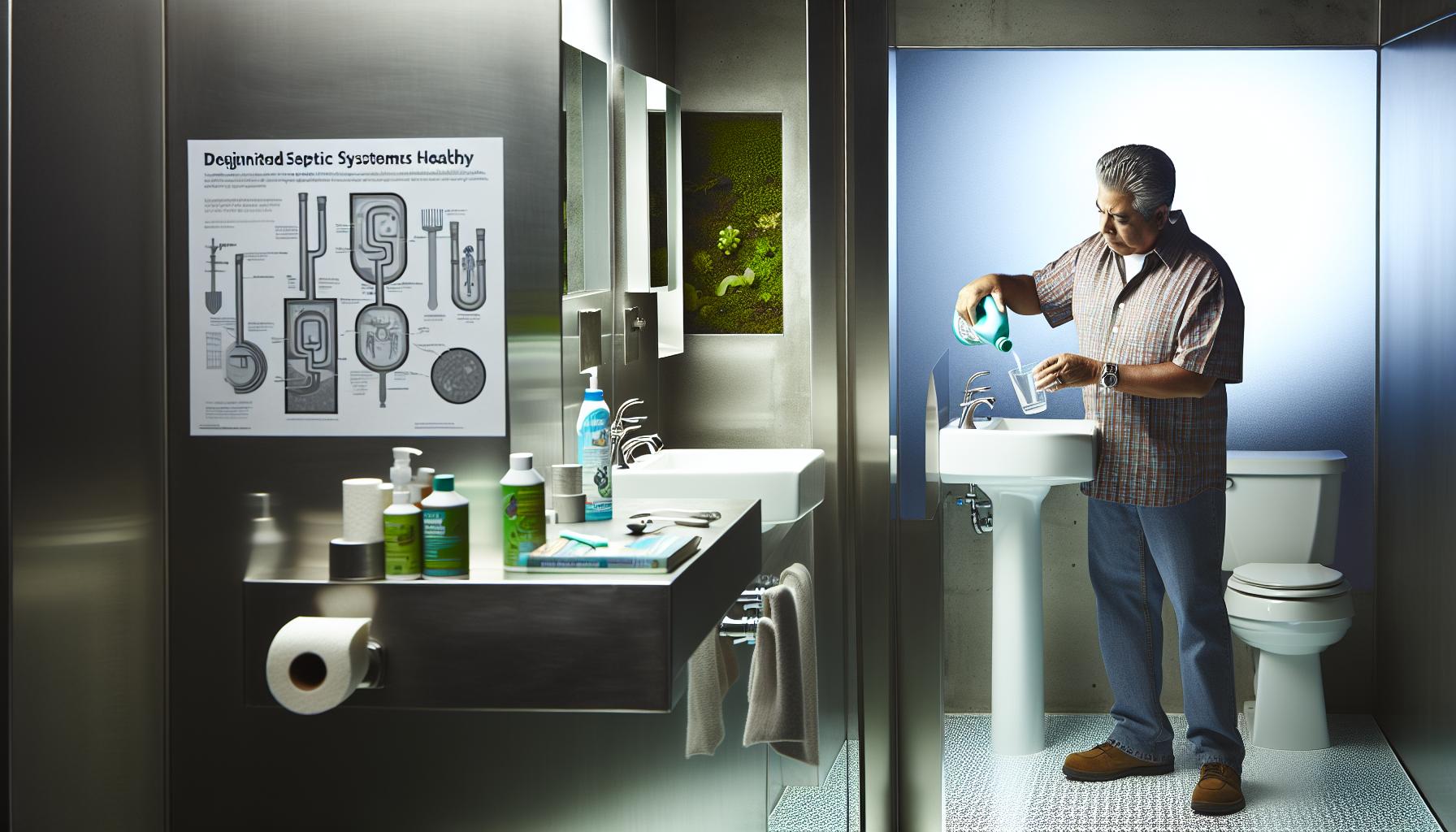
A common oversight in home maintenance is underestimating how daily disposal habits affect plumbing and septic system longevity. Even seemingly harmless actions-like flushing dirty mop water-can lead to costly clogs or septic imbalances if not managed properly. Keeping drains and septic systems in good shape requires intentional care combined with smart disposal practices that consider what’s entering your pipes.
First,consistently removing solids such as hair,dust,and grime before disposal is essential. These particles can accumulate inside pipes or septic tanks, forming blockages or slowing down wastewater flow. Using a strainer or fine mesh to catch debris before pouring mop water down the drain helps protect delicate plumbing and reduces buildup over time. Equally critically important is avoiding harsh chemicals-bleach, ammonia, and oils-that can disrupt the beneficial bacteria in septic tanks and corrode pipes. When these chemicals enter the system frequently, they can damage its natural breakdown processes and reduce overall efficiency.
Routine Maintenance Habits
- regularly clean and flush drains: Monthly flushing with hot water or enzyme-based cleaners can dissolve minor build-ups without harming septic bacteria.
- Limit chemical usage: Opt for biodegradable, septic-safe detergents for mopping, and avoid mixing different cleaners that could create harmful reactions in your plumbing.
- Monitor water volume: Excessive water from frequent mopping or other sources can overload septic systems, so use mop water disposal methods that minimize volume stress.
- Educate household members: Ensure everyone understands what can and cannot be flushed or drained-for example, mop water with high solids or chemicals should never go into toilets or sinks.
In apartments without access to outdoor drainage, flushing small amounts of diluted, mild mop water down the toilet can be acceptable, but take care to pour slowly to prevent strain on the plumbing and flush immediately.In contrast, homes with septic tanks benefit from directing mop water to utility sinks that feed into sewer lines or, better yet, outdoor gardens when safe and allowed.This targeted approach keeps solids and chemicals away from sensitive septic components.
by combining these practical steps with periodic professional inspections-especially if slow drains or odors appear-you can safeguard your drainage infrastructure effectively. Prevention saves more than repair costs: it preserves the health of your home’s entire wastewater management system, reducing environmental harm and ensuring long-term functionality.
| Action | Reason | Benefit |
|---|---|---|
| Straining solids before disposal | Prevents blockages inside pipes | Reduces risk of clogs and backups |
| Using biodegradable cleaners | Protects septic bacteria and soil health | Enhances system efficiency and longevity |
| Flushing drains monthly with enzyme cleaners | Breaks down organic build-up safely | Maintains smooth water flow and less frequent repairs |
| Slow pouring and immediate flushing in toilets | Reduces strain on plumbing from mop water volume | Prevents pipe damage and overflow |
How to Minimize Mop Water Contamination Before Disposal
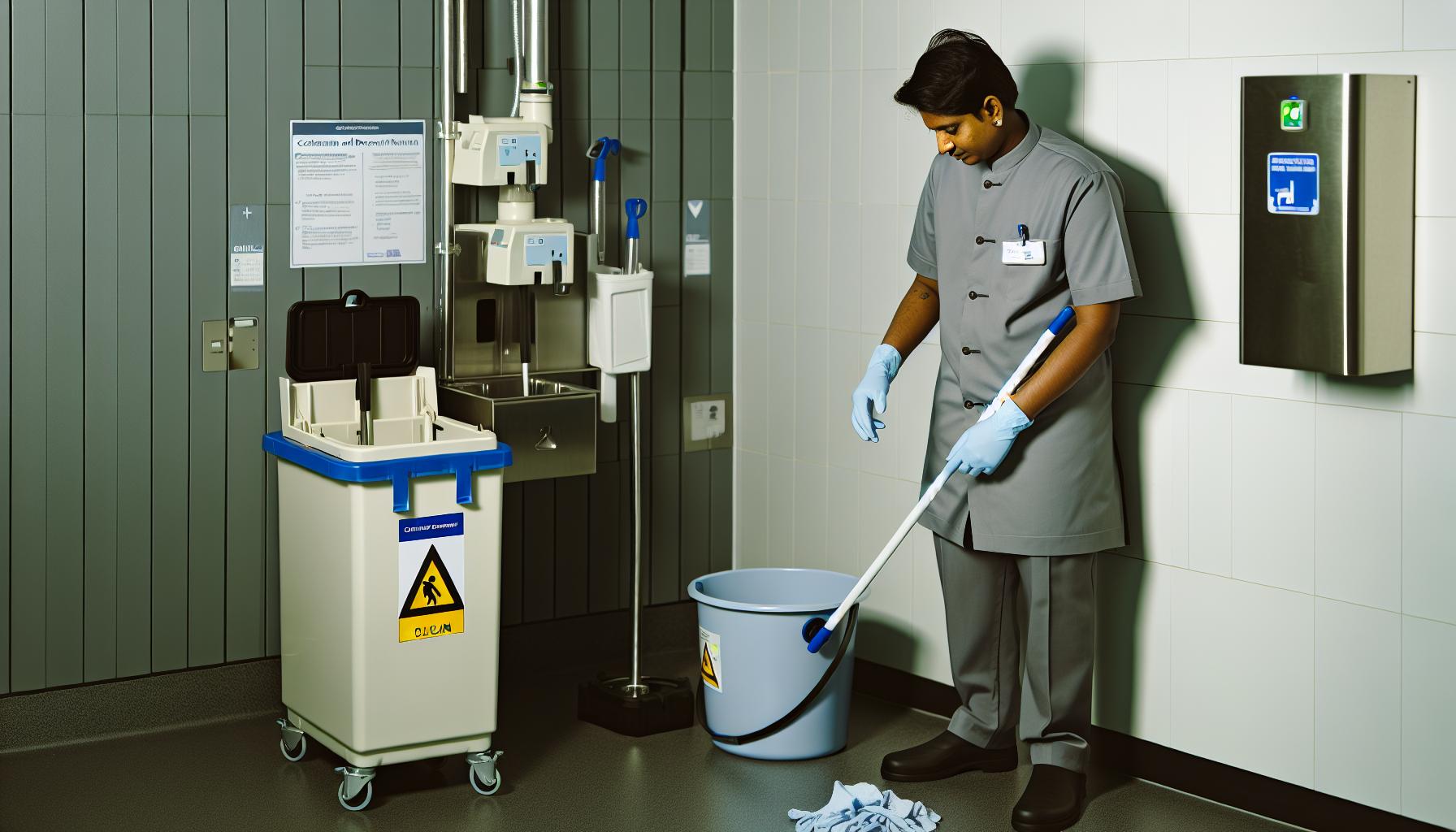
Dirty mop water often carries not only visible debris but also invisible contaminants like oils, grease, and chemical residues. Minimizing these pollutants before disposal can make a significant difference in protecting your plumbing, septic system, and the environment. Taking proactive steps to reduce contamination prevents foul odors, pipe blockages, and strain on wastewater treatment processes - all while promoting cleaner water cycles.
One of the simplest yet most effective measures is to filter out solids before discarding mop water. Using a fine mesh strainer or even an old cloth over the bucket can catch hair, dust, dirt clumps, and other suspended particles. This approach limits buildup inside pipes and filters in your drainage system.Sence these solids contribute heavily to clogs and septic tank sedimentation, their removal is a critical first step toward safer disposal.
Choose cleaning Products Wisely
Your choice of cleaning agents directly influences the level of contamination in mop water. Avoid harsh chemicals such as bleach,ammonia,or oil-based cleaners,as they can damage beneficial bacteria in septic tanks and corrode pipes. Rather, opt for biodegradable, eco-friendly detergents that break down naturally without leaving toxic residues. Mild, plant-based cleaners not only reduce environmental harm but also make mop water safer to handle and dispose of through sinks or utility drains when authorized.
reduce Chemical Concentration Before Disposal
If mop water contains unavoidable cleaning agents, diluting it with fresh water helps lessen the chemical load before it enters drainage systems. This simple practice eases the burden on septic bacteria and wastewater treatment plants, enhancing their efficiency. Additionally, letting mop water settle for a few minutes allows heavier particles or oils to float or sink, which can then be skimmed or absorbed with reusable cloths or absorbent pads.
- Pre-strain solids: Use strainers or cloths to catch debris before disposal.
- Select biodegradable cleaners: Choose non-toxic, septic-safe soaps and detergents.
- Dilute mop water: Add clean water to lower chemical concentration when needed.
- Absorb oil and grease: Use reusable absorbents to remove fats and prevent pipes from clogging.
these practical pre-disposal steps serve as a frontline defense against contamination hazards. Integrating them into your cleaning routine not only safeguards your home’s plumbing and septic systems but also reduces the environmental footprint of everyday cleaning. Over time, these small habits translate into fewer plumbing issues, cleaner local waterways, and healthier ecosystems surrounding your community.
When to Call a Professional for Drain or Septic Issues
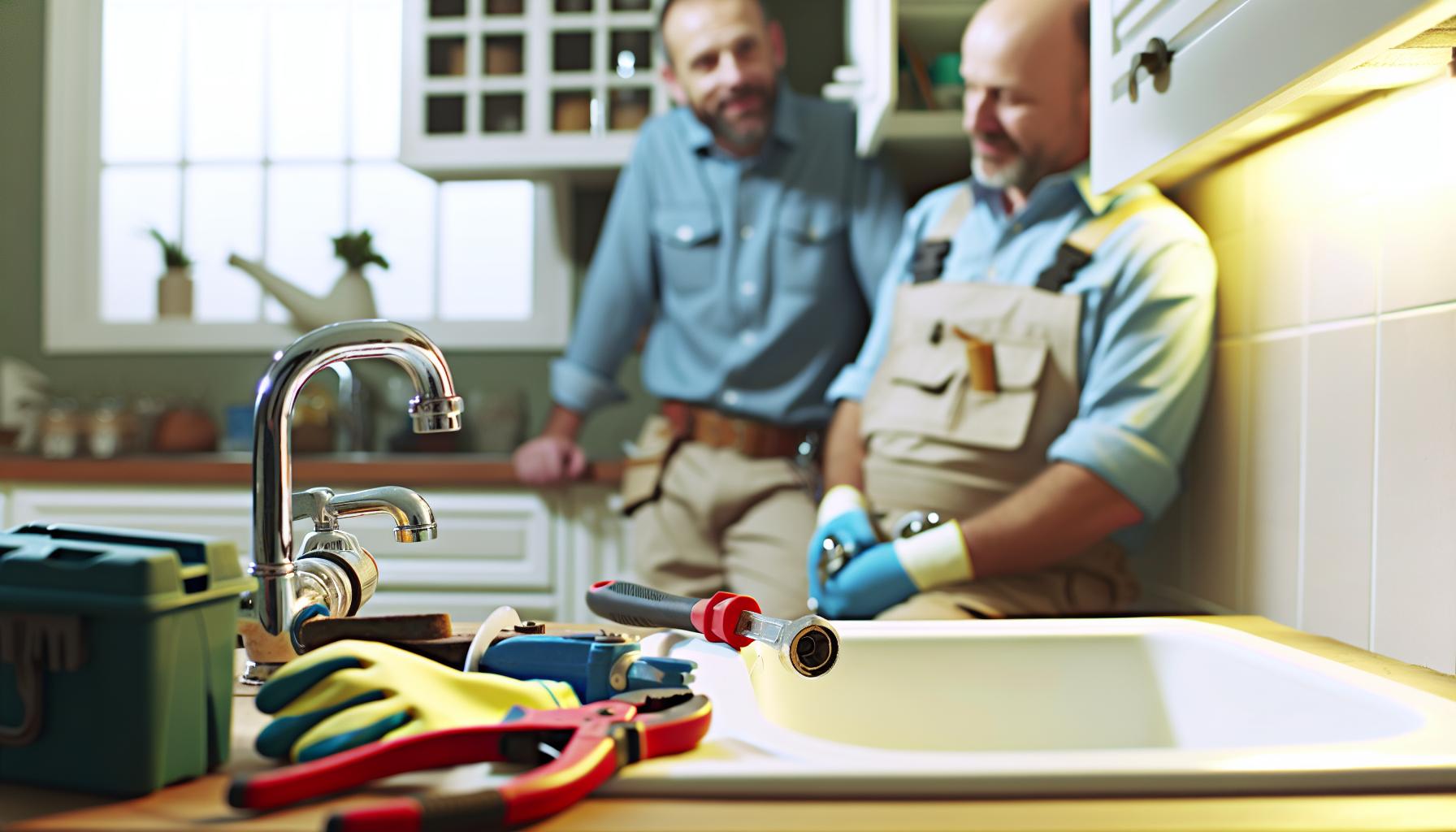
Dirty mop water, especially when flushed down toilets or drains, can sometimes lead to hidden plumbing or septic issues that aren’t immediately obvious. Recognizing the early signs that professional intervention is needed can save you from costly repairs and prolonged inconvenience. If you notice persistent slow drainage, foul odors coming from toilets or drains, or frequent backups after disposing of mop water, these signals frequently enough indicate a clog or septic imbalance that warrants expert attention.
It’s also crucial to act quickly if you experience recurring blockages despite careful pre-disposal practices like filtering solids and diluting cleaning agents. Professionals can assess whether mop water’s suspended debris, grease, or harsh chemicals have caused damage or buildup deep within pipes or septic tanks. Such as,grease and oils released by mop water may not always cause immediate clogs but can coat pipe interiors over time,restricting flow subtly until a blockage forms. A professional plumber or septic technician has the right equipment-such as video pipe inspections and hydro-jetting-to diagnose and clear these more complex obstructions safely and completely.
When immediate Help Is Needed
- Repeated backups or slow drains: Indicate partial or complete blockages requiring mechanical cleaning.
- Persistent strong odors: Suggest septic system failure or sewer gas leaks that pose health risks.
- Visible leaks or wet spots near septic fields or plumbing lines: Could signal component damage needing repair.
- Unusual gurgling sounds: Often accompany air trapped behind clogged pipes or failing septic tanks.
Taking a proactive approach by calling a professional specialist ensures that mop water disposal does not evolve into an expensive plumbing nightmare. They can recommend tailored maintenance schedules, suggest safer disposal alternatives, or help retrofit drainage systems to better handle mop water safely. Sometimes, what begins as a minor inconvenience can escalate without expert care, so don’t hesitate to seek advice when unsure. Early professional guidance preserves plumbing longevity and protects your home’s sanitation infrastructure.
Real-World Example
Consider the common scenario where a homeowner flushes mop water containing grease and chemical residues into the toilet regularly. Initially,no problem arises,but over weeks,the septic tank’s beneficial bacteria are compromised,solids accumulate excessively,and drainage slows down. by the time backups and odors appear, a septic pump-out alone isn’t enough-professional remediation including bioaugmentation and pipe cleaning becomes necessary. This underscores why it’s better to act on subtle indicators rather than wait for visible damage.
watch for consistent drainage issues or odors,and don’t ignore any new changes following mop water disposal. Consulting a licensed plumber or septic professional helps diagnose potential contamination or blockage problems before they worsen, ensuring your home’s plumbing endures well into the future.
Essential Tools for Safe and Eco-Friendly Floor Cleaning
Choosing the right tools for floor cleaning is not just about getting surfaces spotless-it’s a pivotal step toward protecting your plumbing and the environment. Using eco-friendly and efficient cleaning equipment helps reduce the volume of dirty mop water generated and minimizes harmful substances entering your drains or septic system. Beyond convenience, selecting safe tools plays a significant role in sustainable home maintenance and keeps your waste disposal practices compliant with best habits.
For everyday cleaning, microfiber mops are a game-changer. Their fine synthetic fibers capture dirt, dust, and even oils more effectively than conventional cotton mops, which often just spread contaminants around. becuase microfiber mops require less water and cleaning solutions, they significantly cut down the amount of dirty water needing disposal, reducing your risk of introducing excessive pollutants into household waste systems. Pairing them with bucket systems that include wringers helps control water saturation and allows you to change mop water frequently, preventing grime from repeatedly cycling back onto floors.
Another valuable tool is a mop bucket with a dual-chamber design. This separates clean water from dirty rinse water, stopping cross-contamination and making mop water less toxic when it’s time to dispose of it.For homes relying on septic tanks or older plumbing, this separation reduces the load of solids and harsh chemical residues that can damage microbial activity or clog pipes over time. Choosing buckets made from durable, recycled materials also supports environmental goals without sacrificing functionality.
Complementary Tools for Cleaner, Safer Floors
- Eco-friendly cleaning solutions: Use biodegradable, non-toxic detergents designed for mop water that’s less harmful to plumbing and septic systems.
- spray mops: These allow targeted cleaning with minimal liquid, thereby limiting waste water generation and preventing harsh chemicals from becoming part of dirty mop water.
- Protective gloves and bucket filters: Gloves keep hands safe from prolonged chemical exposure, while bucket filters can trap solids before mop water disposal, decreasing clog risks.
Incorporating these tools reflects a proactive stance toward health,sustainability,and cost savings. As an example, a user who switched to microfiber mops and dual-chamber buckets noticed their mop water was visibly cleaner after multiple uses and their drains remained clog-free much longer.By equipping yourself with the right gear and using it thoughtfully, you minimize unnecessary damage-both inside your home’s plumbing and across the broader environment.
Simple Daily habits to Reduce dirty Mop Water Generation
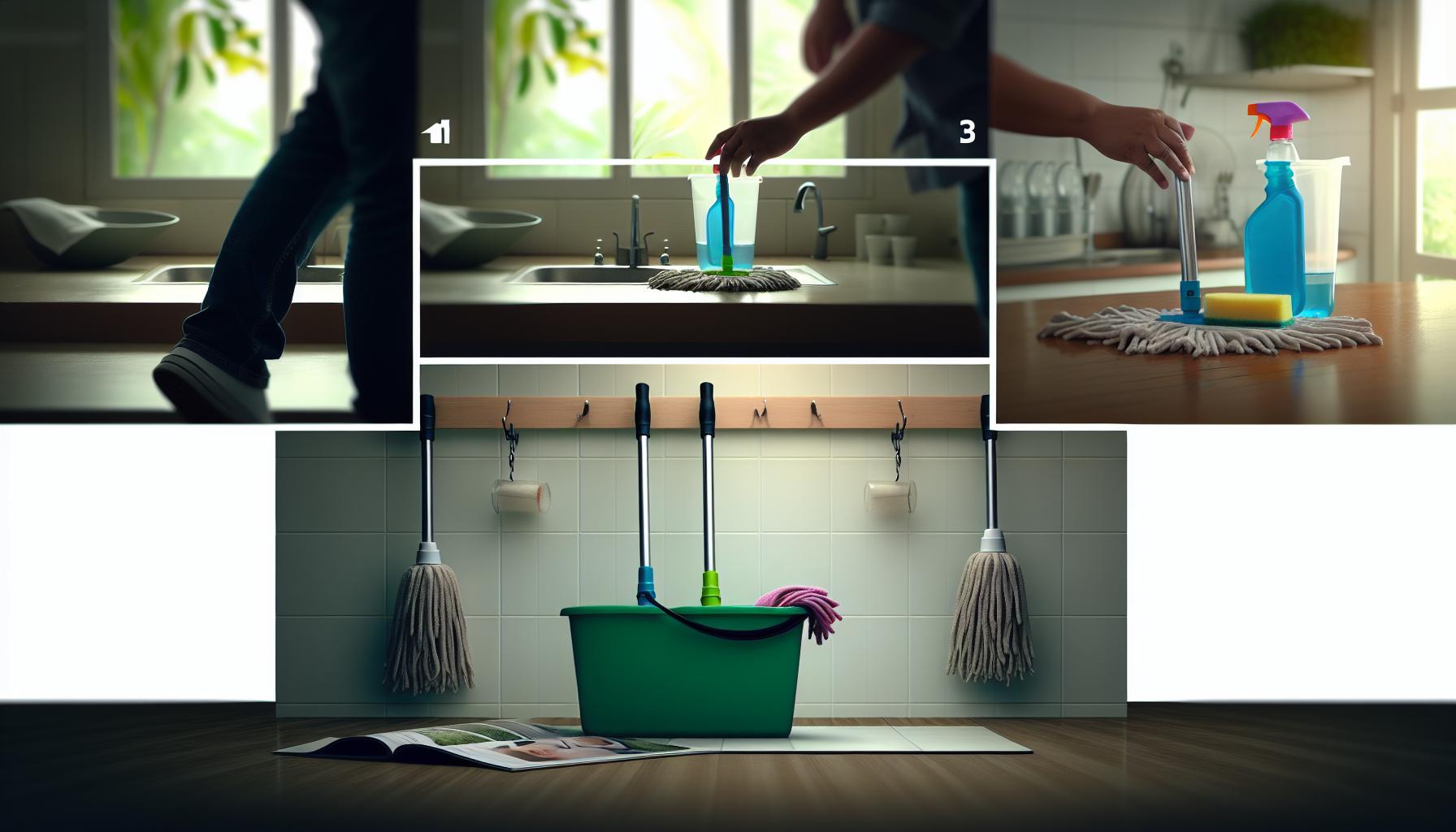
Dirty mop water disposal frequently enough feels like an unavoidable chore, but small daily habits can make a significant difference in how much dirty water you produce and how clean it truly is. One surprisingly effective habit is regular spot cleaning throughout high-traffic areas to prevent the buildup of grime that demands frequent heavy mopping.Using quick-dry cleaning cloths or spray mops on small spills reduces the need for large mop water loads,saving water and reducing waste.
Another key habit is controlling the amount of water and detergent used during mopping.Over-soaking a mop not only creates more waste but also dilutes cleaning agents, decreasing their effectiveness and generating more frequent water changes. Using microfiber cloths or mops can reduce water consumption drastically as they trap dirt without requiring frequent rinses. Changing mop water regularly also prevents grime accumulation, limiting cross-contamination and decreasing the volume of heavily soiled mop water needing disposal.
Practical Tips to Streamline Your Floor Cleaning Routine
- Pre-sweep or vacuum: Removing loose dust and debris before mopping cuts down dirt transferred into the mop water.
- use targeted cleaning methods: Focus on tough spots with a spray mop or spot cleaner before mopping the entire floor.
- Limit detergent use: Excess chemicals increase mop water toxicity; stick to manufacturer recommendations for dilution.
- Adopt dual-bucket systems: These separate clean and dirty water, reducing the frequency you need to replace mop water overall.
By integrating these simple practices into your daily routine,you not only reduce the amount of dirty mop water generated but also minimize harsh chemical runoff and preserve plumbing health. This approach benefits both your household’s environmental footprint and the longevity of your septic or drainage systems. For example, cleaning professionals have reported that cleaning twice a week with spot treatments versus daily heavy mopping cuts mop water volume by up to half, with improved surface hygiene as well. These easy habits empower you to keep your floors spotless without the unnecessary hassle and environmental cost of large mop water loads.
Frequently asked questions
Q: How does flushing dirty mop water affect toilet plumbing over time?
A: Flushing dirty mop water can lead to buildup of dirt, fibers, and cleaning residues inside pipes, potentially causing clogs and slow drainage. To protect household plumbing,avoid disposing mop water down the toilet and follow proper disposal methods outlined in the Step-by-step Guide to Proper Mop water Disposal section of the article.
Q: Can certain cleaning chemicals in mop water harm septic systems if flushed?
A: Yes,harsh chemicals like bleach,ammonia,or strong disinfectants in mop water can disrupt the natural bacteria in septic tanks,impairing waste breakdown. Use eco-friendly cleaning agents and refer to How Different Cleaning Agents Affect Mop Water Disposal for safer alternatives to protect your septic system.
Q: What are safe and eco-friendly ways to dispose of dirty mop water at home?
A: The safest method is to pour mop water into landscaped areas or lawns where it won’t harm plants or enter storm drains,after ensuring minimal chemical content. This practice aligns with Effective Alternatives to Flushing Mop Water and helps minimize environmental impact.
Q: How can I reduce the amount of dirty mop water I generate during cleaning?
A: Reduce dirty mop water by mopping in smaller sections,rinsing the mop frequently,and using microfiber mops that require less water. Adopting these simple daily habits complements tips from the article’s Simple Daily Habits to Reduce Dirty Mop Water Generation section.
Q: Why shouldn’t dirty mop water be poured down kitchen or bathroom sinks?
A: Pouring dirty mop water down sinks can cause grease, dirt, and debris accumulation, leading to clogs and foul odors. Rather, follow guidelines on proper mop water disposal found in the article to maintain healthy drains and avoid costly plumbing issues.
Q: How can I treat mop water to make it safer for disposal if flushing is unavoidable?
A: If flushing is the only option, dilute mop water with plenty of clean water, avoid toxic chemicals, and filter out solids to reduce plumbing risks. Learn more in How to Minimize Mop Water Contamination Before Disposal for detailed tips on safer handling.
Q: When should I seek professional help for plumbing issues caused by improper mop water disposal?
A: Call a professional if you notice persistent clogs, slow drainage, foul smells, or septic system warnings after disposing mop water. Early intervention, as discussed in When to Call a Professional for Drain or Septic Issues, prevents major damage and costly repairs.
Q: What tools help maintain drains and septic health when disposing of mop water?
A: Use drain strainers to catch debris, enzymes or bio-cleaners to break down residues, and eco-friendly cleaning products to minimize chemical damage. These tools support Pro Tips to Keep Drains and Septic Systems Healthy and extend plumbing system longevity.
For more detailed strategies, visit the corresponding sections of our main guide and consider sustainable cleaning alternatives to protect your home and environment.
The way forward
Understanding whether you can flush dirty mop water down the toilet is essential for maintaining both your plumbing and the environment. While it may seem convenient, this guide highlights safer and more effective disposal methods to prevent clogs and contamination. For more expert cleaning tips, don’t miss our detailed article on how to deep clean your home without damaging pipes, or explore eco-friendly waste disposal solutions that protect your plumbing system.
Ready to take your cleaning routine further? Sign up for our newsletter to get weekly tips and practical advice delivered straight to your inbox. If you still have questions about flushing dirty mop water or other household waste, feel free to leave a comment below-we’re here to help you make informed decisions. Keep exploring our site for more reliable cleaning hacks, tools, and resources designed to simplify your home care while safeguarding your plumbing and the environment. Your clean, healthy home starts with smart choices today!
Get our latest guides, news, and insights highlighted in your Google Search & AI Overviews.