
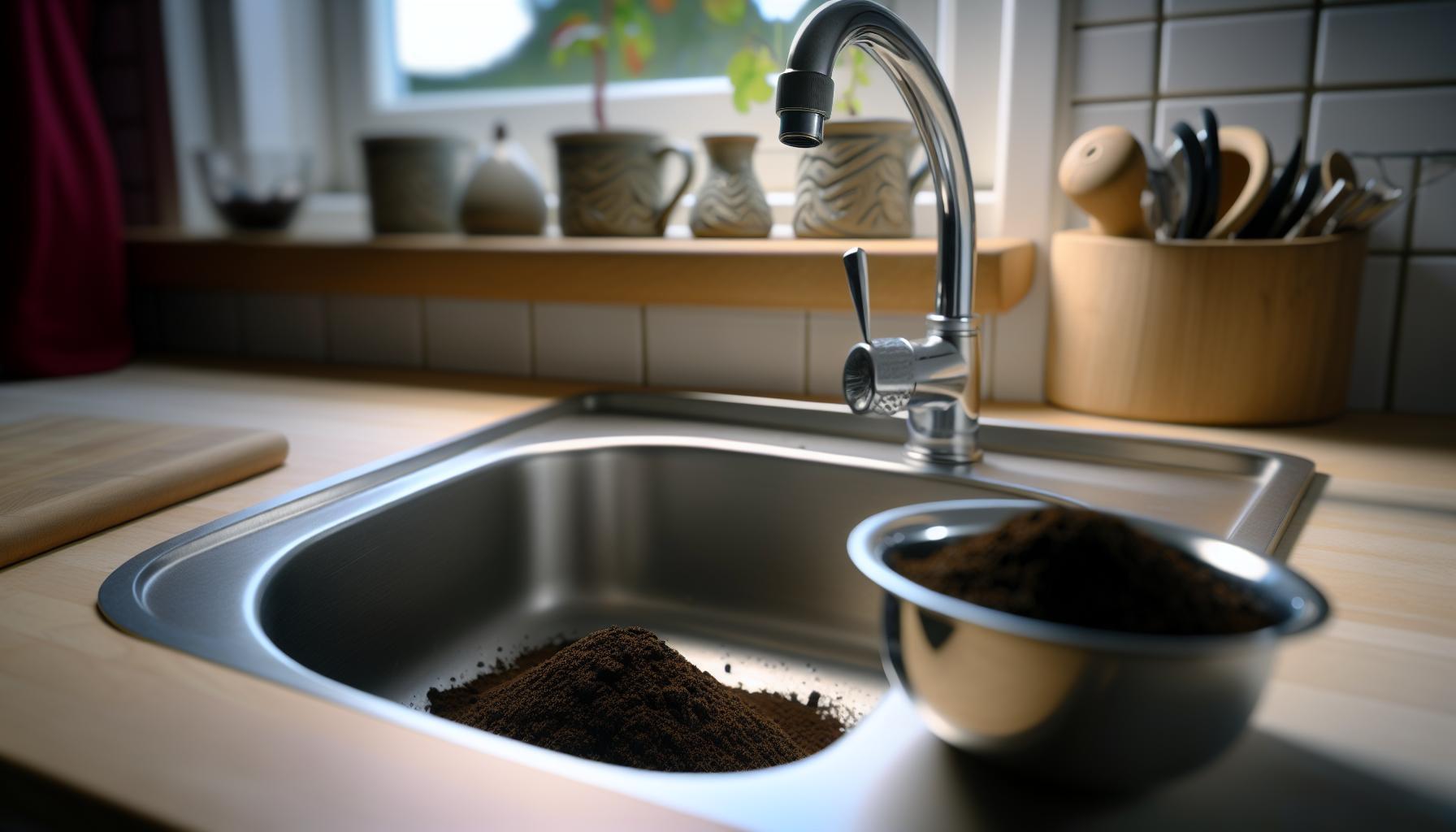
Can You Flush Coffee Grounds? Kitchen Drain Killers
Did you know that flushing coffee grounds down your kitchen drain can cause serious plumbing headaches? While it might seem like a harmless and eco-friendly way to dispose of coffee waste, thes tiny granules can accumulate and clog pipes over time, turning your kitchen drain into an unexpected problem area. Understanding whether you can safely flush coffee grounds-and how they might act as kitchen drain killers-is crucial for maintaining a smoothly functioning plumbing system. If you’ve ever wondered why your sink seems sluggish or why certain homemade remedies don’t work, this topic addresses those concerns directly. In this article, we’ll explore the risks of disposing coffee grounds down the drain, why they may not break down as easily as you think, and practical alternatives that protect your pipes while reducing waste. Keep reading to learn how to enjoy your coffee ritual without unintentionally harming your plumbing and discover smart strategies to keep your kitchen drains clear and clog-free.
What happens When You Flush Coffee Grounds
Coffee grounds might seem harmless when rinsed down the kitchen sink, but what actually happens afterward can be a lot more problematic than many realize. When you flush coffee grounds down the drain,these tiny particles don’t dissolve like soap or grease. Rather, they frequently enough settle and accumulate inside your pipes. Over time, this buildup can combine with other kitchen debris-such as grease, oils, and food scraps-to form dense clogs that restrict water flow and increase the risk of plumbing backups.
Unlike many other organic materials, coffee grounds are dense and granular, which means they tend to stick to the sides of pipes rather than moving smoothly through the plumbing system. Although a small amount flushed with plenty of water might wash away, consistent disposal of coffee grounds down the drain overwhelms plumbing by creating stubborn blockages. these blockages don’t just slow drainage; they can cause foul odors, slow sinks, and in severe cases, require costly professional intervention to clear.
Why Coffee Grounds Don’t Break Down Easily
Coffee grounds lack the ability to dissolve or biodegrade quickly in water and plumbing systems. Their fibrous nature makes them prone to clumping together, much like sand or silt. When combined with household fats or grease, these clumps become sticky and tough to move, fostering an environment ripe for clogs. Even with regular flushing, the grounds don’t fully break down or flush out easily, especially in older or narrower pipes.
Practical Implications of Flushing Coffee Grounds
- Initial slow drainage: You may notice water draining slowly after disposing of grounds, signaling the start of buildup.
- Septic tank issues: In homes with septic systems, coffee grounds do not break down well and can accumulate, leading to costly septic maintenance.
- Need for more frequent plumbing maintenance: Regular clogs caused by grounds can necessitate more frequent snaking or even hydro-jetting of drains.
If you’ve ever noticed that your kitchen sink drains sluggishly after rinsing coffee grounds, this is a clear sign they’re starting to cause blockages. Taking a few extra seconds to dispose of these grounds differently can save headaches down the road and preserve your plumbing’s health.
For those who have already experienced minor clogging, a practical tip is to flush the drain immediately after disposing of grounds with hot (not boiling) water to help push particles down the pipe. However, this is only a temporary solution and doesn’t replace more permanent alternatives to flushing coffee grounds down the sink [[1]](https://www.atomicplumbing.com/is-it-safe-to-dump-coffee-grounds-down-the-sink/), [[2]](https://www.jpplumbers.com/post/coffee-grounds-and-your-drain-what-every-san-diego-homeowner-should-know).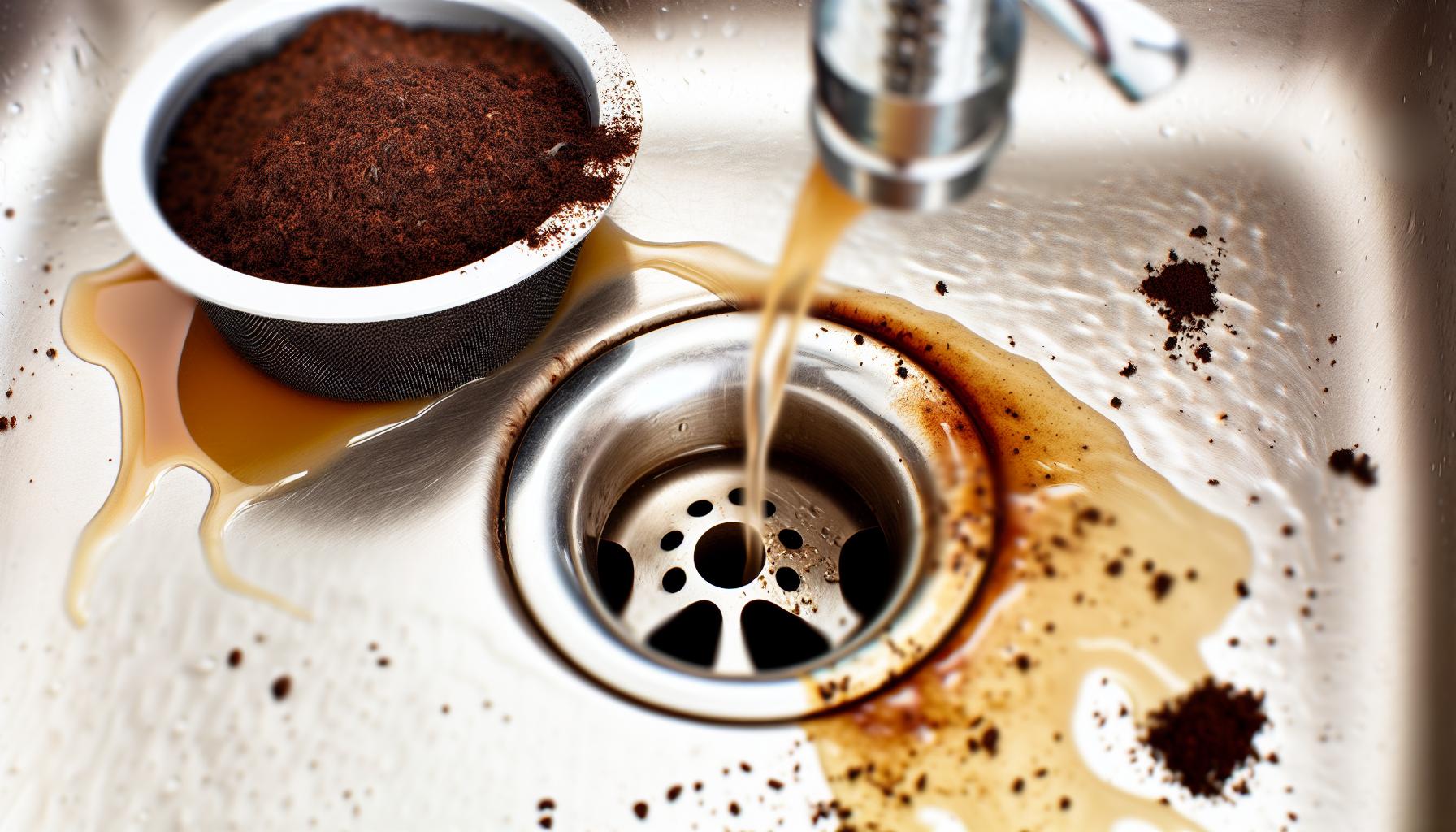
Why Coffee Grounds Damage Kitchen Drains
Coffee grounds may seem harmless, but their dense, gritty texture makes them a formidable enemy for kitchen drains. Unlike liquids or soluble waste, coffee grounds don’t dissolve in water; instead, they accumulate and adhere stubbornly to the inner walls of pipes. This granular nature causes them to settle quickly, often clumping together and creating a thick layer that narrows the pipe’s diameter. Over time, this constriction significantly reduces water flow and, worse, provides a sticky base for other kitchen debris like grease, oils, and food particles to latch onto, worsening the blockage.
The Sticky Relationship Between Coffee Grounds and Grease
Grease buildup is one of the most common culprits in kitchen drain problems, and coffee grounds only exacerbate this issue. When coffee grounds combine with greasy residues, they form a pasty substance that clings tightly to pipe walls. Unlike grease alone, which can sometimes be broken down by hot water or cleaning agents, the mix with coffee grounds becomes much tougher to remove. This amalgamation acts like a cement, trapping other waste materials and trapping moisture, which slows down natural degradation and increases the risk of stubborn clogs.
Why They Don’t Break Down Easily
Coffee grounds are high in fibrous material which doesn’t readily biodegrade in the fast-moving environment of household plumbing. Their texture is somewhat similar to fine sand or silt, which means they tend to settle rather than flow smoothly through pipes. Even regular flushing with water often fails to break them apart or carry them fully out of the system, especially in older drains with narrow diameters or those already carrying some buildup.This makes the accumulation slow but steady, often leading to unexpected drainage slowdowns or full-on backups.
- Adhesion to pipe walls: Coffee grounds cling tightly, forming layers that are arduous to dislodge.
- Clumping with grease: Creates dense, sticky blockages that resist flushing.
- Resistance to breakdown: Grounds don’t dissolve or decompose quickly, compounding long-term issues.
For homeowners, the takeaway is clear: even small amounts of grounds flushed regularly will accumulate and accelerate plumbing problems. Instead of risking costly repairs or unpleasant odors from slow drains, coffee grounds should be diverted from the sink. This simple habit protects your pipes and keeps waste flowing smoothly for years to come [[1]](https://fletcherseweranddrain.com/residential-drain-cleaning-services/can-you-put-coffee-grounds-down-the-drain-the-surprising-truth/) [[3]](https://www.atomicplumbing.com/is-it-safe-to-dump-coffee-grounds-down-the-sink/).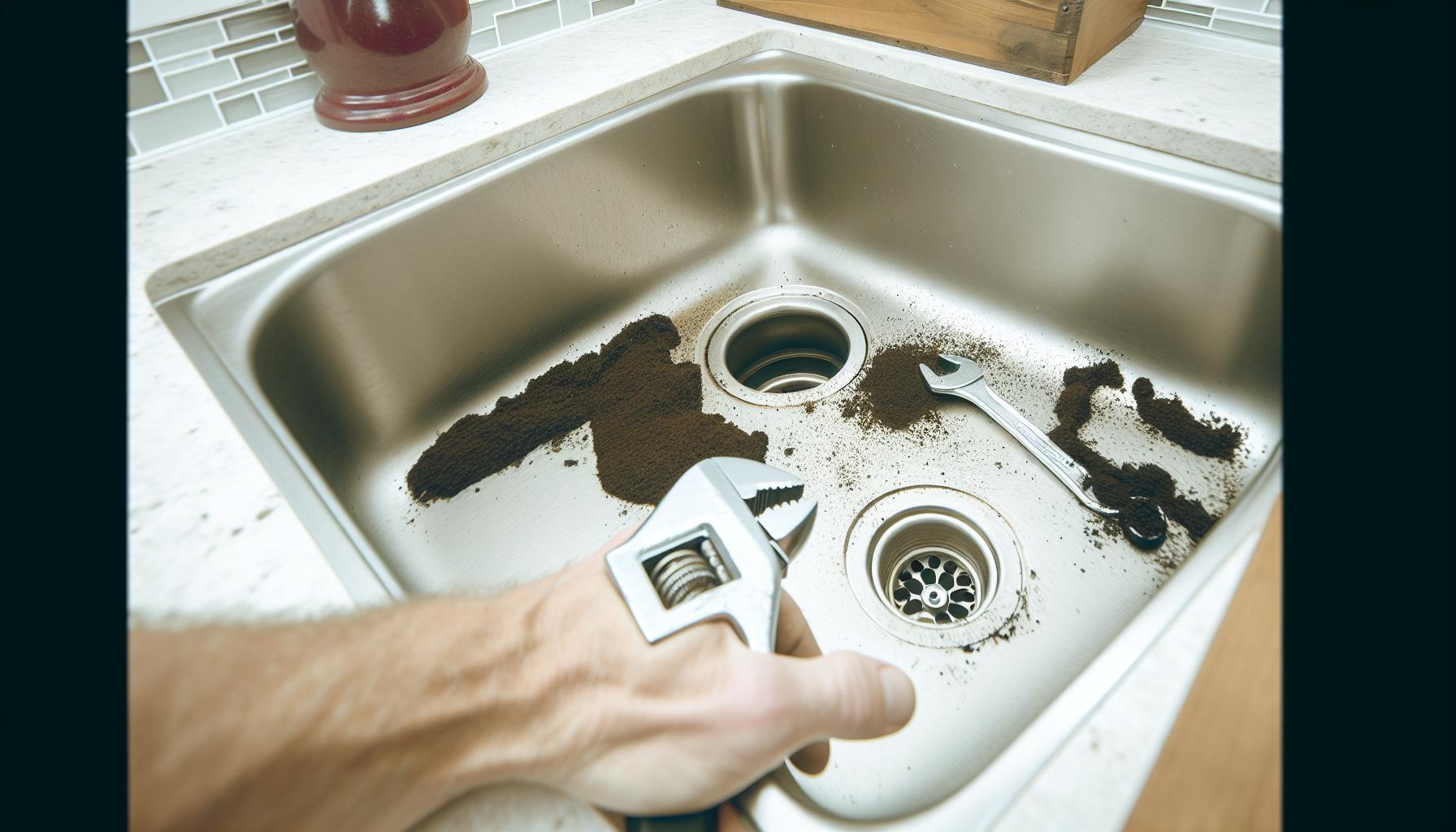
Common Plumbing Problems Caused by Coffee Grounds
Coffee grounds might seem harmless when rinsed down the kitchen sink, but their impact on plumbing systems can be surprisingly severe. These tiny particles accumulate quickly, frequently enough invisible until they trigger inconvenient and costly problems. One of the most common issues is persistent slow drainage,which often puzzles homeowners until the root cause-clogged pipes layered with coffee grounds-is identified. This occurs as coffee grounds do not break down easily and tend to stick to pipe interiors, especially when mixed with other substances like grease or food residue.
Blockages Formed by Settling and Clumping
unlike many kitchen wastes that dissolve or wash away, coffee grounds settle at the bottom of pipes and traps. Over time, they clump together, creating compact masses that can partially or entirely block water flow. these blockages often begin as minor annoyances such as gurgling sounds or slower drainage but can escalate into more severe backup issues if ignored. Such clogs may force homeowners to use harsh chemical drain cleaners or require professional intervention to clear the pipes, escalating both inconvenience and repair expenses.
Compounding Grease Buildup
Coffee grounds act as a sponge and adhesive when they encounter grease and oil residues in the drain. Instead of clearing out grease, coffee grounds attach to it and create a gritty, cement-like compound that firmly adheres to pipe walls.This interaction makes grease more difficult to break down with conventional methods. The resulting combination results in dense obstructions that hinder the natural flow of water and trap additional debris,causing recurring clogs and unpleasant odors.
Corrosion and Damage to Plumbing Components
Another less obvious plumbing problem caused by flushing coffee grounds is increased wear on plumbing components. As coffee grounds accumulate, they contribute to abrasive conditions inside pipes and around trap assemblies. this abrasive buildup can accelerate corrosion and degrade seals or joints,potentially leading to leaks or pipe failure over time. Particularly in older or galvanized pipes, this wear becomes a significant maintenance concern, shortening the lifespan of your plumbing system.
- Frequent slow drains: A warning sign of internal buildup.
- Stubborn foul odors: Caused by decomposing organic residues trapped in blockages.
- Repeated need for drain unclogging: Signaling recurring clogs due to untreated grounds.
- Potential pipe damage: Abrasive deposits accelerating corrosion.
Taking action to prevent these problems involves more than just avoiding coffee grounds down the drain; it includes regular maintenance and awareness of what enters your plumbing. Remember, even small amounts of coffee ground disposal via sinks add up and can cause disproportionate damage over time. Adopting choice disposal methods can save you from headaches, costly repairs, and a sluggish kitchen drain system [[1]](https://www.quora.com/What-are-the-consequences-of-putting-coffee-grounds-down-the-kitchen-sink-Will-it-clog-the-pipes-or-drain-if-the-grounds-get-past-the-disposal-unit) [[3]](https://www.facebook.com/groups/205323724054459/posts/1519525659300919/).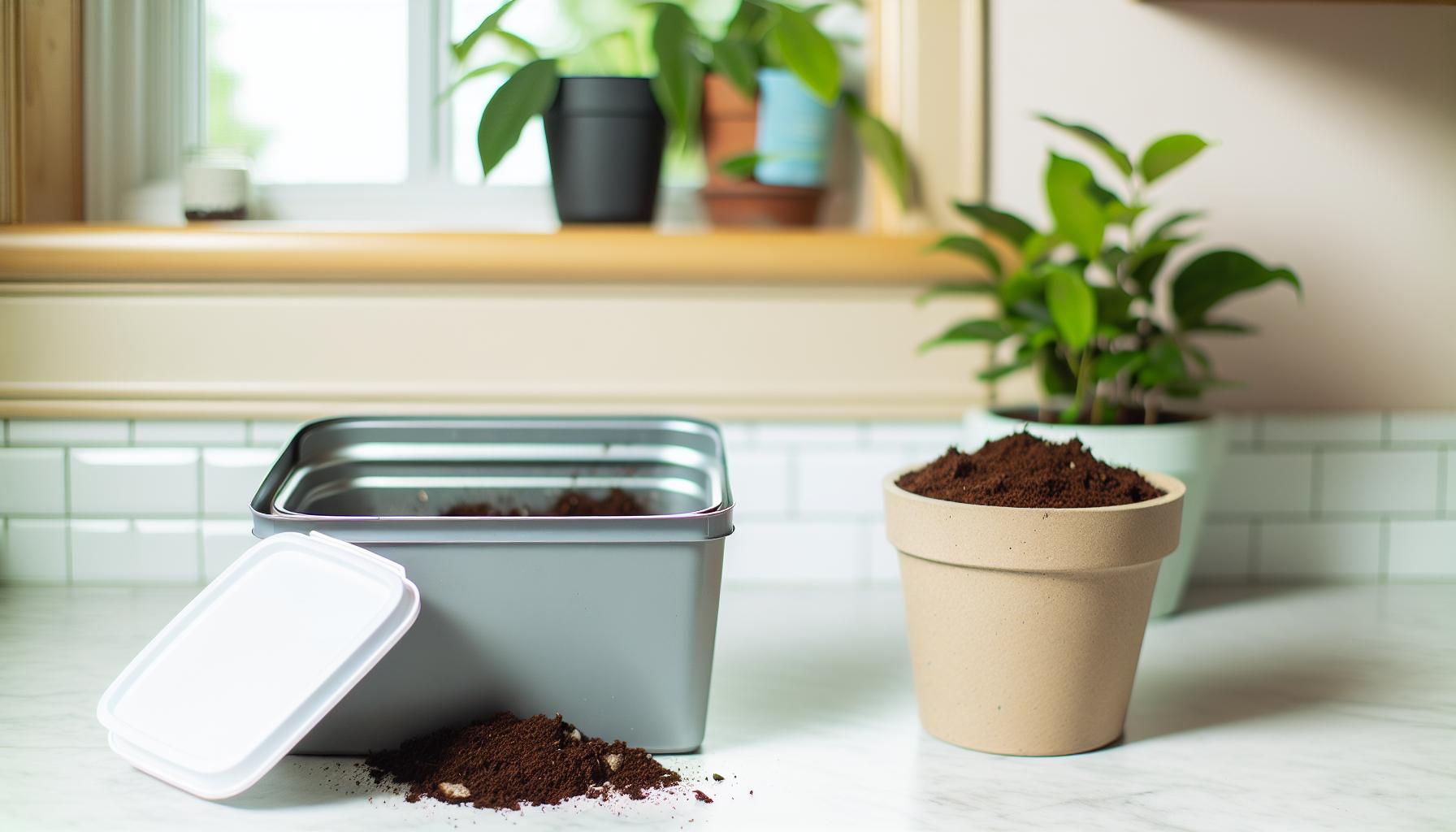
Safe ways to Dispose of Coffee Grounds
Many people assume that rinsing coffee grounds down the sink is a harmless way to dispose of them, but the truth is quite the opposite. Safely getting rid of coffee grounds involves more thoughtful methods that protect your plumbing while also benefiting the environment. Fortunately, there are several straightforward and effective disposal techniques that prevent clogging and make good use of this organic waste.One of the simplest and most plumbing-friendly options is adding used coffee grounds directly to your compost bin. Coffee grounds are rich in nitrogen and decompose well when mixed with other compost materials like vegetable scraps and leaves. This not only diverts waste from landfills but also enriches your garden soil, nurturing plants with a natural fertilizer.Even households without designated compost bins can create small,localized compost heaps for this purpose.
For those without easy access to composting, bagging coffee grounds in a sealed container and disposing of them in regular trash is also advisable. Unlike flushing, this method prevents grounds from settling in pipe traps or contributing to grease buildups that cause blockages. When discarding them alongside other kitchen waste, it’s useful to wrap the grounds in biodegradable paper to minimize mess and odor.
Additional Practical Tips for safe Disposal
- Use coffee grounds as a natural deodorizer: Sprinkle dry grounds in your garbage bins, fridge, or even shoes to absorb unwanted smells before discarding them properly.
- Repurpose as a garden pest deterrent: Coffee grounds can be spread around plants to repel slugs and snails, turning waste into a functional garden aid.
- Create homemade skin scrubs or cleaning abrasives: When dried, grounds serve as gentle exfoliants or abrasive substances for scrubbing pots, reducing waste and chemical use.
Remember, the key to protecting your plumbing is to avoid sending coffee grounds down drains in any form, whether whole or mixed with water. Even garbage disposals are ill-suited for grinding grounds, as these particles clump and cling inside pipes, often combining with grease and food residues to create stubborn blockages. By adopting alternative disposal routes that either recycle or bag the grounds, you ensure a healthier home plumbing system and contribute less to environmental strain.
treating coffee grounds as a resource rather than mere waste opens up many avenues to be eco-friendly while keeping your drains flowing smoothly. Whether through composting, smart trash disposal, or creative reuse, these methods protect your pipes-and your peace of mind-from the hidden hazards lurking in your daily brew [1] [2] [3].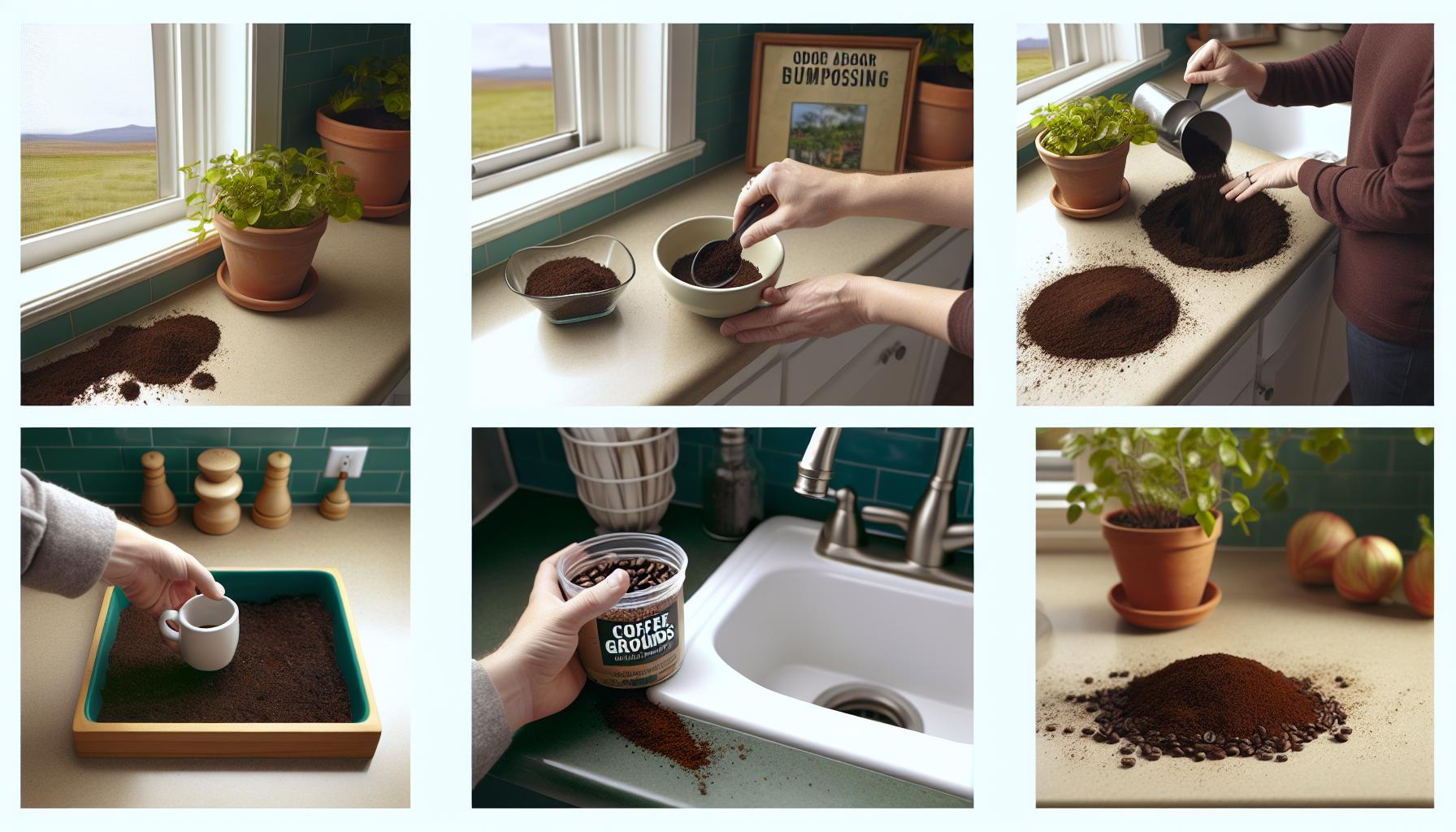
Eco-Friendly alternatives to Flushing Coffee Grounds
Coffee grounds are often overlooked as a valuable resource rather than waste, and embracing eco-friendly alternatives to flushing them can significantly benefit both your home and the environment. Instead of contributing to plumbing issues and landfill overflow, these grounds can be cleverly repurposed in ways that reduce waste and promote sustainability.
One of the most effective eco-conscious solutions is composting the used coffee grounds. Rich in nitrogen, they act as an excellent “green” compost material that accelerates the breakdown of organic waste and enriches soil fertility. Whether added to a community compost bin or a personal garden heap, they help nurture plants while diverting waste from pollution-prone disposal methods. For those with limited space, even small container composting systems or worm bins (vermicomposting) thrive on coffee grounds, which support beneficial microbial activity and improve nutrient cycles in soil.
Beyond composting, coffee grounds serve many practical household and garden uses that keep them out of the plumbing system:
- Natural deodorizer: Placing dried grounds in areas like refrigerators, trash bins, or shoes helps absorb unpleasant odors naturally without chemicals.
- Garden pest deterrent: Sprinkling grounds around plants can repel slugs and snails, offering a non-toxic way to protect vegetation from common pests.
- Cleaning abrasive: When dried, grounds act as a gentle scrub for pots, pans, and surfaces-reducing reliance on synthetic cleansers while recycling waste.
- Mulching material: Used grounds mixed with leaves or sawdust create a moisture-retentive mulch layer that supports healthier plant roots and reduces evaporation.
Creative Reuse Ideas
Those looking to get even more innovative can try crafting homemade beauty scrubs or natural dye extracts from coffee grounds, adding value to what would otherwise be discarded. Many cafes and businesses actively participate in recycling programs that repurpose grounds for mushroom farming,bioenergy production,or even as a component in sustainable packaging materials-demonstrating the diverse possibilities when coffee waste is treated responsibly.
| Eco-Friendly Use | Benefits | Simple steps to Implement |
|---|---|---|
| Composting | Enhances soil nutrients; reduces landfill waste | dry grounds slightly, mix with brown materials, turn regularly |
| Deodorizing | Eliminates odors naturally | Place dried grounds in open containers where odors develop |
| Garden Pest Repellent | Reduces chemical pesticide use | Sprinkle grounds thinly around plant bases |
| Cleaning Abrasive | Eco-friendly alternative to harsh scrubbers | use damp grounds with gentle scrubbing motions on cookware |
By shifting away from flushing coffee grounds down the drain and adopting these sustainable alternatives, you not only protect your plumbing system from costly blockages but also contribute to a greener, more circular economy. Thoughtfully repurposing coffee waste transforms what was once a potential household hazard into a precious resource, blending duty with creativity.
For businesses particularly, partnering with specialized waste management providers can streamline these eco-friendly practices, promoting waste diversion on a larger scale and enhancing corporate social responsibility efforts.Embracing these alternatives is an actionable step toward reducing environmental footprint while maintaining hassle-free home maintenance [[1]](https://wastemission.com/blog/the-business-guide-to-recycling-coffee-waste/) [[2]](https://www.cascadecoffee.co.nz/blogs/news/6-eco-friendly-ways-to-dispose-of-your-coffee-pucks-and-grounds).
How Coffee Grounds Affect Septic Systems
Coffee grounds might seem harmless when rinsed down the kitchen sink, but when it comes to septic systems, they pose significant challenges that homeowners should be aware of.Unlike biodegradable kitchen waste,coffee grounds do not break down quickly. Instead, they accumulate in septic tanks, adding to the solid waste volume that the system must handle.This buildup can decrease the tank’s effective capacity, leading to more frequent pumping and increasing maintenance costs over time.
Beyond merely adding solids, coffee grounds can disrupt the delicate balance of bacteria critical for septic tank function. These bacteria are responsible for breaking down organic matter efficiently and keeping the system flowing smoothly.When coffee grounds enter the septic system, they tend to clump together and sometimes smother the beneficial bacteria, impeding their activity. A weakened bacterial environment slows decomposition and can result in solids migrating into the drain field, ultimately causing blockages and costly repairs [[3]](https://supeckseptic.com/coffee-grounds-your-septic-system/).
Why Coffee Grounds Are a Hidden Risk for Septic tanks
- Non-biodegradable nature: Coffee grounds do not dissolve or decompose rapidly, meaning they linger in the tank rather than breaking down.
- Accumulation of solids: Over time, these grounds add to sludge buildup, increasing the frequency of septic pumping.
- Potential clogging of pipes and drain fields: Settled grounds can move out of the tank and clog pipes or permeable drain fields, impairing wastewater dispersal.
- Reduction of bacterial efficiency: Excess solids and altered pH from coffee acids can inhibit the beneficial bacteria needed for organic breakdown.
Many septic professionals recommend completely avoiding flushing coffee grounds to prolong system health and reduce maintenance expenses. Instead, adopting alternative disposal methods-such as composting or using grounds in garden mulch-preserves the efficiency of your septic system.
Practical Advice for Septic System Owners
| Action | Benefit | Result |
|---|---|---|
| Dispose of coffee grounds in compost or trash | Prevents buildup in septic tank | Extends time between septic pumping |
| Regular septic tank inspections and pumping | Removes accumulated solids | Maintains system performance and prevents failure |
| Use septic-safe cleaning products | Preserves bacterial health | Supports efficient waste breakdown |
In sum, while coffee grounds seem like natural waste, their impact on a septic system is anything but benign. Taking simple precautions to keep these grounds out of your septic tank can safeguard your plumbing infrastructure and avoid costly, inconvenient repairs. This understanding also underscores the importance of conscious disposal habits in maintaining home system longevity [[1]](https://www.waltersenviro.com/avoid-putting-these-items-into-your-septic-system) [[2]](https://www.facebook.com/groups/227002397359612/posts/5985948321464962/).
Myths and Facts About Flushing Coffee Grounds
Coffee grounds may seem like harmless kitchen waste, but flushing them down your sink or toilet can lead to more trouble than you might expect. A common misconception is that as coffee grounds are organic, they will break down easily in your plumbing or septic system. In reality,these grounds are quite dense and prone to clumping,which can cause stubborn blockages over time.Understanding the myths and facts can definitely help you make smarter decisions about disposal and protect your home’s plumbing.
Common Myths vs. Reality
- Myth: Coffee grounds dissolve in water and won’t clog pipes.
Fact: Coffee grounds do not dissolve or break down quickly. Rather, they tend to bind together and accumulate inside pipes, which increases the risk of clogs and reduces water flow. this buildup can also strain garbage disposals and septic systems alike. - Myth: Small amounts of coffee grounds won’t harm the septic system.
Fact: Even small amounts can add up. Because coffee grounds don’t decompose rapidly, they add to the solid waste volume in your septic tank.Over time,this can increase the frequency of pumping and disturb the balance of bacteria that is essential for breaking down waste efficiently. - Myth: Coffee grounds help clean pipes by scrubbing them.
Fact: Although grounds are abrasive, they do not “scrub” pipes in a beneficial way. Instead, they often stick to pipe walls, especially where grease or other residues are present, exacerbating blockages rather than preventing them.
Practical Advice Backed by Experience
Many homeowners flush coffee grounds not out of negligence, but because they believe it’s a convenient and eco-friendly choice. However, wiser disposal methods exist that protect your plumbing and the environment. for example, composting coffee grounds or using them as mulch in your garden is a far better alternative. These methods take advantage of the grounds’ organic nature without risking damage to your home’s drainage system.
Simple steps can make a big difference:
- Collect coffee grounds separately instead of washing them down the drain.
- Add used grounds to a compost bin where they contribute to healthy soil.
- If composting isn’t feasible,discard grounds in the trash to avoid potential clogs.
This approach balances convenience with care, preserving your kitchen’s plumbing integrity and supporting waste management practices that benefit your home and the environment.Understanding these facts arms you with the knowledge to make smarter choices that prevent costly repairs and maintain a healthy septic system [[1]](https://www.barnesseptic.com/post/why-coffee-grounds-are-on-the-no-flush-list) [[3]](https://www.facebook.com/groups/227002397359612/posts/5985948321464962/).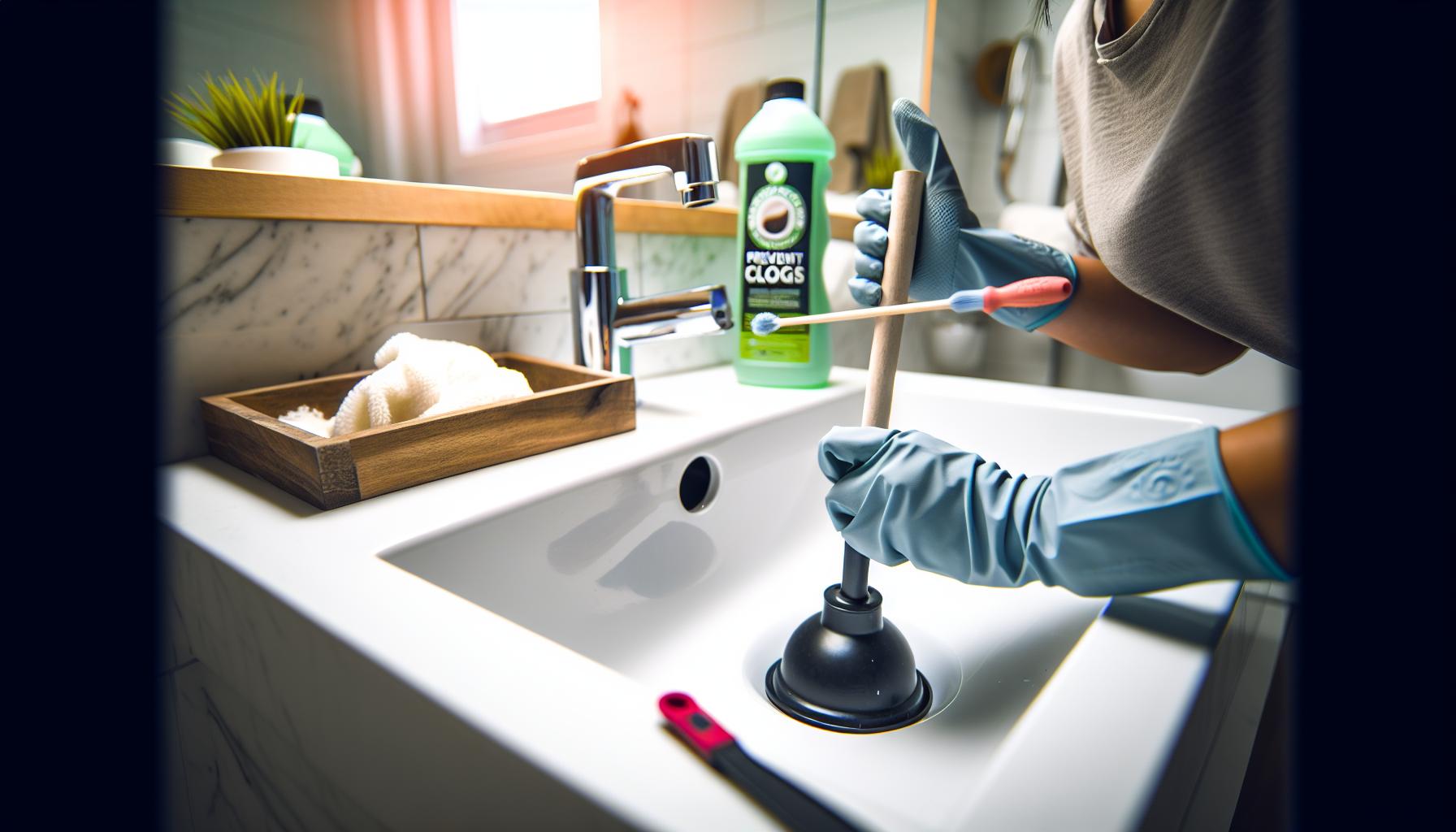
DIY Drain Maintenance to Prevent Clogs
Many homeowners underestimate the importance of routine care when it comes to their kitchen drains, especially in households where coffee is a daily ritual. While coffee grounds are a common culprit behind stubborn blockages, the good news is that simple, proactive steps can keep your pipes flowing freely and prevent costly plumbing emergencies down the road.
Regular Flushing with Hot Water
One of the easiest and most effective preventive measures is to flush your sink drain with hot water regularly. After washing dishes or your coffee equipment,run a kettle or pot of hot water down the drain to help loosen grease,oils,and the fine residue particles coffee grounds frequently enough cling to. This doesn’t dissolve the grounds but helps keep them from settling and forming lumps that restrict water flow.
Using a Natural cleaning Solution
To combat potential buildup without harsh chemicals, a mixture of baking soda and vinegar can work wonders. Start by pouring half a cup of baking soda into the drain, followed by half a cup of white vinegar. Allow the mixture to fizz and sit for 10-15 minutes before rinsing with a strong stream of hot water. This simple, eco-friendly routine helps break down organic matter and discourages grime from accumulating on pipe walls.
Regular Mechanical Cleaning
Physical removal of debris is often necessary in addition to chemical or thermal methods. Using a drain snake or a simple drain auger can dislodge clumps of coffee grounds and grease stuck deep in pipes before they solidify into major blockages. If you don’t have a snake handy, a plunger designed for sink drains can also provide short-term relief by creating pressure waves that loosen minor clogs.
Adopt Preventative Habits
Equally critically important is training household members to avoid flushing coffee grounds altogether.Keeping a dedicated container next to the coffee maker for grounds collection encourages proper disposal and reduces entry of solids into your system. Over time, these habits can save both frustration and repair costs.
helpful maintenance checklist:
- Flush kitchen drain with hot water daily after use.
- Perform a baking soda and vinegar treatment weekly or biweekly.
- Use a drain snake monthly to clear potential buildup.
- Empty coffee grounds into compost or trash, never the sink.
By incorporating these simple DIY steps into your kitchen routine, you can dramatically reduce the likelihood of clogs caused by coffee grounds and other organic materials. Consistency is key-regular maintenance not only preserves your plumbing’s functionality but also prolongs the lifespan of your whole drainage system. Maintaining clear drains ensures your kitchen stays hygienic, efficient, and free from unexpected plumbing disruptions.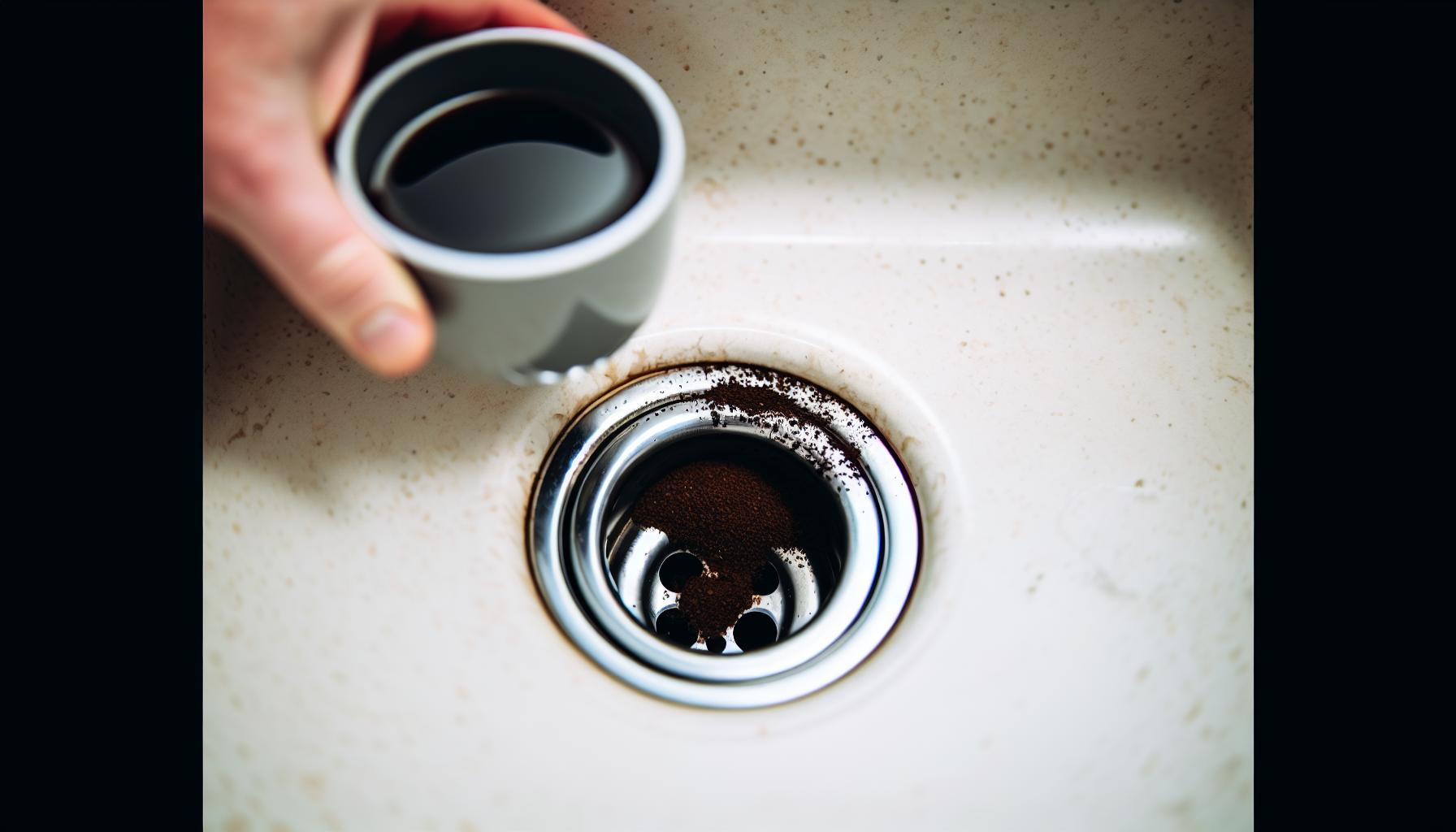
Signs Your Drain is Clogged by Coffee Grounds
Coffee grounds don’t dissolve like some kitchen waste; instead, they tend to cling together and stick to pipe walls, creating a slow but steady buildup that narrows your drain’s passageways. one of the earliest clues is water that drains sluggishly-sometimes just a slight delay after you start the tap, but often worsening gradually over days or weeks. This slow drainage signals that coffee grounds and residual grease are accumulating, resisting the natural flow of water and other waste.
you might also notice unusual noises-a gurgling or bubbling sound when water tries to find its way past a blockage. this happens because trapped air pockets above the clog are being disrupted as water struggles to pass, a telltale sign that some kind of obstruction, like coffee grounds, is interfering deep in the plumbing. Besides sounds, unpleasant odors can sometimes radiate from the sink drain. As coffee grounds decompose or combine with grease and food scraps,they foster bacteria growth,leading to a musty or sour smell that alerts you to trouble beneath the surface.
Common signs indicating your drain has coffee-ground buildup include:
- Slow draining water: Sinks take longer than usual to empty.
- Recurrent clogs: You find yourself frequently plunging or snaking the drain.
- Gurgling noises: Odd sounds coming from the drain during or after water use.
- Foul odors: Persistent smells originating from the drain area.
- Backflow or minor leaks: Water backing up into the sink or slow seepage near connection points.
In many cases,homeowners first realize coffee grounds are the culprit when their garbage disposal or drain begins to slow down after grinding coffee residue or rinsing out cups. Because grounds are dense and don’t break down like other organic waste, they tend to compact inside traps or pipe bends, gradually turning minor nuisances into significant plumbing headaches. If you notice any of these symptoms, it’s an excellent idea to address the issue promptly before the buildup becomes too entrenched, requiring professional intervention.
Taking note of these signs early can save both time and money. Implementing routine drain maintenance inspired by these warning signals helps keep your plumbing in top shape and avoids the costly consequences of stubborn blockages caused by coffee grounds[[1]](https://btacinc.com/can-you-put-coffee-grounds-down-the-sink/)[[2]](https://www.jpplumbers.com/post/clogged-sink-from-coffee-grounds-heres-how-to-fix-it).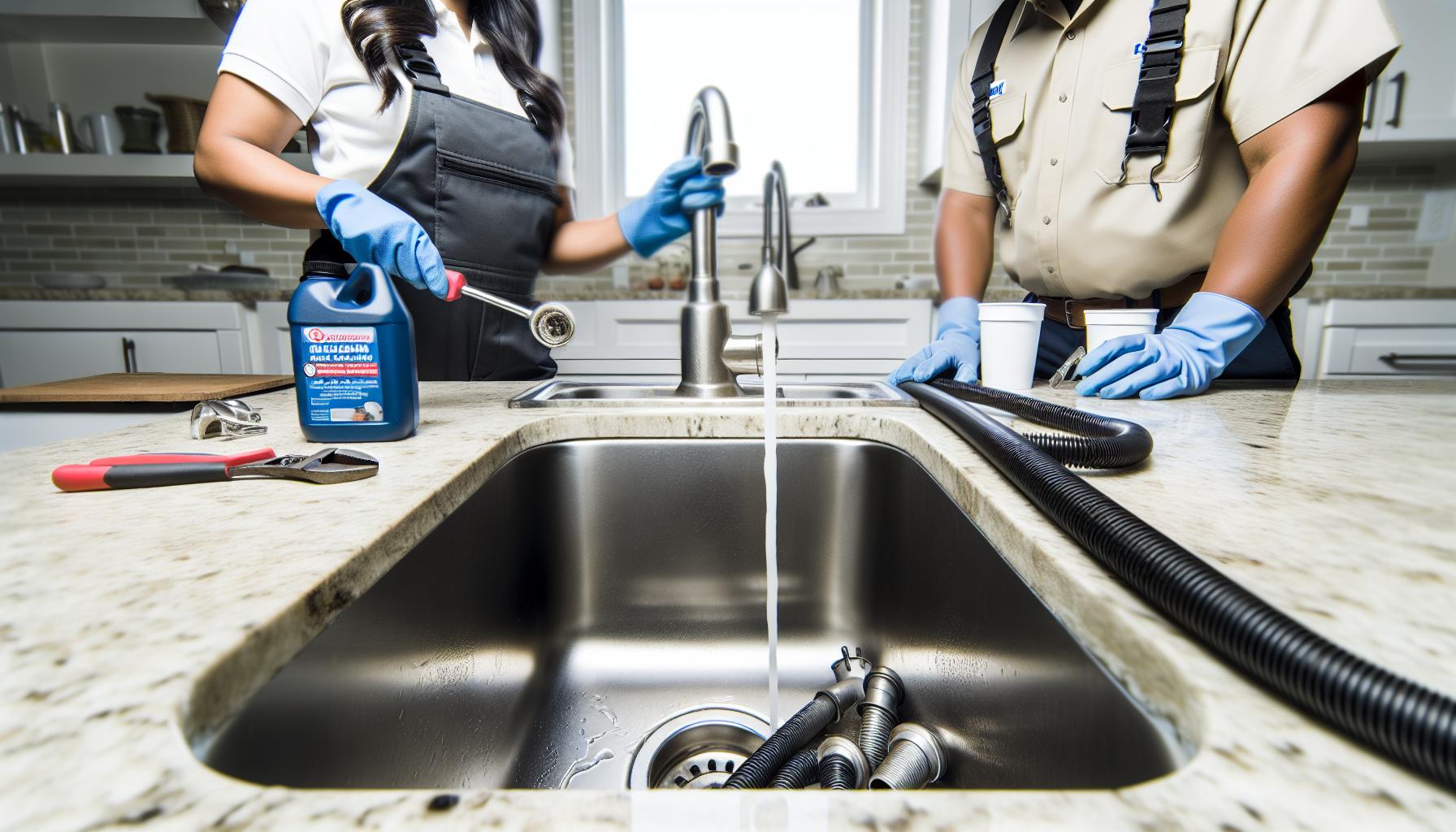
professional Drain Cleaning options for Stubborn Clogs
Clogs caused by coffee grounds can escalate from minor annoyances to serious plumbing headaches, especially since these dense particles don’t break down easily and tend to compact inside pipes over time. when typical DIY methods such as plunging or pouring hot water fail to restore proper drainage, it’s time to consider professional interventions. plumbing experts have a variety of effective solutions tailored to tackle stubborn blockages and restore your kitchen’s piping system to optimal condition.
hydro Jetting: High-Pressure Pipe Cleaning
One of the most powerful tools for clearing coffee ground clogs is hydro jetting. This technique involves blasting a concentrated stream of high-pressure water through the drain lines to dismantle and flush out hardened deposits, grease, and accumulated coffee grounds adhering to pipe walls. Unlike chemical cleaners that may only soften clogs or damage pipes over time, hydro jetting thoroughly scours the interior surfaces, leaving pipes virtually like new. It’s especially effective for long-term buildup that has turned compact and resistant.
Mechanical Snaking and Camera Inspection
Before tackling a clog, professional plumbers often employ video camera inspections to precisely locate blockages and assess pipe conditions without invasive digging. Knowing the exact clog position allows for targeted treatment, improving success rates and saving costs. Mechanical drain snakes or augers-ranging from small hand-operated tools to motorized units-physically break apart or retrieve compacted coffee grounds lodged in pipe bends or traps. This method complements hydro jetting or serves as an initial intervention when buildup isn’t yet extensive.
enzyme Treatments and Preventive Maintenance
While not as immediate as hydro jetting or snaking, enzyme treatments performed by professionals can support drain health by biologically breaking down organic matter over time. These eco-friendly solutions can dissolve residual coffee grounds and grease, slowing future buildup and reducing recurring clogs. Professionals can also design a maintenance schedule combining periodic inspections and cleanings to keep your kitchen drains free-flowing and safe from coffee ground damage.
- Prompt diagnosis via camera inspection minimizes guesswork and tailors treatment.
- Hydro jetting is great for stubborn, compacted deposits and restorative cleaning.
- Mechanical snaking offers targeted clearing for localized blockages.
- Enzyme therapies serve as eco-friendly ongoing maintenance aids.
Choosing professional drain cleaning services early prevents minor coffee ground blockages from causing costly pipe damage or requiring pipe replacement.Experts bring specialized equipment and know-how that surpass DIY methods, ensuring your kitchen plumbing can endure daily coffee routines without disaster. Don’t let the affordable morning luxury of coffee turn into an expensive plumbing problem-seek professional help if your drains show persistent signs of clogging[[1]](https://raytheplumber.com/uncategorized/can-coffee-grounds-clog-your-drains/)[[3]](https://www.reddit.com/r/howto/comments/103ap44/how_to_unclog_kitchen_sink_drain_from_coffee/).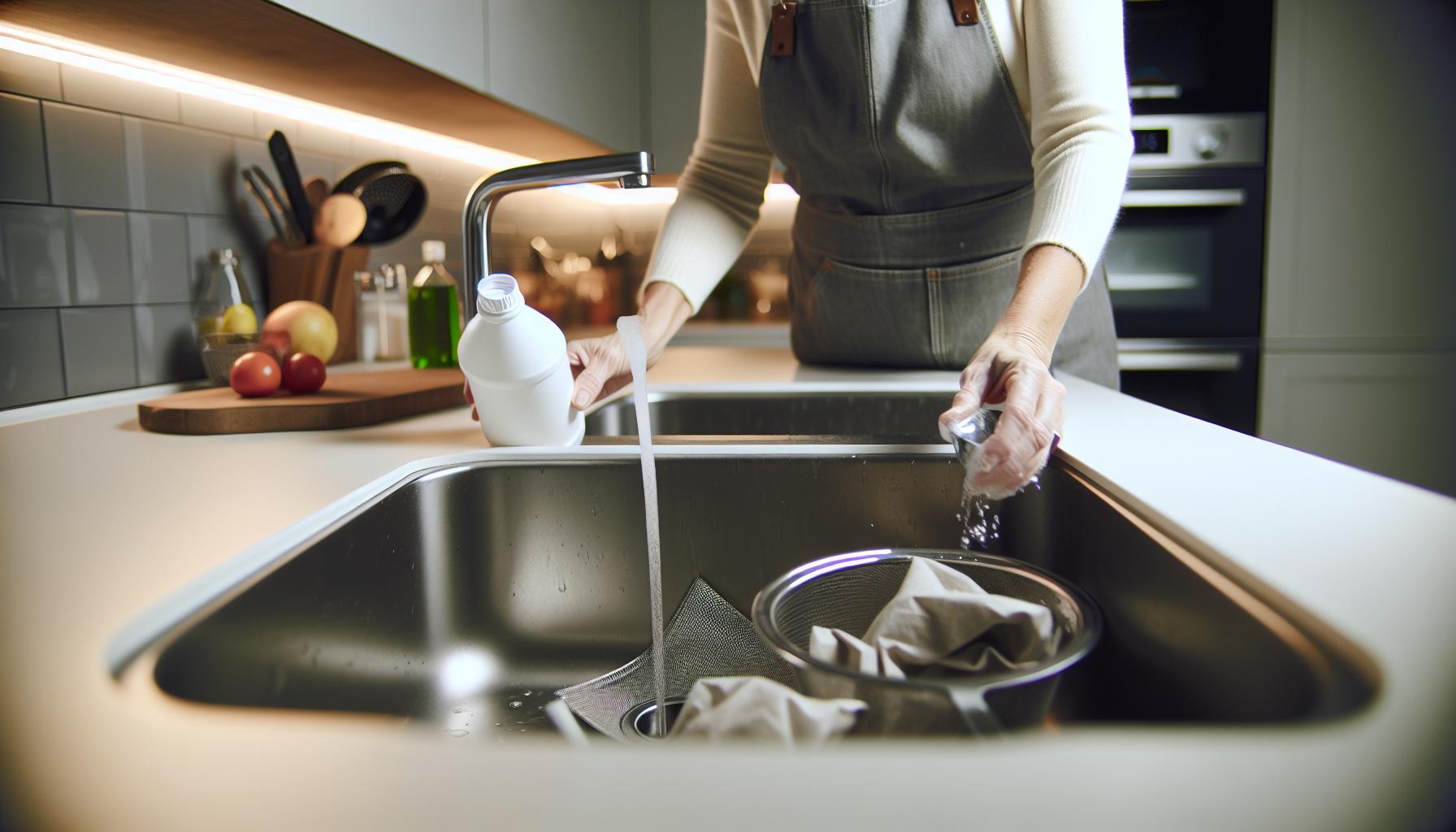
Tips for Keeping Kitchen Drains Healthy and Clog-Free
Coffee grounds might feel harmless when rinsed down your sink, but they quickly become a leading cause of kitchen drain troubles.Even tiny amounts left behind can clump together, trapping grease and food particles that build up into stubborn blockages over time. The good news is that maintaining a clog-free kitchen drain isn’t complicated-small, consistent habits can make a big difference.
- Always scrape and dispose of coffee grounds in the trash or compost bin instead of rinsing them down the drain.This simple step drastically reduces buildup in your pipes and prevents future headaches.
- Use a sink strainer or mesh filter to catch not only coffee grounds but also other solids like food scraps and egg shells. Regularly empty and clean this strainer to keep water flowing smoothly.
- Flush drains with hot water after washing dishes-hot water helps dissolve accumulated grease that binds coffee grounds to your pipes, making it harder for clogs to form.
- Incorporate natural enzymatic drain cleaners on a monthly basis. These eco-friendly treatments break down organic debris gently without harming your plumbing,reducing buildup before it turns into serious clogs.
- Be mindful when disposing of grease or oils. let fats cool and solidify in a container before trashing them. Pouring grease down the drain causes sticky deposits that trap coffee grounds and worsen blockages.
Practical Examples From Everyday Life
Imagine your morning coffee routine: instead of rinsing the used grounds down the sink, scrape them into a compost bin or trash-this small change prevents the dense particles from compounding inside your pipes. Pair this with routine use of a quality sink strainer,which acts like a first line of defense by catching grounds before they enter your plumbing. Together, these habits significantly extend the lifespan of your kitchen drains.
Additional Preventive Actions
If you notice water draining slower after coffee prep,avoid chemical plungers that may harm pipe surfaces and opt for a gentle manual snake to dislodge minor obstructions. Scheduling yearly professional drain inspections can catch problems early,especially if your household consumes coffee daily. This proactive mindset keeps your kitchen running smoothly without unexpected plumbing bills.
By adopting these simple yet effective strategies, you ensure that your kitchen drains stay healthy and free-flowing, preserving your plumbing investment and enhancing daily convenience.Avoid flushing coffee grounds altogether-your pipes will thank you over the long run.
Frequently asked questions
Q: How do coffee grounds interact with other kitchen waste in drains?
A: Coffee grounds tend to stick to grease and food particles in drains, creating dense clogs over time. To avoid buildup, regularly clear grease and avoid flushing grounds together with fibrous wastes. For more effective prevention, review our DIY drain maintenance tips to keep drains clear and flowing smoothly.
Q: What is the best way to clean coffee grounds residue from pipes?
A: The best way to clean coffee grounds residue is using a combination of hot water and biodegradable enzymatic drain cleaners, which break down organic waste safely. Avoid harsh chemicals that can damage pipes. For persistent issues, consider the professional drain cleaning options section to explore expert solutions.
Q: Can coffee grounds cause damage to garbage disposals?
A: Yes,coffee grounds can accumulate and compact in garbage disposals,dulling blades and causing jams. It’s best to avoid putting large amounts down the disposal and rinse frequently with water. Explore safe disposal methods in the main article to protect your appliances.
Q: Are there specific plumbing materials more vulnerable to coffee grounds clogs?
A: older pipes made of cast iron or PVC with narrow diameters are more prone to clogs from coffee grounds.These materials can trap grounds more easily than modern plumbing systems. Refer to the common plumbing problems caused by coffee grounds to spot vulnerabilities in your home.
Q: How frequently enough should kitchen drains be professionally inspected if coffee grounds are used regularly?
A: If coffee grounds are frequently disposed of in the sink, schedule professional plumbing inspections every 6 to 12 months to detect buildup early. Regular maintenance helps prevent costly repairs-see professional drain cleaning options for best practices.
Q: Can rinsing coffee grounds with large amounts of water prevent clogs?
A: Rinsing coffee grounds with large volumes of water may reduce but not eliminate clog risks,as grounds can still settle and bind with grease. The best approach is to avoid flushing grounds altogether and use eco-friendly disposal alternatives discussed in the article.
Q: Why don’t some households experience coffee grounds drain issues while others do?
A: Drain issues from coffee grounds vary with plumbing age, pipe size, water flow, and frequency of disposal. Homes with newer, wider pipes and efficient water flow may be less affected. Check the signs your drain is clogged by coffee grounds section to monitor your system effectively.
Q: What are some quick troubleshooting steps if coffee grounds clog my kitchen drain?
A: Immediate steps include flushing the drain with hot water, using a plunger, or applying a biological drain cleaner. Avoid chemical drain cleaners as they may harm pipes. For persistent problems,see the DIY drain maintenance and professional cleaning sections for thorough solutions.
For more detailed strategies and preventative advice, explore the full guide sections on kitchen drain care and eco-friendly disposal of coffee grounds within the article. This ensures your plumbing stays healthy and free from common coffee ground issues.
Wrapping Up
Understanding whether you can flush coffee grounds down your kitchen drain is crucial for maintaining a clog-free plumbing system. Avoiding the common mistake of disposing of coffee grounds in your sink not only protects your pipes but also saves you from costly repairs.Ready to keep your drains flowing smoothly? Explore our detailed guides on “How to Prevent Kitchen Drain Clogs” and “Best Natural Drain Cleaners” for practical tips and solutions.If you have lingering questions about safe disposal methods or want to dive deeper into maintaining a healthy kitchen plumbing system, don’t hesitate to check out our expert resources or sign up for our newsletter for ongoing advice and exclusive offers. Share your experiences or concerns in the comments below-we love hearing from readers who are committed to smarter, safer kitchen habits.Remember, preventing drain blockages starts with smart disposal choices, so let’s keep those coffee grounds out of your pipes and your home running seamlessly!
Get our latest guides, news, and insights highlighted in your Google Search & AI Overviews.


