Can You Flush a Dead Mouse Down the Toilet? Pest Removal
Discovering a dead mouse in your home can be unpleasant adn raise immediate questions about the best and safest way to dispose of it.One common thought is whether you can simply flush a dead mouse down the toilet to get rid of it quickly and hygienically.This introduction explores the practicality, plumbing considerations, and health implications of flushing a dead mouse, helping you understand the safest and most effective pest removal methods. If you’re dealing with pest issues and want to avoid potential plumbing problems or health risks, reading on will provide clarity and practical advice to handle this often uncomfortable situation responsibly.
Is It Safe to Flush a dead Mouse Down the Toilet?
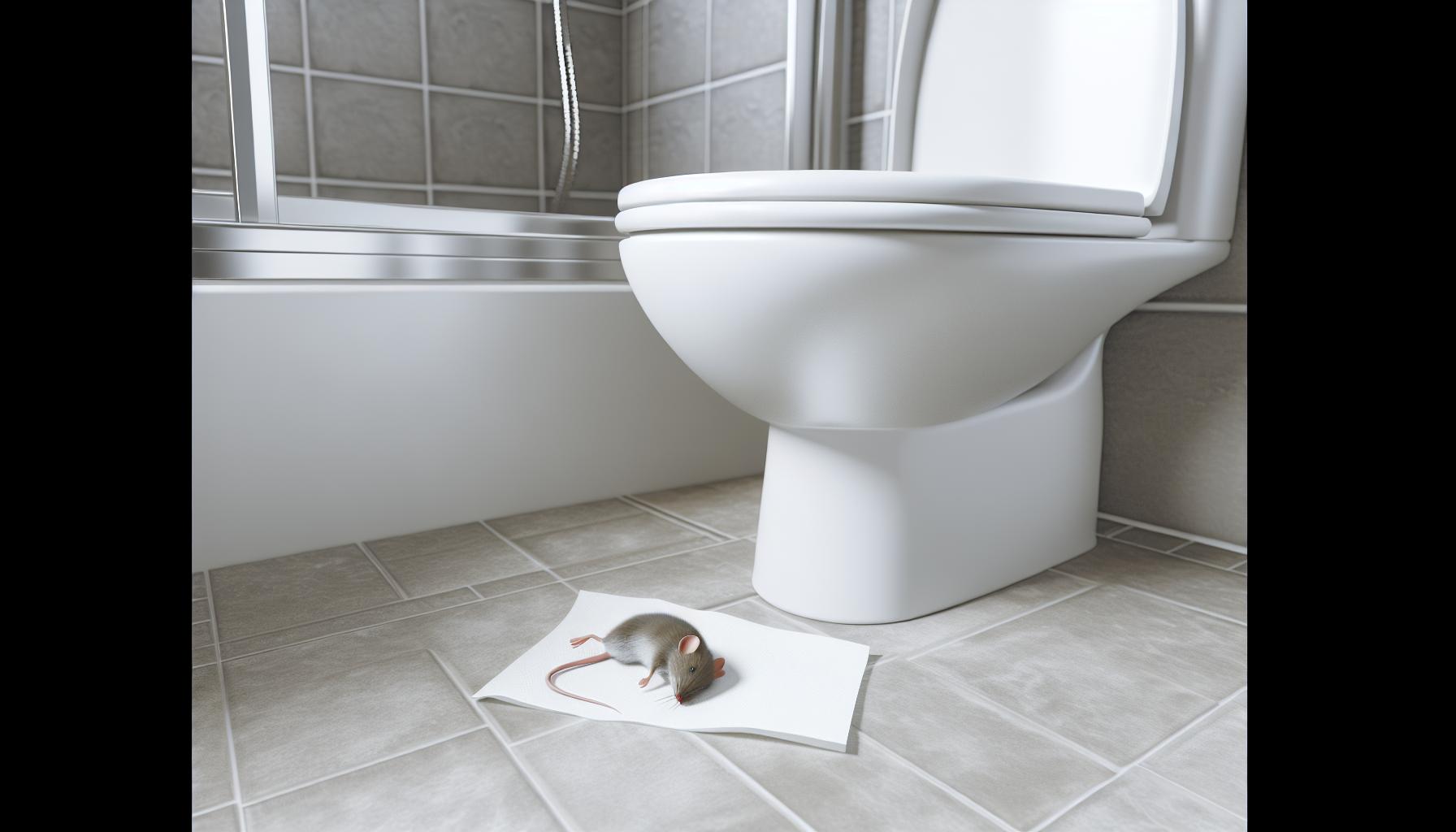
Flushing a dead mouse down the toilet may seem like a quick and convenient way to dispose of an unwelcome pest, but it’s critically important to consider the practical implications before doing so. While toilets are designed to handle human waste and toilet paper, objects like dead rodents don’t break down as easily and can pose unexpected challenges. The size and rigidity of a dead mouse, especially if it’s not fully flexible or small, might cause partial or full blockage in household plumbing or municipal sewage systems.
When deciding if flushing is the right method, remember that plumbing systems vary greatly in age and design. Older pipes or septic systems are particularly vulnerable to clogs caused by solid objects that do not decompose quickly. Even in modern plumbing, flushed rodents can disrupt the flow in narrower pipes or trap other debris, increasing the risk of expensive repairs or backups. moreover, flushing a dead animal can inadvertently spread contaminants or unpleasant odors between your home and local water treatment facilities.
On the hygienic front, a flushed dead mouse might lead to sanitary issues if plumbing becomes unevenly obstructed, creating areas where bacteria and other pathogens can accumulate. Even though water treatment and sewage processing plants are equipped to manage organic waste, introducing a dead rodent directly into the system is not recommended as it may complicate waste management processes or lead to environmental concerns.
- Consider your plumbing’s condition: Newer plumbing can sometimes handle small solid objects, but it’s always risky.
- Size matters: Larger mice or those with rigid bones might not pass through pipes smoothly.
- Environmental and sanitary impact: Avoid contributing to pollution or health hazards by flushing dead animals.
For these reasons,while flushing a dead mouse might not be illegal,it’s generally not a safe or reliable disposal method. Instead, opt for more sanitary and environmentally kind approaches that protect both your home’s plumbing and the local ecosystem.
Potential Plumbing Risks of Flushing Rodents
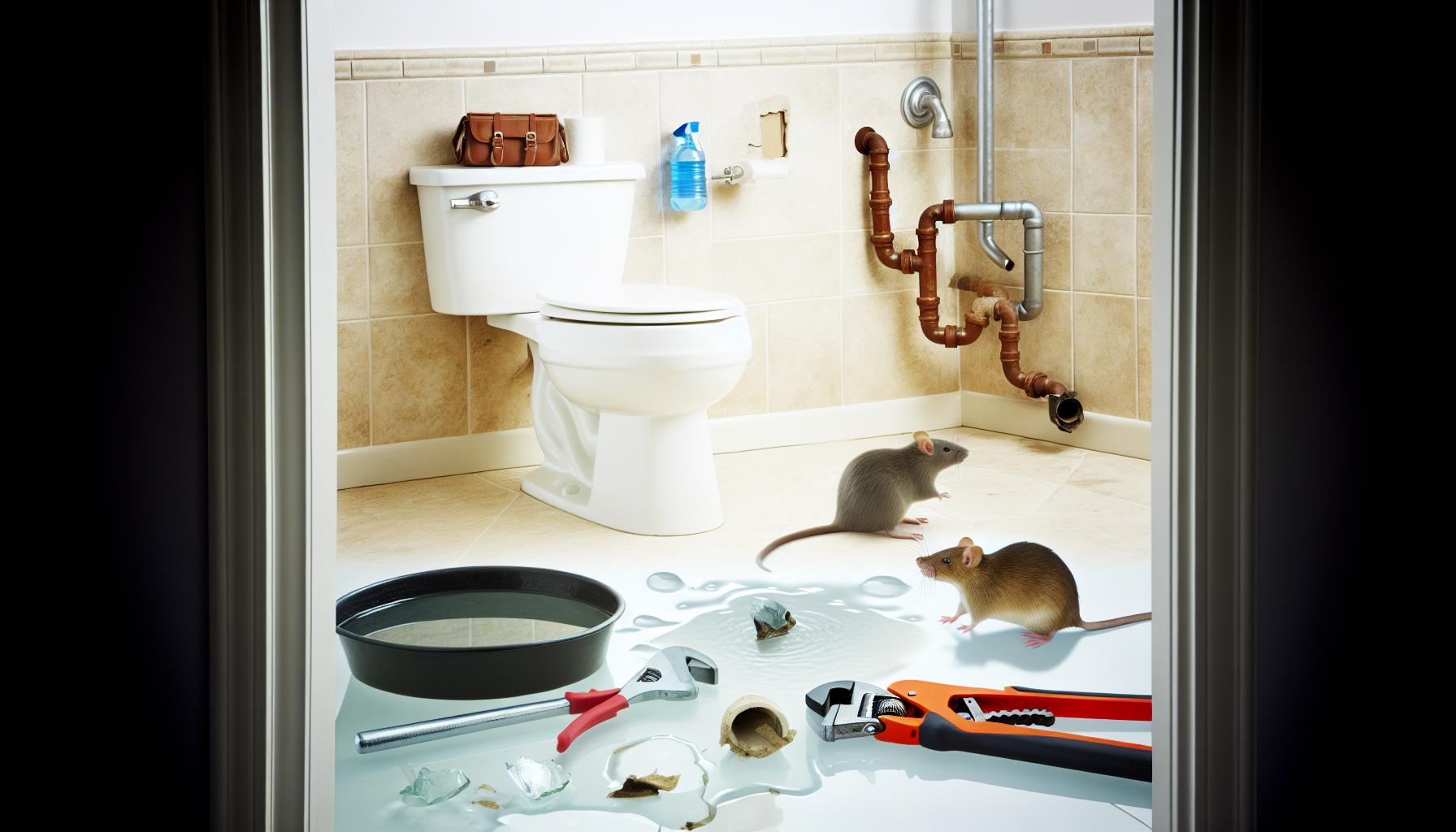
Flushing a dead mouse down the toilet might seem like a straightforward solution, but it carries significant risks that many homeowners overlook. Unlike toilet paper or human waste,a dead rodent’s body does not readily disintegrate in water. Its rigid bones,fur,and shape can easily get caught in bends or narrow sections within your plumbing system,especially if your pipes are older or made from materials prone to corrosion or buildup. This can result in partial or complete blockages that disrupt normal water flow and eventually lead to backups and potential overflow issues.
Many plumbing systems are designed with a specific capacity and tolerance for organic waste that dissolves or breaks apart quickly.Introducing solid animal remains disrupts this balance.Such as, even a small dead mouse can snag on accumulated grease or mineral deposits inside pipes, compounding the clogging effect. In homes with septic systems, the problem is amplified because solid waste that doesn’t decompose quickly can severely hinder the septic tank’s bacteria-based processing. The result might potentially be costly repairs-not only to clear the obstruction but also to fix pipe damage caused by increased pressure or corrosion.
Additional Risks to Consider
- Hidden blockages: A flushed rodent might lodge in hard-to-reach parts of your plumbing, requiring professional snaking or hydro-jetting to clear.
- Secondary clogs: Once trapped, the rodent can collect other debris like toilet paper or hair, accelerating the clog formation.
- Sewage backup hazards: Blockages near sewer lines can cause raw sewage to back up into your home, posing serious health risks.
in rare but not uncommon cases, entire households have faced plumbing emergencies after flushing objects that were never meant to enter the drainage system. Protecting your pipes by avoiding the disposal of anything other than flushable waste helps maintain long-term plumbing health and saves you from unexpected service calls.
Thinking ahead about your specific plumbing layout, pipe sizes, and the age of your system can guide safer disposal choices. If you’re unsure whether your pipes can handle such disposal, err on the side of caution-dispose of dead rodents using safer, more appropriate methods to keep your plumbing and home environment safe.
How Dead Mice Affect Your Home’s Hygiene
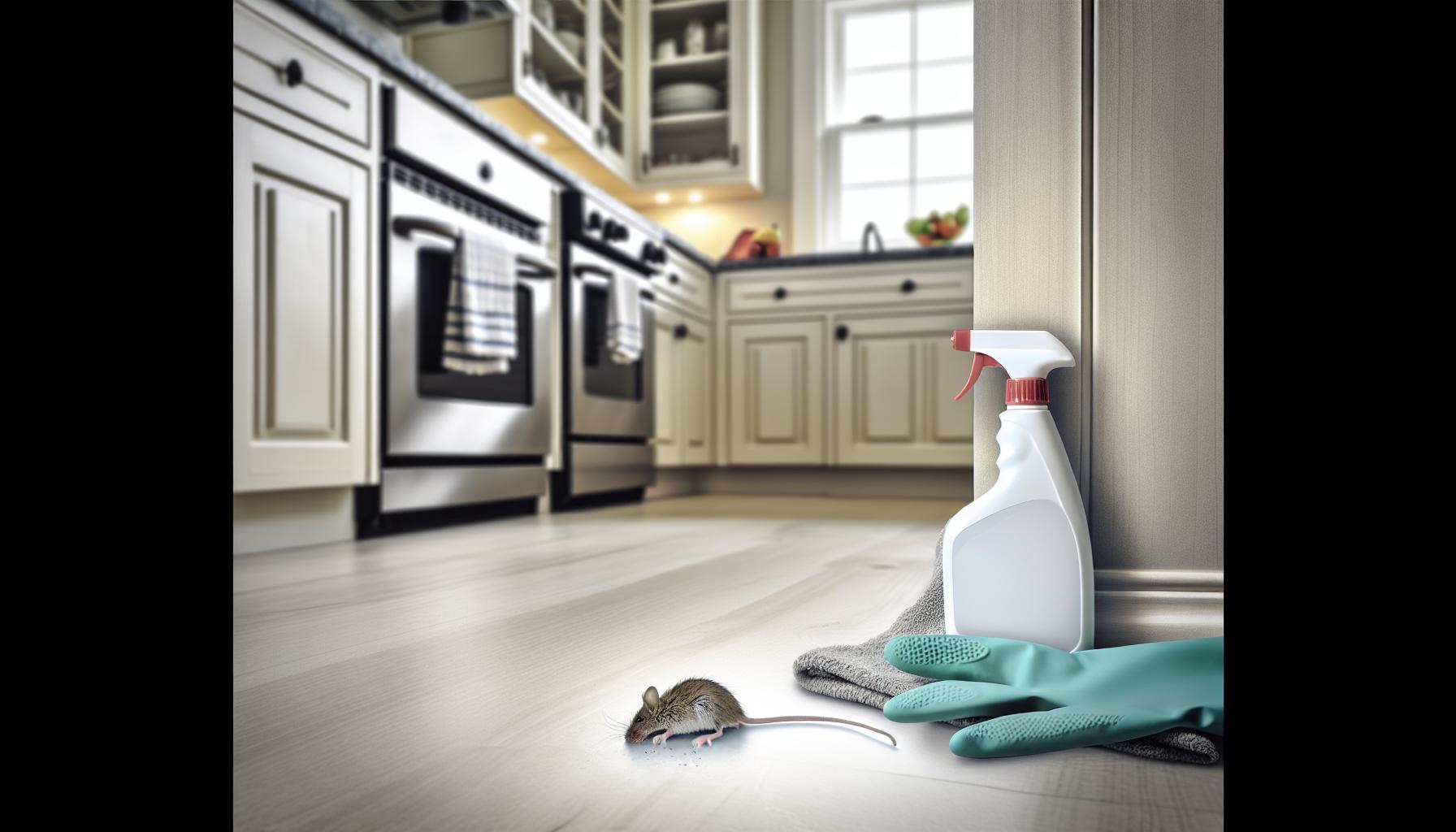
Dealing with a dead mouse in your home poses more than just an unpleasant sight-it raises serious hygiene concerns that can affect your household’s overall health. Rodents can carry a variety of pathogens,and when they die indoors,their decomposing bodies can become a source of bacteria,viruses,and parasites that may contaminate nearby surfaces and air. Simply flushing a dead mouse down the toilet does not address these risks as residual contaminants may remain on surfaces or in pipes if the disposal is incomplete or causes blockages.
Dead rodents are often accompanied by parasites such as fleas, mites, and ticks, which can spread to humans or pets if the carcass is handled improperly or left unattended. In enclosed spaces, the odor from decomposition can linger and attract other pests, potentially escalating the problem. Additionally, if a dead mouse is flushed but the flushing causes plumbing issues, backflow of sewage or trapped waste can introduce harmful microorganisms into your living space, further compromising hygiene.
Health Risks Connected to Improper Disposal
- Spread of disease: rodents carry pathogens like hantavirus, salmonella, and leptospirosis, which can contaminate your home’s environment if carcasses are mishandled.
- Allergic reactions: Decomposing bodies and their parasites can trigger allergic responses or asthma attacks, particularly in sensitive individuals.
- Secondary infestations: Other scavenging pests might invade if a dead mouse is not promptly and effectively removed, creating ongoing sanitation challenges.
Ensuring proper cleaning protocols after finding a dead mouse is vital. This includes wearing gloves, using disinfectants on affected areas, and ventilating rooms to reduce airborne contaminants. Given the limited effectiveness and potential risks of flushing a dead mouse, more controlled disposal methods not only protect your plumbing but also help maintain a safer, healthier home environment. Ultimately, addressing both the pest issue and the hygiene concerns can prevent future infestations and safeguard your family’s well-being.
proper Disposal Methods for Dead Mice
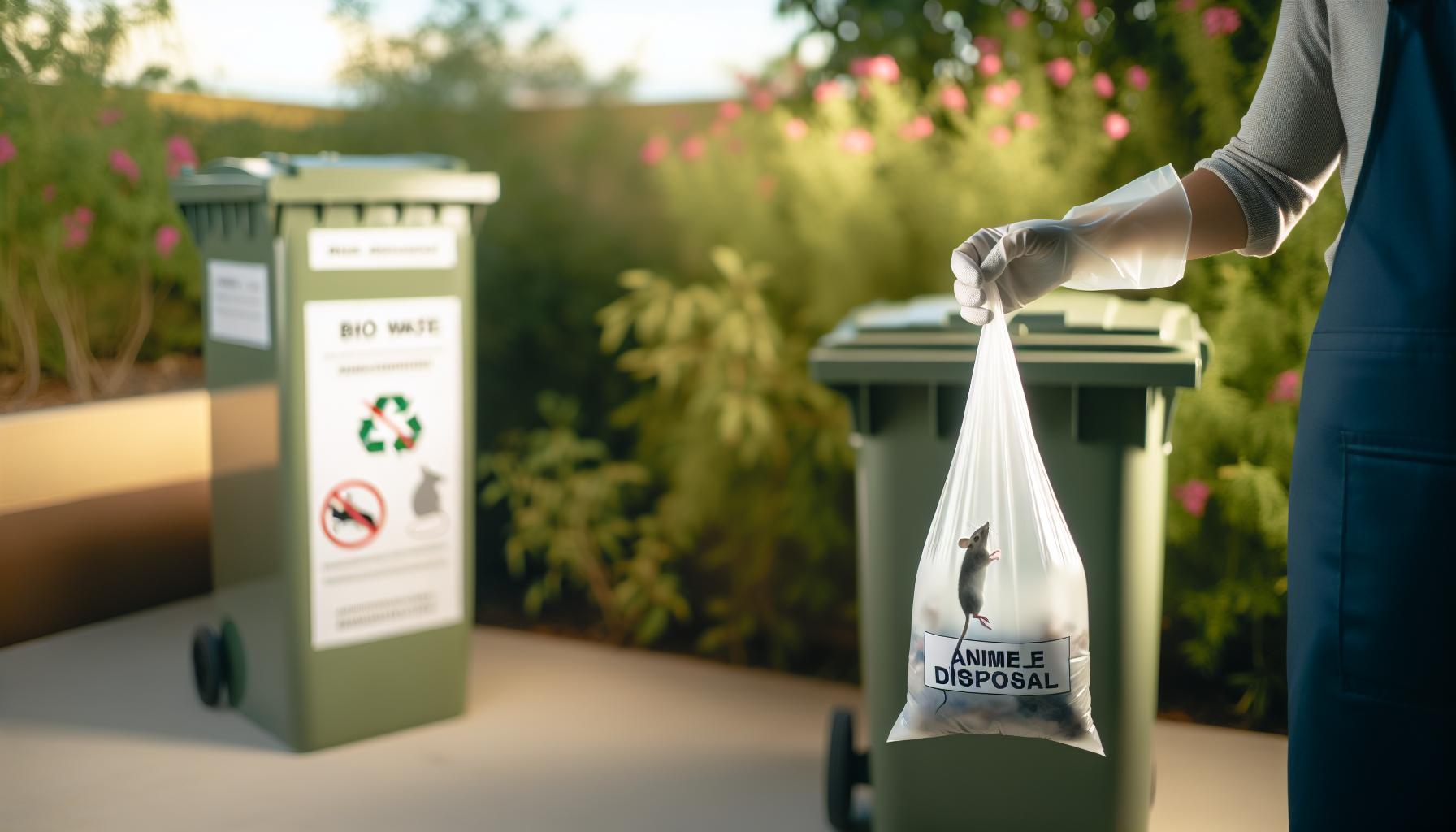
Discarding a dead mouse requires more than a quick flush down the toilet-taking thoughtful and hygienic steps can protect both your health and plumbing. One of the most straightforward and safest approaches is to use sealed plastic bags.after carefully wearing disposable gloves, place the mouse in a sturdy plastic bag, seal it tightly, and then dispose of it in your outdoor trash bin. This containment prevents any direct contact with pathogens and minimizes odor and pest attraction.
For those seeking a more environmentally conscious method, burial in your garden can be effective if local regulations permit it. Make sure to dig a hole at least one foot deep to deter scavengers and prevent soil contamination. Avoid burying near vegetable gardens or water sources to reduce any environmental health risks. Another option is to contact your municipal waste management service to learn if there are designated animal disposal programs in your area, especially for larger rodent problems.
Cleaning and disinfecting the area where the mouse was found is just as crucial as proper disposal. Use a household disinfectant or a bleach solution (one part bleach to nine parts water) to thoroughly sanitize surfaces and any tools used for handling the cadaver.Always ventilate the room well and wash your hands thoroughly afterward, even if you wore gloves during the cleanup.
Key Steps for Safe and Sanitary Disposal
- Wear protective gloves: To avoid direct contact with contaminants.
- Bag securely: Use multiple plastic bags if necessary to prevent leaks or odors.
- Dispose responsibly: Place in outdoor trash or follow local disposal guidelines.
- Disinfect surfaces: Clean all areas and tools with effective sanitizer solutions.
- Wash hands thoroughly: Even if gloves were used, to eliminate residues.
By employing these proper disposal methods, you not only safeguard your home environment but also reduce risks to your plumbing system by bypassing practices like flushing, which can cause costly blockages. Taking the time to handle a dead mouse correctly fosters a more sanitary household and helps break the cycle of rodent-related health hazards.
Signs Your Plumbing Might Be Clogged After flushing
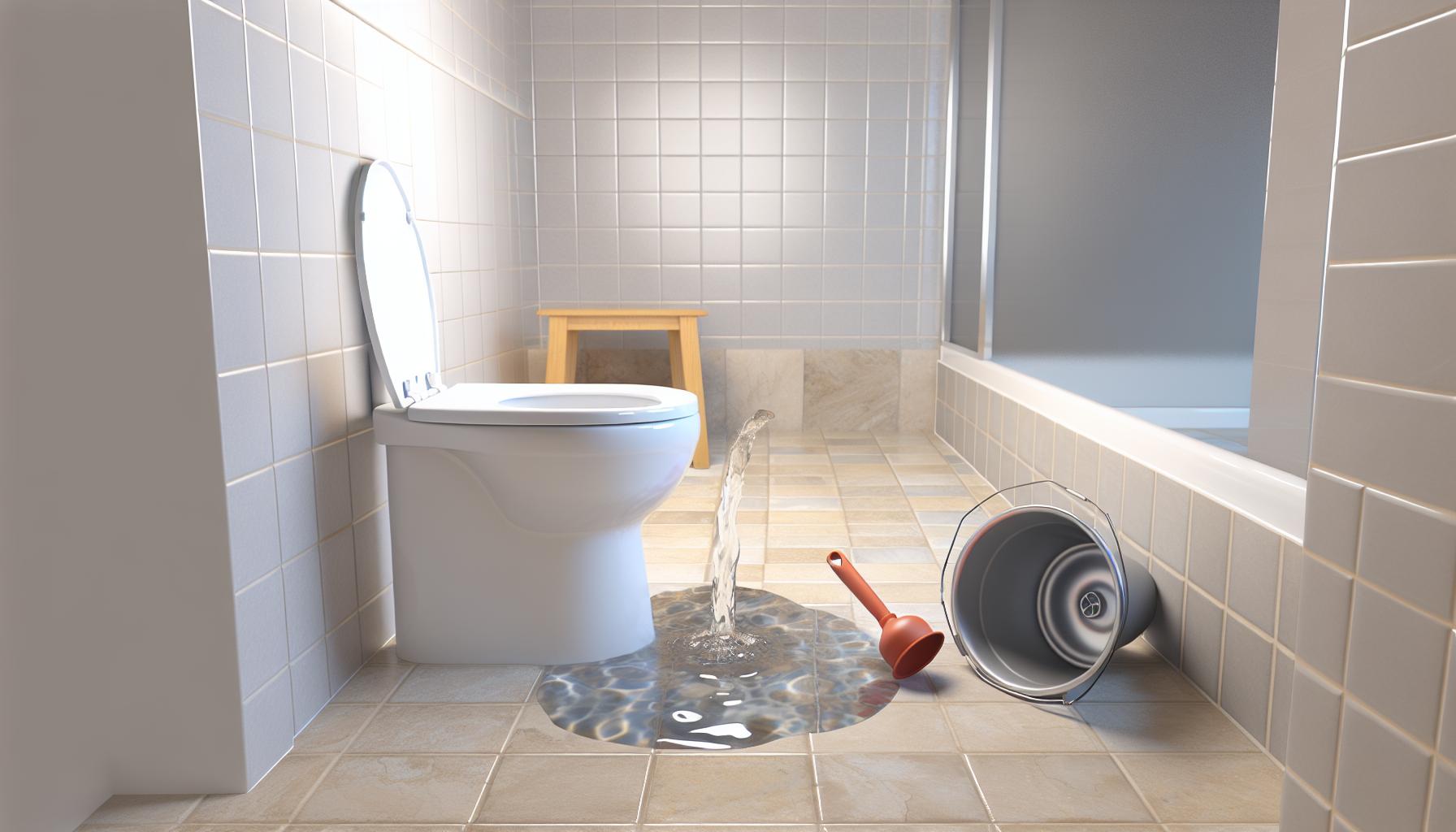
Flushing anything other than toilet paper and human waste down the toilet can quickly lead to plumbing problems, and a dead mouse is no exception. Even though it might seem like a simple solution, a mouse flushed down the toilet poses a genuine risk of becoming lodged in your pipes, threatening to cause blockages that disrupt your entire plumbing system. Recognizing the warning signs early can save you from costly repairs and unpleasant sanitation issues.
If you notice that your toilet is slow to drain or requiring multiple flushes to clear waste, this could be a sign that something like a mouse carcass is obstructing the flow. Other telltale symptoms include gurgling sounds coming from the toilet or nearby drains, which occur as trapped air struggles to pass through a partial blockage. Additionally, unpleasant odors emanating unusually from the bowl or drain lines might be the result of decomposing organic matter stuck in the pipes. In certain specific cases, water may back up into sinks, tubs, or even flood the base of the toilet, a serious indicator that the pipes downstream are clogged and unable to handle normal waste flow.
Common Indicators of Potential plumbing Blockages
- Slow flushing or toilet that won’t clear waste easily
- Gurgling or bubbling noises during or after flushing
- Persistent foul odors from toilet or drains
- Water backup in toilet,sinks,or tubs
- Repeated need to plunge the toilet
If you experience one or more of these issues after flushing a mouse or any solid object,it’s important to act quickly. Attempting to force the blockage down with multiple flushes can worsen the problem, potentially causing overflow or damage to your plumbing system. A professional plumber can use specialized tools like drain cameras or augers to locate and safely remove the obstruction without harming your pipes.In any situation involving foreign objects in plumbing, prevention remains the most effective solution. Flushing a dead mouse might seem like an easy fix, but understanding these signs and taking timely action can avoid disrupting your home’s sanitation and integrity.
When to Call a professional Pest Removal Service

Dead mice are often just the visible tip of a more significant rodent problem that may be lurking unseen in your home. When multiple dead rodents appear or if signs of infestation such as droppings, chewed materials, or scratching noises persist, it’s a clear indicator that simple DIY measures aren’t enough. In these scenarios, calling in a professional pest removal service becomes essential-not only to efficiently address the issue but also to safeguard your home from future health hazards and structural damage.
Professional pest controllers bring expertise that goes beyond removing the dead mice. They thoroughly inspect your property to identify entry points and underlying causes of infestation, such as poor sanitation or structural gaps. Many rodents carry diseases and parasites, so specialists use safe, approved methods to dispose of carcasses and treat the affected areas to prevent contamination and the spread of harmful pathogens.
Knowing when to escalate the situation can save you time, effort, and money in the long run. Here are key reasons to reach out to professionals without delay:
- Repeated Sightings or Evidence: multiple dead rodents or fresh droppings appearing regularly suggest an ongoing infestation actively breeding or entering your home.
- Plumbing and Structural damage: If flushed or or else disposed rodents appear to contribute to persistent plumbing blockages or damage walls and insulation,specialized intervention is needed.
- Health Concerns: Presence of rodents has implications for respiratory issues or allergies from waste or nesting materials. Professionals help contain and sanitize risks safely.
- Unsuccessful DIY Attempts: Traps and repellents not reducing activity or disposing dead rodents leading to plumbing or hygiene problems signals the need for advanced solutions.
A licensed pest removal service also offers preventative guidance tailored to your home environment. They can seal entry points, recommend structural repairs, and suggest ongoing maintenance plans to minimize future rodent encounters. Unlike improvised disposal methods such as flushing, professionals handle carcass removal without risking plumbing or environmental harm, ensuring a thorough and hygienic resolution.
Taking swift action by contacting an expert not only removes the immediate nuisance but also protects your household’s well-being and property value over time. As tempting as it might be to simply flush a dead mouse down the toilet, recognizing when professional help is required is a crucial step in tackling rodent problems effectively and responsibly.
Preventing Rodent Issues to Avoid Future Dead Mouse Disposal
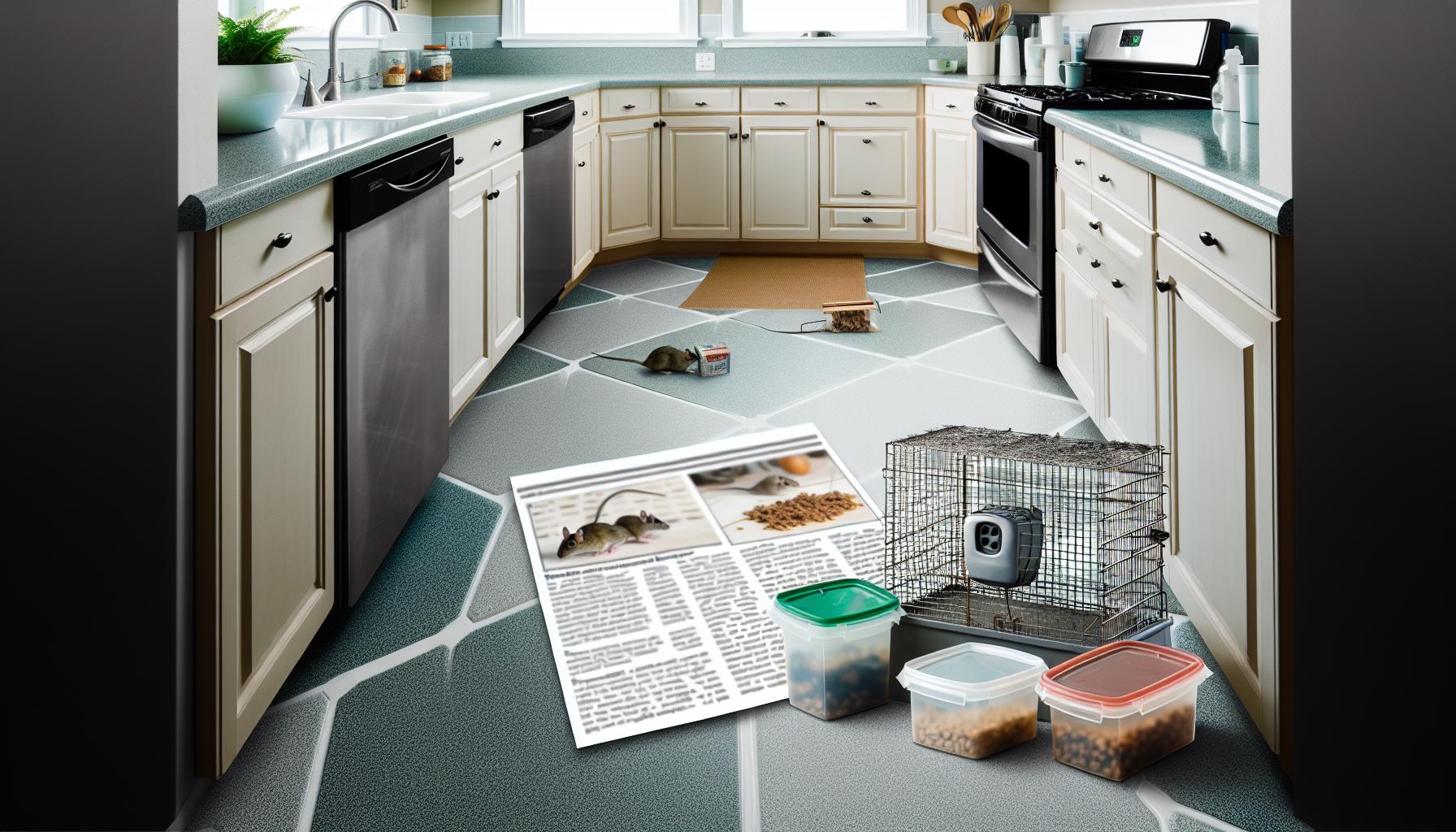
Rodent problems rarely resolve themselves, and the best way to avoid repeated encounters with dead mice-and the intricate decisions about disposal-is to focus on prevention. Implementing a proactive approach not only protects your home’s structure and hygiene but also spares you from plumbing issues or health risks caused by improper carcass disposal. Whether you live in an urban apartment or a suburban house, simple yet effective measures can dramatically reduce the likelihood of rodents entering your living space.
Maintain Cleanliness and Sanitation
Rodents are opportunistic feeders attracted to accessible food and water. Keeping your home spotless can break this attraction. Regularly wipe down surfaces, sweep floors, and immediately store food in sealed containers. Don’t forget less obvious areas like under appliances or in cabinets. Also,promptly fixing leaks and eliminating standing water removes critical resources that rodents rely on.
- Store garbage in sealed bins and take it out routinely.
- Clear clutter where rodents can nest or hide, including cardboard boxes and piles of fabric.
- Clean pet food bowls after feeding; don’t leave food out overnight.
Seal Entry points and Structural Weaknesses
Rodents can squeeze through surprisingly small gaps, so a thorough inspection of your home’s exterior and interior is key. Check around pipes, vents, doors, and windows for cracks or holes. Weather stripping, door sweeps, and metal flashing are simple fixes that deter entry. For stubborn or hidden access points, such as spaces behind walls or foundation gaps, professional inspection can ensure nothing is overlooked.
Regular Monitoring and Early Intervention
Preventive efforts are most prosperous if combined with vigilant monitoring. Set up non-toxic tracking devices or place snap traps in common rodent pathways near walls and behind furniture to detect early activity. the sooner you identify a rodent problem, the easier it is to manage without resorting to drastic disposal measures like flushing dead animals down the toilet, which can cause plumbing issues and sanitation problems.
| Preventive Measure | Benefit | recommended Tools |
|---|---|---|
| Seal cracks and openings | Blocks entry points | Steel wool,caulk,door sweeps |
| Maintain food storage hygiene | reduces rodent food sources | Airtight containers,pest-proof bins |
| reduce clutter | Limits nesting sites | Storage shelves,plastic boxes |
| Regular inspection | Early rodent detection | Glue boards,monitoring traps |
Beyond physical measures,educating household members about rodent-attracting behaviors helps maintain long-term control. For example, routinely checking packages or bags brought indoors can prevent inadvertent rodent introduction. Engaging with neighbors to promote community-wide sanitation can also make a significant difference, especially in shared or dense living areas.
Taking these steps seriously will not only reduce unpleasant encounters with rodents but also minimize the necessity for questionable disposal methods that risk plumbing damage or environmental harm. Prevention is the most effective and safest strategy-ensuring peace of mind and a healthier home environment without the hazards that come with trying to flush away the problem.
Environmental Impact of Flushing Animals Down the Toilet
Flushing a dead mouse down the toilet might seem like a quick and hygienic solution, but it can have unintended consequences that extend beyond your plumbing system and into the environment. Wastewater treatment facilities are designed primarily to handle human waste and biodegradable materials-not animal carcasses. When dead rodents enter the sewer system, they can disrupt the delicate balance of biological processes that break down waste, potentially leading to inefficiencies or blockages.
Moreover, the chemicals and pathogens present in decomposing animal bodies can introduce pollutants and health hazards to the wastewater treatment process. While treatment plants have safeguards, excess organic material like flushed animals may increase the risk of contaminating waterways with harmful microorganisms or nutrients that contribute to algae blooms and ecosystem degradation.
Key Environmental Concerns
- Water Pollution: Decomposed animal matter can release pathogens and nutrients into water sources if wastewater is not fully treated.
- Increased Treatment Load: Additional organic waste requires more energy and resources to process, reducing the overall efficiency and increasing operational costs.
- Plumbing and Sewage System Damage: Animal carcasses can cause clogs or damage to pipes, leading to leaks or overflows that may pollute soil and groundwater.
Small Acts Create Bigger Ripples
Even though flushing a single dead mouse may not seem significant, the cumulative effect of improper disposal practices-especially in densely populated areas-can strain municipal systems. For example, repeated flushing of non-biodegradable or bulky waste contributes to the growing problem of “fatbergs” and blockages in city sewers, causing costly repairs and environmental hazards.
Choosing safe, alternative disposal methods not only protects your home’s plumbing but also supports broader environmental health. Composting small animal remains in a controlled environment or sealing them in biodegradable bags for trash collection helps keep organic waste out of waterways and supports sustainable waste management practices.
Practical Tips for Responsible Disposal
- Use sealed bags: Place carcasses in plastic or biodegradable bags before disposing of them in the trash to prevent odors and deter pests.
- Check local guidelines: Some communities have specific rules for animal disposal; adhering to these minimizes environmental impacts.
- Consider pest control professionals: They can advise or handle removal to ensure safety and environmental duty.
By understanding the environmental ripple effects of flushing animals,you can make informed choices that protect municipal infrastructure,water quality,and the surrounding ecosystem while managing pest issues safely at home.
Alternatives to Flushing: Safe and Sanitary Options
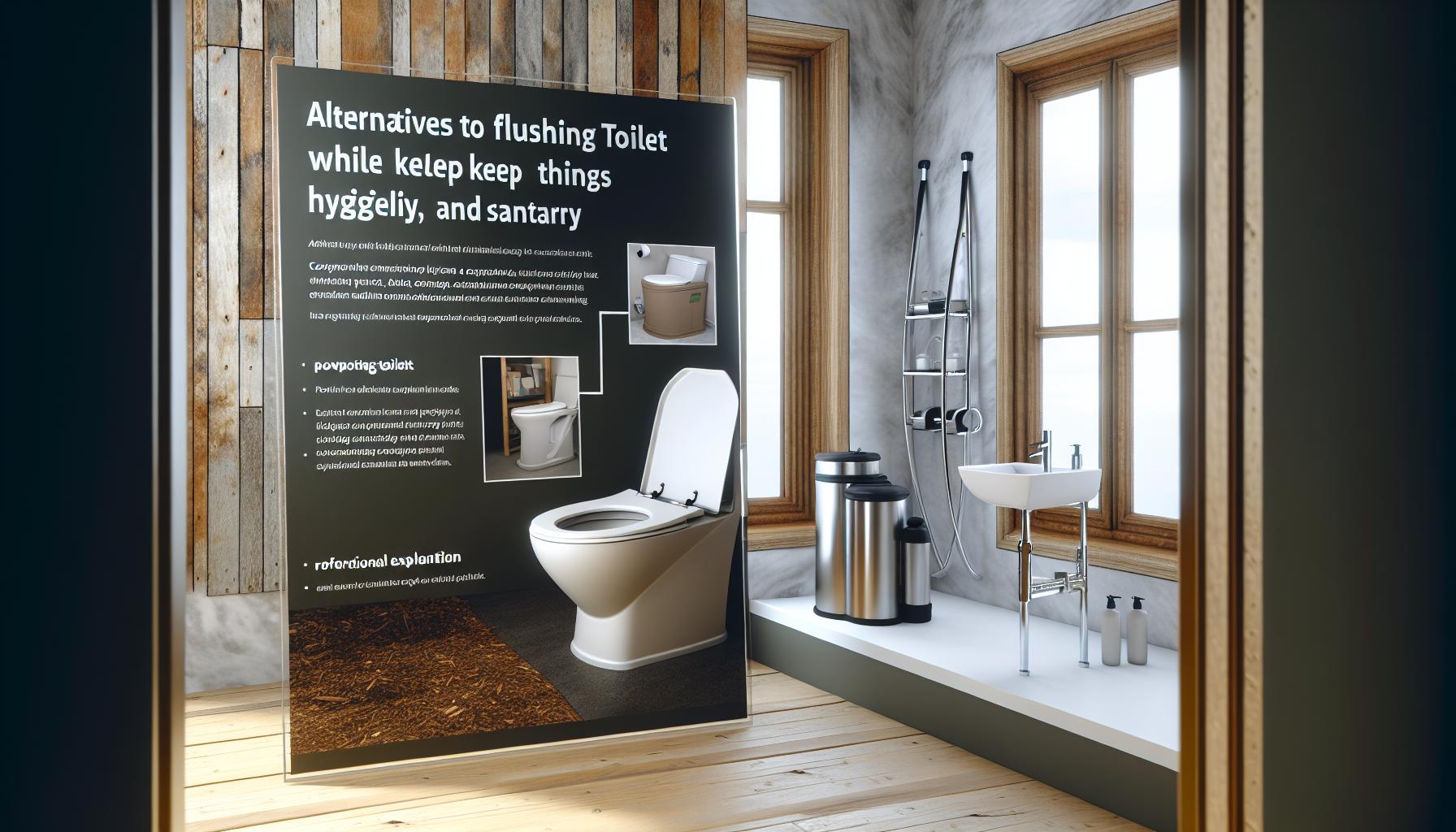
Disposing of a dead mouse doesn’t have to be complicated or unsanitary, and there are several safer, more responsible alternatives to flushing it down the toilet. In fact, opting for a method that protects both your plumbing and the environment can save you from potential blockages or costly repairs down the line. Handling carcasses carefully also limits exposure to harmful bacteria and helps maintain overall household hygiene.
One of the simplest and most effective ways is to place the dead mouse in a sealed plastic or biodegradable bag before disposing of it in your regular trash. This helps contain odors and prevents attracting other pests like insects or scavengers. for added safety, double-bagging is recommended, especially if the carcass shows signs of decomposition. If you prefer a greener approach, some areas allow composting of small animal remains-however, it’s important to check local guidelines to ensure compliance and prevent health risks.
Additional Practical Disposal Tips
- Use gloves: Always wear disposable gloves when handling dead rodents to avoid direct contact with pathogens.
- freeze before disposal: Placing the carcass in a sealed bag and freezing it temporarily can reduce odor and slow decomposition before final disposal.
- Burial option: Burying the mouse in your yard at least 12 inches deep (away from water sources and vegetable gardens) can be a natural way to let decomposition occur safely.
- Local animal control: Some municipalities offer special animal disposal services or guidelines-contacting them can provide tailored options.
these alternatives mitigate the risk of plumbing clogs that flushed carcasses may cause and reduce the environmental strain on wastewater treatment systems. for example, flushing small animal carcasses can contribute to costly sewer blockages known as fatbergs, which are difficult to remove and harmful to urban infrastructure. By choosing more appropriate disposal routes, you’re acting responsibly within your community and protecting essential public utilities.
Taking just a few extra minutes to properly contain and dispose of a dead mouse also sends a clear message about responsible pest management practices. It supports safer homes, healthier neighborhoods, and a more sustainable environment overall-proof that small actions can have significant positive impacts.
Understanding Local regulations on Animal Disposal
Many people underestimate how varied and specific local guidelines can be when it comes to disposing of dead animals, including small rodents like mice. What might seem like a simple matter of flushing the carcass down the toilet could actually violate municipal codes or environmental regulations designed to protect public health and water systems. Understanding these local rules is crucial to ensuring your disposal practices are both lawful and environmentally responsible.
Municipalities often regulate animal disposal to prevent contamination of water supplies, reduce the spread of disease, and avoid plumbing and sewer system damage. For example, some cities prohibit flushing any animal remains to prevent blockages or biohazard risks. Others might require residents to use designated landfill-bound disposal methods or special waste collection services. In rural or less populated areas, household burying may be permissible but might come with specific restrictions, such as minimum burial depth or distance from wells and water bodies.
Practical Tips to Navigate your Local Rules
- Consult official sources: Your city or county’s sanitation department website is frequently enough the best place to start. Many have dedicated pages outlining disposal rules for dead animals.
- Contact local animal control: Animal control offices can provide guidance or even offer to pick up carcasses, especially when dealing with disease risk or pests.
- Check for hazardous waste programs: Some areas include dead rodents under hazardous or biohazard waste and require special handling or drop-off locations.
- Be aware of seasonal or outbreak-based regulations: During times of disease outbreaks, stricter protocols might be temporarily enforced regarding how dead animals are handled.
An important dimension to bear in mind is the potential environmental impact. Animal remains flushed into sewage systems can disrupt wastewater treatment operations, leading to costly repairs or contamination issues, so local rules often reflect these concerns. Familiarizing yourself with and adhering to your community’s specific regulations not only keeps you compliant but protects wider public health and municipal resources.
| Common Local Disposal Regulations | Typical Requirements or Restrictions |
|---|---|
| Flushing animal remains | Frequently enough prohibited to avoid plumbing clogging and water contamination |
| Trash disposal | Requires carcass to be sealed in a bag, sometimes double-bagged, before placing in outdoor bin |
| Burial | Minimum depth usually 12 inches; must be away from water sources or food gardens |
| Animal control pick-up | Available in some areas, especially for larger animals or suspected disease vectors |
| Biohazard waste programs | May require special handling or designated drop-offs for rodents found in certain conditions |
By proactively researching your area’s regulations and utilizing available resources, you can ensure safe, legal, and responsible disposal of dead mice, avoiding fines and protecting your home and community from unintended consequences.
Frequently asked questions
Q: How does flushing a dead mouse affect sewer systems and municipal water treatment?
A: Flushing a dead mouse can introduce solids that clog sewer pipes and burden municipal water treatment. Decomposing animal matter may harm local ecosystems if not properly treated. For safer disposal alternatives and environmental impact details, see our section on Environmental Impact of Flushing Animals Down the Toilet for more insights.
Q: What are safer, hygienic alternatives to flushing a dead mouse?
A: Safer alternatives include double-bagging the dead mouse in sealed plastic and disposing of it with household garbage or contacting local waste management services. These methods prevent plumbing issues and health risks. For more disposal strategies, refer to Proper disposal Methods for Dead Mice in the main article.
Q: Why should you avoid flushing non-degradable materials along with dead rodents?
A: Avoid flushing non-degradable items like plastic or fabric with dead mice because they can cause serious blockages and damage plumbing systems. Proper disposal ensures pipes stay clear and reduces costly repairs. Learn more about potential plumbing risks in the related article section for best practices.
Q: When is it appropriate to call a professional plumber after flushing a dead mouse?
A: Call a professional plumber if you notice persistent clogs, slow drains, or foul odors after flushing, as these indicate possible blockages. Early intervention prevents severe damage. Refer to our section Signs your Plumbing Might Be Clogged After Flushing to identify warning signs quickly.
Q: How can rodent infestations increase the need for careful dead mouse disposal?
A: rodent infestations raise the frequency of dead mice needing disposal,increasing risks if flushed improperly. Prevent infestations to reduce disposal issues, as outlined in Preventing Rodent Issues to Avoid Future Dead Mouse Disposal. Combining prevention with safe methods protects home hygiene and plumbing.
Q: What local regulations should I check before disposing of dead rodents?
A: Local regulations vary widely; some areas prohibit flushing or require specific disposal methods for dead animals. Check municipal waste guidelines or public health departments to ensure compliant and safe disposal. See Understanding local Regulations on Animal Disposal for guidance.
Q: Can flushing a dead mouse spread diseases through plumbing systems?
A: Flushing a dead mouse may risk spreading pathogens if plumbing backs up or leaks occur, affecting household hygiene. Using recommended disposal methods reduces health hazards.Explore How Dead Mice Affect Your Home’s Hygiene for comprehensive risk management tips.
Q: What long-term plumbing damage can result from flushing dead animals repeatedly?
A: Repeatedly flushing dead animals risks pipe corrosion, buildup, and severe blockages that compromise plumbing systems over time. avoid flushing to maintain plumbing integrity. For detailed risks and prevention, see Potential Plumbing risks of Flushing Rodents in the main article.
Feel free to explore the linked article sections for detailed solutions and keep your plumbing safe by avoiding flushing practices that cause harm. For further pest removal and disposal advice, our full guide offers step-by-step assistance.
Concluding Remarks
Understanding whether you can flush a dead mouse down the toilet is just one step in effective pest removal and maintaining a hygienic home. While flushing might seem like a quick fix, exploring safer disposal methods and professional pest control options ensures you avoid plumbing issues and health risks. For more insights on handling common household pests,check out our guides on rodent prevention and safe disposal techniques.
Ready to take control of your pest problems? Explore our expert pest removal services and download our free checklist to keep your home rodent-free year-round. Don’t forget to subscribe to our newsletter for the latest tips and solutions-because timely action today can prevent bigger issues tomorrow. If you have questions or want to share your experience, drop a comment below or join the conversation on social media.
By staying informed about the best disposal practices and pest control methods, you’re one step closer to a safer, cleaner home. Discover more about mouse traps, home sealing tips, and professional removal strategies in our related articles to keep pests out for good. Your peace of mind starts here-let’s make it happen together.
Get our latest guides, news, and insights highlighted in your Google Search & AI Overviews.